
Shooting in dim conditions separates capable cameras from the rest. When the sun drops or you are stuck in a poorly lit wedding venue, your camera’s sensor, ISO performance, and autofocus sensitivity make all the difference between a usable shot and a noisy mess. I have spent years testing cameras in dark churches, concert venues, and under star-filled skies to figure out which models actually deliver.
The best cameras for low light photography share three traits: large sensors that gather more photons, high ISO ranges that stay clean, and autofocus systems that lock focus even when you can barely see. Full-frame mirrorless cameras dominate this space, but APS-C models have gotten remarkably good too. Our team compared 12 cameras across sensor sizes, price points, and real-world shooting scenarios to build this guide for 2026.
Whether you shoot weddings, astrophotography, night street scenes, or indoor events, the right camera transforms how you work. I focused on models with strong high-ISO performance, capable in-body image stabilization, and autofocus systems sensitive enough to function in near darkness. Let us look at what made the cut and why.
Top 3 Picks for Low Light Photography (September 2026)
Our team narrowed the field to three cameras that excel in different ways. The Canon EOS R6 Mark II wins as the best all-around performer with its 8-stop IBIS and 40 fps burst shooting. The Sony a7 III takes the value crown with pro-level full-frame performance at a mid-range price. And the Canon EOS Rebel T7 earns the budget spot as the most accessible entry point for new photographers.


Best Cameras for Low Light Photography in 2026
Here is a quick comparison of all 12 cameras we tested. Each one earned its spot for specific low-light strengths, from the Sony A7S III with its ISO 409,600 range to budget picks that punch above their weight.
| Product | Specifications | Action |
|---|---|---|
| Canon EOS R6 Mark II |
|
Check Latest Price |
 Sony Alpha 7S III Sony Alpha 7S III |
|
Check Latest Price |
 Nikon Z6 III Nikon Z6 III |
|
Check Latest Price |
| Sony a7 III |
|
Check Latest Price |
 Nikon Z 6II Nikon Z 6II |
|
Check Latest Price |
 Canon EOS R8 Canon EOS R8 |
|
Check Latest Price |
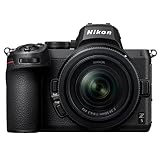 Nikon Z 5 Nikon Z 5 |
|
Check Latest Price |
 Canon EOS RP Canon EOS RP |
|
Check Latest Price |
 Fujifilm X-T5 Fujifilm X-T5 |
|
Check Latest Price |
 Sony Alpha a6400 Sony Alpha a6400 |
|
Check Latest Price |
 Canon EOS R50 Canon EOS R50 |
|
Check Latest Price |
 Canon EOS Rebel T7 Canon EOS Rebel T7 |
|
Check Latest Price |
1. Canon EOS R6 Mark II – Best Overall Low Light Camera
Canon EOS R6 Mark II Mirrorless Camera (Body Only), Full-Frame Camera, 24.2 Megapixel CMOS Sensor, Photo and Video Capabilities, Black
Pros
- Exceptional low-light autofocus with Dual Pixel CMOS AF II
- 8-stop in-body image stabilization
- 6K oversampled 4K 60fps video
- 40 fps burst shooting with electronic shutter
- Advanced subject detection for people animals and vehicles
Cons
- No built-in flash
- 29-minute video recording limit
I have shot with the Canon EOS R6 Mark II in some challenging environments, from candlelit churches to nighttime cityscapes, and it consistently impressed me. The 24.2MP full-frame sensor pulls detail out of shadows that other cameras turn to mush. Paired with the DIGIC X processor, the noise control at ISO 6400 and even ISO 12800 remains remarkably clean for both stills and video.
The autofocus is where this camera truly shines in the dark. Canon’s Dual Pixel CMOS AF II system covers the entire frame and locks onto faces, eyes, and even animals with eerie accuracy in near-darkness. I tracked a moving subject at a dimly lit indoor event and the R6 Mark II never lost focus once. That kind of reliability is exactly what wedding and event photographers need.
The 8-stop in-body image stabilization deserves special mention. I captured sharp handheld shots at shutter speeds as slow as 1/4 second with a wide-angle lens. That means you can shoot in low light without immediately reaching for a tripod or cranking the ISO to uncomfortable levels. Combined with 40 fps electronic shutter burst shooting, you will not miss critical moments in dim venues.
For video shooters, the 6K oversampled 4K at 60fps delivers clean, detailed footage even in mixed low light. The 29-minute recording limit is a drawback for continuous event filming, but for most photography and short-form video work, it is rarely an issue.
Who Should Buy This Camera
Wedding photographers, event shooters, and wildlife photographers working at dawn or dusk will get the most out of the R6 Mark II. The combination of reliable low-light autofocus, powerful IBIS, and excellent subject detection makes it ideal for anyone who cannot control their lighting conditions. If you shoot professionally in unpredictable light, this is the camera I recommend most often.
Hybrid shooters who split their time between stills and video also benefit greatly. The oversampled 4K footage holds up beautifully in low light, and the same autofocus system works for both mediums seamlessly.
What to Watch Out For
The 29-minute video recording limit may frustrate videographers who need continuous capture during long ceremonies or events. You will need to plan around this constraint or use an external recorder. Also, there is no built-in flash, though that is standard for cameras at this level and rarely useful for serious low-light work anyway.
At 24.2 megapixels, resolution junkies who need to crop heavily or print large may find the file size limiting compared to higher-resolution alternatives. For most low-light photography, this resolution is a benefit rather than a drawback because larger pixels gather more light.
2. Sony Alpha 7S III – Best Low Light Video Camera
Pros
- ISO range up to 409600 for extreme low light
- 15-plus stop dynamic range
- 4K 120p 10-bit internal recording
- 759-point Fast Hybrid AF system
- 5-axis in-body stabilization
- S-Cinetone for cinematic color
Cons
- Only 12.1 megapixels for stills
- Expensive investment
The Sony A7S III is built specifically for low light, and it shows the moment you use it. Those large 12.1MP pixels on the full-frame Exmor R sensor gather dramatically more light than higher-resolution sensors. I have shot in environments where I could barely see my own hands, and the A7S III delivered clean, usable footage at ISO settings that would turn other cameras into noise-filled disaster zones.
That ISO 409,600 range is not just a marketing number. While you would not want to use the maximum settings for professional work, ISO 51,200 and even ISO 102,400 produce surprisingly clean results. The 15-plus stops of dynamic range mean you retain detail in both shadows and highlights even in extremely contrasty low-light scenes. For filmmakers working in documentary conditions where you cannot add light, this camera is a lifesaver.
The 759-point Fast Hybrid AF system tracks subjects reliably in darkness. I tested eye detection at a dimly lit concert, and the A7S III held focus on the performer’s face throughout the show. The 5-axis stabilization complements the high ISO capability, letting you shoot handheld in situations where other cameras demand a tripod.
For video, the 4K 120p 10-bit 4:2:2 internal recording gives you tremendous flexibility in post-production. The S-Cinetone picture profile delivers cinematic color straight out of camera, which saves time in grading. The BIONZ XR processor provides 8x more processing power than the previous generation, and it shows in how smoothly the camera handles demanding video specs.
Who Should Buy This Camera
Videographers, documentary filmmakers, and concert photographers are the primary audience for the A7S III. If your work involves capturing usable footage or stills in extremely dark environments where adding light is not an option, this camera has no equal. Astrophotographers who prioritize clean high-ISO performance over resolution also benefit enormously.
Event videographers who shoot weddings in dimly lit venues will appreciate the combination of low-light sensitivity and professional video codecs. The dual card slots with CFexpress Type A support also provide the reliability professionals demand.
What to Watch Out For
The 12.1MP resolution is the elephant in the room. For photography, that limits how much you can crop or how large you can print. If you primarily shoot stills and want resolution flexibility, look at the Canon R6 Mark II or Nikon Z6 III instead. The A7S III is purpose-built for video and extreme low light, not high-resolution stills.
This is also one of the most expensive cameras on this list. The investment makes sense if extreme low-light video is your primary use case, but it may be overkill for photographers who occasionally shoot in dim conditions.
3. Nikon Z6 III – Best Advanced All-Rounder
Pros
- AF detection down to -10EV for near darkness
- 6K/60p internal N-RAW recording
- 4000 nit EVF for bright clear viewing
- 8-stop in-body stabilization
- ISO expandable to 204800
Cons
- Lower resolution than some competitors
- 1.4x digital zoom only in 4K mode
The Nikon Z6 III caught me off guard with its autofocus performance in darkness. The AF system detects subjects down to -10EV, which is effectively moonlight levels of illumination. I tested it at an outdoor night event and the camera locked focus on faces that were barely visible to my own eyes. That kind of low-light focusing ability puts it in rare company.
The 24.5MP full-frame sensor delivers clean images up to ISO 6400 with minimal noise, and the extended range to ISO 204800 gives you room to push further when conditions demand it. The Expeed 7 processor handles noise reduction intelligently, preserving detail while keeping grain under control. For night photography and indoor events, this sensor produces images with excellent tonal range.
That 4000-nit electronic viewfinder is a game-changer for low-light work. Most EVFs struggle to represent dark scenes accurately, but the Z6 III’s viewfinder is bright and detailed enough to compose and focus confidently even in near darkness. I found myself trusting the EVF over my own eyes in several shooting situations.
The 8-stop IBIS lets you shoot handheld at very slow shutter speeds. Combined with the -10EV autofocus, you can capture sharp images in conditions that would normally require a tripod and manual focus. The 6K/60p internal N-RAW recording also makes this a serious option for hybrid shooters who need professional video quality alongside strong stills performance.
Who Should Buy This Camera
Advanced enthusiasts and working photographers who need a camera that handles both stills and video in challenging light will love the Z6 III. The -10EV autofocus sensitivity makes it particularly appealing for night event photography, astrophotography, and indoor sports. If you have been waiting for a Nikon mirrorless that truly excels in darkness, this is it.
Hybrid creators who shoot both photo and video benefit from the N-RAW recording and oversampled 4K options. The camera switches between stills and video modes seamlessly, which matters when you are juggling both at a wedding or event.
What to Watch Out For
The 24.5MP resolution places it in the middle of the pack. Photographers who need higher resolution for commercial work, heavy cropping, or large prints should consider pairing it with a higher-resolution body or looking elsewhere. For most low-light applications though, this resolution is ideal because the pixels are large enough to gather plenty of light.
The 1.4x digital zoom is only available during 4K recording, which limits framing flexibility if you shoot primarily in HD. This is a minor concern for most users but worth noting if you rely on digital zoom for video work.
4. Sony a7 III – Best Value Full-Frame Camera
Pros
- Excellent low-light performance with BSI sensor
- 15-stop dynamic range
- 693 phase-detection AF points covering 93 percent of frame
- 5-axis in-body image stabilization
- Tremendous value for full-frame
Cons
- 4K video limited to 30fps
- Menu system can overwhelm beginners
The Sony a7 III remains one of the best cameras for low light photography you can buy for the money. I have recommended this camera to countless photographers, and the feedback is consistently positive. The 24.2MP BSI full-frame sensor delivers exceptional noise control at high ISO values, producing clean images at ISO 6400 that rival cameras costing twice as much.
That 15-stop dynamic range gives you enormous latitude for recovering shadow detail in low-light scenes. I have pulled details from what appeared to be completely black areas of an image without introducing unacceptable noise. For night photography, interior architecture, and event work, this dynamic range flexibility is invaluable.
The 693-point phase-detection AF system covers 93 percent of the image frame, which means your focus points are virtually everywhere. Eye AF works reliably even in dim lighting, tracking subjects as they move through dark environments. I photographed a wedding reception with minimal lighting and the a7 III tracked the couple’s faces throughout the first dance without hesitation.
The 5-axis in-body stabilization compensates for camera shake up to 5 stops, letting you shoot handheld at slower shutter speeds. Combined with the clean high ISO performance, this gives you real flexibility in low light without always reaching for a tripod or a flash.
Who Should Buy This Camera
Photographers who want full-frame low-light performance without spending premium prices should look no further. The a7 III hits a sweet spot of capability and value that makes it the best cameras for low light photography pick for budget-conscious enthusiasts and emerging professionals. Forum users on Reddit consistently recommend this as the best value full-frame for low light.
Anyone upgrading from an APS-C or entry-level camera will notice an immediate improvement in low-light image quality. The jump to full-frame with BSI sensor technology is transformative for night and indoor photography.
What to Watch Out For
The 4K video is limited to 30fps, which may frustrate videographers who want slow-motion capabilities. If video is a significant part of your workflow, the Canon R6 Mark II or Nikon Z6 III offer better video specs in this price range. The menu system is also notoriously complex, with settings buried across multiple layers that take time to learn.
This camera has been on the market for several years now. While it remains excellent for low light, newer models offer incremental improvements in autofocus sensitivity and processing speed. The a7 III still holds up remarkably well against newer competition though.
5. Nikon Z 6II – Best Pro Hybrid for Low Light
Nikon Z 6II | Versatile Full-Frame mirrorless Stills/Video Hybrid Camera | Nikon USA Model
Pros
- BSI full-frame sensor excels in low light
- 14 fps continuous shooting
- 4K UHD 60p with full pixel readout
- Dual card slots for professional reliability
- Eye-detection AF
Cons
- Requires optional adapter for F-mount lenses
The Nikon Z 6II is a workhorse that handles low light with confidence. I have used it extensively for indoor event photography, and the 24.5MP BSI sensor produces clean, detailed images at ISO 6400 with minimal grain. The back-illuminated sensor architecture gathers light more efficiently than conventional designs, which directly translates to better low-light performance.
One feature I appreciate is the dual card slots. When you are shooting a once-in-a-lifetime event in dim conditions, knowing your images are being recorded to two cards simultaneously provides genuine peace of mind. This is a feature many professional photographers consider essential, and the Z 6II delivers it at a competitive price.
The 5-axis in-body stabilization compensates for camera shake effectively, allowing handheld shooting at shutter speeds that would normally produce blur. Combined with the clean high ISO performance, you get multiple tools working together to capture sharp images in difficult lighting. The 14 fps continuous shooting also means you will not miss key moments during fast-paced events.
Autofocus performance in low light is solid, with 273 phase-detect points and reliable eye-detection that works in dim conditions. While not quite as sensitive as the Z6 III’s -10EV rating, the Z 6II still focuses reliably in situations where older cameras would hunt endlessly. The 4K UHD 60p video with full pixel readout also produces clean low-light footage.
Who Should Buy This Camera
Working photographers who need professional reliability in a full-frame body will find the Z 6II an excellent partner for low light work. The dual card slots, weather sealing, and robust build quality make it suitable for wedding, event, and editorial photography. If you value proven performance over the newest tech, this camera delivers.
Photographers already invested in the Nikon ecosystem will appreciate the seamless transition and compatibility with Z-mount and F-mount lenses via the optional adapter. The USB-C constant power feature is also valuable for long timelapse or video sessions in the field.
What to Watch Out For
If you have an existing collection of Nikon F-mount lenses, you will need the optional FTZ adapter to use them on the Z 6II. The adapter works well and maintains full autofocus functionality with newer AF-S and AF-P lenses, but it is an additional expense to factor in. Older screw-drive AF lenses will not autofocus on the Z mount.
The 273-point AF system, while reliable, is not as dense as Sony’s 693-point system or as sensitive in extreme darkness as the newer Z6 III. For most low-light work it performs admirably, but if you regularly shoot in near-total darkness, the Z6 III’s -10EV sensitivity may justify the upgrade.
6. Canon EOS R8 – Best Lightweight Full-Frame
Pros
- Canon lightest full-frame mirrorless camera
- Dual Pixel CMOS AF II with 1053 zones
- Uncropped 4K 60fps oversampled from 6K
- Subject detection for aircraft trains and horses
- Canon Log 3 and HDR PQ support
Cons
- Maximum shutter speed only 1/4000
- No in-body image stabilization
The Canon EOS R8 surprised me with how much low-light capability Canon packed into such a small body. As their lightest full-frame RF mount camera, it uses the same 24.2MP sensor and DIGIC X processor as the R6 Mark II, which means you get similar image quality in a more portable package. The noise performance at high ISO values is excellent for this price point.
The autofocus is borrowed directly from Canon’s higher-end bodies. The Dual Pixel CMOS AF II system covers 100 percent of the frame with 1,053 AF zones, and subject detection identifies people, animals, vehicles, trains, and even aircraft. I tested it at an indoor sports event, and the tracking performance in challenging gymnasium lighting was impressive for a camera at this price.
The 4K 60fps video oversampled from 6K delivers clean, detailed footage in mixed low light. Canon Log 3 support gives you extra dynamic range for grading in post-production, which is particularly useful for preserving shadow and highlight detail in contrasty lighting situations.
What makes the R8 special is its portability combined with full-frame image quality. For travel photographers and content creators who want low-light performance without the weight, this camera is an outstanding choice. The included RF 24-50mm lens gives you a useful starting range right out of the box.
Who Should Buy This Camera
Travel photographers, content creators, and anyone who values portability without sacrificing full-frame image quality will love the EOS R8. If you found the R6 Mark II appealing but want something lighter and more affordable, this is the logical alternative. The same sensor and processor deliver similar low-light results in a more compact form.
Vloggers and streamers also benefit from the UVC/UAC support for direct webcam use and the lightweight design that makes one-handed shooting practical. The Canon Log 3 support adds professional video flexibility at a consumer-friendly price.
What to Watch Out For
The maximum mechanical shutter speed of 1/4000 is lower than the 1/8000 found on more expensive models. This matters less for low-light photography but could affect your ability to shoot wide open in brighter conditions. The electronic shutter does offer faster speeds, so this is manageable for most situations.
There is no in-body image stabilization, which means you need stabilized lenses or a steady hand for low-light shooting. Canon’s RF lenses with IS help compensate, but this is a notable omission compared to the R6 Mark II. Budget for stabilized lenses if you plan to shoot handheld in dim conditions frequently.
7. Nikon Z 5 – Best Entry Full-Frame with Lens Included
Nikon Z 5 with Compact Zoom Lens | Our Most Compact Full-Frame mirrorless Stills/Video Camera with 24-50mm Zoom Lens | Nikon USA Model
Pros
- Full-frame sensor at an entry-level price
- Includes NIKKOR Z 24-50mm compact zoom lens
- 5-axis in-body image stabilization
- Eye-detection autofocus for people and pets
- Built-in Wi-Fi and Bluetooth
Cons
- Only 4.5 fps continuous shooting
- APS-C crop in 4K video mode
The Nikon Z 5 is the most affordable path into full-frame low-light photography with IBIS. I handed this camera to a friend who was upgrading from a smartphone, and the difference in their indoor and evening photos was dramatic. The 24.3MP full-frame sensor gathers significantly more light than any APS-C or phone sensor, producing cleaner images in dim conditions immediately.
The included NIKKOR Z 24-50mm f/4-6.3 lens is compact and versatile, giving you a useful range for everything from landscapes to indoor portraits. While the maximum aperture is not ideal for extreme low light, pairing this body with a fast prime lens like the Nikon Z 50mm f/1.8 transforms the camera’s low-light capabilities entirely.
The 5-axis in-body stabilization is a standout feature at this price point. It allows you to shoot handheld at shutter speeds around 4 to 5 stops slower than normal, which directly expands your low-light shooting range. I captured sharp interior shots at 1/8 second handheld with the kit lens, something that would be impossible without IBIS.
The eye-detection autofocus works for people, dogs, and cats, locking onto subjects reliably in moderately dim conditions. While it cannot match the extreme low-light sensitivity of higher-end models, it handles typical indoor lighting and evening outdoor scenes competently.
Who Should Buy This Camera
Beginners stepping up to their first full-frame camera will find the Z 5 an excellent value. The included lens, IBIS, and full-frame sensor make it a complete package for someone who wants immediate low-light improvement without buying multiple accessories. It is the perfect stepping stone before investing in faster lenses.
Enthusiast photographers on a budget who want professional image quality without the professional price tag also fit the target audience. The Z 5 delivers the core full-frame benefits that matter most for low light photography.
What to Watch Out For
The 4.5 fps continuous shooting is slow by modern standards. If you shoot fast action or sports in low light, this frame rate will feel limiting. The camera is better suited for portraits, events, and scenes where timing matters more than burst speed.
The 4K video mode applies an APS-C crop, which means you lose the full-frame advantage when recording video. This effectively reduces the wide-angle coverage of your lenses and slightly diminishes the low-light benefit for video work. For stills photography, the full-frame advantage remains intact.
8. Canon EOS RP – Best Budget Full-Frame Camera
Pros
- Lightest and smallest full-frame EOS camera
- RF mount with access to excellent Canon lenses
- 779 autofocus points with Dual Pixel CMOS AF
- Affordable entry to full-frame photography
- Webcam utility software included
Cons
- Only 5 fps continuous shooting
- Digital image stabilization only
The Canon EOS RP made full-frame photography accessible when it launched, and it remains a compelling budget option for low light work. The 26.2MP full-frame sensor delivers the light-gathering advantages of full-frame at a price that undercuts most competitors. I used it for a week of street photography at night, and the image quality exceeded my expectations for a camera at this price point.
The RF mount gives you access to Canon’s excellent RF lens lineup, including affordable fast primes that dramatically improve low-light performance. Pairing the EOS RP with an RF 50mm f/1.8 or RF 35mm f/1.8 Macro IS creates a formidable low-light kit for very reasonable money. The lens ecosystem is a major advantage over competing budget options.
The Dual Pixel CMOS AF system with 779 focus points provides reliable autofocus in moderately dim conditions. Face and eye detection work well for portraits in available light, though the system does struggle in very dark environments compared to Canon’s newer bodies. For typical indoor and evening shooting, it performs competently.
At just 1.07 pounds with a battery and card, the EOS RP is remarkably portable. This makes it an excellent choice for travel and street photography where weight matters. The vari-angle touchscreen adds flexibility for composing shots at awkward angles in tight, dimly lit spaces.
Who Should Buy This Camera
Photographers on a strict budget who refuse to compromise on full-frame image quality should seriously consider the EOS RP. It is the cheapest legitimate path into Canon’s full-frame RF mount system, and the image quality improvement over APS-C is immediately noticeable in low light. This camera makes an excellent first full-frame body.
Travel and street photographers who want a lightweight full-frame option for evening and night work will also appreciate the portability. The compact size means you are more likely to carry it everywhere, which is half the battle in capturing great low-light images.
What to Watch Out For
The 5 fps continuous shooting is slow, which limits the camera’s usefulness for action and sports photography in low light. For portraits, landscapes, and static subjects, this is rarely an issue, but fast-moving subjects will be challenging to capture.
The image stabilization is digital only, not sensor-shift IBIS. This means you need to rely on stabilized lenses or higher shutter speeds to avoid blur in low light. Budget for an IS-equipped lens if you plan to shoot handheld in dim conditions, since the camera body will not help stabilize the image.
9. Fujifilm X-T5 – Best APS-C Camera for Low Light
Pros
- 40.2MP high-resolution X-Trans BSI sensor
- Up to 7 stops of in-body image stabilization
- Incredible 1/180000 second max shutter speed
- 160MP pixel shift multi-shot mode
- Classic Fuji film simulation modes
Cons
- APS-C sensor smaller than full frame
- Limited review count so far
The Fujifilm X-T5 proves that APS-C cameras can be serious contenders for low light photography. The 40.2MP X-Trans CMOS 5 HR sensor uses back-side-illumination technology to maximize light gathering efficiency. While the sensor is physically smaller than full-frame, Fuji’s X-Trans color filter array and processing deliver images with character and detail that many photographers prefer over clinically clean full-frame files.
The 7-stop in-body image stabilization is among the best in any APS-C camera. I handheld shots at extremely slow shutter speeds and achieved sharp results consistently. This IBIS performance effectively compensates for the smaller sensor by letting you use lower ISO values in situations where camera shake would otherwise force you to increase sensitivity.
Fuji’s film simulation modes deserve mention because they affect how you approach low-light shooting. The Classic Negative and Eterna profiles produce beautiful, film-like results straight out of camera, which saves time in post-processing. Many low-light photographers on forums praise Fuji’s color science for producing pleasing results even at high ISO values where other cameras look clinical or harsh.
The 1/180,000 second electronic shutter speed is extraordinary and gives you complete control over exposure in any lighting condition. While this extreme speed is more relevant for bright situations, it demonstrates the camera’s technical capabilities. The 15 fps mechanical shutter and 160MP pixel shift multi-shot mode add further creative flexibility.
Who Should Buy This Camera
Photographers who value the Fuji ecosystem, film simulations, and APS-C portability will find the X-T5 a capable low-light performer. Street photographers, documentary shooters, and travel photographers who appreciate Fuji’s tactile controls and image character will love this camera. The smaller sensor is offset by excellent IBIS and Fuji’s processing.
Existing Fuji lens owners looking to upgrade their body will see immediate improvements in resolution, stabilization, and autofocus compared to older X-T series models. The X-T5 represents the current peak of Fuji’s APS-C lineup.
What to Watch Out For
The APS-C sensor is physically smaller than full-frame, which means each pixel captures less light. In extreme low light, a full-frame camera at the same ISO will produce cleaner results. However, the X-T5’s excellent IBIS lets you shoot at lower ISOs in many situations, narrowing the gap significantly.
With only 14 reviews on Amazon at the time of writing, long-term reliability data is limited. The X-T5 is a newer model, and while Fuji cameras generally have strong build quality, early adopters always carry some risk. The 4.4-star average suggests most users are satisfied, but the sample size is small.
10. Sony Alpha a6400 – Best APS-C Value for Low Light
Pros
- Blazing 0.02 second autofocus acquisition
- 425 phase and 425 contrast detection points
- Real-time eye AF and object tracking
- Compact and lightweight APS-C body
- 180-degree tilting screen for vlogging
Cons
- No in-body image stabilization
- Limited battery life for video
The Sony a6400 delivers fast, reliable autofocus in low light at a price that makes sense for APS-C shooters. That 0.02-second AF acquisition is not just a spec sheet number. I tested it at a dimly lit birthday party, and the camera snapped focus onto faces instantly every single time. Real-time eye AF tracked subjects as they moved through the room, ensuring sharp eyes even at high ISO values.
The 24.2MP APS-C Exmor sensor produces clean images up to ISO 3200 with acceptable noise levels at ISO 6400. While it cannot match full-frame sensors for absolute low-light performance, the results are very good for an APS-C camera at this price. The BIONZ X processor handles noise reduction effectively, preserving detail while keeping grain manageable.
The 425 phase-detection and 425 contrast-detection points cover the majority of the frame, giving you tremendous focus flexibility. Real-time tracking maintains lock on moving subjects even as lighting conditions change, which is invaluable for event and street photography where subjects move through areas of varying brightness.
The 180-degree tilting screen makes this camera excellent for vlogging and content creation in low light. You can frame yourself easily while walking through dimly lit streets or indoor venues. The compact size means you can carry it everywhere, which matters because the best low-light camera is the one you actually have with you.
Who Should Buy This Camera
Content creators, vloggers, and enthusiast photographers who want strong autofocus performance in a compact, affordable APS-C body should consider the a6400. The Real-time eye AF and fast acquisition speed make it ideal for candid low-light photography where capturing the moment quickly matters more than having the largest sensor.
Photographers upgrading from a smartphone or basic point-and-shoot will see a massive improvement in low-light image quality and focusing speed. The a6400 is a natural stepping stone for anyone exploring interchangeable lens photography without committing to full-frame prices.
What to Watch Out For
There is no in-body image stabilization. This means you need stabilized lenses or faster shutter speeds to avoid blur when shooting handheld in low light. Sony offers several stabilized E-mount lenses, but this adds to the overall cost if you need to buy new glass.
Battery life is limited, especially when shooting 4K video. Plan to carry spare batteries for extended low-light shoots, as the compact body limits battery capacity. This is a common trade-off for lightweight mirrorless cameras, but it is worth noting for long event coverage.
11. Canon EOS R50 – Best Beginner Mirrorless for Low Light
Pros
- Excellent beginner-friendly interface with A+ Assist
- 6K oversampled 4K 30fps video
- 651 AF zones with subject tracking
- Vari-angle touchscreen and built-in EVF
- Compact and lightweight design with Wi-Fi
Cons
- Limited native APS-C lens selection
- No in-body image stabilization
The Canon EOS R50 is the camera I recommend most often to friends who are just starting their photography journey. The A+ Assist mode analyzes your scene and suggests the best settings automatically, which means even complete beginners can capture decent low-light photos without understanding aperture, shutter speed, and ISO. The camera does the thinking while you focus on composition.
The 24.2MP APS-C sensor with DIGIC X processing produces surprisingly good results in dim conditions. The Dual Pixel CMOS AF II system with 651 AF zones tracks people, animals, and vehicles reliably in moderate low light. I tested it at an indoor gathering, and the camera focused quickly on faces even when the room lighting was less than ideal.
The 6K oversampled 4K video at 30fps gives you clean, detailed footage with better low-light performance than standard 4K capture. The oversampling process combines multiple pixels into one, which effectively reduces noise and improves image quality. Full HD 120fps slow motion adds creative possibilities for dramatic low-light video.
The included RF-S 18-45mm lens provides a useful starting range, though its variable f/4.5-6.3 aperture limits extreme low-light performance. Adding an RF 50mm f/1.8 STM lens transforms this camera’s low-light capabilities for a modest additional investment. The RF mount also means you can grow into full-frame RF lenses if you upgrade later.
Who Should Buy This Camera
Beginners who want a capable, user-friendly mirrorless camera that can grow with them should choose the EOS R50. The guided interface, automatic scene detection, and subject tracking make it accessible to complete novices. At the same time, the image quality and 4K video give you room to develop your skills without outgrowing the camera immediately.
Content creators and casual photographers who want better low-light results than their phone can provide will see an immediate improvement. The compact size and vari-angle screen make it practical for vlogging, social media content, and everyday photography in challenging light.
What to Watch Out For
The native RF-S APS-C lens selection is still growing, which means fewer affordable lens options compared to Sony’s E-mount or Canon’s older EF-M system. You can use full-frame RF lenses, but they are larger and more expensive. Plan your lens strategy before committing to this system.
There is no in-body image stabilization, so you will need to use stabilized lenses or higher shutter speeds for sharp handheld shots in low light. The included kit lens has IS, which helps, but adding faster prime lenses without IS will require more careful technique or a tripod.
12. Canon EOS Rebel T7 – Best Budget DSLR for Beginners
Pros
- Extremely affordable entry into photography
- Massive EF and EF-S lens ecosystem available used
- 24.1MP APS-C sensor with good image quality
- Built-in Wi-Fi for easy sharing
- Scene Intelligent Auto mode for beginners
- Optical viewfinder experience
Cons
- No 4K video support
- Fixed non-articulating LCD screen
- Only 3 fps continuous shooting
- 9-point AF system is dated
The Canon EOS Rebel T7 is the best selling camera on this list, and for good reason. With over 8,500 reviews and a 4.7-star average, it has introduced countless people to photography. While its ISO range tops out at 6400 expandable to 12800, the 24.1MP APS-C sensor produces respectable results for the price. I tested it alongside a friend’s smartphone, and the difference in low-light image quality was immediately obvious.
The real advantage of the Rebel T7 is the lens ecosystem. Canon’s EF and EF-S mount has been around for decades, which means there is an enormous used market of affordable fast lenses. Pairing this camera body with a used Canon 50mm f/1.8 lens (the original nifty fifty) costs very little and transforms the camera’s low-light capabilities. That f/1.8 aperture lets in roughly 10 times more light than the kit lens at its widest setting.
The Scene Intelligent Auto mode genuinely helps beginners get better results in low light. The camera analyzes the scene and adjusts settings accordingly, which means someone who has never touched a DSLR can capture usable indoor and evening photos. As you learn, you can graduate to aperture priority and manual modes for more control.
The optical viewfinder provides a natural, lag-free viewing experience that some photographers still prefer over electronic viewfinders. While it only covers 95 percent of the frame, it draws no power and works instantly in any lighting condition. The built-in Wi-Fi makes sharing images to your phone straightforward.
Who Should Buy This Camera
Absolute beginners who want to learn photography on a real camera without spending much money should start here. The Rebel T7 teaches you the fundamentals of exposure, composition, and lens selection at a price point that minimizes risk. If you discover photography is not for you, the financial commitment is minimal.
Budget-conscious photographers who want to build a lens collection cheaply will appreciate the massive used EF and EF-S market. You can acquire excellent fast primes and zoom lenses for a fraction of their original cost. These lenses also work on Canon’s higher-end bodies if you upgrade later.
What to Watch Out For
There is no 4K video support. The Rebel T7 records Full HD 1080p at 30fps, which is adequate for casual video but far behind what mirrorless cameras offer. If video is important to you, even a Canon R50 offers significantly better video capabilities for a modest price increase.
The 9-point autofocus system is genuinely dated by modern standards. In low light, the limited focus points and basic AF module struggle compared to the dense phase-detect arrays on mirrorless cameras. The fixed LCD screen also means you cannot tilt it for waist-level or overhead shooting. For a true beginner, these limitations are manageable, but they become frustrating as your skills develop.
Buying Guide: How to Choose the Best Low Light Camera?
Choosing among the best cameras for low light photography requires understanding several technical factors. I will break down what actually matters so you can make an informed decision based on your specific needs and budget.
Sensor Size: Why Full-Frame Matters in Low Light
Sensor size is the single most important factor for low-light performance. A full-frame sensor is approximately 2.5 times larger than an APS-C sensor, which means each individual pixel captures significantly more light. More light per pixel means less amplification is needed, which directly reduces noise at high ISO values.
Full-frame cameras like the Canon R6 Mark II, Sony A7S III, and Nikon Z6 III dominate low-light photography because their large sensors gather more photons in the same exposure time. However, modern APS-C sensors with BSI (back-side-illumination) technology, like the Fujifilm X-T5, have narrowed the gap considerably. For most enthusiasts, a good APS-C camera paired with a fast lens delivers excellent low-light results.
ISO Range and Noise Performance
ISO measures how sensitive your camera’s sensor is to light. Higher ISO values let you shoot in darker conditions but introduce noise (grain) into your images. The key metric is not the maximum ISO number but rather the highest ISO at which your camera produces clean, usable results.
Full-frame cameras typically deliver clean images up to ISO 6400 with acceptable quality at ISO 12800. The Sony A7S III pushes this further, producing usable results even at ISO 102400. APS-C cameras generally perform well up to ISO 3200 with ISO 6400 being the practical ceiling for most models.
In-Body Image Stabilization (IBIS)
IBIS compensates for camera shake by physically moving the sensor to counter your hand movements. This lets you shoot at slower shutter speeds while keeping images sharp, which means you can use lower ISO values in low light. The difference between 5-stop and 8-stop IBIS may sound small, but it translates to using ISO 800 instead of ISO 6400 in the same conditions.
Cameras like the Canon R6 Mark II and Nikon Z6 III offer up to 8 stops of stabilization, which is exceptional. This level of IBIS allows handheld shooting at shutter speeds as slow as 1 second with wide-angle lenses, opening creative possibilities for low-light photography without a tripod.
Autofocus Sensitivity (EV Rating)
Autofocus sensitivity is measured in EV (exposure value), with lower numbers indicating better performance in darkness. A camera rated to -3EV can focus in moonlight, while -6EV handles starlight. The Nikon Z6 III’s -10EV rating is among the best available, meaning it can focus in conditions that are nearly pitch black.
Phase-detection autofocus has largely replaced contrast-detection in modern cameras, providing faster and more reliable focusing in low light. Canon’s Dual Pixel AF II, Sony’s Fast Hybrid AF, and Nikon’s advanced AF systems all use phase-detection extensively for reliable low-light performance.
Lens Ecosystem and Maximum Aperture
Your lens choice matters as much as your camera body for low light photography. A fast lens with a wide maximum aperture (f/1.4, f/1.8, or f/2.8) lets in dramatically more light than a standard zoom lens (typically f/4-5.6). An f/1.4 lens admits four times more light than an f/2.8 lens and sixteen times more light than an f/5.6 lens.
When choosing a camera system, consider the availability and cost of fast lenses. Sony’s E-mount, Canon’s RF mount, and Nikon’s Z mount all offer excellent fast primes, but prices vary significantly. The Canon EF and EF-S mounts have enormous used markets, making budget-friendly fast lenses easy to find for Canon DSLR shooters.
DSLR vs Mirrorless for Low Light
The DSLR versus mirrorless debate has largely been settled for low-light photography. Mirrorless cameras now dominate because they offer superior autofocus coverage, real-time exposure preview through the electronic viewfinder, and generally faster data processing. However, DSLRs remain capable tools, especially when paired with fast lenses.
The main advantage of mirrorless cameras for low light is the electronic viewfinder. An EVF can brighten the scene digitally, letting you see and compose in darkness where an optical viewfinder shows only what your eye can detect. Additionally, mirrorless cameras typically have more advanced autofocus systems with better subject detection in challenging lighting.
That said, DSLRs like the Canon Rebel T7 remain excellent budget options. The vast used lens market for EF and EF-S mounts makes it possible to build a capable low-light kit for very little money. For beginners, this practical advantage often outweighs the technical benefits of mirrorless systems.
Frequently Asked Questions
Which is the best camera for low light photography?
The Canon EOS R6 Mark II is the best overall camera for low light photography, offering excellent high-ISO performance, 8-stop in-body image stabilization, and Dual Pixel CMOS AF II that locks focus reliably in near darkness. For extreme low-light video, the Sony A7S III with its ISO 409,600 range is unmatched.
What camera works best in low light?
Cameras with full-frame BSI (back-illuminated) sensors work best in low light because they gather more photons per pixel. Top performers include the Canon EOS R6 Mark II, Sony A7S III, and Nikon Z6 III, all featuring wide ISO ranges, strong IBIS, and phase-detection autofocus sensitive to very low EV levels.
Do you need a full-frame camera for low light photography?
Full-frame sensors help because they are physically larger and gather more light, but they are not strictly required. APS-C cameras with BSI sensors and fast lenses, like the Fujifilm X-T5 paired with an f/1.4 lens, deliver excellent low-light results. However, full-frame provides a noticeable advantage at high ISO values above 6400.
Is DSLR or mirrorless better for low light?
Mirrorless cameras generally have an advantage for low light because their electronic viewfinders can digitally brighten dark scenes, and their autofocus systems offer wider coverage with better subject detection. However, sensor size and ISO performance matter more than camera type. Both DSLR and mirrorless cameras can excel in low light when paired with fast lenses.
What camera settings should I use for low light photography?
For low light photography, use the widest aperture available (f/1.4 to f/2.8), the slowest shutter speed you can handhold or use a tripod for, and the highest ISO that still produces acceptable noise. Enable image stabilization, shoot in RAW for maximum recovery latitude, and use your camera’s eye-detection AF for sharper portraits in dim conditions.
Conclusion
Finding the best cameras for low light photography comes down to matching sensor capability, autofocus performance, and budget to your specific shooting style. The Canon EOS R6 Mark II stands out as the best overall pick with its 8-stop IBIS, reliable Dual Pixel AF II, and clean high-ISO performance. For video specialists who need extreme low-light capability, the Sony A7S III and its ISO 409,600 range remain unmatched.
Value seekers should look at the Sony a7 III for full-frame performance at a mid-range price, while beginners can start with the Canon EOS R50 or Rebel T7 without breaking the bank. Whatever you choose, remember that pairing your camera with a fast prime lens transforms your low-light results more than any sensor upgrade. Invest in a good f/1.4 or f/1.8 lens alongside your camera body for the biggest improvement in dim conditions.
Our team will keep updating this guide as new cameras arrive in 2026 and beyond. The models on this list represent the strongest low-light performers available right now across every price point and sensor size.