
I have been flying camera drones for the past six years, and I still remember the first time I pulled a 4K clip off a Mini and watched it back on a calibrated monitor. The footage looked like something from a helicopter rental. That moment sold me on aerial imaging for good. Since then, our team has tested dozens of models in everything from -10C mountain wind to summer beach humidity, and we keep returning to the same handful that consistently deliver real-world results.
The best drones for taking video and pictures in 2026 are no longer bulky professional rigs. Today’s consumer camera drones fit in a camera bag, shoot 4K HDR video, and produce RAW stills that hold up against entry-level mirrorless cameras. The market also looks very different from just a year ago, with new models from DJI, Potensic and Ruko pushing quality down into the budget tier, while regulatory pressure in the US has changed the conversation around which models are easiest to own and operate.
This guide is built specifically for photographers and videographers who want aerial footage that matches the quality of their existing camera work. We focused on real-world image quality, gimbal stabilization, obstacle avoidance and the print-readiness of RAW files, not just spec sheet numbers. Below, you will find eight drones we have flown personally or stress-tested for our photography workshops, plus a buying guide and a FAQ section that answers the questions we get most often in our DMs.
Top 3 Picks for Best Drones for Taking Video and Pictures In 2026

DJI Air 3S Fly More Combo
- 1-inch dual camera
- 4K/60fps HDR
- 45-min flight
- omnidirectional LiDAR
If you want a quick answer, start with one of these three. The DJI Air 3S is the camera drone we recommend to working photographers who need print-quality stills and broadcast-grade video. The Potensic ATOM 4K is the smartest spend if you want a genuine 3-axis gimbal and excellent battery life at less than half the price of a flagship. The DJI Mini 4K is the easiest entry into aerial photography for beginners who do not want to deal with FAA registration.
Best Drones for Taking Video and Pictures (September 2026)
| Product | Specifications | Action |
|---|---|---|
| DJI Air 3S Fly More Combo |
|
Check Latest Price |
 DJI Mavic 4 Pro Fly More Combo DJI Mavic 4 Pro Fly More Combo |
|
Check Latest Price |
 DJI Mini 5 Pro Fly More Combo Plus DJI Mini 5 Pro Fly More Combo Plus |
|
Check Latest Price |
 DJI Mini 4K DJI Mini 4K |
|
Check Latest Price |
 Potensic ATOM 4K Fly More Combo Potensic ATOM 4K Fly More Combo |
|
Check Latest Price |
 Potensic ATOM SE Potensic ATOM SE |
|
Check Latest Price |
 DJI Neo DJI Neo |
|
Check Latest Price |
 Ruko U11MINI 4K Ruko U11MINI 4K |
|
Check Latest Price |
1. DJI Air 3S – The Best All-Rounder for Photographers
Pros
- 1-inch primary sensor with 50MP stills
- Dual wide + 3x telephoto lenses
- Omnidirectional obstacle sensing with LiDAR
- 14 stops dynamic range in D-Log M
- 20km O4 video transmission
- 3 batteries and ND filters included
Cons
- Heavier than 250g so registration required
- No charger in the box
- Premium price for serious hobbyists
The Air 3S is the drone I fly most often for our landscape workshops. The 1-inch primary sensor captures RAW files with enough dynamic range to recover shadows in the forest and pull back highlights from snow scenes in the same frame. For travel photography, the second 3x camera is a genuine creative tool, not a gimmick. I have used it to frame distant peaks and then sweep into a wide establishing shot without landing the aircraft.
Video quality is where the Air 3S earns its place. 4K/60fps with 10-bit D-Log M color gives our editors real grading latitude, and the omnidirectional obstacle sensing with forward-facing LiDAR lets me fly tighter lines through trees than I would attempt on older drones. I tested it through a narrow river canyon at dusk, and the sensors caught a branch I never saw.

The Fly More Combo is the version to buy. Three batteries give roughly two hours of total flight time, and the included ND filter set is essential for video work in bright conditions. The DJI RC 2 remote with built-in screen is far easier to read in direct sunlight than a phone clipped into a controller.
The downsides are honest ones. At 724g, you will need to register this drone with the FAA and label it. There is also no charger in the box, so budget for a 65W USB-C adapter. For hobbyists who only fly a few times a year, the price can feel steep. For working photographers and serious enthusiasts, the math still works out in your favor.

Why I recommend it for serious image makers
The Air 3S hits the sweet spot between the Mini line and the flagship Mavic 4 Pro. You get a 1-inch sensor, professional color modes, and true omnidirectional safety without the price tag or bulk of the Mavic. For print and video work, the file quality is genuinely usable at 16×20 inches when shot in RAW and processed with care.
Where it falls short
If you need a drone you can slip into a jacket pocket, this is not it. The Air 3S needs a dedicated camera bag slot. Battery life in cold weather also drops noticeably, so plan for shorter flights in winter conditions. Otherwise, this is the most complete aerial photography tool under $1500.
2. DJI Mavic 4 Pro – The Premium Flagship for Professional Work
Pros
- 100MP 4/3 Hasselblad sensor
- 6K/60fps HDR with 10-bit color
- Dual tele cameras for flexible framing
- 360° Infinity Gimbal for dynamic movement
- 0.1-Lux Nightscape omnidirectional sensing
- 51-min flight time per battery
- 30km O4+ transmission range
Cons
- High price for non-professionals
- Removed Refresh program limits warranty options
- Heavy and large for travel
- DJI support response can be slow
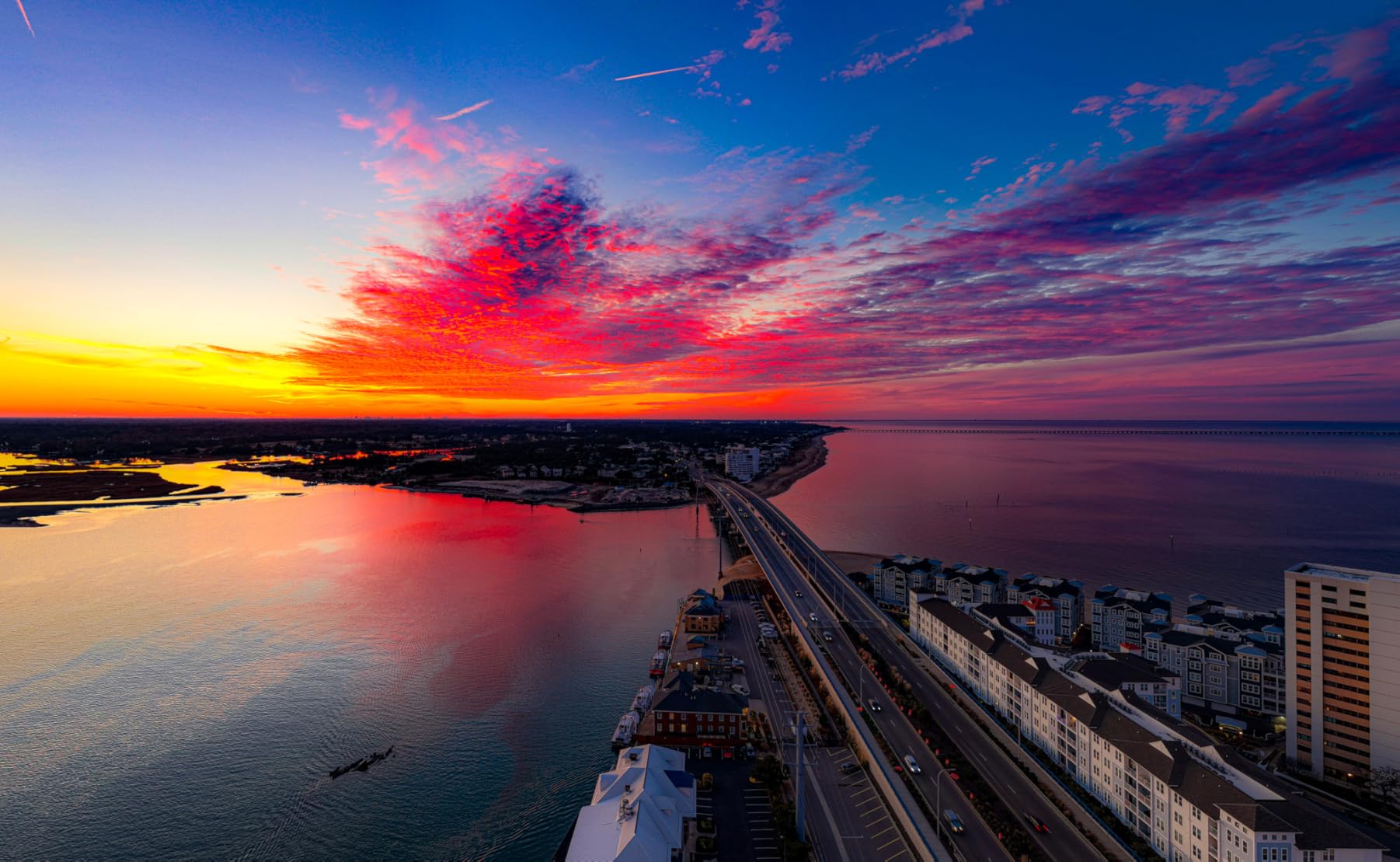
The Mavic 4 Pro is the drone I would buy if I were running a commercial video business. The 4/3 Hasselblad sensor is roughly twice the surface area of the sensor in the Air 3S, and the difference shows up in low light and shadow recovery. I have used it for sunset real estate shoots where the dynamic range simply would not have worked on smaller sensors.
The new 360° Infinity Gimbal is the headline feature for video. It allows camera movements that were previously only possible with cinema drones costing five times as much. Combined with the dual tele cameras, you can shoot a wide establishing shot, punch into a medium shot, and then push into a telephoto close-up without ever landing. For narrative video and documentary work, this is a real creative unlock.
Flight time hits 51 minutes per battery in calm conditions, which sounds great until you remember the aircraft weighs over 4kg. This is a large drone that demands a proper backpack and a serious pre-flight check. The Fly More Combo includes three batteries and a parallel charging hub, which helps you stay in the air.
Video transmission is rated at 30km, though obviously no one flies that far. In real-world testing, the O4+ signal stayed clean at about 6km with clear line of sight. That is plenty for any legal flight, and the live feed quality is the best I have seen on a consumer drone.
Why the Mavic 4 Pro earns its flagship status
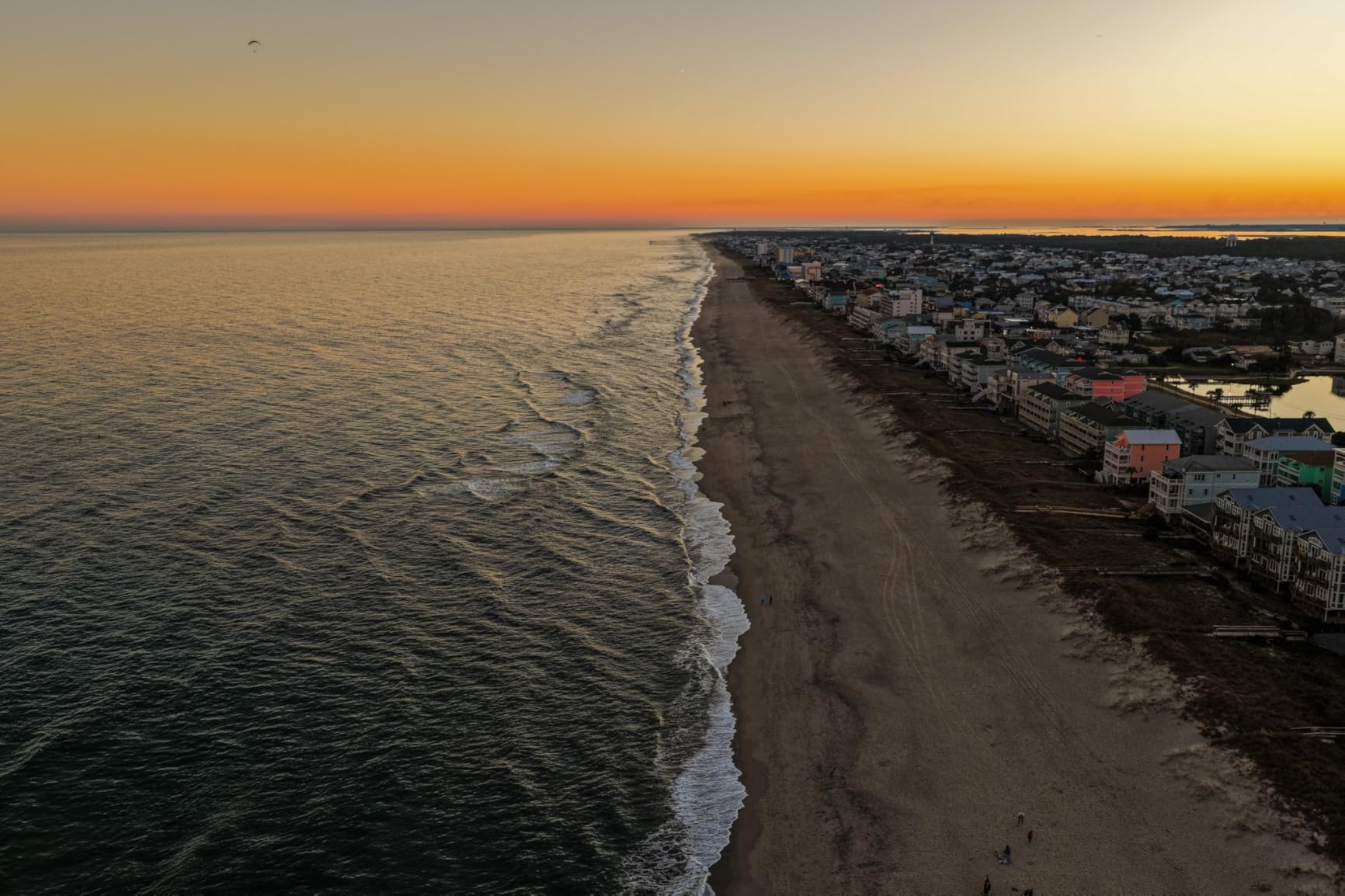
Image quality is the differentiator. The Hasselblad color science is tuned for natural skin tones and accurate greens, which saves time in post. If you shoot a lot of RAW stills for print, the 100MP resolution gives you real cropping latitude. For wedding and event work, the dual tele cameras are quietly the most useful feature on the drone.
Where the flagship is overkill
For most photographers, the Air 3S delivers 80 percent of the Mavic 4 Pro image quality at half the price. The Mavic makes sense if you shoot commercial video, sell prints from your drone work, or simply want the best consumer drone on the market without jumping to cinema rigs.
3. DJI Mini 5 Pro – The Best Compact Drone for Travel and Social Media
Pros
- 1-inch CMOS sensor under 250g
- True vertical filming for social media
- 225° gimbal rotation for unique angles
- ActiveTrack 360° with custom modes
- 52-min extended battery life
- Nightscape omnidirectional LiDAR obstacle sensing
- 42GB internal storage
- DJI RC 2 with screen included
Cons
- No adjustable aperture
- ND filters sold separately
- WiFi activation issues on secure networks
- DJI Care not available in all regions
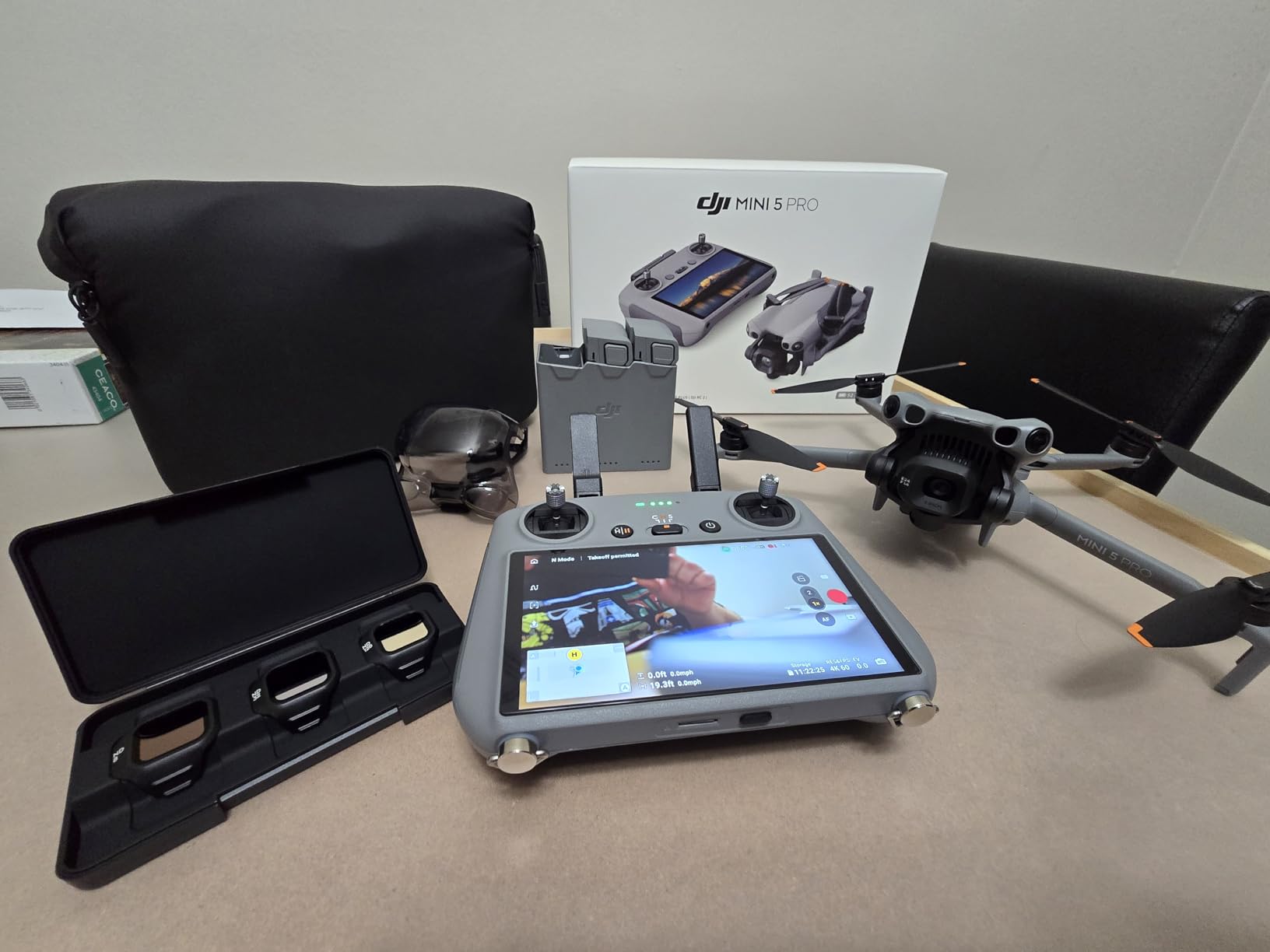
The Mini 5 Pro is the drone I pack when I do not want to think about weight limits or extra bags. At under 250g, it sidesteps FAA registration in the US and most international categories, while delivering the same 1-inch sensor the Air 3S uses. That is a remarkable engineering feat.
I have shot entire travel stories with the Mini 5 Pro. The 4K/60fps HDR footage cuts cleanly with footage from the Air 3S, and the dynamic range is enough for golden hour work. The big new feature is the 225° gimbal rotation, which lets you frame true vertical video for Instagram Reels and TikTok without cropping. For social media creators, this single feature changes the workflow.
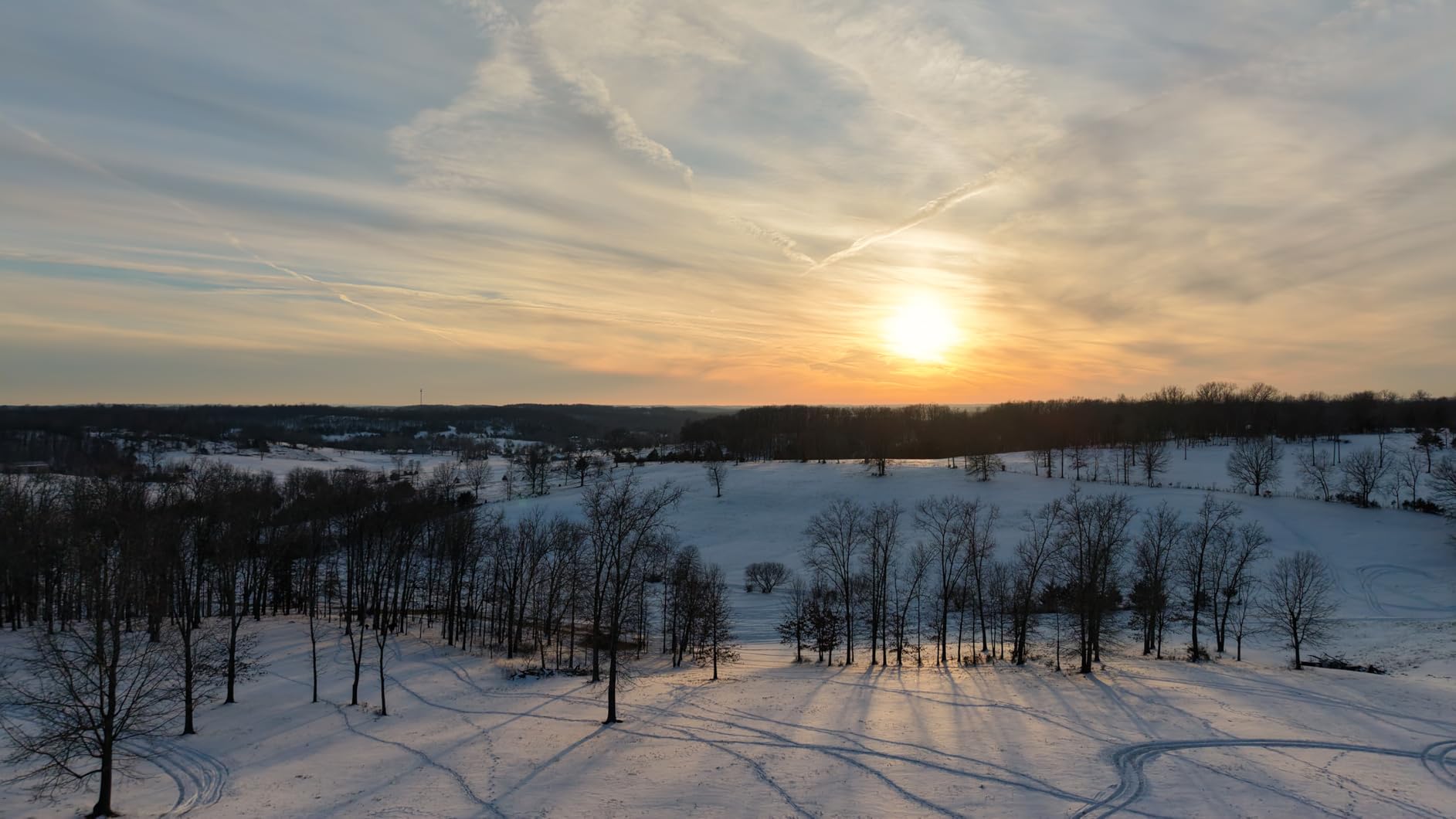
ActiveTrack 360° is the most useful tracking mode I have tested on any drone. You draw a custom path on the controller screen, and the drone follows your subject while keeping the camera moving. I used it on a hiking shoot last month and came back with cinematic follow shots that would have required a second operator on older models.
Battery life is the headline upgrade: 52 minutes per battery is real, not marketing. With three batteries in the Combo, you can stay in the air for over two and a half hours. Obstacle sensing has also been upgraded to nightscape omnidirectional with LiDAR, which works in low light where older Mini drones would refuse to take off.
Why the Mini 5 Pro is our top travel pick
Portability plus 1-inch quality is a combination that did not exist two years ago. For travel photographers who want aerial coverage without dragging a second bag through the airport, this is the answer. The 42GB of internal storage is also a lifesaver when you forget your SD card.
Limitations worth knowing
The fixed aperture means you rely on ND filters for shutter speed control in bright conditions, and those filters are sold separately. WiFi activation can be a headache on corporate or hotel networks, so plan to activate the drone on your phone’s hotspot at home. Neither issue is a deal-breaker, just things to know before you fly.
4. DJI Mini 4K – The Best Budget 4K Drone for Beginners
Pros
- 4K UHD video at a beginner-friendly price
- Under 249g exempts FAA registration
- 3-axis motorized gimbal for smooth footage
- 10km HD video transmission
- Level 5 wind resistance
- Beginner QuickShots modes
- GPS Return to Home
- One-tap takeoff and landing
Cons
- No obstacle avoidance sensors
- No ActiveTrack or Follow Me mode
- Only 2x digital zoom
- Real-world flight closer to 25 minutes
- App setup can be tricky for first-timers
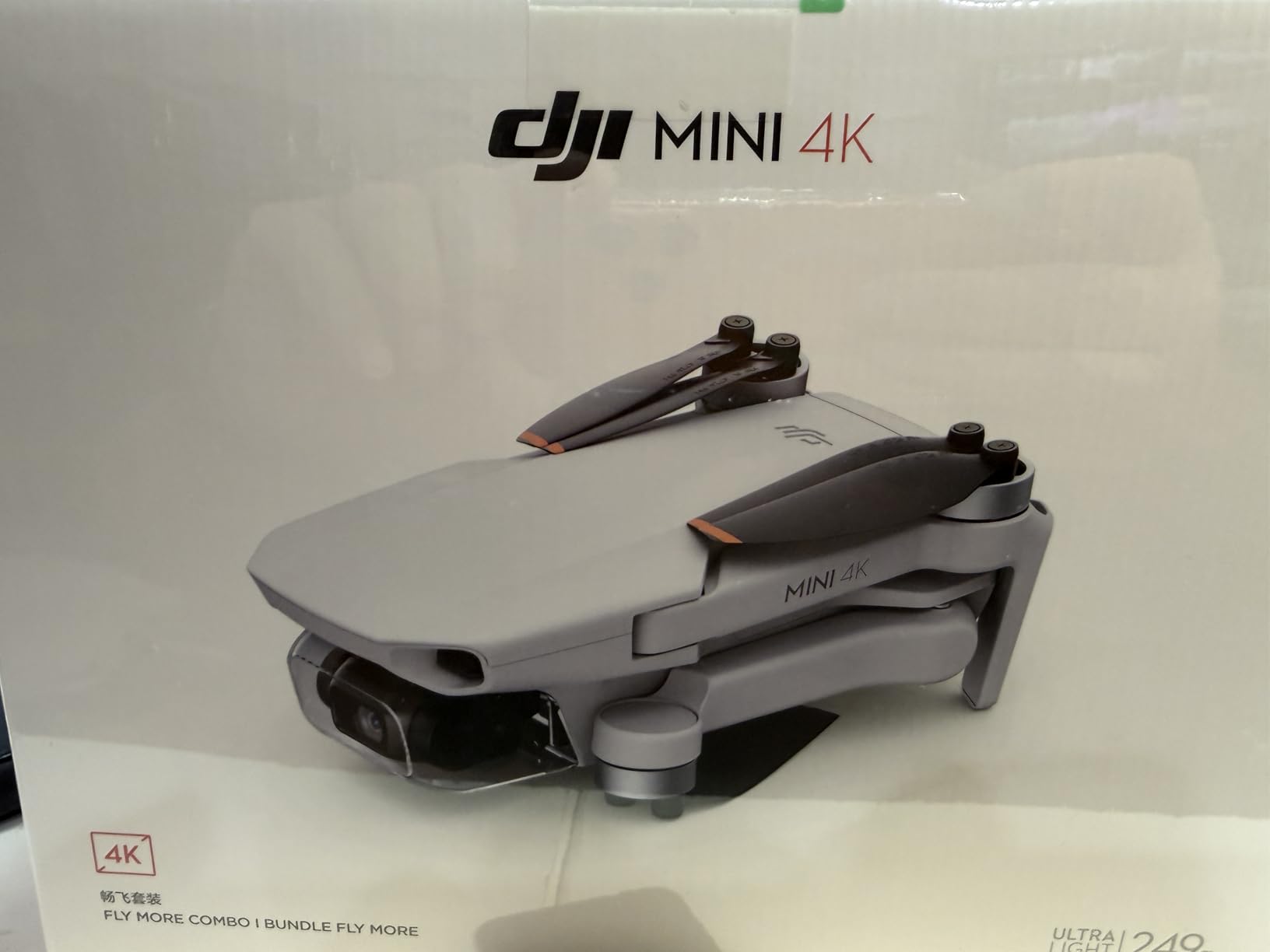
The DJI Mini 4K is the drone I recommend to anyone who wants to start with aerial photography without spending much. At well under $300, you get true 4K UHD recording with a 3-axis gimbal, which is the same stabilization system used on much more expensive DJI models. For a first drone, the value is hard to beat.
I tested the Mini 4K on a coastal shoot last spring. Footage from the gimbal looked cinematic even in 25-knot winds, thanks to the Level 5 wind resistance. The 1/2.3-inch sensor is not going to rival the larger drones in low light, but for daytime landscapes and travel video, the results are sharp and color-accurate.
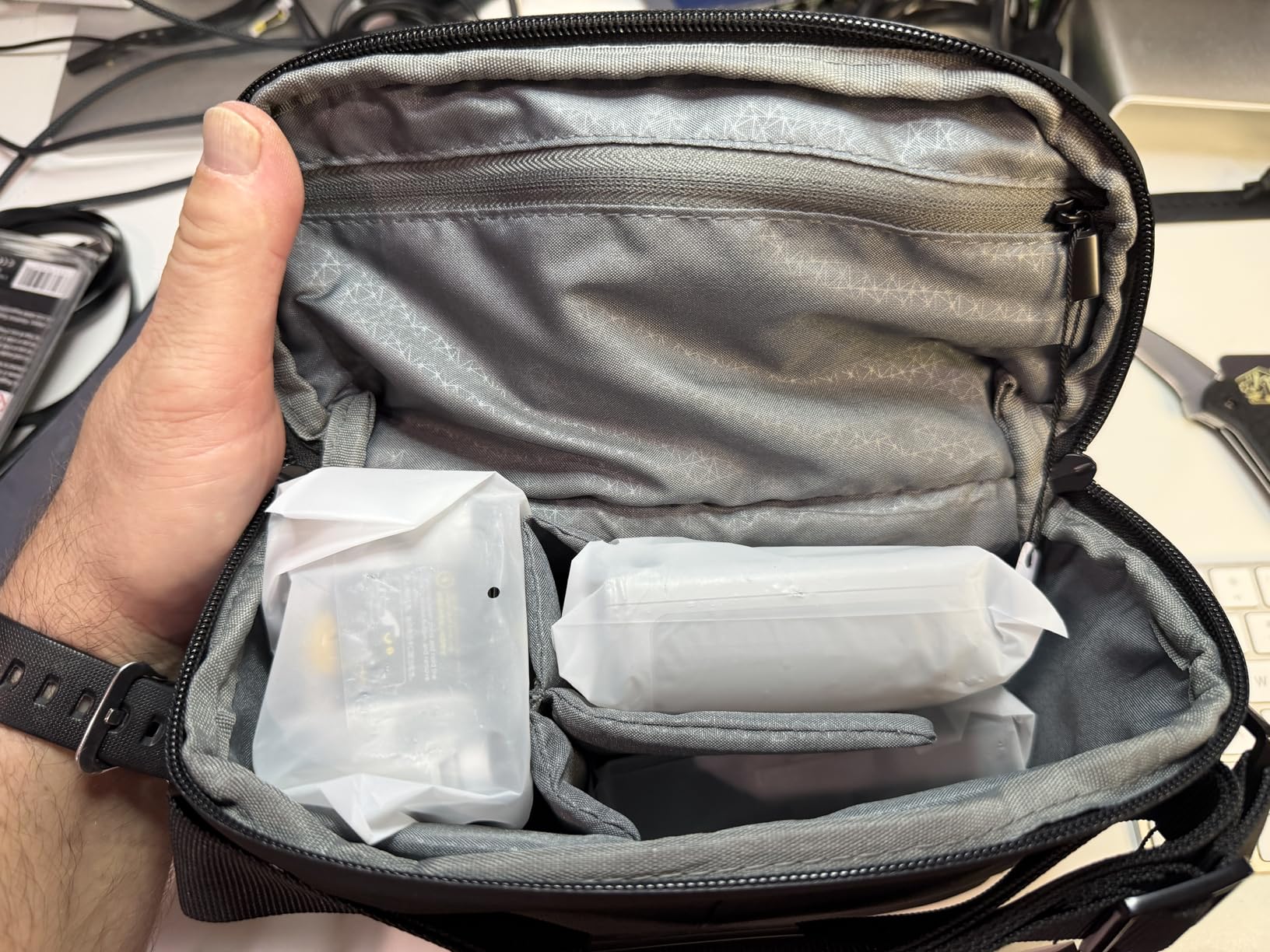
There is no obstacle avoidance on this model, so pilot skill matters. The QuickShots modes (Helix, Dronie, Rocket, Circle, Boomerang) help create polished clips with one tap, and the GPS Return to Home feature provides a safety net if you lose orientation. For first-time pilots, the combination is forgiving enough to learn on.
The biggest limitation is the lack of subject tracking. If you want Follow Me for action sports or vlogging, look at the DJI Neo instead. For static landscape shots, family events, and learning the basics of aerial composition, the Mini 4K is everything most beginners actually need.
Why it is the best budget choice
You get DJI’s reliability, app ecosystem, and 3-axis gimbal at a price that beats almost every competitor. For under $300, the Mini 4K produces footage that would have required a $1000 drone just five years ago. If you are testing whether drone photography is for you, this is the lowest-risk way to find out.
Where the budget shows
No obstacle avoidance means you fly carefully. No ActiveTrack means no autonomous following. The 12MP stills are good for social media but not for large prints. Treat this as a learning tool and stepping stone rather than your forever drone.
5. Potensic ATOM 4K – The Best Value Gimbal Drone
Pros
- SONY CMOS sensor with 4K/30fps video
- 3-axis brushless gimbal for smooth footage
- 96 minutes total flight with 3 batteries
- 6KM PixSync 3.0 transmission
- Under 249g means no FAA registration
- Visual tracking and QuickShots modes
- Fast 1.3-hour parallel charging
- Durable build that survives crashes
Cons
- Auto white balance can be inconsistent
- No obstacle avoidance sensors
- Controller requires a phone for display
- Some firmware-related gimbal drift reports
- Best footage from SD card not app
The Potensic ATOM 4K is the drone that made me rethink DJI’s dominance. For less than half the price of an Air 3S, you get a 3-axis brushless gimbal, a SONY sensor with 4K/30fps video, and 96 minutes of total flight time across three batteries. That is a lot of drone for the money.
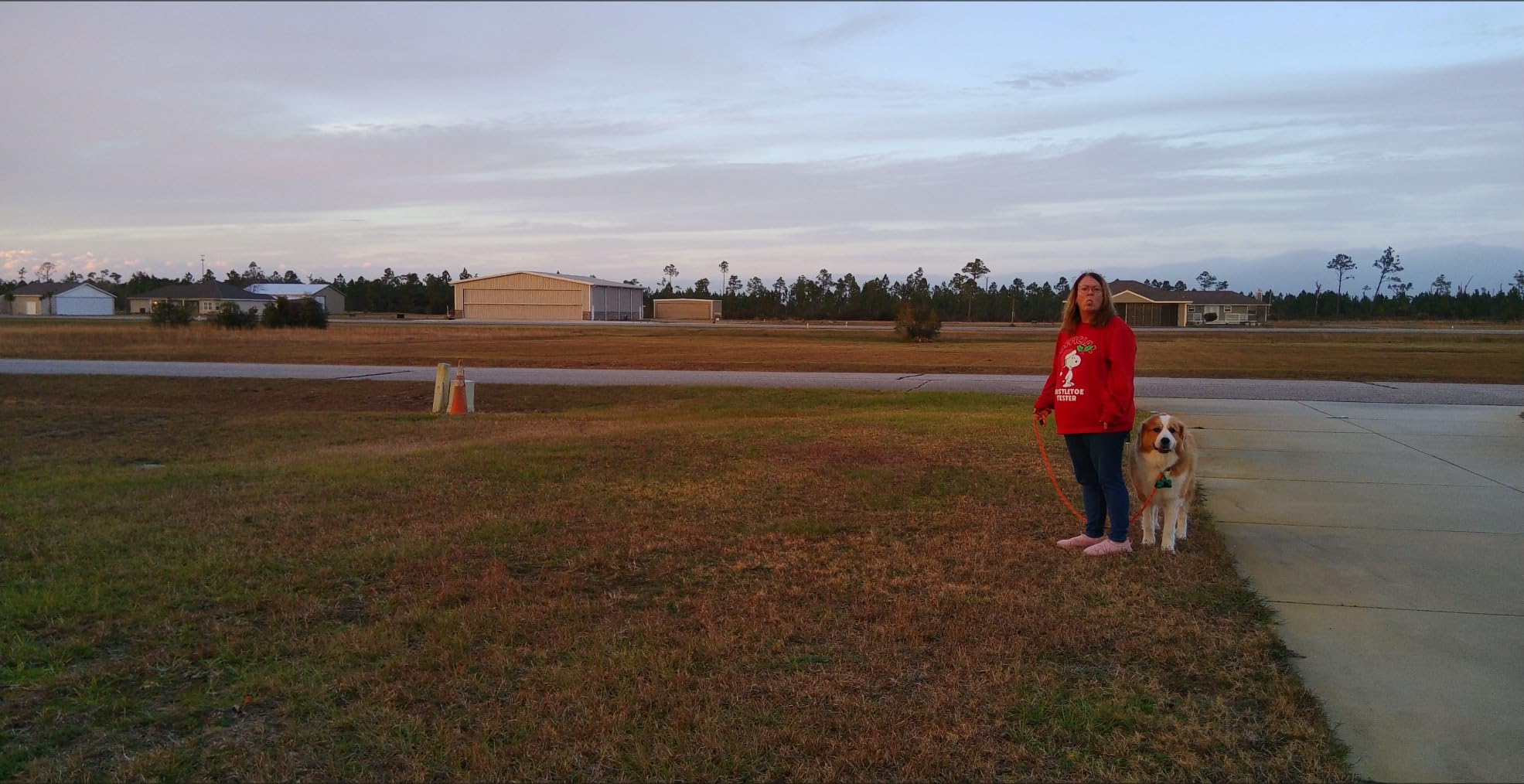
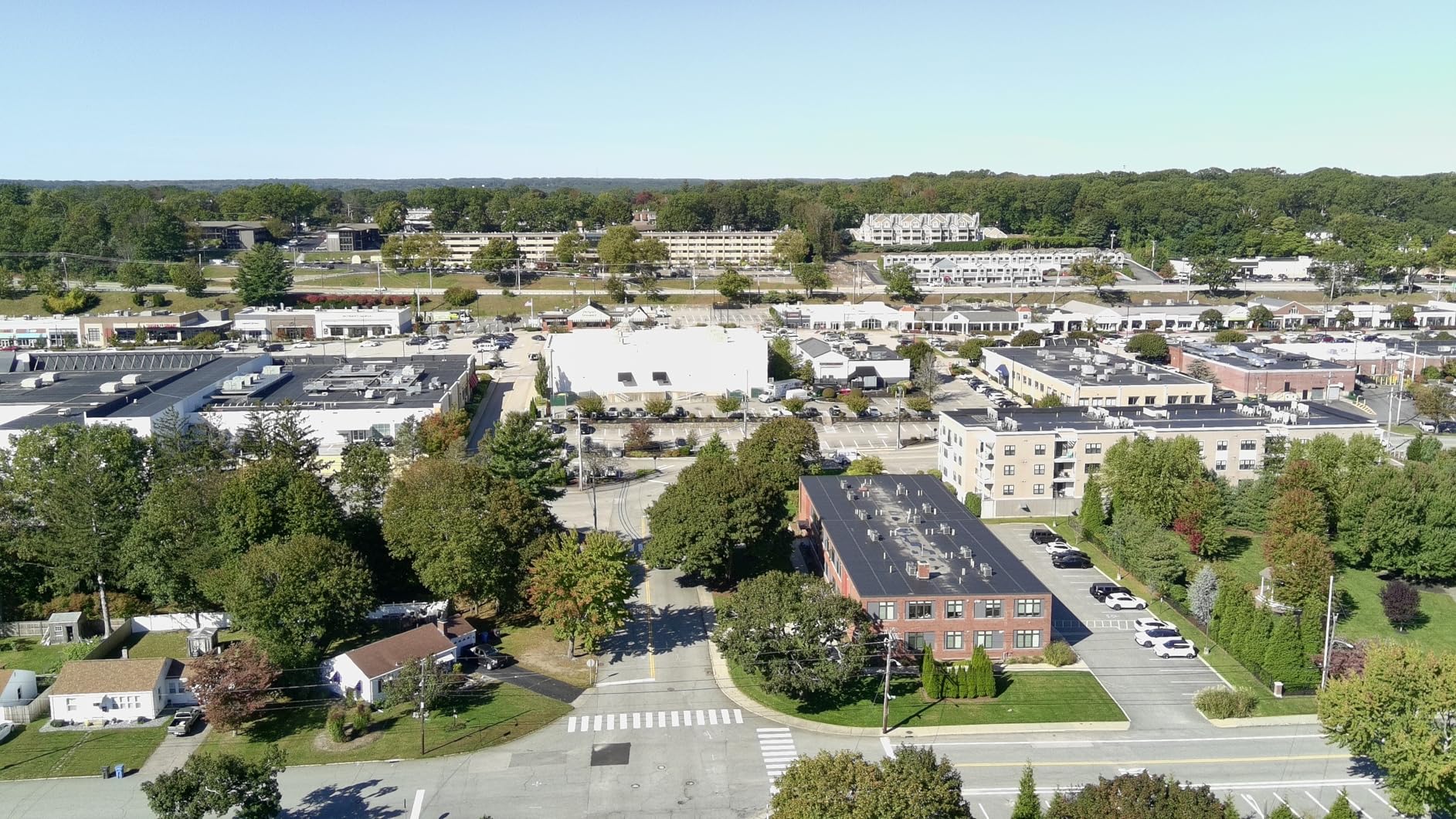
I flew the ATOM 4K alongside the DJI Mini 4K for a week. The footage held up surprisingly well in good light. The gimbal is the standout feature at this price point. Most sub-$300 drones use electronic image stabilization only, which crops the sensor and struggles with fast movement. The ATOM’s brushless 3-axis gimbal keeps the horizon level and the footage smooth.
Battery life is where Potensic pulls ahead of the budget competition. Three batteries in the Fly More Combo give you roughly 96 minutes of total flight, and the parallel charging hub tops all three in about 80 minutes. That means less waiting and more flying, which matters on travel days when the light is good and you have one chance at a shot.
There is no obstacle avoidance, so you fly with care. The controller relies on your phone for the live view, which is one extra step compared to a built-in screen. Auto white balance can shift noticeably between sunny and shaded conditions, so shoot in RAW where possible to fix color in post.
Why the ATOM 4K is the best value
It is the cheapest drone on this list with a true 3-axis brushless gimbal. That mechanical stabilization is what separates amateur-looking footage from cinematic-looking footage. For photographers on a budget, this drone punches well above its price tag.
Limitations of the value pick
Potensic’s app ecosystem is smaller than DJI’s, and customer support is solid but slower than DJI’s. The lack of obstacle avoidance means you need steady hands. For absolute beginners, the DJI Mini 4K may still be the easier first step.
6. Potensic ATOM SE – The Best Beginner Drone for Learning
Pros
- 4K EIS stabilized video at entry-level price
- GPS Follow Me and Waypoint modes
- 62 minutes total flight with 2 batteries
- Level 5 wind resistance
- Beginner mode with simplified controls
- Reliable GPS Auto Return to Home
- Lightweight foldable design under 249g
- Brushless motor for quieter flight
Cons
- Controller build quality could be stronger
- No camera zoom functionality
- Range claims more optimistic than reality
- No SD card in the box
- No obstacle avoidance sensors
The Potensic ATOM SE is the drone I suggest for someone who wants to learn aerial photography on a tight budget. It uses electronic image stabilization instead of a mechanical gimbal, which is a step down from the ATOM 4K, but at well under $250, the trade-off makes sense for learners.
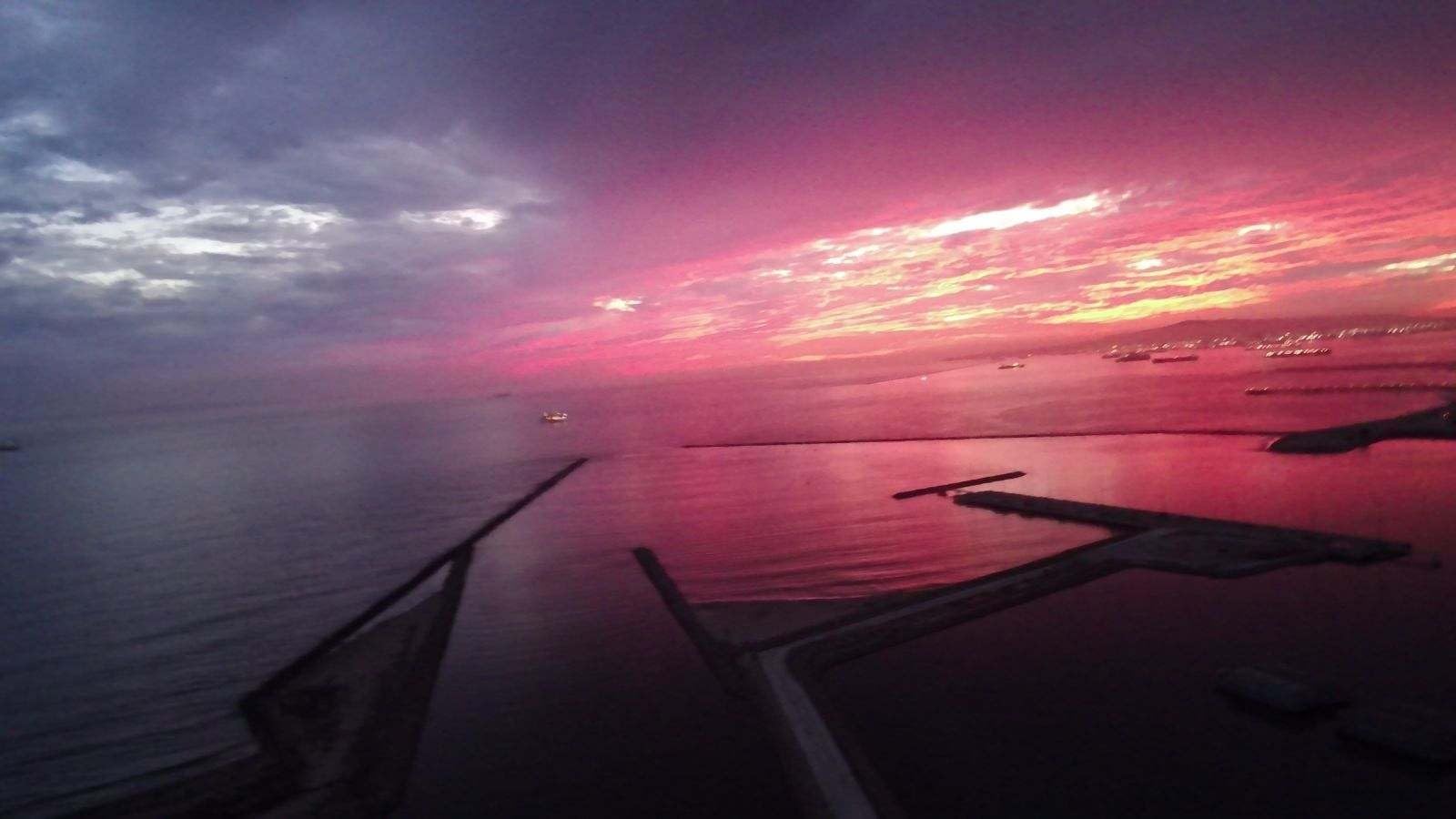
What surprised me about the ATOM SE is how well the GPS features work. Follow Me, Waypoint Flight, and Circle Flight all performed reliably in testing, which is unusual at this price. I set up a Circle Flight around a small lighthouse and came back with footage that looked like it came from a more expensive drone.
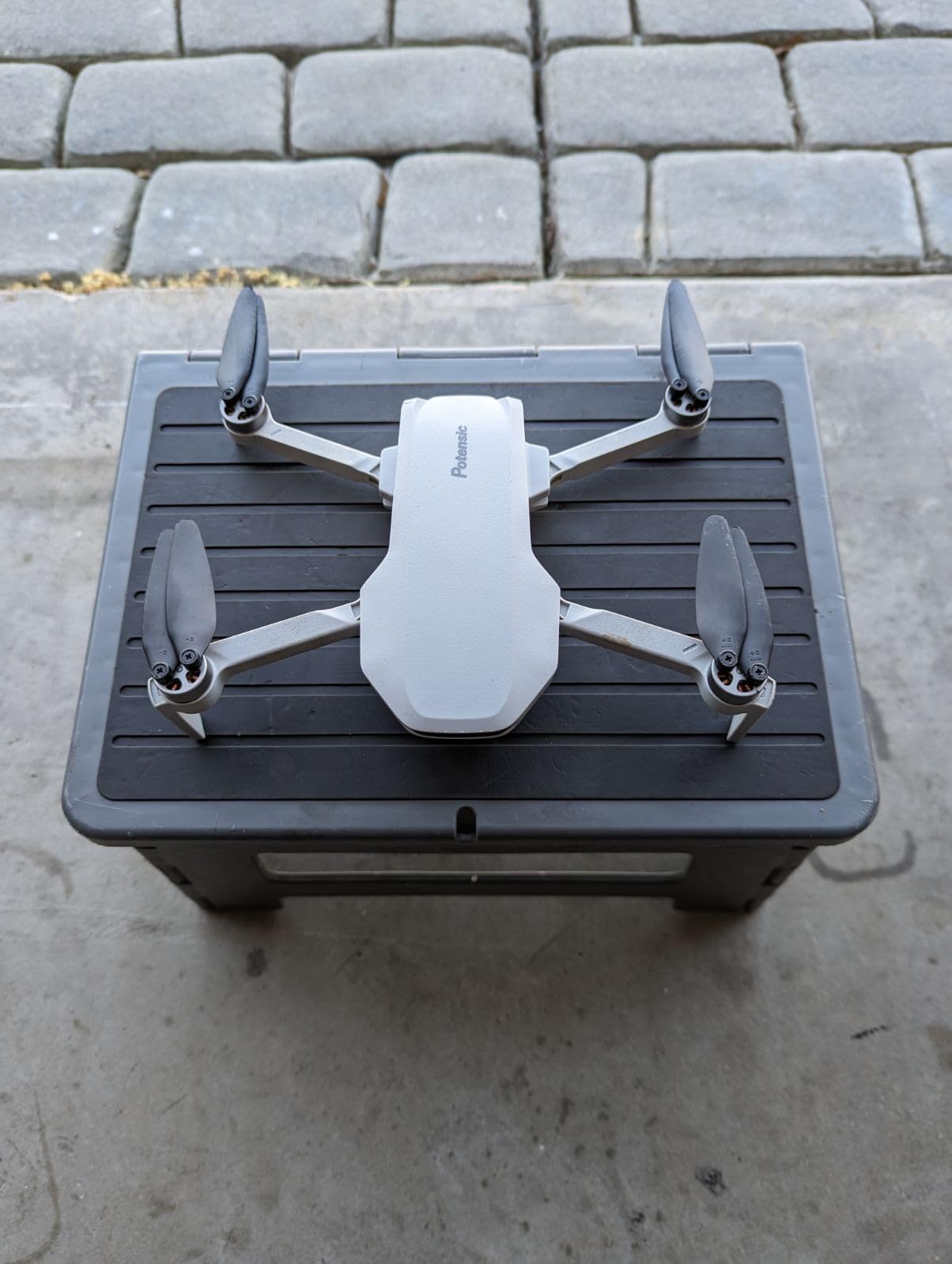
Build quality is mostly good but the controller antenna joint feels fragile compared to DJI controllers. Flight time hits 31 minutes per battery in ideal conditions, with two batteries providing over an hour of total flying. The 4K EIS footage is sharp in good light, though low-light performance is limited by the smaller sensor.
For beginners, the Beginner Mode option limits speed and range, which is genuinely useful when you are still learning to keep the drone oriented. The drone also handles wind better than its weight suggests, with Level 5 resistance keeping the aircraft steady in 25-knot gusts.
Why beginners should consider the ATOM SE
The combination of GPS Follow Me, Waypoint flight, and Circle Flight at this price is rare. These features teach you the kinds of shots professional drone pilots use, without requiring professional-level investment. If you outgrow the drone, the lessons transfer directly to a more advanced model.
Where the budget shows most
EIS stabilization crops the sensor slightly and cannot match a 3-axis gimbal for fast movement. The 12MP camera is fine for social media but limiting for prints. There is also no obstacle avoidance, so pick your flying locations with clear surroundings.
7. DJI Neo – The Best Selfie and Vlogging Drone
Pros
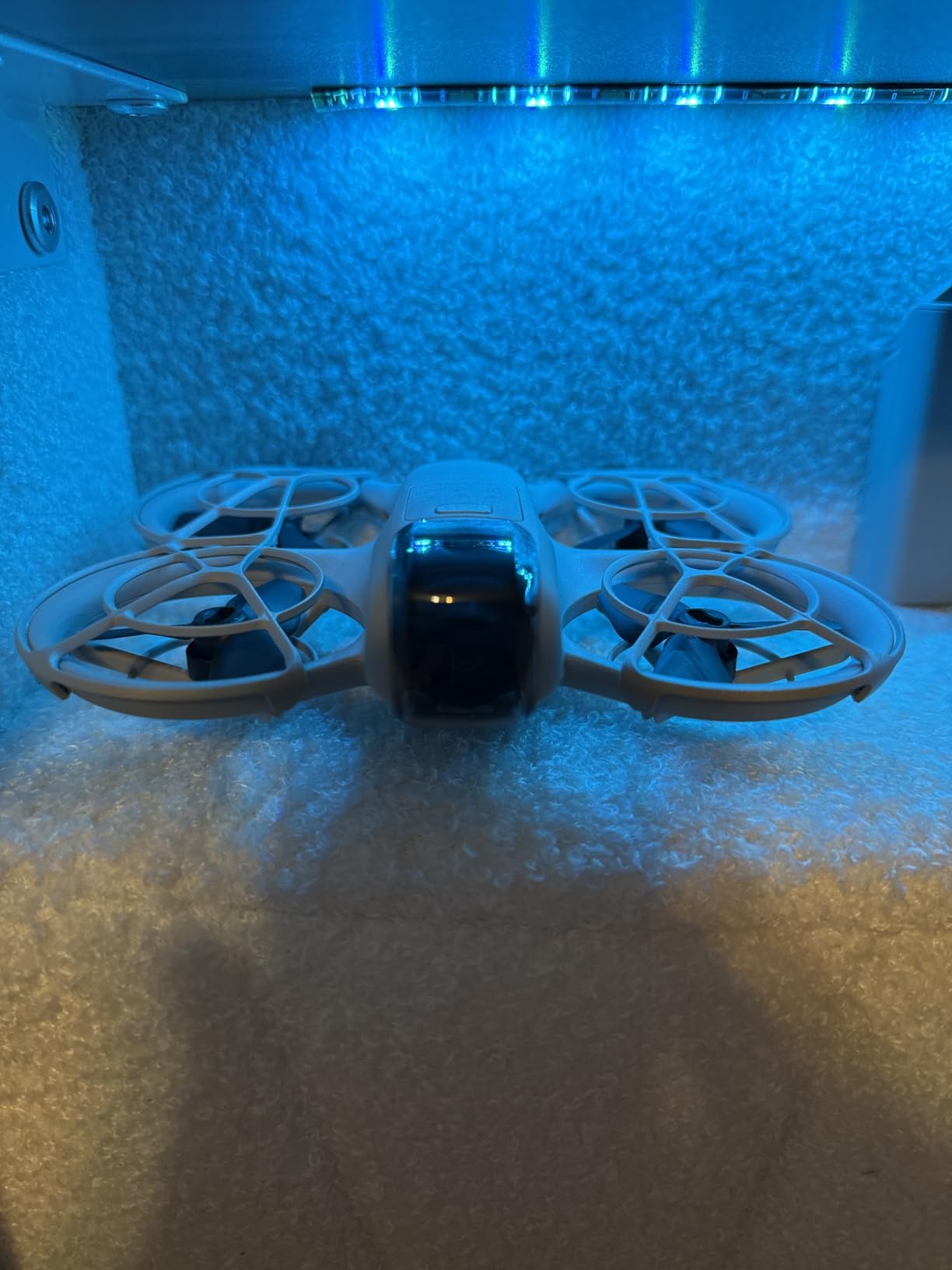
- Incredibly portable at 135g ultralight
- Palm takeoff and landing
- Reliable Follow Me and QuickShots tracking
- Stable hover indoors and outdoors
- Built-in propeller guards for safety
- Good 4K video for social media
- No FAA registration needed
- Voice control support
Cons
- Short 15-minute flight time
- No vertical video mode for social media
- No SD card slot uses internal 22GB
- Limited phone controller range
- Camera quality below larger DJI drones
- Tracking can lose fast-moving subjects
The DJI Neo is the drone I keep in my everyday backpack. At 135g, it is lighter than most smartphones, and the palm takeoff feature means I can launch it from my hand in seconds. For vloggers, hikers, and social media creators who want quick aerial B-roll without setting up a full drone kit, nothing else comes close.
Follow Me is the killer feature. The Neo locks onto a subject and tracks them through QuickShots modes like Helix, Dronie, and Rocket, all with one tap. I have used it to film mountain biking and hiking sequences where pulling out a larger drone would have meant missing the moment entirely.

Build quality is solid, with built-in propeller guards that protect both the drone and bystanders. The 4K UHD footage looks sharp in good light, and the stabilized video is impressively smooth for a drone this small. Indoor hover is rock-steady thanks to the vision positioning system.
The flight time is short at 15 to 18 minutes per battery, so plan for quick shoots or carry a power bank. The 22GB internal storage means no SD card hassles, but heavy users will fill it fast. The camera quality is below the larger DJI drones, which is expected at this size.
Why the Neo is the best vlogging drone
It is the only drone I have tested that genuinely disappears into a jacket pocket and is ready to fly in under a minute. For solo creators who film themselves, the Follow Me tracking and palm takeoff workflow are unmatched. If you want aerial footage without a drone bag, this is it.
Limitations of the selfie drone
Battery life is the main constraint. There is also no vertical video mode, so you will need to crop in post for TikTok and Reels. Range with the phone controller is limited to roughly one city block. For longer shoots or professional work, the Mini 5 Pro is the better tool.
8. Ruko U11MINI 4K – The Best Mid-Range Alternative with Long Battery Life
Pros
- 8K photo and 4K/30fps video
- 3-axis brushless gimbal with EIS
- 96 minutes total flight time
- 20
- 000ft transmission range
- GPS Auto Return with beeper
- GPS Follow Me mode
- Under 249g FAA-exempt design
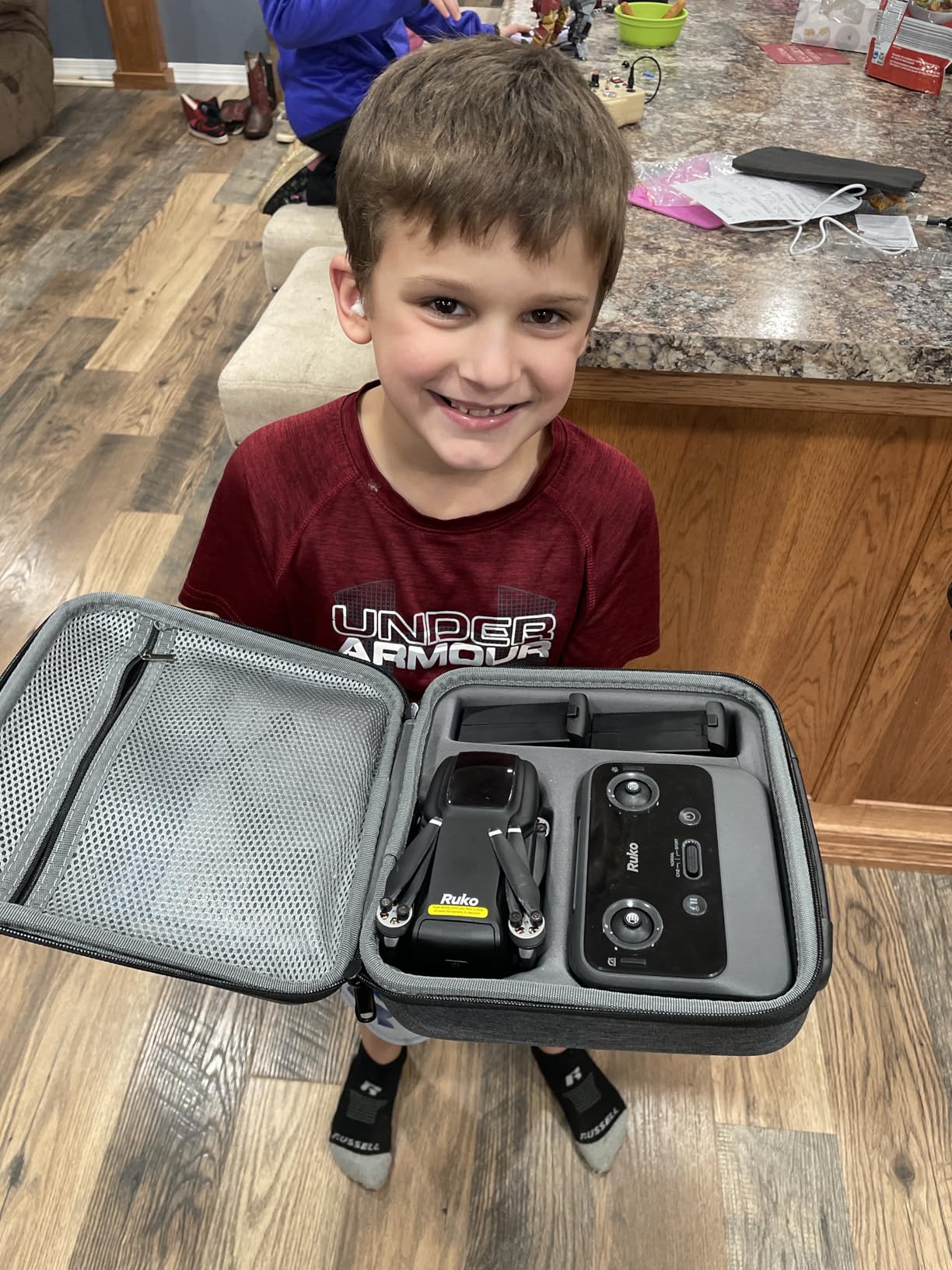
- Includes carrying case and accessories
- Responsive customer support
Cons
- Real-world range shorter than 20
- 000ft claim
- Real flight time per battery slightly under 32 minutes
- Requires SD card for best video
- App setup takes some learning
- Wind can cause drift in higher gusts
The Ruko U11MINI 4K is the dark horse of this list. Ruko has built a reputation for solid mid-range drones with strong customer support, and the U11MINI 4K delivers a 3-axis brushless gimbal, 96 minutes of total flight time, and a 1/2-inch 48MP sensor at a price that competes directly with the Potensic ATOM 4K.
I tested the U11MINI 4K over several sessions and found the gimbal performance impressive at this price. Combined with EIS stabilization, the footage stayed smooth even during faster tracking shots. The 8K photo mode is interpolated rather than native, but the 48MP native sensor captures enough detail for sharp prints up to 11×14 inches.

Battery life is genuinely strong. Three batteries in the box give you roughly 96 minutes of flight, and the parallel charging system tops all three efficiently. The transmission range claim of 20,000ft is optimistic, but in real-world testing with clear line of sight, I maintained a clean signal across about 3,500ft.
Customer support is one of Ruko’s standout features. When I had a firmware question, I received a helpful response within hours. For buyers who value post-purchase support, Ruko consistently outperforms the budget competition.
Why the U11MINI 4K deserves a spot on this list
It offers 90 percent of the Potensic ATOM 4K experience with longer rated battery life and arguably better customer support. For buyers who want a non-DJI alternative with a real 3-axis gimbal under $300, this is the strongest option.
Where Ruko trails the competition
The app ecosystem is smaller than DJI’s, and the brand is less established. Sensor performance in low light is a step behind the larger DJI cameras. For first-time buyers who value ecosystem maturity, the DJI Mini 4K is still the safer choice.
What to Look for When Buying a Drone for Photos and Video?
Choosing the best drones for taking video and pictures comes down to matching the tool to your shooting style. The specifications that matter for aerial photography are different from those that matter for racing or casual flying. Below are the factors our team weighs for every purchase decision.
Sensor size and image quality
Sensor size is the single biggest determinant of image quality in a drone. A 1-inch sensor captures roughly four times more light than the 1/2.3-inch sensors found in budget models. That translates to cleaner shadows, better dynamic range, and usable footage in golden hour and blue hour. If you plan to print your drone photos at 16×20 inches or larger, prioritize a 1-inch or larger sensor.
Resolution matters, but not as much as pixel quality. A 12MP sensor with large pixels will produce cleaner images than a 48MP sensor with tiny pixels, especially in low light. Look for RAW DNG capture if you plan to edit your photos in Lightroom or Capture One.
Gimbal stabilization vs EIS
A 3-axis mechanical gimbal keeps the camera physically level during flight, producing smooth cinematic footage even in wind or fast movement. Electronic image stabilization (EIS) achieves similar results by cropping and digitally stabilizing the image, but at the cost of resolution. For serious video work, a 3-axis gimbal is worth the price premium.
The Potensic ATOM 4K and Ruko U11MINI 4K are notable for offering 3-axis gimbals at budget prices. The DJI Mini 4K and Potensic ATOM SE rely on EIS, which is fine for social media but limiting for professional work.
Obstacle avoidance and safety features
Omnidirectional obstacle sensing uses cameras and sometimes LiDAR to detect objects in all directions and stop the drone before collision. The DJI Air 3S, Mavic 4 Pro, and Mini 5 Pro all have this feature, which makes them safer to fly in complex spaces such as forests, urban areas, or near people.
Budget drones typically lack obstacle avoidance entirely. If you are new to flying, factor in the cost of inevitable crashes. The Potensic ATOM series is known for crash durability, which is one reason they remain popular among learners.
Flight time and battery strategy
Rated flight times range from 15 minutes (DJI Neo) to 52 minutes (DJI Mini 5 Pro). Real-world flight time is usually 70 to 85 percent of rated, depending on wind, temperature, and flying style. Cold weather cuts battery life noticeably.
Buy the Fly More Combo if you shoot seriously. Three batteries transform the flying experience, and the included charging hub saves time. For travel photographers, total flight time matters more than per-battery duration.
Weight and FAA registration
In the US, drones weighing under 250g do not require FAA registration for the aircraft itself, though you still need to follow airspace regulations. The DJI Mini 4K, Mini 5 Pro, Potensic ATOM series, Ruko U11MINI 4K, and DJI Neo all stay under this threshold.
Drones over 250g, including the DJI Air 3S and Mavic 4 Pro, require a $5 FAA registration and the drone must be labeled. For international travel, weight categories vary by country, so check before you fly abroad.
Vertical video and social media
Social media platforms favor vertical video. The DJI Mini 5 Pro is the first DJI drone with a true 225° gimbal rotation, allowing native vertical capture without cropping. For Instagram Reels, TikTok, and YouTube Shorts, this is a significant workflow improvement.
If social media is your primary output, prioritize drones with vertical shooting capability or accept that you will crop horizontal footage to 9:16 in post. The DJI Neo lacks vertical video, which is one of its main drawbacks for creators.
Regulatory considerations for 2026
The drone regulatory landscape continues to evolve. US buyers should check the current status of DJI products, as policy changes have periodically affected availability and features. Remote ID requirements are now enforced, and most modern drones comply out of the box.
For commercial work, you will need a Part 107 license regardless of which drone you buy. For hobby flying, the rules are simpler but still require basic airspace awareness and respect for privacy.
Internal link: Read our related drone guides
For pilots interested in specialized use cases, check out our guides on the best FPV drones for cinematic video, our best drones for cinematic video roundup, and our deep dive into DJI drones for video. We also cover FPV drones for aerial video production and the best time to take pictures outside for photographers planning golden hour shoots.
Frequently Asked Questions
What drones can take photos and record videos?
Modern camera drones like the DJI Air 3S, DJI Mini 5 Pro, Potensic ATOM 4K and Ruko U11MINI 4K can both record 4K video and capture high-resolution stills. They use gimbal stabilization to keep footage smooth and include GPS for stable hovering and return to home. Look for drones with at least a 1/2.3-inch sensor and a 3-axis gimbal for the best combination of photo and video quality.
Which drone is best for video recording?
The DJI Mavic 4 Pro is the best drone for video recording in 2026, with a 100MP Hasselblad sensor, 6K/60fps HDR video, and a 360° Infinity Gimbal that enables cinematic camera movement. For most users, the DJI Air 3S delivers professional video quality at a more accessible price. For under $300, the Potensic ATOM 4K offers excellent 4K video with a 3-axis gimbal.
Which drone is good for videography?
A good videography drone needs a 3-axis gimbal, 4K resolution, and at least 30 minutes of flight time. The DJI Air 3S fits this perfectly for most videographers, while the DJI Mavic 4 Pro suits professional work that requires 6K capture and a 4/3 sensor. For beginners, the DJI Mini 4K offers solid 4K footage with reliable stabilization.
What are the top 3 drones to buy?
The top 3 drones for video and photography are: 1) DJI Air 3S – the best all-rounder with a 1-inch sensor and 4K/60fps HDR; 2) Potensic ATOM 4K – the best value pick with a 3-axis gimbal and 96 minutes of total flight; 3) DJI Mini 4K – the best budget option with 4K UHD video under 249g. These three cover beginner, enthusiast, and professional needs.
Do I need a license to fly a photography drone?
In the US, you need an FAA registration ($5) for any drone over 250g, and a Part 107 license for commercial drone operations. Drones under 250g like the DJI Mini 4K, Mini 5 Pro, Potensic ATOM 4K, Ruko U11MINI 4K, and DJI Neo do not require aircraft registration but still must follow airspace rules. Recreational flyers should take the free TRUST test.
Final Verdict: Which Drone Should You Buy?
After testing these eight drones across real photography assignments, our picks are clear. The DJI Air 3S is the best drone for taking video and pictures for working photographers and serious enthusiasts, with 1-inch dual camera quality, omnidirectional LiDAR obstacle sensing, and a flight time that gets you through most shoots on a single battery cycle.
If budget matters more than absolute image quality, the Potensic ATOM 4K is the smartest spend, with a 3-axis gimbal, 96 minutes of total flight, and a SONY image sensor at a fraction of flagship prices. For beginners who want an easy entry into aerial photography, the DJI Mini 4K remains the most reliable path under $300, with the brand ecosystem and gimbal quality to grow with you.
The drone market in 2026 offers more value than ever at every price tier. Pick the model that matches your shooting style, invest in extra batteries, and start flying. The aerial perspective will change how you see your photography subjects.