
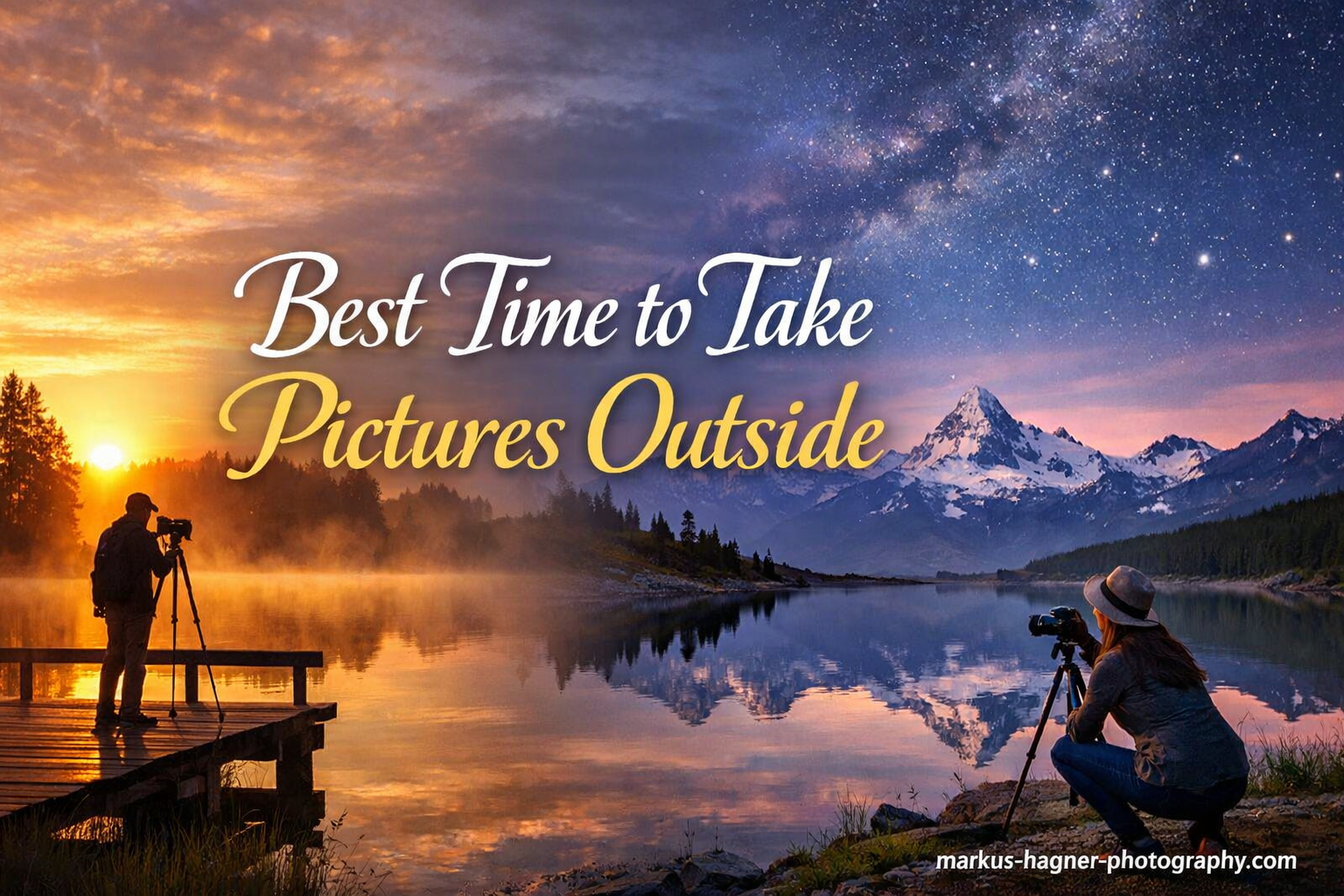
After 15 years of shooting outdoors, I can tell you that timing is everything. The best time to take pictures outside is during golden hour, that magical window just after sunrise or before sunset when the light transforms ordinary scenes into something extraordinary. I have watched countless photo sessions go from mediocre to stunning simply by shifting the schedule by two hours.
Understanding when to shoot matters because light quality can make or break your images. Harsh midday sun creates unflattering shadows on faces, while soft evening light wraps around subjects naturally. In this guide, I will break down exactly when to schedule your outdoor sessions, what makes each time of day unique, and how to work around less-than-ideal lighting conditions.
Whether you are planning a family portrait session, capturing landscapes, or just want better photos of your kids playing outside, this guide covers everything you need to know about outdoor photography timing in 2026.
What Is the Best Time to Take Pictures Outside?
The best time to take pictures outside is during golden hour, which occurs during the first hour after sunrise and the last hour before sunset. During these windows, the sun sits low on the horizon, creating soft, warm, directional light that flatters subjects and adds depth to landscapes. This timing works because sunlight travels through more atmosphere, scattering harsh blue wavelengths and leaving behind rich golden tones.
Professional photographers consistently choose golden hour for outdoor sessions because it eliminates the two biggest lighting problems: harsh shadows and squinting subjects. The low sun angle creates gentle shadows that define features without creating dark eye sockets or under-chin shadows that plague midday portraits.
Understanding Golden Hour Photography (September 2026)
Golden hour earned its name from the warm, honey-colored light that bathes everything during this time. But the benefits go far beyond pretty colors. I have found that golden hour solves most of the technical challenges that make outdoor photography frustrating.
Morning Golden Hour vs Evening Golden Hour
Morning golden hour offers several advantages that many photographers overlook. The air is often clearer after overnight cooling, and you will find fewer crowds at popular locations. I particularly love shooting at sunrise during summer months when mist rises off lakes and meadows, creating an ethereal atmosphere that disappears by mid-morning.
Evening golden hour tends to produce warmer tones and is easier to schedule around work and family commitments. However, you compete with more people at scenic spots, and weather patterns often bring increased clouds as the day heats up. For portraits, evening light often creates more romantic, golden backgrounds behind subjects.
Why Golden Hour Light Quality Is Superior
Three factors make golden hour light superior for photography. First, the low sun angle creates directional light that sculpts subjects with gentle shadows, adding three-dimensional depth to images. Second, the warm color temperature around 3500K flatters skin tones and creates emotional warmth in photos. Third, the reduced intensity means you can shoot at lower ISOs and wider apertures without overexposing.
I recommend arriving 30 minutes before golden hour officially begins. This gives you time to scout locations and start shooting during the transition from harsh light to golden light. The changing conditions often produce unexpected moments worth capturing.
Blue Hour: The Hidden Gem (2026)
Blue hour occurs during the 20 to 40 minutes after sunset (or before sunrise) when the sky takes on deep blue tones while the ground still holds residual warmth from daylight. Many photographers pack up after golden hour ends, missing some of the most creative opportunities of the day.
Creative Opportunities During Blue Hour
Blue hour excels for cityscape photography because the cool blue sky contrasts beautifully with warm artificial lights from buildings and street lamps. I have captured some of my favorite urban images during this brief window when the sky becomes a giant softbox in shades of indigo and cobalt.
Silhouette photography also peaks during blue hour. Place your subject against the bright sky and expose for the background. The result is a clean, graphic image with deep blue tones that looks far more sophisticated than typical sunset silhouettes.
Best Subjects for Blue Hour
Cityscapes and architecture shine during blue hour because buildings illuminate from within while the sky retains color. Landscapes with water features also work beautifully, as the blue tones reflect off calm surfaces. For portraits, you will need off-camera flash or continuous lighting, but the blue background creates a distinctive look impossible to replicate at other times.
Midday Photography Challenges (And How to Work Around Them)
The hours between 10 AM and 3 PM present the biggest challenges for outdoor photography. When the sun sits high overhead, light comes from directly above, creating unflattering shadows under eyes, noses, and chins. I call this raccoon eye effect, and it ruins more outdoor portraits than any other lighting issue.
Why Midday Light Is Problematic
Overhead sunlight is intense and undiffused. Without atmosphere to scatter and soften it, the light creates hard shadows with sharp edges. Subjects squint against the brightness, and backgrounds often blow out to white while faces remain properly exposed. The dynamic range exceeds what most cameras can capture in a single frame.
Five Ways to Work Around Midday Light
First, find open shade under trees, building overhangs, or gazebos. The shade diffuses harsh light while maintaining enough brightness for fast shutter speeds. Second, position subjects with their backs to the sun for backlighting, then expose for their faces. This creates a dreamy halo effect while avoiding squinting. Third, use a reflector to bounce light into shadowed areas of faces. Fourth, wait for passing clouds that act as natural diffusers. Fifth, embrace the harsh light for dramatic, high-contrast images with intentional deep shadows.
Overcast and Cloudy Day Photography
Many people assume sunny days are best for outdoor photos, but overcast conditions actually provide some of the most flattering light available. Clouds act as a giant softbox, diffusing sunlight into soft, even illumination that wraps around subjects without harsh shadows.
Why Cloudy Days Work So Well
The natural diffuser effect of clouds eliminates the need for reflectors and fill flash. Colors appear more saturated because light is even rather than creating bright highlights and dark shadows. I particularly love overcast days for forest photography, where the soft light penetrates evenly through the canopy rather than creating dappled bright spots.
Portraits on cloudy days often require no additional lighting equipment. Subjects can look any direction without squinting, and skin tones render smoothly without harsh transitions. The only downside is that skies appear white and featureless, so I typically frame shots to minimize sky in the composition.
Best Subjects for Overcast Conditions
Portraits and close-up work excel on cloudy days because the soft light flatters skin and requires minimal post-processing. Flower photography and macro work also benefit from even illumination. Forest and woodland scenes look their best when overcast light eliminates harsh shadows between trees.
Fog and Misty Weather Photography
Foggy conditions create a dreamy, ethereal quality that transforms ordinary scenes into something magical. The moisture in the air diffuses light even more than clouds, creating soft contrast and muted colors that feel painterly rather than photographic.
I seek out foggy mornings whenever possible, especially during autumn when cool nights meet warm ground temperatures. The reduced visibility simplifies compositions by hiding distracting backgrounds, while the diffused light eliminates any hint of harsh shadows. Portraits in light fog take on a romantic, soft-focus quality without any filters needed.
Seasonal Timing Variations
Golden hour timing shifts dramatically throughout the year, and understanding these changes helps you plan sessions effectively. In summer, golden hour can stretch from 6 AM to 7:30 AM in the morning and 7 PM to 8:30 PM in the evening. Winter compresses this window significantly, with golden hour occurring from 7 AM to 8 AM and 4 PM to 5 PM in many locations.
Winter Photography Timing
Winter offers unique advantages for outdoor photography. The sun stays lower in the sky throughout the day, meaning golden hour quality light lasts longer. Snow-covered ground acts as a natural reflector, bouncing light into shadow areas. I find that winter sessions from 2 PM to 4 PM often produce light quality similar to summer golden hour.
The compressed timing in winter requires precise scheduling. You have less flexibility to run late, but the shorter days also mean comfortable temperatures during prime shooting hours.
Summer Photography Timing
Summer provides the longest golden hour windows but introduces heat and scheduling challenges. Early morning sessions starting at 6 AM avoid both harsh light and uncomfortable temperatures. Evening sessions may not reach golden hour until 7 PM or later, which works well for working families but can conflict with bedtimes for young children.
Tools and Apps for Tracking Golden Hour
Several excellent apps help you calculate exact golden hour timing for any location. PhotoPills remains my favorite because it combines golden hour calculations with sun position tracking, helping you visualize exactly where light will fall at any given time. The augmented reality feature shows the sun’s path overlaid on your camera view.
Sun Seeker offers similar functionality with a cleaner interface focused on sun position. The Photographer’s Ephemeris provides detailed sun and moon data alongside topographic maps, essential for landscape photographers planning remote shoots. All three apps work offline, making them reliable in the field.
Time of Day Comparison
Here is a quick reference for how different times of day affect your outdoor photography:
- Early Morning (Golden Hour): Soft, warm light; clear air; fewer crowds; requires early wake-up
- Mid-Morning (9-11 AM): Increasing contrast; good for shaded areas; still manageable for portraits
- Midday (11 AM-2 PM): Harsh overhead light; strong shadows; best for open shade or dramatic high-contrast work
- Afternoon (2-5 PM): Improving light quality; warmer tones developing; good for backlit portraits
- Late Afternoon/Evening (Golden Hour): Warm, directional light; romantic feel; more scheduling flexibility
- Blue Hour: Cool tones; cityscapes and silhouettes; requires fast work as light fades quickly
FAQ
Is 3 PM a good time for photos?
Yes, 3 PM can work well for outdoor photos, especially during winter months when the sun stays lower in the sky. During summer, 3 PM still falls within the challenging midday period, but you can find success by seeking open shade or using backlighting techniques. The light quality improves significantly as you move toward late afternoon golden hour.
What is the best time to take photos outside in winter?
The best time for winter outdoor photos is between 2 PM and 4 PM when the low sun angle creates golden hour quality light for an extended period. Winter’s lower sun position means you get flattering, directional light even during mid-afternoon. Morning golden hour occurs around 7-8 AM, while evening golden hour starts around 3-4 PM depending on your location.
What is the golden hour for photos?
Golden hour is the period shortly after sunrise and shortly before sunset when the sun sits low on the horizon, creating soft, warm, directional light. The term comes from the golden-orange color temperature of light during this time. Golden hour typically lasts about one hour after sunrise and one hour before sunset, though the exact duration varies by season and latitude.
What is the worst time of day to take pictures outside?
The worst time for outdoor photography is between 11 AM and 2 PM when the sun is highest in the sky. During this period, overhead light creates harsh shadows under eyes and chins, subjects squint against bright light, and backgrounds often overexpose. If you must shoot at midday, seek open shade or embrace the dramatic high-contrast look intentionally.
Conclusion
The best time to take pictures outside remains golden hour, that magical window after sunrise and before sunset when soft, warm light transforms ordinary scenes into extraordinary images. I have built my entire photography practice around this principle, and the results speak for themselves.
But here is what experience has taught me: you can make beautiful images at any time of day if you understand how light behaves and adapt your approach accordingly. Cloudy days provide gorgeous soft light for portraits. Blue hour creates dramatic cityscapes. Even harsh midday sun works for intentional high-contrast imagery.
Use apps like PhotoPills or Sun Seeker to plan your sessions around optimal light. Arrive early to scout locations. And remember that the best camera is the one you have with you at the right moment. Sometimes chasing perfect light matters less than capturing a genuine moment in whatever light you find.
Start paying attention to how light changes throughout the day in your favorite shooting locations. Once you develop an eye for light quality, you will naturally gravitate toward the times that produce the images you envision.