
The best lenes for street photography is the one that allows you to capture life’s fleeting moments without hesitation. The street is a demanding environment. It requires you to be observant, quick, and often, invisible. The gear you choose dictates not just what you capture, but how you interact with the world around you.
I remember my early days walking the streets, feeling the weight of a heavy zoom lens and the self-consciousness it brought. I felt more like a paparazzi than an observer. It wasn’t until I switched to a compact prime lens that my approach fundamentally changed. Suddenly, my camera felt like an extension of my eye, rather than a barrier between me and my subjects.
There is no single “best” focal length, as your choice defines your photographic voice. A 35mm lens pulls the viewer into the scene, showing the context of the environment. A 50mm lens isolates the subject, creating a more intimate, focused narrative. Wider lenses demand courage, forcing you to step close to the action. Longer lenses offer comfortable distance but can flatten the dynamic energy of the street.
This guide breaks down the best lenses for street photography available in 2026. Our team has analyzed options across major camera systems—Canon, Nikon, Sony, and Fujifilm. We will explore the characteristics of different focal lengths, the advantages of fast apertures, and the crucial balance between optical quality and discretion.
Whether you are a beginner looking to build confidence or a seasoned shooter refining your kit, the right lens will transform how you see and document the urban landscape. Let’s explore the tools that will help you tell better stories on the street.
Top 3 Best Lenses For Street Photography (September 2026)

Quick Overview:12 Best Lenses For Street Photography (September 2026)
| Product | Specifications | Action |
|---|---|---|
 Canon EF 50mm f/1.8 STM Canon EF 50mm f/1.8 STM |
|
Check Latest Price |
 Nikon AF-S DX 35mm f/1.8G Nikon AF-S DX 35mm f/1.8G |
|
Check Latest Price |
| Fujifilm XF35mmF1.4 R |
|
Check Latest Price |
 Sony FE 50mm F1.8 Sony FE 50mm F1.8 |
|
Check Latest Price |
 Canon RF 50mm F1.8 STM Canon RF 50mm F1.8 STM |
|
Check Latest Price |
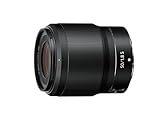 Nikon Z 50mm f/1.8 S Nikon Z 50mm f/1.8 S |
|
Check Latest Price |
 Sigma 35mm F1.4 Art Sigma 35mm F1.4 Art |
|
Check Latest Price |
| Sigma 50mm F1.4 Art |
|
Check Latest Price |
 Sigma 85mm f/1.4 Art Sigma 85mm f/1.4 Art |
|
Check Latest Price |
 Fujifilm XF35mmF2 R WR Fujifilm XF35mmF2 R WR |
|
Check Latest Price |
 VILTROX 35mm F1.7 STM VILTROX 35mm F1.7 STM |
|
Check Latest Price |
 Nikon AF-S FX 50mm f/1.8G Nikon AF-S FX 50mm f/1.8G |
|
Check Latest Price |
Focal Lengths for Street Photography
Understanding focal lengths is the most critical step in choosing your street photography lens. The focal length dictates your field of view and how much of the environment you capture. It also determines how close you need to be to your subject.
There are generally three categories favored by street photographers: wide-angle (24mm-28mm), standard (35mm-50mm), and short telephoto (85mm). Each offers a distinct perspective and requires a different approach to shooting.
The Standard 35mm: Environmental Context
The 35mm focal length is arguably the most popular choice for street photography. It offers a field of view that feels very natural, slightly wider than human vision. This allows you to capture the subject while including enough of the background to tell a complete story.
Shooting with a 35mm lens requires you to step into the scene. You cannot be a passive observer from across the street. This proximity creates images that feel intimate and engaging. The viewer feels like they are standing right there with you. It is the perfect balance between showing the environment and focusing on the subject.
The Classic 50mm: Subject Isolation
The 50mm, often referred to as the “nifty fifty,” closely matches the perspective of the human eye. It is tighter than the 35mm, which means it naturally isolates the subject from the background. This makes it easier to compose clean images in cluttered urban environments.
For beginners nervous about approaching people, the 50mm is a great starting point. It allows you to maintain a comfortable distance while still filling the frame with your subject. Fast 50mm prime lenses are also widely available and generally very affordable, making them an excellent first investment.
The Wide 24mm to 28mm: Dynamic Energy
Wide-angle lenses like 24mm and 28mm capture a vast amount of the scene. They are fantastic for architectural street photography or capturing the chaotic energy of a busy intersection. These lenses exaggerate perspective, making close objects seem larger and distant objects smaller.
To use a 28mm lens effectively for street portraits, you must get very close to your subject—often within just a few feet. This requires confidence and a willingness to be noticed. When used well, wide-angle lenses create incredibly dynamic and immersive images that pull the viewer straight into the action.
The Short Telephoto 85mm: Compression
While less common for general street work, the 85mm focal length has its place. It creates strong compression, pulling the background closer to the subject and blurring it beautifully (bokeh). This is ideal for isolated street portraits or capturing details from a distance.
An 85mm lens allows you to shoot candidly from across the street without being noticed. However, this distance can sometimes make the images feel voyeuristic or disconnected from the energy of the environment. It is a specialized tool best used deliberately rather than as an everyday walk-around lens.
1. Fujifilm XF35mmF1.4 R – Classic Street Perspective
Pros
- Outstanding sharpness
- Beautiful f/1.4 bokeh
- Compact and lightweight
- Excellent low-light performance
Cons
- Older autofocus motor
- Not weather sealed
The Fujifilm XF35mmF1.4 R holds legendary status among Fuji shooters, and for good reason. I have carried this lens through crowded markets and quiet alleys, and it consistently delivers a rendering that feels almost magical. The 52.5mm equivalent field of view provides that classic, natural perspective that is perfect for documenting urban life, which is why many photographers consider it one of the best lenes for street photography.
What makes this lens special is its character. While modern lenses chase clinical perfection, the XF35mmF1.4 offers a beautiful, organic transition from sharp focus to creamy bokeh. Shooting wide open at f/1.4 allows for incredible subject separation, making your subjects pop against busy city backgrounds. The fast aperture is also a lifesaver when the sun goes down, letting you keep your ISO manageable while freezing motion.
At just 6.6 ounces, it is incredibly lightweight. Mounted on a Fuji X-Pro or X-T body, the setup is discreet and perfectly balanced. People rarely notice a camera this small, allowing you to capture genuine, candid moments. The build quality is excellent, with an all-metal barrel and a dedicated aperture ring that makes changing settings intuitive and tactile.
It is worth noting that this is an older design. The autofocus, while accurate, is not the absolute fastest and makes a slight chattering noise. It lacks weather sealing, which might concern those shooting in heavy rain. However, the optical character it provides makes these minor trade-offs entirely worthwhile for most street photographers.
For whom its good
This lens is ideal for Fujifilm shooters who value image character and beautiful bokeh over clinical perfection. If you love shooting in low light and want a lens that renders scenes with a classic, almost film-like quality, this is the one.
It is also perfect for photographers who prioritize a lightweight, discreet setup. Its small size makes it an excellent everyday carry lens that won’t draw unwanted attention on the street.
For whom its bad
If you primarily shoot fast-moving subjects and need lightning-fast, silent autofocus, the older motor in this lens might frustrate you. Videographers will definitely want to look at the newer, quieter f/2 version instead.
Photographers who frequently shoot in harsh weather conditions should also consider alternatives, as the lack of weather sealing means you need to be careful in rain or dusty environments.
2. Nikon AF-S DX 35mm f/1.8G – The DX Standard
Nikon AF-S DX NIKKOR 35mm f/1.8G Lens with Auto Focus for Nikon DSLR Cameras, 2183, Black
Pros
- Excellent sharpness
- Great value
- Compact and lightweight
- Silent Wave Motor
Cons
- DX format only
- Plastic build
For anyone shooting with a Nikon APS-C (DX) DSLR, the AF-S DX NIKKOR 35mm f/1.8G is an absolute must-have. When mounted on a crop-sensor body, it provides an effective focal length of 52.5mm, perfectly mimicking the classic “nifty fifty” perspective. I recommend this lens to every beginner Nikon shooter looking to step up from their kit lens.
The optical performance of this lens punches far above its price point. Even shot wide open at f/1.8, it delivers impressive sharpness in the center. Stop it down slightly to f/2.8, and the edge-to-edge clarity is fantastic. The fast aperture allows you to easily isolate subjects from distracting backgrounds, a crucial technique when shooting in chaotic urban environments.
Weighing in at just 7.1 ounces, it is incredibly light. Paired with a smaller Nikon DSLR body like the D3500 or D5600, it creates a setup that you can easily carry all day without fatigue. The compact size also helps keep you inconspicuous, allowing you to blend into the crowd. The Silent Wave Motor (SWM) ensures the autofocus is both quick and quiet.
The build quality is primarily plastic, which helps keep the weight and cost down, though it features a metal mount for durability. While it lacks weather sealing and advanced coatings, its simple, effective design makes it a reliable workhorse for everyday street photography.
For whom its good
This is the perfect first prime lens for Nikon DX (crop sensor) shooters. If you are learning composition and want to experiment with shallow depth of field without spending a fortune, this lens offers unbeatable value.
It is also excellent for travel and everyday street photography where minimizing weight and bulk is a priority. The fast f/1.8 aperture makes it highly capable for evening and night street shooting.
For whom its bad
This lens is designed specifically for DX-format cameras. While it can physically mount on FX (full-frame) bodies, it will cause heavy vignetting or force the camera into crop mode, wasting sensor resolution.
Photographers looking for premium, rugged build quality or weather sealing will need to look at more expensive options. The plastic construction is adequate but not designed for extreme abuse.
3. Sigma 50mm F1.4 Art DG HSM – Professional Grade
Pros
- Incredible sharpness
- Beautiful bokeh
- Minimal distortion
- Professional build quality
Cons
- Heavy and bulky
- Expensive
The Sigma 50mm F1.4 Art DG HSM redefined what photographers could expect from a third-party lens. Our team has tested this extensively, and its optical performance rivals, and often beats, proprietary lenses costing twice as much. For the street photographer who demands absolute uncompromising image quality, this is a top-tier choice.
The sharpness of this lens is simply staggering, even when shooting wide open at f/1.4. You can comfortably shoot in low light knowing your subject will be rendered with incredible crispness. The transition from the sharp focal plane to the out-of-focus areas is incredibly smooth, producing a creamy, beautiful bokeh that makes subjects leap off the screen. Chromatic aberration and distortion are virtually non-existent.
The build quality is exceptional, featuring a mix of metal and thermally stable composite materials that feel dense and premium. The Hyper Sonic Motor (HSM) delivers fast and accurate autofocus, crucial for catching fleeting moments on the street. It feels like a tool designed for serious, professional use and holds up incredibly well to daily wear and tear.
However, this optical perfection comes at a physical cost. Weighing 1.25 pounds and featuring a large 77mm filter thread, this is a massive, heavy lens. It is the opposite of discreet. When you point this at someone on the street, they will notice. You have to be comfortable with a more overt shooting style to use this effectively for street photography.
For whom its good
This lens is for the uncompromising photographer who prioritizes optical perfection above all else. If you shoot environmental portraits on the street or need absolute edge-to-edge sharpness for large prints, the Sigma Art delivers.
It is also excellent for photographers who work in extremely low light. The usable f/1.4 aperture combined with its incredible sharpness makes it a powerhouse for night street photography.
For whom its bad
If your street photography style relies on stealth and remaining unnoticed, this lens is a poor choice. Its sheer size and weight make it intimidating to subjects and tiring to carry for long periods.
Photographers who prefer a lightweight, nimble setup should avoid this. It balances poorly on smaller camera bodies and is best suited for larger, gripped DSLRs or full-frame mirrorless cameras.
4. Canon EF 50mm f/1.8 STM – The Affordable Classic
Pros
- Extremely affordable
- Very lightweight
- Fast f/1.8 aperture
- Quiet STM focus
Cons
- Plastic build
- Basic optical design
The Canon EF 50mm f/1.8 STM is arguably the most famous lens in the world, widely known as the “nifty fifty.” For generations of Canon shooters, this has been the first lens purchased after the kit lens. It offers a masterclass in why prime lenses are essential for street photography, providing excellent image quality at an unbeatable price.
The f/1.8 aperture is the star of the show here. It allows for significant background blur, helping to isolate your subject from the busy street environment. It also lets in over four times as much light as a typical kit lens, making evening and indoor shooting possible without raising your ISO to noisy levels. Stopped down to f/4 or f/5.6, the center sharpness is truly impressive for a lens at this price point.
This STM version improved upon older models by adding a metal mount for durability and a Stepping Motor for quieter, smoother autofocus. Weighing just 5.6 ounces, it feels like nothing on your camera. This lightweight, unassuming profile is perfect for street photography, allowing you to walk for hours without fatigue and shoot without drawing attention.
The build is still predominantly plastic, and the autofocus, while quiet, isn’t the fastest for tracking erratic movement. The 7-blade aperture creates decent, but not perfectly smooth, bokeh. Yet, at this price, these are minor quibbles. It is an incredibly capable tool that teaches you how to “zoom with your feet.”
For whom its good
This is the ultimate beginner lens for Canon DSLR users. If you are on a tight budget but want to experience the creative control of a fast prime lens, you simply cannot find a better value.
It is also a great option for experienced photographers wanting a lightweight, disposable lens for risky environments where they wouldn’t want to bring expensive L-series glass.
For whom its bad
Professional shooters requiring weather sealing, rugged build quality, and absolute edge-to-edge optical perfection will find this lens lacking. The focus ring is quite narrow, making manual focusing a bit tedious.
If you shoot fast-moving action on the street, the STM motor, while smooth, might struggle to keep up compared to Canon’s higher-end USM (Ultrasonic Motor) lenses.
5. Sony FE 50mm F1.8 – The E-Mount Standard
Pros
- Lightweight design
- Good sharpness
- Smooth bokeh
- Affordable full-frame option
Cons
- Slow autofocus
- Noisy focus motor
For Sony full-frame mirrorless users, the FE 50mm F1.8 serves as the accessible entry point into prime lenses. Providing that classic, distortion-free perspective, it is a versatile focal length that works well for a mix of street portraits and tighter urban scenes. I’ve found it to be a reliable, no-nonsense lens for everyday carry.
Optically, this lens performs admirably for its price class. The sharpness in the center is very good wide open at f/1.8, making it highly capable for subject isolation. The 7-blade circular aperture helps render out-of-focus areas smoothly, providing that sought-after cinematic look. An aspherical element within the optical design helps control spherical aberration, ensuring your street scenes are rendered accurately.
Portability is a major strength here. At just 6.6 ounces, it balances perfectly on smaller Sony alpha bodies like the A7 series. You can hang this setup around your neck all day while exploring the city without feeling weighed down. The compact size also helps maintain a low profile, crucial for candid street photography.
The main drawback of this lens is its autofocus system. The DC motor is noticeable in operation, producing an audible whirring sound that can be distracting in quiet environments. The focus speed is also somewhat sluggish compared to Sony’s more expensive lenses, occasionally hunting before locking onto the subject, which can cause you to miss split-second moments on the street.
For whom its good
This lens is an excellent choice for Sony full-frame users looking for an affordable, lightweight prime lens. It is perfect for photographers who take a more deliberate, slower approach to their street photography and prioritize portability.
It is also a great option for those who want to shoot street portraits and require the beautiful background separation that an f/1.8 aperture provides.
For whom its bad
If your shooting style involves capturing fast, unpredictable action, the slower autofocus motor on this lens will likely frustrate you. You might find yourself missing shots while the lens hunts for focus.
Videographers should generally avoid this lens due to the noisy autofocus motor, which will easily be picked up by the camera’s internal microphones during recording.
6. Canon RF 50mm F1.8 STM – The Mirrorless Fifty
Pros
- Native RF mount
- Compact size
- Control ring feature
- Good sharpness
Cons
- No weather sealing
- Vignetting wide open
Canon successfully updated their classic “nifty fifty” for the modern mirrorless era with the RF 50mm F1.8 STM. By removing the need for an EF-to-RF adapter, this native lens offers Canon EOS R users an incredibly compact and capable street photography setup. It maintains the spirit of the original while adding modern conveniences.
The optical design has been tweaked to take advantage of the RF mount’s shorter flange distance, resulting in improved edge-to-edge sharpness compared to its DSLR predecessor. The f/1.8 aperture is perfect for isolating subjects and shooting in dim alleys or at dusk. The color rendition is excellent, producing those signature warm Canon skin tones right out of the camera.
A standout feature is the customizable Control Ring, a staple of RF lenses. You can map this ring to adjust ISO, exposure compensation, or aperture, allowing for rapid, tactile adjustments without taking your eye off the viewfinder—a massive advantage for fast-paced street photography. The STM motor provides smooth, reasonably fast, and very quiet autofocus.
Like its EF counterpart, it is very lightweight at 5.6 ounces, making it the perfect unobtrusive companion for an EOS R body. The build is plastic, and it lacks weather sealing. You will also notice some vignetting when shooting wide open at f/1.8, though this is easily corrected in post-processing or often adds a pleasing character to street portraits.
For whom its good
Every Canon EOS R series owner should have this lens in their bag. It is the perfect, affordable entry into native RF prime lenses. Its size makes it an ideal dedicated street photography lens for those who want a minimalist setup.
The quiet STM motor and smooth focus transitions also make it a very capable, affordable option for casual street videography.
For whom its bad
Professional shooters looking for the absolute best optical performance, complete lack of distortion, and robust weather sealing will need to step up to the much larger and more expensive RF 50mm f/1.2L.
If you prefer a wider field of view to capture more of the environment, a 35mm lens might suit your street style better than the tighter 50mm perspective.
7. Nikon Z 50mm f/1.8 S – Premium Z-Mount Optics
Nikon NIKKOR Z 50mm f/1.8 S | Premium Large Aperture Prime Lens (nifty Fifty) for Series mirrorless Cameras | USA Model, Black
Pros
- Exceptional sharpness
- Virtually zero distortion
- Weather sealed
- Ultra-quiet focus
Cons
- Larger than traditional 50mm f/1.8s
- More expensive
With the introduction of the Z-mount, Nikon promised a new era of optical quality, and the NIKKOR Z 50mm f/1.8 S absolutely delivers. This is not your typical budget “nifty fifty”; it is a premium S-line lens that offers professional-grade performance. I was blown away by the clarity this lens produces—it is arguably the sharpest 50mm f/1.8 ever made.
The optical performance is flawless. It is razor-sharp from corner to corner, even wide open at f/1.8. It suffers from virtually zero distortion and handles chromatic aberration brilliantly. The contrast and color reproduction give images a distinct, three-dimensional pop. For street photographers who crop their images or print large, this level of detail is invaluable.
The autofocus is driven by a stepping motor that is incredibly fast and completely silent, perfect for candid street moments and video work. The lens features comprehensive weather sealing, allowing you to shoot confidently in rain or dust—a crucial feature for dedicated street photographers who don’t let the weather dictate their shooting schedule.
The trade-off for this optical perfection is size and price. At 14.6 ounces and with a rather long barrel, it is noticeably larger and heavier than DSLR 50mm f/1.8 lenses. It is not the most discreet lens, but it balances very well on Nikon Z bodies. The higher price point reflects its premium positioning, placing it above entry-level options.
For whom its good
This lens is for Nikon Z shooters who demand uncompromising optical quality but don’t want the extreme size, weight, and cost of an f/1.2 lens. It is perfect for photographers who shoot in all weather conditions and need reliable sealing.
If you value absolute sharpness and micro-contrast for highly detailed urban landscape or street portraiture, this lens will exceed your expectations.
For whom its bad
If you are looking for a cheap, disposable lens, this is not it. Budget-conscious beginners might find the price tag steep for an f/1.8 lens.
Photographers looking for the absolute smallest, most discreet “pancake” setup for stealthy street photography will find this lens a bit too long and noticeable.
8. Sigma 35mm F1.4 Art DG HSM – The Environmental Storyteller
Pros
- Exceptional center sharpness
- Fast f/1.4 aperture
- Great build quality
- Beautiful rendering
Cons
- Heavy and large
- Autofocus can hunt in low light
The Sigma 35mm F1.4 Art DG HSM was the lens that launched Sigma’s highly respected “Art” line, and it remains a powerhouse for street photography. A 35mm focal length forces you to engage with the environment, capturing the subject within their context. This lens does so with breathtaking optical clarity and a beautiful aesthetic.
Shooting at f/1.4 on a 35mm lens offers a unique look. You get a wide field of view to show the street, but the shallow depth of field gently separates the subject from the background chaos. The center sharpness is phenomenal right from f/1.4. The contrast is rich, and the colors are vibrant, giving your street shots a polished, professional look straight out of the camera.
The build quality is stellar, featuring thermal composite materials and a brass bayonet mount. The focus ring is wide and smooth, making manual zone focusing—a popular street photography technique—quite enjoyable. The Hyper Sonic Motor (HSM) provides generally fast and quiet autofocus performance in good lighting.
However, this is a hefty piece of glass. Weighing 1.47 pounds, it is a substantial lens to carry around your neck all day. It is not discreet. Furthermore, some users report that the autofocus can occasionally hunt in very dim lighting conditions, which might cause you to miss a rapid, fleeting moment.
For whom its good
This is an excellent choice for street photographers who prefer the 35mm focal length and want professional-grade optical quality without paying proprietary brand prices. It is perfect for environmental street portraits and documentary-style shooting.
If you frequently shoot at night or in dimly lit alleys, the highly usable f/1.4 aperture makes this an incredibly powerful tool.
For whom its bad
Photographers who prioritize a lightweight, stealthy setup will hate carrying this lens. Its size and weight make it very obvious when you raise the camera to your eye.
If you rely heavily on blazing-fast continuous autofocus tracking for erratic subjects, you might find the AF performance slightly lacking compared to native lenses.
9. Sigma 85mm f/1.4 DG HSM Art – The Compression Master
Pros
- Incredible sharpness
- Stunning background compression
- Fast autofocus
- Pro-grade build
Cons
- Very heavy
- Intimidating size
While an 85mm is not the traditional choice for street photography, the Sigma 85mm f/1.4 Art offers a unique and powerful way to view the city. This focal length creates significant compression, pulling distant backgrounds close to your subject. When used creatively on the street, it allows you to isolate details and capture candid moments from a comfortable distance.
The optical performance of this lens is legendary, frequently topping independent sharpness charts. Wide open at f/1.4, the depth of field is incredibly shallow, completely obliterating messy urban backgrounds into a smooth, creamy blur. This allows you to pick a single face out of a crowded street and make them the undeniable focus of the image. The chromatic aberration control is excellent.
The newly designed Hyper Sonic Motor provides fast and accurate autofocus, which is critical given how razor-thin the depth of field is at f/1.4. The build quality is uncompromising, designed for the rigors of professional daily use. It feels incredibly solid and precise in the hand.
The sheer size of this lens is its biggest drawback for street work. Weighing 1.7 pounds with a massive 86mm filter thread, it looks like a bazooka. It is impossible to use this lens discreetly. When you point it, people will notice. You must be comfortable with an overt shooting style or shoot from far enough away that you remain unobserved.
For whom its good
This lens is perfect for photographers who want to focus on street portraiture or isolate specific subjects within a crowded scene. If you prefer to shoot from across the street rather than getting up close, the 85mm focal length is ideal.
It is also the absolute best choice for those who want maximum background blur and subject separation to deal with cluttered, unattractive urban backgrounds.
For whom its bad
If you want to capture the broader context of the street and tell environmental stories, this lens is far too tight. It isolates rather than contextualizes.
Photographers looking to blend in and remain unnoticed will find this lens entirely unsuitable due to its massive size and weight.
10. Fujifilm XF35mmF2 R WR – The Weather-Sealed Warrior
Pros
- Weather resistant
- Nearly silent AF
- Very compact
- Excellent sharpness
Cons
- f/2 not as fast as f/1.4
- Some barrel distortion
The Fujifilm XF35mmF2 R WR represents the modern approach to street photography lenses. Fuji realized that many photographers value compact size, fast autofocus, and durability over the absolute widest aperture. Because of its balanced design and reliability, many photographers consider it among the best lenes for street photography when looking for a practical everyday lens. This 53mm equivalent lens is a masterpiece of practical design, perfectly suited for the daily rigors of documenting the street.
The “WR” in the name stands for Weather Resistant. With 8 different sealing points, this lens is protected against rain, dust, and freezing temperatures. Paired with a weather-sealed body like the X-T4, it means you can keep shooting when the weather turns bad—which is often when the most dramatic street photos are made. The autofocus is driven by a stepping motor that is incredibly fast and almost completely silent.
Optically, it is very sharp, especially in the center, right from f/2. It has a slightly more clinical rendering compared to the older f/1.4 version, but it delivers punchy contrast and excellent colors. The 9-blade aperture ensures that out-of-focus areas remain pleasantly smooth. Its tapered design prevents it from blocking the optical viewfinder on cameras like the X-Pro3.
The f/2 aperture, while fast, obviously doesn’t let in as much light or offer as much subject isolation as an f/1.4 lens. It also relies slightly more on in-camera digital corrections to fix some inherent barrel distortion. However, for a lens that weighs just 6 ounces and focuses this quickly, these are compromises most street photographers are happy to make.
For whom its good
This is the definitive street photography lens for Fujifilm shooters who prioritize speed, stealth, and durability. If you shoot in all weather conditions and need blazing-fast autofocus to catch fleeting moments, this is your lens.
Its small size and tapered front make it perfect for rangefinder-style bodies, maintaining a low profile that won’t intimidate subjects.
For whom its bad
If you absolutely need the shallowest depth of field for maximum subject isolation, or if you constantly shoot in near-dark conditions without a flash, you might miss the extra stop of light provided by an f/1.4 lens.
Photographers who prefer the organic, slightly softer character of older optical designs might find this lens a bit too clinical and modern.
11. VILTROX 35mm F1.7 STM – The Budget APS-C Option
Pros
- Very affordable
- Lightweight (170g)
- Fast f/1.7 aperture
- Supports Eye AF
Cons
- APS-C only
- Build feels budget
Third-party manufacturers have revolutionized the lens market, and the VILTROX 35mm F1.7 STM is a prime example. Designed for Sony E-mount APS-C cameras (like the a6000 series), it provides a ~52mm equivalent field of view. It is an incredibly affordable way to get a fast, autofocus prime lens for street photography.
For a budget lens, the f/1.7 aperture is impressive. It allows for excellent low-light capability and significant background blur. The lens features 9 aperture blades, which helps render pleasing, circular bokeh. While it may lack the absolute edge-to-edge biting sharpness of premium lenses, the center sharpness is very good, which is usually where your subject will be in street portraits.
What makes this lens highly usable for street work is its autofocus. The STM stepping motor is fast enough for general use and crucially supports Sony’s excellent Eye/Face AF tracking. This means you can focus on composition while the camera ensures your subject’s face is sharp. Weighing only 170g (6 oz), it is a featherweight companion that makes your camera feel like a point-and-shoot.
Naturally, at this price point, compromises are made. The build quality, while decent, feels like a budget lens. It lacks weather sealing, and you may notice some chromatic aberration in high-contrast situations. It is also designed strictly for APS-C sensors, meaning it won’t cover a full-frame sensor without heavy vignetting.
For whom its good
This is a fantastic option for beginners using Sony APS-C cameras who want to try a fast prime lens without a major financial investment. It is a massive upgrade in low-light capability compared to a standard kit lens.
It is also a great lightweight “beater” lens for experienced photographers heading into rough urban environments where they wouldn’t want to risk expensive gear.
For whom its bad
Sony full-frame (A7 series) users should avoid this lens, as it is designed for smaller crop sensors. Pixel peepers demanding absolute optical perfection and corner sharpness will be disappointed.
If you need weather sealing for shooting in harsh conditions, you will need to invest in a higher-tier lens.
12. Nikon AF-S FX 50mm f/1.8G – The Full-Frame Standard
Pros
- Classic focal length
- Excellent sharpness
- Lightweight
- Affordable full-frame lens
Cons
- Older design
- Plastic build
The Nikon AF-S FX NIKKOR 50mm f/1.8G is a true modern classic. For anyone shooting with a Nikon full-frame (FX) DSLR, this is the definitive “nifty fifty.” It offers a 47-degree angle of view that perfectly mimics human vision, making it an incredibly intuitive focal length for street photography. You get exactly what your eyes see.
The optical design includes an aspherical element, which helps deliver superior edge-to-edge sharpness and corrects distortion. Even wide open at f/1.8, the center is remarkably sharp, making it excellent for isolating subjects against busy city backdrops. Stopped down to f/4, the clarity across the entire frame is professional-grade. The color rendition is classic Nikon—punchy and contrast-rich.
Despite covering a full-frame sensor, the lens is incredibly compact and weighs only 6.5 ounces. This makes a heavy DSLR feel much more manageable for a long day of walking the streets. The Silent Wave Motor (SWM) provides fast, accurate, and quiet autofocus. It also features a manual focus override, allowing you to quickly grab the focus ring to fine-tune without switching modes.
The build is mostly high-quality plastic with a metal mount, which includes a rubber gasket for basic dust and moisture resistance, though it is not fully weather-sealed. The bokeh, while generally good, can sometimes appear a bit nervous or busy in highly complex backgrounds compared to more expensive f/1.4 options.
For whom its good
This is an essential lens for any Nikon full-frame DSLR shooter. It provides professional-level optical quality at an entry-level price. If you want a lightweight, reliable 50mm for general street photography, this is the benchmark.
It also works perfectly on Nikon DX (crop sensor) cameras, where it acts as a very sharp 75mm equivalent portrait lens.
For whom its bad
If you have migrated to Nikon’s mirrorless Z-system, you are better off buying the native Z-mount 50mm rather than adapting this older F-mount lens.
Photographers who demand the absolute creamiest bokeh and extreme low-light performance might want to spend the extra money on an f/1.4 version.
How to Choose the Right Lens for Street Photography In 2026?
Selecting the right lens involves balancing your shooting style with technical capabilities. Street photography is unpredictable, and your gear should empower you, not hold you back. Here are the key factors to consider when making your choice.
Prime vs. Zoom Lenses
There is a persistent debate in street photography between prime lenses (fixed focal length) and zoom lenses. Most dedicated street photographers prefer prime lenses. They are typically smaller, lighter, and more discreet. More importantly, using a fixed focal length trains your eye. You learn exactly what will fit in the frame before you even lift the camera, allowing you to react much faster to unfolding scenes.
Prime lenses also offer faster apertures (like f/1.8 or f/1.4), which are crucial for low-light shooting and subject isolation. Zoom lenses offer versatility, but they are often bulky and conspicuous. A large zoom lens can make you look like a tourist or a journalist, changing how people on the street react to you.
Aperture and Low Light
The maximum aperture of a lens (the f-number) is critical. A fast aperture like f/1.8 or f/1.4 lets in a massive amount of light. The street does not have studio lighting. You will shoot in dark alleys, at dusk, or under neon signs. A fast lens allows you to keep your shutter speed high enough to freeze motion without pushing your ISO to unusable, noisy levels.
Additionally, a fast aperture provides a shallow depth of field. Cities are visually cluttered. The ability to blur out a distracting background and draw the viewer’s eye directly to your subject is a powerful storytelling tool.
Weight, Size, and Discretion
Street photography requires walking—a lot of walking. A heavy lens will cause fatigue and make you less likely to bring your camera out. More importantly, a large lens is intimidating. If you point a massive piece of glass at someone, their demeanor changes instantly. A small, pancake-style prime lens makes you look like a hobbyist, allowing you to capture genuine, unposed moments.
Autofocus Speed and Manual Focus
The streets move quickly. Your lens needs to keep up. Fast, silent autofocus is highly desirable. Look for lenses with modern stepping motors (STM) or ultrasonic motors. However, many experienced street photographers rely on “zone focusing”—manually pre-focusing the lens to a specific distance and shooting at a narrow aperture (like f/8) to ensure everything in that zone is sharp. If you plan to use this technique, look for lenses with smooth manual focus rings and distance scales.
Frequently Asked Questions
What type of lens is best for street photography?
Prime lenses between 24-85mm are best for street photography, with 35mm and 50mm being the most popular choices. Wide angles (24-28mm) are great for showing environmental context, while standard lengths (35-50mm) offer a perfect balance of versatility and discretion. Longer lengths (85mm) are used to isolate subjects and create background compression. The best choice ultimately depends on your personal shooting style and how close you like to get to your subjects.
Is 50mm or 35mm better for street photography?
Neither is objectively better; it depends entirely on your style. A 35mm lens is wider, allowing you to include more environmental context and tell a broader story, but it requires you to physically step closer to your subjects. A 50mm lens provides more compression, isolates subjects better against busy backgrounds, and is generally easier for beginners who might be nervous about getting too close. 35mm suits documentary storytelling, while 50mm suits portrait-focused street work.
Is 40mm or 50mm better for street photography?
A 40mm lens is a unique sweet spot that sits perfectly between the context of a 35mm and the isolation of a 50mm. It provides slightly more compression than a 35mm but includes more environment than a 50mm, making it ideal if you want a highly versatile single-lens setup. However, 50mm lenses are much more common, generally more affordable, and offer faster apertures (like f/1.8 or f/1.4). If you want more lens options, go with 50mm; if you want a unique perspective, seek out a 40mm.
Is 28mm or 40mm better for street photography?
A 28mm lens is wide and dramatic, excellent for capturing expansive environmental context, but it requires you to get very close to your subjects to fill the frame. A 40mm lens is a more standard, natural perspective that is much easier to compose with and safer for beginners learning street photography. Many photographers start with a standard length like 40mm or 50mm for safety, and eventually graduate to a 28mm as they gain the confidence to shoot closer to their subjects.
Final Thoughts
Choosing the best lens for street photography in 2026 is a deeply personal decision. The gear you select will influence how you approach your subjects and how you frame the world around you. A 35mm will force you to engage with the environment, while a 50mm will help you find isolated moments of clarity amidst the chaos.
Remember that a lens is simply a tool. The most expensive glass in the world will not make you invisible on the street or give you the courage to take a candid photo. Start with a simple, lightweight prime lens that fits your budget. Learn its field of view so intimately that you can frame a shot before you even raise the camera to your eye.
The best street photography comes from observation, patience, and a willingness to walk the pavement. Equip yourself with a lens that feels comfortable, head out the door, and start documenting the life happening right in front of you.