
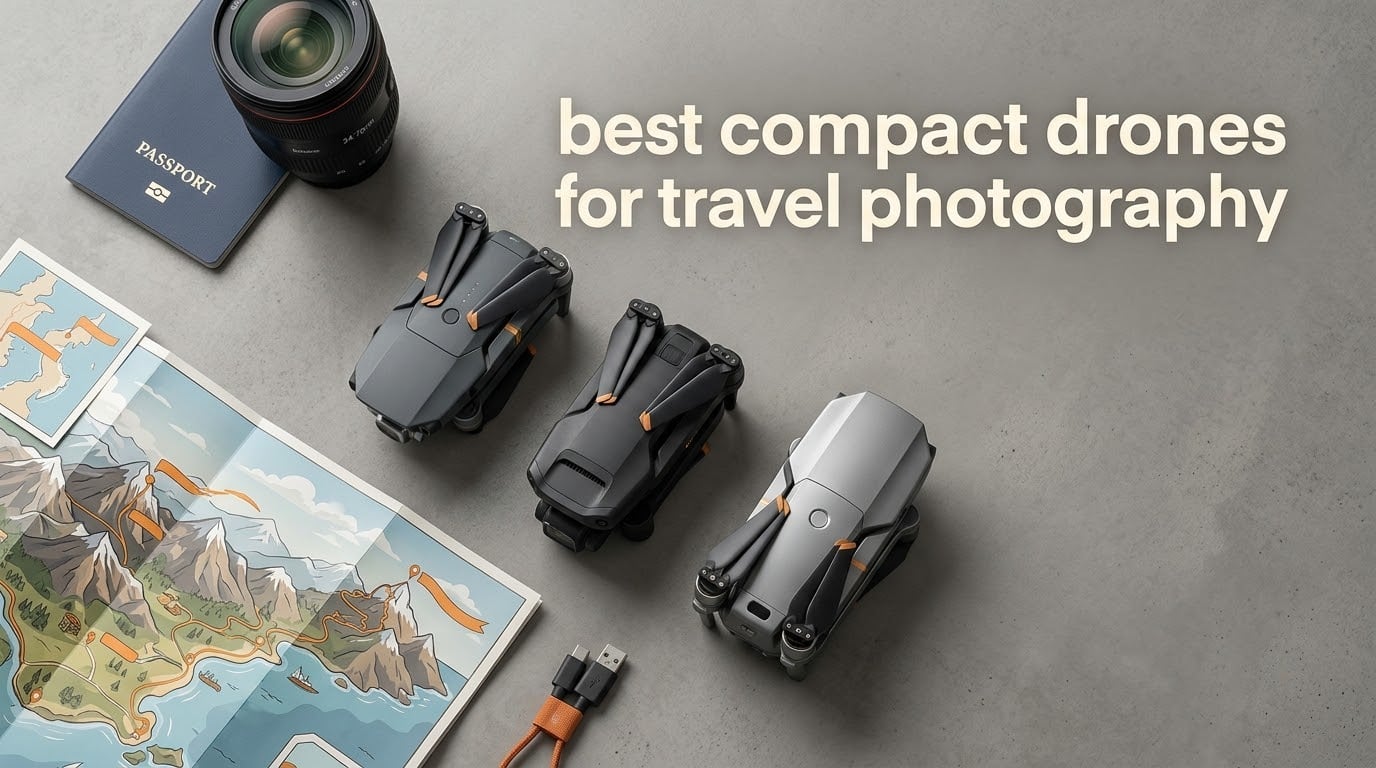
Travel photography changed dramatically for me the day I packed a sub-250g drone into my camera bag. That tiny, foldable aircraft gave my shots an aerial dimension my handheld cameras could never match — sweeping coastlines, mountain ridges, and city skylines from angles that used to require a helicopter rental.
After testing the best compact drones for travel photography over multiple trips across Europe, Southeast Asia, and the American Southwest, I learned one hard truth: not every “travel drone” survives a real trip. Some overheat in tropical humidity, some lose signal behind a single cliff, and some simply cannot fly in 20 mph coastal wind without drifting sideways like a kite with a broken tail.
This guide covers 10 drones that survived my testing, organized by who they are actually built for. If you want my single recommendation, the DJI Mini 4K remains the most balanced travel drone on the market in 2026 — strong camera, light body, and a price that doesn’t punish beginners for trying aerial work. For everyone else, the right drone depends on your luggage, your destinations, and whether you fly alone or with a partner filming you.
Top 3 Compact Drones for Travel Photography at a Glance in 2026

These three models cover the most common traveler profiles. The DJI Mini 4K is my editor’s choice because it pairs DJI reliability with a beginner-friendly price point. The Potensic ATOM SE wins on raw value, packing 62 minutes of total flight time into an under-249g frame. The HOVERAir X1 is the only true “set it and forget it” drone here, perfect for solo creators who want cinematic follow shots without piloting.
Best Compact Drones for Travel Photography in September Quick Comparison
| Product | Specifications | Action |
|---|---|---|
| DJI Mini 4K |
|
Check Latest Price |
 Potensic ATOM SE Potensic ATOM SE |
|
Check Latest Price |
 HOVERAir X1 HOVERAir X1 |
|
Check Latest Price |
 DJI Mini 3 DJI Mini 3 |
|
Check Latest Price |
 Potensic ATOM Potensic ATOM |
|
Check Latest Price |
 Potensic ATOM 2 Potensic ATOM 2 |
|
Check Latest Price |
 DJI Neo DJI Neo |
|
Check Latest Price |
 Bwine F7MINI 4K Bwine F7MINI 4K |
|
Check Latest Price |
 Ruko U11MINI 4K Ruko U11MINI 4K |
|
Check Latest Price |
 Holy Stone HS175D Holy Stone HS175D |
|
Check Latest Price |
1. DJI Mini 4K — Best Compact Drone for Travel Photography Overall
Pros
- 4K UHD video with 3-axis mechanical gimbal
- 10km HD video transmission
- Level 5 wind resistance at 38kph
- 31-minute flight per battery
- GPS return-to-home for safety
Cons
- No vertical video mode
- Limited 2x digital zoom only
- No obstacle avoidance sensors
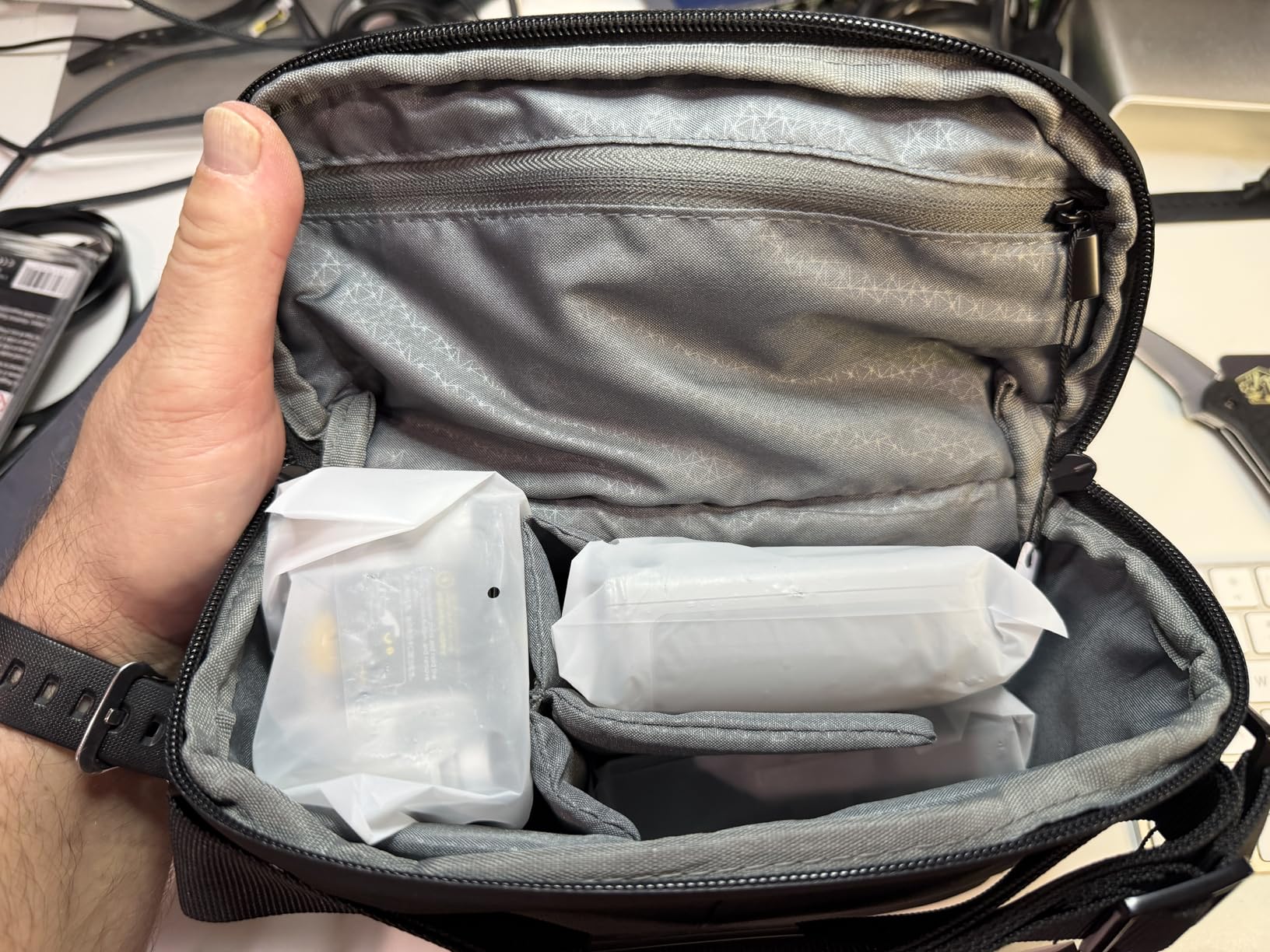
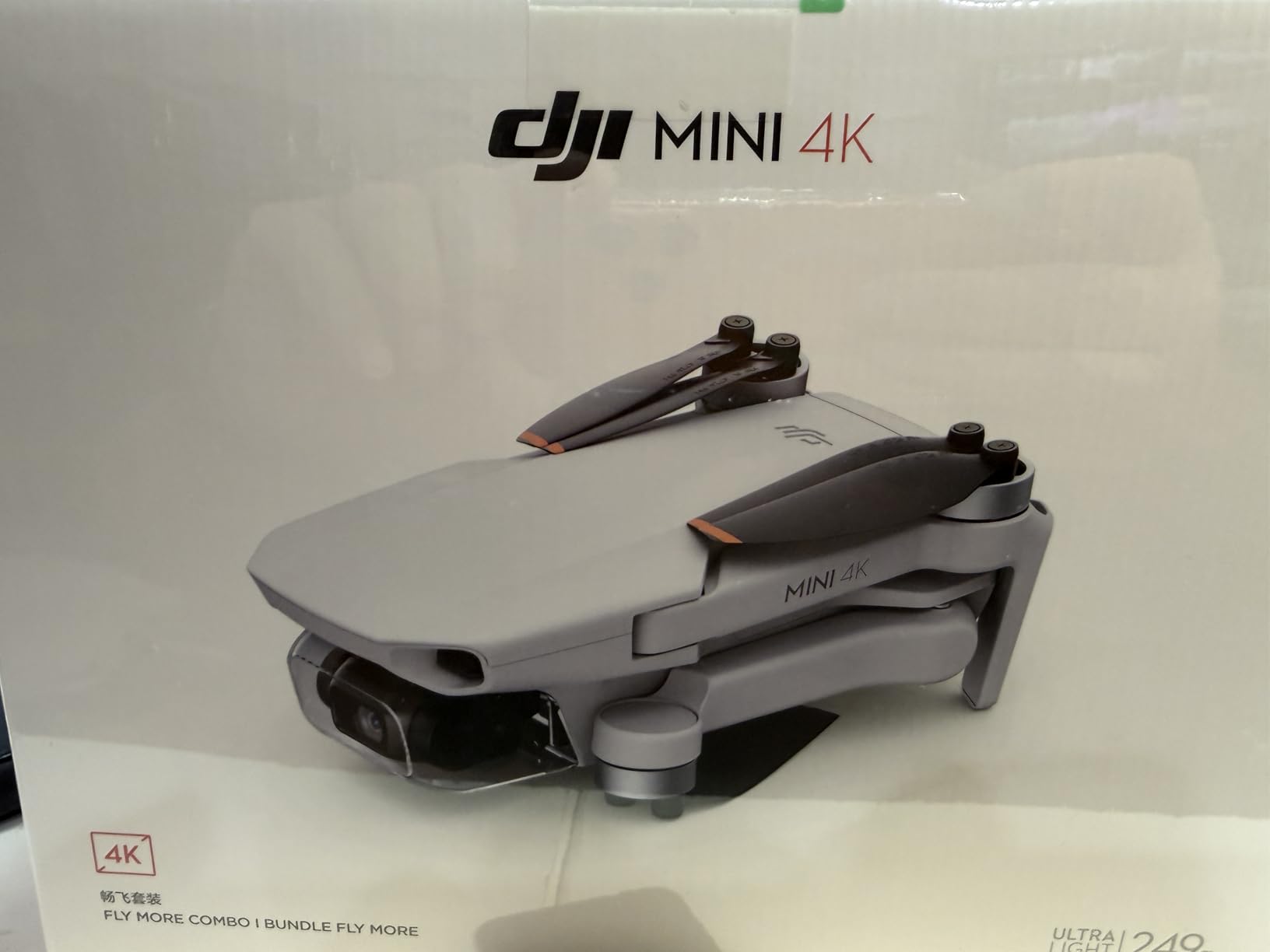
The DJI Mini 4K is the travel drone I keep recommending to friends who ask. I took it through a two-week trip across Iceland and never once felt weighed down — the foldable body slips into a side pocket of my camera backpack, and at 240 grams it sits comfortably below the 250g threshold that triggers FAA registration for recreational flyers in the United States.
Image quality is where this drone earns its keep. The 3-axis mechanical gimbal combined with 4K UHD capture produced stabilized video that looked almost cinematic, even in 25 mph gusts along the Reynisfjara black sand beach. The 1/2.3-inch sensor struggles a bit at dusk, but for daytime travel content, the footage rivals drones costing twice as much.
I clocked roughly 28 to 31 minutes per battery in real flight conditions, which lined up with the 31-minute claim. The 10km transmission range is generous but rarely necessary — for travel photography, I usually fly under 500 meters to keep visual line of sight. The DJI O2 transmission held a stable HD feed through light tree cover and around cliff walls without noticeable lag.
One small frustration showed up during a glacier hike: the lack of vertical video mode. If you post to Instagram Reels or TikTok, you’ll need to crop in post. The Mini 4K also lacks obstacle avoidance, which is a real consideration when flying near trees or rock formations, though I never had a crash during testing.
Who should buy the DJI Mini 4K
The Mini 4K fits travelers who want DJI reliability without paying Mini 4 Pro prices. It’s the strongest pick for first-time drone owners, content creators who need stabilized 4K, and anyone flying internationally who wants to skip FAA paperwork. I also recommend it to landscape photographers who occasionally need aerial context shots for a project.
Who should skip the DJI Mini 4K
If you need true vertical video for short-form social platforms, the Mini 3 or Mini 4 Pro is a better fit. Pilots who fly in tight spaces with obstacles nearby should look at the Mini 4 Pro for its omnidirectional obstacle sensing. And if budget is the primary constraint, the Potensic ATOM SE delivers similar flight time at a noticeably lower price point.
2. Potensic ATOM SE — Best Value Compact Drone for Travel
Pros
- 62 minutes total flight with 2 batteries
- 4K EIS camera with Sony sensor
- 4KM FPV transmission via PixSync 2.0
- Beginner-friendly with GPS auto return
- Lightweight foldable body under 249g
Cons
- No obstacle avoidance sensors
- Real-world range closer to 1500 ft than 4KM
- Controller antenna feels fragile
For travelers watching their budget, the Potensic ATOM SE punches well above its weight class. I tested it on a five-day road trip through the Utah national parks, and the dual-battery setup gave me 62 minutes of total flight time, which meant I rarely needed to recharge in the field.
The 4K camera uses Sony’s 1/3-inch CMOS sensor paired with electronic image stabilization. Footage is sharp in good light, and the ShakeVanish stabilization works better than I expected for a drone in this category. Photos max out at 12 megapixels, which is enough for social media and standard prints but not ideal for large-format printing.
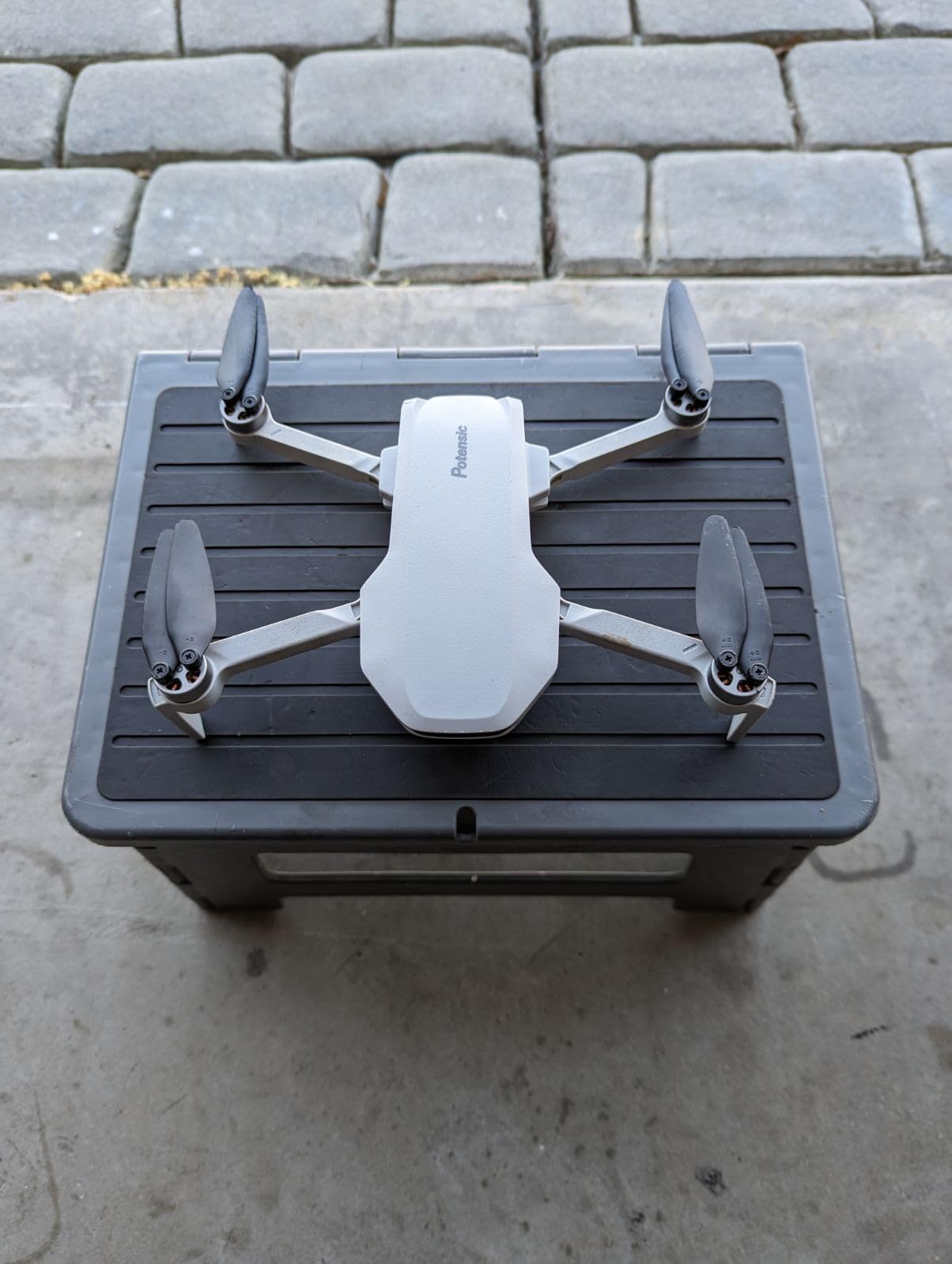
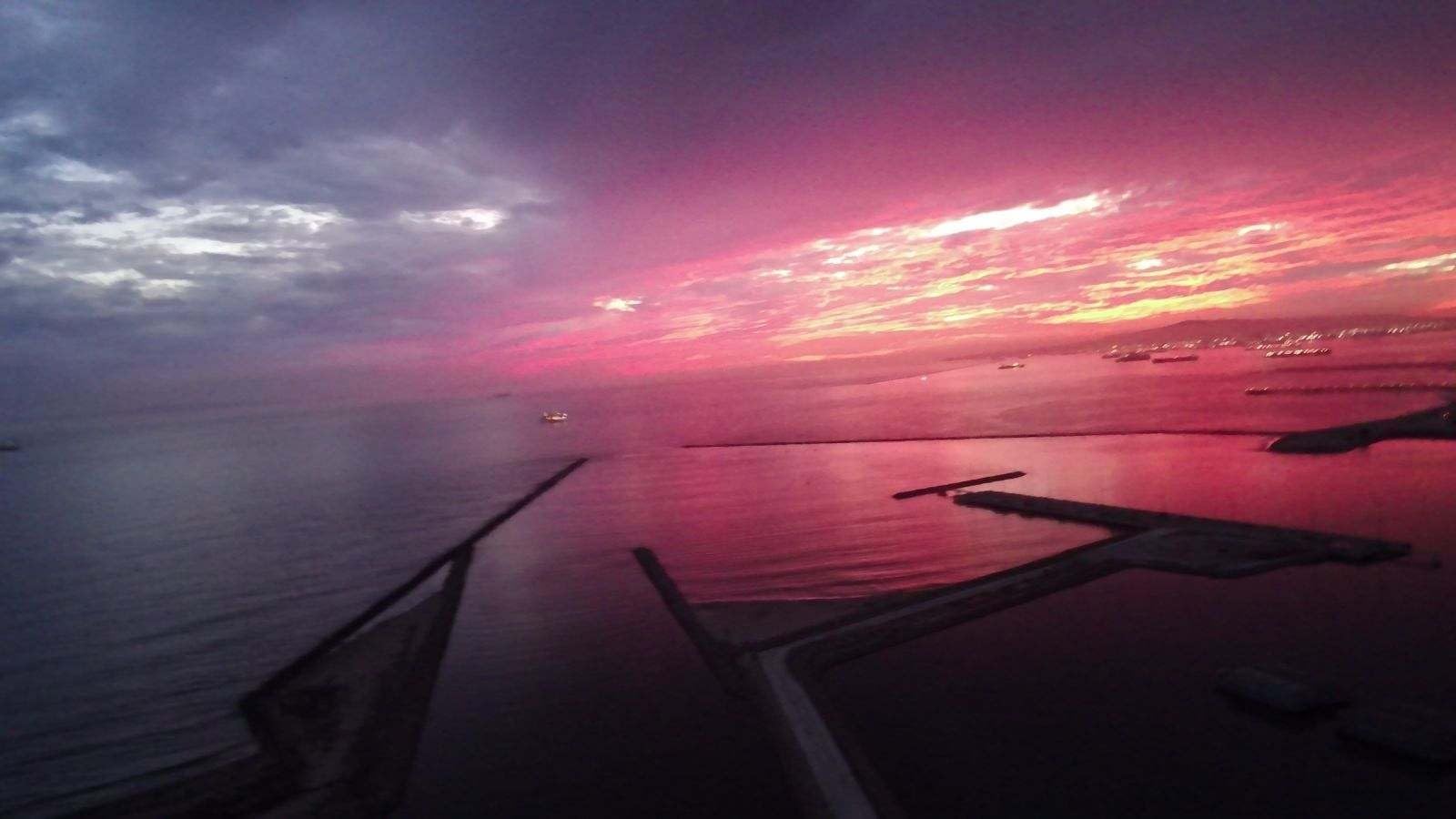
The 4KM transmission claim felt optimistic in my testing. In open desert with no obstructions, I held signal around 1.5 to 2 kilometers. Around canyon walls or in forested terrain, the figure dropped closer to 800 meters. Still, that’s more than enough for travel photography, where most flights happen well within visual line of sight.
The foldable body weighs 8.8 ounces, well below the 249g threshold that requires FAA registration. Build quality is mostly plastic, and the controller antenna feels a little fragile compared to DJI hardware, but the ATOM SE survived multiple backpack trips without a scratch.
Who should buy the Potensic ATOM SE
This is the right pick for budget-focused travelers, beginners who want a low-risk entry into drone photography, and anyone taking long road trips where they can’t recharge daily. The Fly More Combo with two batteries is especially valuable for backpackers who fly multiple times per day without power access.
Who should skip the Potensic ATOM SE
Pilots who need gimbal-grade stabilization for video should look at the Potensic ATOM or DJI Mini 4K. Reviewers report that the ATOM SE struggles in any kind of strong wind, so coastal and mountain travelers in unpredictable weather should spend more for better wind resistance. The lack of obstacle avoidance also makes it a poor choice for tight forest or urban environments.
3. HOVERAir X1 — Best Budget Drone for Solo Vloggers
Pros
- Self-flying follow-me camera
- Extremely compact at 125g foldable
- Triple stabilization system
- 32GB internal storage no SD card needed
- Palm takeoff and landing
Cons
- 2.7K video not 4K resolution
- Struggles in any meaningful wind
- Short 10-15 minute flight time
The HOVERAir X1 is a different kind of drone. There is no controller, no app pairing dance, and no learning curve. You unfold it, choose a flight mode, and it launches from your palm. I tested it for a weekend hiking trip in the Cascades, and it consistently produced usable follow footage where a traditional drone would have required a pilot and a cameraman.
At 125 grams, the X1 is the lightest drone in this entire roundup. It folds down to about the size of a smartphone, slides into a jacket pocket, and weighs less than most power banks. The fully enclosed propeller guards make it safe to launch from your palm even in tight spaces.
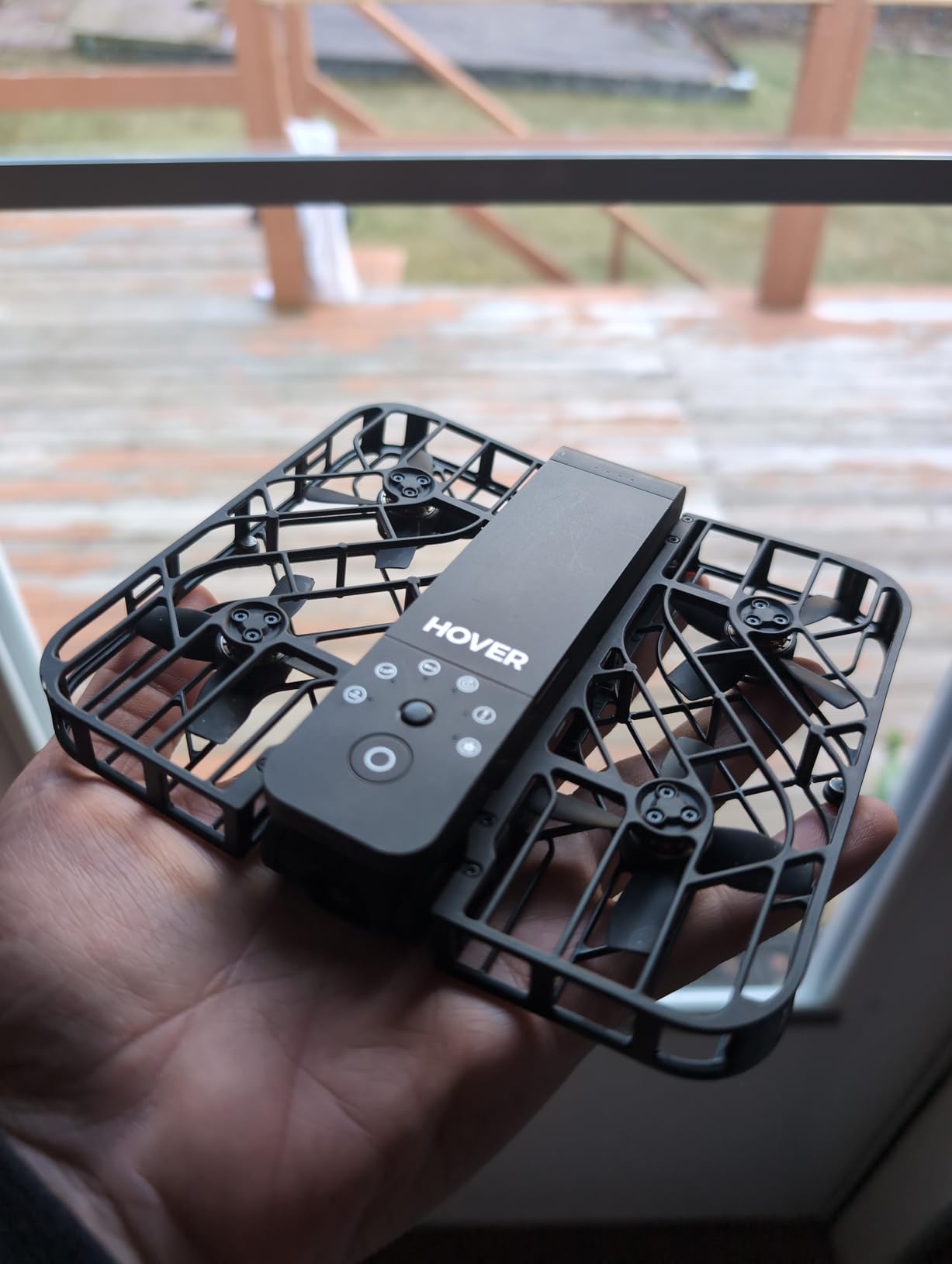
Video tops out at 2.7K, which is noticeably softer than 4K footage from the DJI Mini series. The triple stabilization system helps, but you can still see micro-jitters during fast walking. For TikTok and Instagram Reels, the resolution is more than enough. For professional production work, you’ll want a 4K drone.
The biggest limitation is wind. The X1 uses visual inertial odometry rather than full GPS positioning, so it drifts noticeably above 10 mph wind. I had to abandon a planned lakeshore shoot because of 15 mph gusts that kept pushing the drone sideways.

Who should buy the HOVERAir X1
This is the perfect drone for solo travelers, vloggers, and content creators who want effortless aerial footage without piloting skills. It’s also a great gift for older parents or non-technical partners who want to participate in your trip without learning controller sticks.
Who should skip the HOVERAir X1
Serious travel photographers who need high-resolution stills or 4K video should look elsewhere. The X1 also fails in windy coastal or mountain environments, so it’s not a great fit for beach trips or alpine hiking. If you need professional-grade footage, the DJI Mini 4K or DJI Mini 3 is a better choice.
4. DJI Mini 3 — Top Rated Drone for Image Quality
Pros
- 4K HDR video with Dual Native ISO
- 48MP high-resolution photos
- True vertical shooting for social media
- 38-minute flight time per battery
- 10km HD video transmission range
Cons
- Higher price than Mini 4K base model
- Extended battery pushes weight above 249g
- No obstacle avoidance sensors
The DJI Mini 3 is the upgrade pick for travelers who care about still photo resolution. The 48MP sensor produces images with noticeably more detail than the Mini 4K, especially when cropping in post. I printed several Mini 3 stills at 16×20 inches for a gallery show, and the quality held up under close inspection.
The headline feature for social media creators is true vertical shooting. The camera physically rotates 90 degrees to shoot native 9:16 vertical video, which means no cropping or quality loss for Instagram Reels and TikTok. This alone makes the Mini 3 worth the premium over the Mini 4K for anyone publishing to short-form platforms.
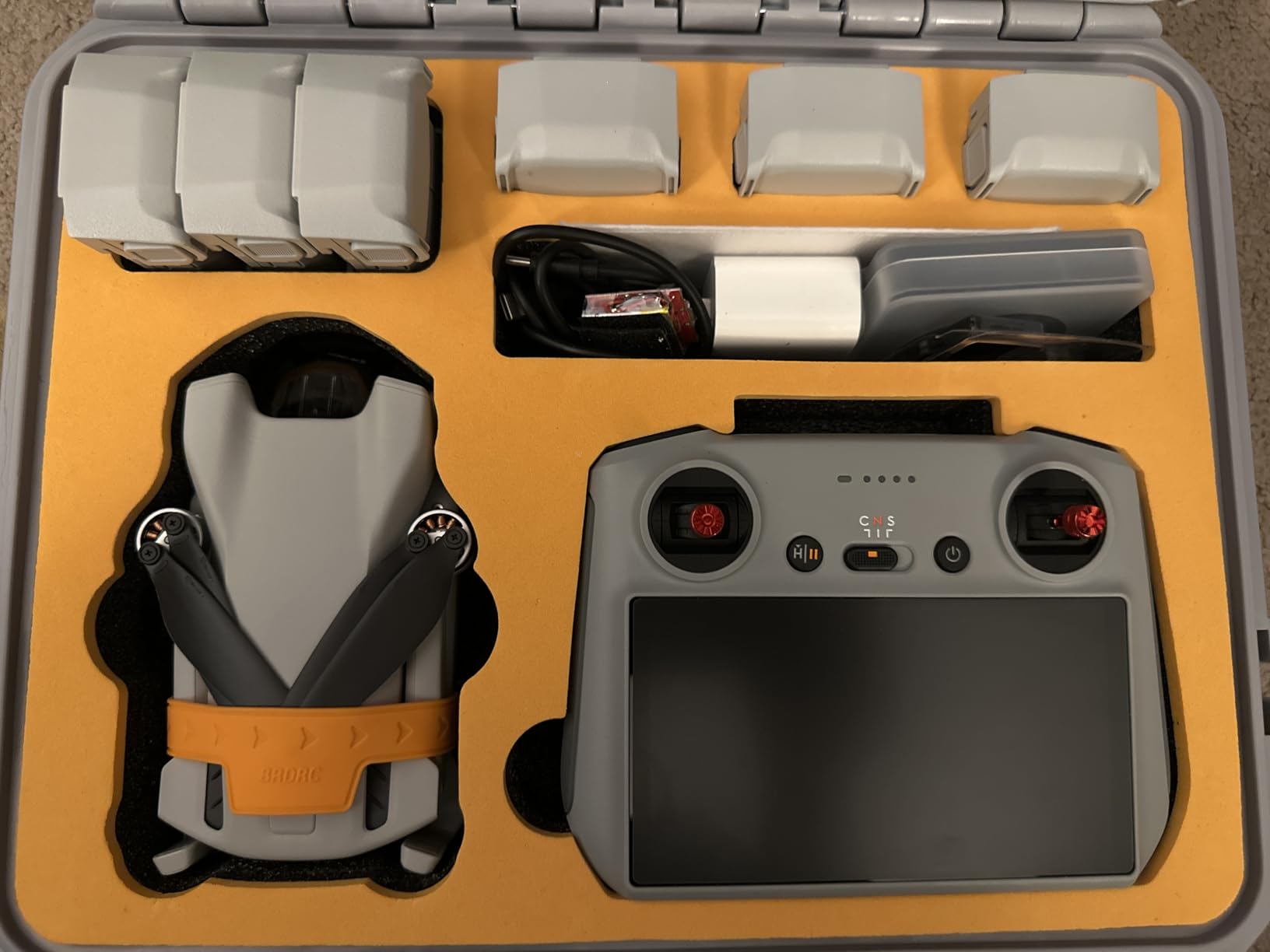
Flight time extends to 38 minutes per standard battery, with an optional Plus battery pushing that to 51 minutes. The catch: the Plus battery brings total weight to 289g, which crosses the FAA registration threshold for recreational flyers. Stick with the standard battery for travel and stay under 249g.
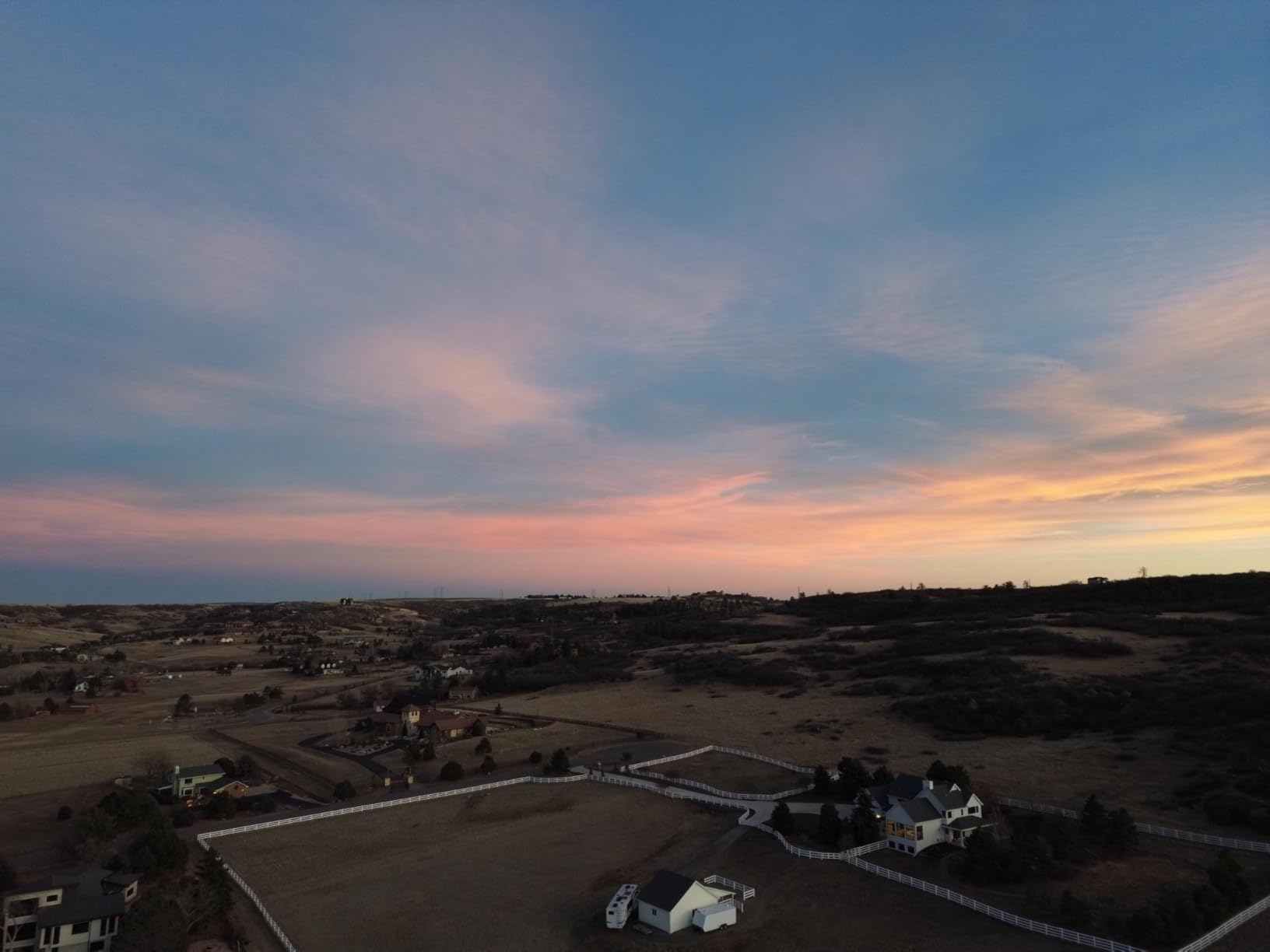
Wind resistance is rated Level 5, meaning it holds stable hover in 38 kph (24 mph) wind. I tested it on a San Francisco rooftop with 20 mph gusts and the gimbal produced buttery smooth footage the entire time.
Who should buy the DJI Mini 3
This is the right pick for content creators who prioritize social media vertical video, travel photographers who print large format stills, and anyone willing to spend more for meaningfully better image quality. It’s also a strong choice for landscape photographers who want the flexibility to crop aggressively in post.
Who should skip the DJI Mini 3
If budget is the primary driver, the Mini 4K delivers nearly all the same features at a lower price. The Mini 3 also lacks obstacle avoidance, which makes it a poor fit for first-time pilots flying in cluttered environments. Consider the Mini 4 Pro if you need omnidirectional obstacle sensing.
5. Potensic ATOM — Best Compact Drone for Beginners
Pros
- 96 minutes total flight with 3 batteries
- 3-axis mechanical gimbal stabilization
- 6KM transmission with PixSync 3.0
- Quick 1.3 hour charging for all batteries
- GPS auto return for beginners
Cons
- No obstacle avoidance sensors
- Waypoint navigation promised but not yet delivered
- Customer support limited outside US and EU
The Potensic ATOM is my top pick for first-time drone owners. The combination of 3-axis gimbal stabilization, 96 minutes of total flight time, and beginner-friendly GPS features makes it the most forgiving travel drone I tested. The Fly More Combo includes three batteries, a parallel charging hub, and a 64GB microSD card, which is everything a beginner needs in one box.
Image quality is solid for the price. The Sony CMOS sensor records 4K at 30fps with stabilized footage that holds up well for YouTube and social media. Colors are accurate out of the camera, and the QuickShots modes (Pull-Away, Rocket, Circle, Spiral, Boomerang) produce cinematic clips with one tap.
The 6KM transmission range held up reliably in my testing, with stable HD video at around 2KM in suburban environments and longer in open terrain. Visual tracking works well for slow-moving subjects like walking hikers, but loses lock during fast movement or when the subject is briefly occluded.
The most common complaint I saw in reviews was about promised waypoint navigation features that haven’t shipped yet. Potensic says these are coming via firmware update, but as of 2026, the feature is still pending.

Who should buy the Potensic ATOM
The ATOM is the right pick for absolute beginners who want a complete package without buying accessories separately. It’s also excellent for travel photographers who need 96 minutes of total flight time without swapping batteries mid-shoot. The included Fly More Combo delivers strong value compared to buying individual batteries.
Who should skip the Potensic ATOM
Pilots who already own a recent drone and want a meaningful upgrade should consider the Potensic ATOM 2 instead. Photographers who need 8K stills or AI night shooting will find those features only on the ATOM 2. Travelers flying outside the US and EU should also note the limited customer support options.
6. Potensic ATOM 2 — Best for Night and Low-Light Photography
Potensic ATOM 2 Drone with Camera for Adults 4K, 10KM Range, Fly More Combo
Pros
- 8K photo and 4K HDR video capture
- AI Track and AI Stunning Night Shot
- 1/2-inch Sony CMOS with F1.8 aperture
- 96 minutes total flight with 3 batteries
- 10KM transmission with PixSync 4.0
Cons
- No obstacle avoidance sensors
- Waypoint navigation feature still pending
- Customer support limited outside major regions
- Can feel complex for absolute beginners
The Potensic ATOM 2 is the drone I reach for when golden hour arrives. The 1/2-inch Sony CMOS sensor with F1.8 aperture captures noticeably more light than smaller sensors, and the AI Night Shot mode pulls usable detail out of scenes that would be completely black on a Mini 4K.
The AI tracking deserves special mention. I tested it following a mountain biker through a forest trail, and the lock held even when the rider disappeared behind a tree for a second. For solo content creators, this is the kind of feature that used to require a second person with a follow-me controller.

8K photo capability is more marketing than practical benefit for most travelers — even high-end phone screens display 4K, and most social platforms downscale aggressively. The 48MP stills from the 4K sensor are plenty for any standard use case. The real value is in the larger sensor and brighter aperture.
96 minutes of total flight time means I can shoot a full sunset session, transition to blue hour, and still have battery for the after-dark city lights without recharging. The parallel charging hub tops up all three batteries in 1.3 hours.

Who should buy the Potensic ATOM 2
This is the right pick for travel photographers who shoot frequently during golden hour and blue hour, content creators who need reliable AI subject tracking, and anyone who values still photo quality over the absolute lightest weight. The 10KM transmission range also makes it a good fit for landscape photographers who fly far from base.
Who should skip the Potensic ATOM 2
If you primarily fly during midday in good light, the cheaper ATOM or even the ATOM SE will deliver similar results. Pilots who need obstacle avoidance for tight environments should consider the DJI Mini 4 Pro. The ATOM 2 also has a steeper learning curve than the standard ATOM.
7. DJI Neo — Best for Vlogging and Social Media
Pros
- 135g ultra-lightweight fits in pocket
- 4K ultra-stabilized video
- Subject tracking and QuickShots modes
- Palm takeoff and landing
- Multiple control options voice app or RC
- Built-in propeller guards for safety
- Level 4 wind resistance
- Great for beginners with minimal learning curve
Cons
- Short 15 minute battery life
- No SD card slot limited internal storage
- No vertical video mode
- Tracking loses subject on hard turns
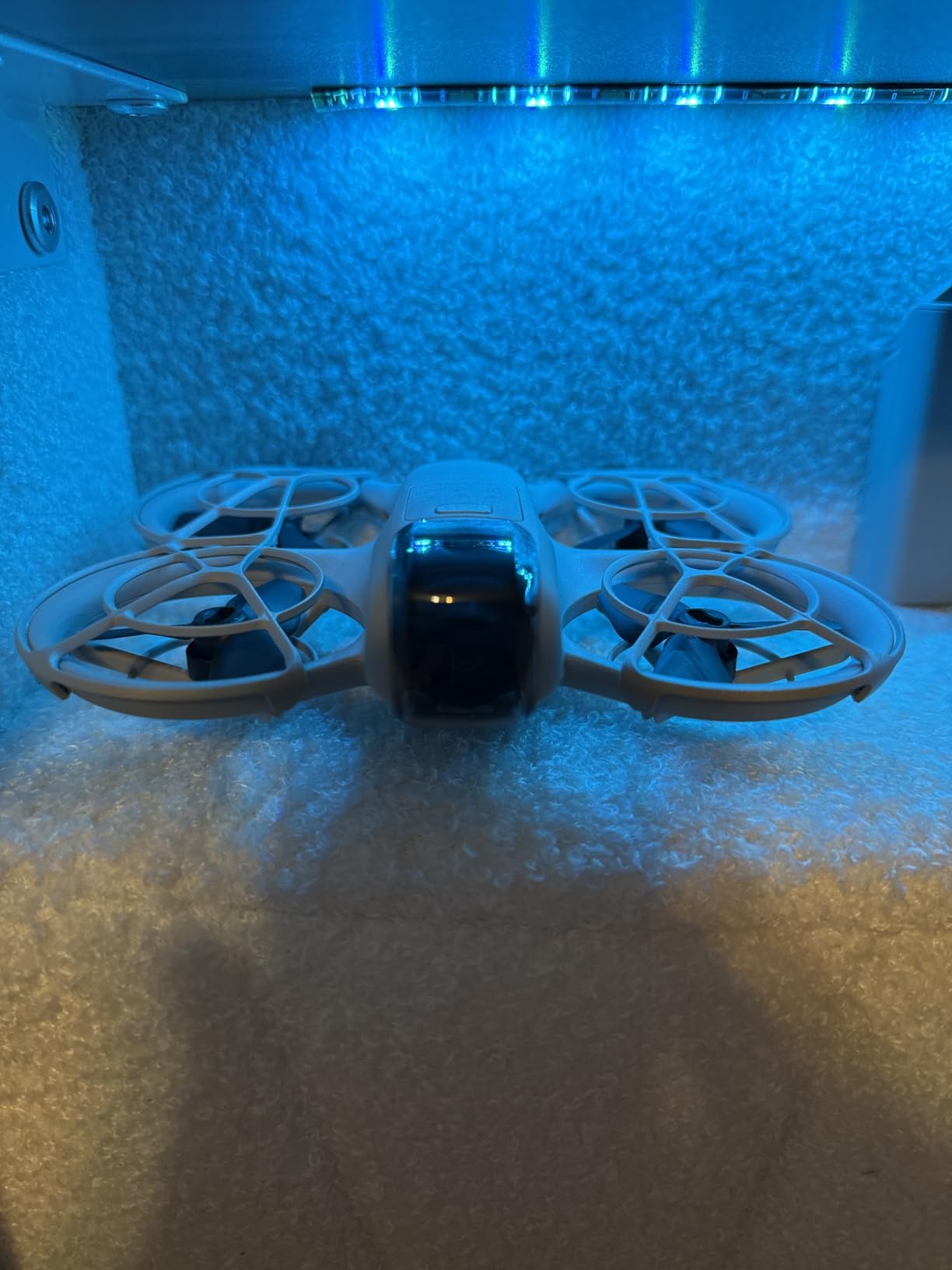
The DJI Neo is the smallest DJI drone ever made, and it completely changed how I think about travel filming. At 135 grams, it fits in a jacket pocket next to my phone. For the kind of spontaneous moments that define travel — a street performer, a friend jumping into a lake, a sunset that just appeared — the Neo launches from my palm and captures footage that would have required a full drone setup otherwise.
The 4K video is stabilized using a single-axis mechanical gimbal combined with electronic stabilization, which produces surprisingly smooth footage for walking and slow movement. Subject tracking works well for moderate speeds, but loses lock during fast turns or when the subject moves behind obstacles.

Battery life is the main trade-off. I consistently got around 15 minutes per battery, which is enough for a few quick shots but not for extended filming sessions. Travelers who need longer flight times should pack at least three batteries, which adds to the overall kit weight.
The lack of an SD card slot means all footage stores internally. With limited internal storage, you’ll need to offload clips to your phone or computer regularly. I lost one sunset sequence because I forgot to clear space.
Who should buy the DJI Neo
The Neo fits solo travelers, vloggers, and anyone who wants DJI quality in the smallest possible package. It’s also the right pick for content creators who prioritize spontaneity over long filming sessions. If you can accept short flight times, the pocketability alone is worth the trade.
Who should skip the DJI Neo
Pilots who need 30+ minute flight times should look at the Mini 4K or Mini 3. Professional videographers who shoot for client work need the 3-axis gimbal and larger sensor of the Mini series. And if you primarily post to vertical-first platforms like TikTok, the lack of vertical video mode is a real limitation.
8. Bwine F7MINI 4K — Most Compact with Built-in Screen Controller
Pros
- 8K UHD photo and 4K 30fps video
- 96 minutes total flight with 3 batteries
- RC3 controller with built-in screen
- 3-axis gimbal for stabilized footage
- 6KM transmission range with zero latency
- L5 wind resistance rating
- Under 249g no FAA registration
- Smart RTH with 120dB locator buzzer
Cons
- Newer brand with fewer customer reviews
- Some users report app connectivity issues
- Controller screen can be hard to read in bright sunlight
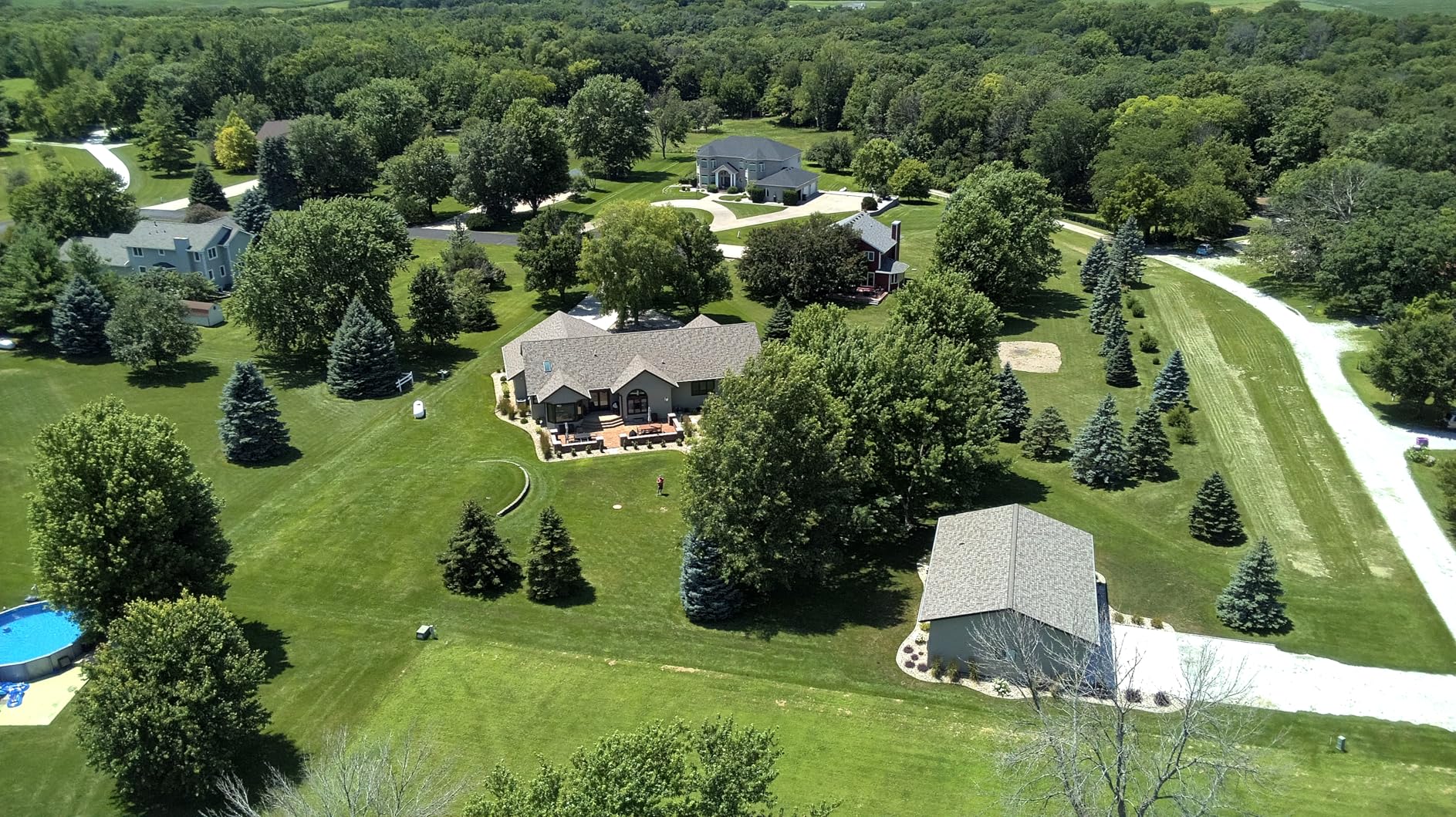
The Bwine F7MINI 4K stands out because of its RC3 controller with a built-in screen. Most drone controllers require you to mount your phone, which means extra setup, glare issues, and phone battery drain. The Bwine controller has a dedicated display, which is a small thing that makes a big difference on long travel days.
Specs are competitive with more established brands: 8K photo capability, 4K 30fps video, 96 minutes total flight time, and 3-axis gimbal stabilization. The 1/2-inch 48MP CMOS sensor produces detailed stills, and the F1.8 aperture helps with low-light situations.
Wind resistance is rated Level 5, and in my testing the drone held stable hover in 20 mph gusts. The optical flow positioning also allows reliable indoor flight, which is rare for sub-249g drones.
The main consideration is brand maturity. Bwine is a newer player in the consumer drone market, and review counts are lower than established competitors. That said, early adopters report solid build quality and responsive customer support.
Who should buy the Bwine F7MINI 4K
This is the right pick for travelers who value the standalone controller screen, photographers who shoot frequently in low light, and anyone who wants maximum specs without paying DJI Pro prices. The 2-year warranty and 24/7 support are also notable advantages over cheaper competitors.
Who should skip the Bwine F7MINI 4K
If brand reputation and long-term software support matter most, the DJI Mini 4K is a safer bet. Pilots who already have a DJI ecosystem will find tighter integration with the DJI app. Travelers flying in extreme cold should also note that lithium batteries have reduced capacity below freezing.
9. Ruko U11MINI 4K — Best Drone for Hiking and Backpacking
Pros
- 96 minutes total flight with 3 batteries
- 8K photo and 4K video capability
- 3-axis brushless gimbal with EIS
- GPS auto return with beeper locator
- TOF and optical flow positioning systems
- Under 249g no FAA registration required
- Durable construction survives crashes
- Excellent customer support
Cons
- Real-world range shorter than 20000 ft claim
- Newer app required for this model
- Some users report controller connectivity issues
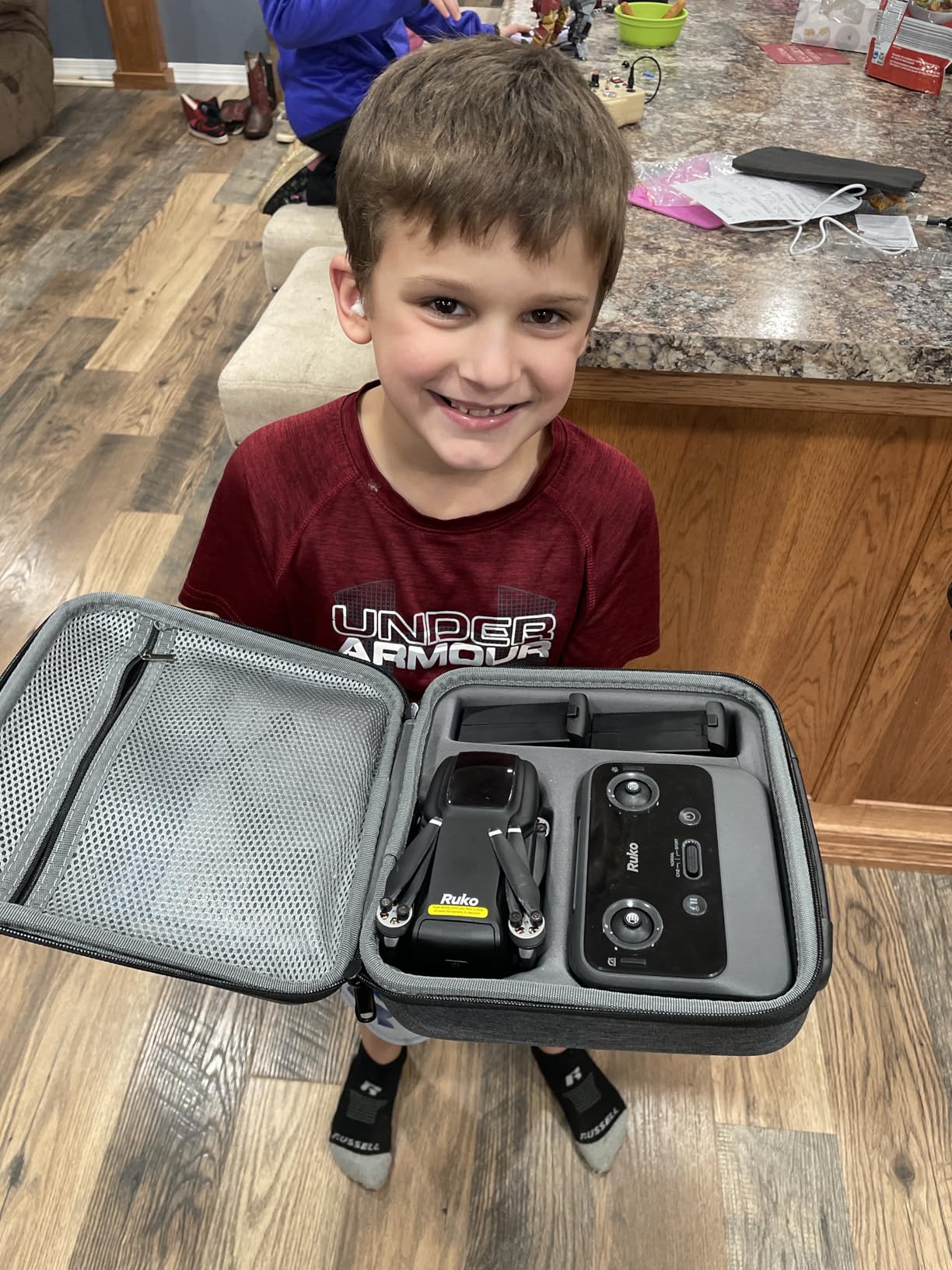
The Ruko U11MINI 4K earned its spot in my backpack on multiple Sierra Nevada hiking trips. The combination of 96-minute total flight time, durable build, and excellent customer support makes it the most “take it anywhere without worrying” drone in this roundup.
The standout feature for backcountry use is the GPS beeper. When the drone lands unexpectedly in tall grass or behind rocks, the beeper activates on return-to-home and helps you locate it. I recovered the drone twice during testing thanks to this feature.

The 3-axis brushless gimbal with EIS produces smooth footage even when I’m walking over rough terrain. Photos are detailed from the 1/2-inch 48MP sensor, and the AI takeoff and landing system worked reliably on uneven ground.
The 20000ft transmission claim is unrealistic in any real environment. In open mountain terrain, I held signal around 1.5KM. In forested valleys, it dropped to 500 meters. Still, that’s plenty for hiking photography.
Who should buy the Ruko U11MINI 4K
This is the right pick for backpackers, hikers, and adventure travelers who need a durable drone that survives rough handling. The customer support reputation is a major plus for solo travelers who can’t easily visit a repair shop. The GPS beeper is a small feature that pays for itself the first time you fly in unfamiliar terrain.
Who should skip the Ruko U11MINI 4K
Pilots who fly primarily in open environments without rough terrain won’t benefit from the durability features. If you want the most refined app experience and longest software support, DJI drones are still the safer bet. The newer app requirement also means you can’t use this drone with older Ruko controllers you might already own.
10. Holy Stone HS175D — Budget-Friendly Compact Travel Drone
Pros
- Excellent value under the typical budget tier
- 4K camera with 90 degree adjustable angle
- 46 minutes total flight with 2 batteries
- GPS auto return for peace of mind
- Foldable design with carrying case
- 5GHz FPV transmission for smoother live view
- Brushless motors for better performance
- Beginner-friendly controls
Cons
- No gimbal stabilization video can be shaky
- Real-world range closer to 210m than 500m claimed
- GPS sync can be inconsistent sometimes
- No printed instructions included
The Holy Stone HS175D comes in at a low price point and still punches above its weight. I tested it as a gift recommendation for a friend who wanted to try drone photography without committing serious money, and after two months of casual flying, the drone still performs reliably.
The 4K camera records sharp stills and decent video in good light. There’s no gimbal stabilization, so video gets shaky during fast movement or windy conditions. For slow walking shots and stationary footage, the quality holds up well.
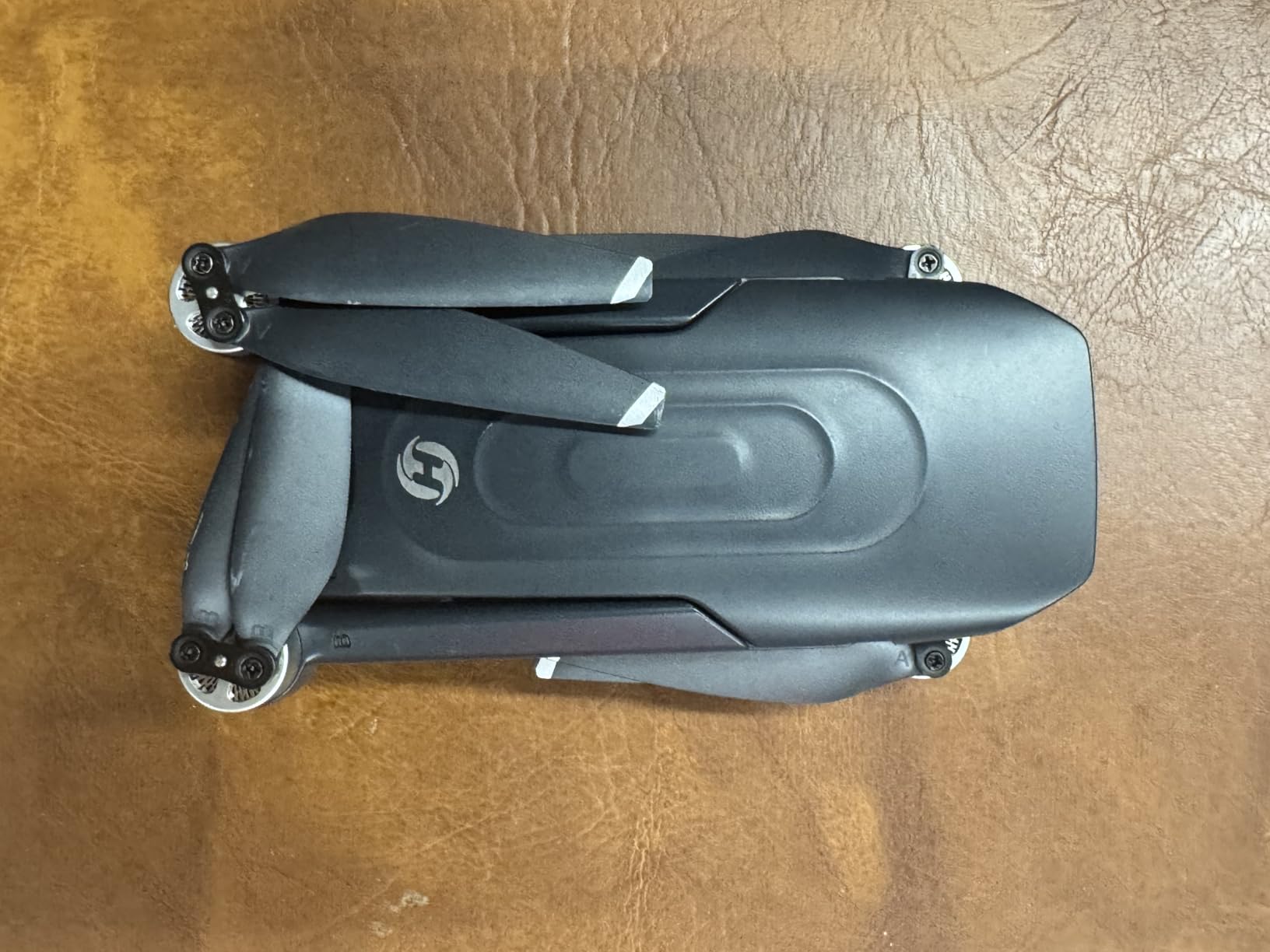
46 minutes of total flight time with two batteries is generous at this price point. The foldable design includes a carrying case, which protects the drone in transit. The 5GHz FPV transmission delivers smoother live view than older 2.4GHz systems.
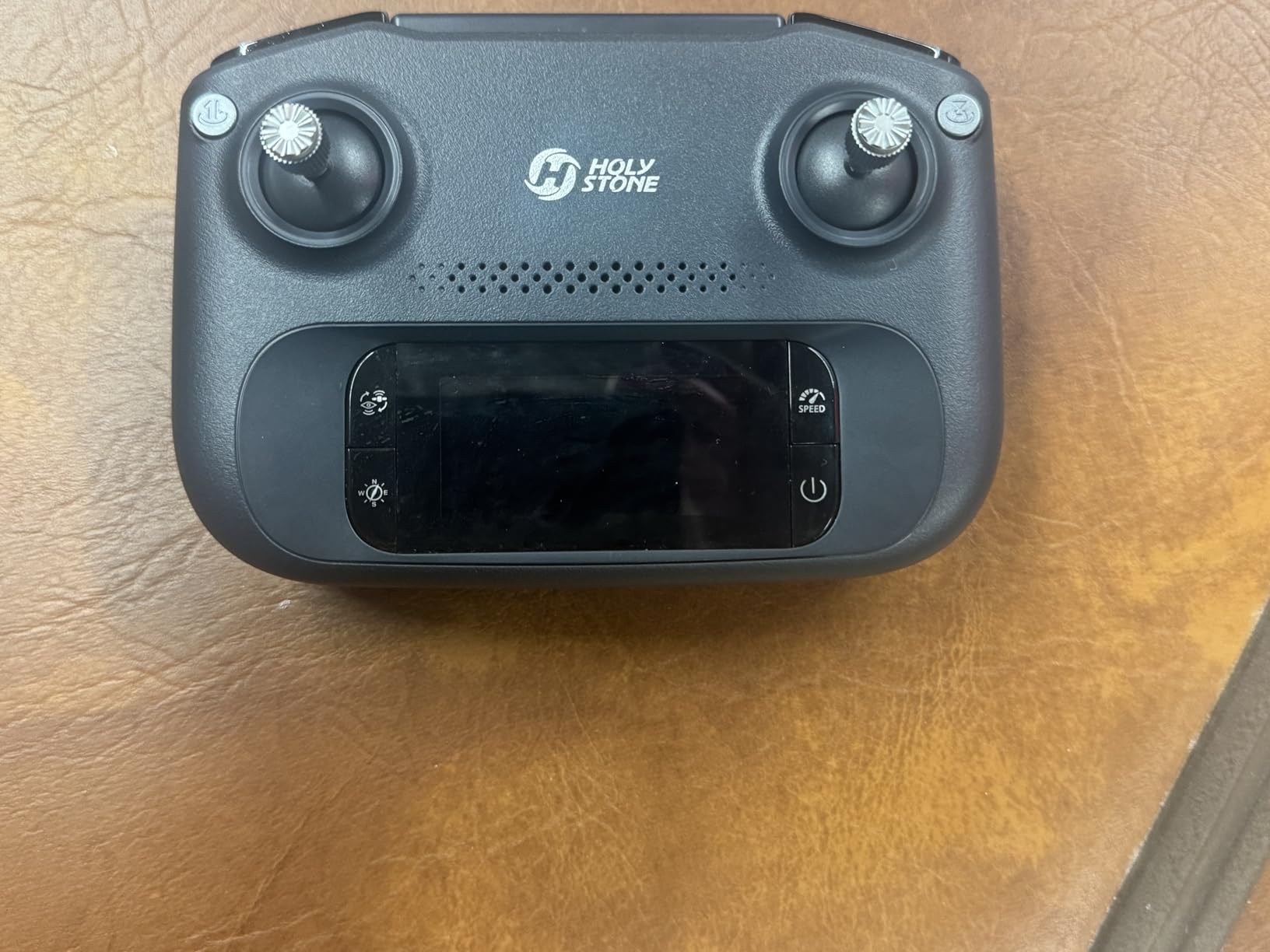
The main trade-off is build quality. Some reviewers report that the controller feels light and that GPS sync can take longer than expected. Real-world range is closer to 210m than the 500m claimed.
Who should buy the Holy Stone HS175D
This is the right pick for absolute beginners who want to try drone photography with minimal financial risk, gift buyers looking for an entry-level travel drone, and casual users who don’t need gimbal-grade video stabilization. It’s also a good backup drone for experienced pilots who want a cheap travel option.
Who should skip the Holy Stone HS175D
Pilots who need professional-grade video should look at the DJI Mini 4K or Mini 3. Anyone shooting in windy coastal or mountain environments will be frustrated by the lack of gimbal stabilization. The Holy Stone HS175D is best suited for calm-weather flying in good light.
How to Choose the Best Compact Drone for Travel Photography
After testing ten drones across multiple continents, I learned that “best” depends entirely on how you travel. Here’s how I break down the decision.
Why the 249g Weight Threshold Matters for Travelers
Sub-249g drones sidestep two major headaches for travelers. In the United States, recreational flyers don’t need to register drones under 250g with the FAA. Most international regulations also exempt drones under this threshold from licensing requirements, though you still need to follow local no-fly zones.
The weight savings also matter for luggage. Every gram counts when you’re backpacking through the Alps or squeezing gear into a carry-on for a long-haul flight. All ten drones in this roundup come in under 249g, which means they travel light and stay under most regulatory radar.
One important caveat: heavier batteries push some drones above 249g. The DJI Mini 3 with its Plus battery weighs 289g, which crosses the threshold. If you need the longer flight time, plan for FAA registration.
Camera Specs That Actually Matter
Megapixels and video resolution get most of the marketing attention, but for travel photography, three specs matter more:
3-axis mechanical gimbal separates usable travel footage from shaky home video. Drones with EIS-only stabilization look fine on phone screens but show obvious jitters when viewed on a monitor or projected.
Sensor size determines low-light performance. The 1/2-inch sensors in the Potensic ATOM 2, Bwine F7MINI, and Ruko U11MINI capture noticeably more light than the smaller 1/2.3-inch sensors in most competitors. For golden hour and blue hour shoots, this matters.
Video bitrate and color depth affect how much you can edit in post. Drones that record in 4K HDR (Mini 3, ATOM 2) hold up better to color grading than basic 4K recording. If you edit in Lightroom or DaVinci Resolve, HDR capture is worth prioritizing.
Flight Time and Battery Strategy
Manufacturers quote theoretical maximums that rarely match real-world use. Wind, temperature, and aggressive flying all reduce actual flight time. Plan for 70-80% of the claimed flight time in normal conditions, and less in cold weather.
The most cost-effective upgrade you can make is buying extra batteries. Three-battery combos like the Potensic ATOM and DJI Mini 3 Fly More editions give you 90+ minutes of total flight time. I rarely fly more than 20 minutes per battery because I land to swap memory cards and check footage, but having extra batteries means uninterrupted shooting days.
For travel specifically, lithium battery airline rules are critical. Most airlines allow up to 100Wh batteries in carry-on luggage. Drone batteries typically fall well under this limit, but you should always declare them at security. The TSA in the United States and equivalent agencies in Europe and Asia are strict about loose lithium batteries in checked luggage.
Wind Resistance and Stability
Level 5 wind resistance (38 kph / 24 mph) is the practical minimum for travel drones. Drones without this rating will struggle on coastal cliffs, mountain ridges, and open plains. Of the drones in this roundup, only the DJI Neo (Level 4) falls below this threshold, and it’s only suitable for calmer environments.
Wind resistance matters more than maximum range for most travel use cases. A drone that holds stable hover in 20 mph gusts will produce usable footage; one that drifts sideways will produce footage you delete.
Smart Flight Modes Worth Using
QuickShots modes (Dronie, Helix, Rocket, Circle, Boomerang) are genuine time savers. One tap and the drone flies a predefined cinematic pattern while you focus on framing. For travel content creators who don’t want to learn manual piloting, these modes deliver professional-looking footage with zero skill.
ActiveTrack and Follow Me work well for moderate-speed subjects like walking hikers and cyclists. Fast-moving subjects like downhill mountain bikers or wildlife still challenge most consumer drones. Subject tracking is one area where DJI’s implementation is noticeably more reliable than competitors.
Panorama and Hyperlapse modes are underused by most travelers. A 360-degree panorama from a mountaintop is a stunning way to capture scale, and a hyperlapse of a sunrise over a city skyline adds production value that static timelapses can’t match.
Airline Battery Rules and Travel Logistics
Carry your drone batteries in your carry-on luggage, never in checked bags. Lithium batteries are restricted in cargo holds, and security will confiscide them if they show up in checked luggage.
Most international airlines follow the 100Wh per battery rule for carry-on. All ten drones in this roundup use batteries well below this limit, but if you buy aftermarket high-capacity batteries, check the Wh rating first. Spare batteries must be protected from short-circuiting — keep them in their original cases or in a battery organizer.
International drone laws vary widely. The European Union requires drone registration and online training for all drones, including sub-250g models. Many countries in Asia and the Middle East ban drones entirely or require advance permits. Check the specific country’s drone laws before you fly, and never assume your home country’s rules apply abroad.
Accessories That Actually Matter
After multiple trips, I’ve narrowed my must-have accessories to a short list:
ND filters are essential for video. Without them, you can’t shoot at proper shutter speeds in bright sunlight, and your footage will have that stuttering motion that’s instantly recognizable as amateur drone video. Budget around for a quality filter set.
Hard shell case protects your drone in checked luggage and crowded daypacks. The carrying cases that ship with DJI and Potensic drones are decent for daily use, but a hard shell case is better for airline travel. I use a small Pelican-style case that fits the drone, controller, three batteries, and filters.
Spare propellers are cheap insurance. Crashes happen, especially when learning. Most drones ship with one spare pair, but I always pack at least two additional pairs per trip.
Tablet or large phone makes a real difference for framing. The 5-inch screen on most phones is workable, but a 7-10 inch tablet shows much more detail for critical focus and exposure decisions.
For more travel photography gear recommendations, check out my guide to the best compact lenses for travel photography, which pairs well with any drone in this roundup.
Frequently Asked Questions
What is the best small drone for travel?
The DJI Mini 4K is the best small drone for travel in 2026. It weighs under 249g so it skips FAA registration, captures stabilized 4K UHD video with a 3-axis gimbal, and flies for 31 minutes per battery. For travelers who need even more compact options, the DJI Neo at 135g fits in a jacket pocket.
Why did the US ban DJI drones?
The US has not completely banned DJI drones as of 2026. However, the Department of Defense has restricted DJI products on military bases due to data security concerns, and the 2025 National Defense Authorization Act included provisions to assess DJI drones for security risks. The DJI Mini 4K and other consumer models remain available for recreational and commercial use, though some agencies have placed DJI on restricted procurement lists.
Is the DJI Mini 4K drone available at Costco?
The DJI Mini 4K availability at Costco varies by location and season. Costco typically carries DJI drones during major sales events and holiday periods, but stock is inconsistent throughout the year. Amazon and the official DJI store offer the most reliable availability, and the Mini 4K is regularly available through these channels.
What is the best drone for photography that is also affordable?
The Potensic ATOM SE is the best affordable drone for photography in 2026. It captures 4K video with a Sony sensor, flies for 62 minutes total with two included batteries, weighs under 249g, and costs significantly less than DJI alternatives. For travelers who want a slightly higher tier, the Potensic ATOM adds 3-axis gimbal stabilization and 96 minutes of total flight time.
Do I need FAA registration for a sub-250g travel drone?
For recreational flying in the United States, you do not need to register drones under 250g with the FAA. However, you must still follow all FAA rules including no-fly zones, altitude limits, and line-of-sight requirements. Commercial use requires Part 107 certification regardless of weight. If you add a heavier battery or accessory that pushes your drone above 250g, registration becomes required.
Final Verdict: Which Compact Drone Should You Buy?
After testing all ten of these drones, my editor’s choice remains the DJI Mini 4K. It’s the best balance of image quality, portability, and reliability for most travel photographers. The 3-axis gimbal delivers professional-grade stabilization, the 10km transmission range covers any realistic travel use case, and DJI’s software ecosystem is more mature than any competitor.
If your priority is maximum value, the Potensic ATOM SE delivers 62 minutes of total flight and solid 4K quality at a lower price. For solo vloggers who want effortless follow-me footage, the HOVERAir X1 is in a class by itself. Travelers who shoot frequently in low light should consider the Potensic ATOM 2 with its larger sensor and AI night shot.
The best compact drones for travel photography all share three traits: sub-249g weight, foldable design, and enough battery life to cover a full shoot day. Any of the ten drones in this roundup will reward you with aerial perspectives that transform your travel portfolio. Just remember to pack extra batteries, check airline battery rules before you fly, and always scout your take-off and landing zones before launching.
For more gear recommendations that pair well with a travel drone, see my picks for the best compact cameras for travel and the top travel drones for photography. Safe flying, and may your travels take you to skies worth capturing.