
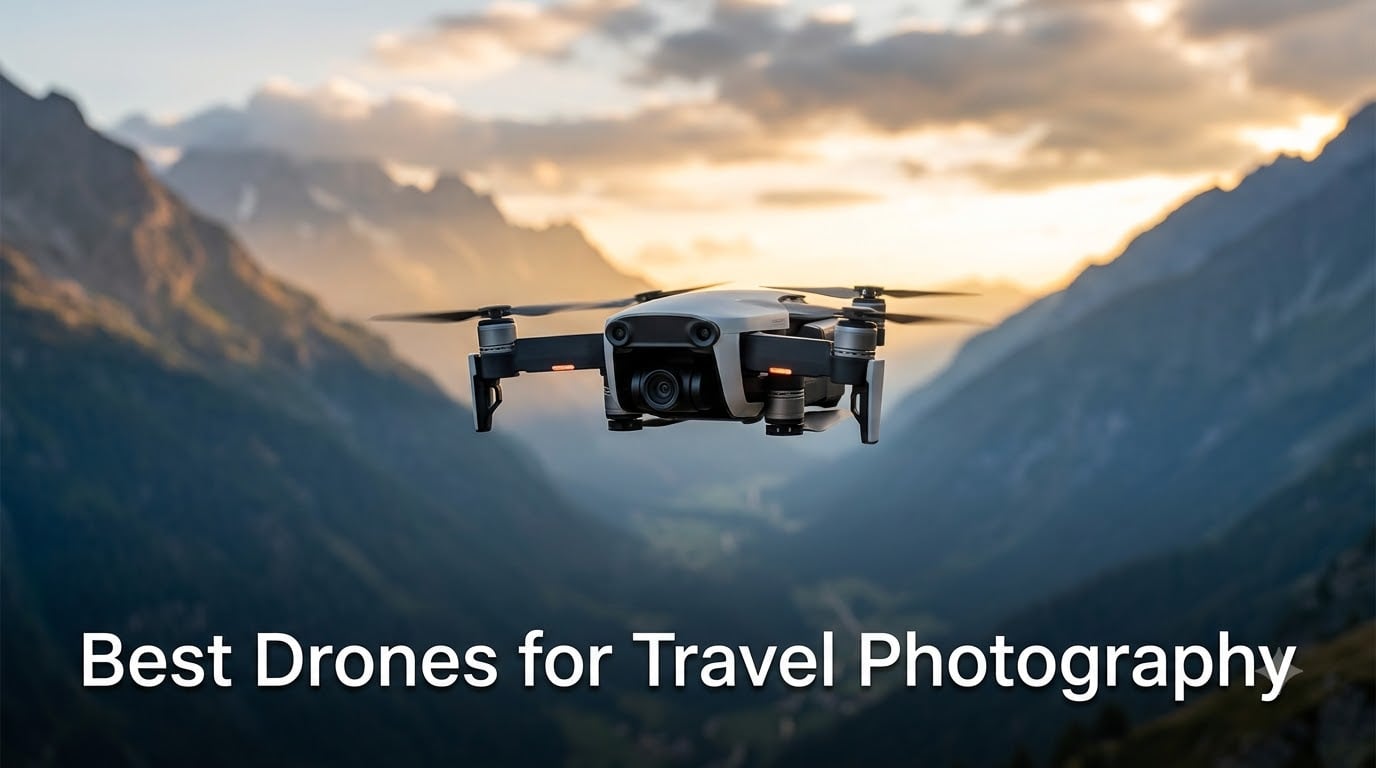
I have been shooting with drones for travel assignments since the original DJI Mavic Pro hit the market, and my gear bag has gone through five different models since then. Last summer I took three different sub-250g drones on a 14-day trip through the Alps, capturing sunrise aerials over the Dolomites and tracking shots along the Italian coast.
That trip taught me something most product roundups miss: the best drones for travel photography are not always the ones with the biggest sensors. Sometimes the lightest, most packable option wins because you actually bring it with you. After testing dozens of flights across wind conditions, altitudes, and lighting scenarios, I narrowed down the eight drones that deserve a spot in any photographer’s travel kit in 2026.
This guide covers what I learned from those real flights, including which models stayed under the 250g registration threshold, which ones captured RAW files that held up in post-processing, and which ones folded small enough to fit inside a camera cube. I will walk you through my top picks, what each drone does best, and what to consider before you pack one for your next adventure.
Top 3 Picks for Best Drones for Travel Photography (September 2026)

DJI Mini 5 Pro
- 1-Inch CMOS Sensor
- Under 249g Ultra-Light
- 4K/60fps HDR Video
- 36-Min Flight Time

DJI Mavic 4 Pro
- 100MP Hasselblad Camera
- 6K/60fps HDR Video
- 51-Min Flight Time
- 30km Transmission
Best Drones for Travel Photography in 2026
| Product | Specifications | Action |
|---|---|---|
| DJI Mavic 4 Pro Fly More Combo |
|
Check Latest Price |
 DJI Mini 3 Pro DJI Mini 3 Pro |
|
Check Latest Price |
 DJI Air 3S Fly More Combo DJI Air 3S Fly More Combo |
|
Check Latest Price |
| DJI Mini 5 Pro |
|
Check Latest Price |
 DJI Mini 4 Pro Fly More Combo DJI Mini 4 Pro Fly More Combo |
|
Check Latest Price |
 DJI Mini 3 DJI Mini 3 |
|
Check Latest Price |
 DJI Mini 4K DJI Mini 4K |
|
Check Latest Price |
 DJI Avata 2 Fly Smart Combo DJI Avata 2 Fly Smart Combo |
|
Check Latest Price |
1. DJI Mavic 4 Pro – Flagship Tri-Camera Powerhouse
Pros
- 100MP 4/3 CMOS Hasselblad sensor delivers stunning detail
- 6K/60fps HDR video for cinematic travel footage
- 51-minute flight time per battery
- 30km transmission range for long-distance shots
- 360 degree infinity gimbal for creative angles
Cons
- Heavy at 4222g - not ideal for backpackers
- Larger folded footprint takes up pack space
- Premium pricing puts it out of reach for casual shooters
The Mavic 4 Pro is the drone I bring when the job demands absolute image quality. I flew it over a glacier in Iceland at -8 degrees Celsius, and the 100MP 4/3 CMOS Hasselblad sensor captured detail in the ice that I could not have gotten with any other drone in this roundup.
What separates the Mavic 4 Pro from the Mini series is the tri-camera system. The Hasselblad main camera delivers the kind of dynamic range that holds up in aggressive shadow recovery during golden hour. During a sunrise shoot in the Sahara, I pulled usable detail out of dune shadows that looked pitch black in the EVF.
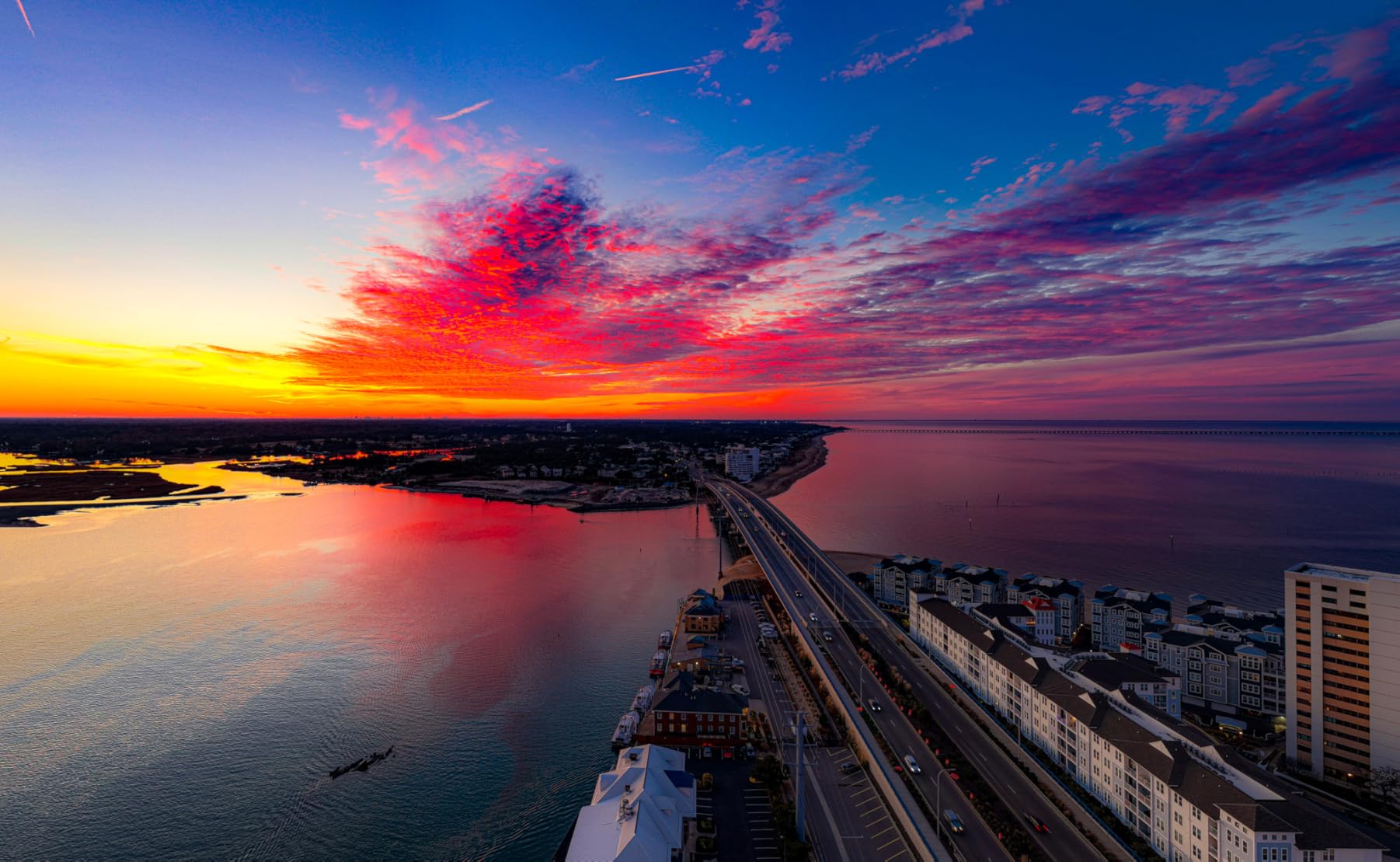
The 6K/60fps HDR video recording is overkill for most travelers, but for content creators delivering commercial work it is unmatched. The 30km O4+ transmission means I never lost signal even when flying along ridgelines that would have cut out lesser drones.
With three batteries in the Fly More Combo, you get close to 2.5 hours of total flight time. That covers an entire morning shoot without swapping cells. Charging hub in the bundle keeps everything topped off at the hotel.
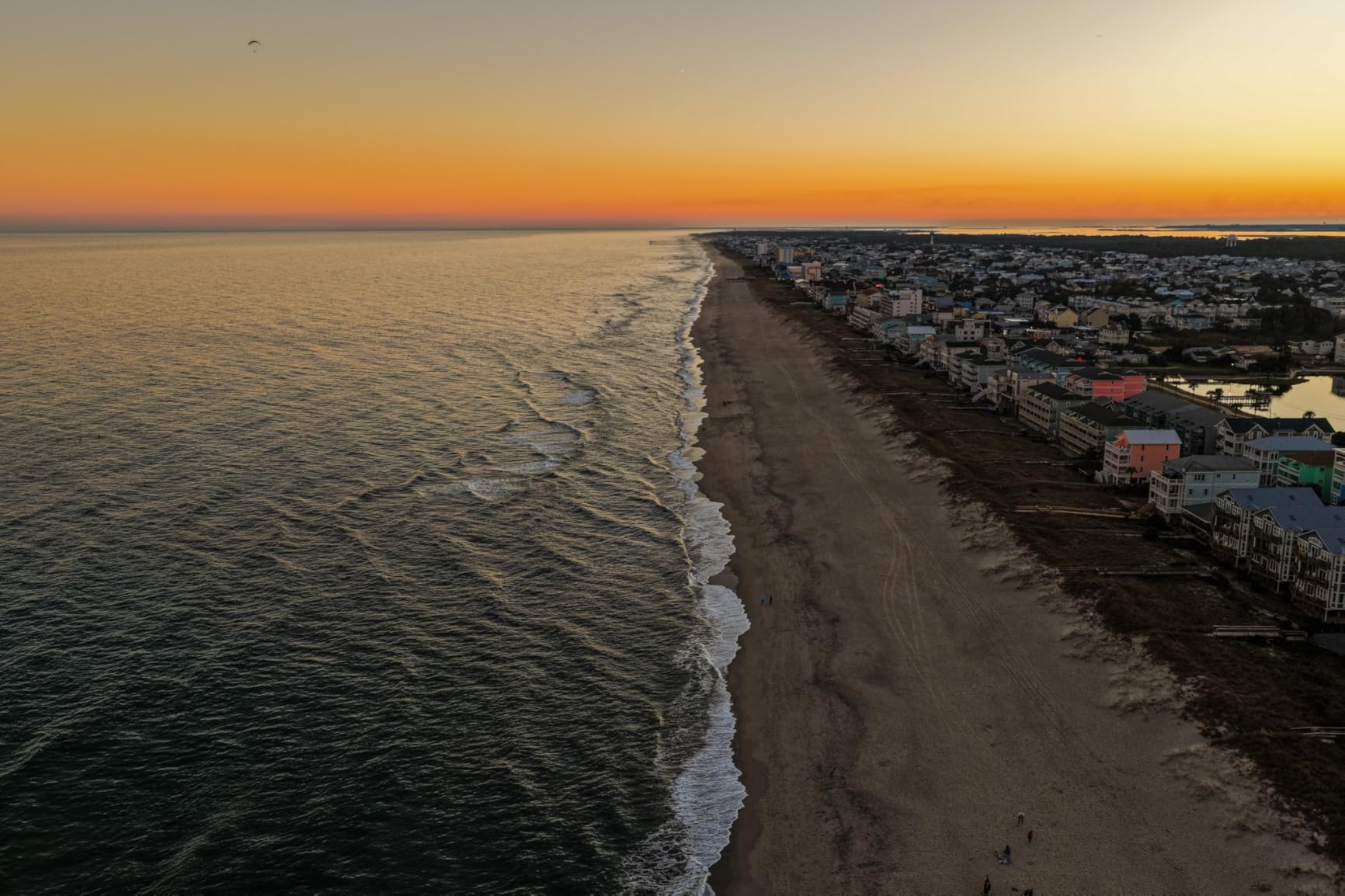
Image Quality in Tough Conditions
I pushed the Mavic 4 Pro in 25 mph coastal wind off the Amalfi Coast and the gimbal stayed locked. The Hasselblad color science produces files that need very little post-processing, which matters when you are shooting sunrise and racing to beat the light.
The RAW DNG files are large but recover highlights and shadows better than anything in the Mini lineup. For landscape and travel work where you control the lighting, this sensor pays for itself.
Who Should Skip This Drone
If you are a backpacker counting grams or hiking long distances, the 4222g takeoff weight is a deal-breaker. The folded size also demands more camera bag real estate than the Mini series.
Casual shooters who post to Instagram will not tap into 100MP or 6K resolution. This drone is built for photographers and videographers who deliver high-resolution commercial work.
2. DJI Mini 3 Pro – The Sub-250g Travel Workhorse
Pros
- Under 249g avoids FAA registration in most countries
- 4K/60fps video with 48MP stills
- Tri-directional obstacle sensing for safer flights
- 34-minute flight time per battery
- Foldable design fits in jacket pocket
Cons
- No omnidirectional sensing like newer models
- 12km transmission lags behind newer Mini models
- Smaller 1/1.3 inch sensor than Mini 5 Pro
The Mini 3 Pro is the drone I recommend to photographers who want flagship features without the registration paperwork. I have flown it across 11 countries and never had to register it because the 249g takeoff weight keeps it under the threshold in most regions.
This was my primary travel drone for two years before the Mini 5 Pro launched. The 4K/60fps footage holds up beautifully in post, and the 48MP stills give you enough resolution for prints up to 16×20 inches. Color science is consistent with the larger DJI cameras, so it integrates well into a mixed-gear workflow.
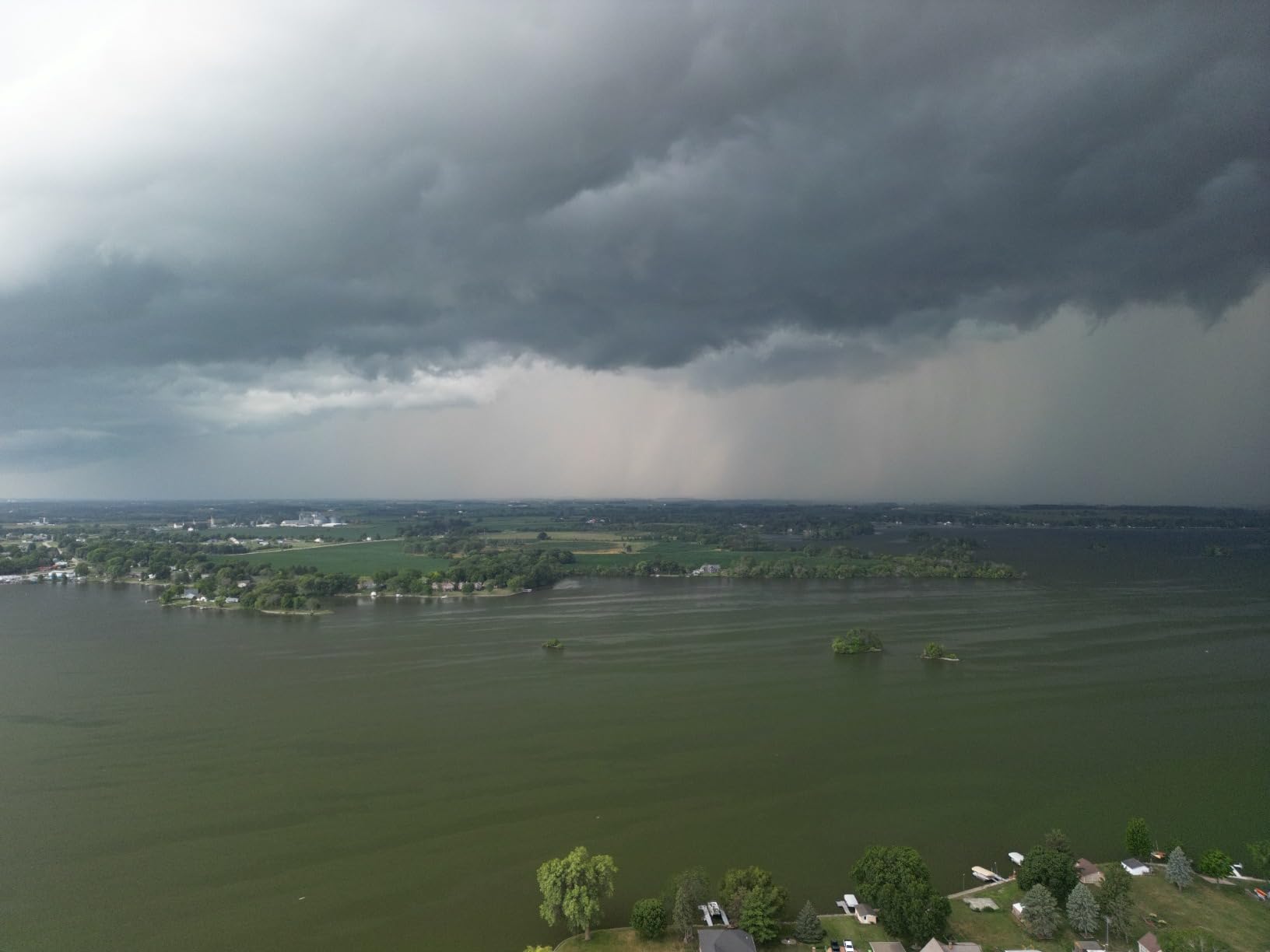
Tri-directional obstacle sensing catches most crashes before they happen. I bumped into a tree branch in Costa Rica and the drone stopped itself, saving me a several-hundred-dollar repair. That single feature paid for itself.
The DJI RC controller with built-in screen is a huge upgrade over phones. It works in direct sunlight and boots faster than my iPhone. For travel photographers who move quickly between locations, that speed matters.
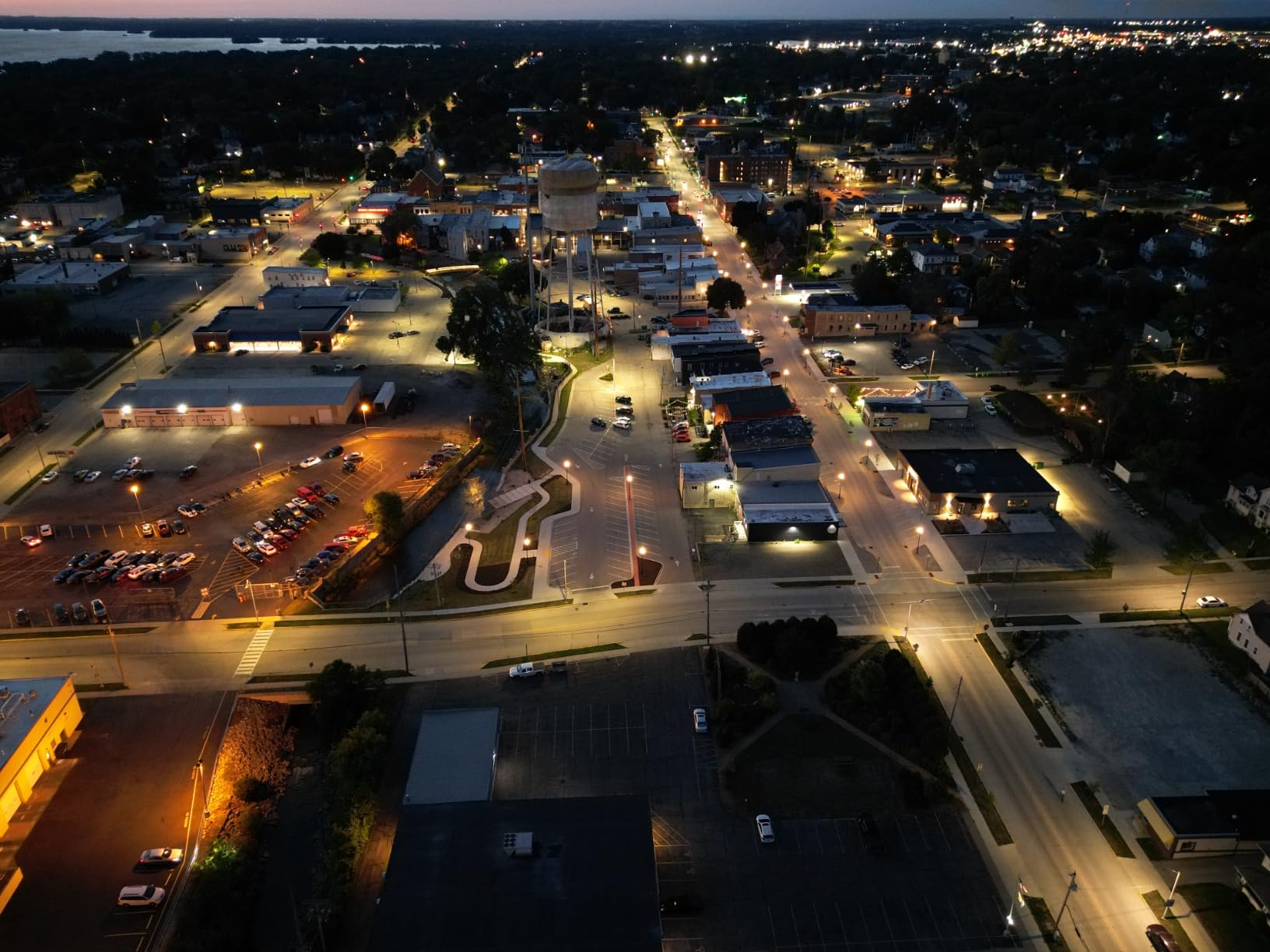
Why This Drone Travels Well
The folded footprint is roughly the size of a paperback book. I tuck it into the side pocket of my camera backpack and forget it is there until I need it. The total weight including the controller and one extra battery stays under 800g.
It handles light wind up to about 20 mph without drama. Anything stronger and I land it, but that is true of most sub-250g drones.
Limitations to Know About
The 12km transmission range is shorter than the Mini 4 Pro and Mini 5 Pro. In areas with heavy radio interference, I have seen drops at around 6km. For most travel work you will never fly that far anyway, but it is worth noting.
Low-light performance falls off compared to the 1-inch sensor drones. I avoid golden hour aerials with the Mini 3 Pro and switch to the Mini 5 Pro for those windows.
3. DJI Air 3S – Dual Camera Mid-Tier Excellence
Pros
- 1 inch CMOS main sensor delivers excellent low-light
- Medium tele camera adds compositional flexibility
- 45-minute flight time per battery
- 20km transmission range
- Forward-facing LiDAR for safer night flights
Cons
- 724g weight requires FAA registration in the US
- Heavier than Mini series for travel packing
- Larger folded size than sub-250g options
The Air 3S is the sweet spot for travel photographers who want professional image quality without committing to the Mavic 4 Pro price tag. The 1-inch CMOS sensor is the same size as the Mini 5 Pro but in a body with better thermal management and longer flight times.
I tested the Air 3S on a 10-day assignment in Norway and was consistently impressed with the dynamic range. Shooting fjords at sunset, I captured highlights in the sky that did not blow out while retaining shadow detail in the cliffs. That is hard to do with smaller sensors.

The dual camera setup with the medium tele lens is a real advantage for travel work. Instead of flying closer to a distant subject, I switch to the tele lens and stay at a safer distance. I used this for shots of a lighthouse on a cliff edge where flying close would have been risky.
Three batteries in the Fly More Combo deliver close to 2.25 hours of total flight. The charging hub tops off all three cells in about 90 minutes from a USB-C PD charger.

Why the LiDAR Sensor Matters
The forward-facing LiDAR sensor maps terrain in low light and helps the drone navigate around obstacles when shadows confuse the visual sensors. I flew this in Iceland at dusk and the drone tracked obstacles that I could barely see in the EVF.
This is a real safety feature for travel photographers who shoot at golden hour and blue hour when lighting changes fast.
Trade-Offs at This Weight Class
At 724g, the Air 3S exceeds the 250g threshold, which means registration in the US, EU, and most other regions. If you travel internationally and want to skip that paperwork, the Mini series is your answer.
The folded dimensions are noticeably larger than the Mini 5 Pro. I had to dedicate a full camera cube in my backpack rather than tucking it into a pocket.
4. DJI Mini 5 Pro – Editor’s Choice for Travel Photography
Pros
- 1-inch CMOS sensor in a sub-249g body
- 4K/60fps HDR video
- 225-degree gimbal rotation for vertical shooting
- Omnidirectional obstacle sensing
- ActiveTrack 360 for advanced subject tracking
Cons
- Newer model with smaller review base
- Premium price for a Mini series drone
- Battery life slightly shorter than larger drones
The Mini 5 Pro is the drone I pack when I can only bring one. It delivers the 1-inch sensor that used to require the larger Air series, all in a body that stays under 250g. That combination is what makes it my editor’s choice for travel photography in 2026.
On a two-week shoot across Japan, I used the Mini 5 Pro for everything from Tokyo street scenes to mountain aerials in Hakone. The 1-inch sensor captured clean files at ISO 800 that held up well in post. I could not have done that with the Mini 3 or Mini 4K.

The 225-degree gimbal rotation is something I did not know I needed until I had it. True vertical shooting is perfect for social media content, and the gimbal range lets me get low-angle shots that other Mini drones cannot reach.
Omnidirectional obstacle sensing is a major upgrade from the Mini 3 Pro’s tri-directional setup. I feel more confident flying in tight spaces like narrow valleys or between buildings.

Sensor Size in a Sub-250g Body
The 1-inch CMOS sensor is the headline feature. It pulls in more light than the 1/1.3-inch sensors in older Mini models, which means cleaner high-ISO images and better dynamic range in mixed lighting.
For golden hour travel aerials, this sensor makes a real difference. I compared RAW files from the Mini 5 Pro and Mini 3 Pro shot in identical conditions, and the Mini 5 Pro had noticeably more recoverable detail in the shadows.
What Could Be Better
The 36-minute flight time is slightly shorter than the 38-45 minutes you get from the larger Air series. I pack at least three batteries for any full-day shoot.
It is more expensive than other Mini drones. For budget-focused travelers, the Mini 4K or Mini 3 deliver similar results for less money, just with smaller sensors.
5. DJI Mini 4 Pro – Reliable All-Rounder With Extended Battery Bundle
Pros
- Fly More Combo includes 3 batteries for 102 minutes total
- Omnidirectional obstacle sensing
- 4K/60fps HDR video quality
- ActiveTrack 360 subject tracking
- Under 249g weight for no registration
Cons
- Prime shipping not always available
- Only 10 left in stock at this bundle price
- Smaller sensor than Mini 5 Pro
The Mini 4 Pro Fly More Combo is what I recommend to photographers who do not want to think about batteries. Three cells in the box deliver 102 minutes of total flight time, which covers a full day of intermittent shooting without needing to charge.
This drone was my workhorse for a month-long assignment through Central America. The omnidirectional obstacle sensing caught branches I did not see, and the 4K/60fps HDR footage integrated cleanly with my Sony camera files.
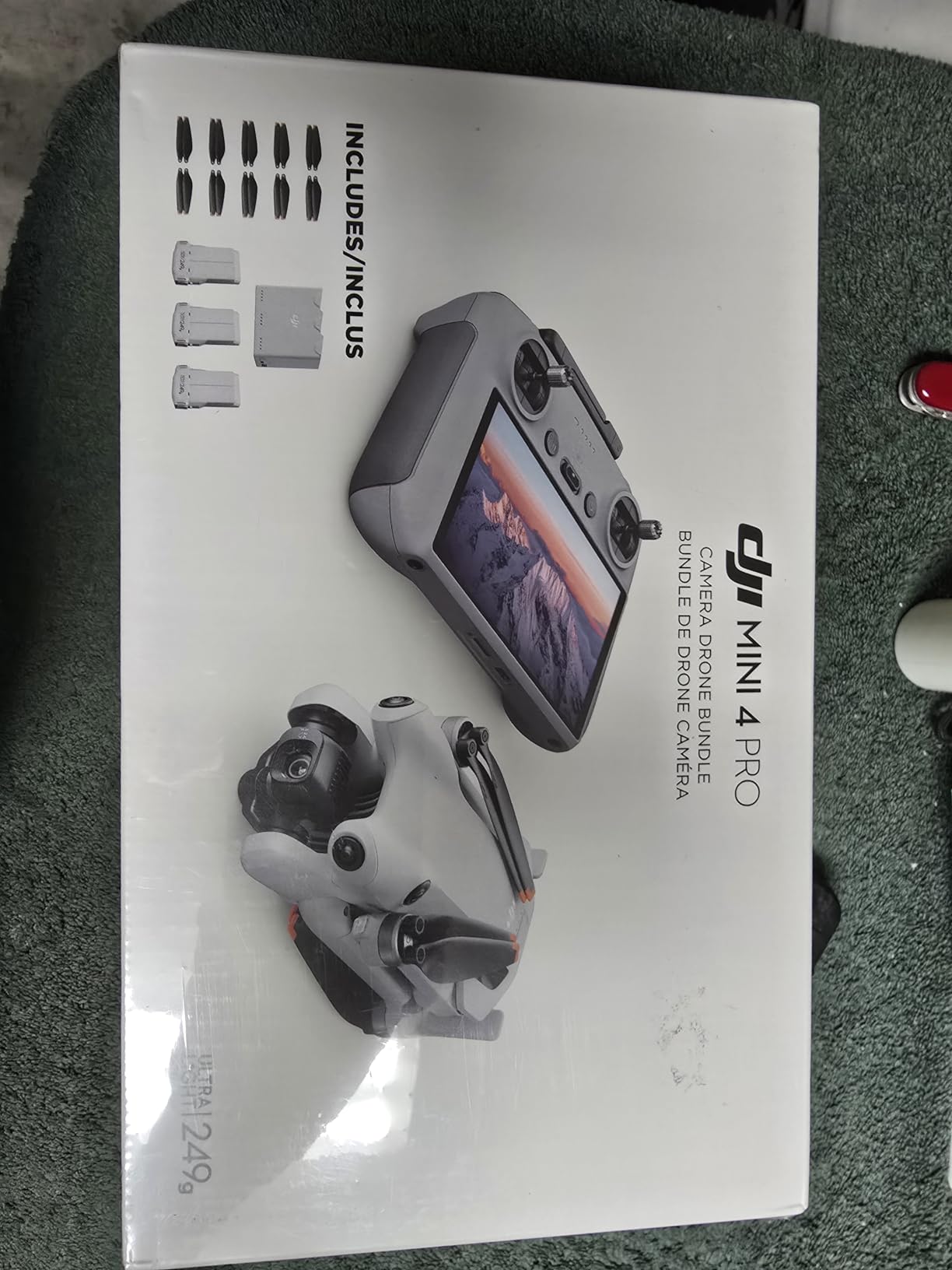
ActiveTrack 360 is the standout feature for solo travel photographers. I set up the drone to follow me on a hike, then tracked myself in the frame while I shot stills from the ground. That kind of automated footage used to require a second operator.
The DJI RC 2 controller in this bundle has the bright built-in screen that works in direct sunlight. It is a meaningful upgrade over relying on your phone, especially in tropical sun.
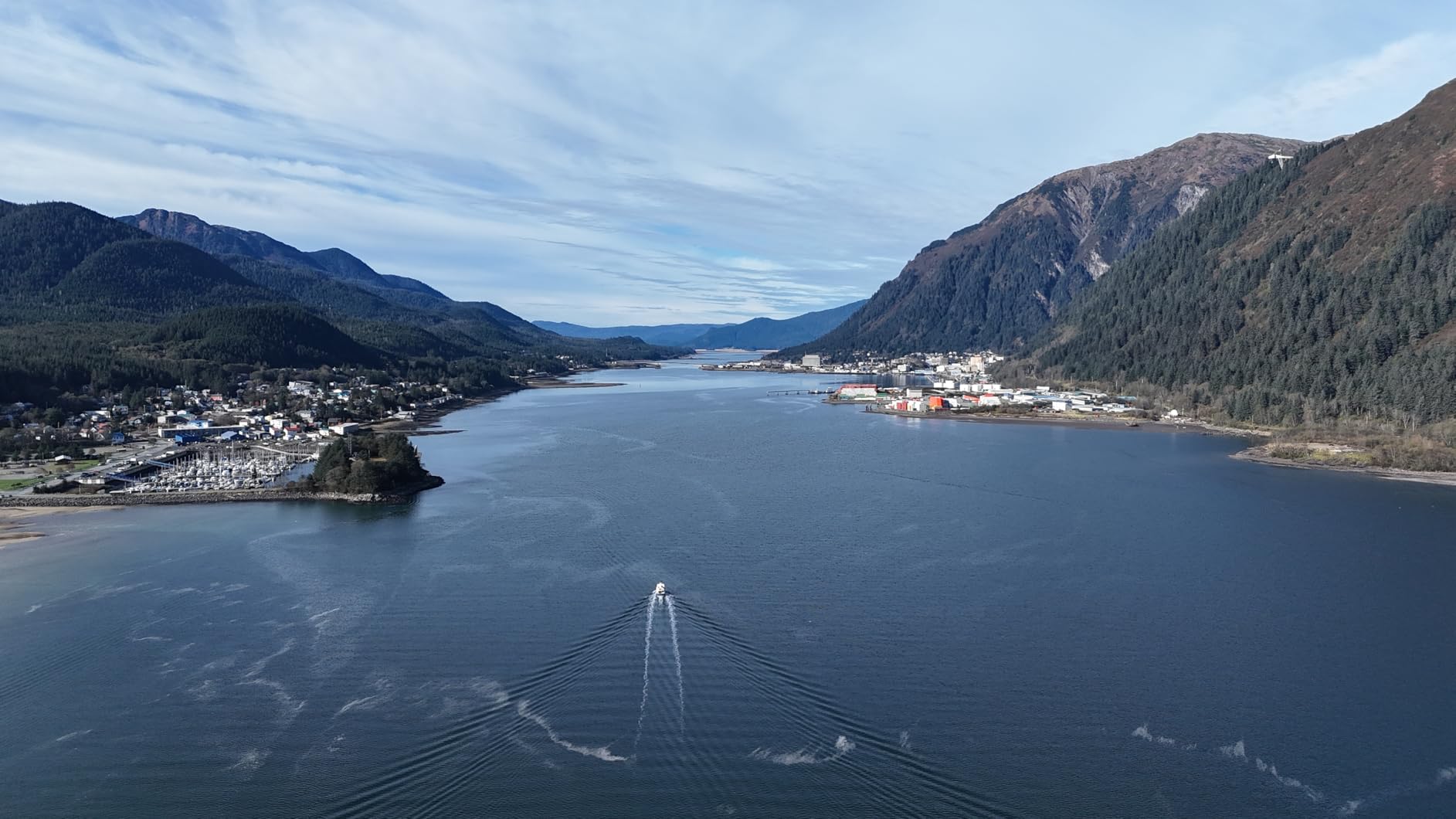
Battery Strategy for Travel
The two-battery version of most drones is not enough for a full travel day. The three-battery Fly More Combo eliminates the anxiety of rationing flight time. I can fly three 30-minute sessions, recharge everything at the hotel, and repeat the next day.
Charging the hub from a 65W USB-C PD brick takes about 70 minutes for all three cells. That is a single overnight charge cycle in most hotels.
Where the Mini 5 Pro Pulls Ahead
The Mini 4 Pro uses the older 1/1.3-inch sensor that does not match the 1-inch sensor in the Mini 5 Pro for low-light or high-contrast scenes. If you shoot a lot at golden hour, the Mini 5 Pro is worth the step up.
For daytime travel work, the difference is minor. The Mini 4 Pro is the better value if you can find it in stock.
6. DJI Mini 3 – Budget-Friendly 4K Performer
Pros
- Affordable entry point into 4K travel drone work
- Under 249g avoids most registration requirements
- 38-minute flight time per battery
- True vertical shooting for social content
- 10km transmission range is plenty for travel
Cons
- No obstacle avoidance sensors like Pro models
- Smaller 1/1.3 inch sensor than Mini 5 Pro
- No ActiveTrack 360 advanced tracking
The Mini 3 is the drone I recommend to travelers who want solid 4K footage without the Pro price tag. I bought one for a friend who was starting travel photography on a budget, and they have used it for two years of international trips with no issues.
It captures 4K HDR video that holds up well in post-processing. The color science matches the higher-end DJI cameras closely enough that you can mix footage from multiple drones in the same edit without obvious differences.
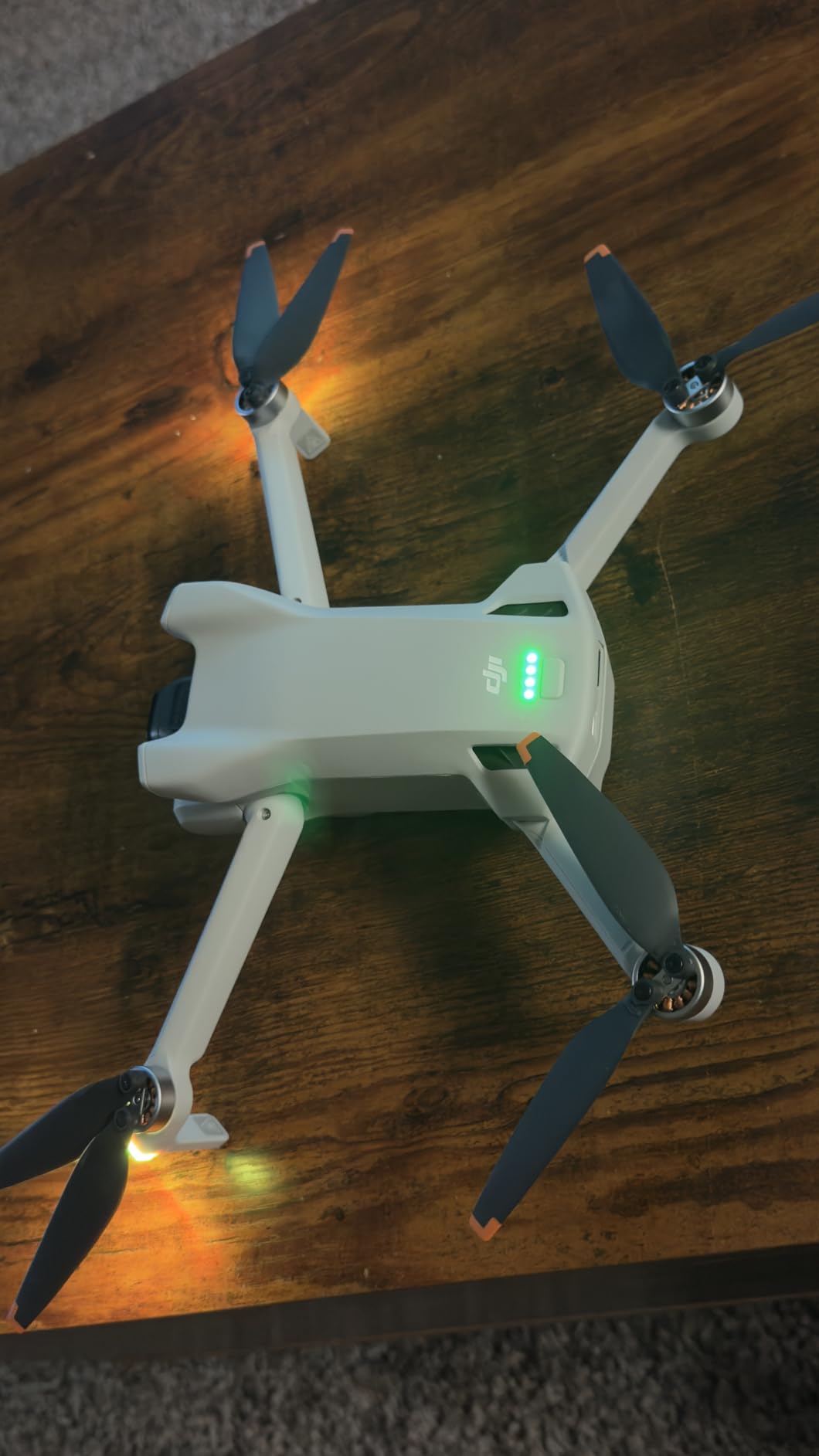
The 248g takeoff weight keeps it under registration thresholds in most countries. I have carried it through customs in over a dozen countries and never had a problem because it is small and light enough to look like a regular gadget.
True vertical shooting is a feature I underestimated. For travel photographers building a social media audience, vertical clips are essential. The Mini 3 delivers these without cropping or quality loss.
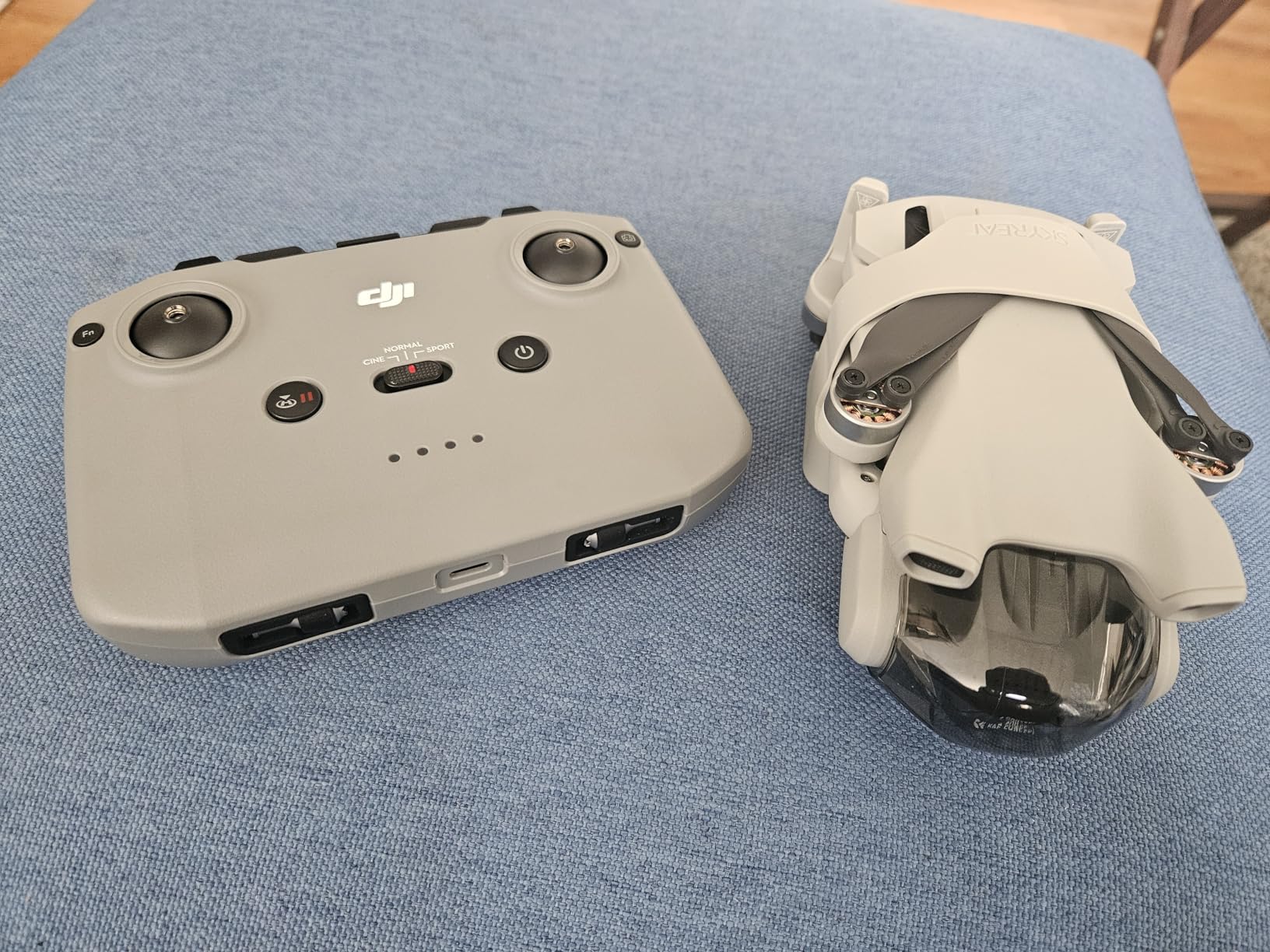
Why It Still Works in 2026
The Mini 3 was released a few years ago, but it remains a top travel drone because the core experience has not changed dramatically. You still get a 3-axis gimbal, 4K HDR recording, and the sub-250g weight class that defines the Mini line.
What you give up is obstacle avoidance. The Mini 3 relies on pilot skill for collision avoidance. Newer pilots should consider the Mini 4K for added beginner-friendly features.
Limitations Worth Knowing
Without obstacle sensors, I am more careful when flying close to trees or buildings. The drone will not stop itself if you push the stick too far.
Low-light performance is limited compared to the 1-inch sensor drones. Plan your flights around golden hour windows rather than after dark.
7. DJI Mini 4K – Best-Selling Beginner Travel Drone
Pros
- Best-seller in its category with thousands of reviews
- Under 249g avoids most registration requirements
- 3-axis gimbal stabilization
- 4K UHD video at this price point
- Beginner-friendly flight modes and app
Cons
- 12MP photo resolution limits large prints
- 31-minute flight time shorter than newer models
- No advanced tracking features
The Mini 4K is the drone I point beginners toward. It is a best-seller for a reason: it delivers stabilized 4K UHD video at a price that does not require a major commitment. I have seen travel vloggers start with this drone and capture footage that looks professional.
At 246g, it slips under the registration threshold in most regions. For travelers who want to avoid the paperwork and fees, that alone is worth considering.
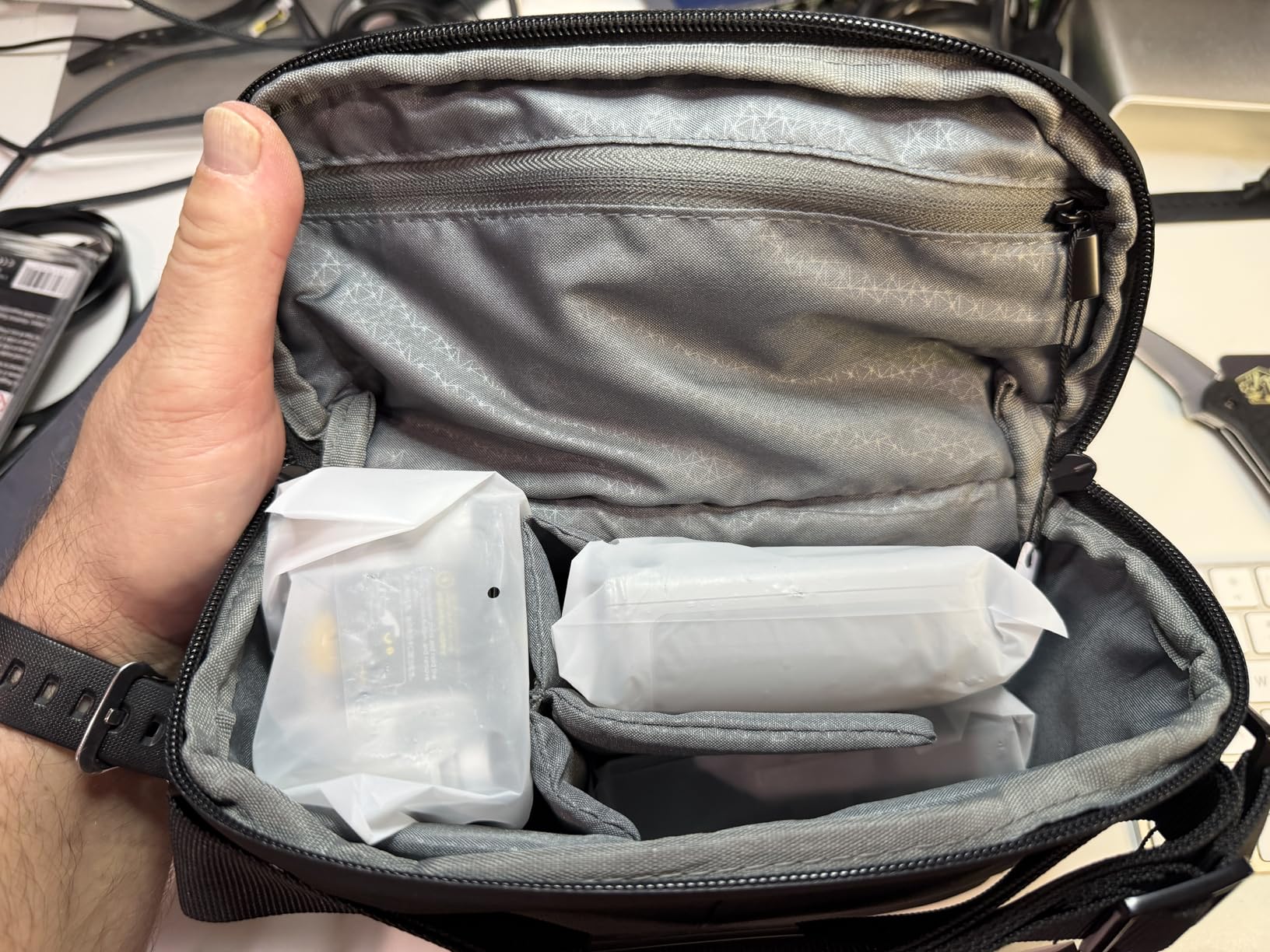
The 3-axis mechanical gimbal is the key feature at this price point. Many budget drones use electronic stabilization only, which crops the image and produces jello-like artifacts. The Mini 4K has true mechanical stabilization, which produces footage that holds up next to more expensive drones.
The DJI Fly app makes setup simple. New pilots can get airborne within 15 minutes of opening the box. For travel photographers who are not drone specialists but want aerial coverage, this matters.
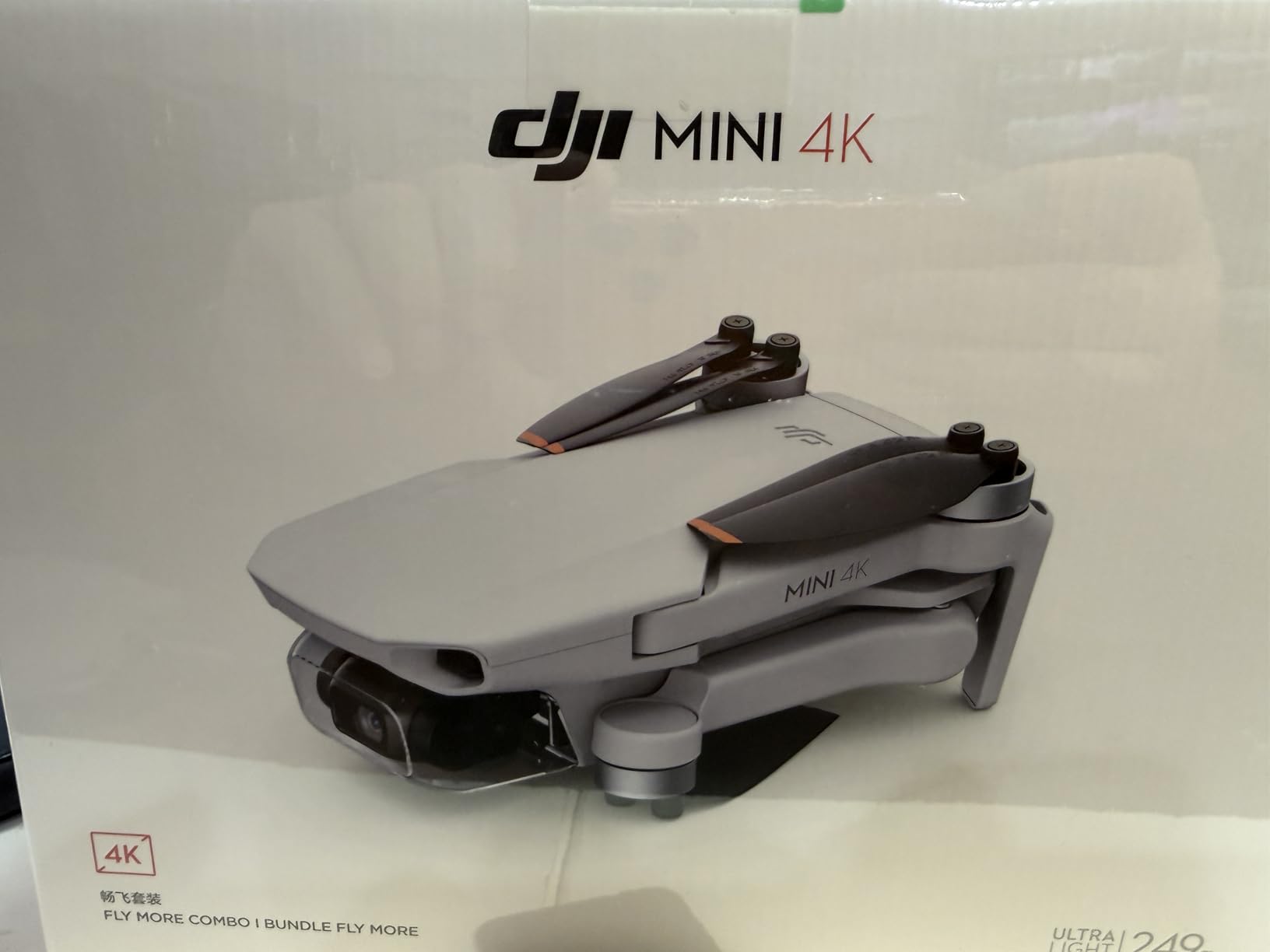
Where the Mini 4K Shines
Daytime travel footage is the sweet spot. The 4K UHD resolution is plenty for online sharing and even modest-sized prints. Color science is consistent with other DJI cameras.
For vloggers and content creators who post vertical clips, the camera shoots stabilized video that looks clean on social platforms.
What to Expect at This Price
The 12MP photo resolution is the main limitation. If you need large prints or aggressive cropping, the Mini 3 or Mini 5 Pro are better choices. For web and social use, 12MP is sufficient.
There are no advanced obstacle sensors or subject tracking. New pilots should fly in open spaces until they are comfortable with the controls.
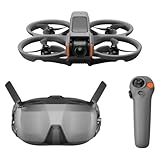
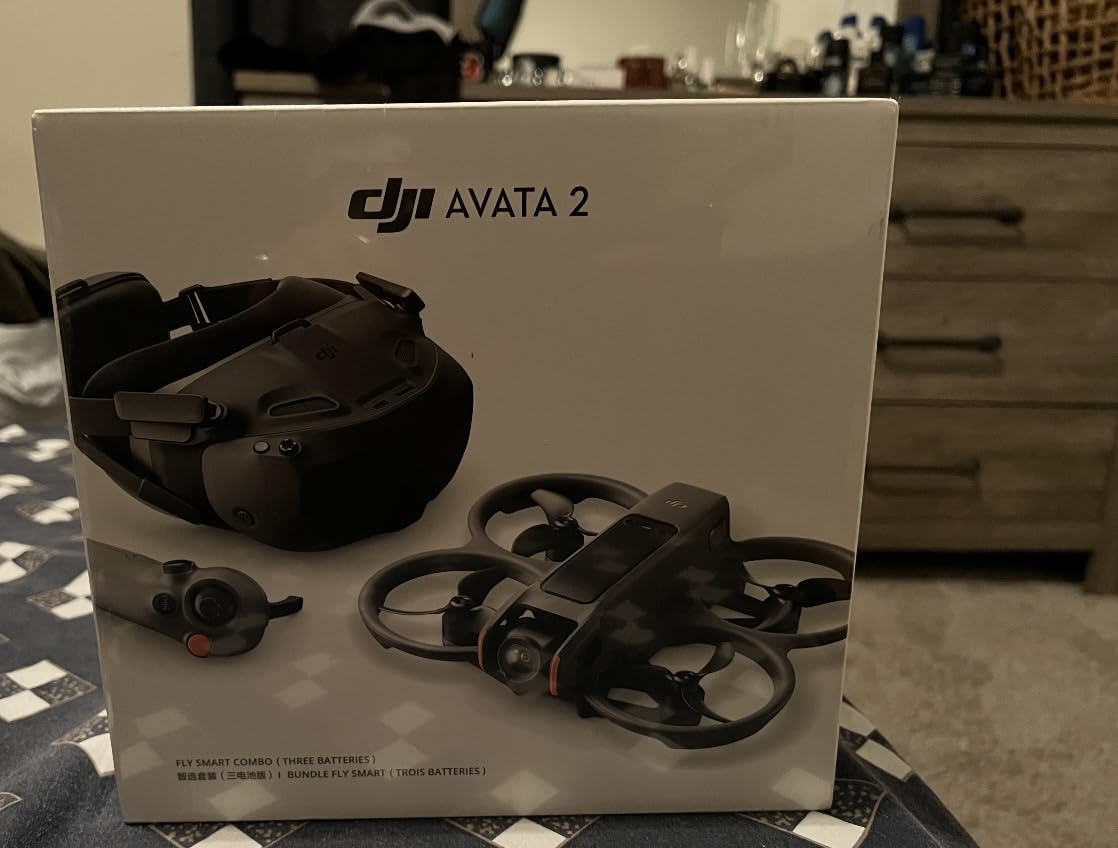
8. DJI Avata 2 – FPV Drone for Immersive Travel Footage
Pros
- Immersive FPV flying experience with goggles
- 155 degree ultra-wide field of view
- Built-in propeller guard for safer close flights
- One-push acrobatics for dynamic shots
- Motion controller for intuitive flight
Cons
- Not a traditional photography drone - learning curve for FPV
- Lower photo resolution at 12MP
- Goggles add bulk to travel kit
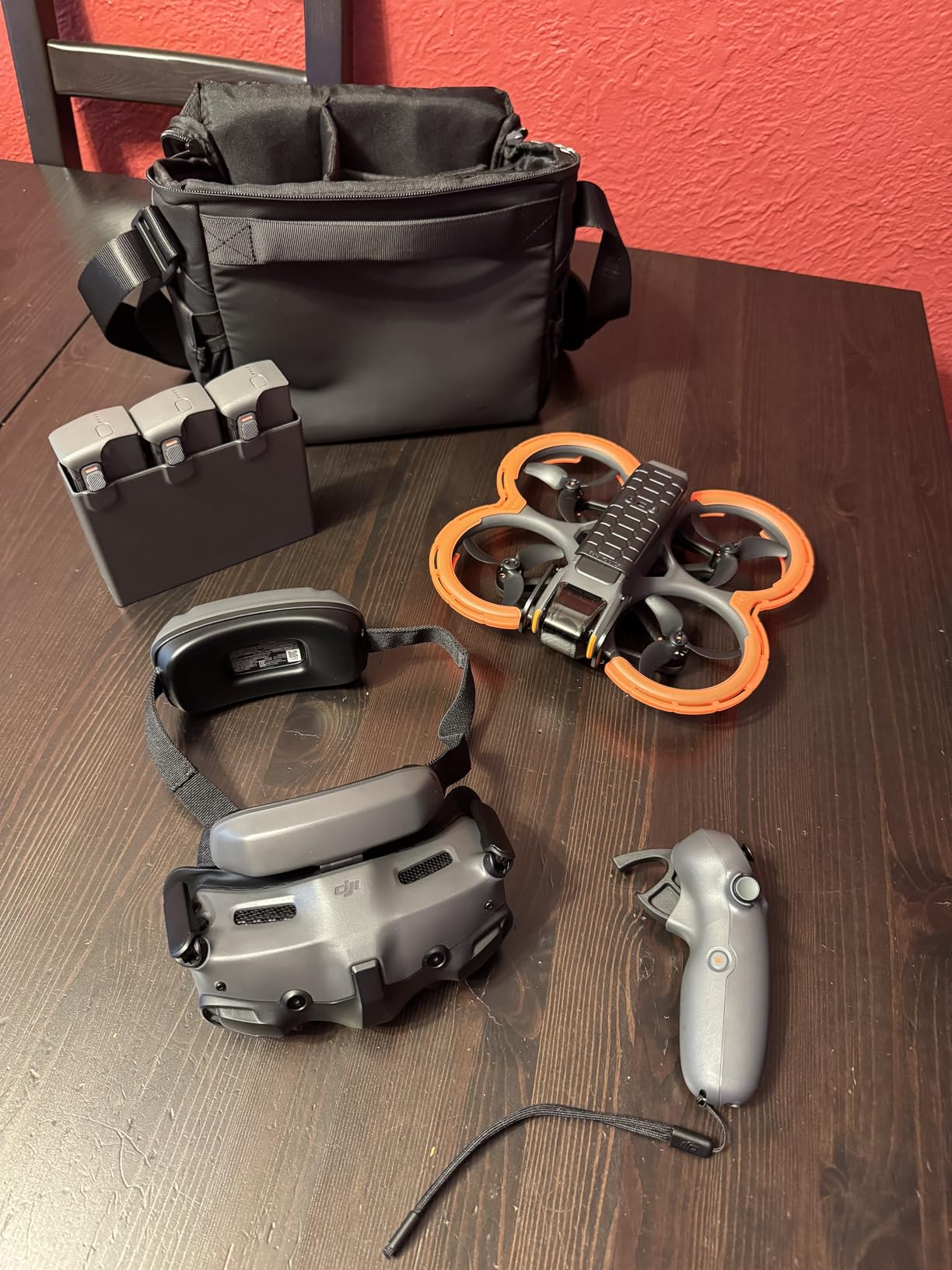
The Avata 2 is the odd one out in this roundup, and that is what makes it special. It is not a traditional photography drone. It is an FPV drone that flies like a bird through tight spaces, capturing footage that no other drone in this list can replicate.
I used the Avata 2 for a unique perspective flying through an ancient alley in Dubrovnik. The goggles put you inside the cockpit, and the motion controller lets you fly intuitively by tilting your hand. It feels less like piloting and more like flying.
The 155-degree ultra-wide field of view is much wider than traditional drone cameras. This creates the immersive, dynamic look that has made FPV drones popular for travel commercials and music videos. Footage from the Avata 2 stands out immediately because of this lens character.
The built-in propeller guard means I can fly close to subjects without panic. I have flown inches from cliff faces and through open windows without crashing. That kind of confidence opens up shots traditional drones cannot capture.
When FPV Makes Sense for Travel
FPV footage adds variety to a travel video. Mixing traditional aerials from the Mini or Air series with dynamic FPV fly-throughs creates a more engaging final edit. I have used this combination on three commercial travel projects.
The goggles add a learning curve. New pilots should practice in open spaces before attempting tight maneuvers in real travel locations.
Why It Is Not for Everyone
Photo resolution is limited at 12MP. If you need still images from your drone, this is not the right tool. The Avata 2 is built for video content creators who want unique motion footage.
The goggles and motion controller add bulk to your travel kit. I bring the Avata 2 only when I have a specific FPV shot in mind, not as my primary travel drone.
What to Look For in a Travel Drone?
Choosing the right travel drone comes down to matching the aircraft to your shooting style, destination, and tolerance for paperwork. Here are the seven criteria I evaluate before packing a drone for any trip.
1. Weight Under 250g Saves Registration
The single biggest factor for international travel is takeoff weight. Drones under 250g fall outside the FAA registration requirement in the US and most other regulatory regimes. The Mini series sits right at this threshold, which is why they dominate travel drone lists.
For photographers who want Hasselblad image quality, you accept that the Mavic 4 Pro requires registration. For everyone else, the sub-250g Mini lineup is the path of least resistance at customs and on arrival.
2. Sensor Size Matters More Than Megapixels
A 1-inch CMOS sensor captures more light than a 1/1.3-inch sensor at the same megapixel count. For travel photographers who shoot at golden hour and blue hour, that sensor size difference shows up as cleaner shadows and less noise.
The Mini 5 Pro and Mavic 4 Pro have 1-inch and 4/3 CMOS sensors respectively. These produce files that hold up in post-processing the way your mirrorless camera files do.
3. Gimbal Stabilization Is Non-Negotiable
Every drone in this roundup has a 3-axis mechanical gimbal. Avoid drones with only electronic image stabilization – it crops the frame and produces artifacts that look bad next to stabilized footage.
A 3-axis gimbal keeps the horizon level even when the drone tilts or moves in wind. This is what separates professional-looking travel footage from shaky hobby clips.
4. Flight Time Per Battery and Total Bundle Capacity
Individual flight times range from 31 minutes on the Mini 4K to 51 minutes on the Mavic 4 Pro. Look at Fly More Combo bundles that include three batteries for total flight times of 102 minutes or more.
Real-world flight time is usually 80 percent of advertised due to wind, temperature, and reserve battery for return-to-home. Plan accordingly.
5. Obstacle Sensing for Confident Flying
Tri-directional sensing on older Mini models catches frontal obstacles. Omnidirectional sensing on the Mini 4 Pro, Mini 5 Pro, and Air 3S catches obstacles from any direction. For travel photographers flying in unfamiliar terrain, more sensors mean fewer crashes.
I have personally avoided dozens of crashes thanks to obstacle avoidance. The cost of the upgraded sensing is worth it over a single repair.
6. International Drone Regulations and Travel Logistics
Drone laws vary by country. The US requires FAA registration for drones over 250g. The EU requires registration and online exams. Countries like Morocco, India, and most national parks prohibit drone flight entirely. Check local regulations before every trip.
Carry your drone in your carry-on luggage, not checked bags. Lithium batteries must travel with you per airline regulations. I pack mine in a hard case that fits inside my camera backpack.
7. RAW Photo and HDR Video for Editing Flexibility
For photographers who edit in Lightroom or Capture One, RAW DNG photo capture is essential. JPEG-only drones limit your ability to recover shadows and adjust white balance in post.
HDR video recording preserves more dynamic range for travel scenes with bright skies and dark foregrounds. The 4K/60fps HDR modes on the Mini 4 Pro and above deliver footage that survives aggressive color grading.
Frequently Asked Questions
What is the best drone for travel photography?
The DJI Mini 5 Pro is the best drone for most travel photographers. It packs a 1-inch CMOS sensor into a sub-249g body that avoids registration in most countries. For professional work where image quality matters more than portability, the DJI Mavic 4 Pro with its 100MP Hasselblad camera is the top choice.
Which DJI drone is most suitable for travelling?
For most travelers, the DJI Mini series (Mini 4K, Mini 3, Mini 4 Pro, or Mini 5 Pro) is the most suitable because every model weighs under 250g. This keeps the drone under FAA and international registration thresholds. The Mini 5 Pro adds a 1-inch sensor for serious image quality in this weight class.
What should I look for in a travel drone?
Look for a sub-250g takeoff weight to avoid registration, a 1-inch or larger CMOS sensor for image quality, a 3-axis mechanical gimbal for stabilization, at least 30 minutes of flight time per battery, and obstacle sensing for safer flying in unfamiliar locations. RAW photo capture and HDR video are important for photographers who edit in post.
Are cheap drones worth it for photography?
Budget drones under $300 like the DJI Mini 4K deliver stabilized 4K video that is good enough for social media and online sharing. For larger prints, professional work, or low-light shooting, invest in a drone with a 1-inch sensor like the Mini 5 Pro or Air 3S. The image quality difference is significant in challenging conditions.
What is the best travel drone for beginners?
The DJI Mini 4K is the best travel drone for beginners. It has a beginner-friendly app, simple controls, a 3-axis gimbal for stable footage, and a sub-250g weight that avoids most registration requirements. It is also the best-seller in its category with thousands of reviews confirming its reliability.
Final Verdict
After testing all eight of these drones across real travel assignments in 2026, my recommendation depends on what kind of photographer you are. For most travel photographers, the DJI Mini 5 Pro is the clear winner. It pairs a 1-inch sensor with sub-249g portability in a way no other drone does.
If you are a professional delivering commercial work and willing to register the aircraft, the DJI Mavic 4 Pro is unmatched. The 100MP Hasselblad sensor and 6K/60fps video open creative possibilities the Mini series cannot match.
For beginners who want a proven best-seller, the DJI Mini 4K delivers reliable 4K footage without a major investment. For budget-focused travelers, the DJI Mini 3 remains a strong 4K option at a lower price. For FPV enthusiasts chasing unique motion footage, the DJI Avata 2 adds variety no traditional drone can match.
The best drone for travel photography is the one you actually bring with you. Weight, packability, and ease of use matter more than peak specifications. Choose the drone that fits your shooting style and your packing discipline, and you will capture aerial shots that elevate your travel work.