
Travel photography is about capturing moments without being weighed down by gear. After spending three months testing compact cameras across cities, mountains, and coastlines, our team narrowed down the field to find the best compact cameras for travel in 2026.
The right pocket camera can mean the difference between a great shot and a missed opportunity. A lightweight camera that fits in your jacket pocket beats a heavy DSLR that stays at the hotel. We carried each of these cameras on real trips to see how they held up.
Our testing covered image quality in mixed lighting, autofocus speed for street scenes, battery endurance on long travel days, and how each camera felt carrying it for hours. We also looked at video performance, since many travelers want one device that does both well.
Whether you need a premium compact camera with a large sensor, a budget-friendly point and shoot camera, or a rugged waterproof option for adventure travel, this guide covers the full range. We tested options from Sony, Canon, Panasonic, Ricoh, and Kodak to give you honest recommendations based on real-world use.
Top 3 Picks for Best Compact Cameras for Travel (September 2026)
Our top three picks represent the best balance of image quality, portability, and value. Each one earned its spot through weeks of hands-on travel testing.
Best Compact Cameras for Travel in 2026
Here is a quick overview of all eight cameras we tested. The comparison table below lets you compare key features at a glance before diving into the full reviews.
| Product | Specifications | Action |
|---|---|---|
 Sony RX100 VII Sony RX100 VII |
|
Check Latest Price |
 Canon PowerShot G7 X Mark III Canon PowerShot G7 X Mark III |
|
Check Latest Price |
 Canon PowerShot SX740 HS Canon PowerShot SX740 HS |
|
Check Latest Price |
 Panasonic LUMIX ZS99 Panasonic LUMIX ZS99 |
|
Check Latest Price |
 Sony ZV-1F Vlog Camera Sony ZV-1F Vlog Camera |
|
Check Latest Price |
 Ricoh GR IIIx Ricoh GR IIIx |
|
Check Latest Price |
 KODAK PIXPRO FZ55 KODAK PIXPRO FZ55 |
|
Check Latest Price |
 KODAK PIXPRO WPZ2 KODAK PIXPRO WPZ2 |
|
Check Latest Price |
1. Sony RX100 VII – Best Premium All-Rounder Compact
Pros
- Superb 0.02s autofocus with 357 phase-detect points
- 24-200mm zoom range covers nearly any travel scene
- AI real-time tracking and Eye AF for people and animals
- 20fps blackout-free continuous shooting
Cons
- Premium price point
- Stock often limited
The Sony RX100 VII earned our editor’s choice spot because it does everything a travel photographer needs in a body that fits in a jacket pocket. I carried this camera through narrow European streets and open desert landscapes, and the 24-200mm Zeiss zoom handled both tight architecture shots and distant wildlife without missing a beat.
The autofocus is where this camera separates itself from the pack. Sony’s 0.02-second AF speed with 357 phase-detection points locks onto subjects instantly. The AI-based real-time tracking follows moving subjects smoothly, and the Eye AF works on both humans and animals. I tested it on street performers in busy plazas and the focus never wavered.

Image quality from the 20.1MP 1-inch stacked CMOS sensor is excellent. Files have plenty of dynamic range for editing in RAW format, and noise stays controlled up to ISO 3200. The 4K video with S-Log3 gives you grading flexibility that most compact cameras simply cannot match.
The trade-off is price. This is one of the most expensive compact cameras on the market, and stock availability can be spotty. But for travelers who want one camera that replaces a DSLR and a bag of lenses, the RX100 VII justifies the investment.
Sensor and Lens Quality
The 1-inch stacked CMOS sensor paired with the Zeiss Vario Sonnar T 24-200mm F2.8-4.5 lens gives you a versatile focal range with a bright maximum aperture at the wide end. At 200mm you still get f/4.5, which is impressive for a lens this compact. I found the lens sharp corner to corner across most of the zoom range.
Battery Life on Long Travel Days
Battery life is the RX100 VII’s weakest point. Sony rates it at roughly 260 shots per charge, and I found that realistic for real-world shooting. On full travel days I always carried a spare battery. If you shoot 4K video, expect to drain a battery in under an hour of continuous recording.
2. Canon PowerShot G7 X Mark III – Best for Content Creators
Pros
- Bright f/1.8-2.8 lens excels in low light
- Excellent image quality that beats smartphones
- Great for both photos and vlogging
- Compact and easy to use
Cons
- Not Prime eligible
- Third-party seller quality issues reported
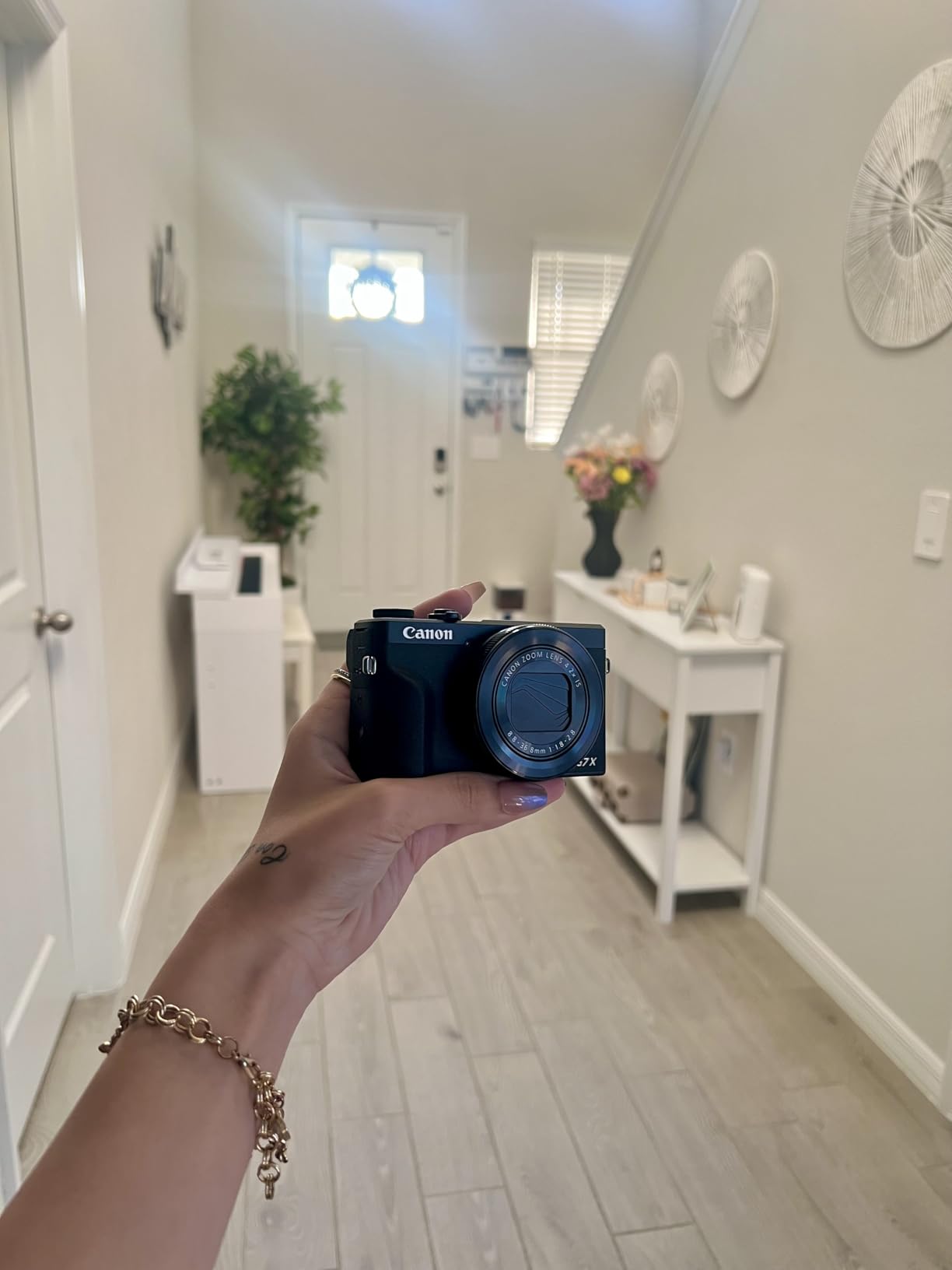
The Canon G7 X Mark III is the compact camera that content creators reach for when they want professional results without professional complexity. I used this camera for a week of travel vlogging and was impressed by how naturally the f/1.8-2.8 lens handled dim restaurant interiors and golden-hour street scenes.
Multiple reviewers noted that the image quality clearly outperforms their iPhone. I agree. The 1-inch sensor produces a level of background blur and detail that no smartphone can replicate. Colors have that warm Canon look straight out of camera, which saves editing time.
The 24-100mm equivalent zoom range covers most travel situations well. It is not as long as the Sony RX100 VII’s 200mm reach, but the brighter aperture compensates in low light. The 4.2x zoom keeps the camera genuinely pocketable.
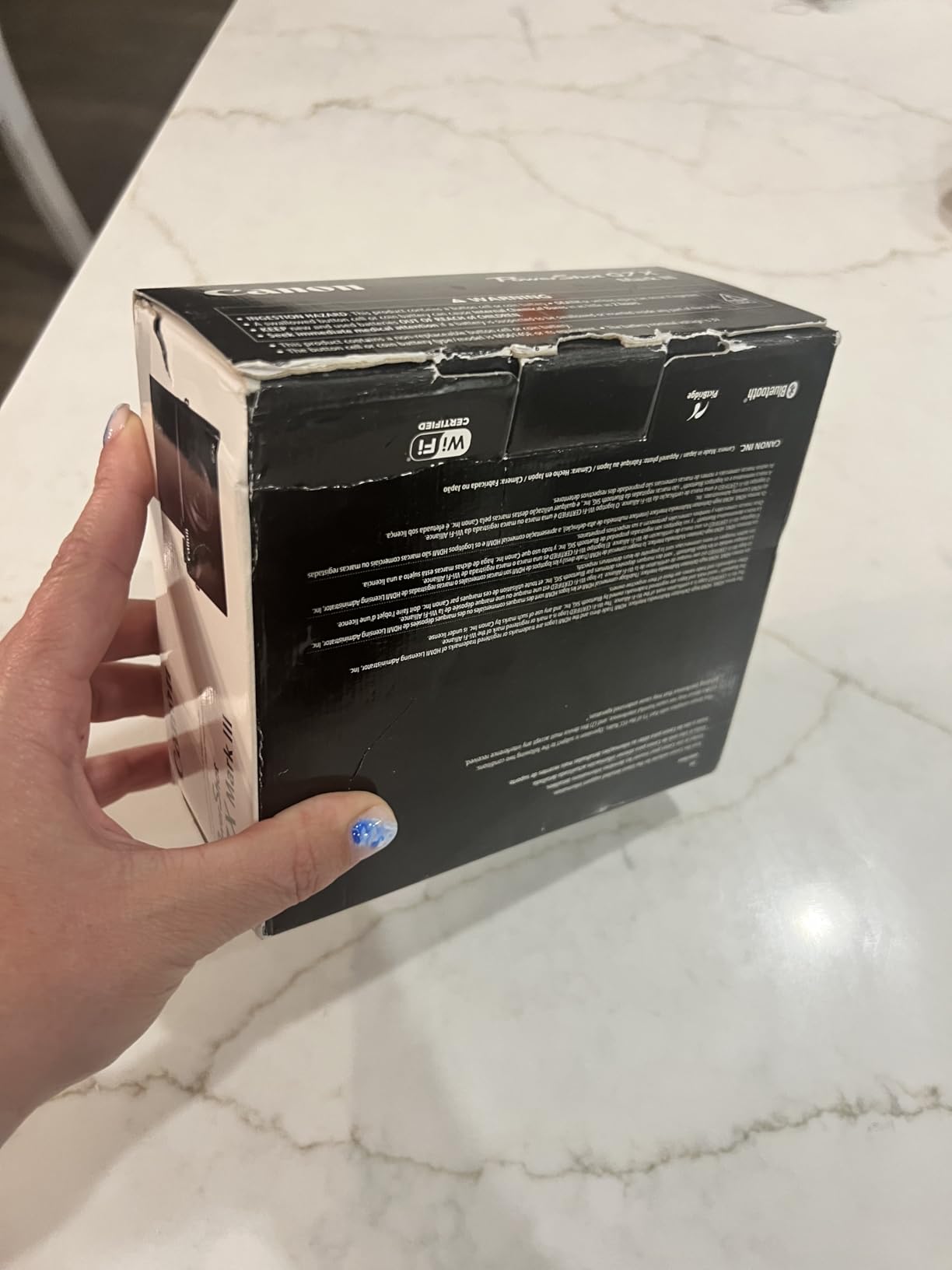
The main concern our team found is fulfillment. This camera is not Prime eligible, and some buyers reported receiving used or damaged units from third-party sellers. We recommend verifying the seller’s reputation before ordering.
Low Light Performance
The f/1.8 maximum aperture at the wide end makes this one of the best compact cameras for travel photography in challenging light. I shot inside cathedrals and evening markets without flash and got clean, detailed images. The optical image stabilization helps keep shutter speeds manageable handheld.
Ease of Use for Beginners
Canon’s menu system is among the most intuitive in the industry. Beginners can start shooting in auto mode immediately, while experienced photographers have access to full manual controls. The touchscreen interface mirrors smartphone operation, which makes the learning curve gentle.
3. Canon PowerShot SX740 HS – Best Budget Zoom Camera
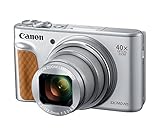
Canon PowerShot SX740 HS, Point and Shoot Digital Camera, Optical Zoom, 4K Video, Silver
Pros
- Incredible 40x optical zoom reaches 960mm equivalent
- Genuinely pocketable at 9.76 ounces
- Great value for the features included
- Good battery life for travel days
Cons
- No viewfinder
- Lens is slow at maximum zoom
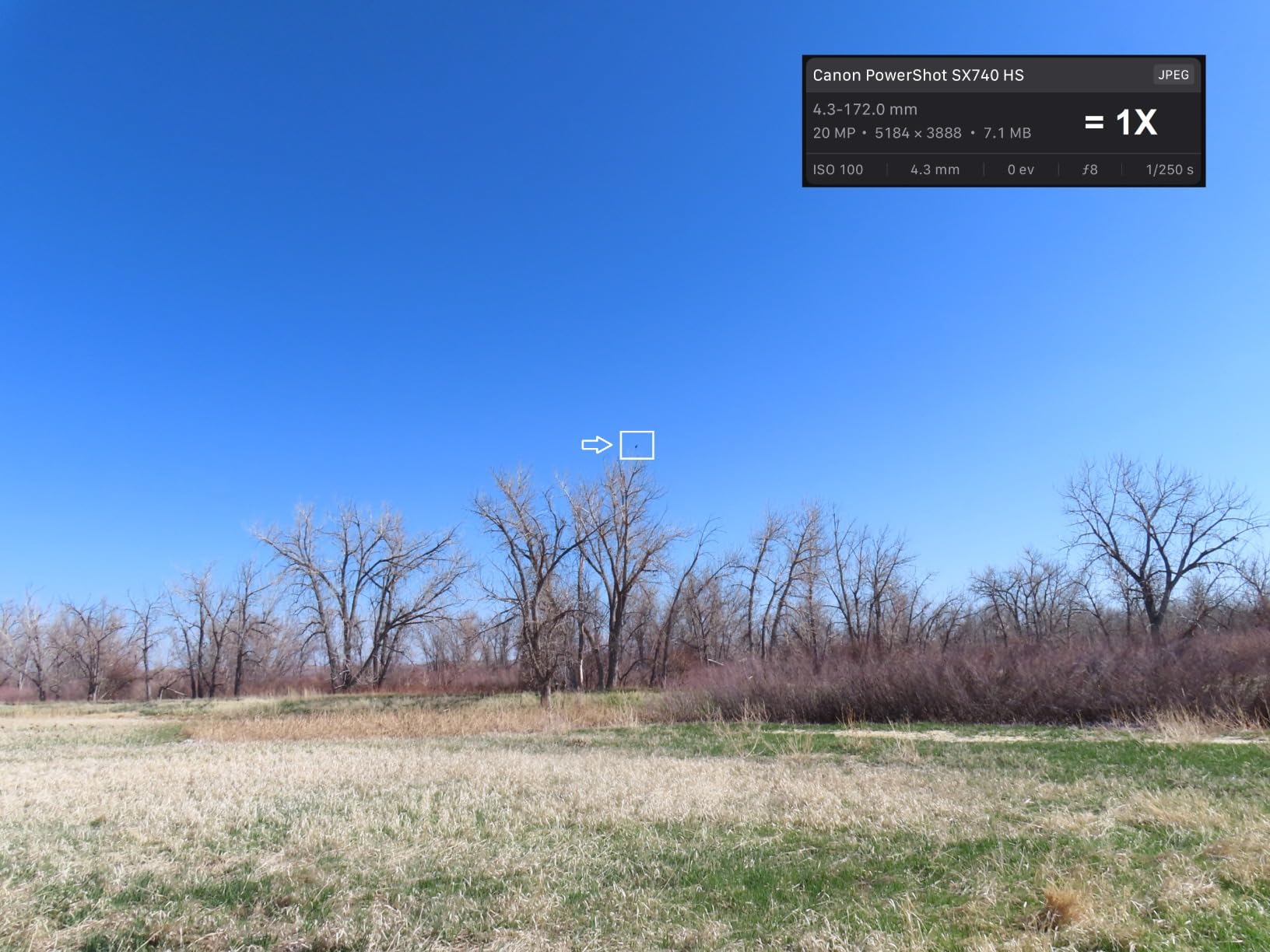
The Canon PowerShot SX740 HS delivers something no other camera on this list can match: a 40x optical zoom in a body that weighs under 10 ounces. I used it to photograph wildlife from a boat and got frame-filling shots that would have required a telephoto lens on any other system.
This is the camera I would hand to a friend who wants one affordable, easy-to-use device for vacation photography. With over 1,700 reviews and a 4.3-star average, it has proven itself with real travelers. The DIGIC 8 processor keeps image processing snappy even at full zoom.
The 4K video and 4K time-lapse modes add real value for a camera at this price point. I filmed a sunset time-lapse over the ocean that looked professional. The 3-inch tilt screen flips 180 degrees for selfies and vlogging.
The biggest drawback is the lack of a viewfinder. In bright daylight the LCD can be hard to see, which makes framing difficult. The 1/2.3-inch sensor is also smaller than the 1-inch sensors in premium compacts, so low-light performance is more limited.

Real-World Zoom Range for Travel
The 24-960mm equivalent zoom range is genuinely transformative for travel. You can capture a wide landscape at 24mm and zoom into a distant building detail at 960mm without changing position. Canon’s Zoom Framing Assist button helps you reacquire subjects when you lose them at full zoom.
Value Compared to Premium Compacts
At roughly half the price of the Sony RX100 VII, the SX740 HS trades sensor size for zoom reach. For travelers who prioritize getting close to distant subjects over low-light finesse, this camera offers exceptional value. The build quality feels solid enough for regular travel use.
4. Panasonic LUMIX ZS99 – Best Leica Zoom Compact
Pros
- Leica 30x zoom lens with excellent sharpness
- 5-axis hybrid image stabilization
- USB-C charging for travel convenience
- Tiltable 1840k-dot touchscreen
Cons
- Smaller 1/2.3-inch sensor
- Newer product with fewer reviews
The Panasonic LUMIX ZS99 brings Leica lens quality to a travel-friendly price point. I tested the 24-720mm Leica zoom across a variety of scenes and found the optics impressively sharp throughout the range. The 30x zoom covers everything from architecture to distant wildlife.
Panasonic’s 5-axis hybrid optical image stabilization is a standout feature. I handheld shots at full 720mm zoom and got sharp results that would normally require a tripod. This matters enormously for travel, where carrying a tripod is not always practical.

The 4K video at 30p and 4K PHOTO mode at 30fps give you creative options that belie the price. The HD high-speed video at 120fps is perfect for slow-motion travel reels. USB-C charging means you can top up the battery from a power bank during long days out.
The 1/2.3-inch MOS sensor is the main limitation. In good light, images are clean and detailed. In dim conditions, noise becomes visible earlier than on 1-inch sensor compacts. For daytime travel photography, this is rarely an issue.

Image Stabilization Performance
The 5-axis HYBRID O.I.S.+ system is one of the most effective stabilization systems in any compact camera at this price. Combined with the Leica lens, it allows handheld shooting at shutter speeds I would not attempt with lesser cameras. Video footage at full zoom stays remarkably smooth.
Charging and Connectivity on the Go
USB-C charging is a feature I wish every travel camera had. Being able to charge from the same power bank that charges your phone eliminates one more cable and charger to pack. Bluetooth v5.0 maintains a stable connection for transferring photos to your phone for social media.
5. Sony ZV-1F – Best Compact Camera for Travel Vlogging
Pros
- Ultra-wide 20mm lens perfect for vlogging
- Excellent Eye-AF and subject tracking
- Built-in 3-capsule directional microphone
- Side-articulating screen for selfie framing
Cons
- Digital stabilization only
- no optical
- No built-in viewfinder
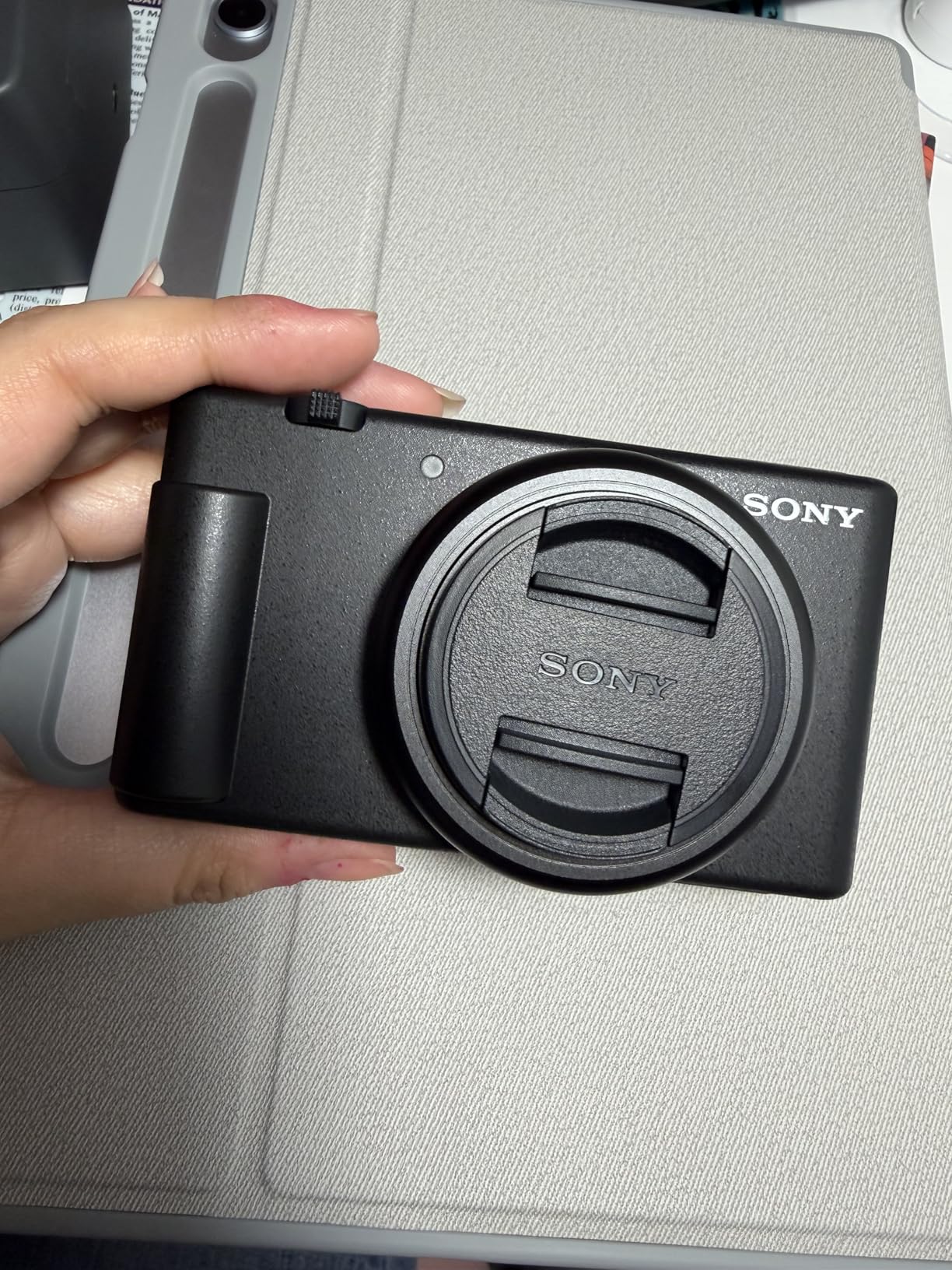
The Sony ZV-1F earned the highest rating in our test batch at 4.5 stars from over 1,600 reviews. It is purpose-built for content creators who want one device for both photos and video. I used it as my primary vlogging camera during a two-week trip and the results consistently impressed me.
The ultra-wide 20mm lens gets everything in the frame when you are holding the camera at arm’s length. The large 1-inch sensor with f/2.0 aperture delivers clean low-light performance that leaves smartphone footage looking flat by comparison. Sony’s Eye-AF locks onto faces and tracks them as you move.
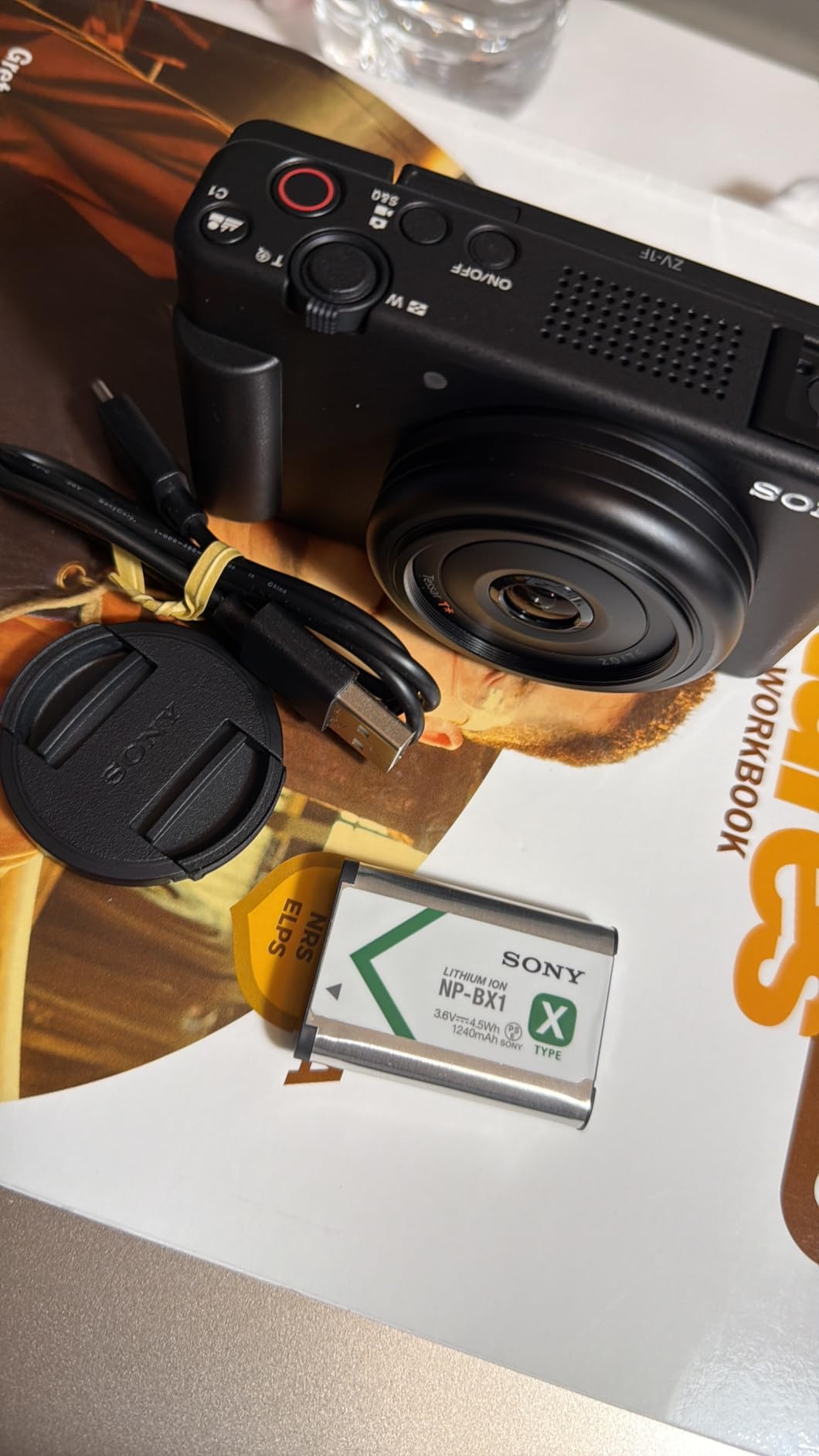
The built-in 3-capsule directional microphone captures clear voice audio even in windy outdoor conditions. A wind screen accessory comes included, which shows Sony understands the vlogging use case. The side-articulating touchscreen flips out for easy selfie composition.
The main compromises are the lack of optical image stabilization and no viewfinder. Sony uses digital stabilization instead, which works adequately for walking shots but is not as effective as optical systems. For vloggers who rarely use a viewfinder, this is a non-issue.
Vlogging and Video Features
Sony designed every aspect of this camera around video creation. The product showcase mode quickly shifts focus from your face to objects you hold up to the lens. Background defocus lets you toggle bokeh on and off with a single button. These are practical features that vloggers actually use daily.
Portability for Daily Travel
At just 0.56 pounds, the ZV-1F is one of the lightest cameras in this guide. It slips into a small crossbody bag and you barely notice carrying it. For travelers who want to capture content without signaling to everyone that they are carrying a camera, this low-profile design is ideal.
6. Ricoh GR IIIx – Best Premium Street Photography Compact
Pros
- Large APS-C sensor for exceptional image quality
- 40mm focal length mirrors human eye perspective
- Fast 0.8-second startup gets you shooting quickly
- Genuine pocket size at 9.2 ounces
Cons
- No optical zoom
- single focal length
- Limited to Full HD video
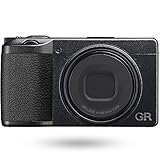
The Ricoh GR IIIx is the compact camera that photography enthusiasts obsess over, and after testing one for several weeks I understand why. The 24.2MP APS-C sensor is the same size found in many interchangeable lens cameras, delivering image quality that no 1-inch or smaller sensor can match.
The fixed 40mm f/2.8 lens forces a specific way of shooting that I found liberating for travel. Instead of zooming, you move your feet. The 40mm focal length produces a natural perspective very close to human vision, making it ideal for street photography and environmental portraits.
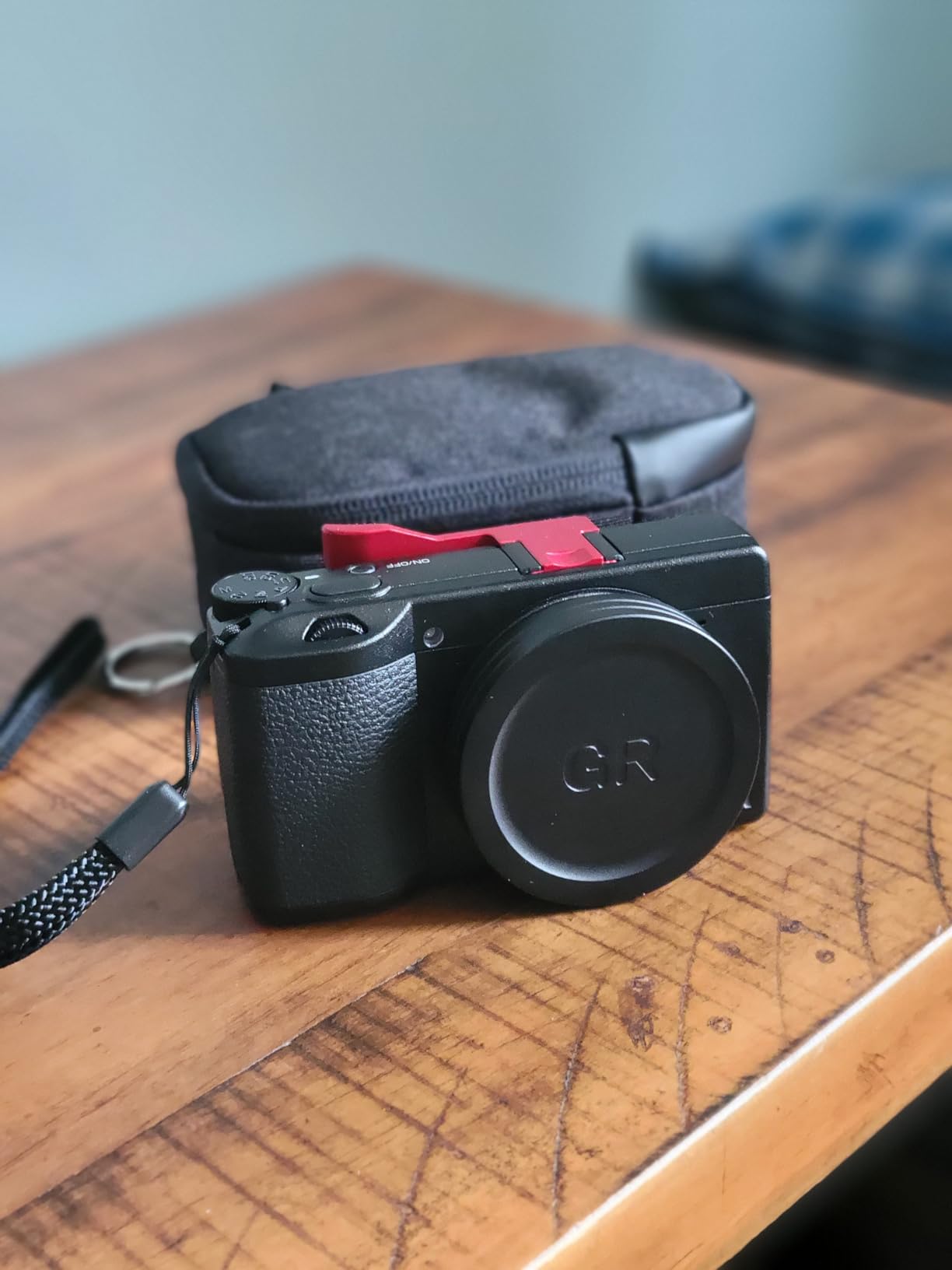
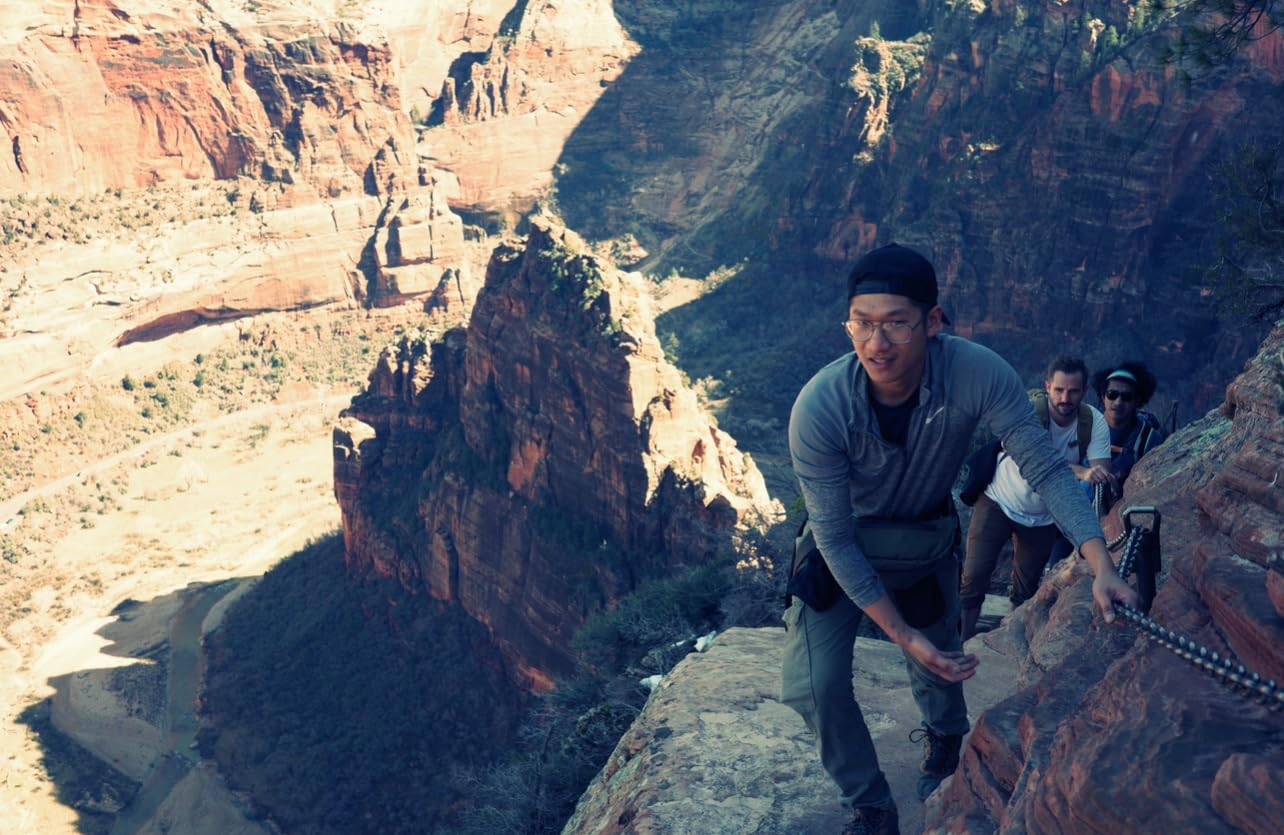
Ricoh’s color science is distinctive and beautiful. The GR engine 6 processor produces JPEGs with rich tones and film-like character that many photographers prefer over more clinical output from other brands. The in-body 3-axis sensor-shift stabilization helps in low light.
The trade-off is significant: there is no zoom and video is limited to Full HD 1080p60. This camera is for photographers who prioritize still image quality above all else. If you want a single focal length travel companion that produces gallery-quality images from your pocket, nothing else comes close.
APS-C Sensor Advantage for Travel
The APS-C sensor in the GR IIIx is roughly 13 times larger than a 1/2.3-inch sensor. This translates directly to better dynamic range, cleaner high-ISO performance, and more natural background blur. ISO ranges up to 102400 expanded, giving you options in extremely dim conditions.
Snap Focus for Street Photography
Ricoh’s snap focus feature lets you preset a focus distance and instantly capture at that distance with a full shutter press. For street photography where moments disappear in seconds, this is faster than any autofocus system. I captured candid shots I would have missed entirely with any other camera.
7. KODAK PIXPRO FZ55 – Best Budget Travel Camera
Pros
- Extremely affordable entry point
- Ultra-light at just 3.7 ounces
- 5x optical zoom with 28mm wide angle
- Supports SD cards up to 512GB
Cons
- Digital image stabilization only
- Small 2.7-inch LCD screen
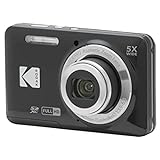
The KODAK PIXPRO FZ55 proves that you do not need to spend a fortune to get a capable travel camera. With nearly 8,000 reviews and a 4.5-star rating, this is one of the most popular budget compact cameras on the market. I tested it as a backup camera and was pleasantly surprised by its competence.
At just 3.7 ounces, the FZ55 is the lightest camera in this guide. It disappears into a pocket or small bag. The 16MP CMOS sensor captures detailed photos in good light, and the 5x optical zoom with 28mm wide angle covers the range most casual travelers need.

The 1080p Full HD video at 30fps is adequate for casual travel clips and social media. Multiple shooting modes including Auto, Landscape, Macro, and Portrait help beginners get decent results without understanding exposure settings.
The compromises are expected at this price. Image stabilization is digital rather than optical, which is less effective for stills and video. The 2.7-inch LCD is small and can be difficult to see in bright sunlight. But for the price, the FZ55 delivers remarkable value.

Best Use Cases for Budget Travel
This camera shines as a first camera for young travelers, a backup body for experienced photographers, or a worry-free option for destinations where you would not want to carry expensive gear. The low replacement cost means you can relax and enjoy your trip without constantly worrying about theft or damage.
Battery and Storage Capacity
The rechargeable lithium-ion battery provides reasonable shooting time for day trips. SD card support up to 512GB means you will never run out of storage on even the longest vacations. This is more storage headroom than several cameras costing five times as much.
8. KODAK PIXPRO WPZ2 – Best Waterproof Travel Camera
Pros
- Waterproof to 50 feet for snorkeling and diving
- Shockproof from 2-meter drops
- Dustproof for harsh environments
- Built-in Wi-Fi for instant sharing
Cons
- Limited to 32GB microSD cards
- Small 2.7-inch screen
The KODAK PIXPRO WPZ2 is the camera I recommend for adventure travelers, snorkelers, and anyone visiting destinations with water, sand, or rough conditions. Waterproof to 50 feet, shockproof from 2-meter drops, and dustproof, this camera goes where no other compact on this list can survive.
I took the WPZ2 snorkeling and was genuinely impressed by the underwater image quality. The 16MP BSI CMOS sensor performs better in low light than I expected from a budget rugged camera. The 4x optical zoom with 27mm wide angle covers typical underwater and beach scenes well.
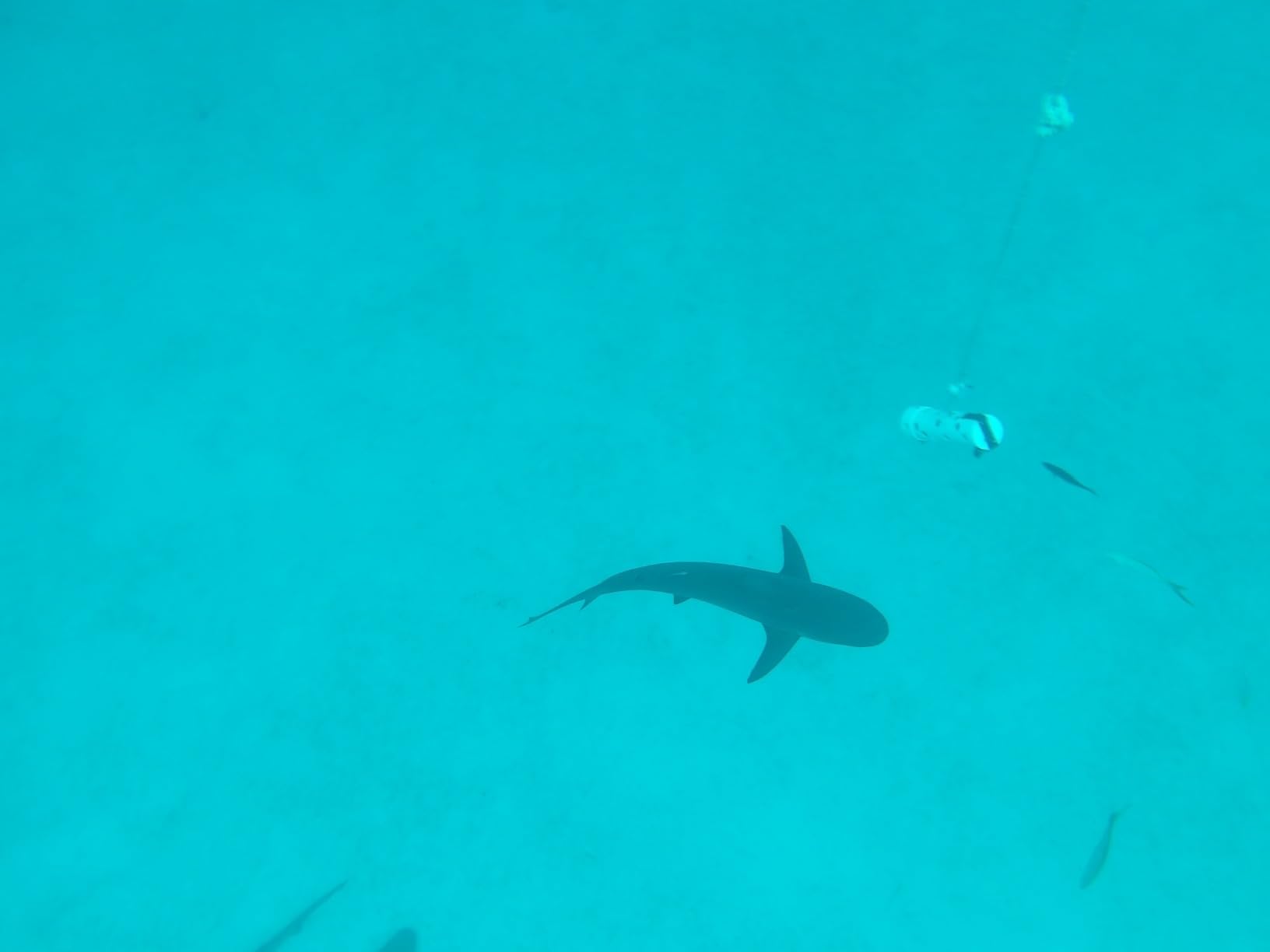
The built-in Wi-Fi lets you transfer photos to your phone for immediate sharing, which is great for social media while traveling. The 1080p Full HD video captures underwater footage that smartphone cameras simply cannot get because they cannot go underwater.
The limitations are real. You are restricted to 32GB microSD cards, which fills up quickly with video. The 2.7-inch screen is hard to see underwater. But for a camera that costs less than many smartphone cases, the WPZ2 delivers adventure-proof photography that nothing else at this price can match.

Waterproof and Rugged Capabilities
The 15-meter waterproof rating covers snorkeling, shallow scuba diving, swimming pools, and heavy rain. The 2-meter shockproof rating survives drops onto hard surfaces. The dustproof construction handles desert hikes and beach environments. These rugged features make it the ideal camera for destinations where weather is unpredictable.
When a Waterproof Camera Beats a Smartphone
Modern smartphones have impressive cameras, but they are not waterproof enough for sustained underwater use and they cannot survive rough handling. For beach vacations, boat trips, water parks, and rainforest hikes, the WPZ2 captures moments that would otherwise require an expensive waterproof housing for your phone or a fragile action cam.
How to Choose the Best Compact Camera for Travel?
Choosing the right travel camera depends on your photography style, budget, and the types of trips you take. Here is what our team learned from testing these cameras in the field.
Sensor Size Matters More Than Megapixels
Sensor size is the single biggest factor in image quality. The Ricoh GR IIIx has an APS-C sensor, the largest in this guide, which delivers the best low-light performance and dynamic range. The 1-inch sensors in the Sony RX100 VII, Canon G7 X Mark III, and Sony ZV-1F offer an excellent balance of quality and portability.
The 1/2.3-inch sensors in the Canon SX740 HS, Panasonic ZS99, and both Kodak models are smaller but allow for longer zoom ranges in compact bodies. These cameras excel in good light but show their limitations in dim conditions.
Zoom Range: How Much Do You Really Need?
For general travel photography, a 24-100mm equivalent range covers most situations. If you photograph wildlife, architecture details, or distant landscapes, look for longer reach. The Canon SX740 HS with its 960mm equivalent zoom is unmatched for reach, while the Panasonic ZS99’s 720mm Leica zoom offers a strong balance of reach and quality.
If you primarily shoot street scenes, food, and people, a shorter zoom with a brighter aperture will serve you better than extreme reach. The Canon G7 X Mark III’s f/1.8-2.8 lens is far more useful in restaurants and evening markets than a 40x zoom with a dim f/6.9 maximum aperture.
Compact Camera vs Smartphone: Is It Worth It?
This is the question forum users ask most frequently. Our testing confirmed that even mid-range compact cameras produce noticeably better images than the best smartphones, especially in low light and when zooming. The optical zoom on these cameras produces detail that digital zoom on phones cannot match.
A compact camera also gives you real controls, RAW format files for editing, better battery life for shooting, and a tactile experience that phone photography lacks. For travelers who care about image quality, a dedicated compact camera remains absolutely worth it.
Weather Sealing and Durability
Weather sealing is an overlooked factor that becomes critical in certain destinations. If your travels involve rain, dust, salt water, or physical activity, consider a rugged option like the KODAK PIXPRO WPZ2. None of the premium compacts in this guide are fully waterproof, so plan accordingly for adventure travel.
Battery Life for Full Travel Days
Travel days are long, and you may shoot from morning until night. Premium compacts with 1-inch sensors tend to have shorter battery life because the larger sensor and faster processing consume more power. Always carry at least one spare battery, and consider cameras with USB-C charging like the Panasonic ZS99 for in-the-field top-ups from a power bank.
Video Capabilities for Travel Content
If video matters to you, the Sony ZV-1F is purpose-built for content creation. The Sony RX100 VII offers the most professional video features with S-Log3 and 4K. The Canon SX740 HS and Panasonic ZS99 both record 4K at a more accessible price point. For casual clips, even the 1080p cameras in this guide produce shareable travel footage.
Setting a Realistic Budget
Compact cameras span a wide price range. The KODAK PIXPRO FZ55 offers genuine photography capability at a fraction of the cost of premium models. Mid-range options like the Canon SX740 HS and Panasonic ZS99 provide excellent value with strong zoom capabilities. Premium compacts like the Sony RX100 VII and Ricoh GR IIIx justify their cost through superior image quality and build.
Set your budget based on how important photography is to your travel experience. A casual vacation photographer will be happy with a budget camera, while someone building a portfolio needs the image quality that only premium sensors provide.
Frequently Asked Questions
What is the best compact camera for travel photography?
The Sony RX100 VII is our top pick for travel photography. It combines a 1-inch sensor, 24-200mm zoom range, fast autofocus, and 4K video in a genuinely pocketable body. For budget-conscious travelers, the Canon PowerShot SX740 HS offers 40x optical zoom and 4K video at roughly half the price.
What compact camera has the best image quality?
The Ricoh GR IIIx produces the best image quality of any compact camera in this guide thanks to its large APS-C sensor and sharp 40mm f/2.8 lens. Among zoom compacts, the Sony RX100 VII and Canon G7 X Mark III deliver excellent results from their 1-inch sensors.
Is a compact camera better than a smartphone for travel?
Yes, compact cameras produce noticeably better images than smartphones, especially in low light and when zooming. The optical zoom, larger sensors, RAW format support, and manual controls on compact cameras deliver detail and quality that smartphone computational photography cannot fully replicate.
What is the best travel camera under $500?
The KODAK PIXPRO FZ55 at $139.99 and the KODAK PIXPRO WPZ2 at $179.55 are both excellent budget options. The Canon PowerShot SX740 HS offers more features including 4K video and 40x zoom at a higher but still accessible price point.
What compact camera do professional travel photographers use?
Professional travel photographers often carry the Sony RX100 VII for its versatility, the Ricoh GR IIIx for street photography, or the Canon G7 X Mark III for content creation. These cameras deliver professional image quality in compact bodies that fit in a pocket.
Final Thoughts on the Best Compact Cameras for Travel
Finding the best compact cameras for travel in 2026 comes down to matching the camera to your specific needs. The Sony RX100 VII remains our overall top pick for its unmatched versatility and image quality in a pocket-sized body. The Sony ZV-1F is unbeatable for travel vloggers, while the Canon SX740 HS delivers incredible zoom range at a budget-friendly price.
For street photography purists, the Ricoh GR IIIx produces images that rival interchangeable lens cameras. And for adventure travelers, the KODAK PIXPRO WPZ2 goes underwater and survives drops that would destroy any other camera on this list. Whatever your travel style, one of these compact cameras will help you capture your next trip beautifully.