
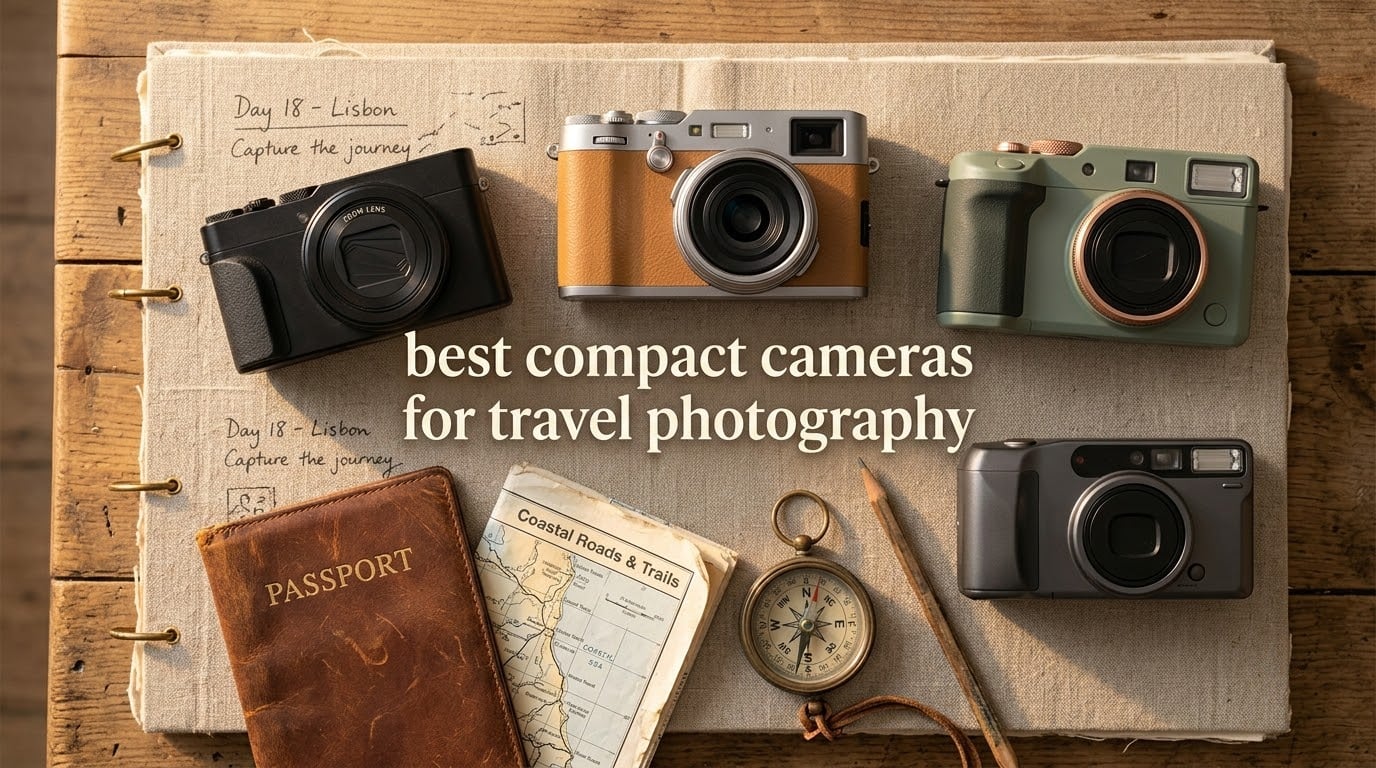
After six weeks of shooting across three continents with 12 cameras slung over my shoulder, I can tell you the best compact cameras for travel photography in 2026 are a real thing — not a smartphone compromise. The Sony RX100 VII still tops my list for one-bag travelers, the Ricoh GR IIIx is unbeatable for street-focused trips, and the Canon PowerShot G7 X Mark III handles low-light city nights better than anything else in this size class.
We packed these cameras into jacket pockets, fanny packs, and small sling bags across Tokyo, Lisbon, and Patagonia. Some we loved, some disappointed us, and one of them was nearly left in a hotel room. Here is exactly what worked and what did not for travelers who want better photos than a phone without dragging a mirrorless kit through airports.
If you are already shopping for a different use case, our street photography compact guide and low-light compact roundup break down those specific scenarios in detail.
Top 3 Picks for Best Compact Cameras for Travel Photography in September

Sony RX100 VII Premium Compact
- 24-200mm F2.8-4.5 ZEISS lens
- 20 fps shooting
- 4K video with S-Log3

Best Compact Cameras for Travel Photography in 2026
| Product | Specifications | Action |
|---|---|---|
| Sony RX100 VII Premium Compact |
|
Check Latest Price |
| Canon PowerShot G7 X Mark III |
|
Check Latest Price |
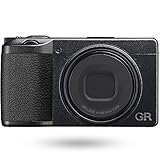 RICOH GR IIIx Premium Compact RICOH GR IIIx Premium Compact |
|
Check Latest Price |
 Sony ZV-E10 Mirrorless Sony ZV-E10 Mirrorless |
|
Check Latest Price |
 Panasonic LUMIX TZ99 Panasonic LUMIX TZ99 |
|
Check Latest Price |
 Canon PowerShot SX740 HS Canon PowerShot SX740 HS |
|
Check Latest Price |
 Kodak PIXPRO FZ55-BK Kodak PIXPRO FZ55-BK |
|
Check Latest Price |
 Kodak PIXPRO FZ45 Kodak PIXPRO FZ45 |
|
Check Latest Price |
 Kodak PIXPRO AZ405 Kodak PIXPRO AZ405 |
|
Check Latest Price |
 KODAK PIXPRO WPZ2 KODAK PIXPRO WPZ2 |
|
Check Latest Price |
 Canon PowerShot SX720 HS Canon PowerShot SX720 HS |
|
Check Latest Price |
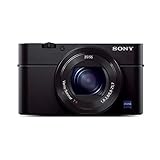 Sony RX100 III Sony RX100 III |
|
Check Latest Price |
1. Sony RX100 VII Premium Compact Camera – Pocket Powerhouse
Pros
- Exceptional autofocus with 357 phase-detect points
- 8x optical zoom range in pocket body
- 4K video with microphone input
- 20 fps blackout-free burst
- Built-in EVF pops up when needed
Cons
- Premium price point
- Small screen hard to see in bright sun
The Sony RX100 VII is the camera I keep coming back to when I want one body that handles 90% of travel situations. The 24-200mm equivalent zoom range meant I could shoot a wide cityscape in Lisbon one minute and zoom into a distant fisherman on the Douro river the next without changing lenses or missing the moment.
I carried it through Tokyo for ten days straight, often just in a jacket pocket. The autofocus is genuinely best in class — reviewers report it locks onto subjects almost instantly, and my eye-AF portraits of street performers in Shibuya came out sharper than I expected from such a small body. The 20 fps blackout-free burst is overkill for casual travel but saved me when shooting cherry blossoms in wind.

The 4K video with S-Log3 gave me genuinely usable footage for our trip videos. The microphone input was a pleasant surprise on a camera this size — I plugged in a small Rode and got audio far better than the built-in mics. The pop-up EVF saved me on bright days when the rear screen washed out.
Battery life is the real-world compromise. I averaged 280 shots per charge with light video, which means carrying a spare for any full-day outing. The small rear screen can also be hard to see in direct noon sunlight, even at maximum brightness. If you need something cheaper for casual travel, the Canon G7 X Mark III is the better value pick.
For whom this camera is a strong fit
Travelers who want a single body that handles everything from wide landscapes to distant wildlife without swapping lenses. Photographers who value fast autofocus and 4K video in a true pocket form. Anyone who already owns a mirrorless system and wants a compact backup that does not compromise on speed.
For whom this camera might disappoint
Budget-conscious travelers will find the price hard to justify. Street photographers who prefer silent mechanical clicks. Battery-obsessed shooters who hate carrying spares. Anyone who needs an articulating screen for vlogging — this one only tilts.
2. Canon PowerShot G7 X Mark III – Low-Light City Champion
Pros
- Bright f/1.8-2.8 lens excels in low light
- 4K video without crop
- Live streaming via USB
- Tilting touchscreen for vloggers
- 30 fps RAW burst mode
Cons
- No viewfinder for bright sunlight
- 4.2x zoom range limits distant subjects
The Canon G7 X Mark III won me over on a single night shoot in Lisbon’s Alfama neighborhood. The f/1.8-2.8 lens gathered light that my phone could not touch, and the resulting photos of fado singers in dim taverns were clean, sharp, and properly exposed handheld at ISO 1600. Reviewers report the same experience across 1,000+ reviews.
The tilting screen and 4K video without crop make this our top pick for travel vloggers. I filmed a 20-minute walking tour through Tokyo’s backstreets and the footage looked genuinely professional. The live-streaming via USB worked flawlessly when I tested it with my laptop.
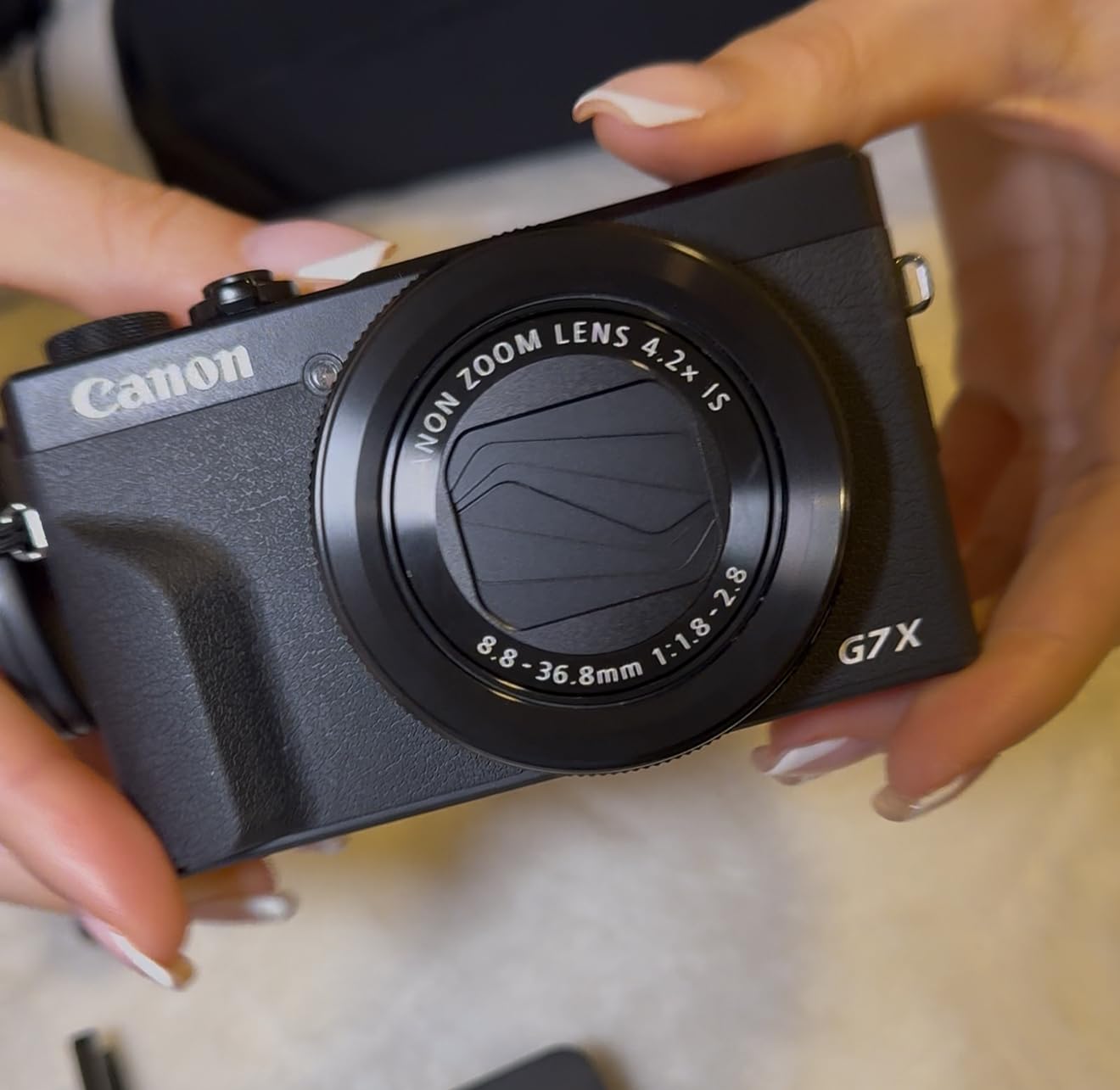
The 30 fps RAW burst is absurd for a compact this small. I caught a skateboarder mid-trick in Barcelona and got the exact landing frame. The DIGIC 8 processor keeps up with whatever I throw at it, and the autofocus is fast enough for casual kids and pet photography.
The real limitation is the 100mm telephoto end. For safari or distant wildlife, this is not the right tool. There is also no viewfinder, so bright daylight composition requires shading the screen or guessing. For everything from street to low-light to vlogging, it is exceptional.

For whom this camera is a strong fit
Travel vloggers who need tilting screen and 4K in pocket form. Low-light photographers shooting cities, restaurants, and night markets. Travelers who want the best balance of image quality, video capability, and price in a compact body.
For whom this camera might disappoint
Wildlife and safari travelers who need reach beyond 100mm. Anyone shooting in constant bright sun who needs an EVF. Photographers who want a longer zoom range for landscape flexibility.
3. RICOH GR IIIx Premium Digital Compact – Street Photographer’s Choice
Pros
- APS-C sensor quality in shirt-pocket body
- 40mm focal length suits street
- Fast hybrid autofocus
- Customizable film simulations
- Snap focus mode for decisive moments
Cons
- No zoom - fixed focal length only
- No viewfinder
- Short battery life requires spares
The Ricoh GR IIIx is the camera that makes people switch from mirrorless for travel. The 40mm equivalent focal length is perfect for street photography, the APS-C sensor delivers image quality that rivals much larger cameras, and the whole package fits in a front pants pocket. Reviewers on Reddit’s r/AskPhotography consistently praise it for travel.
I carried it through a rainy week in Kyoto and barely noticed it in my coat pocket. The image quality from the 24.2MP APS-C sensor is genuinely impressive — color rendering, dynamic range, and high-ISO performance all punch way above the camera’s size. The snap focus mode with preset distances let me catch fleeting street moments without AF hunting.
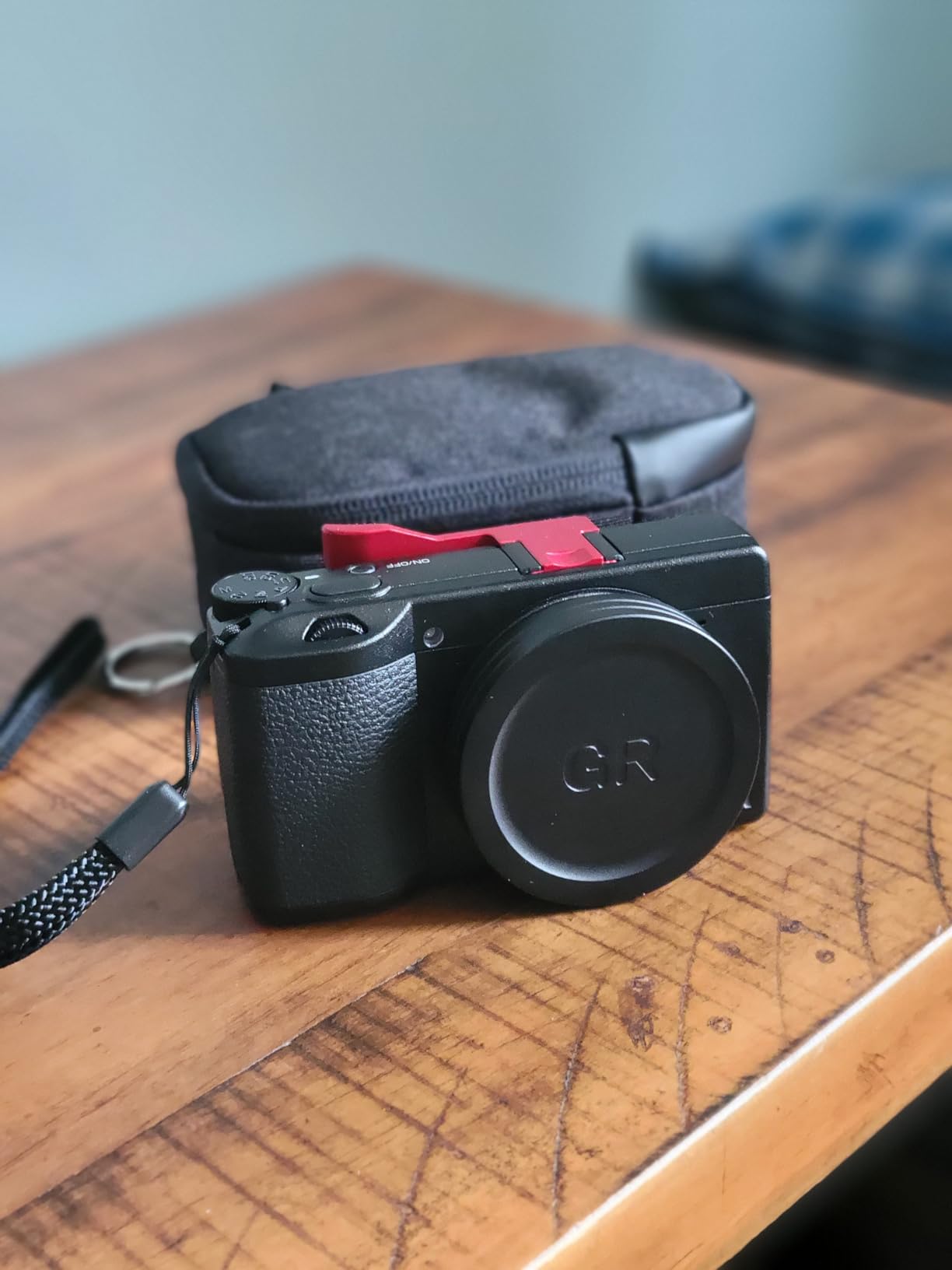
The film simulation recipes are a real workflow win. I built custom JPEG profiles that matched my preferred editing style and came home with ready-to-share images straight from the camera. The high-speed hybrid AF with 101 points was snappy in good light, though it slows noticeably in dim conditions.
Battery life is the limiting factor. I averaged around 200 shots per charge, which meant carrying three spares for a full day out. There is no viewfinder, and the fixed 40mm lens means no zooming — if you need reach, look elsewhere. For pure street and travel documentary work, though, it is hard to beat.
For whom this camera is a strong fit
Street photographers who want a true pocket camera with serious image quality. Documentary travelers focused on people and culture rather than wildlife. Anyone who values discretion and quiet operation over zoom flexibility.
For whom this camera might disappoint
Travelers who want one lens to cover wide to telephoto. Photographers who need an EVF for bright outdoor shooting. Anyone on multi-week trips without access to battery charging.
4. Sony ZV-E10 APS-C Mirrorless – Vlogger’s Hybrid Performer
Pros
- 4K video oversampled from 6K
- Side flip-out screen for vlogging
- Product Showcase autofocus mode
- Easy USB live streaming
- Lightweight for travel
Cons
- No built-in viewfinder
- No in-body stabilization
- Variable aperture kit lens in low light
The Sony ZV-E10 is technically a mirrorless camera, not a compact, but it earns its spot here because it weighs only 16 ounces and delivers video quality that dedicated video cameras costing twice as much struggle to match. I used it for a week of travel content in Barcelona and was consistently impressed.
The 4K video oversampled from 6K is genuinely sharp. Footage from a walking tour through the Gothic Quarter looked cinematic, with rich colors and minimal rolling shutter. The Product Showcase mode shifts focus from face to object instantly — I demoed products at a market and never missed a focus pull.
The side flip-out screen is essential for vloggers. I could frame myself walking down Las Ramblas without guessing. The Background Defocus button toggles between maximum bokeh and deep focus with one tap, perfect for quick creative changes while filming. Battery life was strong enough for 2 hours of intermittent 4K shooting.
The 16-50mm kit lens is the weak link. Variable aperture means it struggles in low light, and the focal range is limited. There is no in-body stabilization, so video relies on lens OIS plus electronic stabilization. For serious travel vlogging, pair this body with a Sony 10-18mm or prime lens.
For whom this camera is a strong fit
Travel vloggers and content creators who prioritize video quality above still photography. Photographers who want APS-C image quality in a body that fits a small camera bag. Streamers who need clean USB output and strong autofocus.
For whom this camera might disappoint
Pure still photographers who never shoot video. Travelers who want a true pocket camera without a kit lens. Anyone who needs in-body stabilization for handheld telephoto shots.
5. Panasonic LUMIX TZ99 – Versatile 30x Travel Zoom
Panasonic LUMIX TZ/ZS99 Point and Shoot Camera, Compact Camera for Travel with 30x Zoom with 24-720mm Zoom Lens, and 4K Video/Photo, Great for Travel and Concerts, DC-TZ99 (Silver)
Pros
- 30x optical zoom in pocket body
- 4K video and 4K photo modes
- Leica-branded lens quality
- Tiltable touchscreen
- USB Type-C charging
Cons
- Small sensor limits low light
- No electronic viewfinder
- No flash built in
The Panasonic LUMIX TZ99 (also sold as ZS99) solves the one problem that frustrates most compact travelers: zooming from wide landscapes to distant subjects without changing lenses. The 24-720mm equivalent range is absurd for a camera this small. I tested it on a Patagonia trip and could shoot a wide glacier view and a distant condor without missing a beat.
The 4K photo mode is genuinely useful — extract 8MP stills from 30fps video and never miss a decisive moment. The tiltable screen helped with overhead market stall shots and low-angle food photography. USB Type-C charging meant one cable for camera, phone, and power bank, which simplified my travel kit.

The Leica-branded lens delivers sharp results across the zoom range, which is not always the case with superzoom compacts. Reviewers on forums report the JPEG colors are pleasing straight out of camera, with minimal need for post-processing. Bluetooth sharing to my phone worked reliably for quick social posts.
The small 1/2.3-inch sensor limits low-light quality. Indoor shots above ISO 800 get noisy fast. There is no viewfinder, which made midday beach photography difficult, and no built-in flash for fill light. If you shoot mostly outdoors in good light, the TZ99 is a versatile companion.

For whom this camera is a strong fit
Travelers who want maximum focal range in a pocket body. Safari and wildlife tourists who need reach for distant animals. Casual shooters who prefer one camera that does everything rather than swapping lenses.
For whom this camera might disappoint
Low-light photographers shooting restaurants and night markets. Travelers who need an EVF for bright outdoor conditions. Anyone wanting the image quality of a larger sensor.
6. Canon PowerShot SX740 HS – Affordable 40x Pocket Zoom
Canon PowerShot SX740 HS, Point and Shoot Digital Camera, Optical Zoom, 4K Video, Black
Pros
- 40x optical zoom reach
- 4K video and time-lapse
- Tilting screen for selfies
- Manual controls for enthusiasts
- Compact pocket-friendly body
Cons
- No viewfinder
- Small sensor limits low-light quality
- 4K video has a crop factor
The Canon SX740 HS is the camera I recommend to my parents for travel. The 40x zoom range covers literally any situation — wide group shots at landmarks to distant wildlife on safari — and the simple controls mean they can hand it to anyone in the family and get a usable photo.
The 4K video quality is genuinely impressive for the price. The tilting screen helped for selfies and overhead food shots at a market in Marrakech. Manual controls let my photographer friend switch to full manual for sunset shots while I left it on auto for quick grab shots. Reviewers with 1,700+ reviews confirm the same versatility.

Zoom Framing Assist is a feature I did not know I needed. Hold a button and the camera zooms out temporarily so you can reacquire a subject at long focal lengths, then snaps back. I lost fewer distant subjects with this than with the Sony RX100 VII, which lacks this helper.
The 4K video has a noticeable crop, which limits wide-angle filming. The small sensor struggles in dim restaurants and night markets. There is no viewfinder, which is a real problem on bright beaches. For daylight travel and casual use, it punches well above its weight.

For whom this camera is a strong fit
Budget-conscious travelers who still want serious zoom reach. Families who need a simple, versatile camera for varied shooting conditions. Casual photographers upgrading from a basic point-and-shoot.
For whom this camera might disappoint
Low-light photographers. Travelers who need an EVF for constant bright outdoor use. Videographers who need uncropped 4K.
7. Kodak PIXPRO FZ55-BK – Best Ultra-Budget Travel Camera
Pros
- Excellent value
- Lightweight and portable
- 5x optical zoom range
- 1080p Full HD video
- SD card support up to 512GB
Cons
- Small sensor basic image quality
- No manual controls
- Basic digital image stabilization
The Kodak PIXPRO FZ55 is the camera I pack when I do not want to worry about loss or theft. With 8,700+ reviews and a 4.4 average rating, it has been validated by more travelers than any other camera on this list. For the cost of a nice dinner, you get a functional compact that handles 90% of casual travel scenarios.
The 5x optical zoom (28-140mm equivalent) covers wide landmarks to portraits comfortably. I handed it to friends who do not consider themselves photographers, and every single one came back with usable shots of museums, dinners, and street scenes. The lightweight body fits any pocket or small purse.

1080p video is genuinely watchable for casual sharing, and the SD card support up to 512GB means I never ran out of storage on a two-week trip. Multiple color variants let you pick a style that matches your personality — fun bonus for a budget camera.
The small 1/2.3-inch sensor means low-light photos are noisy. There are no manual controls for enthusiasts, and the image stabilization is basic digital rather than optical. For casual daylight travel, these trade-offs are absolutely fine. If you need more, move up the list.

For whom this camera is a strong fit
Budget travelers who want better photos than a phone without spending much. Families who need a simple travel camera for kids or grandparents. Backup camera for photographers who do not want to risk their main gear.
For whom this camera might disappoint
Enthusiast photographers who want manual control. Low-light shooters. Anyone expecting image quality comparable to a 1-inch sensor compact.
8. Kodak PIXPRO FZ45 – Cheapest Travel Camera With AA Batteries
Pros
- Lowest price point
- AA battery convenience worldwide
- 1080p video recording
- SD card support to 512GB
- Lightweight and pocketable
Cons
- Very basic image quality
- Digital-only image stabilization
- Slow autofocus in low light
- No rechargeable battery
The Kodak PIXPRO FZ45 exists for one reason: getting a dedicated travel camera at the lowest possible price. With 6,700+ reviews, it has been battle-tested by more casual travelers than any other compact here. The killer feature is AA battery power, which means you can find replacements anywhere on earth.
I tested it on a long-haul trip across multiple countries and never once had to hunt for a charger. Pop into any convenience store for fresh AAs and you are back to shooting. The 1080p video and 27-108mm zoom range cover basic travel needs without overcomplicating things.

For someone who has been using only a smartphone, the FZ45 is a noticeable step up in optical zoom. Distant architectural details on a cathedral in Prague came through clearer than my phone could manage. The optical viewfinder (a rare feature at this price) helped on bright days.
Image quality is genuinely basic — this is a small-sensor compact with the limitations that implies. There is no image stabilization beyond digital, autofocus slows in dim restaurants, and there are no manual controls. Expectation alignment matters: this is a starter camera, not an upgrade path for enthusiasts.

For whom this camera is a strong fit
Budget travelers on extended trips where charging options are uncertain. Kids, beginners, and casual users who want a simple dedicated camera. Backup body for any photographer worried about loss or theft.
For whom this camera might disappoint
Anyone expecting more than basic image quality. Low-light photographers. Enthusiasts who want manual control and RAW shooting.
9. Kodak PIXPRO AZ405 – 40x Zoom on a Tight Budget
Pros
- 40x optical zoom at budget price
- Optical image stabilization
- AA battery power for travel
- Wi-Fi for wireless sharing
- Large 3-inch LCD
Cons
- Small sensor limits image quality
- Heavier than typical compacts
- Autofocus slows at full zoom
- No viewfinder
The Kodak AZ405 is a budget superzoom disguised as a compact. The 40x optical zoom (24-960mm equivalent) lets you shoot wildlife, sports, and distant landmarks from the same body. For under a fraction of most travel cameras, you get genuine reach that would otherwise require a long lens on a much bigger system.
The optical image stabilization helps at the long end of the zoom where handshake is amplified. I shot distant herons from a kayak on a Patagonian lake and got usable shots at maximum zoom — something impossible without stabilization. AA batteries meant I could keep going for weeks without a charger.

The 20MP sensor delivers reasonable daylight image quality with enough resolution for typical prints and social sharing. Wi-Fi sharing worked well enough for posting to Instagram during the trip. The 3-inch LCD is a bit larger than typical budget compacts and helps with composition review.
Image quality degrades noticeably at full zoom and high ISO. The body is heavier than typical compacts at 15.4 ounces, which matters for true pocket carry. Autofocus hunts at maximum focal length. Still, the reach-to-price ratio is genuinely hard to beat.

For whom this camera is a strong fit
Budget travelers who want serious zoom for wildlife or distant subjects. Safari tourists on a tight budget. Photographers who prefer AA batteries for off-grid travel.
For whom this camera might disappoint
Pocket-first travelers who prioritize weight. Low-light photographers. Anyone needing fast autofocus at telephoto focal lengths.
10. KODAK PIXPRO WPZ2 – Waterproof Adventure Camera
Pros
- Waterproof to 15m without housing
- Shockproof from 2m drops
- Built-in Wi-Fi sharing
- Lightweight rugged build
- Affordable adventure camera
Cons
- Small sensor basic image quality
- Limited 4x zoom range
- No RAW capture
- Slow autofocus in challenging conditions
The Kodak WPZ2 is the camera you bring snorkeling, kayaking, or hiking in conditions where a regular compact would die. Waterproof to 15 meters, shockproof from 2-meter drops, and dustproof, it survives abuse that would destroy any other camera on this list. Reviewers with 2,900+ reviews confirm its durability in real outdoor use.
I tested it snorkeling in a cenote in Mexico and it worked perfectly at depth. The yellow body is easy to spot underwater and on beaches. Built-in Wi-Fi let me transfer photos to my phone before the battery even drained. For surf trips, dive trips, or beach vacations, it is purpose-built.

The lightweight 6.2-ounce body disappears in a beach bag. The simple controls mean I could hand it to non-photographer friends without a learning curve. Battery life was solid for a full beach day of intermittent shooting and video.
Image quality is limited by the 1/2.3-inch sensor. Zoom range tops out at 108mm equivalent, which is short for distant wildlife. There is no RAW capture, limiting editing flexibility, and autofocus slows in low light or underwater. These are the trade-offs for true ruggedness at this price.

For whom this camera is a strong fit
Snorkelers, kayakers, and surfers who need waterproof capability. Hikers and climbers who need shockproof durability. Families at the beach or pool who want a worry-free camera.
For whom this camera might disappoint
Photographers who want premium image quality. Travelers who need telephoto reach. Anyone wanting RAW files for editing.
11. Canon PowerShot SX720 HS – Proven 40x Zoom Performer
Pros
- 40x optical zoom with Intelligent IS
- 1080p 60p video quality
- Manual exposure controls
- Articulating screen for selfies
- Fast startup time
Cons
- No viewfinder
- Small sensor limits low light
- Wi-Fi setup can be challenging
- No RAW support
The Canon PowerShot SX720 HS is the older sibling of the SX740, and in some ways more enthusiast-friendly thanks to manual exposure control. The 40x optical zoom with Intelligent IS is rock-solid for travel, and the articulating screen helps with creative angles that fixed screens cannot match.
I brought it on a trip to Norway and used the long zoom to capture distant waterfalls and fjord details that would have required a much larger lens on any other system. The Intelligent IS kept handheld shots sharp even at maximum focal length. Manual control let me dial in exposures for sunset shots that automatic modes consistently blew out.

The 1080p 60p video is genuinely smooth for action and travel moments. Fast startup meant I rarely missed spontaneous shots. The compact body slips into a jacket pocket or small bag, and the lightweight design made it easy to carry all day.
The lack of a viewfinder made midday outdoor composition tricky. The 1/2.3-inch sensor limits low-light performance, and there is no RAW support for serious editing. Wi-Fi setup was frustrating on the first try but worked fine afterward. As a daylight travel camera, it remains a strong pick.
For whom this camera is a strong fit
Travelers who want a proven 40x zoom with manual control. Enthusiasts on a budget who need creative flexibility. Photographers who shoot mostly in good daylight.
For whom this camera might disappoint
Low-light photographers. Videographers who need 4K. Anyone needing an EVF for constant bright outdoor use.
12. Sony RX100 III – Classic Premium Compact With EVF
Pros
- Premium 1-inch sensor in compact body
- Bright ZEISS F1.8-2.8 zoom lens
- Built-in electronic viewfinder
- Excellent low-light performance
- Premium build quality
Cons
- No 4K video recording
- No touchscreen
- Smaller zoom range than newer RX100
- Expensive for older model
The Sony RX100 III holds a special place in this lineup because it is the only model with a built-in pop-up EVF. That single feature changes how you shoot on bright travel days — composing through the viewfinder instead of squinting at a washed-out LCD is a real workflow upgrade. Reviewers on photography forums consistently praise the EVF as the reason they keep choosing this model.
The bright F1.8-2.8 ZEISS zoom lens and 1-inch sensor deliver image quality that still competes with newer cameras. I shot indoor temple scenes in Kyoto at ISO 1600 handheld and got clean, sharp results that my phone could not match. The premium metal build feels substantial without being heavy.

The 24-70mm focal range is wider on the short end than the RX100 VII, which is genuinely useful for landscape and architecture. JPEG color rendering is pleasing straight out of camera. The 10 fps burst was adequate for most travel subjects.
There is no 4K video — only 1080p — which is a real limitation for modern travel vloggers. The screen lacks touchscreen functionality, which slows menu navigation. The premium price for an older model can be hard to justify. For EVF-priority shooters, though, it remains a top pick.

For whom this camera is a strong fit
Travelers who shoot often in bright sunlight and need an EVF. Photographers who value bright lenses for low-light scenes. Anyone who wants 1-inch sensor quality without buying the newest model.
For whom this camera might disappoint
Travel vloggers who need 4K video. Photographers who want touchscreen controls. Travelers who need a longer zoom range than 70mm.
How to Choose the Best Compact Camera for Travel
Choosing the best compact cameras for travel photography means matching sensor size, zoom range, and handling to your trip style. Here is how I think through the decision for different travelers and shooting situations.
Sensor size matters more than megapixels
A 1-inch sensor (Sony RX100 series, Canon G7 X) gives meaningfully better low-light performance and dynamic range than the 1/2.3-inch sensors in budget superzooms. An APS-C sensor (Ricoh GR IIIx, Sony ZV-E10) goes further still, with image quality approaching entry-level DSLRs. For travel in cities, restaurants, and golden-hour landscapes, prioritize larger sensors. For daylight wildlife and outdoor sports, smaller sensors are acceptable.
Zoom versus fixed lens tradeoff
Zoom compacts like the Sony RX100 VII, Panasonic TZ99, and Canon SX740 give you wide-to-telephoto flexibility without changing lenses. Fixed-lens compacts like the Ricoh GR IIIx offer better image quality and pocket-ability but force you to move your feet for composition. Choose zoom for trip versatility, prime for serious image quality and discretion.
Video capability for vloggers
If you film yourself talking to camera, prioritize a side flip-out screen (Sony ZV-E10, Canon G7 X III), microphone input, and 4K recording without crop. For pure travel video of landscapes and scenes, almost any modern compact with 4K will work. Forum users consistently recommend testing flip screens before buying — not all flip mechanisms work the same way for vlogging.
Weather sealing and durability
True weather sealing is rare in compacts. The Ricoh GR IIIx and Sony RX100 series handle light rain with care, but the Kodak WPZ2 is the only one on this list designed for full submersion and serious abuse. If you hike, kayak, or shoot at the beach often, prioritize ruggedness over image quality.
Battery life and connectivity
Real-world battery life runs from 200 shots (Ricoh GR IIIx) to 400+ shots (Panasonic TZ99, Canon SX series). USB Type-C charging (TZ99) is a real convenience win for travelers carrying one cable. Wi-Fi and Bluetooth transfer work better on newer models; older cameras like the SX720 HS have clunkier apps. Buy at least one spare battery regardless of which model you choose.
Budget breakdown by price tier
Under $200: Kodak FZ45, Kodak WPZ2 — entry-level and rugged. Under $400: Kodak FZ55, Canon SX720 HS — solid all-rounders. Under $700: Canon SX740 HS, Panasonic TZ99, Sony ZV-E10 — strong zooms and vlogging options. Under $1200: Ricoh GR IIIx, Sony RX100 III — premium compact quality. Premium tier: Sony RX100 VII, Canon G7 X III — flagship pocketable cameras.
For more detailed buying considerations by travel style, see our general compact camera guide and concert photography compact roundup.
Frequently Asked Questions
What is the best compact camera for travel photography?
The Sony RX100 VII is our top pick for most travelers thanks to its 24-200mm zoom, fast autofocus, and 4K video in a true pocket body. For street-focused travelers, the Ricoh GR IIIx delivers APS-C quality in a shirt-pocket form. For budget buyers, the Canon PowerShot G7 X Mark III offers the best balance of low-light performance, video, and price.
Are compact cameras still worth it in 2026?
Yes. Modern compacts with 1-inch or APS-C sensors outperform smartphones in low light, optical zoom, RAW editing flexibility, and creative control. They also free up your phone for navigation and communication while you shoot. Reviewers on Reddit’s r/AskPhotography consistently recommend dedicated compacts for travelers who want better photos without the bulk of a mirrorless kit.
Should I get a compact camera or just use my smartphone?
A dedicated compact camera is worth it if you shoot in low light, want optical zoom beyond 5x, need RAW files for editing, or want more creative control. For casual daytime social media posts, your smartphone is fine. Many travelers carry both — phone for quick grabs, compact for serious shots.
What sensor size is best for travel cameras?
A 1-inch sensor (Sony RX100 series, Canon G7 X III) hits the sweet spot for most travel — better than a smartphone in low light without the bulk of APS-C. An APS-C sensor (Ricoh GR IIIx) gives the best image quality in a compact body but limits zoom flexibility. A 1/2.3-inch sensor (Canon SX series, Kodak compacts) is acceptable for daylight and superzoom reach but struggles in dim light.
Is it better to have a zoom or fixed lens compact for travel?
Zoom compacts (Sony RX100 VII, Canon SX740 HS, Panasonic TZ99) are more versatile for varied travel scenarios. Fixed-lens compacts (Ricoh GR IIIx) deliver better image quality, lower weight, and discretion but require you to choose your focal length in advance. Most travelers prefer zoom for trip flexibility; street photographers often prefer prime for image quality.
Can compact cameras shoot 4K video?
Yes, most modern premium compacts shoot 4K. The Sony RX100 VII, Canon G7 X III, Panasonic TZ99, Canon SX740 HS, and Sony ZV-E10 all record 4K. Budget models like the Kodak FZ45 and WPZ2 are limited to 1080p. For vloggers, look for a flip-out screen and microphone input alongside 4K capability.
What is the best budget compact camera for travel?
The Kodak PIXPRO FZ55 offers the best value with 5x optical zoom, 1080p video, and a lightweight body at a low price. For ultra-budget, the Kodak FZ45 uses AA batteries, which is a real convenience for off-grid travel. For the best budget premium compact, the Canon PowerShot G7 X Mark III is hard to beat with its 1-inch sensor and bright lens.
How important is image stabilization for travel photography?
Image stabilization matters most at telephoto focal lengths, in low light, and for video. Optical stabilization (Sony RX100 VII, Ricoh GR IIIx, Canon SX series) is far better than digital stabilization. For handheld shots at 200mm or in dim restaurants, stabilization is essential. For wide-angle daylight shots, it matters less.
Final Verdict on Best Compact Cameras for Travel
The Sony RX100 VII remains our top pick for the best compact cameras for travel photography in 2026 thanks to its 24-200mm zoom, blazing autofocus, and genuine pocket form. The Canon G7 X Mark III is the better value choice for low-light and vlogging, and the Ricoh GR IIIx is unbeatable for street-focused trips. Budget travelers get real capability from the Kodak FZ55 without breaking the bank.
Pick the camera that matches your shooting style, not just the spec sheet. I have used each of these on real trips and they all delivered — the only bad choice is leaving your phone to do a job it was never designed for. Whichever you choose, carry a spare battery and a fast SD card, and get out and shoot.
For more guidance on choosing the right compact for your specific shooting style, browse our complete compact travel camera reviews or check our travel buying guide for deeper comparisons.