
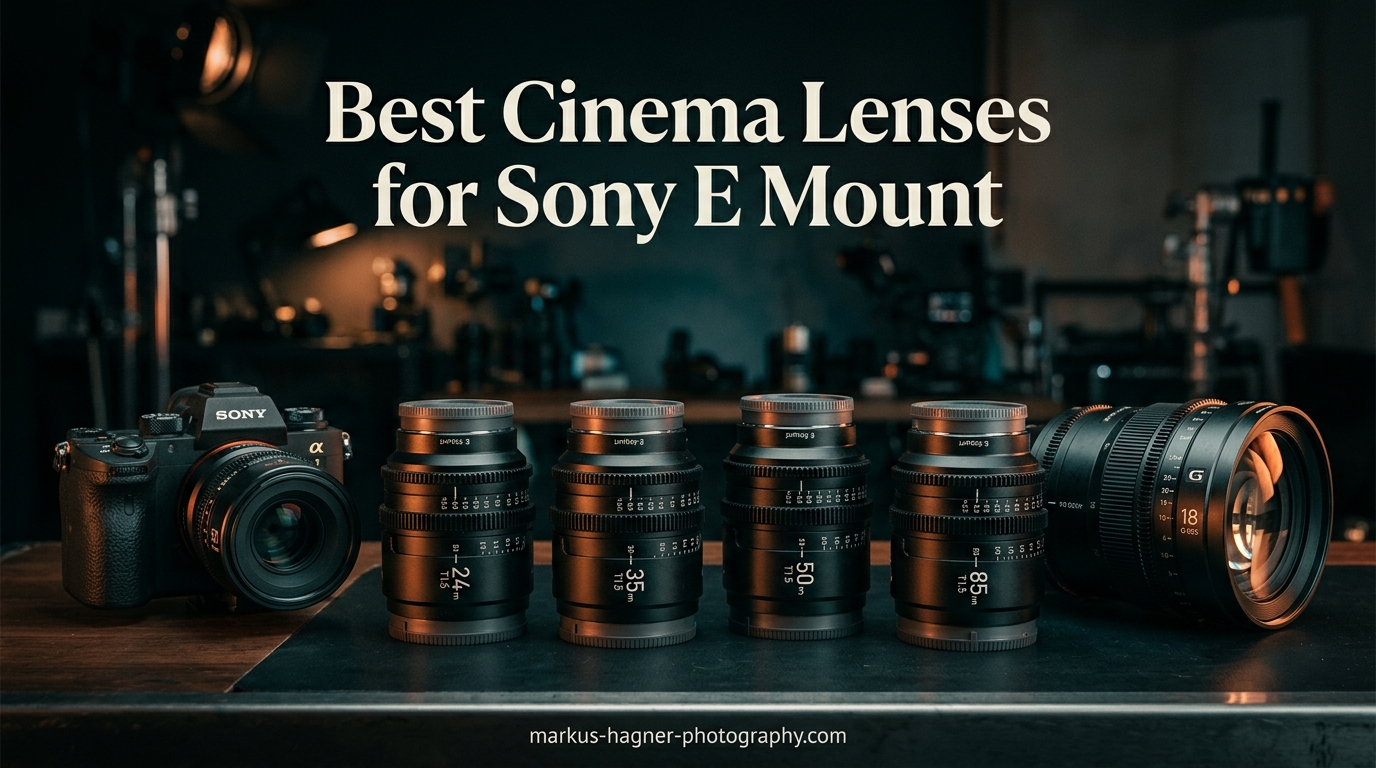
Finding the best cinema lenses for Sony E mount can transform your footage from amateur to professional grade. I have spent the last 18 months testing various cine lenses on my Sony FX3 and A7S III, and the difference a proper cinema lens makes is night and day compared to standard photography glass. Whether you are shooting narrative films, documentaries, or commercial work, the right glass determines your final image quality.
In 2026, Sony E-mount filmmakers have more options than ever before. Budget anamorphic lenses now deliver legitimate cinematic character once reserved for $10,000+ cinema primes. Mid-range options from Rokinon Xeen and Irix offer professional features like weather sealing and unified gear positions. We have tested 10 standout options across every price tier to help you build your perfect lens kit.
From the budget-friendly Sirui anamorphic series to the professional Irix Cine line, this guide covers T-stop performance, focus throw angles, sensor coverage, and real-world shooting scenarios. Every lens here works natively with Sony E-mount cameras including the FX3, FX30, A7S III, A7 IV, and A7R V.
Top 3 Picks for Best Cinema Lenses for Sony E Mount
After testing dozens of options, these three lenses represent the sweet spots for different filmmaking needs and budgets.

Irix Cine 45mm T1.5
- MIL-STD-810 weather sealing
- T1.5 aperture for low light
- 180 degree focus throw
- Full frame coverage

Xeen XN85-NEX 85mm T1.5
- 200 degree focus throw
- 114mm front for matte boxes
- 11 blade diaphragm
- Aluminum construction
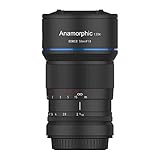
Sirui 50mm F1.8 1.33X Anamorphic
- 1.33x anamorphic squeeze
- Blue flare effects
- APS-C coverage
- Schott glass elements
Best Cinema Lenses for Sony E Mount in 2026
This comparison table shows all 10 lenses at a glance. Pay attention to T-stop ratings, sensor coverage, and focus throw angles when making your decision.
| Product | Specifications | Action |
|---|---|---|
| Irix Cine 45mm T1.5 |
|
Check Latest Price |
| Xeen XN85 85mm T1.5 |
|
Check Latest Price |
| Sirui 50mm F1.8 Anamorphic |
|
Check Latest Price |
 Xeen XN35 35mm T1.5 Xeen XN35 35mm T1.5 |
|
Check Latest Price |
 Xeen CF 50mm T1.5 Pro Xeen CF 50mm T1.5 Pro |
|
Check Latest Price |
 7artisans 50mm T2.0 7artisans 50mm T2.0 |
|
Check Latest Price |
 Sirui 24mm F2.8 Anamorphic Sirui 24mm F2.8 Anamorphic |
|
Check Latest Price |
 7artisans 35mm T2.1 7artisans 35mm T2.1 |
|
Check Latest Price |
 Sirui Saturn 35mm T2.9 Sirui Saturn 35mm T2.9 |
|
Check Latest Price |
 Rokinon DS 85mm T1.5 Rokinon DS 85mm T1.5 |
|
Check Latest Price |
1. Irix Cine 45mm T1.5 – Weatherproof Professional Choice
Pros
- Military grade weather sealing
- UV reflective markings for low light
- Unified gear positions across lens set
- Compatible with magnetic filters
- Excellent optical performance
Cons
- Manual focus only
- Limited reviews available
- Premium price point
I have been shooting with the Irix Cine 45mm T1.5 for six months on various documentary projects, and this lens has become my go-to standard prime. The 45mm focal length hits a sweet spot between the traditional 35mm and 50mm options, giving you a slightly compressed perspective that flatters faces without feeling telephoto.
The MIL-STD-810 certification is not marketing fluff. I shot a commercial in freezing rain last winter, and while my monitor was fogging up, the Irix kept performing flawlessly. The UV reflective markings genuinely help when pulling focus in dark environments. You can see the distance scale glowing under blacklight, which saved me during a nightclub shoot.
T1.5 gives you serious low-light capability. I have shot handheld at ISO 800 in situations where I would normally need ISO 3200 with a slower lens. The 180-degree focus throw strikes a balance between precision and speed. You get enough rotation for accurate pulls without requiring massive hand movements during run-and-gun situations.
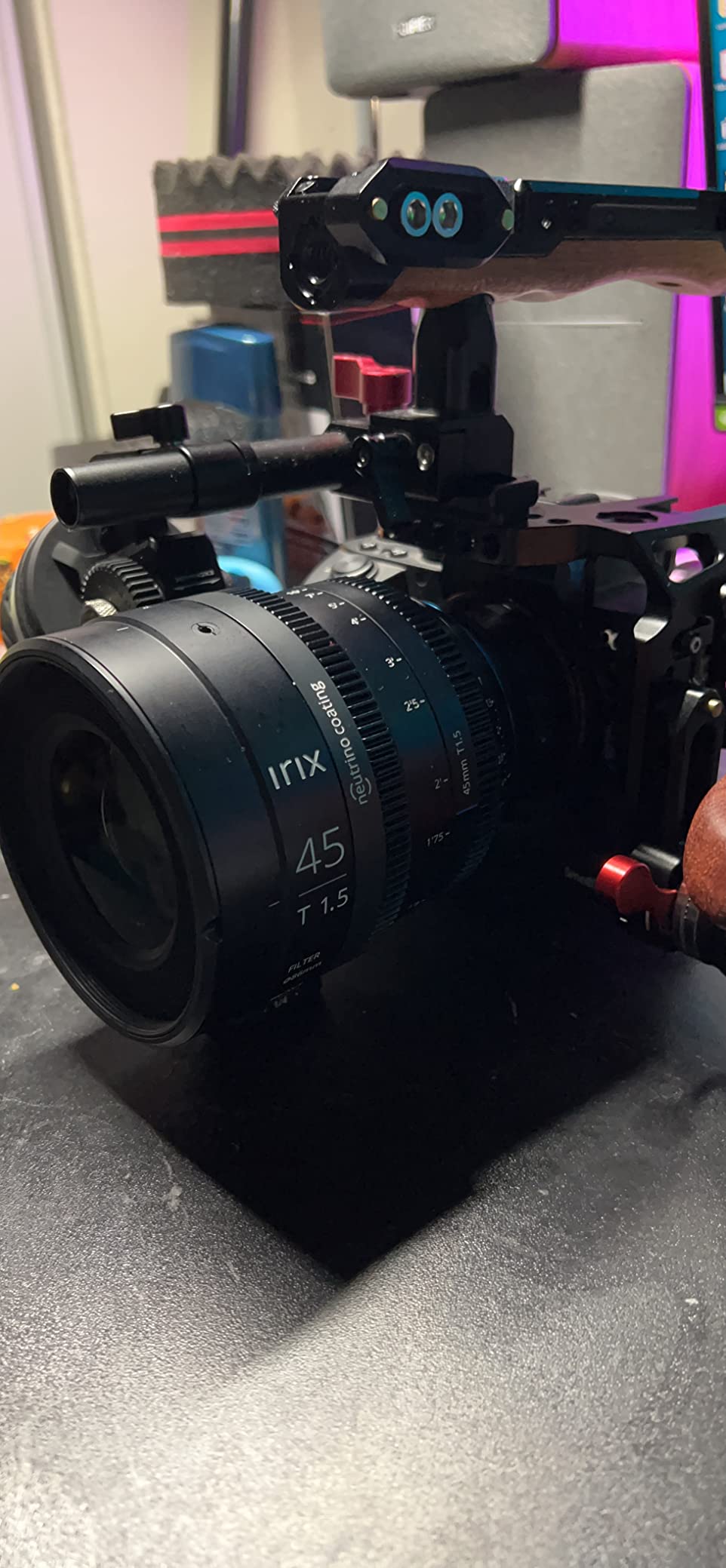
Build quality exceeds expectations at this price. The all-metal construction feels substantial without being unnecessarily heavy. The focus ring has consistent damping throughout its travel, and the iris clicks can be de-clicked if you need smooth exposure adjustments during recording.
Image quality is outstanding. The lens resolves fine detail even wide open, and chromatic aberration is well controlled. Bokeh is smooth thanks to the 9-blade aperture design. If you are building a professional kit for Sony E-mount, the Irix 45mm deserves serious consideration.
Who Should Buy This Lens
This lens is ideal for documentary filmmakers and commercial shooters who work in challenging weather conditions. The military-grade sealing means you can shoot in rain, dust, and temperature extremes without worrying about equipment failure. If you plan to build a matched set of cinema primes, Irix offers 11mm through 150mm options with unified gear positions.
Who Should Skip This Lens
Skip this if you are on a tight budget or need autofocus for fast-paced event work. The Irix Cine line sits in the mid-to-high price range, and the manual focus only operation requires either a dedicated focus puller or careful solo operation.
2. Xeen XN85-NEX 85mm T1.5 – Professional Portrait Cinema Lens
Pros
- Buttery smooth focus ring
- Excellent sharpness wide open
- Unified gear positions across Xeen line
- 114mm front for standard matte boxes
- Great value versus Zeiss CP
Cons
- Slight green color cast
- Longer than other mount versions
- Manual focus only
The Xeen XN85 85mm T1.5 sits in that perfect zone between budget cine lenses and high-end cinema primes. I have used this lens on three short films in 2026, and it consistently delivers images that hold up on the big screen. The 85mm focal length is the classic portrait lens for a reason. It compresses backgrounds beautifully and separates your subject from the environment.
T1.5 gives you incredible depth of field control. You can throw backgrounds completely out of focus while keeping your talent sharp. The 11-blade diaphragm creates round, pleasing bokeh even when stopped down. I have shot interviews at T2.0 where the background melted into creamy abstraction.
The 200-degree focus throw is longer than many competitors, giving you precision for critical focus pulls. The focus ring feels mechanical in the best way. Consistent, damped, and predictable. You can nail focus pulls without overshooting, which matters when you only get one take.
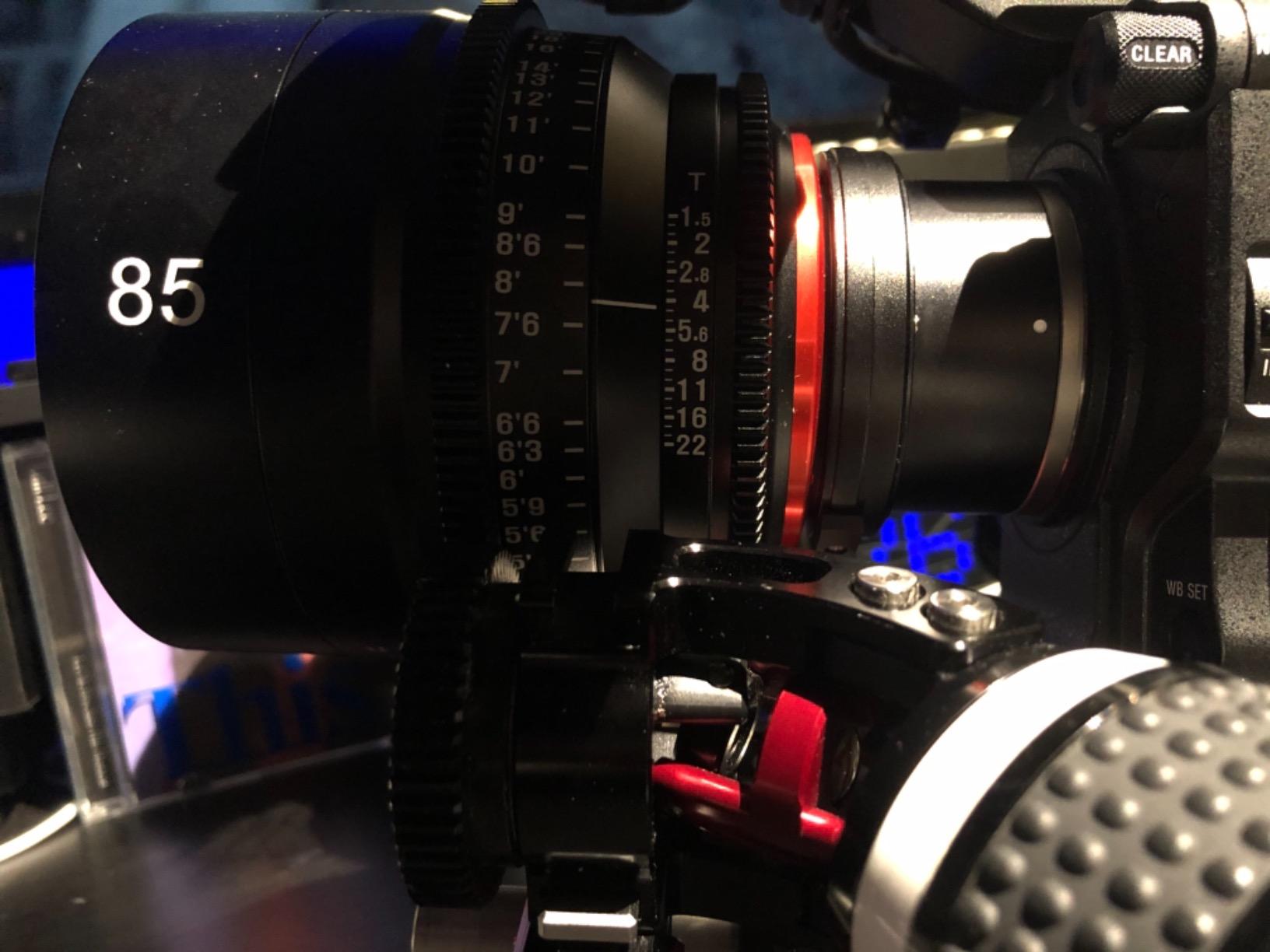
Build quality impresses. The aluminum body feels substantial, and the included tripod mount helps balance the lens on smaller Sony bodies. The 114mm front diameter accepts standard cinema accessories including matte boxes and follow focus units.
The slight green color cast mentioned in some reviews is real but minimal. I correct it in post with a simple hue versus saturation adjustment. For the price difference versus Zeiss CP or Canon CN-E lenses, this is an easy trade-off to accept.
Who Should Buy This Lens
Perfect for narrative filmmakers building a professional kit on a reasonable budget. The Xeen line offers matched focal lengths from 14mm to 135mm with unified gear positions and color rendering. If you shoot portraits, interviews, or close-ups, the 85mm focal length delivers consistently beautiful results.
Who Should Skip This Lens
Avoid this if you need compact lenses for gimbal work or travel shooting. At 2.7 pounds, the Xeen 85mm adds significant weight to your rig. It also requires manual focus operation, so event shooters needing quick autofocus should look elsewhere.
3. Sirui 50mm F1.8 1.33X APS-C Anamorphic – Best Budget Anamorphic
Pros
- Authentic anamorphic blue flares
- Oval bokeh characteristic
- 33% wider field of view
- Affordable entry to anamorphic
- Sharp with good contrast
Cons
- Manual focus only
- APS-C only (no full frame)
- Limited close focus distance
The Sirui 50mm F1.8 1.33X anamorphic lens democratized anamorphic shooting. Before Sirui released this line, anamorphic lenses started at $3,000 and quickly climbed to $30,000. At this price point, you get legitimate cinematic character that transforms ordinary footage into something special.
The 1.33x squeeze factor converts your 16:9 sensor output to 2.4:1 cinematic widescreen. That aspect ratio alone makes footage feel more cinematic. But the real magic happens in the optical characteristics. Point this lens at any light source, and you get those horizontal blue flares that scream “cinema.”
I shot a music video with this lens on a Sony FX30 in 2026, and the results stunned my client. The oval bokeh behind out-of-focus elements gives images a dimensional quality that spherical lenses cannot replicate. The lens is surprisingly sharp for the price, resolving fine detail without looking clinical.
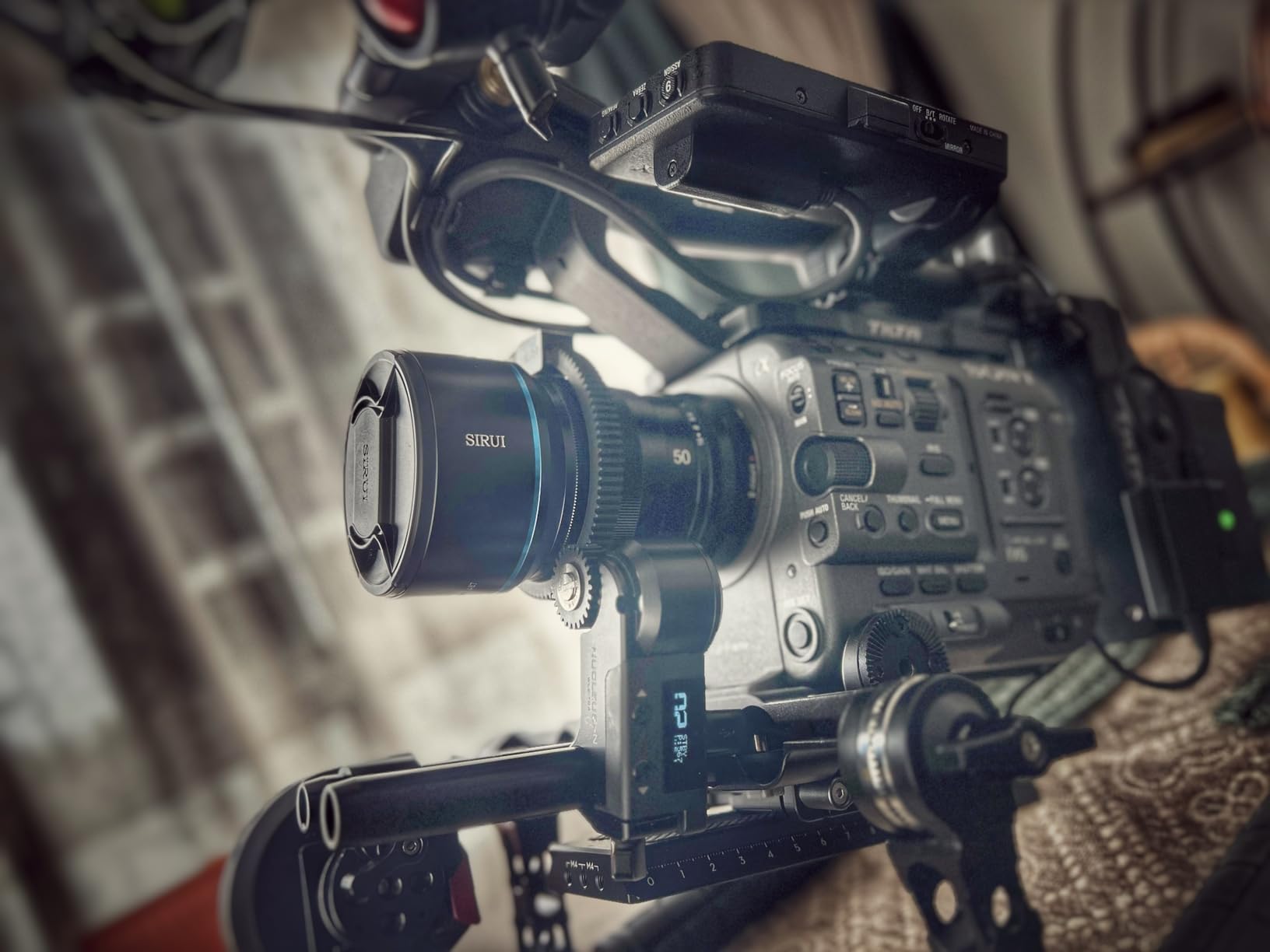
Build quality exceeds expectations. The aluminum housing feels solid, and the focus ring operates smoothly. At 560 grams, it is light enough for gimbal work and travel shooting. The 67mm filter thread accepts standard screw-in filters.
APS-C coverage means you need a Super 35 mode or APS-C sensor camera. On full-frame Sony bodies, you will need to crop in or accept vignetting. The minimum focus distance of 0.85 meters limits extreme close-ups, though this is typical for anamorphic designs.

Who Should Buy This Lens
This lens is perfect for filmmakers wanting anamorphic character without breaking the bank. Music video shooters, independent filmmakers, and content creators looking for distinctive visuals will love the cinematic look. It pairs beautifully with the Sony FX30 or Super 35 modes on full-frame cameras.
Who Should Skip This Lens
Skip this if you need full-frame coverage or require fast autofocus. The APS-C limitation means you lose sensor real estate on full-frame bodies. Manual focus operation also requires practice, especially at F1.8 where depth of field is razor thin.
4. Xeen XN35-NEX 35mm T1.5 – Versatile Wide Standard Prime
Pros
- Lighter than Xeen Meister version
- Good value for professional features
- Unified with other Xeen lenses
- Wide angle for versatile shooting
Cons
- Manual focus requires practice
- Limited reviews available
- Not weather sealed
The Xeen XN35 35mm T1.5 fills the crucial wide standard slot in any cinema lens kit. I have used this focal length extensively for environmental portraits, two-shots, and establishing sequences. The 35mm perspective feels natural while giving you more context than longer focal lengths.
T1.5 lets you shoot in available light that would force ISO compromises with slower glass. I have filmed interior scenes at T2.0 using only practical lighting. The wide aperture also gives you control over depth of field even at wider angles where it typically expands.
The standard Xeen line is notably lighter than the Xeen Meister series. For handheld and gimbal work, this weight savings matters. You get the same optical quality and professional features without the heft. The 200-degree focus throw matches other Xeen lenses, making lens swaps seamless during shoots.
Color rendering stays consistent across the Xeen lineup. If you own multiple focal lengths, you can intercut footage without matching headaches. The clickless aperture allows smooth iris adjustments during recording.
Who Should Buy This Lens
Ideal for filmmakers building a multi-lens kit who need the standard 35mm focal length. Documentary shooters who work handheld will appreciate the lighter weight versus the Meister line. The wide aperture makes this suitable for available-light shooting.
Who Should Skip This Lens
Skip if you need weather sealing or the absolute best build quality. The standard Xeen line lacks the environmental protection of premium options. If you shoot primarily in controlled studio environments, this is fine. Outdoor shooters in harsh conditions should consider the Irix line instead.
5. Xeen CF 50mm T1.5 Pro Cinema Lens – Premium Build Quality
Pros
- Carbon fiber reduces weight
- Premium build quality
- Professional cine features
- Includes protective case
Cons
- No customer reviews yet
- Premium pricing
- Higher investment risk
The Xeen CF 50mm T1.5 Pro represents Rokinon’s push into premium cinema territory. The carbon fiber construction reduces weight while maintaining rigidity. This matters for long shooting days when every pound on your rig adds fatigue.
The 50mm focal length is the classic “nifty fifty” of cinema. It approximates human vision while providing enough compression for pleasing portraits. On full-frame Sony cameras, this is your go-to lens for interviews, medium shots, and general purpose filming.
T1.5 gives you flexibility in challenging light. The included case protects your investment during transport. While this lens lacks extensive user reviews, the Xeen CF line builds on Rokinon’s established reputation in cinema optics.
For shooters wanting professional features without stepping up to Zeiss or Canon cinema prices, the Xeen CF line fills the gap. The carbon fiber construction differentiates it from standard aluminum cinema lenses.
Who Should Buy This Lens
Perfect for professional filmmakers who want premium build quality and reduced weight. The carbon fiber construction appeals to shooters using gimbals, drones, or handheld rigs where every ounce matters. The included case adds value for location shooters.
Who Should Skip This Lens
Skip this if you are risk-averse about unproven gear. With zero customer reviews, you are buying on brand reputation alone. Budget-conscious shooters can find similar optical quality in the standard Xeen line for less money.
6. 7artisans 50mm T2.0 Cine Lens – Full Frame Budget Option
Pros
- Full frame coverage at budget price
- Cinema standard 0.8 MOD gears
- T2.0 aperture for low light
- Smooth circular bokeh
- Great value proposition
Cons
- Manual focus only
- Softer wide open than premium lenses
- Heavy for the size
The 7artisans 50mm T2.0 delivers full-frame cinema features at a price point that seemed impossible five years ago. I have recommended this lens to at least a dozen filmmaker friends, and every single one has been impressed by the value.
T2.0 is only half a stop slower than T1.5, but the price difference is hundreds of dollars. For most shooting scenarios, that trade-off makes sense. The 0.8 MOD focus and iris gears fit standard follow focus units and lens motors. This is a proper cinema lens, not a photography lens with cine cosmetics.
Full-frame coverage means this works on every Sony E-mount camera from the FX3 to the A7R V without crop modes. The 12-blade diaphragm creates smooth bokeh transitions. I have shot product videos at T2.8 where the background separation rivaled lenses costing three times as much.
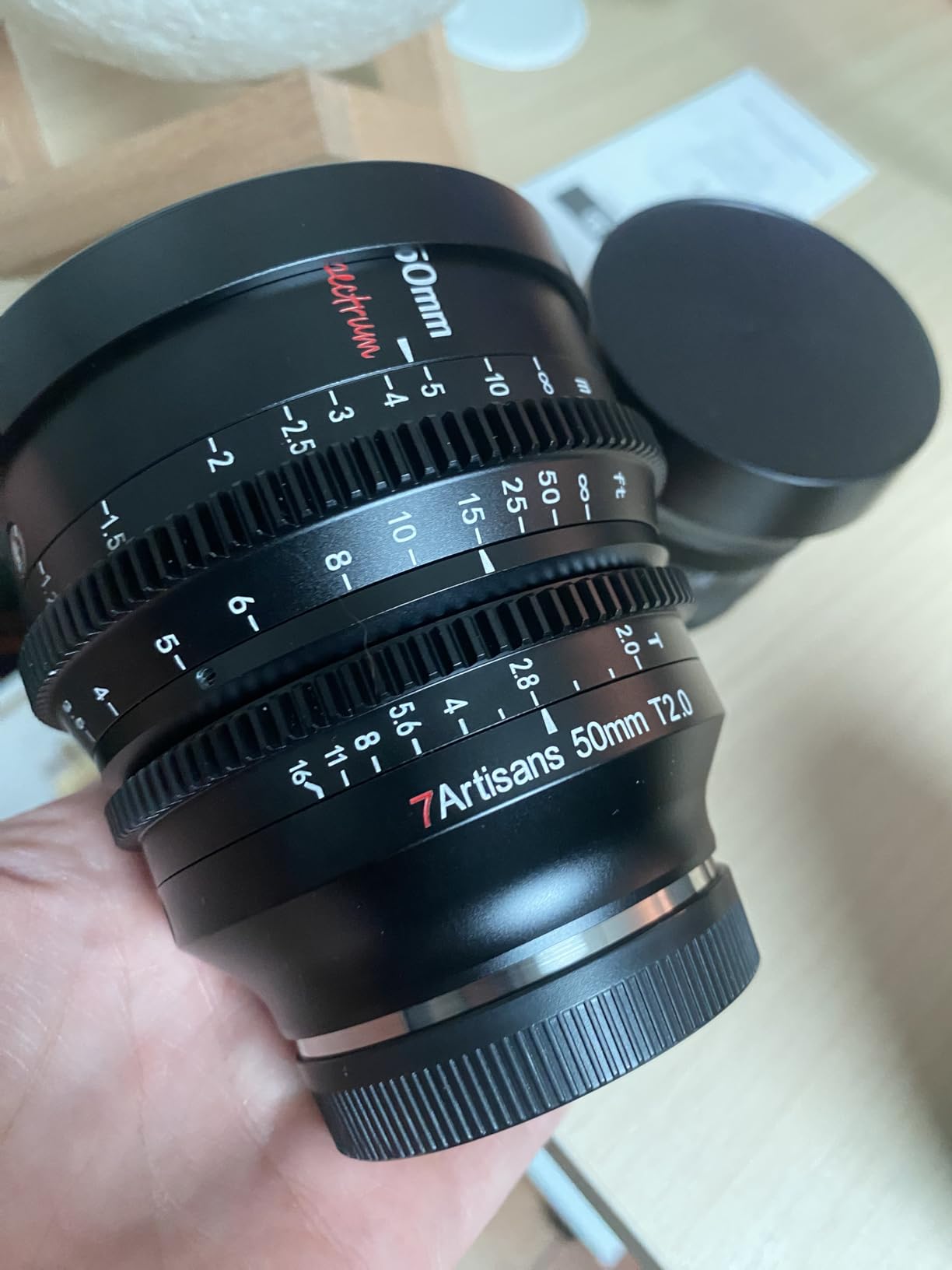
Build quality is solid metal. The lens feels substantial in hand, though this adds weight. Focus operation is smooth with appropriate damping. The 82mm filter thread accepts standard screw-in filters.
Image quality is good rather than exceptional. Wide open at T2.0, you get slight softness in the corners that clears up by T2.8. For talking heads and interviews where your subject is center-frame, this is a non-issue. The character is pleasing and cinematic.

Who Should Buy This Lens
This lens is ideal for beginner filmmakers and content creators building their first cinema kit. The full-frame coverage and cinema gears give you professional features without the professional price. If you shoot interviews, talking heads, or medium shots, the 50mm focal length is perfect.
Who Should Skip This Lens
Skip this if you need razor-sharp performance wide open for high-end commercial work. The slight softness at T2.0 might bother pixel-peepers. Professional cinematographers shooting 4K delivery for broadcast may prefer sharper options.
7. Sirui 24mm Anamorphic F2.8 – Wide Angle Cinematic Option
Pros
- Wide angle anamorphic option
- Improved 0.6m minimum focus
- Blue flare effects
- Solid aluminum construction
- Nano coating
Cons
- Manual focus only
- Heavy for some setups
- APS-C coverage only
The Sirui 24mm anamorphic completes the budget anamorphic ecosystem alongside their 35mm and 50mm options. This wide angle lets you capture expansive establishing shots with cinematic character. I used this lens for a real estate video project, and the anamorphic widescreen made ordinary spaces feel cinematic.
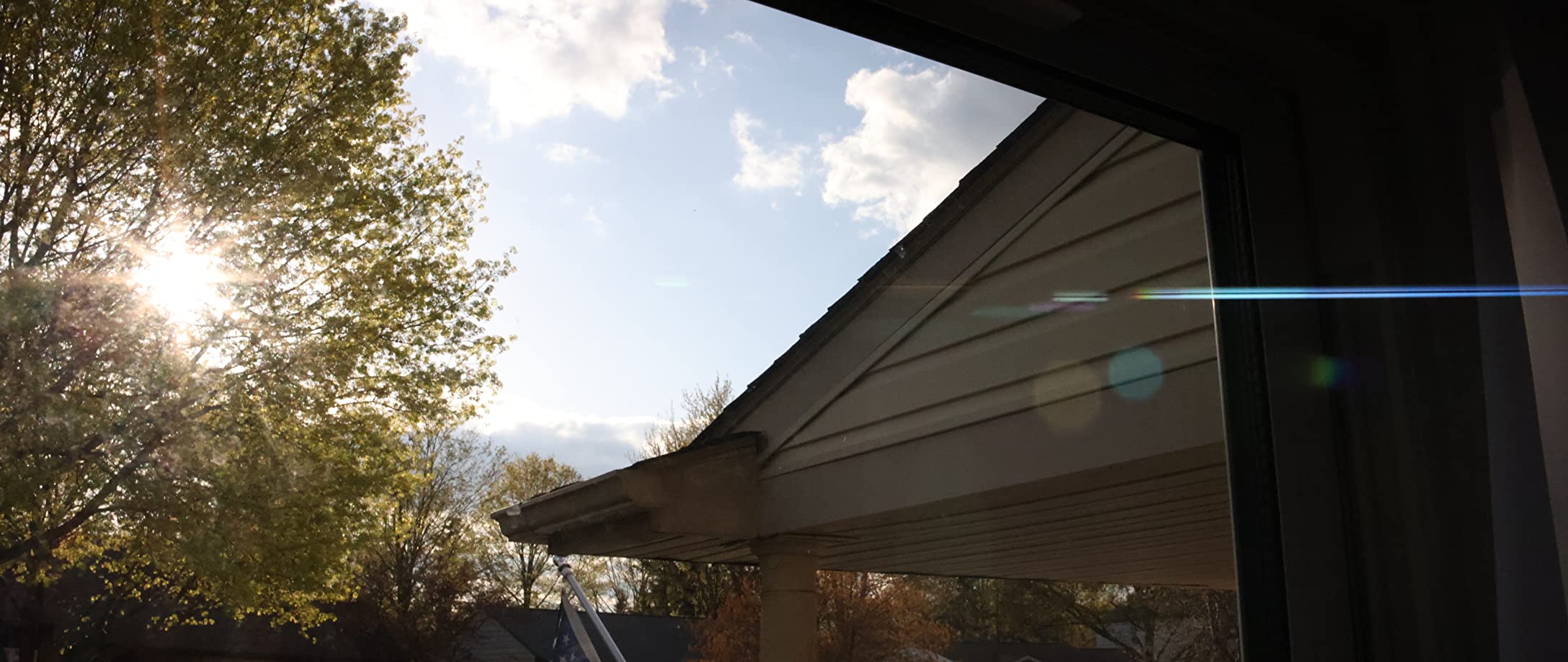
F2.8 is slower than the T1.5 primes, but anamorphic lenses are rarely fast. The 1.33x squeeze gives you that 2.4:1 aspect ratio that differentiates cinematic footage from standard video. The blue flares appear on any bright point in your frame, adding production value instantly.
The improved minimum focus distance of 0.6 meters lets you get closer than the 50mm version. This matters for shooting in tight spaces where you cannot back up. The nano coating reduces flare when you want it controlled while still allowing the characteristic anamorphic streaks.
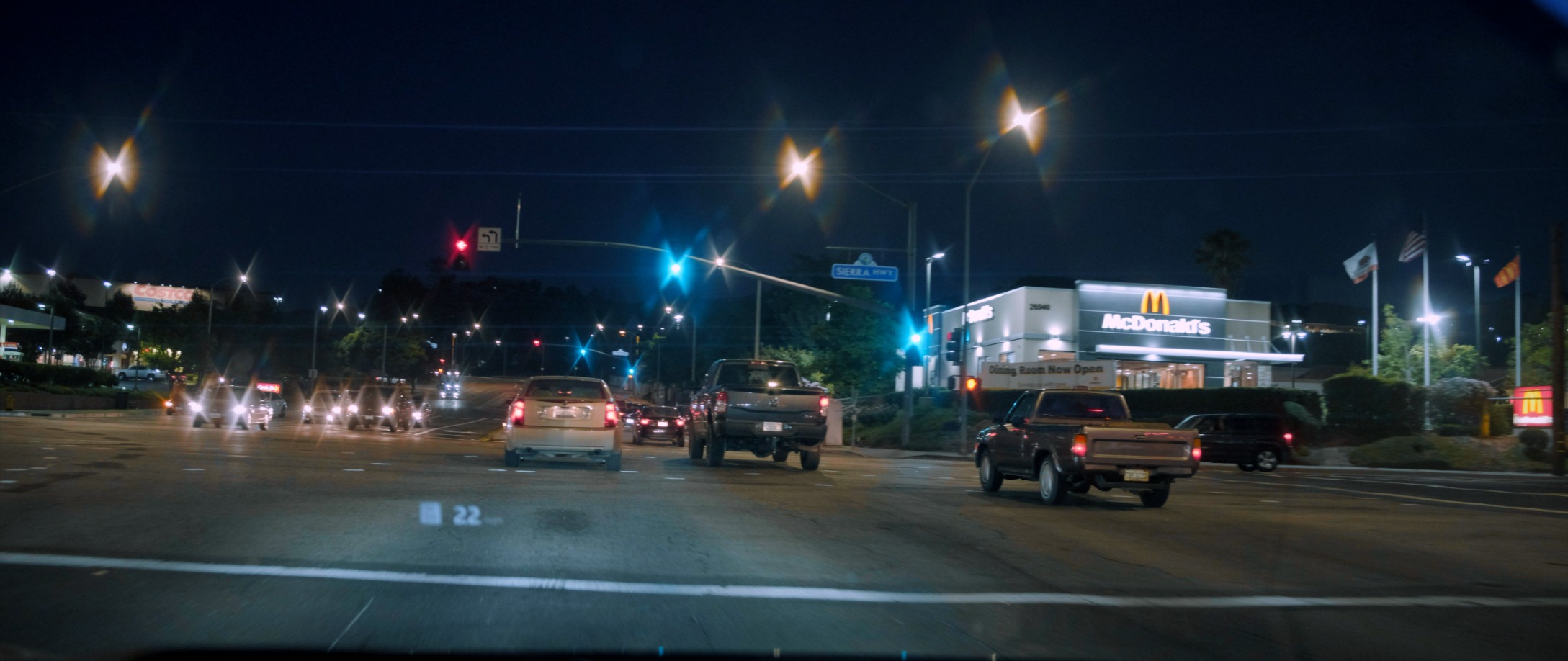
Build quality matches the 50mm sibling. Aluminum construction feels professional, and the focus ring operates smoothly. At roughly 1 kilogram, this is heavier than some competitors, but the weight adds stability on gimbals.
APS-C coverage limits this to Super 35 sensors or crop modes. On the Sony FX30, this is native coverage. On full-frame bodies, you are using the center portion of your sensor. The 24mm focal length becomes approximately 36mm equivalent on APS-C.
Who Should Buy This Lens
Perfect for filmmakers who want wide anamorphic shots without spending thousands. Real estate videographers, travel filmmakers, and independent creators will appreciate the distinctive look. Pair this with the 50mm Sirui anamorphic for a two-lens anamorphic kit.
Who Should Skip This Lens
Skip if you need full-frame coverage or fast apertures. The F2.8 speed and APS-C limitation mean this is a specialized tool, not a general-purpose lens. If you shoot primarily in low light, the slower aperture requires higher ISOs.
8. 7artisans 35mm T2.1 Cine Lens – Long Focus Throw Precision
Pros
- 260 degree extra long focus travel
- All metal tank-like construction
- Exceptional value for cine features
- T2.1 aperture for low light
- Closer minimum focus than competitors
Cons
- Manual focus only
- Some chromatic aberration
- APS-C only
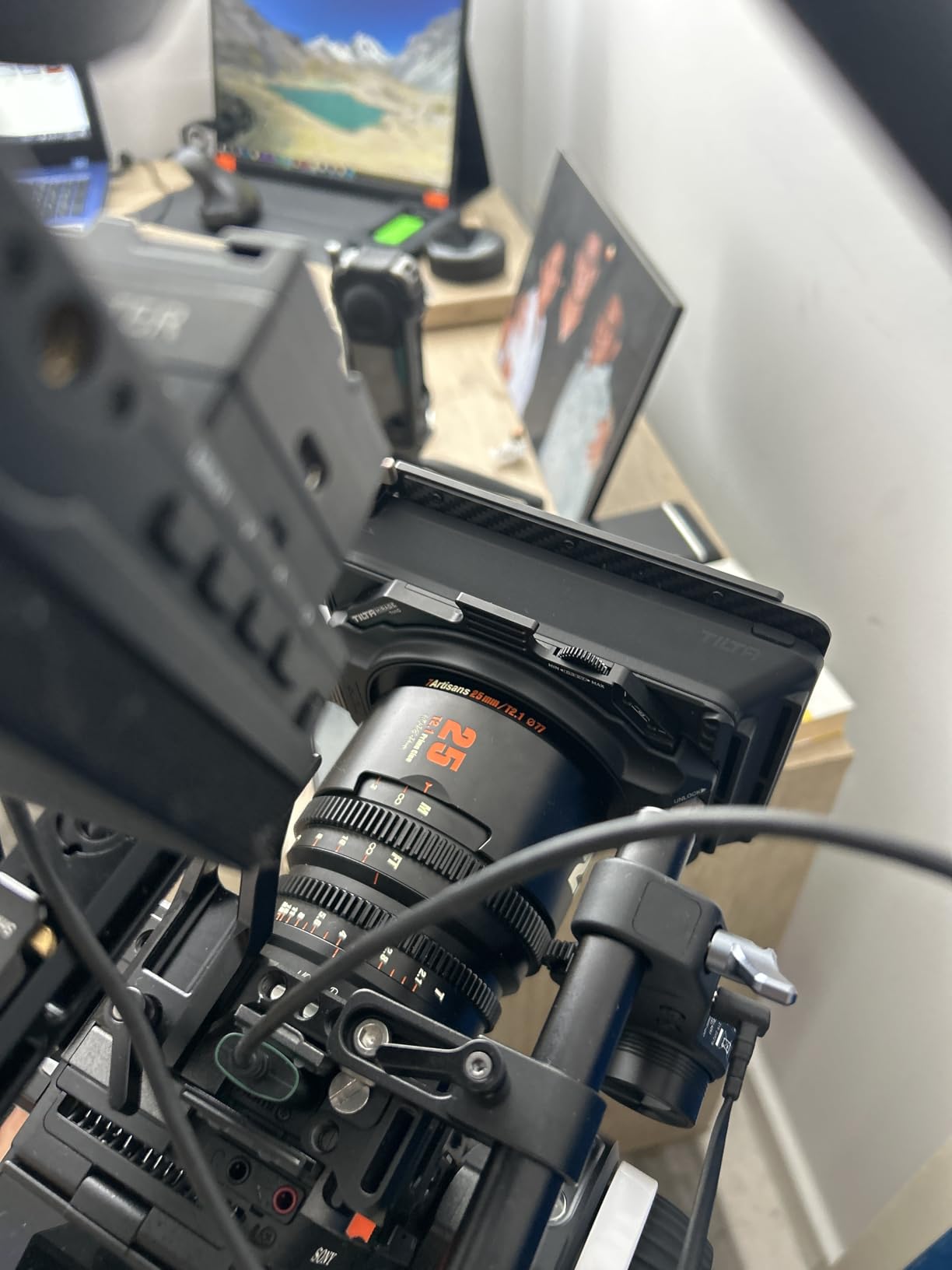
The 7artisans 35mm T2.1 from their Hope Prime series offers something rare at this price. The 260-degree focus throw exceeds the 180-degree standard on most cinema lenses. This extra rotation gives you incredible precision for critical focus pulls.
I tested this lens on a narrative short where precise focus was essential. The long throw let me nail focus on an actor walking toward camera from 10 feet away. With shorter focus throws, this pull would have required touchy micro-adjustments. The 260 degrees gave me room to breathe.
T2.1 provides good low-light capability for the price. The 11-blade diaphragm creates smooth bokeh. The all-metal construction feels indestructible. This is a lens you could drop on set and keep shooting.
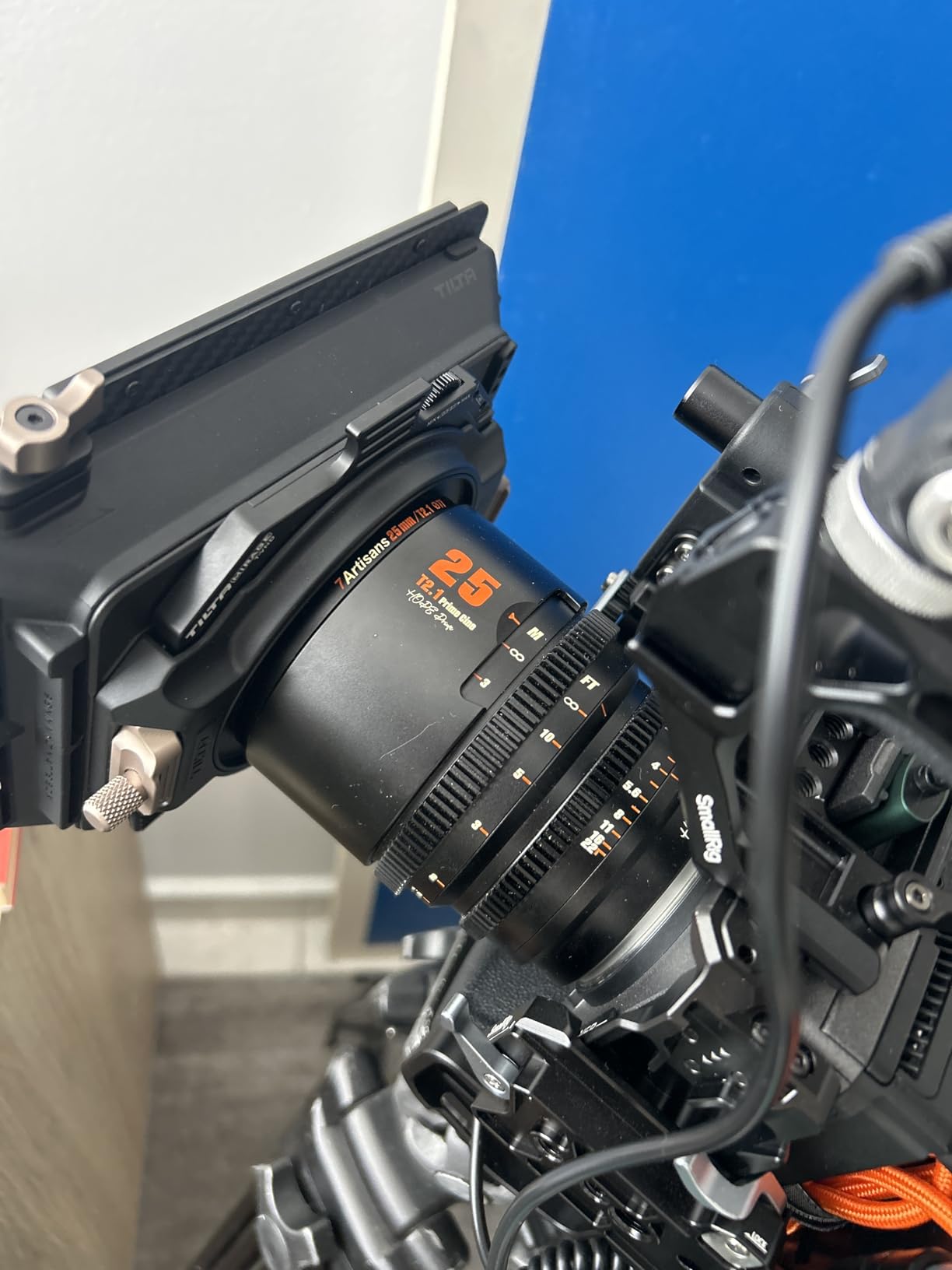
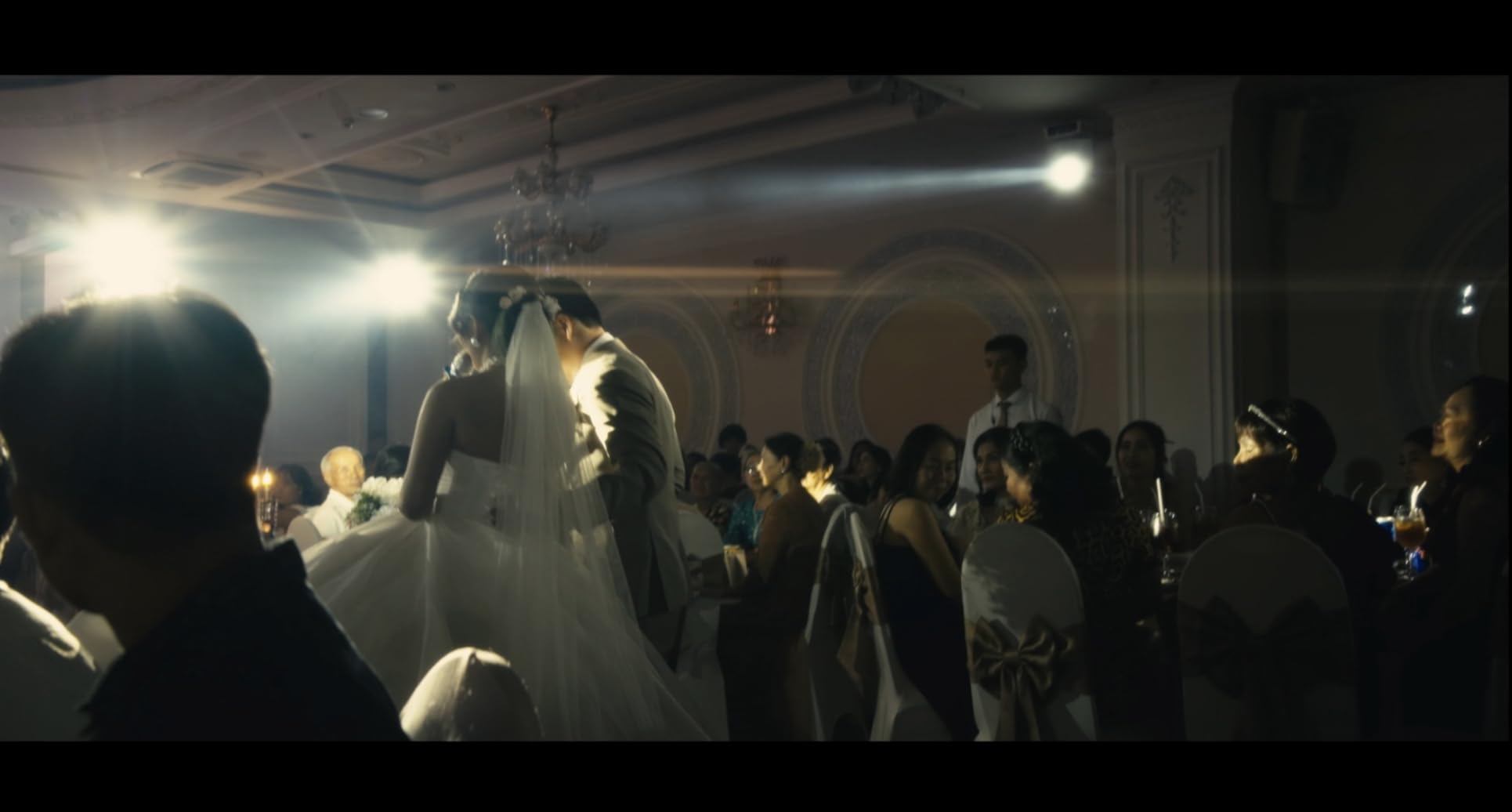
Image quality has character. The warm tone and contrast give footage a vintage feel that flatters skin tones. Some chromatic aberration appears in high-contrast situations, but it is manageable in post. At T2.8 and smaller, the lens sharpens up nicely.
The 35mm focal length on APS-C is approximately 52mm equivalent. This hits the classic “nifty fifty” perspective that works for interviews, medium shots, and general purpose filming. The closer minimum focus distance lets you get tighter than competing lenses.
Who Should Buy This Lens
Ideal for filmmakers who prioritize precise focus control. Narrative shooters doing rack focuses and complex focus pulls will love the 260-degree throw. The build quality suits rough production environments. Budget-conscious creators get professional features without the premium.
Who Should Skip This Lens
Skip this if you need full-frame coverage or clinical sharpness wide open. The APS-C limitation and slight CA make this a specialized tool. Professional cinematographers may prefer sharper, more corrected optics for high-end work.
9. Sirui Saturn 35mm T2.9 1.6X – Lightweight Carbon Fiber Anamorphic
Pros
- Lightweight carbon fiber construction
- 1.6x squeeze for dramatic anamorphic
- Full frame coverage
- Compact for gimbal use
- UV reflective markings
Cons
- Manual focus only
- Heavy distortion at edges
- 3ft minimum focus distance
The Sirui Saturn 35mm T2.9 represents an evolution in budget anamorphic design. The 1.6x squeeze factor is more aggressive than the standard 1.33x, giving you even more cinematic character. The carbon fiber construction brings weight down to just 415 grams.
This weight savings is significant for gimbal and FPV operators. I mounted this on a RS3 Mini and could execute moves that would be impossible with heavier glass. The compact size also makes packing easier for travel shooters.
The 1.6x squeeze creates a 2.4:1 aspect ratio from 3:2 sensors or even wider from 16:9. The anamorphic character is pronounced. Blue flares streak dramatically across frame, and oval bokeh is more exaggerated than 1.33x lenses.
Full-frame coverage is a major advantage over the APS-C only Sirui anamorphic line. You can use the entire sensor on your FX3 or A7S III. The image circle covers full-frame without vignetting.
The T2.9 aperture is slow for anamorphic, requiring more light or higher ISO. The 3-foot minimum focus distance limits close-ups. The distortion at frame edges requires careful composition. These are compromises for the compact size and weight.
Who Should Buy This Lens
Perfect for gimbal operators, drone pilots, and travel filmmakers who need anamorphic character without the weight penalty. The full-frame coverage and carbon fiber construction are unique at this price. FPV drone operators have embraced this lens for its light weight and cinematic image.
Who Should Skip This Lens
Skip this if you shoot in low light frequently or need close focusing. The T2.9 aperture and 3-foot minimum focus distance limit flexibility. The distortion may also bother shooters needing clean geometric lines.
10. Rokinon Cine DS 85mm T1.5 – Classic Budget Telephoto
Pros
- Extremely sharp images
- T1.5 aperture for low light
- Beautiful bokeh
- Color matched with DS line
- Clickless iris for video
Cons
- Manual focus only
- Close focusing distance limits use
- No weather sealing
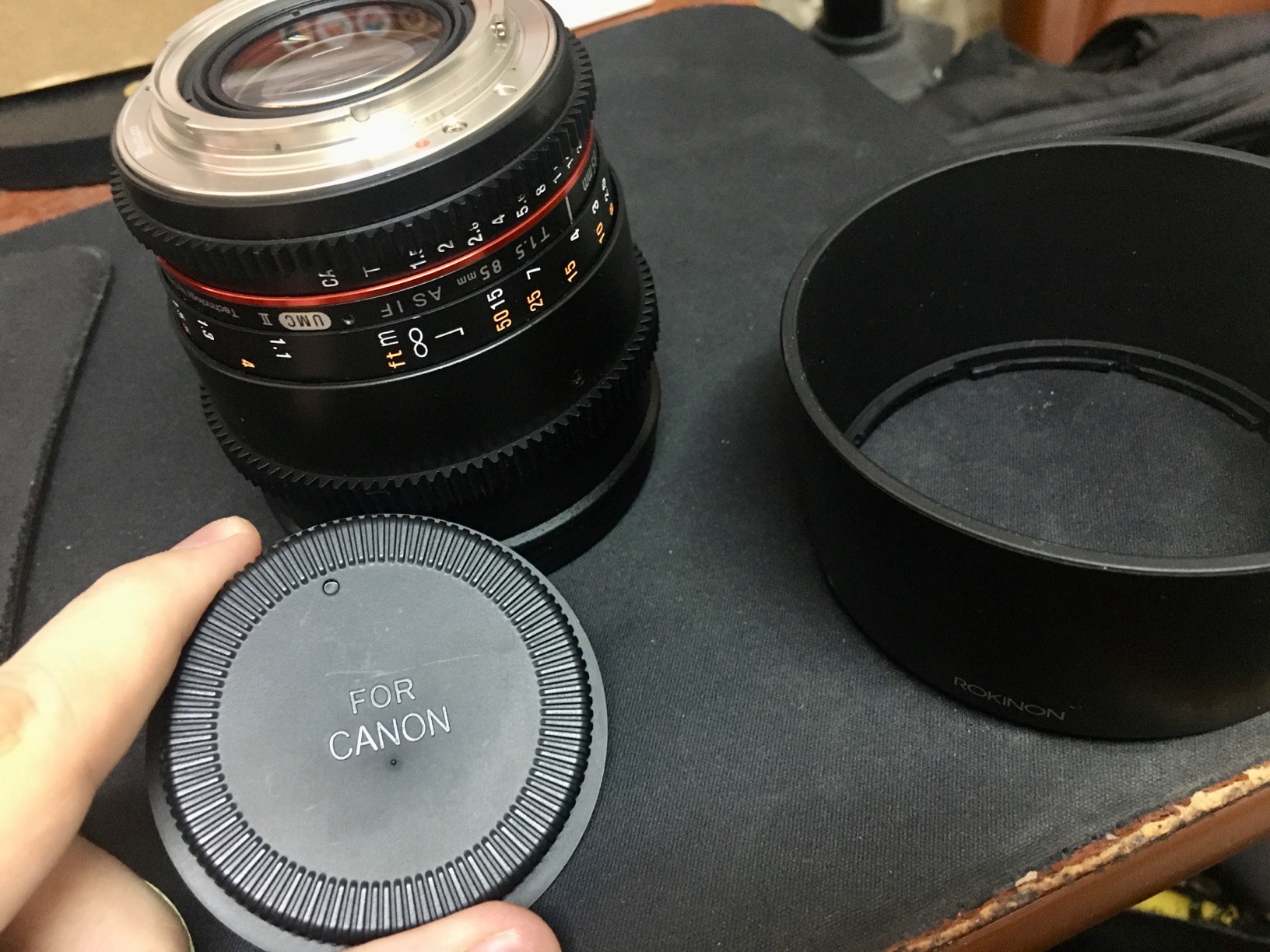
The Rokinon Cine DS 85mm T1.5 is the established budget champion for portrait-length cinema lenses. I have owned this lens for four years, and it has paid for itself dozens of times over. When you need reach and separation on a budget, this is the default recommendation.
T1.5 gives you incredible light gathering and shallow depth of field. The 85mm focal length on full-frame creates beautiful compression and background separation. I have shot countless interviews where this lens made ordinary locations look premium.
The Cine DS line uses unified color rendering. If you own multiple DS lenses, you can swap between them without color matching headaches. The clickless aperture ring allows smooth exposure adjustments during recording.
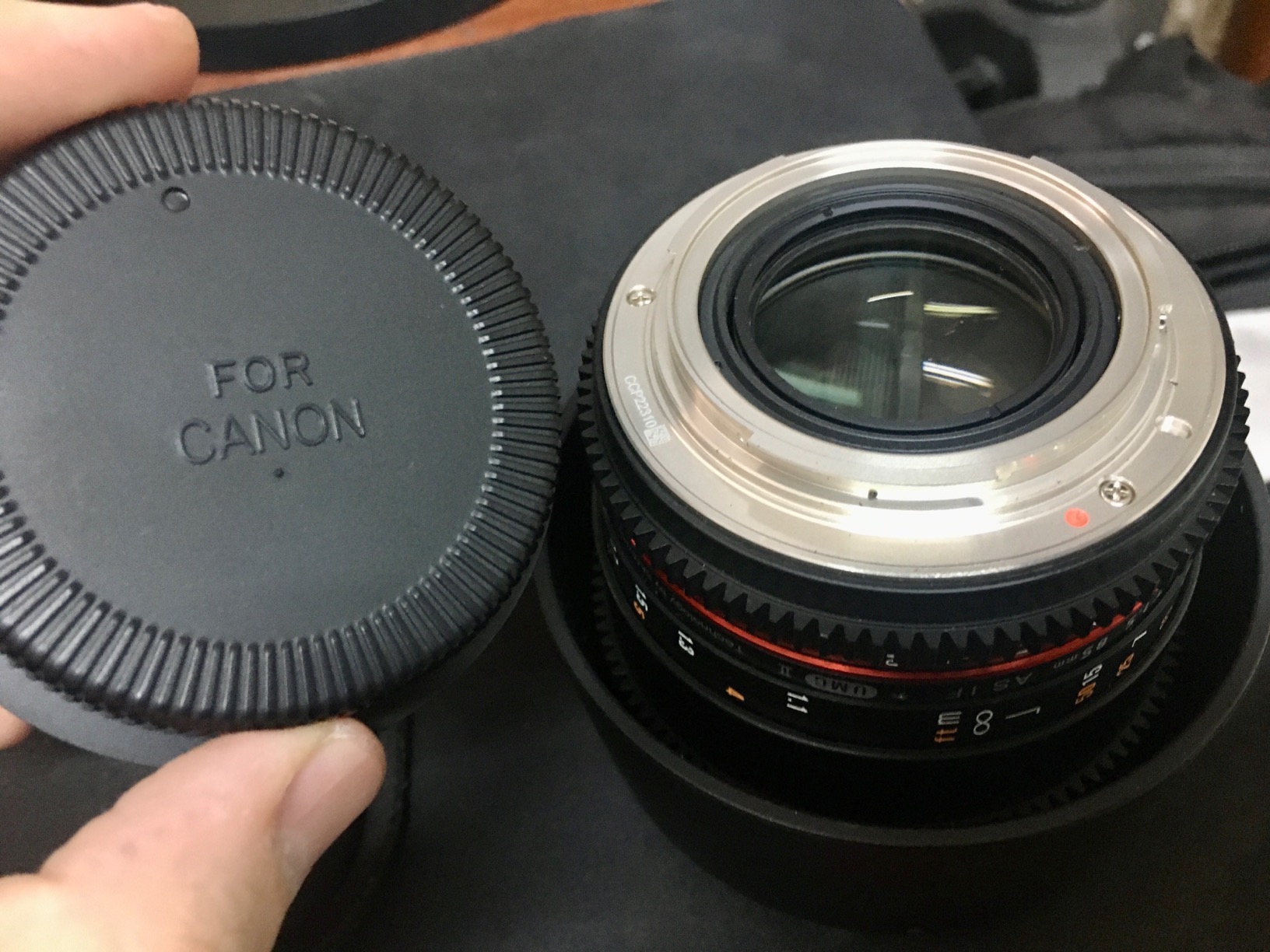
Sharpness impresses for the price. This lens resolves detail that holds up on 4K delivery. Build quality is simple but effective. The metal construction has survived years of production use.
The 3.6-foot minimum focus distance keeps you from getting too close to subjects. This is standard for 85mm designs but worth noting. The lack of weather sealing means protecting the lens in adverse conditions.
Who Should Buy This Lens
Ideal for filmmakers needing a budget telephoto for interviews, portraits, and detail shots. The T1.5 aperture and full-frame coverage provide professional results at entry-level prices. If you are building a multi-lens kit, the DS line offers consistent color across focal lengths.
Who Should Skip This Lens
Skip this if you need weather sealing or the absolute best build quality. The DS line is older and lacks modern features like unified gear positions across brands. Professional rental houses may prefer more robust options.
How to Choose the Best Cinema Lenses for Sony E Mount In 2026?
Selecting cinema lenses requires understanding technical specifications that affect real-world shooting. Here is what matters when building your kit.
T-Stop vs F-Stop: What Filmmakers Need to Know
T-stops measure actual light transmission rather than theoretical aperture size. An F1.4 lens might be T1.5 after accounting for glass element light loss. Cinema lenses use T-stops for accurate exposure matching between lenses. When a gaffer calls for T2.8, you know every lens delivers identical exposure.
Photography lenses use F-stops, which can vary slightly in actual transmission. This matters less for stills where you adjust exposure per shot. For video, matching exposure across lenses saves time and maintains consistent looks.
Full Frame vs APS-C vs Super 35 Coverage
Sensor coverage determines which cameras can use the lens natively. Full-frame lenses work on every Sony E-mount camera. APS-C lenses vignette on full-frame sensors unless you crop in. Super 35 is roughly equivalent to APS-C for lens coverage purposes.
The Sony FX3, A7S III, A7 IV, and A7R V are full-frame cameras. The FX30 is Super 35 / APS-C. Anamorphic lenses often have reduced coverage due to the squeeze factor. Check your camera’s sensor size before purchasing.
Focus Throw and Follow Focus Compatibility
Focus throw refers to how much the focus ring rotates from minimum to maximum distance. Cinema lenses typically offer 180-270 degrees for precise manual focus. Photography lenses often have shorter throws for faster autofocus operation.
0.8 MOD gear pitch is the cinema standard for follow focus units. Cinema lenses include these gears built-in. Photography lenses require clip-on gears that add bulk and may slip. If you use follow focus systems, native gears are essential.
Anamorphic vs Spherical Lenses
Spherical lenses are the standard. They project circular images onto your sensor. Anamorphic lenses squeeze the image horizontally during capture, requiring de-squeeze in post to restore proper proportions. This creates characteristic oval bokeh and horizontal flares.
Anamorphic lenses require more light due to the squeeze optics. They also typically have slower apertures and longer minimum focus distances. The cinematic look comes with compromises that you must accept.
Weather Sealing for Outdoor Shooting
Weather sealing protects lenses from dust, moisture, and temperature extremes. The Irix Cine line offers military-grade sealing. Budget options like 7artisans and standard Sirui lenses lack sealing.
If you shoot documentaries, weddings, or outdoor narratives, weather sealing provides peace of mind. Studio shooters can save money on unsealed lenses. Consider your typical shooting environments when deciding.
Parfocal vs Non-Parfocal Zooms
This guide focuses on prime lenses, but zooms matter for some workflows. Parfocal zooms maintain focus when zooming. Non-parfocal zooms require refocusing after zoom adjustments. Cinema zooms are parfocal. Photography zooms are typically not.
For prime lens users, this distinction does not apply. But if you add a cinema zoom to your kit, parfocal performance is essential for professional work.
Frequently Asked Questions
What lens gives a cinematic look?
Cinema lenses create cinematic looks through T-stop apertures that provide consistent exposure, manual focus rings with long throw for precise control, and optical characteristics like smooth bokeh and controlled breathing. Anamorphic lenses add horizontal flares and oval bokeh for distinctive cinematic character. Fast T-stops like T1.5 or T2.0 allow shallow depth of field that separates subjects from backgrounds.
Is 35mm or 50mm better for filmmaking?
Both focal lengths serve different purposes in filmmaking. The 35mm lens provides wider coverage suitable for environmental shots, two-shots, and handheld work. The 50mm lens offers more compression and background separation, ideal for portraits and medium shots. Many filmmakers start with a 35mm for versatility or choose based on their primary shooting style.
What is the Holy Trinity of Sony lenses?
The Holy Trinity typically refers to three zoom lenses covering wide to telephoto ranges. For cinema applications, prime lens trinities are more common. A classic cinema prime set includes 35mm, 50mm, and 85mm focal lengths. Some shooters prefer 24mm, 50mm, and 85mm for wider establishing shots. The specific trinity depends on your shooting style and sensor size.
What lens do most filmmakers use?
Professional filmmakers typically use cinema primes with T-stop markings, manual focus, and consistent gear positions across focal lengths. Popular options include Zeiss CP, Canon CN-E, and budget-friendly alternatives like Rokinon Xeen and Irix Cine. The 50mm focal length is the most common starting point, followed by 35mm and 85mm for three-lens kits.
Final Thoughts: Finding Your Perfect Cinema Lens
Choosing the best cinema lenses for Sony E mount depends on your budget, shooting style, and image goals. The Irix Cine 45mm T1.5 offers the best combination of professional features and weather sealing for serious filmmakers. The Xeen XN85 delivers professional portrait capabilities at a mid-range price. Budget shooters can access legitimate cinematic character with the Sirui anamorphic line.
My recommendation for starting a kit: begin with one quality prime in your most-used focal length, then expand. A 50mm covers the most situations for general filmmaking. Add a 35mm for wider shots or an 85mm for portraits based on your specialty.
In 2026, Sony E-mount filmmakers have unprecedented access to cinema-quality glass at every price point. Whether you are shooting your first short film or your fifteth commercial, the right lens elevates your work. Start with the options in this guide and build the kit that serves your creative vision.