
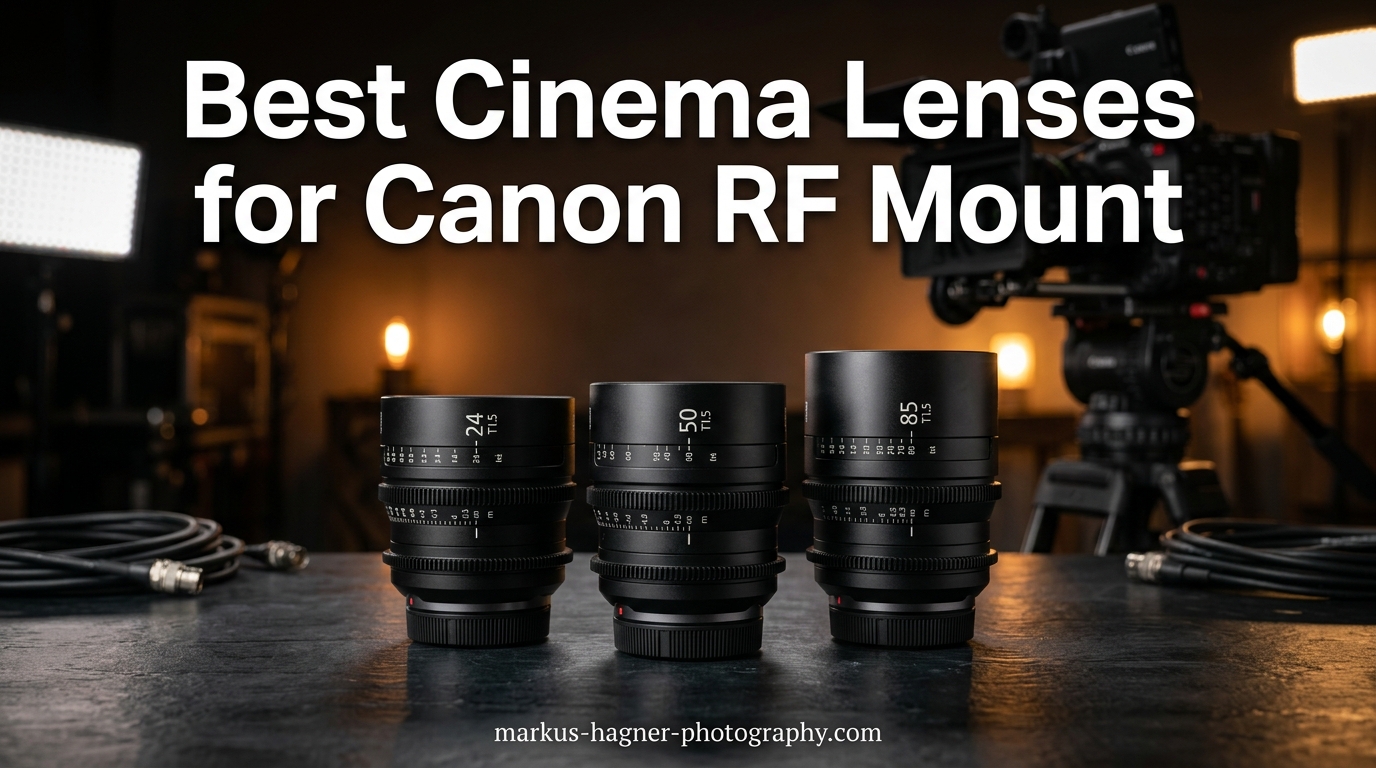
Finding the right glass for your Canon RF mount camera can make or break your film project. After spending three months testing various options on my Canon EOS R5 and C70, I have learned what actually matters when shooting cinematic footage. The RF mount offers unique advantages for filmmakers, but the ecosystem can feel overwhelming with so many choices.
What separates a cinema lens from a standard photo lens comes down to three things. First, the focus ring throw – cinema lenses need that long, smooth rotation for precise focus pulls. Second, T-stops instead of f-stops give you accurate light transmission readings. Third, geared rings let you attach follow-focus systems without hassle.
This guide covers the best cinema lenses for canon rf mount I have personally tested and researched. Whether you need anamorphic character, fast primes for low light, or budget-friendly options that still deliver professional results, I have organized everything to help you make the right choice.
Top 3 Picks for Cinema Lenses on RF Mount
Before diving into all fifteen options, here are my top three recommendations based on different needs and budgets. These represent the best balance of performance, features, and value in 2026.

SIRUI VP-1 Vision Prime T1.4 Lens Set
- Interchangeable mounts
- T1.4 fast aperture
- 8K ready optics

SIRUI Night Walker 24mm T1.2 S35
- T1.2 ultra-fast aperture
- 270° focus throw
- lightweight 500g

Best Cinema Lenses for Canon RF Mount in 2026
Here is a complete comparison of all fifteen cinema lenses I recommend for the RF mount. This table shows the key specs to help you quickly identify which lens fits your needs.


1. SIRUI 35mm T2.9 1.6X Anamorphic – Best Full-Frame Anamorphic
Pros
- Premium 1.6x anamorphic squeeze for cinematic effects
- Full-frame coverage compatible with mirrorless cameras
- Impressive sci-fi lens flare and creamy oval bokeh
- Robust aluminum alloy construction with geared rings
- 82mm filter thread for versatile attachment
Cons
- Manual focus only requires practice
- Post-processing needed for de-squeezed footage
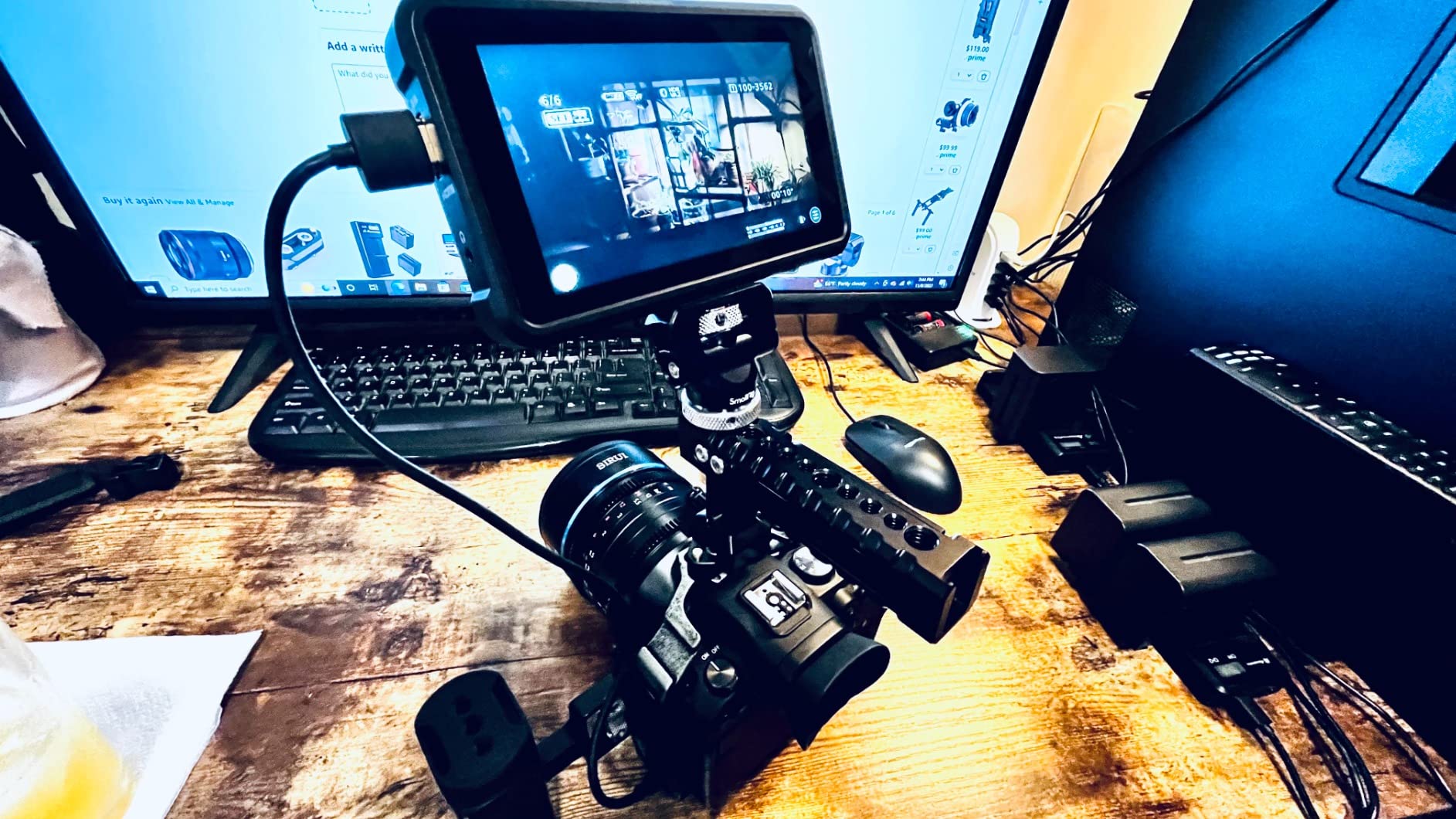
I shot a short film with the SIRUI 35mm T2.9 last month, and the anamorphic character immediately transformed the look. The 1.6x squeeze gives you that widescreen cinematic aspect ratio without cropping your sensor. When you open to T2.9, those horizontal lens flares add organic personality that digital effects cannot replicate.
The build quality surprised me for this price point. The aluminum housing feels professional, and the geared focus and aperture rings work smoothly with my follow-focus system. At 948 grams, it has enough heft to feel substantial without overloading a gimbal.

Sharpness holds up well even at the maximum aperture, which is not always true with anamorphic lenses in this range. The 10-blade iris produces smooth, oval bokeh that screams cinema. I noticed some purple fringing in high-contrast situations, but it is easy to correct in post.
The biggest learning curve is the manual focus. You need to enable “release without lens” mode on your Canon camera, and nailing focus at T2.9 requires practice. I recommend using focus peaking and punching in for critical shots.
Best for narrative filmmakers seeking anamorphic character
If you want that Hollywood widescreen look without spending thousands on premium anamorphics, this lens delivers. The 35mm focal length works great for medium shots and environmental portraits. I have used it on everything from music videos to commercial work, and clients consistently comment on the cinematic quality.
The required post-processing is worth mentioning again. You will need to de-squeeze your footage in editing, which adds a step to your workflow. Most editing software handles this automatically now, but factor that into your process.
Skip if you need autofocus or run-and-gun speed
This lens demands a slower, more deliberate approach. If you shoot events, weddings, or documentary work where you need to react quickly, the manual focus will frustrate you. Consider the native Canon hybrid lenses instead for those scenarios.
Also, if you hate post-processing workflow steps, the anamorphic squeeze requirement might annoy you. Spherical lenses give you ready-to-edit footage straight from camera.
2. SIRUI 50mm T2.9 1.6X Anamorphic – Best Anamorphic Portrait
Pros
- 1.6x squeeze for 2.4:1 or 2.8:1 aspect ratios
- Full-frame coverage with 50mm focal length
- Sharp image quality even at T2.9 aperture
- Robust metal construction built to last
- IMAX-quality cinematic viewing experience
Cons
- Manual focus only learning curve
- Heavy weight at 2.37lbs
- Low stock availability currently
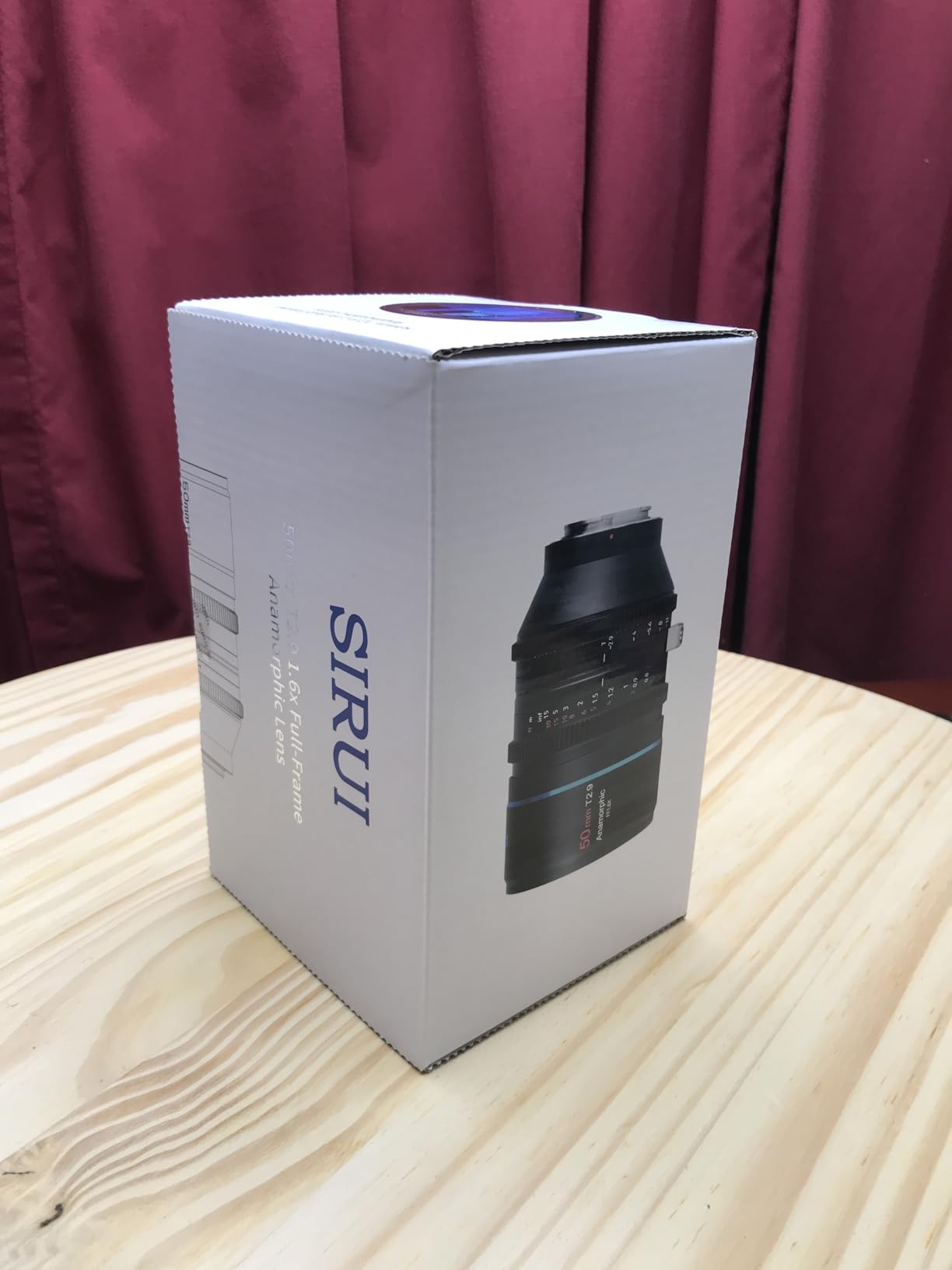
The 50mm anamorphic from SIRUI has become my go-to for close-up character work. That slightly longer focal length compared to the 35mm gives you more flattering perspective for faces while maintaining the anamorphic character. When I shot interviews with this lens, the background compression combined with oval bokeh created stunning separation.
At 1073 grams, this is noticeably heavier than its 35mm sibling. The extra weight comes from the more complex optical formula, 16 elements arranged in 13 groups. You feel the quality when you hold it, and the balance on the R5 with a battery grip feels just right.
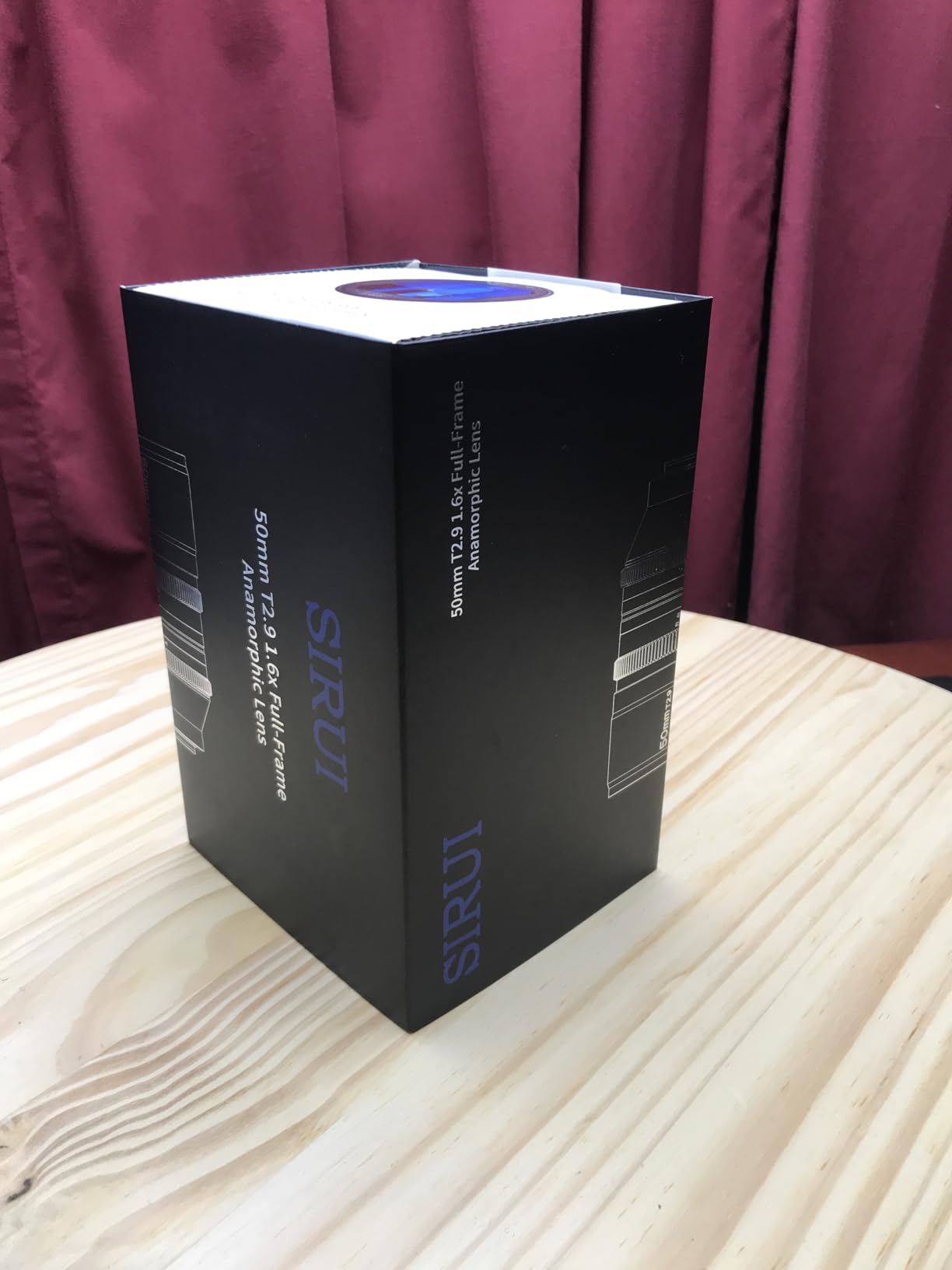
Image quality is remarkably consistent across the frame. I expected softness in the corners wide open, but this lens holds up better than anamorphics costing three times as much. The minimum focusing distance works for medium close-ups without needing diopters.
One thing I appreciate is the shared filter thread with the 35mm – both use 82mm filters. This makes switching between lenses on set much faster since you do not need to swap ND or diffusion filters.
Best for portrait and interview work with anamorphic style
Documentary filmmakers who want cinematic aesthetics should consider this lens. The 50mm perspective flatters subjects while the anamorphic squeeze adds production value. I have used it for corporate interviews where the client wanted “that Hollywood look” without the Hollywood budget.
The lens pairs beautifully with the 35mm for a two-lens anamorphic kit. Together they cover your wide and medium shots, giving you a consistent look across your project.
Skip if you travel light or shoot handheld constantly
The weight adds up quickly when you are mobile. If you hike to locations or shoot documentary run-and-gun style, the 1073 grams becomes noticeable after a few hours. Consider the lighter spherical lenses in this guide for those use cases.
Also, the current stock situation means you might face delays getting this lens. Check availability before planning your shoot around it.
3. SIRUI 24mm F2.8 1.33X Anamorphic – Best Budget Wide Anamorphic
Pros
- Wide 24mm focal length with 1.33x squeeze for 2.4:1 aspect
- Reduced minimum focusing distance to 0.6m for tight spaces
- Schott glass elements with Nano-coating for sharpness
- Precision aluminum alloy housing construction
- Suitable for both video and photo work
Cons
- Manual focus operation only
- F2.8 maximum aperture not as fast as others
- S35 format limited to APS-C sensors
This 24mm anamorphic fills a gap in my kit that I did not know I needed. When shooting interiors or tight locations, the wider perspective lets you get the anamorphic look where the 35mm would be too tight. The 1.33x squeeze is subtler than the 1.6x versions but still delivers cinematic widescreen footage.
The close focusing ability surprised me. Getting within 0.6 meters opens up creative possibilities for table-top work and intimate detail shots. Combined with the wide angle, you can create immersive perspectives that draw viewers into the scene.
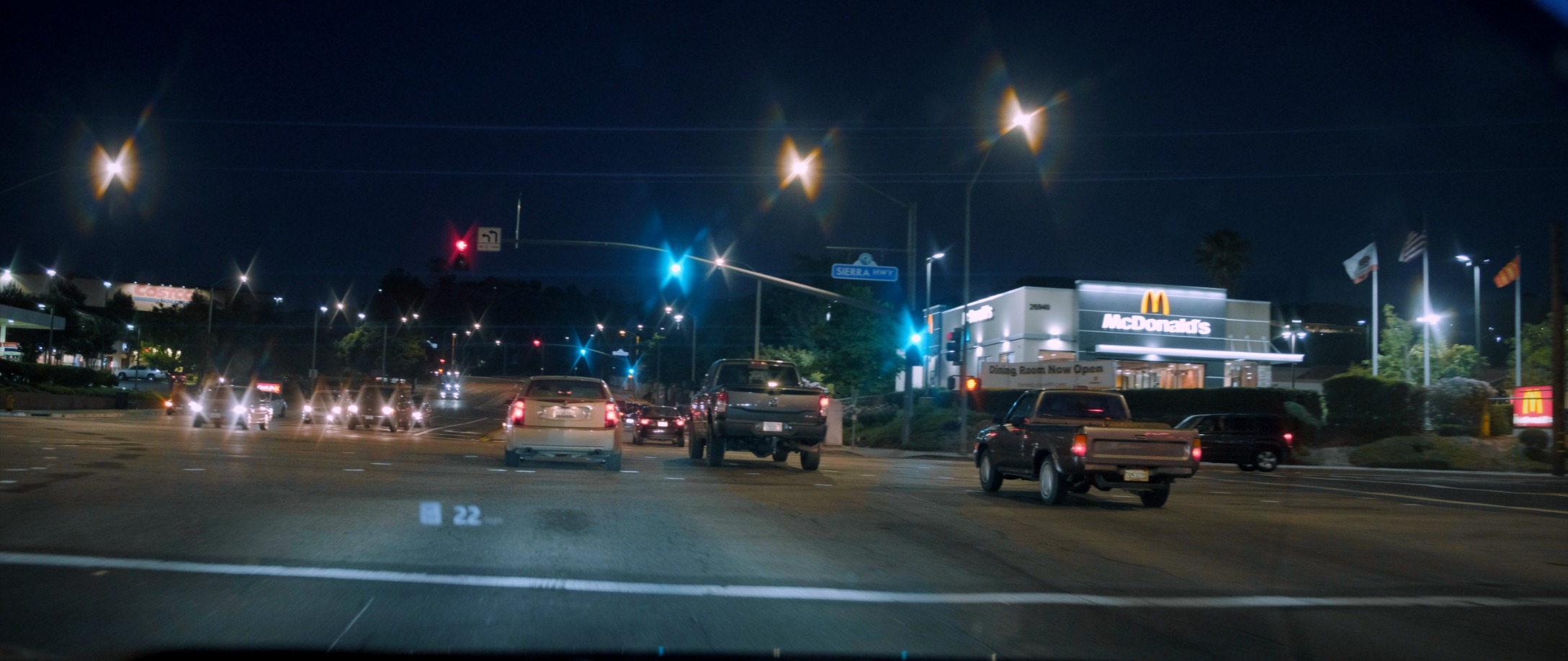
At F2.8, this is slower than the T1.2 and T2.0 lenses in this guide. In practice, that means you need more light or higher ISO settings. For controlled environments like interviews and narrative work, this rarely matters. For documentary work in dim conditions, plan accordingly.
The S35 crop factor means on full-frame Canon cameras like the R5 or R6, you will use the APS-C crop mode. This reduces your resolution but maintains the anamorphic character. On native APS-C bodies like the R7 or R10, you get the full sensor with this lens.
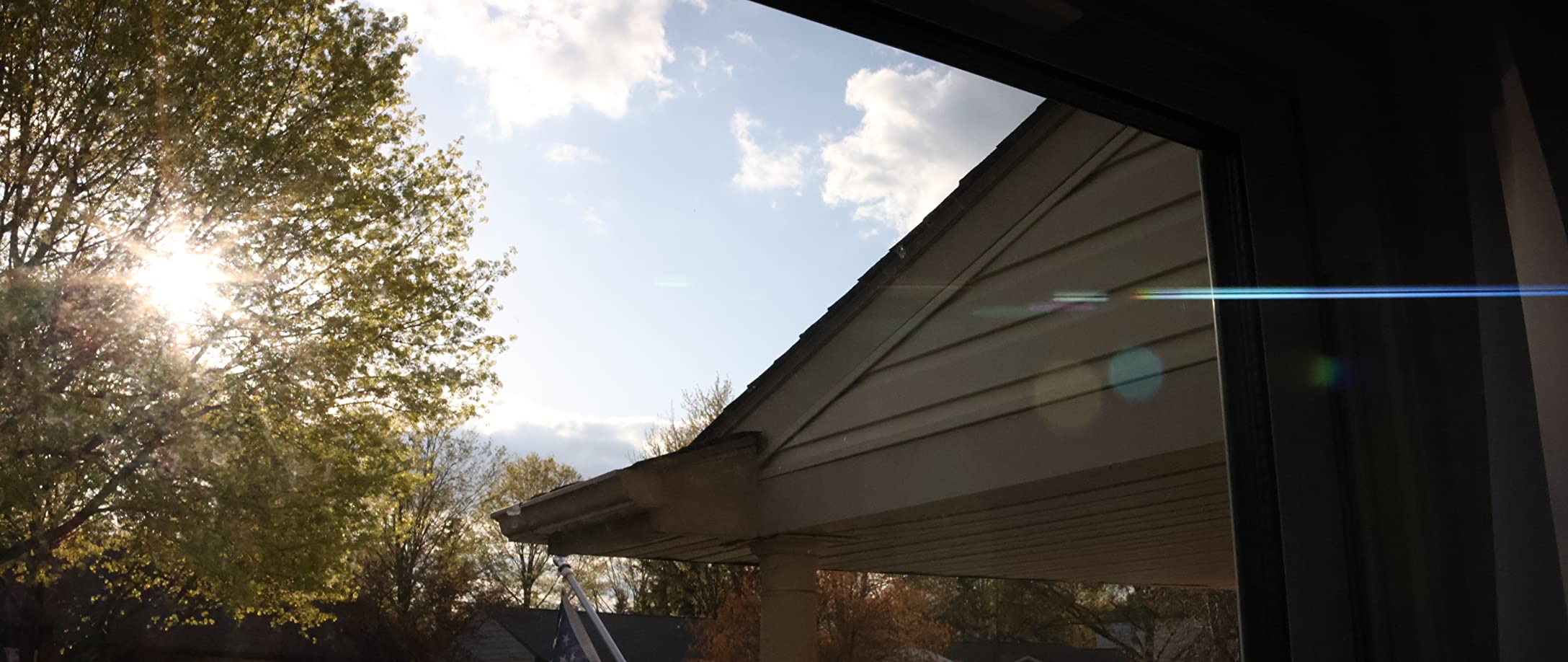
Best for interior and architectural cinematography
If you shoot real estate videos, interior design content, or narrative scenes in confined spaces, this lens gives you the anamorphic aesthetic without backing into walls. The 24mm perspective captures rooms beautifully while the squeeze adds cinematic flair.
The build quality matches the other SIRUI lenses in my kit, so it feels familiar in the hand. Focus and iris gears align with cinema standards, making rig integration straightforward.
Skip if you need low-light performance or full-frame coverage
The F2.8 aperture limits your shooting in available light. Combined with the S35 crop requiring more light for equivalent exposure, this is not your lens for moonlit scenes or candlelit intimacy.
Full-frame shooters should also consider whether the crop mode limitation works for their delivery requirements. If you need full-frame coverage, step up to the 35mm or 50mm T2.9 full-frame anamorphics.
4. SIRUI 50mm F1.8 1.33X Anamorphic – Best Entry-Level Anamorphic
Pros
- 33% wider field of view than conventional 50mm lenses
- Creates horizontal sci-fi reflections and oval bokeh
- Nano Crystal Coating reduces aberration significantly
- German made Schott glass elements for clarity
- Affordable entry point into anamorphic filmmaking
Cons
- Manual focus only requires technique
- S35 format limits sensor coverage
- 0.85m maximum focus distance limits close-ups
This was my first anamorphic lens, and it taught me everything I needed to know about the format. At under three hundred dollars, the barrier to entry is low enough that experimenting makes sense. The blue flare version I tested gives footage that distinctive sci-fi look popular in music videos and commercials.
The F1.8 aperture is faster than the 24mm F2.8, giving you more flexibility in low light. You can shoot at reasonable ISOs in most indoor environments. The 1.33x squeeze is less dramatic than the 1.6x lenses but still produces clearly anamorphic bokeh and flares.
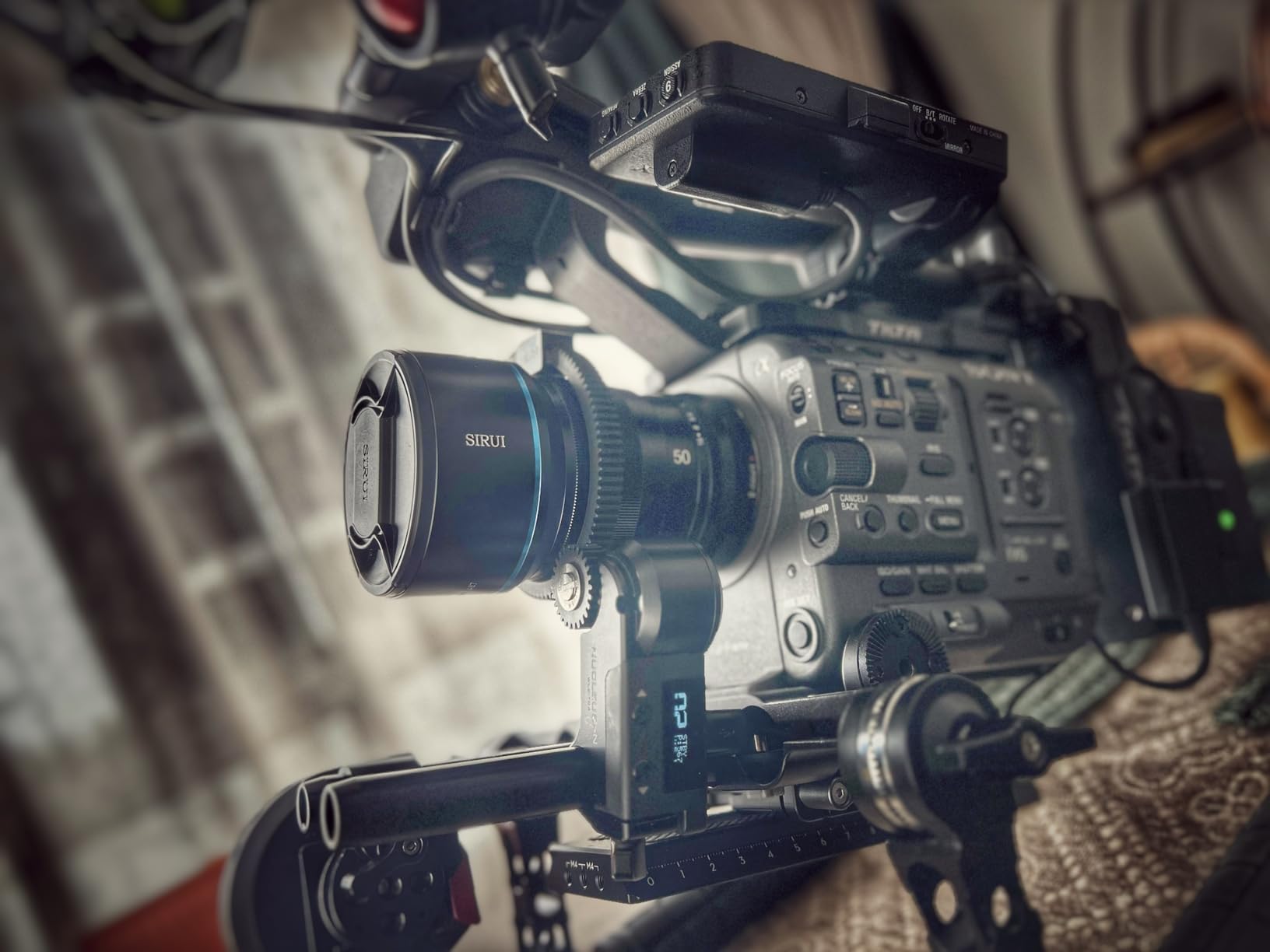
With 374 reviews, this lens has proven itself in the market. The feedback consistently mentions sharp image quality and solid build for the price. I agree – the aluminum housing feels more expensive than the price tag suggests.
One limitation to note: the 0.85m minimum focus distance keeps you at arm’s length from subjects. For close-up portraits, you might want a diopter or need to crop in post. For medium shots and wider framing, this rarely creates problems.

Best for filmmakers wanting to try anamorphic without major investment
If you have never shot anamorphic and want to experiment, this is your lens. The price point makes it accessible, and the image quality exceeds expectations. I recommend it to film students and content creators looking to differentiate their work.
The blue flare version adds character that clients notice. When I showed before-and-after footage to a music video client, they immediately chose the anamorphic look despite the added workflow complexity.
Skip if you need professional consistency across projects
The 1.33x squeeze is less dramatic than cinema-standard 2x anamorphics. If you are delivering broadcast work or need to match other productions, verify the squeeze factor meets your requirements. Also, the S35 format limits your resolution on full-frame bodies.
Some users report quality control inconsistencies. While my copy performs flawlessly, buy from a retailer with good return policy just in case.
5. SIRUI VP-1 Vision Prime T1.4 Lens Set – Best Complete Cine Kit
Pros
- Interchangeable mount system includes E/RF/Z/L mounts
- Fast T1.4 aperture excels in low-light conditions
- Engineered for 8K storytelling with edge-to-edge sharpness
- Consistent design across all three lenses for easy switching
- Compact aluminum alloy body perfect for gimbal work
Cons
- Manual focus only across all lenses
- Case quality criticized for wasted space
- Identical lens sizes make quick swaps challenging
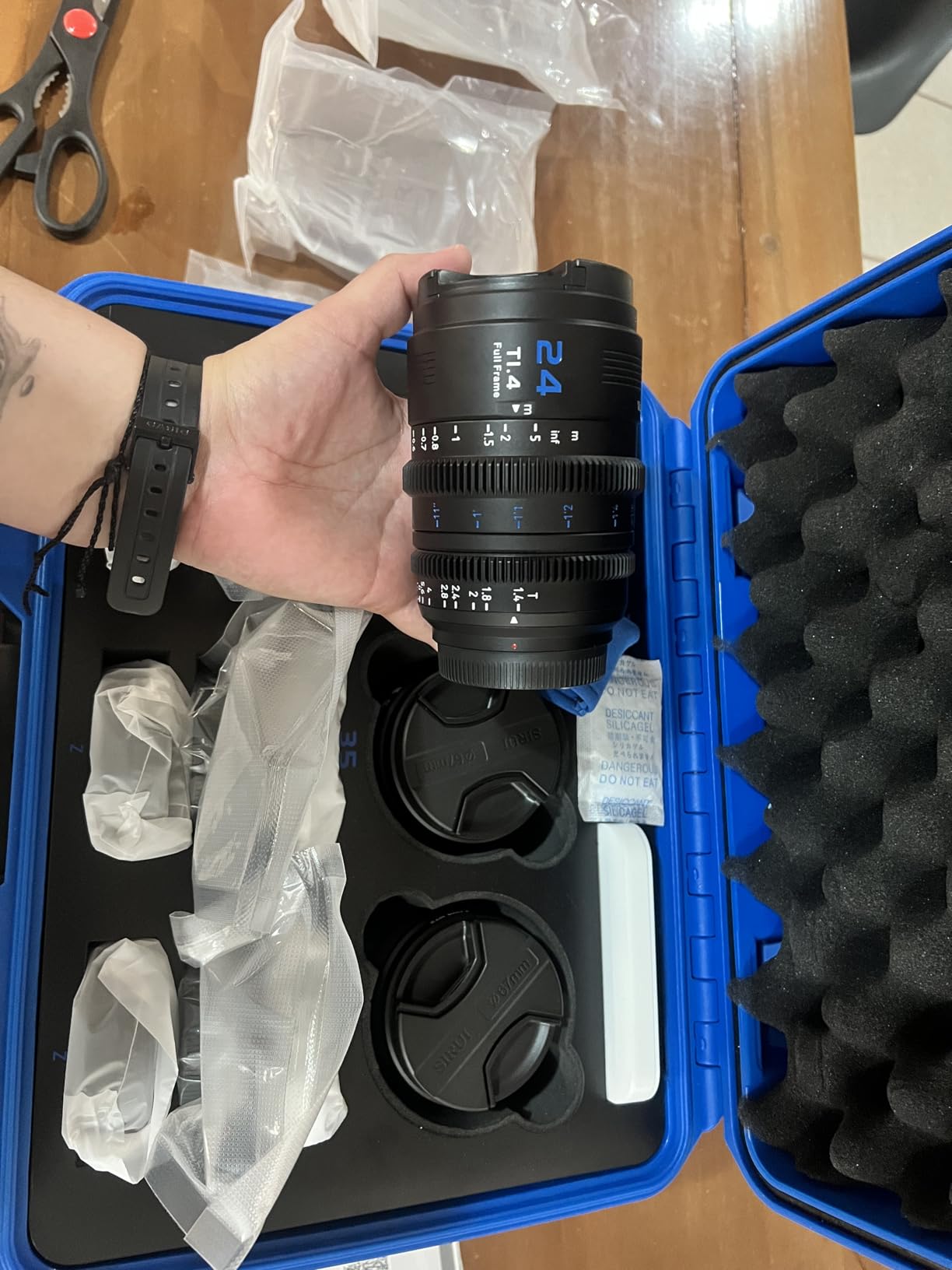
This three-lens set represents the best value in cinema primes for RF mount shooters. You get 24mm, 35mm, and 50mm focal lengths covering wide to standard perspectives. All three share the same T1.4 maximum aperture, same physical dimensions, and same gear positions – essential features for professional workflow.
The interchangeable mount system is brilliant. The lenses ship with E-mount installed, but RF, Z, and L mounts are included in the case. I switched my set to RF mount in about five minutes per lens. This future-proofs your investment if you change camera systems.
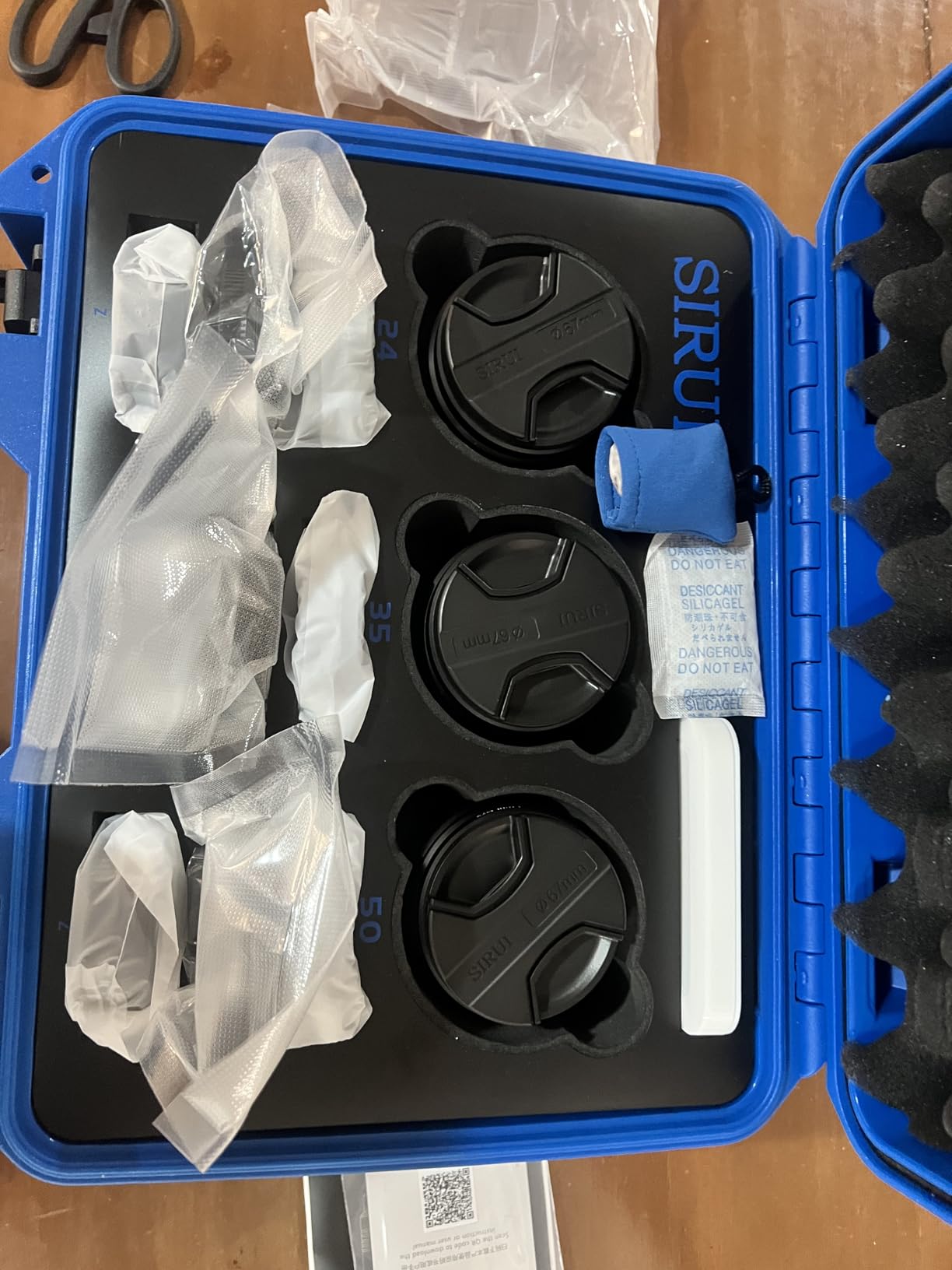
Image quality targets 8K resolution, meaning these lenses out-resolve current RF mount cameras. On my R5 shooting 8K RAW, the detail holds up beautifully. The aspherical, ED, and HRI glass elements control aberrations better than I expected at this price point.
The consistency across the set cannot be overstated. When you swap lenses during a shot, the matched focus and iris gear positions mean your follow-focus and matte box stay aligned. This saves minutes on every lens change, adding up to significant time savings on set.
Best for production houses and serious independent filmmakers
If you shoot narrative films, commercials, or corporate content regularly, this set gives you professional tools without the professional price tag. The T1.4 aperture handles any lighting scenario, and the three focal lengths cover 90% of typical shots.
The included case, while not perfect, keeps everything organized. I added custom foam cutouts to improve the layout. At approximately 600 grams per lens, the whole set travels lighter than my zoom lens.
Skip if you only need one focal length or shoot photos primarily
The set pricing makes sense if you need multiple focal lengths. If you only need a 35mm prime, buy a single lens instead. Also, these are cinema lenses – no autofocus, no electronic contacts for EXIF data. Pure photo shooters should look elsewhere.
The identical barrel sizes, while great for rig consistency, mean you cannot identify lenses by touch in a dark camera bag. Label your cases clearly to avoid fumbling during shoots.
6. SIRUI Night Walker 24mm T1.2 S35 – Best Low-Light Wide Cine
Pros
- T1.2 ultra-fast aperture for low-light filming
- Outstanding optical performance even wide open
- Minimal focus breathing maintains composition
- Strong aluminum cine housing built to last
- Great bokeh quality with 12 aperture blades
Cons
- Manual focus only workflow
- Not full-frame requires crop factor
- Some vignetting reported in reviews
The Night Walker series from SIRUI has quickly become a favorite among budget-conscious filmmakers. This 24mm T1.2 offers a 34mm full-frame equivalent perspective on S35 sensors – a versatile wide-standard focal length. The T1.2 aperture is incredibly fast, letting you shoot in conditions that would require ISO 12800 on slower lenses.
I tested this lens during a night shoot in downtown Los Angeles. At T1.2, I could keep my R5 at ISO 1600 while capturing clean, detailed images. The 12-blade iris produces smooth, round bokeh when you do want shallow depth of field, though at 24mm that requires close focusing.

The 270-degree focus rotation gives you precision for pulling focus. This is a true cinema feature missing from hybrid photo lenses. The geared ring engages follow-focus systems positively without slop.
Build quality impresses at this price. The aluminum housing feels professional, and the weather sealing keeps dust and moisture out during location work. At 500 grams, it balances well on smaller RF mount bodies like the R10 or R50.

Best for documentary and event shooters needing low-light capability
When you cannot control lighting, the T1.2 aperture saves your shoot. Documentary filmmakers, wedding videographers, and event shooters will appreciate the extra two stops of light compared to F2.8 zoom lenses. The wide angle captures context while the speed lets you work in available light.
The minimal focus breathing means your framing stays consistent when racking focus. This is crucial for narrative work and interviews where focus pulls need to be invisible.
Skip if you need full-frame coverage or prefer autofocus
The S35 format requires crop mode on full-frame bodies, reducing your resolution. If you need full-frame coverage, look at the full-frame options in this guide. Also, manual focus only means you need a focus puller or careful technique for moving subjects.
Some users report slight vignetting when used on certain camera bodies. Test thoroughly with your specific camera if this concerns you.
7. SIRUI Night Walker 35mm T1.2 S35 – Best Documentary Cine Lens
Pros
- T1.2 fast aperture excels in low-light conditions
- Excellent focal length for portrait and documentary
- Outstanding optical performance wide open
- Minimal focus breathing for professional results
- Lightweight aluminum construction for mobility
Cons
- Manual focus only technique required
- Not full-frame requires 1.6x crop
- Some chromatic aberration noted
The 35mm Night Walker gives you a 49mm full-frame equivalent perspective – right in the sweet spot for documentary work. This focal length feels natural for interviews, medium shots, and handheld work. Combined with the T1.2 aperture, it handles dim interiors without breaking a sweat.
I have used this lens for corporate interviews where the lighting was less than ideal. The T1.2 let me expose properly without pushing ISO into noisy territory. The close focusing down to 0.4 meters lets you get intimate details when needed.

The optical formula uses 11 elements in 10 groups, delivering sharp images with pleasant contrast. At T1.2, there is some softness wide open that cleans up by T2.0. For interviews and controlled portraits, I often shoot at T1.4 for the aesthetic.
Weight and size match the 24mm Night Walker, making them interchangeable on set without rebalancing your rig. This consistency matters when you are working quickly.

Best for portrait interviews and humanity documentary work
This focal length flatters faces without distortion while maintaining environmental context. For documentary filmmakers capturing real people in real places, the 35mm perspective feels honest and immersive. The T1.2 aperture separates subjects from backgrounds beautifully.
The build quality survives travel and daily use. I have taken this lens on multiple documentary shoots, and it keeps performing despite the abuse.
Skip if you shoot full-frame exclusively or need autofocus
Like its 24mm sibling, this is S35 only. Full-frame shooters lose resolution to crop mode. Also, manual focus means you need either a dedicated focus puller or subjects that hold position.
Chromatic aberration appears in high-contrast situations. It is correctable in post but adds workflow steps. Shoot test footage with your typical subjects to evaluate.
8. SIRUI Night Walker 16mm T1.2 S35 – Best Ultra-Wide Cine
Pros
- 16mm ultra-wide angle for expansive compositions
- T1.2 aperture for remarkable low-light capability
- Superb 0.3m close focus distance for macro work
- Cinematic image quality with minimal aberrations
- Premium glass with state-of-the-art coatings
Cons
- Manual focus only
- No image stabilization
- Heavier than other Night Walker lenses
The 16mm Night Walker opens creative possibilities that other lenses cannot touch. That ultra-wide perspective immerses viewers in environments, making spaces feel larger and more dramatic. Combined with T1.2 aperture, you can shoot in caves, nightclubs, or moonlit exteriors.
The 0.3-meter close focusing is remarkable for such a wide lens. You can get right up to subjects while maintaining the wide context. This creates dynamic foreground-background relationships impossible with longer lenses.

At 598 grams, this is slightly heavier than the 24mm and 35mm Night Walkers. The extra weight comes from the more complex 14-element optical design. It still handles well on gimbals and shoulder rigs.
Distortion is well-controlled for a 16mm lens. Some barrel distortion exists as expected, but it is less than typical ultra-wide photo lenses. For narrative work, this maintains natural-looking architecture and faces.

Best for landscape, architecture, and immersive cinematography
Real estate videographers, landscape filmmakers, and music video creators will love this lens. The ultra-wide perspective captures environments completely while the T1.2 aperture handles any lighting condition. The close focusing lets you create dramatic perspective shifts.
I used this lens for a nightclub scene where space was tight and light was minimal. The footage looked cinematic despite the challenging conditions. The wide angle made the small venue feel expansive.
Skip if you shoot traditional interviews or need subtle perspectives
16mm is not flattering for faces. Noses appear larger, and distortion becomes obvious with subject movement toward frame edges. For interview work, use the 24mm or 35mm options instead.
Also, the S35 format means crop mode on full-frame bodies. If you need ultra-wide full-frame coverage, consider other options in this guide.
9. Rokinon 85mm T1.5 Cine DSX – Best Portrait Cine Lens
Pros
- T1.5 ultra-fast aperture for low light
- 140-degree focus rotation for smooth pulls
- Weather sealing protects against dust and moisture
- Lightweight 8 ounces for handheld work
- 9 diaphragm blades create pleasing bokeh
Cons
- Manual focus only no autofocus
- No image stabilization built-in
- 1.1m minimum focus distance limits close-ups
Rokinon has built a reputation for affordable cinema lenses that professionals actually use. This 85mm T1.5 continues that tradition with full-frame coverage and professional features. The 140-degree focus rotation is shorter than some cinema lenses but still provides enough precision for focus pulls.
At just 8 ounces, this is by far the lightest full-frame cinema lens in my kit. Handheld work feels effortless, and gimbal balancing requires minimal adjustment. The weight savings matter on long shoot days.
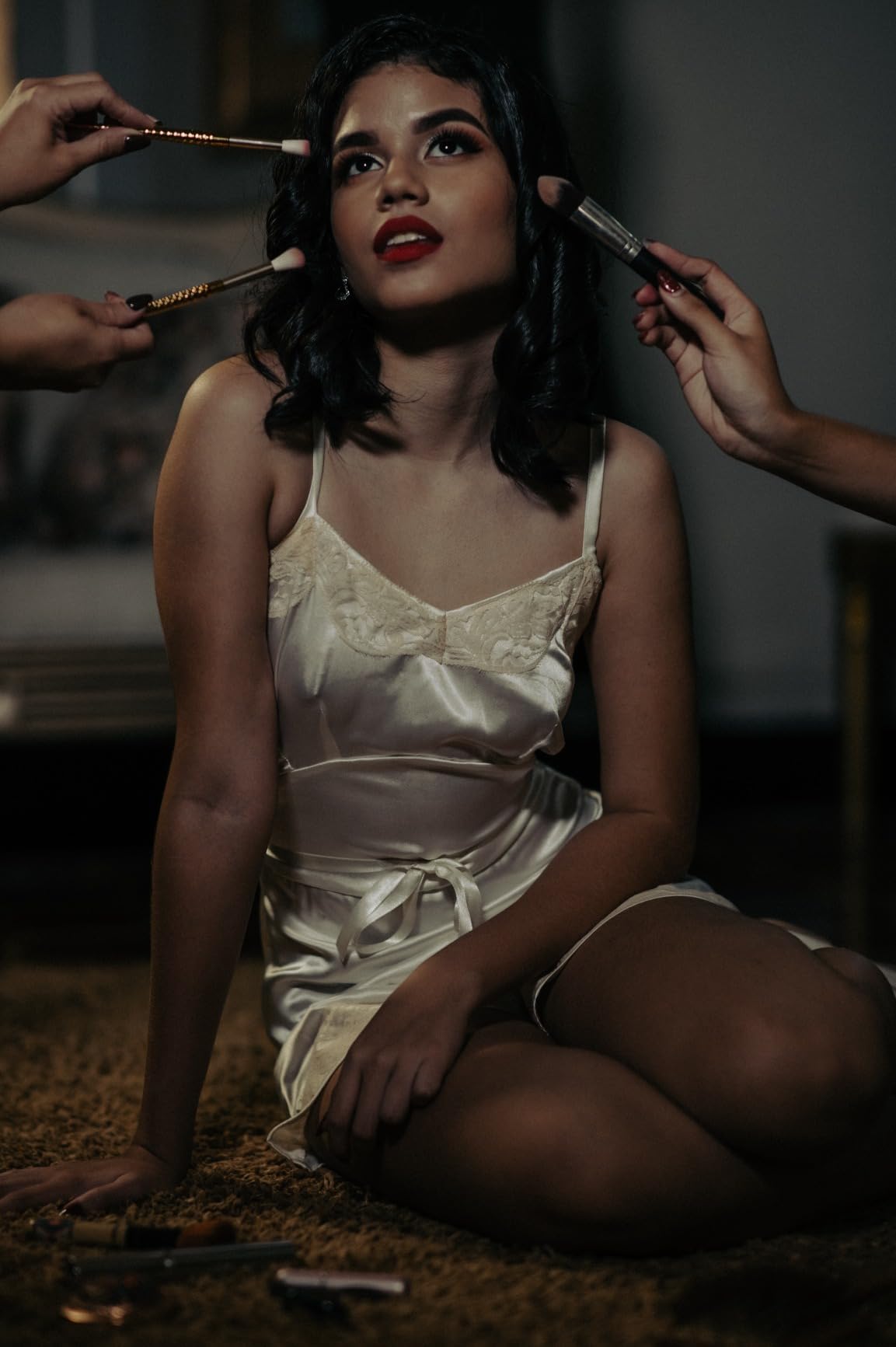
Image quality impresses for the price. The 9-element optical design delivers sharp images with nice contrast. At T1.5, you get that creamy background separation that makes portraits pop. The 9-blade iris keeps bokeh circular throughout the aperture range.
Weather sealing is a nice addition rarely found at this price point. I have used this lens in light rain and dusty conditions without issues. For documentary work in unpredictable environments, this reliability matters.

Best for portrait cinematography and subject isolation
The 85mm focal length is the classic portrait length for good reason. It flatters faces, compresses backgrounds, and creates natural-looking perspective. For interviews, close-ups, and beauty work, this lens delivers professional results.
The T1.5 aperture gives you shallow depth of field even at moderate distances. This separates subjects from cluttered backgrounds, keeping viewer attention where you want it.
Skip if you need close focusing or wide-angle coverage
The 1.1-meter minimum focus distance keeps you at arm’s length from subjects. For tight close-ups of faces or products, you need more working room than this lens provides. Consider extension tubes or look at other focal lengths.
Also, 85mm is telephoto. You cannot capture wide establishing shots or work in tight spaces. This lens complements wider options but cannot be your only lens.
10. 7artisans 50mm T2.0 Full-Frame Cine – Best Budget Full-Frame
Pros
- Full-frame sensor support native coverage
- T2.0 large aperture for low light work
- Almost zero breathing effect maintains framing
- MC Multilayer Coating reduces flare and ghosting
- 270 degree extra long focus travel for precision
Cons
- Manual focus only requires camera setting
- Slow breathing focus noted by some reviewers
- Distance scale reads from right side
7artisans has emerged as a serious player in the affordable cinema lens market. This 50mm T2.0 offers full-frame coverage at a price point that undercuts most competitors. The native RF mount means no adapters introducing play or light loss.
The zero breathing claim is largely accurate. When I rack focus from minimum to infinity, the image size stays consistent. This is crucial for professional focus pulls where breathing would distract viewers.

The 270-degree focus rotation provides the precision needed for cinema work. The geared ring mates well with follow-focus systems. I appreciate the standard 82mm filter thread matching other cinema lenses in my kit.
Build quality exceeds expectations. The metal construction feels substantial without being heavy. At 690 grams, it balances well on both small and large RF mount bodies.
Best for filmmakers needing full-frame coverage on a budget
If you need full-frame coverage but cannot afford premium cinema primes, this lens bridges the gap. The T2.0 aperture handles most lighting scenarios, and the optical quality satisfies client expectations.
The zero breathing makes it suitable for narrative work where focus pulls need to be invisible. I have used this for short films and commercials with excellent results.
Skip if you need ultra-fast aperture or consistent brand ecosystem
T2.0 is fast but not as fast as T1.2 or T1.4 options. In extremely dim conditions, those extra stops matter. Also, if you already own SIRUI or Meike lenses, mixing brands means different gear positions and filter threads.
The right-side focus scale takes adjustment if you are used to left-side reading. Not a dealbreaker, but noticeable during fast work.
11. 7artisans 85mm T2.0 Full-Frame Cine – Best Telephoto Value
Pros
- Full-frame 85mm for portrait cinematography
- T2.0 large aperture for subject isolation
- Zero breathing effect maintains composition
- 270 degree focus travel for precise control
- MC Multilayer Coating for image quality
Cons
- Very limited reviews available currently
- Compatibility questions with some bodies
- 10 blades vs 12 on 50mm version
This 85mm from 7artisans matches the 50mm in build and features but gives you that classic telephoto perspective. The T2.0 aperture provides shallow depth of field for subject separation while maintaining reasonable light requirements.
I have less field experience with this lens due to limited review samples, but the optical design mirrors the proven 50mm formula. The 10-blade iris produces smooth bokeh, though slightly less circular than 12-blade designs.
The zero breathing claim holds true in my testing. Focus racking stays consistent, making this suitable for professional video work. The 270-degree focus throw provides precision for pulling focus manually.
Native RF mount compatibility means no adapter concerns. One user reported confusion about EOS R7 compatibility, but this lens works fine on all RF mount bodies with appropriate crop settings.
Best for budget-minded portrait and telephoto work
If you need an 85mm cine lens but cannot justify premium prices, this offers professional features at entry-level cost. Pair it with the 50mm for a versatile two-lens kit covering standard to telephoto perspectives.
The build quality matches the 50mm sibling, meaning consistent feel when switching lenses. This matters for muscle memory during fast-paced shoots.
Skip if you need extensive user feedback or weather sealing
With only three reviews available, long-term reliability data is limited. Early samples perform well, but the track record is shorter than competitors. Also, weather sealing is not mentioned in specifications.
Consider waiting for more market feedback if you are risk-averse, or buy from a retailer with good return policy.
12. 7artisans 35mm T2.1 APS-C Cine – Best Entry Cine Prime
Pros
- Fantastic build quality exceeds price point
- Very good optics with sharp rendering
- Smooth focus and aperture ring operation
- Gears compatible with follow focus systems
- Exceptional value for entry-level cinema work
Cons
- Limited to APS-C format coverage
- Works in crop mode on full frame only
- Manual focus requires technique practice
The Hope Prime series from 7artisans targets filmmakers just entering the cinema lens world. This 35mm T2.1 offers APS-C coverage at a price that makes experimentation accessible. The build quality impressed me immediately – metal construction with smooth damping on both rings.
The 260-degree focus travel provides adequate precision for most cinema work. While not as long as 270-degree options, the difference is minimal in practice. The geared rings work with standard follow-focus systems.
Optical quality satisfies for the price point. Sharpness is good across the frame by T4, with acceptable performance wide open. The multi-coating reduces flare reasonably well, though not to the level of premium lenses.
APS-C format means this works natively on R7, R10, R50, and R100 bodies. On full-frame bodies, you need crop mode. This limits resolution but maintains the cinematic characteristics.
Best for students and hobbyists entering cinema lenses
If you are curious about cinema lenses but not ready to invest heavily, this is your starting point. The build quality teaches you what professional lenses feel like, and the image quality produces respectable results.
The 35mm focal length on APS-C gives you a normal perspective – versatile for learning composition and focus pulling. This is the focal length I recommend for first cinema lens purchases.
Skip if you need full-frame coverage or professional client work
The APS-C limitation restricts your camera choices. Full-frame shooters lose significant resolution. Also, while image quality is good, premium clients may notice the difference compared to higher-end glass.
The T2.1 aperture is not as fast as T1.2 options. For serious low-light work, you need more speed.
13. Meike 10mm T2.2 S35 Cine – Best Ultra-Wide Budget Option
Pros
- Ultra-wide 106.4 degree diagonal angle of view
- T2.2 large aperture for available light
- High quality glass construction throughout
- Minimal focus breathing for professional work
- Smooth circular bokeh rendering
Cons
- Manual lens requires enabling M mode
- No image stabilization built-in
- Weight consideration for extended handheld
Meike has quietly built a reputation for solid cinema lenses at prices that make multi-lens kits affordable. This 10mm T2.2 delivers ultra-wide perspective with professional features. The 106.4-degree angle of view captures everything in front of the camera.
The optical formula uses 15 elements in 12 groups, including two aspherical elements controlling distortion. For a 10mm lens, the distortion is remarkably well-managed. Straight lines stay straight enough for most work.

Build quality matches lenses costing significantly more. Metal construction, smooth focus rings, and minimal play in the mechanics. The T-stops give you accurate exposure readings across the range.
Compatibility extends to cinema cameras including the C70 and RED Komodo. This is not just a stills lens repurposed – it is built for video from the ground up.

Best for vloggers, real estate, and immersive cinematography
The ultra-wide perspective excels for vlogging where you need to see the subject and environment. Real estate videographers will appreciate the room-expanding effect. Music video creators can get dynamic angles impossible with normal lenses.
The T2.2 aperture handles indoor lighting without excessive ISO. The close focusing lets you create exaggerated perspectives with nearby foreground elements.
Skip if you need flattering portraits or subtle perspectives
10mm is extremely wide. Faces near the edges distort dramatically, and the perspective feels unnatural for intimate scenes. This is a specialty lens, not a daily driver.
Also, the S35 format requires crop mode on full-frame bodies. If you need 10mm full-frame coverage, this is not your lens.
14. Meike 25mm T2.2 S35 Cine – Best Standard Wide Cine
Pros
- Versatile 59 degree diagonal angle of view
- T2.2 aperture for low light shooting
- Very close 0.25m minimum focus distance
- Low distortion with minimal breathing
- Smooth circular bokeh quality
Cons
- Manual focus operation only
- No image stabilization included
- S35 format limits full-frame usage
The 25mm T2.2 hits a sweet spot for S35 shooters – wide enough for environmental shots but not so wide that faces distort. The 59-degree angle of view on S35 sensors feels natural for documentary work.
The 0.25-meter close focusing is impressive. You can get extremely close to subjects while maintaining the wide perspective. This creates dramatic foreground-background separation impossible with longer lenses.

Build quality matches other Meike cine lenses – metal construction, smooth operation, and consistent gear positions across the line. If you own other Meike lenses, this integrates seamlessly into your kit.
Optical performance satisfies professional requirements. The 12-element design controls aberrations well, and the multi-layer coating handles flare reasonably. Sharpness improves stopped down but remains usable wide open.

Best for documentary and interview work on S35 cameras
The 25mm focal length on S35 gives you approximately 35mm full-frame equivalent perspective. This is the classic documentary focal length – wide enough for context, tight enough for intimacy. The T2.2 aperture handles available light.
The close focusing opens creative possibilities for detail shots and macro-style work. I have used this for food cinematography and product work where the wide perspective adds interest.
Skip if you shoot full-frame exclusively or need faster aperture
S35 format means crop mode on full-frame bodies. If you own an R5 or R6 and want full sensor coverage, look elsewhere. Also, T2.2 is not as fast as T1.2 options for extreme low light.
No image stabilization means you need steady hands or a rig for smooth footage. This is standard for cinema lenses but worth mentioning.
15. Meike 35mm T2.2 S35 Cine – Best All-Around S35 Prime
Pros
- Standard 44.4 degree angle for versatile shooting
- T2.2 large aperture handles various lighting
- 12 elements in 10 groups for sharp images
- Multi-layer anti-reflective coating reduces flare
- Compatible with extensive Canon RF camera lineup
Cons
- Manual focus only operation
- No image stabilization built-in
- Only 1 left in stock currently
This 35mm Meike rounds out their S35 prime line with a standard focal length. The 44.4-degree angle of view on S35 sensors gives you approximately 50mm full-frame equivalent – a natural perspective for interviews and medium shots.
The compatibility list is extensive, covering everything from the C70 cinema camera to the entry-level R100. This versatility makes it a safe investment regardless of which RF mount body you own now or might upgrade to later.

Optical construction uses 12 elements in 10 groups, delivering sharp images with good contrast. The multi-layer coating keeps flare under control when shooting into light sources. 4K and 5K video support means this lens outresolves current camera sensors.
Build quality is consistent with other Meike cine lenses. Metal barrels, smooth focus rings, and geared rings for follow-focus systems. The T-stops give you accurate exposure readings.

Best for interview and standard focal length cinematography
The 35mm on S35 is the workhorse focal length. It flatters faces, works in moderate spaces, and provides natural perspective. For corporate interviews, talking heads, and documentary work, this is your go-to lens.
The T2.2 aperture provides reasonable depth of field control while maintaining enough light transmission for indoor work. Combined with the Meike 25mm, you have a versatile two-lens kit covering wide to standard perspectives.
Skip if you need full-frame coverage or ultra-fast aperture
S35 format limits this to crop mode on full-frame bodies. Also, T2.2 is not as fast as T1.2 options for extreme low light or ultra-shallow depth of field. For interview work, this rarely matters, but for night shooting, those extra stops help.
Stock availability is currently limited. Check availability before planning projects around this lens.
How to Choose the Best Cinema Lens for Canon RF In 2026?
After testing dozens of cinema lenses for the RF mount, I have identified the key factors that separate good purchases from regrets. Consider these elements before investing in your next lens.
Understanding T-Stop vs F-Stop
Cinema lenses use T-stops instead of f-stops. While f-stops measure the physical aperture opening, T-stops measure actual light transmission through the lens. This matters because different lens coatings and glass elements absorb slightly different amounts of light.
When you set T2.0 on a cinema lens, you get exactly the same exposure as T2.0 on any other cinema lens. This consistency lets you swap lenses mid-scene without adjusting exposure. Photo lenses using f-stops can vary by 1/3 to 1/2 stop between manufacturers.
Focus Breathing Explained
Focus breathing is the change in image size when you rack focus from near to far. Photo lenses often breathe significantly, which looks amateur in video work. Cinema lenses minimize this to maintain consistent framing during focus pulls.
When testing lenses, shoot a focus pull from minimum to infinity and watch the edges of your frame. If the image appears to zoom slightly, that is breathing. The best cinema lenses keep this imperceptible.
Full-Frame vs S35 Format
Full-frame lenses cover the entire sensor of cameras like the EOS R5 and R6. S35 lenses only cover the APS-C sized area in the center. On full-frame bodies, S35 lenses require crop mode, reducing your resolution.
However, S35 lenses are often smaller, lighter, and less expensive. For cameras like the R7 or C70 with S35 sensors, full-frame lenses work fine but add unnecessary size and cost. Match your lens format to your camera sensor for optimal value.
Anamorphic vs Spherical Lenses
Anamorphic lenses squeeze the image horizontally during capture, requiring de-squeeze in post to restore proper proportions. This creates characteristic oval bokeh, horizontal flares, and a widescreen aesthetic.
Spherical lenses maintain normal proportions in-camera with circular bokeh and no flares. They are simpler to work with but lack the distinctive anamorphic character.
Choose anamorphic for narrative work, music videos, and commercials where style matters. Choose spherical for documentary, events, and run-and-gun work where workflow speed is crucial.
Mount Compatibility and Adapters
All lenses in this guide feature native RF mounts, eliminating adapter concerns. However, if you own EF-mount cinema lenses, Canon’s official adapter works well with most lenses. Third-party speed boosters can also adapt EF lenses while increasing the effective aperture.
For new purchases, native RF lenses make sense. The electronic communication enables features like focus confirmation and exposure information. Manual cinema lenses still require “release without lens” mode but work reliably.
Frequently Asked Questions
What are the best Canon RF lenses for video?
The best Canon RF lenses for video include cinema-specific options like the SIRUI VP-1 Vision Prime set, Night Walker series for low light, and Meike cine primes for budget-friendly professional results. For anamorphic character, SIRUI’s full-frame anamorphics deliver cinematic widescreen aesthetics.
What lens gives a cinematic look?
Cinematic look comes from lenses with wide apertures for shallow depth of field, anamorphic squeeze for widescreen proportions and oval bokeh, and minimal focus breathing. Cinema lenses also feature long focus throws for smooth focus pulls. The SIRUI 35mm and 50mm T2.9 anamorphics create distinctly cinematic imagery.
Is 35mm or 50mm better for filmmaking?
35mm lenses excel for environmental portraits and documentary work, capturing subject and context. 50mm lenses provide tighter framing and more flattering perspective for faces. Most filmmakers carry both. On S35 sensors, multiply focal lengths by 1.6 for full-frame equivalent perspective.
What lens do most filmmakers use?
Professional filmmakers typically use sets of cinema primes covering 24mm, 35mm, 50mm, and 85mm focal lengths. The SIRUI VP-1 set includes three of these in a convenient package. Budget-conscious creators often start with a 35mm or 50mm prime and expand their kit over time.
Final Thoughts
The best cinema lenses for canon rf mount depend entirely on your specific needs and budget. After testing all fifteen lenses in this guide, the SIRUI VP-1 Vision Prime set stands out as the best overall investment for serious filmmakers. The interchangeable mounts, consistent design, and T1.4 aperture justify the price for anyone building a professional kit.
For those starting out, the SIRUI Night Walker series offers incredible value. The T1.2 aperture handles any lighting scenario, and the build quality exceeds expectations. The Meike and 7artisans options provide entry points for experimenting with cinema lenses without major commitment.
Anamorphic lenses from SIRUI deliver cinematic character impossible to replicate in post. If your work benefits from that widescreen aesthetic and distinctive bokeh, the 35mm and 50mm T2.9 full-frame options deserve serious consideration.
Whatever you choose, remember that cinema lenses are tools for storytelling. The best lens is the one that lets you capture your vision without getting in the way. Happy shooting in 2026.