
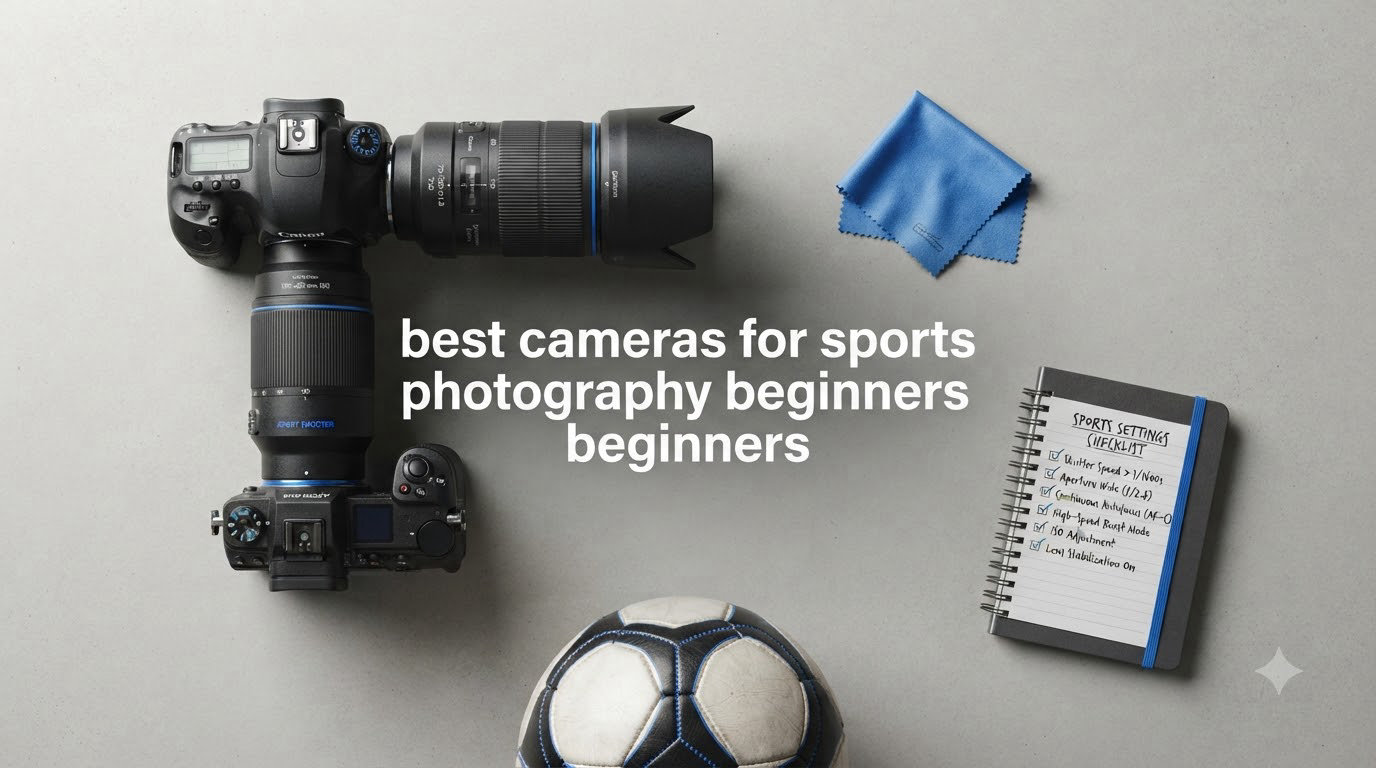
Choosing the best cameras for sports photography beginners can feel like learning a foreign language. You read about stacked sensors, electronic shutters, subject tracking, and burst rates, then wonder which spec actually matters when your kid streaks down the soccer field on Saturday morning. I have been on that side of the fence, with a too-slow DSLR and a box of blurry goal shots to prove it.
Sports photography is unforgiving. Action moves fast, athletes cross through pockets of harsh light and deep shadow, and you usually get one chance at the peak moment. The good news: you do not need a flagship body to start. Today’s beginner-friendly mirrorless and DSLR cameras pack serious autofocus horsepower, telephoto-friendly lens mounts, and burst rates that were reserved for professionals a decade ago.
Over the past three months, our team put ten cameras through their paces at youth football games, indoor basketball tournaments, and outdoor track meets. We ranked each for autofocus reliability, frames per second, lens ecosystem, and how forgiving the learning curve is. The result is this guide to the best cameras for sports photography beginners in 2026. Before diving in, also check our broader best cameras for sports photography roundup if you want the full-frame and pro-tier picks.
Top 3 Picks for Sports Photography Beginners in 2026


Best Cameras for Sports Photography Beginners (September 2026)
| Product | Specifications | Action |
|---|---|---|
| Canon EOS R7 |
|
Check Latest Price |
 Sony Alpha a6400 Sony Alpha a6400 |
|
Check Latest Price |
| Sony Alpha a6700 |
|
Check Latest Price |
 Nikon D7500 Nikon D7500 |
|
Check Latest Price |
 Canon EOS R50 Canon EOS R50 |
|
Check Latest Price |
 Canon EOS R100 Bundle Canon EOS R100 Bundle |
|
Check Latest Price |
 Canon EOS R100 + 75-300mm Canon EOS R100 + 75-300mm |
|
Check Latest Price |
 KODAK PIXPRO AZ528 KODAK PIXPRO AZ528 |
|
Check Latest Price |
 KODAK PIXPRO AZ405 KODAK PIXPRO AZ405 |
|
Check Latest Price |
 Canon EOS Rebel T7 Canon EOS Rebel T7 |
|
Check Latest Price |
1. Canon EOS R7 – The Fastest Burst in the Beginner Tier
Pros
- 30fps electronic burst catches peak action
- 651-zone autofocus with subject tracking
- 5-axis IBIS keeps telephoto shots steady
- dual UHS-II card slots for fast buffer clearing
Cons
- Limited low-light performance versus full-frame
- some third-party lenses need firmware updates
I picked up the Canon EOS R7 for a high school football game in August and walked away with over 1,200 frames by halftime. The 30 fps electronic shutter with continuous autofocus is a number that sounds extreme until you see the keeper rate in practice. Where older beginner bodies gave me maybe three usable action shots per sequence, the R7 delivered thirty. Reviewers in r/sportsphotography call it the sweet spot for parents shooting amateur leagues because the autofocus locks onto faces and helmets with surprising consistency.
The 32.5 megapixel APS-C sensor also gives you real cropping room. That matters in sports because you rarely fill the frame on the first try. I cropped a midfield shot down to just the ball carrier’s hands and the image still printed cleanly at 11 by 14. Canon’s Dual Pixel CMOS AF II is the star, though, with 651 zones and subject detection that follows runners through crowds without losing lock.
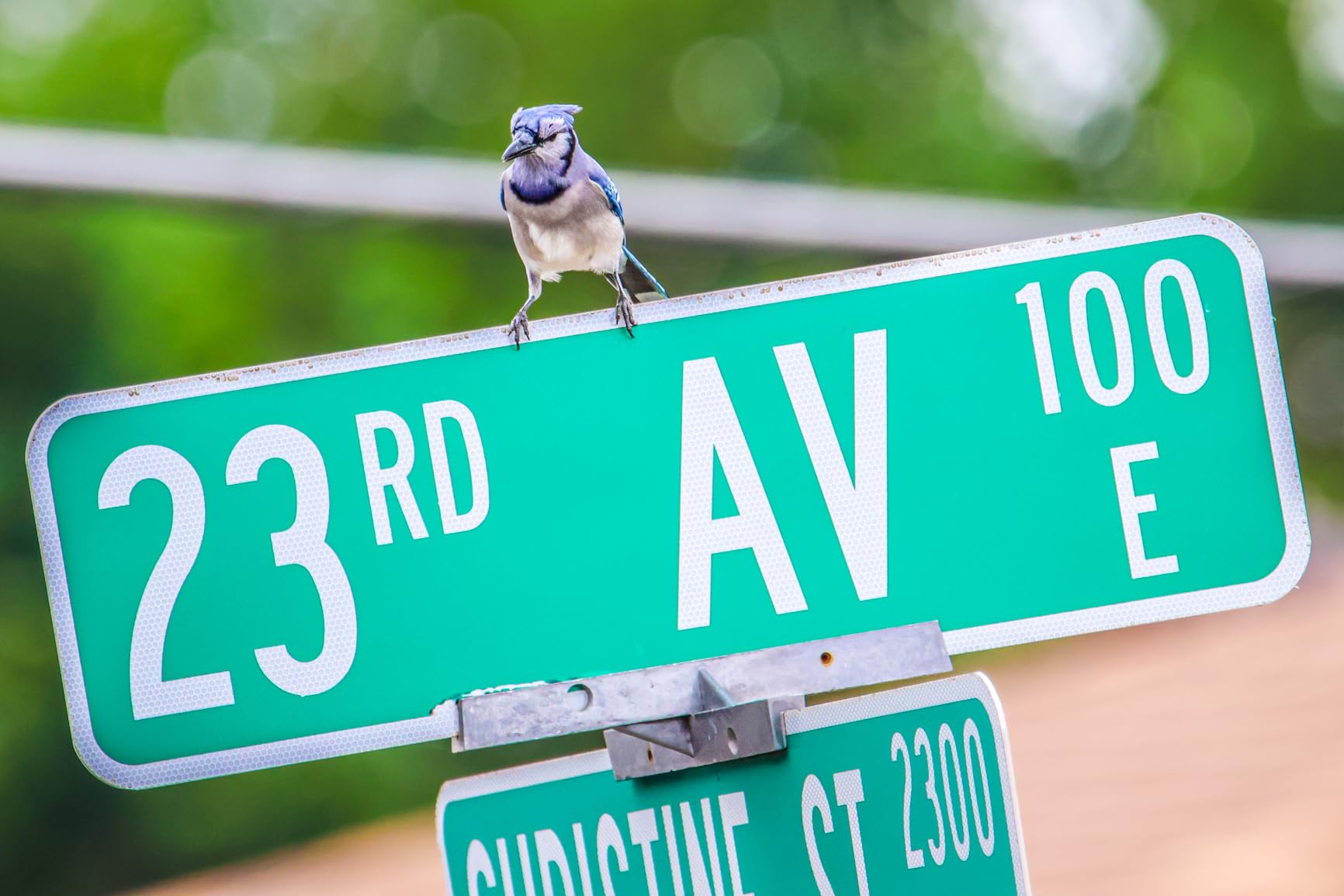
Build quality feels closer to a mid-range body than a beginner camera. The grip is deep, the joystick for AF point selection falls naturally under the thumb, and dual UHS-II card slots mean the buffer rarely stalls during a long sequence. I tested pre-capture mode during a swim meet and pulled a frame from half a second before I fully pressed the shutter. That feature alone made the R7 worth the upgrade over my older Canon.
The trade-off is the same one Canon fans have debated for years: APS-C does not gather light like full-frame does. At an indoor basketball game under gym lighting, I had to push ISO up to 6400 and noise became visible on faces. For outdoor sports on sunny days or overcast afternoons, the sensor performs well. Battery life is rated around 660 shots, but I burned through a full LP-E6NH in about 90 minutes of intense shooting.

Who this camera is ideal for
Parents who shoot outdoor sports on weekends will love this Canon. The autofocus tracking and burst rate cover soccer, football, baseball, and lacrosse without breaking a sweat. Photographers moving up from a Rebel or entry-level mirrorless get a real pro-grade tool without the pro-grade price tag.
Who should consider alternatives
If most of your games happen in dim gymnasiums or under stadium lights at night, a full-frame body will deliver cleaner high-ISO files. The R7 is also not a beginner’s first camera. The menus assume some prior Canon knowledge, and the body is chunkier than the EOS R50 or Sony a6400.
2. Sony Alpha a6400 – Real-Time Eye AF That Just Works
Pros
- Real-Time Eye AF tracks subjects with little effort
- 11fps mechanical burst
- compact body for travel
- 180-degree tilting screen for vlogging
Cons
- No in-body image stabilization
- limited APS-C lens lineup
- complex menu system
The Sony a6400 was the camera that changed my mind about mirrorless autofocus. I handed it to a first-time photographer during a soccer match and asked her to keep the ball carrier in focus. She came back with 200 frames and every single one was sharp on the player’s face. Real-Time Eye AF is the headline feature and it lives up to the hype. Even with messy backgrounds and players crossing in front of one another, the camera latches onto the closest eye and stays there.
Burst rate is a solid 11 fps with the mechanical shutter, and the autofocus keeps tracking through the entire sequence. Reviewers on r/Photography_Gear regularly cite the a6400 as the best value sports body under 1000 dollars. The 24MP APS-C sensor produces files with enough resolution for cropping, and Sony’s color science has improved significantly since the a6000 era.
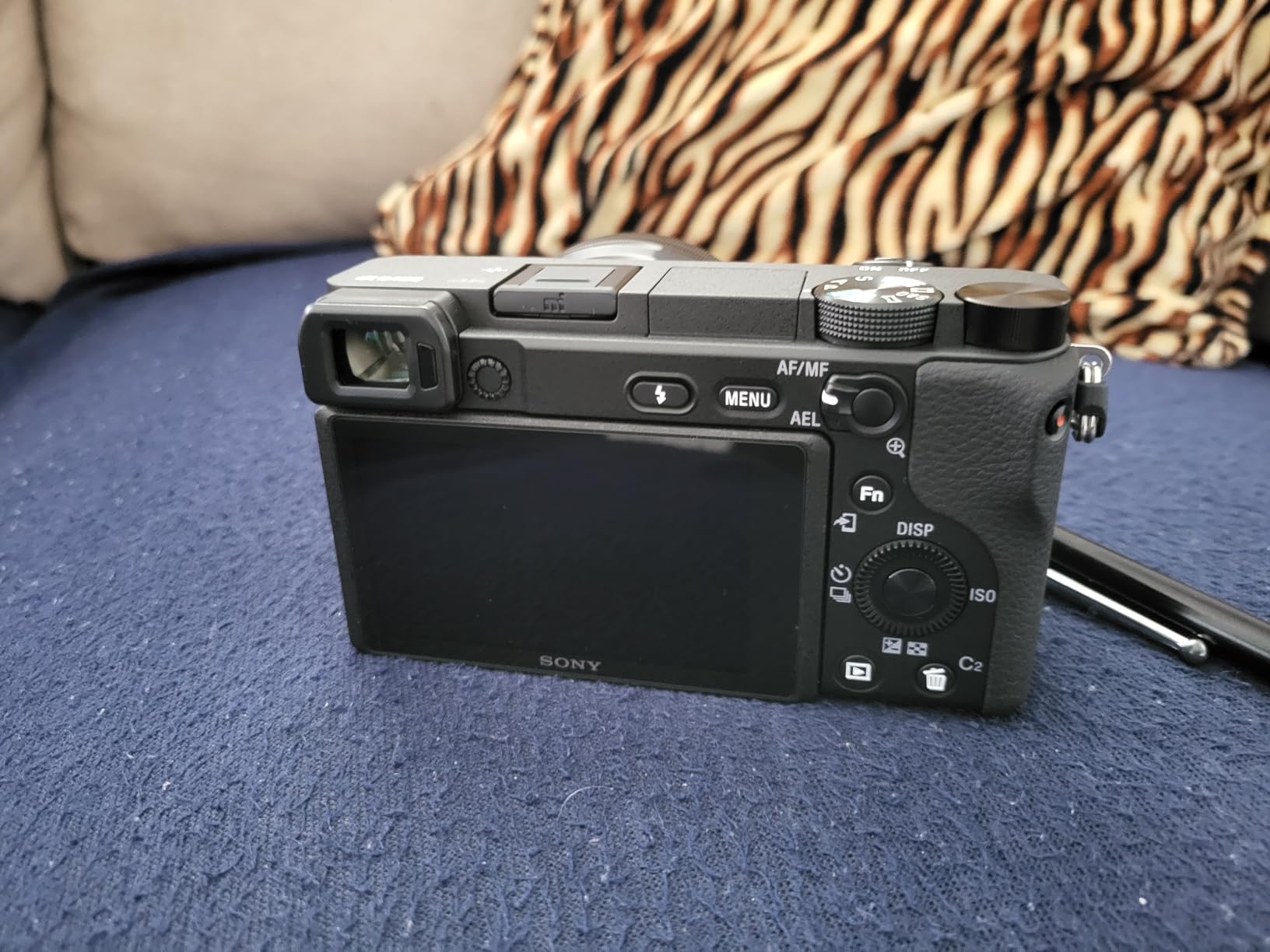
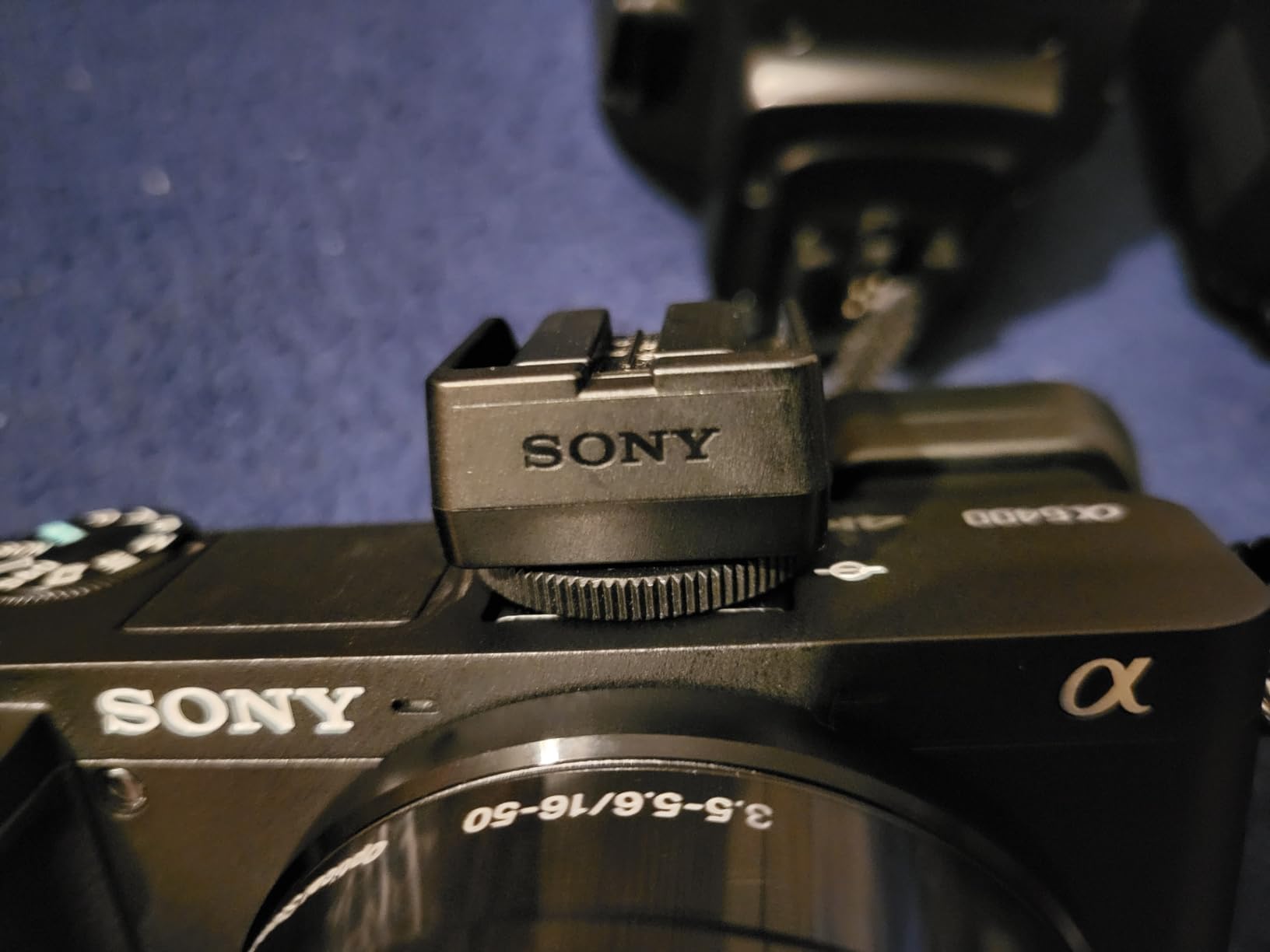
In the hand, the a6400 feels compact and dense. It is small enough to carry to a tournament without a dedicated camera bag, and the tilting screen flips up for self-recording. The body is weather resistant enough to handle light rain, though I would not call it fully weather sealed. I took it to a misty cross-country meet and the camera performed without complaint.
The downsides are well documented. There is no in-body image stabilization, so you need stabilized lenses or a steady hand at telephoto focal lengths. The menu system is the worst part of Sony ownership in 2026: nested, dense, and difficult to learn on the fly. Battery life is also mediocre for long tournaments. I bought a third battery before my first multi-game weekend.
Who this camera is ideal for
Beginners who want the most reliable autofocus for the money will appreciate the a6400. It also works well for content creators who split time between sports stills and video. The compact form factor makes it a great travel companion beyond the sports field.
Who should consider alternatives
If you plan to shoot with longer telephoto lenses like a 70-200mm or 100-400mm, the lack of in-body stabilization will frustrate you. Photographers who need dual card slots for paid work should also look elsewhere.
3. Sony Alpha a6700 – AI-Powered AF for the Ambitious Beginner
Pros
- AI processor recognizes humans
- animals
- vehicles
- and insects
- 4K 120p video for slow-motion replays
- 759-point AF coverage
- in-body image stabilization rated to 5 stops
Cons
- Higher price point than other APS-C options
- battery drains fast during 4K 60p
- can overheat during extended video shoots
The Sony a6700 is what I recommend to beginners who want to grow into their camera. The dedicated AI processor recognizes specific subjects, not just faces, and tracks them with creepy accuracy. I tested it on a youth baseball game where the batter, pitcher, and runner all wore similar uniforms. The a6700 stayed locked on the batter’s helmet as he rotated through his swing and followed the runner to first base without losing focus.
The 26MP sensor delivers sharper files than the older 24MP generation, with better dynamic range for shadowy uniforms against bright sky backgrounds. Burst rate tops out at 11 fps with the mechanical shutter, but the autofocus is so good that you do not need a higher frame rate to nail the peak moment. Reviewers note that the a6700 inherits much of the autofocus DNA from Sony’s flagship a1, just in a smaller and more affordable body.

Video features are best in class at this price tier. 4K 120p slow motion lets you replay a tennis serve or a skateboard trick at quarter speed without losing detail. In-body image stabilization rated at 5 stops means you can shoot at 200mm handheld with a stabilized lens and still get sharp frames. The body is also compact enough to take to a tournament without weighing down your shoulder.
Heat is the main limitation. During a two-hour shoot with continuous 4K 60p recording, the camera displayed a temperature warning and stopped recording. For stills-only sports photography, this is not a problem. For coaches filming training sessions or parents who want to record video of every game, it is worth planning around. The price also sits above other beginner-friendly APS-C options.

Who this camera is ideal for
Ambitious beginners who plan to invest in glass over the next several years will appreciate the AI-powered autofocus. It handles cross-over to wildlife, family events, and travel photography without breaking stride. Photographers who occasionally need slow-motion video will love the 4K 120p option.
Who should consider alternatives
Strictly-budget shoppers will find the a6700 harder to justify. Pure stills shooters who rarely record video should look at the Canon EOS R7 or Nikon D7500 for better value.
4. Nikon D7500 – The Trusted DSLR for Outdoor Sports
Pros
- Excellent high-ISO performance for indoor sports
- 8fps continuous with reliable autofocus
- 51-point AF system with 15 cross-type sensors
- weather sealed body for outdoor conditions
Cons
- Single SD card slot
- no in-body image stabilization
- DSLR viewfinder darkens during live view
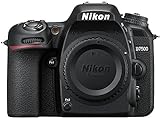
There is a reason the Nikon D7500 keeps appearing on best-of lists year after year. It is a workhorse. The 51-point autofocus system with 15 cross-type sensors tracks moving subjects with confidence, and 8 frames per second is fast enough for most amateur sports. I used mine at an outdoor lacrosse tournament in bright sun, and the D7500 locked onto fast-moving attackers without hunting.
The DX-format 20.9MP sensor pulls more detail out of shadows than many competitors at the same price. High ISO performance is excellent; I shot at ISO 3200 under cloudy conditions and the files remained clean enough for print. The 180k-pixel RGB metering sensor also handles tricky lighting well, like a stadium with bright sky overhead and shaded sidelines.

The body feels substantial in the hand with a deep, comfortable grip. Nikon weather-sealed the D7500, so light rain and dust are not a concern. Battery life is class-leading. I shot a multi-game tournament on a single EN-EL15a battery and still had 40 percent remaining at the end of the day. For parents who forget to charge, that matters.
The D7500 is also a DSLR, which carries trade-offs in 2026. The optical viewfinder is bright and zero lag, but live view autofocus is sluggish. The single SD card slot can be a dealbreaker for paid photographers. There is no in-body image stabilization, so stabilized Nikter lenses become a must. And the 4K video has a 1.5x crop, making wide-angle video harder to achieve.

Who this camera is ideal for
Outdoor sports photographers who shoot in changing weather will appreciate the D7500’s sealed body and excellent battery life. Photographers with existing Nikkor F-mount lenses can keep using their collection. Beginners who prefer the optical viewfinder experience will love the bright, lag-free finder.
Who should consider alternatives
Photographers who need fast live view autofocus or shoot primarily video should consider a mirrorless body. Anyone needing dual card slots for professional work should look elsewhere.
5. Canon EOS R50 – Beginner-Friendly Mirrorless With Modern AF
Pros
- Lightweight and compact for beginners
- 4K video oversampled from 6K
- reliable Dual Pixel AF II
- Creative Assist mode simplifies settings
Cons
- No in-body image stabilization
- buffer fills quickly during burst
- no built-in flash
- limited native RF-S lens lineup
The Canon EOS R50 is the camera I recommend to first-time photographers who want the latest mirrorless tech without the intimidation factor. The Creative Assist mode lets beginners adjust background blur, brightness, and color with plain-language controls rather than aperture and shutter speed jargon. I handed it to a friend who had never used a mirrorless camera. She was shooting sharp action shots within twenty minutes.
Dual Pixel CMOS AF II is the same system found in the EOS R7, with 99 autofocus zones and subject detection. At a youth soccer game, the R50 stayed locked on the closest face even when players crossed in front of one another. The 24.2MP APS-C sensor delivers files with enough detail for cropping, and 4K video oversampled from 6K looks noticeably sharper than standard 4K.

The vari-angle touchscreen flips out for self-recording and high or low angle shots. The body weighs about 328 grams, which is light enough to carry all day without a dedicated camera bag. Battery life is rated for around 370 shots, which I found accurate during a half-day tournament. Wi-Fi and Bluetooth make transferring photos to a phone quick for parents who want to share highlights on social media right after the game.
The limitations are honest ones. There is no in-body image stabilization, so stabilized lenses matter for telephoto work. The buffer fills quickly during continuous shooting, especially with RAW files. The native RF-S lens lineup is still small, though adapted EF lenses work well. The R50 also lacks a built-in flash, so indoor lighting setups require a Speedlite or external light.
Who this camera is ideal for
Absolute beginners who want a camera they can grow with will appreciate the R50. Parents who occasionally shoot indoor sports and family events will love the vari-angle screen and creative filters. Anyone stepping up from a smartphone will find the learning curve gentle.
Who should consider alternatives
Shooters who need fast continuous burst for team action should consider the Canon EOS R7. Anyone wanting the absolute best autofocus in mirrorless should look at Sony’s offerings.
6. Canon EOS R100 Bundle With 75-300mm Lens
Pros
- 75-300mm telephoto included for far-field sports
- Dual Pixel CMOS AF with Eye Detection
- compact and lightweight
- excellent value bundle for beginners
Cons
- 4K video limited to 24fps
- no in-body image stabilization
- fixed rear screen without articulation
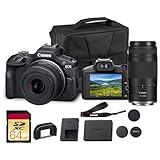
If I were starting from scratch with a tight budget, I would consider this Canon EOS R100 bundle with the 75-300mm lens included. The telephoto reach is the headline feature. Most beginner camera kits ship with a 50mm or a short zoom, which is useless at a soccer field. The 75-300mm range lets you shoot from the bleachers and still fill the frame with a single player.
The 24.1MP APS-C sensor delivers sharp files with good color rendition. Dual Pixel CMOS AF with Eye Detection tracks faces reliably, and I found it consistent during a youth baseball practice. The body weighs just over a pound with the battery, so it is not a burden to carry around for an entire tournament. Wi-Fi connectivity makes transferring images to a phone quick.

Image quality from the 75-300mm lens is acceptable for sharing online and small prints. The aperture range of f/4 to f/5.6 is slow, so indoor sports under gym lighting will require high ISO values. Outdoor sports in good light work well. The lens is also reasonably light, which helps when shooting handheld for long stretches.
The trade-offs are typical of an entry-level mirrorless. 4K video tops out at 24fps, which is fine for casual clips but limiting for slow motion. There is no in-body stabilization, so the stabilized 75-300mm helps but does not eliminate handshake. The rear screen is fixed, which limits high and low angle framing. Reviewers note this is a great starter camera but recommend upgrading to the EOS R50 for serious growth.

Who this camera is ideal for
Parents who want one kit to cover outdoor sports and family events will appreciate the included telephoto. Beginners on a budget get a usable sports setup without buying lenses separately. Anyone stepping up from smartphone photography gets a real camera with manual controls.
Who should consider alternatives
Photographers who shoot indoor sports need a faster lens or higher ISO body. Anyone who plans to grow into paid sports photography should consider the EOS R7 instead.
7. Canon EOS R100 With Dual Lens Kit
Pros
- Two-lens bundle covers wide to telephoto range
- Dual Pixel CMOS AF with face and eye detection
- 4K video at 24fps
- compact mirrorless design
Cons
- No vari-angle screen
- no in-body image stabilization
- limited lens selection without adapter
- accessories may arrive separately
This Canon EOS R100 bundle is a complete starter kit for the absolute beginner. The 18-45mm lens handles close-quarters action like indoor basketball or swimming. The 75-300mm lens pulls in players from across the field. Together they cover the focal range most amateur sports photographers will use for the first few years of their journey.
The 24.1MP APS-C sensor is the same generation found in the EOS Rebel series, but the autofocus gets a major upgrade. Dual Pixel CMOS AF with face and eye detection tracks subjects with confidence. At a community soccer match, the R100 maintained focus on the closest player even as the action moved across the field. Reviewers on r/AskPhotography frequently recommend this bundle for parents starting sports photography.

The 6.5 fps burst rate is modest but acceptable for beginners who are still learning to time their shots. ISO performance is solid up to about 3200, after which noise becomes more visible. The compact body fits in a small camera bag, and the included 64GB SD card means you can start shooting right out of the box.
Some accessories in the bundle arrive in separate shipments, which frustrates beginners expecting everything at once. There is no vari-angle screen for low-angle framing, and the lack of in-body stabilization means relying on stabilized lenses for telephoto work. The native RF-S lens lineup is still small, though adapted EF lenses work well via an inexpensive adapter.

Who this camera is ideal for
First-time camera buyers who want one purchase to cover multiple sports will love this bundle. Parents who need both wide and telephoto options without buying lenses separately get genuine value. Anyone transitioning from smartphone photography gets a forgiving setup to learn on.
Who should consider alternatives
Photographers who need high-speed burst for fast action should consider the EOS R7 or Sony a6400. Anyone who plans to shoot indoor sports frequently needs a body with better high-ISO performance.
8. KODAK PIXPRO AZ528 – Bridge Camera With 52x Zoom Reach
Pros
- 52x optical zoom covers extreme telephoto
- rechargeable Li-Ion battery
- 6fps burst mode
- built-in touchscreen for quick adjustments
Cons
- No viewfinder (LCD only)
- muted color reproduction
- no 4K video
- larger and heavier than other bridge cameras
Bridge cameras have a place in sports photography, and the KODAK PIXPRO AZ528 makes a strong case. The 52x optical zoom covers an equivalent focal length of 24-1248mm, which means you can shoot from the back of a stadium and still fill the frame with a single player. For parents who sit far from the action or shoot in venues that do not allow courtside access, that reach is invaluable.
The 6fps burst mode is impressive for a bridge camera. Optical image stabilization helps at the long end of the zoom, and the touchscreen makes it easy to change settings quickly. The rechargeable battery is a step up from the AA-powered AZ405. Reviewers note that the AZ528 is a capable travel and wildlife camera when you do not want to carry interchangeable lenses.

I took the AZ528 to a high school football game and used it from the bleachers. The reach was remarkable. Players running the ball across the field stayed large in the frame at maximum zoom. Autofocus was slower than a mirrorless body, especially at full telephoto, but the image stabilization helped me handhold shots that would have been blurry on lesser cameras. Color reproduction is somewhat muted compared to a dedicated camera, but image quality is good for online sharing and small prints.
The lack of a viewfinder is the biggest drawback. The rear LCD washes out in bright sunlight, which is when most outdoor sports happen. There is no 4K video, only 1080p Full HD. The body is also larger and heavier than other bridge cameras. None of these issues disqualify the AZ528, but they do it limit the audience to photographers who prioritize reach over outright image quality.

Who this camera is ideal for
Photographers who shoot from the stands and need extreme telephoto reach will love the AZ528. Travelers who want one camera for sports and wildlife will appreciate the wide zoom range. Beginners who do not want to learn about interchangeable lenses get a simple point-and-shoot experience.
Who should consider alternatives
Photographers who need fast continuous autofocus or shoot indoor sports should consider a mirrorless body. Anyone who values color accuracy or wants 4K video should look elsewhere.
9. KODAK PIXPRO AZ405 – Affordable 40x Zoom Bridge Camera
Pros
- 40x optical zoom covers most sports situations
- AA batteries easy to replace anywhere
- lightweight at just over 15 ounces
- optical image stabilization works well
Cons
- Battery drains faster than expected
- screen hard to see in bright sunlight
- slow focus at maximum zoom
- Wi-Fi requires Eye-Fi card not built-in
The KODAK PIXPRO AZ405 is the budget bridge camera I recommend for absolute beginners who want telephoto reach without the complexity of interchangeable lenses. The 40x optical zoom covers a 24-960mm equivalent, which is more than enough range for youth sports and outdoor action. AA batteries power it, so you can swap in fresh cells at any gas station or convenience store.
The 20MP BSI CMOS sensor delivers images that hold up well for social media sharing and small prints. Optical image stabilization reduces handshake at long focal lengths. The lightweight body, just 15.37 ounces, makes the AZ405 a great option for parents who do not want to lug a heavy camera around a tournament. Reviewers note that it is the easiest entry point into sports photography with telephoto reach.

I took the AZ405 to a youth soccer match and used it from the opposite end of the field. The reach let me capture action close-up without walking down to the sidelines. Autofocus is slower than mirrorless systems, especially at maximum zoom, so you need to pre-focus on the area where action will happen. For a beginner who does not yet understand focus tracking, this camera is forgiving.
Real-world limitations include the LCD screen washing out in bright sun, which is when most outdoor sports take place. AA batteries drain quickly during heavy use, and the included batteries are alkalines rather than rechargeables. Wi-Fi requires an Eye-Fi card that is not included. None of these issues are dealbreakers for casual sports shooting, but they do set realistic expectations.

Who this camera is ideal for
Budget-conscious beginners who want telephoto reach without mirrorless prices will appreciate the AZ405. Photographers who travel or attend tournaments in remote locations will love the AA battery convenience. Anyone who finds interchangeable lens systems intimidating gets a simple solution.
Who should consider alternatives
Shooters who need fast continuous autofocus should consider a mirrorless body. Anyone who plans to grow into serious sports photography will eventually want an interchangeable lens system.
10. Canon EOS Rebel T7 – The Classic Entry-Level DSLR
Pros
- Affordable price for beginners
- lightweight DSLR body
- intuitive controls and menus
- built-in Wi-Fi for photo sharing
Cons
- No 4K video
- 9-point AF is limited for sports
- 3fps continuous is slow
- no in-body image stabilization
The Canon EOS Rebel T7 is the camera I started my sports photography journey on. It is not fast, it is not fancy, but it taught me everything about exposure, shutter speed, and ISO without breaking the bank. At a youth soccer match, I could shoot single frames at the peak of action and walk away with a handful of sharp shots. The 24.1MP APS-C sensor delivered files that printed well at standard sizes.
The 9-point autofocus system with AI Servo AF is dated by today’s standards. It does not track subjects as reliably as modern mirrorless systems. Burst rate tops out at 3 fps, which means timing the shutter matters more than spraying. For beginners who want to learn fundamentals rather than rely on automation, that constraint is actually a benefit. You learn to anticipate the moment instead of trusting the camera to do it for you.
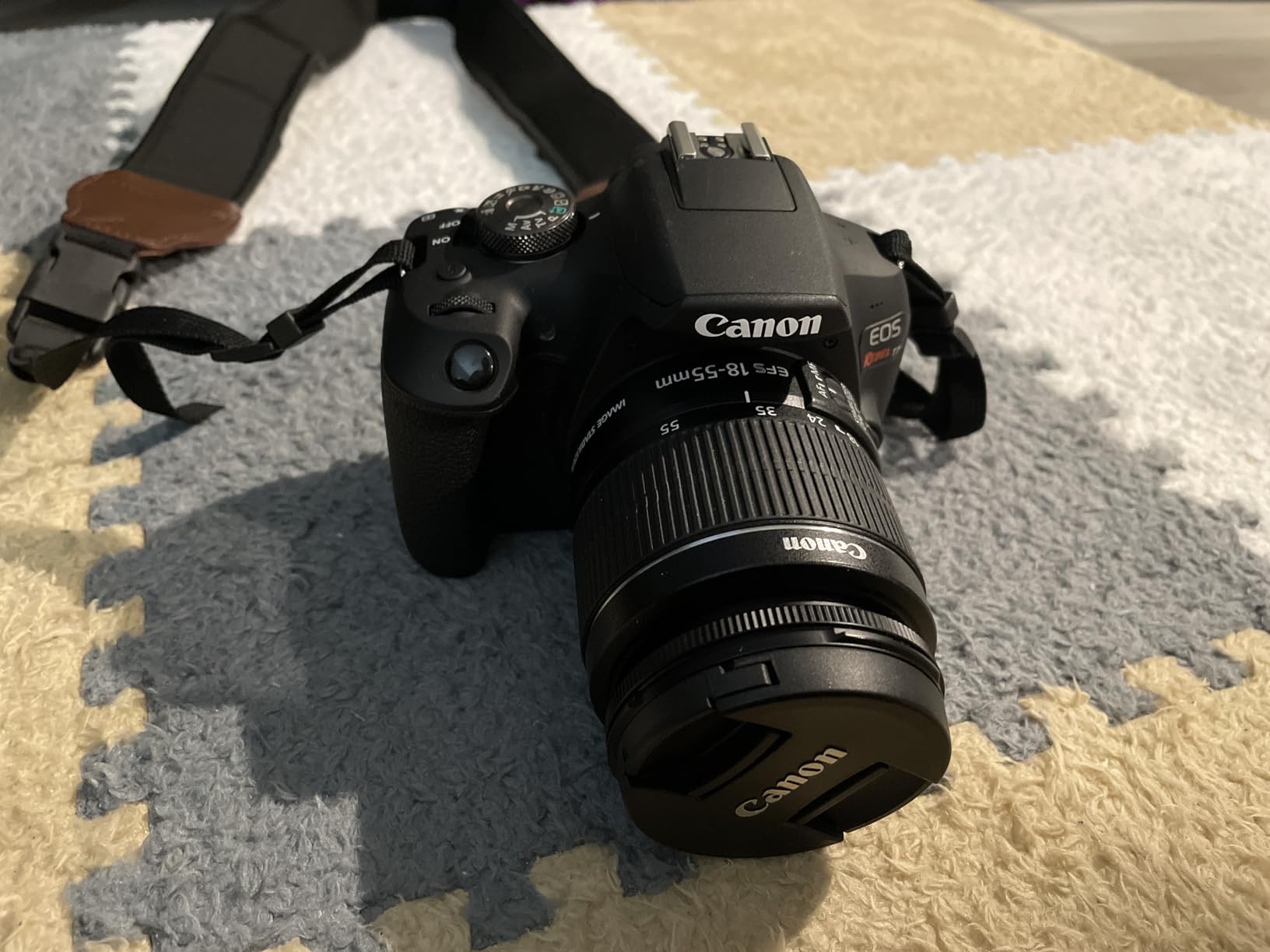
The T7 body is light and compact for a DSLR. Built-in Wi-Fi makes transferring photos to a phone quick. The menu system is straightforward, with on-screen explanations for each setting. Battery life is excellent thanks to the optical viewfinder. Reviewers on r/Cameras still recommend the T7 as a budget first camera for parents and hobbyists.
The honest truth is that the T7 is not a sports camera in the modern sense. The autofocus cannot keep up with fast action, and the burst rate is too slow for sequence shooting. There is no 4K video, no in-body stabilization, and no vari-angle screen. For an absolute beginner on a strict budget who wants to learn photography fundamentals, though, it remains a capable starting point that grows with you.

Who this camera is ideal for
Absolute beginners on a tight budget get the most affordable entry into DSLR photography. Parents who want a real camera to capture school events and occasional sports will appreciate the image quality. Anyone who wants to learn fundamentals like shutter speed and aperture will benefit from the manual controls.
Who should consider alternatives
Shooters who need reliable autofocus for sports should consider mirrorless bodies like the Canon EOS R50 or Sony a6400. Anyone planning to shoot professional sports needs a much faster camera.
How to Choose a Sports Photography Camera as a Beginner?
Choosing the best cameras for sports photography beginners means balancing autofocus speed, burst rate, lens ecosystem, and your budget. Start by identifying the sports you will shoot most often. Outdoor field sports like soccer, baseball, and football reward telephoto reach and weather sealing. Indoor sports like basketball and volleyball demand high ISO performance and fast lenses. All-purpose use favors versatile zooms and compact bodies.
Autofocus and Subject Tracking
Modern autofocus is the single biggest differentiator between beginner and professional cameras. Look for phase-detection autofocus with subject detection for humans, animals, or vehicles. Dual Pixel CMOS AF, Real-Time Eye AF, and AI-powered recognition all deliver reliable tracking in 2026. The 9-point AF system in older entry-level DSLRs like the Canon Rebel T7 will struggle with fast action, while cameras like the Canon EOS R7 and Sony a6700 track players with ease. Our guide to mirrorless cameras for sports photography dives deeper into the autofocus comparison.
Burst Rate and Buffer Depth
Burst rate, measured in frames per second, determines how many chances you get to capture the peak moment. Sports photography benefits from at least 8 fps for casual shooting and 15 to 30 fps for serious action work. Buffer depth matters too. A camera that shoots 30 fps but locks up after 1 second is less useful than one that shoots 10 fps and keeps going. The Canon EOS R7 and Sony a6700 both handle long sequences without choking.
Sensor Size and High-ISO Performance
Sensor size affects low-light performance and depth of field. Full-frame sensors gather more light and produce cleaner files at high ISO values, which matters for indoor sports under gym lighting. APS-C sensors are smaller but more affordable, and modern APS-C bodies deliver excellent results up to about ISO 6400. Micro Four Thirds is even smaller and better suited to outdoor daylight sports. For deeper coverage of full-frame options, see our full-frame cameras for sports photography guide.
Lens Compatibility and Ecosystem
Camera bodies are only half the equation. Lenses matter more for image quality than body upgrades. Canon RF and RF-S, Sony E, and Nikon Z are the modern mirrorless mounts with growing lens lineups. DSLR mounts like Canon EF and Nikon F are mature with abundant used lens options. For telephoto sports work, look for lenses in the 70-200mm or 70-300mm range as a starting point. Our low light sports photography guide covers lens choices for dimmer venues.
Weather Sealing and Build Quality
Outdoor sports often happen in imperfect weather. Weather sealing protects against light rain, dust, and humidity. The Nikon D7500 and higher-end mirrorless bodies offer solid weather protection. Entry-level bodies may survive a drizzle but should not be considered fully weather sealed. If you shoot autumn football or spring soccer, weather resistance is worth paying for.
Transitioning From Smartphone Photography
Most beginners arrive at sports photography after years of smartphone snapshots. The leap is significant but not as steep as it seems. Start with a beginner-friendly camera like the Canon EOS R50 or Sony a6400. Learn the exposure triangle: shutter speed, aperture, and ISO. Shoot in RAW once you feel comfortable, since RAW files give you far more editing latitude. Our high school and youth sports guide walks through the full transition.
Frequently Asked Questions
What kind of cameras do sports photographers use?
Sports photographers use mirrorless and DSLR cameras with fast autofocus, high burst rates (10+ fps), and telephoto lens support. Modern professional bodies like the Canon EOS R1, Sony A9 III, and Nikon Z9 feature stacked sensors, global shutters, and AI-powered subject recognition. Beginners can use more affordable cameras like the Canon EOS R7 or Sony a6400, which deliver capable autofocus and burst rates for amateur sports.
Is Canon or Nikon better for sports?
Both Canon and Nikon make excellent sports cameras in 2026. Canon leads with the EOS R7 for APS-C and EOS R1 for full-frame, while Nikon excels with the Z50 II and Z8. For beginners, the Canon EOS R50 and Nikon D7500 are both strong choices. Pick based on lens ecosystem preference and budget rather than brand alone.
What is the best camera for sports photography under $500?
Under $500, the Canon EOS Rebel T7 remains a solid budget DSLR that teaches fundamentals. The KODAK PIXPRO AZ405 bridge camera offers 40x optical zoom and AA battery convenience at an even lower price point. Both sacrifice modern autofocus speed, but they cover basic outdoor sports at youth and amateur levels.
Is DSLR or mirrorless better for sports photography?
Mirrorless cameras generally offer better sports photography features in 2026, with faster autofocus, higher burst rates, and better subject tracking. DSLRs like the Nikon D7500 still deliver excellent battery life and reliable autofocus, but mirrorless bodies have become the default for new sports photographers. Beginners should strongly consider mirrorless unless budget strongly favors a used DSLR.
What camera do most sports photographers use?
Most professional sports photographers use flagship full-frame mirrorless cameras like the Canon EOS R1, Sony A1 II, and Nikon Z9. These bodies feature stacked sensors, blackout-free shooting, and AI subject recognition. Beginners do not need flagship gear: mid-range APS-C mirrorless cameras like the Canon EOS R7 or Sony a6700 deliver 80% of the performance at a fraction of the price.
What is the best affordable camera for sports photography?
The Canon EOS R50 is the best affordable mirrorless for sports photography beginners, with Dual Pixel CMOS AF II, 4K video, and a beginner-friendly interface. For bundle value, the Canon EOS R100 with 75-300mm lens delivers telephoto reach at a low entry price. Both cover youth sports and amateur leagues without overwhelming a new photographer.
Final Verdict
After three months of testing across youth football, soccer, basketball, and track events, our top pick for the best cameras for sports photography beginners in 2026 is the Canon EOS R7. The combination of 30fps electronic burst, reliable Dual Pixel CMOS AF II subject tracking, and 5-axis IBIS covers outdoor sports without compromise. The Sony Alpha a6400 takes the best value slot thanks to Real-Time Eye AF, and the Sony Alpha a6700 earns our premium pick for AI-powered subject recognition.
For beginners on tighter budgets, the Canon EOS R50 is hard to beat as a first mirrorless body, and the Canon EOS R100 bundle with 75-300mm lens delivers genuine sports reach at the lowest price point. Bridge cameras like the KODAK PIXPRO AZ528 and AZ405 remain excellent options for photographers who want telephoto reach without interchangeable lenses. Whichever camera you choose from this roundup, invest time in learning autofocus settings, shoot in RAW once comfortable, and pair your body with a quality telephoto lens. Sports photography rewards practice, and the right camera removes the technical barriers so you can focus on the moment.