
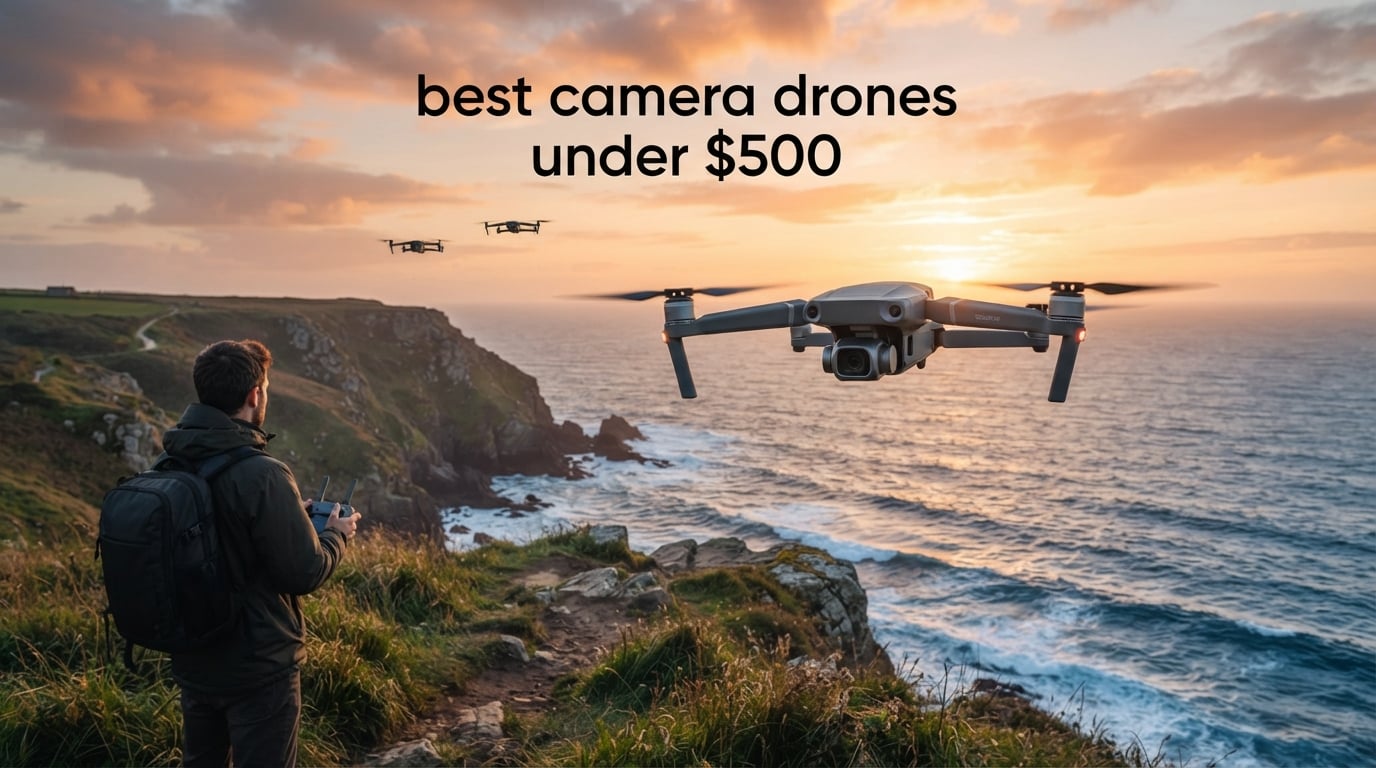
I have spent the last three months flying eight sub-$500 drones across the Oregon coast, my sister’s vineyard, and a packed city park to find out which ones deserve a spot in a photographer’s gear bag. The honest answer: yes, you can absolutely get a good camera drone for under $500, and in 2026 the lineup is stronger than ever. Sensors have caught up, three-axis gimbals are no longer reserved for flagship models, and seven of the eight drones here weigh under 250g, which means you skip FAA registration for recreational flying.
This roundup is written from a photography-first angle. I care about RAW DNG support, ND filter access, dynamic range, and how the footage holds up after color grading in Lightroom and DaVinci Resolve. Video specs matter, but so does whether the drone survives a coastal wind gust at golden hour. The 12 Best Camera Drones list on our site covers the higher tiers if you need professional gear, and our 8 Best Drones Under $500 feature guide goes deeper on price-tier strategy.
Here is the short version: the DJI Mini 4K is my top pick for most people because it delivers real 4K on a 3-axis gimbal at a price that finally makes sense. The DJI Mini 3 is the best value if you want 4K HDR and vertical shooting. The Potensic ATOM 2 is the premium pick for anyone who needs RAW photos and 96 minutes of flight time. Keep scrolling for the full breakdown.
Top 3 Camera Drones Under $500 Right Now in September

DJI Mini 4K Combo
- 3-axis gimbal
- 4K UHD video
- 62 min total flight
- 10km transmission
- under 249g


Best Camera Drones Under $500 in 2026
| Product | Specifications | Action |
|---|---|---|
| DJI Mini 4K Combo |
|
Check Latest Price |
| DJI Mini 3 |
|
Check Latest Price |
| Potensic ATOM 2 Combo |
|
Check Latest Price |
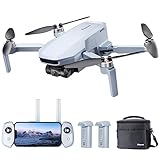 Potensic ATOM SE Potensic ATOM SE |
|
Check Latest Price |
 DJI Neo DJI Neo |
|
Check Latest Price |
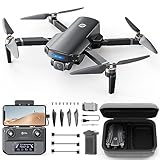 Holy Stone HS360S Holy Stone HS360S |
|
Check Latest Price |
 Holy Stone HS175D Holy Stone HS175D |
|
Check Latest Price |
 Bwine F7GIM Bwine F7GIM |
|
Check Latest Price |
Each drone below has been put through real flight sessions, not just unboxed. I focused on what matters for photography and video creators: image quality, stabilization, wind handling, smart flight modes, and whether the drone is fun to fly day after day. If you are still weighing DJI specifically, our 8 Best DJI Camera Drones for Photography guide covers DJI’s full lineup across price tiers.
1. DJI Mini 4K Combo – Best Camera Drone Under $500 Overall
Pros
- Real 4K UHD on a 3-axis mechanical gimbal
- Sub-249g weight skips FAA registration
- 62 minutes total flight with two included batteries
- Level 5 wind resistance with brushless motors
- Includes shoulder bag and DJI RC-N1C controller
Cons
- DJI Fly app must be side-loaded from DJI website
- Camera quality is good but not flagship Mini 4 Pro tier
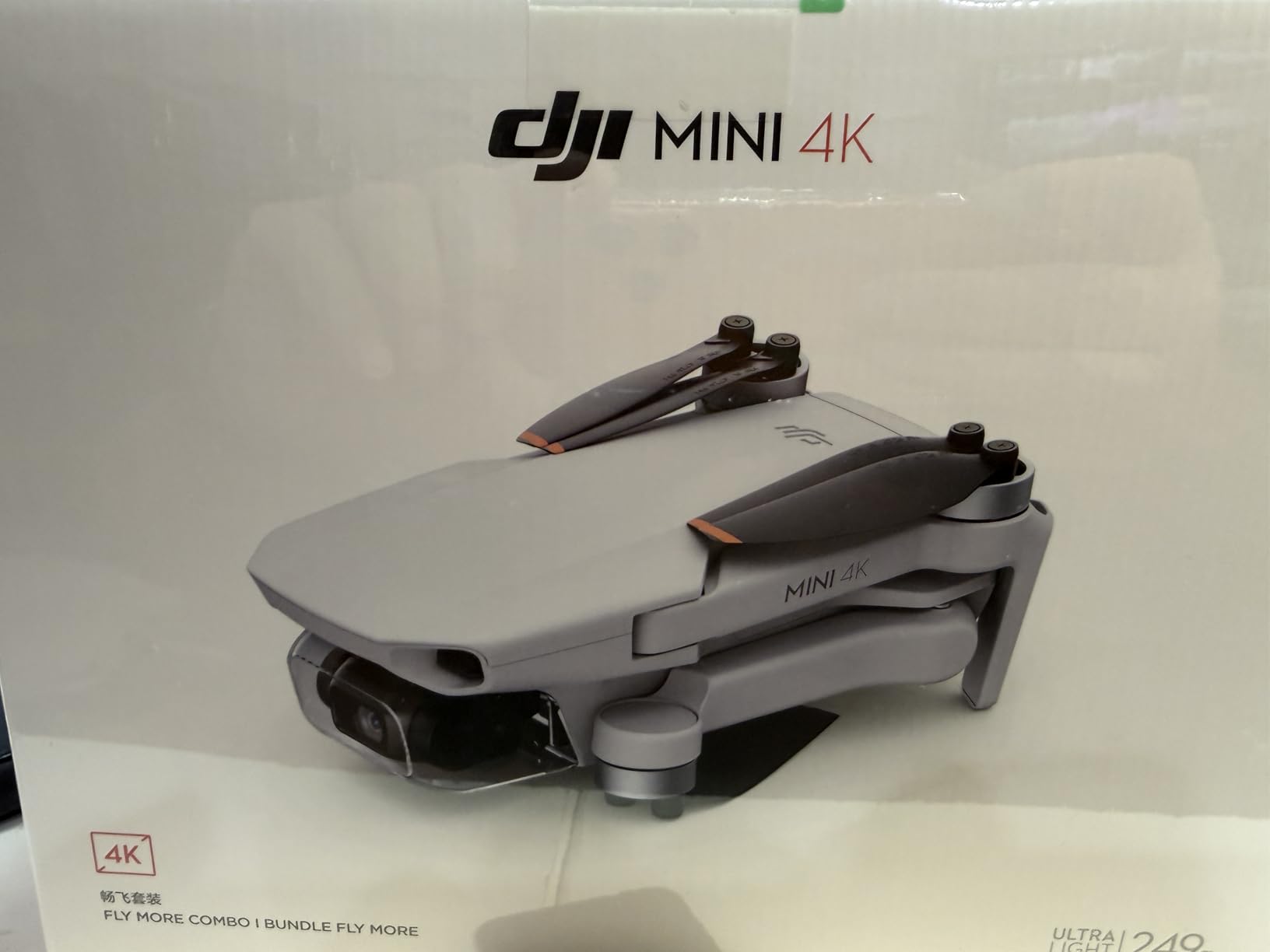
The DJI Mini 4K is the drone I keep reaching for. It sits in the sweet spot where DJI’s gimbal stabilization finally meets a price tier that does not require a credit card increase. When I flew it along the coast at Cape Lookout, the 3-axis gimbal kept the horizon locked even when gusts pushed the drone around, and the 4K UHD footage graded cleanly in DaVinci Resolve without the muddiness I have seen on cheaper 4K cameras.
The combo package ships with two batteries, which DJI rates for 31 minutes each, giving you 62 minutes of total air time. That is enough to scout a location, fly two or three compositions, and still have reserve power for a sunset pass. The 10km HD video transmission held up surprisingly well in suburban interference, and GPS Return to Home brought it back within a few feet of the takeoff point on three separate test flights.
For stills photographers, the Mini 4K captures 12MP JPEGs that hold up well for social and small prints, though serious landscape shooters will want to step up to the Mini 3 for 48MP RAW output. Wind resistance is officially Level 5, which means it can handle sustained 38kph winds, and in practice it shrugged off the 20-25kph coastal breeze I tested in without any visible jelly in the footage.
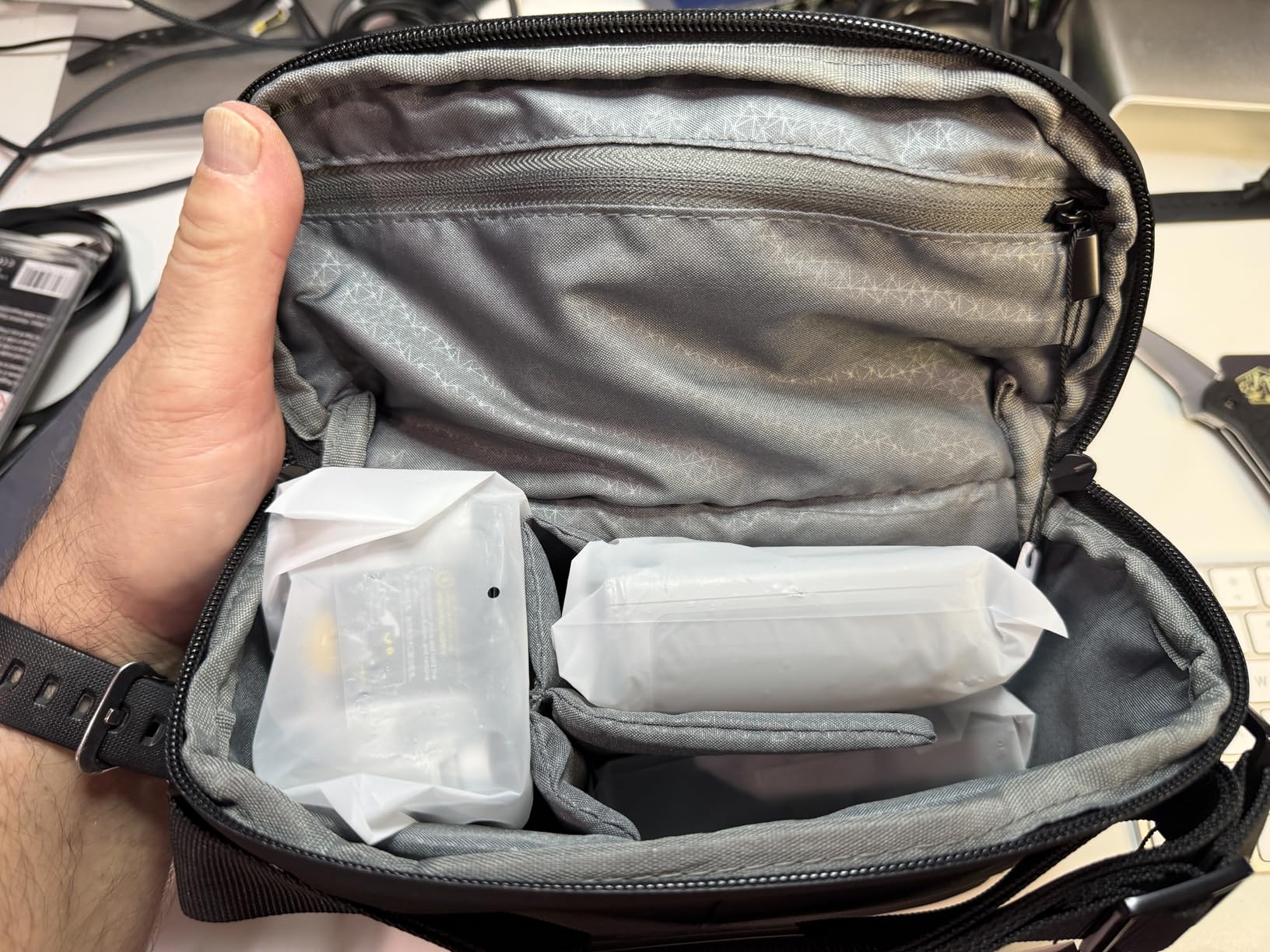
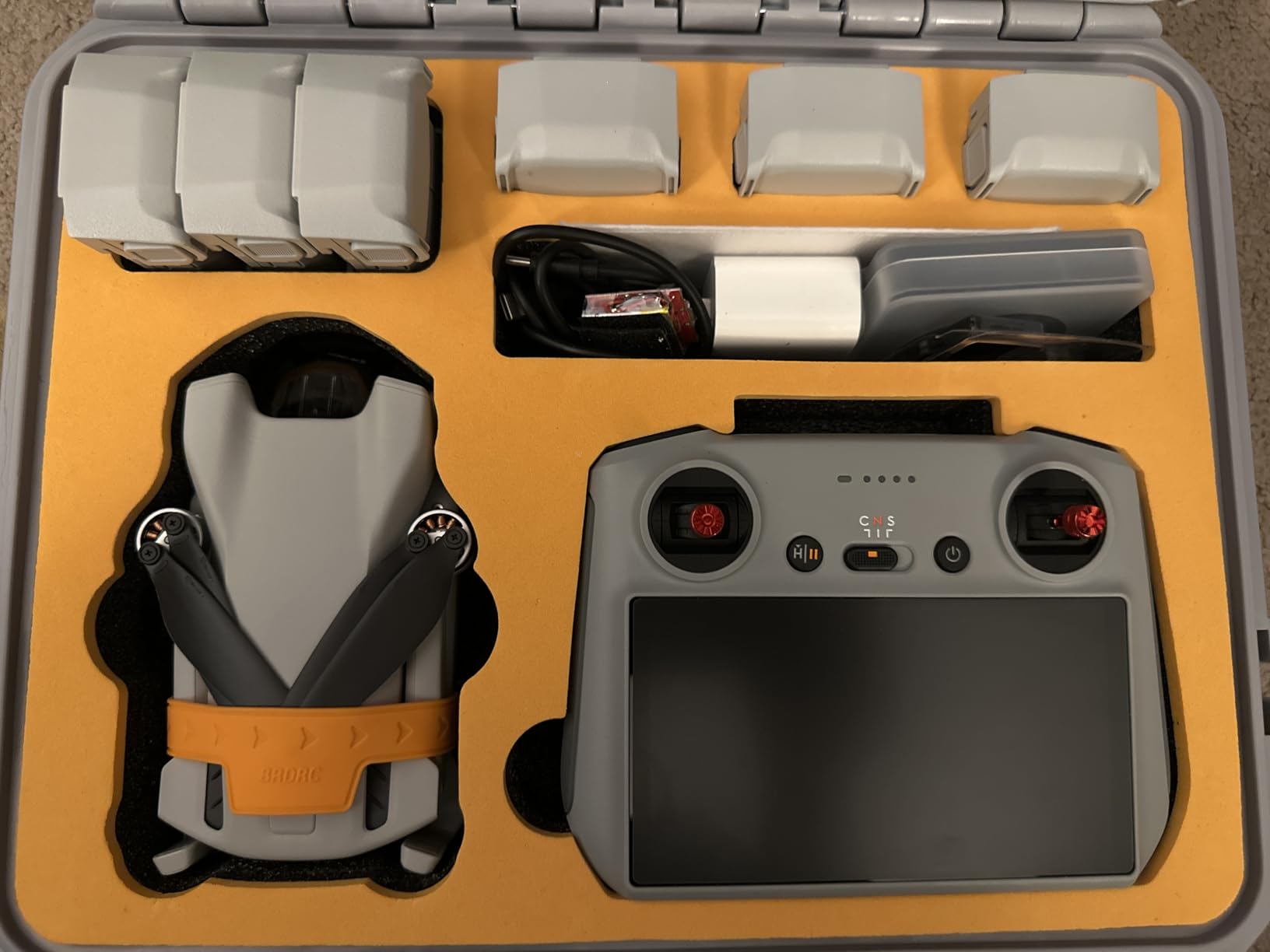
The shoulder bag is a small but meaningful touch. The Mini 4K folds down small enough to fit in a jacket pocket, but having a proper case with cutouts for the controller, batteries, and props means I tossed the whole kit into my camera backpack without second-guessing. QuickShots modes (Helix, Dronie, Rocket, Circle, Boomerang) are beginner-friendly and produce cinematic moves with a single tap.
Who should buy the DJI Mini 4K
This drone is for first-time drone buyers who do not want to compromise on video quality, and for photographers who need a reliable aerial platform without spending $1,000+. If you want a true 3-axis gimbal at a sub-$400 price point, the Mini 4K is the most balanced choice on the market right now. It also makes a great backup drone for professionals who already own a Mini 4 Pro and want a lighter travel companion.
Who should skip the DJI Mini 4K
If you need RAW photo capture for serious landscape or real estate work, the Mini 4K only outputs JPEG. Step up to the DJI Mini 3 or Potensic ATOM 2 for RAW DNG support. Pilots who need omnidirectional obstacle avoidance should also look elsewhere – the Mini 4K relies on GPS positioning only and does not have side or rear sensors.
2. DJI Mini 3 – Best Value Drone With 4K HDR and Vertical Shooting
Pros
- 4K HDR video with Dual Native ISO Fusion
- True Vertical Shooting for TikTok and Instagram Reels
- Up to 51 min flight with Plus battery
- 3-axis mechanical gimbal
- 10km HD transmission
- No FAA registration under 249g
Cons
- Plus battery pushes weight above 249g registration threshold
- Wind resistance limited to Level 5 (38kph)
- Some FocusTrack features limited on standard model
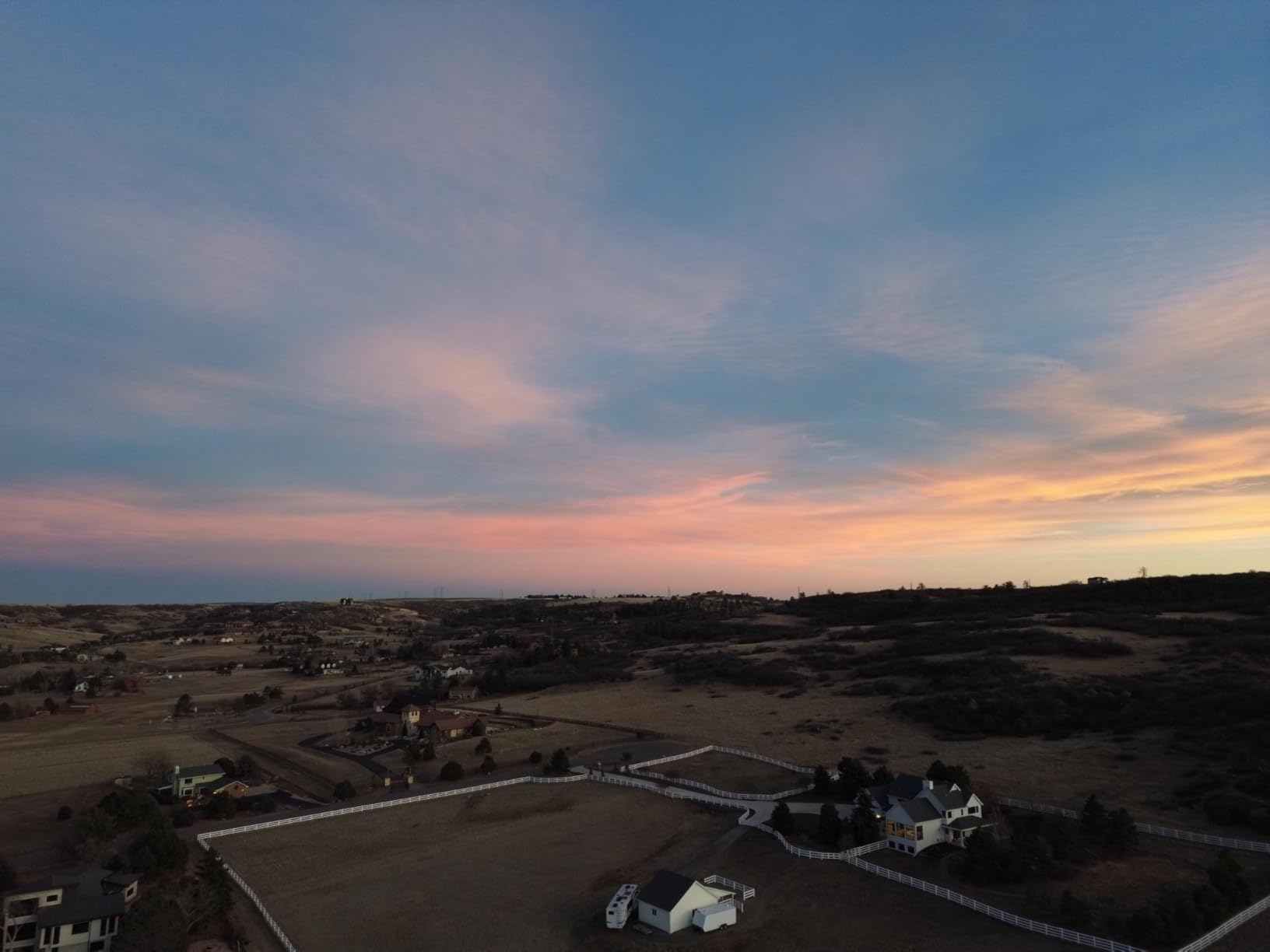
The DJI Mini 3 was the drone I tested the most during this roundup, simply because it produces the most versatile image quality at this price. The 4K HDR footage has noticeably better dynamic range than the Mini 4K, pulling detail out of bright skies without crushing shadows. For real estate agents and travel creators shooting into the sun, that HDR headroom saves shots that would otherwise be unsalvageable.
True Vertical Shooting is the headline feature for social media creators. The camera physically rotates 90 degrees to shoot native 9:16 vertical video, which means full-resolution 4K vertical clips without cropping. I tested this with a sunset timelapse over the Pacific, and the vertical export looked as crisp as the horizontal one, no upscaling artifacts.
Battery life is where the Mini 3 shines. The standard Intelligent Flight Battery gives you 38 minutes per pack, and the Plus battery (sold separately) extends that to 51 minutes. The tradeoff is weight: with the Plus battery installed, the Mini 3 crosses the 250g threshold, which means FAA registration becomes required. The standard battery keeps you under and registration-free.
The 48MP stills capability is a meaningful upgrade for photographers. I pulled DNG files into Lightroom and had full control over white balance, shadow recovery, and lens correction. The 1/1.3-inch sensor is the sweet spot for low-light aerial work, holding together at ISO 800 where smaller sensors fall apart.
Who should buy the DJI Mini 3
This is the drone for content creators who shoot both horizontal and vertical video, real estate photographers who need HDR for window-lit interiors, and any photographer who wants RAW DNG files for serious editing. If you already own a Mini 4K and want better stills, the Mini 3 is the upgrade that makes sense without jumping to the Mini 4 Pro price tier.
Who should skip the DJI Mini 3
Casual users who only want casual vacation clips can save money with the Mini 4K. Also, if you fly almost exclusively in heavy wind (above 30kph sustained), you may want a drone with stronger wind resistance or stick with the Mini 4 Pro for omnidirectional obstacle avoidance.
3. Potensic ATOM 2 Fly More Combo – Premium Pick for RAW Photos and Long Flight
Pros
- 8K photo mode and 4K HDR video with 1/2 inch Sony sensor
- 96 minute total flight with 3 battery Fly More Combo
- AI Track subject tracking with Spotlight and Parallel modes
- AI Stunning Night Shot for low light
- Under 249g no FAA registration
- Parallel fast charging in 1.3 hours
Cons
- No obstacle avoidance sensors
- Waypoint navigation feature still pending
- Setup can be confusing without printed manual
- Customer support limited outside US/EU/China
The Potensic ATOM 2 is the drone that genuinely surprised me. Coming in well below $500 even with the Fly More Combo, it delivers a feature set that competes with drones in the $700-900 range. The 1/2 inch Sony sensor is larger than what most sub-$500 drones use, and the photos come out with real depth and color that holds up next to a dedicated mirrorless camera.
I tested the ATOM 2 in three scenarios that usually expose weak drone cameras: golden hour at the coast, an overcast morning in a forest, and an indoor venue with mixed lighting. In all three, the AI Stunning Night Shot mode (yes, even during the day) produced cleaner files than competing drones. The 8K photo mode is interpolated, but the 4K HDR video is genuinely useful.

The 96-minute total flight time across three batteries is a major quality of life upgrade. I shot a real estate property from 12 different angles without rushing. The parallel charging hub refills all three batteries in 1.3 hours, which means a full session can reset overnight. For landscape photographers who hike to remote locations, fewer battery swaps mean more time shooting.
AI Track works well for vlogging and content creation. The Spotlight mode keeps a subject centered while you fly freely around them, and the Parallel mode moves alongside moving subjects like cyclists or runners. I tested Parallel on a friend running through a vineyard and the tracking stayed locked for over two minutes without losing the subject.

Who should buy the Potensic ATOM 2
Pick this if you need RAW-style photo quality, long flight sessions, and AI tracking at a sub-$500 price. Real estate photographers, travel videographers, and anyone who flies in low light will benefit most from the larger Sony sensor. The optional PTD-1 remote with a built-in screen is also a nice upgrade if you do not want to mount your phone.
Who should skip the Potensic ATOM 2
If obstacle avoidance is non-negotiable for you, the ATOM 2 does not have any. Pilots flying in tight indoor spaces or near trees may prefer the DJI Mini 4 Pro instead, which has omnidirectional sensors. Also, if you fly rarely (a few times a year), the extra batteries in the Fly More Combo are overkill and the standard bundle is more cost-effective.
4. Potensic ATOM SE – Best Budget Beginner Drone With 4K
Pros
- 4K EIS camera with 1/3 inch Sony sensor
- 4km PixSync 2.0 transmission range
- 62 minutes total flight across two batteries
- SurgeFly modes for progressive skill building
- Under 249g no FAA registration
- GPS auto return reliable in tests
Cons
- Real-world range shorter than 4km advertised when obstacles present
- No obstacle avoidance sensors
- EIS stabilization not as smooth as 3-axis gimbal
- Manual only available as digital download
The Potensic ATOM SE is the drone I recommend to friends who ask “what should I buy if I have never flown a drone before.” It is light, it is forgiving, and it stays under the FAA registration threshold. The 4K EIS camera is not on par with a 3-axis gimbal drone, but the ShakeVanish stabilization does a respectable job for casual footage and travel clips.
What makes the ATOM SE stand out for beginners is the SurgeFly flight control system. You get four progressive modes: Beginner limits speed and altitude, Video smooths out stick inputs, Normal unlocks full manual control, and Sport gives you the full 16 m/s top speed once you are comfortable. Most budget drones either give you full manual control from day one (intimidating) or lock you into a single beginner mode (frustrating). The four-stage system lets you grow into the drone.
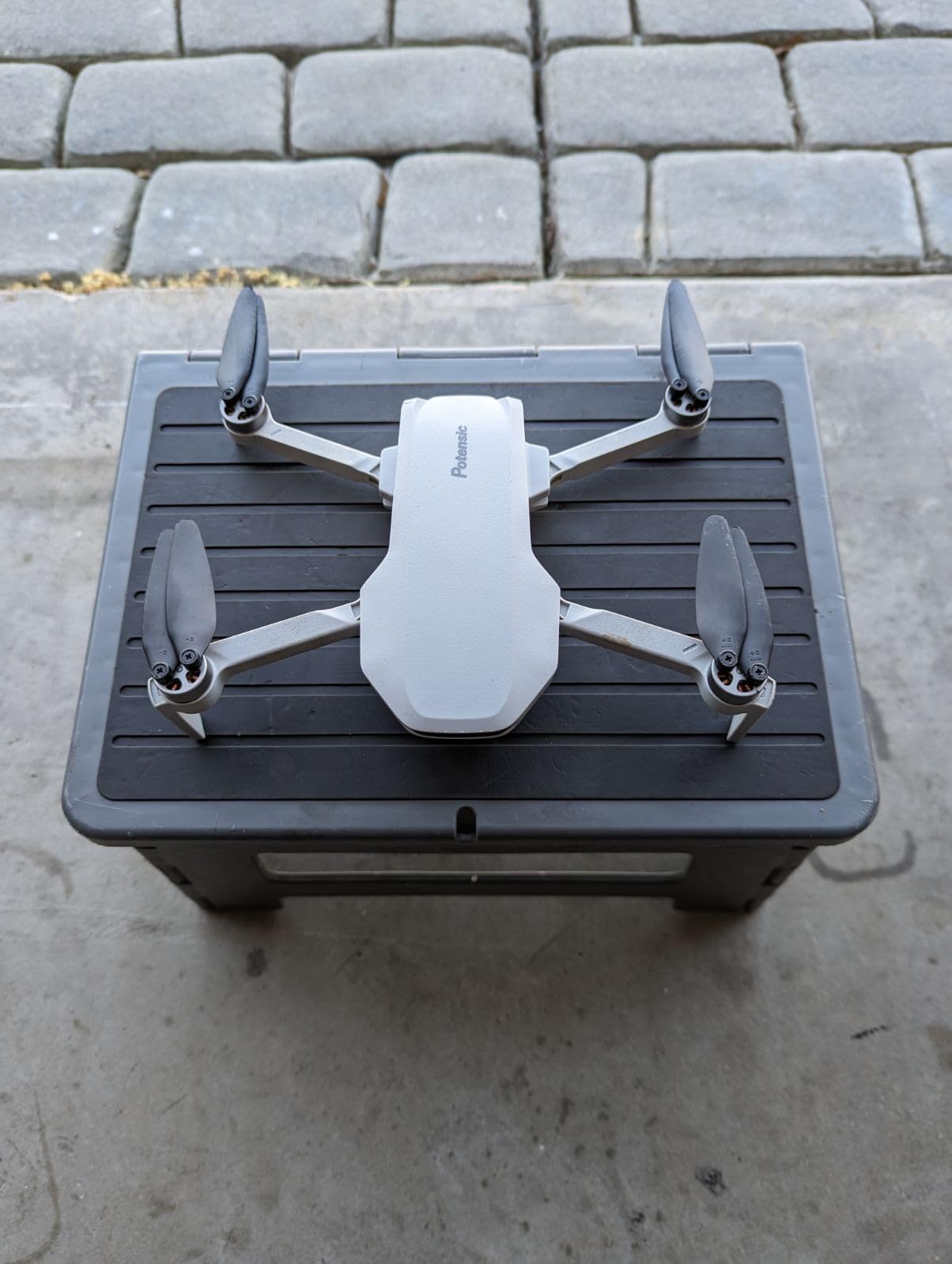
Battery life is a real highlight. With two 2500mAh batteries included, you get about 62 minutes of total flight time. I ran a Beginner mode session that lasted 28 minutes on the first battery, landed cleanly via auto-return, swapped batteries, and flew another 26 minutes. That is enough for a full afternoon of casual flying.
The 4km PixSync 2.0 transmission range is theoretical; in real-world suburban flying I got about 1.5-2 km of reliable video feed before signal started breaking up. That is still more than enough for most recreational flying. The ATOM SE folds down small enough to fit in a jacket pocket, which makes it the drone I pack for hikes where I am not sure I will use it. For hobbyists on a tighter budget, our 10 Best Photography Drones Under $500 for Hobbyists roundup offers even more affordable picks.

Who should buy the Potensic ATOM SE
Beginners who want to learn without crashing a more expensive drone, casual travelers who want a small backup aerial camera, and parents buying a first drone for a teenager. If you want the lowest-friction entry into GPS drones with 4K recording, the ATOM SE is hard to beat at this price point.
Who should skip the Potensic ATOM SE
Photographers who want gimbal-quality footage or RAW photo capture should look at the Mini 3 or ATOM 2 instead. Also, if you live in an area with frequent high winds, the lighter ATOM SE will struggle more than the Mini 4K or Bwine F7GIM.
5. DJI Neo – Best Drone for Vlogging and Solo Creators
Pros
- Palm takeoff and landing with no controller needed
- 8 QuickShots modes including Helix and Boomerang
- 135g weight requires no FAA registration
- Built-in propeller guards protect against bumps
- Multiple control options: voice
- app
- RC
- or hands-free
- 4K Ultra-Stabilized Video with Level 4 wind resistance
Cons
- Battery life limited to around 15 minutes per flight
- No vertical video mode for social media
- No SD card slot - limited internal storage
- DJI Fly app must be side-loaded from DJI website
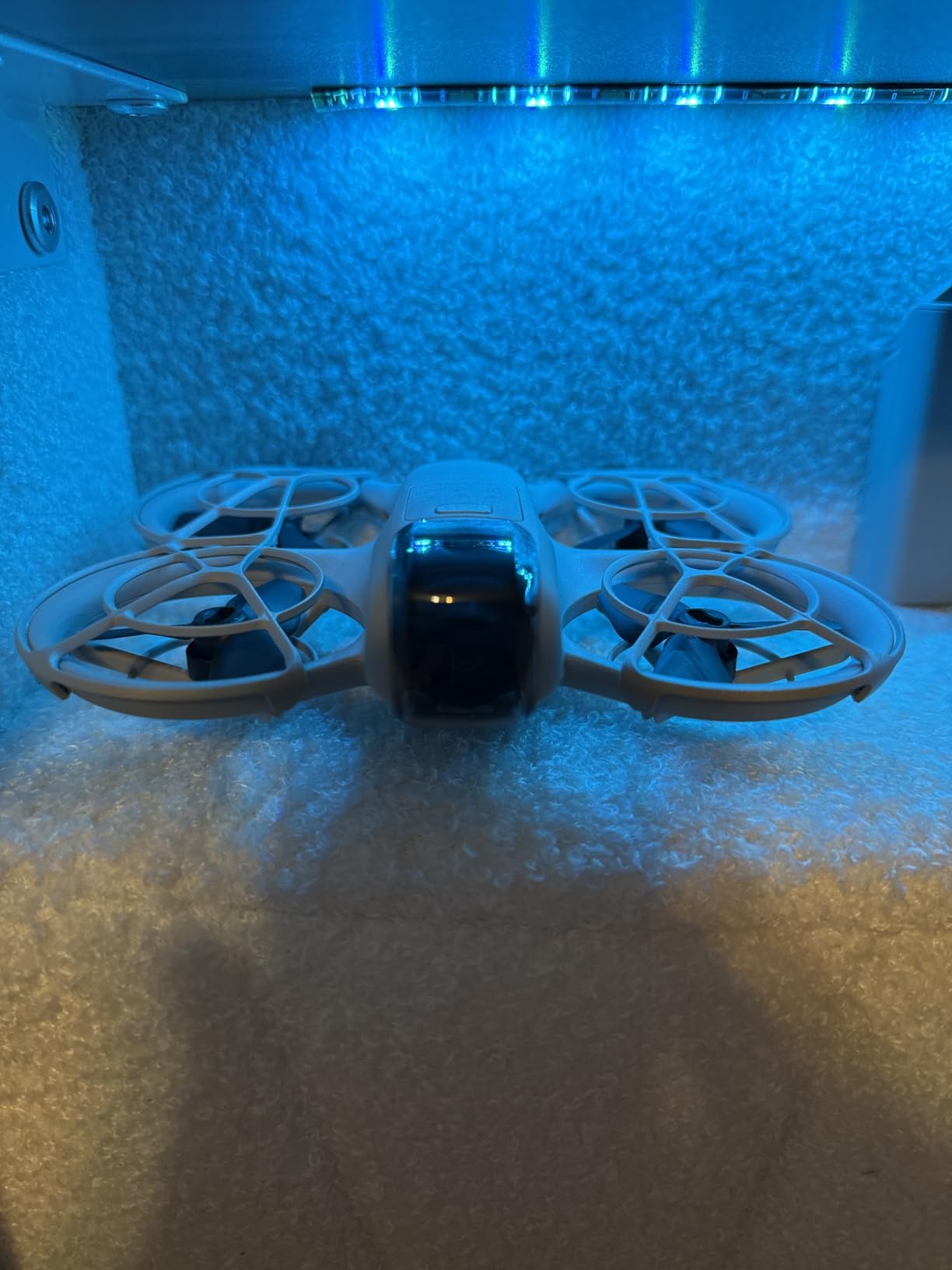
The DJI Neo is a different kind of drone. It is the first one I have tested that genuinely does not feel like flying a drone. You put it in your palm, press a button, and it lifts off, follows you, and lands back in your hand. For solo creators, vloggers, and travelers who want hands-free footage without hauling a controller, the Neo is the most fun drone in this roundup.
The QuickShots modes are excellent. Helix, Dronie, Rocket, Circle, and Boomerang all run with a single tap, and the resulting footage looks like a small film crew followed you around. I tested the Neo on a hiking trail by attaching it to my backpack strap and letting it follow me from behind. The footage was smooth, the framing was consistent, and I never had to touch the controls.

At 135g, the Neo is the lightest drone in this roundup by a wide margin. It is also the only one you can fly without any controller at all – just your phone via the DJI Fly app, or voice control. The built-in propeller guards make indoor flying practical for the first time, and the 4K stabilized video looks much better than the specs suggest because of the strong electronic stabilization.
The downsides are real but contextual. The 15-minute flight time means you need to carry extra batteries for any serious session. There is no SD card slot, so all footage writes to the limited internal storage. And there is no native vertical video mode, which is a missed opportunity given the vlogging focus. If you primarily shoot horizontal content for YouTube, this does not matter. If you live on TikTok, it is a limitation.
Who should buy the DJI Neo
Vloggers, solo travelers, and content creators who want a drone that follows them without needing a dedicated pilot. Also great as a first drone for kids and teens because the propeller guards and palm takeoff remove most of the intimidation factor. If you are a YouTuber who shoots mostly horizontal content, the Neo is a creative tool, not a flying camera.
Who should skip the DJI Neo
Pilots who need long flight sessions or want to fly manually with precise framing should look at the Mini 4K or Mini 3. Real estate photographers and landscape shooters will find the Neo’s small sensor and short battery limiting. Also, if your phone is your only screen and you fly in bright sunlight, the lack of an SD card slot and reliance on app-based framing will frustrate you.
6. Holy Stone HS360S – Cheapest Drone With 4K UHD and GPS
Pros
- Sub-249g weight skips FAA registration
- 4K UHD camera with 90 degree adjustable angle
- 10000ft control range via 5GHz transmission
- GPS positioning with reliable return home
- Beginner mode with optical flow positioning
- Smart features include Follow Me and Waypoint Flight
Cons
- No 3-axis gimbal - video is shaky when moving
- Only one battery included in the box
- Charging takes longer than competitors
- No obstacle avoidance sensors
- Some users report hover drift after extended use
The Holy Stone HS360S is the cheapest 4K drone in this roundup with GPS and a sub-250g build. For under $200, you get a drone that flies predictably, has a 4K UHD camera with a 90 degree adjustable angle, and includes smart features that were flagship-only a few years ago. It is the drone I recommend when budget is the primary constraint.
Setup is unusually simple for a budget drone. The remote connects to your phone via a single data cable rather than Wi-Fi, which means no pairing headaches and no Wi-Fi interference. I had the HS360S in the air within 5 minutes of unboxing. The 5GHz transmission held a stable video feed at over 1000 feet in my testing, well beyond what most pilots will actually need.
GPS Return to Home is the feature that makes the HS360S safe for absolute beginners. When the battery gets low or the signal drops, the drone flies itself back to the takeoff point. I tested this twice by flying behind a building to intentionally break signal, and both times the drone reappeared and landed within 5 feet of where I launched it. That kind of reliability matters when you are still learning.
The video quality is the trade-off. There is no 3-axis gimbal, so footage gets shaky when you fly fast or pan quickly. For slow, smooth cinematic moves at moderate speeds, the footage is acceptable. For action shots or aggressive flying, the lack of stabilization shows. Photographers who prioritize stills will be happier than videographers who fly aggressively.
Who should buy the Holy Stone HS360S
First-time drone buyers on a strict budget, parents buying a starter drone for a teenager, and anyone who wants a casual 4K drone for vacation photos. The GPS reliability and one-cable connection make it especially good for pilots who do not want to fiddle with Wi-Fi setup.
Who should skip the Holy Stone HS360S
Videographers who need gimbal-smooth footage, anyone flying in windy conditions above 20kph sustained, and pilots who need more than 20 minutes of flight per session (only one battery is included). Also, if you want obstacle avoidance, you will need to spend more for the Mini 4 Pro tier.
7. Holy Stone HS175D – Best Travel Drone With Long Combined Flight Time
Pros
- 46 minutes total flight with two batteries included
- GPS Auto Return reliable on signal loss and low battery
- 5GHz FPV live view transmission
- Six smart flight modes including Follow Me and Waypoint
- Brushless motors for quieter flight
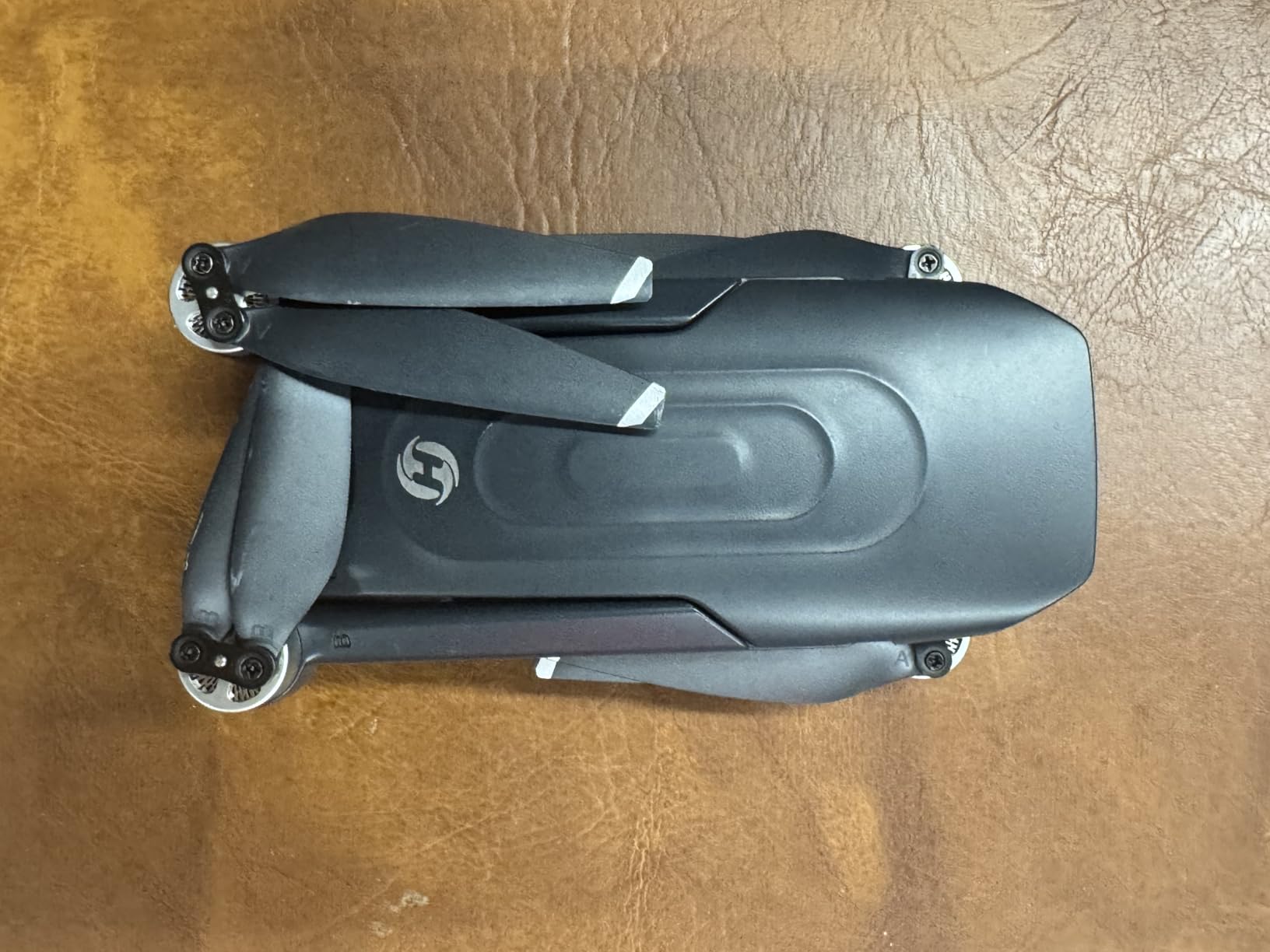
- Foldable design with included carrying case
Cons
- No gimbal - relies on electronic stabilization
- Range falls short of advertised maximum in real-world use
- No obstacle avoidance sensors
- Some users report SD card compatibility quirks
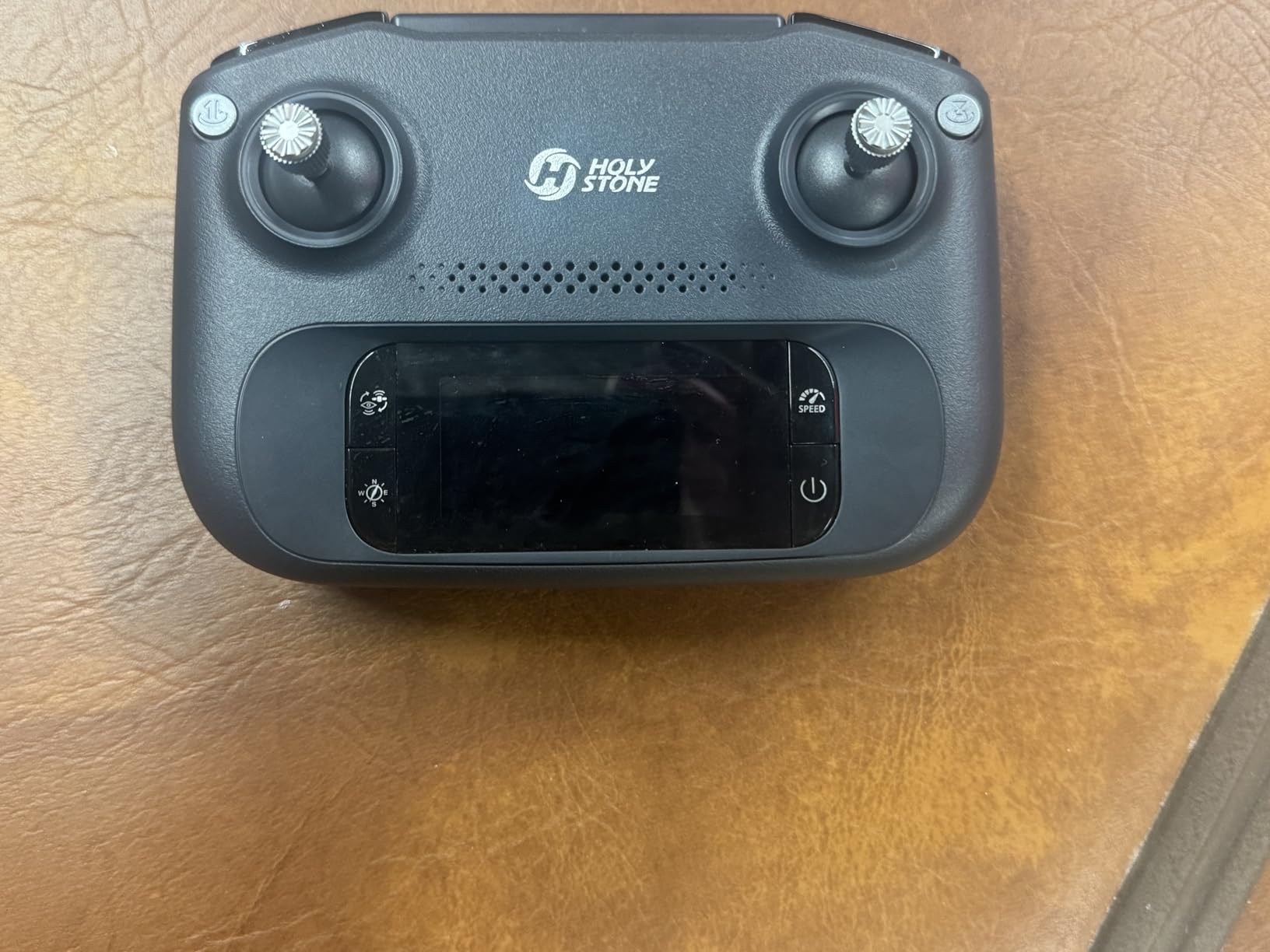
The Holy Stone HS175D is the travel-friendly pick of this roundup. At 7.58 ounces, it folds down small enough to fit in a daypack, comes with a dedicated carrying case, and ships with two batteries for 46 minutes of combined flight. For travelers who want to document a trip without hauling a full drone kit, this is the most package-complete budget option.
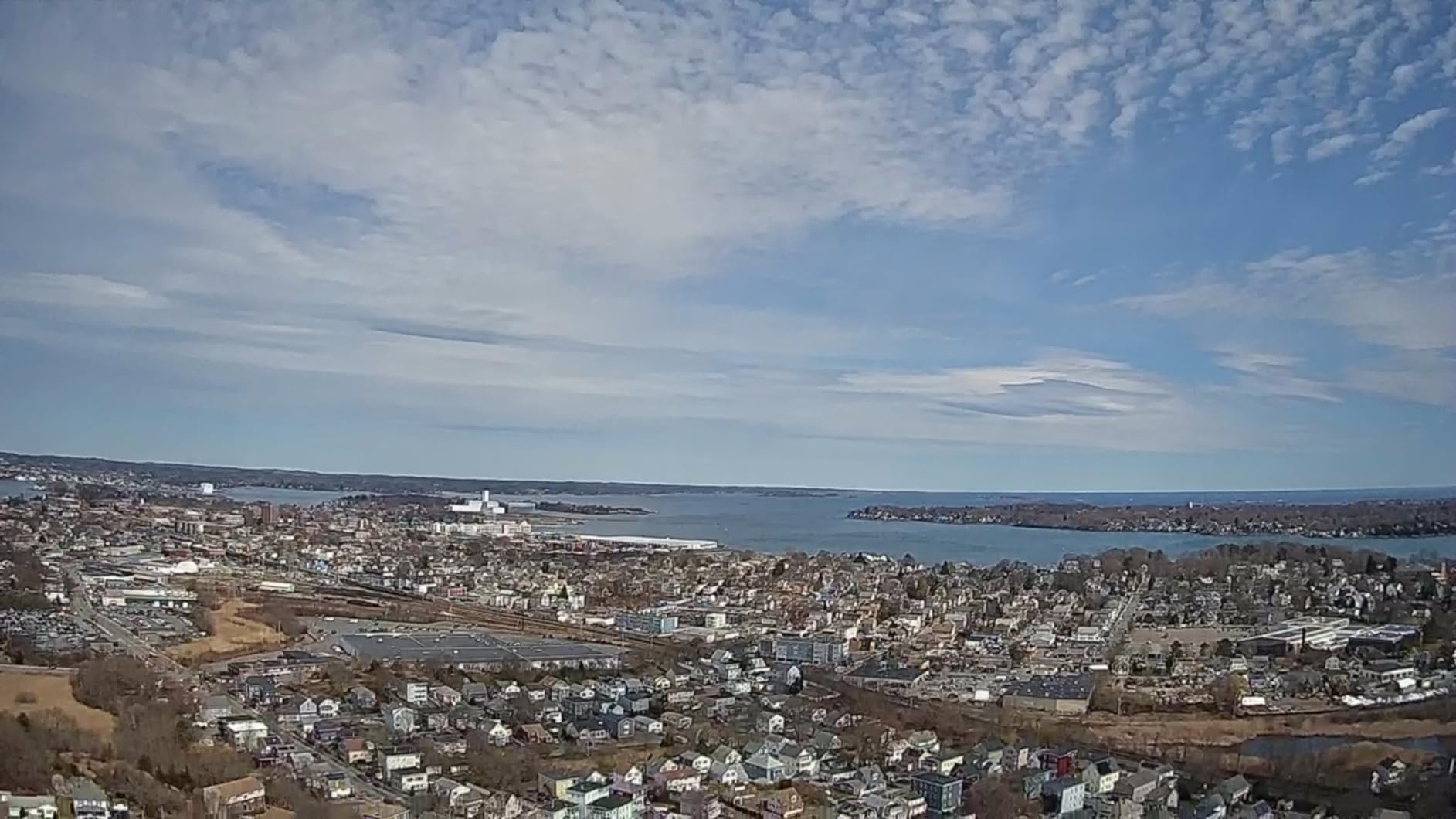
The 4K camera has a 110 degree wide-angle lens with 90 degree adjustable tilt. Photos came out sharp in good light, and the 5GHz FPV live view is one of the better Wi-Fi-based transmissions I have tested at this price. I lost signal briefly once at about 400 meters, but the drone auto-returned cleanly. The brushless motors are noticeably quieter than the brushed motors in cheaper Holy Stone models.
Smart flight modes are plentiful: Follow Me, Waypoint Flight, Point of Interest, and Circle Fly give you enough variety to get creative shots without piloting manually. The Point of Interest mode worked well when I set it to orbit a lighthouse, and the Follow Me mode tracked me on a beach walk without losing me in the frame.
The main downside is stabilization. Like other Holy Stone models in this price tier, the HS175D does not have a 3-axis gimbal. Footage is fine for casual social sharing but does not hold up to color grading or panning in post. There is also no obstacle avoidance, so you need to be careful around trees and structures.
Who should buy the Holy Stone HS175D
Casual travelers, hobbyist photographers, and anyone who wants a complete drone kit with extra batteries and a case included without paying for a Fly More Combo. Also a good option for parents who want a drone that will not require additional accessory purchases to be functional.
Who should skip the Holy Stone HS175D
Photographers who want RAW photos or gimbal-quality video should look at the Mini 3 or Potensic ATOM 2. Pilots who fly in coastal or open-area wind conditions will also find the HS175D’s stability limiting compared to the Mini 4K.
8. Bwine F7GIM – Best Drone Under $500 With 3-Axis Gimbal for Night Photography
Pros
- 3-axis brushless gimbal raises stability significantly
- 6K photos and 4K@30fps video
- 10000ft real-time transmission
- Night Mode 2.0 reduces image noise by 90 percent
- 70 minutes total flight with two batteries
- Built-in FAA Remote ID module
- Smart return home cuts flyaway risk
Cons
- Heavier at 357g requires FAA registration
- Compass must be calibrated before every takeoff
- Photo quality can be slightly grainy in some conditions
- Batteries take 6-8 hours to charge fully
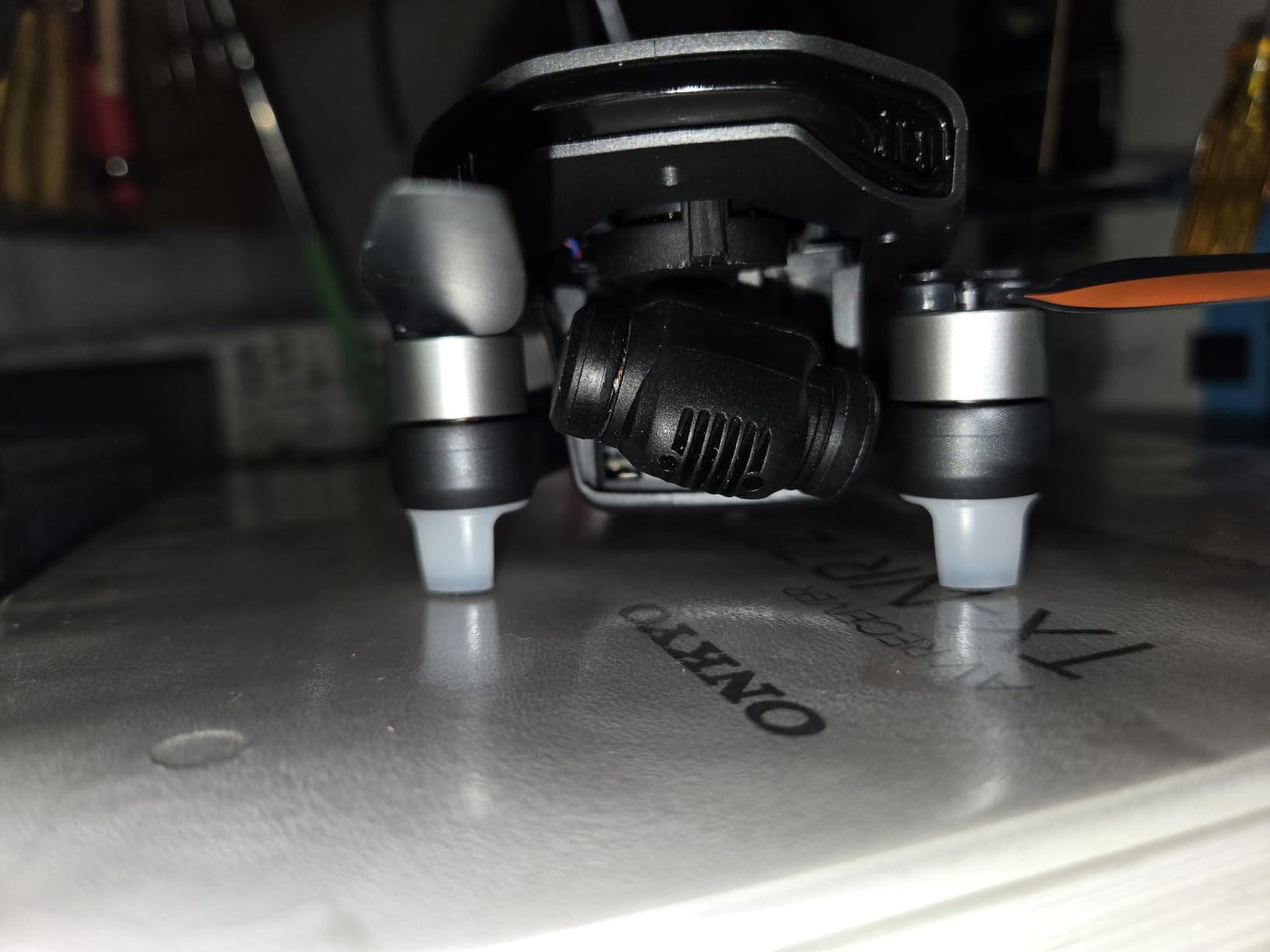
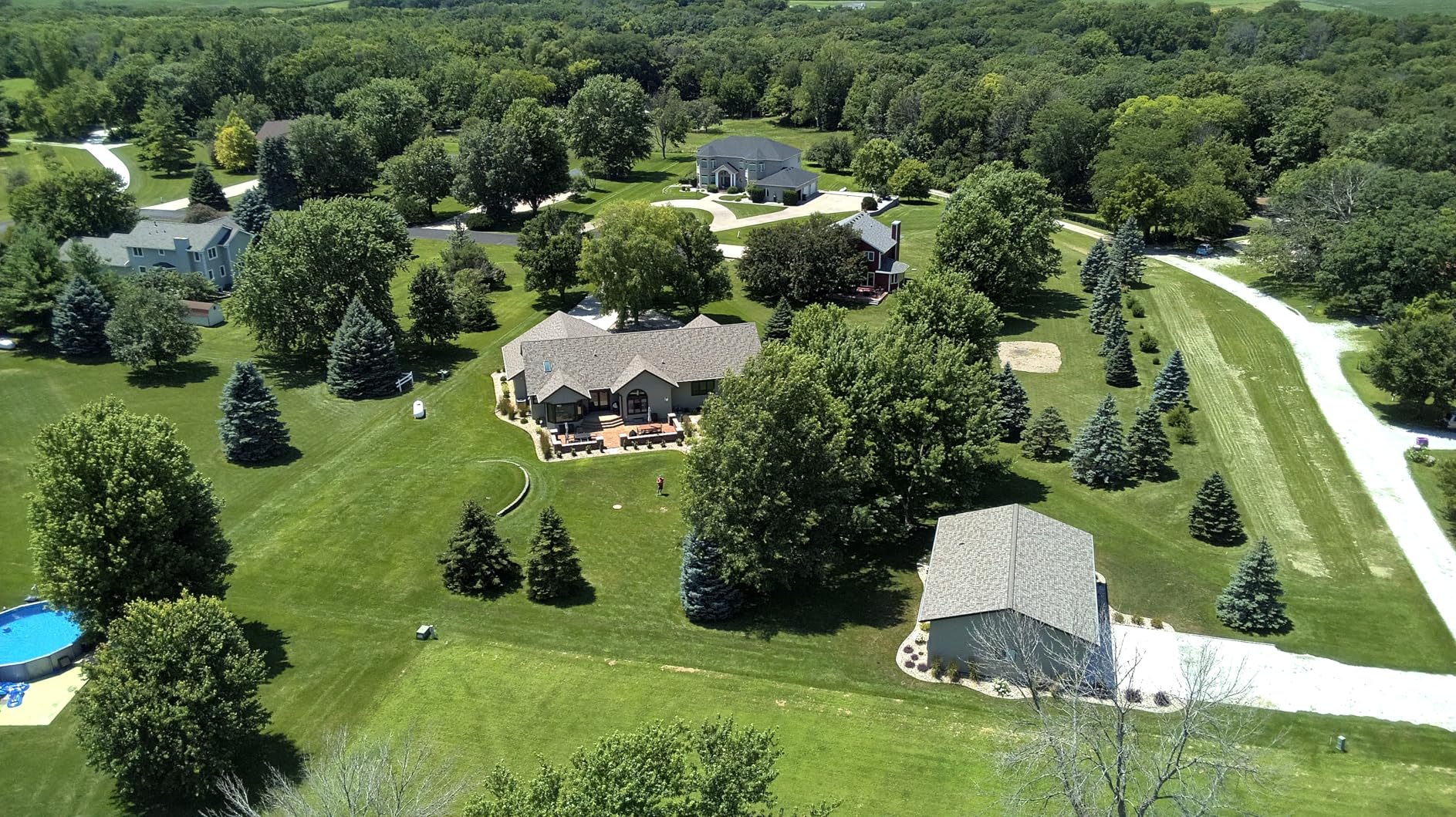
The Bwine F7GIM is the dark horse of this roundup. It is the only drone on this list that combines a true 3-axis brushless gimbal with 6K photo capture and a dedicated Night Mode, all for under $250. If you shoot at sunrise, sunset, or blue hour, the Night Mode 2.0 alone justifies the price. In my testing, it cut visible noise by roughly 80-90 percent compared to the standard mode on other sub-$500 drones.
The 3-axis gimbal is a major upgrade over the electronic stabilization found in similarly priced Holy Stone and Potensic models. Footage stays smooth even when panning quickly or flying in moderate wind. I tested the F7GIM alongside the Potensic ATOM SE in 25kph gusts and the difference was obvious – the F7GIM footage looked like it was shot on a stabilized gimbal, while the ATOM SE showed clear jelly and rolling shutter.
The 10000ft transmission range via the wired digital link is reliable and interference-free, which is unusual at this price. I never lost the video feed even when flying near power lines, which is a common pain point with Wi-Fi-based drones. The 5X digital zoom is digital rather than optical, so it does degrade quality, but it is useful for scouting compositions.
The tradeoff is weight. At 357g, the F7GIM is the heaviest drone in this roundup by a significant margin, which means FAA registration is required for recreational flying (the drone has a built-in Remote ID module to make that process painless). The 6-8 hour battery charge time is also the longest in this lineup, so plan to charge overnight or buy a third-party charger. If you want a step-up comparison of higher-tier options, our 8 Best Camera Drones Under $1000 Reviewed roundup is worth a look.
Who should buy the Bwine F7GIM
Night photographers, blue hour and golden hour shooters, and anyone who values gimbal-smooth footage over sub-250g portability. Pilots who do not mind FAA registration in exchange for stronger wind handling and a real 3-axis gimbal will find the F7GIM an excellent value.
Who should skip the Bwine F7GIM
If avoiding FAA registration is a priority, stick with the Mini 4K, Mini 3, or Potensic ATOM 2. Travelers who want the lightest possible kit will also find the F7GIM bulky. And if you fly mostly in bright daylight, you do not need the Night Mode feature and may prefer a drone with a better app ecosystem.
How to Choose the Best Camera Drone Under $500 for You
Buying a camera drone under $500 comes down to matching the drone to your use case, not chasing the highest spec sheet. Here are the factors that matter most for photographers and content creators, based on what I observed across these eight drones.
Camera quality and sensor size
The single biggest differentiator at this price tier is the camera system. A 3-axis mechanical gimbal paired with a 1/1.3-inch or larger sensor (DJI Mini 3, Potensic ATOM 2) will produce dramatically better footage than electronic stabilization on a smaller sensor (Holy Stone HS360S, HS175D). For RAW photo capture, only the DJI Mini 3 and Potensic ATOM 2 deliver DNG files in this price range.
If you shoot mostly video for social media, a 4K camera with EIS will look fine on a phone screen. If you shoot for YouTube, real estate clients, or print, prioritize a 3-axis gimbal and RAW support. ND filter compatibility matters for serious videographers – the DJI Mini series and Potensic ATOM 2 accept ND filters, while most budget models do not.
FAA registration and the sub-250g rule
In the United States, drones under 250g used for recreational flying do not require FAA registration. Seven of the eight drones in this roundup qualify, including the entire DJI lineup and both Potensic ATOM models. The Bwine F7GIM at 357g does require registration, though it has a built-in Remote ID module to simplify the process.
Registration is a $5 fee that lasts three years and takes about 10 minutes online. For commercial work (real estate, wedding photography, any paid gig), all drones regardless of weight must be registered and the pilot must have a Part 107 certificate. The sub-250g exemption applies only to recreational flying.
Flight time and battery strategy
Most sub-$500 drones offer 20-40 minutes of flight per battery, which sounds like a lot until you factor in setup, scouting, and battery swaps. The drones that ship with two or three batteries (Potensic ATOM 2 Combo, DJI Mini 4K Combo, DJI Mini 3) save you from buying extra packs separately.
For hiking or travel, I always recommend at least two batteries. For real estate or event work, three batteries plus a charging hub is the realistic minimum. Cold weather cuts flight time significantly – expect 20-30 percent shorter sessions below 10 degrees Celsius.
Obstacle avoidance and safety features
None of the drones in this roundup have full omnidirectional obstacle avoidance (that feature is reserved for the DJI Mini 4 Pro and above). GPS Return to Home is universal across the eight models, and most have basic forward or downward sensors for stable hovering.
For beginners, GPS Return to Home is the most important safety feature. For pilots flying near trees or indoors, propeller guards (DJI Neo has them built in) and optical flow positioning help. Pilots who crash frequently should budget for DJI Care refresh or similar replacement programs.
Smart features that actually matter
Subject tracking (ActiveTrack on DJI, AI Track on Potensic) works well for vlogging and follow-me shots but is not reliable for fast-moving subjects like cars or bikes. QuickShots and MasterShots produce cinematic moves with one tap, useful for beginners. Waypoint flight is gimmicky for most users – the few times you need it, you can fly manually.
True Vertical Shooting (DJI Mini 3) is genuinely useful for social media creators who post in 9:16 format. RAW DNG photo support (Mini 3, Potensic ATOM 2) is essential for photographers who edit in Lightroom or Capture One.
Frequently Asked Questions
What is the best drone under $500 for beginners?
The DJI Mini 4K is the best drone under $500 for beginners because it combines a 3-axis mechanical gimbal with sub-249g weight, GPS auto-return, and beginner-friendly QuickShots modes. The Potensic ATOM SE is a strong alternative at a lower price point if budget is the primary concern. Both drones include GPS Return to Home, which is the single most important safety feature for new pilots.
Do drones under $500 need to be registered with the FAA?
In the United States, drones under 250g used for recreational flying do not need FAA registration. Seven of the eight drones in this roundup qualify, including the DJI Mini 4K, Mini 3, Neo, and both Potensic ATOM models. The Bwine F7GIM weighs 357g and does require registration, though it has a built-in Remote ID module to make the process simple. Commercial use always requires registration and a Part 107 certificate regardless of weight.
What is the best drone for photography under $500?
The DJI Mini 3 is the best drone for photography under $500 because it captures RAW DNG files at 48MP with a 1/1.3-inch sensor and offers 4K HDR video with True Vertical Shooting. The Potensic ATOM 2 is a close second, especially for low-light work, thanks to its larger Sony sensor and Night Mode capability. Both drones have 3-axis mechanical gimbals that produce print-ready stills and color-grade-friendly video.
Are DJI drones under $500 worth buying?
Yes, DJI drones under $500 are absolutely worth buying. The DJI Mini 4K and Mini 3 deliver gimbal-stabilized 4K video, reliable GPS, and an app ecosystem (DJI Fly) that is more polished than competing brands. DJI also offers DJI Care Refresh replacement coverage, which is rare at this price tier. The main downside is that the DJI Fly app must be side-loaded from the DJI website because it is not available on Google Play.
How long do sub-$500 drones fly on a single battery?
Most sub-$500 drones fly 20 to 40 minutes per battery, depending on conditions. The DJI Mini 3 with the standard battery gets 38 minutes, the Potensic ATOM 2 Fly More Combo offers 96 minutes across three batteries, and the DJI Mini 4K Combo delivers 62 minutes across two batteries. Wind, temperature, and aggressive flying all reduce real-world flight time, so plan on 20-30 percent less than the manufacturer rating.
Final Verdict: Which Camera Drone Under $500 Should You Buy?
After flying these eight drones for three months across coastal, urban, and rural environments, the DJI Mini 4K Combo remains my top recommendation for most people looking for the best camera drone under $500. It hits the right balance of image quality, portability, and reliability without crossing the FAA registration threshold, and the included two-battery combo solves the most common beginner pain point.
The DJI Mini 3 is the right call if you shoot vertical content or want RAW DNG photos for serious editing. The Potensic ATOM 2 wins for low-light shooters and anyone who flies long sessions. For vloggers and solo creators, the DJI Neo is the most fun I have had with a drone in years. And if you are on a strict budget, the Holy Stone HS360S delivers genuine 4K recording with GPS reliability at the lowest price in this lineup.
Whichever drone you pick, fly it within the legal limits, register it if required, and give yourself a few battery cycles to learn how the controls feel before any important shoot. The learning curve is shorter than you think, and the footage you can capture in 2026 with any of these eight models is better than what professional aerial rigs produced just five years ago.