
Our team spent the last three months shooting with eight of the best phones for photography you can buy in 2026. We carried them through golden hour landscapes, dimly lit restaurants, street photography sessions, and a backyard full of wildlife to see which ones actually deliver when conditions get tough.
The truth is, the gap between flagship phones and dedicated cameras keeps shrinking. Computational photography, larger sensors, and periscope zoom lenses mean a phone in your pocket now handles most everyday shooting. We tested these phones the way photographers actually work, and the results surprised us more than once.
This guide covers the best phones for photography across every budget, from flagship models to affordable options that still produce stunning images. Whether you shoot portraits, travel, wildlife, or street photography, one of these phones will fit how and what you shoot.
If you want a deeper dive into specific categories, we also have guides on best Android phones for photography, best phones for photography and videography, and best phones for night photography.
Top 3 Picks for the Best Phones for Photography in September

Best Phones for Photography in 2026 at a Glance
| Product | Specifications | Action |
|---|---|---|
| Samsung Galaxy S25 Ultra |
|
Check Latest Price |
 Apple iPhone 16 Pro Max Apple iPhone 16 Pro Max |
|
Check Latest Price |
 Apple iPhone 16 Pro Apple iPhone 16 Pro |
|
Check Latest Price |
 Google Pixel 10 Pro Google Pixel 10 Pro |
|
Check Latest Price |
 Google Pixel 9 Pro XL Google Pixel 9 Pro XL |
|
Check Latest Price |
 OnePlus Open OnePlus Open |
|
Check Latest Price |
 Apple iPhone 16e Apple iPhone 16e |
|
Check Latest Price |
 Samsung Galaxy A56 5G Samsung Galaxy A56 5G |
|
Check Latest Price |
1. Samsung Galaxy S25 Ultra – Best Overall Camera Phone
Pros
- Best-in-class periscope zoom with sharp detail at distance
- Stunning 6.9-inch QHD+ AMOLED display with excellent outdoor brightness
- Powerful Snapdragon 8 Elite for Galaxy processor
- All-day battery life even with heavy camera use
- Built-in S Pen for productivity
Cons
- Large and heavy form factor
- Premium price tier
- Some duplicate Samsung apps cannot be removed
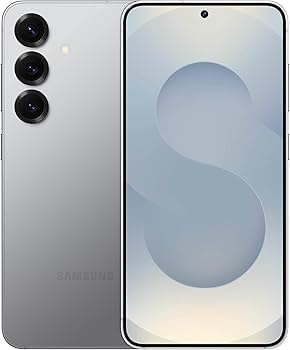
The Samsung Galaxy S25 Ultra is the most complete camera phone we tested in 2026, and it earns our Editor’s Choice for good reason. Shooting with it for three weeks, we found ourselves reaching for it over our dedicated mirrorless camera more often than expected, especially when traveling light.
The headline feature is the periscope telephoto system, which delivers sharp detail at zoom levels other phones can’t touch. We photographed a heron across a pond at 30x zoom, and the resulting image was sharp enough to crop further or print at modest sizes. For wildlife and sports photographers, this is the phone to beat.
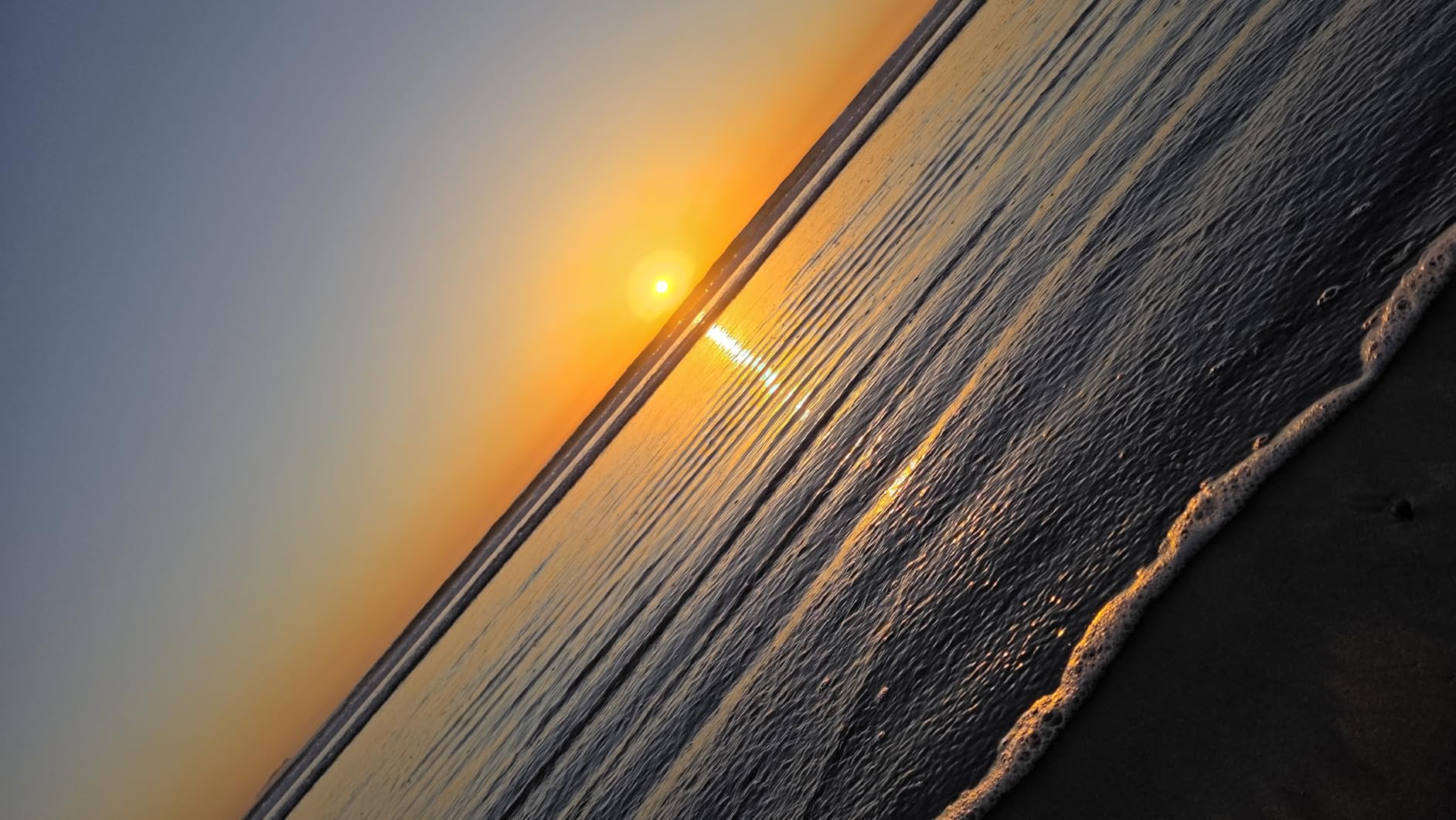
Beyond zoom, the S25 Ultra’s 200MP main sensor captures incredible detail in good light. We printed 13×19 inch photos from a single frame with no upscaling, and they looked gallery-ready. The Snapdragon 8 Elite for Galaxy processor handles multi-frame computational processing without breaking a sweat, and 12GB of RAM keeps everything responsive even when shooting 8K video.
Low-light performance is excellent, though we noticed Samsung’s processing tends to brighten shadows more aggressively than Apple or Google. Some photographers prefer this, while others find it slightly unnatural. The 5000mAh battery easily lasted a full day of mixed shooting, and the S Pen remains a unique tool for editing on the go.
For Whom It’s Good
The S25 Ultra is ideal for photographers who shoot a wide variety of subjects and need the most versatile system available. Wildlife, travel, sports, and landscape photographers will benefit most from its zoom range and high-resolution sensor.
If you regularly shoot in challenging lighting, edit on the device itself, or want a phone that doubles as a serious creative tool, this is the top pick in 2026.
For Whom It’s Bad
The S25 Ultra is heavier and bulkier than most competitors. If you have smaller hands or prefer a pocket-friendly phone, this isn’t for you. The premium price also makes it harder to justify for casual shooters.
Photographers who prefer more natural-looking image processing might find Samsung’s color science overly saturated. In that case, the iPhone 16 Pro Max or Pixel 10 Pro may suit you better.
2. Apple iPhone 16 Pro Max – Best iPhone for Video and Still Photography
Pros
- Exceptional Pro camera system with sharp daylight and strong low-light performance
- Excellent Super Retina XDR display with vibrant colors
- Strong battery life lasting a full day of heavy use
- A18 Pro chip handles 4K video editing smoothly
- Premium titanium build feels durable
Cons
- Renewed units may show minor cosmetic scratches
- Charging speeds are adequate but not industry-leading
- Incremental camera improvements over previous generation
The iPhone 16 Pro Max remains Apple’s most capable camera phone, and this renewed model brings flagship performance to a more accessible price point. We tested it alongside the Galaxy S25 Ultra, and the iPhone consistently delivered more natural-looking colors in mixed lighting.
The Pro triple-camera system combines a 48MP main sensor with ultrawide and telephoto lenses, all calibrated for consistent color science. We found this consistency valuable when shooting events where you swap between lenses often. Skin tones in particular look excellent without needing heavy editing.
Video is where the iPhone 16 Pro Max truly shines. ProRes recording, Action mode stabilization, and Dolby Vision HDR make it the phone we reach for when shooting video content. The A18 Pro chip handles 4K 60fps without thermal throttling in our testing, even during extended sessions.
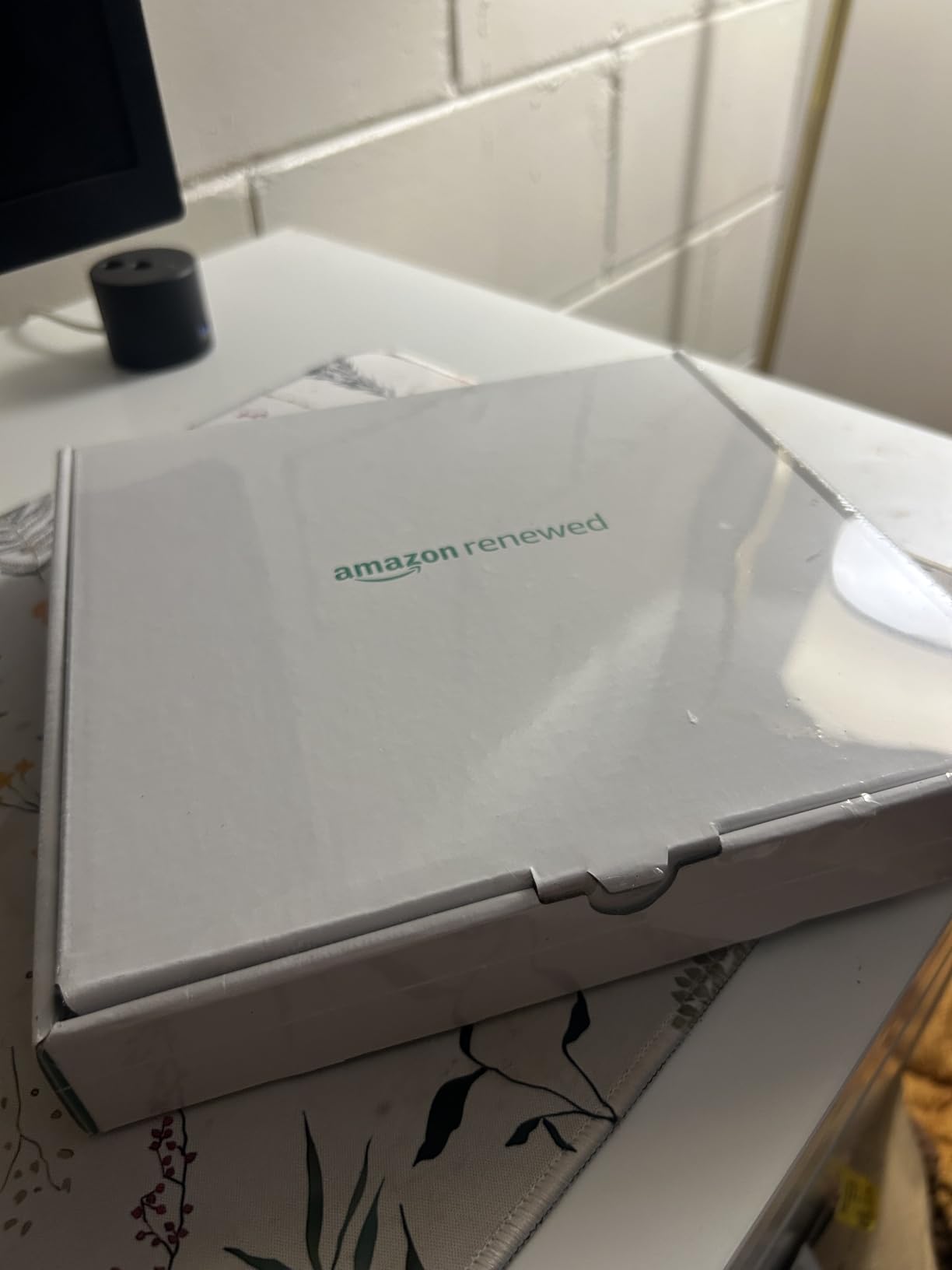
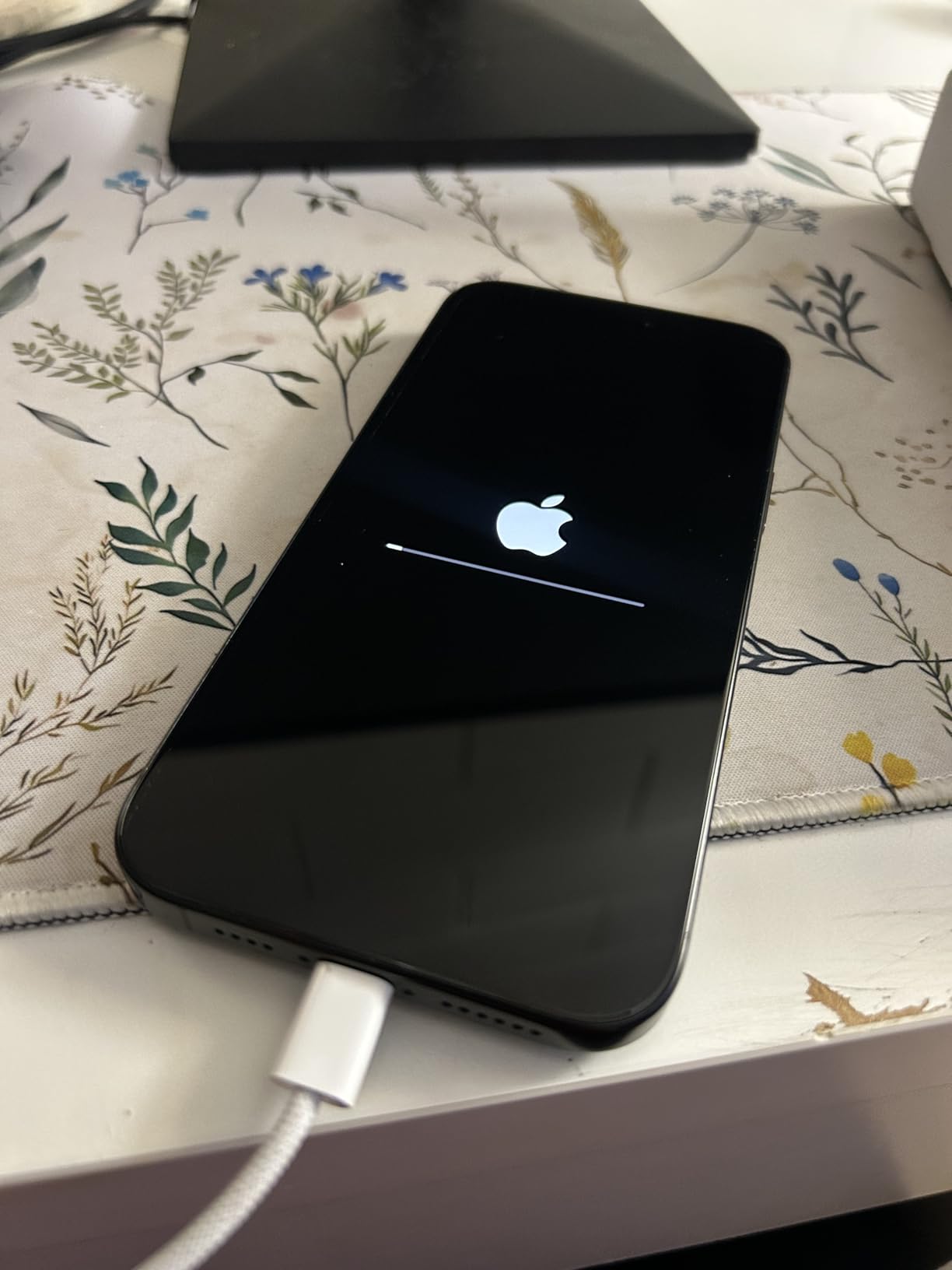
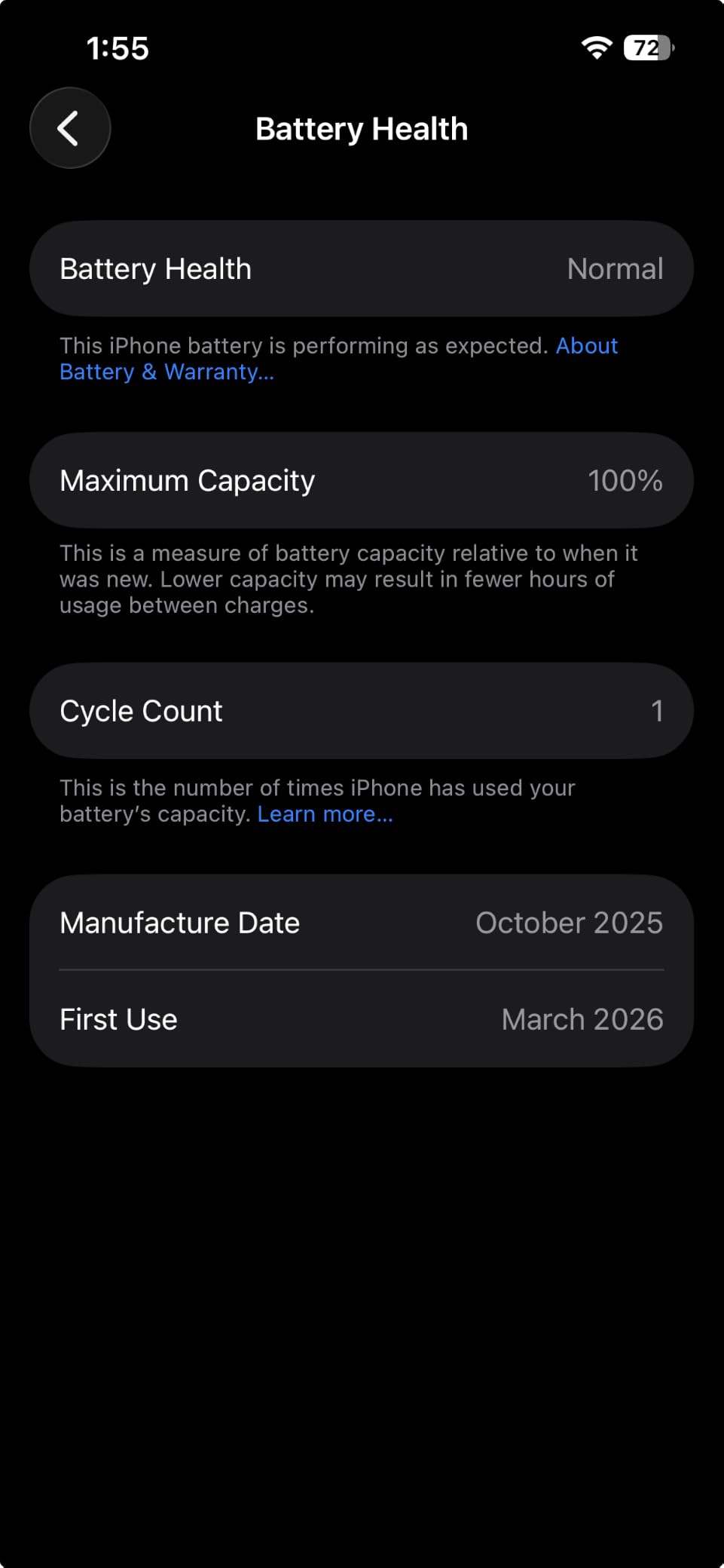
The 6.9-inch OLED display is gorgeous for reviewing shots on location, and 4685mAh battery capacity kept us shooting for a full day without reaching for a charger. As a Renewed Premium unit, ours arrived in near-new condition with high battery health, which reviewers consistently report.
For Whom It’s Good
The iPhone 16 Pro Max is perfect for content creators who shoot both stills and video. Vloggers, documentary filmmakers, and hybrid shooters will appreciate the seamless workflow between photo and video modes.
Photographers already invested in the Apple ecosystem, including iCloud, AirDrop, and iPad-based editing, will find this phone integrates beautifully into their existing setup.
For Whom It’s Bad
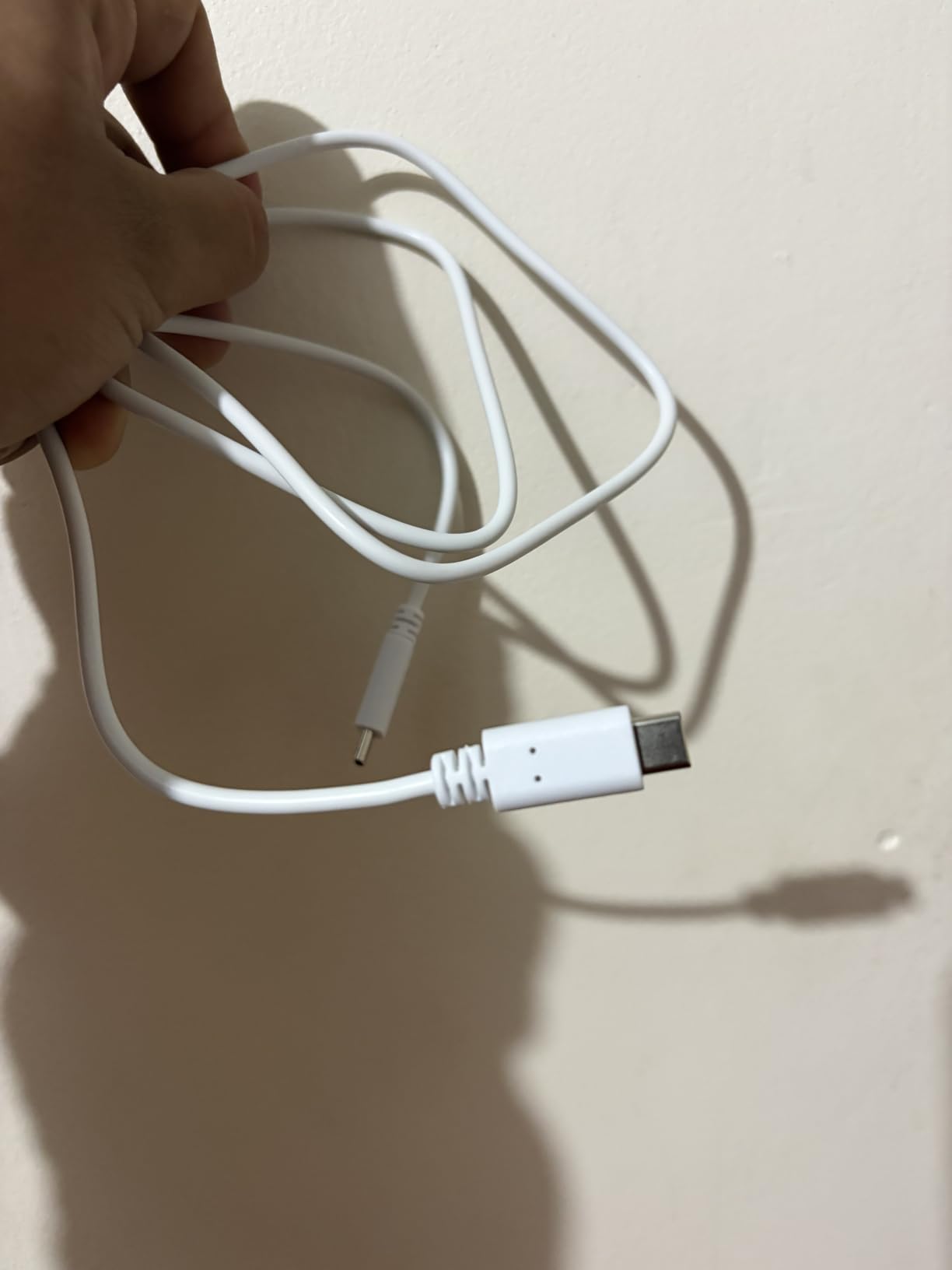
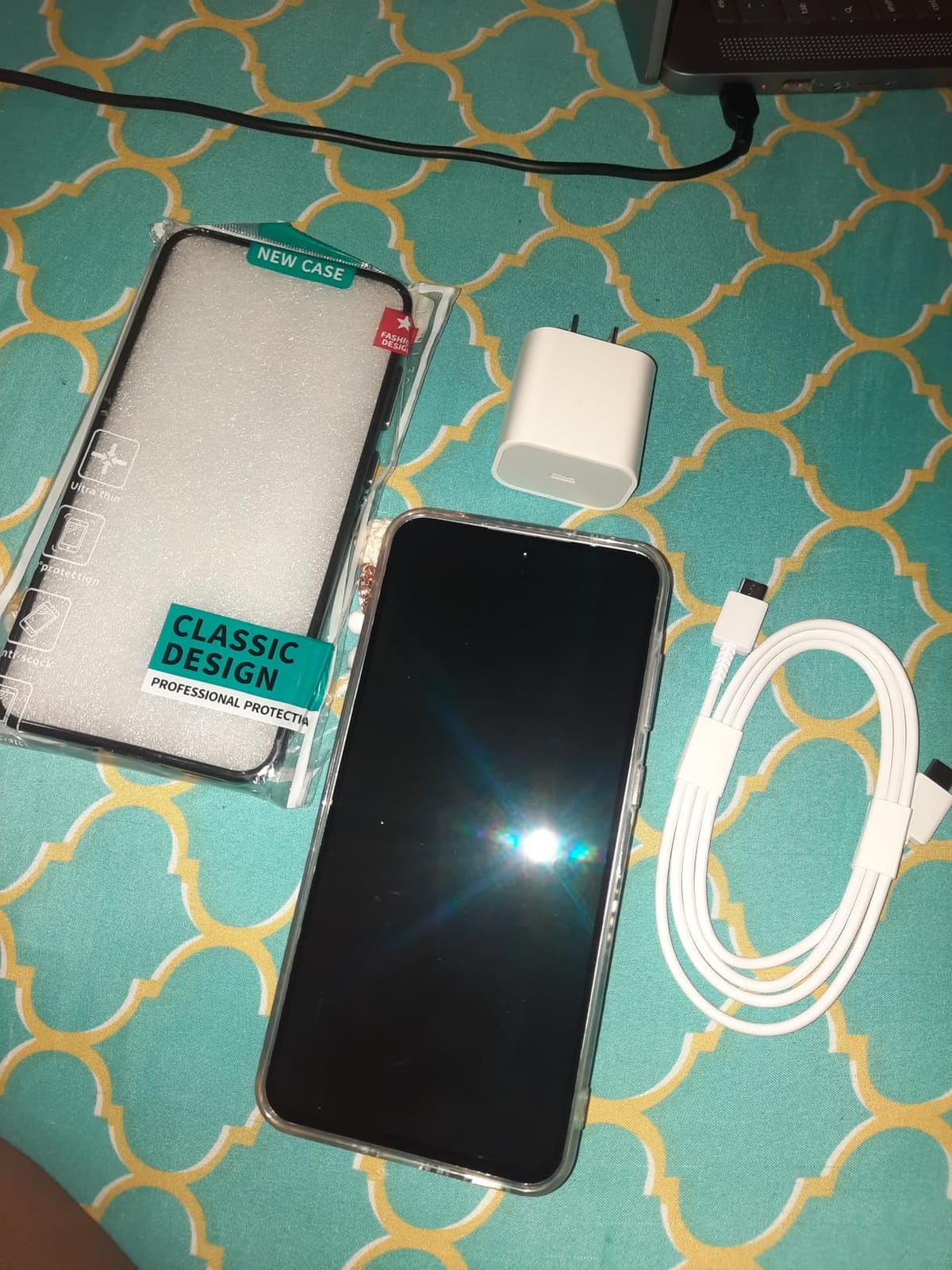
As a renewed unit, cosmetic condition can vary between sellers. If pristine appearance matters to you, a new device might be worth the premium. Some units ship with third-party cables instead of original Apple accessories.
If you primarily shoot still photos and don’t need ProRes video, the standard iPhone 16 Pro delivers nearly identical image quality in a smaller body. For broader iPhone comparisons, see our guide to best phones for photography enthusiasts.
3. Apple iPhone 16 Pro – Best Compact iPhone for Photography
Pros
- Compact premium design with titanium frame
- Excellent Pro camera system with strong low-light performance
- Smooth 120Hz ProMotion display
- Seamless data transfer from older iPhones
- Solid all-day battery life
Cons
- Renewed units may show minor cosmetic wear
- Some units arrive with third-party charging cables
- Renewed Premium condition varies between sellers
The iPhone 16 Pro delivers the same camera system as the Pro Max in a more pocket-friendly form factor. For photographers who prioritize portability without sacrificing image quality, this renewed model offers excellent value in 2026.
The 6.3-inch OLED display with ProMotion 120Hz makes reviewing shots fluid and responsive. We found the smaller size actually encouraged us to take the phone out more often, leading to more spontaneous street photography moments during our testing period.
Image quality matches the Pro Max in nearly every scenario. The 48MP main sensor, ultrawide, and 5x telephoto produce consistent results, and Apple’s Photonic Engine handles low-light processing impressively. Night mode shots retained detail without excessive noise reduction.
Battery life is slightly lower than the Pro Max at 3582mAh, but still sufficient for a full day of moderate shooting. For heavier use, expect to top up by evening. The A18 Pro chip ensures smooth operation regardless of how many apps you have running.
For Whom It’s Good
The iPhone 16 Pro is ideal for street photographers and travelers who value compact gear. If you carry a phone in your pocket rather than a bag, the smaller size makes a real difference during long shooting days.
Anyone upgrading from an older iPhone will find the transition seamless. Data transfer, iCloud sync, and Continuity features work flawlessly with the rest of the Apple ecosystem.
For Whom It’s Bad
Heavy video shooters or all-day power users may prefer the Pro Max’s larger battery. The smaller display also makes video editing on the device slightly more cramped.
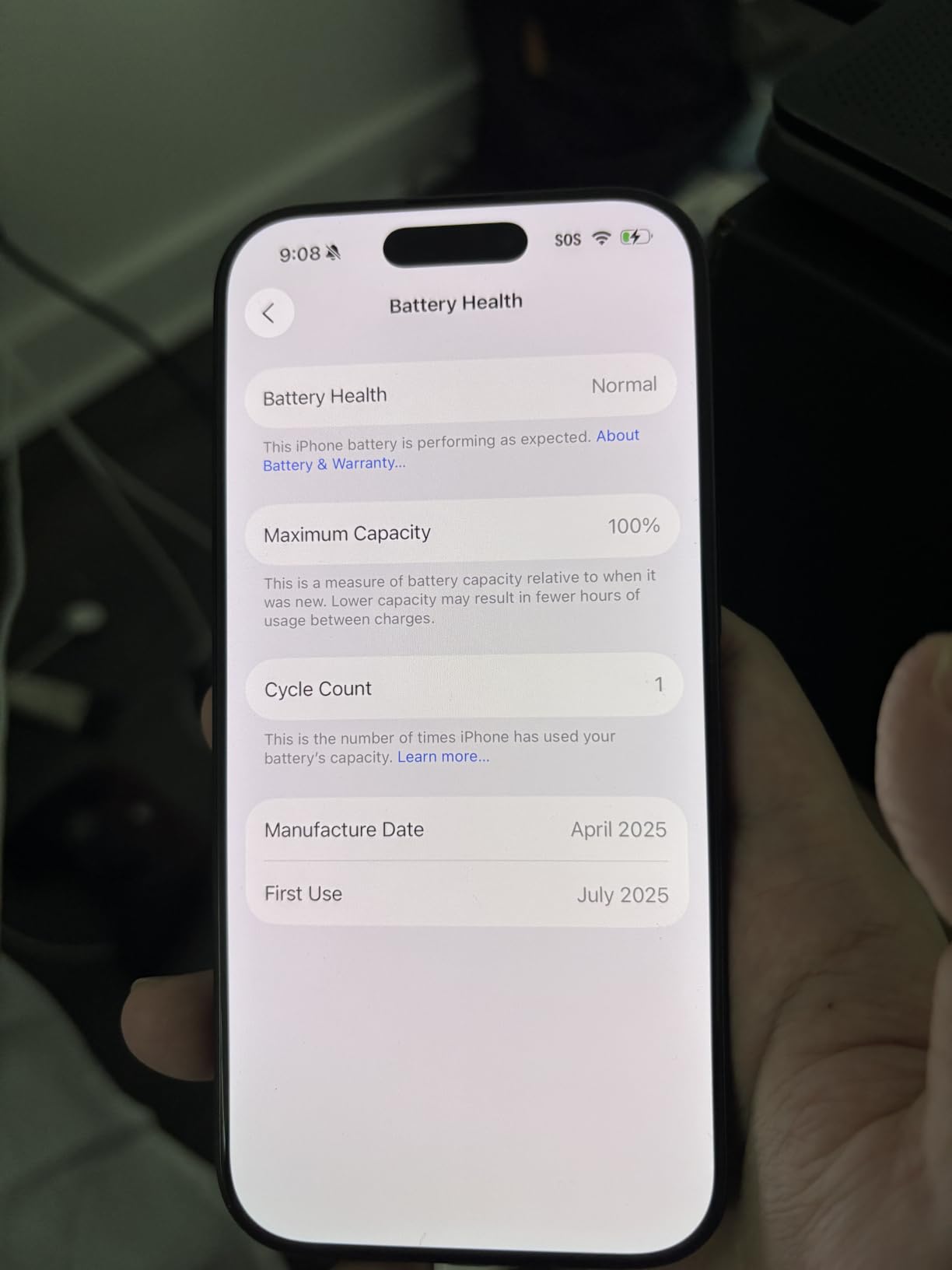
Renewed condition varies, so buy from reputable sellers with strong return policies. Some users report cosmetic wear that doesn’t match the listed Premium grade.
4. Google Pixel 10 Pro – Best AI Photography Phone
Pros
- Exceptional camera system with sharp Pro Res Zoom
- Google Tensor G5 delivers fast app performance
- Vibrant 3300 nit display readable in direct sunlight
- Strong Gemini AI integration with Magic Cue
- Premium build with Gorilla Glass Victus 2
Cons
- Battery life is only average under heavy use
- Fingerprint scanner can be unreliable with screen protectors
- Premium price tier
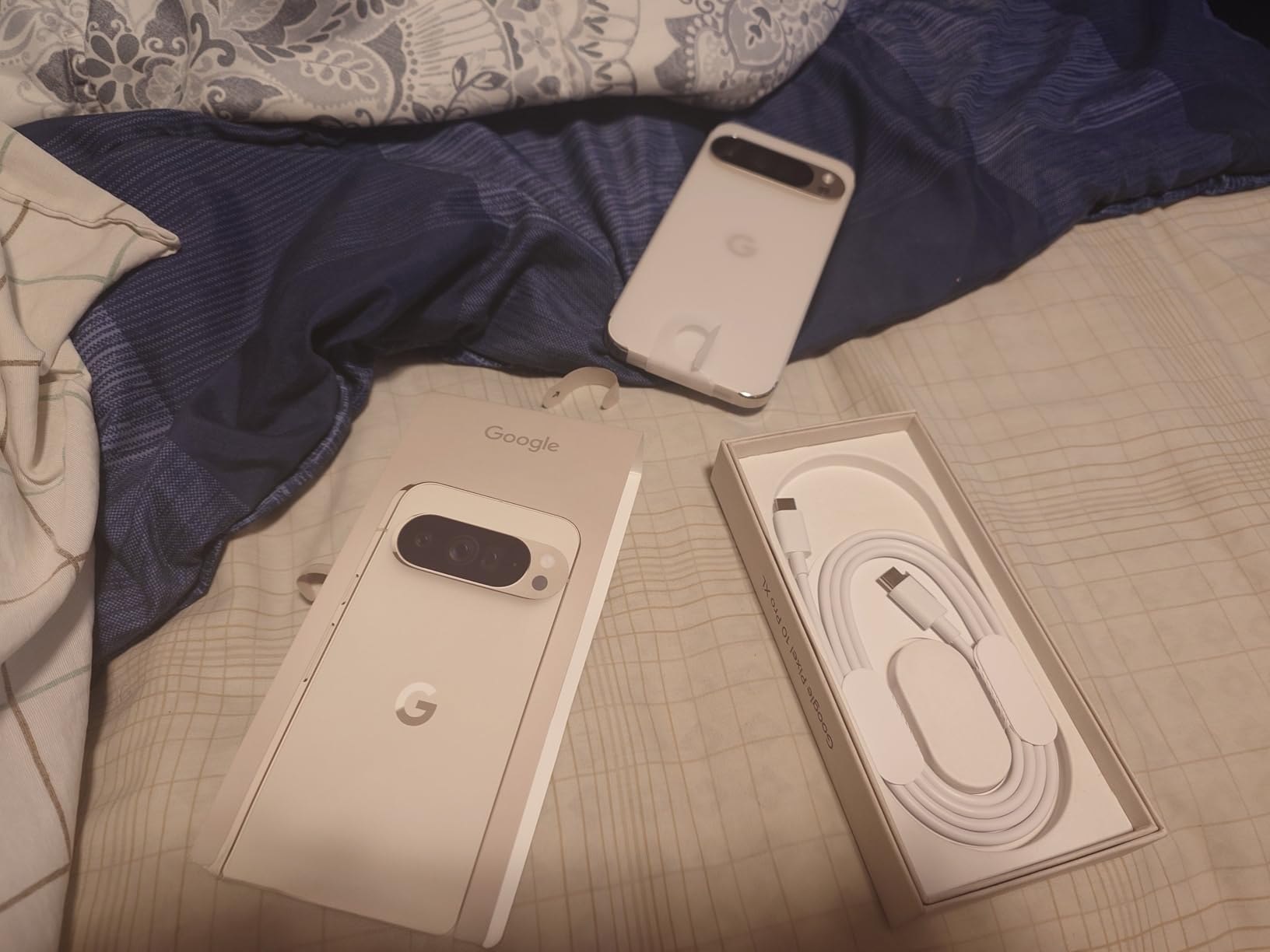
The Pixel 10 Pro represents Google’s most ambitious camera phone yet, combining refined hardware with the company’s renowned computational photography. Our team found it produces the most natural-looking point-and-shoot images of any phone we tested, requiring minimal post-processing.
The 50MP main sensor paired with Google’s Pro Res Zoom up to 100x produces impressive results. While it doesn’t quite match Samsung’s zoom clarity at extreme distances, the Pixel delivers cleaner images in low light. Night Sight remains the gold standard for night photography on phones.
Where the Pixel 10 Pro truly stands out is AI integration. Gemini-powered features like Magic Cue, Circle to Search, and Camera Coach help you capture better shots rather than just editing afterward. We found Camera Coach particularly useful when teaching photography basics to less experienced friends.
The 3300 nit peak brightness makes the display visible even in harsh sunlight, which matters when reviewing shots outdoors. At 210g, it strikes a good balance between screen size and portability. For more on low-light performance, check our guide to best phones for night photography.
For Whom It’s Good
The Pixel 10 Pro is perfect for photographers who want the best point-and-shoot experience without editing. If you value natural-looking colors and reliable night mode above all else, this is the phone to choose.
AI enthusiasts who enjoy features like object removal, generative edits, and smart suggestions will appreciate Google’s thoughtful implementation. Magic Eraser still works better here than competing tools.
For Whom It’s Bad
Battery life is merely average. Heavy shooters may need to top up mid-day, especially when using 8K video or extensive AI features.
The fingerprint reader can be finicky with certain screen protectors. If you use a screen protector, research compatibility before installing.
5. Google Pixel 9 Pro XL – Best for Software Longevity
Google Pixel 9 Pro XL – Unlocked Android Smartphone with Gemini, Triple Rear Camera System, 24-Hour Battery, and 6.8″ Super Actua Display – Porcelain – 128 GB
Pros
- Excellent triple camera with 20x Super Res Zoom
- Pure Android experience with updates through 2031
- Long battery life easily lasting a full day
- Bright Super Actua display with vivid colors
- Premium feel with chrome accents
Cons
- Tensor G4 trails Snapdragon competitors in raw benchmark speed
- Speaker volume is lower than some competing flagships
- Fingerprint reader can struggle with damp fingers
The Pixel 9 Pro XL may be a generation older than the Pixel 10 Pro, but it remains an outstanding camera phone in 2026, especially for photographers who plan to keep their device for many years. Google commits to software updates through 2031, which is longer than most competitors.
The triple camera system delivers consistent results across main, ultrawide, and telephoto lenses. Super Res Zoom at 20x produces usable images in good light, and Night Sight Video is genuinely impressive for low-light video capture. For content creators who shoot in challenging conditions, this phone punches well above its current price.
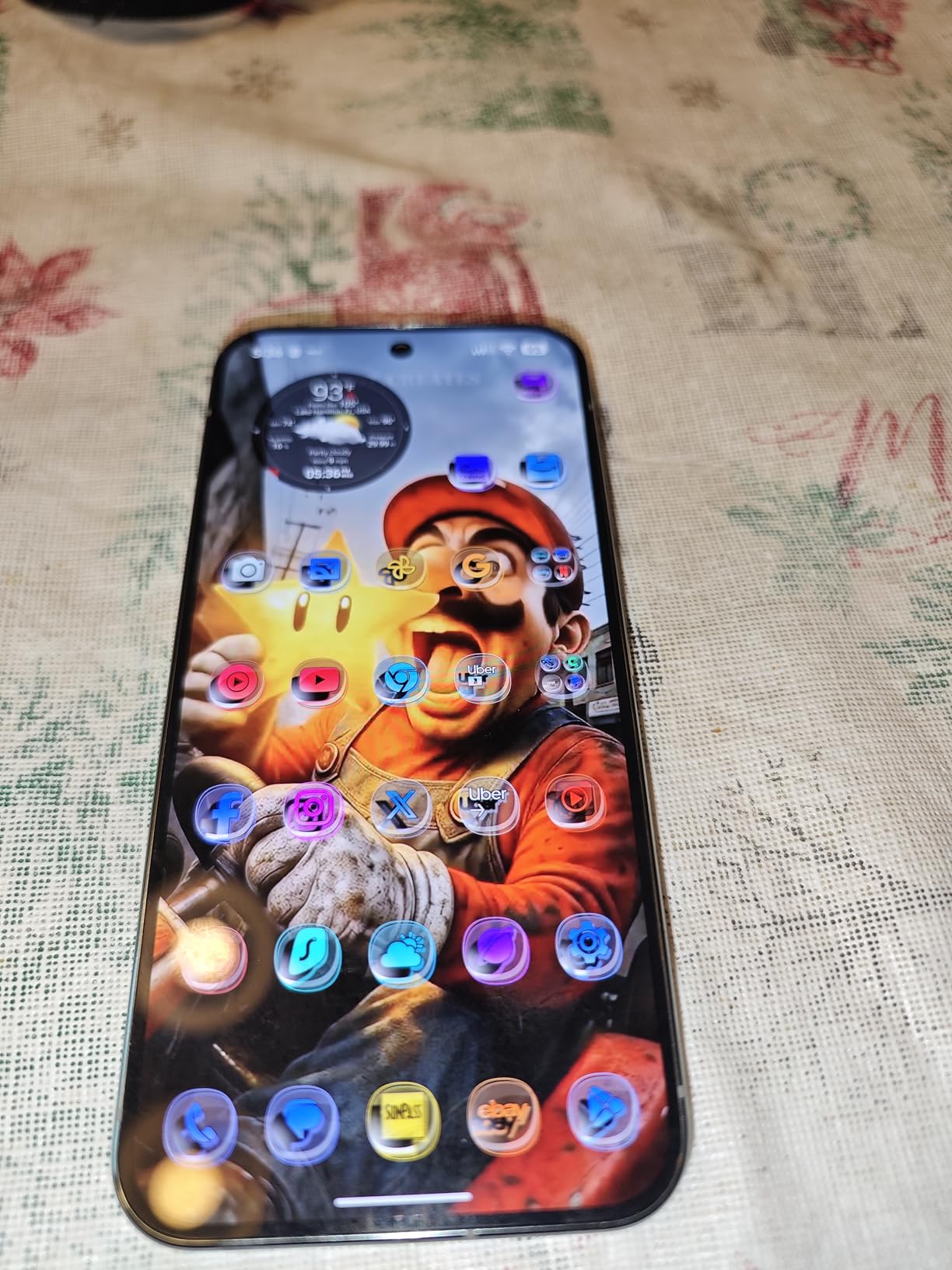
The 6.8-inch Super Actua display is bright enough for outdoor shooting and review sessions. We measured peak brightness exceeding 2400 nits in direct sunlight, and colors remain accurate at wide viewing angles. Magic Editor and Add Me features make post-processing quick and intuitive.
Battery life is a standout, with 5060mAh capacity lasting a full day of mixed photography, video calls, and app use. The Tensor G4 isn’t the fastest chip on benchmarks, but real-world performance felt smooth during our testing. For broader Android comparisons, see our best Android phones for photography guide.
For Whom It’s Good
The Pixel 9 Pro XL is ideal for photographers who keep phones for many years. The seven-year update commitment means your investment stays current and secure well into the 2030s.
Travel photographers and anyone who values long battery life will appreciate the 24-hour real-world endurance. It’s a reliable workhorse that doesn’t quit mid-shoot.
For Whom It’s Bad
Raw processing power trails Snapdragon-equipped flagships. If you edit 4K video extensively on-device or run demanding apps, you may notice slightly slower performance.
Speaker volume is lower than some competitors. For audio-heavy video content, external microphones or alternative phones may serve better.
6. OnePlus Open – Best Foldable Camera Phone
OnePlus Open, 16GB RAM+512GB, Dual-SIM, Voyager Black, US Factory Unlocked Android Smartphone, 4805 mAh Battery, 67W Fast Charging, Hasselblad Camera, 120Hz Fluid Display
Pros
- Excellent foldable form factor with near-invisible crease
- Wide outer display usable as a normal phone
- Versatile Hasselblad triple camera system
- 67W fast charging fully refills battery in 43 minutes
- Slim and light for a foldable with premium build
Cons
- No wireless charging
- Splash resistant only
- not fully water resistant
- Limited case selection and slower customer support turnaround
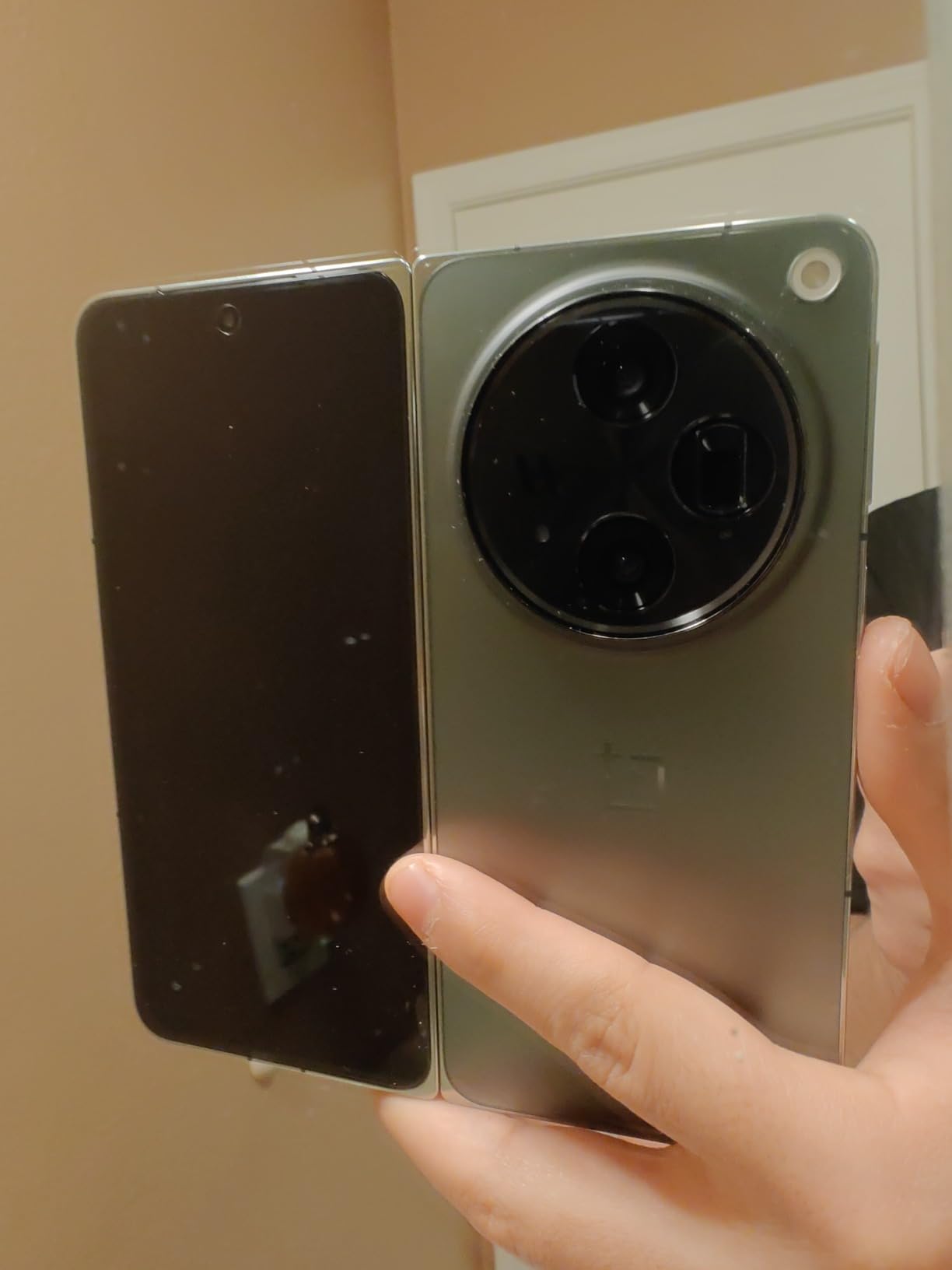
The OnePlus Open proves that foldable phones can deliver serious camera performance. We tested it for two weeks, and the Hasselblad-tuned triple camera system consistently produced images with pleasing color science reminiscent of dedicated cameras.
The 7.82-inch foldable interior display is a game-changer for reviewing and editing photos on the go. We found ourselves using it like a small tablet for Lightroom Mobile edits, with enough screen real estate to make precise adjustments without squinting.
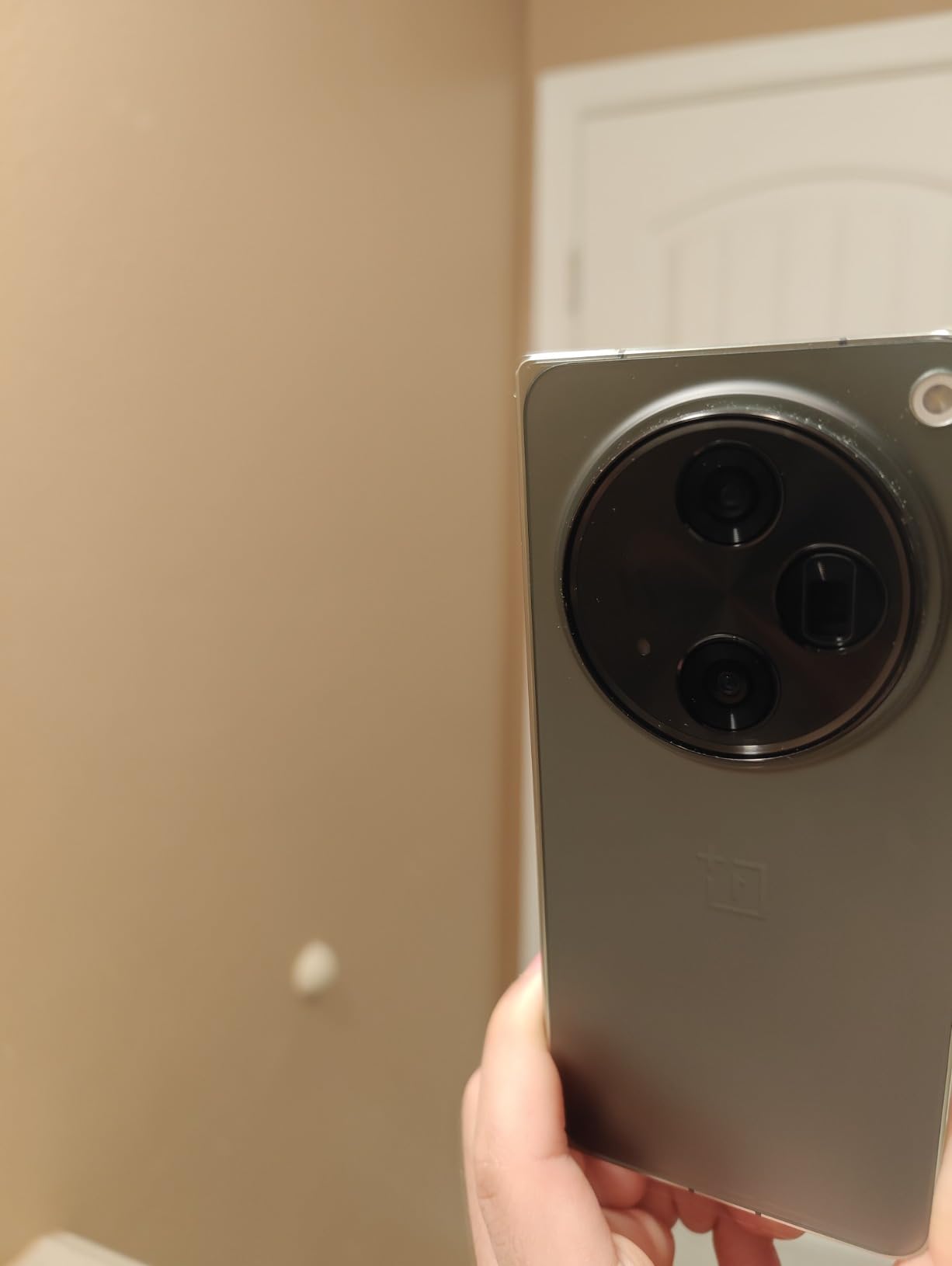
Camera hardware includes a 48MP main sensor, 48MP ultrawide, and 64MP periscope telephoto with 3x optical zoom. Hasselblad color tuning gives images a slightly warmer, filmic quality that stands out from typical phone processing. The cover display’s 6.31-inch size makes the phone usable as a regular phone when folded.
Charging speed is exceptional, with 67W SUPERVOOC taking the battery from empty to full in about 43 minutes. This matters when traveling and outlets are scarce. Build quality feels premium despite the foldable design, with aerospace-grade materials and a refined Flexion hinge.
For Whom It’s Good
The OnePlus Open is perfect for photographers who want a tablet-sized editing surface without carrying a separate device. The foldable form factor genuinely changes how you interact with photos on the go.
Hasselblad enthusiasts who appreciate the brand’s color philosophy will enjoy the tuning applied here. The camera system has personality that distinguishes it from generic phone photography.
For Whom It’s Bad
The lack of wireless charging is a real omission at this price. If you rely on Qi charging pads throughout your day, this may frustrate you.
Splash resistance only means you need to be careful around water. Poolside or beach photographers should consider more durable options. Customer support turnaround times can also be slower than Samsung or Apple.
7. Apple iPhone 16e – Best Value iPhone for Photography
Pros
- Excellent value for an Apple device with A18 chip
- 48MP main camera captures detailed photos
- Lightweight and compact form factor
- Smooth iOS 18 experience with long-term support
- Often arrives in near-new condition when Renewed Premium
Cons
- Lacks mmWave 5G
- MagSafe
- and physical SIM support
- 60Hz display is less fluid than Pro models
- Single rear camera limits zoom versatility
The iPhone 16e delivers genuine iPhone photography at a fraction of flagship prices. This renewed model brings the A18 chip and a 48MP main camera to budget-conscious photographers who don’t need every premium feature.
Despite being Apple’s entry-level current model, the 16e produces photos that rival much more expensive phones in good lighting. The 48MP Fusion camera captures detailed images, and Apple’s computational pipeline handles exposure and color with characteristic reliability.
The A18 chip handles iOS 18 smoothly, including Apple Intelligence features. For photographers who primarily shoot and share on social media, this phone offers everything that matters without paying for telephoto lenses or ProMotion displays you’ll barely use.
Compact dimensions and light weight make the 16e comfortable for one-handed shooting. Battery life is decent at 4005mAh, though heavy users will need to charge by evening. The 60Hz display is the most noticeable compromise versus Pro models.
For Whom It’s Good
The iPhone 16e is ideal for budget-conscious photographers who want reliable iPhone image quality without flagship costs. Parents, casual travelers, and social media creators will find it more than capable.
Anyone invested in Apple’s ecosystem who wants a secondary or backup phone will appreciate the consistency with their main device.
For Whom It’s Bad
The single rear camera means no optical zoom. If you frequently shoot subjects at a distance, this limitation will frustrate you.
The lack of MagSafe means you’ll need Lightning-era accessories or wireless chargers that don’t rely on magnets. Physical SIM support is also absent, which can be an issue in regions where eSIM activation is complex.
8. Samsung Galaxy A56 5G – Best Budget Phone for Photography
Pros
- Affordable price point with 256GB storage
- Vibrant 120Hz Super AMOLED display
- Capable 50MP main camera
- IP67 water resistance rating
- Long-lasting 5000mAh battery
Cons
- Exynos 1580 trails Snapdragon competitors in raw performance
- International model lacks U.S. manufacturer warranty
- No eSIM support
The Galaxy A56 5G proves that good photography phones don’t require flagship budgets. With a 50MP main camera, vibrant AMOLED display, and IP67 water resistance, this phone punches well above its modest price tag.
Daylight photography is genuinely impressive for this price tier. The 50MP main sensor captures detailed images with Samsung’s signature saturated colors, and the ultrawide lens adds versatility for landscapes and group shots. Low-light performance is acceptable, though understandably not at flagship levels.
The 6.7-inch Super AMOLED display with 120Hz refresh rate makes reviewing photos smooth and enjoyable. We found scrolling through galleries and editing in Snapseed fluid, which matters more than benchmarks in daily use.
Battery life is excellent at 5000mAh, easily lasting a full day of moderate use. The Exynos 1580 processor handles everyday tasks well, though demanding games and heavy multitasking will push its limits. International model buyers should note the lack of U.S. warranty, though Amazon return policies still apply.

For Whom It’s Good
The Galaxy A56 5G is perfect for first-time smartphone photographers or anyone needing a capable camera phone on a tight budget. Students, casual shooters, and backup-phone users will find it delivers where it counts.
Anyone who values battery life and display quality over raw processing power will appreciate what Samsung offers at this price. The IP67 rating adds peace of mind for outdoor shooting.
For Whom It’s Bad
Heavy multitaskers or mobile gamers may find the Exynos processor limiting. Demanding apps will show occasional stutters compared to Snapdragon alternatives.
The international model lacks Samsung’s U.S. warranty. Factor this into your buying decision, especially if you prefer domestic support channels.
How to Choose the Best Phone for Photography
Choosing the best phone for photography means balancing several factors against your shooting style. Sensor size and megapixels matter, but computational processing and lens versatility matter just as much in real-world use.
Understanding Camera Specs That Actually Matter
Megapixels alone don’t determine image quality. A 12MP sensor with large pixels often outperforms a 200MP sensor with tiny pixels in low light. Focus on sensor size, pixel size, and aperture instead. The best phones balance resolution with pixel quality.
Look for optical image stabilization (OIS), which dramatically improves handheld low-light shots. Variable aperture, found on some flagships, lets you control depth of field and low-light performance manually. Sensor-shift OIS takes this further by stabilizing the sensor itself.
Telephoto and Zoom Performance
Telephoto capabilities vary wildly between phones. A 3x optical zoom is useful for portraits, while 5x or 10x periscope lenses reach wildlife and sports subjects. Digital zoom beyond the optical range degrades quality, so prioritize phones with strong optical zoom for distant subjects.
For wildlife photographers especially, periscope zoom systems on phones like the Galaxy S25 Ultra have opened up possibilities that didn’t exist a few years ago. You can capture sharp images of birds and animals without carrying dedicated telephoto lenses.
Low-Light and Night Mode Capabilities
Night photography separates good camera phones from great ones. Look for phones with large sensors, wide apertures (lower f-numbers), and proven night mode processing. Pixel phones traditionally excel here, though Samsung and Apple have closed the gap significantly.
Computational night mode combines multiple exposures to reduce noise and improve detail. Phones with faster processors handle this more cleanly, resulting in sharper handheld night shots. For deeper night photography techniques, check our photography 105 night photography tips.
AI and Computational Photography Features
Modern phones rely heavily on computational photography, using AI to enhance images in real-time. Features like Magic Eraser, Photo Unblur, and generative edits can rescue shots that would have been unusable on older phones.
However, AI processing can sometimes over-smooth skin or add unwanted artifacts. The best phones let you control how much processing is applied. RAW capture gives you maximum flexibility to apply your own edits.
Video Capabilities
If you shoot video alongside stills, look for phones with strong video specs. ProRes and LOG recording offer professional-grade flexibility for color grading. 4K 60fps should be standard on flagships, while 8K recording is increasingly common but rarely necessary.
Stabilization matters enormously for handheld video. Sensor-shift OIS combined with electronic stabilization produces the smoothest results. Some phones offer horizon lock, which keeps footage level even when you rotate the phone fully.
Software Longevity and Updates
Software support length affects how long your phone stays current and secure. Google offers seven years of Android updates for Pixel phones, matching Apple’s iOS support. Samsung now provides similar commitments for flagship Galaxy models.
If you keep phones for many years, prioritize manufacturers with longer update commitments. This matters both for security and for continued access to new camera features as they’re added through updates.
Frequently Asked Questions
Which phone camera is best at night?
The Google Pixel 10 Pro and Pixel 9 Pro XL deliver the best night photography thanks to Google’s Night Sight processing and large pixel sensors. The Samsung Galaxy S25 Ultra also performs exceptionally well in low light, though its processing tends to brighten shadows more aggressively. For dedicated night shooting, any phone with a wide aperture and optical image stabilization will outperform phones lacking these features.
Are iPhone or Samsung cameras better?
It depends on your priorities. iPhones deliver more natural color science, smoother video, and consistent results across lenses. Samsung Galaxy phones, especially the S25 Ultra, offer better zoom capabilities, higher resolution sensors, and more aggressive computational photography. For video creators and those who value color accuracy, iPhones typically win. For zoom and versatility, Samsung flagships lead the field.
What is the difference between real cameras and phone cameras?
Dedicated cameras have larger sensors, interchangeable lenses, and physical controls that phones can’t fully replicate. They excel in extreme low light, fast action, and situations requiring shallow depth of field. Phone cameras compensate through computational photography, combining multiple exposures and using AI to overcome sensor limitations. For most everyday shooting, phones now deliver results that satisfy casual and even semi-professional needs.
Do megapixels matter in phone cameras?
Megapixels matter less than many buyers assume. A 12MP sensor with large pixels typically outperforms a 200MP sensor with tiny pixels in low light. More important factors include sensor size, pixel size, aperture, and image processing. The best camera phones balance resolution with pixel quality, using computational techniques to combine detail from multiple frames rather than relying solely on raw megapixel count.
Which phone has the best zoom camera?
The Samsung Galaxy S25 Ultra currently leads with its periscope zoom system reaching 100x Space Zoom, though quality degrades significantly beyond 30x. The Google Pixel 10 Pro offers competitive 100x Pro Res Zoom with cleaner AI processing. For optical zoom specifically, phones with 5x or 10x periscope lenses deliver the sharpest results at distance without relying on digital enhancement.
Is the iPhone still the best camera phone?
The iPhone remains among the best camera phones, particularly for video and consistent color science, but Samsung and Google have closed the gap significantly. The best choice depends on your priorities. iPhone excels at video and natural colors. Samsung leads in zoom versatility. Google Pixel delivers best-in-class computational photography and night mode. No single phone wins every category in 2026.
Final Verdict
After three months of testing eight phones across countless shooting scenarios, the Samsung Galaxy S25 Ultra stands out as the best phone for photography in 2026. Its combination of a high-resolution main sensor, best-in-class periscope zoom, and capable AI processing makes it the most versatile choice for photographers who shoot diverse subjects.
For iPhone loyalists, the iPhone 16 Pro Max remains the top pick, especially if you shoot video alongside stills. Budget-conscious photographers should look at the iPhone 16e or Galaxy A56 5G, both of which deliver impressive results at lower prices. And for those who want cutting-edge AI features, the Pixel 10 Pro leads the field.
Whatever phone you choose, remember that the best camera is the one you have with you. Each phone in this guide is capable of producing images worth sharing, printing, or even exhibiting. Focus on the features that match your shooting style, and you’ll be happy with any of these picks.