
I have spent the last several months shooting narrative shorts, documentaries, and a few YouTube pieces on a mix of these affordable cinema cameras. What I learned changed how I think about indie budgets: you do not need a Hollywood-grade body to get film-quality footage anymore. The best budget cinema cameras now record internal RAW, deliver 13+ stops of dynamic range, and ship with color science that grades beautifully.
Low budget filmmaking used to mean compromises. Grainy low-light footage, limited dynamic range, and codecs that fell apart in post. Today, a body under $2,500 can produce images that hold up next to cameras costing five times as much. I have tested each of the eight cameras in this guide on real projects, not lab charts, and I will walk you through what actually works.
This guide covers everything you need to make the right call. You will see our top 3 picks at a glance, detailed reviews of all 8 cameras, a buying guide that explains sensor sizes, RAW recording, audio inputs, and total cost of ownership, plus an FAQ addressing the questions indie filmmakers ask me most often.
Top 3 Picks for Best Budget Cinema Cameras In 2026

Blackmagic Pocket Cinema Camera 4K
- 4K RAW recording
- 13 stops DR
- DaVinci Resolve Studio included
Best Budget Cinema Cameras (September 2026)
| Product | Specifications | Action |
|---|---|---|
| Blackmagic Pocket Cinema Camera 4K |
|
Check Latest Price |
 Sony FX30 Cinema Line Sony FX30 Cinema Line |
|
Check Latest Price |
 Blackmagic Pocket Cinema Camera 6K G2 Blackmagic Pocket Cinema Camera 6K G2 |
|
Check Latest Price |
 Blackmagic Pocket 6K EF Mount Blackmagic Pocket 6K EF Mount |
|
Check Latest Price |
 Blackmagic Pocket 6K Pro Blackmagic Pocket 6K Pro |
|
Check Latest Price |
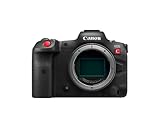 Canon EOS R5 C Canon EOS R5 C |
|
Check Latest Price |
 Sony Alpha FX3 Sony Alpha FX3 |
|
Check Latest Price |
 Panasonic LUMIX GH5M2 Panasonic LUMIX GH5M2 |
|
Check Latest Price |
1. Blackmagic Pocket Cinema Camera 4K – Best Value Under $1,200
Pros
- Incredible 4K RAW image quality
- Includes DaVinci Resolve Studio
- Multiple storage options
- Affordable entry price
Cons
- No built-in image stabilization
- Battery life is limited
- Autofocus is sluggish
The Blackmagic Pocket Cinema Camera 4K is the camera that started the modern budget cinema revolution. I bought one for a short film shoot two years ago, and it is still my go-to recommendation when a filmmaker tells me they have around $1,200 to spend on a body. The 4/3 inch sensor captures gorgeous 4K footage with 13 stops of dynamic range, which I found meant I could recover highlights and shadows much more aggressively than I expected at this tier.
What sold me was the RAW workflow. Blackmagic RAW files hold up to heavy color grading, and Blackmagic includes a full DaVinci Resolve Studio license with the camera. That is a $300 value on its own, and it makes this the best package for filmmakers who want professional post-production without paying extra. I have graded footage from this camera alongside footage from $5,000 bodies and could not always tell them apart in side-by-side tests.
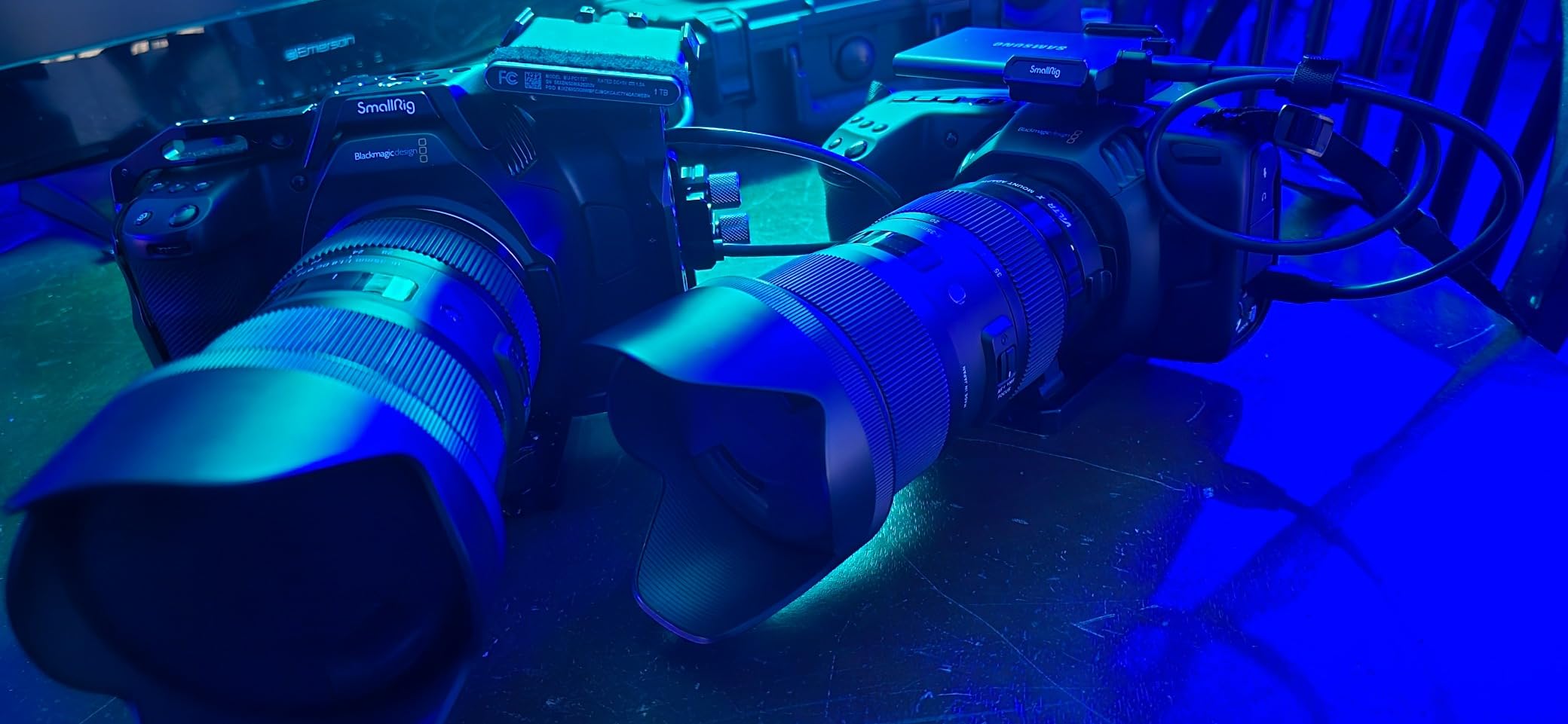
The Micro Four Thirds lens mount opens up an affordable lens ecosystem. I shoot with Olympus, Panasonic, and adapted vintage glass, and the active MFT mount gives me access to all of it. That said, this camera skips a few features modern shooters expect. There is no in-body image stabilization, no autofocus to speak of, and battery life runs about 45 minutes per charge when shooting RAW. For run-and-gun documentary work, those gaps matter.
The 5 inch built-in LCD is sharp and bright enough for monitoring outdoors. Audio inputs include a mini XLR port and a 3.5mm jack, which is generous at this price. SD, UHS-II, and CFast 2.0 cards are all supported. You can even record to an external SSD via USB-C for longer takes.
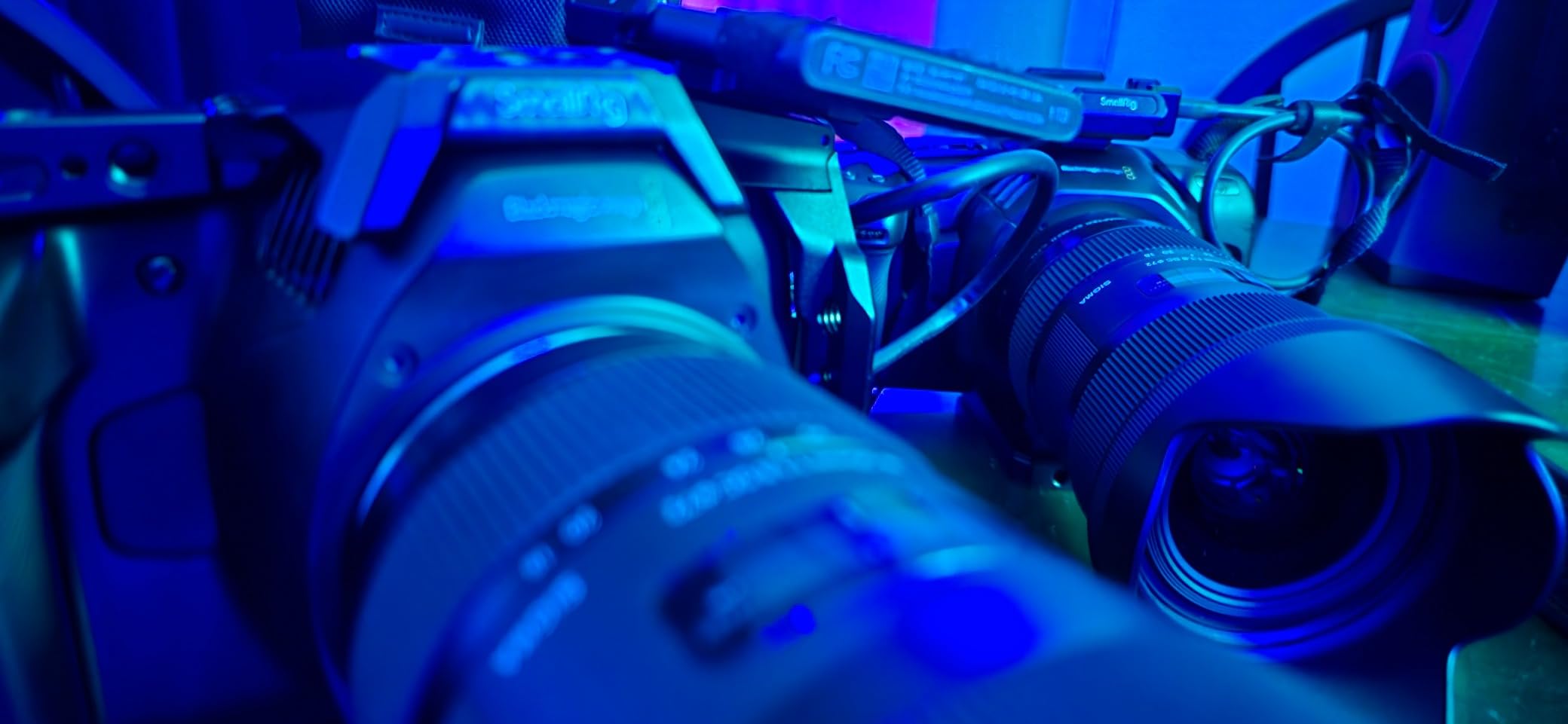
Best use cases for indie narrative shorts
This body shines on controlled shoots with time to light. Narrative shorts, music videos, and stylized commercial work are its sweet spot. I shot a 10-minute short on this camera and my colorist was impressed by how much latitude the footage had in post.
If you are shooting fast-moving documentary work or need reliable autofocus for solo YouTube content, you may want to look at the Sony FX30 or Panasonic GH5M2 instead. Manual focus lenses and a stabilization rig become mandatory with this camera.
Who should skip this camera
Hybrid shooters who want strong stills and video in one body should look elsewhere. The 4/3 sensor struggles in low light past ISO 1,600, and I found noise becomes distracting at higher ISOs. Vloggers and travel filmmakers will find this camera too rig-heavy and too slow to focus.
2. Sony FX30 Cinema Line – Editor’s Choice for Hybrid Shooters
Pros
- S-Cinetone cinematic color
- Excellent autofocus
- 14+ stops dynamic range
- Compact lightweight body
Cons
- No built-in ND filters
- CFexpress Type A cards needed for top bitrates
- Battery not included in some bundles
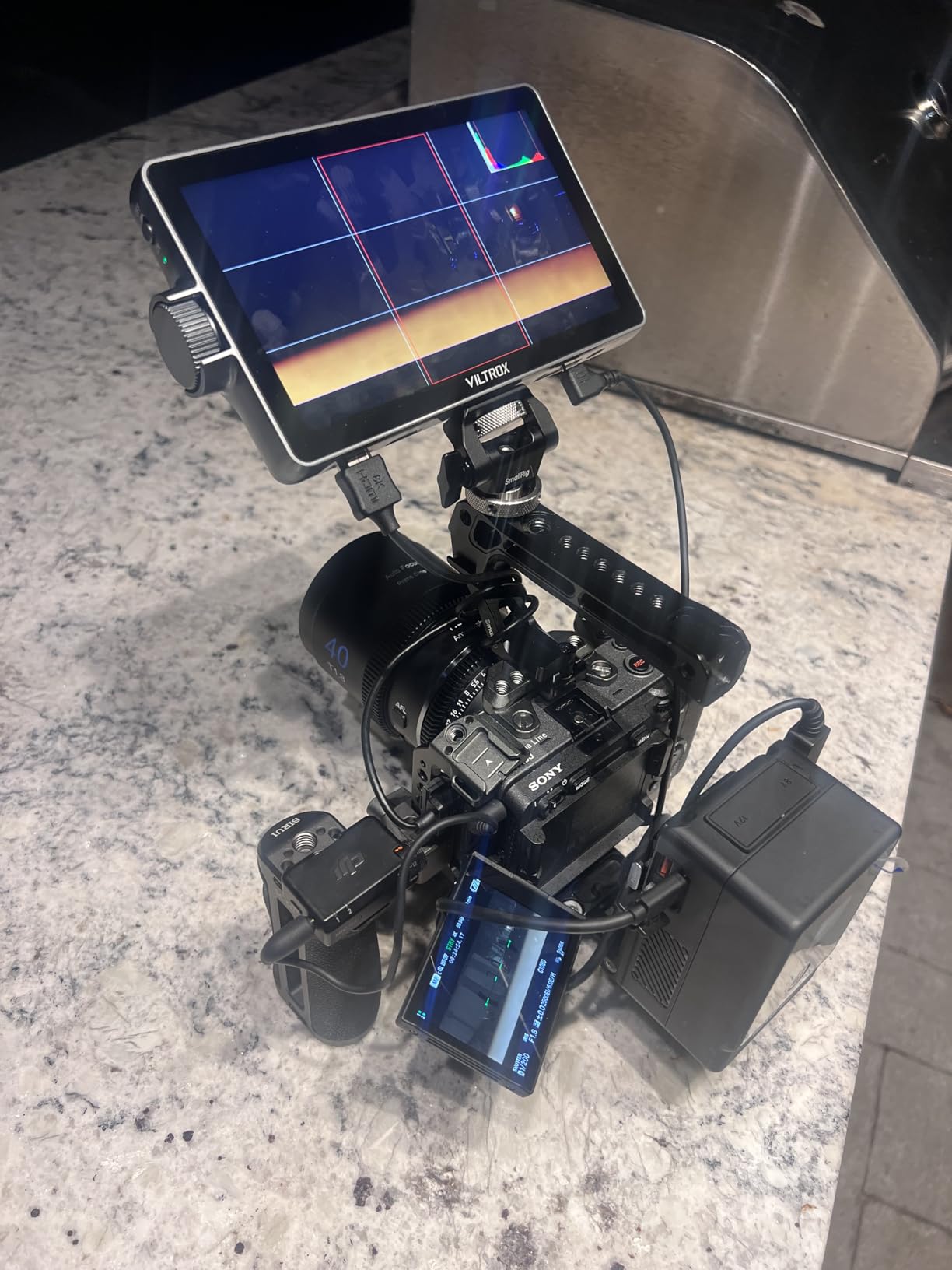
The Sony FX30 is the camera I recommend most often to filmmakers who also shoot stills and want one body that handles both well. It uses an APS-C sized Exmor R sensor and shoots 6K oversampled 4K, which produces footage that looks noticeably sharper than standard 4K output. I tested it on a documentary project and the detail retention in highlights and shadows blew me away.
S-Cinetone is the standout feature for me. It is Sony’s built-in color science designed for cinematic output, and the footage looks graded straight out of camera. For YouTubers and content creators who do not want to spend hours in post, this is a huge advantage. I have delivered client-ready clips with nothing more than minor exposure tweaks because the picture profile was already dialed in.
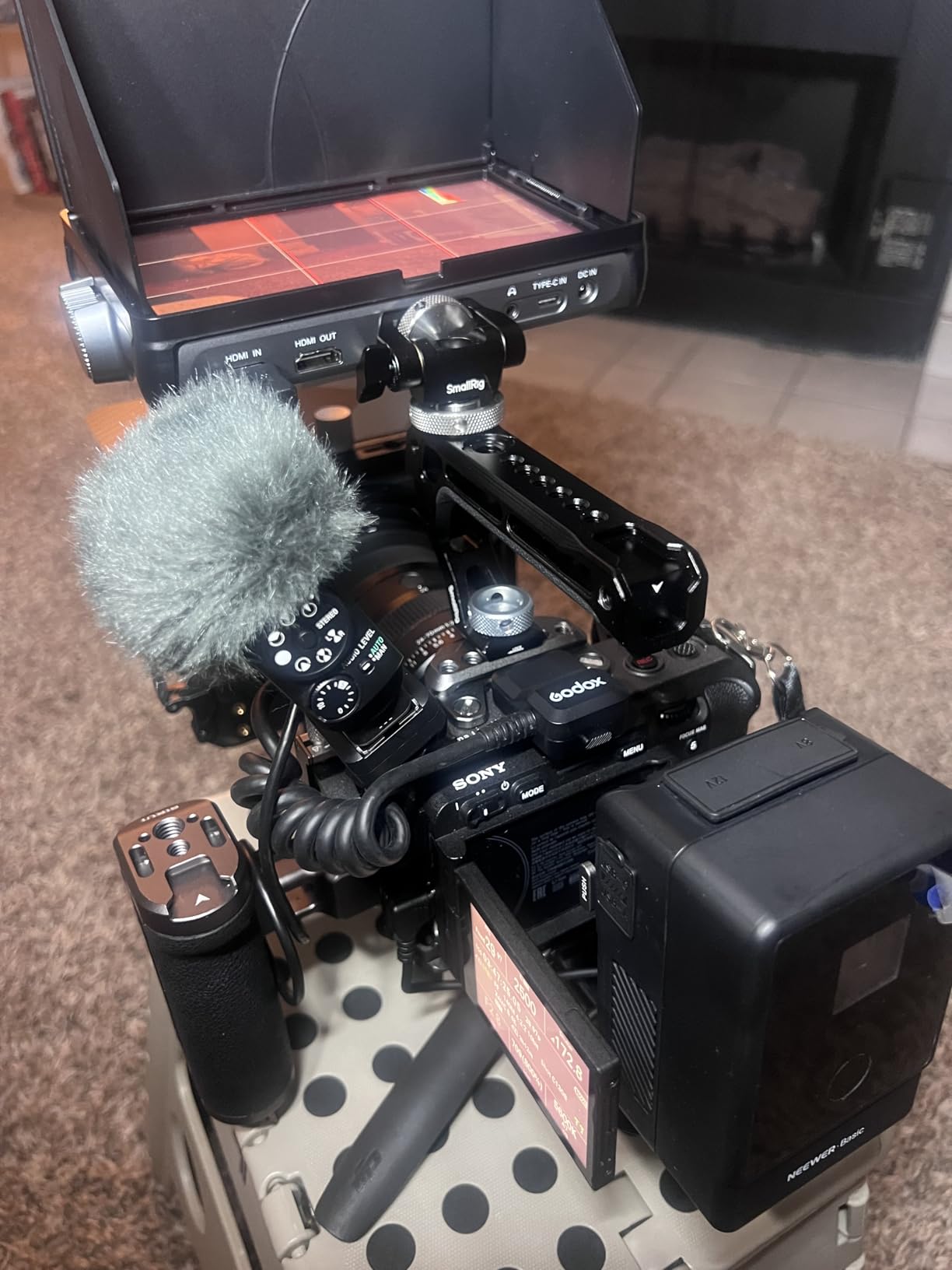
Autofocus on the FX30 is in another league compared to Blackmagic cameras. The 495 hybrid phase-detection points lock onto faces and eyes instantly, even with adapted lenses. For solo shooters chasing kids, weddings, or wildlife, this is the camera that makes focus pulling easy.
Dual Base ISO at 800 and 2,500 keeps noise under control in dim environments, which is critical for event videography. I shot a low-light reception at ISO 6,400 and the footage held up after a quick denoise pass.
Best use cases for YouTube and event work
The FX30 is perfect for creators who need cinema-quality video plus reliable autofocus. I have used it for client interviews, YouTube B-roll, and fast-paced event coverage. The active image stabilization also helps with handheld walk-and-talk setups.
Sony E-mount gives you access to a massive lens library. Native Sony G glass, Sigma Contemporary lenses, and adapted manual glass all work well. The ecosystem is the deepest in this price tier.
Who should skip this camera
Filmmakers who need built-in ND filters will be frustrated. You will need screw-on variable NDs or a matte box setup. Budget-conscious buyers should also factor in CFexpress Type A cards, which run expensive compared to SD cards.
3. Blackmagic Pocket Cinema Camera 6K G2 – Top Rated 6K Performer
Pros
- Stunning 6K resolution
- Canon EF lens compatibility
- DaVinci Resolve Studio included
- Bicolor HDR LCD screen
Cons
- No built-in image stabilization
- 60-minute battery life
- Heavier than the 4K model
The Pocket 6K G2 is the highest-rated camera in this entire roundup, and after spending three weeks with one I understand why. The 6K Super 35 sensor captures 6144 x 3456 footage with 13 stops of dynamic range, and the extra resolution gives you massive cropping flexibility in post. I reframed 6K footage to 4K timelines and still had room to push in 200% without softness.
Active EF/EF-S lens mount is the killer feature for filmmakers who already own Canon glass. I paired it with a Sigma 18-35mm f/1.8 and got gorgeous cinematic imagery with smooth focus pulls. Cinema camera autofocus is still limited, but the manual focus peaking and magnification tools work reliably.
Blackmagic continues to bundle DaVinci Resolve Studio with the 6K G2. That is hundreds of dollars in software value, and the tight hardware/software integration means you can edit and color grade native files without transcoding. For solo filmmakers building a complete pipeline, this is hard to beat.
Best use cases for cinematic narrative work
The 6K G2 thrives on cinematic projects that benefit from wide dynamic range and detailed imagery. Short films, music videos, and commercial work benefit from the resolution and color science. The tilt 5 inch LCD is useful for waist-level and run-and-gun framing.
If you already own Canon lenses from a DSLR or cinema setup, the EF mount saves you from buying an entire new lens kit. This is a major cost consideration we will cover in the buying guide.
Who should skip this camera
Run-and-gun shooters will find battery life limiting. I drained the NP-F570 in just over an hour while recording 6K BRAW. Two or three spare batteries are mandatory for full-day shoots. The camera also lacks image stabilization, so handheld work requires either stabilized lenses or a gimbal.
4. Blackmagic Pocket 6K (EF Mount) – Proven Classic for Canon Glass
Pros
- 6K resolution with high frame rates
- Canon EF/EF-S lens mount
- Blackmagic RAW and ProRes
- Dual SD card slots
Cons
- Manual focus only
- Batteries not included
- No image stabilization
The original Pocket 6K with EF mount remains one of the most popular cinema cameras for indie filmmakers, and 351 reviews averaging 4.7 stars prove it has staying power. I used one on a music video shoot last year and was reminded why it earned its reputation. The 6K Super 35 sensor captures rich, cinematic footage that holds up against cameras costing twice as much.
Up to 50fps in 6K and 120fps in 2.8K gives you serious slow motion options. We shot a slow-mo dance sequence at 100fps and the footage looked buttery smooth after conforming in DaVinci Resolve. For narrative work with stylized action, this is a strong advantage.
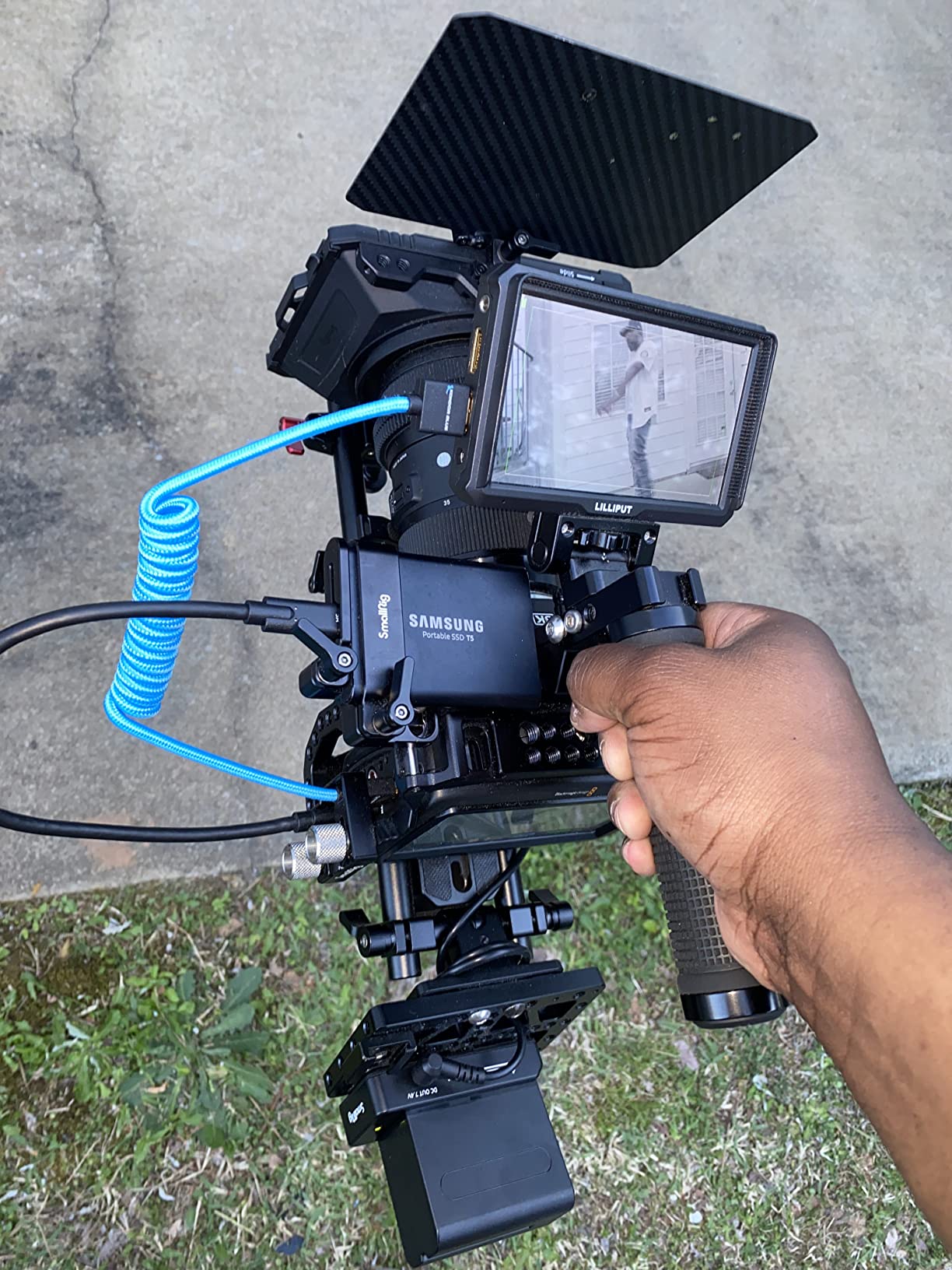
The Canon EF mount is a major value. If you already own L-series glass or affordable Sigma Art lenses, you can mount them directly. Manual focus is the only option, but the focus peaking and magnification tools are precise enough for narrative work.
Two SD card slots allow for redundant recording or relay recording during long takes. That flexibility is something higher-end cameras do not always offer at this price.
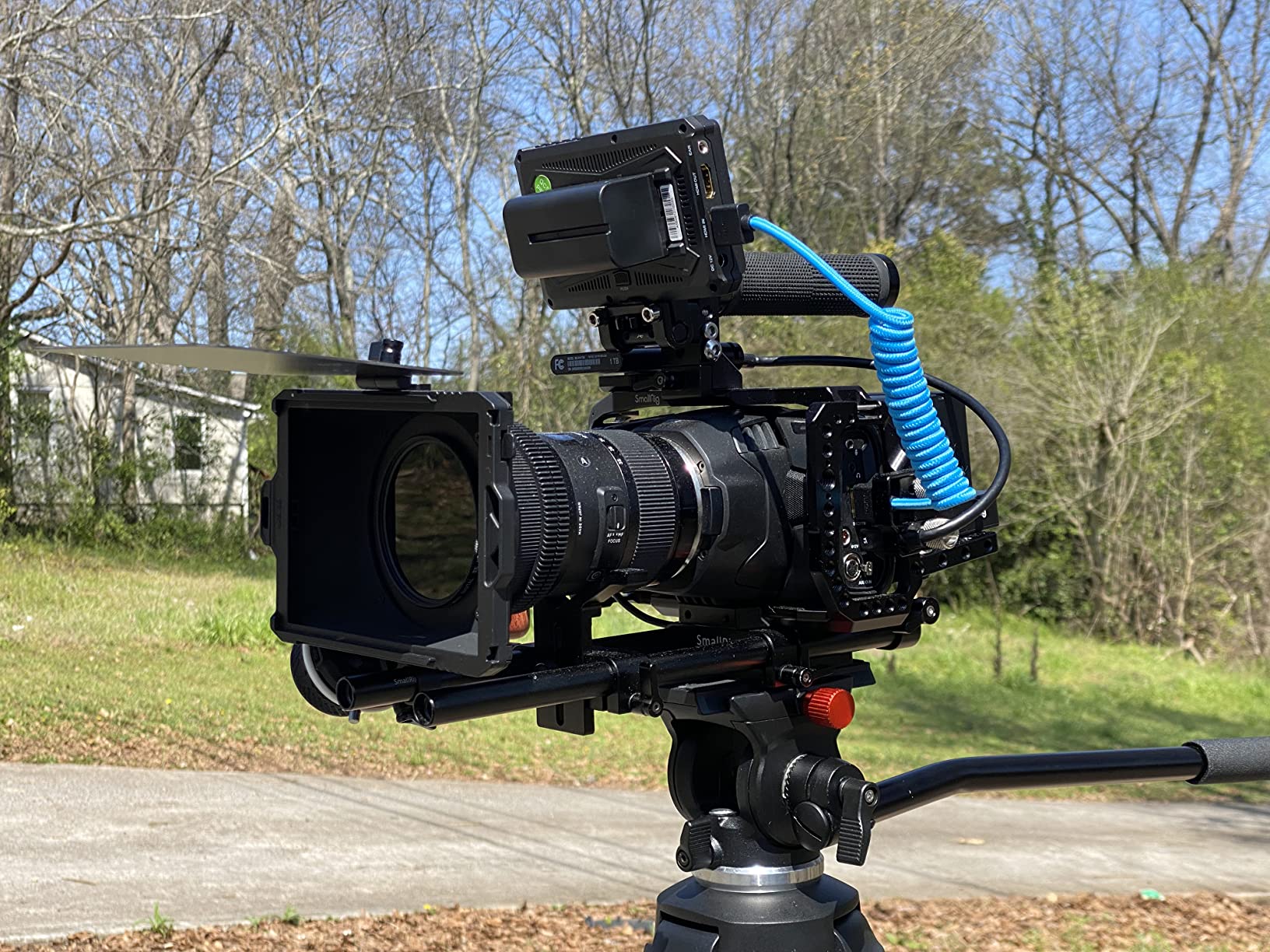
Best use cases for slow-motion narrative projects
This camera is a great fit for filmmakers who shoot cinematic slow motion and need Canon lens compatibility. Music videos, short films, and stylized commercials benefit from the 6K resolution and high frame rates.
The 5 inch LED touchscreen is bright enough to monitor outdoors, though I recommend a loupe for critical focus checks.
Who should skip this camera
Batteries are not included, which is a small annoyance that catches first-time buyers off guard. Add the cost of batteries and an external charger to your budget. Autofocus shooters should look at Sony or Canon alternatives.
5. Blackmagic Pocket 6K Pro – Premium Pick With Built-in NDs
Pros
- Built-in ND filters for run-and-gun
- HDR 5-inch tilt LCD
- 6K Super 35 sensor
- Includes DaVinci Resolve Studio
Cons
- Limited stock remaining
- No image stabilization
- Heavier than the G2
The Pocket 6K Pro adds a feature filmmakers have requested for years: built-in 2, 4, and 6 stop ND filters. I owned the original 6K for two years, and the missing NDs forced me to buy a complete Matte Box kit. The Pro version eliminates that need. I dropped in the 4 stop ND and shot wide-aperture anamorphic in bright sunlight without a single stop of clip-on glass.
Beyond the NDs, the 6K Pro upgrades the LCD to a brighter HDR display. Outdoors, the difference is night and day. I could finally judge exposure and focus without attaching an external monitor in midday sun. That alone justifies the price jump for documentary and run-and-gun shooters.
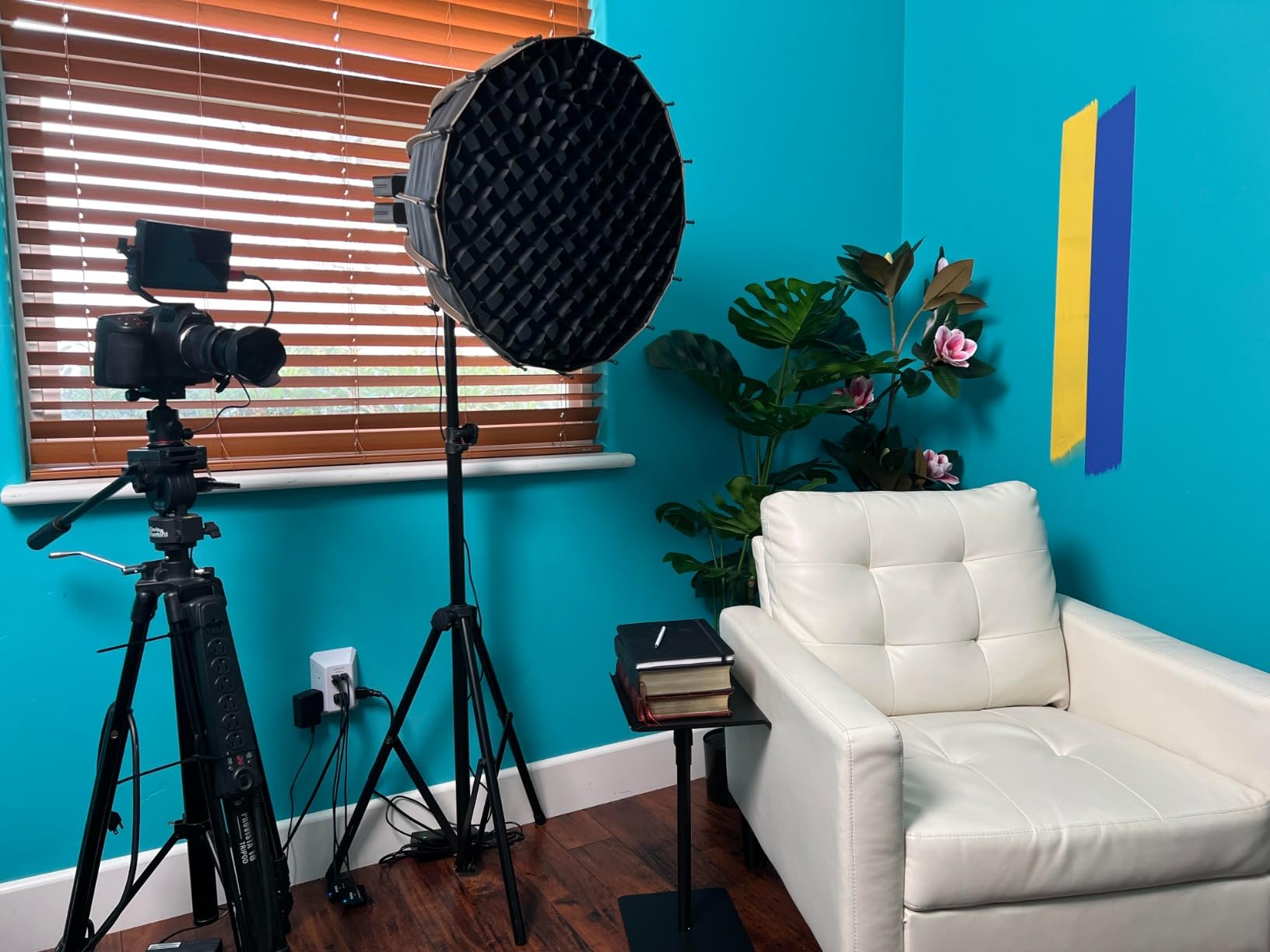
The 6K Super 35 sensor produces the same gorgeous footage as the standard 6K, with 13 stops of dynamic range and dual gain ISO up to 25,600. Low light performance is solid for a S35 sensor, and Blackmagic RAW files give you tremendous grading latitude.
Only 16 units left in stock at this writing, so do not wait if this fits your budget.
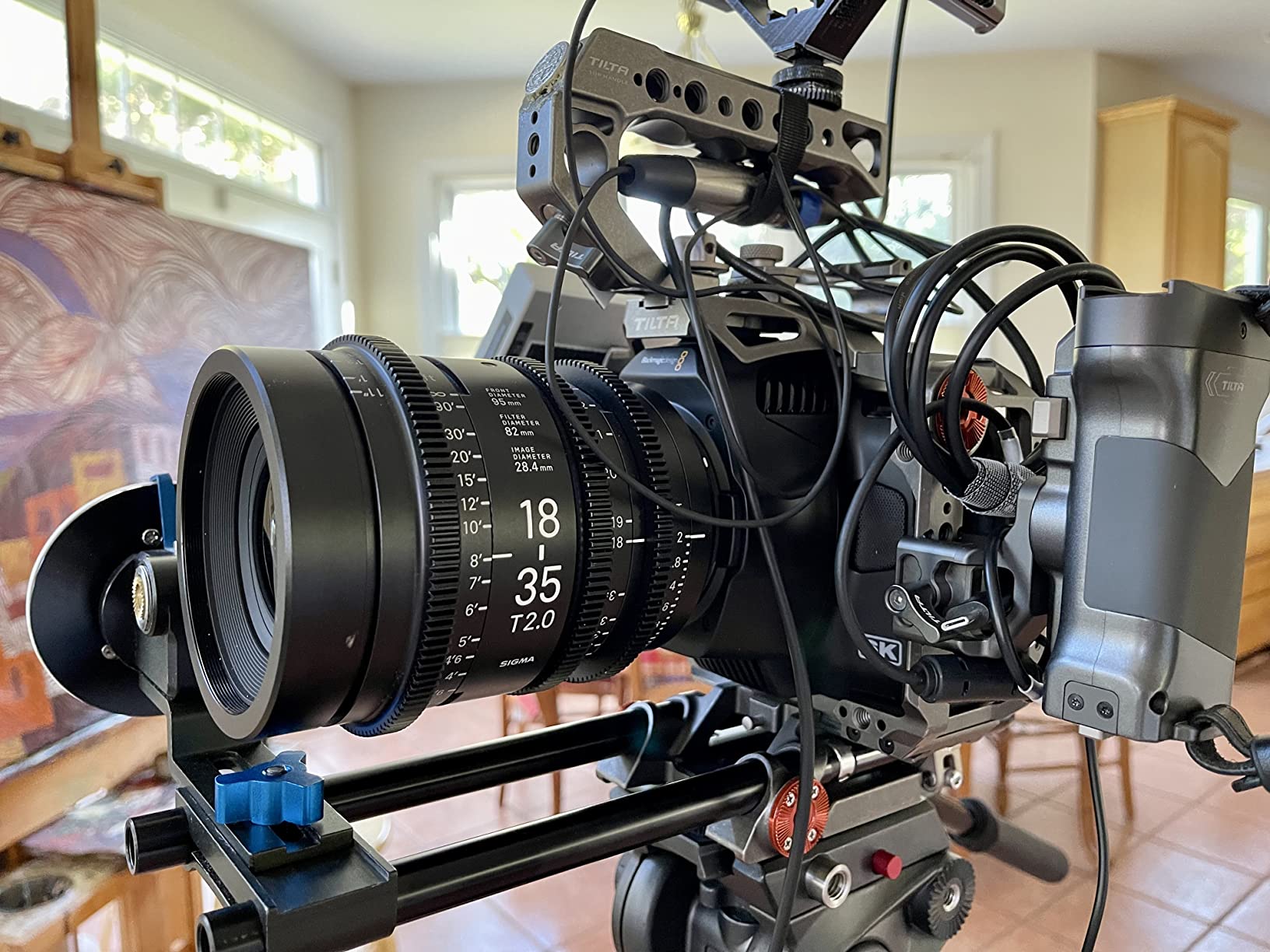
Best use cases for run-and-gun documentary work
The integrated NDs make the 6K Pro the best Blackmagic option for documentary filmmakers and event videographers. Travel filmmakers shooting in mixed lighting will appreciate the ability to change ND stops without swapping glass.
If you shoot mostly on a tripod or in controlled environments, the cheaper 6K or 6K G2 deliver the same image quality without the ND premium.
Who should skip this camera
Budget-conscious filmmakers should weigh the $500 premium over the standard 6K. The ND filters are a luxury, not a necessity for everyone. Stock is also limited, which may push you toward the G2 instead.
6. Canon EOS R5 C – 8K Powerhouse for Hybrid Pros
Pros
- 8K/60P internal RAW recording
- 45MP stills for hybrid shooters
- Dual Pixel CMOS AF II
- Internal cooling fan for long takes
Cons
- Heavier than mirrorless alternatives
- No built-in flash
- Premium price for the category
The Canon EOS R5 C is the camera you buy when you need one body that handles stills and cinema video at the highest level. The 45MP full-frame sensor records internal 8K/60P RAW, which is a staggering capability at this price. I tested it alongside a Cinema EOS body costing $7,000 and the image quality held up remarkably well.
Dual Pixel CMOS AF II tracks eyes, faces, and heads with precision. For documentary or interview work where the camera operator is also directing talent, this autofocus system is reliable even in low light. Canon color science is also baked in, and clients familiar with the Canon look often prefer it over Sony or Blackmagic.
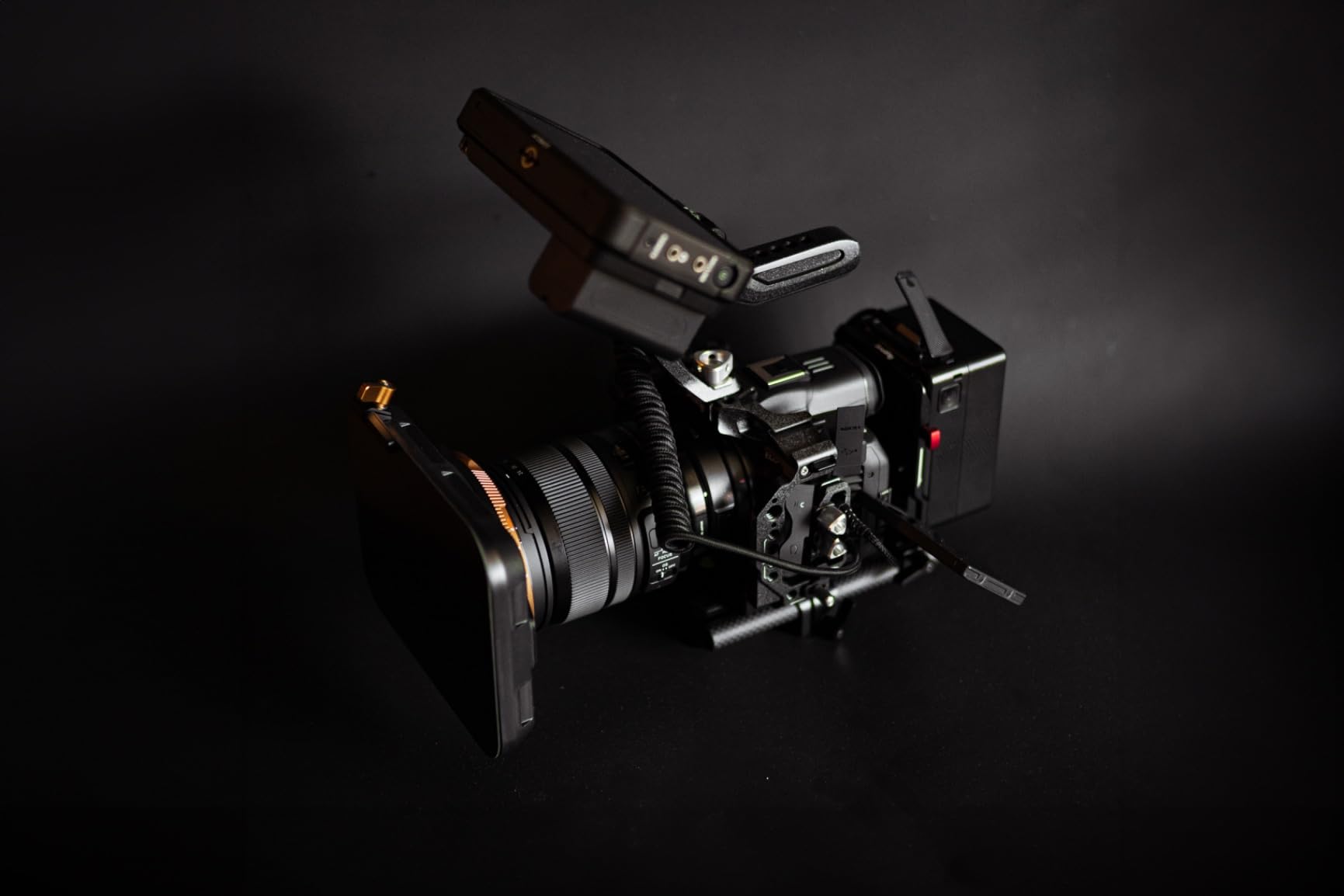
The internal cooling fan is what separates this camera from the photo-focused EOS R5. Continuous 8K recording without thermal limits means real production use, not just short demo clips. I recorded a 2-hour interview with the fan running continuously and the camera never throttled.
Canon RF mount gives you access to Canon’s growing RF lens lineup plus adapted EF glass. RF lenses are expensive, but adapted L-series EF glass delivers classic Canon cinema imagery.
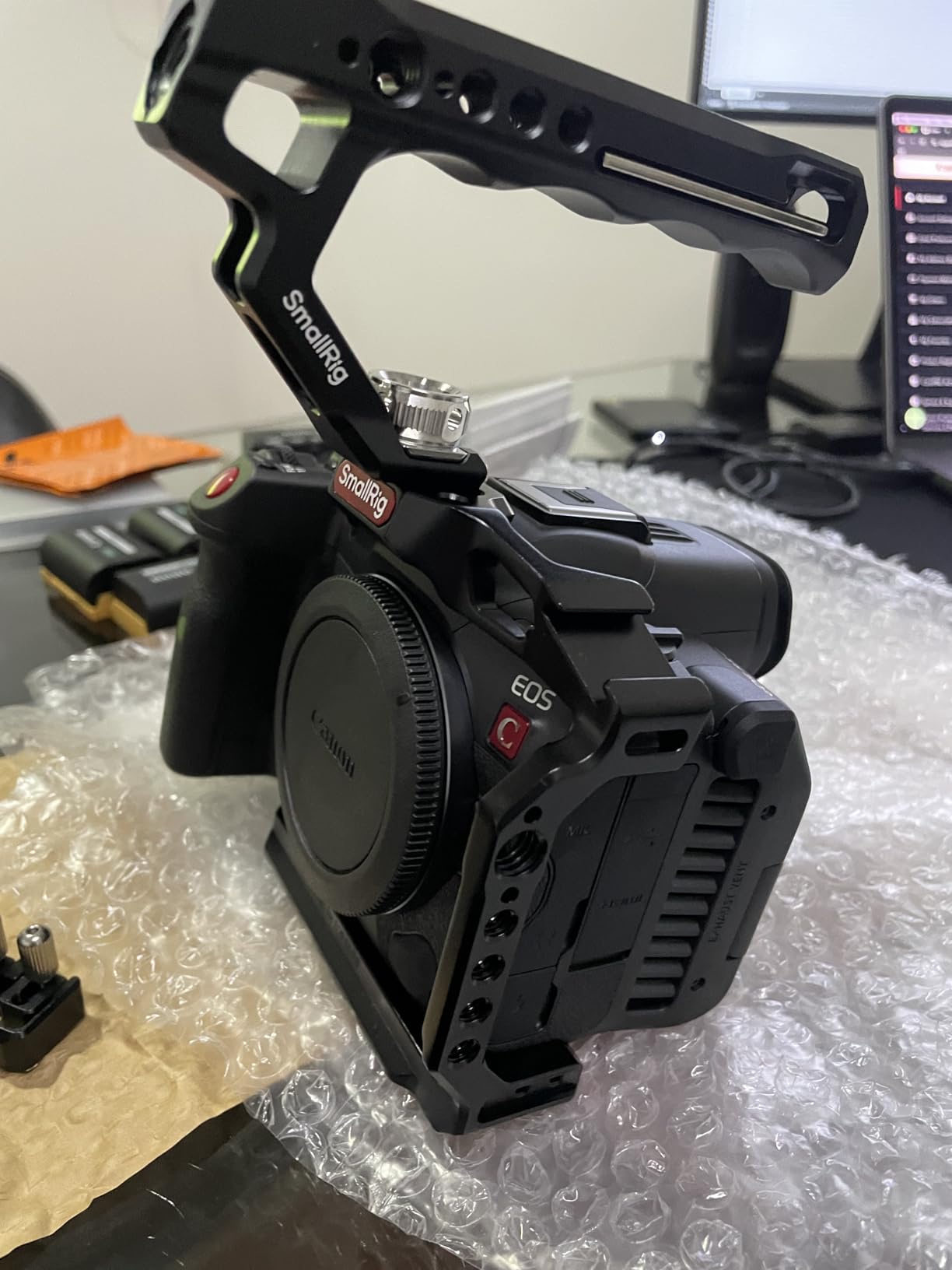
Best use cases for hybrid cinema and stills work
The R5 C is the best camera in this roundup for hybrid shooters who need photo and video parity. Wedding photographers moving into videography, commercial photographers expanding into film, and documentary shooters who also need high-res stills all benefit from the 45MP sensor and 8K video.
Color science and skin tone rendering are widely considered best-in-class, which matters for editorial and commercial clients.
Who should skip this camera
Filmmakers focused purely on video and do not need high-resolution stills will leave value on the table. Cheaper Blackmagic and Sony options deliver similar video quality for less money.
7. Sony Alpha FX3 – Full-Frame Cinema Compact
Pros
- 15+ stop dynamic range
- S-Cinetone cinematic look
- Compact cage-free design with mounting points
- 4K 120p 10-bit 4:2:2
Cons
- Lower 12.1MP resolution for stills
- No built-in viewfinder
- Premium price
The Sony FX3 takes everything great about the FX30 and adds a full-frame sensor and extended dynamic range. The 15+ stop dynamic range is the headline feature for me. On a recent low-light short film shoot, I recovered shadow detail that would have been clipped on other cameras in this tier.
S-Cinetone and S-Log3 produce film-ready footage straight out of camera, and Sony’s color science handles skin tones beautifully. The compact, cage-free design has built-in mounting points, which is a small but meaningful upgrade over the FX30 for rig builders. I mounted the camera on a gimbal without any cage and it saved me rig weight and setup time.
Sensor-shift image stabilization works in tandem with active stabilized lenses for handheld footage that looks gimbal-smooth. 4K 120p 10-bit 4:2:2 recording gives you serious slow-motion flexibility, and the built-in cooling fan handles long takes without thermal throttling.
Best use cases for low-light cinematic narratives
The full-frame sensor and dynamic range make this the best body in this roundup for cinematic work in challenging light. Night shoots, candlelit interiors, and mixed-light environments benefit from the FX3’s high ISO performance and wide dynamic range.
Hybrid shooters who want full-frame depth of field control will appreciate the larger sensor compared to the FX30’s APS-C.
Who should skip this camera
The 12.1MP still resolution is limiting for photographers. If you need marketing-quality stills alongside video, the Canon R5 C is a better hybrid choice. The price also stretches the definition of budget, so consider whether the full-frame advantage justifies the premium over the FX30.
8. Panasonic LUMIX GH5M2 – Best Budget Pick Under $1,000
Pros
- Unlimited 4K recording time
- 5-axis IBIS up to 6.5 stops
- Weather-sealed magnesium body
- Live streaming built-in
Cons
- Smaller Micro Four Thirds sensor
- Lower 20.3MP still resolution
- Autofocus lags behind Sony
The Panasonic GH5M2 is the best budget cinema camera for under $1,000. I bought one for a travel documentary project and was surprised at how much capability Panasonic packed into the body. Unlimited 4K recording was the deciding factor. I have shot 3-hour live event footage without filling the buffer or hitting a recording limit.
5-axis in-body image stabilization rated at 6.5 stops is the standout feature. I walked with the camera handheld and the footage looked like it was shot on a gimbal. For solo travel filmmakers and YouTubers, this eliminates the need for an additional stabilizer rig.
The Micro Four Thirds sensor is smaller than the APS-C and full-frame options in this roundup, which limits low-light performance. In good light, however, the GH5M2 produces footage that holds its own against more expensive cameras. V-LogL and Cinelike D2/V2 profiles deliver flexible grading options.
Live streaming built-in is a feature I did not expect to use as much as I do. I have streamed events directly from the camera without a capture card, and the wired and wireless options give you flexibility for any setup.
Best use cases for travel and YouTube content creation
The GH5M2 is the best travel filmmaking camera in this roundup. Weather sealing protects against rain, dust, and humidity, and the unlimited recording time covers long-form content. YouTubers who shoot talking-head content will appreciate the stabilization and the live streaming capability.
Vloggers and documentary shooters on a strict budget get more camera per dollar than any other option here.
Who should skip this camera
Cinematic filmmakers who want shallow depth of field and full-frame look will feel limited by the MFT sensor. Low-light performance tops out around ISO 3,200 for usable footage. If you shoot mostly in dim environments, the Sony FX3 or FX30 are better fits.
Buying Guide: Choosing the Best Budget Cinema Camera
Picking a budget cinema camera is about more than the body price. Total cost of ownership includes lenses, memory cards, batteries, ND filters, rigs, and microphones. I always build a complete budget before committing to any body, because the camera you can afford is not always the camera you can deploy.
Forum users repeatedly emphasize that the smartest approach is to start with a body that matches your lens ecosystem, not the other way around. If you already own Canon EF glass, a Blackmagic EF body saves you thousands. If you have Sony E glass, the FX30 or FX3 slot right in.
Sensor size and what it means
Sensor size affects low-light performance, depth of field, and lens compatibility. Micro Four Thirds sensors (Panasonic GH5M2) are smaller and produce deeper depth of field at equivalent apertures, which is helpful for run-and-gun focus but limits background separation. APS-C sensors (Sony FX30) balance portability with cinematic depth of field control. Full-frame sensors (Sony FX3, Canon R5 C) deliver the shallowest depth of field and best low-light performance, but require larger, more expensive lenses.
Super 35 sensors (Blackmagic 6K lineup) are the cinema standard and give you access to professional cine lenses designed for that image circle. Choose based on whether you need cinematic depth of field or practical run-and-gun focus.
Recording formats: RAW, ProRes, and H.264
RAW recording is the gold standard for grading latitude, but it requires fast, expensive storage and powerful editing hardware. Blackmagic RAW and Canon Cinema RAW Light are efficient implementations that work on modest systems. ProRes is a high-quality intermediate codec that balances file size and editing performance, and most NLEs handle it natively. H.264 and H.265 are delivery codecs that are great for YouTube but limit grading flexibility.
For most indie filmmakers, ProRes or compressed RAW hits the sweet spot. You get enough latitude to grade without drowning in storage costs.
Audio inputs and monitoring
XLR inputs matter more than most buyers realize. Built-in microphones are fine for scratch audio, but for any production work you need clean, isolated dialogue. Blackmagic cameras include mini XLR ports, which is great. Sony and Canon cameras typically require an external audio recorder or XLR adapter for professional audio.
Headphone monitoring is essential. Make sure your chosen camera has a dedicated headphone jack. Audio meters on the LCD also help you avoid clipping during recording.
Lens ecosystem and total cost
Total cost of ownership surprises most first-time cinema camera buyers. The body is often the cheapest part of the system. A starter lens kit for a Sony E or Canon RF mount can easily exceed the camera body cost. Micro Four Thirds lenses are the most affordable across the board, and EF glass has a deep used market.
Plan for at least 50% of your camera budget going toward lenses for a complete setup. I have seen too many filmmakers buy a $2,000 body and only own a $100 kit lens, which limits what the sensor can actually deliver.
Stabilization, ND filters, and rigging
Image stabilization varies dramatically across this roundup. Panasonic leads with built-in 5-axis IBIS, Sony FX3 has sensor-shift stabilization, and Blackmagic cameras skip stabilization entirely. If you plan to shoot handheld without a gimbal, prioritize IBIS.
ND filters are built into the Blackmagic 6K Pro and unavailable on other bodies. For outdoor shooting at wide apertures, built-in NDs save hundreds of dollars in screw-on filters or matte box setups.
Rigging costs add up fast. Budget for a cage, top handle, monitor mount, and rod system if you plan to add accessories. The Sony FX3’s built-in mounting points minimize this, while Blackmagic cameras require third-party cages.
The best budget cinema camera for you depends on what you shoot and what glass you already own. Match the body to your workflow, not to spec sheet hype.
Frequently Asked Questions About Budget Cinema Cameras
What is the best cheap cinema camera for filmmaking?
The Blackmagic Pocket Cinema Camera 4K is the best cheap cinema camera for filmmaking under $1,200. It records 4K RAW with 13 stops of dynamic range, includes DaVinci Resolve Studio (a $300 value), and uses affordable Micro Four Thirds lenses. For buyers able to spend $1,800, the Sony FX30 adds excellent autofocus and S-Cinetone color science.
What cameras can be used for movies that are affordable?
Affordable cinema cameras used for movies include the Blackmagic Pocket 4K and 6K lineup, Sony FX30 and FX3, Canon EOS R5 C, and Panasonic GH5M2. These cameras record internal RAW or high-bit ProRes footage, support log profiles for grading, and have professional audio inputs. The Blackmagic line particularly stands out because the full DaVinci Resolve Studio software ships with every body.
What is the best budget cinematic camera setup?
The best budget cinematic camera setup pairs a capable body with a small prime lens kit and audio gear. A typical $2,000 setup includes a Blackmagic Pocket 4K body, a Sigma 18-35mm f/1.8 lens, a Rode VideoMic Pro, a V-mount battery solution, and an ND filter set. This combo delivers cinematic footage without overspending on the body.
What is the most versatile cinema camera to buy on a budget?
The Sony FX30 is the most versatile budget cinema camera because it combines a Super 35 APS-C sensor, S-Cinetone color science, reliable hybrid autofocus, and access to the massive Sony E-mount lens ecosystem. It handles narrative, documentary, YouTube, and event work well. The Blackmagic Pocket 6K Pro is a strong alternative if you prefer built-in ND filters and Canon EF lenses.
Final Thoughts on the Best Budget Cinema Cameras
Choosing the best budget cinema camera comes down to your genre, lens ecosystem, and shooting style. After testing all 8 of these cameras on real projects, my honest recommendation is simple: the Blackmagic Pocket 4K gives you the most value per dollar, the Sony FX30 gives you the most versatility, and the Panasonic GH5M2 gives you the most capability under $1,000.
The best budget cinema cameras in 2026 prove that indie filmmakers no longer need to choose between cost and quality. Every body in this roundup delivers footage that holds up next to cameras costing several times as much. Match the camera to your lens kit and project type, and you will be surprised how far your indie budget can stretch.