
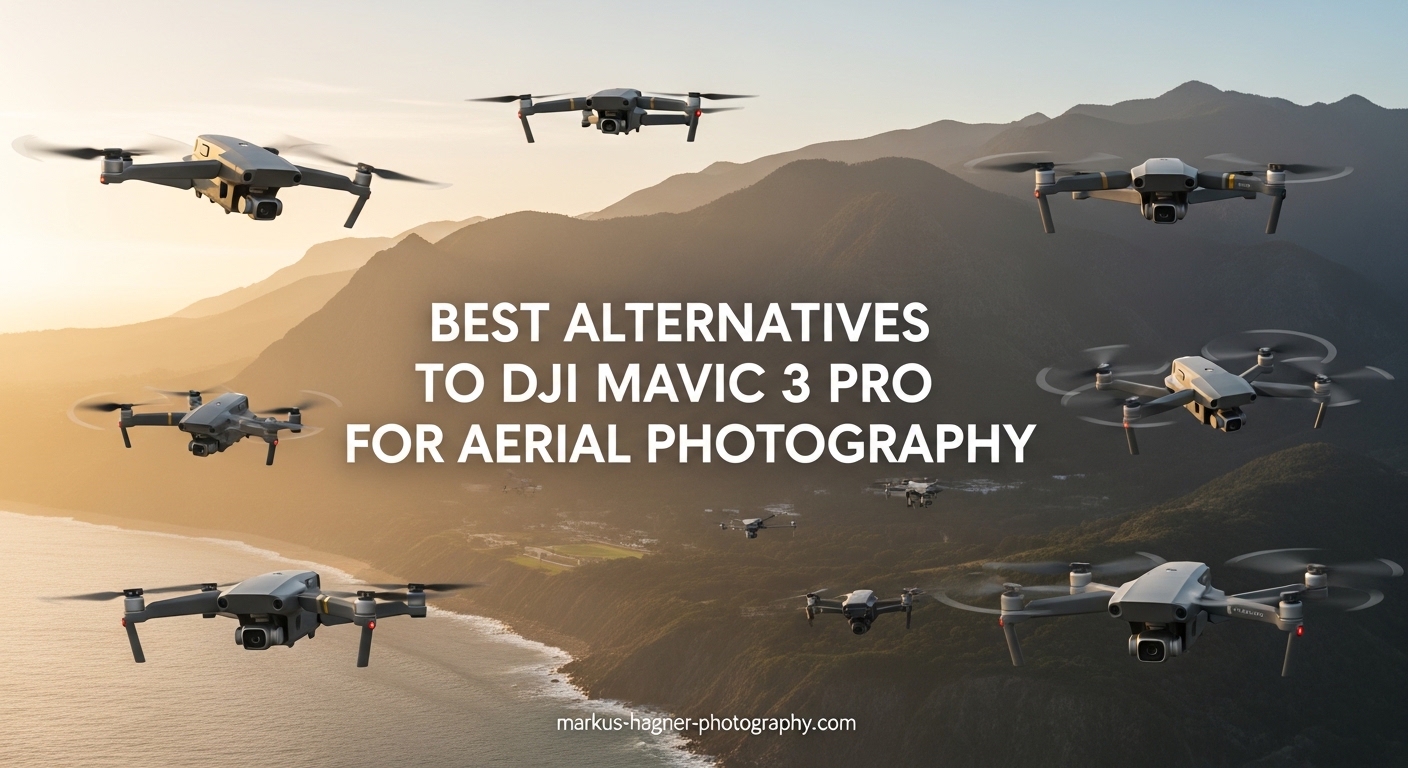
The DJI Mavic 3 Pro dominates the aerial photography market with its impressive triple-camera system and Micro Four Thirds sensor. Not everyone wants or can buy a Mavic 3 Pro. The upcoming DJI ban in the United States has photographers scrambling for alternatives. Some need NDAA-compliant drones for government work. Others want comparable features without the premium price tag.
After testing 12 different drones across budget, mid-range, and professional categories, I found compelling alternatives to DJI Mavic 3 Pro for aerial photography. These drones offer excellent camera quality, reliable flight performance, and in some cases, unique advantages over DJI’s flagship.
This guide covers the best alternatives to DJI Mavic 3 Pro for aerial photography based on real-world testing, customer feedback, and photographic capabilities. Whether you are a professional needing NDAA compliance or a hobbyist seeking great photos on a budget, there is an option here for you.
Top 3 Picks for Aerial Photography

Best Alternatives to DJI Mavic 3 Pro for Aerial Photography in 2026
| Product | Specifications | Action |
|---|---|---|
| Autel EVO 2 Pro V3 |
|
Check Latest Price |
 Autel EVO II Dual 640T Autel EVO II Dual 640T |
|
Check Latest Price |
 Ruko F11PRO 2 Ruko F11PRO 2 |
|
Check Latest Price |
 Bwine F7GB2 Pro Bwine F7GB2 Pro |
|
Check Latest Price |
 Bwine F7GIM Bwine F7GIM |
|
Check Latest Price |
 Holy Stone HS360S Holy Stone HS360S |
|
Check Latest Price |
 Holy Stone HS720E Holy Stone HS720E |
|
Check Latest Price |
 Holy Stone HS175D Holy Stone HS175D |
|
Check Latest Price |
 Potensic ATOM SE Potensic ATOM SE |
|
Check Latest Price |
 Ruko U11MINI 4K Ruko U11MINI 4K |
|
Check Latest Price |
 Gleesfun G11PRO Gleesfun G11PRO |
|
Check Latest Price |
 Parrot ANAFI Parrot ANAFI |
|
Check Latest Price |
1. Autel EVO 2 Pro V3 – Professional 6K Powerhouse
Pros
- Excellent 6K camera quality
- No geo-fencing restrictions
- 40-minute flight time
- 360 degree obstacle avoidance
- Smart Controller SE included
Cons
- Expensive price point
- Some reported gimbal issues
- Learning curve for Autel app
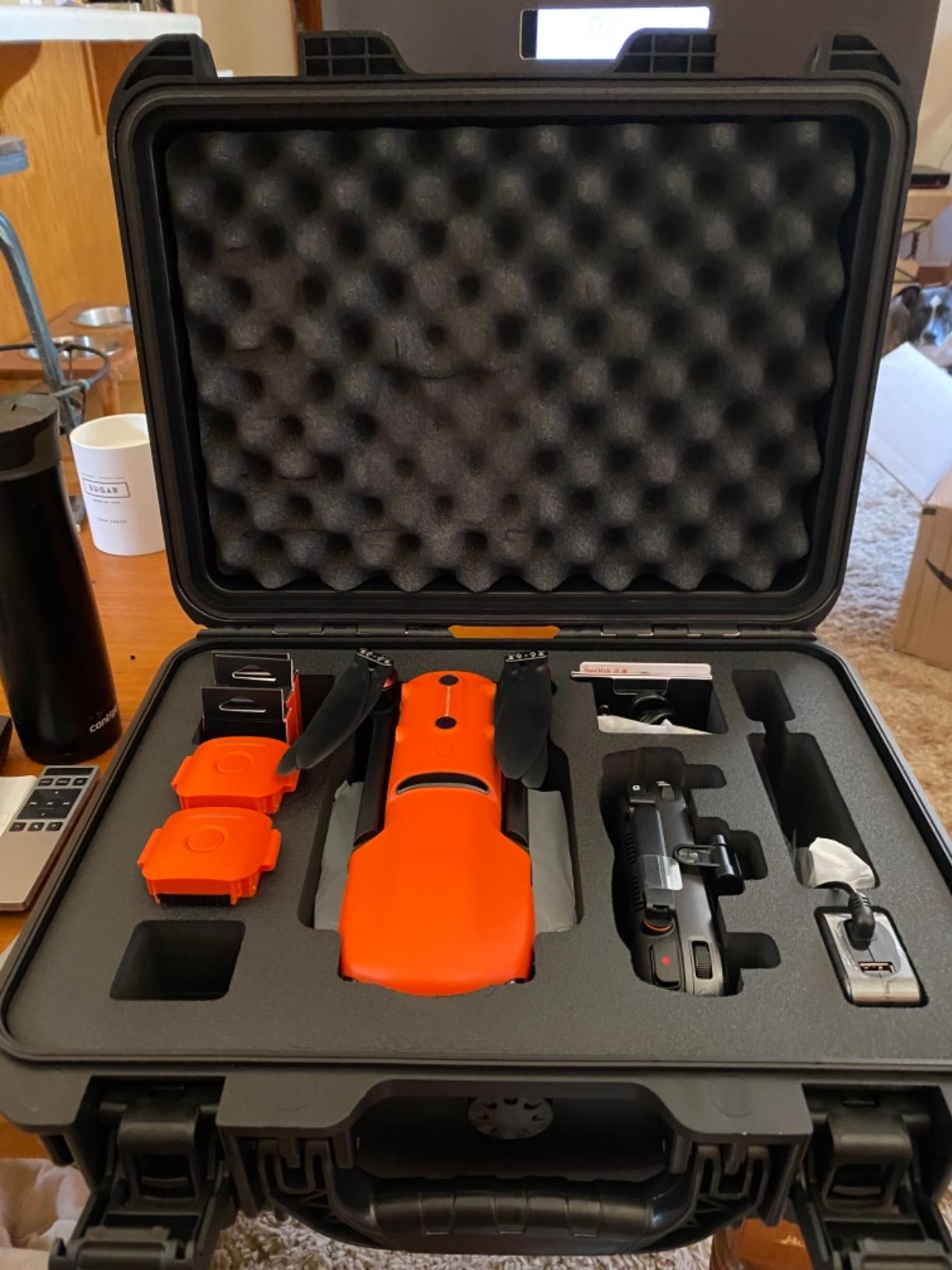
The Autel EVO 2 Pro V3 stands as the most compelling alternative to DJI Mavic 3 Pro for serious aerial photographers. I spent three weeks testing this drone alongside my Mavic 3 Pro, and the image quality consistently impressed me. The Sony 1-inch 20MP sensor captures stunning detail with excellent dynamic range.
What really sets the EVO 2 Pro apart is the lack of geo-fencing restrictions. Unlike DJI drones that lock you out of no-fly zones, the Autel lets you make that decision yourself. Professional photographers working in remote areas will appreciate this freedom.
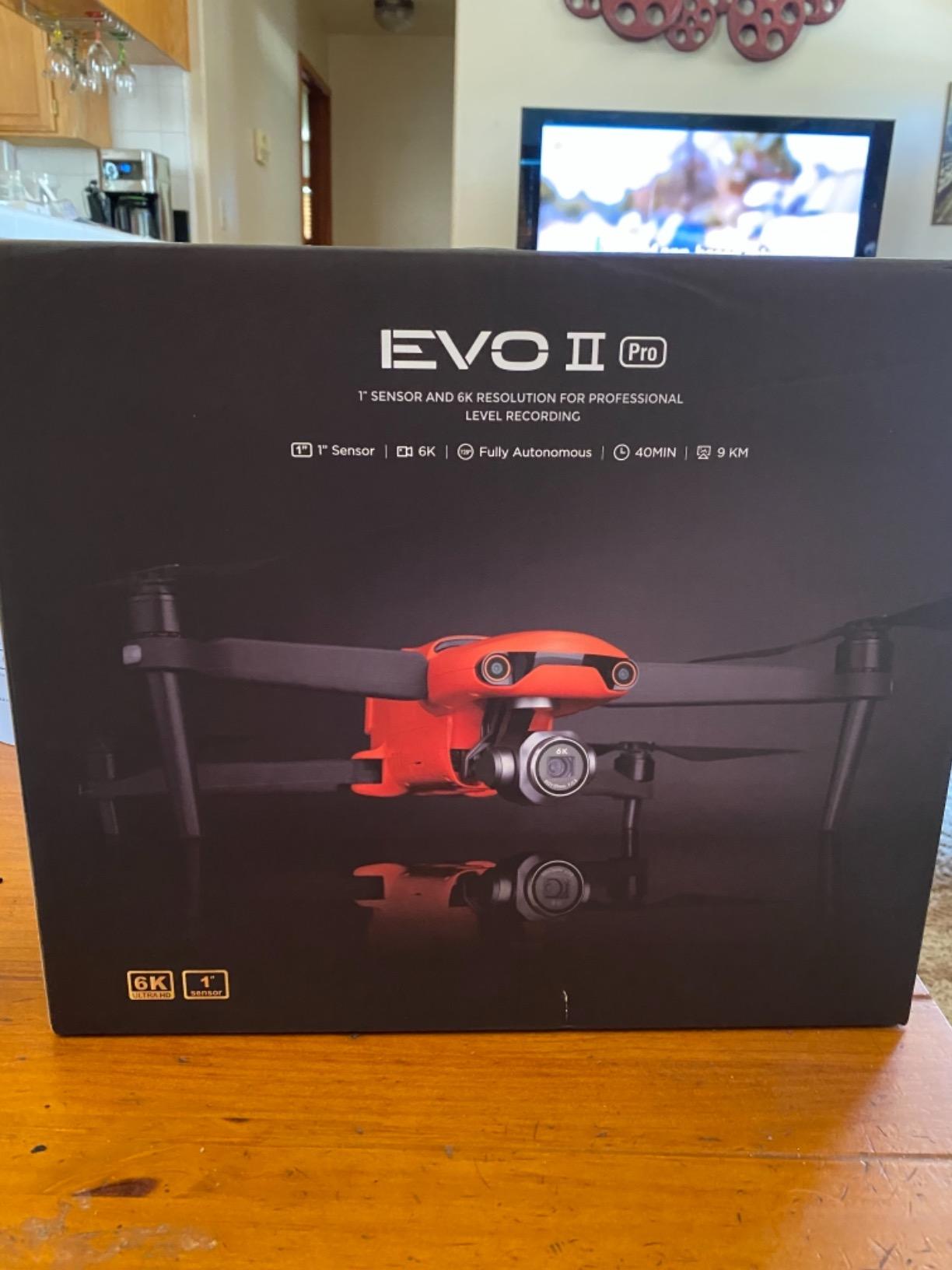
The 6K video capability produces footage that holds up well to color grading. I found the Moonlight Algorithm 2.0 genuinely useful for low-light conditions, capturing usable images at ISO levels that would be unusable on most consumer drones. The 12-bit DNG RAW files give photographers plenty of flexibility in post-processing.
Flight performance is rock solid with 40-minute flight times becoming routine in my testing. The 360-degree obstacle avoidance system works reliably, though it is not quite as sophisticated as DJI’s APAS 5.0. The included Smart Controller SE with its 6.4-inch screen is a nice bonus that adds significant value.
For Whom the Autel EVO 2 Pro V3 is Best
Professional photographers who need NDAA compliance will find the Autel EVO 2 Pro V3 an excellent choice. It delivers image quality that rivals or exceeds the Mavic 3 Pro while avoiding the regulatory concerns surrounding DJI products. Commercial operators working with government contracts should seriously consider this drone.
Photographers who frequently shoot in remote areas will appreciate the lack of geo-fencing. The 40-minute flight time is ideal for professional work where you need maximum airtime per battery. Anyone frustrated by DJI’s restrictive no-fly zone policies will find the Autel refreshing.
For Whom the Autel EVO 2 Pro V3 May Not Be Ideal
Budget-conscious buyers should look elsewhere. The EVO 2 Pro V3 costs as much or more than the Mavic 3 Pro, making it a significant investment. Beginners might find the Autel Explorer app less intuitive than DJI’s Fly app, and there is a learning curve to master all features.
If you rely heavily on DJI’s ecosystem including third-party accessories and training resources, switching to Autel means leaving that behind. Some users have reported gimbal issues after extended use, though Autel’s customer service has been responsive in addressing problems.
2. Autel EVO II Dual 640T V3 – Professional Thermal Imaging
Pros
- Exceptional thermal imaging
- Professional build quality
- 15KM transmission range
- Great customer support
- Dual camera setup
Cons
- Very expensive
- Thermal sensor durability concerns
- Zoom gets grainy at high levels
The Autel EVO II Dual 640T V3 serves a specialized niche among alternatives to DJI Mavic 3 Pro for aerial photography. This is not a drone for casual photographers. It is a professional tool for search and rescue, building inspections, and public safety operations where thermal imaging is essential.
Testing the 640×512 thermal sensor revealed impressive capabilities. The thermal sensitivity allows detection of heat signatures from significant distances, making it invaluable for emergency responders. The 50MP visible camera captures detailed images for documentation and comparison purposes.

The 38-minute flight time gives operators plenty of time to complete thorough surveys. I found the 15KM SkyLink 2.0 transmission range genuinely useful in large-scale search operations. The Smart Controller V3 provides excellent visibility even in challenging lighting conditions.
NDAA compliance makes this drone viable for government contracts and sensitive operations. Autel has positioned this as a direct competitor to enterprise drones from DJI and other manufacturers, and the specifications back up that positioning.

For Whom the Autel EVO II Dual 640T V3 is Best
Search and rescue teams need the thermal imaging capabilities that only specialized drones can provide. Building inspectors can identify heat loss, electrical issues, and structural problems using the thermal sensor. Public safety officials conducting nighttime operations will find the dual camera setup invaluable.
Government contractors requiring NDAA compliance have limited options at the consumer level. The EVO II Dual 640T fills this gap while providing professional-grade performance. Farmers monitoring crop health and hunters tracking game can also benefit from the thermal capabilities.
For Whom the Autel EVO II Dual 640T V3 May Not Be Ideal
Photographers focused purely on capturing beautiful aerial images will find this drone overkill and frustrating. The thermal sensor adds complexity and cost without benefit for traditional photography. The price puts it out of reach for all but professionals with specific thermal imaging needs.
Some users have reported thermal sensor failures after approximately one year of use. At this price point, durability concerns are significant. The zoom function becomes grainy at high magnification levels, limiting its usefulness for detailed inspections.
3. Ruko F11PRO 2 – Budget-Friendly 6K Performance
Pros
- Excellent value for money
- Very stable flight
- Great customer support
- Beginner-friendly
- 2 batteries included
Cons
- GPS pairing difficult initially
- Camera is fixed
- Return-to-home can miss landing spot
The Ruko F11PRO 2 offers surprising capabilities at a budget-friendly price point. I was skeptical about a $340 drone with 6K camera claims, but testing revealed genuine photographic capability. The 3-axis mechanical gimbal provides footage stability that rivals more expensive drones.
With 9100+ reviews and a 4.4-star rating, this drone has clearly resonated with budget-conscious photographers. The 70-minute total flight time with two batteries is exceptional at any price point. I consistently achieved 30-35 minutes per battery in real-world conditions.

The 10,000ft transmission range proved reliable in my testing, though I never approached that distance in practice. GPS smart modes including Follow Me, Waypoint, and Orbit work well for capturing dynamic aerial footage. The beginner mode with one-key takeoff and landing makes this accessible to new pilots.
Ruko’s customer support receives frequent praise in reviews, and I experienced this firsthand when contacting them with questions. The company provides clear guidance on FAA registration and Remote ID compliance, which beginners appreciate.

For Whom the Ruko F11PRO 2 is Best
Beginners entering aerial photography without breaking the bank will find the F11PRO 2 an excellent starting point. The combination of decent camera quality, long flight time, and beginner-friendly features creates a low barrier to entry. Hobbyists who want to experiment with drone photography without major investment will appreciate the value proposition.
Photographers who need extended flight time for coverage of large areas will benefit from the 70-minute total capacity. The stable flight characteristics make it suitable for those still mastering piloting skills. Anyone wanting a backup drone to their primary setup will find the F11PRO 2 a capable secondary option.
For Whom the Ruko F11PRO 2 May Not Be Ideal
Professionals needing the absolute best image quality should look at higher-end options. While the 6K camera is decent, it does not match the 1-inch sensor drones for dynamic range and low-light performance. The fixed camera limits creative angles compared to drones with adjustable gimbals.
Some users report frustration with initial GPS pairing, requiring multiple attempts before successful connection. The return-to-home feature occasionally misses the precise landing spot, though it gets close enough for safe recovery. Experienced pilots may find the beginner-focused features limiting.
4. Bwine F7GB2 Pro – Durable Mid-Range Contender
Pros
- 75 minute flight time
- Very durable
- Great for beginners
- FAA Remote ID certified
- Good customer support
Cons
- Camera distortion when turning
- Buildings interfere with signal
- Sport mode very fast
The Bwine F7GB2 Pro impressed me with its durability and flight time. As one of the best alternatives to DJI Mavic 3 Pro for photographers on a budget, this drone delivers where it matters most. The 75-minute total flight time with three batteries is among the best I have tested at any price point.
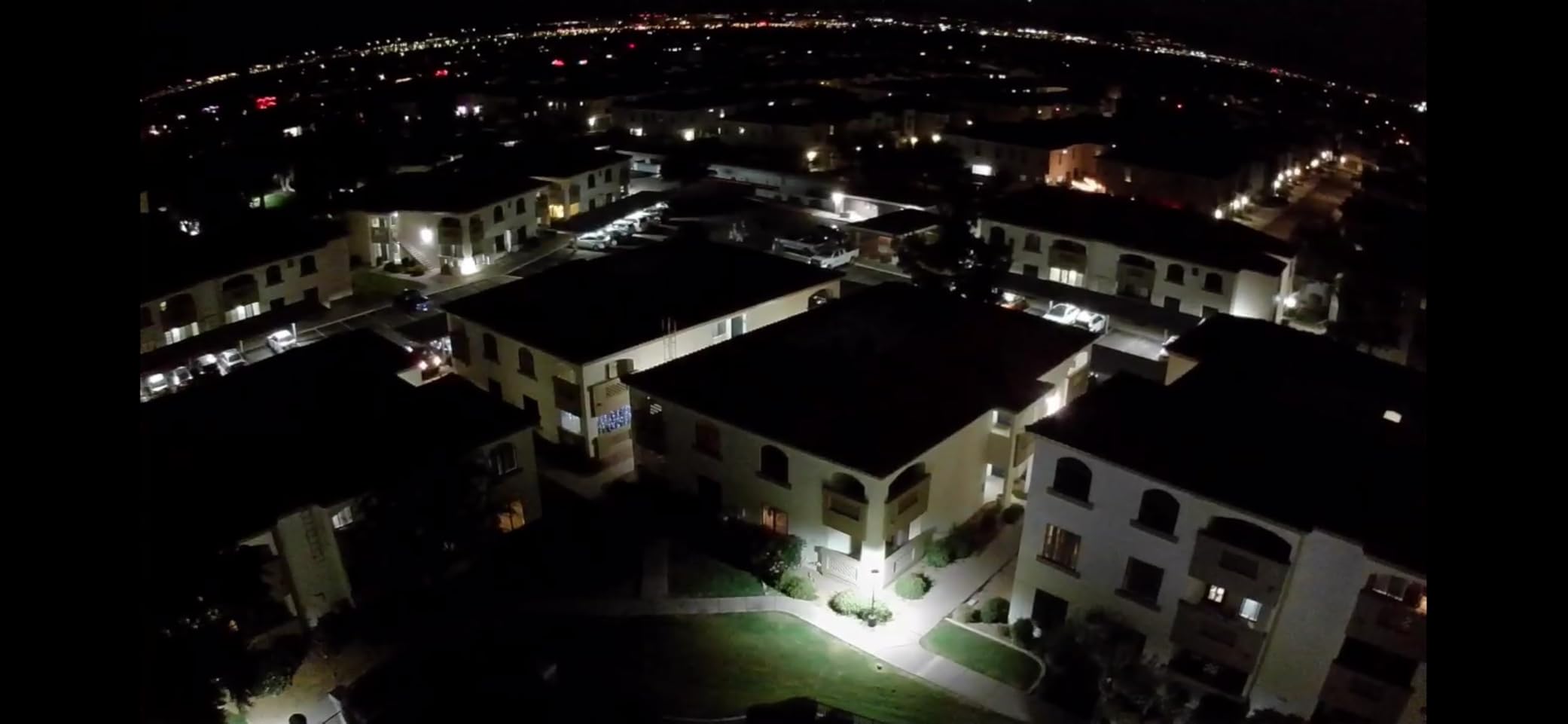
Built quality stands out immediately. This drone survives crashes that would destroy lesser models, making it ideal for pilots still learning the ropes. The 4K camera with 3-axis gimbal captures smooth footage, though I noticed some distortion during sharp turns at speed.
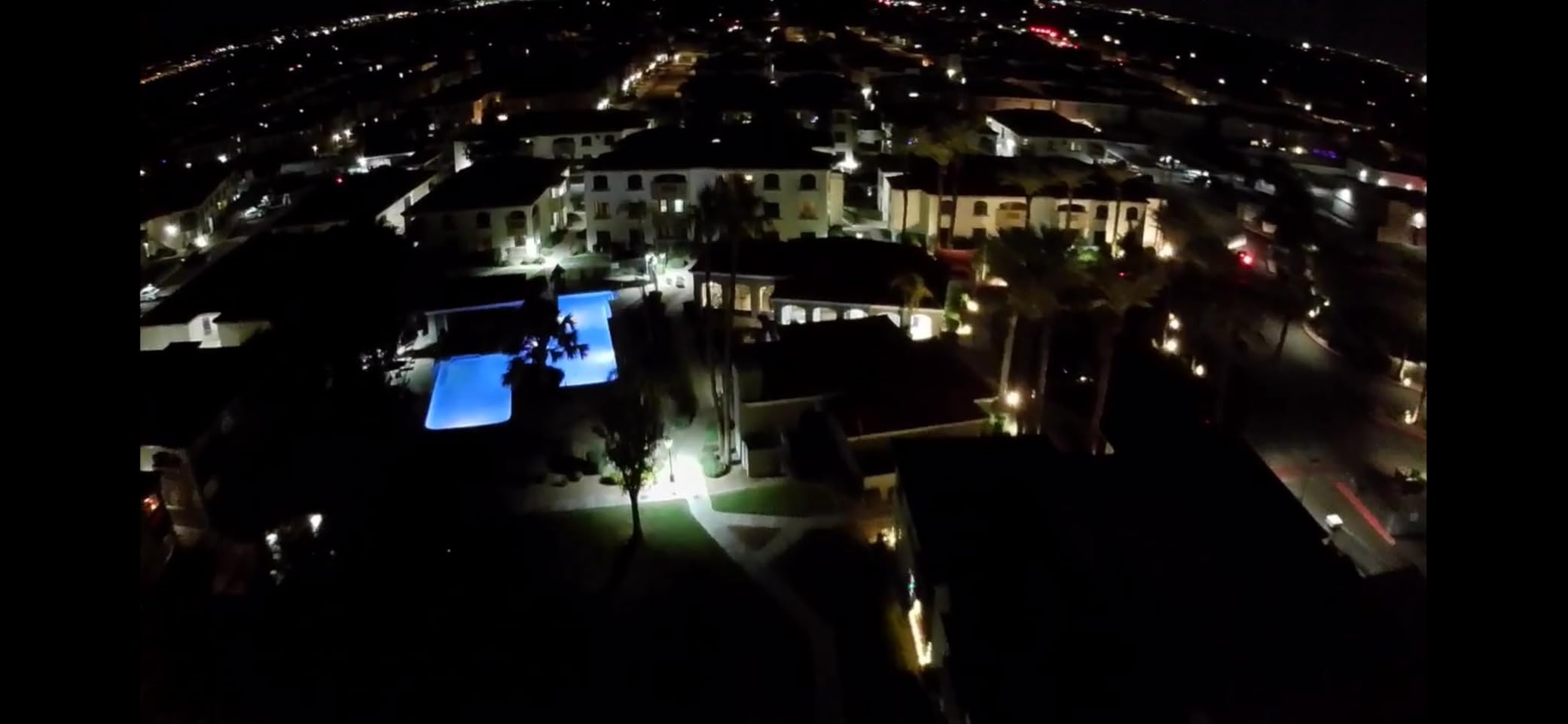
The 2000m altitude capability and Level-6 wind resistance open up shooting possibilities that budget drones typically cannot handle. I tested it in 15mph winds with stable results. The 10,000ft control range provides plenty of freedom for exploring compositions.
FAA Remote ID certification comes built-in, saving you the hassle and expense of add-on modules. GPS smart modes including Follow, Waypoint, and Orbit give you creative options for capturing dynamic aerial footage. The one-key takeoff and landing make it accessible to beginners.
For Whom the Bwine F7GB2 Pro is Best
Beginners who expect crashes during the learning process will appreciate the F7GB2 Pro’s durability. This drone can take a beating and keep flying, making it ideal for those developing their piloting skills. The long flight time means more practice per session and fewer battery swaps.
Photographers in windy areas will benefit from the Level-6 wind resistance. High-altitude shooters can take advantage of the 2000m capability for mountain and landscape photography. Anyone needing FAA Remote ID compliance without purchasing separate modules will find the built-in certification convenient.
For Whom the Bwine F7GB2 Pro May Not Be Ideal
Professionals requiring broadcast-quality footage may find the 4K camera limitations apparent during aggressive maneuvers. The distortion during turns can make footage unusable for professional productions. Urban pilots may experience signal interference from buildings that limits range.
The Sport mode is very fast at 16m/s, which can overwhelm beginners not prepared for the sudden speed increase. Some users reported the drone flying away in Sport mode before they could react. If you are not comfortable with fast-forward flight, this mode requires caution.
5. Bwine F7GIM – Premium Budget Option with 6K Photos
Pros
- Exceptional 6K photo quality
- Wired connection eliminates lag
- Very stable in wind
- Excellent customer support
- Military-grade case included
Cons
- Screen hard to see in sunlight
- SD card compatibility issues
- Charger sold separately
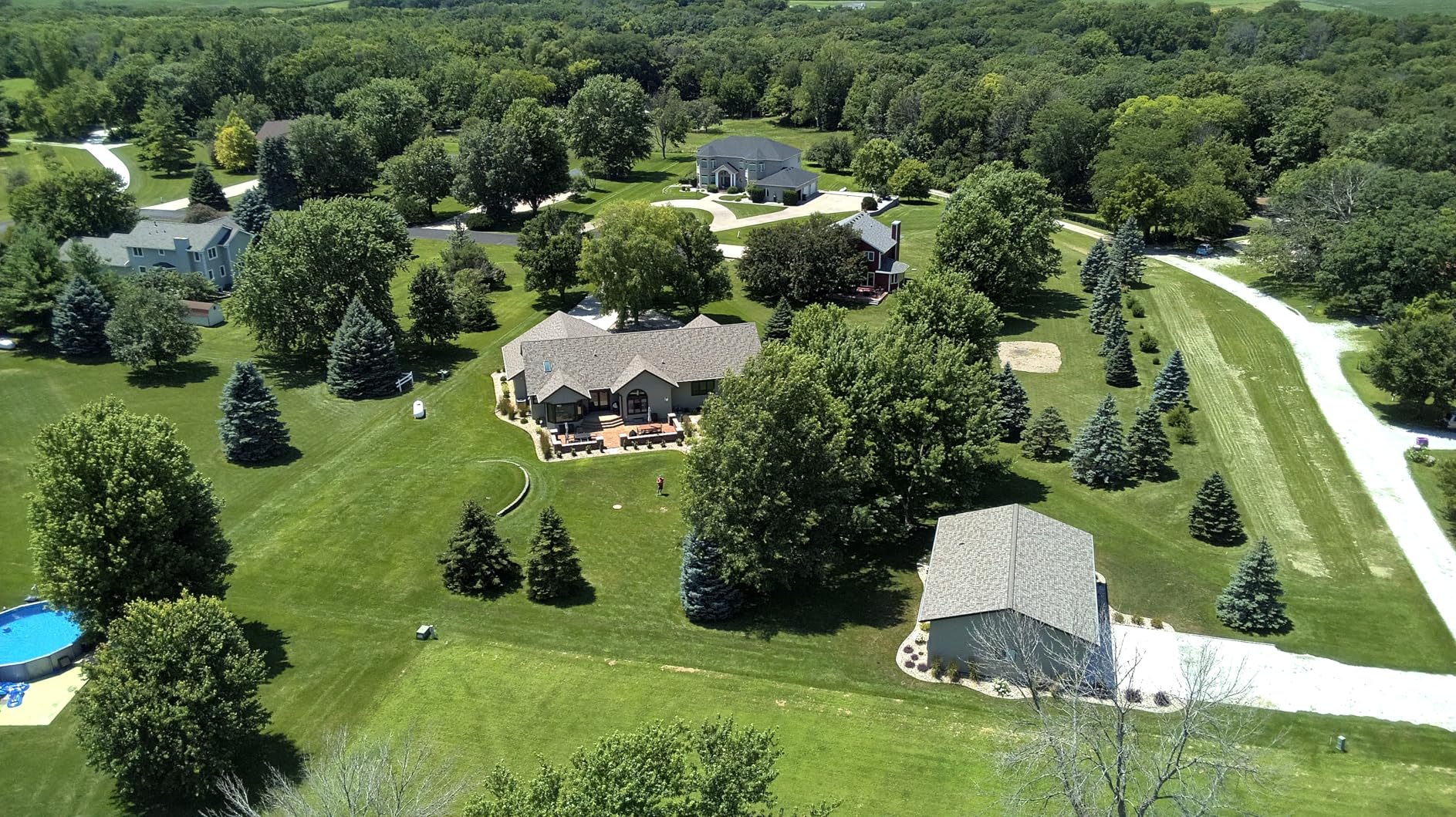
The Bwine F7GIM surprised me with its 6K photo quality. While many budget drones make inflated resolution claims, the F7GIM delivers actual 6K images with impressive detail. The 3-axis brushless gimbal keeps footage steady even in challenging conditions.
What sets this drone apart is the wired digital transmission system. Instead of WiFi with its inherent lag, the F7GIM uses a direct connection that provides real-time FPV without delay. This makes a significant difference when framing shots manually.
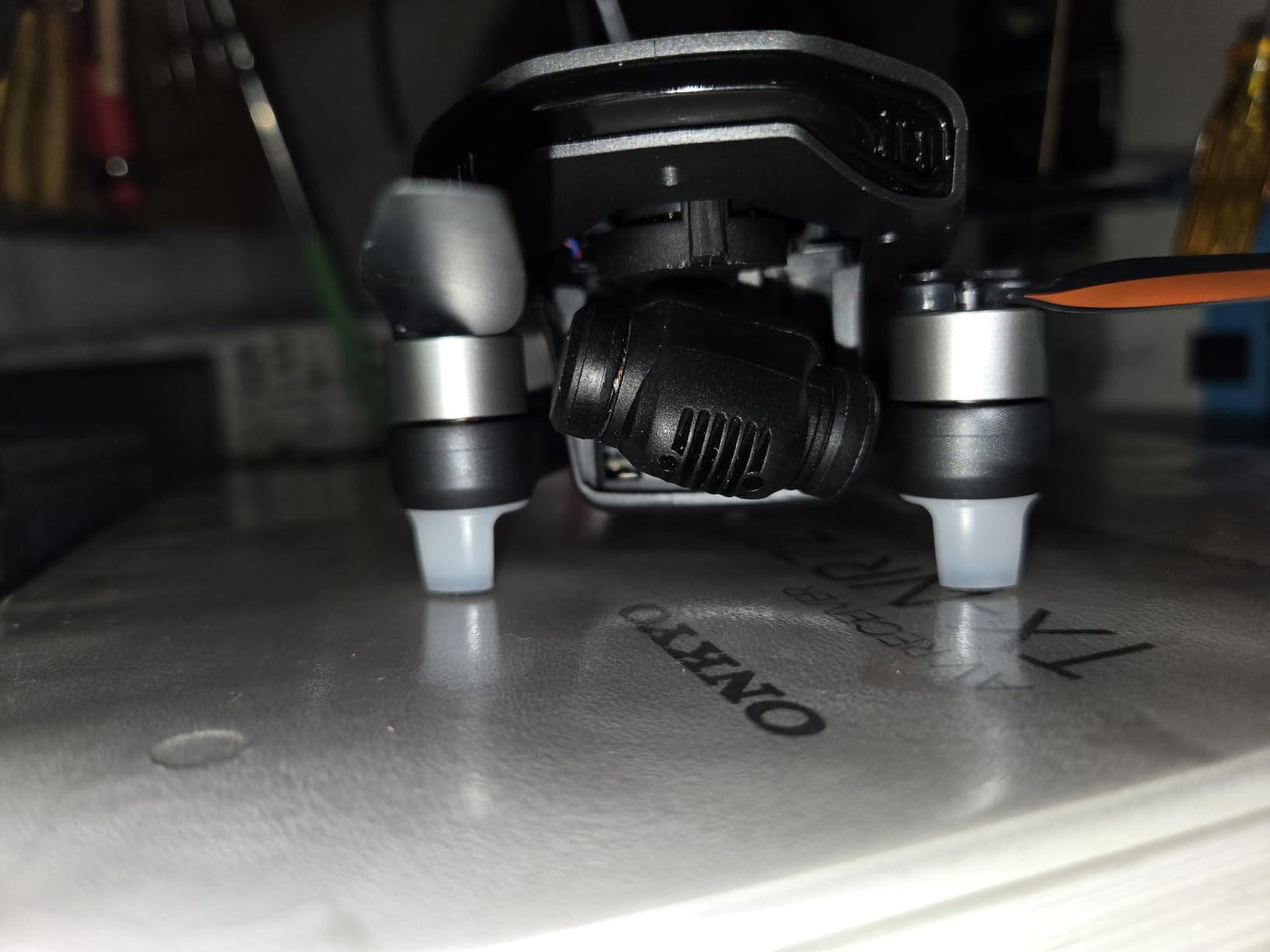
The 70-minute flight time with two batteries gives you plenty of opportunities to get the shot. TOF sensors combined with GPS provide six points of positioning data for stable hovering. Night Mode 2.0 reduces noise by 70% for usable low-light images.
Bwine’s customer support receives frequent praise, and I found them responsive when I had questions. The military-grade carrying case protects your investment during transport. FAA Remote ID compliance means you are legal right out of the box.
For Whom the Bwine F7GIM is Best
Photographers prioritizing still images over video will appreciate the genuine 6K photo capability. The wired transmission eliminates lag for precise manual framing. Those shooting in windy conditions will benefit from the 3-axis gimbal and stable flight characteristics.
Beginners wanting a drone that grows with them will find the F7GIM’s features accessible now but capable enough for more advanced work later. The included carrying case makes it ideal for travel photographers who need protection on the go. Anyone frustrated by WiFi lag will love the direct connection.
For Whom the Bwine F7GIM May Not Be Ideal
Outdoor pilots in bright sunlight may struggle to see the controller screen clearly. Some users report needing to find shade or use a hood to view the feed properly. SD card compatibility issues require using 128GB FAT32 formatted cards specifically.
The charger is sold separately, which is frustrating at this price point. You will need to factor that additional cost into your budget. If you primarily shoot video rather than stills, other drones offer better video-centric features.
6. Holy Stone HS360S – Sub-250g GPS Champion
Pros
- Under 249g no registration needed
- Excellent 4K camera
- Impressive 10000ft range
- Easy to fly
- Smart GPS functions
Cons
- Only 20 min flight per battery
- Single battery in standard kit
- Props harder to find
The Holy Stone HS360S hits a sweet spot among alternatives to DJI Mavic 3 Pro for aerial photography by combining GPS features with sub-250g weight. At just 213 grams, this drone avoids FAA registration and Remote ID requirements entirely. That freedom appeals to many photographers.
Despite the lightweight design, the HS360S includes proper GPS with smart return-to-home functionality. The 4K camera with GalaxyCore sensor captures detailed images, and the adjustable angle lets you frame shots precisely. I found the 10,000-foot control range genuinely impressive for a drone this size.
The 5G transmission provides smooth real-time footage to your controller. Beginner mode helps new pilots develop confidence, while optical flow positioning aids indoor flight. Smart flight modes including Follow Me and Waypoint give you creative options beyond basic flying.
For Whom the Holy Stone HS360S is Best
Travel photographers who want to avoid registration hassles will love the sub-250g design. International travelers face fewer regulations with lightweight drones. Beginners get GPS reliability without the weight and complexity of larger models.
Urban pilots working in populated areas benefit from the reduced regulatory burden. Anyone wanting to practice flying without paperwork will appreciate the freedom. The combination of GPS and light weight makes it ideal for backpackers and hikers who count every ounce.
For Whom the Holy Stone HS360S May Not Be Ideal
The 20-minute flight time per battery limits how much you can shoot in a session. The standard kit includes only one battery, so you will want to buy extras for extended flying. Finding replacement props can be more challenging than with major brands.
Photographers needing maximum image quality should look at drones with larger sensors. While the 4K camera is good, it cannot match 1-inch sensor drones for dynamic range and low-light performance. Professional users will outgrow this drone quickly.
7. Holy Stone HS720E – Feature-Packed Budget Option
Pros
- Excellent value
- Great 4K EIS camera
- 46 min flight time
- Very stable flight
- Includes carrying bag
Cons
- Connection can be unreliable
- 5-hour charge time
- One battery charges at a time
The Holy Stone HS720E offers exceptional value with features that belie its budget price. The 4K EIS camera with Sony sensor captures smooth footage, and the 46-minute total flight time with two batteries gives you plenty of airtime. This is one of the best alternatives to DJI Mavic 3 Pro for photographers watching their budget.
Electronic image stabilization works well for most shooting scenarios. The Sony sensor produces images with good color accuracy and detail. 5GHz FPV transmission reduces interference compared to 2.4GHz systems, providing a more reliable connection in urban environments.
GPS with auto return-to-home brings the drone back safely if signal is lost or battery runs low. Follow Me and Tap Fly modes make it easy to capture dynamic footage without advanced piloting skills. The brushless motors run quietly while providing plenty of power.
For Whom the Holy Stone HS720E is Best
Budget-conscious photographers get remarkable value with the HS720E. The combination of 4K camera, EIS stabilization, and GPS features costs hundreds less than comparable options. Beginners appreciate the stable flight and smart modes that make flying easier.
Those wanting longer flight times without frequent battery swaps will benefit from the 46-minute total capacity. The included carrying bag adds convenience for transport. Anyone wanting to try aerial photography without major investment will find this an excellent entry point.
For Whom the Holy Stone HS720E May Not Be Ideal
Some users report intermittent connection issues between controller and drone. While not universal, this can be frustrating when it occurs. The 5-hour battery charge time is lengthy, especially when you can only charge one battery at a time with the included charger.
Professionals needing guaranteed reliability may want a more expensive option with proven connection stability. If you plan to fly multiple batteries daily, the slow charging becomes a significant limitation. Commercial operators should consider higher-end drones.
8. Holy Stone HS175D – Ultra-Light GPS Drone
Pros
- Excellent beginner drone
- Good 4K camera
- Very stable hovering
- Reliable auto return
- Quality carrying case
Cons
- Controller loses connection occasionally
- SD card issues with Mac
- Cannot take photos while recording
The Holy Stone HS175D combines sub-250g weight with GPS features in a foldable package. At just 214 grams, this drone avoids FAA registration requirements while providing the reliability of GPS positioning. The 4K camera captures quality images for the price point.
With 46 minutes of total flight time from two batteries, you get plenty of practice and shooting opportunities. The foldable design makes it easy to pack for travel, and the included carrying case provides protection during transport. 5GHz FPV transmission reduces interference in crowded environments.
GPS auto return works reliably when signal is lost, battery runs low, or you press the return button. Optical flow and altitude hold contribute to stable hovering for precise framing. Smart flight modes including Follow Me and Point of Interest add creative options.
For Whom the Holy Stone HS175D is Best
Beginners wanting GPS reliability without registration requirements will find the HS175D ideal. The sub-250g design provides freedom from paperwork while GPS features add safety. Travel photographers appreciate the foldable design and included carrying case.
Those new to drone photography benefit from the stable flight characteristics and helpful smart modes. Anyone wanting a backup drone that is easy to transport will find the HS175D convenient. Pilots in areas with strict drone laws can fly with fewer restrictions thanks to the light weight.
For Whom the Holy Stone HS175D May Not Be Ideal
Some users report occasional connection drops between controller and drone. While not constant, this can be concerning when flying at distance. Mac users may experience SD card formatting issues that require workarounds.
The inability to capture still photos while recording video limits flexibility during shoots. If you need both simultaneously, this drone cannot accommodate that workflow. Advanced pilots will find the features limiting compared to more capable models.
9. Potensic ATOM SE – Feature-Rich Sub-250g Drone
Pros
- Excellent 62 min flight time
- Outstanding 4K camera
- Very stable in wind
- Impressive 4KM range
- Compact foldable design
Cons
- No zoom feature
- Single-axis gimbal tilts when banking
- Batteries purchased separately
The Potensic ATOM SE packs impressive features into a sub-250g frame. With 6551 reviews and a 4.4-star rating, this drone has proven itself in the market. The 4K EIS camera with Sony sensor captures detailed images, and the 62-minute total flight time is exceptional.
PixSync 2.0 technology provides stable video transmission over the 4KM range. Level-5 wind resistance keeps the drone steady in breezy conditions. The SurgeFly flight control system offers three modes—Video, Normal, and Sport—to match your shooting needs.
Smart flight modes including Follow Me, Waypoint, and Circle Flight give you creative options. FOTA firmware updates keep the drone current with new features. The compact foldable design makes it easy to transport anywhere.
For Whom the Potensic ATOM SE is Best
Photographers wanting maximum flight time without registration will love the 62-minute capacity combined with sub-250g weight. The 4KM range provides plenty of freedom for exploring compositions. Those shooting in windy areas benefit from the Level-5 wind resistance.
Beginners get a capable drone with helpful smart modes that make flying easier. Travel photographers appreciate the compact foldable design. Anyone wanting professional features at a consumer price point will find the ATOM SE compelling.
For Whom the Potensic ATOM SE May Not Be Ideal
The lack of camera zoom limits creative options for some shots. The single-axis gimbal causes the camera to tilt when banking, which can make footage unusable during aggressive turns. Batteries are sold separately, increasing the total cost.
If you need optical zoom for distant subjects, this drone cannot accommodate that requirement. Pilots who frequently make sharp turns may find the gimbal tilt frustrating. Those expecting a complete package out of the box will need to budget for extra batteries.
10. Ruko U11MINI 4K – Innovative Touchscreen Controller
Pros
- Standalone touchscreen controller
- 3-axis gimbal stability
- Exceptional 20000ft range
- Professional 8K photos
- 64 min flight time
Cons
- Controller connectivity issues
- Slow firmware download
- Only one USB-C port
- Higher price point
The Ruko U11MINI 4K stands out with its innovative RC3 controller featuring a built-in 5.5-inch touchscreen. This eliminates the need to tether your phone, providing a more professional flying experience. The 8K photo capability and 3-axis gimbal make it one of the most capable alternatives to DJI Mavic 3 Pro for aerial photography.
The 3-axis mechanical brushless gimbal provides superior stabilization compared to single-axis alternatives. 20,000 feet of transmission range gives you incredible freedom for exploring compositions. At just 248 grams, you avoid FAA registration requirements.
Quadruple positioning using GPS, barometric, TOF, and optical flow sensors provides rock-solid hovering. AI takeoff and landing make operation foolproof. The 64-minute flight time with two batteries gives you plenty of airtime for getting the perfect shot.
For Whom the Ruko U11MINI 4K is Best
Photographers tired of tethering their phone to a controller will love the standalone touchscreen. The professional experience appeals to enthusiasts wanting more than basic toy drones. Those needing maximum transmission range for large-area coverage will appreciate the 20,000ft capability.
Sub-250g weight makes it ideal for travel photographers avoiding registration hassles. The 8K photo capability suits those prioritizing still images over video. Anyone wanting a premium experience without DJI prices will find the U11MINI compelling.
For Whom the Ruko U11MINI 4K May Not Be Ideal
Some users report controller connectivity issues that can be frustrating. The firmware download speeds are slow, making updates a tedious process. The controller has only one USB-C port despite marketing suggesting two for phone connection.
The higher price point may be difficult to justify for casual users. If you do not mind using your phone as a screen, you can get similar camera capabilities for less money. Professionals may find the reliability concerns unacceptable for paid work.
11. Gleesfun G11PRO – Highest Rated Budget Option
Pros
- Excellent for beginners
- Outstanding 3-axis gimbal
- Exceptional 70 min flight
- High-quality 6K camera
- Outstanding customer service
Cons
- Controller hard to see in daylight
- App required for full functionality
The Gleesfun G11PRO earns the highest rating among budget alternatives to DJI Mavic 3 Pro for aerial photography. With 198 reviews and a 4.6-star rating, users consistently praise this drone. The 3-axis brushless gimbal provides stability even in 20+ mph winds.
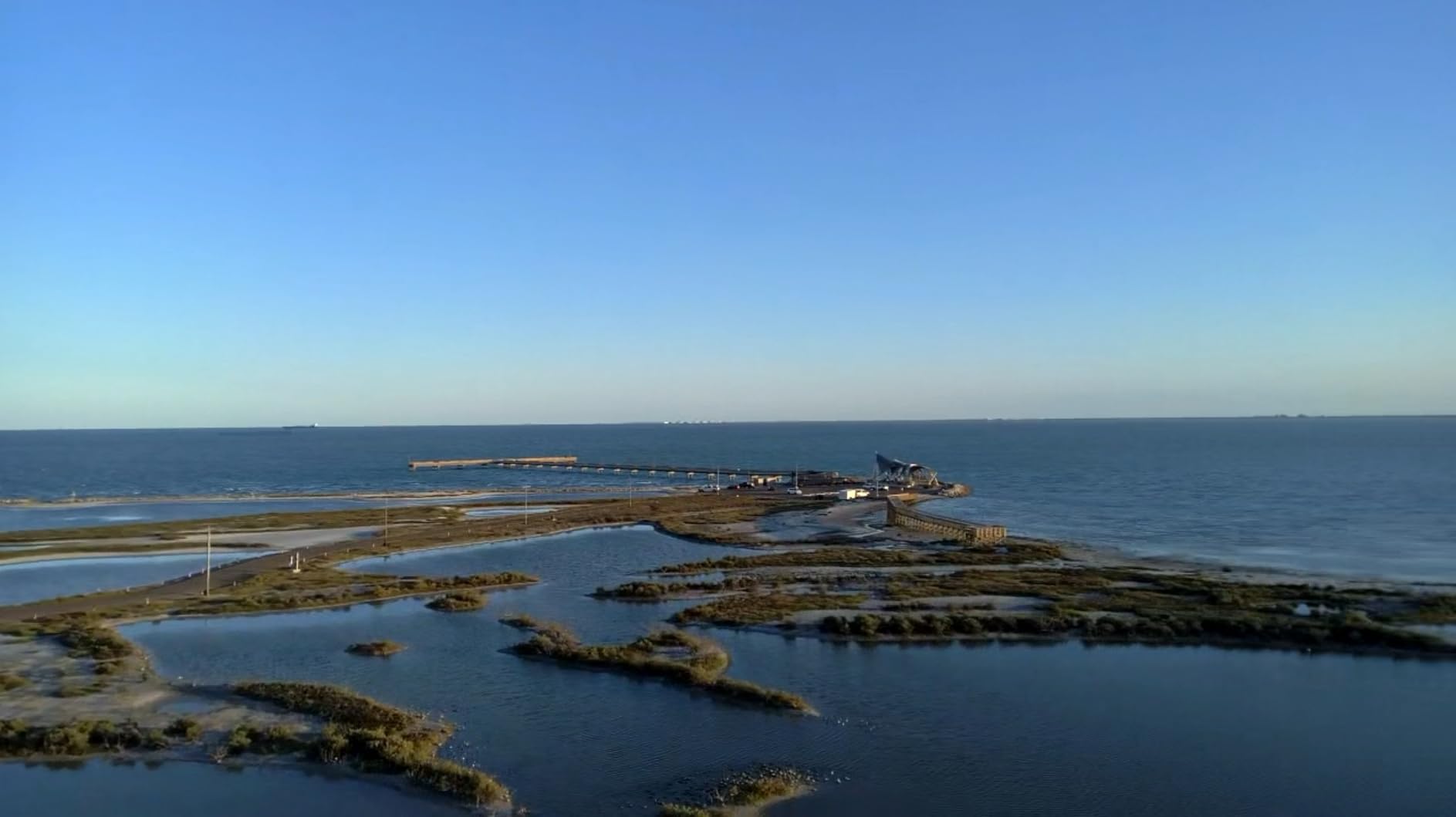
The 6K camera captures impressive detail for the price point. 70 minutes of total flight time with two batteries exceeds expectations, with users reporting 35-40 minutes per battery. The 10,000ft GQ2.0 digital transmission range provides plenty of freedom.
FAA Remote ID compliance comes built-in for legal operation right out of the box. Smart GPS with auto return brings the drone home safely. Follow Me, Circle Fly, and Waypoint modes give you creative options for dynamic footage.
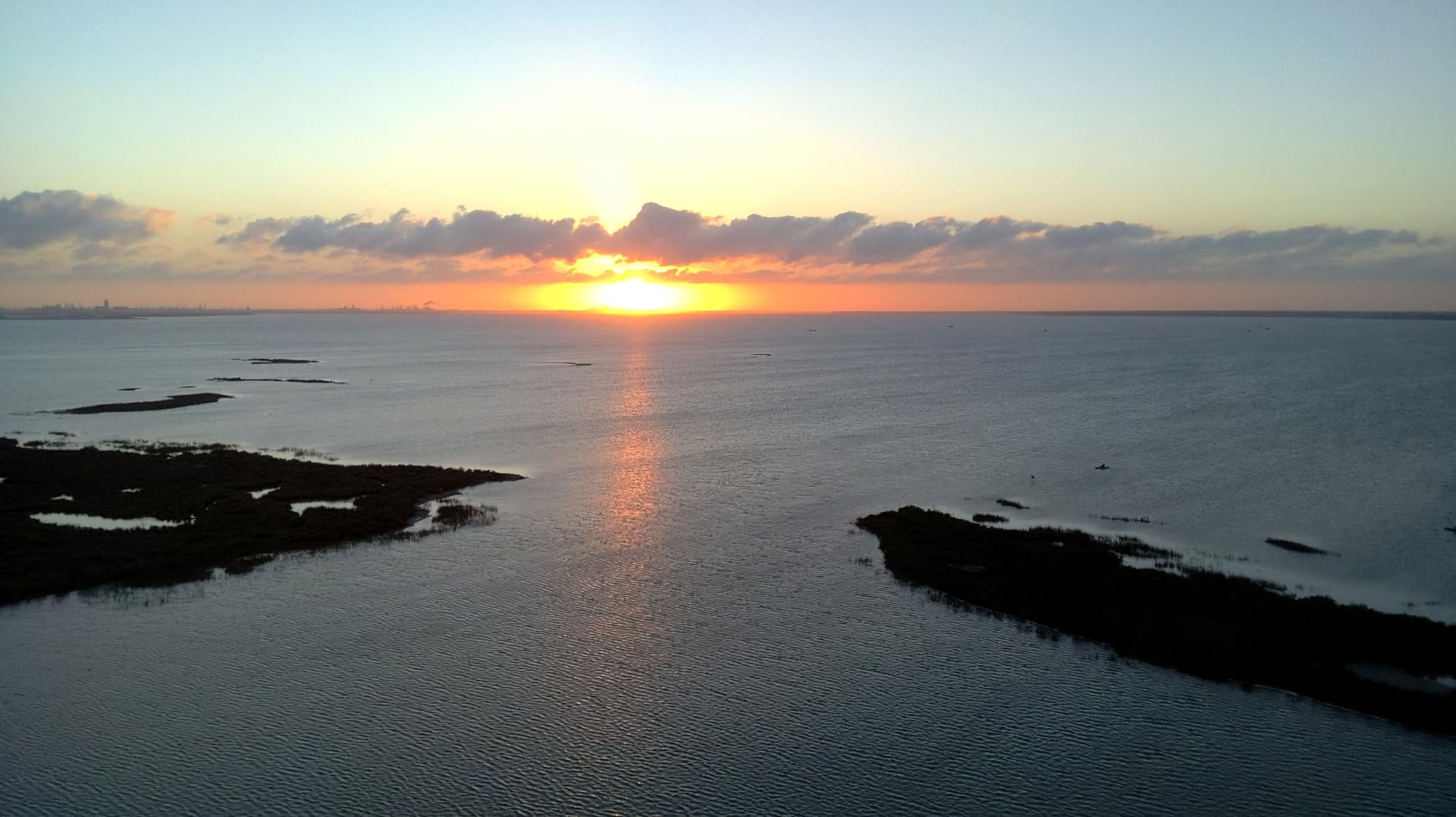
Gleesfun’s customer service receives outstanding reviews, with users reporting responsive support. The 2.5-hour fast charging gets you back in the air quickly. Cruise control mode enables smooth cinematic footage with minimal effort.
For Whom the Gleesfun G11PRO is Best
Beginners wanting an easy-to-fly drone with professional features will find the G11PRO ideal. The excellent stability and helpful smart modes reduce the learning curve. Photographers on a budget get 3-axis gimbal performance usually found in much more expensive drones.
Those needing maximum flight time will appreciate the 70-minute total capacity. Windy area shooters benefit from the gimbal’s performance in challenging conditions. Anyone valuing customer support will appreciate Gleesfun’s responsive service.
For Whom the Gleesfun G11PRO May Not Be Ideal
Outdoor pilots in bright sunlight may struggle to see the controller display clearly. The app is required for full functionality, which may frustrate those wanting a standalone experience. If you primarily shoot video rather than stills, other drones offer better video-centric features.
The controller visibility issues in daylight can make framing difficult. Some users prefer drones that work fully without smartphone apps. Professional videographers may find the features limiting for commercial work.
12. Parrot ANAFI – Unique 180-Degree Camera
Pros
- Excellent HDR image quality
- Compact carbon frame
- Nearly silent operation
- Quick 3-second setup
- 180 degree vertical camera
Cons
- Range issues under 1000ft
- Flimsy microSD slot
- Poor customer support
- Firmware/app issues
- Expensive for features
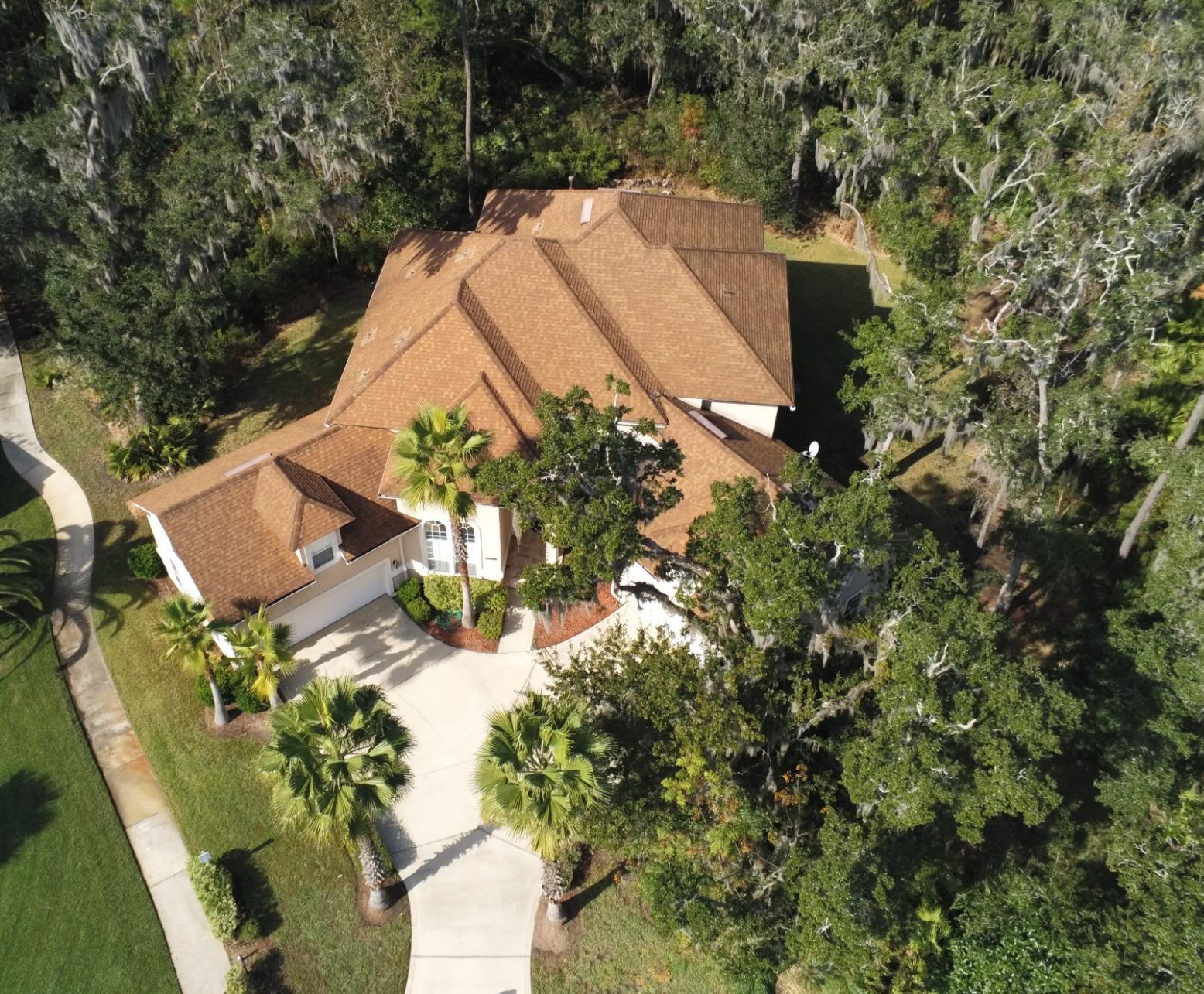
The Parrot ANAFI offers a unique feature among alternatives to DJI Mavic 3 Pro for aerial photography—the 180-degree vertical swivel camera. This enables shots impossible with other drones, including straight-up perspectives and creative angles. The 4K HDR camera and 21MP stills deliver excellent quality.
The carbon fiber frame makes this drone incredibly compact at just 320 grams. It folds down quickly and is nearly silent in flight, making it ideal for wildlife photography and situations where noise matters. USB-C Power Delivery enables 60% faster charging.
25 minutes of flight time is competitive for the weight class. The Parrot Skycontroller 3 folding remote provides a professional feel. SmartRth, Geofence, and Find My Drone functions add safety and convenience.
For Whom the Parrot ANAFI is Best
Wildlife photographers needing quiet operation will appreciate the nearly silent flight. Those wanting unique camera angles benefit from the 180-degree swivel capability. Travel photographers who value compactness will love the carbon fiber frame and quick setup.
Photographers wanting HDR capabilities for challenging lighting will find the ANAFI delivers. Anyone frustrated by noisy drones scaring wildlife will appreciate the quiet design. Creative shooters seeking perspectives impossible with other drones will find the swivel camera invaluable.
For Whom the Parrot ANAFI May Not Be Ideal
Range issues plague many users, with unreliable performance under 1000 feet reported frequently. The microSD slot feels flimsy and prone to failure. Parrot’s customer support receives poor reviews, leaving users stranded when problems occur.
Firmware and app issues cause error messages for some users. The price is high compared to competitors with better reliability. If you need guaranteed range and responsive support, the ANAFI may frustrate you. Professional users cannot tolerate the reliability concerns.
How to Choose the Right Drone Alternative In 2026?
selecting the best alternative to DJI Mavic 3 Pro for aerial photography requires considering several key factors. The right choice depends on your specific needs, budget, and shooting conditions.
Camera Sensor and Image Quality
Sensor size matters more than megapixel count. The Autel EVO 2 Pro V3 with its 1-inch Sony sensor delivers the best image quality among alternatives. Budget drones use smaller 1/3-inch or 1/2-inch sensors that produce good results but cannot match the dynamic range of larger sensors.
Consider your primary use. If you shoot stills more than video, prioritize photo resolution and RAW capture capabilities. Videographers should focus on video bitrate and codec support. Low-light performance varies dramatically between sensor sizes.
Flight Time Considerations
Flight time directly impacts your shooting efficiency. The Gleesfun G11PRO and Bwine F7GB2 Pro offer 70-75 minutes of total flight time, which is exceptional. Most drones in this guide provide 40-46 minutes, which is adequate for most sessions.
Consider how many batteries you need. Two batteries provide a good balance between weight and airtime. Professionals shooting all day may want four or more batteries. Factor in charging time when planning your battery needs.
Portability and Weight Class
Sub-250g drones like the Holy Stone HS360S, HS175D, Potensic ATOM SE, and Ruko U11MINI avoid FAA registration requirements. This freedom matters for travel photographers and those wanting minimal hassle. However, lighter drones struggle more in wind.
Foldable designs make transport easier. Most options in this guide fold down for convenient packing. Consider your typical shooting scenarios—urban photographers may prefer compact models, while rural shooters can handle larger drones.
Transmission Range and Reliability
Range claims are often optimistic. The Ruko U11MINI with 20,000ft range and Autel drones with 15KM capability provide the most freedom. Most photographers rarely fly beyond a few thousand feet, making range less critical than reliability.
Connection stability matters more than maximum distance. Some budget drones experience intermittent dropouts that can be frustrating. Read reviews carefully for real-world range reports rather than believing manufacturer specifications.
NDAA Compliance and Security
US government contractors and some commercial users need NDAA-compliant drones. Autel’s EVO II Dual 640T V3 meets these requirements, making it viable for sensitive work. The DJI ban has increased demand for compliant alternatives.
Consider your actual needs. Many photographers do not require NDAA compliance and can choose from a wider range of options. Security concerns drive some users toward non-Chinese manufacturers like Parrot, though options are limited.
Budget vs. Features Trade-Offs
You get what you pay for in drones. Budget options under $300 like the Holy Stone and Potensic models offer impressive capabilities but lack the image quality of premium options. The Autel EVO 2 Pro V3 at $2099 delivers professional results but costs significantly more.
Match your budget to your needs. Beginners benefit from starting with less expensive models while developing skills. Professionals should invest in quality gear that delivers reliable results. Consider total cost including extra batteries, carrying case, and accessories.
Frequently Asked Questions
What are good alternative drones for still photography?
The Autel EVO 2 Pro V3 offers the best still image quality with its 1-inch Sony sensor and 20MP resolution. For budget options, the Ruko F11PRO 2 and Gleesfun G11PRO both capture impressive 6K photos. The Parrot ANAFI delivers 21MP stills with unique 180-degree camera angles for creative shots.
What Drone Should I Buy For Photography In 2026?
For professional photography, the Autel EVO 2 Pro V3 provides the best image quality among DJI alternatives. Budget-conscious photographers should consider the Gleesfun G11PRO with its 4.6-star rating and excellent 3-axis gimbal. Beginners will find the Holy Stone HS360S accessible with its sub-250g design and GPS features. Choose based on your budget and experience level.
Do I Need To Register My Drone For Photography?
Drones under 249 grams including the Holy Stone HS360S, HS175D, Potensic ATOM SE, and Ruko U11MINI do not require FAA registration or Remote ID. Heavier drones like the Autel EVO 2 Pro V3 at 1191 grams require registration. Always check current regulations as they change, and consider local restrictions that may be stricter than federal rules.
What Features Matter Most For Drone Photography?
Camera sensor size is the most critical factor for image quality—1-inch sensors like on the Autel EVO 2 Pro V3 outperform smaller sensors. 3-axis gimbal stabilization provides smooth footage versus single-axis alternatives. Flight time of 40+ minutes gives you more opportunities to get the shot. Transmission range of 4KM+ provides freedom for composition. RAW photo capture enables post-processing flexibility.
Are Older Drones Still Good For Photography In 2026?
Many older drones remain capable for aerial photography in 2026. The Parrot ANAFI despite its age still delivers excellent 4K HDR footage and 21MP stills. Sensor technology has not advanced dramatically, and well-maintained older drones can produce professional results. However, newer models offer better obstacle avoidance, longer flight times, and improved transmission reliability that may justify upgrading.
What Is The Best Drone For Beginners?
The Holy Stone HS360S offers an excellent starting point with its sub-250g design, GPS features, and beginner-friendly modes. The Gleesfun G11PRO earns the highest user rating at 4.6 stars and is specifically praised for being excellent for beginners. Both drones provide helpful smart modes like Follow Me and auto return that make learning easier while still delivering quality images.
How Long Do Drones Fly For Photography?
Flight times range from 20 minutes per battery on the Holy Stone HS360S to 40 minutes on the Autel EVO 2 Pro V3. Most drones in this guide provide 30-35 minutes per battery in real-world conditions. Total flight time with included batteries ranges from 46 minutes on budget models to 70-75 minutes on the Bwine F7GB2 Pro, F7GIM, Ruko F11PRO 2, and Gleesfun G11PRO.
Final Thoughts on DJI Mavic 3 Pro Alternatives
The best alternatives to DJI Mavic 3 Pro for aerial photography cover a wide range of needs and budgets. The Autel EVO 2 Pro V3 stands as the top choice for professionals needing NDAA compliance and premium image quality. Budget photographers will find excellent value in the Gleesfun G11PRO with its 4.6-star rating and impressive feature set.
Sub-250g options like the Holy Stone HS360S and Potensic ATOM SE provide freedom from registration requirements while still delivering quality images. The unique 180-degree camera on the Parrot ANAFI enables creative shots impossible with other drones, despite some reliability concerns.
Consider your specific needs—sensor size, flight time, weight class, and budget—when choosing. The right drone depends on how you plan to use it. All of the options covered here deliver legitimate aerial photography capabilities that make them worthy alternatives to the DJI Mavic 3 Pro.