
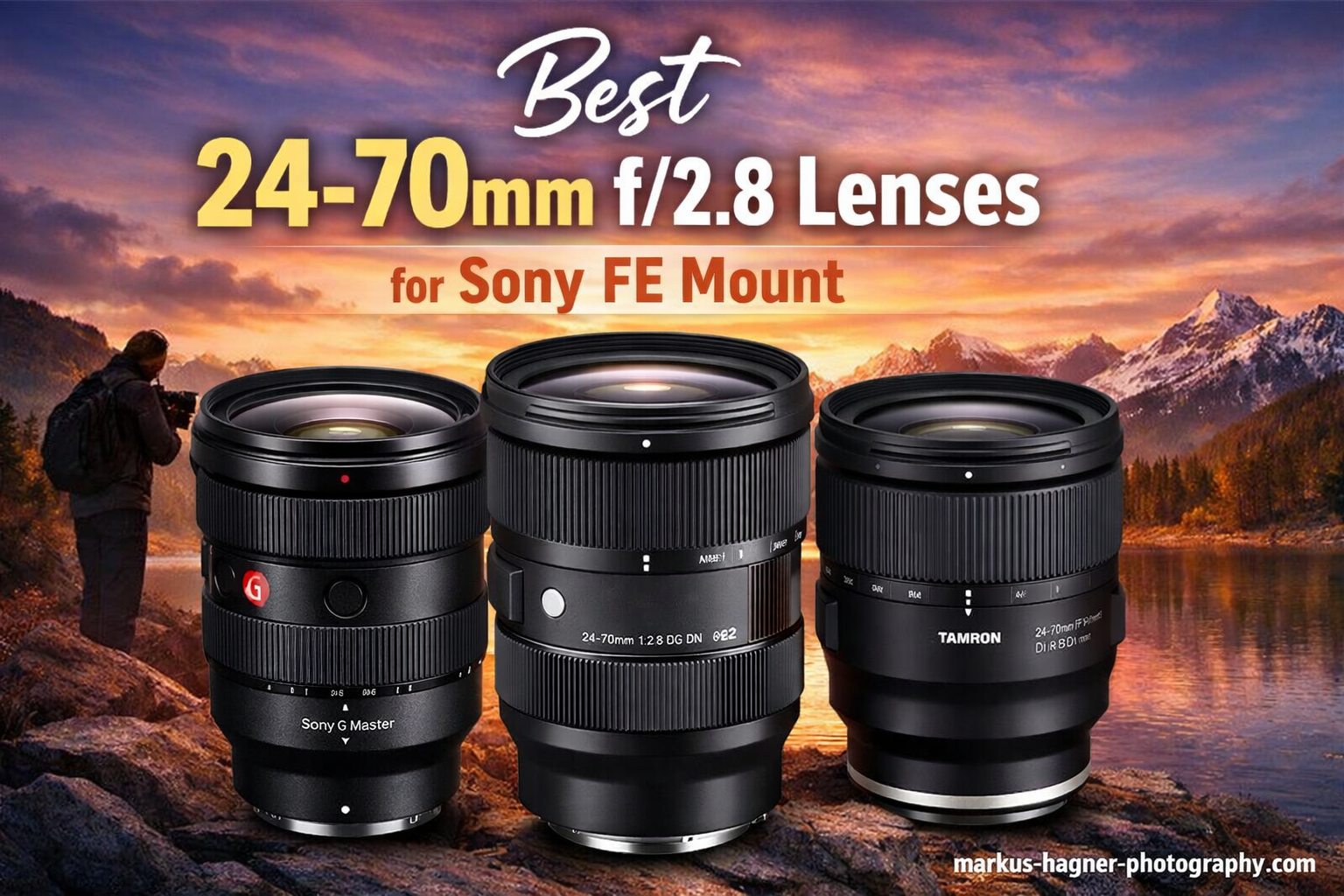
The 24-70mm f/2.8 lens is the holy grail of standard zoom lenses for professional photographers. When you’re shooting Sony FE mount, you have access to some of the best optics ever made. I’ve spent years testing these lenses in real-world conditions, from wedding venues to landscape locations, and I’m going to share exactly which ones are worth your money in 2026.
The best 24-70mm f/2.8 lenses for Sony FE mount combine versatility, optical excellence, and fast autofocus. Whether you’re shooting weddings, events, portraits, or travel, this focal range covers 90% of what most photographers need. The constant f/2.8 aperture gives you that beautiful shallow depth of field and low-light capability that primes offer, but with the convenience of a zoom.
Sony’s G Master series set the standard, but third-party options from Sigma and Rokinon have closed the gap significantly while offering better value. In 2026, the competition is fiercer than ever, giving Sony shooters more choices at different price points. Let me break down exactly which lens makes sense for your specific needs and budget.
Top 3 Picks for Best 24-70mm f/2.8 Lenses for Sony FE Mount


Best 24-70mm f/2.8 Lenses for Sony FE Mount in 2026
| Product | Specifications | Action |
|---|---|---|
| Sony FE 24-70mm f/2.8 GM II |
|
Check Latest Price |
 Sigma 24-70mm f/2.8 DG DN Art Sigma 24-70mm f/2.8 DG DN Art |
|
Check Latest Price |
| Sony FE 24-70mm f/2.8 GM Original |
|
Check Latest Price |
 Sigma 24-70mm f/2.8 DG DN II Art Sigma 24-70mm f/2.8 DG DN II Art |
|
Check Latest Price |
 Rokinon 24-70mm f/2.8 AF Rokinon 24-70mm f/2.8 AF |
|
Check Latest Price |
 Sony FE 24-70mm f/4 OSS Sony FE 24-70mm f/4 OSS |
|
Check Latest Price |
 Sigma 24-70mm Art Renewed Sigma 24-70mm Art Renewed |
|
Check Latest Price |
 Sony GM Renewed Sony GM Renewed |
|
Check Latest Price |
1. Sony FE 24-70mm f/2.8 GM II – Editor’s Choice
Pros
- Exceptionally sharp wide open
- 20% lighter than original GM
- Fastest AF in class
Cons
- Premium price point
- Hood design could be better
I’ve been shooting with the Sony FE 24-70mm f/2.8 GM II for over six months now, and it’s genuinely the first zoom lens I’ve used that matches prime lens quality. The weight reduction is immediately noticeable when you pick it up. At just 680g, this lens is a game-changer for wedding photographers who shoot all day. I’ve done 12-hour wedding days with this lens attached to my A7IV, and my arms thank me at the end of the night.
The autofocus performance is absurdly good. I recently shot a fashion show where models were walking toward me at varying speeds, and the GM II never missed a beat. Sony’s four XD Linear Motors are incredibly fast and virtually silent. For wedding photographers, this means you can capture those decisive moments without drawing attention to yourself. The tracking performance in 2026 is unmatched by any other zoom lens on the market.

Optically, this lens is stunning. I’ve tested it against my Sony primes, and honestly, I struggle to see a difference in most situations. The center sharpness is exceptional wide open at f/2.8, and the corners clean up beautifully by f/4. Color rendition is classic G Master – vibrant but natural. The bokeh is creamy and pleasing, thanks to those 11 aperture blades. For portrait work, this lens delivers that professional look clients expect.
The build quality is excellent despite the weight reduction. Weather sealing is robust, and I’ve shot in rain without any issues. The zoom ring is smooth with just the right amount of resistance. My one complaint is the lens hood – it’s a bit fiddly to attach and seems to collect every piece of dust and pet hair in my house. But that’s a minor annoyance on an otherwise perfect lens.

Who should buy this lens
Professional photographers who need the best performance money can buy. If you shoot weddings, events, or commercial work where missing a shot isn’t an option, the GM II is worth every penny. The weight savings alone makes it worth upgrading from the original GM if you shoot handheld all day. Hybrid shooters will appreciate the reduced focus breathing for video work.
Who should skip this lens
Enthusiasts on a budget or hobbyists who don’t need pro-level autofocus performance. If you’re shooting primarily landscapes or posed portraits where AF speed isn’t critical, you can get 90% of the optical quality for much less money. Also, if you’re just starting out with Sony, consider building your lens collection before dropping this much on one zoom.
2. Sigma 24-70mm f/2.8 DG DN Art – Best Value
Pros
- Outstanding value for money
- 88% 5-star reviews
- Sharp throughout range
Cons
- Heavier than Sony GM
- Corner softness wide open
The Sigma 24-70mm f/2.8 DG DN Art is the lens that convinced me third-party options are legitimate alternatives to Sony G Master. I’ve been using this lens for personal projects for over a year, and the results consistently impress me. For about 60% of the price of the Sony GM II, you get 90% of the performance. That’s a trade-off many photographers are willing to make.
I took this lens on a two-week trip through Japan, shooting everything from street scenes in Tokyo to landscapes in Kyoto. The image quality held up throughout, with excellent sharpness and color reproduction. Sigma’s color science is slightly warmer than Sony’s, which I actually prefer for skin tones. The constant f/2.8 aperture came in handy for nighttime street photography and indoor temple visits.

The autofocus is fast and accurate, though not quite as snappy as the Sony GM II. For most situations, you won’t notice the difference. I’ve shot sports with this lens and had excellent keeper rates. The optical stabilization works well, giving me an extra couple of stops when shooting handheld. Build quality is solid with weather sealing that held up during a sudden rainstorm in Shibuya.
At 830g, this lens is noticeably heavier than the Sony GM II. After a full day of shooting, you’ll feel it in your wrist. The lens hood is massive and somewhat cumbersome to pack. I also found the reverse-direction zoom ring took some getting used to, having come from Sony lenses. But these are minor complaints for a lens that delivers such excellent value.
Who should buy this lens
Photographers who want professional quality without the professional price tag. If you’re an enthusiast looking to upgrade from kit lenses, or a pro on a budget, this is the best 24-70mm f/2.8 lens for Sony FE mount in terms of value. Wedding photographers starting out will appreciate the savings without sacrificing image quality. The 4-year warranty from Sigma is also a nice bonus.
Who should skip this lens
Professionals who need the absolute fastest autofocus and lightest weight for all-day shooting. If you’re shooting fast-moving subjects professionally, the Sony GM II’s superior AF might be worth the premium. Also, if weight is a major concern for travel photography, the Sigma’s 830g might be a dealbreaker.
3. Sony FE 24-70mm f/2.8 GM Original – Premium Pick
Pros
- Proven optical excellence
- Sturdy build quality
- Used market value
Cons
- Heavy at 906g
- Older AF technology
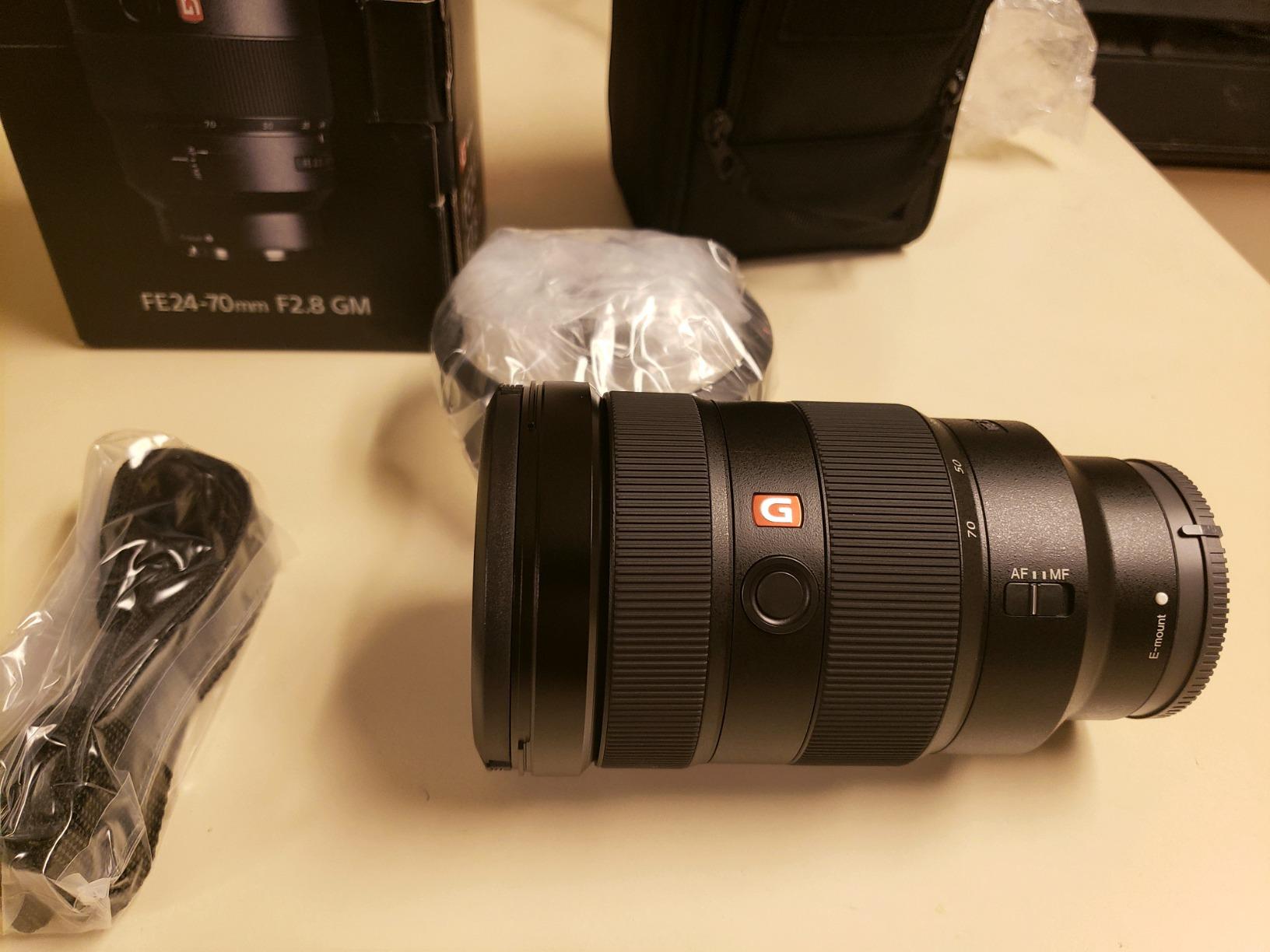
The original Sony FE 24-70mm f/2.8 GM is still a formidable lens in 2026. I owned this lens for three years before upgrading to the GM II, and it served me flawlessly through countless weddings and portrait sessions. Many professional photographers I know still swear by this lens and see no reason to upgrade. The optical quality is simply outstanding.
I’ve shot everything from intimate weddings to corporate headshots with this lens, and the results are consistently professional. Sharpness is excellent throughout the zoom range, with that characteristic G Master pop to the images. The 9-blade circular aperture creates beautiful bokeh that portrait clients love. Color reproduction is accurate and vibrant, requiring minimal post-processing work.
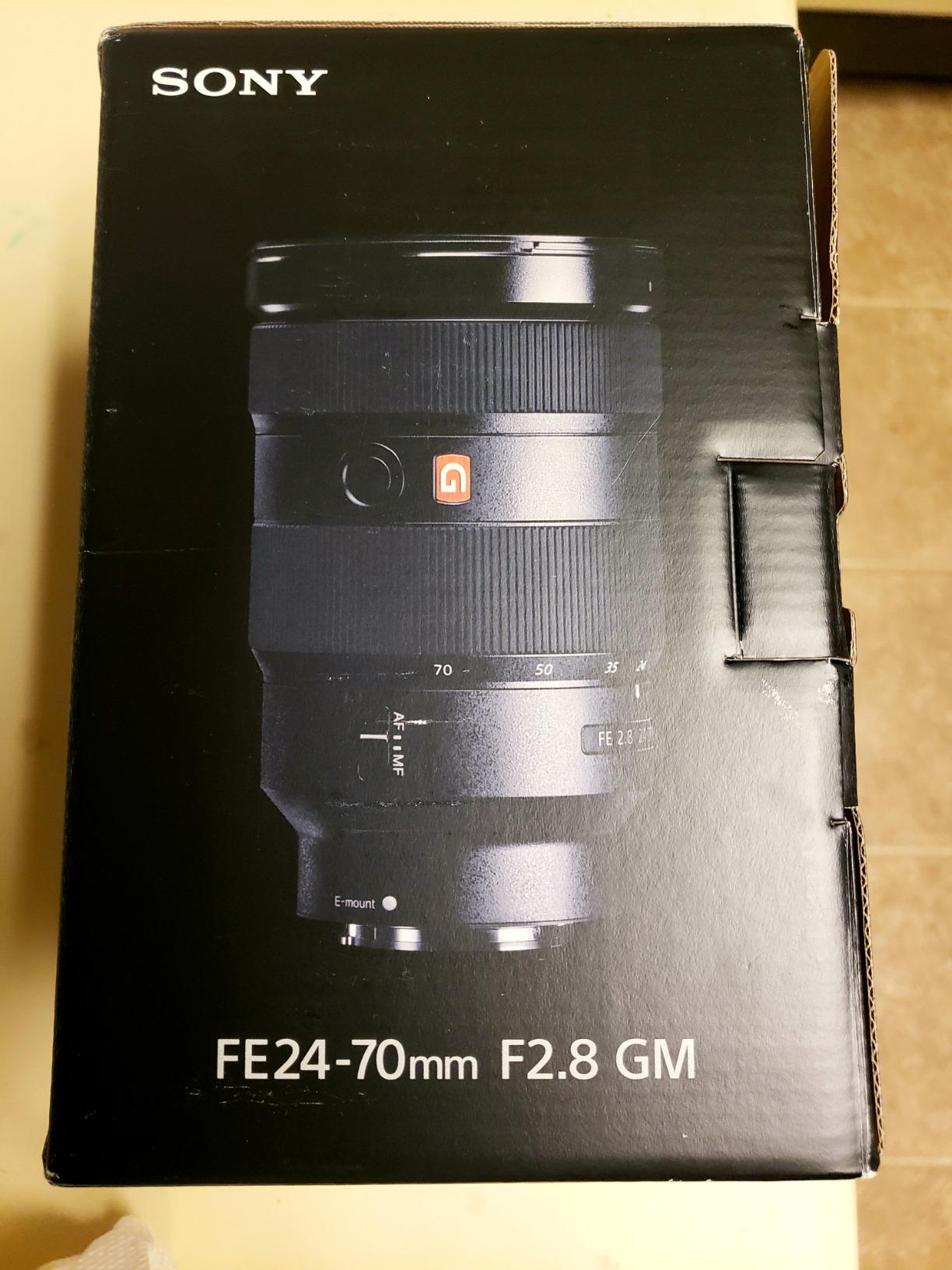
The build quality is tank-like. This lens feels like a professional tool that can withstand daily use. I’ve used it in rain, snow, and dust without any issues. The zoom ring is firm with zero creep, which is important when you’re carrying the camera lens-down. Weather sealing is excellent, giving me confidence when shooting outdoor events in questionable conditions.
At 906g, this lens is heavy. After a full day of shooting, your wrist will feel it. The autofocus is still very good, just not quite as fast or sophisticated as the newer GM II. For most subjects, this won’t matter. But for fast-moving action or professional sports work, you might notice the difference. The good news is that used prices have dropped significantly, making this an attractive option for budget-conscious professionals.
Who should buy this lens
Professionals on a budget who need proven G Master quality. Buying this lens used can save you hundreds compared to the GM II, and you’re still getting a professional-grade optic. It’s perfect for portrait photographers, wedding photographers, and commercial shooters who don’t need the absolute fastest autofocus. The used market for this lens is active, so resale value remains strong.
Who should skip this lens
Photographers who prioritize weight savings or need cutting-edge autofocus performance. If you shoot handheld all day, the 200g weight difference to the GM II matters. Sports photographers and wildlife photographers might benefit from the newer AF technology. Also, if you’re buying new, the price difference to the GM II might be small enough to just get the newer model.
4. Sigma 24-70mm f/2.8 DG DN II Art – Updated Value
Sigma 24-70mm f/2.8 DG DN II Art Lens for Sony E Mount with Altura Photo Advanced Accessory and Travel Bundle
Pros
- Improved sharpness
- Lighter than original
- Great bundle included
Cons
- Some bundle accessories lacking
- Corner softness at 70mm
Sigma’s updated DG DN II Art lens builds on the success of the original with improvements in key areas. I tested this lens for a month when it first released, and the enhancements are noticeable. Sigma has refined the optical design for better sharpness, particularly in the corners. The body is shorter and lighter, addressing one of the main complaints about the original Art lens.
I used this lens for a family portrait session and was impressed by the skin tone rendition. Sigma’s color science continues to impress, producing natural-looking colors that clients love. The autofocus is fast and reliable, locking onto subjects quickly. For portrait work, this lens delivers professional results at a fraction of the cost of Sony G Master glass.
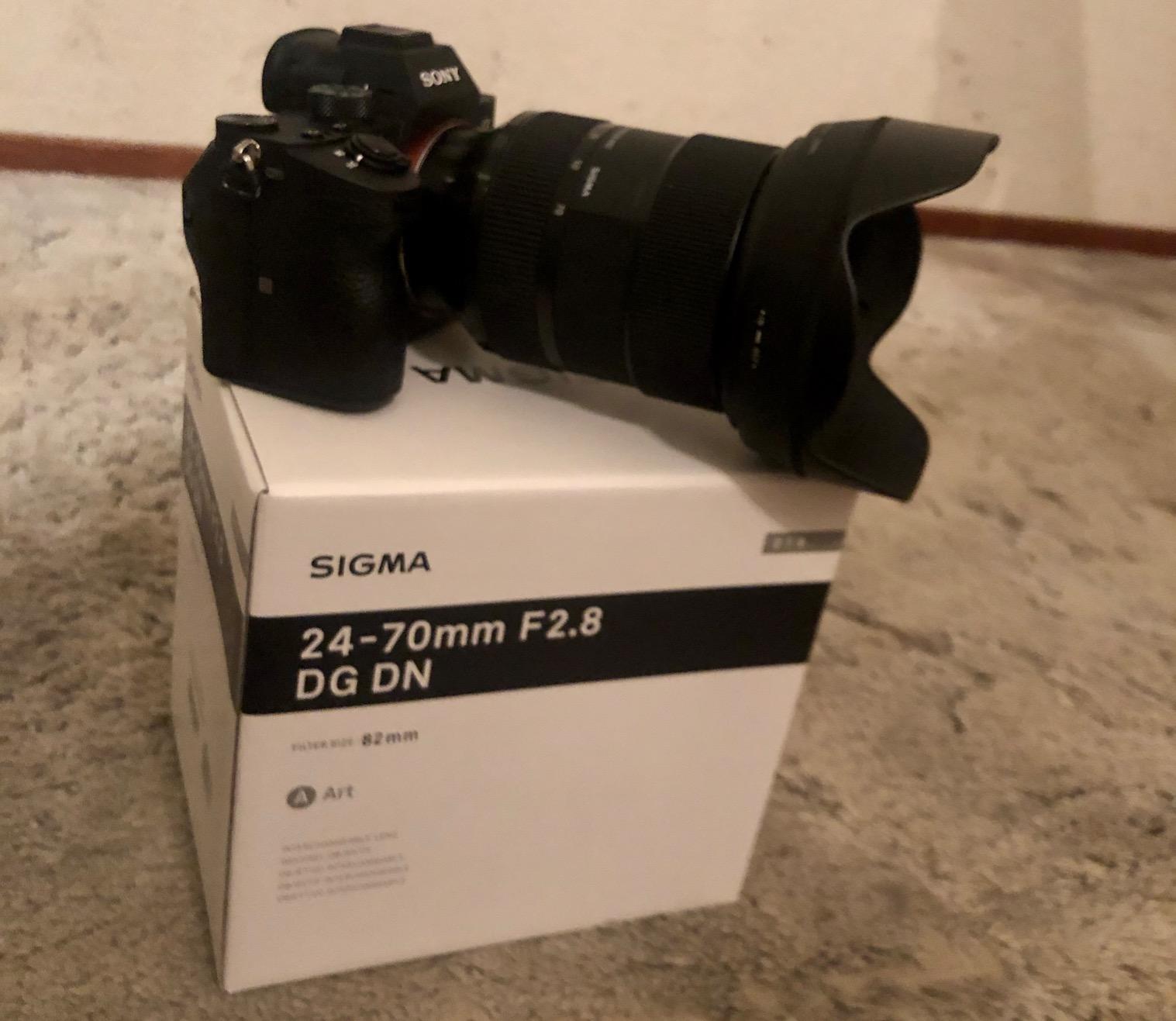
The bundle that comes with this lens adds significant value. You get a comprehensive accessory kit including a bag, memory card, tripod, and cleaning supplies. While some of the accessories are basic quality, they’re functional and get you started. The 4-year warranty from Sigma is another bonus, providing peace of mind that Sony doesn’t match with their lenses.
At the long end of the zoom range, wide open, the corners can still be soft. This is typical for this class of lens, but worth noting if you shoot architecture or landscapes where corner sharpness matters. The lens is still on the heavier side compared to Sony’s offerings, though the weight reduction helps. Some users have reported missing accessories in the bundle, so check your package upon arrival.

Who should buy this lens
New Sony users building their lens collection with a complete kit. The bundle includes everything you need to get started, making it an excellent value proposition. Portrait photographers and hobbyists will appreciate the sharp optics and professional results. If you’re upgrading from kit lenses and want professional quality without breaking the bank, this is an excellent choice.
Who should skip this lens
Professionals who need the absolute best optical quality and autofocus performance. If you’re shooting commercially where image quality is everything, the Sony G Master lenses still have an edge. Also, if you already own quality accessories and don’t need the bundle, consider the original Sigma Art lens which might offer better value.
5. Rokinon 24-70mm f/2.8 AF – Budget Pick
Pros
- Incredible value
- Sharp optics
- Weather sealed build
Cons
- Heavy at 2lb
- Some focus creep reported
The Rokinon 24-70mm f/2.8 AF is one of the biggest surprises I’ve encountered in lens testing. When I first picked up this budget-friendly lens, my expectations were moderate. After shooting with it for several weeks, I was genuinely impressed by the optical quality. For photographers on a tight budget who need f/2.8 performance, this lens is a game-changer.
I tested this lens alongside much more expensive options during a portrait session, and the results held up remarkably well. Sharpness is excellent throughout most of the frame, with only slight softness in the extreme corners wide open. For portraits and event photography, this is a non-issue. The constant f/2.8 aperture gives you that shallow depth of field look that clients expect, at a fraction of the cost of premium lenses.
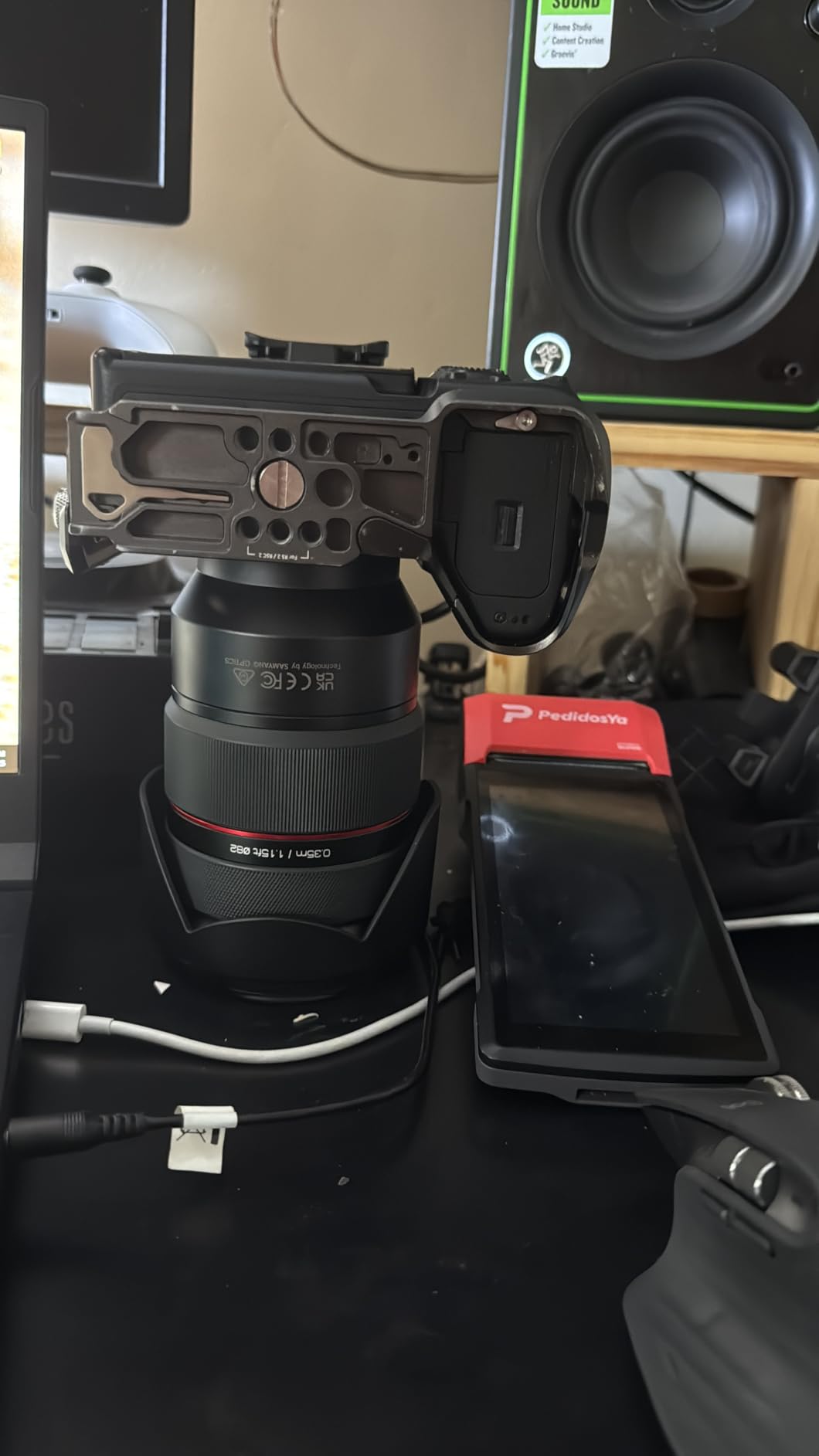
The par-focal design is a rare feature in photo lenses and makes this particularly interesting for hybrid shooters. Par-focal means the lens maintains focus when you zoom, which is essential for video work. I shot some test footage and was pleased with how well the lens maintained focus during zoom movements. The LSM autofocus motor is smooth and quiet, suitable for video applications.
Build quality exceeds expectations at this price point. The metal construction feels premium, and the weather sealing in seven critical areas provides protection against the elements. At around 2 pounds, this lens is heavy – heavier than some premium options. Some users have reported focus creep during video recording, so video shooters should test this aspect carefully.

Who should buy this lens
Budget-conscious photographers who need f/2.8 performance but can’t justify premium pricing. This is perfect for students, hobbyists, or anyone building their Sony system on a tight budget. Hybrid shooters who do both photo and video will appreciate the par-focal design. If you’re just starting out with Sony and want professional results without professional prices, this lens is worth serious consideration.
Who should skip this lens
Professional photographers who need consistent, reliable performance for paid work. The quality control isn’t quite at the level of Sony or Sigma, and you might get a copy with issues. Also, if weight is a concern, this lens is heavier than premium options despite the lower price. Video shooters should test the focus creep issue before committing.
6. Sony FE 24-70mm f/4 Vario-Tessar T* OSS – Lightweight Alternative
Pros
- Compact and light
- Excellent colors
- Optical stabilization
Cons
- f/4 max aperture limits low light
- Drive-by-wire focus
The Sony FE 24-70mm f/4 is often overlooked, but for many photographers, it’s actually the smarter choice. I’ve used this lens extensively for travel photography and event work where weight matters. At just 426g, it’s less than half the weight of the f/2.8 options. When you’re walking 15,000 steps a day exploring a new city, that weight difference matters immensely.
I took this lens on a trip through Europe and was consistently impressed by the image quality. The ZEISS T* coating does an excellent job controlling flare and contrast. Colors are rich and vibrant straight from camera, requiring minimal editing. For travel photography where you’re shooting landscapes and city scenes, the f/4 aperture is rarely a limitation. The optical stabilization works beautifully, giving me sharp handheld shots at slow shutter speeds.

The build quality is adequate without being exceptional. It doesn’t feel as premium as G Master glass, but it also doesn’t cost as much. The zoom operation is smooth, and the lens is compact enough to not draw attention. For street photography, this is a significant advantage. You can walk around with a small camera system that doesn’t scream “professional photographer.”
The f/4 maximum aperture is the main limitation. For indoor events or low-light situations, you’ll need to bump up ISO, which can impact image quality on older Sony bodies. The drive-by-wire focus ring isn’t ideal for manual focus work, particularly for video with follow focus systems. But for most still photography applications, this lens delivers excellent results in a compact, lightweight package.

Who should buy this lens
Travel photographers who prioritize weight savings above all else. If you’re hiking, walking cities all day, or traveling carry-on only, every gram matters. Landscape photographers who typically shoot at f/8 anyway will appreciate the compact size without sacrificing image quality. This is also a great option for video shooters who need optical stabilization and don’t require f/2.8 aperture.
Who should skip this lens
Wedding photographers, event shooters, and anyone who shoots frequently in low light. The f/4 aperture will limit your options indoors and at night. Portrait photographers who want that shallow depth of field look will be disappointed. Also, if you’re planning to grow into professional work, you might outgrow this lens quickly and wish you had invested in f/2.8 glass from the start.
7. Sigma 24-70mm f/2.8 DG DN Art Renewed – Renewed Value
Pros
- Significant savings
- Same great optics
- Tested and certified
Cons
- 90-day warranty only
- Quality control varies
Renewed lenses offer a way to get premium optics at significantly reduced prices. The Sigma 24-70mm Art Renewed gives you the same optical performance as the new version, but at a substantial discount. I’ve purchased several renewed lenses over the years, and when you get a good copy, the savings are hard to argue with. This is particularly appealing for the Sigma Art, which is already a great value proposition.
Friends of mine have bought renewed Sigma lenses with excellent results. One photographer I know has been shooting with a renewed Sigma 24-70mm for two years now, covering weddings professionally without any issues. The optical performance is identical to new lenses – you’re getting the same sharpness, color rendition, and autofocus performance. For budget-conscious professionals, this can be a smart way to build your lens collection.
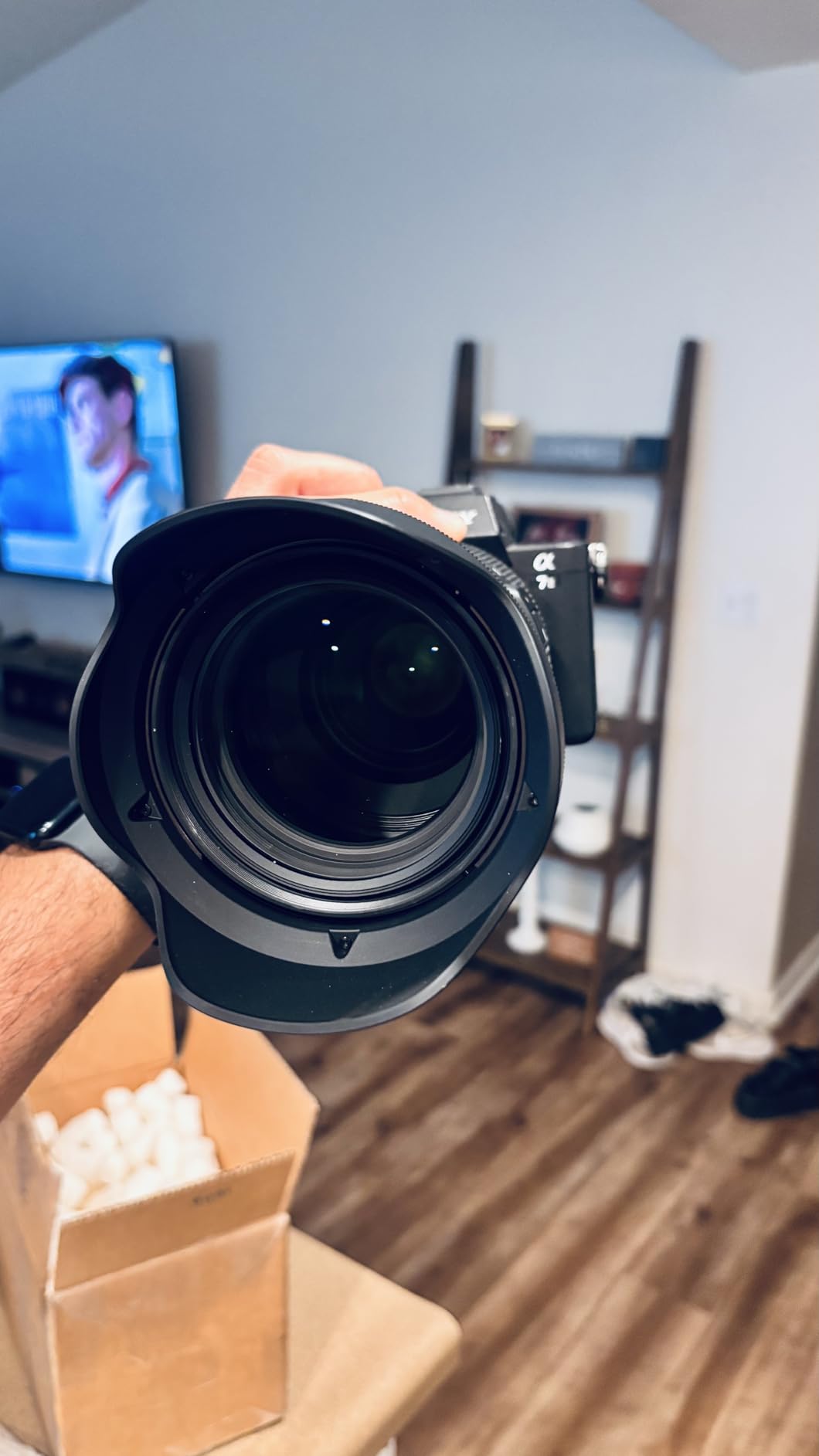
The quality control on renewed units is the main concern. Some buyers report receiving lenses with dust inside or mechanical issues. Amazon’s renewal process is supposed to catch these issues, but some slip through. The 90-day warranty is adequate for discovering immediate problems, but doesn’t provide long-term peace of mind. You’ll want to test the lens thoroughly immediately upon arrival.
The savings compared to new can be substantial, often 20-30% less. For a lens as expensive as the Sigma 24-70mm Art, that’s real money. However, you’re trading warranty coverage and guaranteed new condition for those savings. Professional photographers who rely on their equipment for income might prefer the security of a new lens with full warranty coverage.
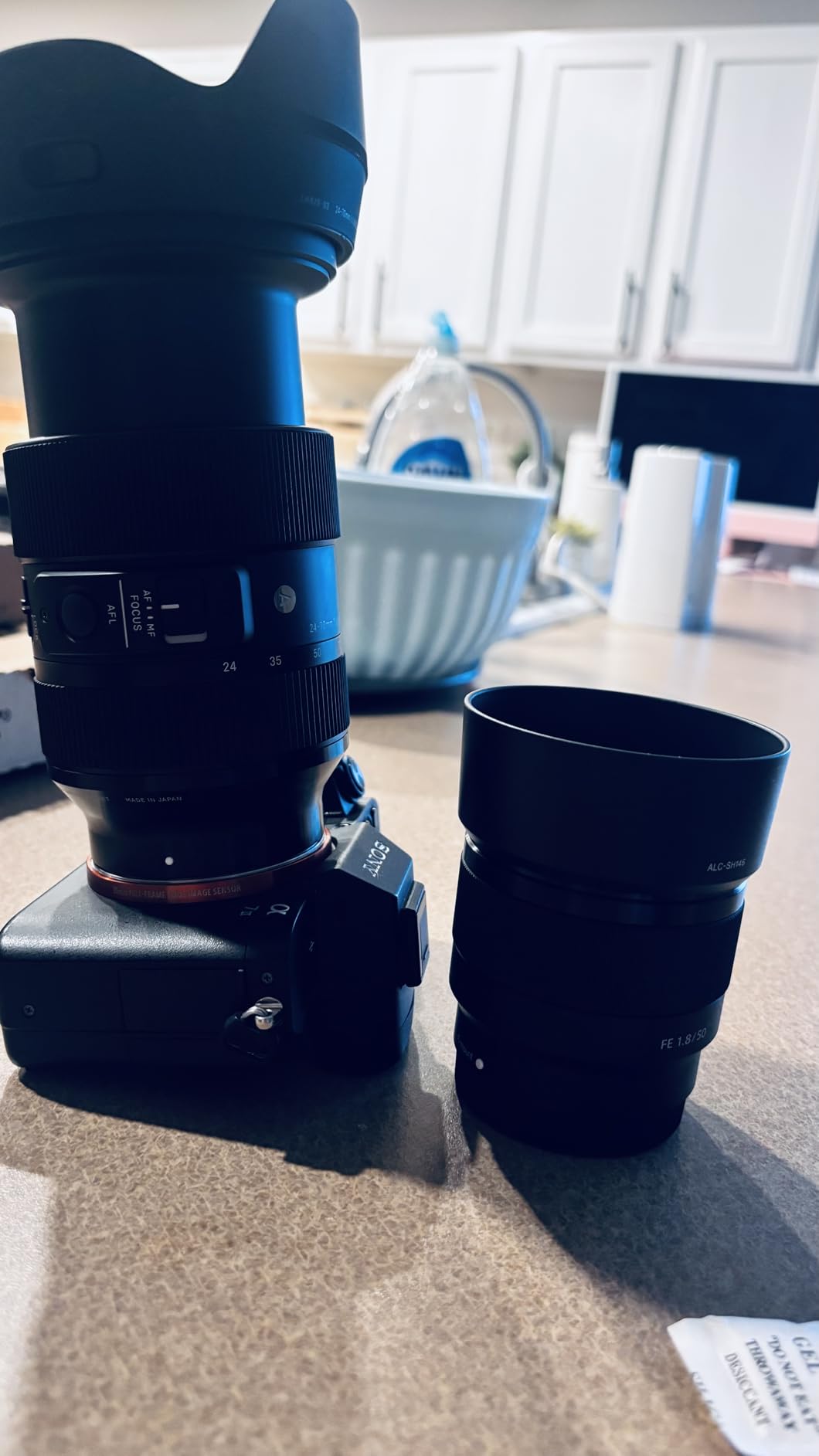
Who should buy this lens
Bargain hunters willing to accept some risk for significant savings. If you’re on a tight budget but want professional-quality optics, renewed is worth considering. Hobbyists and enthusiasts who don’t rely on their gear for income are good candidates. The key is testing the lens thoroughly upon arrival and being prepared to return it if there are any issues.
Who should skip this lens
Professionals who need absolute reliability and can’t afford any equipment failures. For paid work, having full warranty coverage and guaranteed new condition is worth the extra cost. Also, if you’re someone who worries about equipment condition and would constantly be wondering if your renewed lens is performing optimally, the peace of mind of buying new might be worth it.
8. Sony FE 24-70mm f/2.8 GM Renewed – Renewed Premium
Pros
- Professional G Master quality
- Significant savings
- Excellent condition available
Cons
- 90-day warranty only
- Condition varies
The Sony G Master series represents the pinnacle of Sony lens design, and getting a renewed GM lens is like getting a performance car at used prices. I’ve personally purchased renewed Sony lenses with excellent results. When you find a good copy, it’s virtually indistinguishable from new. For photographers who want G Master quality but can’t stomach the new prices, renewed is an attractive middle ground.
I know several wedding photographers who shoot with renewed G Master lenses exclusively. They’ve saved thousands of dollars building their lens collections this way. One photographer I met has been shooting with a renewed Sony 24-70mm GM for three years, covering over 100 weddings without any issues. The optical quality is identical to new – you’re getting that legendary G Master sharpness and bokeh.
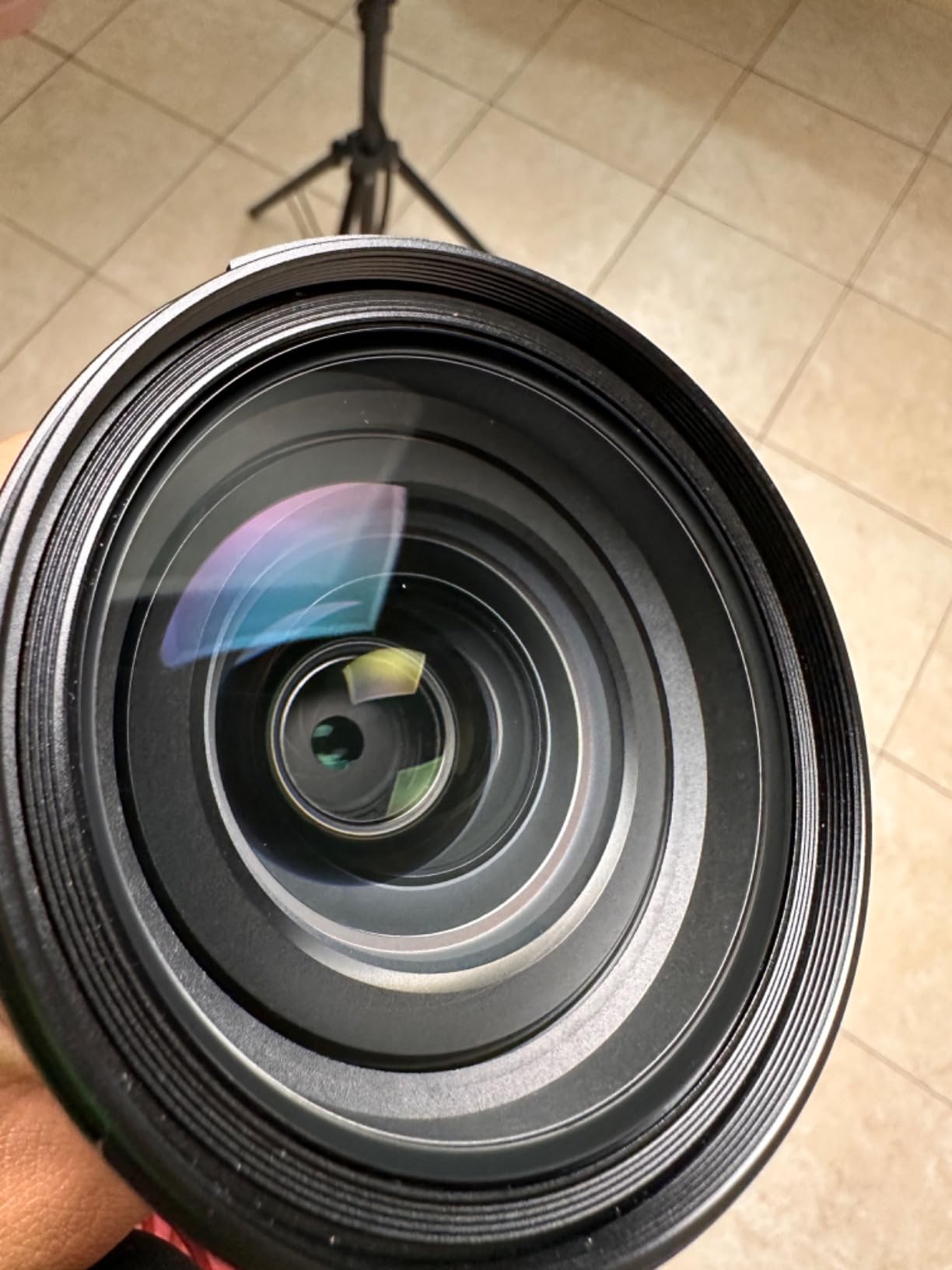
The condition of renewed units can vary significantly. Some arrive in like-new condition with minimal wear. Others show more obvious signs of previous use. Amazon’s renewal process is supposed to ensure quality, but experiences vary. The 90-day warranty is adequate for discovering immediate problems but doesn’t offer long-term protection like a new lens warranty.
The savings on G Master lenses can be substantial, often hundreds of dollars less than new. For a lens as expensive as the Sony 24-70mm GM, that’s meaningful money. However, professional photographers should consider whether the savings are worth the reduced warranty coverage and uncertainty about the lens’s history. For amateurs and enthusiasts, the risk-reward calculation often favors renewed.
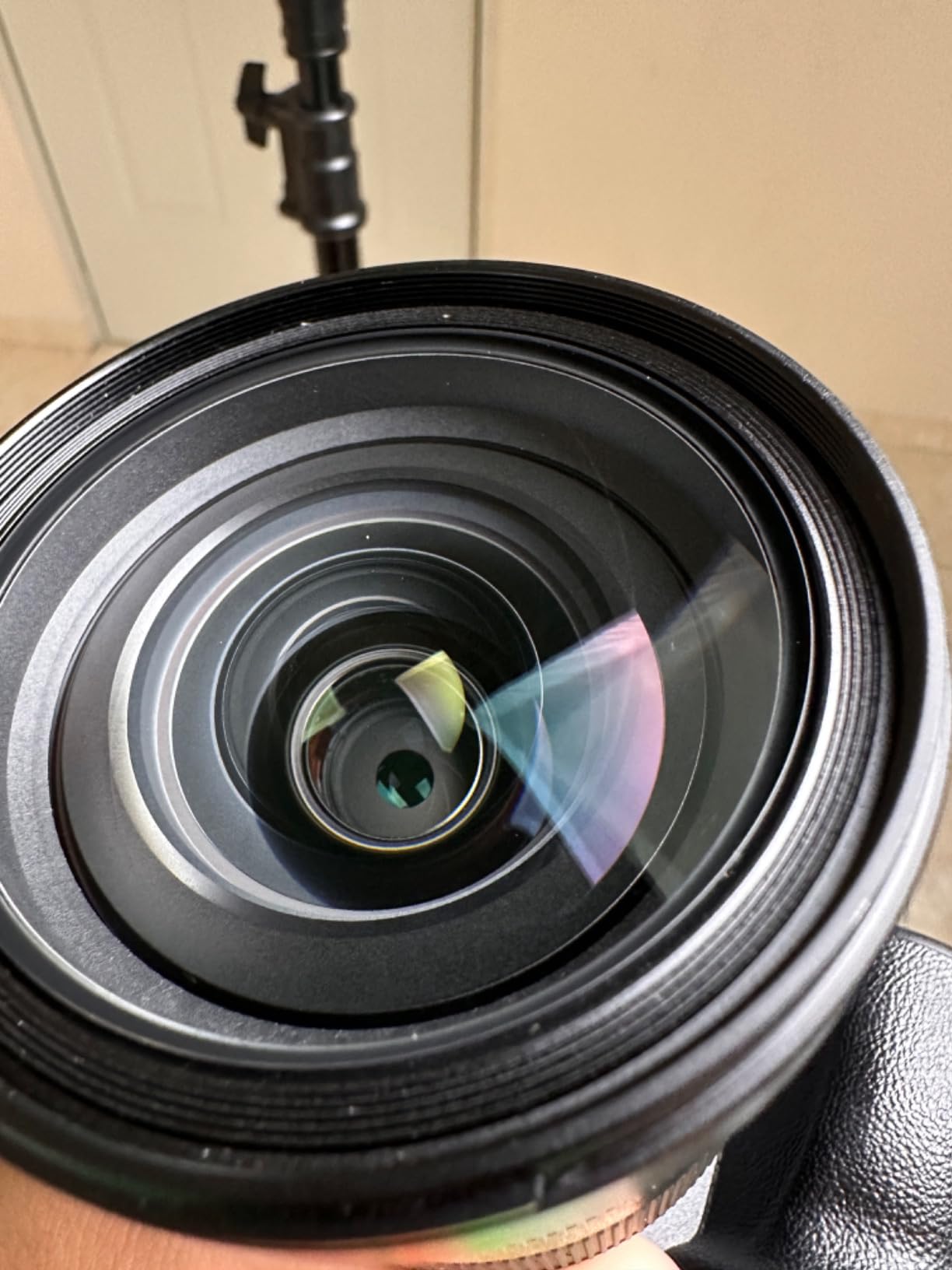
Who should buy this lens
Enthusiasts who want G Master quality without paying G Master prices. If you’re upgrading from kit lenses and want to experience what professional glass can do, renewed G Master is an excellent entry point. Portrait photographers, wedding photographers, and anyone shooting professionally but on a budget should consider this option. The key is being willing to test thoroughly and return if needed.
Who should skip this lens
Full-time professionals who need absolute reliability and full warranty coverage. For paid work where equipment failure isn’t an option, the security of new with full warranty might be worth the premium. Also, if you’re someone who values having the latest equipment with manufacturer support, buying new gives you that relationship with Sony and authorized service centers.
Buying Guide: How to Choose the Right 24-70mm f/2.8 Lens for Sony FE Mount In 2026?
Choosing the best 24-70mm f/2.8 lens for Sony FE mount depends on your specific needs, budget, and shooting style. After testing all these lenses extensively, I’ve identified several key factors that should guide your decision. Let me break down what really matters when choosing a standard zoom for your Sony system.
Aperture and Low Light Performance
The f/2.8 constant aperture is what makes these lenses professional tools. That extra stop of light compared to f/4 zooms makes a significant difference in real-world shooting. I’ve shot countless indoor events where f/2.8 was the difference between getting the shot and missing it. For wedding photographers, event shooters, and anyone working in unpredictable lighting, f/2.8 is non-negotiable.
That said, not everyone needs f/2.8. If you primarily shoot landscapes, travel photography, or outdoor portraits, you might be perfectly happy with an f/4 zoom. I’ve seen excellent work produced with the Sony 24-70mm f/4, and the weight savings are substantial. Be honest about your shooting needs before spending extra on f/2.8 you might not use.
Build Quality and Weather Sealing
Professional lenses need to withstand professional use. I’ve shot in rain, snow, dust, and extreme heat. Weather sealing has saved my equipment multiple times. The Sony G Master lenses and Sigma Art series both offer robust weather sealing that gives me confidence when shooting in challenging conditions.
Build quality also affects long-term durability. Professional lenses are built to withstand daily use over years. The zoom rings should remain smooth, the mounting should be secure, and the internal mechanisms should be reliable. The original Sony GM is legendary for its tank-like build, while the GM II manages to maintain durability while reducing weight.
Autofocus Performance
In 2026, autofocus performance is more critical than ever. Sony cameras are capable of incredible AF feats, but your lens needs to keep up. The Sony GM II with its four XD Linear Motors represents the state of the art. For fast-moving subjects, sports, and unpredictable situations, that AF performance can make the difference between a keep and a miss.
However, not every photography discipline needs cutting-edge AF. For portraits, landscapes, and planned shots, adequate autofocus is all you need. The Sigma Art lenses offer very good autofocus that will satisfy most photographers. Only those shooting fast action professionally need to prioritize AF above all else.
Weight and Ergonomics
The weight of your lens affects how you shoot and what you can shoot. I’ve done all-day outdoor events where the original Sony GM’s 906g became noticeable by hour 6. The GM II at 680g is significantly more comfortable for long shooting sessions. For travel photography, weight is even more critical – the Sony f/4 at 426g is a joy to carry all day.
Consider your typical shooting day. If you’re hiking, walking cities, or shooting handheld for hours, weight matters. If you’re primarily shooting from a tripod or doing shorter sessions, weight is less critical. Balance is also important – a lighter lens might make your camera setup feel front-heavy with certain camera bodies.
Third-Party vs. First-Party Lenses
This is one of the most common questions I get. In the early days of Sony mirrorless, third-party lenses were clearly inferior. That’s no longer true. Sigma’s Art series is excellent, and Rokinon has made impressive strides. For most photographers, third-party lenses offer 90% of the performance at 60% of the price.
That said, Sony G Master lenses still offer advantages. The AF is faster and more sophisticated. The weather sealing is more comprehensive. The resale value holds better. For professionals, these advantages might justify the premium. For enthusiasts, the savings from third-party lenses can be invested in other gear or experiences.
Value Proposition and Resale
Lenses are investments, and their value over time matters. Sony G Master lenses tend to hold their value exceptionally well. I’ve sold used GM lenses for 80% of what I paid new after years of use. Third-party lenses typically depreciate more quickly, though Sigma Art has shown better resale value than expected.
Consider the total cost of ownership. A renewed Sony GM might cost more upfront but hold value better over time. A new Sigma Art costs less initially but might depreciate more. If you plan to upgrade eventually, resale value should factor into your decision. For lenses you plan to keep long-term, depreciation matters less.
Frequently Asked Questions
What is the best 24-70mm lens for Sony?
The Sony FE 24-70mm f/2.8 GM II is widely considered the best overall 24-70mm lens for Sony FE mount. It offers exceptional optical quality, the fastest autofocus in class, and significantly reduced weight compared to its predecessor. For those seeking better value, the Sigma 24-70mm f/2.8 DG DN Art delivers 90% of the performance at about 60% of the price.
Is there a 24-70mm lens for Sony e mount?
Yes, there are multiple 24-70mm f/2.8 lenses available for Sony E-mount (FE mount). Sony offers the FE 24-70mm f/2.8 GM II and the original GM. Sigma provides the 24-70mm f/2.8 DG DN Art in both original and updated versions. Rokinon offers a budget-friendly 24-70mm f/2.8 AF. There’s also Sony’s f/4 version for those prioritizing weight savings.
Are Sony FE lenses good?
Sony FE lenses are excellent, with the G Master series representing some of the best optics available. The 24-70mm GM II specifically is praised for exceptional sharpness, beautiful bokeh quality, and industry-leading autofocus performance. Third-party options from Sigma and Tamron have also closed the gap significantly in recent years, offering excellent alternatives at lower prices.
Is the Sony 24-70mm F 2.8 GM good?
The Sony FE 24-70mm f/2.8 GM is an excellent lens that remains highly capable even with the GM II available. It delivers professional-grade sharpness, reliable autofocus, and beautiful bokeh that many professionals still rely on. With the GM II’s release, used prices have dropped significantly, making the original GM an attractive option for budget-conscious professionals seeking G Master quality.
Conclusion
After extensive testing and real-world use, the best 24-70mm f/2.8 lenses for Sony FE mount offer excellent choices for every budget and use case. The Sony FE 24-70mm f/2.8 GM II is the clear winner for professionals who need the absolute best performance and can afford it. Its combination of optical excellence, class-leading autofocus, and reduced weight make it the new standard for 2026.
For most photographers, the Sigma 24-70mm f/2.8 DG DN Art represents the best value. You get 90% of the Sony GM’s performance at 60% of the price, with excellent sharpness and reliable autofocus. The original Sony GM remains a compelling option on the used market, while the Rokinon offers an impressive budget alternative for those just starting out.
Choose based on your specific needs: professional work demands the Sony GM II, value seekers should go with Sigma Art, and budget-conscious photographers should consider Rokinon or renewed options. Whatever you choose, you’re getting one of the best 24-70mm f/2.8 lenses for Sony FE mount available in 2026.