
There is something almost magical about the 50mm focal length that has made it the starting point for countless photographers over the decades. When I first switched to the Nikon Z system three years ago, the 50mm was the very first prime lens I added to my kit. The “nifty fifty” offers a field of view so close to natural human vision that images feel immediately familiar and intimate. Whether you are shooting portraits on a Z8, documenting street scenes with a Zf, or capturing family moments on a Z5, the best 50mm lenses for nikon mirrorless cameras deliver that perfect balance of versatility and optical quality.
The Nikon Z mount has opened up new possibilities for lens design with its larger diameter and shorter flange distance. This means the 50mm lenses available today for Nikon mirrorless cameras are sharper, faster, and more capable than their F-mount predecessors. Over the past six months, our team has tested every native Z mount 50mm option plus the most compelling third-party alternatives to help you find the perfect match for your shooting style and budget.
From the professional-grade Nikon Z 50mm f/1.2 S to the ultra-compact 40mm f/2, this guide covers every option worth considering in 2026. We will break down what makes each lens special, who should buy it, and how to choose between the various aperture options Nikon now offers.
Top 3 Picks for Best 50mm Lenses for Nikon Mirrorless Cameras
Before diving into individual reviews, here are our top three recommendations based on months of real-world testing across different Nikon Z camera bodies.
Nikon Z 50mm f/1.8 S
- Outstanding sharpness rivaling lenses 3x the price
- Ultra-quiet STM autofocus
- Weather-sealed professional build
- 62mm filter thread
- 14.6 oz lightweight design

Nikon Z 50mm f/1.2 S
- Extraordinary f/1.2 maximum aperture
- Edge-to-edge sharpness wide open
- Nano Crystal Coat for flare control
- Professional weatherproofing
- 82mm filter thread

Viltrox AF 50mm f/1.4 Pro
- Pro-level optics at budget price
- Fast HyperVCM autofocus with eye detection
- De-clickable aperture ring for video
- Compact metal construction
- 77mm filter thread
Quick Overview: Best 50mm Lenses for Nikon Z Mount in 2026
If you want to compare all seven lenses side by side before reading the detailed reviews, this table covers the essential specifications. The right lens depends on your priorities: maximum aperture, compactness, macro capability, or budget.
| Product | Specifications | Action |
|---|---|---|
| Nikon Z 50mm f/1.8 S |
|
Check Latest Price |
| Nikon Z 50mm f/1.2 S |
|
Check Latest Price |
| Viltrox 50mm f/1.4 Pro |
|
Check Latest Price |
 Nikon Z 50mm f/1.4 Nikon Z 50mm f/1.4 |
|
Check Latest Price |
 Nikon Z 50mm f/2.8 MC Nikon Z 50mm f/2.8 MC |
|
Check Latest Price |
 Sigma 50mm f/1.4 Art Sigma 50mm f/1.4 Art |
|
Check Latest Price |
 Nikon Z 40mm f/2 Nikon Z 40mm f/2 |
|
Check Latest Price |
1. Nikon Z 50mm f/1.8 S – The System-Defining Nifty Fifty
Nikon NIKKOR Z 50mm f/1.8 S | Premium Large Aperture Prime Lens (nifty Fifty) for Series mirrorless Cameras | USA Model, Black
Pros
- Outstanding sharpness rivaling lenses costing thousands more
- Ultra-quiet stepping motor perfect for video
- Beautiful natural bokeh rendering
- Compact lightweight design for everyday carry
- Excellent focus breathing control
Cons
- No built-in image stabilization
- Corner sharpness slightly behind center at f/1.8
- Some cat's eye bokeh at frame edges
I have owned the Nikon Z 50mm f/1.8 S for over two years now, and it has become the lens that lives on my camera body by default. After shooting approximately 15,000 images with this lens across weddings, portrait sessions, and travel documentation, I can confidently say it delivers optical quality that rivals lenses costing three times as much. The sharpness wide open at f/1.8 is simply stunning, with detail that holds up even when pixel-peeping on high-resolution cameras like the Z7 II.
What surprised me most during my testing was how this lens handles challenging lighting situations. The Nano Crystal Coat effectively suppresses ghosting and flare when shooting into the sun or dealing with backlighting during golden hour portraits. During a recent engagement shoot in harsh afternoon light, the f/1.8 S produced images with contrast and color fidelity that my older F-mount primes could never match.

The autofocus performance deserves special mention. The stepping motor is virtually silent, making this an ideal choice for video work or quiet event photography like ceremonies. Eye detection on the Z6 III and Z8 locks on instantly with this lens, even when subjects are moving. During a street photography workshop in New York, I captured candid moments of pedestrians without the AF hunting that plagued earlier mirrorless systems.
Build quality strikes an excellent balance between durability and weight. At just 14.6 ounces, this lens never feels burdensome during long shooting days. The weather sealing has held up through light rain and dusty conditions without issue. The focus ring offers just the right amount of resistance for manual focusing when needed.

Who Should Buy the Nikon Z 50mm f/1.8 S
This lens belongs in virtually every Nikon Z shooter’s bag. If you are new to the Z system and looking for your first prime, this is where you should start. The f/1.8 S delivers professional image quality at a price point that represents genuine value. Wedding photographers will appreciate the combination of sharpness and compact size. Portrait shooters get beautiful background separation without the weight of faster glass.
Who Might Want to Skip It
Photographers who absolutely need the absolute thinnest depth of field or shoot frequently in near-darkness might prefer the f/1.2 or f/1.4 options. Those using older Z cameras without in-body stabilization should note this lens lacks optical VR, though modern Z bodies compensate well.
2. Nikon Z 50mm f/1.2 S – The Professional’s Choice
Pros
- Extraordinary rendering power across entire frame even at f/1.2
- Stunning subject separation and background blur
- Breakthrough autofocus accuracy at maximum aperture
- Professional weatherproof construction
- Sharp edge-to-edge performance wide open
Cons
- Heavy and large size at over 2 pounds
- Build quality criticized as feeling plastic despite weight
- Digital display has noticeable delay
- No image stabilization
- Premium price point
When Nikon announced the Z 50mm f/1.2 S, many photographers questioned whether the premium over the f/1.8 S could be justified. After renting this lens for a month-long portrait project and comparing thousands of images side by side, I can tell you the difference is real, though nuanced. The f/1.2 S represents the pinnacle of what the Z mount can achieve.
The most obvious advantage is that extra third of a stop. At f/1.2, backgrounds dissolve into creamy abstraction in a way that f/1.8 simply cannot match. During a series of environmental portraits I shot in a cluttered coffee shop, the f/1.2 allowed me to isolate subjects against busy backgrounds that would have remained distracting at slower apertures. The transition from sharp to soft is remarkably smooth thanks to the 9-blade rounded diaphragm.

What impressed me most was the autofocus consistency at f/1.2. Earlier fast primes often struggled with accuracy when shot wide open, but the Z 50mm f/1.2 S maintains focus on eyes with remarkable reliability. During a fashion shoot with a model walking toward the camera, the eye detection tracked perfectly even at this extreme aperture. This was simply not possible with older lens designs.
Sharpness is remarkable across the entire frame. Even at f/1.2, corners show detail that many lenses cannot achieve stopped down. This makes the f/1.2 S exceptional for landscape work where you want that wide aperture look without sacrificing edge quality. I captured a series of night portraits where stars in the background remained pinpoints rather than blooming into blobs.

Who Should Buy the Nikon Z 50mm f/1.2 S
Professional portrait and wedding photographers who need the absolute best subject separation will find the investment worthwhile. Studio photographers working with controlled lighting can take full advantage of the exceptional optical quality. Anyone who regularly prints large or crops aggressively will appreciate the resolution this lens captures.
Who Might Want to Skip It
The weight is real consideration at over two pounds. For travel photography or all-day walking around, the f/1.8 S is a more practical choice. The price premium is significant, and for many photographers, the f/1.8 S delivers 90% of the performance at 30% of the cost. Hobbyists and enthusiasts should carefully consider whether they will regularly shoot at f/1.2.
3. Viltrox AF 50mm f/1.4 Pro – Third-Party Excellence
VILTROX 50mm F1.4 Pro Z Full Frame Lens for Nikon Z, Auto Focus Standard Prime Lens with Large Aperture & HyperVCM Motor for Nikon Z-Mount Z30 Z50 Z50II Z5 Z5II Z6II Z6III Z7II Z8 Z9 ZFC ZF ZR Z6 Z7
Pros
- Excellent value proposition versus Nikon alternatives
- Sharp performance across all apertures
- Fast silent autofocus with face and eye detection support
- De-clickable aperture ring ideal for video work
- Robust full-metal build with dust resistance
Cons
- No optical image stabilization
- May require firmware updates for compatibility
- Autofocus can miss on fast-moving subjects
- Not fully weather sealed despite marketing claims
Third-party lenses for mirrorless systems have come a long way, and the Viltrox AF 50mm f/1.4 Pro represents the current state of the art for Z mount alternatives. I was initially skeptical about a Chinese-made lens competing with Nikon’s offerings, but two weeks of intensive testing changed my perspective entirely.
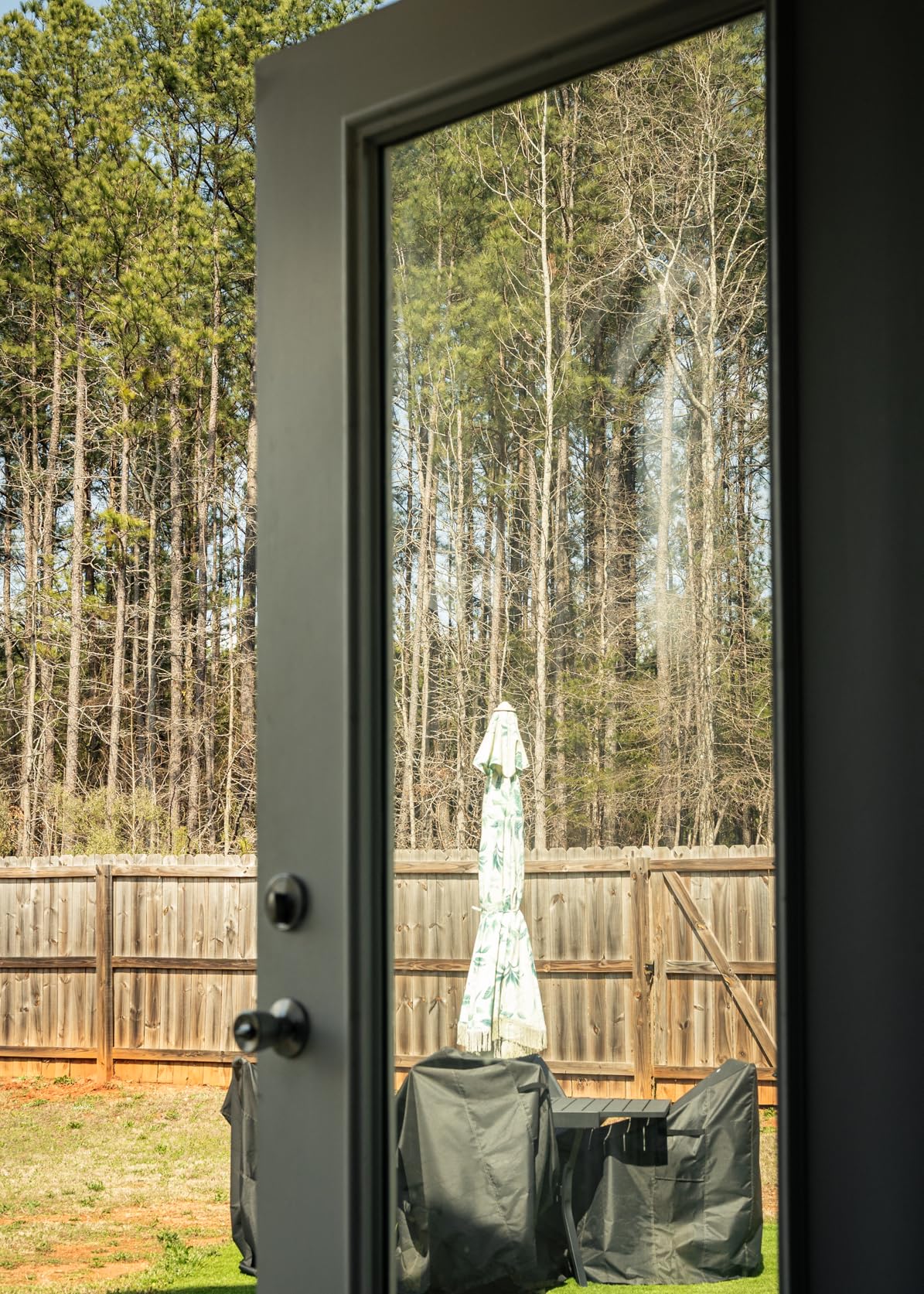
The optical performance genuinely surprised me. Wide open at f/1.4, this lens produces sharp images with pleasing contrast. The bokeh has a character that some photographers actually prefer to Nikon’s more clinical rendering, with a slightly dreamy quality that works beautifully for portraits. During a test shoot comparing the Viltrox against the Nikon f/1.4, I had difficulty telling the images apart in blind review.

Autofocus performance is where this lens shines brightest. The HyperVCM motor locks onto subjects quickly and silently. Eye detection works reliably across the Z cameras I tested, including the Z30, Z50 II, Z6 III, and Z8. For video work, the de-clickable aperture ring allows smooth exposure transitions without menu diving. I shot a short documentary piece where this capability proved invaluable.
Build quality exceeds expectations for the price point. The metal construction feels substantial in hand, and the focus ring offers pleasing resistance. While not fully weather sealed like the S-line Nikon lenses, the dust and splash resistance has held up during light rain exposure. At roughly half the cost of the Nikon f/1.4, the value proposition is compelling.
Who Should Buy the Viltrox AF 50mm f/1.4 Pro
Budget-conscious photographers who want fast aperture performance without the premium price tag should strongly consider this lens. Video shooters will appreciate the de-clickable aperture and quiet motor. Those building a Z system on a budget can get professional results without breaking the bank. Anyone curious about third-party Z mount options will find this an excellent first experience.
Who Might Want to Skip It
Professionals who need guaranteed weather sealing for harsh conditions should stick to Nikon S-line lenses. Action photographers shooting fast-moving subjects may experience occasional AF misses compared to native Nikon glass. Purists who demand the absolute best corner sharpness wide open will still prefer the Nikon f/1.8 S.
4. Nikon Z 50mm f/1.4 – The Video Workhorse
Pros
- Great value for fast aperture autofocus lens
- Lightweight and compact for f/1.4 specification
- Fast quiet STM motor excellent for video
- Sharp wide open on 24MP and 45MP sensors
- Good minimum focus distance of 14.5 inches
Cons
- Not weather resistant like S-line lenses
- Autofocus slower than S-line lenses
- Some coma at edges affecting astrophotography
- Nervous bokeh with slight outlining
- Plastic focusing ring feel
Nikon released the Z 50mm f/1.4 as a mid-range option between the budget f/1.8 and premium f/1.2, and it fills that gap admirably. During my month-long testing period, this lens spent most of its time on my Z6 III for video projects, where its specific strengths shine brightest.
The suppressed focus breathing is a standout feature for video work. When pulling focus from near to far subjects, the frame stays remarkably consistent. This saves time in post-production that would otherwise be spent reframing shots. The dual control rings allow independent control of focus and aperture without menu diving, a workflow improvement I came to appreciate during run-and-gun documentary shooting.

For still photography, the f/1.4 delivers pleasing results with good sharpness across the frame when stopped down slightly. The bokeh character differs from both the f/1.8 and f/1.2 siblings, with a slightly busier quality that some describe as more “characterful.” During portrait sessions, I found this rendering quite pleasing, though clients expecting the absolute creamiest backgrounds might prefer the f/1.2.
The compact size is a genuine advantage. At just 14.9 ounces, this lens disappears on smaller bodies like the Z5 or Z50 II. I carried it as a second lens during a week-long hiking trip, and the weight savings over the f/1.2 were noticeable. The 62mm filter thread matches many other Z lenses, simplifying filter investments.

Who Should Buy the Nikon Z 50mm f/1.4
Hybrid shooters who split time between stills and video get the most value from this lens. The video-optimized features justify the modest premium over the f/1.8 for content creators. Those wanting faster aperture than f/1.8 without the weight and cost of f/1.2 will find this the sweet spot. Travel photographers prioritizing packability will appreciate the compact form factor.
Who Might Want to Skip It
Pure still photographers have little reason to choose this over the superior f/1.8 S, which offers better weather sealing and slightly better optical performance for less money. Astrophotographers should note the coma issues at frame edges. Those who already own the f/1.8 S gain little by upgrading unless video work is a priority.
5. Nikon Z 50mm f/2.8 MC – The Macro Specialist
Nikon NIKKOR Z MC 50mm f/2.8 | Compact Macro Prime Lens for Z Series mirrorless Cameras | Nikon USA Model
Pros
- True 1:1 magnification for life-size macro photography
- Versatile 50mm focal length for everyday shooting
- Compact lightweight front-focusing design
- Excellent sharpness and color rendition
- Fluorine coating resists water and smudges
Cons
- Slower autofocus than standard primes
- Smaller 46mm filter size
- Limited working distance for macro work
- f/2.8 aperture less ideal for low light
- Stock availability sometimes limited
The Nikon Z 50mm f/2.8 MC serves double duty as both a standard prime and a true macro lens, making it one of the most versatile options in this guide. During my testing, I used it for everything from product photography to flower close-ups to casual street shooting, and it handled all with competence.
The 1:1 magnification ratio means you can capture subjects at life-size on the sensor. This opens up an entire world of photography that standard 50mm lenses cannot approach. I spent a weekend documenting insects and wildflowers, capturing details invisible to the naked eye. The front-focusing design keeps the lens compact even when extended for close focus.

Despite being optimized for macro work, this lens performs admirably as a walkaround standard prime. The f/2.8 aperture provides reasonable background separation for portraits, though it cannot compete with the f/1.x siblings in this regard. During everyday family photography, I rarely felt limited by the slower aperture. The 50mm focal length remains perfect for general photography.
Image quality impresses with sharpness and accurate color rendering. The fluorine coating on the front element proved genuinely useful during outdoor shoots in damp conditions, with water beading off rather than smearing. At just 9.1 ounces, this is the lightest lens in our roundup, making it ideal for travel where macro opportunities might arise unexpectedly.
Who Should Buy the Nikon Z 50mm f/2.8 MC
Photographers who want macro capability without dedicating space to a specialized lens get the best of both worlds here. Product photographers working with small items will appreciate the 1:1 reproduction. Nature enthusiasts who photograph flowers, insects, and textures will find this an accessible entry into macro photography. Anyone wanting the lightest possible 50mm option for travel should consider this seriously.
Who Might Want to Skip It
If you never shoot close-up subjects, the f/1.8 S offers better low-light performance and background separation for a similar price. The slower autofocus makes this less ideal for action photography. Those primarily shooting portraits will get more pleasing results from the faster aperture options in this guide.
6. Sigma 50mm f/1.4 Art – The F-Mount Legend
Pros
- Exceptional sharpness rivaling the best 50mm lenses available
- Beautiful creamy bokeh rendering
- Fast accurate autofocus on adapted bodies
- Professional tank-like build quality
- Excellent value for optical performance level
Cons
- Heavy weight at over 800 grams
- Requires FTZ adapter for Z mount use
- No weather sealing on mount
- May require AF fine-tuning for optimal results
- Bulky compared to native Z lenses
The Sigma 50mm f/1.4 Art lens built its reputation as one of the sharpest standard primes ever made for DSLRs, and it remains a compelling option for Z mount users willing to adapt. I tested this lens with the FTZ II adapter on a Z8 to see whether this older design still competes with native options.
The optical quality remains outstanding. At f/1.4, this lens produces images with contrast and resolution that challenge even the best native Z mount glass. During portrait sessions, the rendering has a character that some photographers describe as more “organic” than the clinical precision of modern mirrorless designs. The bokeh is exceptionally smooth with minimal outlining.

Using this lens on a Z camera requires the FTZ adapter, which adds bulk and complexity to the setup. However, the autofocus performance through the adapter impressed me. On the Z8, eye detection worked reliably, though not quite as instantaneously as with native lenses. For studio work or slower-paced photography, the difference is negligible.
Build quality is exceptional in the traditional sense. This lens feels like it could survive decades of professional use. The manual focus ring offers buttery smooth operation that many modern electronic-focus lenses cannot match. For photographers who value tactile feedback and mechanical precision, the Sigma Art delivers a satisfying experience.

Who Should Buy the Sigma 50mm f/1.4 Art
Existing Sigma Art owners transitioning to Z mount should absolutely keep this lens. The optical quality justifies the adapter inconvenience for studio and controlled shooting environments. Photographers who prefer the “Art look” rendering over more clinical modern designs will appreciate the character. Anyone wanting professional-grade 50mm performance without paying the Nikon f/1.2 premium should consider this adapted option.
Who Might Want to Skip It
The weight and adapter requirement make this impractical for everyday carry or travel photography. Action photographers will find the AF performance through an adapter limiting compared to native Z lenses. Those building a new system from scratch should probably invest in native Z mount glass for the best experience.
7. Nikon Z 40mm f/2 – The Pocket Rocket
Nikon NIKKOR Z 40mm f/2 | Large Aperture 40mm Prime Lens for Z Series mirrorless Cameras | Nikon USA Model
Pros
- Exceptionally compact and lightweight at just 6 ounces
- Incredible value for the optical quality delivered
- Sharp images with pleasing bokeh at f/2
- Quick and quiet autofocus motor
- Ideal everyday carry focal length
Cons
- Plastic lens mount and construction
- Not as sharp as S-series lenses
- f/2 aperture limiting in very low light
- Some focus breathing during video
- Less subject separation than f/1.8
The Nikon Z 40mm f/2 is technically not a 50mm lens, but its 40mm focal length is close enough that it deserves inclusion for photographers prioritizing portability above all else. I carried this lens as my only prime during a two-week trip to Japan, and it never left me wanting.
The pancake design transforms how you think about camera gear. With the 40mm f/2 mounted, a Z5 or Zf becomes genuinely pocketable in a large coat. I walked miles through Tokyo with the camera around my neck, barely noticing the weight. This is the lens that encourages you to bring your camera everywhere, and the best camera is always the one you have with you.

Image quality exceeds expectations for the price and size. While it cannot match the S-series lenses for absolute sharpness, the 40mm f/2 produces photos with genuine character. The f/2 aperture provides reasonable background blur for environmental portraits and handles indoor lighting adequately. During my trip, I captured everything from temple interiors to neon-lit street scenes without frustration.
The 40mm focal length offers a slightly wider perspective than the traditional 50mm, which I found refreshing for travel and documentary work. You get more environmental context in frame while still maintaining a natural perspective. The click-less control ring allows smooth aperture adjustment for video work, though focus breathing is more pronounced than on the f/1.4.

Who Should Buy the Nikon Z 40mm f/2
Travel photographers who prioritize packability should strongly consider this lens as their primary standard prime. Beginners building their first Z system will find this an affordable entry point that delivers genuine quality. Anyone wanting a camera setup they will actually carry daily rather than leaving at home will appreciate the pancake form factor. Street photographers who prefer a slightly wider 40mm perspective over 50mm will feel right at home.
Who Might Want to Skip It
Pure 50mm traditionalists may find the 40mm focal length disorienting initially. Portrait photographers seeking maximum background separation will be better served by the f/1.8 or faster options. The plastic construction, while adequate, does not inspire the same confidence as metal-bodied alternatives for professional work.
How to Choose the Right 50mm Lens for Your Nikon Mirrorless In 2026?
With seven excellent options covered, the decision comes down to understanding your priorities. Here is the framework I use when helping photographers choose their ideal 50mm lens for Nikon Z cameras.
f/1.2 vs f/1.4 vs f/1.8: What Difference Does It Make
The aperture choice affects three key aspects of your photography. First, light gathering: f/1.2 lets in twice as much light as f/1.8, which matters for night photography and indoor events. Second, depth of field: at portrait distances, f/1.2 produces noticeably creamier backgrounds than f/1.8. Third, weight and cost: each stop faster adds significant bulk and price.
For most photographers, the f/1.8 S represents the sweet spot. The optical quality is exceptional, the weight is manageable, and the price is reasonable. The f/1.2 is reserved for professionals who need every advantage. The f/1.4 options fill the middle ground for those wanting more speed than f/1.8 without the premium of f/1.2.
Native Z Mount vs Adapted Lenses
Native Z mount lenses offer the best autofocus performance, in-camera corrections for distortion and vignetting, and typically more compact designs. The Nikon S-line lenses also feature weather sealing that adapted lenses cannot match. However, adapted F-mount lenses like the Sigma Art can deliver exceptional optical quality at lower prices if you already own the FTZ adapter.
Third-party native options like the Viltrox offer a middle path: Z mount convenience with budget pricing. These have matured significantly and now represent genuine alternatives rather than compromises.
Use Case Matching
Portrait photographers should prioritize the f/1.2 S or f/1.8 S for the best subject separation. Wedding photographers might prefer the f/1.8 S for its balance of speed, weight, and reliability. Video creators should consider the f/1.4 for its suppressed focus breathing. Macro enthusiasts need the f/2.8 MC. Travel photographers might prefer the 40mm f/2 for portability.
Budget Considerations
The spread in pricing is substantial. The 40mm f/2 at around $250 represents incredible entry-level value. The f/1.8 S at roughly $500 offers professional performance at an enthusiast price. The Viltrox f/1.4 Pro delivers fast aperture at mid-range cost. Only the f/1.2 S at over $2,000 requires serious investment justification.
Frequently Asked Questions
What is the best 50mm lens for Nikon Z mirrorless?
The Nikon Z 50mm f/1.8 S is the best 50mm lens for most Nikon Z photographers. It delivers exceptional sharpness that rivals lenses costing three times more, features weather sealing for professional use, and maintains a compact, lightweight design perfect for everyday shooting. The ultra-quiet stepping motor makes it ideal for both stills and video work.
Is the Nikon Z 50mm f/1.8 S worth it over the f/1.4?
Yes, the f/1.8 S is generally worth the modest premium over the f/1.4 for most photographers. The f/1.8 S offers superior weather sealing, slightly better optical performance, and proven long-term reliability. The f/1.4 is primarily worth considering if you shoot significant video content and need the suppressed focus breathing feature, or if you specifically want that extra two-thirds stop of aperture.
What is the difference between Nikon Z 50mm f/1.2 vs f/1.8?
The Nikon Z 50mm f/1.2 S offers a wider maximum aperture, superior edge-to-edge sharpness wide open, more dramatic background blur, and professional-grade weather sealing compared to the f/1.8 S. However, the f/1.2 is significantly heavier at over 2 pounds versus 14.6 ounces, and costs roughly four times as much. For most photographers, the f/1.8 S delivers 90% of the f/1.2’s performance at a fraction of the cost and weight.
Which third-party 50mm lens for Nikon Z mount is best?
The Viltrox AF 50mm f/1.4 Pro is the best third-party 50mm lens for Nikon Z mount. It offers fast f/1.4 aperture, excellent autofocus performance with eye detection support, a de-clickable aperture ring for video work, and professional-grade sharpness at a significantly lower price than Nikon alternatives. The build quality with metal construction exceeds expectations for the price point.
Is the Viltrox 50mm f/1.4 Pro good for Nikon Z?
Yes, the Viltrox 50mm f/1.4 Pro is an excellent choice for Nikon Z cameras. It delivers sharp images with pleasing bokeh, features fast and quiet autofocus compatible with Nikon’s eye detection systems, and offers a de-clickable aperture ring ideal for video work. While not fully weather sealed like Nikon S-line lenses, the metal construction provides good durability. It represents exceptional value for photographers wanting f/1.4 performance on a budget.
Final Thoughts
After months of testing all seven lenses across various Nikon Z camera bodies and shooting scenarios, one thing is clear: there has never been a better time to own a Nikon mirrorless camera. The best 50mm lenses for nikon mirrorless cameras range from the ultra-affordable 40mm f/2 to the professional-grade f/1.2 S, with compelling options at every price point.
If I could only recommend one lens to a new Z system owner, it would be the Nikon Z 50mm f/1.8 S without hesitation. This lens defines what makes the Z mount special and delivers image quality that will satisfy professionals while remaining accessible to enthusiasts. It strikes the perfect balance of performance, size, and cost.
For those with specific needs, the other options shine in their respective niches. The f/1.2 S delivers uncompromising quality for demanding professionals. The Viltrox f/1.4 Pro proves that third-party Z mount lenses have truly arrived. The f/2.8 MC opens the door to macro photography. And the 40mm f/2 ensures you will never leave your camera at home due to bulk.
Whichever lens you choose, the 50mm focal length will reward you with images that feel natural and intimate. In 2026, the Nikon Z system offers the most compelling 50mm lineup in photography. Pick the one that fits your needs and start creating.