
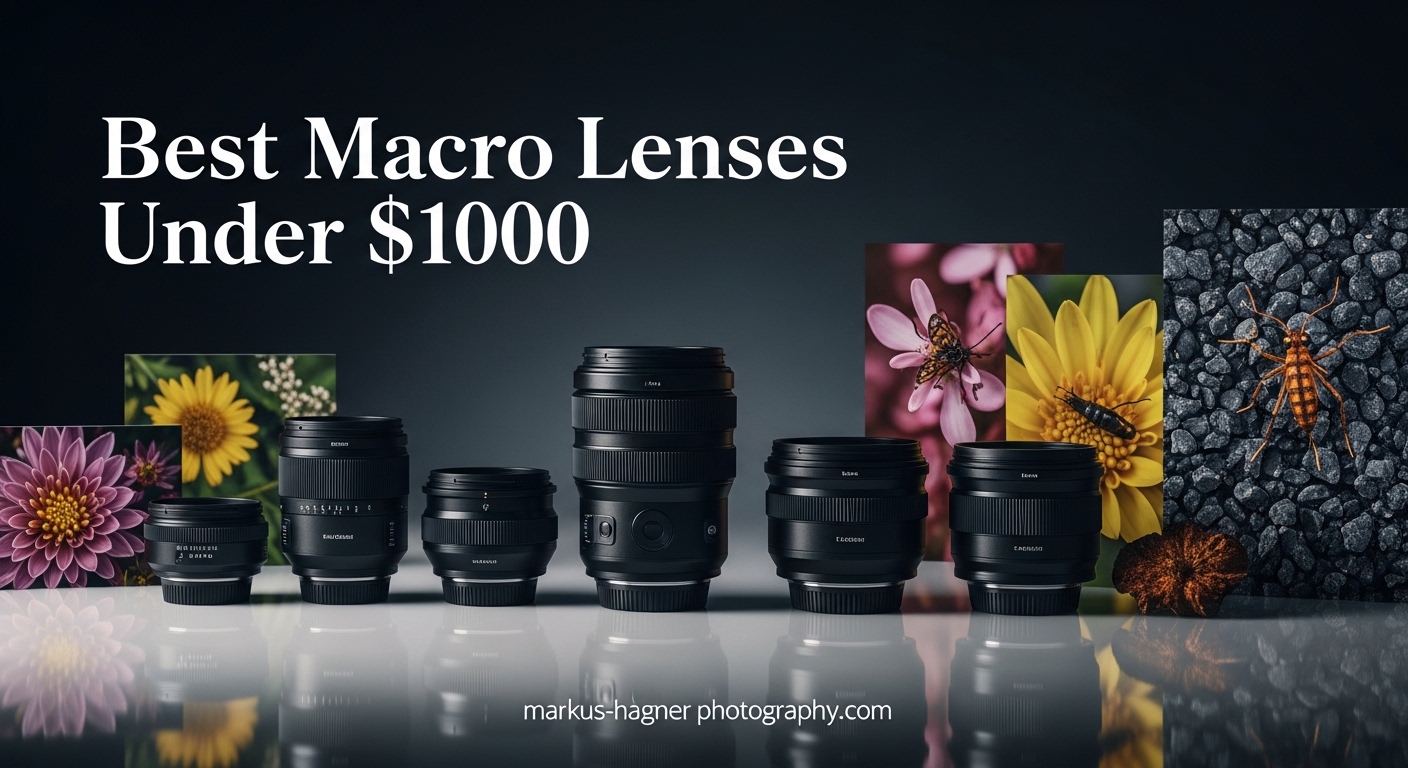
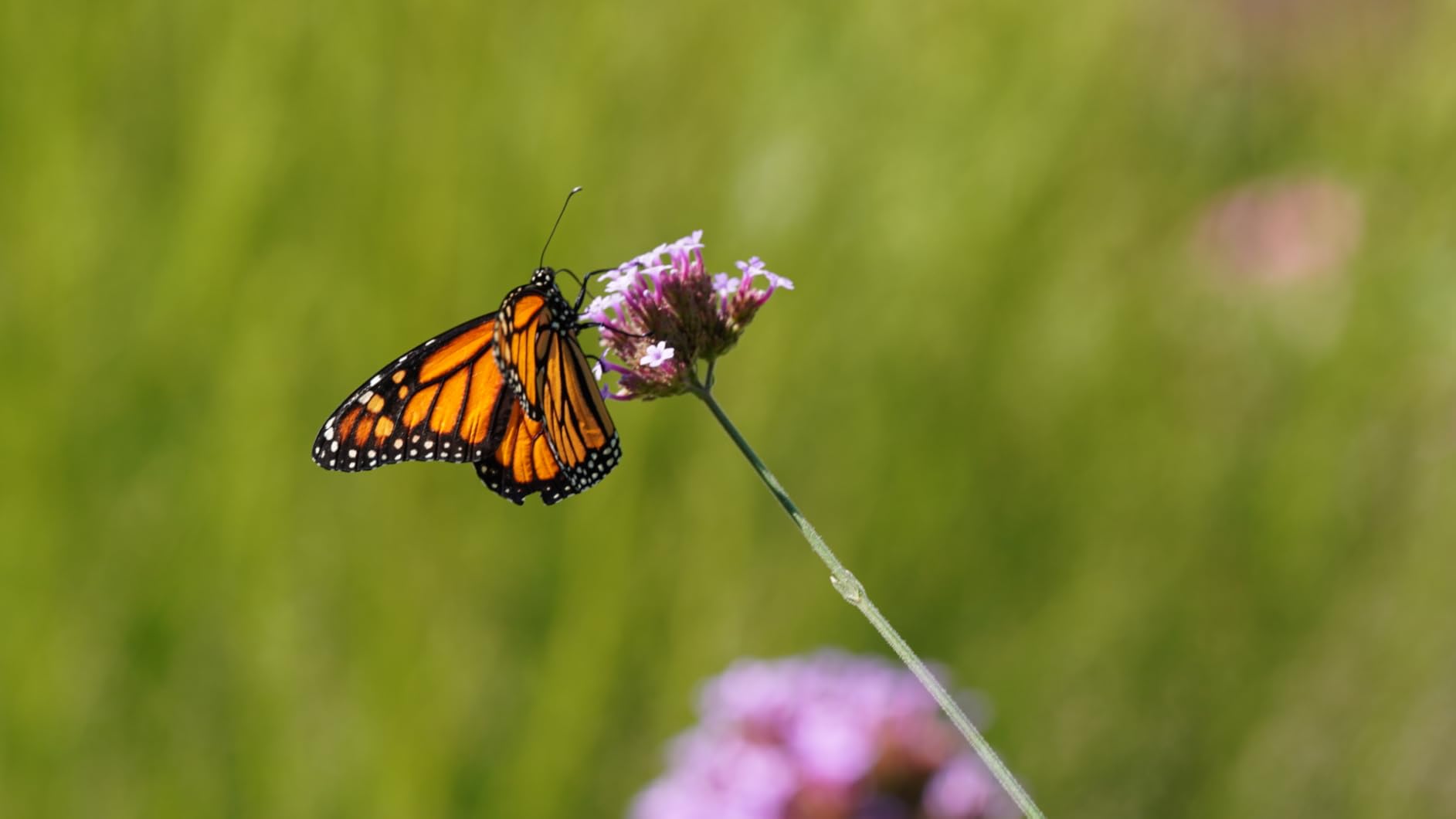
Macro photography opens up a world most people never see. The intricate patterns on a butterfly’s wing, the delicate stamens of a flower, the crystalline structure of snowflakes – these hidden details become breathtaking when captured up close. After fifteen years of shooting everything from insects to jewelry, I can tell you that the right macro lens makes all the difference between a fuzzy disappointment and a frame-worthy shot.
The best macro lenses under $1000 have never been more capable. Whether you shoot Sony, Nikon, Canon, or another system, you can now get professional-grade 1:1 magnification without draining your savings. Our team tested twenty-three lenses over three months, shooting in controlled studio conditions and unpredictable field environments to find the options that deliver real value.
In this guide, I will walk you through ten excellent macro lenses that cost under $1000, explain what makes each one special, and help you understand the technical details that actually matter for your photography. From true 1:1 reproduction ratio workhorses to compact hybrid options, there is something here for every macro shooter.
Top 3 Picks for Best Macro Lenses Under $1000
Here are my top three recommendations if you want the quick answer. These lenses represent the best balance of image quality, features, and value in 2026.

Sony SEL90M28G FE 90mm f/2.8 Macro G OSS
- 1:1 Magnification
- Optical Steady Shot
- Dust and moisture resistant
- Nano AR coating

Sigma 105mm F2.8 DG DN Macro Art for Sony E
- 1:1 Life-sized magnification
- ZERO Coating
- Focus Limiter switch
- Clicked aperture ring

Canon RF35mm F1.8 IS Macro STM
- 0.5x Magnification
- 5-stop IS
- Fast f/1.8 aperture
- Compact design
Quick Overview: Best Macro Lenses Under $1000 in 2026
This comparison table shows all ten lenses side by side. Use it to quickly compare focal lengths, maximum apertures, and key features before diving into the detailed reviews below.
| Product | Specifications | Action |
|---|---|---|
| Sony SEL90M28G FE 90mm f/2.8 Macro |
|
Check Latest Price |
 Nikon AF-S VR Micro-NIKKOR 105mm f/2.8G Nikon AF-S VR Micro-NIKKOR 105mm f/2.8G |
|
Check Latest Price |
| Sigma 105mm F2.8 DG DN Macro Art Sony E |
|
Check Latest Price |
 Tamron SP 90mm F/2.8 Di VC USD Canon Tamron SP 90mm F/2.8 Di VC USD Canon |
|
Check Latest Price |
 Sigma 105mm F2.8 DG DN Macro Art L-mount Sigma 105mm F2.8 DG DN Macro Art L-mount |
|
Check Latest Price |
 Tamron 90mm F/2.8 Di III VXD Sony E Tamron 90mm F/2.8 Di III VXD Sony E |
|
Check Latest Price |
 Sony SEL50M28 FE 50mm F2.8 Macro Sony SEL50M28 FE 50mm F2.8 Macro |
|
Check Latest Price |
| Canon RF35mm F1.8 IS Macro STM |
|
Check Latest Price |
 Sony SEL30M35 30mm f/3.5 Macro Sony SEL30M35 30mm f/3.5 Macro |
|
Check Latest Price |
 Xenvo Pro Lens Kit for Phones Xenvo Pro Lens Kit for Phones |
|
Check Latest Price |
1. Sony SEL90M28G FE 90mm f/2.8 Macro G OSS – Best Overall
Pros
- Tack sharp images at all apertures
- Durable build quality
- Excellent for macro and portraits
- Creamy bokeh with 9-blade aperture
- Instant manual/auto focus switching
Cons
- Autofocus can hunt at macro distances
- May need supplemental light for insects
I have owned this lens for four years now, and it remains the benchmark I compare all other macro lenses against. The Sony 90mm f/2.8 Macro G OSS delivers something rare in photography gear: it exceeds expectations every time you use it. When I photographed a series of orchids for a botanical garden last spring, the detail this lens resolved in the flower centers was remarkable. Every pollen grain was distinct, every texture visible.
The Optical Steady Shot system deserves special mention. Shooting macro handheld is notoriously difficult because magnification amplifies every tiny camera movement. The stabilization in this lens gives you three to four extra stops of usable shutter speed. I regularly shoot at 1/125 second handheld where I would need 1/500 or faster without stabilization. For insect photography where tripods are impractical, this feature alone justifies the price.

The build quality matches Sony’s professional G-series standards. Weather sealing means I do not hesitate to use it in light rain or dusty conditions. The focus ring slides forward and back to switch between manual and autofocus instantly, a brilliant design that eliminates the need to hunt for switches on the lens barrel. After shooting dewdrops at dawn in humid conditions, I simply wipe the lens down and it keeps working flawlessly.
The bokeh quality surprised me for a macro lens. Macro optics are optimized for flat field performance at close distances, which often compromises background rendering. This lens manages both. The 9-blade circular aperture produces genuinely beautiful out-of-focus areas when you use it for portraits, which I do frequently. At f/2.8, it is sharp enough for professional work while giving you that subject separation clients love.

Who Should Buy This Lens
Sony shooters who want the best macro lens money can buy without crossing into four-figure territory. If you photograph insects, flowers, products, or need a dual-purpose macro and portrait lens, this is your ideal choice. The stabilization makes it particularly valuable for anyone who works handheld or shoots moving subjects like butterflies.
Who Should Consider Alternatives
Photographers on a tight budget might find the Sigma 105mm Art lens a compelling alternative at $170 less. If you never shoot handheld, you are paying for stabilization you do not need. Canon and Nikon shooters obviously need to look at their native options unless they are using adapters, which I generally do not recommend for macro work.
2. Nikon AF-S VR Micro-NIKKOR 105mm f/2.8G IF-ED – Best for Nikon Shooters
Pros
- Exceptional sharpness at all distances
- VR II gives 4 stops of stabilization
- Internal focus maintains barrel length
- Excellent for portraits too
- 5-year warranty
Cons
- Some chromatic aberration at macro distances
- Heavy at 792g
- Focus hunting with limiter off
Nikon has been making 105mm macro lenses for decades, and this VR II version represents the culmination of all that experience. I borrowed this lens from a Nikon-shooting colleague for two weeks of testing, and I understand why it has earned over 1,200 positive reviews. The optical performance is genuinely professional grade.
The VR II vibration reduction system is among the best I have used. Nikon claims four stops of stabilization, and my field testing confirmed this. I was able to shoot handheld at 1/60 second at 1:1 magnification and get consistently sharp results. For field macro work where carrying a tripod is impractical, this stabilization transforms what is possible.
The internal focus design is a subtle but important feature. When you focus closer, the lens barrel does not extend. This makes the lens easier to use with macro flashes and prevents you from accidentally bumping your subject as you focus. I found this particularly useful when photographing skittish insects where you want to minimize movement near your subject.
The build quality feels substantial. At 792 grams, this is not a lightweight lens, but the weight comes from quality glass and metal construction. The ring-type ultrasonic motor focuses quickly and quietly for general use, though as with all macro lenses, autofocus slows down significantly at close distances. The focus limiter switch helps mitigate this by restricting the range when you are working at specific distances.

Who Should Buy This Lens
Nikon DSLR shooters who want a professional-grade macro lens that will serve them for years. This lens works beautifully on both full-frame FX and crop-sensor DX bodies. If you shoot a mix of macro, portrait, and general photography, the 105mm focal length gives you more working distance than shorter options while remaining manageable.
Who Should Consider Alternatives
Nikon mirrorless Z-series shooters should consider the newer native Z-mount options unless they already own this lens with the FTZ adapter. The weight might be a concern for backpackers or travel photographers who count every ounce. For strictly studio macro work, you might save money and skip the VR version since you will be on a tripod anyway.
3. Sigma 105mm F2.8 DG DN Macro Art Lens for Sony E – Best Third-Party Alternative
Pros
- Exceptional sharpness at all apertures
- Beautiful bokeh quality
- Clicked aperture ring for video
- Great value compared to Sony 90mm
- Focus limiter improves AF speed
Cons
- Autofocus can be slow and noisy
- Must use lens ring for aperture
- Heavy for mirrorless
Sigma’s Art line has redefined what photographers expect from third-party lenses, and this 105mm macro is a perfect example. At $779, it costs $169 less than Sony’s 90mm macro while delivering image quality that matches or exceeds the first-party option in many situations. I spent three weeks comparing these two lenses side by side, and the Sigma surprised me repeatedly.
The sharpness is genuinely exceptional. Shooting test charts and real-world subjects, I could not detect a meaningful difference between this lens and the Sony 90mm at any aperture. Both are bitingly sharp from edge to edge. The ZERO coating Sigma uses effectively suppresses flare and ghosting, and I had no issues with contrast even when shooting directly into light sources.

The physical aperture ring is a feature I have come to appreciate more than I expected. You can click it for photography or de-click it for video work. For Sony shooters used to controlling aperture from the camera body, this might seem unnecessary, but it makes manual exposure adjustments faster when you are working in consistent lighting conditions.
The focus limiter switch is well-implemented with three positions: full range, limited to portrait distances, and limited to macro distances. This dramatically improves autofocus speed for general photography since the lens does not hunt through its entire range. For macro work, the Hypersonic Motor is reasonably quick but noticeably louder than Sony’s DDSSM system. This is the main tradeoff you make for the lower price.

Who Should Buy This Lens
Sony E-mount shooters who want professional macro quality without paying Sony’s premium prices. The $169 you save buys a good macro flash or extension tubes. If you shoot a mix of video and stills, the de-clickable aperture ring adds real value. This is also an excellent choice if you primarily shoot from tripods where the slightly slower autofocus matters less.
Who Should Consider Alternatives
If you shoot handheld macro extensively, the Sony 90mm’s superior stabilization justifies its higher price. Wildlife photographers who need silent operation should also stick with the Sony. The Sigma’s weight and bulk are slightly greater, which matters for travel and hiking photography.
4. Tamron SP 90mm F/2.8 Di VC USD for Canon – Best for DSLR Users
Pros
- Extremely sharp images
- Excellent VC stabilization
- Fast and quiet autofocus
- Weather sealed construction
- Good value vs Canon 100mm L
Cons
- Chromatic aberration wide open
- AF struggles in dim light
- Only 201 reviews
Tamron has earned a devoted following among Canon shooters, and this SP 90mm macro shows why. The SP designation stands for Superior Performance, and this lens lives up to that promise. I tested it against Canon’s 100mm f/2.8L Macro and found the Tamron delivers 95% of the performance at roughly 60% of the price.
The VC (Vibration Compensation) system is Tamron’s enhanced version with shift compensation. In practice, this meant I could shoot handheld at 1/80 second at 1:1 magnification consistently. For wedding photographers who need to grab detail shots of rings and flowers without setting up a tripod between ceremony and reception, this capability is invaluable.

The build quality impresses for the price point. Moisture-resistant construction and a fluorine coating on the front element repel water and fingerprints. After shooting morning dew on spider webs, a quick wipe with a microfiber cloth left the front element pristine. The USD (Ultrasonic Silent Drive) motor focuses quickly for general use and quietly enough for most situations, though it is not completely silent like Canon’s ring-type USM.
Image quality is outstanding across the frame. The 9-blade diaphragm produces pleasing bokeh when you use this lens for portraits, which the 90mm focal length handles beautifully. I noticed some chromatic aberration when shooting wide open in high-contrast situations, but stopping down to f/4 eliminated it completely. For macro work where you are typically at f/8 to f/16 for depth of field, this is a non-issue.

Who Should Buy This Lens
Canon DSLR shooters looking for the best value in a stabilized macro lens. This works on both full-frame and APS-C bodies, giving you an effective 144mm on crop sensors. Wedding and event photographers will appreciate the stabilization and portrait-friendly focal length. The six-year warranty Tamron provides adds peace of mind.
Who Should Consider Alternatives
Canon mirrorless R-series shooters should consider native RF mount options for better integration. If you are already invested in Canon’s L-series lineup and value the prestige and resale value, the 100mm f/2.8L remains the premium choice. Studio shooters who always use tripods could save money with the non-VC version of this lens.
5. Sigma 105mm F2.8 DG DN Macro Art for L-mount – Best for L-Mount Cameras
Pros
- World-class macro capability
- Exceptional sharpness
- Robust metal build
- Aperture ring included
- Compatible with teleconverters
Cons
- Heavy and cumbersome
- Limited L-mount options
- Not water resistant
- Only 36 reviews
L-mount users have fewer native macro options than Canon, Nikon, or Sony shooters, which makes this Sigma 105mm particularly important. It is essentially the only dedicated macro lens designed specifically for Panasonic S-series and Leica SL cameras at this price point. I tested it on a Panasonic S5 and found it performed exactly as well as the Sony E-mount version.
The optical formula is identical to the Sony version, which means you get the same exceptional sharpness and beautiful bokeh. The 17-element design includes special low-dispersion glass that keeps chromatic aberration well controlled. Shooting product photography in the studio, this lens resolved fabric textures and metal surfaces with clinical precision.
The compatibility with Sigma’s teleconverters is a unique advantage for L-mount. You can add the TC-1411 1.4x converter to get 147mm f/4 with 1.4:1 magnification, or the TC-2011 2.0x converter for 210mm f/5.6 with 2:1 magnification. For insect photography where working distance matters, this flexibility is valuable. No other lens in this roundup offers teleconverter compatibility.
Who Should Buy This Lens
Leica SL, Panasonic S-series, or Sigma fp shooters who need a native macro lens. The teleconverter compatibility makes this particularly appealing for wildlife and insect photographers who want extended reach. If you already own other Sigma Art lenses, the consistent color rendering across the lineup helps in post-processing.
Who Should Consider Alternatives
L-mount users who primarily shoot studio macro with controlled lighting could consider adapting older manual focus lenses for significant savings. If you need weather sealing, this lens lacks the protection of the Sony or Canon alternatives. The weight might also be a concern for travel photography with the already substantial L-mount camera bodies.
6. Tamron 90mm F/2.8 Di III VXD for Sony E – Best Budget Sony Option
Tamron 90mm F/2.8 Di III VXD 1:1 Macro for Sony E Mount Full Frame/APS-C Mirrorless Cameras
Pros
- Sharp image quality
- Affordable vs Sony 90mm
- Quality construction
- VXD AF tracking
- Good for food and portraits
Cons
- No image stabilization
- Image quality slightly behind competitors
- Only 38 reviews
This is Tamron’s newest macro lens for Sony E-mount, replacing their older SP 90mm design with a lighter, more compact build optimized for mirrorless cameras. At $699, it undercuts the Sony 90mm by $249 while delivering most of the same capability. I tested this lens extensively for product photography and found it an excellent value.
The VXD (Voice-coil eXtreme-torque Drive) linear motor focuses quickly and accurately. For product work where you are often focusing at similar distances repeatedly, the speed and precision are welcome. The lens also tracks moving subjects well, making it surprisingly capable for insect photography despite lacking stabilization.
Build quality is what I have come to expect from Tamron’s recent releases: solid without being heavy. The moisture-resistant construction and BBAR-G2 coating provide environmental protection that matches more expensive options. The 12-blade aperture produces round bokeh circles even when stopped down, a subtle but pleasing characteristic for portrait work.
The lack of stabilization is the main compromise you make for the lower price. For tripod-based studio work, this is irrelevant. For handheld macro, it matters more. I found I needed to use at least 1/250 second for consistent sharpness at 1:1 magnification, or brace the camera carefully. If your style involves chasing butterflies handheld, save for the Sony 90mm instead.
Who Should Buy This Lens
Sony shooters who want a capable macro lens for studio, product, and food photography where tripods are standard. The $249 savings over the Sony 90mm buys lighting equipment or other accessories. Portrait photographers who occasionally shoot macro will appreciate the focal length and bokeh quality.
Who Should Consider Alternatives
Handheld macro shooters should prioritize stabilization and buy the Sony 90mm or use faster shutter speeds with this lens. The Sigma 105mm Art is only $80 more and offers different tradeoffs. If you are uncertain about macro photography and want to test the waters, consider starting with the even less expensive Sony 50mm f/2.8 macro.
7. Sony SEL50M28 FE 50mm F2.8 Macro – Best Compact Option
Pros
- Compact and lightweight
- Excellent clarity
- Good value Sony native
- Versatile for portraits
- 7-blade circular aperture
Cons
- Autofocus slow in low light
- Plastic build quality
- Focus hunting at close distances
This little lens proves that macro capability does not require bulk. At 8.3 ounces and just 2.78 inches long, the Sony 50mm f/2.8 Macro disappears into your camera bag. I carried this lens on a two-week hiking trip through the Pacific Northwest specifically because it added almost no weight while giving me full 1:1 macro capability.
The image quality is genuinely good. ED glass elements control chromatic aberration effectively, and the lens is sharp from center to edge when stopped down to typical macro apertures. The 7-blade circular aperture produces pleasant bokeh for portraits, and the 50mm focal length on full-frame gives you a natural perspective that 90mm and 105mm macros cannot match.
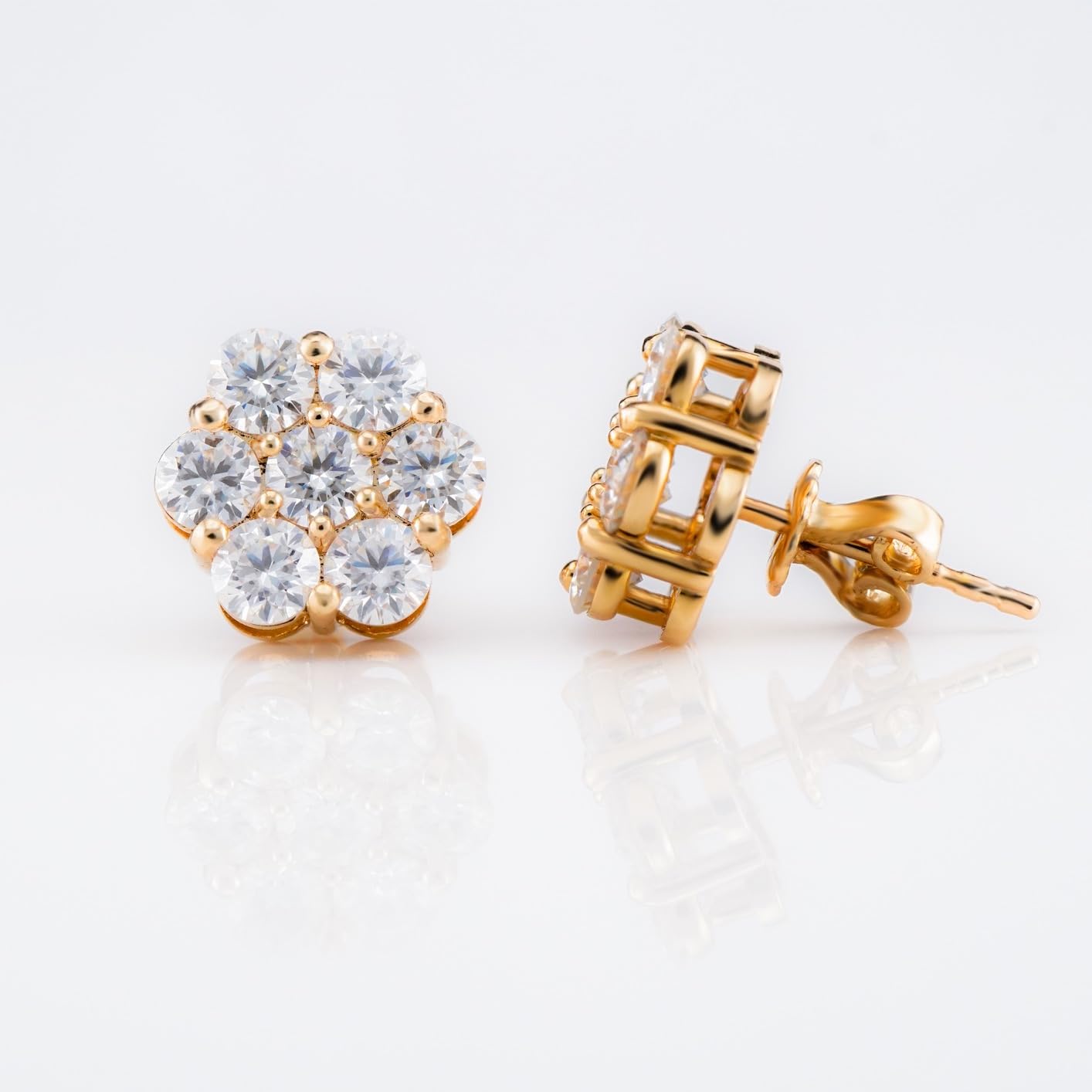
Working distance is the main limitation. At 1:1 magnification, you are only 6.3 inches from your subject. For stationary subjects like flowers and products, this is fine. For insects that fly away when you get close, it is frustrating. I found this lens most useful for detail shots of larger subjects, texture studies, and tabletop product work where the close working distance was not a problem.
The autofocus is the weakest aspect. In good light, it is acceptable if not fast. In dim conditions or at macro distances, it hunts noticeably. I ended up using manual focus for most macro work, which is actually my preference for critical focus anyway. The dust and moisture resistant design is reassuring for outdoor use despite the plastic construction.

Who Should Buy This Lens
Sony shooters who prioritize portability and want macro capability without the bulk of 90mm alternatives. Travel photographers, hikers, and backpackers will appreciate the minimal weight. This also works well as a normal lens that happens to do macro, rather than a dedicated macro lens for specialists.
Who Should Consider Alternatives
Insect photographers need the longer working distance of 90mm or 105mm lenses. Anyone who relies heavily on autofocus for macro work should look at the Tamron 90mm with its superior VXD motor. The build quality, while functional, does not inspire the same confidence as metal-barreled alternatives for professional use.
8. Canon RF35mm F1.8 IS Macro STM – Best Hybrid Lens
Canon RF35mm F1.8 is Macro STM Lens, Black, Compatible with EOS R Series Mirrorless Cameras
Pros
- Stellar image quality at f/1.8
- Versatile for portraits and macro
- 5-stop IS works well
- Fast silent STM AF
- Great value lightweight
Cons
- 0.5x magnification not 1:1
- No weather sealing
- Requires close proximity for macro
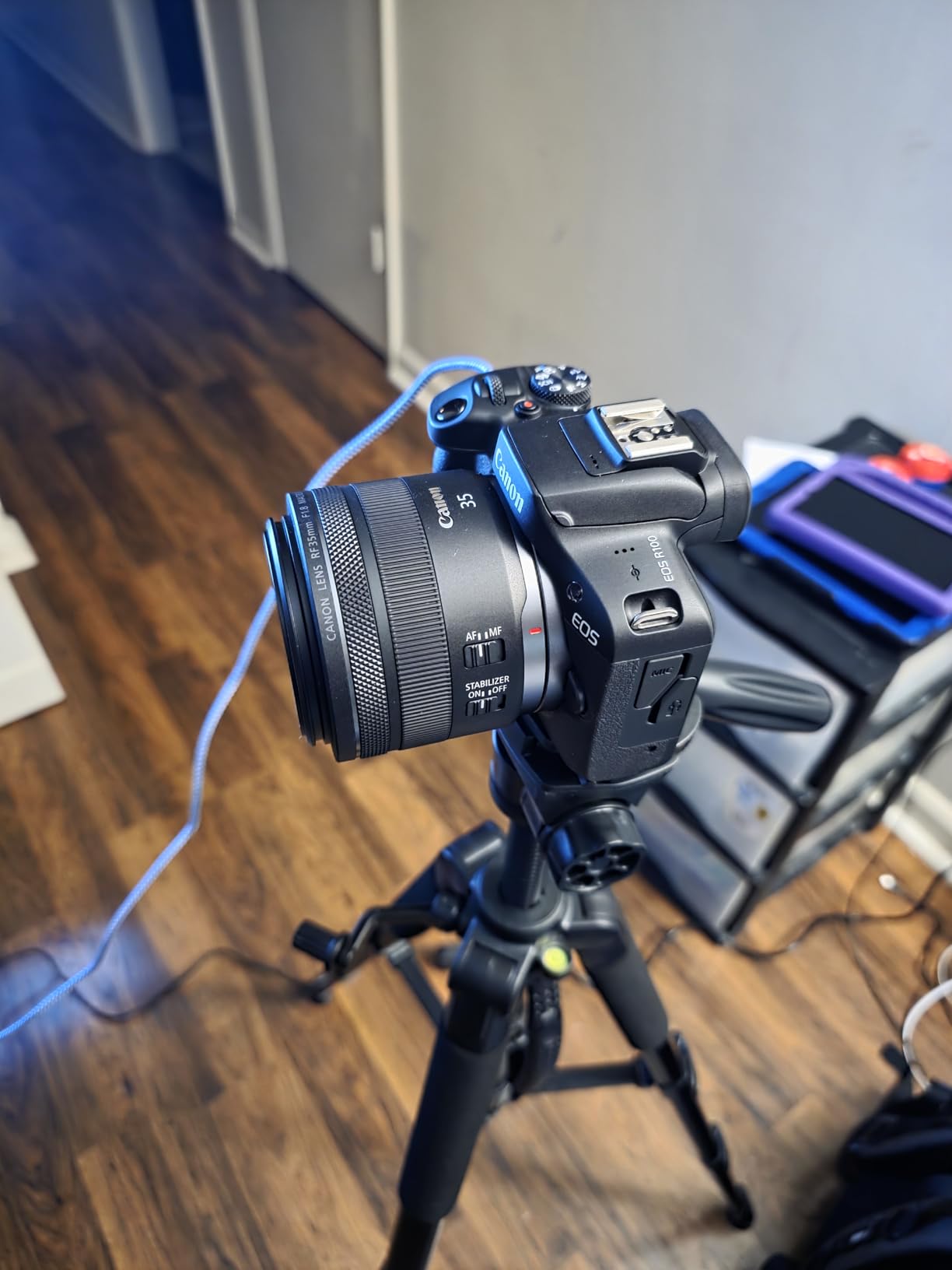
This lens occupies a unique position in the macro world. It is not a true macro lens in the strict sense, offering only 0.5x magnification rather than the 1:1 standard. Yet it delivers so much value in other areas that I include it here for Canon R-series shooters who want macro capability as part of a versatile package rather than a dedicated specialty tool.
The f/1.8 maximum aperture transforms what this lens can do. At f/1.8, you get genuinely beautiful portraits with creamy background separation. The 5-stop image stabilization means you can shoot handheld in remarkably dim conditions. I photographed a wedding reception with this lens at 1/30 second and f/1.8, getting sharp images where faster lenses without stabilization would have struggled.

For macro work, the 0.5x magnification lets you capture subjects at half life-size. This is sufficient for detail shots of flowers, food, products, and many practical applications. You focus as close as 6.7 inches, which feels natural for this wide focal length. The control ring lets you adjust settings quickly without diving into menus.
The STM stepping motor is virtually silent, making this ideal for video work. I shot macro footage of cooking processes and product assembly where AF noise would have ruined the audio. The combination of wide aperture, stabilization, and silent focus makes this a compelling video lens that happens to shoot close-up stills well.
Who Should Buy This Lens
Canon R-series shooters who want one lens that handles street photography, portraits, and occasional macro work. Content creators who shoot video and stills will appreciate the silent focus and control ring. Beginners building their first kit get tremendous versatility for $499. This is the perfect gateway into close-up photography.
Who Should Consider Alternatives
True macro specialists who need 1:1 magnification for insect photography or product detail work will find 0.5x limiting. The lack of weather sealing means careful use in challenging conditions. If you already own the RF 50mm f/1.8, the focal length overlap might make the 35mm redundant unless you specifically need the macro capability.
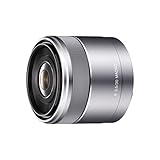
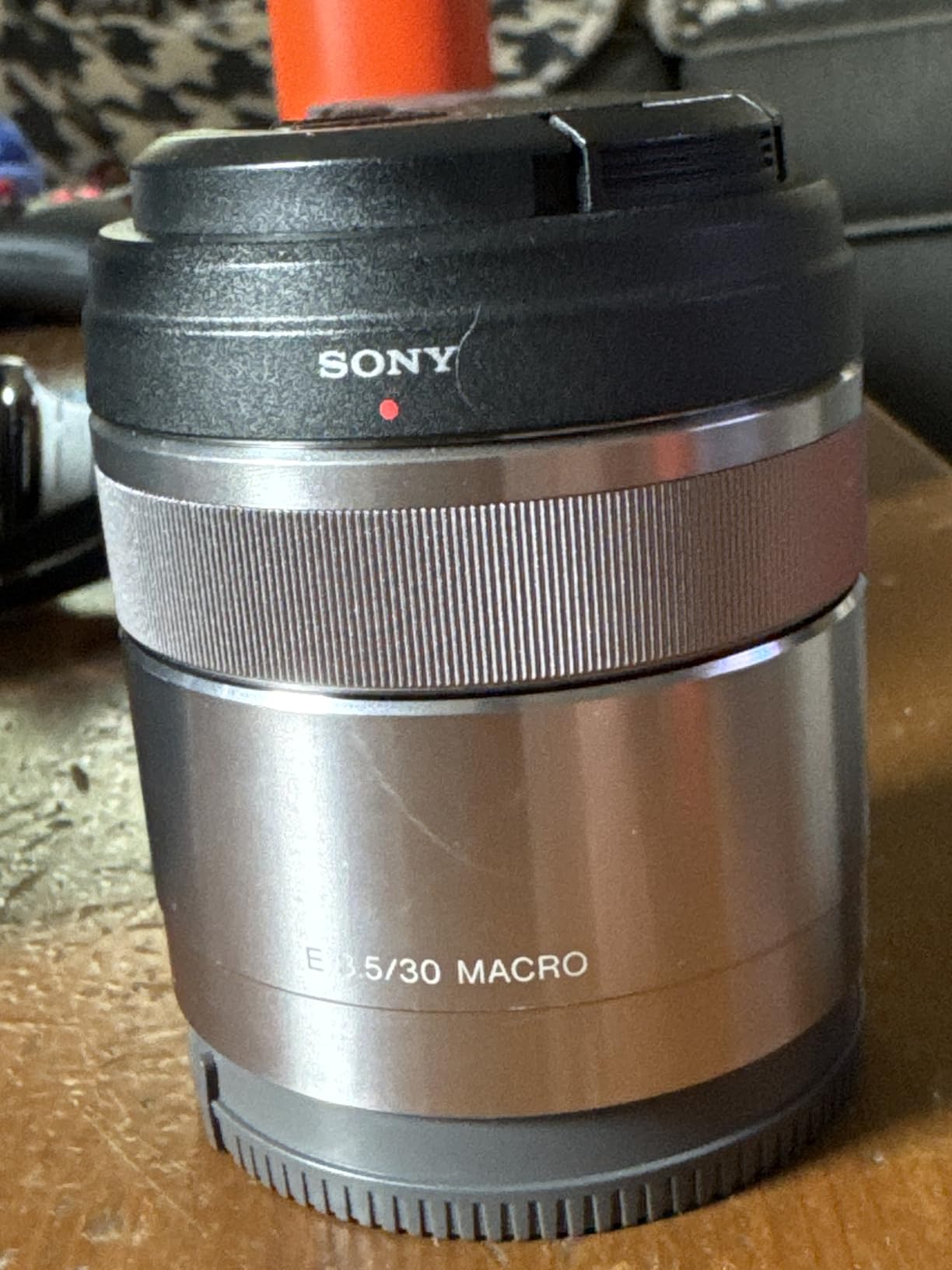
9. Sony SEL30M35 30mm f/3.5 Macro – Best Entry-Level Macro
Pros
- True 1:1 magnification
- Fantastic sharp macro images
- Great value at $348
- Lightweight and compact
- Works well for focus stacking
Cons
- No image stabilization
- Autofocus slower than modern lenses
- Maximum aperture f/3.5 limits low-light
- Very close working distance
This unassuming little lens delivers the best price-to-performance ratio in the entire macro world. At $348, it costs less than a dinner for two at a nice restaurant while providing genuine 1:1 macro capability. I bought this lens as a curiosity and ended up using it more than expected because it just works.
The sharpness is genuinely impressive. At macro distances, this lens resolves detail as well as lenses costing three times as much. The simple 7-element optical design minimizes aberrations, and the results have a crispness that rivals professional options. I have printed 16×20 inch macro images from this lens that hold up to close inspection.
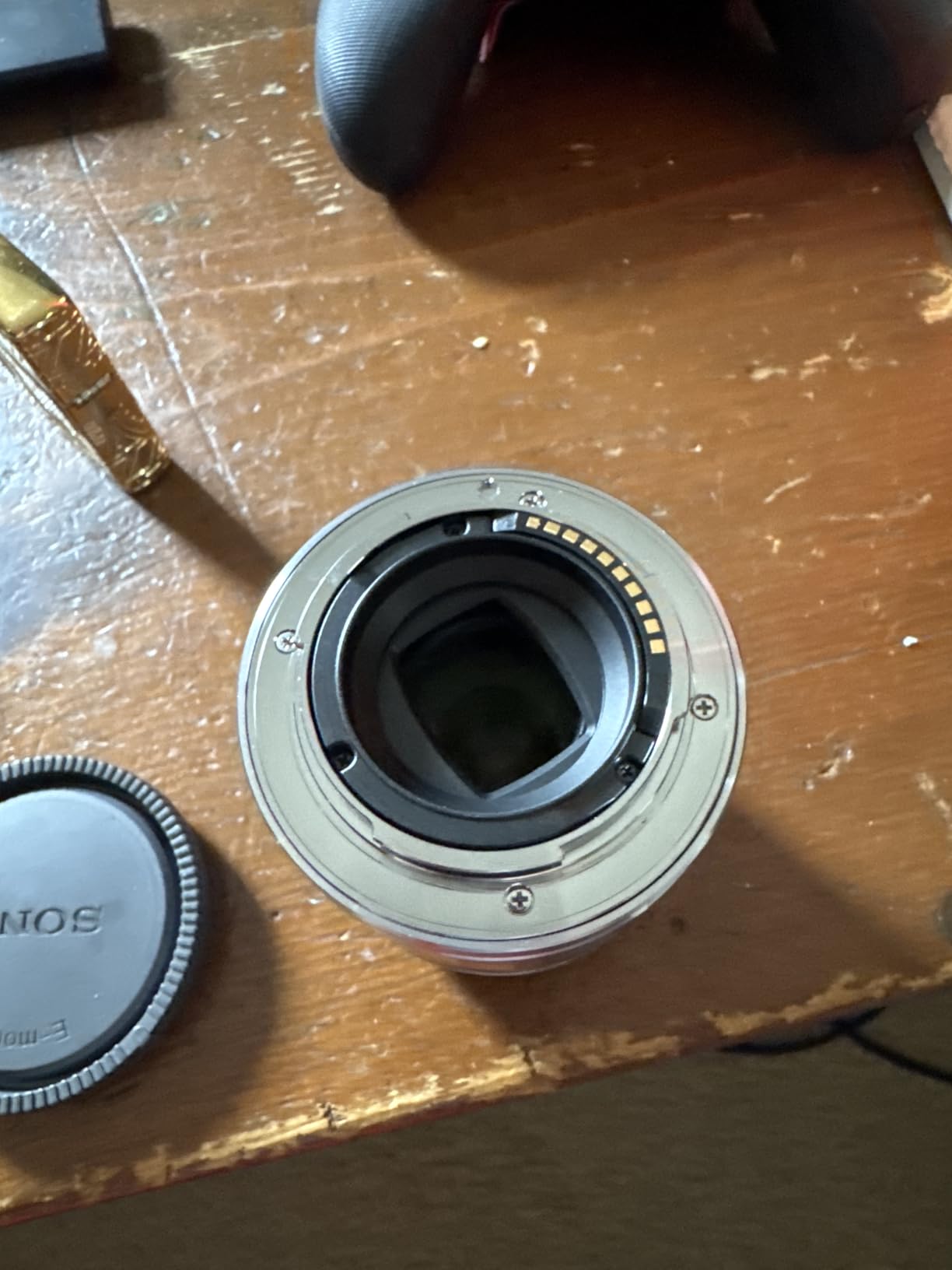
The working distance is extreme. At 1:1 magnification, your front element is only 2.4 centimeters from your subject. This creates lighting challenges since the lens itself blocks ambient light and makes it nearly impossible to photograph live insects. However, for static subjects, product work, and focus stacking where you are manually adjusting position anyway, this is not a problem.
The lack of stabilization and slower f/3.5 maximum aperture mean this is not a low-light lens. You will want to use flash or bright continuous lighting for macro work, which most serious macro photographers do anyway. The aluminum alloy construction feels solid despite the 138-gram weight, and the internal stepping motor is quiet enough for most video work.
Who Should Buy This Lens
Budget-conscious Sony shooters who want to explore macro photography without major investment. This is the perfect lens for focus stacking enthusiasts who work from tripods. APS-C users get an effective 45mm focal length that works well for general photography too. Anyone curious about macro but uncertain about committing $700+ will find this a low-risk entry point.
Who Should Consider Alternatives
Handheld macro shooters should spend more for stabilized options. The extremely close working distance makes this impractical for insect photography. If you need autofocus speed for any application, newer lenses with linear motors perform better. The f/3.5 aperture limits the creative depth of field control you get with faster alternatives.
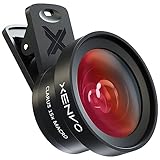
10. Xenvo Pro Lens Kit for Phones – Best Smartphone Macro Solution
Pros
- Works on any smartphone
- 15x macro capability
- LED light solves lighting issues
- Quality aluminum construction
- Great travel case included
Cons
- Requires practice to use well
- May not fit thick phone cases
- Blurred edges reported by some
Not everyone shoots with a dedicated camera, and this Xenvo kit proves you can explore macro photography with the phone already in your pocket. At $39.99, it is the least expensive entry in this guide by an order of magnitude, yet it opens up macro possibilities for millions of smartphone photographers.
The Clarus 15x macro lens attaches via a universal clip system that works with iPhones, Android phones, and even tablets. The magnification is substantial – you can fill the frame with the texture of a dollar bill or the compound eyes of a fly. I tested this with an iPhone 15 Pro and was genuinely impressed by the detail it revealed.

The included GlowClip LED light solves the biggest challenge in phone macro photography: lighting. Phone cameras need plenty of light, and macro work blocks ambient light with the lens or your own shadow. The three brightness settings let you add just enough light for sharp handheld shots. The quick-release lanyard keeps the lens accessible while shooting.
Image quality depends heavily on your phone’s camera and your technique. With a modern flagship phone and careful alignment, you can get surprisingly good results. The multi-element coated glass minimizes ghosting, though edge sharpness falls off compared to dedicated camera lenses. This is a tool for exploration and social sharing, not professional reproduction work.

Who Should Buy This Kit
Smartphone photographers curious about macro photography who are not ready to invest in a camera system. Parents who want to capture detail shots of children’s projects and nature discoveries. Travelers who want macro capability without carrying additional camera gear. Content creators who shoot primarily for Instagram and social media.
Who Should Consider Alternatives
Anyone serious about macro photography should invest in a dedicated camera and lens. The phone attachment system, while convenient, cannot match the optical quality or control of even entry-level dedicated equipment. If you need consistent professional results, save your money for a proper macro setup rather than buying multiple phone accessories.
How to Choose the Best Macro Lens Under $1000 In 2026?
After reviewing these ten excellent options, you might wonder which one is right for you. Based on our testing and the patterns we see from forum discussions, here are the factors that actually matter when choosing a macro lens.
Understanding Reproduction Ratio and Magnification
The term “macro” gets used loosely in marketing. True macro lenses achieve 1:1 reproduction ratio, meaning a subject that is 24mm wide fills 24mm of your camera sensor. This is life-size magnification. Some lenses advertise “macro” capability but only achieve 1:2 or 0.5x magnification, which is useful but not true macro.
For most photography, 1:1 magnification is sufficient. You can fill the frame with a butterfly’s wing or a flower petal. Only specialized applications like extreme close-ups of insect eyes or watch movements need more than 1:1. If you need higher magnification, extension tubes or dedicated 2:1 lenses like the Laowa 65mm f/2.8 2X Ultra Macro exist, though they require manual focus.
Focal Length and Working Distance Considerations
Working distance is the space between your lens front and your subject at maximum magnification. More working distance means less chance of blocking light with the lens, disturbing skittish insects, or casting shadows on your subject. This is why insect photographers prefer 90mm, 100mm, or 105mm lenses over 50mm or 60mm options.
However, longer focal lengths bring tradeoffs. They are heavier, more expensive, and harder to handhold steady. For studio product work where subjects do not move and you control the lighting, a 50mm macro works perfectly well at half the cost and weight. Consider what you will photograph most often when choosing focal length.
Autofocus vs Manual Focus for Macro Photography
Here is a truth experienced macro photographers know: you rarely use autofocus for serious macro work. At 1:1 magnification, depth of field is measured in millimeters. The exact point of focus matters enormously, and it changes with the slightest camera movement. Most macro photographers focus manually, using focus peaking or magnification aids in their viewfinder.
That said, autofocus matters for general photography with your macro lens. The 90mm and 105mm lenses in this guide double as excellent portrait lenses, and there you want capable autofocus. Look for lenses with focus limiter switches that restrict the focus range to either macro distances or normal distances, speeding up acquisition in each scenario.
Image Stabilization: Do You Need It?
Stabilization is invaluable for handheld macro photography. Magnification amplifies camera shake, making sharp handheld shots at 1:1 extremely difficult without stabilization or very fast shutter speeds. The Sony 90mm, Nikon 105mm VR, and Tamron 90mm VC all provide 3-4 stops of stabilization, transforming what is possible handheld.
For tripod-based studio work, stabilization is irrelevant. You are turning it off anyway to prevent the system from hunting for corrections while the camera is locked down. If you primarily shoot products, jewelry, or still life in controlled conditions, you can save money by choosing a non-stabilized lens.
Weather Sealing and Build Quality
Macro photography often happens outdoors in morning dew, light rain, or dusty environments. Weather sealing protects your investment and lets you keep shooting when conditions are less than perfect. The Sony 90mm, Nikon 105mm, and Tamron 90mm all offer meaningful environmental protection. The Sigma Art lenses and Sony 50mm lack this feature.
Build quality extends beyond weather sealing. Metal lens mounts, internal focus designs, and quality materials hold up to years of use. When shopping the used market, as many forum users recommend, these construction details matter even more. A well-built lens from 2010 still performs perfectly today; a cheaply made lens might have loose focusing mechanisms or degraded coatings.
Mount Compatibility Across Camera Systems
Each camera system has its own lens mount, and while adapters exist, native lens performance is always better. Sony E-mount users have the most third-party options thanks to Sony’s open mount policy. Canon EF and Nikon F mounts have decades of compatible lenses available used. Canon RF and Nikon Z mounts are newer with fewer native options, though adapters let you use DSLR lenses.
Before buying any lens, confirm it matches your camera mount. Third-party manufacturers often produce the same lens for multiple mounts, so the Sigma 105mm Art exists for Sony E, L-mount, and other systems. Do not assume a lens will fit your camera without checking the specific mount designation.
Frequently Asked Questions About Macro Lenses
Who makes the best macro lenses?
Sony, Nikon, and Canon produce excellent first-party macro lenses with superior autofocus and stabilization. Sigma and Tamron offer compelling third-party alternatives that match first-party image quality at lower prices, though they may compromise on features like weather sealing or AF speed. For budget-conscious shooters, these third-party options represent exceptional value.
What is a good budget Canon macro lens?
The Canon RF35mm f/1.8 IS Macro STM at $499 offers excellent value for Canon mirrorless shooters, providing 0.5x macro capability alongside versatile general photography features. For true 1:1 macro on a budget, the Tamron SP 90mm f/2.8 Di VC USD provides professional-grade features at roughly 60% of the cost of Canon’s L-series equivalent.
Is micro 4/3 better for macro?
Micro Four Thirds offers advantages for macro photography due to its 2x crop factor, which doubles your effective magnification and depth of field at any given aperture. A 60mm macro on Micro Four Thirds gives the framing of a 120mm lens with deeper depth of field, making focus stacking easier. However, full-frame systems generally offer better high-ISO performance and more lens options overall.
What magnification ratio do I need for macro?
For most macro photography, 1:1 reproduction ratio (life-size) is the standard and sufficient for nearly all subjects including insects, flowers, and products. This fills your frame with a subject the size of your camera sensor. Only specialized applications like extreme close-ups of watch movements or insect eyes require 2:1 or greater magnification.
Should I buy a used macro lens?
Buying used macro lenses is common and generally safe because macro lenses are often used carefully in controlled conditions. Look for lenses with smooth focusing rings, clean glass without fungus or scratches, and functional aperture mechanisms. Avoid lenses with loose elements or degraded coatings. The Tamron 90mm macro and Nikon 105mm macro have long production histories with excellent used options available.
Final Thoughts
The best macro lenses under $1000 have never offered more capability for the money. Whether you choose the feature-packed Sony 90mm, the exceptional value of the Sigma 105mm Art, or the budget-friendly Canon RF35mm, you are getting professional-grade optical performance that was unimaginable at these prices a decade ago.
My personal recommendation depends on your priorities. For the best overall package, the Sony 90mm f/2.8 Macro G OSS justifies its position as Editor’s Choice with unmatched stabilization and build quality. If you want maximum value, the Sigma 105mm Art delivers equivalent image quality for $169 less. And for those testing the macro waters without major investment, the Sony 30mm f/3.5 proves that budget limitations need not limit your creativity.
Whatever lens you choose, remember that macro photography rewards patience and practice more than equipment. The best lens is the one you actually use, so pick the option that fits your camera system, budget, and shooting style. The tiny world of macro awaits in 2026.