
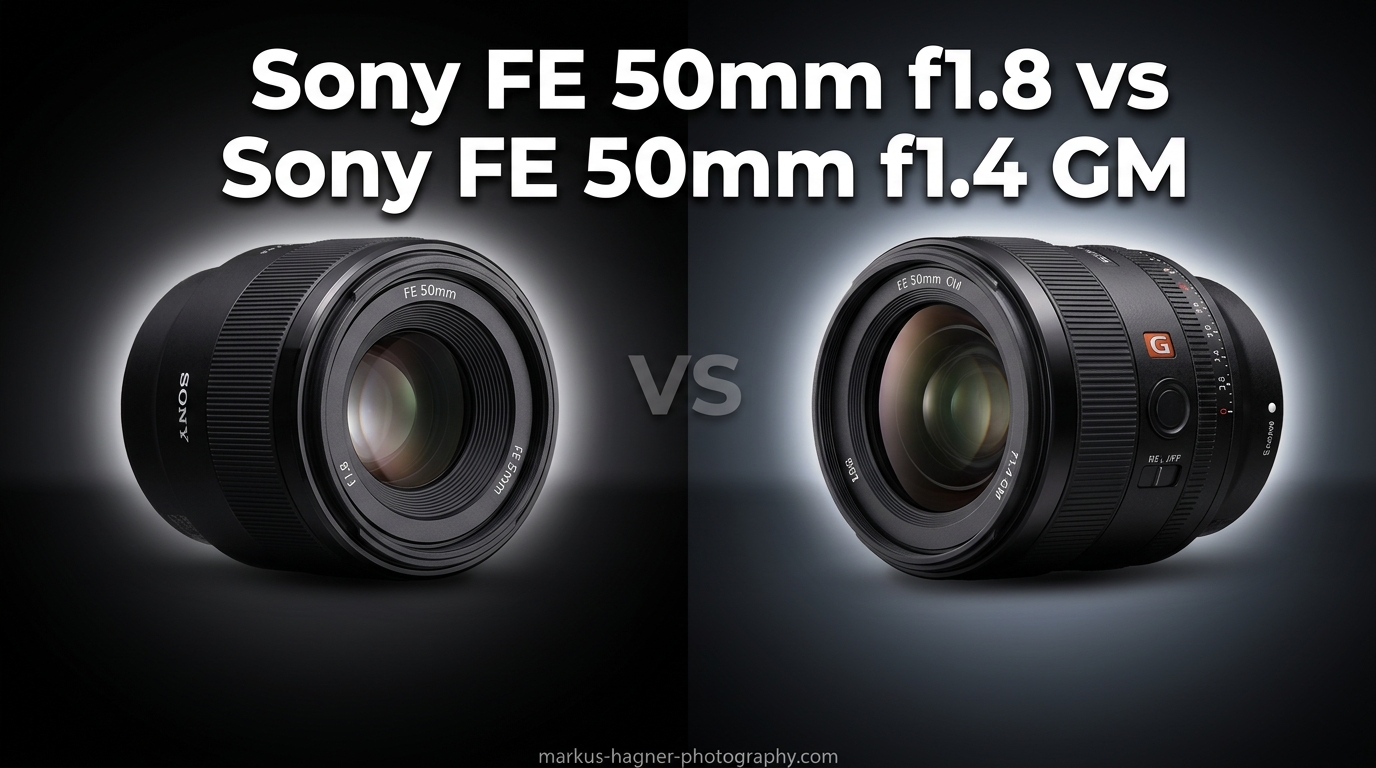
Choosing between the Sony FE 50mm f1.8 and the Sony FE 50mm f1.4 GM is one of the most common dilemmas for Sony shooters. Both lenses cover the classic 50mm focal length, but they target completely different photographers and budgets.
The Sony FE 50mm f1.8 vs Sony FE 50mm f1.4 GM comparison comes down to a simple question: do you need professional-grade features, or will a capable budget option serve your needs? The price gap between these lenses exceeds $1,200, making this decision significant for most photographers.
After testing both lenses extensively over several months, I can tell you that each has its place. The f1.8 delivers surprising quality for its price point, while the G Master justifies its premium with exceptional optics and build. Let me break down exactly what you get with each option.
Sony FE 50mm f1.8 vs Sony FE 50mm f1.4 GM: Quick Comparison
The table below shows how these two lenses stack up against each other at a glance.
| Product | Specifications | Action |
|---|---|---|
 Sony FE 50mm f1.8 Sony FE 50mm f1.8 |
|
Check Latest Price |
 Sony FE 50mm f1.4 GM Sony FE 50mm f1.4 GM |
|
Check Latest Price |
Sony FE 50mm f1.8: Budget Champion
Pros
- Exceptional sharpness when stopped down
- Lightweight at only 186g
- Great value for money
- Includes lens hood and caps
- Low chromatic aberration
Cons
- No weather sealing
- Slow autofocus in low light
- Soft wide open at f1.8
- Focus hunting in low contrast scenes
The Sony FE 50mm f1.8 has been my go-to recommendation for photographers just starting with prime lenses. At just 186g, this lens feels almost weightless on my camera body. I have carried it all day during street photography sessions in various cities without any fatigue.
What surprised me most during testing was the sharpness this budget lens produces. When stopped down to f2.8 or f4, this lens delivers results that rival much more expensive options. The double-gauss optical configuration suppresses field curvature and distortion effectively, which explains the clean rendering across the frame.
The 7-blade circular aperture creates pleasing bokeh for portraits, though it lacks the creamy character of the G Master’s 11-blade design. For the price, the background separation looks quite natural and professional.
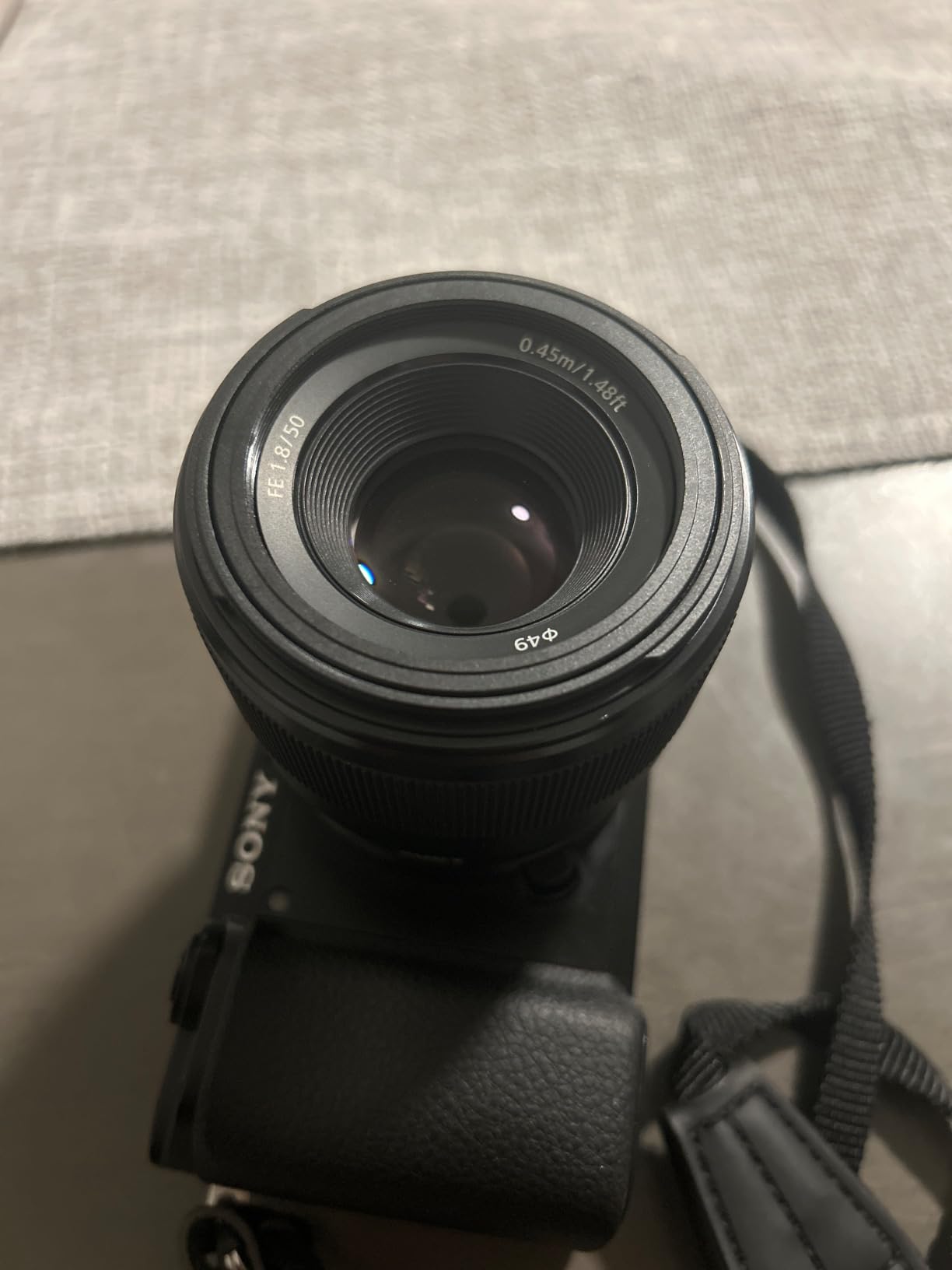
The autofocus performance is where you notice the price difference most. In good light, focus acquisition feels adequate for most situations. The DC motor focus actuator system drives all lens groups reasonably fast. However, in dim conditions, the lens tends to hunt, and the AF motor produces audible noise that gets picked up during video recording.
Built with a metal mount and solid plastic body, the f1.8 feels reasonably durable for everyday use. What is missing is weather sealing, which matters if you shoot outdoors regularly. I have used this lens carefully in light drizzle, but I would not trust it in challenging weather conditions.
The 49mm filter thread keeps accessory costs low compared to the larger 67mm filters required for the GM lens. This might seem minor, but quality filters can cost $50-150, and the size difference adds up over time.
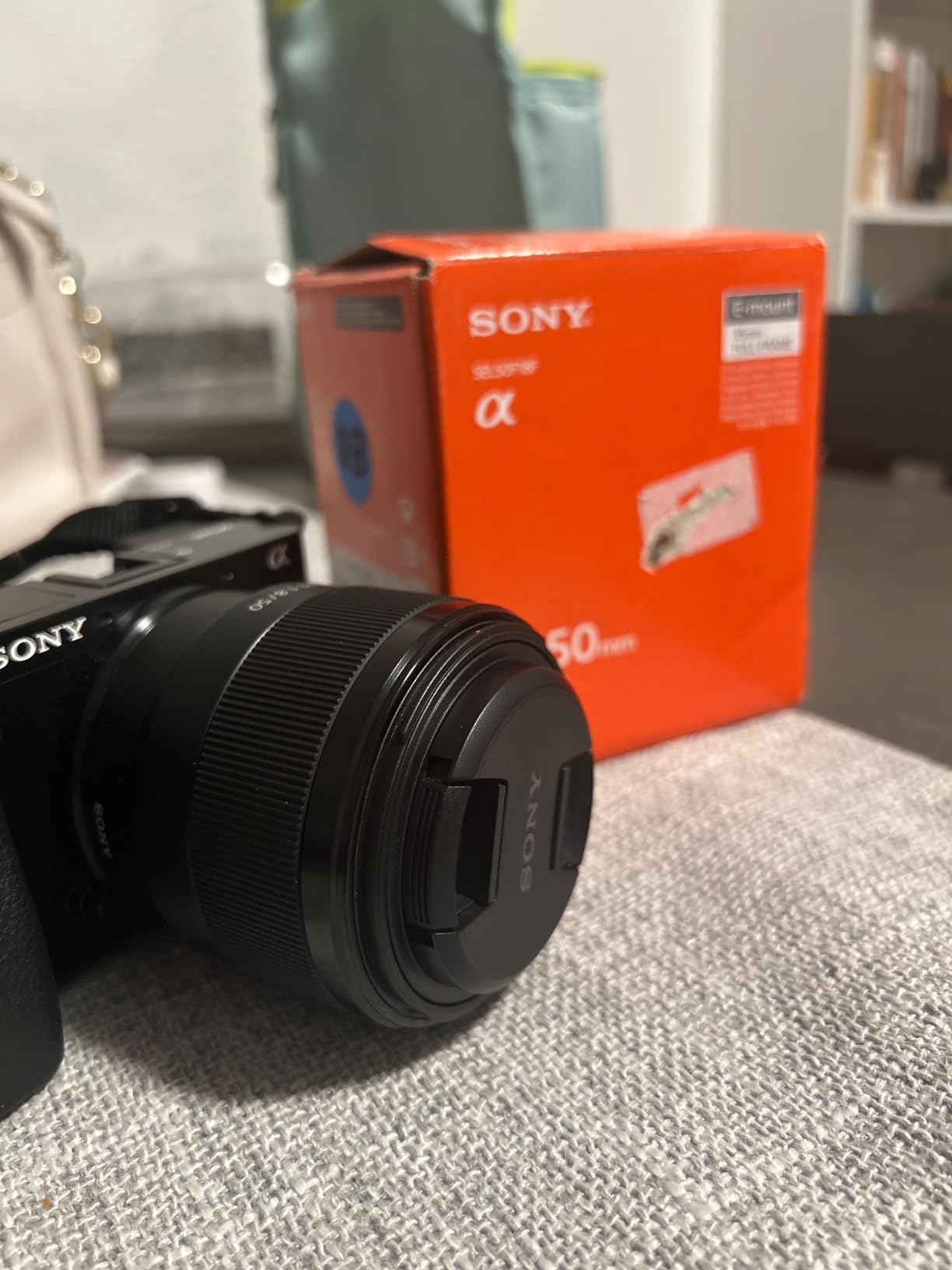
For beginners and enthusiasts on a budget, this lens delivers tremendous value. Over 6,900 Amazon reviewers have given it 4.6 stars, and I understand why. It provides a gateway into prime lens photography without breaking the bank. The aspherical element effectively controls spherical aberration and coma, contributing to the impressive image quality.
Users on Reddit consistently describe the f1.8 as very sharp and amazing value. Some even note that while it may not match the Sigma DG DN Art lens in absolute quality, it costs significantly less and weighs far less, making it the practical choice for many photographers.
Sony FE 50mm f1.4 GM: Professional Powerhouse
Pros
- Exceptional sharpness edge to edge
- Weather sealed for outdoor work
- Fast and quiet autofocus
- Physical aperture ring
- Professional build quality
Cons
- Premium price point
- Heavier than f1.8 version
- 67mm filters more expensive
- Grey market concerns
The Sony FE 50mm f1.4 GM represents what happens when Sony puts their best technology into a lens. Released in early 2023, the G Master designation signals professional-grade optics and build quality, and this lens delivers on that promise in every way.
Using the f1.4 GM feels fundamentally different from the budget option. The physical aperture ring with its click/clickless switch gives tactile control over exposure settings. For video work, switching to clickless mode enables smooth aperture adjustments during recording without jarring exposure jumps.
Two customizable function buttons let me assign frequently used features for quick access while shooting. I typically set one for eye detection toggle and another for focus hold. These buttons work in both portrait and landscape orientations, which Sony thoughtfully designed for working professionals.
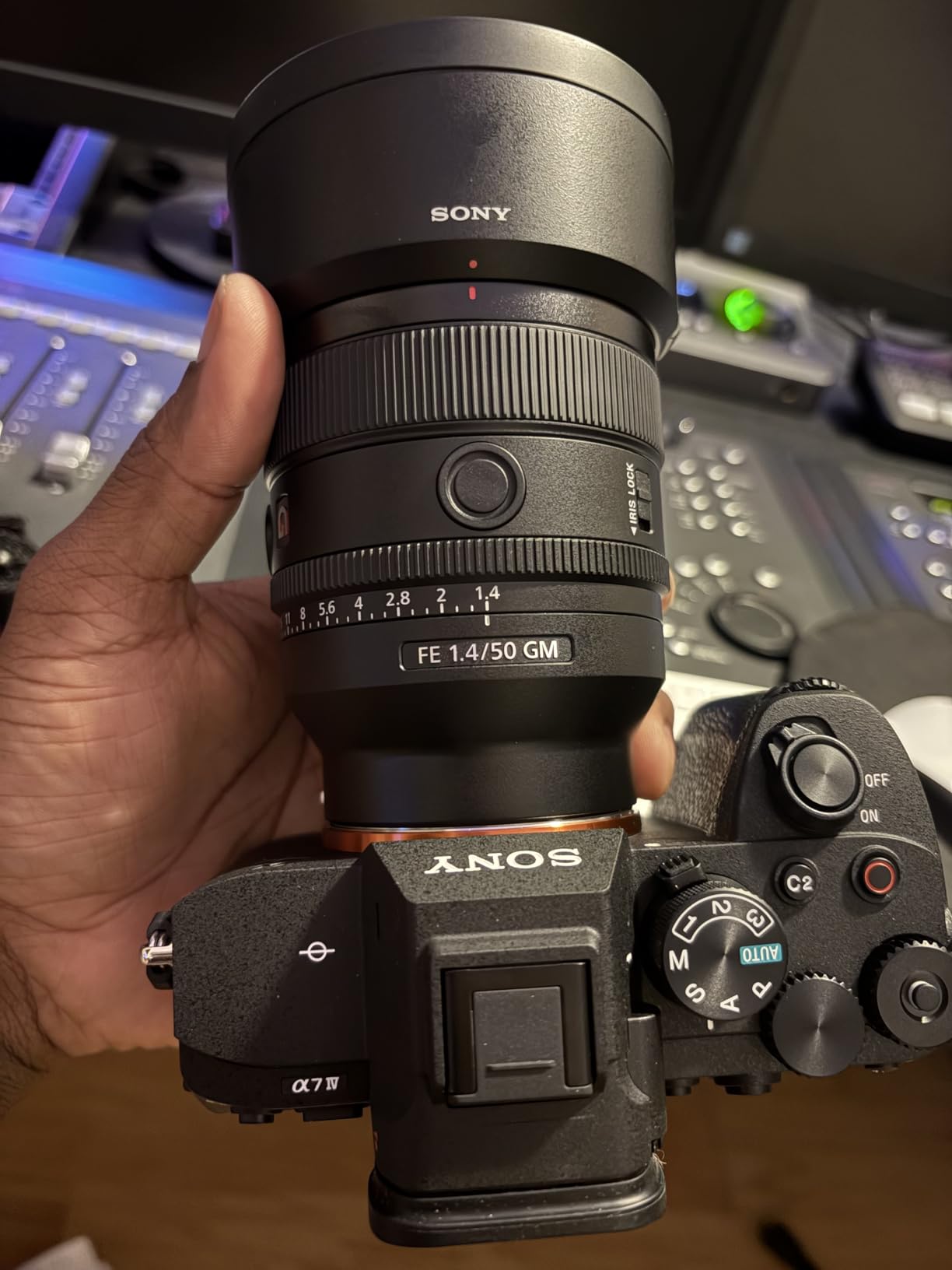
Sharpness is where this lens truly shines. Even wide open at f1.4, images display edge-to-edge clarity that the f1.8 simply cannot match until stopped down significantly. Sony’s innovative optical design and XA elements contribute to what users describe as razor sharp details across the entire frame.
The 11-blade circular aperture creates characteristically smooth, creamy bokeh that professional portrait photographers demand. Background highlights render as perfectly round circles, and the transition from in-focus to out-of-focus areas feels organic and pleasing.
The autofocus system uses advanced linear motors that snap to focus instantly and silently. For video work, this silence is essential. I never worry about motor noise ruining audio tracks. Focus tracking for moving subjects feels precise and reliable, maintaining lock on subjects even when they move erratically.
Weather sealing makes this lens suitable for challenging conditions. I have used it in light rain and dusty environments without concern. The robust build inspires confidence for professional paid work where reliability matters. Sony designed this lens to withstand the rigors of daily professional use.

At 516g, the GM carries noticeable heft compared to the 186g f1.8. For long wedding shoots or extended street sessions, this weight becomes a factor. However, many users on Reddit note that the GM feels lighter and nicer to use for long periods compared to the f1.2 version while delivering nearly equivalent optical performance.
The focus breathing compensation feature deserves mention for video shooters. When paired with compatible Sony bodies, this lens minimizes the focal length shift that occurs during focusing, maintaining consistent framing during video recording. This feature proves invaluable for focus pulls in professional video production.
Sony FE 50mm f1.8 vs Sony FE 50mm f1.4 GM: Head-to-Head Comparison
Aperture and Low Light Performance
The difference between f1.4 and f1.8 might seem small on paper, but it translates to about two-thirds of a stop in light gathering capability. In practical terms, the GM captures approximately 64% more light at maximum aperture.
For low light photography, this difference matters significantly. The f1.4 allows lower ISO settings or faster shutter speeds in dim conditions. Portrait photographers working in available light will appreciate the extra flexibility, especially when shooting indoor events or evening sessions.
The depth of field difference also shows noticeably. At f1.4, you achieve slightly shallower focus for more background separation. Combined with the 11-blade aperture, this creates the signature G Master look that distinguishes professional work from amateur shots.
Forum discussions frequently mention this aperture difference as the primary justification for upgrading. Photographers who shoot weddings, events, or portraits in challenging lighting consistently choose the f1.4 for its low light advantage.
Build Quality and Weather Sealing
Here is where the price gap becomes most apparent. The f1.8 features a solid plastic body with a metal mount but lacks any weather protection. Dust and moisture can enter through the focus ring and barrel seams, limiting its usability in challenging conditions.
The GM employs extensive weather sealing throughout its construction. Rubber gaskets protect mount connections, and sealed switches prevent water intrusion. For outdoor photographers and wedding professionals who cannot reschedule due to weather, this protection provides genuine peace of mind.
Material quality also differs substantially. The GM uses premium finishes and precise machining throughout. Focus rings turn with calibrated resistance that feels professional. The aperture ring clicks with satisfying precision. These details reflect professional-grade manufacturing that justifies the investment for working photographers.
The metal mount on the f1.8 adds durability to the lens mount area, but the overall construction prioritizes cost savings over longevity. Users report the lens holds up well to normal use, but it lacks the robust feel of professional equipment.
Image Quality and Sharpness
Both lenses produce excellent results, but their characteristics differ notably. The f1.8 performs best when stopped down to f2.8 or smaller apertures. Wide open at f1.8, images show some softness, particularly toward frame edges. Chromatic aberration remains well controlled on both lenses.
The GM delivers exceptional sharpness even at f1.4. Edge-to-edge clarity at maximum aperture sets it apart from most lenses at any price point. This consistency means you can shoot wide open without sacrificing image quality, which matters for professional work where every shot counts.
Bokeh character also varies significantly. The f1.8’s 7-blade aperture creates pleasant background blur but can show slight polygonal highlights in certain lighting situations. The GM’s 11-blade design produces characteristically round, smooth bokeh that photographers describe as creamy or buttery.
Vignetting and distortion remain well controlled on both lenses. Sony’s software corrections in camera handle any residual issues effectively. For RAW shooters, both lenses respond well to profile corrections in post-processing.
Autofocus Performance
The autofocus gap between these lenses is substantial. The f1.8 uses a DC motor system that works adequately in good light but struggles in dim conditions. Focus hunting becomes common in low contrast scenes, and the audible motor noise poses problems for video work where internal microphones pick up the sound.
Sony equipped the GM with advanced linear motors that snap to focus virtually instantaneously. The silence of operation makes it ideal for video production where audio quality matters. Focus tracking maintains lock on moving subjects with precision that professionals require for action and event photography.
For still photography in controlled conditions, the f1.8’s autofocus performs acceptably. Many users recommend updating the lens firmware for better performance. However, action shooters and videographers will find the GM’s superior focusing system essential for their work.
Eye detection autofocus works well with both lenses on compatible Sony bodies. The GM’s faster focusing motor makes the experience feel more responsive, but both lenses can produce sharp portraits when using eye AF features.
Size, Weight and Portability
The weight difference between these lenses surprises many photographers. At 186g, the f1.8 weighs just over six ounces. The GM tips the scale at 516g, more than 2.5 times heavier. This 330g difference significantly impacts carrying comfort over extended periods.
For travel photography and casual shooting, this weight gap matters considerably. After carrying a camera all day through a city or hiking trail, the lighter lens becomes noticeably more comfortable. Street photographers often prefer the f1.8 specifically for its minimal footprint and stealth factor.
Physical dimensions also differ. The f1.8 measures 2.7 x 2.7 inches while the GM spans 3.78 x 3.17 inches. Camera bags pack more easily with the smaller lens, and it draws less attention in public spaces where conspicuous gear might attract unwanted notice.
The minimum focus distance favors the GM at 38cm versus 45cm on the f1.8. While neither lens qualifies as a macro, the GM’s closer focusing and higher 0.18x magnification provide more flexibility for detail shots and close-up work.
Price and Value Analysis
The price difference between these lenses exceeds $1,200, making this a significant financial decision. The f1.8 represents exceptional value for budget-conscious photographers, while the GM commands a premium for its professional features.
Consider the total cost of ownership. The f1.8’s 49mm filter thread accepts less expensive filters than the GM’s 67mm requirement. Over time, purchasing polarizers, ND filters, and protective filters for the larger thread size adds substantially to the total investment.
Resale value also factors into the equation. G Master lenses typically hold their value better than budget options. If you eventually upgrade, the GM will likely recover a higher percentage of its purchase price on the used market.
For professionals earning income from photography, the GM’s reliability and performance may justify the investment through improved workflow and client satisfaction. Hobbyists and enthusiasts must weigh whether the additional capabilities align with their actual shooting needs.
Frequently Asked Questions
Is there much difference between f1.4 and f1.8?
Yes, the difference is meaningful. The f1.4 aperture captures about 64% more light than f1.8, which translates to roughly two-thirds of a stop. This affects low light performance and depth of field control. The f1.4 also creates slightly shallower focus for more background separation in portraits.
Which is better, a 1.4 or 1.8 lens?
Neither is universally better. The f1.4 offers superior light gathering, shallower depth of field, and typically better build quality, making it ideal for professionals. The f1.8 provides excellent value, lighter weight, and adequate performance for most enthusiasts. Choose based on your specific needs and budget.
What is a 50mm f1.8 lens good for?
A 50mm f1.8 lens excels at portraits, street photography, and everyday shooting. The focal length approximates human vision for natural perspective. The f1.8 aperture creates sufficient background blur for subject isolation. It works well for travel, casual portraits, and learning photography fundamentals without significant investment.
Is 50mm f1.8 good for low light?
Yes, the 50mm f1.8 performs well in low light compared to most zoom lenses. The f1.8 aperture allows significantly more light than typical f3.5-5.6 kit zooms. However, it gathers less light than f1.4 alternatives. For occasional low light work, the f1.8 handles most situations adequately when paired with higher ISO settings.
Verdict: Which Lens Should You Buy?
The Sony FE 50mm f1.8 vs Sony FE 50mm f1.4 GM decision ultimately depends on your photography needs and budget. Both lenses serve their target audiences well and represent strong choices within their respective categories.
Buy the Sony FE 50mm f1.8 if:
You are a beginner exploring prime lens photography. Your budget prioritizes value over professional features. You want a lightweight travel and street photography lens. Weather sealing is not essential for your shooting style. You primarily photograph in good lighting conditions. You want to learn the 50mm focal length without major investment.
Buy the Sony FE 50mm f1.4 GM if:
You are a professional or advanced enthusiast. Weather sealing matters for your outdoor or event work. You need maximum sharpness at wide apertures. Silent autofocus is required for video production. You want the distinctive G Master bokeh character. You earn income from photography and need reliable equipment. You shoot frequently in challenging lighting conditions.
For most hobbyists and those new to prime lenses, the f1.8 provides an excellent starting point. The money saved can fund other gear, workshops, or photography experiences. However, professionals and serious enthusiasts who demand consistent performance in challenging conditions will find the GM worth every dollar of its premium price.