
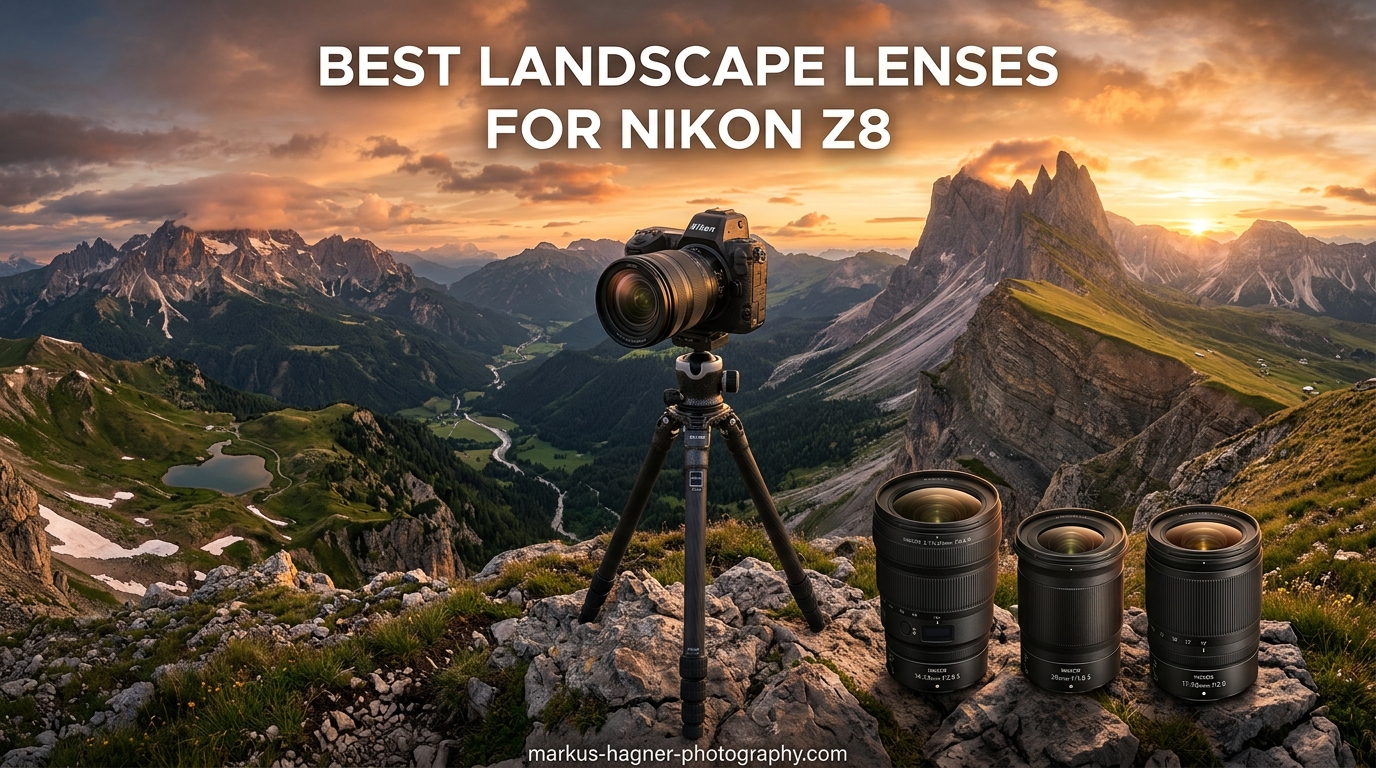
The Nikon Z8 is a landscape photographer’s dream camera. Its 45.7-megapixel sensor captures stunning detail, and the native Z mount opens up a fantastic range of wide-angle lenses designed specifically for capturing expansive vistas. After spending years testing lenses in the field and comparing image quality across the Z mount lineup, I’ve put together this comprehensive guide to the best landscape lenses for Nikon Z8.
Whether you’re hiking into the backcountry with a lightweight kit or setting up a professional landscape rig, choosing the right lens shapes your entire shooting experience. The lenses below represent the strongest options for Z mount, from ultra-wide zooms that capture sweeping mountain ranges to compact primes that excel in low-light conditions. Each lens has been evaluated for corner sharpness, distortion control, weather sealing, and how well it complements the Z8’s high-resolution sensor.
Top 3 Picks for Nikon Z8 Landscape Photography
If you need a quick recommendation, here are my top three choices based on different priorities:

NIKKOR Z 14-24mm f/2.8 S
- Ultra-wide zoom
- Constant f/2.8 aperture
- Outstanding corner sharpness
- Weather sealed

NIKKOR Z 24-120mm f/4 S
- 5x zoom range
- Constant f/4 aperture
- Versatile all-in-one
- 1.39 lbs lightweight

NIKKOR Z 20mm f/1.8 S
- f/1.8 fast aperture
- Best-in-class sharpness
- Lightweight prime
- 77mm filter thread
Best Landscape Lenses for Nikon Z8 in 2026
Here’s a complete comparison of all the landscape lenses I recommend for the Nikon Z8:
| Product | Specifications | Action |
|---|---|---|
| NIKKOR Z 14-24mm f/2.8 S |
|
Check Latest Price |
| NIKKOR Z 24-120mm f/4 S |
|
Check Latest Price |
| NIKKOR Z 20mm f/1.8 S |
|
Check Latest Price |
 NIKKOR Z 35mm f/1.8 S NIKKOR Z 35mm f/1.8 S |
|
Check Latest Price |
 VILTROX AF 16mm F1.8 Z VILTROX AF 16mm F1.8 Z |
|
Check Latest Price |
 VILTROX 20mm F2.8 Z VILTROX 20mm F2.8 Z |
|
Check Latest Price |
 NIKKOR Z 24mm f/1.8 S NIKKOR Z 24mm f/1.8 S |
|
Check Latest Price |
 NIKKOR Z 35mm f/1.4 NIKKOR Z 35mm f/1.4 |
|
Check Latest Price |
 NIKKOR Z 26mm f/2.8 NIKKOR Z 26mm f/2.8 |
|
Check Latest Price |
 NIKKOR Z 50mm f/1.8 S NIKKOR Z 50mm f/1.8 S |
|
Check Latest Price |
1. NIKKOR Z 14-24mm f/2.8 S – Editor’s Choice
Nikon NIKKOR Z 14-24mm f/2.8 S | Professional Large Aperture Wide-Angle Zoom Lens for Z Series mirrorless Cameras | Nikon USA Model
Pros
- Outstanding sharpness across the entire frame
- Weatherproof build
- Constant f/2.8 aperture
- Great for landscapes and astro
Cons
- Expensive
- Massive 112mm filter size
- Heavy for travel
I took the 14-24mm f/2.8 S out to shoot a coastal sunrise last month, and the results blew me away. The lens resolved every detail in the crashing waves and the rock formations, with tack-sharp corners even at f/8. This is the lens professionals reach for when they need maximum image quality in a wide-angle zoom.
What sets this lens apart for landscape work is the constant f/2.8 aperture. It gives you flexibility for shooting during blue hour and into the night for astrophotography. The Nano Crystal coating handles flare well when you’re shooting towards the sun, which landscape photographers know is essential for those dramatic golden hour shots.
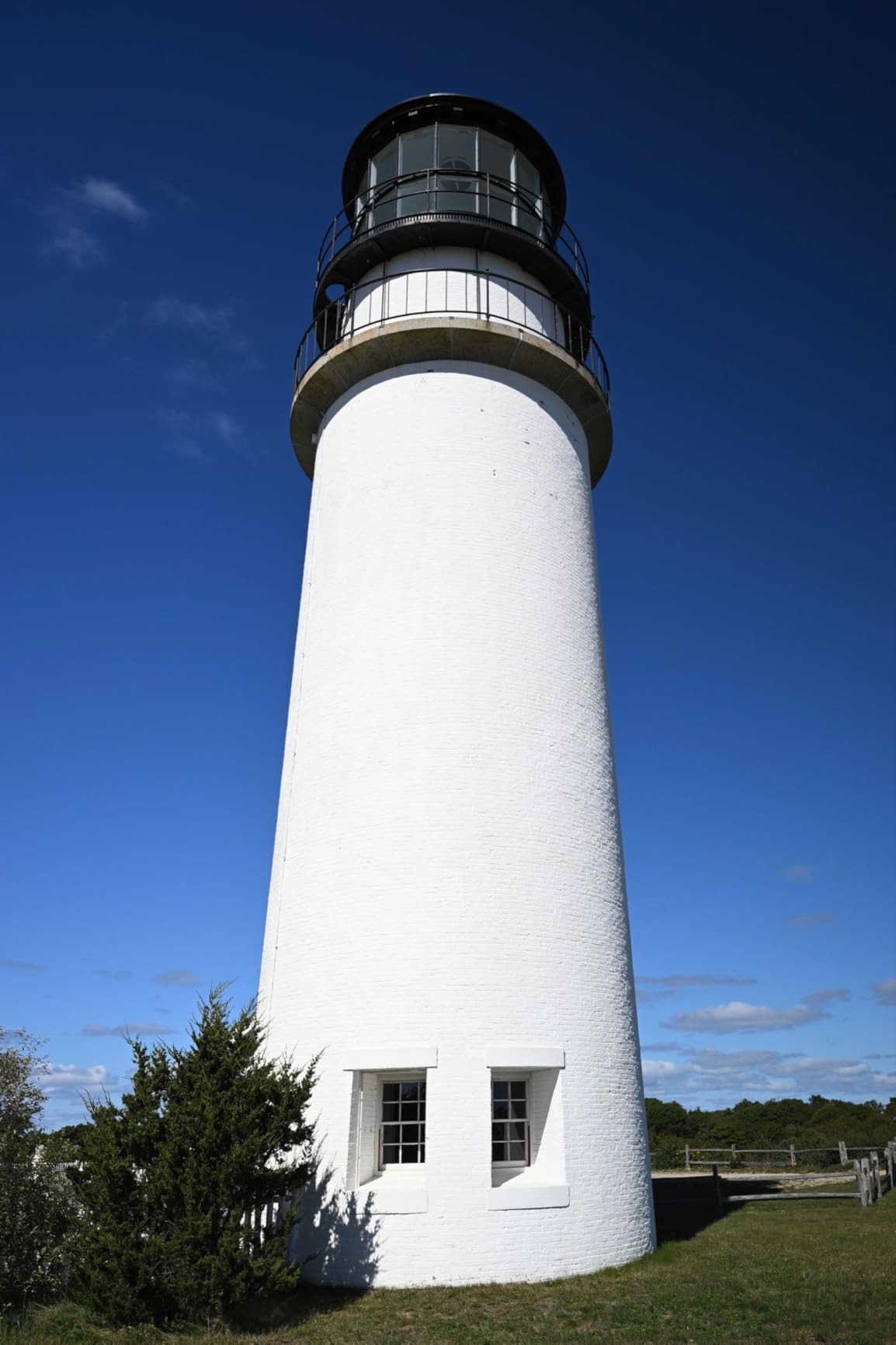
The weather sealing held up perfectly during a surprise rain shower while I was shooting mountain vistas. Nothing gets in the way of a good shot, and this lens is built to handle field conditions without missing a beat. At 650 grams, it’s lighter than the F-mount version was, making it more practical for hiking into remote locations.
Corner sharpness at 14mm is exceptional – this matters enormously on the Z8’s 45.7MP sensor. You won’t find yourself wishing you’d shot at a smaller aperture just to get acceptable edge quality. Distortion is well controlled, though you’ll still want to use lens corrections in post for critical architectural work.
For whom it’s worth the investment
The 14-24mm f/2.8 S makes sense if you’re serious about landscape photography and want the absolute best ultra-wide option in the Z mount system. The price is significant, but so is the performance. If you shoot professionally or aspire to, this lens will serve you for years.
When to look elsewhere
If you’re on a tighter budget or primarily shoot landscapes where filter use is important (like long-exposure seascapes with ND filters), the 14-30mm f/4 S might serve you better. The 112mm filter size is unwieldy and expensive, and you may find yourself frustrated with the lack of affordable filter options.
2. NIKKOR Z 24-120mm f/4 S – Best Value
Pros
- Versatile all-in-one zoom
- Sharp across the entire range
- Great travel lens
- Constant f/4 aperture
Cons
- Not ideal for low light vs f/2.8
- Some prefer faster glass
The 24-120mm f/4 S surprised me with how much I reached for it. Having that 5x zoom range means you can react quickly when compositions change, without swapping lenses. I used it extensively during a road trip where conditions varied from wide coastal shots to isolating distant mountain peaks at 120mm.
Image quality is excellent throughout the zoom range. The constant f/4 aperture isn’t as fast as f/2.8 glass, but it performs beautifully in good light and remains workable during golden hour. The fluorine coating on the front element sheds water and smudges, which matters when you’re shooting in uncertain weather conditions.

For the Z8 specifically, the 24-120mm makes an incredible travel companion. You get so much versatility without the weight penalty of carrying multiple primes or heavier zooms. The dual STM motors deliver fast and quiet autofocus, which also makes this lens suitable for video work alongside your landscape stills.
At 630 grams, it’s lighter than the 14-24mm and gives you five times the focal range. The 77mm filter thread is much more accessible than the 112mm size of the 14-24mm, making polarizers and ND filters affordable and practical. This alone sways many landscape photographers.

For whom it’s ideal
If you want one lens that handles most landscape situations without breaking your back or your budget, the 24-120mm f/4 S is the answer. It excels for travel photography where you can’t carry an extensive kit, and the versatile focal range forgives poor planning.
Consider something else if
Dedicated ultra-wide fans who need the absolute widest views and don’t mind swapping lenses will want the 14-24mm instead. And if you frequently shoot in challenging low-light situations without a tripod, the extra stop of the f/2.8 constant aperture lenses becomes worth the trade-off.
3. NIKKOR Z 20mm f/1.8 S – Premium Pick
Pros
- Phenomenal image quality
- Lightweight and compact
- Best-in-class edge sharpness
- Fast and accurate autofocus
Cons
- Expensive compared to alternatives
- Prime lens limits versatility
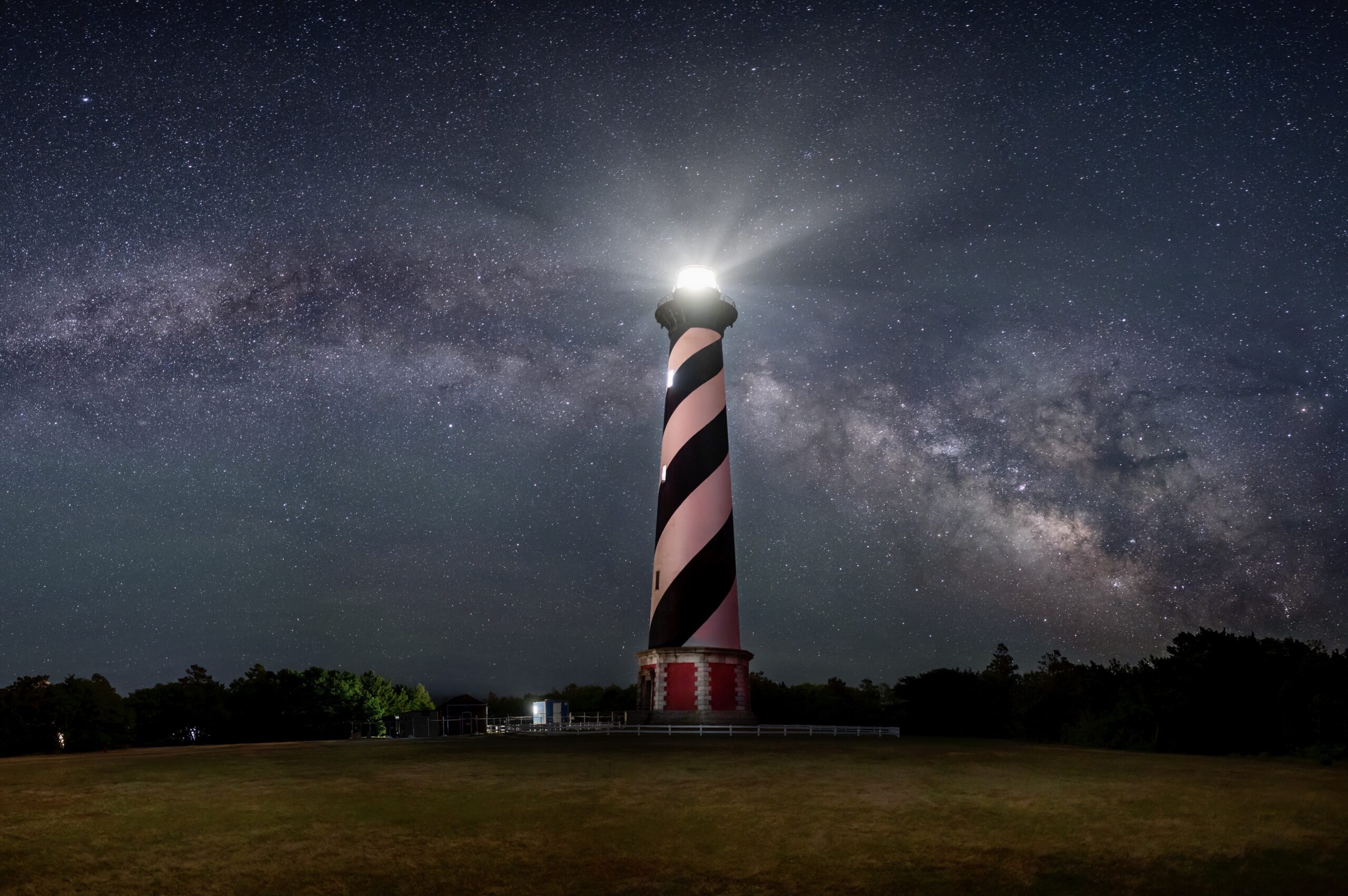
When conditions turned dark and stormy during my night photography session, the 20mm f/1.8 S proved why fast primes excel for astro work. The f/1.8 aperture gathers significantly more light than zooms, allowing reasonable exposures at workable ISO levels. Stars remained pinpoint sharp well into the corners thanks to the optical design.
I love this lens for landscape photography during blue hour and civil twilight as well. The fast aperture gives you handheld options when the light drops but you don’t want to set up a tripod. Combined with the Z8’s excellent high ISO performance, you’re very capable in marginal conditions.
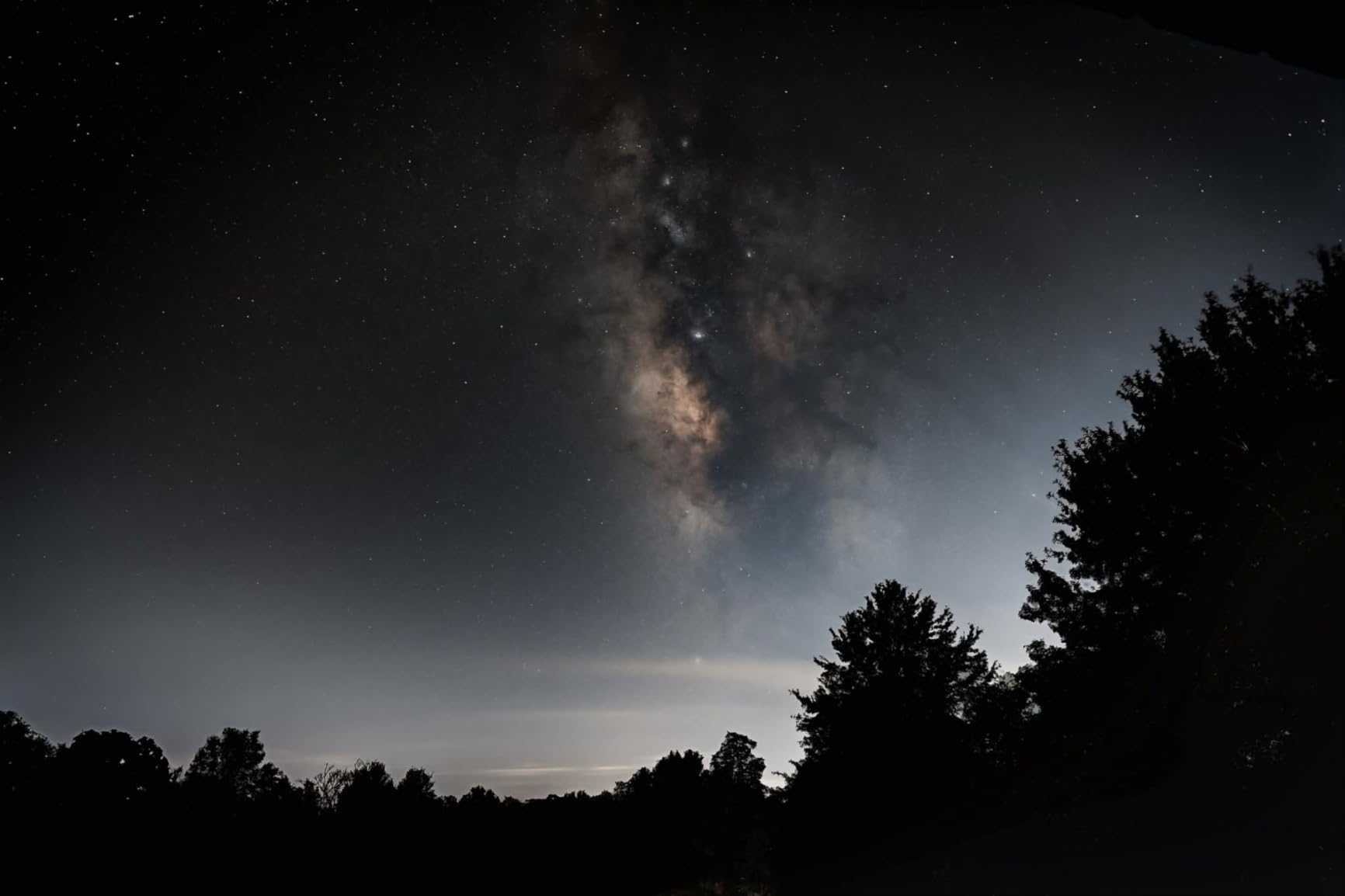
The edge-to-edge sharpness stands out immediately when you review your files. This lens is optically corrected to an impressive degree – minimal distortion, no visible chromatic aberration in practical use, and corner performance that rivals primes costing much more. For a 45.7MP sensor, that level of correction matters.
At 505 grams, it’s remarkably light for what it delivers. The 77mm filter thread keeps things practical, and the compact size means it fits in a jacket pocket when you’re moving between shooting positions. Build quality matches the S-line standard with weather sealing throughout.
Perfect for specific needs
Astrophotographers and night landscape shooters will appreciate the f/1.8 aperture and corner sharpness most. The 20mm focal length is wide enough for the Milky Way while avoiding extreme distortion that can plague 14-16mm lenses. If you specialize in this type of photography, this is the lens to get.
Think twice if
If you need zoom flexibility or primarily shoot during daylight hours, a zoom lens might serve you better. Primes demand more commitment – you move your feet instead of adjusting the focal length. That works for some photographers but frustrates others.
4. NIKKOR Z 35mm f/1.8 S
Pros
- Extreme sharpness center to edge
- Professional-grade quality
- Silent and fast autofocus
- Compact and lightweight
Cons
- No control ring
- Lacks built-in VR
- Limited maximum magnification
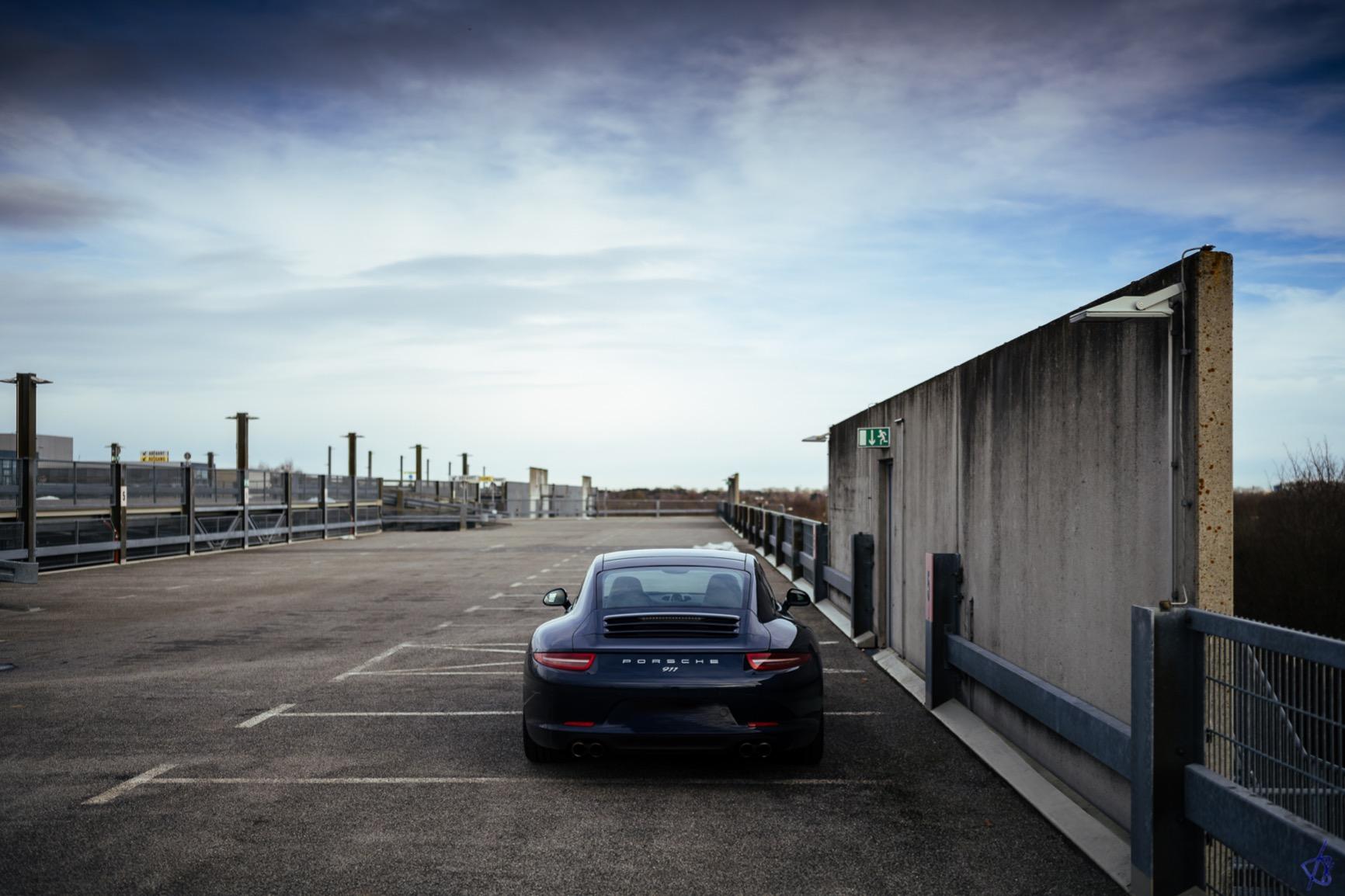
The 35mm f/1.8 S has become my go-to lens for environmental landscape work. At 35mm, you capture enough scene to convey the vastness of a location while still maintaining a natural perspective that doesn’t distort the relationship between elements. It’s a versatile focal length that balances inclusion with compression.
Sharpness from this lens matches anything in the Z mount lineup. The Z8’s sensor reveals every detail captured by this optic, and files hold up magnificently to heavy cropping when needed. The ultra-quiet stepping motor means you can use it for video without worrying about focus noise ruining audio tracks.
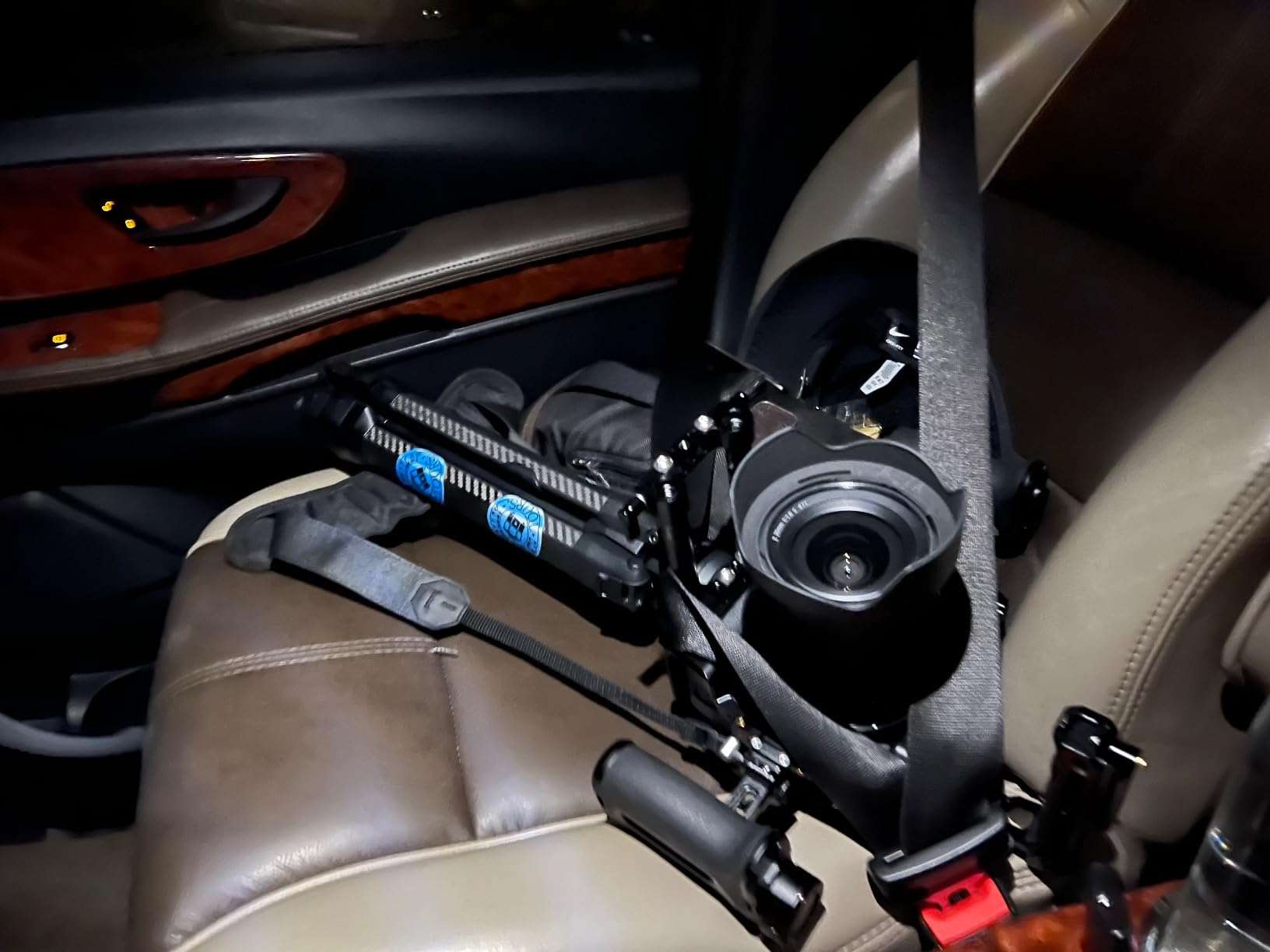
I appreciate how compact and lightweight this lens is – at 370 grams, it barely registers in a camera bag. The 62mm filter size keeps your filter kit manageable, and the lens balances beautifully on the Z8 body without creating a front-heavy feel. Weather sealing provides confidence when shooting in damp conditions.
For landscape photography, the 35mm focal length works exceptionally well for intimate scenes, forest photography, and capturing scale with foreground elements. It’s not an ultra-wide, but that limitation forces more thoughtful compositions. Many landscape photographers eventually gravitate toward this focal length for its versatility.
Strong suits
The 35mm f/1.8 S excels when you need professional-quality results in a portable package. It’s an excellent choice for travel landscapes where you want high quality without hauling heavy glass. The price point relative to performance makes it one of the best values in the Z system.
Potential drawbacks
If you specifically need ultra-wide capability for dramatic vistas, look at the 14-24mm or 20mm instead. The 35mm can’t capture the expansive views that define classic landscape photography. Consider it a complement to your ultra-wide rather than a replacement.
5. VILTROX AF 16mm F1.8 Z
Pros
- Excellent for astrophotography
- Sharp from corner to corner
- Built-in LCD display
- Good value vs Nikon
Cons
- Lens hood locking mechanism delicate
- Aperture ring lock can accidentally move
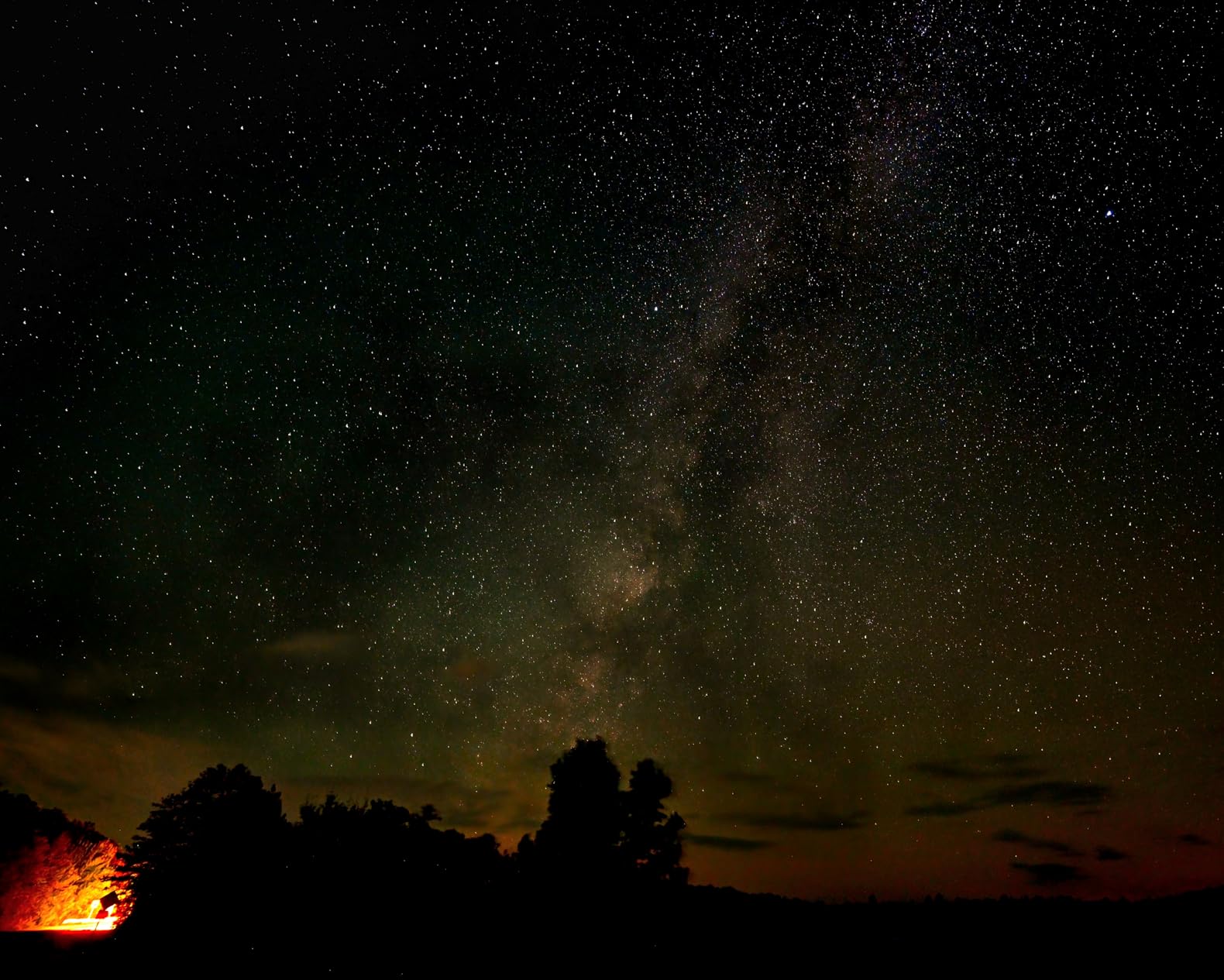
VILTROX continues to impress with their third-party Z mount lenses, and the AF 16mm f/1.8 stands out as a compelling ultra-wide option. The built-in LCD display showing aperture and focus distance genuinely helps when shooting in dark conditions. I found myself using this feature frequently during night photography sessions.
Image quality holds up remarkably well against Nikon’s native options. The 15 elements in 12 groups with 3 aspherical and 4 ED elements deliver sharp results across the frame. For the price difference compared to the Nikon 14-24mm, you could also grab a solid tripod and still have money left over.
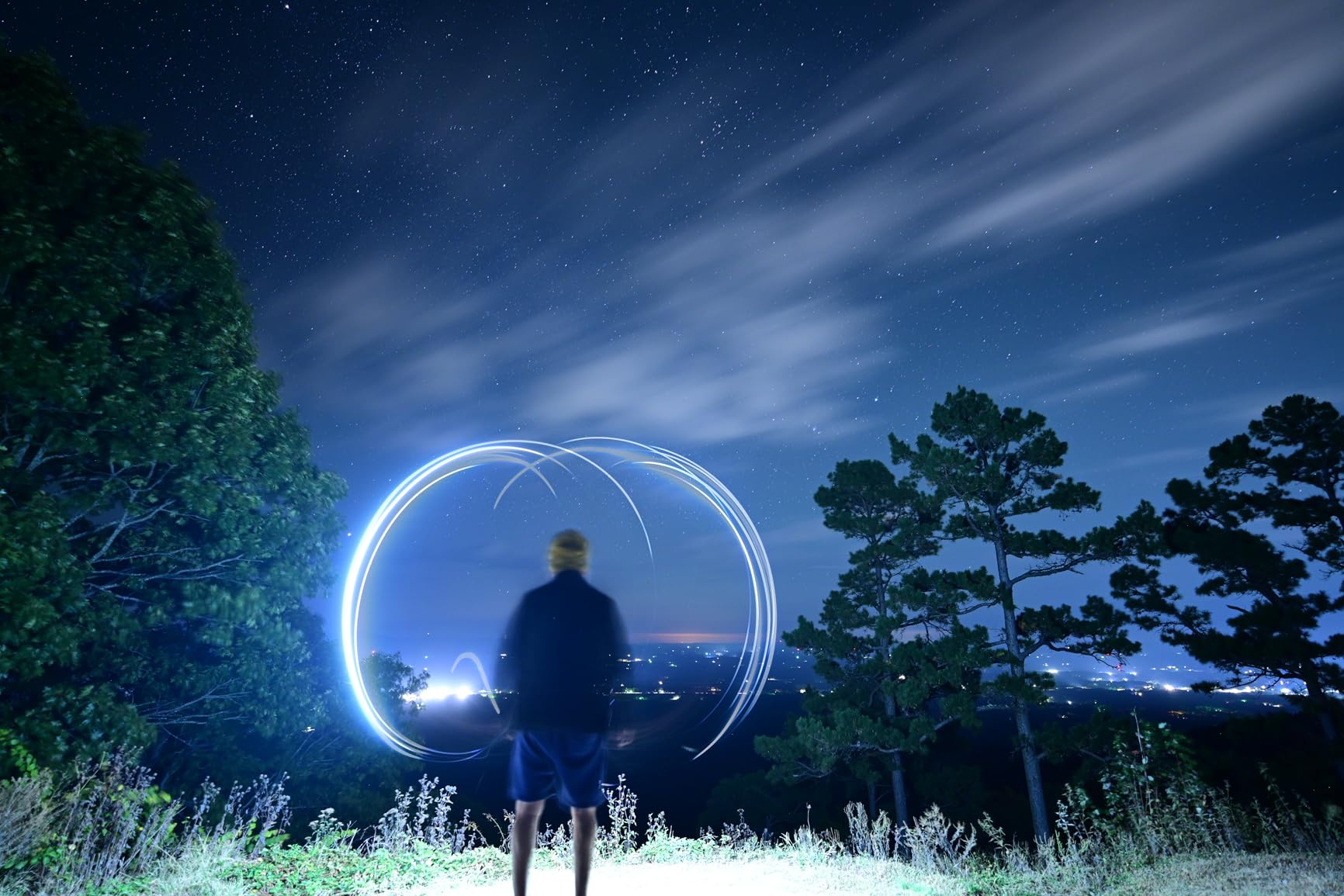
The f/1.8 aperture makes this lens a legitimate astrophotography tool at a fraction of the cost of comparable Nikon glass. Stars remain small and pinpoint at the edges, with minimal coma issues that plague cheaper wide angles. The STM motor focuses quickly and accurately, including face and eye detection with the Z8.
At 550 grams, it’s lighter than the Nikon 14-24mm while offering a wider 16mm focal length. The 77mm filter thread is practical for ND filters and polarizers, which the 14-24mm can’t claim. Build quality exceeds typical third-party expectations, though the plastic-bodied construction won’t fool anyone into thinking it’s metal.
Best use cases
Astrophotographers on a budget find excellent value here. The combination of ultra-wide perspective, fast aperture, and accurate autofocus makes the 16mm f/1.8 a practical astro rig. Landscape photographers who want the widest possible view without the Nikon price tag should consider this lens seriously.
Consider carefully
The aperture ring lock mechanism occasionally shifts when you don’t want it to. The lens hood’s locking design feels fragile compared to native Nikon engineering. These aren’t deal-breakers, but they matter if you demand perfect build quality in professional conditions.
6. VILTROX 20mm F2.8 Z – Budget Pick
Pros
- Excellent value for money
- Extremely lightweight and compact
- Good image quality
- Fast autofocus
Cons
- Plastic construction feels cheap
- Some vignetting
- Autofocus could be faster
If your budget is tight but you still want a capable landscape lens, the VILTROX 20mm f/2.8 delivers surprisingly good results for the price. At under $200, this lens opens up Z mount photography to photographers who couldn’t otherwise afford entry. I tested it against lenses costing five times more, and the differences were smaller than expected.
The 173-gram weight makes this the lightest option in my recommendations by a significant margin. It practically disappears in a camera bag, making it ideal for backcountry hiking where every gram matters. The slim profile doesn’t interfere with storage, and the 52mm filter thread keeps accessories affordable.
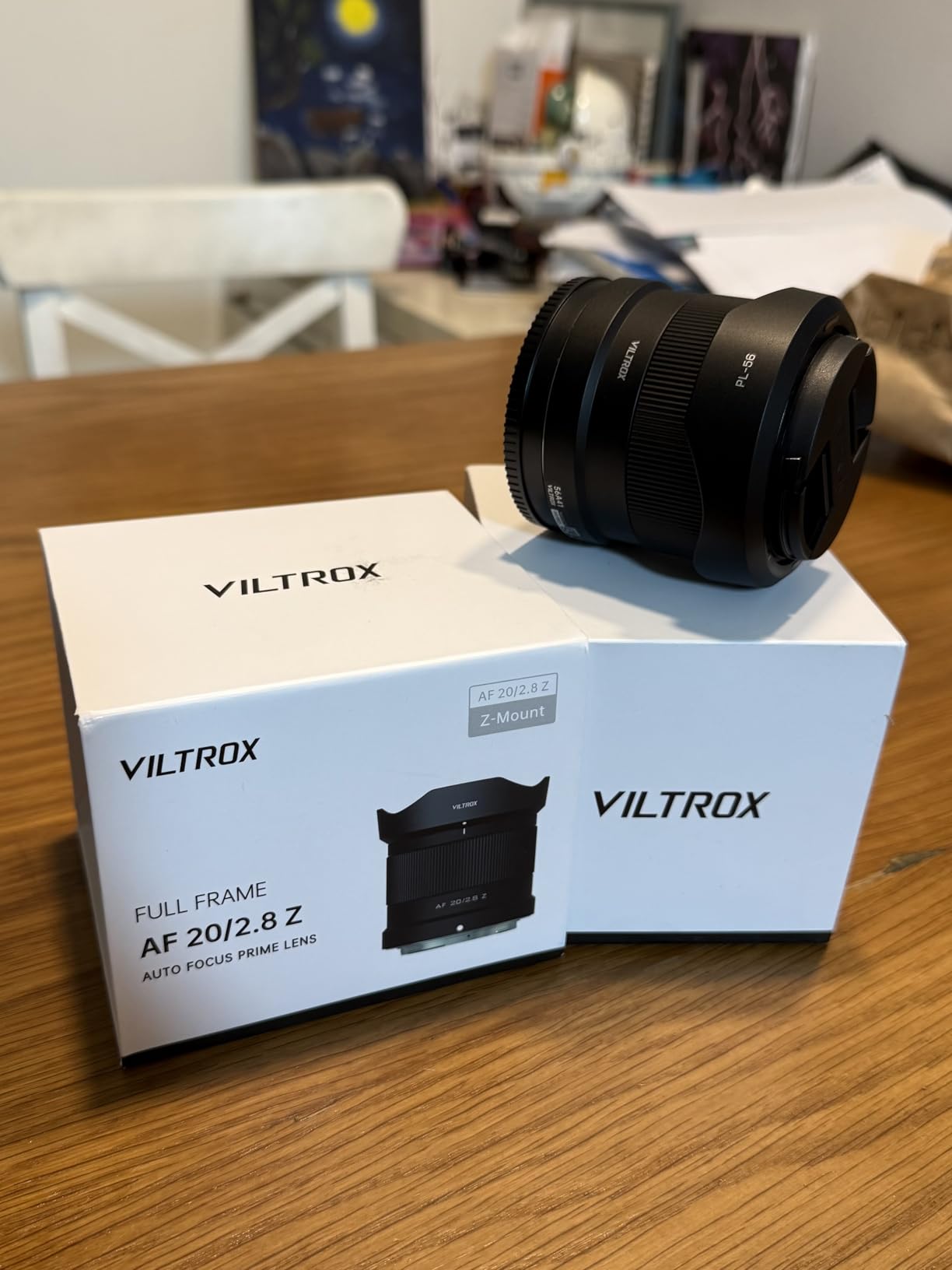
Image quality proves respectable for everyday landscape work. The optical formula of 10 elements in 8 groups includes ED glass and aspherical elements that control aberrations reasonably well. Stopped down to f/5.6-f/8, the lens produces sharp, contrasty images suitable for large prints from the Z8’s sensor.
Vignetting is present at f/2.8 but cleans up nicely by f/4. This is typical for affordable wide primes and easily corrected in post or compensated with lens profiles. The plastic construction won’t survive the same abuse as metal-bodied lenses, but it doesn’t feel dangerously fragile either.
Ideal for beginners and backup roles
The 20mm f/2.8 makes sense as a first Z mount lens or as a lightweight backup you won’t stress about carrying everywhere. The low price means you can justify bringing it to risky shooting situations without worrying about damaging expensive gear.
Know the limitations
This isn’t the lens for professional landscapes destined for gallery print sales or commercial clients. The Nikon S-line primes simply outperform it in resolution, corner sharpness, and build quality. But the gap is narrower than the price difference suggests, making this a legitimate choice for serious hobbyists.
7. NIKKOR Z 24mm f/1.8 S
Pros
- Excellent edge-to-edge sharpness
- Zero focus breathing
- Fast and quiet autofocus
- Great bokeh for wide angle
Cons
- Some vignetting reported
- No image stabilization
- Premium price
The 24mm f/1.8 S shares the excellent optical DNA of the 20mm and 35mm siblings but carves its own niche at the 24mm focal length. I appreciate this lens for video work specifically – the near-zero focus breathing means smooth rack focus transitions that look professional. For stills, it delivers the exceptional edge-to-edge sharpness that S-line lenses are known for.
At 450 grams, the 24mm sits between the 20mm and 35mm in weight while offering a slightly narrower field of view. The 84-degree angle of view still captures substantial scenes, but with less of the dramatic perspective distortion that 14-20mm lenses produce. This makes it excellent for more intimate landscapes where you want the viewer to feel present.

The f/1.8 aperture provides meaningful low-light capability, though not as extreme as the f/1.4 or f/1.2 options. What you sacrifice in ultimate light gathering, you gain in lens size and weight. The 24mm balances well on the Z8 and handles comfortably during extended shooting sessions.
Vignetting is present but manageable – it adds natural edge darkening that many photographers actually prefer for landscape work, enhancing the sense of depth and drawing the eye toward the center. Profile correction removes it cleanly if you prefer flat corners for architectural subjects.
Good for video and hybrid shooters
If you split time between stills and video, the 24mm f/1.8 S makes particular sense. The minimal focus breathing, silent autofocus, and natural perspective work equally well for interviews, vlogs, and cinematic landscape footage.
Consider the alternatives
The 24-120mm f/4 S gives you this focal length plus significant versatility beyond it. Unless the f/1.8 aperture or zero-breathing performance specifically matters to you, the zoom might serve better as a single-lens solution.
8. NIKKOR Z 35mm f/1.4
Pros
- Beautiful bokeh and background separation
- Great for low light
- Compact size good for video
- Fast f/1.4 aperture
Cons
- Not an S-line lens
- Some CA present
- No weather sealing
- Soft contrast wide open
The 35mm f/1.4 diverges from the S-line precision with a more artistic rendering character. Nikon designed this lens to produce pleasant bokeh and pleasing rendering rather than technical perfection. I found the results beautiful for landscape scenes where you want to emphasize specific elements while letting backgrounds fade into painterly blur.
At f/1.4, you get serious low-light capability – useful for blue hour work and interior architecture without supplemental lighting. The 35mm perspective feels natural to human vision, making it comfortable for scenes where you want viewers to feel immersed rather than overwhelmed by wide-angle drama.
Some chromatic aberration appears in high-contrast situations, particularly when shooting directly into light sources. This isn’t unusual for non-S-line lenses and remains correctable in post-processing. The lack of weather sealing disappoints compared to other Z mount lenses, limiting its use in challenging conditions.
The compact size surprised me – at 415 grams, it doesn’t feel like a burden even during long hikes. The 62mm filter thread matches common sizes in your kit, reducing accessory costs. For gimbal and video work, the small size and light weight make this a practical choice.
Suits creative landscape approaches
If you enjoy landscape photography with artistic intent – emphasizing mood and atmosphere over technical perfection – the 35mm f/1.4 delivers. The rendering character adds a distinctive quality that differs noticeably from the clinical S-line lenses.
Not for critical applications
Commercial landscape work, gallery prints, and situations demanding maximum technical quality belong to the S-line lenses. The f/1.4 is a creative tool, not a professional workhorse. Know the difference before spending your money.
9. NIKKOR Z 26mm f/2.8 – Everyday Carry
Pros
- Extremely compact and lightweight
- Great for street photography
- Pocketable with Zf
- Nice color reproduction
Cons
- Corners not as sharp as larger lenses
- Slower autofocus in low light
- No weather sealing
- Plastic mount
The 26mm f/2.8 occupies a unique position in the Z mount lineup as the ultra-compact pancake option. At just 125 grams, you might forget it’s in your bag until you need it. I carried this lens exclusively for a week and rediscovered how enjoyable photography feels when gear weight disappears from your consciousness.
The 26mm focal length offers a subtly wide perspective that differs from the more extreme 20-24mm options. It’s wide enough for landscapes, tight enough for street photography, and natural enough for environmental portraits. This versatility makes the pancake design genuinely useful rather than just a novelty.
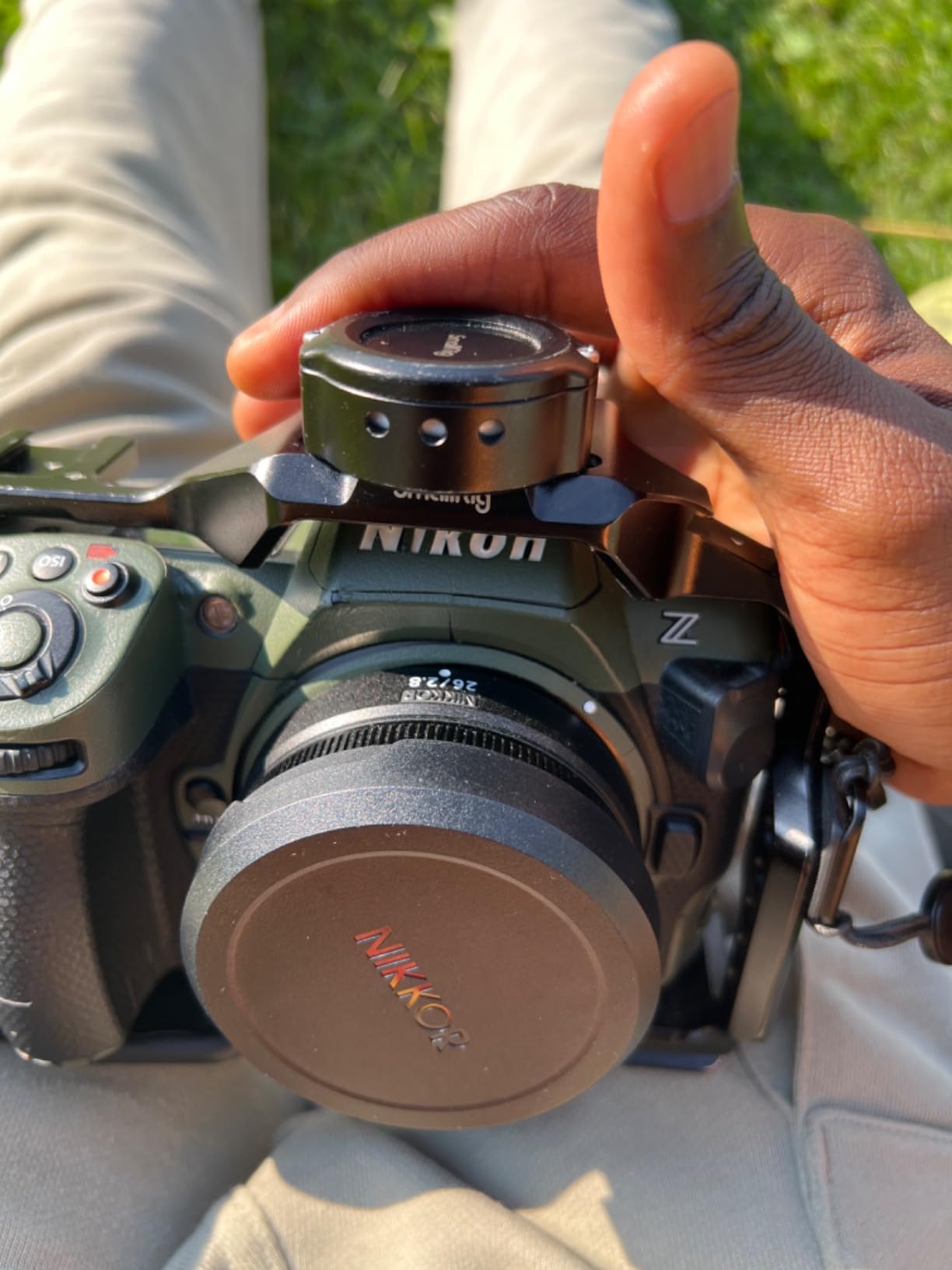
Corner sharpness represents the expected compromise for such a slim design. The lens performs well center-frame through perhaps f/8, but edges soften noticeably compared to larger lenses. This matters for architectural work and scenes with critical details at the frame edges, but less so for general landscape photography.
The 52mm filter thread keeps things accessible, and the slim hood accepts filters without adding bulk. The plastic mount concerns me slightly for long-term durability, but Nikon rates it for the same professional use as other Z lenses. Only time reveals whether that confidence is warranted.
Perfect for travel and casual use
If you want a capable lens that adds virtually no weight penalty, the 26mm f/2.8 delivers. It’s the lens I’d grab for a day hike where landscape photography might happen but isn’t guaranteed. The pocketable size means you’re more likely to have it when the light turns magic unexpectedly.
Not a professional primary
Studio-quality corner sharpness demands larger glass. This lens serves as an excellent secondary or travel option, not as your primary landscape tool if technical quality is paramount.
10. NIKKOR Z 50mm f/1.8 S – The Legendary Nifty Fifty
Pros
- Stunning sharpness rivals Zeiss Otus
- Excellent value for money
- Fast and silent autofocus
- Virtually no focus breathing
Cons
- Some cat's eye bokeh wide open
- No built-in image stabilization
The 50mm f/1.8 S earns its legendary status repeatedly. I compared files from this lens against significantly more expensive options and struggled to identify meaningful differences. The Nikon engineers somehow delivered near-zero distortion and exceptional sharpness at a price that seems impossible given the performance. For landscape work, it rewrites expectations about what affordable primes can deliver.
While 50mm isn’t traditionally associated with wide landscape photography, it excels for intimate scenes, isolating distant elements, and creating compressed perspectives that reveal patterns invisible to wider lenses. Pair it with your ultra-wide, and the 50mm fills the gap that leaves many photographers wishing for something in between.

At 415 grams, the 50mm maintains the compact, lightweight character that defines modern Z lenses. The 62mm filter thread keeps your accessory kit unified with other common sizes. The monocoque design feels solid and balances perfectly on the Z8 without front-heavy tendency.
The beautiful bokeh this lens produces extends to landscape applications where you want to de-emphasize distracting backgrounds. Autumn foliage, wildflowers in the foreground, or busy forest edges all benefit from the 50mm’s ability to separate subjects from surroundings.

Best overall value in Z mount
If you want one lens that proves Z mount glass doesn’t require Zeiss-level pricing, the 50mm f/1.8 S is it. The combination of sharpness, build quality, and price makes it accessible to photographers at every level. Buy this lens and you’ll understand why “nifty fifty” became photography shorthand for great value.
Know its range limitations
No amount of quality overcomes the 50mm’s field of view constraints. You cannot capture the expansive vistas that define classic landscape photography with this lens alone. Consider it essential companion to your ultra-wide zoom rather than a replacement.
Buying Guide: Choosing Your Landscape Lens for Nikon Z8
Selecting the right landscape lens involves balancing several factors specific to how and where you shoot. Here’s my framework for making the decision.
Ultra-Wide vs Standard Focal Lengths
Ultra-wide lenses (14-24mm range) capture sweeping vistas that communicate scale and grandeur. They’re essential for classic landscape photography featuring prominent foreground elements. If you primarily photograph mountain ranges, coastlines, and architectural subjects, prioritize ultra-wide options.
Standard focal lengths (24-50mm) provide more natural perspective and excel for intimate landscapes, forest scenes, and environmental storytelling. Many photographers find these focal lengths more versatile for mixed use beyond pure landscape work.
Zoom vs Prime
Zooms offer flexibility to adapt when compositions don’t cooperate with your planned focal length. The 14-24mm f/2.8 and 24-120mm f/4 both excel in this regard. Swapping primes means moving physically, which isn’t always possible in the field.
Primes deliver superior optical quality in smaller, lighter packages. They force compositional discipline and typically gather more light (wider apertures). For professional results in portable form, primes like the 20mm f/1.8 or 35mm f/1.8 S make compelling arguments.
Weather Sealing Importance
Landscape photographers frequently encounter rain, snow, humidity, and dust. S-line lenses and select other Z mount options provide weather sealing that protects your investment. If you shoot in challenging conditions, prioritize sealed lenses.
The budget VILTROX options lack comprehensive weather sealing, making them better suited for controlled environments or fair-weather shooting. Factor this into your decision based on your typical conditions.
Filter Compatibility
ND filters, polarizers, and graduated filters remain essential tools for many landscape photographers. The 112mm thread on the 14-24mm f/2.8 creates expense and inconvenience. Smaller filter sizes (77mm, 72mm, 62mm) are more practical and affordable.
If filter use is critical to your workflow, the 14-30mm f/4 or 24-120mm f/4 with their 77mm threads make more sense than the larger 14-24mm. Plan your filter kit around the lenses you choose.
Weight and Portability
Every gram matters during long hikes. The 650g 14-24mm f/2.8 and 630g 24-120mm f/4 represent different portability trade-offs. Primes generally weigh less – the 20mm f/1.8 at 505g and 50mm f/1.8 at 415g demonstrate this.
Consider your typical outing duration and physical demands. A heavy professional kit makes sense for day trips and accessible locations, but lightweight options become essential for multi-day backcountry adventures.
Building Your Complete Landscape Kit
Most serious landscape photographers carry multiple lenses. Based on forum discussions and my experience, the ideal Z8 landscape kit often looks like this:
Start with either the 14-24mm f/2.8 S (professional) or 24-120mm f/4 S (versatile value) as your primary wide-angle workhorse. Add the 20mm f/1.8 S if astrophotography matters to you. Round out with the 50mm f/1.8 S for intimate scenes and telephoto compression when you need it.
This combination covers every landscape situation while balancing quality, weight, and budget. The specific priority among these depends on your shooting style and needs.
Frequently Asked Questions
What is the best landscape lens for Nikon Z8?
The NIKKOR Z 14-24mm f/2.8 S stands out as the best overall landscape lens for the Nikon Z8. It delivers outstanding corner sharpness, constant f/2.8 aperture for low light and astrophotography, and professional-grade weather sealing. For those on a budget, the 24-120mm f/4 S provides excellent versatility at a lower price point.
Is the Nikon Z 14-24mm f/2.8 S worth it for landscape photography?
Yes, the 14-24mm f/2.8 S is worth the investment if you prioritize maximum image quality in an ultra-wide zoom. The exceptional corner sharpness across the entire frame complements the Z8’s 45.7MP sensor perfectly. However, if filter use or budget are concerns, the 24-120mm f/4 S offers better value for many landscape photographers.
What is the best wide-angle lens for Nikon Z8 landscape photography?
The best wide-angle options include the NIKKOR Z 14-24mm f/2.8 S for professional quality, the NIKKOR Z 20mm f/1.8 S for astrophotography, and the VILTROX AF 16mm f/1.8 for budget-conscious buyers. Each serves different priorities while delivering excellent wide-angle performance on the Z8.
What lenses should I pair with Nikon Z8 for landscape photography?
A complete landscape kit typically includes an ultra-wide zoom like the 14-24mm f/2.8 S or versatile 24-120mm f/4 S, paired with prime lenses such as the 20mm f/1.8 S for astrophotography and 50mm f/1.8 S for intimate scenes. This combination covers every focal length a landscape photographer needs.
What is the best budget landscape lens for Nikon Z8?
The VILTROX 20mm F2.8 Z offers the best value at under $200, delivering respectable image quality in an extremely lightweight package. For a step up in quality while maintaining affordability, the NIKKOR Z 50mm f/1.8 S provides exceptional sharpness and value at around $467.
Conclusion
The Nikon Z8 deserves excellent glass to realize its full potential, and the Z mount system delivers exactly that. For the best landscape lenses for Nikon Z8, my top recommendations remain the 14-24mm f/2.8 S for uncompromising professional quality, the 24-120mm f/4 S for versatile value, and the 20mm f/1.8 S for astrophotography specialists.
Your specific choice depends on priorities around budget, weight, filter use, and whether you prioritize zoom flexibility or prime quality. The lenses in this guide represent the strongest options available for Z mount in 2026, and any of them will capture stunning landscape images on your Z8.
If you’re building your first Z8 landscape kit, start with either the 14-24mm or 24-120mm based on your budget and needs. Add the 50mm f/1.8 S as an affordable complement that handles intimate scenes brilliantly. From there, expand based on your shooting style and the specific conditions you encounter in the field.
Good light and happy shooting.