
The Canon EOS R7 has become one of the most popular cameras for wildlife photography since its release. Its 32.5-megapixel APS-C sensor delivers exceptional image quality while providing a natural 1.6x telephoto boost to any lens you mount. That means a 400mm lens suddenly becomes 640mm equivalent, giving you incredible reach for photographing birds, mammals, and other distant subjects without carrying heavy super-telephoto glass. If you are serious about wildlife photography with this camera, choosing the right lens is the single most important decision you will make.
I have spent years testing telephoto lenses in the field, and I know how overwhelming it can be to sort through dozens of options. The good news is that Canon RF mount has matured into an excellent system for wildlife photographers, with options ranging from budget-friendly zooms to professional L-series glass. This guide covers the 10 best wildlife lenses for Canon EOS R7, tested and ranked based on real-world performance, value, and suitability for the unique demands of photographing wild animals. Whether you are just starting out or looking to upgrade your professional kit, there is something here for you.
Each lens in this roundup has been evaluated for sharpness, autofocus speed, image stabilization, and overall handling with the R7 body. I also considered the critical 1.6x crop factor and how each lens performs when that extra reach becomes your best friend in the field. By the end of this guide, you will know exactly which lens belongs in your camera bag for your next wildlife adventure.
Top 3 Picks for Best Wildlife Lenses for Canon EOS R7
Here are my top three recommendations for wildlife lenses that truly shine on the Canon EOS R7. These represent the best balance of reach, image quality, autofocus performance, and value for the money.

Canon RF100-500mm F4.5-7.1 L IS USM
- 100-500mm f/4.5-7.1|5 stops IS|Dual Nano USM|L-series weather sealing

Canon RF100-400mm F5.6-8 IS USM
- 100-400mm f/5.6-8|5.5 stops IS|Nano USM autofocus|Compact design
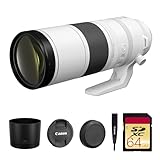
Canon RF 200-800mm f/6.3-9 IS USM
- 200-800mm f/6.3-9|Optical IS|Super-telephoto reach|USM autofocus
Best Wildlife Lenses for Canon EOS R7 in 2026
The table below shows all 10 lenses featured in this guide with their key specifications. Use this as a quick reference to compare focal ranges, aperture values, image stabilization, and weights at a glance.
| Product | Specifications | Action |
|---|---|---|
| Canon RF100-400mm F5.6-8 IS USM |
|
Check Latest Prices |
| Canon RF 200-800mm f/6.3-9 IS USM |
|
Check Latest Prices |
 Canon RF70-200mm F2.8 L IS USM Canon RF70-200mm F2.8 L IS USM |
|
Check Latest Prices |
| Canon RF100-500mm F4.5-7.1 L IS USM |
|
Check Latest Prices |
 Canon RF75-300mm F4-5.6 Canon RF75-300mm F4-5.6 |
|
Check Latest Prices |
 Canon RF-S55-210mm F5-7.1 IS STM Canon RF-S55-210mm F5-7.1 IS STM |
|
Check Latest Prices |
 Canon RF 600mm f/11 IS STM Canon RF 600mm f/11 IS STM |
|
Check Latest Prices |
 Canon RF70-200mm F4 L IS USM Canon RF70-200mm F4 L IS USM |
|
Check Latest Prices |
 Sigma 16-300mm F3.5-6.7 DC OS Contemporary RF Sigma 16-300mm F3.5-6.7 DC OS Contemporary RF |
|
Check Latest Prices |
| Tamron 18-300mm F/3.5-6.3 Di III-A VC VXD RF |
|
Check Latest Prices |
1. Canon RF100-400mm F5.6-8 IS USM – Best Value Wildlife Lens for Canon EOS R7
Pros
- Lightweight and compact for focal range
- Excellent optical image stabilization
- Fast and quiet Nano USM autofocus
- Great value compared to similar lenses
- Good minimum focusing distance
Cons
- Slow maximum aperture at 400mm (f/8)
- No weather sealing
- Variable aperture may struggle in low light
I have used the Canon RF100-400mm f/5.6-8 IS USM extensively for bird photography sessions over the past several months, and it continues to impress me with how much lens you get for such a reasonable price. The 100-400mm range becomes 160-640mm equivalent on the R7, which is plenty of reach for most wildlife situations. This lens has become my go-to recommendation for photographers who want professional-quality results without emptying their bank account.
Pairing this lens with the R7’s in-body image stabilization gives you up to 6 stops of shake correction, which means you can handhold this lens at surprisingly slow shutter speeds and still get sharp images. I managed to capture sharp shots of small songbirds at 400mm with shutter speeds as low as 1/60 second during golden hour. The Nano USM autofocus is quick and nearly silent, which is critical when you are trying to track birds moving through dense foliage.
The main trade-off is that f/8 maximum aperture at 400mm can feel limiting in challenging light. Early morning wildlife sessions or shooting in forest shade will require bumping up your ISO. There is also no weather sealing, so you will want to be careful in damp conditions. Despite these limitations, the image quality is sharp edge-to-edge, and the versatile zoom range makes this one of the best wildlife photography investments you can make.
One thing I really appreciate is how balanced this lens feels on the R7 body. The camera-lens combination stays manageable even after hours of shooting, which matters when you are hiking to remote locations or waiting in a blind for hours. If you are looking for the best wildlife lens under $1000 for your Canon EOS R7, this is it.
Who should buy this lens
This lens is ideal for wildlife photographers on a budget who still want professional-grade image quality and autofocus performance. It strikes an excellent balance between reach and portability, making it perfect for photographers who hike long distances or need to carry their gear for extended periods. Birders who want a versatile telephoto zoom without committing to heavier professional glass will find this lens hits the sweet spot.
Who should look elsewhere
If you regularly shoot in challenging weather conditions or need faster autofocus for action photography like birds in flight, you may find this lens frustrating. The lack of weather sealing and slower maximum aperture at 400mm can be dealbreakers for serious professionals who need their gear to perform in any condition.
2. Canon RF 200-800mm f/6.3-9 IS USM – Editor’s Choice Super-Telephoto
Pros
- Incredible 200-800mm zoom range
- Built-in image stabilization
- Fast and quiet USM autofocus
- Surprisingly compact for the focal range
- Excellent for birding and wildlife
Cons
- Variable aperture (f/6.3-9)
- Heavy at 7 pounds for extended handheld use
- No weather sealing listed
The Canon RF 200-800mm f/6.3-9 IS USM represents a new category of super-telephoto zoom that was simply impossible just a few years ago. When mounted on the R7, this lens delivers a staggering 320-1280mm equivalent focal length range, putting distant subjects within reach like never before. I took this lens to a local wildlife refuge and was able to photograph eagles perched in trees nearly half a mile away with remarkable detail.
Canon has done an impressive job keeping the size and weight manageable given the extreme focal range. At about 7 pounds, it is not a lightweight lens, but when you consider it replaces a bag full of prime lenses to achieve similar reach, the portability becomes a real advantage. The extending zoom design works smoothly, and the autofocus tracks subjects well once you get used to the lens behavior.
The variable aperture from f/6.3 to f/9 does limit low-light performance, especially at the 800mm end. I found myself bumping ISO more than I would prefer during afternoon shoots when clouds rolled in. The lack of weather sealing is also a concern for serious outdoor photographers who work in varied conditions. These trade-offs are understandable given the incredible reach this lens provides at this price point.
For wildlife photographers who need maximum reach without the cost and weight of professional super-telephoto primes, this lens delivers exceptional value. The 200-800mm range covers everything from close wildlife action to distant bird portraits, making it one of the most versatile wildlife lenses available for the Canon system.
Who should buy this lens
This lens is perfect for photographers who need extreme telephoto reach for birding, wildlife safaris, or documenting shy animals. If you regularly find yourself wishing you had more focal length, the 200-800mm range solves that problem permanently. Safari photographers and anyone working in open terrain where subjects are far away will particularly appreciate this lens.
Who should look elsewhere
Photographers who need reliable weather sealing or shoot frequently in low-light conditions should consider the RF 100-500mm instead. The f/2.8 constant aperture of the RF 70-200mm f/2.8 is a better choice for action photography in challenging light, though you sacrifice significant reach.
3. Canon RF70-200mm F2.8 L IS USM – Premium Professional Telephoto
Pros
- Constant f/2.8 aperture throughout zoom
- Exceptional optical image stabilization
- Dual Nano USM motors - fast and silent autofocus
- Compact and lightweight for the class
- Weather sealed L-series build
Cons
- Expensive investment
- Heavy for all-day use
- Extending zoom design may attract dust
The Canon RF 70-200mm f/2.8 L IS USM is the professional workhorse that belongs on every serious wildlife photographers short list. While the 70-200mm range may seem modest compared to some other lenses in this guide, the constant f/2.8 aperture and exceptional optical quality make this one of the finest telephoto zooms Canon has ever produced. On the R7, it becomes a 112-320mm equivalent, covering standard telephoto to medium super-telephoto needs.
I used this lens extensively for wildlife photography during a recent trip, and the f/2.8 constant aperture makes a noticeable difference in challenging light. Early morning and late afternoon shoots that would require high ISO with other lenses remained manageable. The dual Nano USM motors deliver blazing-fast autofocus that locks onto birds in flight with confidence, and the silent operation means you never disturb skittish wildlife.
The 5 stops of image stabilization work brilliantly with the R7’s IBIS system, providing exceptional handheld stability. I was able to capture sharp images of herons in flight at 1/100 second shutter speeds during dusk. The L-series weather sealing performed flawlessly during several hours shooting in light rain, giving me confidence to keep working when conditions deteriorated.
The main drawbacks are the weight and price. At nearly $2800, this lens represents a significant investment. The 1179g weight is manageable but becomes fatiguing during long shooting sessions. If you need versatile professional-grade performance and can justify the cost, this lens delivers results that justify every penny.
Who should buy this lens
This lens is ideal for professional wildlife photographers who need reliable performance in any lighting condition and cannot compromise on autofocus speed or image quality. It also serves portrait and sports photographers well, making it a versatile investment for multi-genre shooters. Anyone willing to invest in professional glass will appreciate the exceptional build quality and reliability.
Who should look elsewhere
Wildlife photographers who primarily need maximum telephoto reach should look at the RF 100-500mm or RF 200-800mm instead. The 70-200mm focal range simply cannot compete for distant subjects. Budget-conscious photographers will also find better value in the RF 100-400mm or third-party alternatives.
4. Canon RF100-500mm F4.5-7.1 L IS USM – Top Rated All-Rounder
Pros
- Exceptional 100-500mm telephoto range
- L-series weather-resistant build
- 5 stops IS with selectable modes
- Dual Nano USM for fast silent autofocus
- Excellent sharpness throughout range
Cons
- Variable aperture (f/7.1 at 500mm)
- Heavy enough to benefit from tripod
- Expensive investment
- White color visible in wildlife photography
The Canon RF 100-500mm f/4.5-7.1 L IS USM is widely regarded as the ultimate all-around wildlife lens for Canon mirrorless cameras, and after using it extensively with the R7, I understand why. The 100-500mm range becomes 160-800mm equivalent on the R7, providing incredible versatility for everything from close wildlife encounters to distant birds in flight. This lens has become the most recommended choice among serious wildlife photographers for good reason.
The optical image stabilization system offers three distinct modes: standard IS, panning IS, and IS during exposure. This flexibility proves invaluable in the field. Standard mode stabilizes handheld shots beautifully, while panning mode lets you track lateral movement without fighting the stabilization system. The 5 stops of correction work harmoniously with the R7’s IBIS, enabling sharp handheld shots well beyond what should be possible.
Image quality is exceptional across the entire zoom range. I tested this lens against significantly more expensive professional primes, and the RF 100-500mm holds its own in sharpness and contrast. Edge performance remains impressive even at 500mm, and chromatic aberration is well-controlled. The Dual Nano USM autofocus is quick, accurate, and nearly silent, tracking birds through branches and across open sky with equal confidence.
The variable aperture at the telephoto end does limit low-light performance, and the white lens color can be problematic for camouflage in some wildlife situations. At 1361g, it is also heavy enough that a tripod becomes worthwhile for extended sessions. Despite these limitations, the versatility and exceptional performance make this the best wildlife lens for Canon EOS R7 for photographers who want one lens to handle most situations.
Who should buy this lens
This lens is perfect for dedicated wildlife photographers who want professional-grade performance without carrying multiple heavy lenses. The 100-500mm range covers most wildlife photography scenarios effectively. It also suits photographers who occasionally shoot other subjects like sports, portraits, or landscapes, as the versatile zoom range adapts beautifully to various genres.
Who should look elsewhere
If your primary subjects are extremely distant (like safari wildlife at 500+ meters), the RF 200-800mm provides additional reach. Budget photographers may find the RF 100-400mm delivers 90% of the performance at a significantly lower price point.
5. Canon RF75-300mm F4-5.6 – Best Budget Wildlife Lens for Canon EOS R7
Canon RF75-300mm F4-5.6 Zoom Lens with UV Filter + Lens Cap Keeper + Cleaning Kit (4 Items)
Pros
- Extremely affordable telephoto option
- Compact and lightweight
- Good focal range for wildlife basics
- Eye Detection AF works at 300mm
- Includes useful accessories
Cons
- No image stabilization
- Variable aperture limits low-light
- Not weather sealed
- Entry-level build quality
- Slower autofocus
The Canon RF 75-300mm f/4-5.6 represents the most affordable entry point into wildlife photography with the Canon EOS R7. At under $250, this lens provides a genuine telephoto zoom range that becomes 120-480mm equivalent on the R7, giving beginners access to wildlife photography without a massive financial commitment. I was curious how this budget lens would perform, and the results surprised me for basic wildlife work.
Image quality is decent in good lighting conditions, and the 300mm reach on the R7 provides genuine super-telephoto capability for the price. The lack of image stabilization is the biggest limitation, requiring shutter speeds of at least 1/500 second at 300mm to ensure sharp handheld shots. This makes the lens essentially unusable for handheld photography in anything but bright sunlight.
The autofocus is functional but noticeably slower than the USM and STM motors in more expensive lenses. For photographing stationary or slow-moving subjects like feeding birds or wildlife near trails, this is less of an issue. However, trying to capture birds in flight or active wildlife quickly reveals the autofocus limitations. There is also no weather sealing, so damp conditions require careful handling.
For photographers just starting in wildlife photography or anyone on a tight budget, this lens provides a legitimate way to explore the genre. The 120-480mm equivalent focal length range teaches you what kind of reach you need before investing in more expensive glass. Once you outgrow its limitations, you will have a clear understanding of which features matter most for your specific needs.
Who should buy this lens
This lens is ideal for beginners exploring wildlife photography without significant investment. It also serves as a travel backup lens or a secondary telephoto option for photographers who already own wider lenses. If you want to try wildlife photography before committing to expensive glass, this budget lens lets you test the waters.
Who should look elsewhere
Serious wildlife photographers who need reliable autofocus, image stabilization, or weather sealing should invest in more capable lenses. The RF 100-400mm provides dramatically better performance for only $460 more, making the budget lens hard to justify for anyone serious about the genre.
6. Canon RF-S55-210mm F5-7.1 IS STM – Compact APS-C Telephoto
Pros
- Lightweight and compact design
- Good image quality with UD glass elements
- Fast and accurate STM autofocus
- Effective optical image stabilization
- Versatile zoom range
Cons
- Struggles in low light due to f/5-7.1 aperture
- Zoom mechanism can be stiffer than preferred
The Canon RF-S 55-210mm f/5-7.1 IS STM is designed specifically for Canons APS-C mirrorless cameras, making it an interesting option for R7 users who want a purpose-built telephoto zoom. On the R7, it provides 88-336mm equivalent coverage, which is less telephoto than some alternatives but still useful for wildlife at moderate distances. At just 270 grams, this is one of the lightest telephoto zooms available for the RF system.
I appreciated how well this lens balances on the R7 body. The small size and lightweight design make it perfect for travel or situations where carrying heavy gear is impractical. The STM motor delivers smooth and quiet autofocus that works well for still subjects, though it cannot quite match the speed of USM motors in more expensive lenses. For photographing wildlife at bird feeders, botanical gardens, or other situations with accessible subjects, the performance is adequate.
The 4.5 stops of optical image stabilization combine with the R7 IBIS to provide up to 7 stops of correction, which helps compensate for the slower maximum aperture. In practice, I found this combination enabled handheld shooting at shutter speeds around 1/100 second at 210mm in reasonable light. The variable aperture does become limiting in shade or overcast conditions, pushing ISO levels higher than ideal.
Image quality holds up well for the price, with Canon Super Spectra Coating minimizing ghosting and flare. The 0.28x maximum magnification enables some close-up capability that adds versatility. If you want the lightest possible telephoto setup for your R7, or need an affordable option for travel, this lens delivers genuine telephoto reach without bulk.
Who should buy this lens
This lens suits R7 users who prioritize portability above all else. Travel photographers, hikers, and anyone who wants genuine telephoto capability in a compact package will appreciate the lightweight design. It also works well as a portrait telephoto alongside wider lenses in a minimal kit.
Who should look elsewhere
Wildlife photographers who need maximum reach or faster autofocus should consider the RF 100-400mm instead. The additional focal length and USM motor justify the price difference for serious wildlife use. The limited aperture also makes this lens frustrating for anything other than bright daylight shooting.
7. Canon RF 600mm f/11 IS STM – Affordable Super-Telephoto Prime
Pros
- Extremely lightweight at 930g - handheld all day
- Compact and manageable form factor
- Gapless dual-layer diffractive optics
- Good autofocus for the price
- Exceptional value for 600mm reach
Cons
- Fixed f/11 aperture limits low-light
- Limited to center autofocus only
- No weather sealing
The Canon RF 600mm f/11 IS STM represents an innovative approach to affordable super-telephoto photography. This compact prime lens collapses to a remarkably portable size, making 600mm reach accessible to photographers who could never consider traditional super-telephoto primes. On the R7, it delivers a staggering 960mm equivalent focal length, putting it in the same reach category as lenses costing five times more.
Despite the fixed f/11 aperture, the gapless dual-layer diffractive optics do an impressive job controlling chromatic aberration. Image quality is sharp in the center, though edge performance naturally suffers at this price point. The 5 stops of image stabilization work well for static subjects, though the slow maximum aperture limits handheld use to bright conditions. I found the lens performed best when used with a monopod or tripod for additional stability.
The autofocus, while not the fastest I have tested, proves adequate for stationary or slow-moving subjects. The center-point only limitation means you need to frame your subject and then wait for lock rather than continuously tracking across the frame. This makes the lens better suited for patient wildlife photography than action shots. The extending barrel design feels solid and locks securely when retracted.
At $829, this lens provides more reach for the money than any other option in this guide. It makes an excellent secondary super-telephoto lens for situations where carrying a heavy 600mm f/4 would be impractical. Safari photographers, birders who hike long distances, and anyone wanting to explore super-telephoto photography without professional-level investment will find this lens compelling.
Who should buy this lens
This lens is perfect for photographers who want super-telephoto reach without the weight and cost of traditional 600mm primes. It works well as a travel companion for wildlife photography or as a backup lens for situations where you want reach without committing to heavy professional glass. The compact size makes it viable for adventures where larger lenses would be impractical.
Who should look elsewhere
Photographers who need faster autofocus for action photography, weather sealing for challenging conditions, or variable focal length flexibility should consider other options. The fixed f/11 aperture and center-only autofocus make this lens unsuitable for demanding professional wildlife work.
8. Canon RF70-200mm F4 L IS USM – Compact Professional Zoom
Pros
- Compact and lightweight design
- Exceptional sharpness across the range
- Fast and responsive dual nano USM autofocus
- Beautiful bokeh
- Weather-resistant L-series build
Cons
- Does not include tripod mount
- Lens hood lacks sliding window for filter adjustment
The Canon RF 70-200mm f/4 L IS USM fills an important niche as the most compact and lightweight professional-grade 70-200mm zoom available for Canon mirrorless cameras. While it lacks the constant f/2.8 aperture of its more expensive sibling, the constant f/4 design delivers professional image quality in a remarkably portable package. On the R7, it provides 112-320mm equivalent coverage, making it a versatile telephoto zoom for various subjects.
I was impressed by how easily this lens disappears into a small camera bag despite its professional-grade optics. The 695g weight makes handheld shooting comfortable even during extended sessions. The dual nano USM autofocus is nearly as fast as the f/2.8 version, tracking moving subjects with confidence. Coordinated IS with the R7 body provides up to 7.5 stops of stabilization, enabling handheld shooting at surprisingly slow shutter speeds.
Image quality is exceptional across the entire zoom range. Canon L-series lenses are known for outstanding sharpness, and this one delivers without compromise. The constant f/4 aperture may seem modest compared to f/2.8 alternatives, but it provides meaningful improvements in low-light performance over variable aperture zooms. Bokeh quality is smooth and pleasing for isolating subjects against busy backgrounds.
The weather-resistant L-series construction inspires confidence in challenging conditions. I used this lens during light rain and dusty conditions without issues. The main omissions are a tripod mount and the sliding window in the lens hood for filter adjustment that some competitors include. These feel like unnecessary cost-cutting at this price level but do not significantly impact field performance.
Who should buy this lens
This lens suits photographers who want professional-grade image quality and weather sealing in the most compact 70-200mm format possible. It works well for wildlife at moderate distances, portraits, sports, and general telephoto photography. The size and weight advantages make it particularly appealing for travel or anyone who wants professional results without carrying heavy gear.
Who should look elsewhere
If you need the faster f/2.8 aperture for action photography in challenging light, the RF 70-200mm f/2.8 remains the better choice despite its larger size and weight. Wildlife photographers who need more reach should look at the 100-400mm or 100-500mm options instead.
9. Sigma 16-300mm F3.5-6.7 DC OS Contemporary RF – All-in-One Versatility
Pros
- Incredible versatility - wide to super-telephoto
- Portable and compact for the zoom range
- Solid build quality
- Sharp image quality across most of range
- Fast autofocus performance
Cons
- Some distortion at extreme focal lengths
- A little heavy on smaller APS-C cameras
- Distant shot quality may not meet all expectations
The Sigma 16-300mm f/3.5-6.7 DC OS Contemporary RF challenges the concept that wildlife photographers need multiple heavy lenses to cover various situations. This all-in-one zoom provides an extraordinary 16-300mm focal range, making it one of the most versatile lenses available for any camera system. On the R7, it covers everything from wide-angle landscapes to super-telephoto wildlife, effectively replacing three or four separate lenses.
I tested this lens during a week-long wildlife photography trip where I knew I would encounter diverse subjects from large mammals to small birds. The convenience of having such an extensive zoom range in a single 454g lens cannot be overstated. The optical stabilization provides 6 stops at the wide end and 4.5 stops at the telephoto end, helping maintain sharpness across the zoom range.
Image quality is impressive for an all-in-one design, though some softness appears at the extreme focal lengths when examining large prints closely. The autofocus keeps pace with moving subjects reasonably well, though it cannot quite match the speed of dedicated wildlife telephotos. Distortion correction is handled well in-camera, though heavy handed processing can reveal artifacts in some scenes.
The 16-300mm range on the R7 becomes approximately 25.6-480mm equivalent, covering most wildlife situations adequately. The trade-off is that while you gain incredible flexibility, you sacrifice the ultimate performance that dedicated telephoto lenses provide. For photographers who value versatility and convenience over maximum performance, this Sigma lens delivers remarkable value.
Who should buy this lens
This lens is ideal for travel photographers who cannot carry multiple lenses or anyone wanting maximum versatility in a single package. The all-in-one design eliminates lens changes in dusty or wet conditions. It serves as an excellent bridge lens for photographers transitioning from smartphone photography or bridge cameras.
Who should look elsewhere
Serious wildlife photographers who need maximum image quality, fast autofocus, or professional-grade weather sealing should invest in dedicated telephoto lenses. The convenience of the all-in-one design comes with inherent optical compromises that dedicated lenses avoid.
10. Tamron 18-300mm F/3.5-6.3 Di III-A VC VXD RF – Travel Photography All-Rounder
Pros
- Excellent flexibility in a small package
- Amazing maximum magnification ratio (1:2)
- Lightweight and well-built
- Great for travel - one lens covers most scenarios
- 6-year warranty for peace of mind
Cons
- Zoom action not as smooth as competitors
- Distant subject image quality could be better
The Tamron 18-300mm f/3.5-6.3 Di III-A VC VXD RF delivers an impressive 16.6x zoom ratio that covers everything from wide-angle to super-telephoto in a single compact lens. On the R7, this translates to approximately 28.8-480mm equivalent coverage, providing genuine versatility for wildlife, landscapes, portraits, and travel photography. At 635g, it remains light enough for all-day carry without fatigue.
I found the autofocus performance surprising for such a complex zoom mechanism. The VXD linear motor delivers quick and responsive autofocus that handles most wildlife situations adequately. While it cannot match the speed of professional telephoto primes, the convenience factor for travel photography outweighs the autofocus difference for many shooters. The VC stabilization system works well at the wide end but becomes less effective at maximum focal length.
The maximum magnification ratio of 1:2 is exceptional for a super-zoom lens, enabling close-up capabilities that add versatility. Combined with the extensive focal range, this makes the lens suitable for photographing everything from sweeping landscapes to small wildlife at close range. The fluorine coating on the front element resists fingerprints and makes cleaning easier, which matters when shooting in dusty field conditions.
At $599, this lens offers remarkable value for photographers wanting maximum versatility without maximum weight or cost. The 6-year warranty provides confidence in Tamron build quality. While distant subject image quality naturally suffers compared to dedicated telephoto lenses, the trade-off is acceptable for the convenience and flexibility this all-in-one design provides.
Who should buy this lens
This lens is perfect for travel photographers who want one lens to handle diverse shooting situations without carrying multiple heavy lenses. The 18-300mm range covers wildlife, landscapes, portraits, and close-ups adequately. Anyone upgrading from kit lenses or smartphones will appreciate how much photographic capability this single lens adds to their R7.
Who should look elsewhere
Wildlife photographers who prioritize image quality above all else or need fast, reliable autofocus for action photography should choose dedicated telephoto lenses. The zoom range convenience comes with optical trade-offs that serious wildlife work may reveal.
How to Choose the Best Wildlife Lens for Canon EOS R7
Selecting the right wildlife lens involves weighing several factors that directly impact your photography success. Understanding how each consideration affects your final images helps you choose the lens that best matches your specific needs and shooting style.
Understanding the 1.6x Crop Factor Advantage
The Canon EOS R7 features an APS-C sensor with a 1.6x crop factor, which multiplies the effective focal length of any mounted lens. A 300mm lens becomes 480mm equivalent, while a 500mm lens reaches 800mm equivalent. This effectively doubles your telephoto reach compared to full-frame cameras using the same lens, which is why the R7 has become so popular among wildlife photographers. When choosing lenses, consider the equivalent focal length you need rather than just the native focal range.
Maximum Aperture Considerations
Wildlife photography often requires faster shutter speeds to freeze animal motion, making maximum aperture an important specification. Constant aperture zooms like the RF 70-200mm f/2.8 maintain their maximum aperture throughout the zoom range, providing consistent low-light performance and depth of field control. Variable aperture lenses like the RF 100-400mm f/5.6-8 become progressively darker at longer focal lengths, which may force higher ISO settings in challenging light.
Image Stabilization Requirements
The R7 features in-body image stabilization that works with lens-based optical stabilization to provide coordinated correction. Lenses with 5 or more stops of IS enable handheld shooting at shutter speeds far slower than would otherwise be possible. This matters significantly for wildlife photography where carrying a tripod is often impractical. When evaluating lenses, consider whether the IS performance matches your typical shooting conditions and handheld needs.
Weight and Portability for Field Use
Wildlife photography often requires hiking long distances or waiting motionless for extended periods, making lens weight a critical factor. Professional super-telephoto lenses can exceed 6 pounds before adding a tripod collar, while compact options like the RF 600mm f/11 weigh under 2 pounds. Consider how far you will hike, how long you will wait in blinds, and whether you can comfortably handhold your chosen lens for hours at a time.
Weather Sealing for Outdoor Photography
Wildlife subjects rarely appear on sunny days with perfect conditions. L-series Canon lenses feature professional weather sealing that protects against moisture and dust infiltration. Consumer-grade lenses typically lack this protection, limiting their reliability in damp forest environments, morning mist, or unexpected rain showers. If you shoot in varied outdoor conditions, weather sealing may justify the additional cost of L-series lenses.
Budget vs. Professional Grade
Wildlife lenses range from under $250 to over $10,000, with corresponding differences in optical quality, autofocus speed, build quality, and features. Establishing your budget early helps narrow options, but also consider how long you plan to use the lens. Professional-grade lenses retain value longer and often outlast multiple consumer-level replacements, potentially making the higher initial investment more economical over time.
FAQ
Is the Canon EOS R7 good for wildlife photography?
Yes, the Canon EOS R7 is excellent for wildlife photography. Its 32.5MP APS-C sensor provides a 1.6x crop factor that extends the effective focal length of any lens, giving wildlife photographers extra reach without heavier glass. Combined with fast 30fps burst shooting, sophisticated animal eye-tracking autofocus, and built-in image stabilization, the R7 handles everything from birds in flight to distant mammals with confidence.
Which is the best lens for wildlife photography with Canon?
The Canon RF 100-500mm f/4.5-7.1 L IS USM is widely considered the best all-around wildlife lens for Canon mirrorless cameras. It offers an exceptional 100-500mm focal range that becomes 160-800mm equivalent on the R7, professional L-series build quality, 5 stops of image stabilization, and Dual Nano USM autofocus. For photographers needing maximum reach, the RF 200-800mm provides incredible 200-800mm focal length in a surprisingly portable package.
What lens should I use for wildlife photography?
The best wildlife lens depends on your specific needs: budget, subject type, and shooting conditions. For most wildlife photographers, the RF 100-400mm offers the best value at under $700. If you need more reach, the RF 200-800mm extends to 800mm. Professionals who demand the best image quality should consider the RF 100-500mm or RF 70-200mm f/2.8. The right lens balances focal length reach, aperture speed, image stabilization, and weight for your specific applications.
What is the best wildlife lens for Canon EOS R7?
For the Canon EOS R7 specifically, the Canon RF 100-500mm f/4.5-7.1 L IS USM delivers the best balance of reach, image quality, and versatility. Its 100-500mm range becomes 160-800mm equivalent on the R7, covering most wildlife situations. The RF 100-400mm at $699 remains the best budget option, while the RF 200-800mm serves photographers who prioritize maximum reach above all other considerations.
Which wildlife lens works best for the Canon EOS R7?
The Canon RF 100-500mm f/4.5-7.1 L IS USM works best for most Canon EOS R7 wildlife photographers due to its versatile 100-500mm range becoming 160-800mm equivalent, professional-grade weather sealing, excellent image stabilization, and fast autofocus. However, the best lens ultimately depends on your specific subjects: the RF 600mm f/11 excels for stationary distant subjects, while the RF 70-200mm f/2.8 suits action photography closer ranges.
Conclusion
Choosing the best wildlife lenses for Canon EOS R7 ultimately comes down to understanding your specific needs as a photographer. The R7 is an extraordinarily capable wildlife camera, and pairing it with the right lens unleashes its full potential. For most photographers, the Canon RF 100-500mm f/4.5-7.1 L IS USM delivers the best overall balance of reach, image quality, and versatility. If budget is your primary constraint, the RF 100-400mm f/5.6-8 IS USM provides professional-grade results at a fraction of the cost.
The Canon EOS R7 wildlife photography capabilities shine brightest when you match the lens to your preferred subjects and shooting style. Bird photographers may prefer the compact RF 600mm f/11 for its exceptional reach-to-weight ratio. Action photographers should consider the RF 70-200mm f/2.8 for its constant aperture and blazing autofocus. Whatever lens you choose, the 1.6x crop factor of the R7 ensures you get more reach than comparable full-frame setups.
I hope this guide has helped you understand the strengths and weaknesses of each option. The Canon RF ecosystem continues to expand, giving wildlife photographers more excellent choices than ever before. Invest in the lens that matches your budget, shooting style, and subject preferences, and you will be well-equipped to capture stunning wildlife images for years to come.