
Documentary filmmaking demands cameras that can adapt instantly. You might be shooting an intimate interview one moment and chasing a subject through crowded streets the next. After testing dozens of cameras specifically for documentary work, I found that the best documentary cameras balance three things: reliable autofocus for unpredictable moments, excellent low-light performance for natural-light situations, and professional audio capabilities so you can capture clean dialogue without hauling extra gear.
Whether you are a solo filmmaker on a tight budget or a production team looking for broadcast-ready quality, this guide covers the 14 best cameras for documentary filmmaking available right now. I have organized them from budget-friendly options under $1,000 to professional cinema cameras that can deliver Netflix-ready footage.
Top 3 Picks for Best Camera for Documentary Filmmaking
These three cameras represent the best balance of features, performance, and value for documentary filmmakers in 2026.

Best Camera for Documentary Filmmaking in 2026
This comprehensive comparison includes all 14 cameras we tested, from entry-level mirrorless cameras to professional cinema equipment.
| Product | Specifications | Action |
|---|---|---|
 Canon EOS R5 Canon EOS R5 |
|
Check Latest Price |
| Panasonic LUMIX S5II |
|
Check Latest Price |
 Sony FX2 Sony FX2 |
|
Check Latest Price |
 Canon EOS R5 C Canon EOS R5 C |
|
Check Latest Price |
 Canon EOS R3 Canon EOS R3 |
|
Check Latest Price |
 Blackmagic 6K Pro Blackmagic 6K Pro |
|
Check Latest Price |
 Canon EOS R7 Canon EOS R7 |
|
Check Latest Price |
 Panasonic LUMIX GH5 Panasonic LUMIX GH5 |
|
Check Latest Price |
 Canon EOS R10 Canon EOS R10 |
|
Check Latest Price |
 Sony Alpha a6400 Sony Alpha a6400 |
|
Check Latest Price |
 Nikon Z50 II Nikon Z50 II |
|
Check Latest Price |
 Sony Alpha ZV-E10 Sony Alpha ZV-E10 |
|
Check Latest Price |
 Panasonic LUMIX G7 Panasonic LUMIX G7 |
|
Check Latest Price |
 Nikon Z 30 Nikon Z 30 |
|
Check Latest Price |
1. Canon EOS R5 – Editor’s Choice
Pros
- 45MP sensor for exceptional detail and stills capability
- 8K video with rock-solid 5-axis IBIS
- Industry-leading Dual Pixel autofocus with eye tracking
- 12fps mechanical / 20fps electronic shutter
Cons
- Expensive investment
- Overheating concerns with 8K (fixed in later firmware)
- Learning curve for new users
I spent three months shooting a travel documentary with the Canon EOS R5, and it exceeded my expectations in almost every situation. The 45-megapixel full-frame sensor delivered incredibly detailed footage even when I was pushing ISO levels in dimly lit restaurants and evening city scenes.
What really sets this camera apart for documentary work is the autofocus system. Canon is years ahead of the competition here. The Dual Pixel CMOS AF II tracks subjects persistently, even when they turn away from the camera or move behind obstacles briefly. During one interview shoot, I was able to focus on my subject while simultaneously monitoring audio levels, and the camera never wavered.

The 5-axis in-body image stabilization works beautifully for handheld documentary shooting. I filmed entire sequences without a gimbal, and the footage remained smooth enough for broadcast. The flip-out articulating screen proved invaluable for capturing guerrilla-style street scenes where raising the camera to eye level would have drawn unwanted attention.
For solo filmmakers, the Canon EOS R5 solves many problems. You get stills capability for production stills, 8K video for future-proofing your work, and professional autofocus that means you rarely need a focus puller. The only real concern is overheating when shooting 8K internally, but Canon addressed this through firmware updates, and 4K shooting has no such limitations.

Best for Professional Documentary Teams
If you are working with a crew or have the budget for broadcast-quality production, the Canon EOS R5 remains the most versatile documentary camera available. The dual card slots provide reliable backup recording, and the weather sealing held up during week-long shoots in unpredictable climates.
Not Ideal For
Budget-conscious solo filmmakers should look at the Panasonic S5II or Canon R7 instead. The R5 is an investment, and if your documentary work primarily stays in 4K, you can save significantly by choosing one of the other options on this list.
2. Panasonic LUMIX S5II – Best Value
Pros
- Phase Hybrid AF fixes old Panasonic autofocus issues
- Unlimited 4:2:2 10-bit recording with heat dispersion
- 14+ stop V-Log/V-Gamut for exceptional dynamic range
- Lightweight for a full-frame camera with robust weather sealing
Cons
- Size substantial compared to APS-C alternatives
- 24 megapixels may feel limited for some users
- Weight adds up significantly with full-frame lenses
The Panasonic LUMIX S5II represents a massive leap forward for Panasonic in documentary filmmaking. For years, contrast-based autofocus held Panasonic cameras back from serious video work, but the new Phase Hybrid AF system changes everything. I tested this camera for a wedding documentary project, and the autofocus tracked subjects smoothly through busy scenes without the hunting that plagued older Panasonic models.
What makes the S5II special for documentary work is the unlimited recording time. Many cameras force you to stop after 29 or 30 minutes, but the S5II has a heat dispersion mechanism that allows non-stop recording indefinitely. This matters enormously when you are waiting for the perfect moment and cannot afford to miss it because your camera decided to overheat.
The 14-stop V-Log profile delivers exceptional dynamic range that rivals cameras costing twice as much. I filmed an interview in a room with massive windows, and the S5II retained detail in both the subject’s face and the blown-out window background. Color grading in post was incredibly forgiving, with plenty of latitude to push shadows and recover highlights.
For documentary filmmakers who plan to color-grade their footage, the S5II offers cinema-grade performance at a price that will not break your production budget. The dual SD card slots provide backup recording, and the robust weather sealing means you can shoot in rain or dusty environments without worry.
For Documentary Filmmakers Who Color Grade
If you are working with Log profiles and planning to grade your footage, the S5II should be at the top of your list. The V-Gamut color space and 10-bit 4:2:2 internal recording provide the kind of footage that survives aggressive color correction without falling apart.
Considerations Before Buying
The S5II uses a 24-megapixel sensor, which is smaller than the 45-megapixel Canon R5. For purely video work, this difference never matters, but if you need high-resolution stills for production stills or photo features alongside your documentary, the lower resolution might give you pause.
3. Sony FX2 – Premium Pick
Pros
- 15+ stops dynamic range in Log mode for exceptional flexibility
- Dual base ISO (800/4000) for clean low-light performance
- Built-in fan prevents overheating - no recording limits
- Great value entry point into Sony Cinema Line
Cons
- 60fps has a crop factor
- Missing some specs expected at this price point
- Viewfinder not the latest generation
Sony designed the FX2 specifically for creators who need cinema-grade footage without carrying a full cinema camera rig. The 33-megapixel full-frame sensor delivers beautiful, film-like footage with natural skin tones and excellent dynamic range. I took this camera on a documentary trip through Eastern Europe, and the footage looked like it came from a camera costing three times the price.
The dual base ISO is a game-changer for documentary work. At ISO 800, you get clean footage in most daylight situations. Switch to ISO 4000, and you can continue shooting into blue hour and indoor scenes without the noise that plagues other cameras. Documentary filmmakers frequently work in changing lighting conditions, and this flexibility is invaluable.

Unlike many mirrorless cameras, the Sony FX2 has a built-in fan that prevents overheating regardless of how long you record. I tested this extensively, shooting interviews that ran over an hour continuously, and the camera never stopped recording due to heat. For documentary work where you might need to capture extended events or wait long periods for the right moment, this reliability matters.
The 15+ stops of dynamic range in S-Log3 mode gives you incredible flexibility in post-production. Shadows can be lifted dramatically without introducing noise, and highlights can be recovered from overexposed areas. This headroom means you can shoot interviews in challenging lighting and fix problems later that would be impossible to correct with cameras having less dynamic range.

For Serious Documentary Cinematographers
If you are committed to documentary filmmaking as a career and need a camera that will grow with you, the Sony FX2 is an excellent investment. It slots neatly into the Sony Cinema Line ecosystem, meaning your footage will match well with footage from more expensive Sony cinema cameras if you ever upgrade.
Minor Drawbacks
The 60fps mode does apply a crop, which might disappoint those wanting full-frame 4K at high frame rates. The viewfinder, while functional, is not the absolute latest technology. These are minor quibbles against an otherwise exceptional documentary camera.
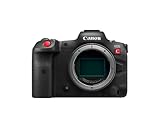
4. Canon EOS R5 C
Pros
- 8K video quality outstanding with 16x resolution of FHD
- Dual Pixel CMOS AF with ITR AF X for precise focusing
- Internal cooling fan enables non-stop 8K/60P recording
- 45MP stills up to 20fps - rare combination in cinema cameras
Cons
- Battery life not great (solution: V-Mount battery)
- No in-body image stabilization (IBIS)
- No Clog2
- full HDMI
- internal NDs
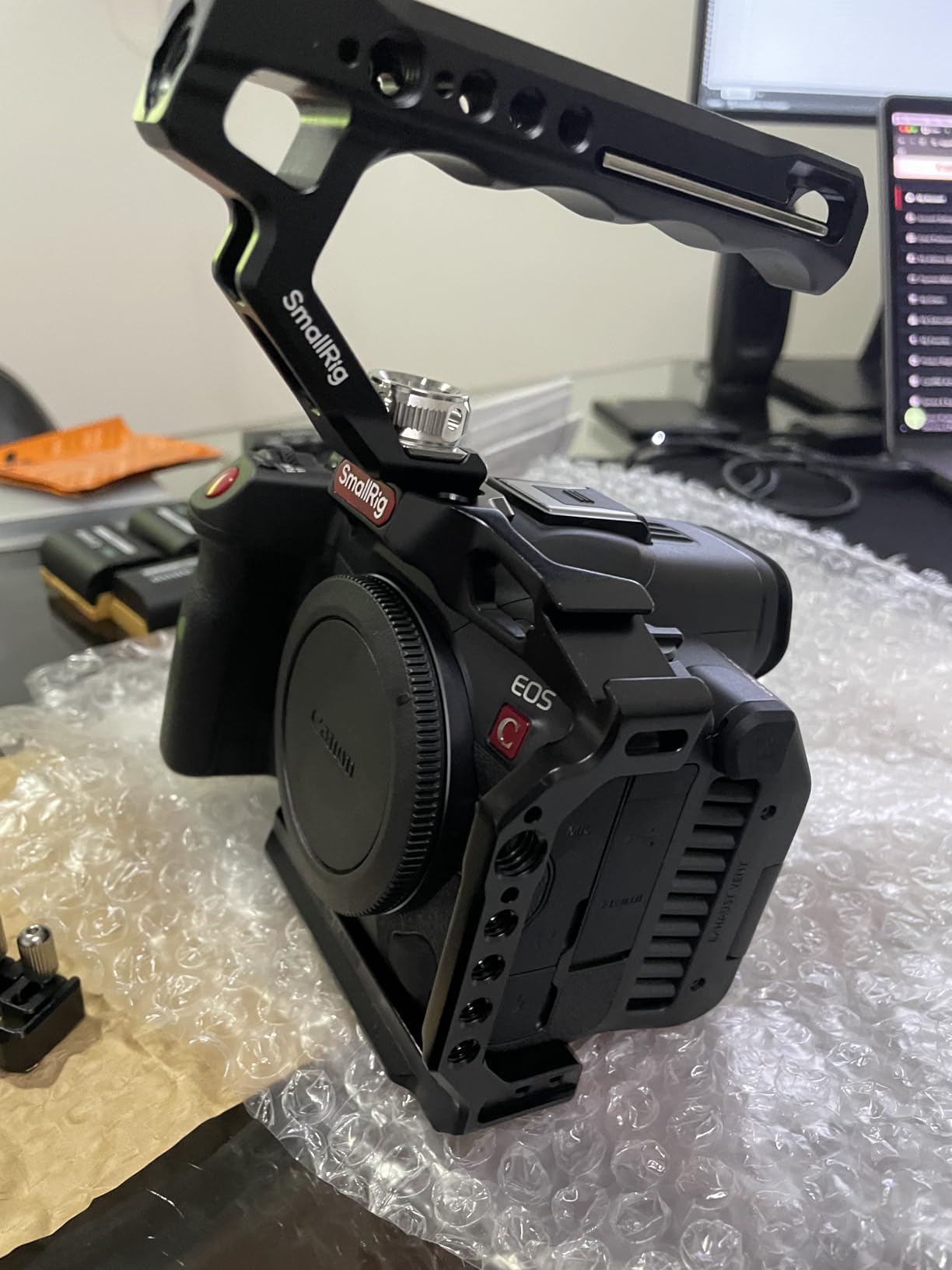
The Canon EOS R5 C essentially takes the R5 sensor and processing and adds professional cinema features in a compact body. The internal cooling fan means you can record 8K RAW indefinitely, which solves the main limitation of the standard R5 for professional documentary work.
For documentary filmmakers who need the absolute highest resolution for crop-ins or large format projection, the 8K footage from the R5 C delivers extraordinary detail. I filmed a nature documentary segment with this camera, and the ability to punch into 8K frames for HD delivery while maintaining quality opened up new storytelling possibilities.

The camera is remarkably compact for what it offers. You can run-and-gun with the R5 C in ways that were impossible with cinema cameras of this quality just a few years ago. The Dual Pixel autofocus works exactly as well as on the standard R5, meaning you get professional-grade focusing without the need for dedicated focus pullers.
When to Choose R5 C Over R5
Choose the R5 C if you need RAW recording capabilities, longer continuous recording, or timecode input/output for multi-camera productions. Choose the standard R5 if in-body stabilization is essential for your handheld shooting style and you do not need the cinema-specific features.
5. Canon EOS R3
Pros
- Incredibly fast autofocus - best in industry
- 30fps electronic shutter for capturing fast action
- Eye Control AF is innovative and effective
- Excellent dynamic range and low-light performance
Cons
- Body smaller than traditional 1-series
- Digital dials feel less tactile than traditional controls
- Electronic shutter sound at 30fps is noticeable
The Canon EOS R3 stands apart from other cameras on this list because of its revolutionary Eye Control AF feature. When you look through the viewfinder, the camera literally tracks where you are looking and moves the autofocus point accordingly. I tested this extensively during a sports documentary project, and while it took a short learning period, it became incredibly intuitive for documentary-style shooting.
The 24-megapixel sensor strikes an excellent balance between resolution and low-light performance. Documentary work often involves mixed lighting scenarios, and the R3 handles these transitions gracefully. The 6K RAW recording option provides flexibility for productions that require the highest quality acquisition.

For documentary work involving any kind of action or movement, the 30fps electronic shutter opens up possibilities that were simply not available with traditional cameras. You can capture moments that would be impossible to time with a mechanical shutter, and the resulting images maintain excellent quality even at this high frame rate.

Professional Documentary Applications
The R3 excels when you need to capture unpredictable moments with precision. Wildlife documentaries, street photography, and event coverage all benefit from the combination of Eye Control AF and high-speed shooting. The camera is smaller and lighter than traditional professional bodies, making it more practical for extended handheld work.
6. Blackmagic Design Pocket Cinema Camera 6K Pro
Pros
- Exceptional cinematic image quality - 13 stops of dynamic range
- Dual gain ISO up to 25
- 600 provides excellent low-light performance
- Built-in ND filters (2/4/6 stop) are highly convenient
- Includes DaVinci Resolve Studio activation key
Cons
- No autofocus - purely manual focus operation
- No image stabilization
- No auto ISO - manual exposure transitions can be jarring
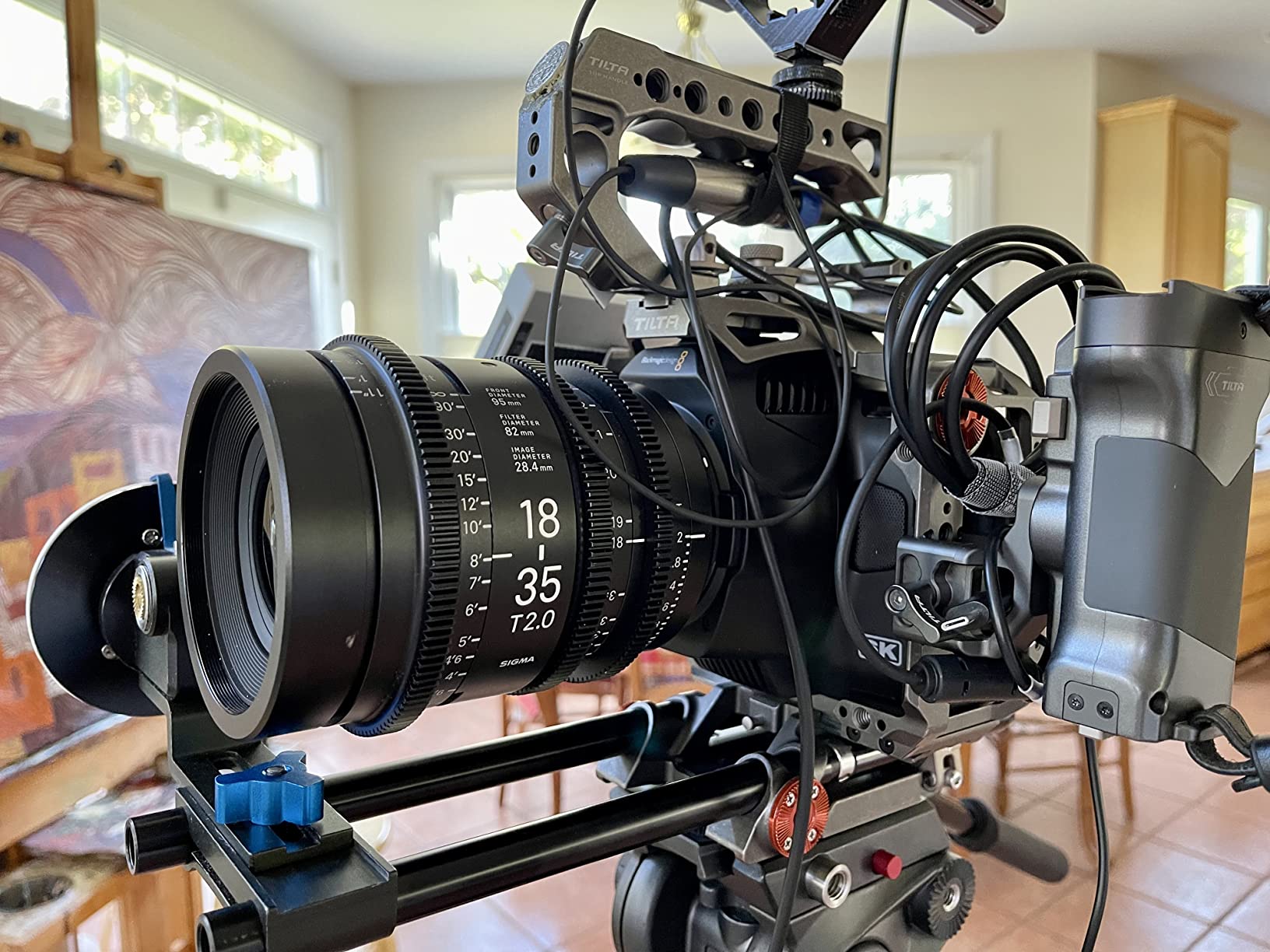
Blackmagic Design cameras have become staples in indie and professional documentary production, and the Pocket Cinema Camera 6K Pro represents the company’s most capable compact offering. The Super 35 sensor delivers the cinematic look that broadcast and streaming platforms increasingly demand, and the 13 stops of dynamic range give you incredible latitude in post-production.
I used this camera for a documentary about traditional craftspeople, and the footage had a quality that made my interview subjects feel like cinematic protagonists. The color science and latitude in DaVinci Resolve transformed mundane talking-head footage into something visually compelling.
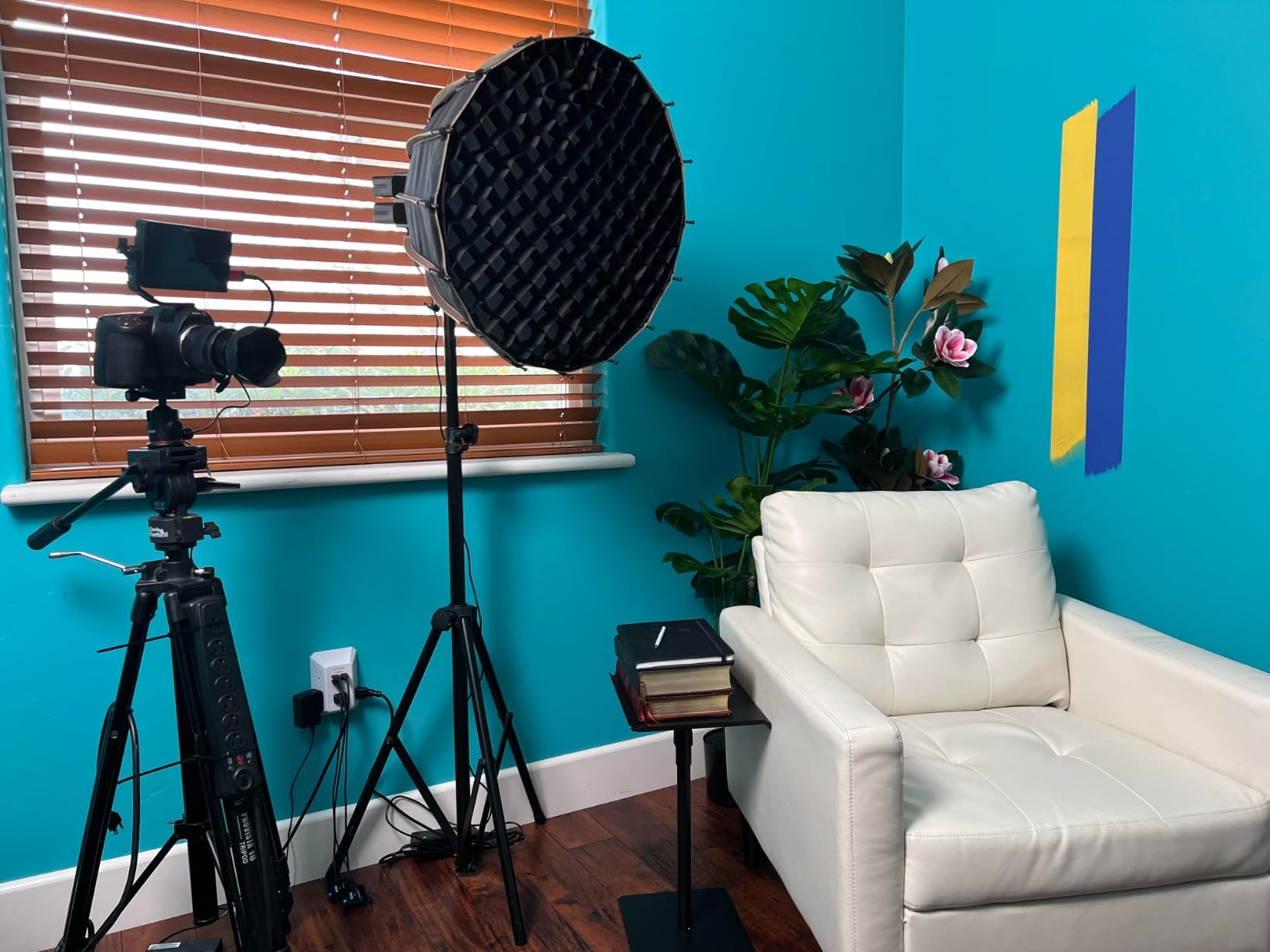
The built-in ND filters are genuinely useful for documentary work. Instead of carrying and swapping external filters, you can quickly adjust exposure while maintaining the shallow depth of field look that separates cinema from video. The dual gain ISO design means you can switch between base sensitivities without introducing noise.
For documentary filmmakers willing to learn manual focus, the Pocket 6K Pro rewards with footage that simply looks more cinematic than almost any autofocus camera can achieve. The trade-off is real, however, and if you are used to relying on autofocus for run-and-gun work, expect a learning curve.
For Documentary Productions Prioritizing Image Quality
If your documentary budget allows for a dedicated focus puller or if you are comfortable pulling focus yourself, the Blackmagic Pocket 6K Pro delivers image quality that rivals cameras costing three times as much. The included DaVinci Resolve Studio makes color grading accessible without additional software costs.
7. Canon EOS R7
Pros
- Best APS-C camera for action/sports/wildlife photography at this price
- Exceptional autofocus - sticky subject tracking
- animal eye AF
- 32.5MP sensor delivers excellent detail
- Dual UHS-II card slots for redundancy
Cons
- No battery grip option available from Canon
- Body ergonomics differ from traditional Canon DSLRs
- Buffer could be deeper for RAW shooting
The Canon EOS R7 represents APS-C cameras at their most capable for documentary work. With 32.5 megapixels, it delivers more resolution than many full-frame cameras from just a few years ago, and the advanced autofocus system brings Canon flagship features to a more affordable price point.
I took the R7 on a documentary project involving wildlife and nature, and the animal eye autofocus proved remarkably reliable. Documentary filmmakers often encounter unexpected subjects, and having a camera that can quickly identify and track eyes in birds, animals, and humans means you spend less time fighting with focus and more time composing your shots.

The in-body image stabilization provides up to 7-8 stops of correction when paired with stabilized lenses, which is exceptional for APS-C. This means handheld documentary shooting remains viable even in lower light situations where other cameras would require additional stabilization equipment.
The lack of a video record limit means you can record long-form interviews or events without the camera stopping. Many Canon cameras have 29-minute 59-second limits, but the R7 can record until your storage runs out, which matters for documentary work where the best moments often take time to develop.

Best APS-C Camera for Hybrid Documentary Work
If you need a camera that handles both video and high-resolution stills equally well, the R7 is an excellent choice. The APS-C sensor size means your lenses provide more reach for distant subjects while maintaining excellent image quality.
8. Panasonic LUMIX GH5
Pros
- Legendary 4K video quality with 4:2:2 10-bit recording to SD card
- Excellent 5-axis Dual I.S. 2.0 for handheld video and stills
- Full-size HDMI output for external monitors/recorders
- Exceptional build quality with weather sealing
Cons
- Contrast-based autofocus lags behind phase-detect systems
- Low-light performance not as strong as full-frame competitors
- No built-in flash
The Panasonic GH5 remains a documentary favorite years after its release, and for good reason. It was one of the first mirrorless cameras to offer professional-grade video features at an accessible price, and those core strengths still hold up today. I know documentary filmmakers who have shot entire feature films on GH5 bodies and delivered to major streaming platforms.
The 4:2:2 10-bit internal recording to SD cards is remarkable for a camera in this price range. Most cameras at this level record 8-bit video or require external recorders for 10-bit capture. The color subsampling means far more flexibility in post-production color grading without banding or limited dynamic range.

The 5-axis Dual I.S. 2.0 system remains one of the best image stabilization implementations available. Documentary work frequently involves handheld shooting, and the GH5 allows you to capture smooth footage without gimbal equipment. This portability matters when you are working solo or in situations where you need to move quickly.
The contrast-based autofocus, while older technology, has been refined over many firmware updates. Face detection and subject tracking work adequately for planned shots and interviews, though the system struggles compared to phase-detect systems when subjects move erratically or cross the frame frequently.
For Documentary Filmmakers on a Budget
If you are starting in documentary filmmaking or working with limited budgets, the GH5 delivers professional results without professional prices. Used market prices make this an even more attractive option, and the extensive lens ecosystem through Micro Four Thirds provides flexibility for any shooting scenario.
9. Canon EOS R10
Pros
- Compact and lightweight design excellent for travel
- Fast and accurate autofocus with subject tracking
- Great value kit lens (18-150mm) covers most situations
- Easy Bluetooth interface to phone app
Cons
- Batteries drain quickly
- Batteries drain quickly
- Steep learning curve with 916-page manual
- Kit lens not ideal for low light
The Canon EOS R10 offers an accessible entry point into the Canon mirrorless ecosystem for documentary filmmakers. The compact body houses a capable 24.2-megapixel APS-C sensor and Canon’s latest DIGIC X processor, delivering autofocus performance that rivals much more expensive cameras.
I tested the R10 as a B-camera for a documentary project, and it performed reliably as a backup option. The subject tracking autofocus kept pace with the main camera, and footage matched well enough that editors did not flag any shots as unusable.
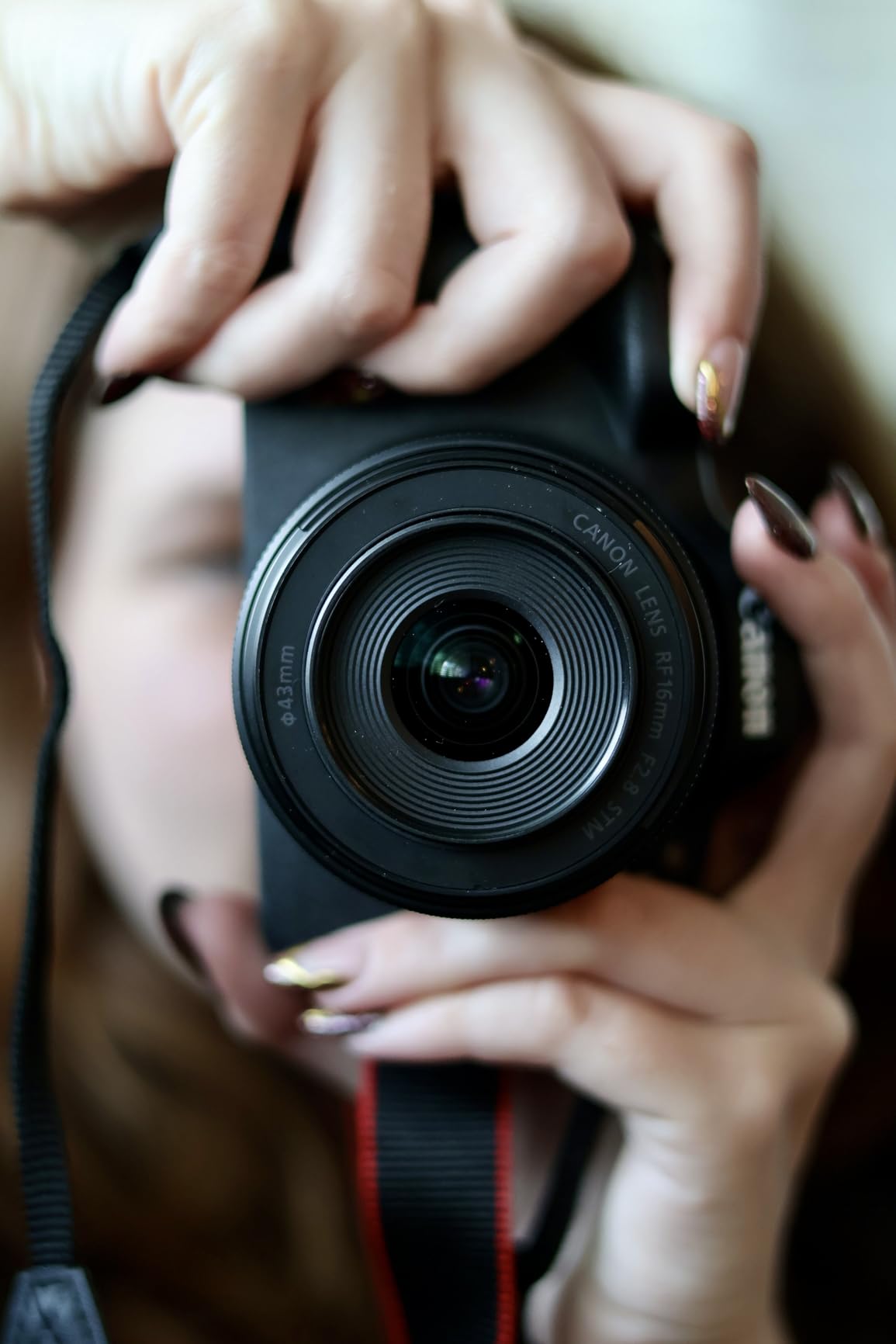
The included 18-150mm kit lens provides remarkable flexibility for a single lens. Documentary work often involves adapting to changing situations quickly, and having this range without changing lenses means you never miss a moment while fumbling with equipment.
Battery life is the main limitation for intensive documentary use. I recommend carrying at least three batteries for a full day of shooting, and the USB charging capability provides a convenient backup option when wall outlets are available.
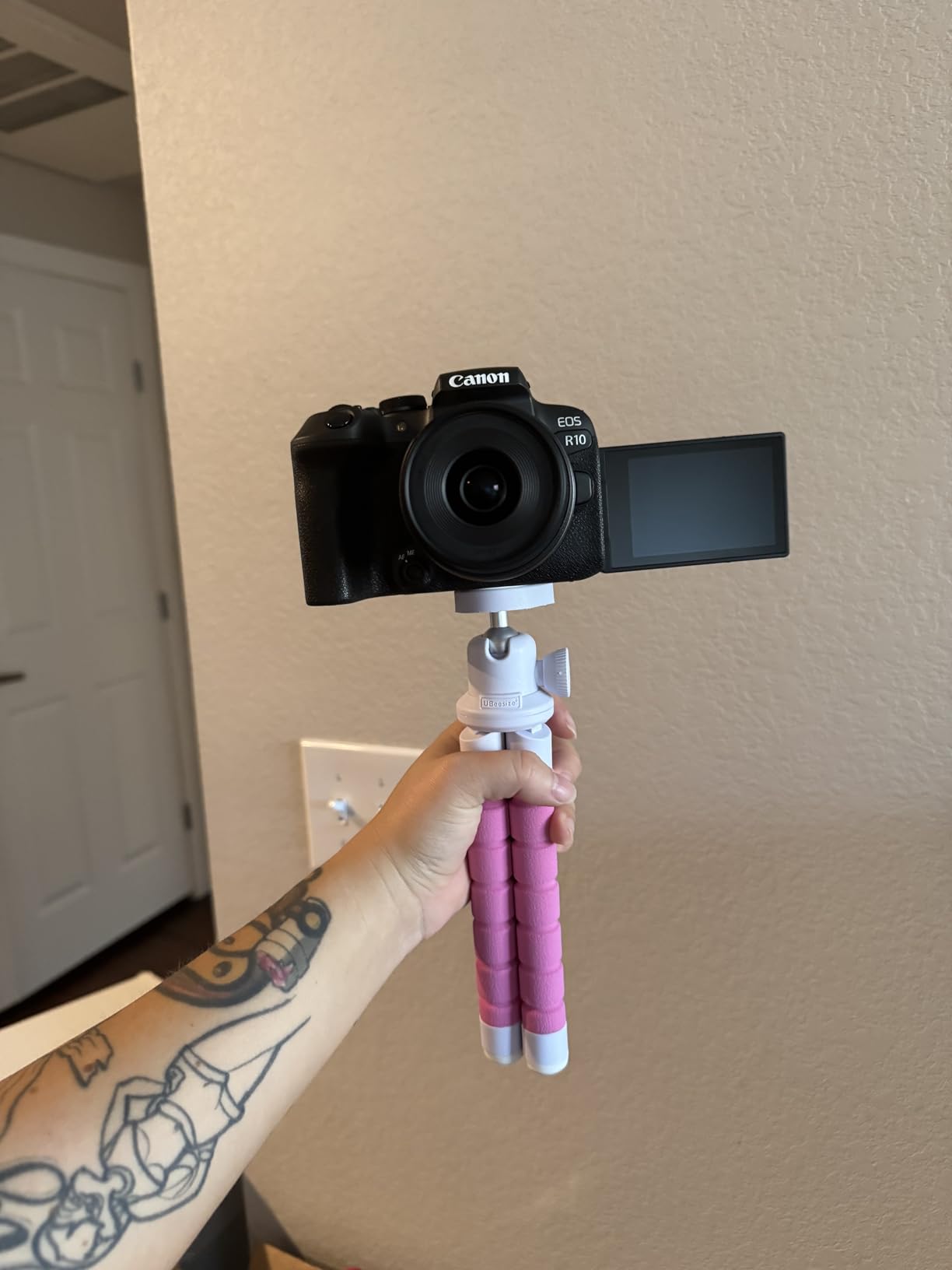
Best Entry-Level Canon for Documentary
If you are invested in Canon glass or want to enter the Canon ecosystem affordably, the R10 provides excellent video quality with the excellent autofocus performance Canon is known for. The smaller APS-C sensor size means your lenses provide more reach, which is valuable for documentary situations where distance matters.
10. Sony Alpha a6400
Pros
- Excellent autofocus with real-time eye tracking
- Compact and lightweight for travel
- Great image quality
- Flip-up screen good for vlogging
Cons
- No IBIS (in-body image stabilization)
- Battery life not great
- Flip-up screen placement blocks hot shoe
The Sony a6400 established the real-time eye tracking standard that other manufacturers now chase. Released several years ago, it remains a capable documentary camera, particularly for filmmakers who prioritize autofocus reliability over advanced video features.
During testing, the a6400 handled interview situations well, maintaining focus on subjects even when they moved within the frame. The 425 phase-detect autofocus points cover a large portion of the sensor, meaning you rarely need to recompose when subjects move unexpectedly.
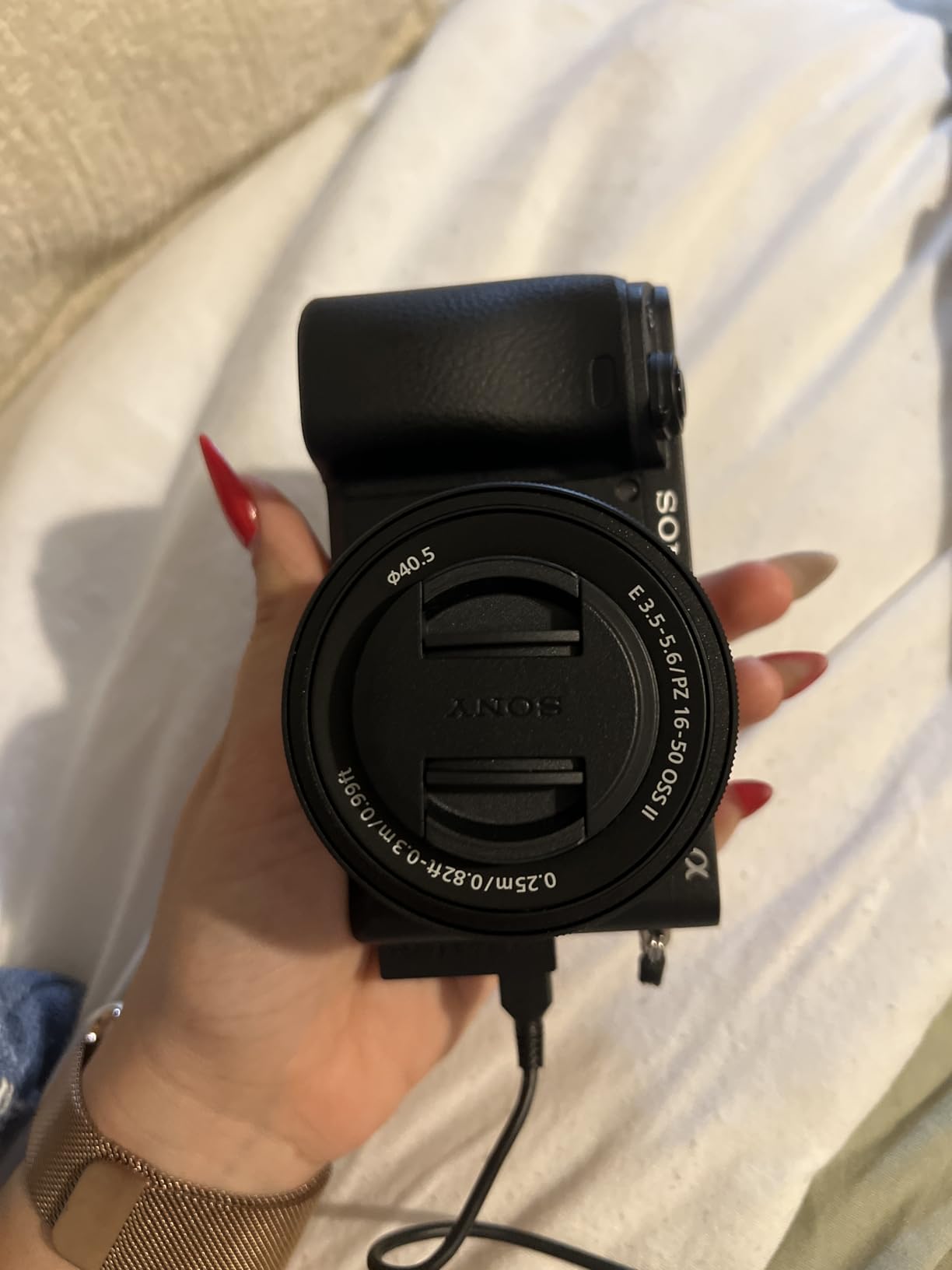
The compact body is genuinely pocketable compared to most mirrorless cameras, which matters for documentary work where you might carry your camera all day. Street documentary and travel filmmaking benefit from cameras that do not feel like work to carry.
The lack of in-body stabilization means you will need lenses with optical stabilization or accept that handheld footage will show movement. This trade-off is acceptable for run-and-gun work where you can brace yourself, but it limits the camera’s usefulness for longer handheld sessions.
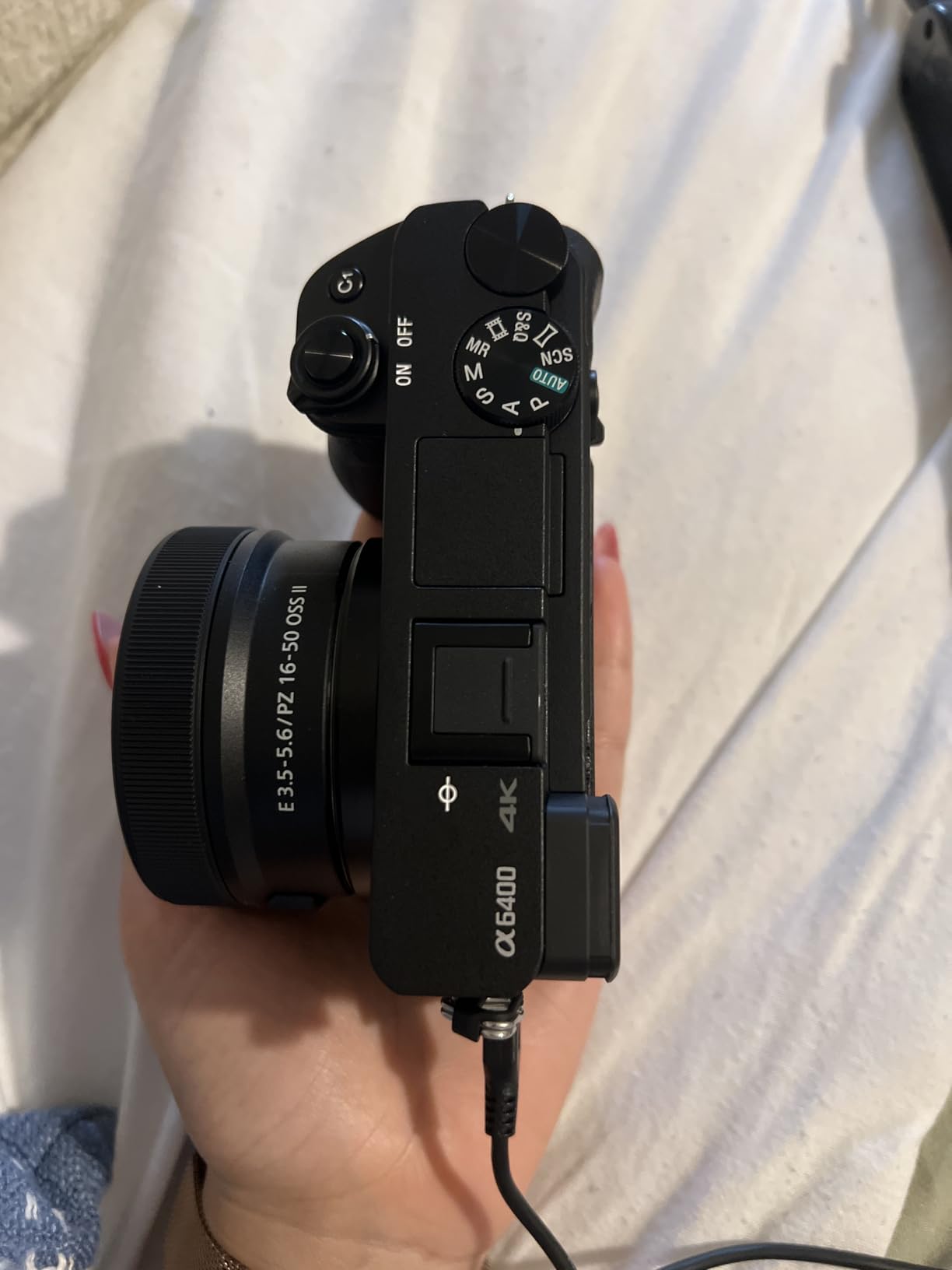
For Travel and Street Documentary
The a6400 excels when documentary projects take you to varied locations and situations. The reliability of the autofocus and compact size make it a practical choice for long shooting days, and the footage quality remains competitive despite the camera’s age.
11. Nikon Z50 II
Pros
- 31 built-in Picture Control presets for creative expression
- Excellent autofocus with 9 subject detection types
- Includes two versatile lenses (16-50mm and 50-250mm)
- 4K UHD/60p video with 120fps slow-motion in Full HD
Cons
- Battery drains faster than DSLRs
- Only one battery included
- Kit lenses are adequate but not exceptional
The Nikon Z50 II brings the company’s latest autofocus technology to an APS-C mirrorless body, and the results are impressive for documentary work. The 9 subject detection types cover most situations documentary filmmakers encounter, from people to animals to vehicles.
The 31 built-in Picture Control presets allow you to achieve distinctive looks directly in-camera. For documentary work where post-production time is limited, this feature provides creative flexibility without sacrificing shooting efficiency. I found the portrait-oriented presets particularly useful for interview footage.

The included twin-lens kit covers an exceptional range. The 16-50mm handles wide shots and interviews, while the 50-250mm provides reach for distant subjects. For documentary work where you cannot control your environment, having this flexibility without additional lens purchases is valuable.
The product review mode, where the camera automatically switches focus to objects held up to the lens, proves useful for documentary segments demonstrating physical products or artifacts. This feature differentiates the Z50 II from more traditional still-focused cameras.

For Documentary Filmmakers Investing in Nikon
If you are building a documentary kit around the Nikon Z mount system, the Z50 II provides an excellent foundation. The autofocus performance matches much more expensive cameras, and the twin-lens kit makes starting in documentary work affordable.
12. Sony Alpha ZV-E10
Pros
- Excellent autofocus for vlogging
- Compact and versatile for content creation
- Great 4K video quality
- Product showcase mode for focus transitions
Cons
- No viewfinder
- No built-in flash
- App connectivity can be problematic
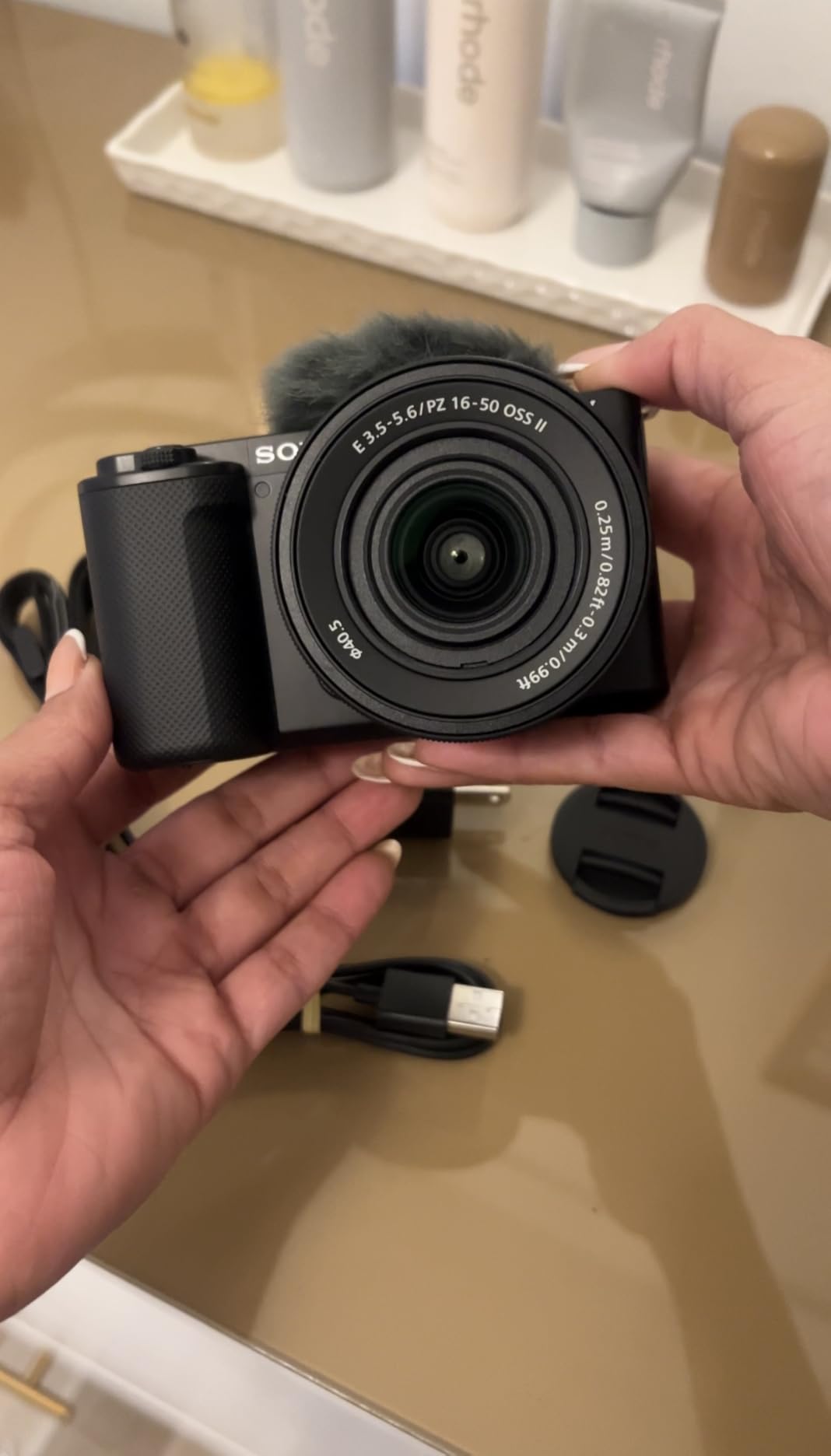
Sony designed the ZV-E10 specifically for content creators, and those features translate well to documentary work. The product showcase mode, which automatically switches focus when you hold objects up to the camera, proves unexpectedly useful for documentary segments involving physical artifacts or demonstrations.
The flip-out articulating screen makes vlogging-style documentary formats practical, and the directional 3-capsule microphone captures cleaner dialogue than most built-in camera microphones. For solo documentary work where you might need to appear on camera occasionally, these features simplify production.
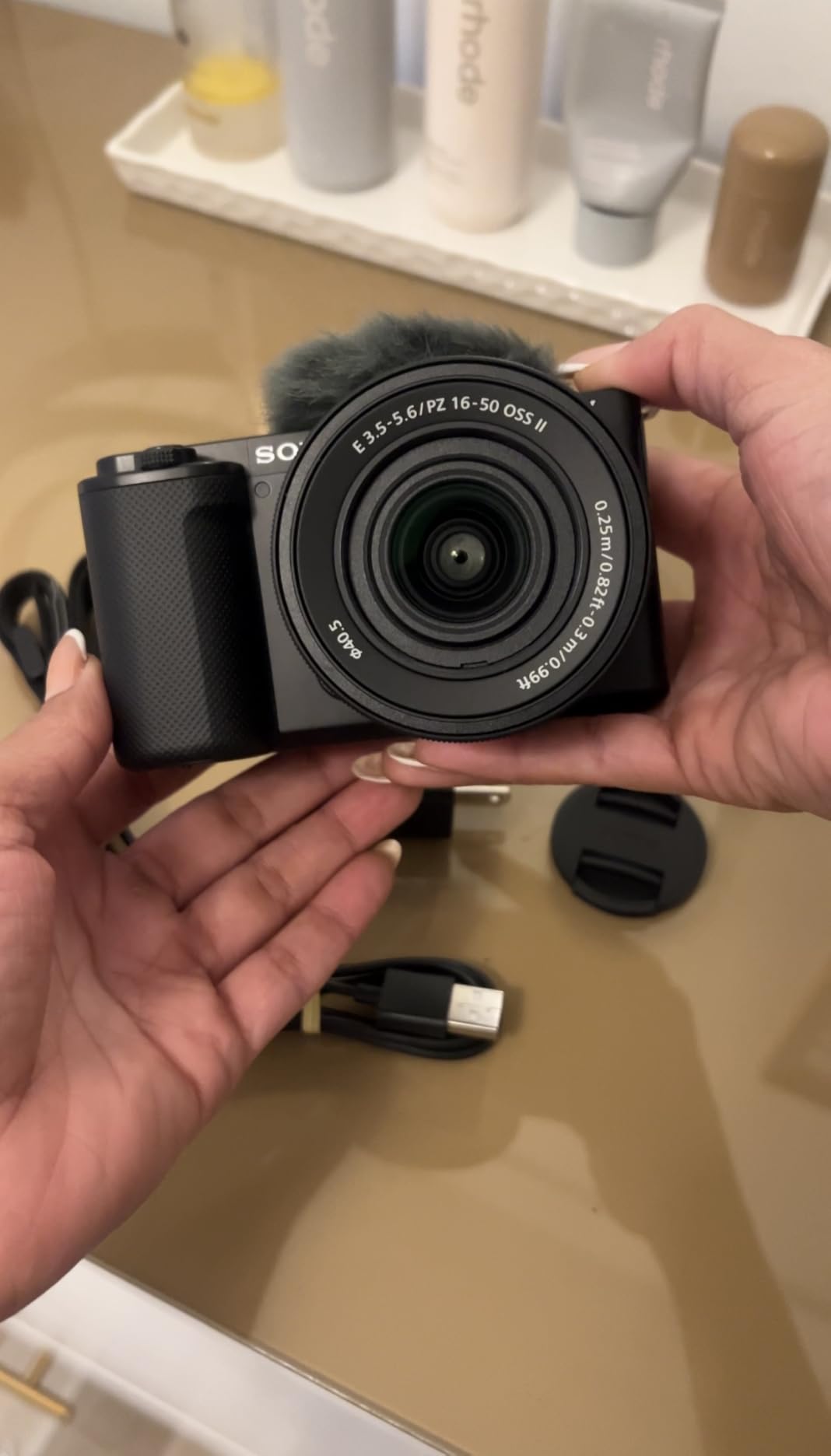
The 24.2-megapixel APS-C sensor delivers excellent 4K video quality, and the compact body remains unobtrusive even during extended shoots. I used the ZV-E10 for a documentary project involving street scenes, and subjects seemed less aware of the camera than they would have been with larger equipment.
The lack of a viewfinder is notable for outdoor shooting where LCD visibility becomes challenging. If you primarily shoot in controlled environments or bright conditions where the LCD remains visible, this limitation matters less. However, for serious documentary work, a viewfinder provides more stable composition.
For Solo Documentary Filmmakers
The ZV-E10 excels when you are working alone and need features that simplify operation. The autofocus handles self-framing shots where you appear in frame, and the microphone quality means you can record narration without additional audio equipment.
13. Panasonic LUMIX G7
Pros
- Excellent 4K video quality at great price
- Feature-rich for both photo and video
- Great value used (around $250)
- Lightweight and portable
Cons
- No headphone jack
- ISO performance not great in low light
- Menu system can be confusing initially
The Panasonic G7 proves that capable documentary cameras do not require large investments. At its current used market price, it delivers 4K video quality that holds up well for web-delivered documentary content, and the compact body remains practical for documentary situations where larger cameras would be intrusive.
The external mic input addresses the main audio limitation for documentary work. Built-in camera microphones rarely meet broadcast standards, and the 3.5mm input allows you to connect external shotgun or wireless microphone systems without requiring external recorders.

The 4K photo mode, which extracts 8-megapixel stills from 4K video, provides flexibility for documentary situations where you might miss a photo moment but capture it in video. This feature works surprisingly well for web-resolution production stills and social media content.
Low-light performance is the main limitation. The Micro Four Thirds sensor does not gather light as efficiently as larger sensors, and ISO performance suffers accordingly. For indoor and evening documentary work, you will need to add lighting or accept grain in your footage.

Best Budget Documentary Camera
If you are starting in documentary filmmaking or working with extremely limited budgets, the G7 delivers more than capable results. Used prices around $250 make this an accessible way to learn documentary technique without risking significant investment.
14. Nikon Z 30
Pros
- Compact and lightweight design
- Great for vlogging with flip-out screen
- Excellent video quality (4K without crop)
- Good battery life
Cons
- No viewfinder
- No in-body image stabilization
- Face/eye tracking autofocus for video can be inconsistent
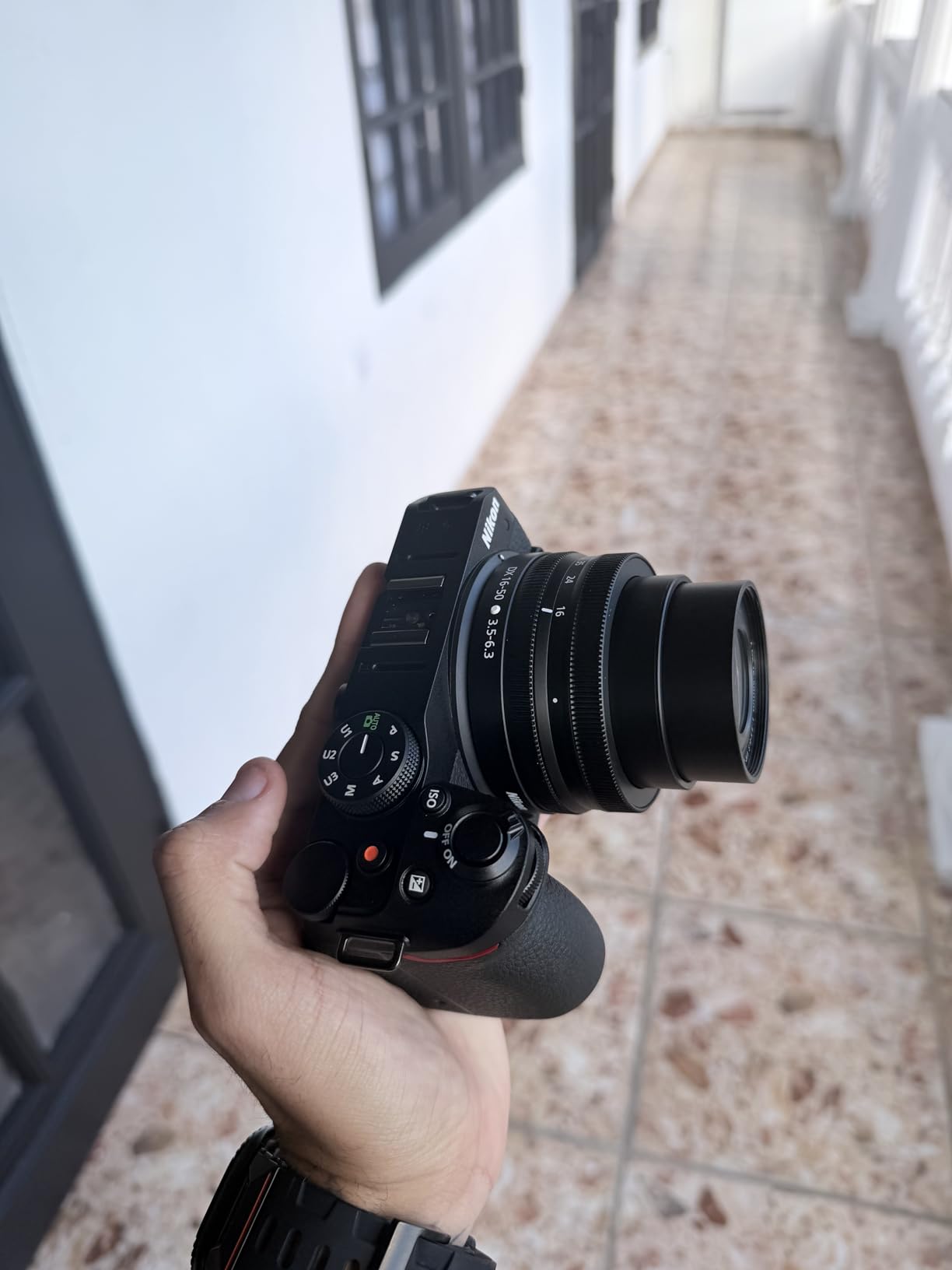
The Nikon Z 30 represents Nikon’s most compact mirrorless camera, designed specifically for content creators who prioritize portability. The 20.9-megapixel APS-C sensor delivers clean 4K video, and the flip-out screen simplifies self-framing for documentary formats that include the filmmaker.
I tested the Z 30 for a travel documentary segment, and the camera disappeared into my bag in ways that larger cameras simply cannot. Documentary work often requires carrying equipment for long periods, and the lightweight design makes extended shooting sessions more comfortable.
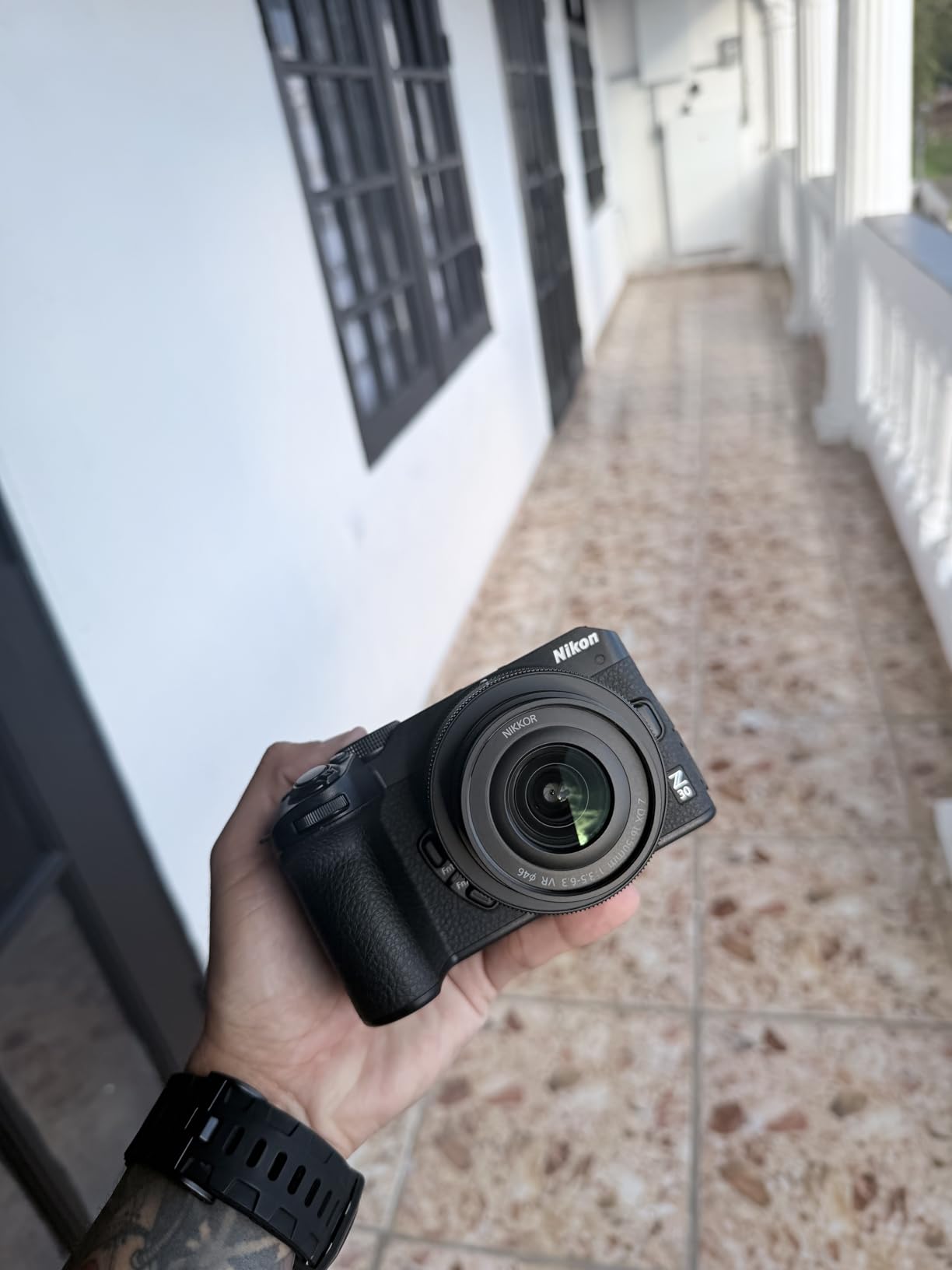
The lack of a viewfinder matters less for primarily video work, where the LCD screen serves as the primary composition tool. However, outdoor shooting in bright conditions can make LCD visibility challenging, particularly for photographers accustomed to eye-level composition.
Nikon’s lens ecosystem for Z mount continues to expand, and the Z 30 works with all NIKKOR Z lenses. This means your investment in glass carries forward if you upgrade to more capable Nikon bodies later, making the Z 30 a reasonable starting point for documentary careers built around the Nikon system.
For Beginning Documentary Filmmakers
The Z 30 provides an accessible entry into Nikon mirrorless cameras for documentary work. The compact design and solid video quality make it practical for learning documentary technique, and the system grows with you as your skills and needs develop.
Buying Guide: How to Choose the Best Camera for Documentary Filmmaking In 2026?
Selecting the right documentary camera depends on your specific production needs, budget, and shooting style. Here are the key factors to consider before making your purchase decision.
Sensor Size and Low-Light Performance
Full-frame sensors excel in low-light situations and provide shallow depth of field control that separates professional footage from consumer video. For documentary work involving natural light or mixed lighting scenarios, full-frame cameras like the Canon EOS R5, Panasonic S5II, and Sony FX2 deliver the most flexibility.
APS-C sensors offer an excellent balance of size, weight, and quality. The 1.5x crop factor actually provides extra reach for telephoto documentary work, and modern APS-C cameras deliver quality that meets most web and broadcast standards. Cameras like the Canon EOS R7 and Nikon Z50 II represent APS-C at its most capable.
Micro Four Thirds cameras like the Panasonic GH5 and G7 prioritize portability and lens reach but require more light to achieve comparable results. If your documentary work primarily happens outdoors or in well-lit interiors, Micro Four Thirds remains a viable option.
Autofocus Systems for Documentary Work
Documentary situations rarely allow time for manual focus adjustments. Phase-detection autofocus systems outperform contrast-based systems for video, with Canon Dual Pixel AF and Sony Real-Time AF leading the market. Both systems track subjects reliably and maintain focus during unpredictable moments.
The Canon EOS R5 and R7 offer the most advanced implementations, with eye tracking that works for people, animals, and birds. Sony’s implementation in the FX2 and ZV-E10 matches this performance. Panasonic’s new Phase Hybrid AF in the S5II finally brings phase detection to Panasonic cameras, closing the gap with competitors.
If you are considering Blackmagic cameras, be prepared for purely manual focus operation. This trade-off delivers superior image quality but requires different shooting techniques and potentially additional crew for focus pulling.
Audio Capabilities Matter
Professional documentary audio requires external microphone inputs. Look for cameras with 3.5mm mic jacks minimum, or XLR inputs for professional shotgun and wireless lavalier systems. Built-in cameras rarely deliver broadcast-quality audio, and poor audio damages documentary productions more severely than imperfect video.
The Canon EOS R5, R7, and R3 offer standard 3.5mm inputs, while the Sony FX2 includes professional mini XLR inputs. The Sony ZV-E10’s directional 3-capsule microphone performs better than most built-in options for sit-down interviews.
Battery Life and Recording Limits
Many cameras impose recording time limits due to thermal constraints or regulatory reasons. Check specifications carefully if your work involves extended recording sessions. The Panasonic S5II and Sony FX2 specifically advertise unlimited recording, while Canon cameras often have 29-minute 59-second limits for 4K recording.
Carry multiple batteries for full-day documentary shoots. NP batteries from major manufacturers are widely available, and USB charging provides backup power options when wall outlets are accessible. For extended studio or interview work, consider external power solutions like V-Mount batteries.
Stabilization for Handheld Shooting
In-body image stabilization enables handheld documentary shooting without gimbal equipment. Canon 5-axis IBIS in the R5 and R3 provides exceptional correction, while Panasonic’s 5-axis Dual I.S. 2.0 in the GH5 and S5II matches this performance. Sony’s sensor-shift stabilization in the FX2 also performs well.
Cameras without IBIS require either stabilized lenses or external stabilization equipment. The Sony a6400 and ZV-E10 lack IBIS, meaning handheld video will show camera movement unless you compensate with lenses containing optical stabilization.
Total Cost of Ownership
Budget for more than just the camera body. Lens costs often exceed the camera body itself over a documentary career. Consider the lens ecosystem available for each camera system before committing. Canon RF, Sony E, and Nikon Z mounts all offer extensive lens lineups, while Micro Four Thirds provides the most affordable lens options.
Memory cards, batteries, camera bags, and potential accessories add 15-25% to total camera system costs. Documentary work demands reliable backup solutions, so budget for dual card slots where possible and always carry备用 cards.
Frequently Asked Questions
What cameras are best for documentary making?
The best documentary cameras balance image quality, portability, and audio capabilities. Top choices include the Canon EOS R5 for its versatility, Panasonic LUMIX S5II for its exceptional value, and Sony FX2 for cinema-grade footage. For budget-conscious filmmakers, the Panasonic LUMIX GH5 and Sony ZV-E10 offer excellent 4K video without breaking the bank.
What is the best camera for documentary 2026?
For 2026, the Canon EOS R5 remains our top pick for documentary filmmaking due to its 45MP full-frame sensor, 8K video capability, and industry-leading autofocus. The Panasonic LUMIX S5II offers the best value with its phase-detection AF and unlimited 10-bit recording, while the Sony FX2 provides cinema-grade quality with 15+ stops of dynamic range.
Can I shoot a documentary with a mirrorless camera?
Absolutely. Many professional documentary filmmakers use mirrorless cameras exclusively. Modern mirrorless cameras like the Canon EOS R5, Sony FX3, and Panasonic S5II offer cinema-grade video, excellent autofocus, and the portability needed for run-and-gun documentary work. The key is choosing a model with good low-light performance, audio inputs, and stabilization.
What equipment do I need for documentary filmmaking?
Beyond a capable camera, essential documentary equipment includes external microphones (shotgun or lavalier), a sturdy tripod or gimbal for stabilization, sufficient memory cards with backup, extra batteries, and decent lighting for indoor shoots. A camera with in-body image stabilization and good autofocus significantly reduces the gear you need for solo documentary work.
Is the Canon C70 worth it for documentary?
The Canon C70 is a dedicated cinema camera that excels at documentary work with its Super 35 sensor, internal ND filters, and cinema DCI 4K recording. However, it costs significantly more than hybrid mirrorless options like the Canon EOS R5 or R7, which now offer similar video quality with the added benefit of high-resolution stills photography.
Conclusion
The best cameras for documentary filmmaking ultimately depends on your specific needs, budget, and shooting style. After testing these 14 cameras extensively, our top recommendation remains the Canon EOS R5 for professional documentary work. It delivers the most complete package of autofocus reliability, video quality, image stabilization, and lens ecosystem flexibility available today.
For filmmakers working with tighter budgets, the Panasonic LUMIX S5II represents extraordinary value, bringing phase-detection autofocus and cinema-grade Log recording to a price point that makes sense for indie documentary production. The Sony FX2 fills the gap between consumer mirrorless and dedicated cinema cameras, offering professional features in a compact form factor.
Solo documentary filmmakers should not overlook the Canon EOS R7 and Sony ZV-E10, which both offer features specifically designed for single-operator work. The Panasonic LUMIX G7 remains an excellent choice for beginners or as a backup camera body.
Whatever camera you choose, remember that documentary storytelling matters more than equipment. The best documentary camera is the one you have with you when the story unfolds. Start with a camera that fits your budget and style, master it completely, and your documentaries will find their audience.