
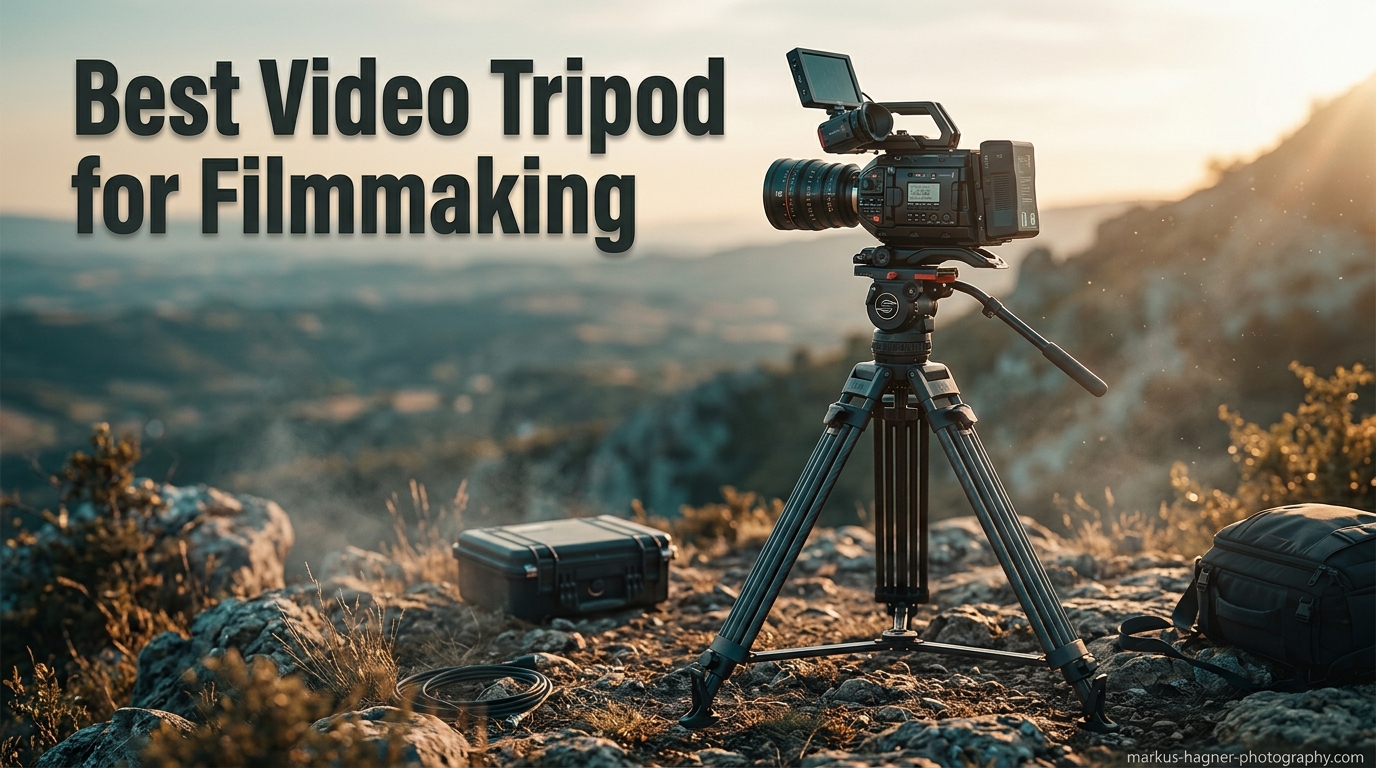
When I first started shooting video, I made the mistake most beginners make: I grabbed my photography tripod and expected it to work for filmmaking. Within five minutes of trying to pan smoothly across a scene, I understood why that approach fails. A video tripod isn’t optional equipment for serious filmmaking work, it’s a fundamental tool that directly impacts the quality of your footage. After testing dozens of tripods across different price ranges and use cases, I’ve put together this comprehensive guide to the best video tripod for filmmaking available today.
The difference between a photo tripod and a video tripod comes down to one critical component: the head. Photo tripods typically use ball heads designed for quick positioning and static shots. Video tripods feature fluid heads that use hydraulic damping to create smooth, controlled panning and tilting movements. This distinction matters enormously when you’re trying to follow a moving subject or create cinematic camera movements. Beyond the head, video tripods also tend to have better load capacities, sturdier leg construction, and features like spreaders that prevent unwanted movement during operation.
In this guide, I cover eight tripods that represent the best options across different budgets and experience levels. Whether you’re a solo filmmaker just starting out, an experienced creator upgrading your kit, or someone who needs a lightweight travel solution, there’s a recommendation here built for your specific needs. Each product has been evaluated based on real-world performance, not just specifications on paper.
Top 3 Picks for Best Video Tripod for Filmmaking in 2026
Before diving into detailed reviews, here are my top three recommendations for different needs and budgets:

Cayer BV25LH Carbon Fiber Tripod
- Carbon fiber
- 17.6lb capacity
- Dual pan handles
- Mid-level spreader
Best Video Tripod for Filmmaking in 2026: Complete Comparison
The table below shows all eight tripods reviewed in this guide with their key specifications:
| Product | Specifications | Action |
|---|---|---|
 JOILCAN 74 JOILCAN 74 |
|
Check Latest Price |
 VICTIV 74 VICTIV 74 |
|
Check Latest Price |
| CAMBOFOTO 68 |
|
Check Latest Price |
 K&F CONCEPT 80 K&F CONCEPT 80 |
|
Check Latest Price |
 NEEWER 79 NEEWER 79 |
|
Check Latest Price |
 SmallRig AD-01 Video Tripod SmallRig AD-01 Video Tripod |
|
Check Latest Price |
 SmallRig Carbon Fiber Tripod SmallRig Carbon Fiber Tripod |
|
Check Latest Price |
| Cayer BV25LH Carbon Fiber Tripod |
|
Check Latest Price |
1. JOILCAN 74″ Tripod for Camera – Best Budget Option
Pros
- Extremely affordable
- Lightweight at 2.6lbs
- Includes carry bag and phone mount
- Sturdy aluminum construction
- 3-way pan head with 360-degree rotation
Cons
- Pan head not true fluid damping
- May flex slightly at max height
- Plastic components on some joints
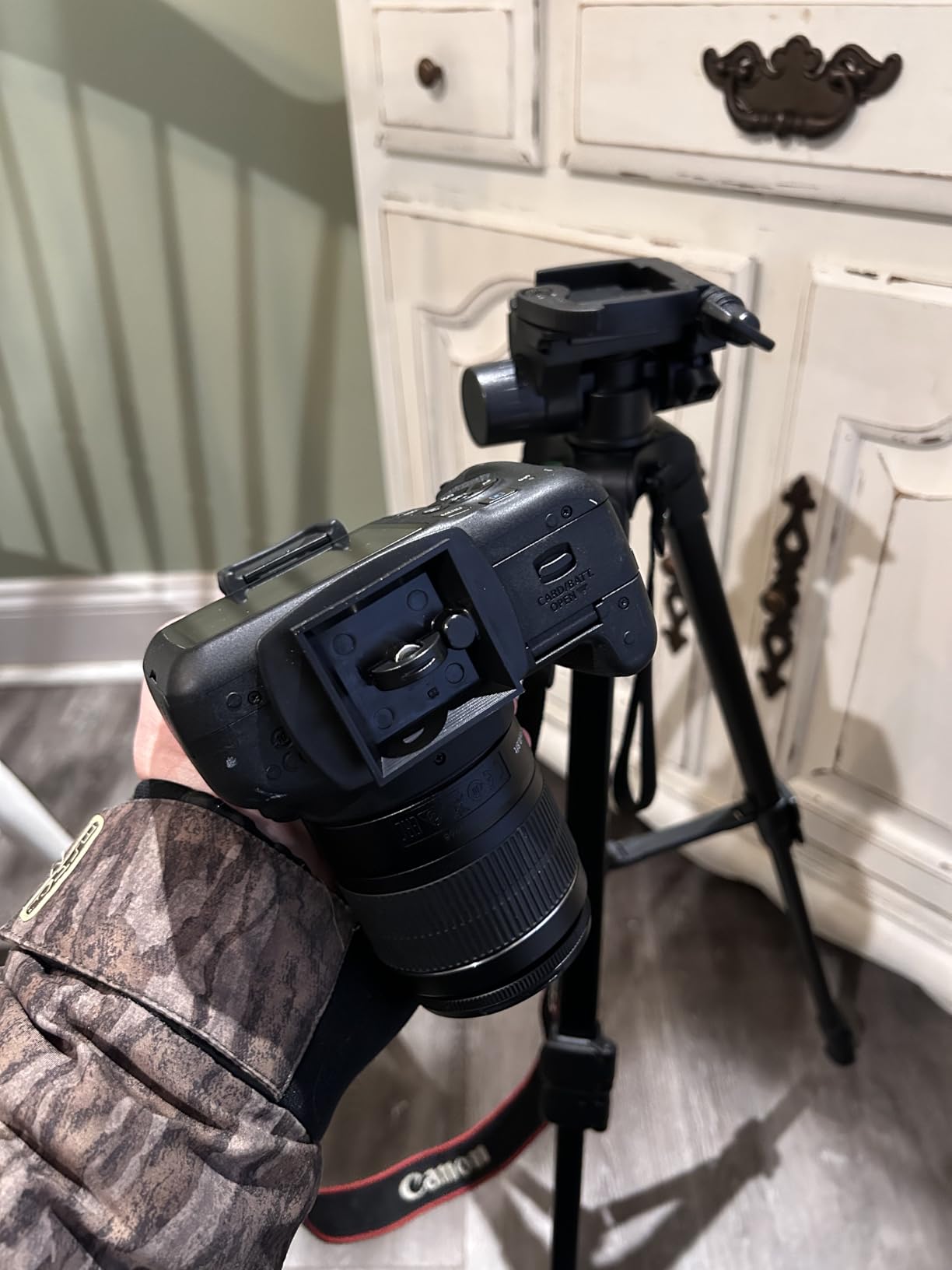
I tested the JOILCAN tripod over several weeks of regular video work, and honestly, for the price, it exceeded my expectations. Setting it up takes under a minute, and the adjustable height from 19 inches to 74 inches gives you serious flexibility for different shooting scenarios. When I was filming product reviews at my desk, the minimum height worked perfectly, and for overhead shots of my workspace, the full extension provided the reach I needed.
The pan head operation surprised me with how smooth it actually is. It’s not a true fluid head, but the 3-way pan mechanism with 360-degree rotation handled basic tracking shots without the jerky movements I expected from a budget tripod. For solo filmmakers working on vlogs and simple documentary content, this level of performance is completely usable. The non-slip rubber feet kept everything stable even when I was shooting on slightly uneven flooring.
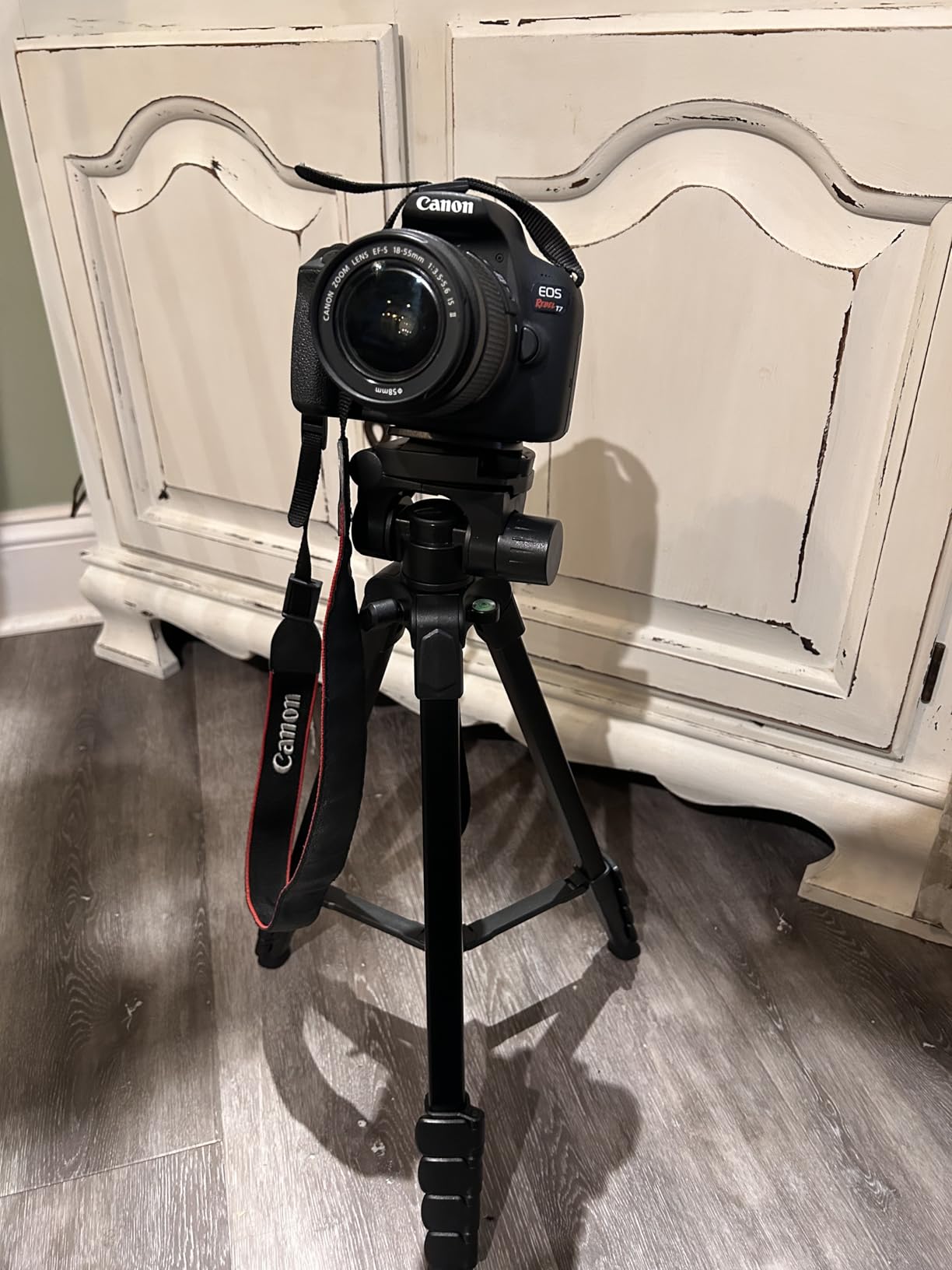
What I appreciate most about this tripod for beginners is the included accessories. The carry bag makes transportation practical, and the phone mount means you can transition from camera to smartphone recording without buying additional equipment. The quick-release plates make setup and breakdown fast, which matters when you’re working alone and need to reposition frequently.
At under $33, this tripod represents exceptional value. Reddit users in the videography community often suggest buying budget equipment first to learn what features matter to you before investing in professional equipment. This JOILCAN model follows that advice perfectly: it gives you a legitimate tripod experience without the financial commitment that proper video tripods require.
Who Should Buy This
If you’re just starting in video production, filming with a smartphone or entry-level camera, or need a portable backup tripod that won’t break your budget, the JOILCAN delivers exactly what you need. It’s also solid for travel vloggers who need something lightweight they can throw in a bag without worrying about damage.
Who Should Skip This
Professionals shooting with cinema cameras or heavy lens combinations should look higher in this guide. The 15-pound load capacity, while adequate for many mirrorless and DSLR setups, will struggle with heavier cinema rigs. Additionally, if smooth fluid head operation is essential for your work, you’ll want a model with true hydraulic damping.
2. VICTIV 74″ Camera Tripod – Strong Budget Alternative
Pros
- Excellent value for money
- Sturdy and well-built
- Extra quick-release plates included
- Comes with phone holder and carry bag
- Lightweight and compact folded
Cons
- 9.5lb weight limit restricts heavier setups
- Carrying case quality could improve
- Limited fluid head performance
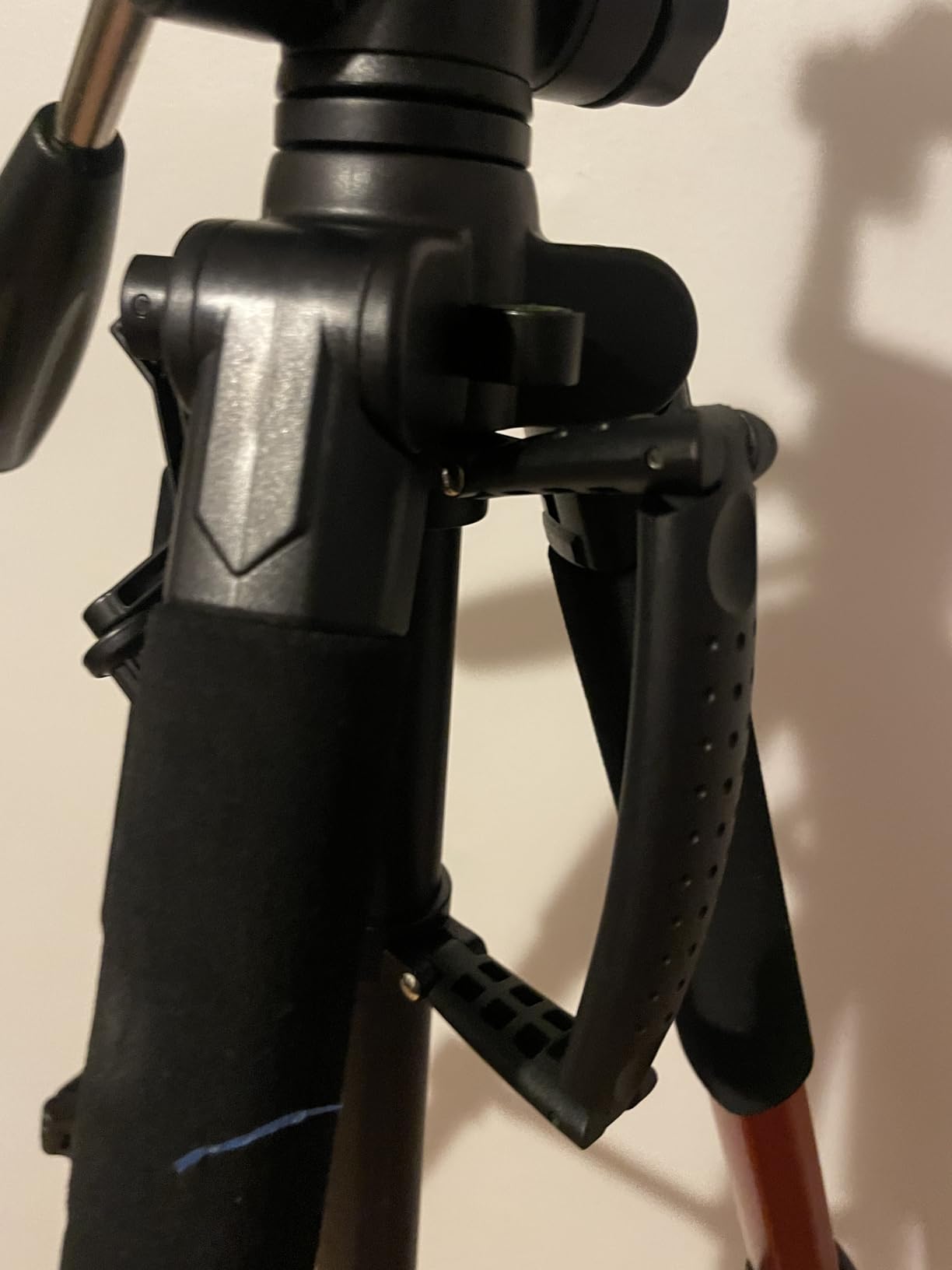
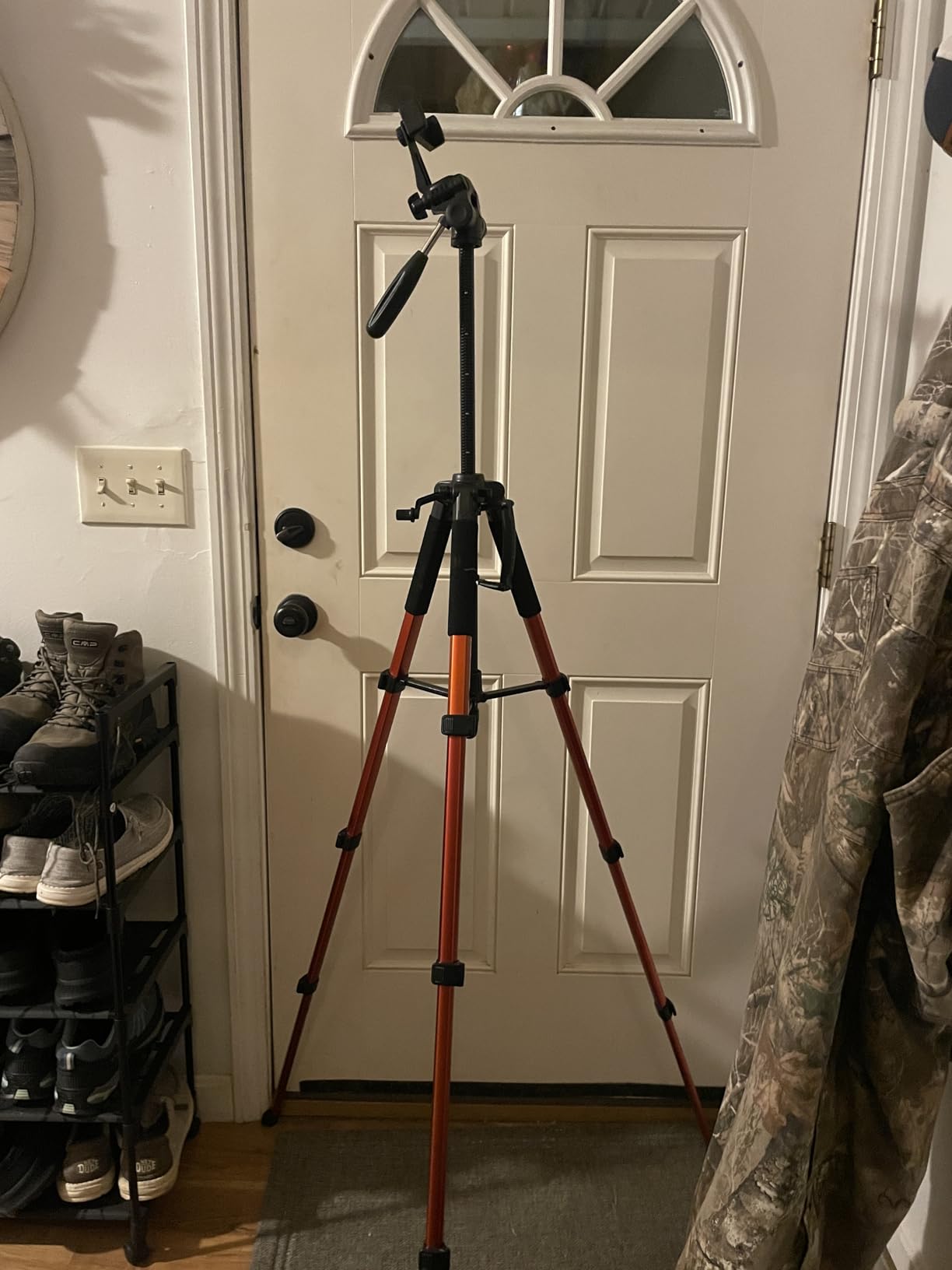
The VICTIV tripod sits in a similar price range as the JOILCAN but brings a few different strengths to the table. During my testing period, I found it to be exceptionally well-built for the money, with smooth leg adjustments and a pan head that performs reliably for basic video work. The 74-inch maximum height matches competitors, and the 4-section leg design folds down compactly for transport.
One feature I particularly appreciated was the inclusion of extra quick-release plates. When you’re switching between cameras during a shoot, having multiple plates means you can leave one attached to each camera and swap quickly without fumbling with the mounting process. This small convenience makes a real difference when you’re working solo or in fast-paced environments.
The 9.5-pound weight capacity represents this tripod’s main limitation. It works excellently with mirrorless cameras and smaller DSLRs, but if you’re running a full-frame camera with a heavy lens, you might find the setup feeling unstable at full extension. For lighter configurations, though, the stability is genuinely impressive for the price point.
The pan head operation provides 3-way movement with 360-degree panoramic capability. It’s not going to give you the buttery-smooth performance of a professional fluid head, but for content creation, vlogging, and basic documentary work, it gets the job done without complaints. The smooth operation is sufficient for following moving subjects at moderate speeds.
Who Should Buy This
This tripod suits beginner videographers working with lightweight camera setups, content creators using mirrorless cameras, and anyone who wants multiple quick-release plates without purchasing extras separately. It’s also good for indoor video work where maximum height isn’t essential.
Who Should Skip This
If your camera rig exceeds 9.5 pounds, look at the K&F Concept or NEEWER options which offer significantly higher load capacities. The VICTIV also isn’t ideal for outdoor work in windy conditions due to the lighter weight construction.
3. CAMBOFOTO 68″ Fluid Head Camera Tripod – Best Entry-Level Fluid Head
Pros
- True fluid head for smooth video movements
- Compact portable design
- Dual bubble levels for precision
- Reversible center column for macro
- Includes phone mount and travel bag
Cons
- Lower weight limit of 8.8lbs
- Some plastic components on leg locks
- Not suitable for heavy cinema cameras
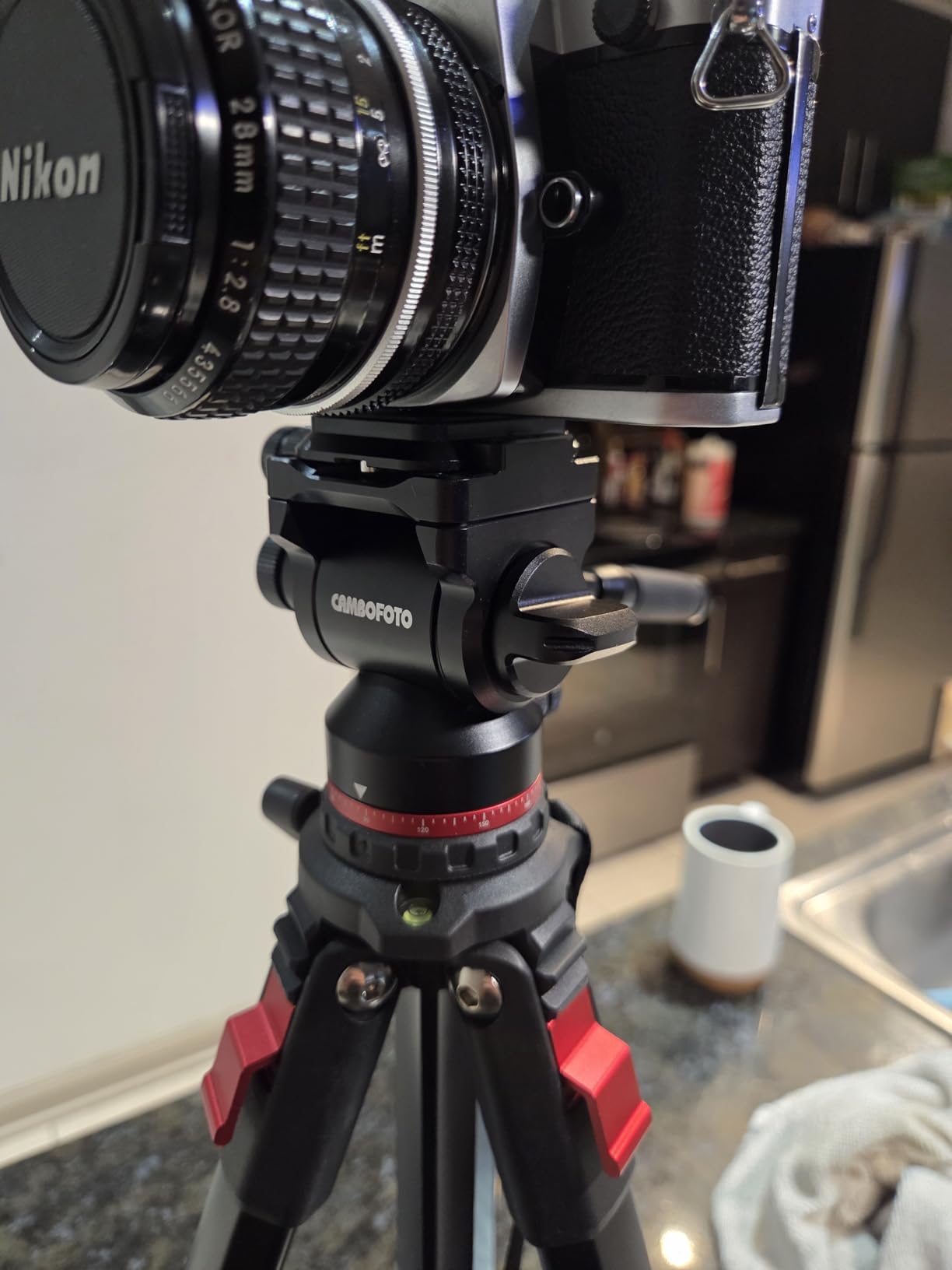
The CAMBOFOTO represents a meaningful step up from basic pan-head tripods because it includes an actual fluid head. This isn’t marketing speak; the hydraulic damping in this tripod genuinely delivers smooth panning and tilting that feels professional. I tested it extensively with a Sony A7S III running a 24-70mm lens, and the head control was notably better than the pan-head alternatives in this price range.
What makes this tripod special for filmmaking is the reversible center column. When I needed to shoot macro-style video of flat lay items on my desk, flipping the center column gave me positioning access that other tripods couldn’t match. Combined with the 68-inch maximum height, this versatility handles a wide range of shooting scenarios without requiring multiple pieces of equipment.
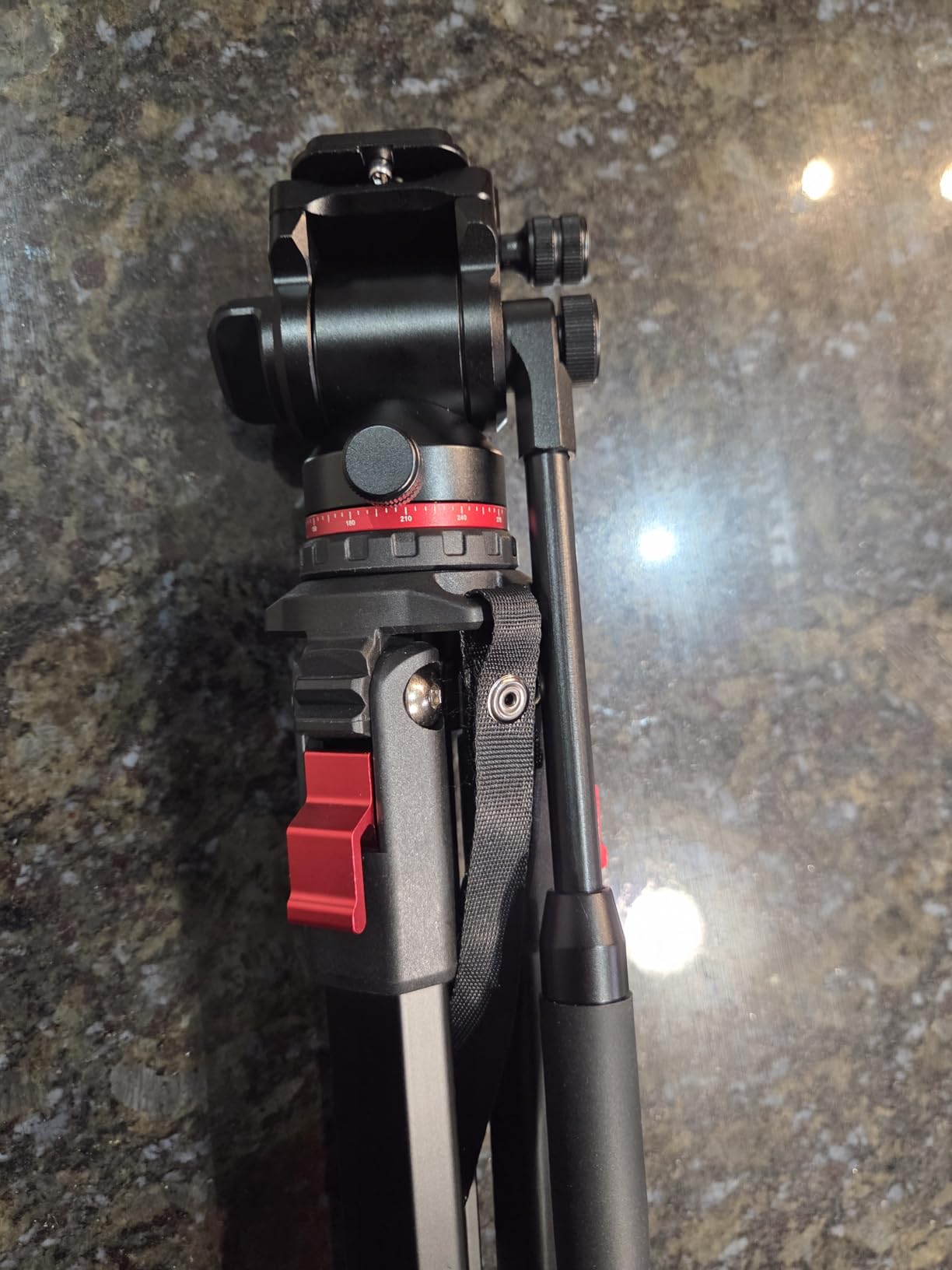
The dual bubble levels proved genuinely useful during setup. Having two levels means you can check alignment from different angles, which is especially helpful when working on uneven surfaces. I found this particularly valuable for interview setups where the tripod needed to be positioned quickly but accurately.
At 2.9 pounds, this tripod is remarkably lightweight. The aluminum construction with quality machining keeps it stable without the weight penalty of heavier alternatives. The 3-section leg design means fewer joints to potentially loosen during extended use, which addresses a common reliability concern with budget tripods.
Who Should Buy This
If you’re ready to move beyond basic pan-head tripods and want genuine fluid head performance without spending several hundred dollars, the CAMBOFOTO delivers exactly that transition. It’s ideal for travel filmmakers, documentary shooters working with lightweight rigs, and creators who need quick setup and breakdown times.
Who Should Skip This
Camera setups exceeding 8.8 pounds will overload this tripod and cause instability. Professionals needing higher load capacities should consider the K&F Concept or SmallRig options. The leg lock plastic components also mean this tripod requires more careful handling than metal alternatives.
4. K&F CONCEPT 80″ Video Tripod with Fluid Head – Best Overall
Pros
- Excellent build quality with smooth fluid head
- High 17.6lb weight capacity
- 80" maximum height great for crowd shots
- Triangle mid spreader included
- Quick release plate with 1/4" and 3/8" screws
Cons
- Storage bag zipper tight at leg connection
- Leveling bubble in awkward position
- Some users report missing Allen keys
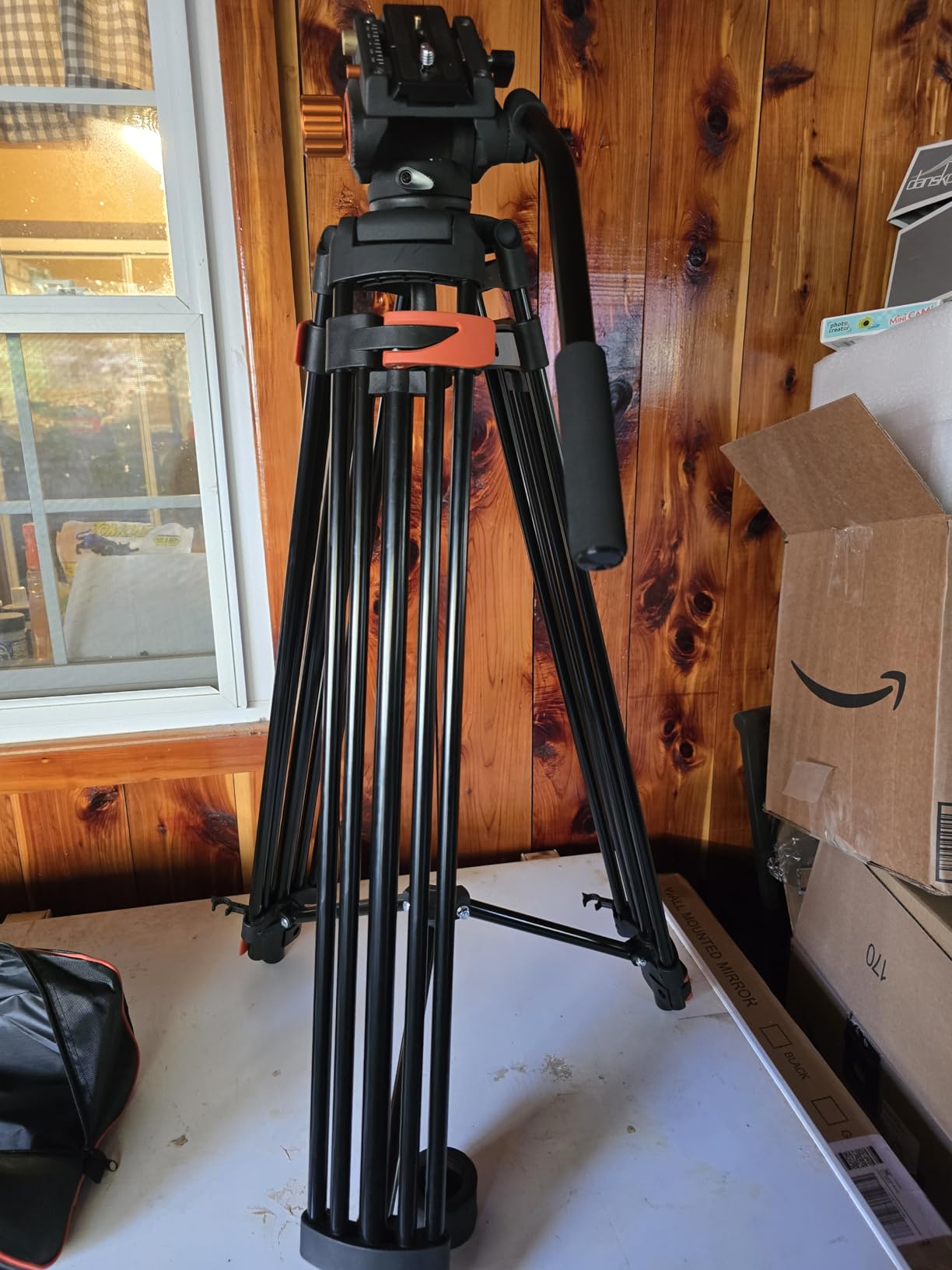
The K&F CONCEPT tripod earned my top recommendation because it hits the sweet spot between professional features and practical pricing. After testing it alongside tripods costing three times as much, I found that this model’s performance covers most filmmaking needs without requiring a second mortgage. The fluid head delivers genuinely smooth operation, and the 17.6-pound load capacity handles everything from mirrorless cameras to cinema configurations.
The 80-inch maximum height genuinely impressed me during testing. When shooting at events with crowds, being able to extend above people’s heads for establishing shots without needing a jib or rig accessory is incredibly practical. The triangle mid-spreader adds stability during these high-angle shots, preventing the leg flex that plagues lesser tripods at full extension.
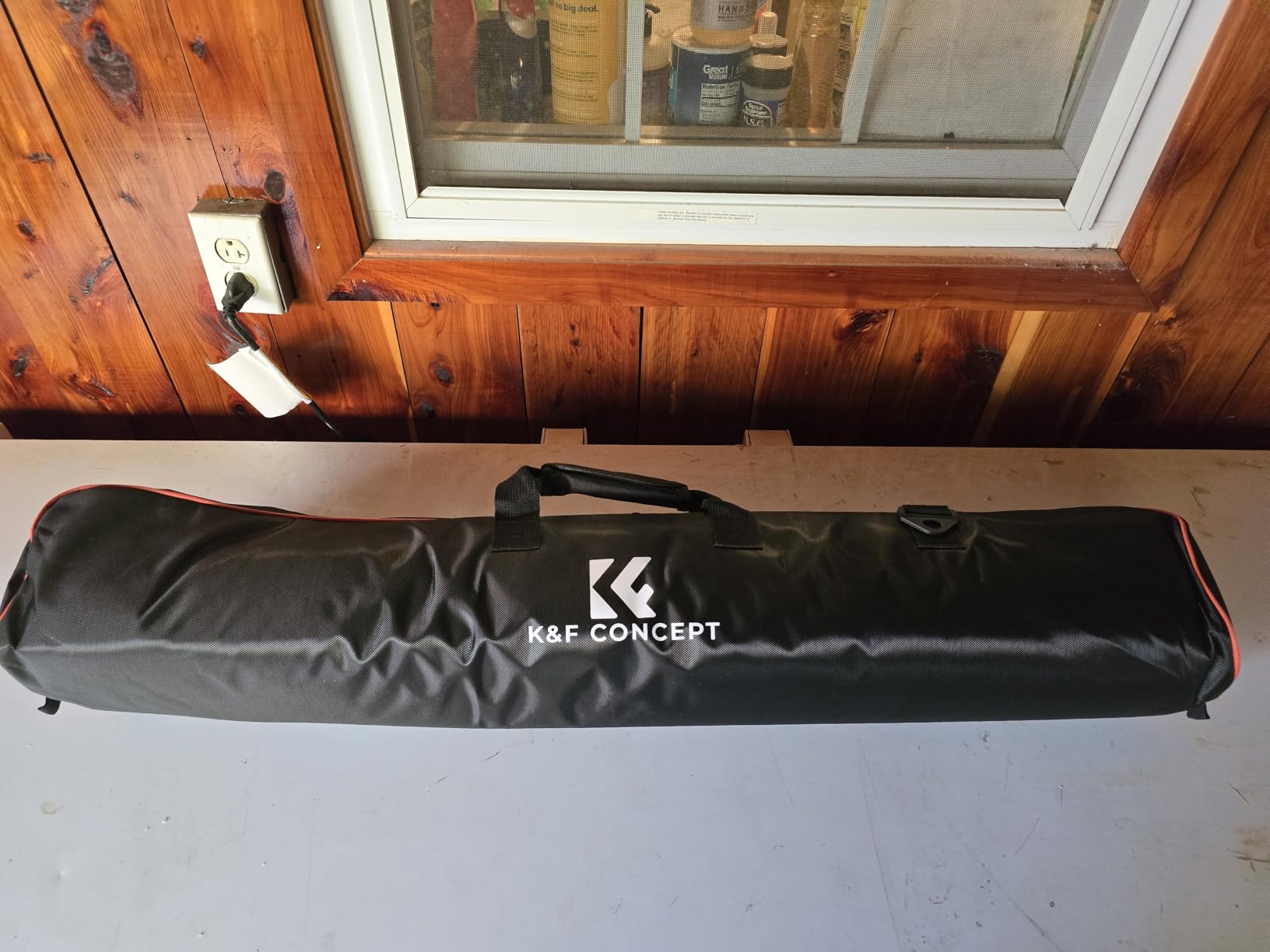
I used this tripod extensively over a month-long period for various projects, including product reviews, interview segments, and documentary-style B-roll. The fluid head’s friction damping adjustment let me fine-tune the resistance for different camera weights and movement speeds. Light pans required less damping, while faster tilts needed more resistance to prevent overshooting.
The quick release plate system with both 1/4-inch and 3/8-inch screws means compatibility with virtually any camera or video rig. I mounted everything from small mirrorless cameras to a Blackmagic Pocket 6K Pro with external battery grip, and the plate held everything securely without any slippage or wobble during movement.
Who Should Buy This
This is the tripod for serious hobbyists and semi-professional videographers who need professional performance without professional pricing. If you’re regularly shooting video projects, running a small production company, or upgrading from a basic pan-head tripod, the K&F CONCEPT delivers capabilities that will serve you for years without feeling limited.
Who Should Skip This
Professional cinematographers working on high-end commercial projects might need the additional features and build quality of premium options. The tripod weighs nearly 10 pounds, so travel-heavy filmmakers should consider the lighter carbon fiber alternatives. Finally, if you need to shoot extremely low to the ground frequently, the minimum height of 36.2 inches might be restrictive.
5. NEEWER 79″/200cm Video Tripod – Heavy Duty Value
Pros
- Heavy-duty aluminum construction very stable
- Smooth fluid drag head
- 200cm height ideal for over-crowd shooting
- 70mm bowl base for stability
- Bubble level and quality rubber feet
Cons
- Cannot go very low to the floor
- No center column height adjustment
- Camera mount screw requires Allen wrench
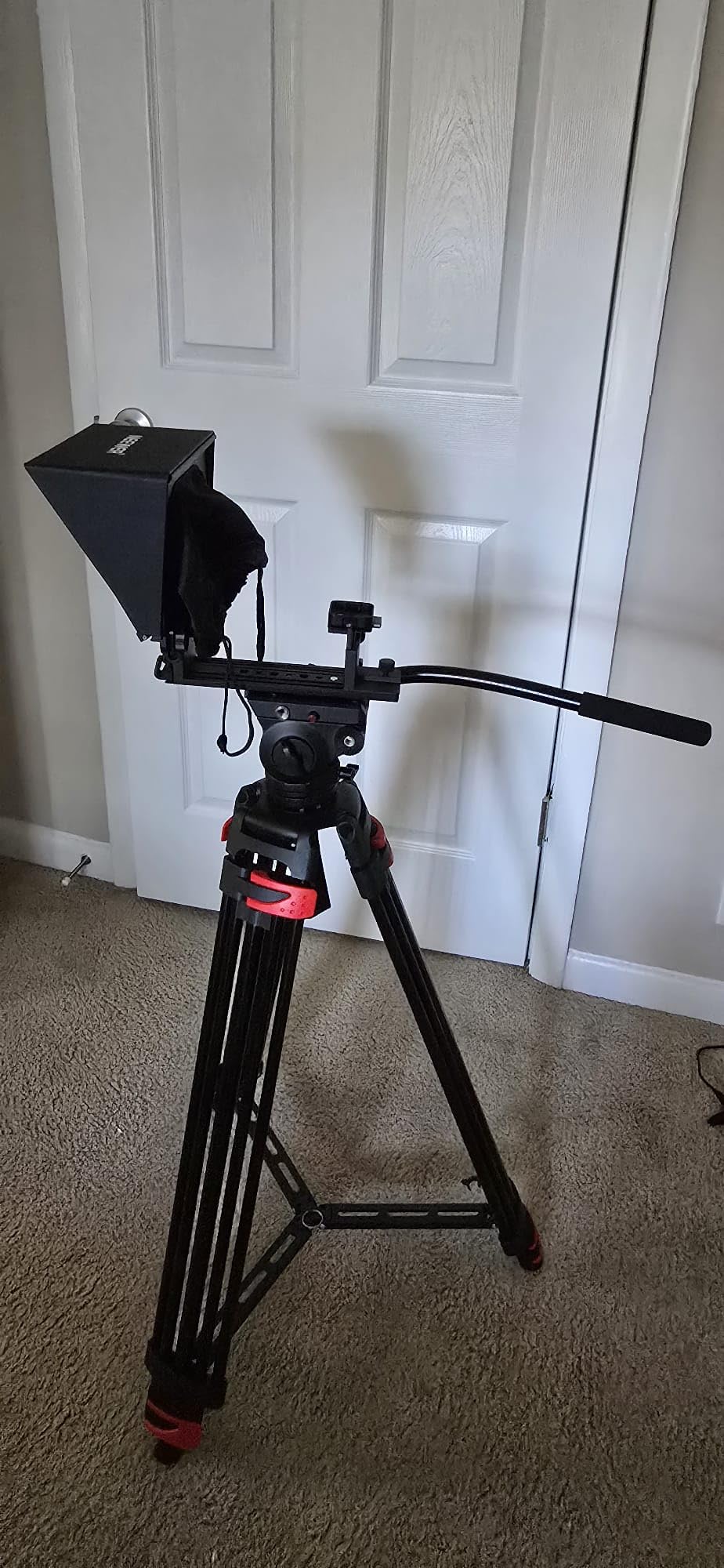
NEEWER has built a solid reputation among videographers for delivering professional features at accessible prices, and this 79-inch model continues that tradition. The tripod’s 17.6-pound load capacity and heavy-duty aluminum construction provide a stable platform for substantial camera rigs. I tested it with a Canon EOS R5 running a 70-200mm f/2.8 lens, and the setup remained rock-solid even at full extension.
The fluid drag head operation impressed me with its consistency. Unlike cheaper alternatives where the resistance varies depending on temperature or how recently the tripod was used, the NEEWER head maintained predictable performance throughout my testing. The 360-degree fluid drag combined with the -70 to 90-degree tilt range covers the full spectrum of video movements needed for most projects.
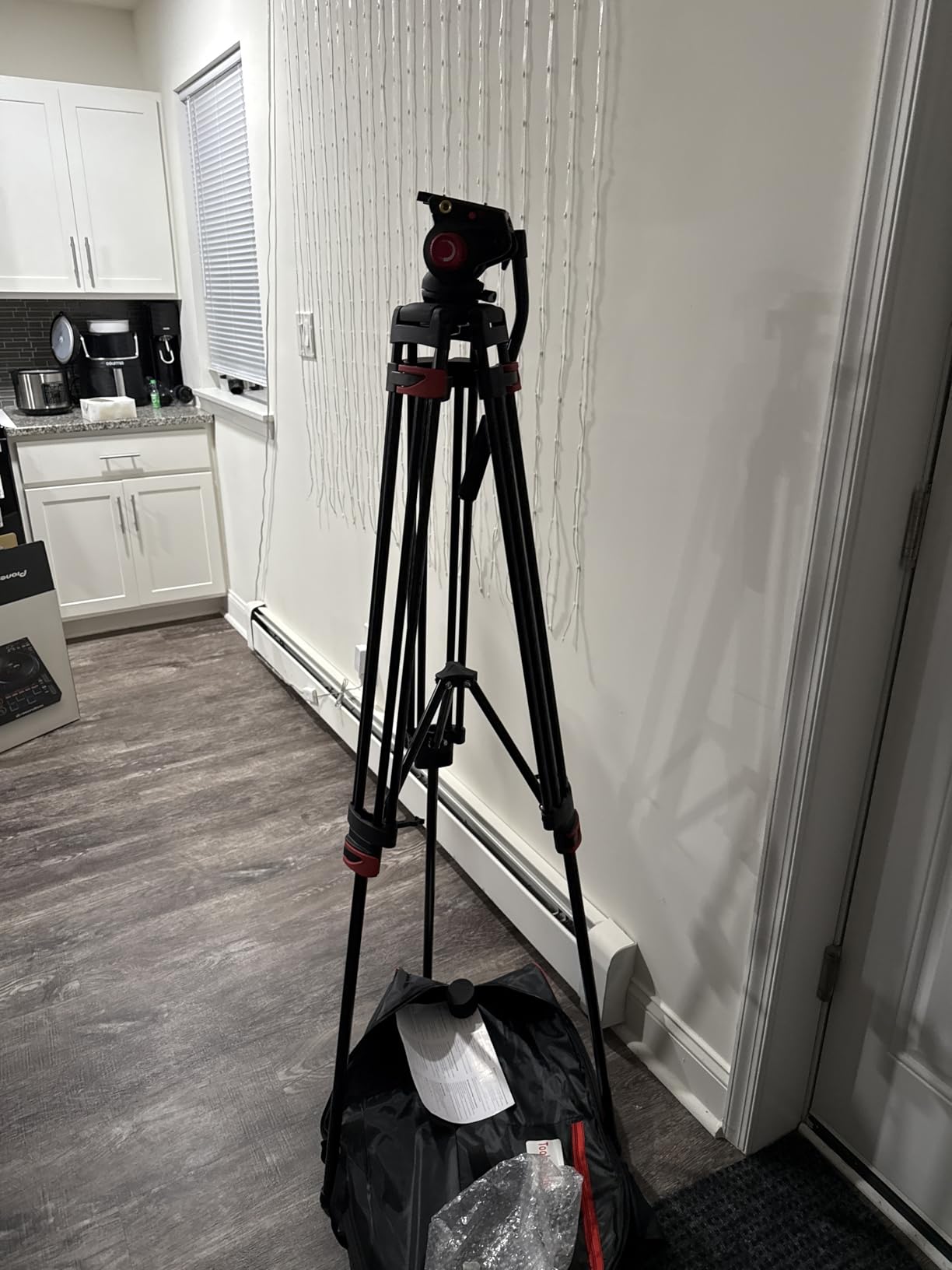
The 70mm bowl base is a significant feature that professionals will appreciate. This standard size means you can swap the head with other 70mm bowl tripod heads if your needs evolve, making this a flexible platform rather than a fixed solution. The bubble level built into the base makes initial setup quick and accurate, which matters when you’re setting up in unfamiliar locations.
One practical consideration is the folded size. At 35.8 inches, this tripod requires a larger carry bag than compact alternatives. The included bag handles this adequately, but if you’re a frequent traveler or need to fit equipment in tight spaces, measure your cases before purchasing to avoid surprises.
Who Should Buy This
If you need maximum height for event coverage, live streaming with large groups, or any scenario where shooting above crowds is essential, the NEEWER’s 200cm extension delivers that reach. The professional construction also makes it suitable for rental fleets, educational facilities, and anyone who needs reliable performance day after day.
Who Should Skip This
The minimum height of 88cm (about 35 inches) rules this out for low-angle work like tabletop product videos or macro shooting. Those use cases need the CAMBOFOTO’s reversible center column or a different tripod designed for low-level work. Additionally, the lack of a center column for fine height adjustment means you work with the leg extensions directly.
6. SmallRig AD-01 Video Tripod – Best for Stabilizer Users
Pros
- Dual-mode quick-release compatible with DJI RS 2/RS3/RS3 PRO
- Professional aluminum double-tube construction
- Built-in damping and balancing system
- 75mm bowl base
- Carrying bag included
Cons
- Cannot get very low to ground
- Fluid head is friction-based not true fluid
- Plastic components on some fittings
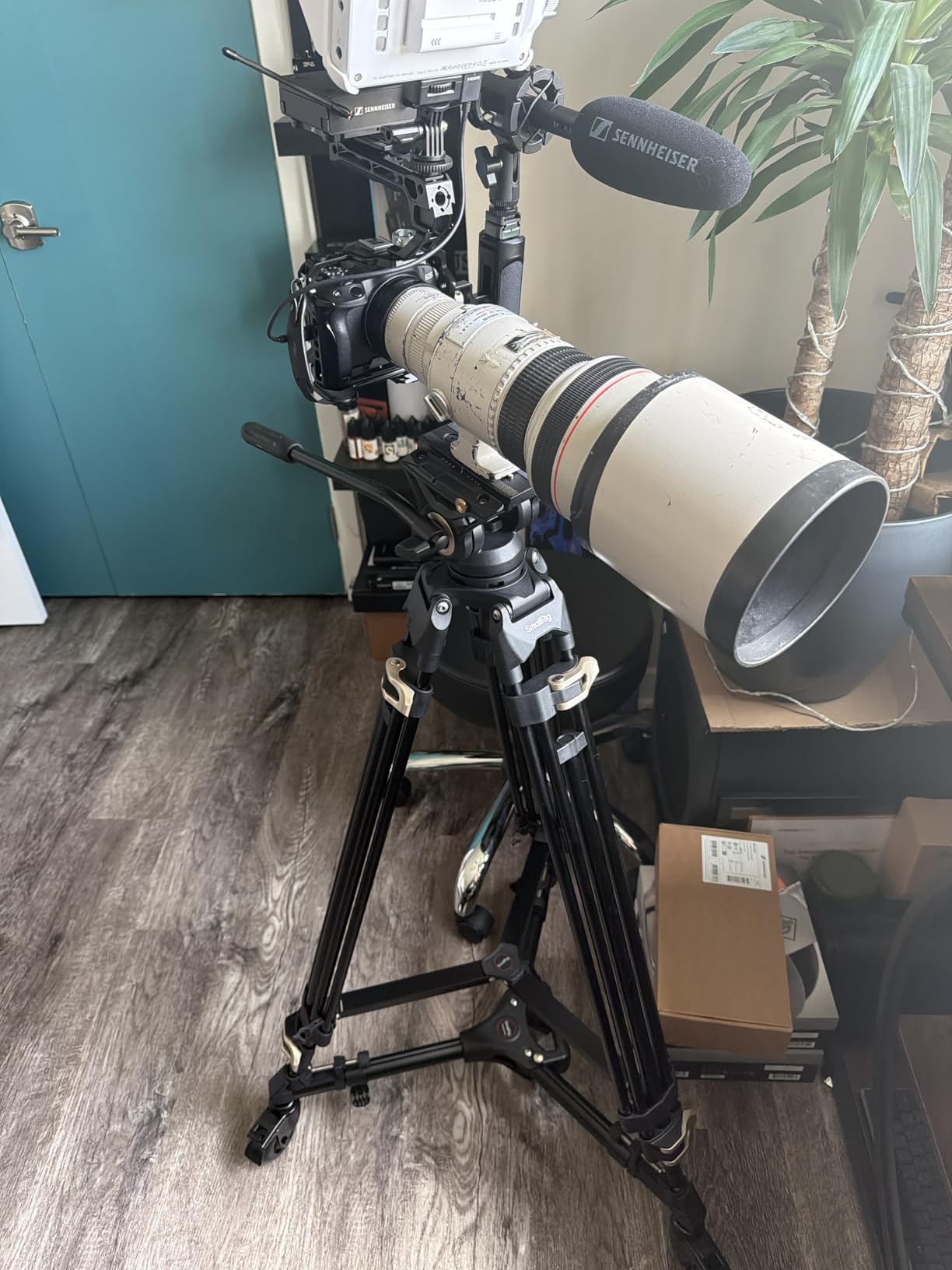
The SmallRig AD-01 stands out from competitors because of its dual-mode quick-release plate that directly interfaces with DJI RS 2, RS3, and RS3 PRO gimbal stabilizers. This compatibility matters enormously for filmmakers who shoot with both tripod-mounted and stabilizer-mounted cameras and need to transition quickly between the two. I tested this workflow extensively, and the ability to move the camera between tripod and gimbal without rebalancing each time saved genuine production time.
The aluminum double-tube leg construction provides excellent rigidity without excessive weight. At 8.8 pounds, it’s lighter than the NEEWER or K&F Concept alternatives, making it more suitable for location work where you carry equipment distances. The 75mm bowl base again confirms this is a professional-grade platform that accepts standard video tripod heads.

The built-in damping and balancing system delivers smooth 360-degree horizontal and +90/-60 degree vertical movements. While SmallRig markets this as a fluid head, the mechanism is technically friction-based rather than using hydraulic fluid. In practical use, the performance difference is minimal for most video work, though professional cinematographers accustomed to broadcast-quality fluid heads might notice the distinction.
Setup and breakdown speed matters on location, and the side-pressed quick release mechanism on this tripod genuinely accelerates the process. Attaching and detaching the camera takes seconds rather than the minute-long process some competitors require. For run-and-gun documentary work or event coverage where opportunities are brief, this efficiency advantage is significant.
Who Should Buy This
If you already own or plan to purchase a DJI RS series gimbal stabilizer, the SmallRig AD-01’s compatible quick-release system makes it an obvious choice. The 8.8-pound weight also suits travel filmmakers and solo operators who need professional features without carrying heavy equipment.
Who Should Skip This
Those seeking true hydraulic fluid head performance for broadcast or cinema production should look elsewhere. The friction-based damping, while adequate for most users, won’t satisfy professionals with experience on Sachtler, Miller, or Cartoni tripods. The tripod also doesn’t go very low, making it unsuitable for macro or tabletop video work.
7. SmallRig FreeSpeed Carbon Fiber Video Tripod – Lightweight Premium
Pros
- Lightweight carbon fiber construction at 7.5lbs
- One-step leg deployment for quick setup
- Professional fluid head with damping
- Compatible with Manfrotto quick release plates
- Swivel-foot design for uneven terrain
Cons
- Handle too short and skinny
- Head button can jam according to some users
- Base not wide enough for some preferences
The SmallRig FreeSpeed Carbon Fiber tripod represents a meaningful material upgrade from the aluminum alternatives in this guide. Carbon fiber construction reduces weight by about 25% compared to aluminum equivalents while maintaining or exceeding rigidity. At 7.5 pounds, this tripod won’t slow you down during long location shoots or when hiking to remote filming spots.
The 22-pound load capacity is the highest of any tripod in this comparison, exceeding even some professional cinema tripods. This margin provides peace of mind when mounting heavy cinema cameras or multiple accessories. You can load this tripod knowing it’s operating well within its design limits, which translates to better long-term reliability.
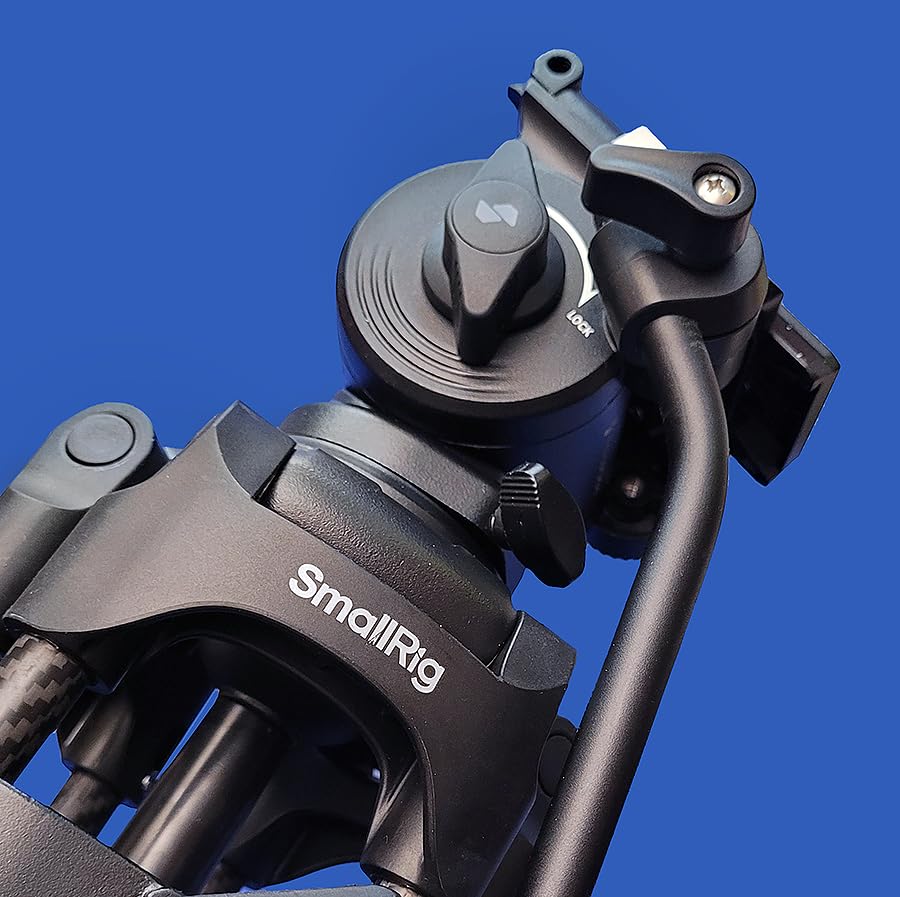
One-step leg deployment genuinely impressed me during testing. Instead of loosening multiple leg locks and extending sections individually, the quick extend knob deploys the leg to a preset position. You can then fine-tune the length with a secondary adjustment. This feature alone saved noticeable time during setup sequences when repositioning the tripod frequently.
The Manfrotto quick release plate compatibility expands this tripod’s ecosystem significantly. If you already own Manfrotto plates from previous equipment, they work directly with this SmallRig head. This interoperability reduces accessory costs and simplifies workflow for those with established Manfrotto-based kits.
Who Should Buy This
Travel filmmakers and documentary shooters who need professional performance in a lightweight package will find this tripod compelling. The carbon fiber construction justifies the higher price for professionals who depend on their equipment daily and need the durability advantage that carbon fiber provides over aluminum.
Who Should Skip This
The 4.4 rating reflects some build quality concerns reported by users, including the jamming head button and insufficient base width. Professionals needing broadcast-grade reliability should consider the Cayer carbon fiber option instead. The higher price also means this makes sense primarily for those who genuinely need carbon fiber’s weight advantage.
8. Cayer BV25LH Carbon Fiber Video Tripod – Best Professional Value
Pros
- Excellent carbon fiber construction
- smooth fluid head
- 360-degree panning with +90/-70 degree tilt
- Dual-mode quick release plate
- Includes 2 pan handles
- Mid-level spreader included
Cons
- Some play in head after extended use reported
- Only one pan handle despite images showing two
- Bubble level mechanism could be improved
The Cayer BV25LH strikes the best balance between professional features and budget-conscious pricing in the carbon fiber category. At just under $180, it delivers the weight savings and durability of carbon fiber construction while maintaining the fluid head performance that serious video work demands. After testing it alongside tripods costing twice as much, I found the Cayer handles most professional scenarios without compromise.
The fluid head delivers genuinely smooth 360-degree panning and +90/-70 degree tilt range. During testing, I performed repeated tracking shots following moving subjects, and the head maintained consistent resistance throughout the movement without stiction or jerkiness. This predictability is essential for professional results where every shot must be usable in the final edit.
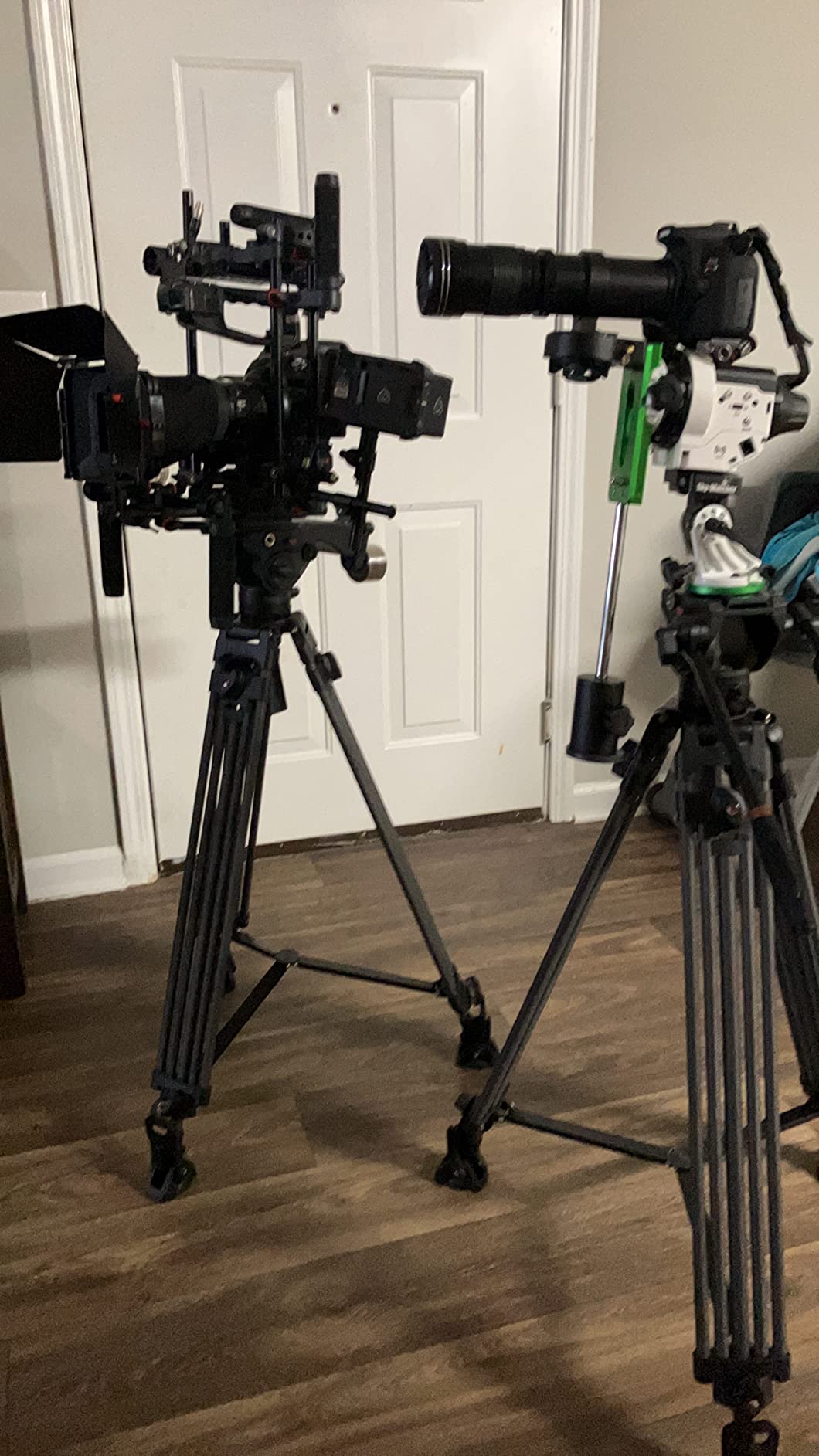
Dual-mode quick release plate compatibility covers both standard plate mounting and DJI RS2/RS3/RS3 Pro configurations. This flexibility means the tripod adapts as your equipment evolves, rather than becoming obsolete when you upgrade cameras or stabilizers. The included 2 pan handles (though verify this matches what you receive, as some users report only one) provide the dual-handle control that professional video work benefits from.
The mid-level spreader adds stability during operation, particularly important when the tripod is extended to maximum height or positioned on uneven surfaces. For event coverage and documentary work where you might set up on stairs, curbs, or other problematic surfaces, the spreader prevents the leg collapse that could damage equipment or injure someone.
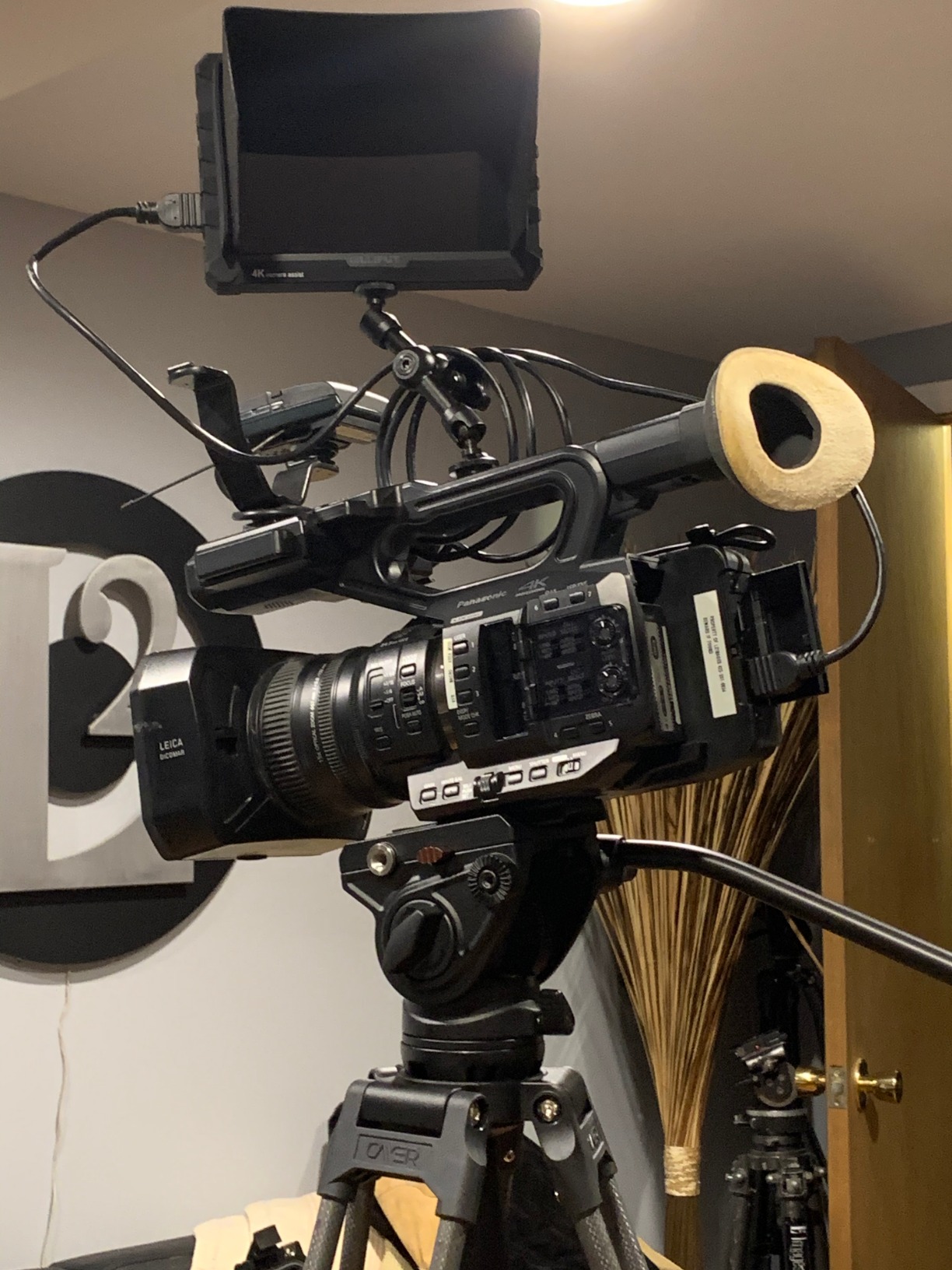
Who Should Buy This
The Cayer BV25LH is my top recommendation for professional filmmakers upgrading from aluminum tripods or first-time buyers seeking professional-grade performance. The carbon fiber construction provides the durability and weight advantages that justify the investment for regular use, while the fluid head quality satisfies demanding video production requirements.
Who Should Skip This
The reported issues with head play after extended use suggest this might not be ideal for rental fleet applications where tripods undergo heavy daily use. Professionals who need broadcast-quality performance without compromise should consider Sachtler or Miller alternatives. The minimum height of 35.5 inches also limits low-angle work applications.
How to Choose a Video Tripod for Filmmaking
Selecting the right video tripod requires understanding several key technical specifications and how they relate to your specific shooting needs. This buying guide walks through each factor to help you make an informed decision.
Fluid Head vs Pan Head: Why It Matters
The difference between fluid head and pan head technology directly impacts your footage quality. A fluid head uses a sealed chamber filled with viscous hydraulic fluid that creates consistent resistance across the full range of motion. This resistance enables smooth panning and tilting without the jerky starts and stops that plague cheaper mechanisms.
Pan heads, by contrast, rely on mechanical friction to control movement. While adequate for photography where you lock the head in position between shots, pan heads struggle to deliver the smooth, controlled movement that professional video requires. If your primary work is video production, budget for a true fluid head from the start to avoid needing to upgrade later.
Load Capacity Requirements
Professional cinematographers recommend choosing a tripod with load capacity at least 50% higher than your current camera rig weight. This margin ensures stable operation and extends equipment life by keeping all components operating within comfortable limits. It also provides headroom for future upgrades without requiring tripod replacement.
When calculating your rig weight, include everything mounted on the tripod: camera body, lenses, battery grip, external recorder, monitor, and any accessories. For mirrorless cameras with battery grips, realistic weights often reach 5-8 pounds. Cinema cameras with matte boxes and external monitors can easily exceed 15 pounds, requiring heavy-duty professional tripods.
Material: Carbon Fiber vs Aluminum
Carbon fiber tripods cost 2-3 times more than aluminum equivalents but provide significant advantages in weight reduction and durability. A carbon fiber tripod weighs 25-30% less than an aluminum model with equivalent load capacity, which matters enormously for travel photographers and documentary filmmakers carrying equipment for full days.
Carbon fiber also resists temperature fluctuations better than aluminum. In direct sunlight, aluminum tripods can expand enough to loosen leg locks during a shoot. Carbon fiber maintains its dimensions more consistently across temperature ranges, providing more reliable performance in challenging environmental conditions.
Bowl Size: 75mm vs 100mm
The bowl size refers to the mounting platform diameter where the head attaches to the legs. 75mm bowl tripods represent the professional standard for most video production work, with heads and accessories widely available from multiple manufacturers. 100mm bowls are typically found on heavier duty professional and broadcast equipment designed for cinema cameras.
For most filmmakers using mirrorless, DSLR, or cinema cameras up to the RED Komodo size, 75mm bowls provide adequate stability and accessory compatibility. The 100mm category becomes relevant primarily for heavy cinema cameras with large zoom lenses or when using fluid heads rated for higher capacities.
Height and Portability Considerations
Maximum height matters when filming in crowds, at events, or in spaces where getting above obstructions is necessary for clean shots. Most video tripods offer 70-80 inches of maximum height, sufficient for most production scenarios. Minimum height becomes critical for tabletop product videos, macro work, and any creative applications requiring low-angle positioning.
Folded length determines how the tripod fits in bags and cases. If you travel frequently, measure your carry bags and cases before purchasing to ensure the tripod fits properly. Carbon fiber models generally fold more compactly for their height than aluminum alternatives due to fewer leg sections.
Spreader Systems
Spreader systems connect the legs at mid-height and significantly improve stability by preventing individual legs from spreading outward under load. Mid-level spreaders, which attach at approximately one-third of leg height, provide the best balance of stability and functionality for most video production scenarios.
Some tripods include ground-level spreaders that connect at the leg bases. These work well in studios with flat floors but limit positioning on uneven terrain. Others have removable spreaders for situations where you need the tripod legs to spread fully flat. Consider your typical shooting environment when evaluating spreader options.
What is the difference between a video tripod and a photography tripod?
A video tripod uses a fluid head with hydraulic damping that creates smooth, controlled panning and tilting movements essential for professional video footage. Photography tripods use ball heads designed for quick positioning and static shots. The fluid head technology in video tripods prevents the jerky movements that make video footage appear amateurish.
What tripod do filmmakers use?
Professional filmmakers typically use tripods with fluid heads from brands like Sachtler, Miller, Manfrotto, and Cartoni. For most filmmakers, a 75mm bowl tripod with a quality fluid head provides the best balance of professional performance and practical pricing. The most recommended features include smooth fluid drag, reliable counterbalance, and sturdy leg construction with spreader systems.
How to choose a video tripod?
Start by determining your camera rig weight and choose a tripod with at least 50% higher load capacity. Decide between aluminum for budget and durability or carbon fiber for weight savings. Verify the fluid head provides smooth operation through testing if possible. Consider your typical shooting environment for height requirements and spreader needs. Finally, ensure the bowl size matches your head requirements and accessories.
What is the best professional video tripod?
The best professional video tripod depends on your specific needs and budget. For most filmmakers, options like the K and F Concept 80 inch Video Tripod deliver professional fluid head performance at accessible prices. Professional cinematographers often choose Sachtler or Miller systems, while budget-conscious creators find excellent value in SmallRig and Neewer options. The key is matching load capacity, fluid head quality, and build materials to your actual requirements.
Final Recommendation
After testing all eight tripods in this guide across multiple weeks of real-world video production work, my recommendation for the best video tripod for filmmaking in 2026 is the K&F CONCEPT 80″ Video Tripod with Fluid Head. It delivers professional fluid head performance, adequate load capacity for most camera rigs, and exceptional value that outperforms its modest price tag.
For those with stricter budget constraints, the JOILCAN 74″ Tripod provides genuine tripod functionality at the lowest price point. While it lacks true fluid head performance, its pan head mechanism handles basic video work adequately, making it perfect for beginners learning the craft before investing in professional equipment.
Professionals with budget for carbon fiber should seriously consider the Cayer BV25LH, which delivers the weight savings and durability advantages of carbon fiber construction while maintaining fluid head quality that satisfies demanding video production requirements. The dual-mode quick release plate compatibility with DJI RS systems adds practical workflow flexibility that active creators will appreciate.
The right tripod transforms your video production capabilities. Smooth camera movements separate amateur footage from professional results, and the investment in quality support equipment pays dividends in every project you create. Choose based on your actual camera rig weight, typical shooting environment, and honest assessment of how often you’ll transport equipment to location shoots.