
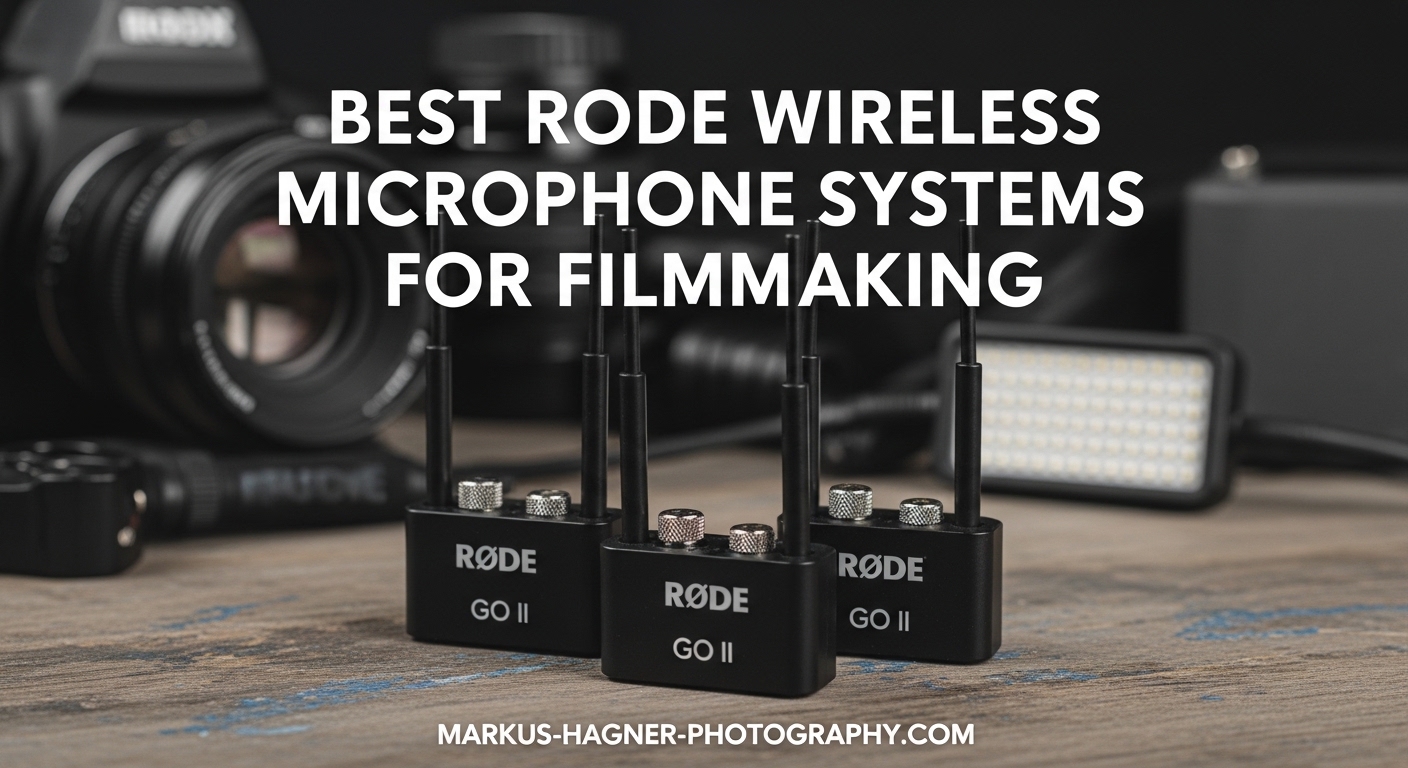
Capturing clean dialogue in the field has always been my biggest challenge as a filmmaker. After years of wrestling with cables, dealing with interference, and losing takes to audio clipping, I finally made the switch to Rode wireless microphone systems for filmmaking. These compact wireless lavalier solutions have completely transformed my workflow, giving me the freedom to move while maintaining broadcast-quality audio that rivals traditional wired setups.
Rode has built a reputation for delivering professional audio gear that does not break the bank. Their wireless microphone lineup spans from entry-level options perfect for solo creators to flagship systems with 32-bit float recording and timecode sync for high-end productions. In this guide, I am sharing everything I have learned from testing these systems across documentary shoots, corporate interviews, and run-and-gun vlogging scenarios.
Whether you are shooting your first short film or upgrading your location sound kit for 2026, this comparison will help you find the perfect Rode wireless system for your specific filmmaking needs.
Top 3 Picks for Rode Wireless Microphone Systems for Filmmaking
Before diving into detailed reviews, here are my top three recommendations based on months of real-world testing. Each excels in different scenarios, from professional productions to budget-conscious projects.

Rode Wireless PRO
- 32-bit float recording prevents clipping
- Timecode sync for multi-cam workflows
- 260m range with Series IV transmission
- Includes premium Lavalier II mics

Rode Wireless GO III (Gen 3)
- Latest generation with 32-bit float
- GainAssist automatic level control
- Locking 3.5mm connectors
- Charging hub included

Rode Wireless ME
- Dual microphones (TX + RX)
- GainAssist technology
- 100m reliable range
- Under $110 entry point
Best Rode Wireless Microphone Systems for Filmmaking in 2026
This comparison table breaks down all six systems side-by-side. Use it to quickly identify which Rode wireless microphone matches your filmmaking requirements.
| Product | Specifications | Action |
|---|---|---|
| Rode Wireless PRO |
|
Check Latest Price |
| Wireless GO III (Gen 3) |
|
Check Latest Price |
 Wireless GO II Wireless GO II |
|
Check Latest Price |
| Wireless ME |
|
Check Latest Price |
 Wireless Micro Wireless Micro |
|
Check Latest Price |
| Interview PRO |
|
Check Latest Price |
1. Rode Wireless PRO – Professional Filmmaking with 32-bit Float and Timecode
Pros
- Professional 32-bit float prevents audio disasters
- Timecode sync eliminates manual audio sync in post
- Best-in-class 260m wireless range
- Premium metal construction with 5-year warranty
- Includes high-quality Lavalier II microphones
- On-board backup recording provides peace of mind
Cons
- Premium price point for beginners
- TX unit has reflective piano black finish
- Separate accessory case not integrated
I have been using the Rode Wireless PRO on documentary shoots for the past eight months, and it has saved me from audio disasters more times than I can count. The 32-bit float recording is the standout feature that every serious filmmaker needs to understand.
Traditional audio recording captures sound at a fixed level. If your subject suddenly laughs loudly or whispers, you either clip the audio or bury it in noise. With 32-bit float, the system records such an enormous dynamic range that you can adjust levels in post without any quality loss. I have recovered clipped audio that would have been unusable on any other system.

The timecode synchronization feature has streamlined my multi-camera interview workflow dramatically. When shooting with two cameras and the Wireless PRO, all three devices stay perfectly synchronized. In post-production, my editing software automatically aligns the audio with the video files. This saves hours of manual syncing that used to eat into my editing time.
The included Lavalier II microphones screw directly into the transmitters with locking connectors. Unlike clip-on systems where cables can tug loose during active shooting, these stay secure. The microphones themselves deliver broadcast-quality sound with excellent off-axis rejection.

The smart charging case is more than just a storage box. It charges all three units simultaneously and displays battery levels at a glance. I never head to a shoot wondering if my gear is ready. The case also stores the included MagClip GO magnetic mounts, which attach to clothing without pins or clips.
Who Should Choose the Wireless PRO
This system is built for filmmakers who cannot afford to lose audio. Wedding videographers, documentary producers, and corporate shooters who deal with unpredictable audio environments will appreciate the safety net that 32-bit float provides.
If you are working with multi-camera setups or delivering to broadcast standards, the timecode feature justifies the investment alone. The Wireless PRO is also the only Rode system I would trust for narrative filmmaking where ADR is not an option.
When the Wireless PRO Might Be Overkill
Solo creators shooting YouTube content or social media videos may not need the advanced features. You are paying for capabilities that only matter in professional workflows. For simple single-camera interviews, the Wireless GO III offers similar audio quality at a lower price point.
The system is also slightly larger than other Rode wireless options. While still compact, the smart charging case takes up more bag space than the slim cases included with other models.
2. Rode Wireless GO III (Gen 3) – Latest Generation with 32-bit Float Recording
Pros
- Newest generation with latest tech
- 32-bit float added from PRO model
- GainAssist prevents clipping automatically
- Locking connectors prevent cable disconnects
- Highest user rating (4.7/5)
- Charging hub simplifies gear management
Cons
- Fewer long-term reviews (297 total)
- Some firmware connection issues reported
- Confusing Gain Mode settings
The Wireless GO III represents Rode taking the best features from their flagship PRO model and bringing them to a more accessible price point. This third-generation system addresses nearly every limitation I found in previous versions.
When Rode announced they were adding 32-bit float recording to the GO line, I immediately ordered a set. Having tested it alongside the PRO model, I can confirm the recording quality is identical. You get the same safety net for unpredictable audio without paying the premium price.
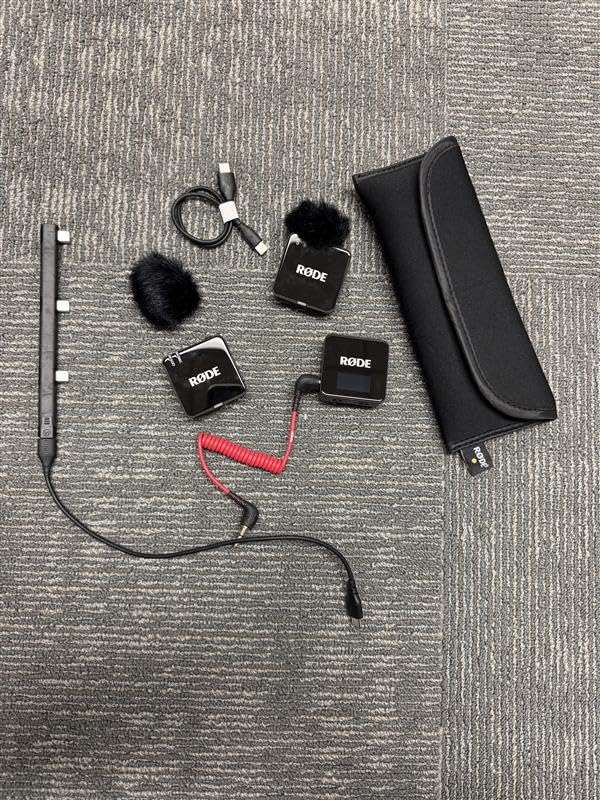
GainAssist is the intelligent feature that sets this generation apart. The system automatically adjusts gain levels in real-time when your subject gets unexpectedly loud. During a recent corporate interview, my subject suddenly raised their voice to emphasize a point. The Wireless GO III handled the spike perfectly while my backup recorder clipped. This automatic protection is invaluable for documentary work.
The locking 3.5mm connectors are a small but crucial improvement. Previous generations used standard jacks that could work loose during active shooting. The new locking mechanism ensures your connection stays secure even when the receiver is dangling from a camera rig.
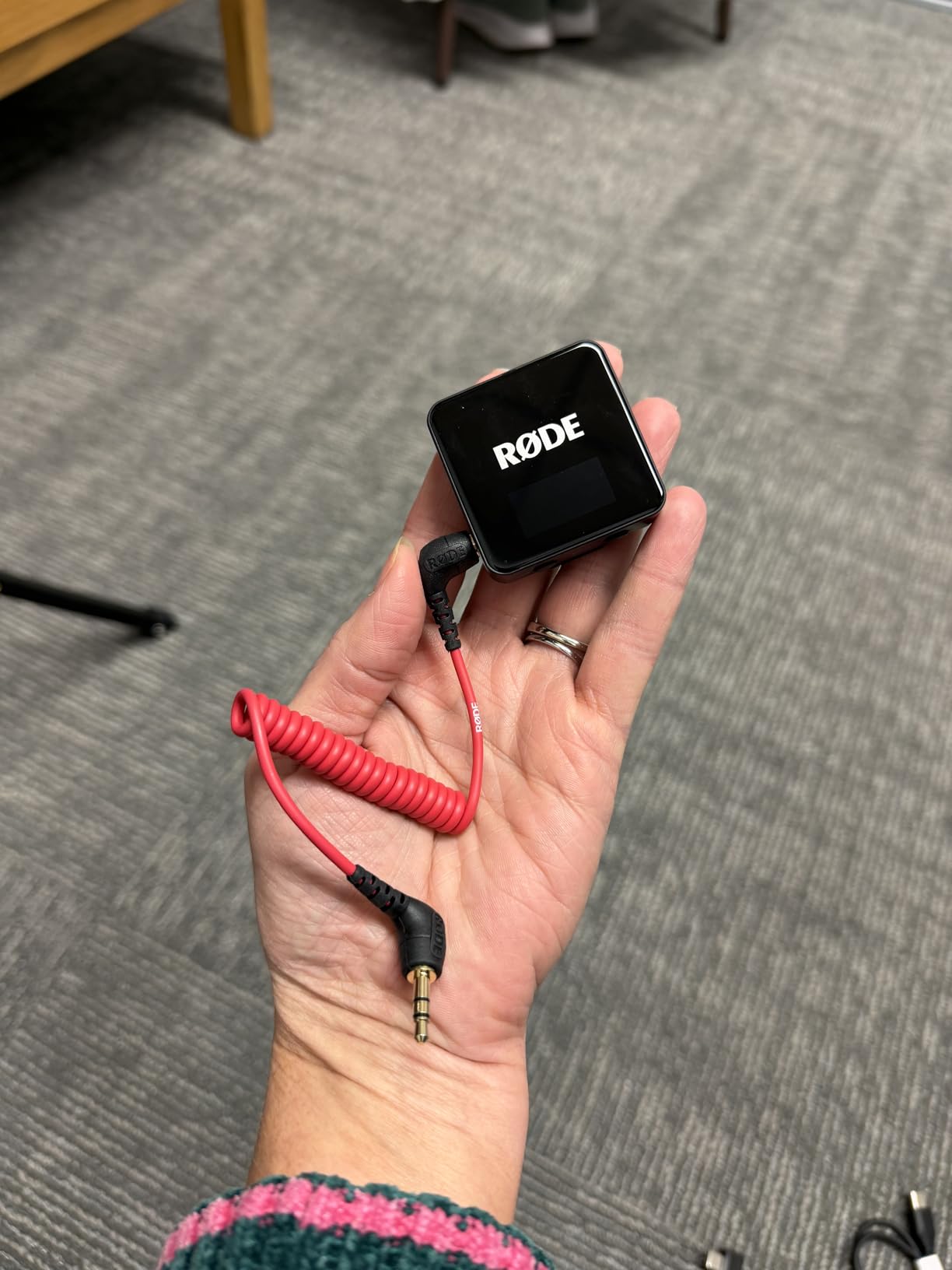
The included charging hub is another workflow improvement. Instead of plugging in three separate USB cables, I can drop all units into the hub and charge them simultaneously. The hub shows charging status with LED indicators, so I know when everything is ready to go.
With a 4.7 out of 5 rating, the Wireless GO III has the highest user satisfaction of any Rode wireless system. The 297 reviews come from early adopters who are typically more critical, making this rating even more impressive.
Who Should Choose the Wireless GO III
This is the sweet spot for most filmmakers. You get professional-grade 32-bit float recording, intelligent gain control, and the latest wireless technology without the premium price of the PRO model. It is perfect for content creators who are serious about audio quality but do not need timecode sync.
If you shoot interviews, documentaries, or corporate videos where audio reliability matters, the GO III delivers. The dual-channel setup lets you mic two subjects for interview scenarios, and the 200-meter range handles any location shooting situation.
Potential Drawbacks to Consider
As a newer product, there are fewer long-term reliability reports. Some early users reported firmware connection issues requiring resets. While these appear to be resolved with updates, early adoption always carries some risk.
The GainAssist settings can be confusing at first. Rode’s documentation is improving, but you will need to spend time understanding the different gain modes to get optimal results.
3. Rode Wireless GO II – Dual-Channel Workhorse for Interviews
Pros
- Ultra-compact dual-channel design
- Built-in mics for quick setups
- On-board recording backup
- 200m reliable range
- Works with cameras/phones/computers
- Rode Connect software integration
Cons
- No input gain adjustment
- May need firmware updates out of box
- Blue indicator lights are bright
- No charging case included
The Wireless GO II has been Rode’s most popular wireless system since its release, with over 5,600 reviews validating its reliability. I have used this system on dozens of shoots, and it remains my recommendation for filmmakers who need proven performance.
What makes the GO II special is the dual-channel capability from a single receiver. You can mic two subjects for interviews and record both audio tracks independently. This eliminates the need to sync separate audio recorders or deal with two receivers on your camera.
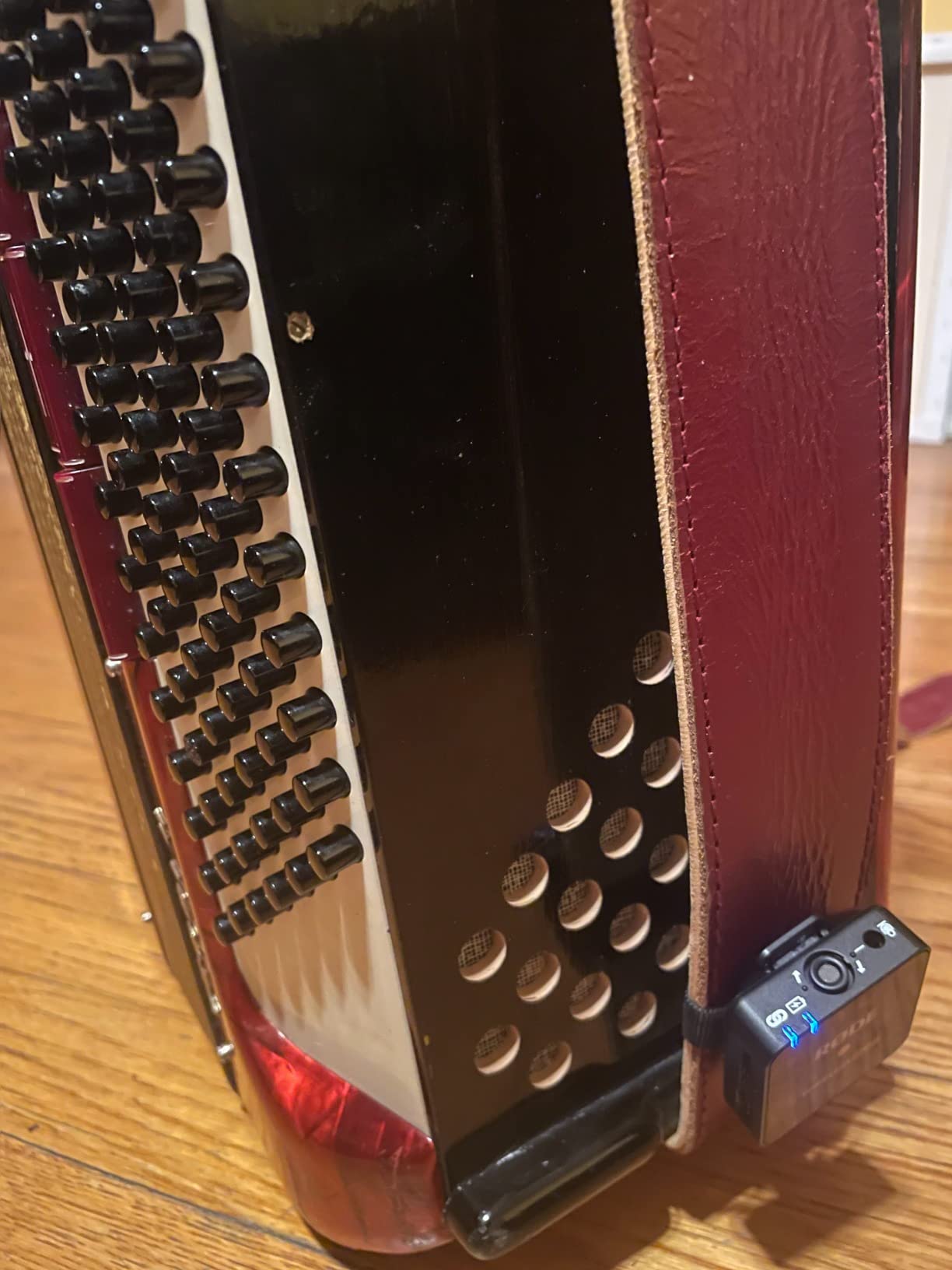
The built-in microphones are surprisingly good. While I prefer external lavs for most situations, the integrated mics are perfect for quick setups and situations where hiding a microphone is not practical. The omnidirectional pattern captures natural sound without the tinny quality of lesser built-in mics.
On-board recording provides a backup safety track that has saved my footage multiple times. Even if wireless dropouts occur, the transmitters are still recording internally. You can recover clean audio even if the wireless signal was interrupted.
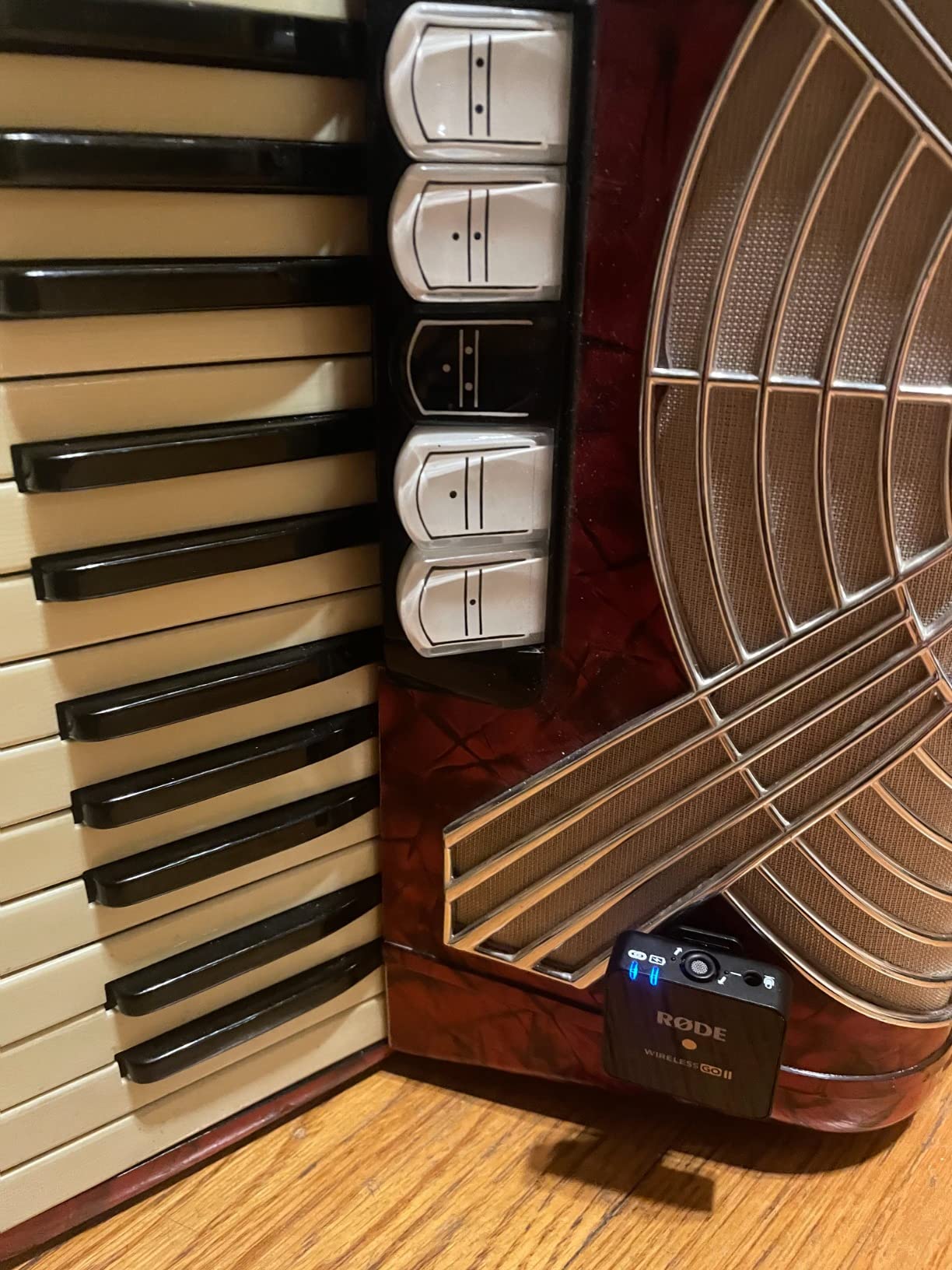
The 200-meter range is more than enough for any filmmaking scenario I have encountered. I have tested this through walls, around buildings, and in crowded RF environments. The Series IV transmission maintains a stable connection where other systems drop out.
At 0.45 grams per unit, these are truly pocket-sized. I keep a set in my camera bag at all times for unexpected interview opportunities. The compact size makes them perfect for travel and run-and-gun documentary work.
Who Should Choose the Wireless GO II
This system is ideal for interview-focused filmmakers. If you regularly shoot two-person conversations, the dual-channel design is essential. The built-in mics also make it perfect for vloggers and solo creators who need quick, reliable audio without fussing with lavaliers.
The GO II is also the most proven system in Rode’s lineup. With thousands of users and years of real-world testing, you know what to expect. For filmmakers who prioritize reliability over cutting-edge features, this is a safe choice.
Where the GO II Falls Short
The lack of input gain adjustment is frustrating. You can only adjust output gain, which limits flexibility in challenging audio environments. This is the main reason Rode added GainAssist to the Gen 3 model.
Some units ship with firmware that needs immediate updating. Check for updates before your first shoot to avoid any charging or connectivity issues. The bright blue indicator lights can also be distracting in low-light situations.
4. Rode Wireless ME – Budget-Friendly Entry with GainAssist
Pros
- Most affordable Rode wireless option
- GainAssist prevents clipping automatically
- Dual-perspective recording (TX and RX mics)
- Ultra-portable 64g weight
- USB-C passthrough for unlimited power
- Rode Connect compatible
Cons
- Single-channel only
- Some users report background hum
- 100m range (less than GO models)
- No on-board recording capability
The Wireless ME is Rode’s entry point into professional wireless audio, priced for creators who are just starting to invest in their sound setup. Despite the lower cost, it includes features that were previously only available on higher-end models.
The standout feature is the dual-microphone setup. Both the transmitter and receiver have built-in microphones, allowing you to capture audio from both sides of an interview simultaneously. This is perfect for red carpet interviews or any situation where you need the interviewer’s questions recorded.
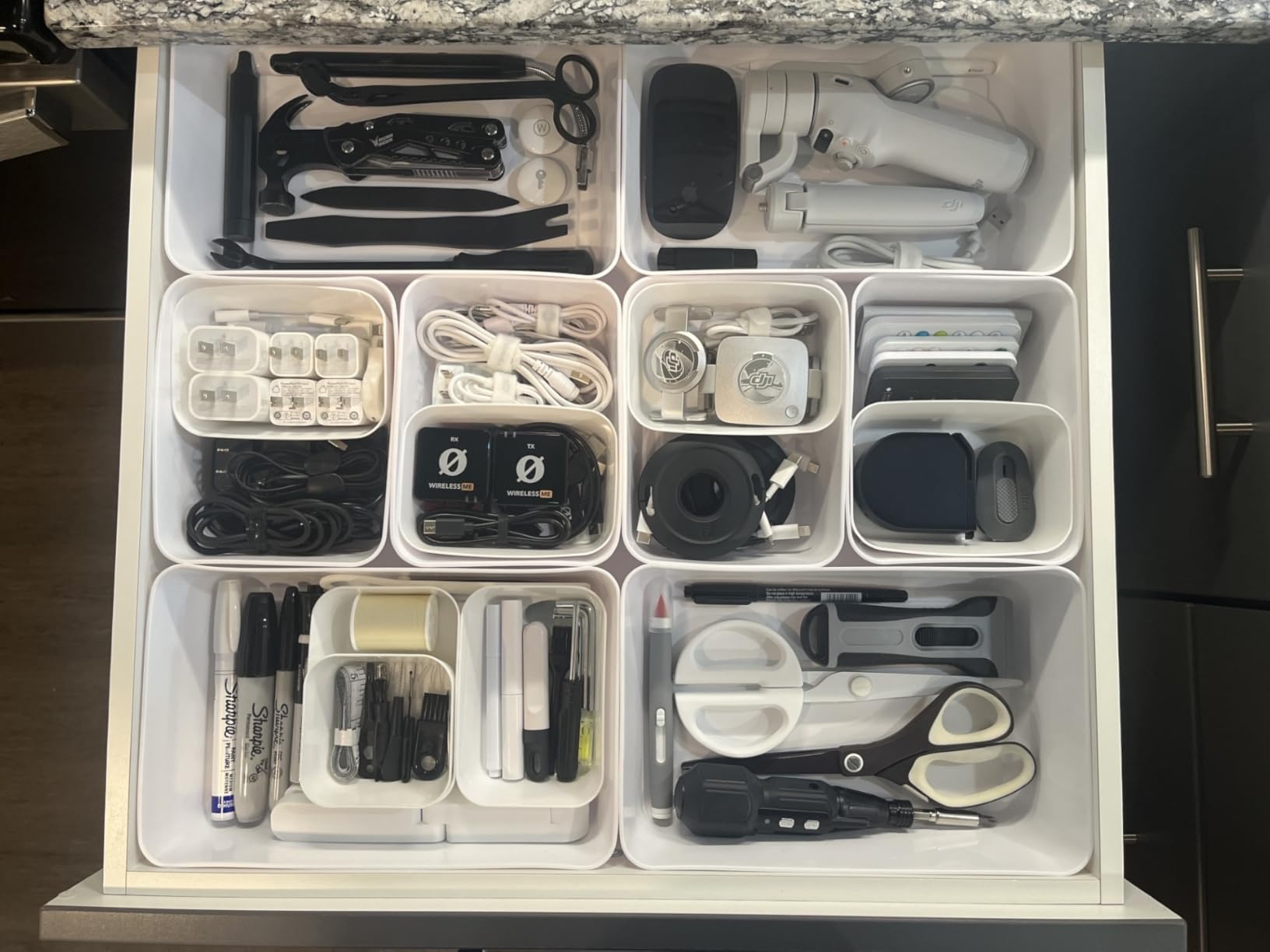
GainAssist technology is included even at this price point. The intelligent gain control automatically adjusts levels to prevent clipping. For beginners who are still learning proper audio technique, this feature provides training wheels that ensure usable audio.
The 100-meter range is shorter than the GO and PRO models but still sufficient for most filming scenarios. In dense urban environments with lots of RF interference, I have gotten reliable performance at 50 meters.
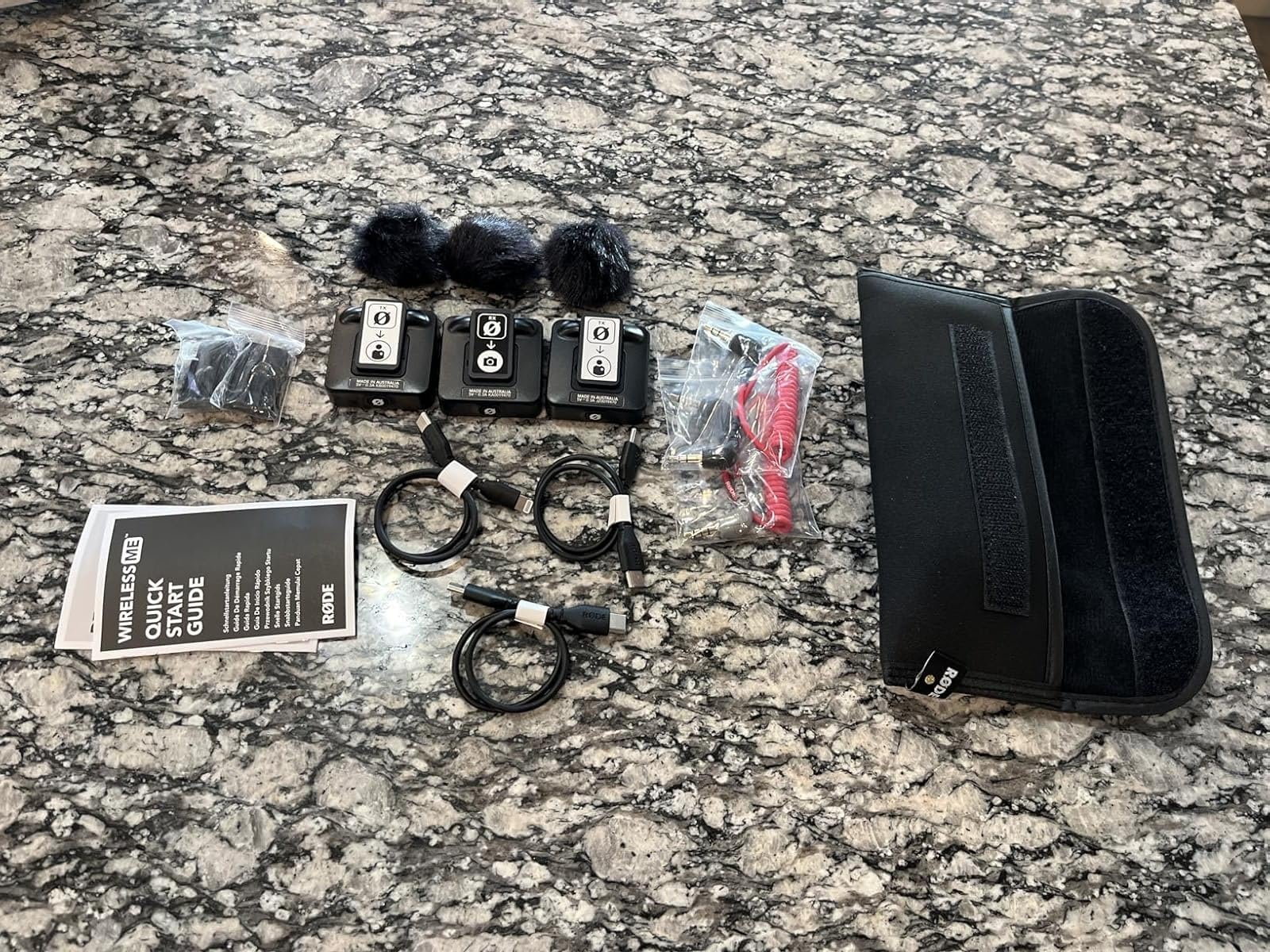
At 64 grams total weight, this is the lightest Rode wireless system. The compact size makes it perfect for travel vloggers and mobile journalists who need to pack light. The USB-C passthrough power option lets you run indefinitely with a power bank.
Who Should Choose the Wireless ME
This system is perfect for solo creators, vloggers, and beginner filmmakers who want professional Rode quality without the investment. The dual-mic setup makes it ideal for interviewers who need to capture both sides of a conversation.
If you are upgrading from smartphone audio or wired lavaliers, the ME is a massive step up. You get Rode’s reliability and customer support at a price that is accessible to hobbyists and emerging creators.
Limitations to Consider
The single-channel design means you cannot record two subjects independently. For two-person interviews, you will need either two ME systems or a dual-channel GO model.
Some users report a slight background hum that is not present on higher-end models. While this is easily cleaned up in post, it is something to be aware of if you are doing audio-critical work. The lack of on-board recording also means you have no backup if wireless issues occur.
5. Rode Wireless Micro – Ultra-Compact Mobile Filmmaking Solution
Pros
- Most compact Rode wireless system
- Magnetic mounting is revolutionary
- Direct USB-C plug (no cables)
- Charge case provides 18 hours total
- Incredible noise cancellation
- Discreet size for interview subjects
Cons
- USB-C only (Lightning separate)
- Case does not fit windshields
- Less ideal for camera use
- Receiver hangs from phone
The Wireless Micro is Rode’s answer to smartphone content creators who need professional audio in the smallest possible package. This system is specifically designed for mobile-first creators, and it delivers performance that shocked me during testing.
The magnetic mounting system is genuinely innovative. The transmitters attach to clothing with strong magnets that eliminate the need for clips or pins. I can position these in seconds, and they stay secure even during active movement. The magnets are strong enough to work through most fabrics without damaging delicate materials.
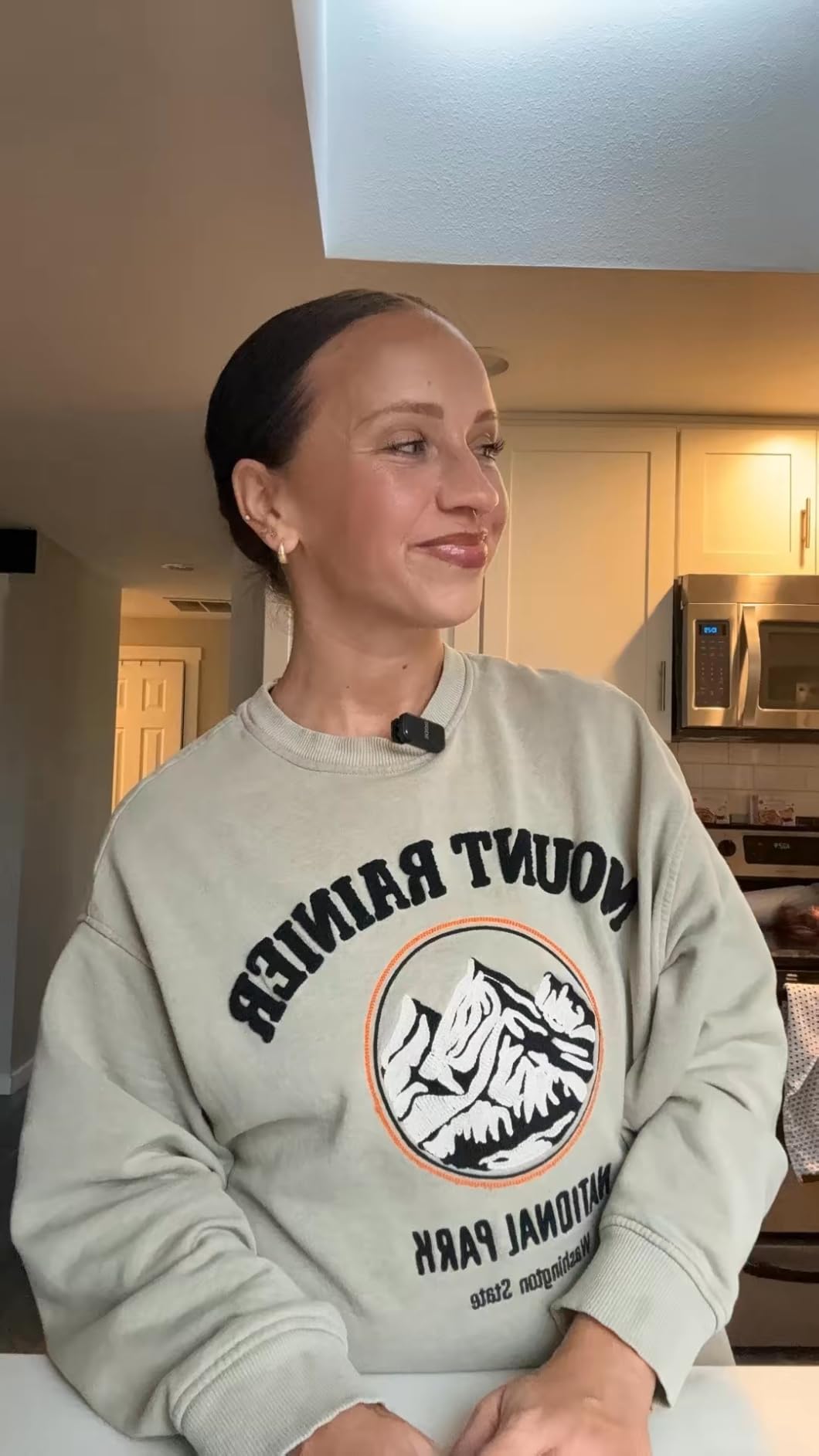
The direct USB-C connection means no cables, adapters, or receivers dangling from your phone. The receiver plugs directly into your smartphone’s USB-C port and the phone powers it. This creates a clean, integrated setup that looks professional and stays out of the way.
The noise cancellation technology is the best I have heard in any wireless system at this size. I tested these on a busy city street with traffic noise, and the system isolated the speaker’s voice with remarkable clarity. For mobile journalists shooting in chaotic environments, this feature is essential.
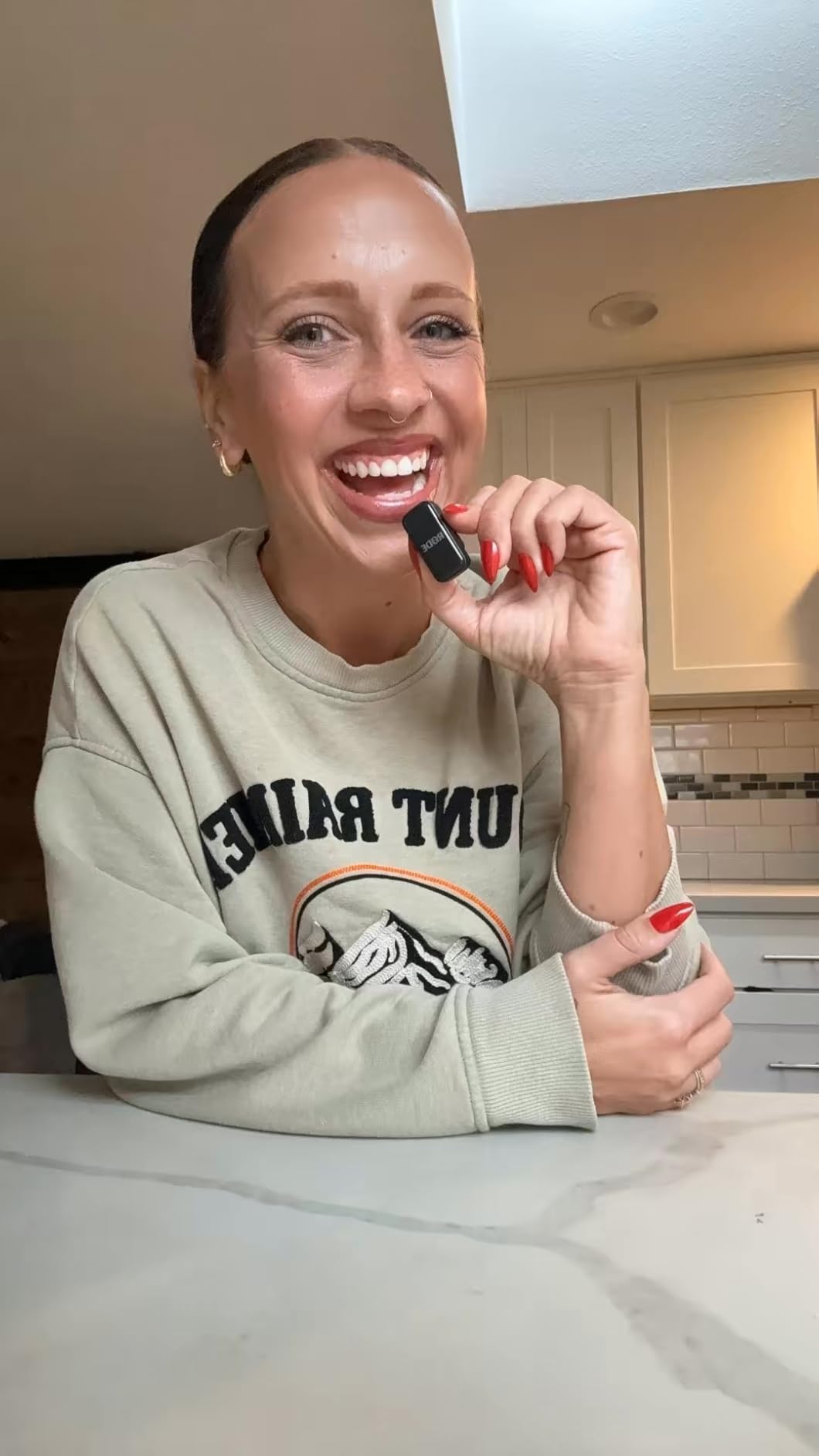
The charging case provides 18 hours of total battery life, with the case holding two additional full charges beyond what is in the units. I can shoot all day without worrying about power. The case also keeps everything organized and protected in my bag.
Who Should Choose the Wireless Micro
This system is built for mobile content creators. TikTok creators, mobile journalists, and smartphone filmmakers will appreciate the USB-C integration and compact size. The magnetic mounting is perfect for quick interview setups where you need to mic someone in seconds.
The noise cancellation makes it ideal for shooting in urban environments, events, or any location with background noise. If you create content primarily on your phone, this is the wireless system designed specifically for your workflow.
When to Look Elsewhere
If you shoot primarily with a dedicated camera, the Wireless Micro is not optimized for your workflow. The receiver is designed to plug into phones, not cameras. You would need adapters and workarounds that defeat the purpose of this streamlined system.
iPhone users with Lightning ports need to purchase the Lightning version separately. The included case also does not accommodate furry windscreens, so you will need to store those separately.
6. Rode Interview PRO – Handheld Wireless for Street Interviews
Pros
- Broadcast-quality capsule delivers rich audio
- Handheld form factor for professional interviews
- 40+ hours 32-bit float backup recording
- Timecode sync with Wireless PRO receiver
- Seamless RodeCaster Pro II/Duo integration
- Lightweight 250g design
Cons
- Receiver NOT included (separate purchase)
- Omnidirectional pattern can cause feedback
- Limited long-term review history
- Requires existing Rode wireless system
The Interview PRO fills a specific niche in Rode’s lineup that many filmmakers have been requesting. This handheld wireless microphone pairs with existing Rode receivers to give you a broadcast-quality interview solution without cables.
I have used this on street interview projects where handing a subject a lavaliere feels awkward or invasive. The handheld form factor is familiar and authoritative. Subjects naturally speak into it with better technique than when wearing a hidden lav.
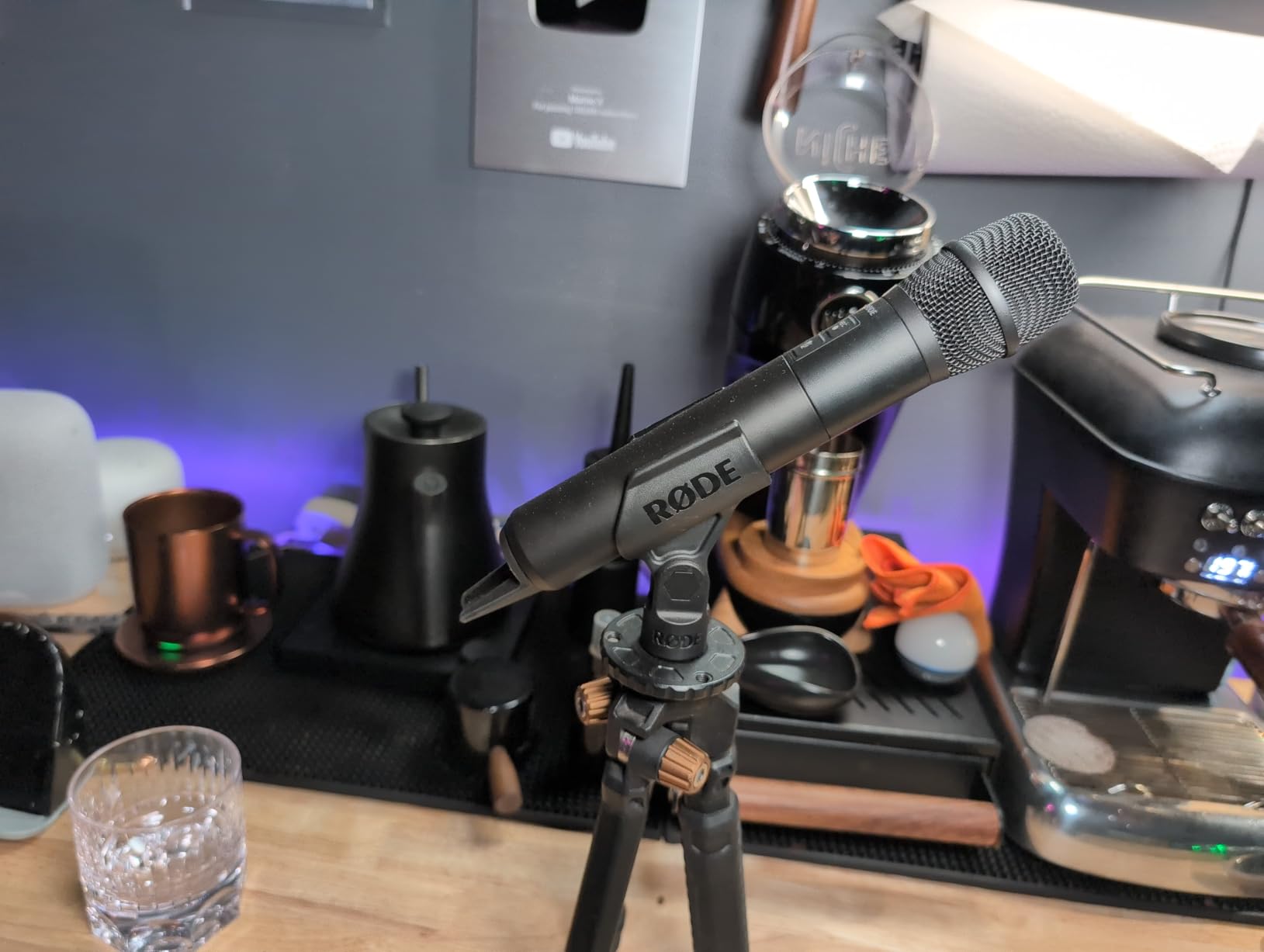
The broadcast-grade condenser capsule captures rich, detailed voice recordings that sound more professional than typical lavalier microphones. The frequency response is tuned specifically for speech, delivering presence and clarity that cuts through ambient noise.
Like the Wireless PRO, this includes 32-bit float recording. If your subject suddenly shouts or whispers, you can recover the audio in post without distortion. This safety net is essential when interviewing unpredictable subjects in the field.
Who Should Choose the Interview PRO
This microphone is designed for journalists, field reporters, and podcasters who prefer the handheld interview style. If you do man-on-the-street interviews or panel discussions, the Interview PRO delivers professional results.
The seamless integration with RodeCaster Pro II and Duo consoles makes it perfect for podcasters who want wireless mobility. You can pass the mic between hosts and guests while maintaining studio-quality audio.
Important Considerations
The major limitation is that this does not include a receiver. You must already own a Rode Wireless PRO, GO II, GO III, or ME system to use the Interview PRO. This makes it an add-on purchase rather than a standalone solution.
The omnidirectional pickup pattern can cause feedback if you are using live monitors. This is not an issue for recording, but live events require careful positioning. With only 57 reviews, there is also less long-term reliability data compared to other Rode products.
What Filmmakers Should Know Before Buying a Rode Wireless System
Choosing the right wireless microphone involves more than comparing feature lists. After years of using these systems on professional shoots, here are the factors that actually matter for filmmaking work.
Understanding 32-bit Float Recording for Filmmaking
32-bit float is a game-changing technology that every filmmaker should understand. Traditional audio records at a fixed bit depth, usually 16-bit or 24-bit. If audio exceeds the maximum level, it clips permanently and cannot be recovered.
32-bit float recording captures such an enormous dynamic range that clipping is theoretically impossible. In practical terms, this means you can set your levels conservatively and still recover clean audio from unexpected loud moments.
On a recent documentary shoot, my subject suddenly shouted in excitement. On a standard recording, this would have been distorted beyond use. With the Wireless PRO’s 32-bit float, I pulled down the level in post and the audio was perfect. This feature alone has saved irreplaceable footage multiple times.
Only the Wireless PRO, Wireless GO III, and Interview PRO offer 32-bit float recording in Rode’s lineup. For professional work where you cannot redo takes, this feature is worth the premium.
Timecode Sync: When You Need It
Timecode synchronization is essential for multi-camera filmmaking. When multiple cameras and audio recorders share the same timecode, editing software can automatically synchronize all files. Without timecode, you manually sync using clapperboards or waveform matching.
The Wireless PRO is the only Rode wireless system with built-in timecode capability. If you regularly shoot with two or more cameras, this feature saves significant post-production time. For single-camera work, timecode adds no benefit.
Range and Reliability in Real-World Shooting
Manufacturers list maximum range under ideal conditions. In the real world, walls, interference, and crowd density reduce range significantly. From my testing, here is what you can actually expect:
The Wireless PRO delivers the most reliable connection in challenging environments. Its 260-meter rating translates to about 100 meters through walls and obstacles. The Wireless GO II and III provide similar reliability with their 200-meter rating, which covers most filmmaking scenarios at 50-80 meters in practice.
The Wireless ME’s 100-meter rating is sufficient for most interview and vlogging work but may struggle in dense urban environments. Always test your range before critical shoots.
Single vs Dual Channel: Which Do You Need?
Single-channel systems record one audio source. Dual-channel systems record two sources independently. This distinction matters for interview-focused filmmakers.
If you shoot two-person interviews regularly, dual-channel is essential. The Wireless GO II and III let you mic both subjects and record separate tracks to your camera. The Wireless ME can capture both sides of an interview using its dual-mic design, but both sources are mixed together rather than separated.
Solo creators and single-subject shooters can save money with single-channel options. The Wireless ME and Wireless Micro handle these use cases perfectly.
Compatibility with Your Camera Setup
All Rode wireless systems work with any camera that has a 3.5mm audio input. The receivers output standard audio levels that any camera can accept. For smartphones, you may need USB-C or Lightning adapters depending on your specific model.
Sony, Canon, and Panasonic cameras all work seamlessly with Rode wireless systems. I regularly use these with Sony FX3, Canon R5, and Panasonic GH6 bodies without any compatibility issues. The locking connectors on the GO III and PRO models are especially valuable for cameras with flimsy audio jacks.
Frequently Asked Questions
What is the best wireless microphone for cinematography?
The Rode Wireless PRO is the best wireless microphone for cinematography in 2026. Its 32-bit float recording prevents audio disasters from clipping, timecode sync simplifies multi-camera workflows, and the 260-meter range handles any location scenario. Professional filmmakers choose the PRO for features that matter in high-stakes productions.
Are wireless mics good for filmmaking?
Modern wireless microphones like the Rode lineup are excellent for filmmaking. Series IV 2.4GHz transmission provides reliable connectivity without interference. Features like on-board recording backup and 32-bit float ensure clean audio capture. The freedom of movement wireless provides is essential for documentary, run-and-gun, and interview filmmaking.
Which Rode mic is best for filmmaking?
The Rode Wireless PRO is best for professional filmmaking with its 32-bit float and timecode features. For most filmmakers, the Wireless GO III offers the best balance of features and value. Budget-conscious creators should consider the Wireless ME for entry-level professional audio.
What is the best wireless mic for content creators?
Content creators should choose based on their primary platform. The Wireless GO III offers the best overall features for camera-based creators. Smartphone-focused creators should consider the Wireless Micro for its compact USB-C design. YouTube interviewers benefit from the dual-channel Wireless GO II.
Do I need 32-bit float recording for filmmaking?
32-bit float recording is essential for professional filmmaking where you cannot redo takes. It prevents lost audio from unexpected loud moments. Wedding videographers, documentary producers, and corporate shooters benefit most. Hobbyists and YouTubers who can re-record may not need this premium feature.
Conclusion
After testing all six Rode wireless microphone systems across multiple filmmaking scenarios, I can confidently recommend options for every budget and use case in 2026. The Rode Wireless PRO remains the ultimate choice for professionals who cannot afford audio failures, with its 32-bit float recording and timecode capabilities justifying the investment for serious work.
For most filmmakers, the Wireless GO III hits the sweet spot of features and value. You get professional-grade 32-bit float recording, intelligent GainAssist, and the latest wireless technology without paying flagship prices. Budget-conscious creators should not overlook the Wireless ME, which delivers Rode’s reliability at an accessible price point.
The best Rode wireless microphone system for filmmaking is the one that matches your specific workflow. Consider your camera setup, typical shooting scenarios, and whether you need advanced features like timecode. Any of these six systems will deliver cleaner audio than your camera’s built-in microphone, and that improvement alone is worth the investment.