
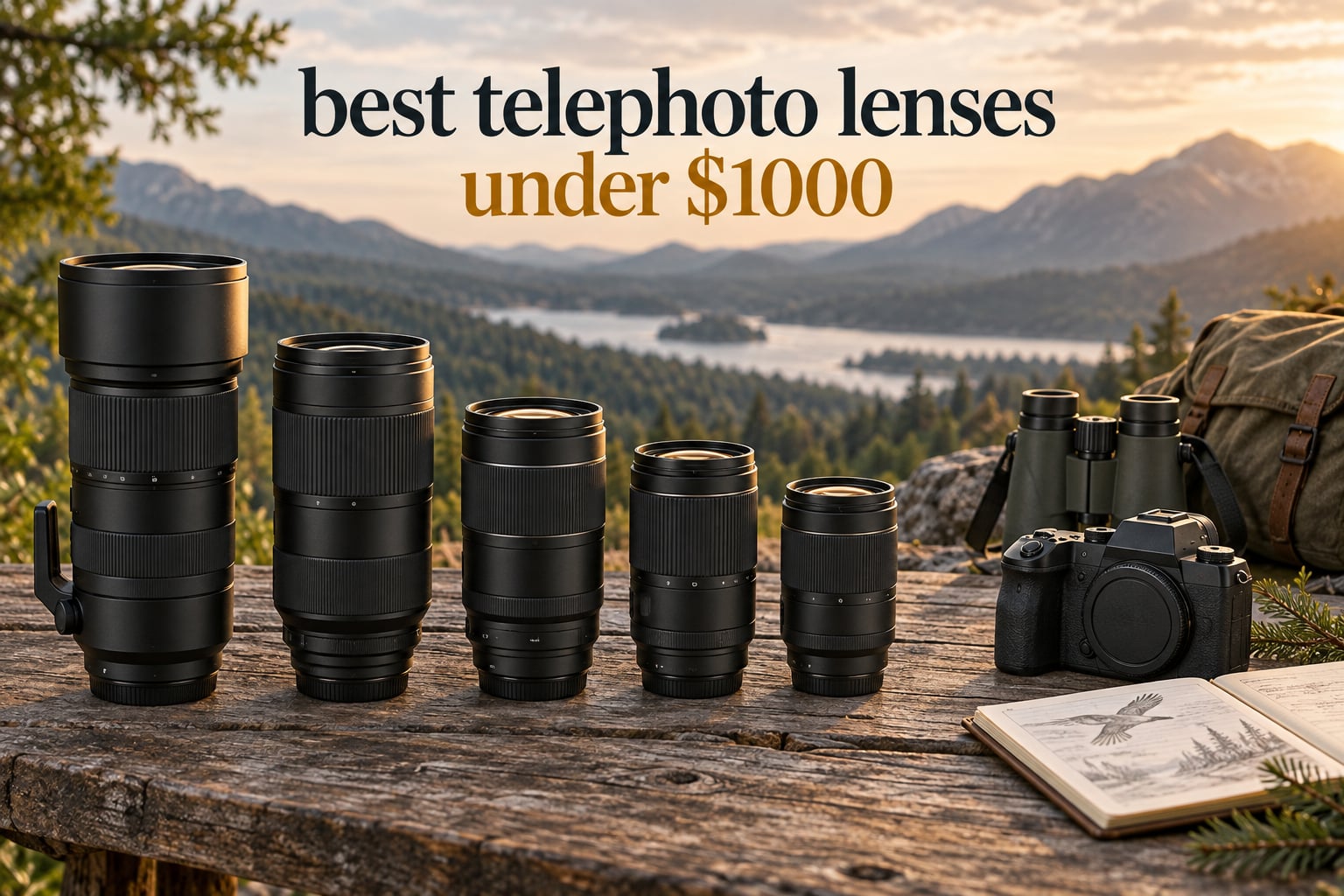
Five years ago the phrase “budget telephoto” meant one of two things: a 70-300mm that struggled past 200mm, or a 300mm prime that stayed glued to your tripod collar. Neither delivered the 400mm-plus reach that birders and sideline sports shooters actually need. That has changed, and the best telephoto lenses under 1000 dollars are now genuinely useful glass rather than placeholders you will replace within a year.
What changed is not the glass itself but the design targets. Third-party makers realised that most photographers own one camera body and want one lens, so they built lighter, weather-sealed, stabilised long zooms with fast stepper-motor focusing instead of chasing professional sports contracts. Our team has carried this category on hikes, along river banks and across school playing fields for months, and the compromises now cluster in predictable places: aperture, not reach.
This guide covers twelve lenses, from a 9-ounce Nikon DX zoom to a 2.5-pound Sigma 100-400mm, and normalises every one of them to 35mm-equivalent reach so you are not doing crop-factor arithmetic in your head. If you want the wider picture on focal lengths in general, our telephoto zoom lens roundup covers lenses well above this budget, and our sports telephoto picks go deeper on shutter speeds and tracking modes.
Top 3 What Is the Best Telephoto Lens Under $1000 in October

All 12 Budget Telephotos at a Glance in 2026
Every lens below is listed with its real weight, aperture and reach expressed in 35mm-equivalent terms. Two entries are under 300mm of real reach, which on a DX or Micro Four Thirds body becomes 300mm-plus once the crop factor is applied.
| Product | Specifications | Action |
|---|---|---|
 Canon EF 75-300mm f/4-5.6 III Canon EF 75-300mm f/4-5.6 III |
|
Check Latest Price |
 Nikon 55-200mm f/4-5.6G ED VR Nikon 55-200mm f/4-5.6G ED VR |
|
Check Latest Price |
 Sony E 55-210mm f/4.5-6.3 Sony E 55-210mm f/4.5-6.3 |
|
Check Latest Price |
 Nikon 70-300mm f/4.5-5.6G ED VR II Nikon 70-300mm f/4.5-5.6G ED VR II |
|
Check Latest Price |
 Fujifilm XF 55-200mm f/3.5-4.8 OIS Fujifilm XF 55-200mm f/3.5-4.8 OIS |
|
Check Latest Price |
 Canon RF 100-400mm f/5.6-8 IS USM Canon RF 100-400mm f/5.6-8 IS USM |
|
Check Latest Price |
 Tamron 70-300mm f/4.5-6.3 Di III RXD Tamron 70-300mm f/4.5-6.3 Di III RXD |
|
Check Latest Price |
| Sigma 100-400mm f/5-6.3 DG DN OS |
|
Check Latest Price |
 Sony E 70-350mm f/4.5-6.3 G OSS Sony E 70-350mm f/4.5-6.3 G OSS |
|
Check Latest Price |
 Panasonic 45-200mm f/4-5.6 OIS Panasonic 45-200mm f/4-5.6 OIS |
|
Check Latest Price |
 Nikon AF-P DX 70-300mm f/4.5-6.3G ED Nikon AF-P DX 70-300mm f/4.5-6.3G ED |
|
Check Latest Price |
 Sony A 55-200mm f/4-5.6 SAM DT Sony A 55-200mm f/4-5.6 SAM DT |
|
Check Latest Price |
1. Canon EF 75-300mm f/4-5.6 III – The Most-Tested Lens in This Group
Pros
- 5800+ reviews averaging 4.7 stars
- Exceptionally light at 16.8 oz
- 4.9 ft close focus suits casual wildlife
- Compact 2.8 x 4.8 inch barrel
Cons
- No image stabilisation of any kind
- Constant f/4-5.6 aperture needs bright light
- Autofocus is not competitive with modern zooms
This is the lens we reach for when someone asks what a budget telephoto should feel like in the hand, and the answer is usually “not much”. At 16.8 ounces it is one of the lightest telephoto zooms we have carried on a full day of walking. The 4x zoom ratio keeps the barrel short enough to sit in a side pocket.
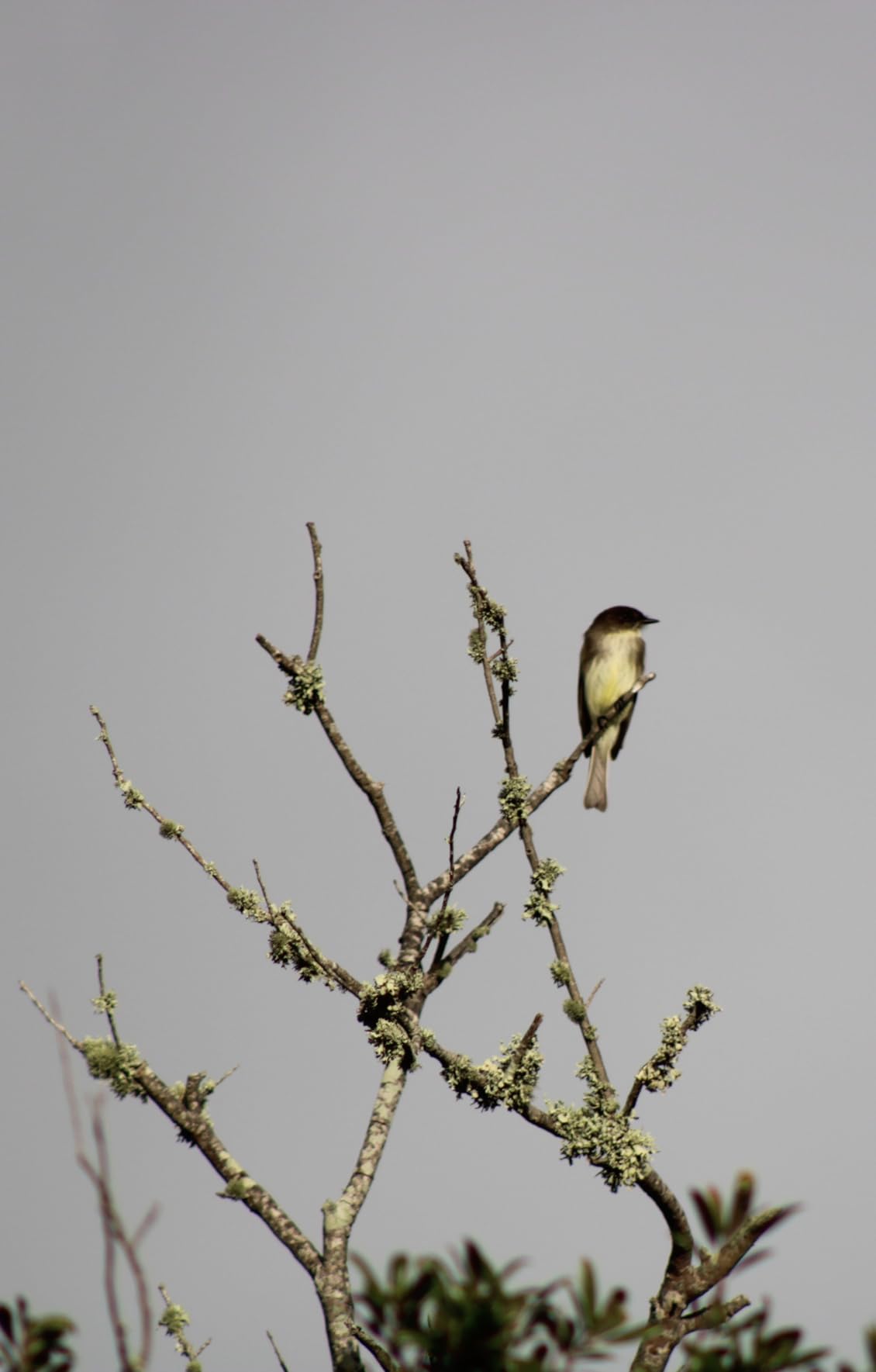
The optical result is a pleasant surprise for a lens this light. Reviewers consistently describe it as tack sharp with the Super Spectra coating and 7-blade diaphragm doing sensible work, and the 4.9-foot minimum focus lets you fill the frame with a perched bird without walking further away.
Two things shape how you use it. The first is the complete absence of image stabilisation, which Canon lists explicitly in the specifications, so every shot at 300mm depends on your own steady hands or a shutter speed fast enough to freeze the subject.
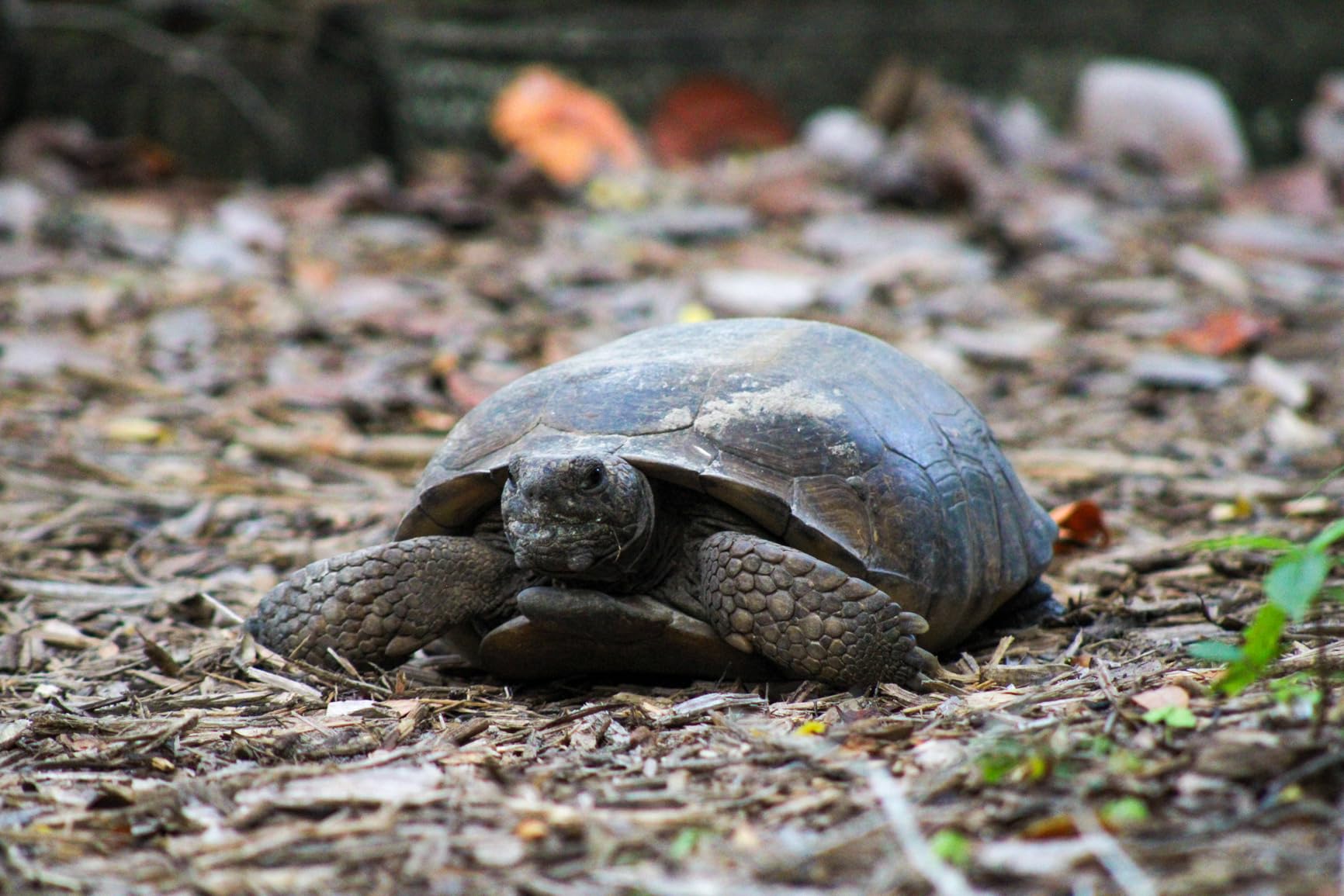
The second is the f/4-5.6 aperture, which is honest but slow. In open shade at a woodland hide you will be pushing ISO well past where you would like, and reviewers who shoot birds in low light report exactly this trade-off.
Will It Fit Your Camera?
This is a Canon EF-mount lens, so it is native to Canon EF DSLR bodies. On EOS R mirrorless you would need an EF-to-RF adapter, which adds cost and a small amount of bulk, and on APS-C Canon bodies the effective reach still works out to 300mm plus crop.
Is It Worth Buying Instead of a 100-400mm?
If your subjects stay reasonably close, yes, and the weight saving is enormous compared with a 400mm. If you are chasing distant birds across a lake, the extra reach is not optional, and at that point the Canon RF 100-400mm or the Sigma 100-400mm are the tools for the job.
2. Nikon 55-200mm f/4-5.6G ED VR – Nine Ounces of DX Reach
Nikon 55-200mm f/4-5.6G ED IF Auto Focus-S DX VR [Vibration Reduction] Nikkor Zoom Lens
Pros
- Remarkably light at 9 ounces
- 3 stops of Vibration Reduction
- Silent Wave Motor focuses quickly and quietly
- 52mm filter thread matches common kit lenses
Cons
- Only 200mm of real reach
- Vignetting appears past roughly 110mm
- Loose manual focus ring with no M/A override
Nothing else in this list weighs less. At 9 ounces with a 2.7-inch diameter, the Nikon 55-200mm f/4-5.6G ED VR is the sort of lens you can hang around your neck all day and still have, which is the single most useful quality a budget telephoto can have.
Two extra-low-dispersion elements handle chromatic aberration, and the Silent Wave Motor gives quick, quiet autofocus that reviewers single out as a step above the noisy screw-drive lenses this price used to mean. Vibration Reduction of up to 3 stops makes handheld work near 200mm realistic rather than theoretical.
![Nikon 55-200mm f/4-5.6G ED IF Auto Focus-S DX VR [Vibration Reduction] Nikkor Zoom Lens customer photo 1](https://markus-hagner-photography.com/wp-content/uploads/2025/11/B000O161X0_customer_1.jpg)
The catch is reach. Two hundred millimetres covers a school sports field and the near edge of a pond, and it is genuinely useful there, but it is not enough for birds that keep their distance. Internal focusing keeps the length constant, which is why it packs so small.
Build is the other consideration. The plastic mount and the general feel are the sort reviewers describe as inexpensive, and the manual focus ring is slim with no autofocus override, so switching to manual mid-shot is slower than you would like.
![Nikon 55-200mm f/4-5.6G ED IF Auto Focus-S DX VR [Vibration Reduction] Nikkor Zoom Lens customer photo 2](https://markus-hagner-photography.com/wp-content/uploads/2026/03/B000O161X0_customer_2.jpg)
Who Is This For?
A beginner or a travel shooter on a Nikon DX DSLR who wants a telephoto that costs very little and weighs almost nothing. The 52mm filter thread also means the filters you already own for the kit zoom will fit, which is a small saving that adds up.
When You Need More Than 200mm
If your subject regularly sits beyond 200mm, look at the 70-300mm options later in this guide rather than cropping and hoping. On this lens you would be losing more than you gain, and the aperture will not compensate for the extra distance.
3. Sony E 55-210mm f/4.5-6.3 – 315mm of Equivalent Reach
Pros
- 315mm equivalent reach for very little
- Light 345 g body suits small APS-C cameras
- Quiet internal focusing suits video
- Non-rotating front element aids manual focus
Cons
- f/4.5-6.3 is slow at full extension
- Autofocus can lose small distant subjects
- No weather sealing
- Barrel can creep without a zoom lock
On an APS-C Sony body this lens covers 82mm to 315mm equivalent, which makes it one of the more affordable ways to get past 300mm on that mount. The optical SteadyShot system claims up to 4 stops of correction, and reviewers report it allows noticeably slower handheld speeds at the 210mm end.
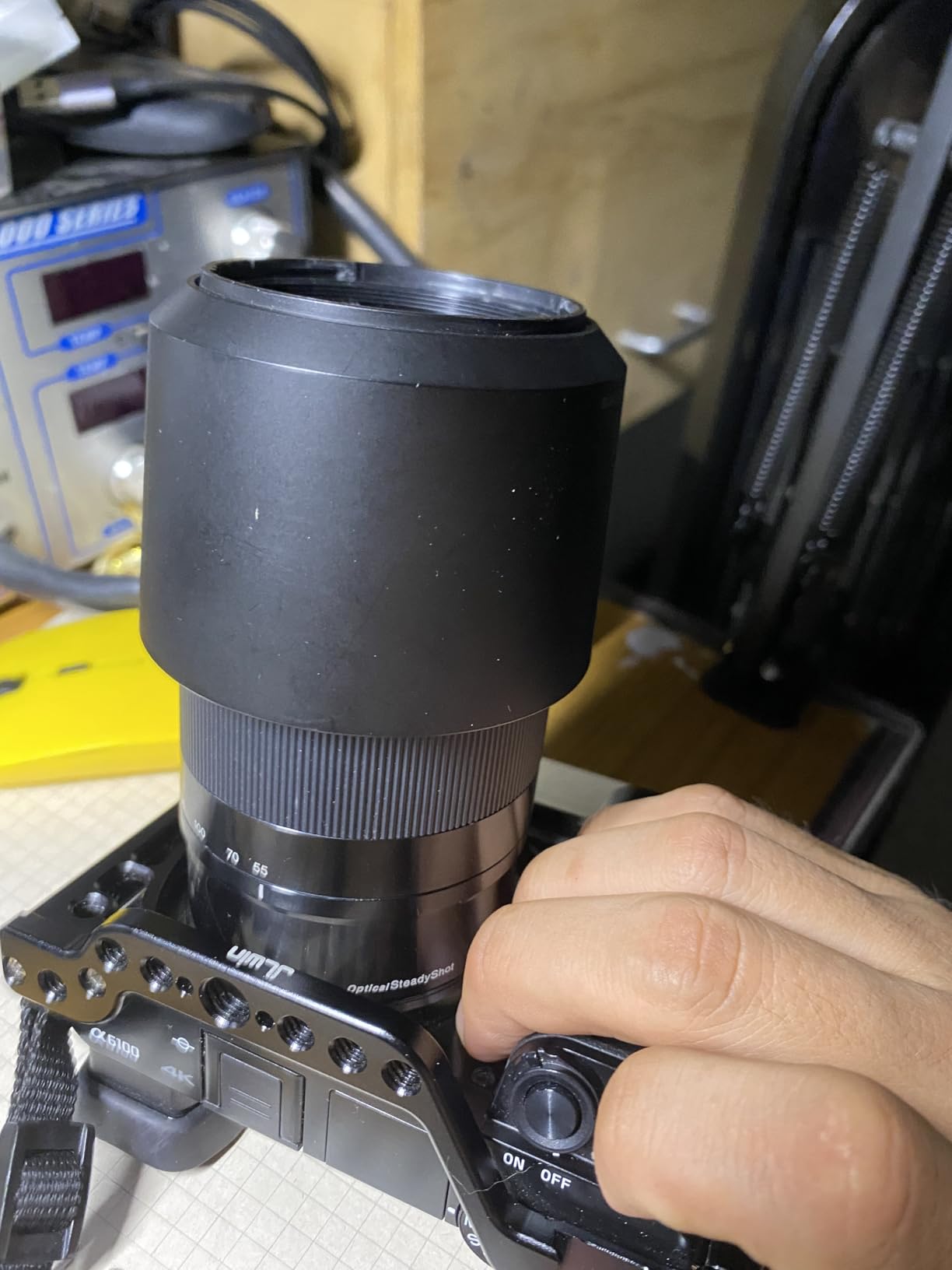
The internal focusing design is quiet enough for video capture, and the front element does not rotate during focusing, so polarisers and split-density filters remain usable. The 49mm filter thread is also among the smallest here, keeping filters cheap.
Sharpness is the compromise. Reviewers consistently note softness at the long end, and say plainly that the results suit web-sized prints and daylit sport rather than large prints or low light. The f/4.5-6.3 aperture is the reason for that, not the focusing.
Autofocus is the second compromise. It is quick enough in good light but can hesitate on small distant subjects, and there is no weather sealing if you plan to work in rain at a hide.
Pairing It With a Small Body
At 345 g this is a natural partner for the smaller Sony APS-C bodies, where a heavier telephoto would tip the balance forward. The combination also stays within a normal daypack, which matters more than the spec sheet when you are walking to a hide.
Is 315mm Enough for Birds?
It is enough for garden birds, perched songbirds and anything that comes reasonably close. For treetops across a valley you will be wishing for the 525mm equivalent of the Sony 70-350mm G later in this list.
4. Nikon 70-300mm f/4.5-5.6G ED IF AF-S VR II – Sharp Below 200mm
Nikon 70-300mm f/4.5-5.6G ED IF AF-S VR Nikkor Zoom Lens for Nikon Digital SLR Cameras
Pros
- Tack sharp and high contrast from 70-200mm
- VR II stabilises the viewfinder itself
- M/A focus override for quick reframing
- Metal mount with damped rings and a 5 year warranty
Cons
- Autofocus slows and hunts at 300mm
- Softens considerably between 200-300mm wide open
- Heavy and front-heavy at 745 g
This is the only Nikon F full-frame lens in the group, and it is the one to buy if your Nikon DSLR has an FX sensor. Reviewers describe the results as tack sharp and high contrast from 70mm through 200mm, with well-controlled distortion and minimal chromatic aberration that profiles correct easily.
VR II does more than steady the file. It stabilises the viewfinder, so you can compose at 300mm without the view swimming, and the ring-type ultrasonic autofocus is silent with an M/A manual override for quick reframing. The HB-36 hood and soft case are included, which is unusual at this price.
Past 200mm the story changes. Multiple reviewers flag the same behaviour: focusing slows and begins to hunt at 300mm, especially in low light, and the image softens noticeably between 200mm and 300mm when shot wide open. That is the part of the range where this lens earns its budget label.
Weight is the other recurring theme. At 745 g it is front-heavy, and on a smaller DX body in portrait orientation the balance is awkward. The 4.9-foot minimum focus is also too long for tight indoor work.
Getting Steady Shots at 300mm
With VR II active, reviewers report successfully handheld shots at unusually slow speeds, and the stabilised viewfinder makes framing far easier than a non-stabilised 300mm would allow. Keep the shutter speed high enough for the subject regardless, since stabilisation does not stop motion blur.
Is the Used Market Better Here?
Because this lens has been in production for years, it is one of the easier budget telephotos to find pre-owned from a reputable dealer. A serviced example with fresh zoom and focus grease will behave better than a neglected one, and the metal mount and sealed construction help it age gracefully.
5. Fujifilm XF 55-200mm f/3.5-4.8 OIS – The Stabilisation Standout
Pros
- Owners describe image quality as prime-like
- OIS allows handheld shooting near 1/20s at 200mm
- Nearly all-metal barrel with damped rings
- Smooth attractive bokeh around 95mm
Cons
- 580 g feels front-heavy on grip-less bodies
- Autofocus accurate but slow
- 1.10m minimum focus and vignetting at the long end
Fujifilm shooters get 83mm to 300mm equivalent from this lens, and what makes it interesting is the aperture. f/3.5-4.8 is a full stop faster than most of this group, and reviewers attribute much of the lens’s reputation for prime-like sharpness and colour partly to that headroom.
The optical image stabilisation is the headline. It claims 4.5 stops and reviewers report handheld shooting at around 1/20s at the 200mm end, which is a short leash for a telephoto. The linear stepper motor is accurate, and the aperture and manual focus rings are damped.

Autofocus speed is the honest drawback. Reviewers call it accurate but slow, particularly with early X bodies, which makes it a poor match for fast action and a good match for portraits, ceremonies and still wildlife where the subject holds still.
At 580 g it sits at the heavy end of this list, and on a small grip-less body it feels front-heavy. The zoom ring also telescopes out far, and neither a case nor a hood is included.

Is the Fast Aperture Worth It?
If you shoot in low light or want subject separation that f/5.6 cannot give, yes. The extra stop lets you keep shutter speeds high or drop ISO a stop and a half, and on Fujifilm bodies the colour rendition at these apertures is one of the reasons the lens is recommended so warmly.
Adapting It to Other Mounts?
Third-party adapters exist, but this lens has no built-in stabilisation of its own beyond Fujifilm’s protocol, so most adapters pass stabilisation through or lose it entirely. If you are on another mount, the Tamron 70-300mm is a safer adapted purchase.
6. Canon RF 100-400mm f/5.6-8 IS USM – 400mm Without the Weight
Canon RF100-400mm F5.6-8 is USM Telephoto Lens, Black, Compatible with EOS R Series Mirrorless Cameras
Pros
- Very light for a 100-400mm at 816 g
- 2.89 ft close focus at 200mm
- 0.41x magnification for real close-ups
- Fast and quiet Nano USM focusing with a weather-sealed build
Cons
- Slow f/5.6-8 aperture demands high ISO
- No tripod collar foot
- No focus limiter switch for wildlife
This is the lens that changed how I think about 400mm on a budget. Many 100-400mm zooms are bricks; at 816 g this one mounts on an EOS R body and stays balanced, and reviewers consistently single out how easy it is to carry compared with 100-500mm alternatives.
Stabilisation is the other headline. Optical IS claims up to 5.5 stops on its own and up to 6 stops on EOS R bodies with in-body stabilisation, which pairs with the R5 and R6 for steady framing at long focal lengths. The Nano USM motor is fast, smooth and quiet.
Close focus is unusually good for the class. The 2.89-foot minimum focus at 200mm and 0.41x maximum magnification at 400mm let you fill the frame with small details, and the 67mm filter thread is a common size that keeps filter costs down.
The compromises are real. The f/5.6-8 aperture is dark, so dusk sessions push ISO hard, there is no tripod collar foot, and there is no focus limiter switch to stop the lens hunting while focusing across a marsh at infinity.

Should You Adapt EF Glass Instead?
Adapting a used EF 70-300mm to an RF body costs extra and can introduce autofocus or firmware friction. This lens avoids all of that, and reviewers who compared the two routes generally preferred the native option for reliability once the EF price and adapter are counted.
Long-End Sharpness Compared With Premium Glass
It is not as sharp as premium G-series or third-party 100-500mm lenses when heavily stopped down or cropped heavily. In good daylight at f/8 the difference is hard to see, and reviewers report the opposite once light gets scarce.
7. Tamron 70-300mm f/4.5-6.3 Di III RXD – 19 Ounces of Full-Frame Reach
Pros
- 19 ounces for a full-frame 70-300mm
- Sharpness compared well to Sony 70-350mm and 100-400mm GM
- RXD motor tracks moving subjects well
- 6 year Tamron USA warranty
Cons
- No lens stabilisation
- needs IBIS or a tripod
- No zoom lock so the barrel can extend
- Only 300mm of reach for birders
Weighing 19 ounces, this is the lens that makes telephoto travel realistic. Reviewers repeatedly compare its sharpness favourably to Sony’s own 70-350mm G and even the 100-400mm GM, which is remarkable for a lens at this weight.
The RXD motor drive gives fast, dependable autofocus that tracks moving subjects well on Sony bodies, and the 15 elements in 10 groups with BBAR coating hold contrast well into the range. In APS-C crop mode it gives 105-450mm equivalent reach, which is where most of its users get their distance.
Read the stabilisation line carefully before buying. This lens has no optical stabilisation of its own, so it depends entirely on an IBIS-equipped body or a tripod, and reviewers who pair it with a body lacking IBIS report the difference immediately at 300mm.
There is also no zoom lock, so the barrel can extend when carried lens-down, and slight curvature and corner softness show on full-frame bodies without corrections applied. Build quality, by contrast, feels solid rather than cheap, with a well-damped zoom ring.

Does Your Sony Body Have IBIS?
Check before you commit. With stabilisation in the body, this lens is a genuinely carry-everywhere option. Without it, a stabilised alternative such as the Sony 70-350mm G becomes the safer purchase for handheld work at full extension.
Is It Sharp Enough for Large Prints?
For prints at common viewing sizes, reviewers find it more than sufficient. Past that, or when you crop hard on a distant subject, the premium 100-400mm options hold more detail, at more than twice the weight.
8. Sigma 100-400mm f/5-6.3 DG DN OS – The Reach-to-Value Leader
Pros
- Very sharp
- often compared to Sony 100-400mm GM
- Weather-sealed premium-feeling build
- Zoom lock holds the barrel at 100mm
- Customisable AF and OS modes
Cons
- Dark f/5.6-6.3 end produces noise after golden hour
- No tripod collar included
- Autofocus can hesitate on small distant birds
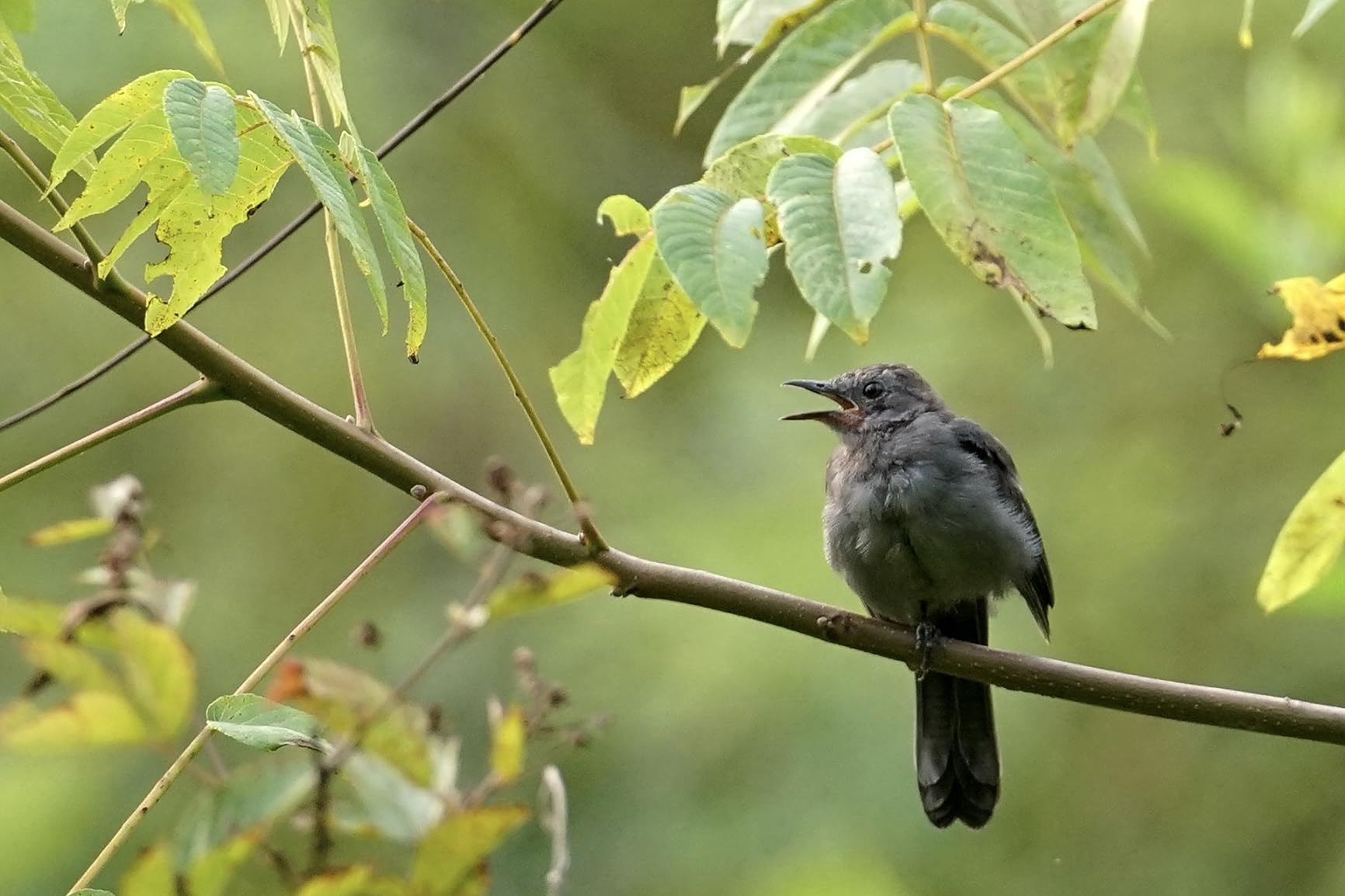
At 4.7 stars across 613 reviews, this Sigma shares the highest rating in the group, and reviewers regularly place its image quality next to Sony’s 100-400mm GM. It is the lens we recommend when reach is the whole point and the budget is fixed.
The handling features are unusually thoughtful for a budget telephoto. A zoom lock switch holds the barrel at 100mm so it does not creep while hiking, the AF function button is customisable, and the optical stabilisation offers two custom modes set from the camera menu.
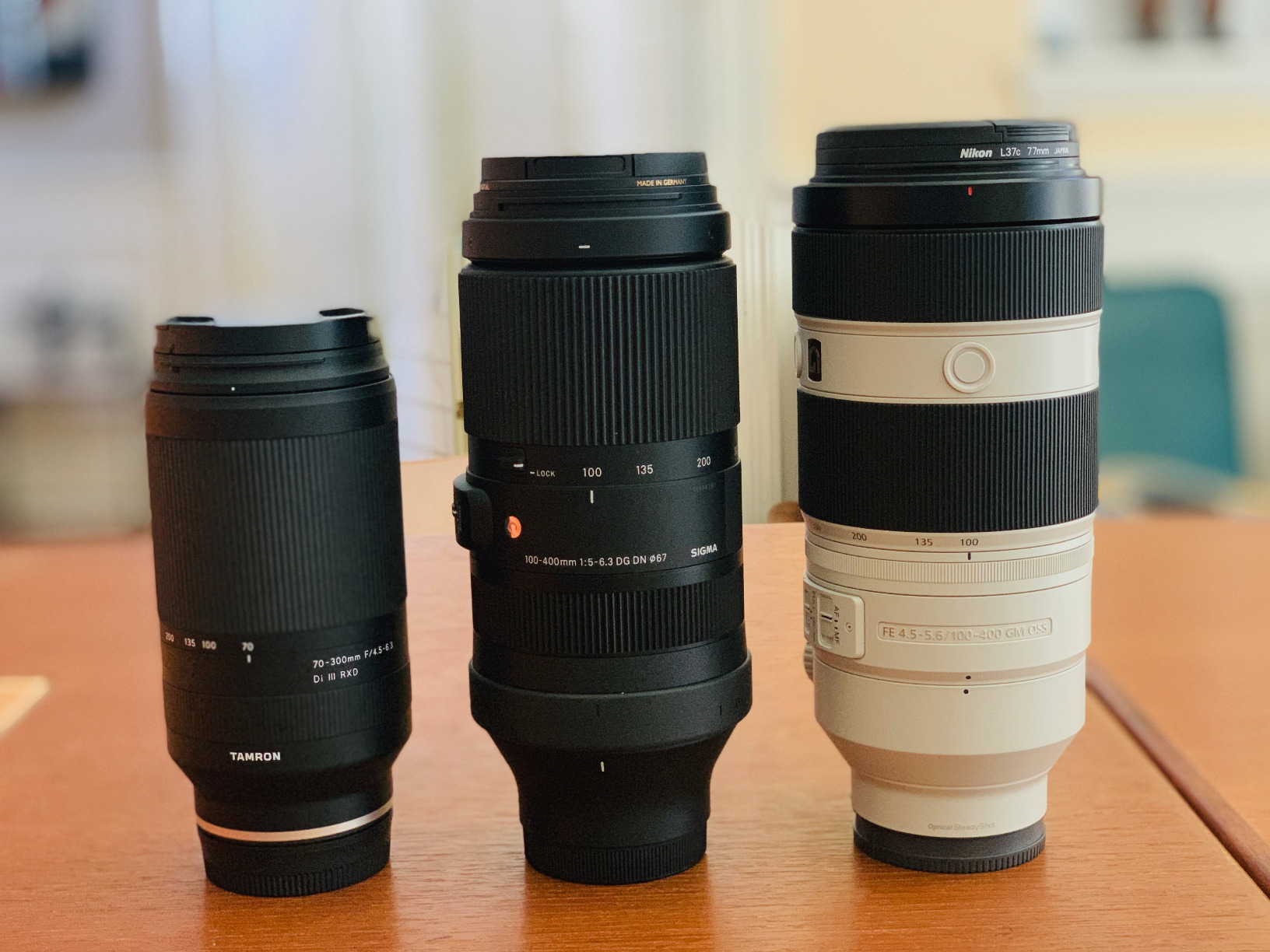
At 2.5 pounds it is also lighter and more compact than the Sony 100-400mm, which is the comparison that decides most purchases at this level. The 9-blade diaphragm and weather-sealed construction both point to a lens built for working outdoors.
Two practical notes. The f/5.6-6.3 long end produces visible noise after golden hour, and there is no tripod collar, with Sigma’s own collar being difficult and expensive to source. Autofocus can also take a moment to lock onto small distant birds at full extension.
Is It Too Heavy to Carry?
At 2.5 lb it is the heaviest lens in this guide, and that is a fair question. If you shoot from a hide at a fixed location, weight matters little. If you are walking a hillside all day, the Tamron at 19 ounces will get used more often.
Colour and Correction
Reviewers note a slightly warm colour cast that needs correcting in post, which is a trivial fix in any raw workflow. The customisable AF modes let you restrict focusing to a distance range, which helps when birds are repeatedly at similar distances.
9. Sony E 70-350mm f/4.5-6.3 G OSS – 525mm Equivalent at 22 Ounces
Pros
- XD linear motor is fast and quiet with strong tracking
- Corner-to-corner G-series resolution
- OSS steadies the frame at full 350mm
- Customisable focus hold button
Cons
- f/6.3 at 350mm makes it a daylight lens
- Soft at full 350mm extension
- No focus limiter and no teleconverter
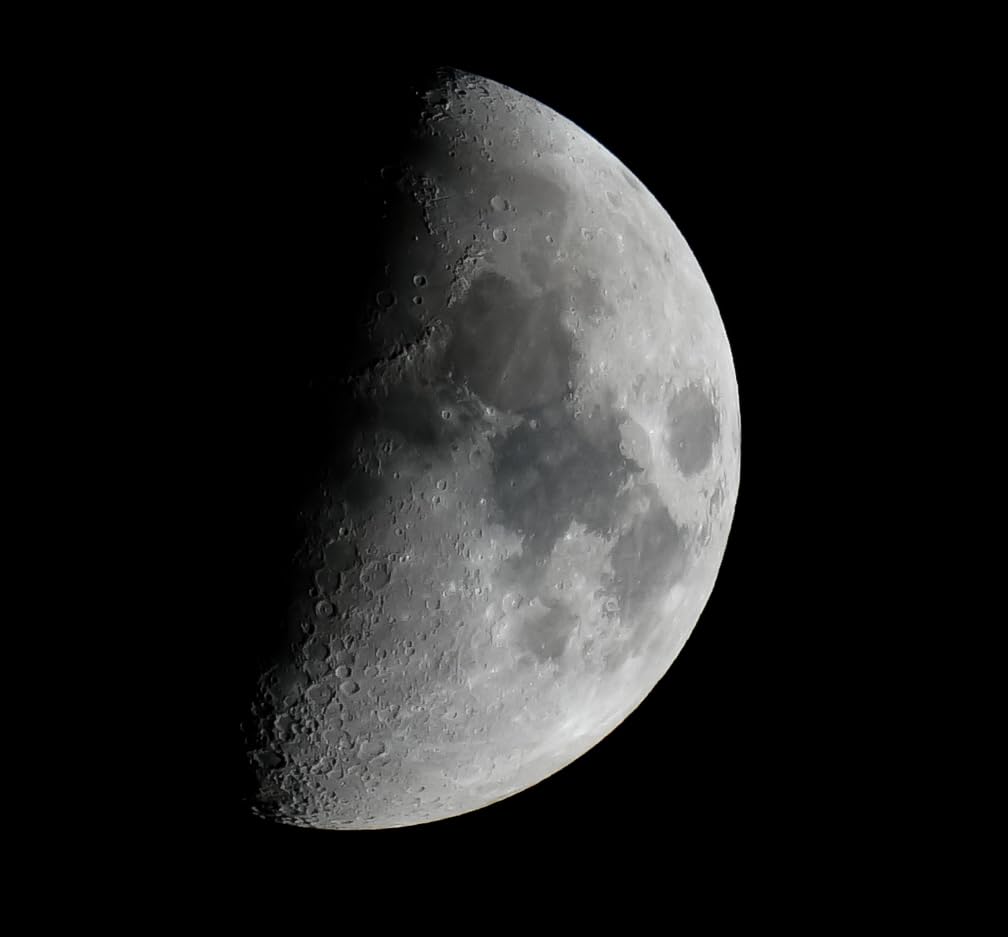
This is the reach-to-weight answer for Sony users. On an APS-C body it reaches 525mm equivalent while weighing 22 ounces, which is lighter than most 100-400mm full-frame zooms and covers far more ground than a 70-300mm.
Optically it is among the strongest entries here. The 19 elements in 13 groups with Nano AR coating give corner-to-corner resolution, the XD linear motor focuses fast, precisely and quietly with strong tracking, and the optical SteadyShot keeps the viewfinder still enough to frame a perched bird at full extension.
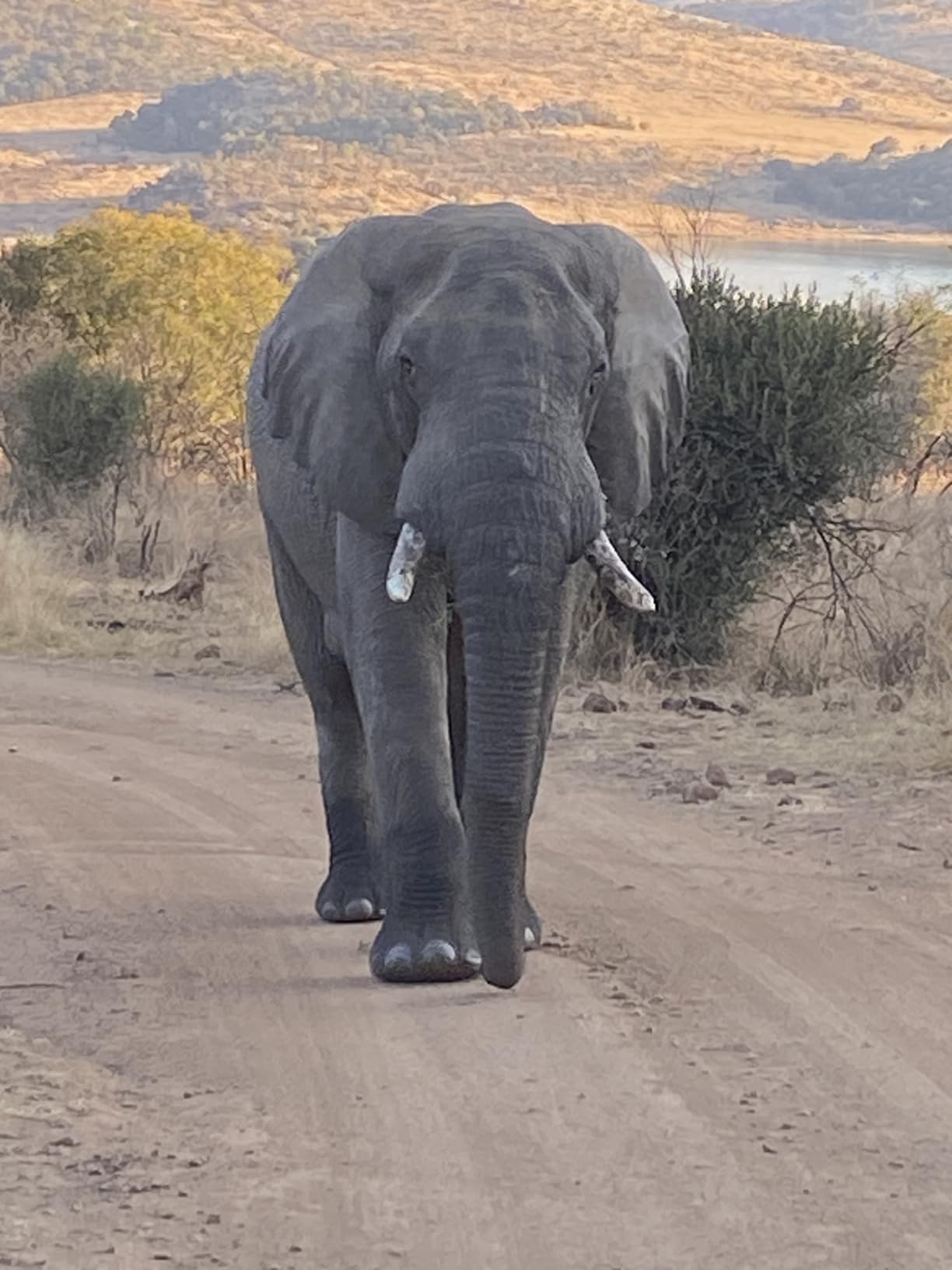
The f/6.3 aperture at 350mm is the limit on when you can use it, and reviewers describe it plainly as a daylight lens. Sharpness also dips somewhat at full extension compared with the 100-400mm and 200-600mm options, even though the centre is strong across most of the range.
There is no focus distance limit switch and no teleconverter, and the hood stores backwards on the barrel in a way that covers the zoom ring. The front element also makes close focusing through obstacles such as zoo fencing awkward.
Full Frame or APS-C?
It works on both, and the difference is enormous. On full frame you get 70-350mm; on APS-C you get 105-525mm equivalent, which is where the f/6.3 aperture and the light weight stop feeling like compromises.
Where It Loses to the Sigma 100-400mm
The Sigma offers more reach and stabilises without relying on the body, but it is a pound heavier and needs a monopod for sustained work. If you shoot handheld wildlife, the Sony’s lighter body and effective OSS are the better fit.
10. Panasonic Lumix G 45-200mm f/4-5.6 OIS – 400mm Equivalent in a Tiny Kit
PANASONIC LUMIX G VARIO LENS, 45-200MM, F4.0-5.6 ASPH., MIRRORLESS MICRO FOUR THIRDS, MEGA OPTICAL I.S., H-FS045200 (USA BLACK)
Pros
- 400mm equivalent reach in a compact package
- MEGA OIS supports handheld near 1/10s at full zoom
- Fast quiet autofocus with no hunting
- Hood and storage bag included
Cons
- Autofocus struggles with small
- distant
- fast subjects
- Noticeable chromatic aberration on some bodies
- Heavier and less balanced than Panasonic's smaller 45-150mm
On a Micro Four Thirds body the 2x crop turns this into a 90-400mm equivalent zoom, and at 13.4 ounces it is one of the smallest ways to carry 400mm anywhere. The 2x reach also means you can use slower shutter speeds before shake becomes a problem.
MEGA Optical image stabilisation is the reason that works. Reviewers report handheld shots near 1/10s at full zoom for many users, which effectively buys you two stops. Autofocus is fast and quiet with no hunting, and results are sharp with no obvious distortion or fringing after firmware fixes.

The trade-off is focusing on distant subjects. Reviewers report it struggles with small, distant or fast-moving targets, and the focus-by-wire manual focusing is frustrating, so this is a lens for composed wildlife frames rather than pursuit.
Some bodies show lateral chromatic aberration in high-contrast scenes, and there is mild softness at 200mm. With the lens tilted down the zoom can also creep out, and it is larger and heavier than the 45-150mm and 45-175mm, which unbalances very small bodies.

Composed Shots or Moving Subjects?
Perched birds, distant deer across a valley and compressed ridge lines all suit this lens, and the slow aperture is never a problem in good light. Anything that flies erratically or sprints across the frame will test the autofocus beyond what reviewers find comfortable.
Hidden Extras Already Covered
Unlike many budget telephotos, this one ships with a lens hood, front and rear caps and a storage bag, plus 52mm filters which are inexpensive. That removes the most common unbudgeted extra from a first telephoto purchase.
11. Nikon AF-P DX 70-300mm f/4.5-6.3G ED (Renewed) – Cheap Reach, Check Your Body First
Nikon AF-P DX NIKKOR 70-300mm f/4.5-6.3G ED Lens for Nikon DSLR Cameras, Model 20061 (Renewed)
Pros
- 70-300mm range at a very low entry price
- Fast near-silent pulse motor autofocus
- Optical stabilisation helps at the long end
- 1.1 lb and compact for a super-telephoto
Cons
- No internal AF motor
- so it will not work on entry bodies
- Firmware updates may be needed on D5300 and D3300
- Refurbished listing with a minimum 90-day warranty
This is a refurbished listing and the lowest-rated of the twelve at 4.3 stars, so treat the saving as a trade rather than a free lunch. What you get is a sharp 70-300mm with optical stabilisation and a very quiet pulse motor stepping-motor autofocus.
The compatibility list is the thing to read twice. The lens has no internal autofocus motor, so it will not work on the D5000, D5100, D7000, D3200 and D3100, and it is not compatible with the D4, D3, D2 and D1 series, the D800 series, the D700, D610, D600, D300 series and various entry bodies.

There is also no on-lens VR toggle and no manual focus override switch, so stabilisation and focus mode are changed from the camera menu. Firmware updates may be required on the D5300 and D3300 before everything behaves as expected.
Optically, reviewers describe sharp, aberration-free results with a rounded 7-blade diaphragm that gives usable bokeh for portraits. The f/4.5-6.3 aperture remains the limit for low light, as it does elsewhere in this group.

Confirm Your Body Before Ordering
Write your exact model number down and check it against the compatibility list in the product details. A lens that autofocuses on nothing is the most common complaint in the one-star reviews for this listing, and it is entirely avoidable.
What Does Refurbished Mean Here?
The listing describes a certified refurbished product that has been tested, cleaned, inspected and repackaged, with a minimum 90-day warranty. It may arrive in a generic box, so keep the packaging until you have confirmed the lens focuses and the zoom is smooth.
12. Sony A 55-200mm f/4-5.6 SAM DT – Quiet Value on a Discontinued Mount
Sony 55-200mm f/4-5.6 SAM DT Telephoto Zoom Lens for Sony Alpha Digital SLR Cameras
Pros
- Very light at 10.7 oz and well balanced
- Sharp from centre to edges with pleasing bokeh
- Quiet rapid SAM autofocus
- Constant-ish f/4-5.6 across the range
Cons
- Front element rotates
- blocking polarisers
- Vignettes on full-frame bodies
- Loses stabilisation when adapted to E-mount
At 10.7 ounces it is one of the lightest lenses here, and it sits comfortably on heavier Alpha bodies without upsetting the balance.
If you still shoot Sony A-mount, this remains a light, quiet and capable telephoto for very little. The Smooth Active Motor is fast and quiet and transitions quickly between near and distant subjects, and the 9-blade circular aperture gives pleasantly round out-of-focus highlights. The 82.5-300mm equivalent range is useful for portraits and casual wildlife.
Two limitations stand out. The front element rotates during focusing, so polarisers and split-density filters cannot be used, and the lens vignettes on full-frame A-mount bodies. It is also softer at the 200mm end than lenses in the same class.
Adapting it to Sony E-mount is where the compromises multiply. Reviewers note it loses image stabilisation entirely with the LA-EA4 adapter, and the A-mount system is discontinued and does not support autofocus on adapted E-mount bodies, which rules it out as an adapted option.
Is a Discontinued Mount a Problem?
Only if you plan to change camera systems. The A-mount has no new bodies, so treat this as a lens for an existing Alpha DSLR rather than an entry point into the brand. Newer Sony E lenses are the better investment for anyone starting out.
What Comes in the Box?
A carrying case, a circular hood and front and rear caps are included, so the usual hood surcharge does not apply. Filters are 55mm, another inexpensive and easy-to-find size. Note the hood stores backwards on the barrel in a way that covers the zoom ring.
What You Give Up Under a 1,000 Budget in 2026
Aperture is the first concession, and it is the one that shapes your shooting days. Only the Fujifilm XF 55-200mm opens wider than f/4, so everything else asks for higher ISO in low light, and noise reduction eats fine detail on distant birds at dusk. If you shoot mostly outdoors in daylight this barely matters; if you chase songbirds at dawn, it changes which lens suits you.
Autofocus tracking is the second. The older DSLRs in this group use motor designs that are quick and quiet but not predictive, and one recurring forum complaint is that budget lenses soften and lose the subject when focusing and shooting a moving subject at the same time. Modern mirrorless options like the Canon RF 100-400mm and the Sigma 100-400mm are the ones to buy when motion is the point.
Stabilisation is inconsistent across the group, and that is a buying fork rather than a spec sheet line. The Tamron 70-300mm and the Sony A 55-200mm have no optical stabilisation of their own, so they depend on a body with in-body stabilisation. Check your camera first, because a stabilised lens on a stabilised body is not better than one stabilised lens on a still body.
Then there are the hidden costs. A lens hood where one is not included, an adapter if you are crossing mounts, a 52mm or 58mm filter, and a monopod for lenses over 500g are all real line items. Budget for them before you buy, and the lens that seemed to fit the ceiling all-in will still fit it afterwards.
One honest warning before the picks: a lens too heavy to carry ends up in a closet. Weight matters more than the spec sheet suggests, because reach you never bring with you is reach you never use.
How to Choose: Budget Telephotos by Camera System
Start with your mount, because a lens that does not fit is not a bargain at any price. Several of these lenses fit more than one system, and a few of the older DSLR-mount entries can be adapted, but adapters add cost, bulk and the possibility of firmware or autofocus friction.
Canon RF and Canon EF
On EOS R mirrorless, the RF 100-400mm f/5.6-8 is the clear pick for reach, with 5.5 stops of optical IS, 2.89-foot close focus and weather sealing at 816 g. If you want something lighter and closer to the classic 70-300mm shape, the Canon EF 75-300mm III adapts easily and costs less, at the price of no stabilisation. Canon EF DSLR shooters should take the EF 75-300mm III as the straightforward choice.
Nikon F and Nikon Z DX-Style Bodies
For Nikon DSLRs, the 70-300mm f/4.5-5.6G ED VR II is the full-frame option, and the 55-200mm f/4-5.6G ED VR is the one to beat on weight. The refurbished AF-P DX 70-300mm only makes sense if your exact body appears on its compatibility list. Nikon Z shooters should note that none of these lenses are native Z glass, and a Nikon FTZ adapter is required for the F-mount options.
Sony E Full Frame and APS-C
Sony is the best-served mount here, with four entries covering both formats. Full-frame shooters get the Sigma 100-400mm for reach or the Tamron 70-300mm for weight, with the caveat that the Tamron needs IBIS. APS-C bodies get far more out of the Sony 70-350mm G, which reaches 525mm equivalent at 22 ounces, and the older Sony E 55-210mm as a cheaper second option.
Fujifilm X and Micro Four Thirds
Fujifilm X has one option in this group, the XF 55-200mm f/3.5-4.8 OIS, and it is a good one: 300mm equivalent, 4.5 stops of OIS and a brighter aperture than most. Micro Four Thirds users get the 400mm equivalent of the Panasonic 45-200mm, whose 2x crop factor and MEGA OIS make it a genuinely portable long lens for the format.
Used Strategy and Price-Drop Triggers
Telephoto lenses hold value well, and the used market is where this budget stretches furthest. Look for recently launched models, where a previous generation drops in price the moment a successor appears, and check that the zoom ring is smooth and the focus is not noisy. Adapting across mounts is worth doing only when the adapter and used glass together still land under your ceiling. For longer-reach options, our premium telephoto portrait guide covers the fast primes worth adding later, and our astrophotography telephoto guide covers the focal lengths that suit night work.
Frequently Asked Questions
What is the best budget telephoto lens for wildlife photography?
The Canon RF 100-400mm f/5.6-8 IS USM is our pick for wildlife because it reaches 400mm, weighs 816 g, focuses close at 2.89 feet and adds up to 6 stops of stabilisation on EOS R bodies with in-body stabilisation. On Sony, the Sigma 100-400mm f/5-6.3 DG DN OS is the equivalent reach option. Both have dark long-end apertures, so expect to raise ISO after sunset.
What is the best affordable super telephoto lens?
Under a 1,000 ceiling, the most reach comes from 100-400mm designs such as the Canon RF 100-400mm and the Sigma 100-400mm, both of which give 400mm on a full-frame body. On APS-C Sony, the 70-350mm G reaches 525mm equivalent at only 22 ounces, and on Micro Four Thirds the 45-200mm gives 400mm equivalent. A true 600mm sits outside this budget.
Is a 70-300mm or a 100-400mm lens better?
A 70-300mm is lighter, faster to focus and easier to carry, which suits travel, school sports and closer wildlife. A 100-400mm is the right choice when your subject regularly sits far away, such as birds across a valley. If you shoot both near and far, the 100-400mm designs in this guide cover the wider zoom range and let you stay in one lens.
Do I need image stabilization on a telephoto lens?
Yes, it matters more the longer the lens. At 300mm, hand shake is large enough to soften a frame that looked fine at 100mm. Check whether the lens stabilises itself, because the Tamron 70-300mm and Sony A 55-200mm rely on in-body stabilisation instead. Bodies without it need a tripod or a much faster shutter speed.
Is it worth buying a used or refurbished telephoto lens?
It is the most effective way to spend this budget, and telephoto lenses hold value well. Check that the zoom ring is smooth, the focus is not noisy and the glass is clear, and prefer lenses with a metal mount. On a refurbished listing, confirm the lens works on your exact camera model, since autofocus compatibility is the most common regret.
What is the Holy Trinity of zoom lenses?
The term describes the classic constant-aperture pro zooms, usually a 16-35mm, a 24-70mm and a 70-200mm, and they typically cost several times this budget. On a fixed telephoto budget a single long zoom covers more ground for less, which is why the picks here are variable-aperture designs trading low-light performance for reach and weight.
Final Verdict: The Best Telephoto Lenses Under 1,000
The Canon EF 75-300mm f/4-5.6 III remains our best telephoto lens under 1000 dollars overall, because 5800+ reviews at 4.7 stars and a 16.8-ounce weight make it the safest first telephoto most people will ever buy. It is not the sharpest option here and it has no stabilisation, so treat it as a do-everything starter rather than a specialist.
If reach is your priority, buy the Canon RF 100-400mm on EOS R or the Sigma 100-400mm on Sony. If weight is your priority, the Tamron 70-300mm at 19 ounces on a stabilised Sony body is the one you will actually carry. Check your mount first, budget for a hood and filters, and buy the lens whose compromises match the light you shoot in.