
A tripod is the one piece of gear that holds your most expensive asset, and it is also where most beginners quietly sabotage their own shots. I spent weeks with the stands below, checking folded size, leg lock feel and how each one behaved when a gust came off the lake, so you do not have to learn the hard way.
My direct answer: the Joby GorillaPod 3K is the best camera tripod under 100 dollars overall, because 4.7 stars from more than 10,000 reviews, a 6.6 lb load rating and a body that folds small enough to disappear into a daypack rarely line up. If you need real height and a rigid ball head instead, the NEEWER 72 inch takes heavier glass.
The honest caveat is that this price bracket buys you stability for mirrorless bodies, prime lenses and light zooms. It does not buy pro bodies with telephoto glass in a stiff wind, and that limit is not a defect in these tripods. It is physics, and I explain where exactly the ceiling breaks in the section on what you give up at this budget level.
If you want the wider picture before you commit, our guides to the best lightweight camera tripods and the best camera tripods under 200 dollars cover what changes when you step up a tier.
Top 3 Best Camera Tripods Under 100 Dollars Right Now (2026)
These three are the ones I hand to friends and family without hesitation. Each covers a genuinely different job, so the right pick depends on what you are shooting rather than on which brand you like.

The GorillaPod wins on versatility and weight. The NEEWER 72 wins on raw load capacity and metal build. The K&F Concept 64 wins on the balance of packability, height and a head that is genuinely precise.
All 10 Best Camera Tripods Under $100 in October
Every stand in this roundup, with the specs that actually decide a purchase. Prices shift constantly, so use the buttons to check current figures.
| Product | Specifications | Action |
|---|---|---|
 Joby GorillaPod 3K Joby GorillaPod 3K |
|
Check Latest Price |
| NEEWER 72 Inch Tripod Monopod |
|
Check Latest Price |
 K&F Concept 64 Inch Aluminum K&F Concept 64 Inch Aluminum |
|
Check Latest Price |
 NEEWER 77 Inch TP77 NEEWER 77 Inch TP77 |
|
Check Latest Price |
 K&F Concept 90 Inch Overhead K&F Concept 90 Inch Overhead |
|
Check Latest Price |
 SmallRig CT-10 SmallRig CT-10 |
|
Check Latest Price |
 K&F Concept 60 Inch Carbon Fiber K&F Concept 60 Inch Carbon Fiber |
|
Check Latest Price |
 Sirui AM-5C Sirui AM-5C |
|
Check Latest Price |
 Joby GorillaPod 1K Joby GorillaPod 1K |
|
Check Latest Price |
 Amazon Basics 50 Inch Amazon Basics 50 Inch |
|
Check Latest Price |
Two numbers deserve attention in that table. The GorillaPod 1K at a 2.2 lb limit is a phone and flash tool, not a DSLR support. And three of these are only meaningfully stable with the center column down, which is where the honest usable height sits.
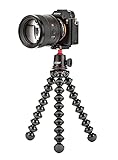
1. Joby GorillaPod 3K – Best Overall Tripod Under 100 Dollars
Joby GorillaPod 3K Flexible Mini-Tripod with Ball Head Kit for DSLR and Mirrorless Cameras
Pros
- Wrappable legs grip trees fences and uneven ground
- Quick-release plate speeds up camera changes
- Bubble level and 90 degree tilt for precise framing
- Packs into a pocket or fanny pack at 13.8 oz
Cons
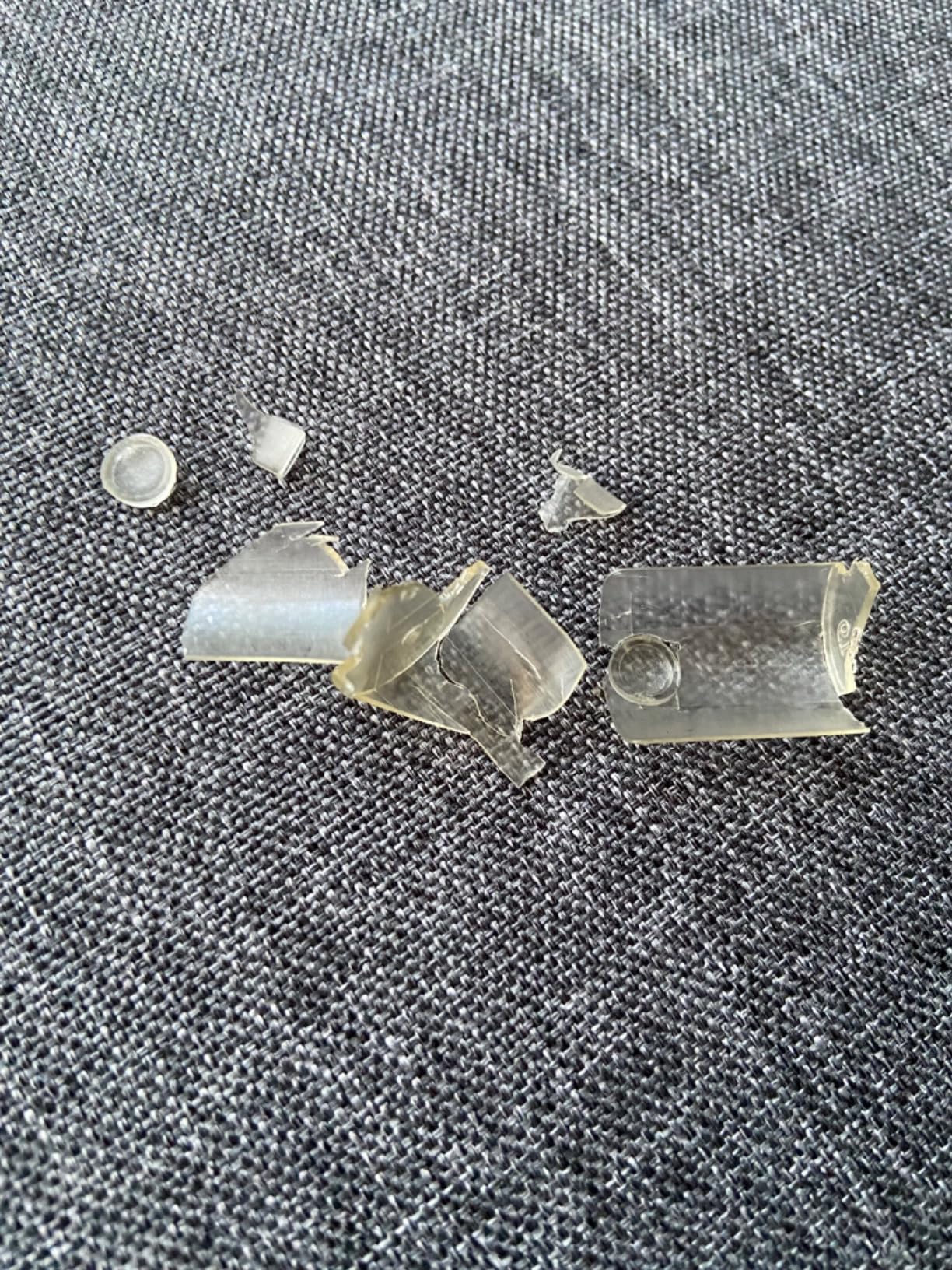
- Ball joint caps can crack in a backpack
- Knee locks loosen as joints wear in
- Unsuitable for pro bodies with telephoto glass
Wrapping the legs around a branch is the trick that never gets old. On a hiking day I set the 3K on a mossy log that no rigid tripod could have balanced on, framed a shot of a stream, and walked away without worrying about the wind. That flexibility is the reason it leads this list.
At 13.8 ounces it is genuinely carryable rather than merely portable. My camera, two lenses and this tripod all fit into a normal daypack with room to spare, which is not something I can say for most of the aluminum stands here.
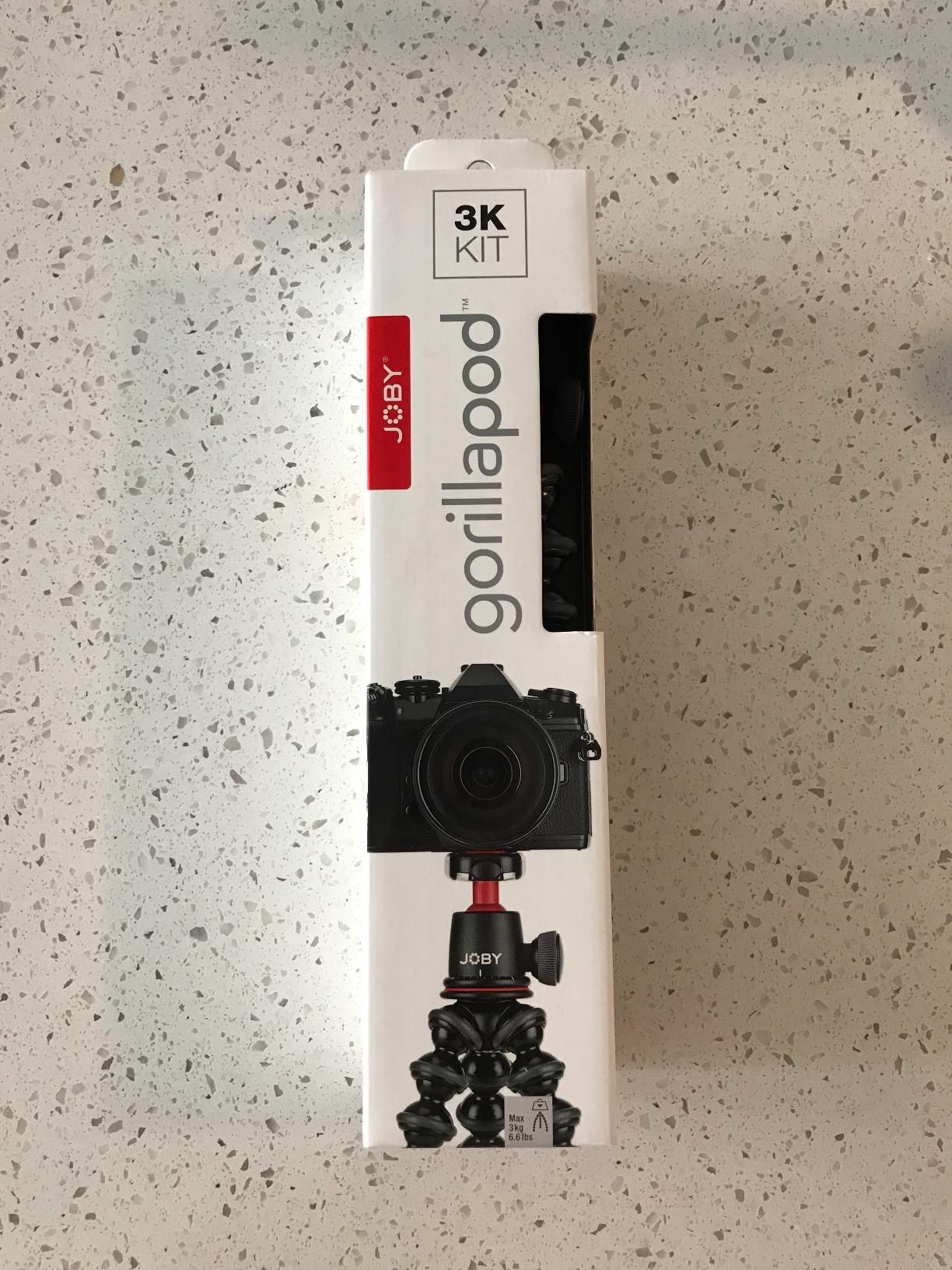
The numbers back the marketing. A 6.6 lb load rating, a 360 degree panning bed, 90 degree tilt and an integrated bubble level cover mirrorless bodies, compact DSLRs, flashes, microphones and light panels without complaint. The quick-release plate meant I was swapping between camera and phone in a couple of seconds.
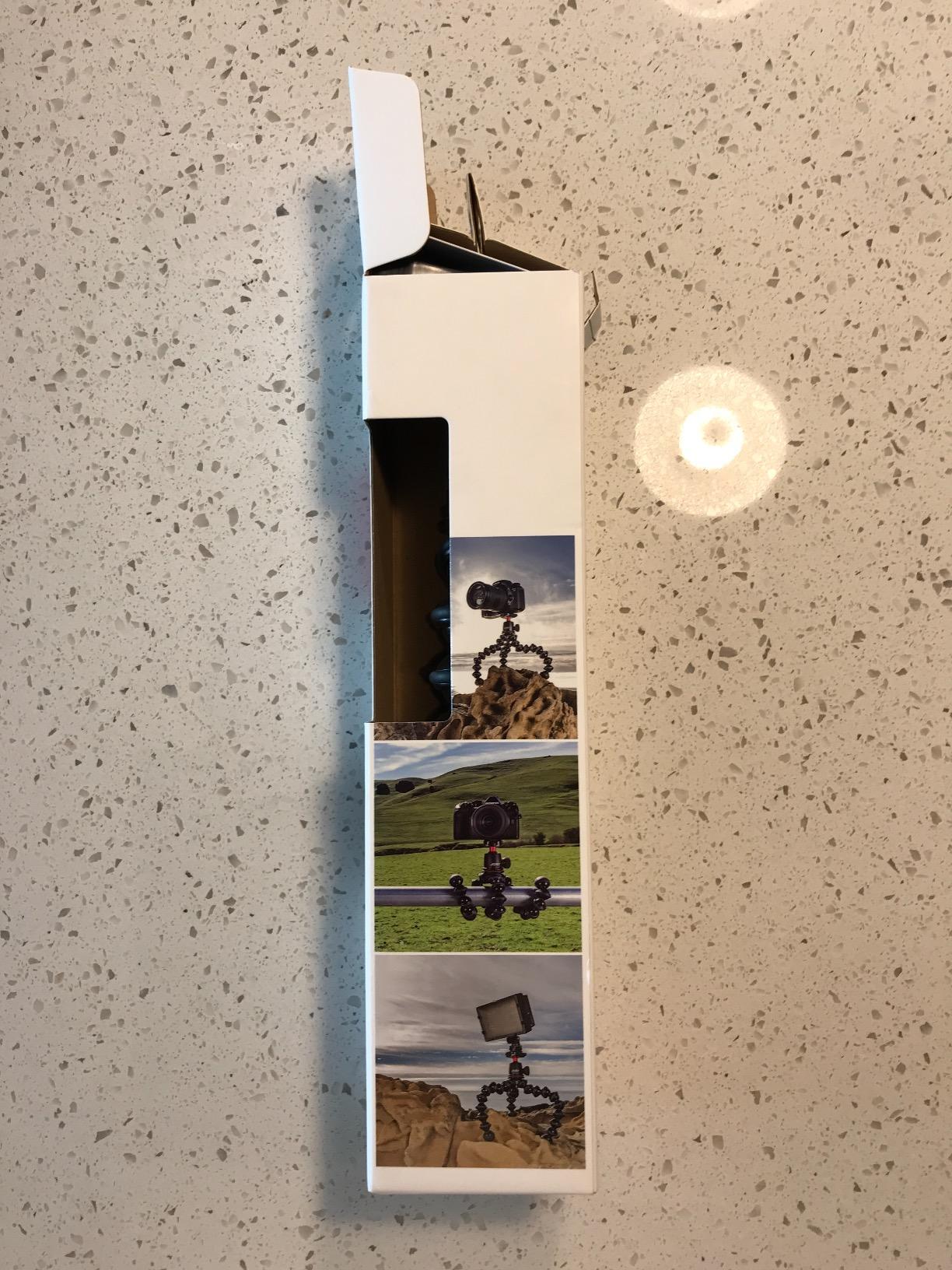
The 3K reaches 30 centimeters at full extension and drops to 15 centimeters, so it is a low and mid-height tool rather than a head-height or overhead one. For macro work on a table, low-angle street shots and anything where you wrap rather than extend, that is exactly right.
Who this tripod suits
Travel shooters, street photographers, vloggers and anyone who shoots in places a rigid tripod cannot stand. It also doubles cheaply as a light stand or microphone arm, which makes it a genuinely multi-purpose tool.
Choose it if your whole kit is a mirrorless body with a small prime or a light zoom. The ball joints hold framing well under that load, and the 3 kg rating is comfortable for that class of gear.
Who should skip it
Skip it if you carry a full-frame body with a long telephoto. Reviewers consistently warn that the flexible legs are not rigid enough for that mass, and the joints will not thank you for the strain.
Also be honest about longevity. Owners report ball joint caps cracking when the tripod is thrown in a rucksack, and knee locks loosening as the joints wear. Treat it as a travel tool you handle carefully rather than a ten-year workhorse.
2. NEEWER 72 Inch Tripod Monopod – Best for DSLR and Heavy Kits
Pros
- Magnesium aluminum alloy tubes feel far more solid than plastic locks
- Multi-angle center column reaches horizontal for overhead shots
- One leg unscrews to convert it into a monopod
- Carabiner hook accepts a sandbag for wind stability
Cons
- Bulky at 26.4 inches folded and heavy for long hikes
- Ball head drops sideways when loosened
- Supplied carrying bag is tight even with the head collapsed
When I wanted to know whether a sub-100 dollar stand could hold a heavier body without creeping, this is the one I reached for. The 28 millimeter magnesium aluminum tubes and the 33 lb rating give you far more headroom than the printed numbers on cheaper plastic-locked tripods, and reviewers regularly compare the build favourably to Manfrotto.
The multi-angle center column is the feature nobody expects. It tilts from vertical through 22.5, 45 and 67.5 degrees all the way to horizontal, which turns the stand into an overhead rig for flat lays, product work and tabletop video. The column also reverses for macro shooting.
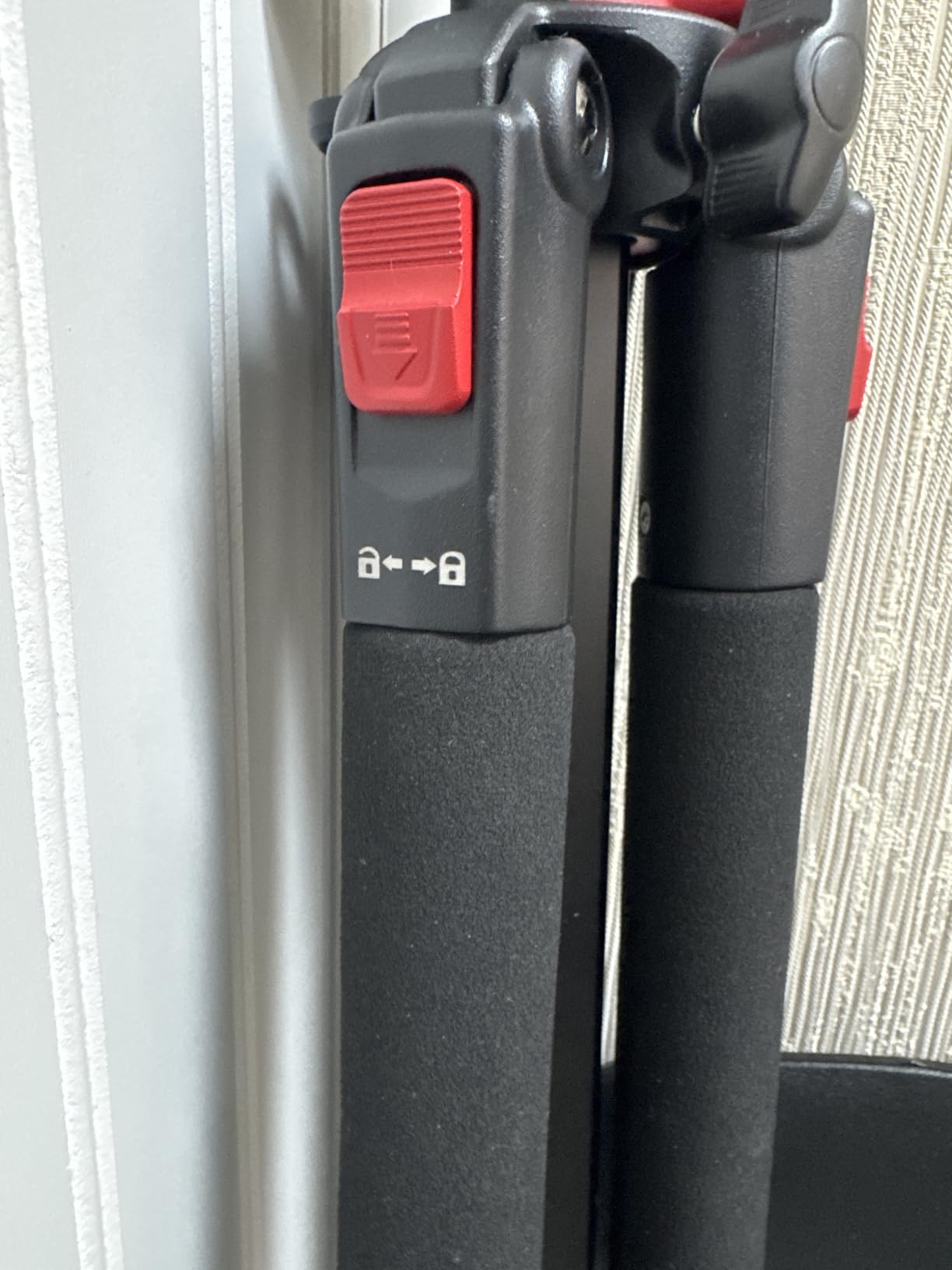
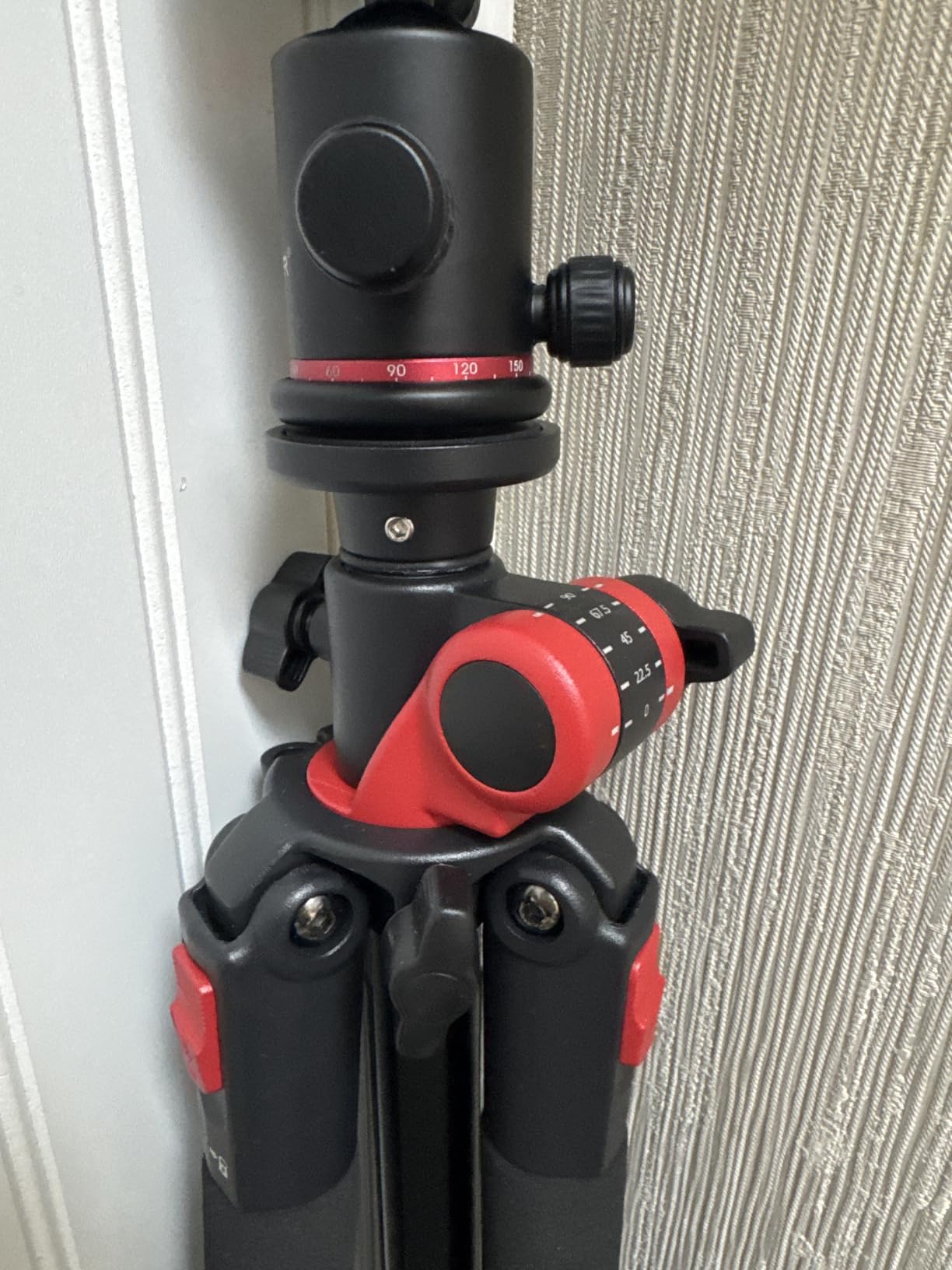
Four-section twist locks extend it to 72.4 inches, and one leg removes so the remaining two act as a monopod for tight spaces or wildlife work. Two bubble levels and an Arca-type quick release plate round out a package that includes the bag and manual.
It weighs 3.8 pounds and folds to 26.4 inches, which is the honest drawback. This is a stand you load into a car rather than a daypack, and I found the supplied bag barely accommodates it with the head collapsed.
Who this tripod suits
DSLR owners, family photographers and anyone shooting events, group portraits or indoor work where height and load capacity matter more than packed size. The carabiner hook lets you hang a bag or sandbag when the wind picks up.
It also suits anyone who wants a real monopod. Unscrewing a leg takes seconds and the result feels considerably less flimsy than most budget two-in-one conversions.
Who should skip it
Skip it for backpacking, city travel or any trip where weight is the deciding factor. At 3.8 pounds and 26.4 inches folded, it is the opposite of a travel tripod.
Be careful with the quick release plate. Owners warn it can release by accident, so tighten the locking screw and strap a safety tether to the camera before working at height. The ball head also tends to drop to one side when loosened, so support the camera with a hand while adjusting.
3. K&F Concept 64 Inch Aluminum – Best Travel Tripod Under 100 Dollars
Pros
- One-handed quick flip locks open and close in seconds
- Invertible center column handles low-angle and macro work
- Standard 1/4 thread fits most Arca-Swiss plates
- Bag phone holder and plate all included in the box
Cons
- Aluminum legs are less damped than real carbon fiber
- Not ideal for pro bodies with large telephoto glass
- The 360 panning dial is fiddly to set precisely
This is the one I actually carried on a three-week trip, and the only thing that convinced me it was the right travel stand. It folds to 15.5 inches, comes with a proper carrying bag, and at 2.53 pounds including the head it never became a nuisance in a pack.
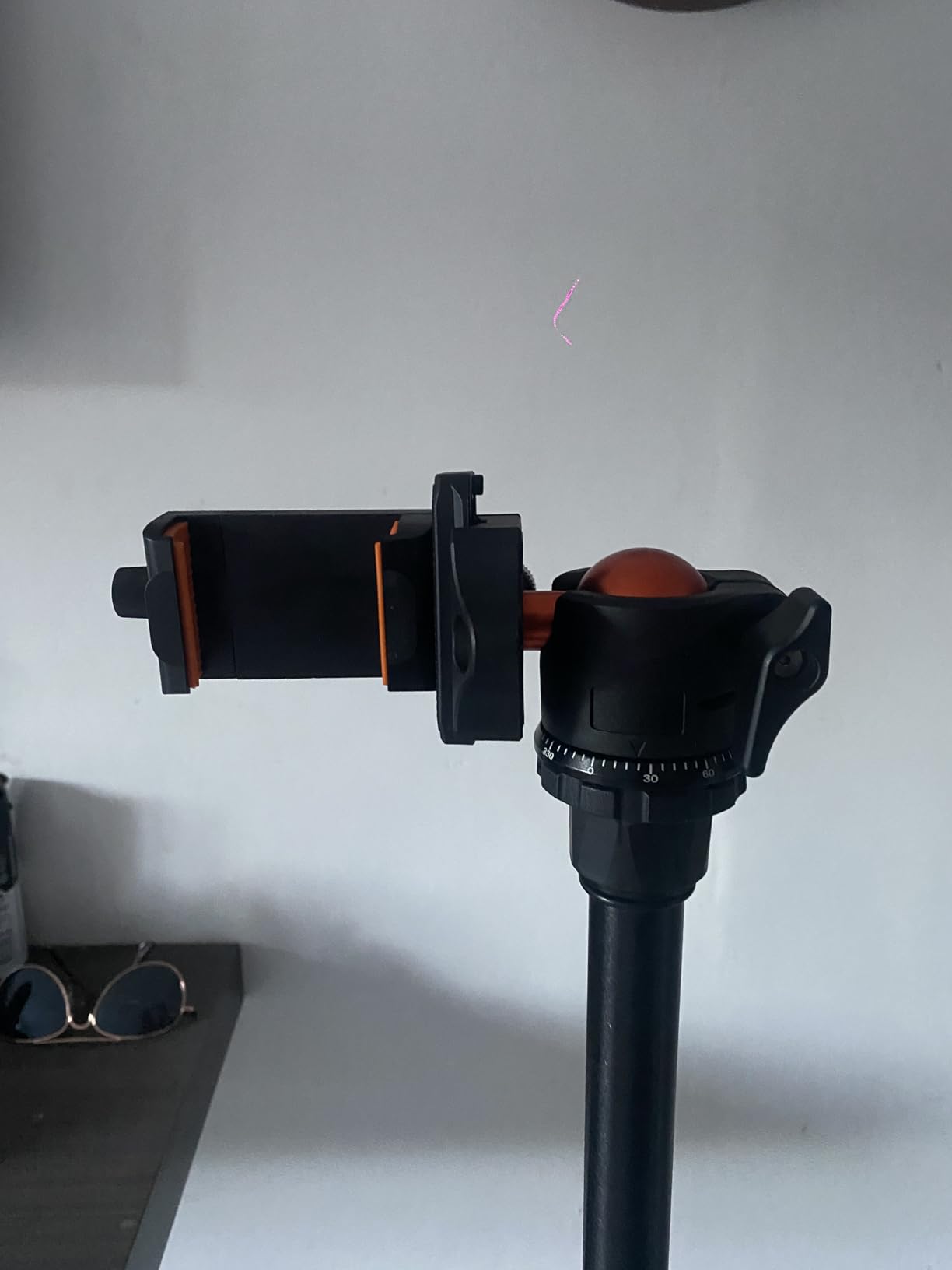
The 36 millimeter ball head is the real differentiator at this weight. Most stands in this class carry a small head that makes fine framing a fight, while this one pans smoothly through 360 degrees and carries up to 17.6 lb. The center column inverts for low-angle and macro work, and the 1/4 inch thread accepts standard Arca-Swiss plates.
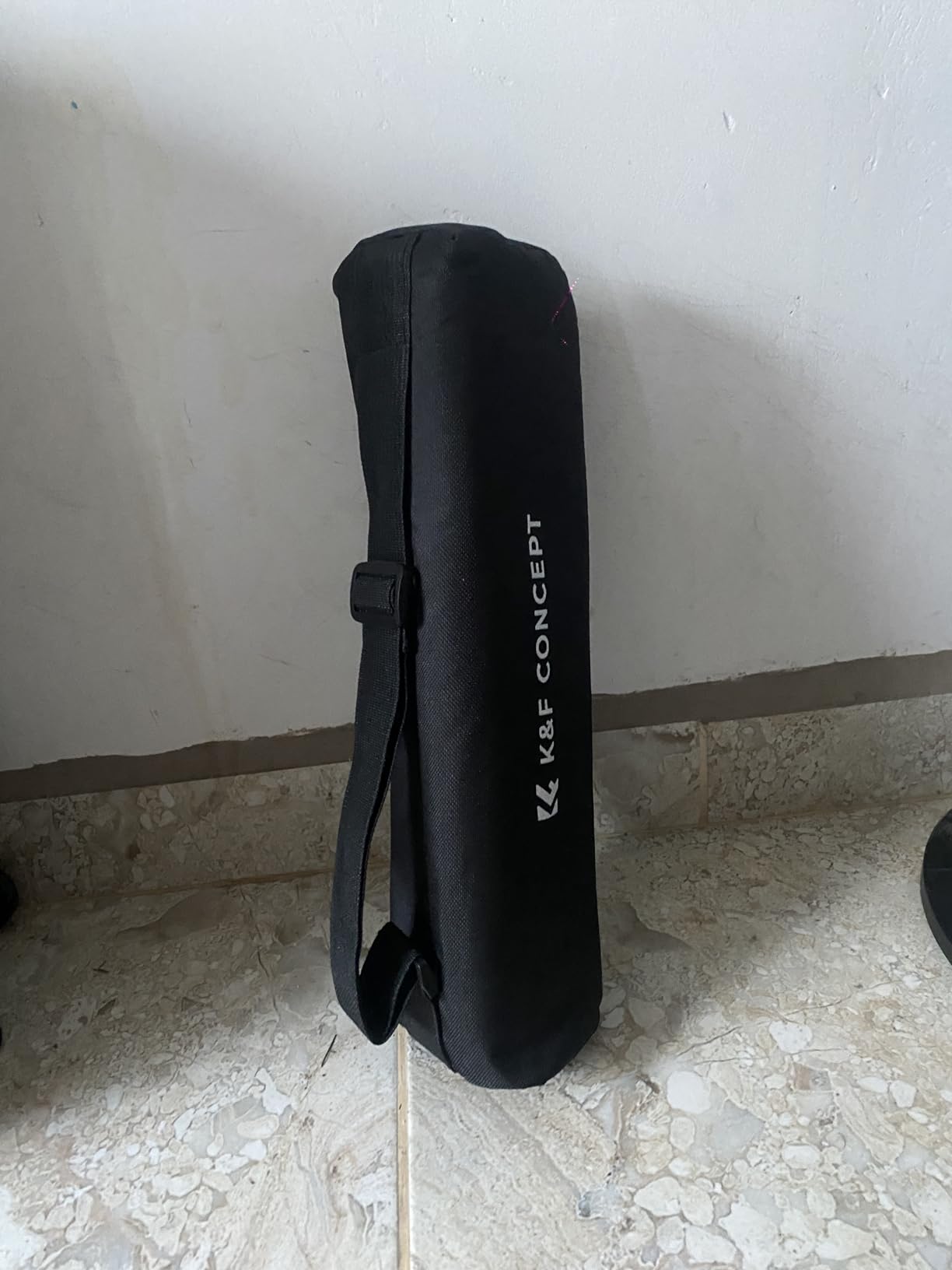
Four section legs span 20.4 to 64.1 inches, and the quick flip locks open with one hand, which matters when you are setting up on a slope in fading light. The box includes an Allen wrench, phone holder, quick release plate and tripod bag.
The trade is material. Aluminum is heavier and less damped than real carbon fiber, and at full extension with a heavy body you will feel it. For a mirrorless kit with a small zoom, the vibration settles quickly enough for landscape work and portraits.
Who this tripod suits
Travel, landscape and street shooters who want one stand that does nearly everything. The fold length clears airline carry-on rules for most carriers, and the flip locks are fast enough to use in bad light.
It also suits beginners who want room to grow. The 17.6 lb rating covers a mirrorless body with a medium zoom, and the inverted column opens up macro work later.
Who should skip it
Skip it if you carry heavy telephoto glass or shoot long exposures in open wind. This is a stable, precise stand, not a rigid one, and no amount of marketing height changes that.
Do not expect pro-level damping from the aluminum tubes. The panning dial on the base is also fiddly to set precisely, so frame panoramas with a manual heading rather than trusting the dial.
4. NEEWER 77 Inch TP77 – Best Tripod for Shooting Over Crowds
Pros
- Extra height clears crowds and gives clean top-down angles
- Two-section invertible column for overhead and macro work
- One leg unscrews to convert it into a monopod
- Three leg opening angles handle uneven ground
Cons
- Included plastic phone mount feels flimsy
- Ball head friction makes fine adjustment hard
- The zero index mark sits about 10 degrees off the portrait notch
Height is the whole point of this one. At 77 inches the camera clears heads at a concert, a market or a graduation, and there is no crane rig or ladder involved. For event work the extra reach pays for itself in a single afternoon.
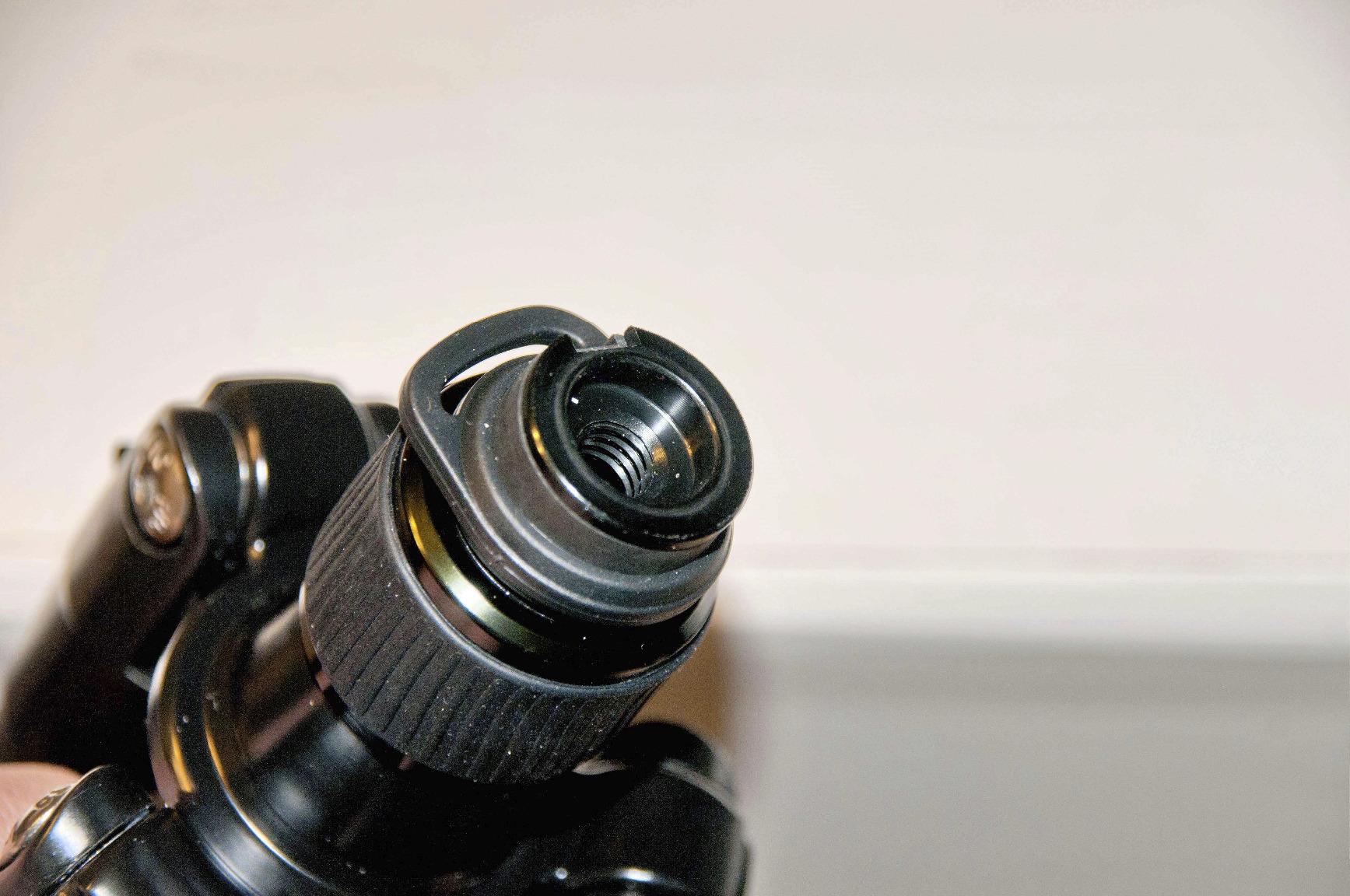
The 36 millimeter ball head rotates a full 360 degrees for panoramas, and a two-section invertible center column covers overhead and low-angle macro positions. One leg unscrews so the stand becomes a monopod adjustable from 35 to 70 inches.
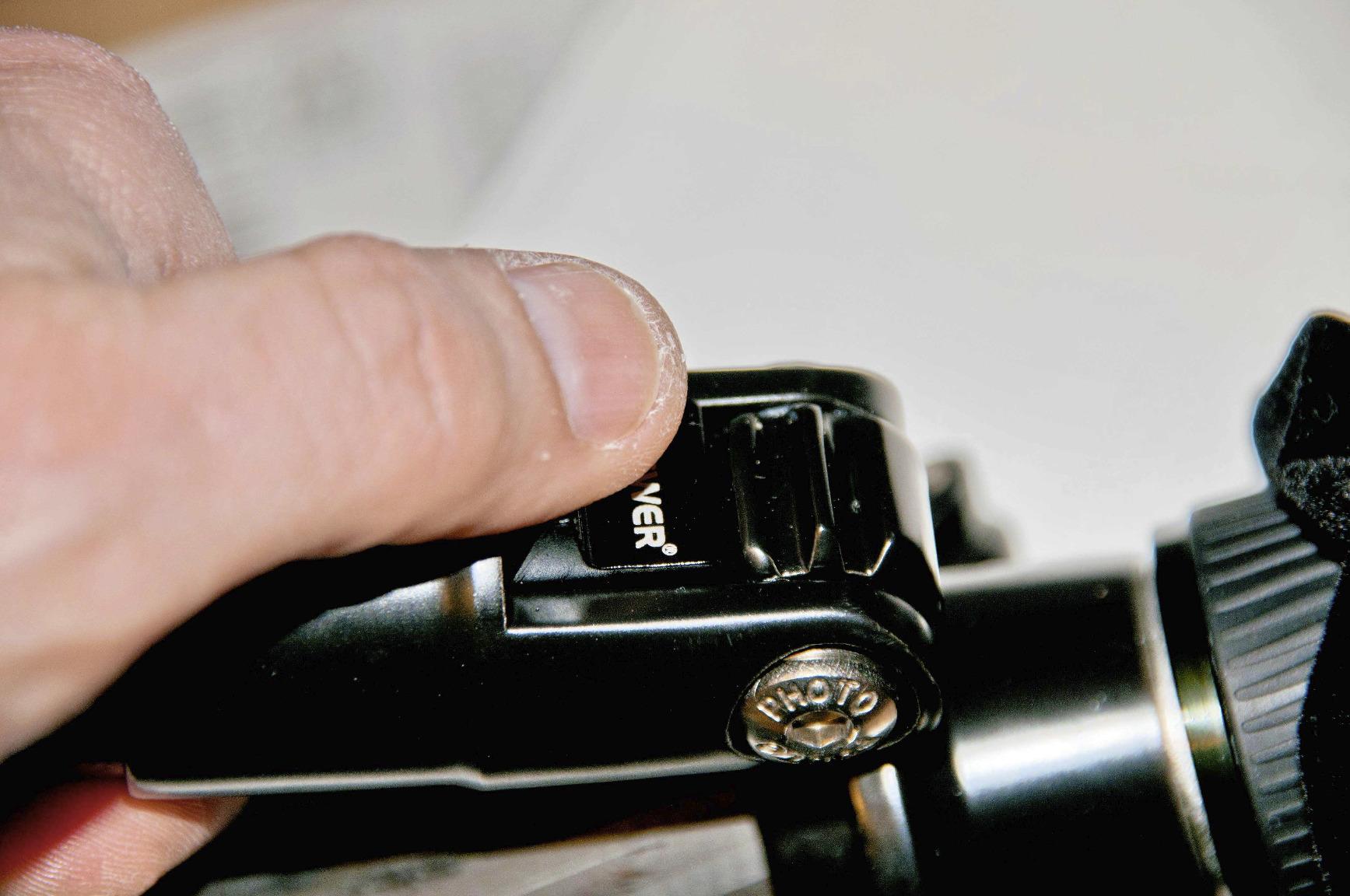
The load rating is listed at 34 lb vertical and 11 lb tilted, and those two numbers deserve attention. The second one is the honest limit once you swing the column out or hang the camera to one side, and it is the figure most buyers ignore.
At 3.1 pounds it folds to 19 inches, which is bulkier than a true travel tripod but still manageable in a large daypack. A center hook accepts a sandbag when you are working somewhere exposed.
Who this tripod suits
Event shooters, sports and wildlife photographers who need reach, and anyone who grew tired of shooting over a row of heads. It also works for tall indoor work and clean top-down angles on a tabletop.
The monopod conversion is a genuine benefit here rather than a gimmick, because at this height you often need one leg to reach awkward positions.
Who should skip it
Skip it for hiking. Nearly 200 centimeters of aluminum at 3.1 pounds is a lot of hardware to carry for a marginal height gain over a 60 inch travel tripod.
Mind two things. The ball head has heavy friction, so micro-adjustments are slow, and the supplied plastic phone holder does not feel like it belongs on a stand this capable. There is no long pan handle, so panning with a heavy rig is harder than it looks.
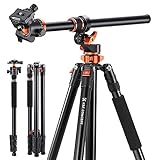
5. K&F Concept 90 Inch Overhead – Best Tripod for Overhead and Event Work
Pros
- True overhead boom pivots through 0 to 180 degrees
- Enlarged 28mm center column cuts vibration in horizontal positions
- Detachable monopod for confined shooting spaces
- Includes hex keys manual and a carrying bag
Cons
- Play in the swing arm makes fine adjustment frustrating
- The 4.5 lb weight is heavy for its size
- Residual sling lubricant can transfer to a camera
Almost nothing else at this budget reaches 90 inches with a real boom arm, and that is what makes this stand interesting. The horizontal boom pivots from 0 to 180 degrees with 360 degree panoramic rotation, so you can shoot straight down over a table without a second piece of equipment.
Stability in the horizontal position is the concern with any overhead rig, and the enlarged 28 millimeter center column is the answer. It is noticeably stiffer than a standard column, which reduces the vibration you would otherwise get looking straight down at a flat lay.
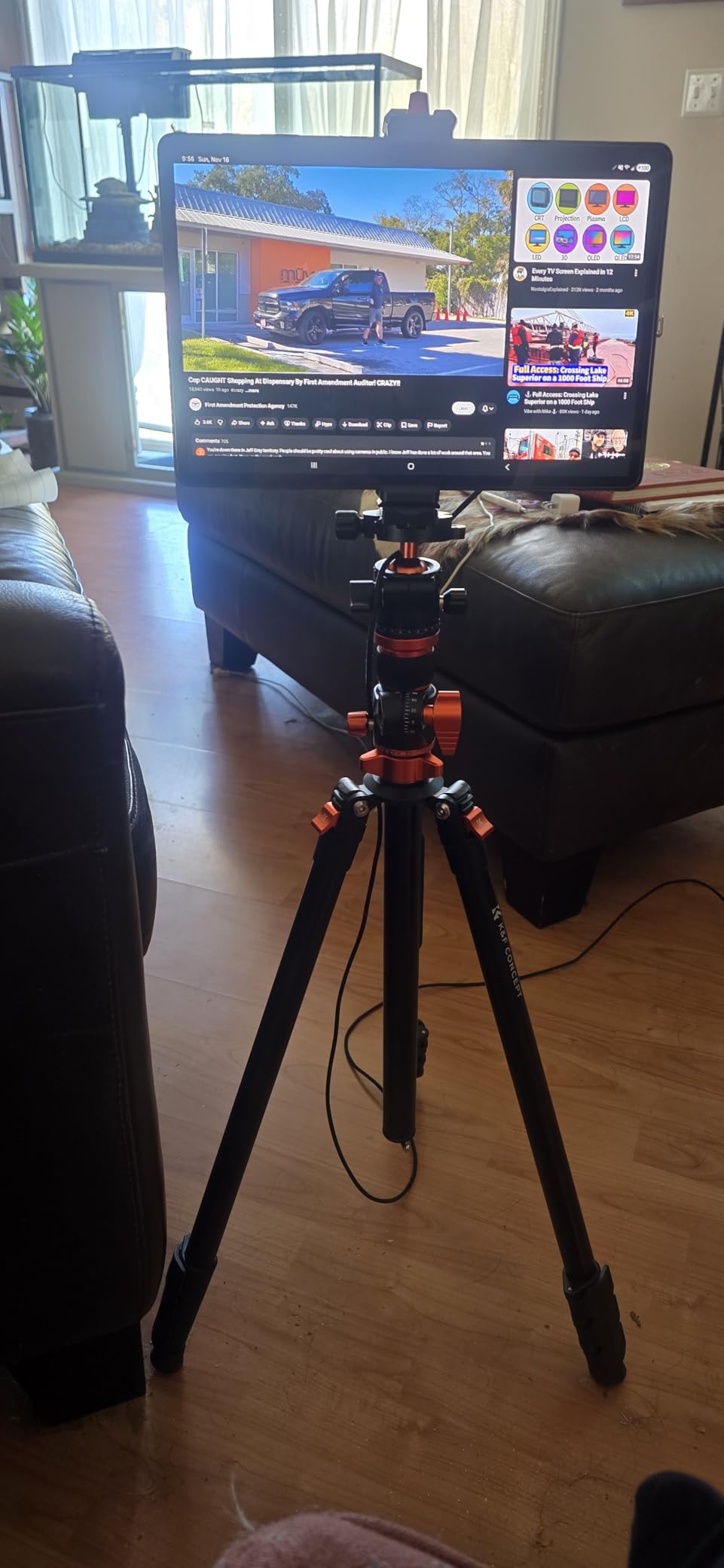
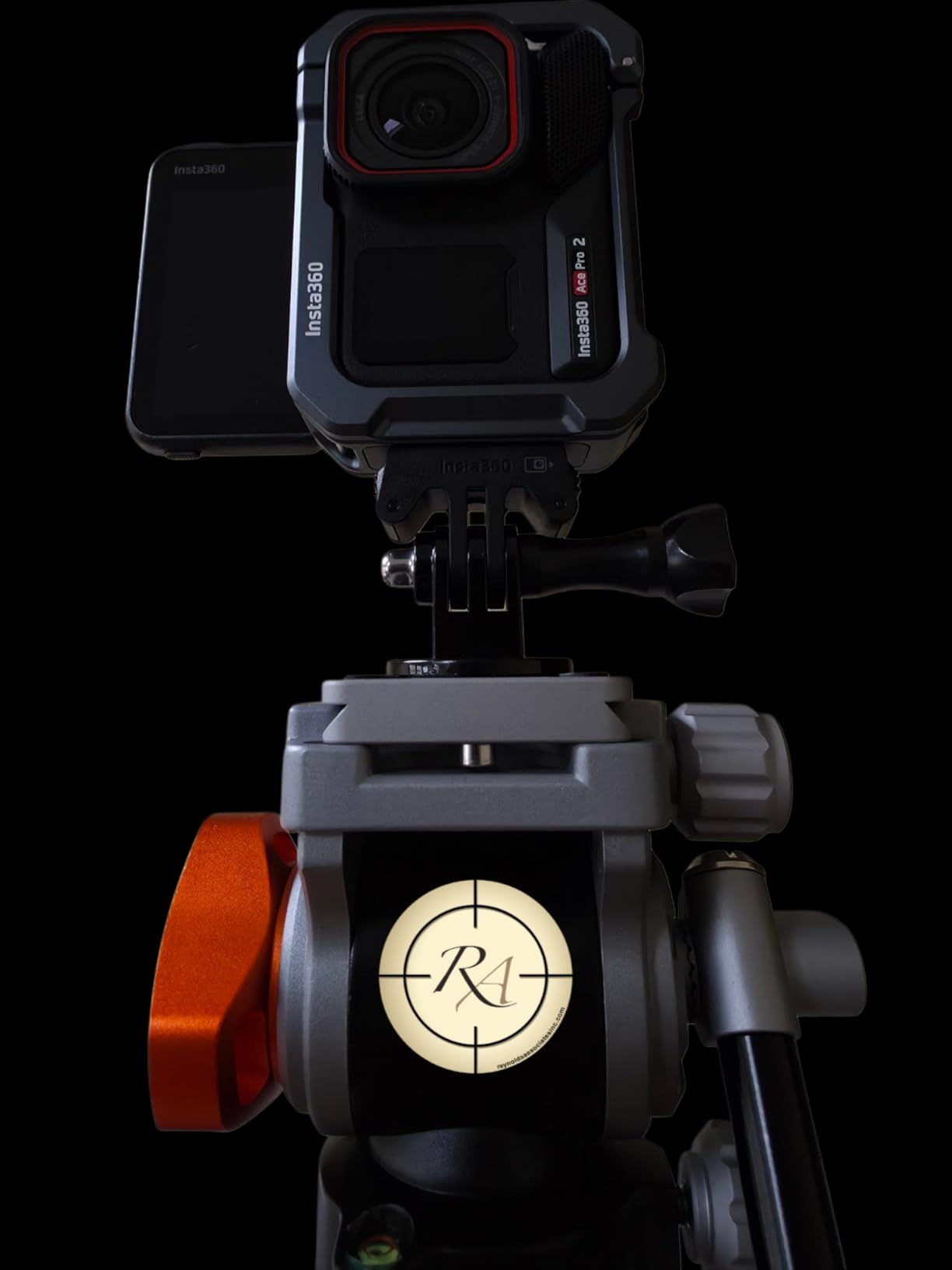
The 28 millimeter ball head uses oil-free damping and carries up to 22 lb. A 360 degree scale on the base helps with panorama framing, and a detachable monopod mode covers tight interiors where three legs will not fit.
Be realistic about the 4.5 lb weight and the 21.3 inch folded length. This is a car tripod, and the bag is bulky enough that most owners stop using it.
Who this tripod suits
Product photographers shooting flat lays, food stylists, small business owners filming demonstrations and anyone who needs genuine overhead reach. The horizontal boom is the reason to buy it over a standard tall tripod.
Owners recommend hanging a sandbag on the center hook whenever the boom is extended, and I agree. The leverage in a horizontal position is much greater than the load rating suggests.
Who should skip it
Skip it for travel and for delicate rigs. The play that develops in the swing arm and its levers makes fine adjustment frustrating, and stray lubricant on the telescoping rod can reach your camera if it is not wiped off first.
At 984 reviews the community around it is smaller than the others here, so expect less long-term owner feedback than you get from a heavily reviewed budget model.
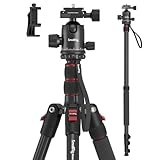
6. SmallRig CT-10 – Best Budget Tripod for Rigging Extra Gear
Pros
- Metal legs and hardware at a fraction of premium prices
- Three extra 1/4 inch holes accept magic arms and monitors
- Center pole inverts for macro and low-angle work
- Works with cameras action cams phones and projectors
Cons
- Lower leg sections are thin and shake at full extension
- Ball head knobs feel cheaper than the legs
- Monopod conversion is fiddly and the case zipper can fail
SmallRig builds for rigs, and this tripod inherits that thinking. The three extra 1/4 inch threaded holes on the bracket let you hang a phone, a monitor or a magic arm straight off the leg bracket without a separate clamp, which is genuinely useful for hybrid shooters.
It is also one of the few stands here where the legs and hardware are genuinely metal throughout at this budget. The 36 millimeter metal ball head pans smoothly, locks firmly and carries 33 lb vertical with 11 lb on tilt.
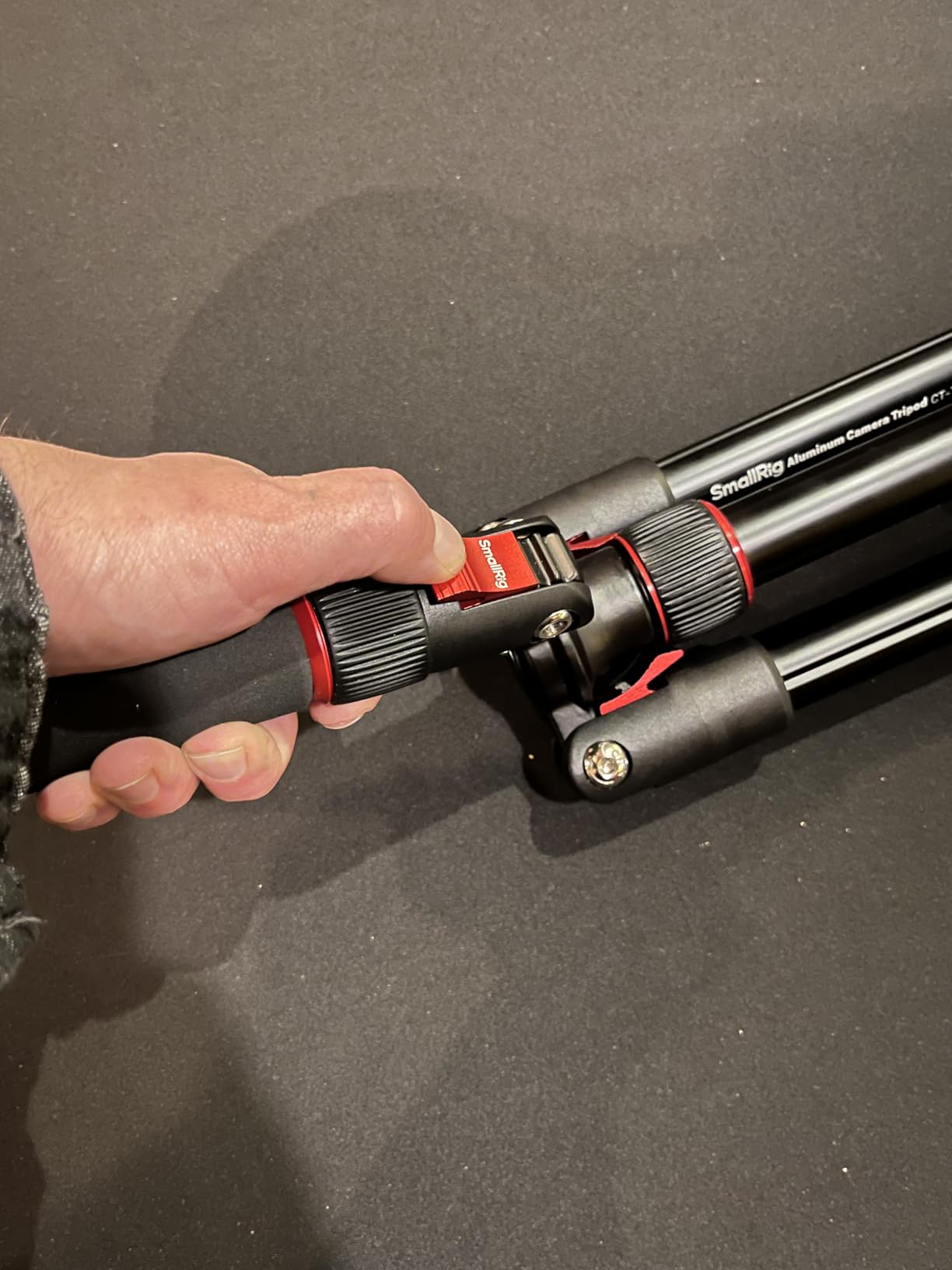
Four section legs with quick release flip locks adjust from 16 to 71 inches and fold to 16.9 inches, and the center pole inverts for macro and low-angle work. One leg converts it into a monopod for travel and hiking, and the bracket accepts 1/4-20 and 3/8-16 mounts.
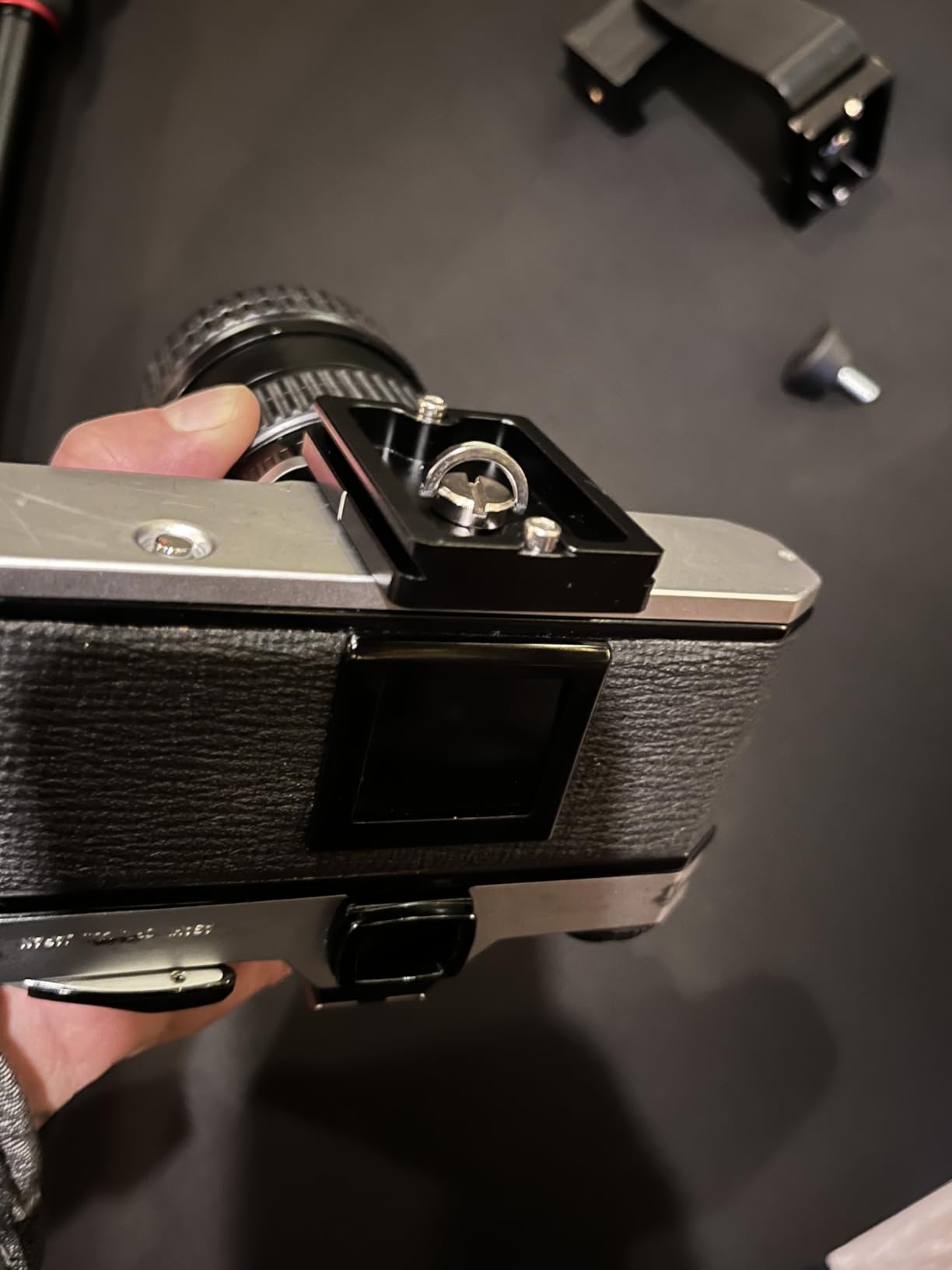
Rubber or spike feet let you switch between smooth indoor floors and soft ground, and the Arca-compatible plates included are thick and well made for the price.
Who this tripod suits
Vloggers and hybrid shooters running a monitor, a phone or an accessory arm alongside a camera. If your kit grows by adding screens and arms rather than by adding lenses, the bracket holes are the feature that earns its place.
It also suits anyone who wants metal construction and a monopod mode without stepping into a higher tier.
Who should skip it
Skip it if you plan to hang a heavy telephoto at full extension. Reviewers are clear that the lower leg sections are thin and can shake under a heavy body, and the ball head knobs feel noticeably cheaper than the legs they sit on.
A small number of owners report legs that stop locking after a couple of months, and the carry case zipper is a known weak point. Inspect both carefully when it arrives.
7. K&F Concept 60 Inch Carbon Fiber – Best Carry-On Tripod Under 100 Dollars
Pros
- Carbon fiber legs at roughly 2.2 pounds overall
- Folds to 13.8 inches which clears airline carry-on limits
- Detachable leg doubles as a monopod and trekking pole
- Invertible center column drops low for macro with a low centre of gravity
Cons
- 25mm ball head has limited damping versus larger heads
- Metal knob locks take more fiddling than quick flip locks
- Five section legs can be less rigid at full extension
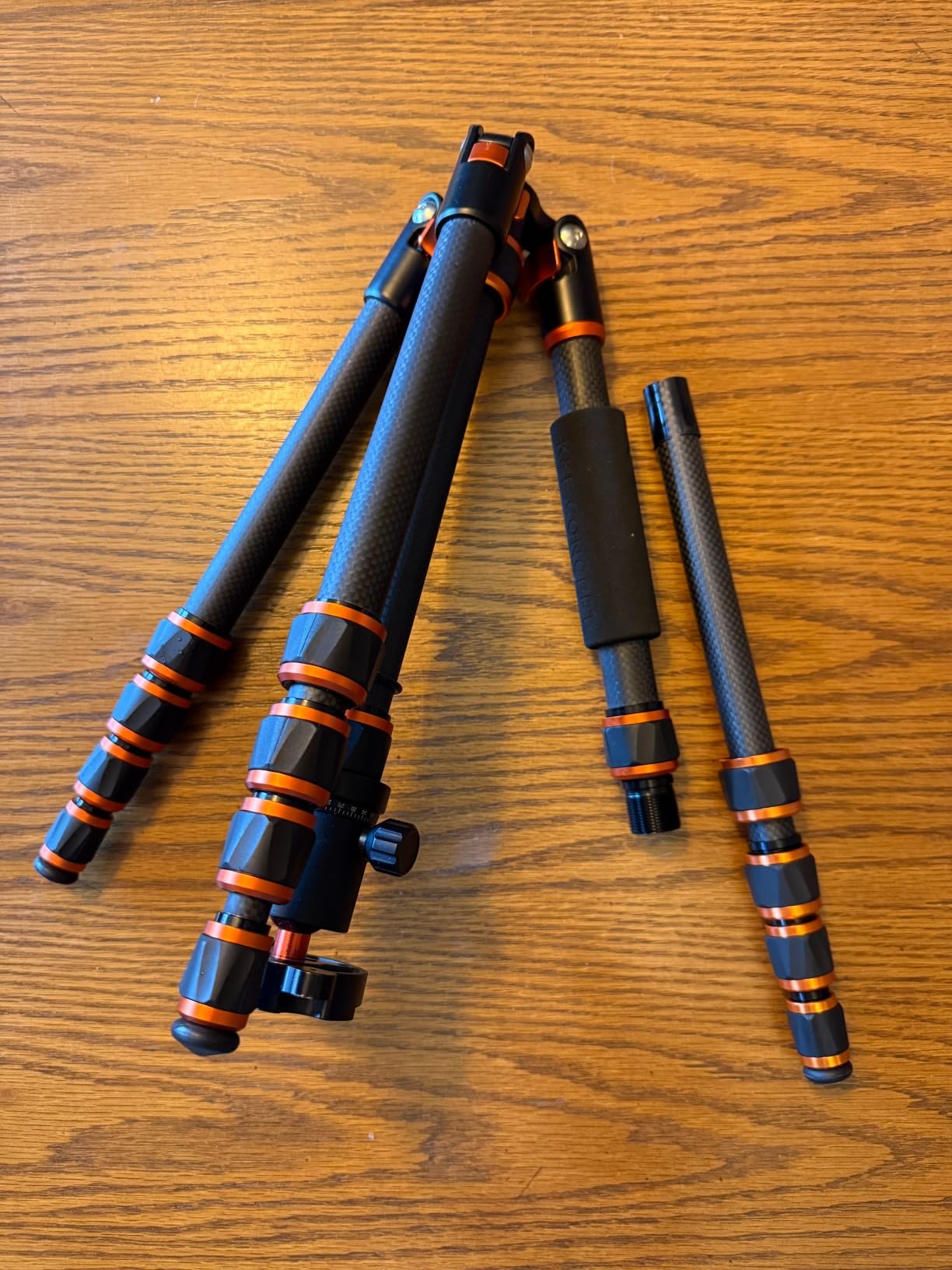
Real carbon fiber legs at about 2.2 pounds is the headline here, and it is a genuine material rather than a marketing label. At 13.8 inches folded it clears the carry-on limit for most airlines, which no other aluminum stand on this list manages as cleanly.
The detachable leg is unusually versatile. Unscrew it and you have a monopod adjustable from 14.6 to 62 inches, or a trekking pole for the walk to the overlook, which means the extra section earns its weight instead of just adding bulk.
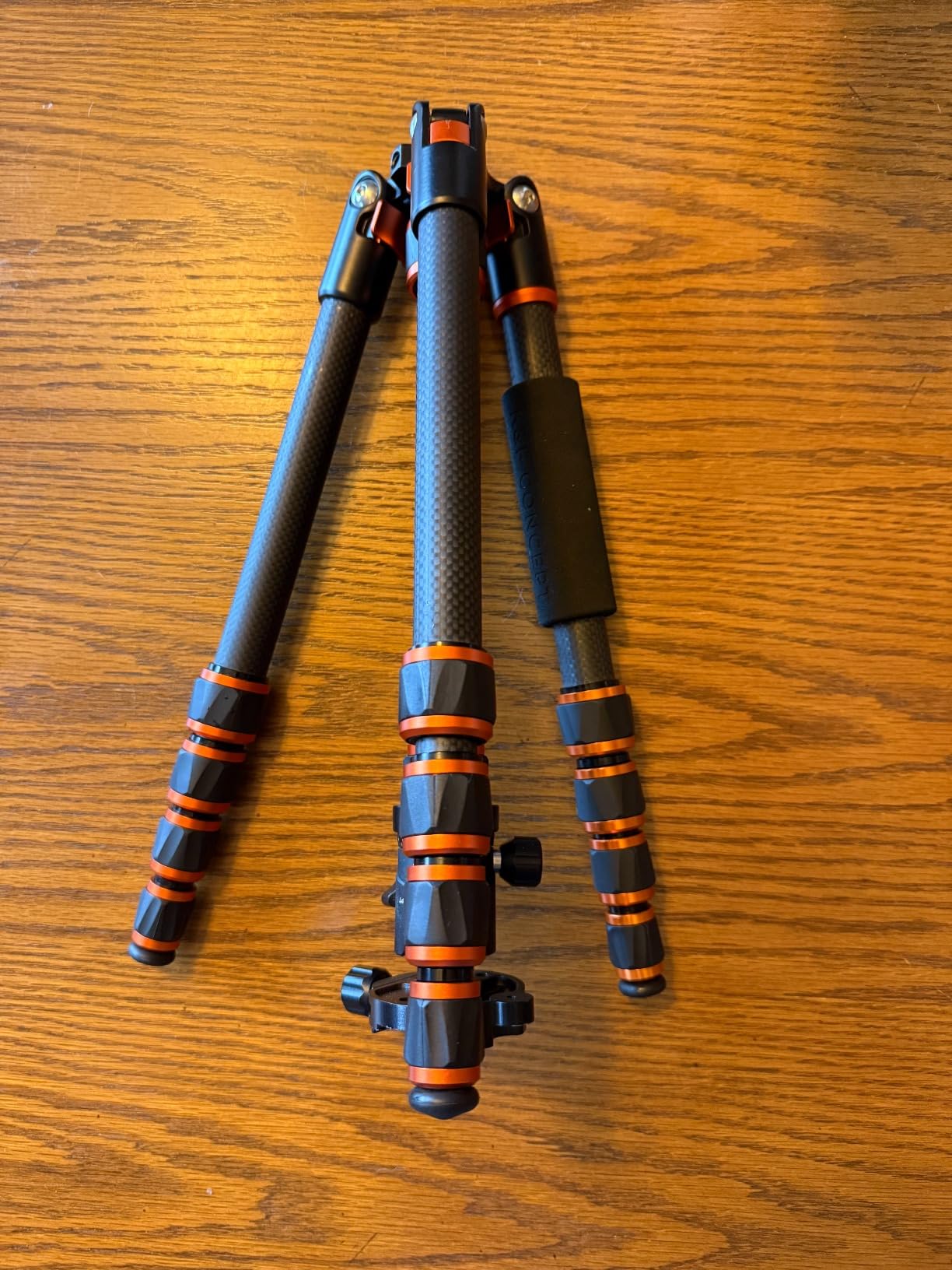
The 25 millimeter ball head carries up to 8 kg and pans through 360 degrees with a base orientation scale. The quick release center column inverts for low-angle and macro work, and the Arca-Swiss compatible plate uses a standard 1/4 inch screw.
Five section metal knob locks span 18 to 60 inches. They take more effort than a flip lock, and more sections mean more places for torsional flex to appear at full extension.
Who this tripod suits
Carry-on-only travelers, hikers and anyone who counts every gram. The carbon build, the folding length and the trekking pole conversion make it the most genuinely portable full-size stand here.
It also suits macro and product shooters who want to get the center column low and the center of gravity close to the ground.
Who should skip it
Skip it if you need maximum stiffness. The 25 millimeter ball head has noticeably limited damping compared with larger professional heads, and owners specifically note that five section carbon legs can be less rigid at full extension than three section aluminum.
Heavy DSLRs with telephoto glass are outside its comfort zone, as is anyone who wants fast one-handed lock operation. If you fight with small knob locks in the cold, choose a flip lock model instead.
8. Sirui AM-5C – Best Carbon Travel Tripod With a Five Year Warranty
SIRUI 54″/137cm Carbon Fiber Travel Tripod for Camera with 360° Ball Head
Pros
- Around 1.9 pounds with a genuine carbon fiber build
- Five year manufacturer warranty behind the tripod
- Simple flip locks and non-slip rubber feet deploy quickly
- Includes a BG40 360 degree panoramic ball head and portable bag
Cons
- Center column does not reverse which limits macro and low-angle work
- No center hook for hanging weight in wind
- Folded diameter can be too large for some tripod sleeves
Sirui is one of the few names in this bracket with a five year manufacturer warranty, and for a travel tripod that gets dropped in bags that is worth real money. If a leg section or head fails on a trip, the repair path exists.
At about 1.9 pounds and 13.4 inches folded, it is among the lightest carbon tripods available. Five section legs plus a removable two-section center column give a 6.3 to 54.1 inch range, and the included BG40 ball head pans smoothly through 360 degrees.
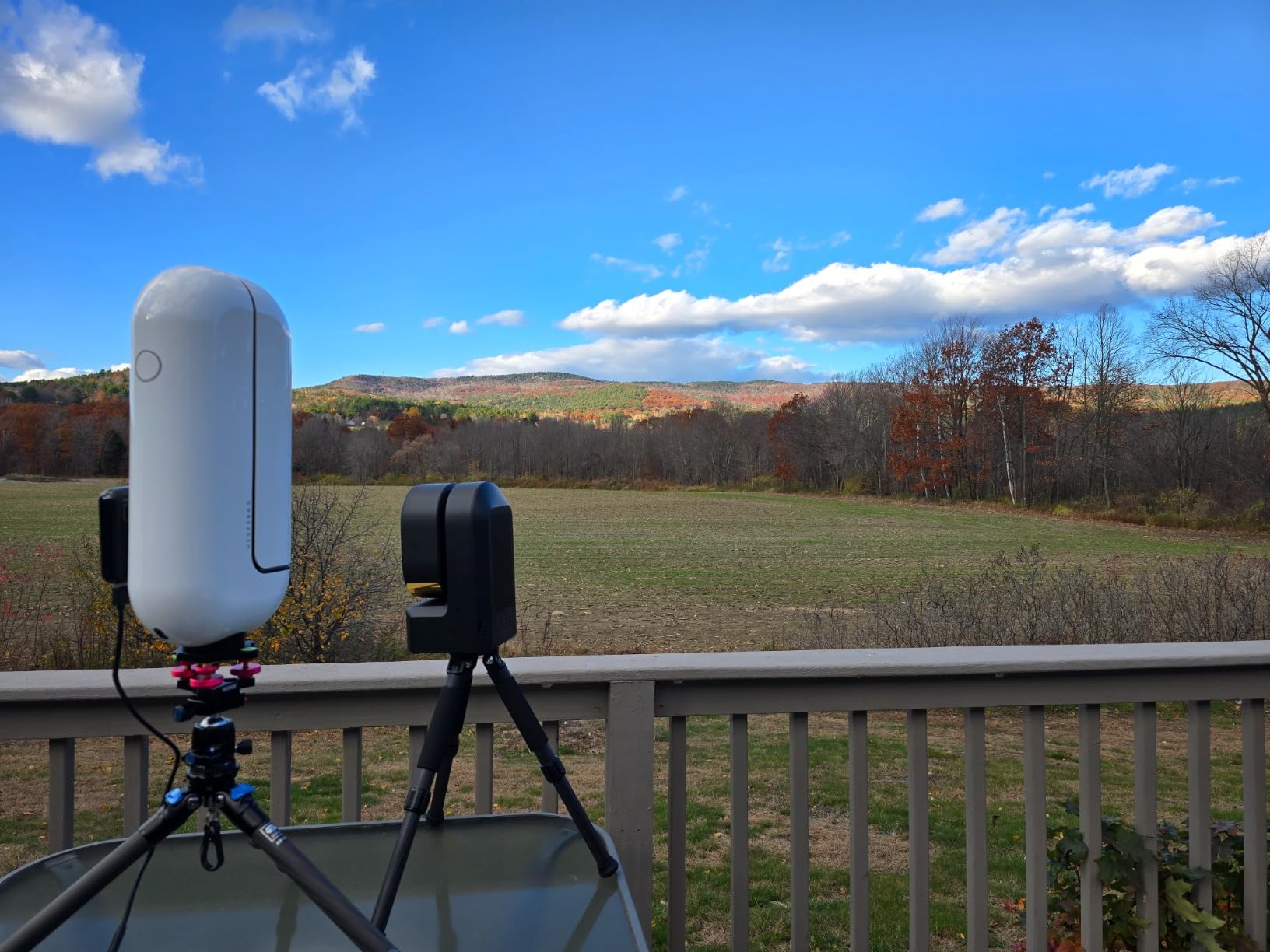
The 6 kg rating suits mirrorless bodies and travel lenses without argument. Flip locks and non-slip rubber feet deploy quickly, which matters when you are setting up as the light changes.
There is a shorter review history here than the other picks, with about 120 ratings behind it, so you are buying on warranty and spec rather than on a decade of owner feedback.
Who this tripod suits
Travel shooters who want the lightest credible build with real warranty backing. The included ball head and portable bag mean there is nothing extra to buy before the first outing.
It also suits anyone who wants a straightforward stand with no gimmicks. Simple flip locks and a smooth head get out of the way.
Who should skip it
Skip it for macro work. The center column does not reverse, which removes the low-angle and inverted positions you would want for tabletop shooting, and there is no center hook for hanging a bag in wind.
Skip it for heavy DSLRs and long telephoto lenses. Some buyers also report a flimsy feel and difficulty tightening the legs enough to eliminate movement, and the folded diameter will not fit every tripod sleeve.
9. Joby GorillaPod 1K – Best Pocket Tripod for Phones and Small Bodies
Joby GorillaPod Compact Tripod Kit with Ballhead for Mirrorless Cameras up to 2.2 lbs. Black/Charcoal.
Pros
- Folds to 7 cm and fits a pocket or handbag
- Wrappable legs grip fences branches and uneven ground
- Rubberized ring and foot grips improve stability on rough ground
- Handles phones flashes speakers and small mirrorless bodies
Cons
- 2.2 lb limit rules out most DSLRs and telephoto lenses
- Flexible ball joints wear and loosen with heavy use
- Not as rigid as aluminum for long-exposure work
Six point nine ounces and a 7 centimeter fold is the reason this one exists. It disappears into a jacket pocket, and for street photography or a night out it is the only tripod I would genuinely carry without thinking about it.
The wrappable legs are the same system as the 3K and work just as well on a railing, a branch or a stair rail. Rubberized ring and foot grips add friction on surfaces where bare plastic would slide.

The 2.2 lb load limit is the deciding specification and you should read it carefully. It handles phones, flashes, speakers, video lights and small mirrorless bodies under 1 kg, and it should not be asked to carry a DSLR.
The ball head allows smooth repositioning and level framing, which matters more on a stand this small than it does on a full-size tripod. Height runs from 10 to 25.5 centimeters.

Who this tripod suits
Phone-first creators, street shooters, anyone shooting small mirrorless bodies with a compact lens, and travelers who refuse to carry a 15 inch package. It is also a decent emergency backup for group photos.
Anyone shooting long exposures should look elsewhere, since the flexible legs are not rigid enough to hold a still frame for many seconds.
Who should skip it
Skip it if you have anything heavier than a small mirrorless body, and skip it if you shoot at dusk or at night where a drifting frame matters. The same joint wear that affects the 3K applies here, more so because the load is closer to the limit.
Owners also note it is smaller than expected on arrival, so if you are planning macro work, measure your working distance first.
10. Amazon Basics 50 Inch – Best Budget Pick for Beginners
Pros
- Extremely light at around 1.4 pounds for full size legs
- Three section lever locks adjust height quickly
- Zippered storage bag with an integrated handle is included
- 3-way head with a built-in bubble level handles portrait and landscape
Cons
- Not intended for heavy DSLRs telephoto lenses or large scopes
- Pan and tilt head can drift under heavier setups
- Center column crank feels light and full extension adds wobble
With more than 191,000 ratings averaging 4.5 stars, this is the most proven tripod on this list by a wide margin, and that matters when you are buying your first stand. Every forum thread about first tripods contains someone who started here.
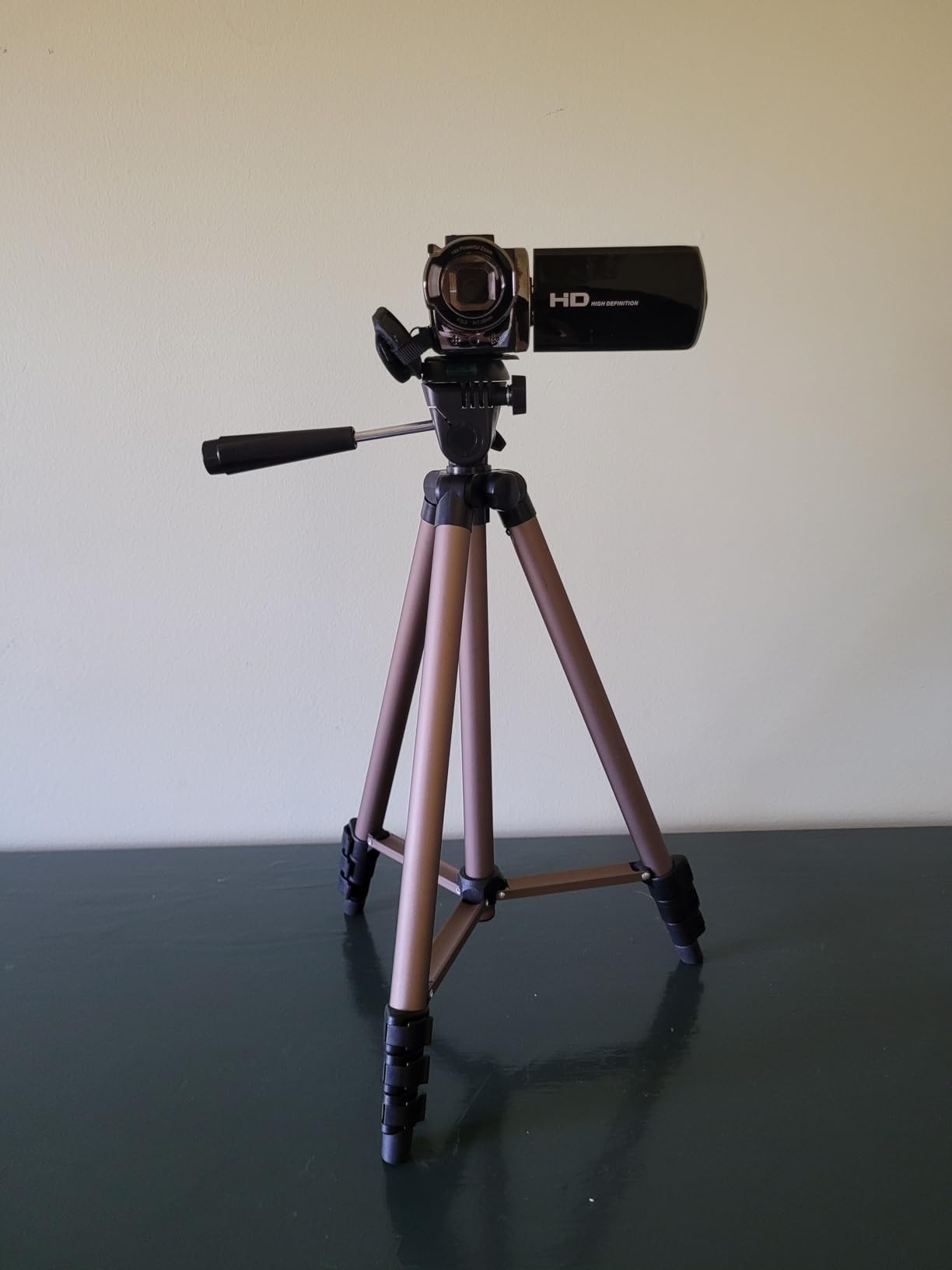
It is also genuinely light at around 1.4 pounds, with three section lever locks spanning 16.1 to 50 inches. The quick release plate makes camera changes fast, and the 3-way head tilts and swivels for portrait or landscape framing with a built-in bubble level.
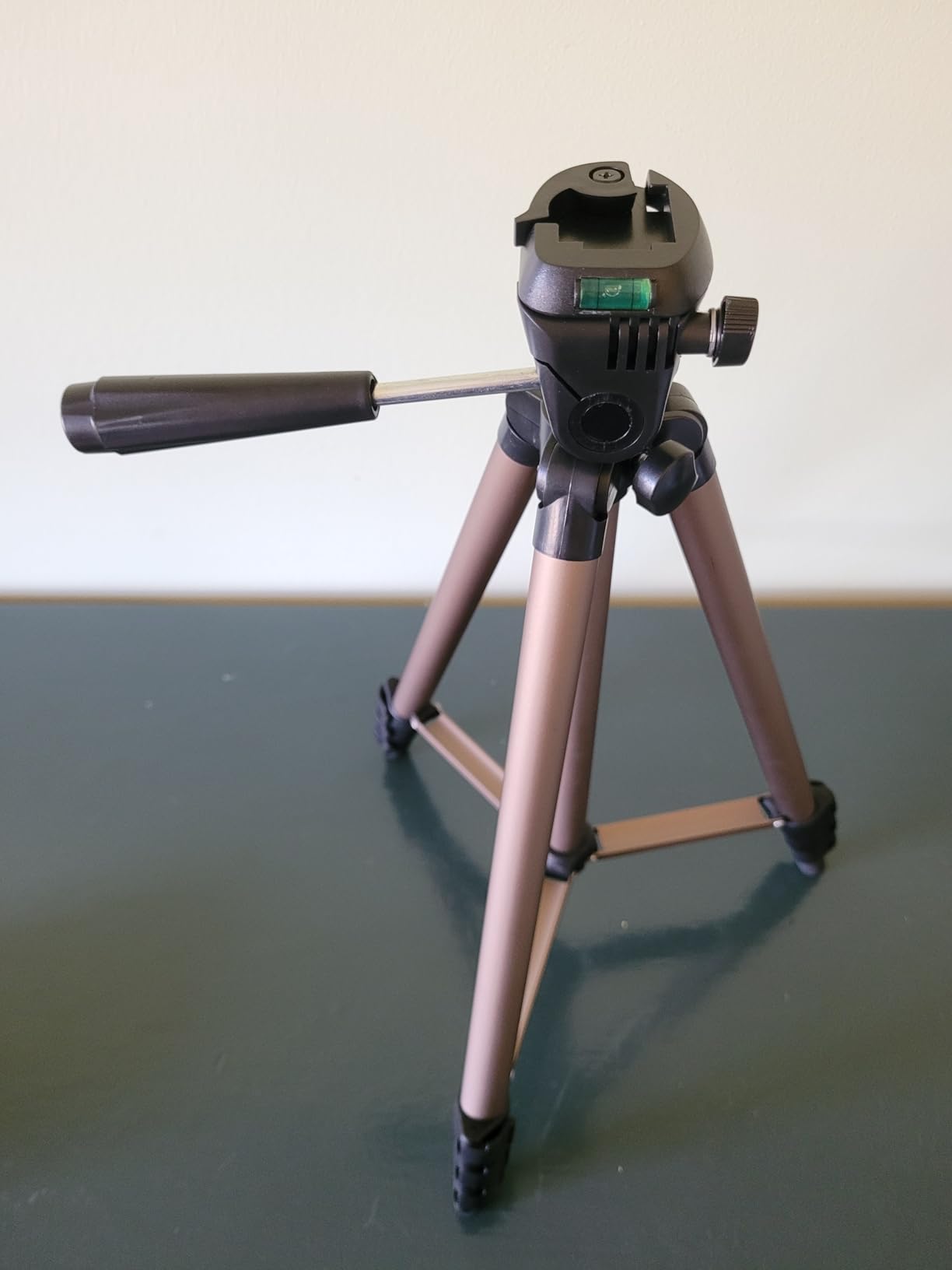
The included zippered bag with an integrated handle is a small touch that most stands in this bracket skip. Folded size is 3.3 by 2.9 by 16.9 inches, which fits in a car boot or a large daypack.
The 4.4 lb load limit is the honest constraint. It is fine for a compact camera, a mirrorless body with a small lens, or a phone, and it is not the place to hang a full-frame body with a telephoto.
Who this tripod suits
Absolute beginners, families, and anyone who wants a dependable shake stopper for group photos and casual shooting without thinking about it. The 3-way head is genuinely the right choice for stills, where a ball head adds nothing.
It also works as a second body stand, a light stand or a phone tripod. The lever locks open with one hand, which is faster than the twist locks on some travel models.
Who should skip it
Skip it for weight. The 4.4 lb rating and the light duty aluminum build mean it is not meant for heavy high-end bodies, long telephoto lenses or large telescopes, and reviewers say the pan and tilt head can drift slightly under a heavier setup.
Mind two small things. The center column crank feels light and full extension adds wobble, and the bubble level is touchy enough to be hard to centre precisely. Some units also arrive with legs that will not fully extend, so check them before the return window closes.
How to Choose a Tripod Under 100 Dollars
Start with your camera and lens, not with the height number. Add the weight of your body and your heaviest lens, then halve the printed load rating, because manufacturers rate stands in laboratory conditions with the center column down. If your setup comes out above the half rating, move up a tier or accept some movement.
Next, decide between lock styles. Twist locks are slimmer and pack tighter, which matters for travel, but flip locks open and close with one hand and are far easier to adjust when your hands are cold. The most repeated complaint in photography forums about budget stands is stripped twist lock threads, so if you buy them, tighten them only hand tight.
Head type matters less than buyers think. A ball head is fastest for reframing, a 3-way head is more precise for stills, a fluid video head damps pans for video, and a joystick head gives fine control without cranking. Our best video camera tripods guide covers the fluid head options in detail.
Ignore marketing height. A 77 inch figure usually means 60 inches of usable height with the column down, which is the number that matters for eye-level shooting. If you plan to shoot a lot at eye level, work out whether the legs alone get you there.
Material is the simplest filter. Under this budget, aluminum is heavier but honest, while carbon fiber saves grams at the cost of some stiffness in cheap constructions. Our guide to the best mini camera tripods covers the smallest options if packed size is your priority.
What You Give Up at This Budget Level
Wind is the first limit. Budget legs are narrower than professional tubes, so in gusty conditions the frame moves. Spread the legs wider, keep the center column down, hang a bag on the center hook where one exists, and use a two second timer or remote release so your hand never touches the camera during exposure.
Tilt capacity is the second. Several stands here are rated near 34 lb vertical but only 11 lb tilted, and a long lens with the column extended cuts that further. If you regularly shoot from a low angle with a heavy body, this is where the ceiling shows.
Long lens support is the third. A 200mm lens on an entry body can still shake, and no budget stand fixes that reliably. A collar and a monopod conversion, available on the NEEWER TP77, the NEEWER 72 and the K&F Concept 60, are the practical workaround.
Durability is the fourth and the least discussed. The most repeated forum complaints in this price band are cracking plastic leg locks, stripped threads on twist locks and ball heads that slowly tilt under load. All of it shows up within months, and it is the reason so many people buy twice.
Common Buying Mistakes to Avoid
Buying on maximum height alone. The tallest number on the box is measured with the center column fully extended, which is the least stable configuration of the whole tripod.
Trusting the load rating at face value. Halve it, then check your actual body and lens weight against the result. A 17 lb rating does not mean a pro body and a telephoto lens.
Ignoring folded size until the tripod is at the airport. If your tripod is 21 inches and your bag is a standard daypack, you are carrying it by hand for the whole trip.
Buying carbon fiber for the weight saving without checking the leg count. Five section carbon legs are lighter than three section aluminum but can be less rigid at full extension, which defeats the purpose of the tripod.
Overlooking the head. A 25 millimeter ball head is noticeably harder to adjust than a 36 millimeter one, and a high friction ball head makes every framing change slow.
Skipping the inspection. When a budget tripod arrives, flex the legs, tighten and loosen every lock twice, load the head with weight and check whether it drifts, and confirm the leg sections extend fully.
Frequently Asked Questions
What is the best camera tripod for value for money?
For most mirrorless shooters the Joby GorillaPod 3K is the strongest all-round pick, because it weighs 13.8 ounces, holds 6.6 lb and folds small enough to carry daily. If you need real height and a rigid metal build, the NEEWER 72 inch is the better value.
Are Ku0026amp;F Concept tripods any good?
Yes. Ku0026amp;F Concept models appear three times in this roundup and hold 4.4 to 4.6 stars across thousands of ratings. Owners like the light weights, quick flip locks on the 64 inch model and the low folded lengths, while criticising the feel of the aluminum and the small ball heads.
Are Neewer tripods any good?
Yes. Both NEEWER stands here rate 4.6 or better, and reviewers regularly compare the 72 inch magnesium alloy model to Manfrotto. The criticisms are consistent and narrow: a fiddly ball head, a tight carrying bag and a flimsy plastic phone holder on the 77 inch model.
Which tripod is better, Ku0026amp;F or Neewer?
Ku0026amp;F wins on weight and packed size, with models at 2.2 and 2.5 pounds and folded lengths around 14 to 15 inches. NEEWER wins on load capacity, offering 33 and 34 lb ratings and taller maximum heights. Choose Ku0026amp;F for travel and Neewer for heavier kits.
How much should a good tripod cost?
Around 100 dollars buys a stable, precise tripod for mirrorless bodies and light zooms, with metal hardware, a decent ball head and a real warranty. Below 50 dollars you accept plastic hardware and drift. Above 200 dollars you gain genuine carbon fiber construction and damping you can feel.
Are cheap tripods bad?
Not for their intended use. A budget tripod handles a mirrorless body, a compact DSLR, phone work and group photos reliably, and it is the right tool for travel and street shooting. It becomes a problem with heavy bodies, telephoto glass, long exposures and strong wind.
Conclusion
The best camera tripods under 100 dollars are not equal, and the right one depends on your kit and your shooting. Start with the Joby GorillaPod 3K if you shoot mirrorless with small glass and want to carry a tripod every day, and move to the NEEWER 72 inch if you need height, metal construction and monopod conversion.
For travel where every gram counts, the K&F Concept 64 inch aluminum or the K&F Concept 60 inch carbon fiber are the two I would choose between them, depending on whether packability or maximum rigidity matters more to your trip. Update your choices each year with our tripod buying guide, because the budget bracket shifts with every model refresh.