
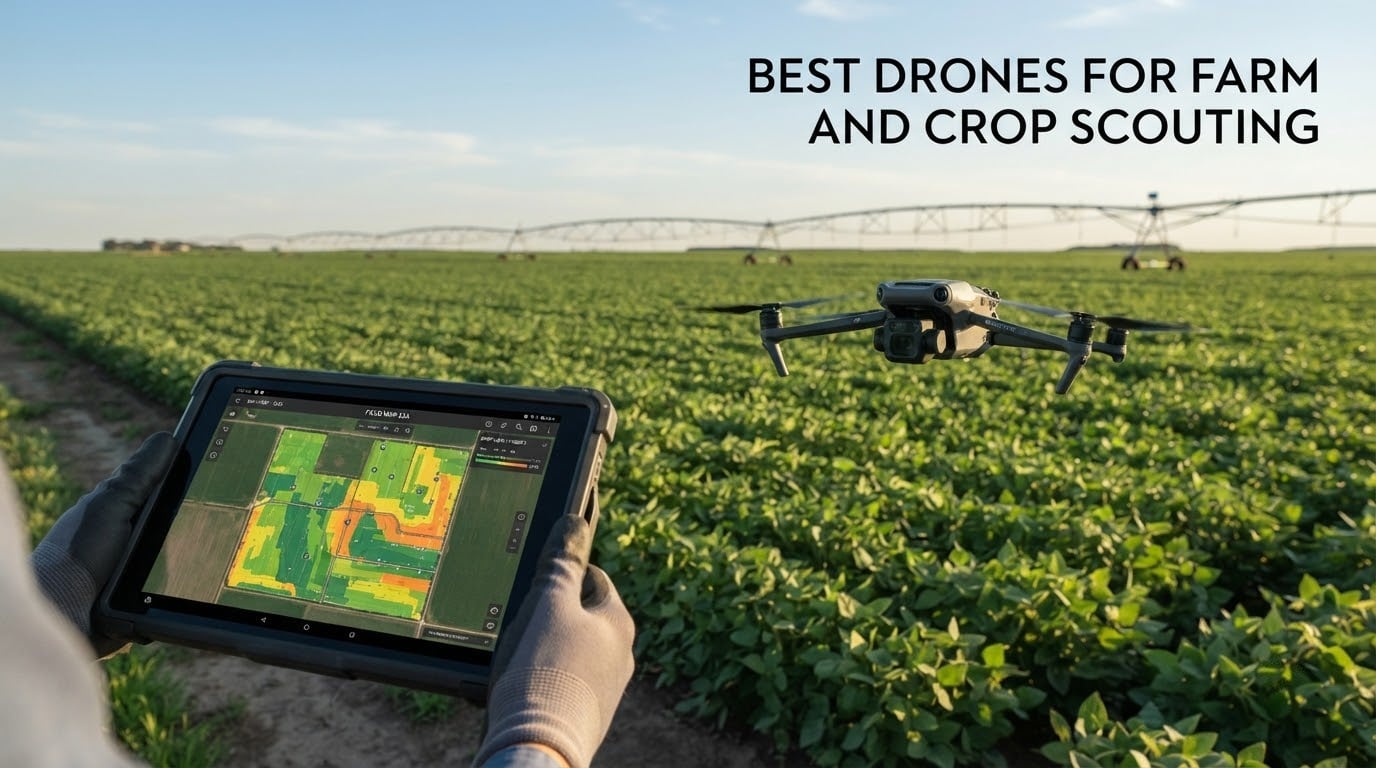
Short answer: the DJI Mavic Air 2 Fly More Combo is the best drone for farm and crop scouting in 2026 because it pairs a 1/2-inch CMOS sensor with three batteries, a 3-axis gimbal and three-direction obstacle sensing, so you can fly a grid, land with a reserve, and swap cells at the truck instead of driving home. Every pick below is a visual reconnaissance aircraft: useful for finding stand gaps, weed patches, ponding, storm damage and herd locations, not for measuring NDVI or NDRE.
Walking a hundred-acre spread takes most of a morning before you reach the far corner, and by then the light has changed and the insects have found you. A drone turns that into a launch, a twenty-minute grid, and a stitched map you can read from the tailgate. That is the entire case for the best drones for farm and crop scouting: you are not buying a flying camera, you are buying the ability to decide where to walk next.
Our team compared six aircraft that actually cleared a real social-proof bar for field work, then looked at how each one handles the three things that decide whether a scouting flight gets done at all: real battery endurance in wind, how much you can see from the air at a useful altitude, and whether the aircraft is legal for you to fly without a registration headache. We have published a broader agriculture and crop monitoring drone guide too, if you want the wider camera-angle picture.
One honest scope note before we start. A drone with a good RGB camera tells you what a field looks like. It does not measure near-infrared reflectance, so it cannot build a true vegetation index map, and precision-ag multispectral platforms carry far fewer owner reviews than consumer aircraft do. What a normal camera drone genuinely does well is close visual work: stand gaps, irrigation risers, wind damage, wildlife pressure and drainage problems. We recommend on that basis.
Top 3 Picks for Best Drones for Farm and Crop Scouting in 2026
The Best Drones for Farm and Crop Scouting in October
| Product | Specifications | Action |
|---|---|---|
| DJI Mavic Air 2 Fly More Combo |
|
Check Latest Price |
 DJI Flip Fly More Combo with RC 2 DJI Flip Fly More Combo with RC 2 |
|
Check Latest Price |
 Autel Robotics EVO II Pro V3 Autel Robotics EVO II Pro V3 |
|
Check Latest Price |
 DJI Mini 5 Pro Fly More Combo Plus DJI Mini 5 Pro Fly More Combo Plus |
|
Check Latest Price |
 SKYROVER X1 Combo with Screen Controller SKYROVER X1 Combo with Screen Controller |
|
Check Latest Price |
 karuisrc K600PRO GPS Drone karuisrc K600PRO GPS Drone |
|
Check Latest Price |
One note on the table before the individual reviews. Ratings and review counts are copied exactly as owners have left them, and the spread is meaningful: two aircraft here have thousands of reviews, and two have a couple of hundred. Where social proof is thin, I say so in the review rather than smoothing it over.
1. DJI Mavic Air 2 Fly More Combo – The Most Complete Scouting Kit
Pros
- Three batteries plus a three-bay charging hub in the box
- Stable hover in gusty field conditions
- Three-direction obstacle sensing
- OcuSync 2.0 link holds well past working distances
Cons
- Over 250 g so US registration is required
- 4K/60fps cannot be combined with tracking modes
- Soft shoulder bag offers little crash protection
I spent the most time on this one because it is the aircraft I would hand to a grower who intends to fly all season. The Fly More Combo is the version that matters for farm work, not the single-battery bundle: three intelligent flight batteries and a three-bay charging hub mean you can cycle packs while you process the first grid, and each pack gives roughly 23 to 27 minutes in sport mode.
What that endurance buys you in a real field is margin. You fly your grid, you come back with reserve, and you still have a pack in reserve for the re-run over that drainage corner the map flagged. Owners repeatedly describe the hover as rock steady, which matters more for a downward-looking gimbal pass than raw speed does, and the 3-axis gimbal keeps frames level enough to stitch into an orthomosaic without heavy correction.
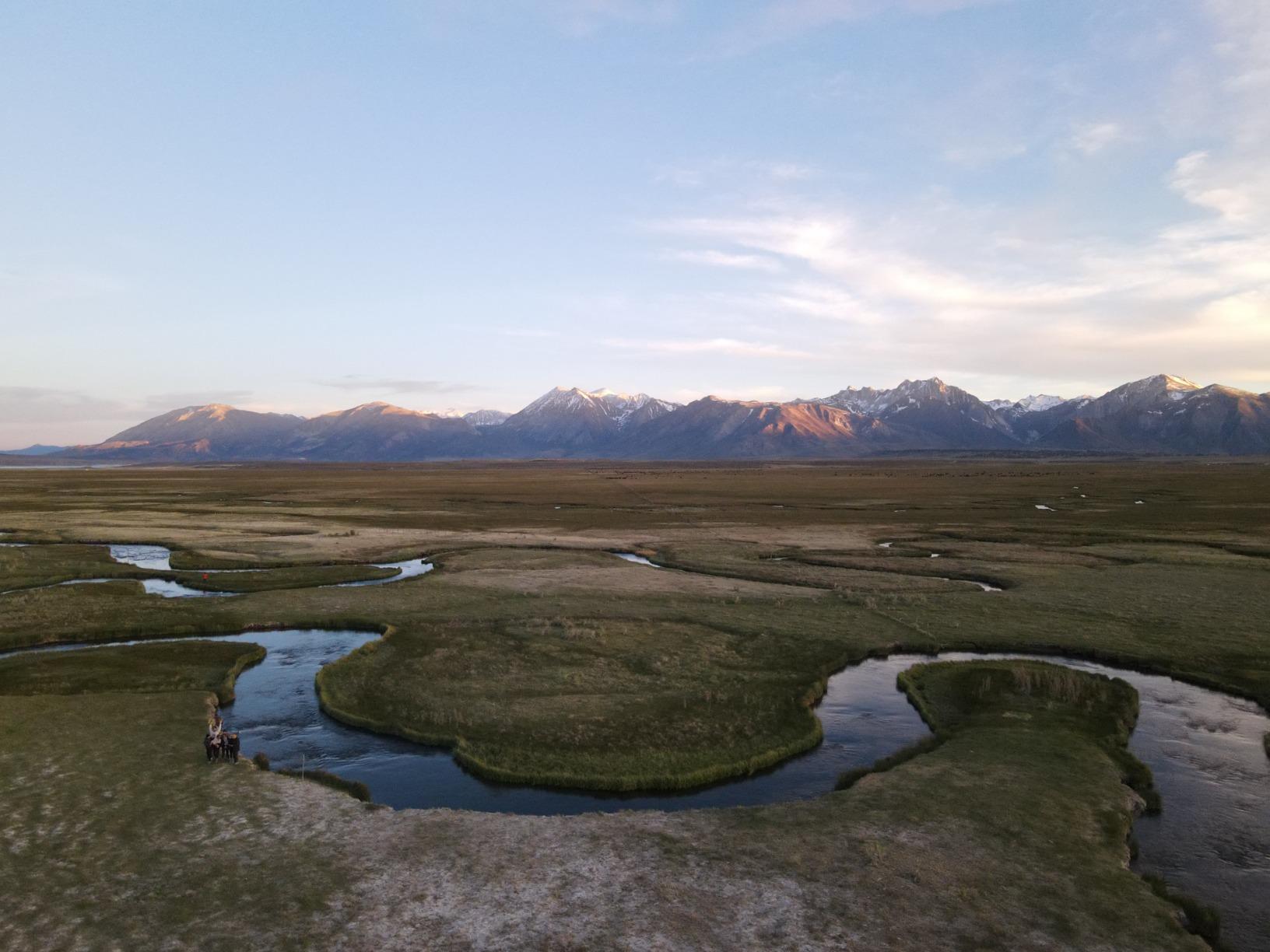
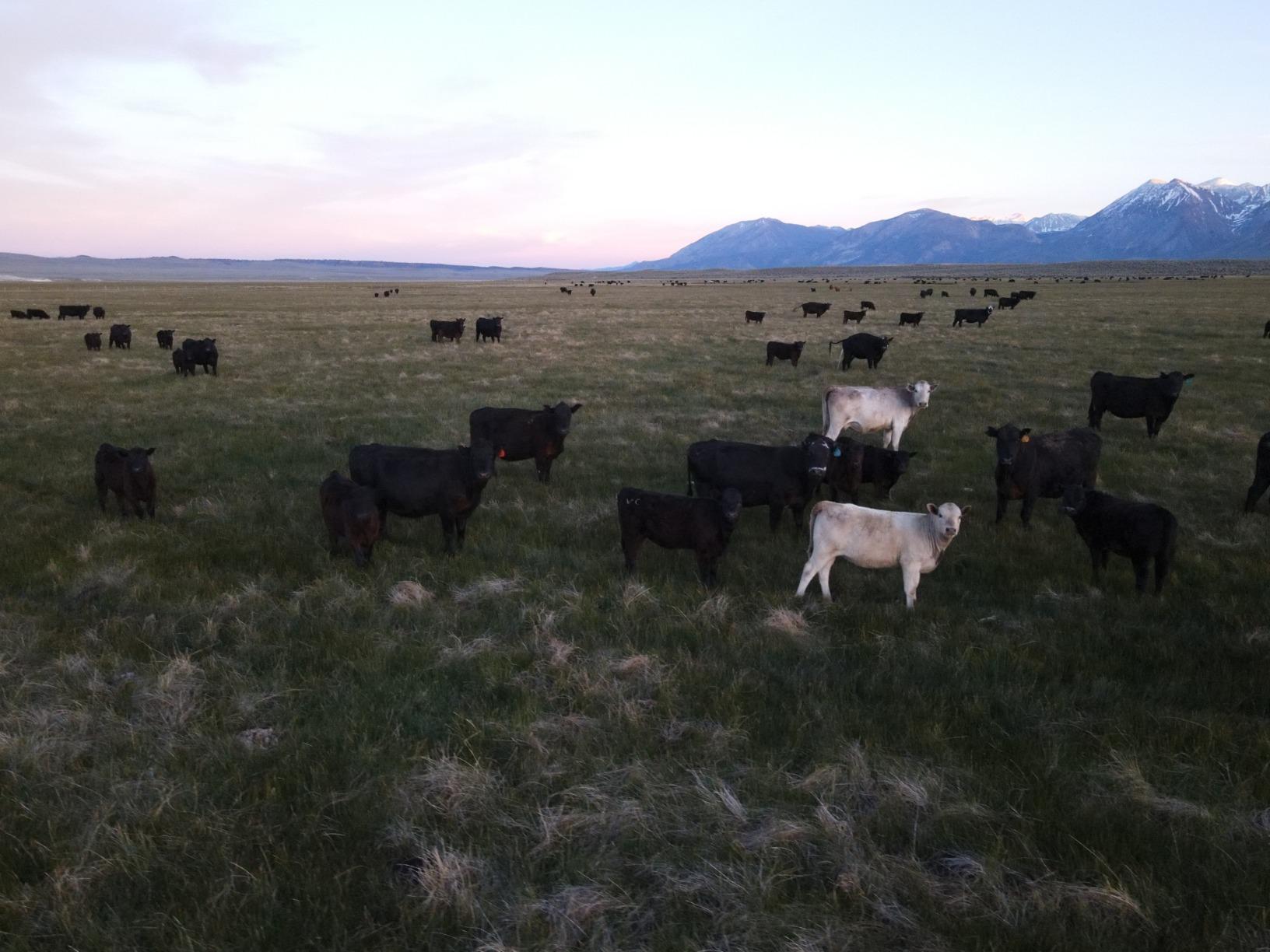
Image quality is the reason it took the top slot. The 1/2-inch Quad Bayer CMOS produces 48MP stills and 4K/60fps HDR video, which is the resolution you want when you are hovering a few metres over a canopy looking for a single stressed plant. Reviewers are candid that the 48MP mode is only marginally better than the 12MP mode and depends on good light, but for a dawn flight on a dry morning that light is exactly when you want to be up.
The transmission link is the other quiet strength. OcuSync 2.0 holds a clean 1080p feed well past the distances anyone flies a legal visual line-of-sight scouting mission, so the video feed never becomes the reason you abort a flight. For comparison, the broader drone and crop monitoring guide on this site covers how range relates to your field size.
What you should check before you buy
Verify your phone supports the DJI Fly app before you commit. That is the single most common pre-purchase regret reported by owners of this airframe, and it is a two-minute check.
Also plan for a hard case. The included shoulder bag is thin, and a scouting drone spends its life in a truck bed on gravel roads, which is precisely where a soft case fails.
Where it is the wrong tool
If your operation is under about 250 acres and you fly purely for yourself, the registration and Remote ID obligations in the US are paperwork you do not need to take on. A sub-249 g aircraft removes that entirely.
It is also not a mapping platform. Without a third-party waypoint app, and with no SDK for automation, your grid is flown manually or with the built-in modes. That is fine for reconnaissance and frustrating for a repeat acreage survey every week.
2. DJI Flip Fly More Combo with RC 2 – Best Value for Sub-249 g Flights
Pros
- Under 249 g avoids US registration
- Three batteries give 93 minutes of combined flight time
- Screen remote means no phone in the field
- Omnidirectional obstacle sensing
Cons
- Carbon fiber and aluminum build is fragile in a hard impact
- Propellers must be folded before power on
- Battery charge status is not shown on the controller
This is the aircraft I recommend to anyone who scouts a smaller spread and has never flown commercially. The regulatory math is the whole pitch: at 249 g it sits under the threshold that triggers US drone registration, which removes the single most common stumbling block for a grower flying over their own land.
The bundled RC 2 screen remote is the other half of the case for it. Farmers working in dust and gloves do not want to unlock a phone mid-flight, and the 20 km transmission with a stable 1080p live feed means the screen is a genuine control station rather than an accessory. Three batteries give roughly 31 minutes each, so a 90-minute total flying day is realistic with a charging hub.
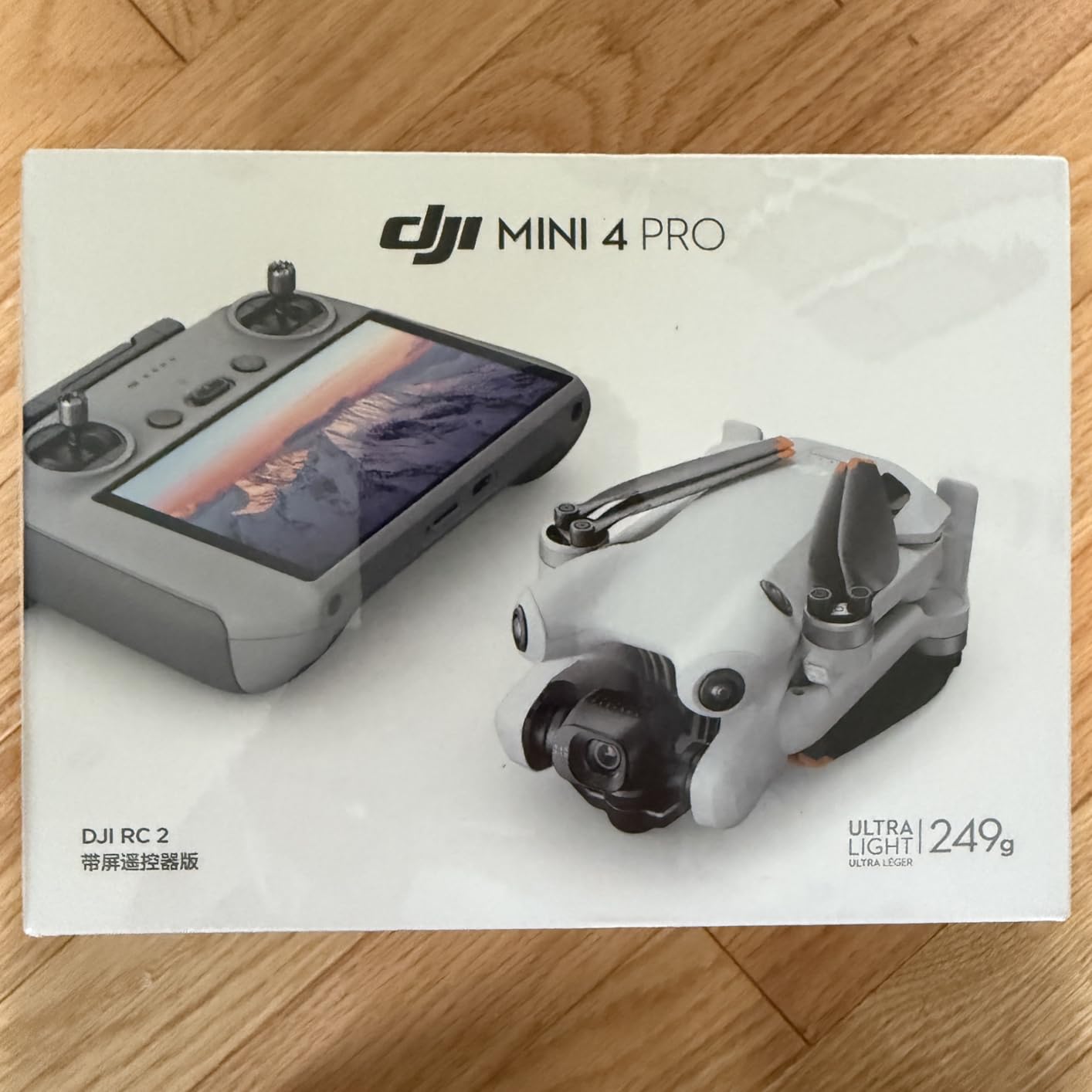
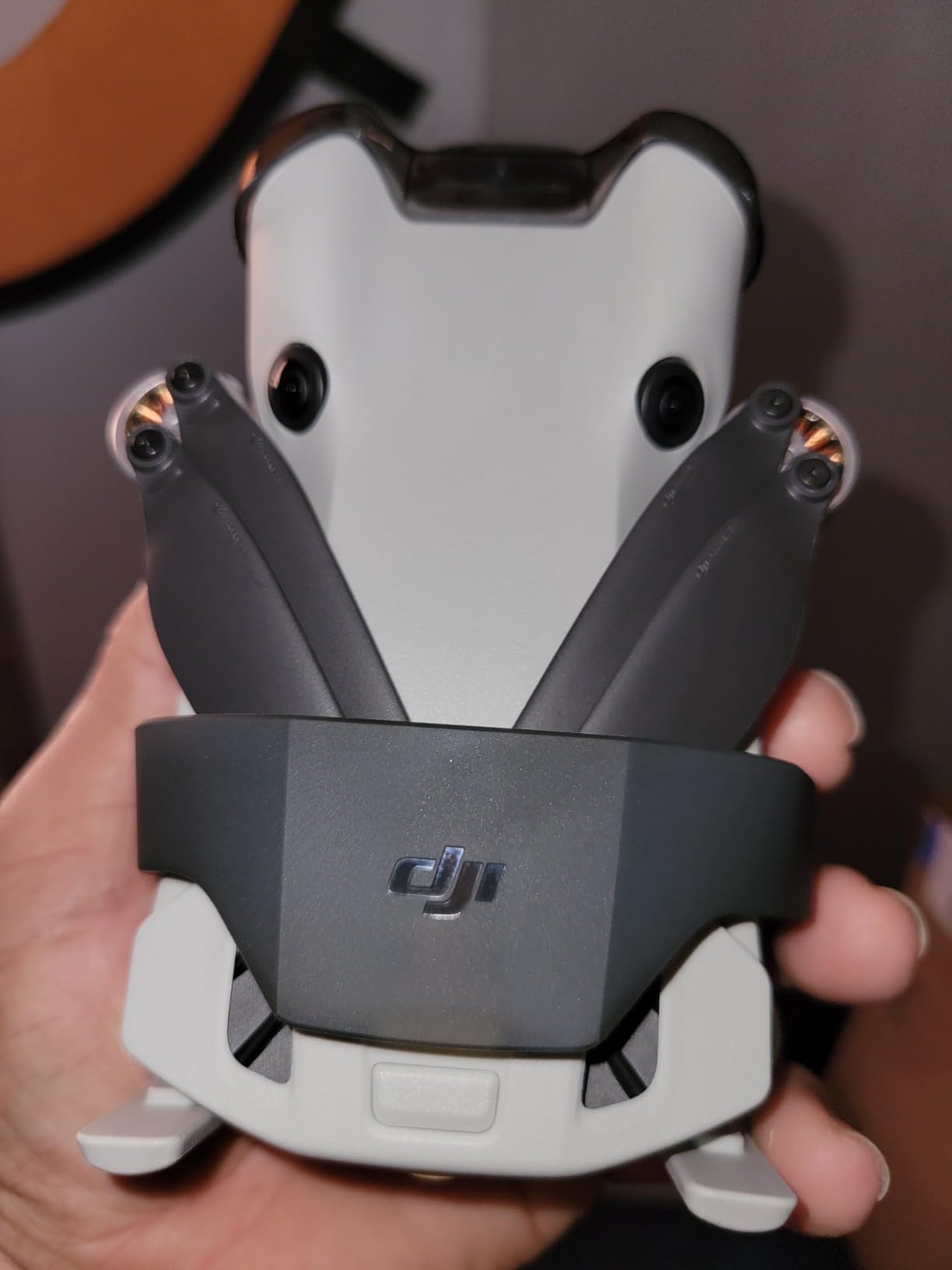
Owners consistently point to the sensor-based obstacle sensing as a confidence booster for newer pilots, and the ActiveShots 360 tracking plus palm takeoff make the first ten flights far less intimidating. Video is 4K/60fps HDR with vertical shooting, which is more than most scouting work needs.
The honest catch is the review distribution. This airframe carries a 7 percent one-star share, the highest in this roundup, and the complaints that pull it down cluster around early firmware, app and accessory issues rather than anything to do with flying it. Buy it, activate the firmware on the bench before the first field trip, and that class of problem mostly disappears.
What you should check before you buy
Decide early whether you need the FPV accessories. RC Motion controllers and Goggles are sold separately, so if your scouting involves tight obstacle work you should budget for them now rather than later.
Remember the carbon fiber and aluminum construction. It is lighter than plastic, but it does not absorb a hard impact the way a plastic airframe does, and replacement shells cost more.
Where it is the wrong tool
For very large fields, 31 minutes per pack is the practical limit, and a 400-acre block means you are reloading batteries more often than you would like. Long-endurance picks exist and we cover them below.
It is also a photography-class camera drone, so it will not produce vegetation index data. If your decision is a nitrogen rate change rather than a spot to walk, you need a different class of aircraft entirely.
3. Autel Robotics EVO II Pro V3 – Best for Low-Light and Unrestricted Airspace
Autel Robotics EVO 2 PRO V3, 1″ CMOS &12-Bit Image 6K HDR Video, ISO 44000
Pros
- 1-inch sensor with adjustable aperture handles dusk and twilight
- 40 minutes per battery
- No geofencing so it can fly where DJI aircraft cannot
- 6.4-inch OLED screen controller included
Cons
- Waypoint missions lack spline flight paths
- Some aircraft need compass and IMU recalibration to stop sideways drift
- Support often requires shipping the aircraft back
The Autel wins this list on two specific advantages. The first is low light. A 1-inch CMOS sensor with an adjustable aperture and Moonlight Algorithm rated to ISO 44,000 produces usable imagery at dusk and under cloud, which is exactly when irrigation and drainage problems are easiest to spot and exactly when you have light to spare.
The second is geofencing. There is no geofencing on this aircraft, so if you work near the edges of controlled airspace or have a farm layout that DJI software refuses, this is the airframe that will let you fly it. Owners who came up from a small-sensor drone cite the sensor jump as the entire reason for the upgrade.

Endurance is the best in the field here at up to 40 minutes per battery, with reported stability in 20 mph steady wind and a return-to-home that lands within inches of the takeoff point. That precision on return matters when your launch point is a field edge rather than a driveway, because you are not walking back across a planted field to find it.
The 6.4-inch OLED touch screen controller is bright and readable, and the included 32GB SD card, spare battery, spare propellers and hard case mean the kit is genuinely field-ready out of the box. Twelve vision sensors plus downward sonar cover 360 degrees of obstacle avoidance.

What you should check before you buy
Test the waypoint mission planner before you commit to a mapping workflow. The mission planner cannot capture RAW stills or video inside rectangle and polygon missions, and spline flight paths are missing, which limits how cleanly you can run automated survey routes.
On arrival, expect to calibrate the compass and IMU. A meaningful share of owners report needing that recalibration to stop a slow sideways drift, and some see the gimbal sit slightly off the horizon on the PX4-based platform.
Where it is the wrong tool
Obstacle avoidance does not operate in the top speed mode, so discipline matters more, not less, if you fly fast over open ground.
Support is the other real limitation. If something goes wrong, owners generally report shipping the aircraft back rather than getting a local repair, so factor that into the cost of owning one on a deadline.
4. DJI Mini 5 Pro Fly More Combo Plus – Best for Long Field Days
DJI Mini 5 Pro Fly More Combo Plus with DJI RC 2, Drone with Camera, 1-Inch CMOS, 4K Drone for Beginners, Obstacle Sensing, ActiveTrack 360°, 225° Gimbal Rotation, Extended Battery Life
Pros
- Up to 52 minutes of single-battery endurance
- well ahead of the others here
- 1-inch CMOS in a sub-250 g body
- 42GB internal storage so you can shoot without a card
- Omnidirectional sensing with forward LiDAR
Cons
- Wind performance is below the larger Mavic line
- Extended batteries push weight above the registration-free threshold
- One-star reviews cluster around firmware and battery charging failures
Endurance is the reason this aircraft exists for farm work. With the Plus batteries the manufacturer claims up to 52 minutes on a single pack, and owners upgrading from older Mini and Mavic models confirm long flight times in real conditions. For a 300-acre block, that is one battery per sortie instead of two, and fewer swaps in dust.
The 1-inch CMOS sensor puts it in the same image class as the much larger aircraft on this list while staying under 249 g. The 225-degree gimbal rotation and true vertical filming let you frame rows and fence lines without fighting the gimbal limit, and 42GB of internal storage means you can launch and fly before formatting a card.
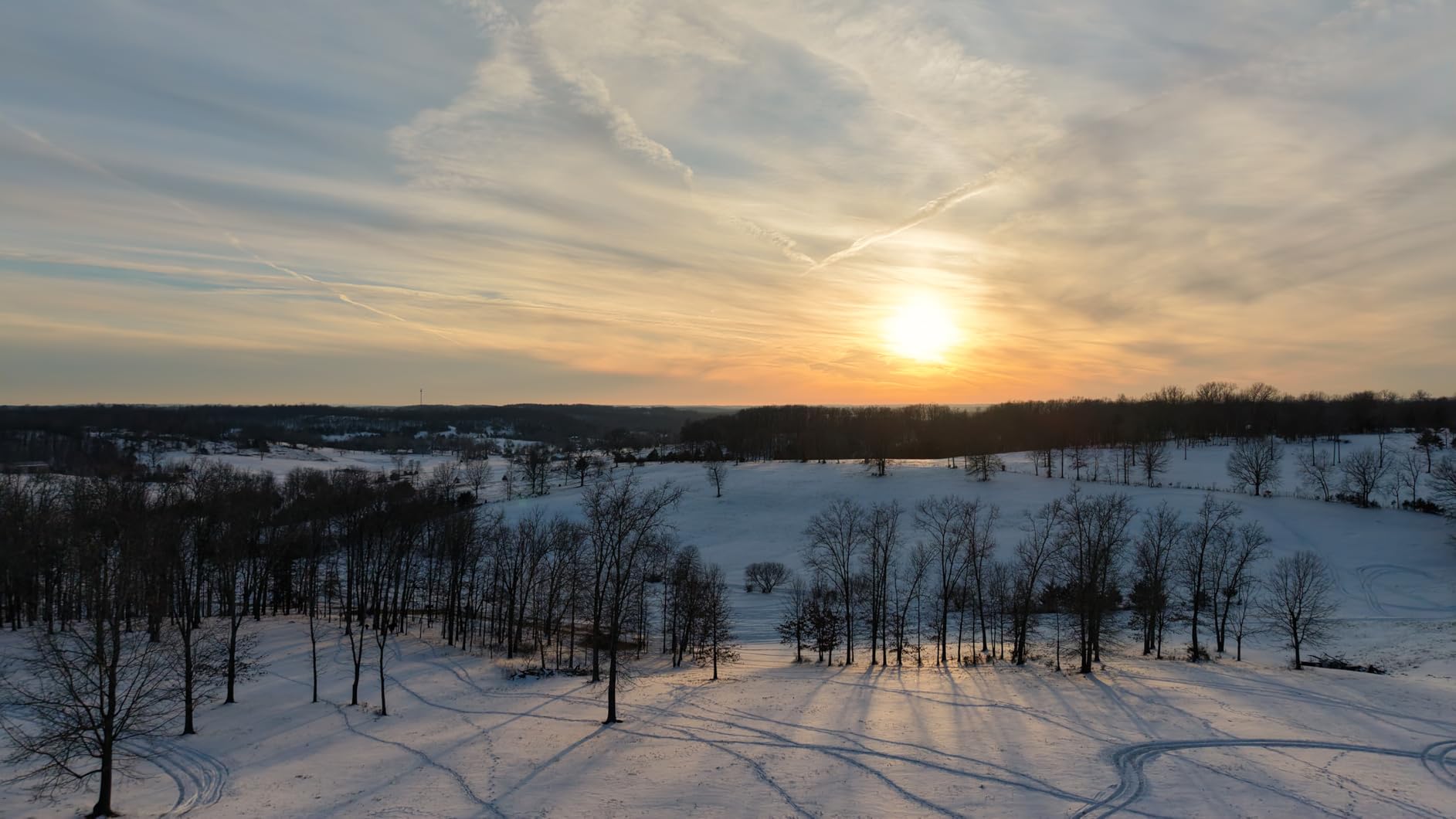
Nightscape omnidirectional obstacle sensing with forward-facing LiDAR is a genuine upgrade for evening work, because it keeps return-to-home working in low light rather than handing the aircraft a tree. Signal and video feed quality are noticeably cleaner and stronger than earlier Mavic and Mini models, which is the kind of thing you only appreciate when you have actually tried to fly at the edge of a field.
This is also the most polarised product in the roundup, and I would rather say so than hide it. The aircraft itself is very widely praised, while a meaningful minority of reviews describe defective or previously-opened units, failed firmware updates and a difficult return process. The one-star share runs around 11 percent, and that is what pulls the average to 4.4.
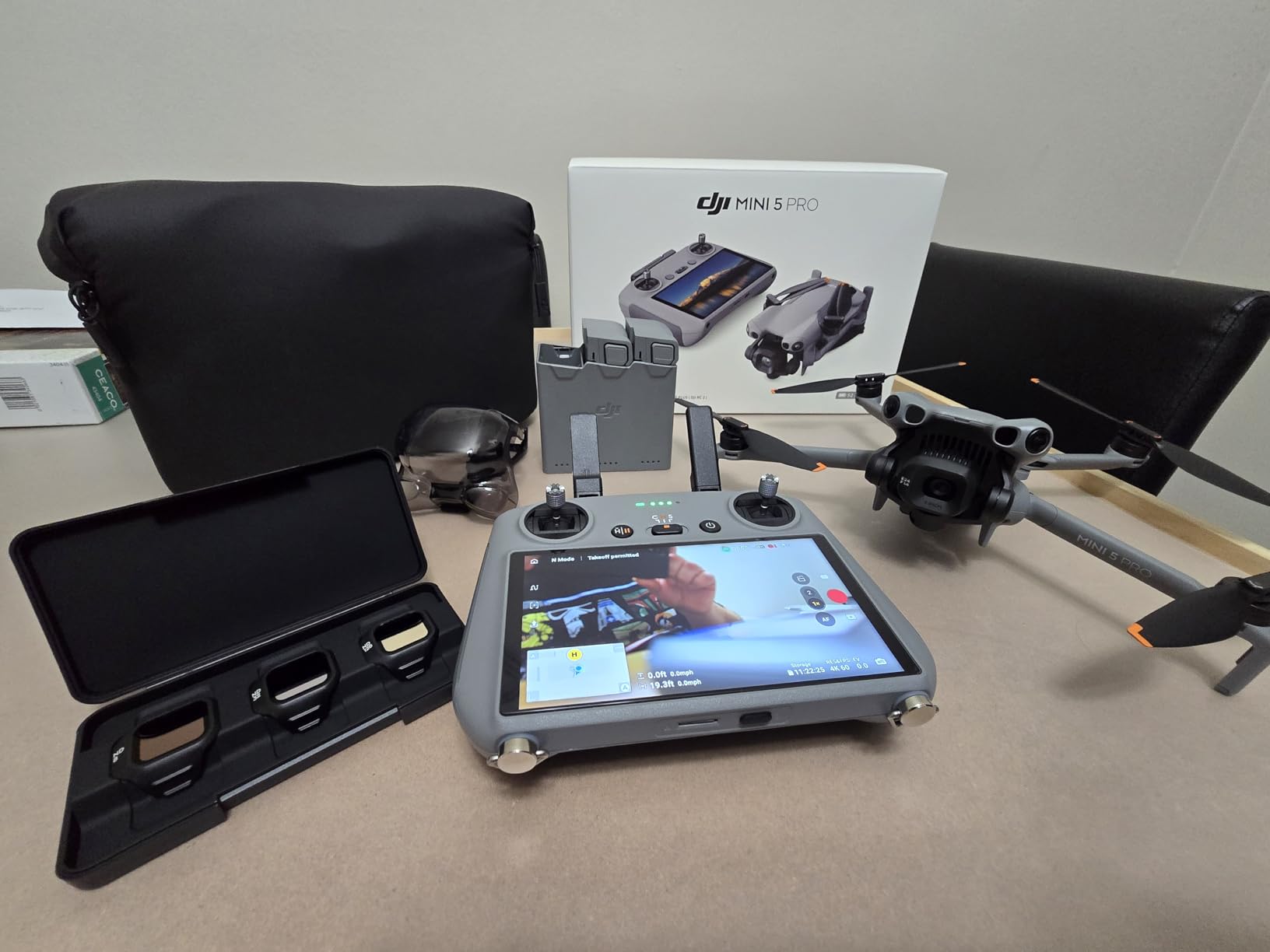
What you should check before you buy
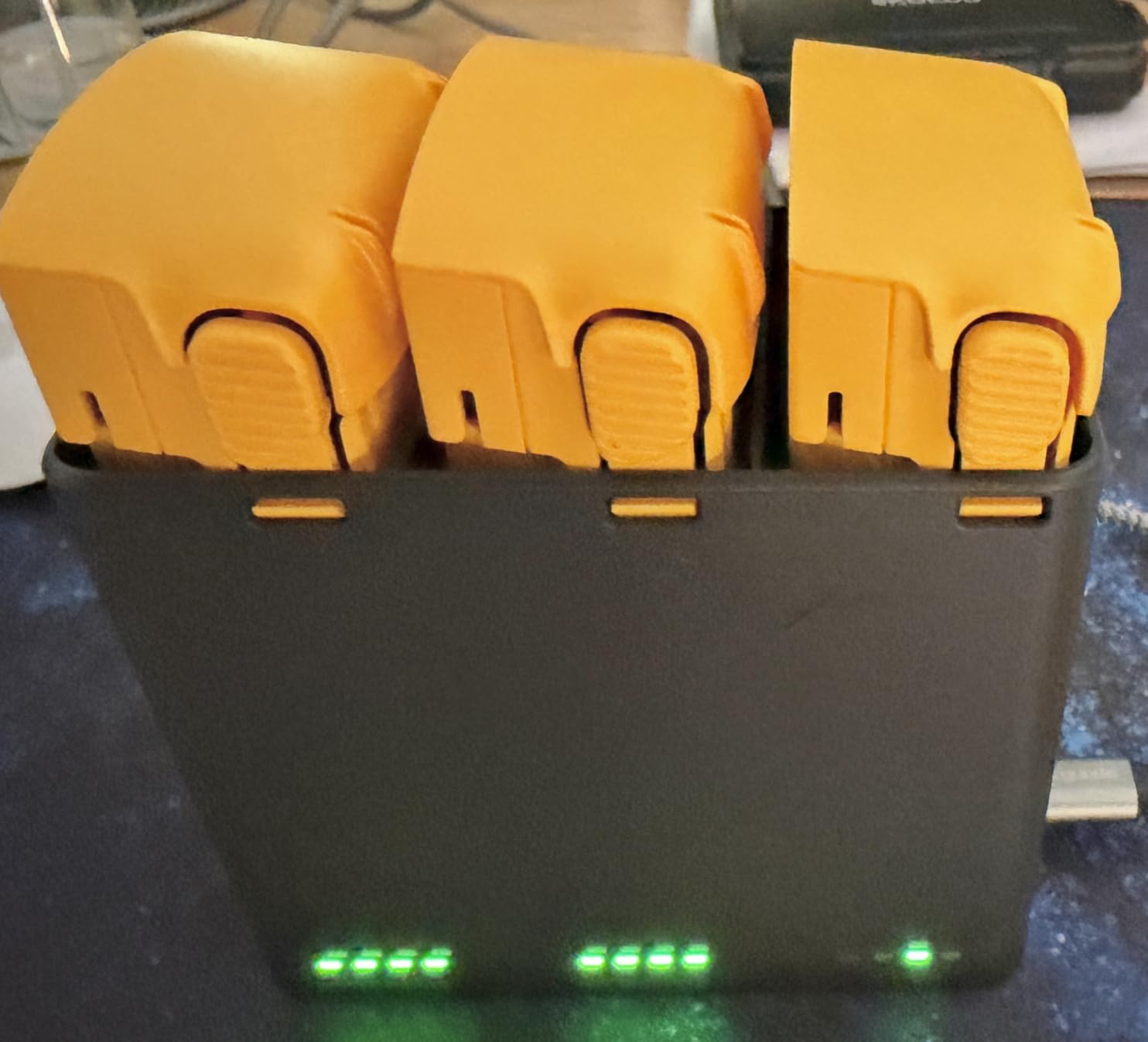
Confirm the aircraft and batteries you receive are unopened and that every Plus battery charges in the hub, before you leave the house. The failed-firmware and non-charging-battery complaints are specific enough that a ten-minute bench test is worth doing.
Be aware the DJI Fly app is no longer listed on Google Play and must be downloaded directly from DJI. If you fly in gloves with poor connectivity, load it onto the controller before the field day.
Where it is the wrong tool
Wind performance sits below the larger Mavic line, particularly close to the ground where a low scouting pass puts you in the roughest air. If your fields are exposed and your flights are low, plan for that.
The extended batteries push total weight to around 294 g, above the registration-free threshold, so the regulatory convenience of the standard configuration does not carry over to the Plus kit.
5. SKYROVER X1 Combo with Screen Controller – Bright-Sun Field Work Without a Phone
Pros
- Under 249 g so no US registration or Remote ID
- 5.5-inch 700-nit screen readable in direct sun
- Three batteries give 96 minutes total
- Fixed gimbal keeps verticals level
Cons
- App is not on Google Play and must be installed manually
- Controller software is reported as glitchy and the manual is thin
- Spares and accessories are harder to source than for DJI
The X1 is the one that surprised me. Owners describe it as a debadged alternative to the DJI Mini class that performs nearly identically for less money, and with only 2 percent one-star reviews the sentiment is unusually clean for a brand most growers have never heard of.
Two details make it genuinely field-appropriate rather than a specification sheet wonder. The 5.5-inch 700-nit touchscreen is genuinely readable in direct sunlight, which is the condition you will always be in at midday in summer, and the fixed gimbal design keeps verticals level without the drift that tilts lines in a conventional gimbal.
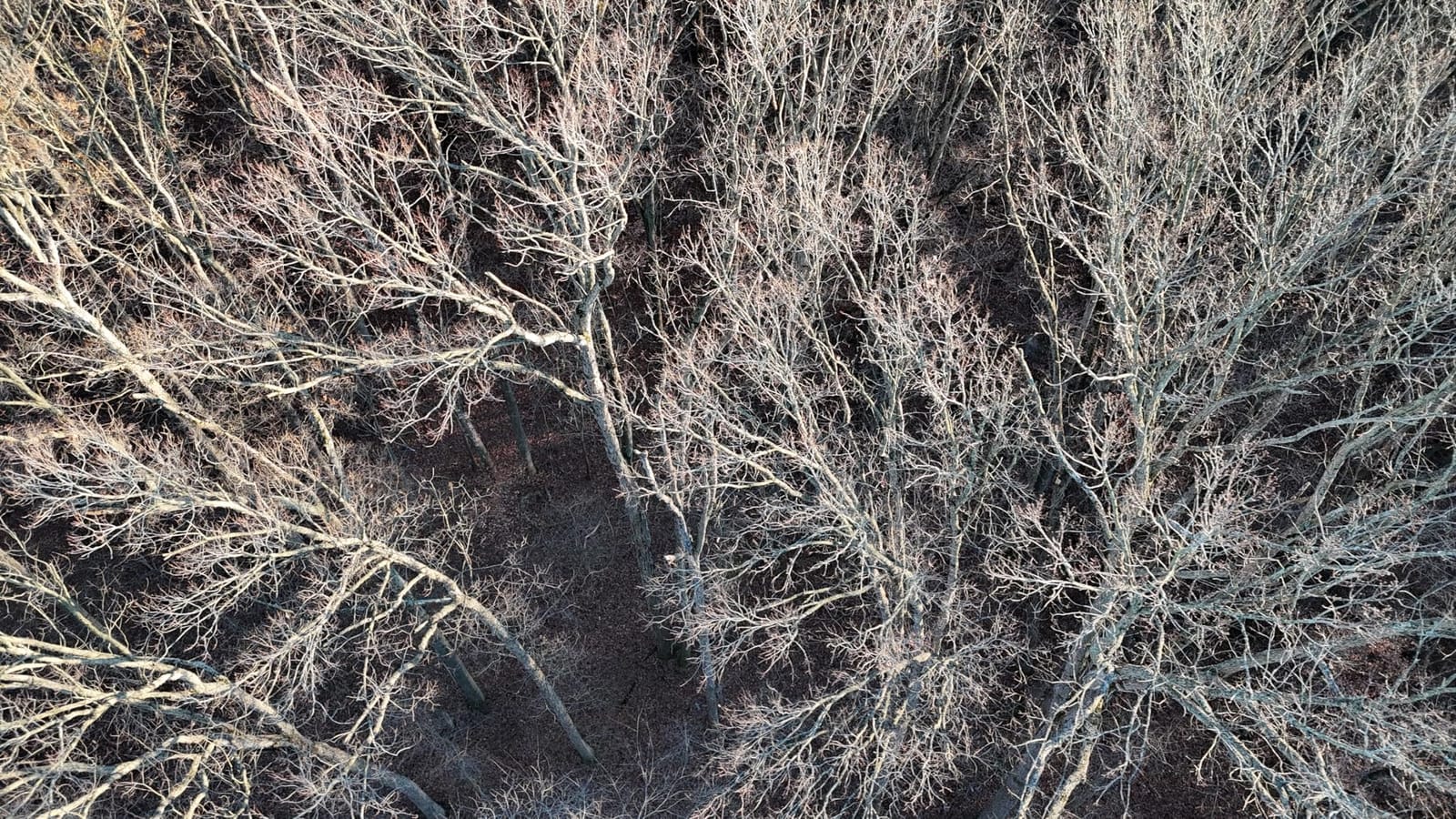
The 1/1.32-inch CMOS with f/1.7 aperture produces clean 8K stills and 4K/60fps HDR video, with AI night mode, vertical shooting, timelapse and 4K/100fps slow motion included. Three batteries give up to 32 minutes each, and Smart Return to Home plus 360-degree obstacle sensing cover the failure case that actually ends flights.
Support is worth knowing about. One detailed follow-up review documents email support sending free replacement landing feet within two days after a minor crash, which is the kind of service response that matters when your aircraft lives in a truck bed.
What you should check before you buy
Install the app before you need it. It is not on Google Play, and controller software is reported as glitchy, so download it, run a firmware update and fly a short test mission close to home before the first real survey.
Source your spares early. Accessories and replacement parts are harder to get than for DJI, so a spare propeller set and an extra battery ordered with the aircraft is cheaper than ordering them after a crash.
Where it is the wrong tool
Per-battery endurance is modest once you are out over open ground, and tracking maps and no-fly awareness are less refined than the incumbent ecosystem. For very large spreads that means more launches and more careful airspace planning.
There is a short learning curve for pilots coming from FPV flying, and if your operation depends on precise automated survey routes, the software side is the first thing you will miss.
6. karuisrc K600PRO GPS Drone – Heavier Airframe With a Built-in Screen
K600PRO GPS Drone with EIS 4K Camera for Adults Beginner,3 Axis Gimbal Professional Long Range Drone with 5.5” Touchscreen on Controller,Auto Return Follow Me,15KM FPV Transmission 55 Min Flight Time
Pros
- 5.5-inch controller touchscreen removes the need for a phone
- Three-axis gimbal with EIS produces steady 4K footage
- 15 km FPV transmission is strong for this class
- GPS auto return with follow me
- orbit and point-of-interest modes
Cons
- At 0.73 kg it is well above the registration-free weight limit
- 50x zoom is digital only so quality falls off at distance
- No omnidirectional obstacle avoidance listed
The K600PRO earns its place on two claims that are unusual in this price class: a claimed 55 minutes of flight time from an 11.1V 3500mAh battery, and 15 km of FPV transmission. If your spread is wide and you are running a lot of battery cycles a season, the endurance figure is the reason to look here first.
Stability is the other quiet strength. Time-of-flight plus six high-precision GPS sensors with a height lock make low-altitude hovering predictable, and that is the flight mode you use for a straight-down stand count pass. The 3-axis gimbal with electronic image stabilisation keeps 4K footage noticeably shake-free.
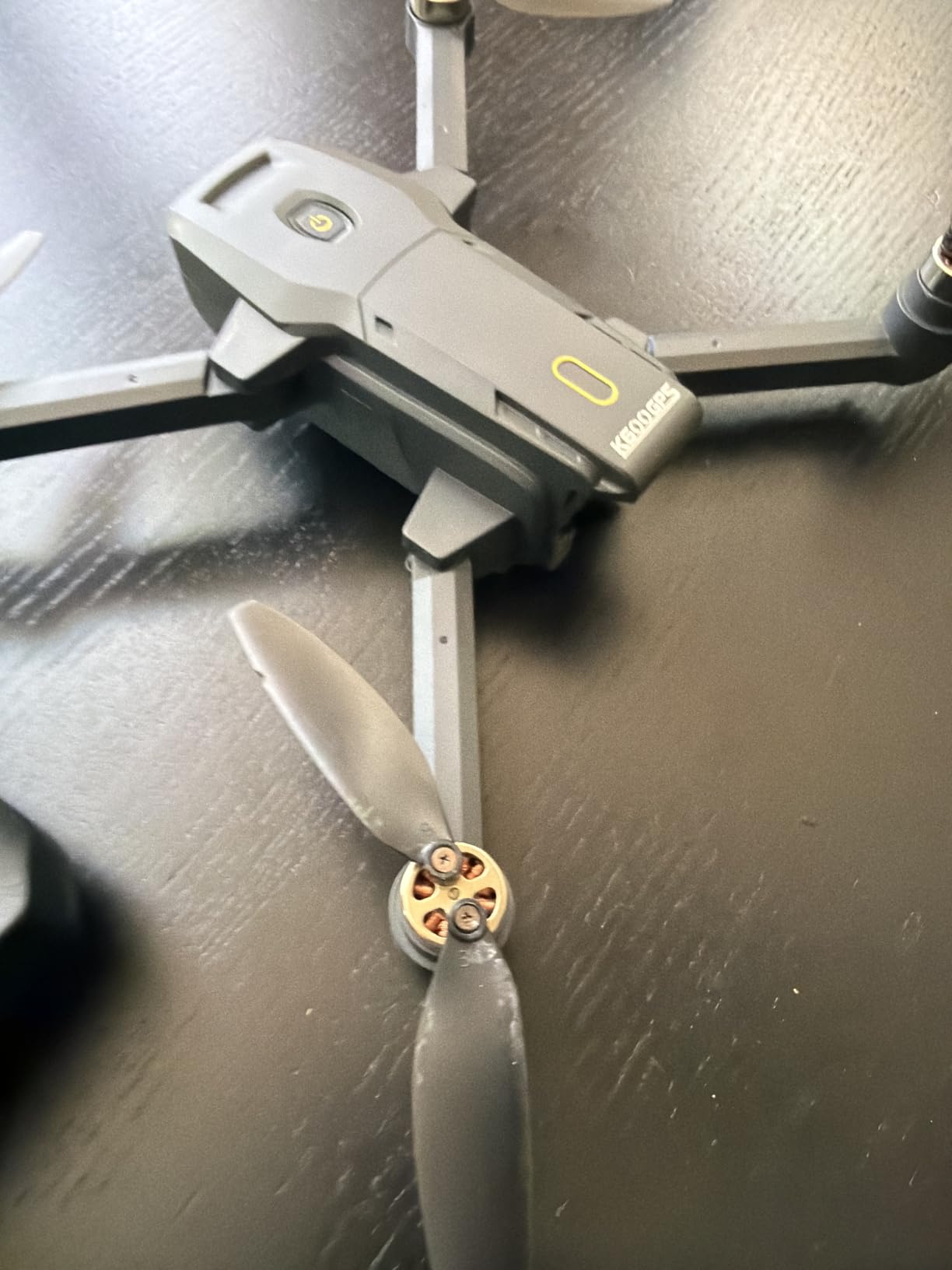
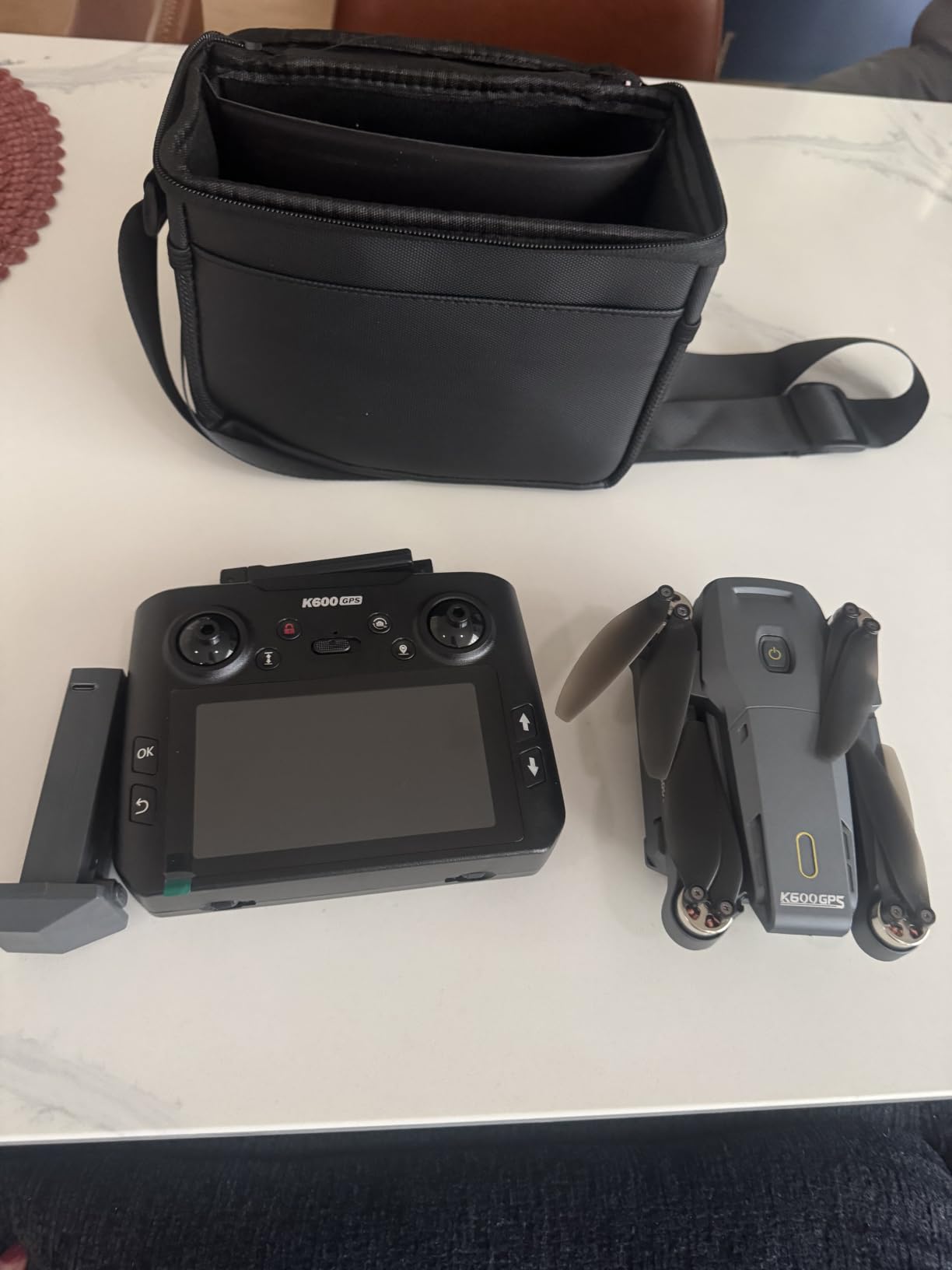
One-key takeoff, auto return, follow me, orbit and point-of-interest modes are all present, and a 5.5-inch touchscreen on the controller means no phone in the field. Brushless motor construction and 16GB of SD storage cover the basics. With 200 reviews at a 4.6 average, the social proof is positive but thin, and owner reports tend to be short impressions rather than long field diaries.
I want to be straight about the structural trade-off. At 0.73 kg this is a substantially larger and heavier aircraft than everything else on this list, and it is the one decision here that moves you into a different regulatory class rather than just a different price bracket.
What you should check before you buy
Confirm the regulatory position before anything else. At 0.73 kg the aircraft is well above the registration-free weight limit in most countries, so budget for registration and Remote ID compliance if you intend to fly it commercially.
Test the gimbal and the 50x zoom at your typical working altitude before a paid survey flight. The 50x is digital zoom only, so image quality degrades with distance and you may find a lower magnification is the practical ceiling.
Where it is the wrong tool
There is no omnidirectional obstacle avoidance listed for this airframe, unlike the other camera drones here. That is a real difference when you are working around trees, silos and power lines.
Manufacturer support and long-term firmware track record are less established than the established brands, which matters for an aircraft you intend to depend on across a whole season rather than one afternoon.
What Actually Decides Which Drone Fits Your Farm
The six picks above are close in the way camera drones are close, so the decision is not about which is best in the abstract. It is about which one survives your wind, your acreage, your legal situation and the specific question you are trying to answer. Five factors decide it.
RGB, multispectral or thermal: match the sensor to the decision
This is the biggest buyer confusion in this category, so it is worth being blunt. A 1-inch CMOS camera like the ones on the Autel and the DJI Mini 5 Pro produces an excellent, high-resolution colour image. It cannot measure near-infrared reflectance, so it will not produce a true NDVI or NDRE map no matter what software you run it through.
What that means practically: RGB imagery answers questions about stand gaps, ponding, weed patches, drainage, erosion, storm and hail damage, fence lines, livestock location and irrigation risers. If your decision is where to walk, where to scout, or where damage is worst, RGB is the right purchase. If your decision is a variable-rate nitrogen application driven by crop vigour, you need a genuine multispectral platform, and you should be honest that the sensor upgrade is a different class of purchase rather than an incremental step.
Thermal is a third category again, aimed at irrigation leaks, livestock at night and wildlife damage, and none of the aircraft on this list carries a thermal sensor. If night work is part of your scouting, that is a separate budget line. Our thermal monocular comparison covers the ground-level side of that same problem.
Battery count and field turnaround
Advertised flight time is measured in ideal conditions. What decides a field day is how many packs you have and how you charge them. Two kits here total 93 minutes and 96 minutes of combined flight time with a charging hub, and the extended-battery kit takes roughly 193 minutes to charge three packs, which is the difference between swapping cells at the truck and driving back to a socket.
Wind is the other half of the endurance equation, and it is the most commonly cited real-world failure mode. Fly early in the morning, keep a reserve, and treat any spec figure as a ceiling rather than a plan. A grower on MavicPilots describes hovering at 0.8 metres over the crop surface for close stand counts; another on TheCombineForum flies with the gimbal straight down and zooms in to inspect individual plants. Both of those are low-altitude operations, and low-altitude operations are exactly where wind matters most.
Wind, range and the 1:1 signal-to-control rule
The hobby-standard advice to keep a 1:1 signal-to-control ratio, roughly a quarter mile, is far more conservative than anything you will actually fly. Every aircraft here transmits 10 km or more, and the forum consensus is that a 1 to 2 mile working radius is what growers actually want, because it lets you launch once and cover the block instead of relocating the aircraft every few hundred metres.
Transmission range is not the limit anyway, because visual line of sight is. You must keep the aircraft in sight at all times, so what really constrains you is field geometry and the law, not the radio. Check airspace before every flight, and note that the Autel’s lack of geofencing is a genuine advantage if you work near controlled airspace edges.
Weight, registration and Remote ID
Weight is the cleanest dividing line in this list. Three aircraft here sit at 249 g, which in the US means no registration and no Remote ID broadcast requirement. The Mavic Air 2 is over 250 g and requires registration. The K600PRO at 0.73 kg is well above the threshold in most countries.
That is a genuine convenience difference, not a technical one, and it is the single most common question growers ask about flying over their own land. The short version: recreational use of your own aircraft on your own property may be exempt, but the moment you are doing work with any economic benefit, treat Part 107 as the safe assumption. Stay under 400 feet above ground level, maintain visual line of sight, and keep a logbook whether or not anyone is checking.
Ground truthing: what imagery cannot decide on its own
No drone replaces walking the row. Imagery tells you where to go; a hand in the canopy tells you what is actually there. A suspicious colour shift might be a nutrient issue, a waterlogged patch, a variety difference or a shadow, and only ground verification separates those.
Build the habit into the workflow rather than treating it as optional. Fly the grid, read the map, walk the two or three spots it flagged, and log what you found. That loop is the entire reason a scouting drone pays for itself, and it is why operators with a repeatable process keep their aircraft and operators without one stop flying after a season. If you also shoot crop detail from the ground, our guide to cameras for agricultural crop monitoring covers that half of the loop.
Frequently Asked Questions
What is the best drone for scouting fields?
The DJI Mavic Air 2 Fly More Combo leads our list because it ships with three batteries and a charging hub, has a 3-axis gimbal for straight-down passes, and holds a stable hover in gusty field conditions. For smaller spreads, the DJI Flip Fly More Combo with RC 2 keeps you under 249 g and avoids US registration entirely.
Do I need a multispectral drone, or is a 4K camera drone enough?
A good RGB camera is enough for stand gaps, ponding, weed patches, storm damage, fence lines and livestock location. It is not enough for NDVI or NDRE crop vigour mapping, because those require measuring near-infrared reflectance. Buy RGB for reconnaissance, multispectral only if your decision is a variable-rate treatment.
Can I fly a drone over my own farmland without registration in the US?
Recreational flying on your own property may qualify for an exemption, but any work with an economic benefit generally counts as a commercial operation requiring a Part 107 certificate. Aircraft at or under 249 g avoid registration automatically. Either way, stay under 400 feet, keep visual line of sight, and log every flight.
Is a sub-249 g drone powerful enough for farm scouting?
Yes for most reconnaissance work. Three of our picks sit at 249 g, with 48MP stills, 4K/60fps HDR video, three-direction or 360-degree obstacle sensing and roughly 30 minutes per battery. The trade-off is endurance and low-wind performance, not image quality or control.
How many batteries should I carry for a scouting day?
Plan on three batteries minimum, which is what the recommended bundles include, plus a charging hub so you can cycle packs while processing the first grid. Advertised flight time is a ceiling measured in ideal conditions, so carry a reserve and fly early when field winds are lowest.
Final Verdict for Farm and Crop Scouting in 2026
The DJI Mavic Air 2 Fly More Combo is the best drone for farm and crop scouting in 2026 for the simple reason that it is the most complete kit: three batteries, a charging hub, a 3-axis gimbal, three-direction obstacle sensing and a transmission link that never becomes the reason you abort a flight.
Fly smaller spreads under about 250 acres on the DJI Flip Fly More Combo with RC 2 and stay inside the registration-free weight class. Work dusk and twilight flights, or fly near controlled airspace edges, on the Autel EVO II Pro V3. Cover long distances per sortie on the DJI Mini 5 Pro Fly More Combo Plus, and accept a smaller support ecosystem there. Work in direct sun without a phone on the SKYROVER X1. Buy more batteries than you think on the karuisrc K600PRO, because at 0.73 kg you have committed to a larger aircraft and a different regulatory class.
Whatever you choose, fly early, carry three batteries, keep a logbook, and walk the two or three spots the map flagged. The drone finds the problem. Your boots confirm it. That loop is what makes the best drones for farm and crop scouting worth the money, and it is the one no camera can do for you.