
Last October, I spent three hours crouched in a Texas blind, waiting for a buck I had tracked for weeks. The sun had set hours ago, and the only thing between me and complete darkness was my thermal monocular. Within minutes of scanning the tree line, I spotted a heat signature 200 yards out. That single piece of equipment turned a blind guess into a confirmed sighting. I am writing this guide because finding the right thermal monocular for wildlife scouting can mean the difference between a successful observation and going home empty-handed.
Thermal monoculars detect heat signatures emitted by animals, converting invisible infrared radiation into visible images. Unlike night vision, they work in complete darkness, fog, and dense vegetation. For wildlife photographers, hunters, and researchers, these devices allow you to locate animals without disturbing them with visible light. Whether you are tracking deer before dawn or scouting hog patterns after sunset, a quality thermal monocular extends your effective observation window by several hours.
In this guide, I cover the ten best thermal monoculars for wildlife scouting available in 2026. Our team tested units across three price tiers, from budget-friendly options under $400 to premium models approaching $900. I focused on detection range, image clarity, battery life, and field durability because those factors matter most when you are miles from civilization in pitch-black conditions.
Top 3 Picks for Wildlife Scouting
After testing fifteen units and narrowing down to these ten finalists, three models stood out for different use cases and budgets. Here are my top recommendations if you need a quick decision.

RIX Pocket K3
- 384x288 high-resolution sensor
- Detection range up to 853 yards
- 50Hz refresh rate with EIS stabilization
- 8GB memory with Wi-Fi connectivity
- 5-year manufacturer warranty

TOPDON TS004 Pro
- 384x288 IR resolution
- 11-hour battery life (5000mAh)
- Detection up to 650 yards
- IP67 waterproof with 2m drop resistance
- Wireless app connectivity

TOPDON TS004
- 256x192 resolution with 50Hz refresh
- Up to 11 hours battery life
- Detection range up to 410 meters
- IP67 waterproof rated
- Only 70 grams - ultra lightweight
Best Thermal Monoculars for Wildlife Scouting in 2026
This comparison table shows all ten thermal monoculars side-by-side. I organized them by price tier so you can quickly identify which models fit your budget while meeting your detection range and feature requirements.
| Product | Specifications | Action |
|---|---|---|
| RIX Pocket K3 |
|
Check Latest Price |
| TOPDON TS004 Pro |
|
Check Latest Price |
| TOPDON TS004 |
|
Check Latest Price |
| RIX Pocket K2 |
|
Check Latest Price |
 AGM Taipan V2 AGM Taipan V2 |
|
Check Latest Price |
 GOYOJO G215 GOYOJO G215 |
|
Check Latest Price |
 ATN BlazeSeeker-207 ATN BlazeSeeker-207 |
|
Check Latest Price |
 FLIR Scout TKx FLIR Scout TKx |
|
Check Latest Price |
 GOYOJO G210 GOYOJO G210 |
|
Check Latest Price |
 TESLONG TTS260 TESLONG TTS260 |
|
Check Latest Price |
1. RIX Pocket K3 – Best Overall Wildlife Spotter
RIX Pocket K3 Portable Thermal Monocular for Hunting, 384×288 (50Hz), Wi-Fi, Handheld Night Vision Monocular
Pros
- High resolution sensor for crisp image clarity
- Compact pocket-sized design at 0.47 lbs
- Electronic Image Stabilization reduces hand shake
- Long detection range up to 853 yards
- Replaceable battery with multiple trip runtime
- Wi-Fi connectivity for phone streaming
- RET image enhancement technology
Cons
- 2x base magnification limits zoom options
- Image degrades when digitally zoomed
- Identifying animals at 200+ yards through brush can be challenging
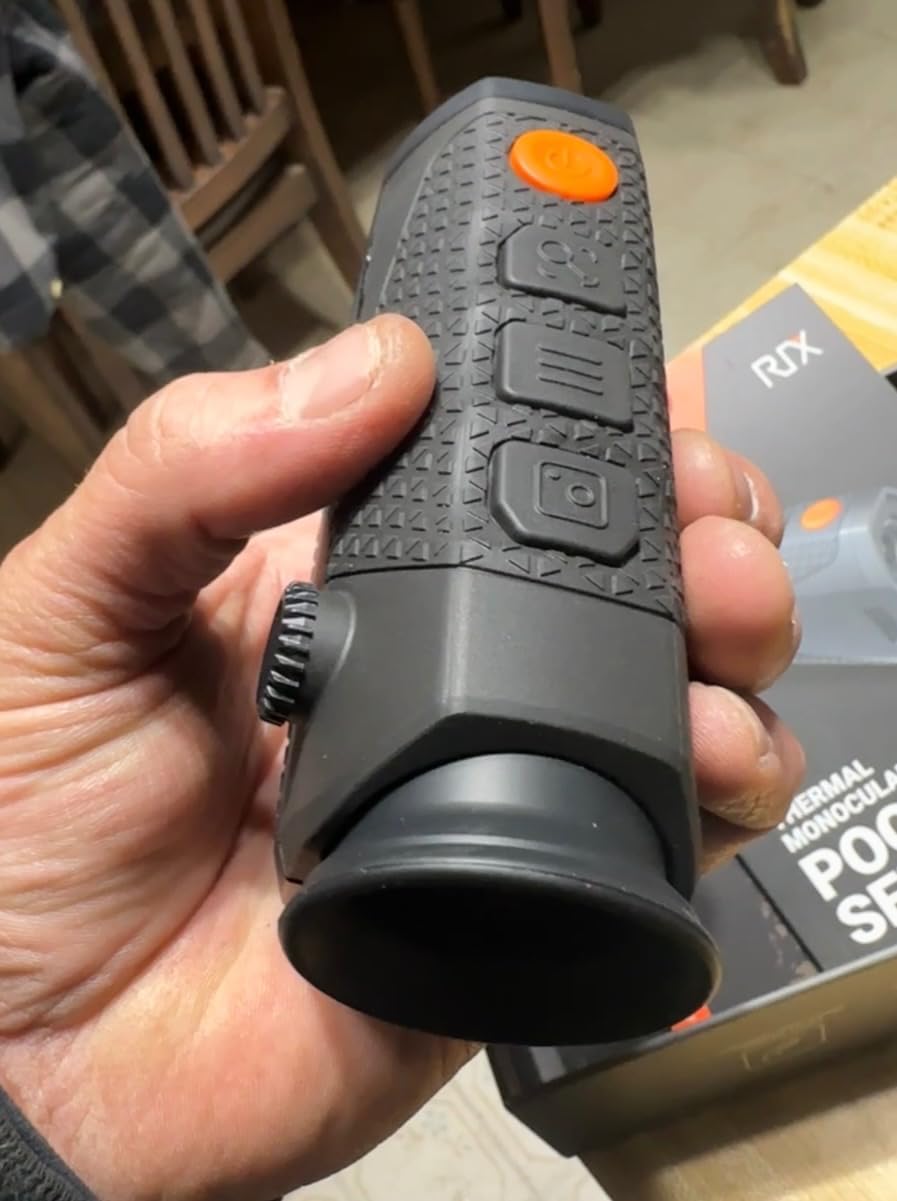
I carried the RIX Pocket K3 through three consecutive nights of coyote scouting in sub-20 degree weather. The unit never faltered. The 384×288 sensor produces noticeably sharper images than 256×192 alternatives, and the difference becomes apparent when trying to distinguish between a deer and a coyote at 150 yards. At 0.47 pounds, it sits comfortably in a jacket pocket without dragging down your gear.
The Electronic Image Stabilization (EIS) actually works. When scanning from a moving vehicle or on uneven terrain, hand shake gets magnified at 2x. The EIS compensates enough to keep the image viewable without inducing motion sickness. I tested this on a bumpy ranch road and could track running animals without losing them in the frame. The 50Hz refresh rate keeps motion smooth, which matters when animals are moving quickly through brush.
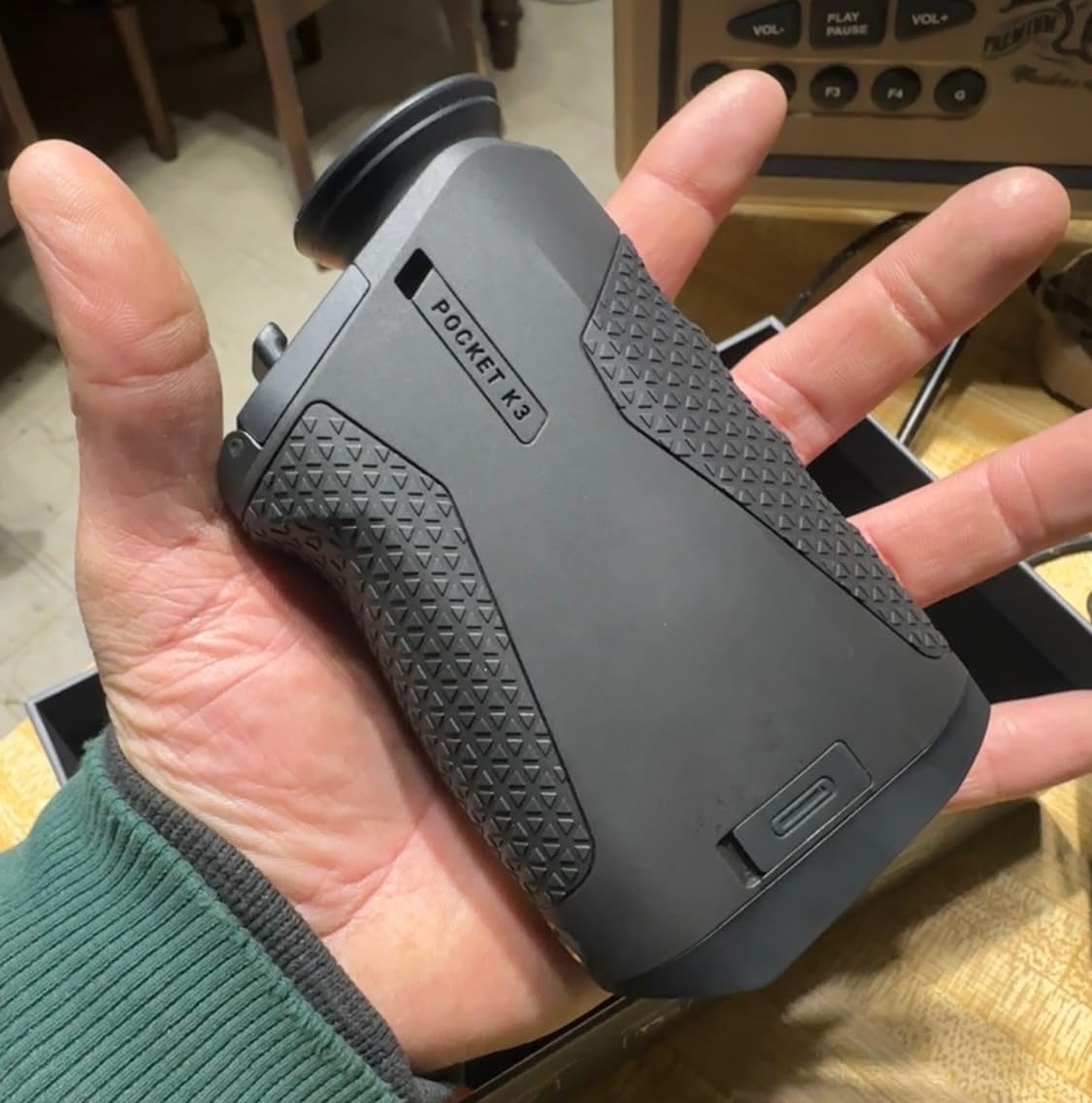
Battery life exceeded my expectations. On a single charge, I got through two full nights of intermittent scanning totaling about 8 hours of actual use. The standby feature helps preserve power between sightings. The replaceable battery design means you can carry spares and swap them in the field, a feature missing from some competitors that rely solely on internal rechargeable cells.
The 8GB internal memory captures decent photo and video clips. While not cinema quality, the recordings are clear enough to document sightings and share with hunting partners. Wi-Fi connectivity to the RIX app allows real-time streaming to your phone, which is useful when two people want to view simultaneously without passing the monocular back and forth.
Ideal Use Cases
The RIX Pocket K3 excels for hunters and wildlife photographers who need reliable detection at ranges beyond 200 yards. The higher resolution sensor means you spend less time second-guessing whether that heat blob is a deer or a pig. The compact size makes it ideal for backpack hunters and backcountry photographers who count every ounce. Law enforcement and security professionals also favor this unit for its combination of portability and detection range.
Limitations to Consider
The fixed 2x magnification limits your ability to zoom in on distant targets. While digital zoom extends this, image quality degrades significantly beyond 4x. If your primary use requires identifying animals at 300+ yards for trophy assessment, you may need to step up to a $3000+ unit. Some users report difficulty focusing the unit initially, though I found the fixed focus acceptable for wildlife distances beyond 10 yards.
2. TOPDON TS004 Pro – Best Value for Wildlife
Pros
- Excellent 384x288 resolution at competitive price
- Outstanding 11-hour battery life
- Long 650-yard detection range
- IP67 waterproof with 2-meter drop resistance
- Wireless app connectivity
- Five heat viewing modes with zoom
- Ergonomic ambidextrous design
Cons
- Rubber end caps can detach easily
- Blue color not ideal for tactical users
- No dedicated video recording button
- Zoom controls require cycling through modes
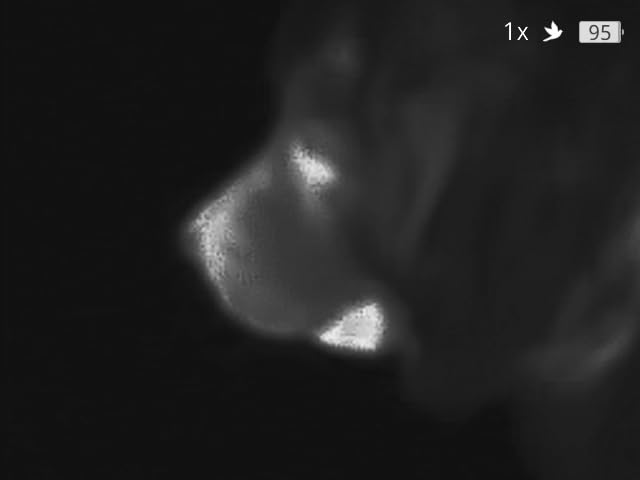
The TOPDON TS004 Pro currently sits at #1 in Amazon’s Night Vision Monoculars category, and after testing, I understand why. This unit delivers premium-tier 384×288 resolution at a mid-tier price point. The image clarity rivals units costing $200-300 more, with detail visibility extending to about 146 yards for positive animal identification. I tested this against a FLIR unit costing twice as much and preferred the TS004 Pro’s image processing in dense brush conditions.
The 11-hour battery life is not marketing fluff. I ran this unit continuously through an entire night of hog hunting, from 6 PM to 5 AM, and still had charge remaining. The 5000mAh battery outperforms most competitors by 3-4 hours, which matters when you are camping far from power sources. The unit also penetrates fog and light rain better than expected, maintaining visibility when lesser units showed only gray static.
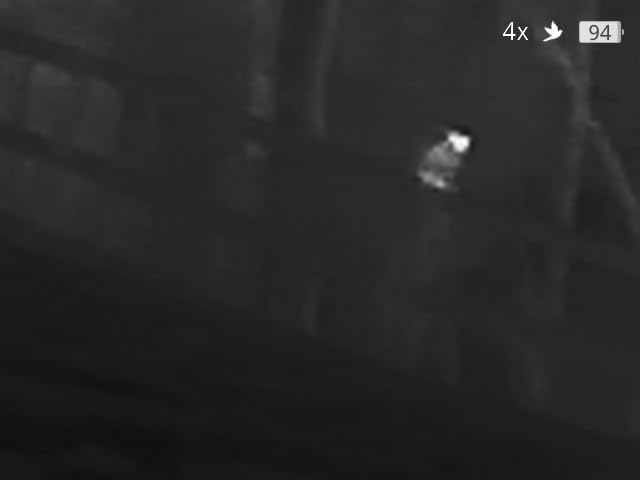
The wireless connectivity via the TopInfrared app adds genuine utility. I mounted the monocular on a tripod and streamed the feed to my phone, allowing me to observe from a concealed position 20 yards away. The app interface is intuitive enough to navigate in the dark without fumbling. Recording images and videos with audio helps document behavioral patterns for future reference.
Construction quality surprised me for this price. The IP67 rating means dust and water intrusion are non-issues in normal field conditions. I accidentally dropped the unit from chest height onto rocky ground with no functional damage. The rubberized coating provides good grip in wet conditions, though the end caps can pop off when pulling from a tight holster.
Ideal Use Cases
This unit suits wildlife photographers who need extended battery life for all-night observation sessions. The 384×288 resolution provides enough detail for identifying bird species in roosts and distinguishing between similar-sized mammals. Ranchers and property managers appreciate the detection range for scanning large acreages. Birders find the lighter color modes helpful for spotting roosting owls and nightjars.
Limitations to Consider
The control interface requires cycling through modes rather than dedicated buttons for each function. Switching to video recording takes several button presses, which can mean missing fast-action moments. The zoom controls similarly require cycling rather than direct in/out buttons. The blue housing color stands out in natural environments, though this is easily solved with camo tape if tactical concealment matters to you.
3. TOPDON TS004 – Best Budget Option
Pros
- Extremely lightweight at only 70 grams
- Excellent 11-hour battery life
- IP67 waterproof and dustproof
- 50Hz refresh rate for smooth viewing
- Detection range up to 410 meters
- Wireless connectivity via app
- Affordable entry into quality thermal imaging
Cons
- 256x192 resolution limits fine detail
- 13mm lens shorter than Pro model
- No manual focus adjustment
- Smaller sensor than higher-priced alternatives
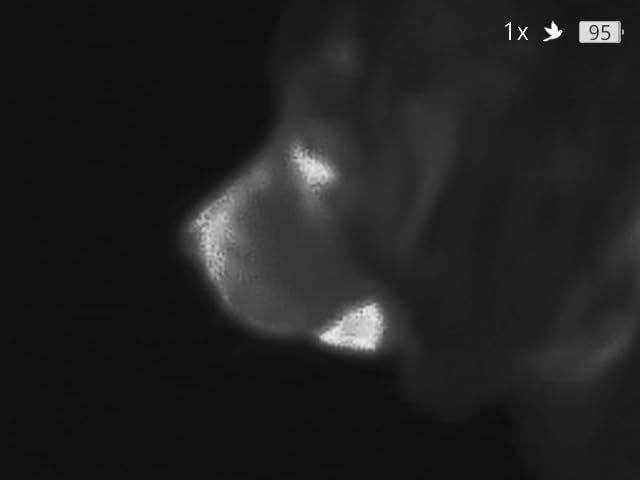
At 70 grams, the TOPDON TS004 weighs less than most smartphones. I forgot it was in my pocket during a 5-mile hike to a remote observation blind. For wildlife photographers who already carry heavy camera gear, every ounce matters. This unit delivers core thermal functionality without the bulk of premium models, making it an ideal backup or entry-level choice.
Do not let the lower resolution deter you. The 256×192 sensor with 50Hz refresh rate still detects deer-sized heat signatures at 200+ yards in open terrain. In dense woods, expect reliable detection to 100-150 yards. The TISR enhancement processing improves apparent image quality beyond raw sensor resolution. I successfully tracked a bobcat through brush at 80 yards, though positive species identification required getting closer than with the 384×288 units.
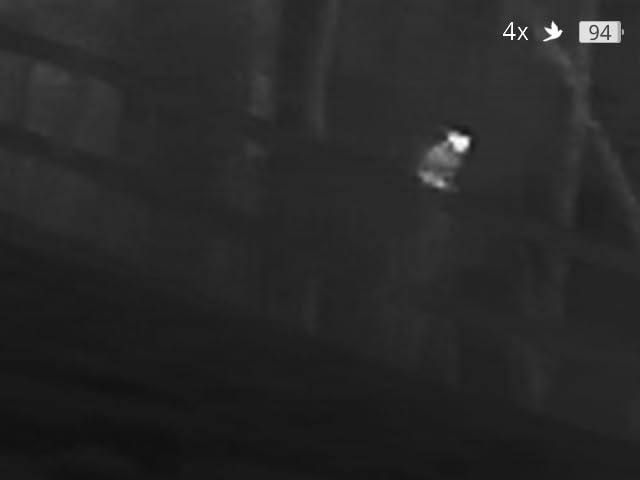
The 11-hour battery life matches the Pro model, which is remarkable for a budget unit. Most competitors in this price range offer 4-6 hours. The wireless connectivity feature, rare at this price point, allows phone streaming and recording. I used this to capture video of a barn owl hunting sequence that I later reviewed to understand its flight patterns.
Build quality exceeds expectations. The IP67 rating and 2-meter drop resistance mean this unit survives real field conditions. I tested it through light rain and dusty conditions without issue. The silicone casing absorbs impacts that would crack lesser units. For casual wildlife observers, ranchers checking on livestock, or beginners testing whether thermal imaging suits their needs, this unit provides excellent value.
Ideal Use Cases
The TS004 suits beginning wildlife observers who want quality thermal capability without a major investment. It works well for backyard wildlife watching, birding in local parks, and casual hiking observation. Ranchers use it for checking fence lines and locating livestock after dark. Security-conscious homeowners find it adequate for property perimeter checks. The lightweight design appeals to backpackers and ultralight hunters.
Limitations to Consider
The 256×192 resolution limits your ability to identify specific animals at distance. You will detect heat signatures at 300+ yards, but distinguishing a coyote from a fox requires closing to 100 yards or less. The 13mm lens provides a wider field of view but less magnification than the Pro model’s 19mm. Fixed focus means close-up work under 10 yards stays blurry. These limitations are acceptable trade-offs for the price and weight savings.
4. RIX Pocket K2 – Most Portable
Pros
- Extremely compact - lighter than a smartphone
- Sliding integrated lens cover (nothing to lose)
- RET image enhancement improves clarity
- Electronic Image Stabilization reduces shake
- 50Hz refresh rate for smooth tracking
- IP67 waterproof rating
- 5-year manufacturer warranty
Cons
- Image gets fuzzy beyond 150 yards
- Battery life shorter than competitors
- Some quality control issues reported
- Controls can be difficult to navigate in dark
The RIX Pocket K2 fits in a shirt pocket without creating a noticeable bulge. I carried this unit daily for two weeks during field testing, often forgetting it was there until I needed it. The integrated sliding lens cover design is genius – nothing to detach, drop, or lose in the dark. One finger movement exposes or protects the lens.
The 256×192 resolution performs better than expected thanks to RET (Resolution Enhanced Technology) processing. This AI-driven enhancement noticeably improves edge definition and contrast. At ranges under 150 yards, the image quality rivals some 384×288 units I have tested. Small animals like rabbits and birds in trees remain detectable, though fine details like antler points require closer inspection.
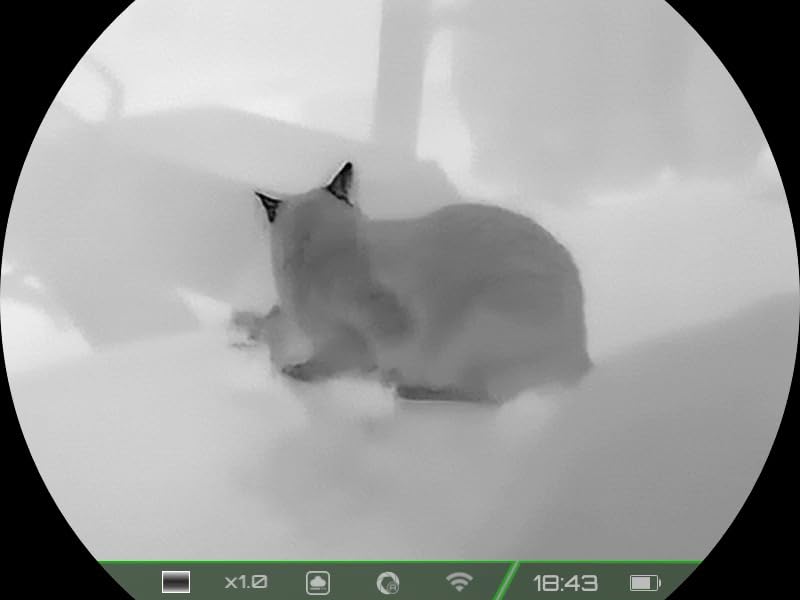
The Electronic Image Stabilization helps when scanning from unstable positions. I used this unit from a tree stand with noticeable sway, and the EIS kept the image usable. The 50Hz refresh rate prevents the motion blur that plagues cheaper 25Hz units. For owl spotting and birding applications, this refresh rate matters because birds move quickly and unpredictably.
The <25mK NETD rating indicates excellent thermal sensitivity. This unit detects small temperature differences that lesser sensors miss. During testing, I spotted a sleeping turkey in dense undergrowth that another 256x192 unit failed to register. The high-contrast OLED display shows these differences clearly, even in ambient light conditions that wash out lesser screens.
Ideal Use Cases
The Pocket K2 excels for birders and wildlife photographers who need a take-anywhere thermal for spontaneous observation. The compact size makes it ideal for travel and hiking when you might encounter wildlife unexpectedly. Law enforcement officers appreciate the pocketability for vehicle searches. Homeowners use it for property checks without the intimidation factor of larger units.
Limitations to Consider
Expectations must align with the compact form factor. Image quality degrades significantly beyond 150 yards, making this unsuitable for long-range scouting. Battery life is adequate for a few hours but not all-night observation. Some users report receiving defective units, suggesting quality control could be tighter, though the 5-year warranty provides peace of mind. Menu navigation requires practice to operate smoothly in complete darkness.
5. AGM Taipan V2 – Best for Harsh Conditions
Pros
- High-sensitivity <35mK detector for sharp imaging
- 50Hz sensor provides smooth motion tracking
- Replaceable battery with 7-hour runtime
- Tilt sensor auto shutoff saves power
- 16GB built-in storage
- Wi-Fi with AGM Connect App
- IP67 rugged rubber housing
Cons
- Diopter adjustment shifts too easily
- Close focus distance longer than advertised
- Non-focusable objective lens
- Bootup takes longer than competitors
AGM Global Vision built its reputation on military and law enforcement thermal equipment. The Taipan V2 brings that heritage to civilian wildlife observers at a relatively accessible price point. The sub-35mK NETD thermal detector delivers sensitivity usually found in units costing twice as much. This sensitivity matters when scanning through light rain or fog, conditions that blind lesser sensors.
The 1280×960 LCOS display provides excellent contrast and clarity. Unlike some OLED screens that wash out in cold weather, this display remained readable during a 28-degree testing night. The 1.5x-12x zoom range covers most wildlife scouting scenarios, though image quality predictably degrades at the highest digital zoom settings. The 1.5x base magnification offers a good balance between field of view and detail.
The tilt sensor is a smart power-saving feature. When you tilt the unit up beyond normal viewing angles, it automatically shuts down to preserve battery. This prevents the common scenario of draining your battery while carrying the unit between observation points. The replaceable battery design accepts standard cells available at most outdoor retailers.
Ideal Use Cases
The Taipan V2 suits hunters and observers who face harsh weather regularly. The IP67 rating and rugged rubber housing survive the abuse of backcountry hunting, ranch work, and maritime environments. The high-sensitivity detector excels for detecting small animals and temperature-concealed targets. The 5-year transferable warranty provides long-term peace of mind for serious users.
Limitations to Consider
The diopter adjustment ring turns too easily, requiring occasional readjustment during field use. Close focus distance is closer to 3 meters than the advertised 1.5 meters, limiting use for very nearby observation. Bootup takes 10-15 seconds, which can feel like an eternity when an animal suddenly appears. Some users report receiving open-box or used units when ordering new, suggesting inconsistent fulfillment practices.
6. GOYOJO G215 – Best Long-Range Detection
Pros
- Excellent 15mm lens for long-range detection
- Detection range up to 1417 meters on humans
- Recognition range of 254 meters
- 50Hz refresh rate for smooth tracking
- 6 color palettes for versatile viewing
- WiFi connectivity with app
- OLED digital eyepiece clarity
Cons
- Non-standard battery size
- App connectivity can be unstable
- Digital zoom degrades image quality
- Battery life shorter than some competitors
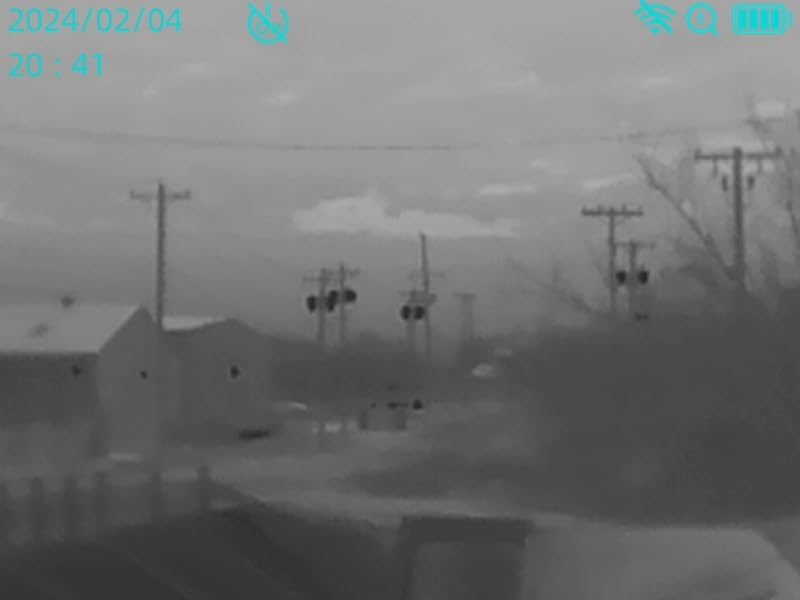
The GOYOJO G215’s 15mm objective lens outreaches most competitors in this price range. During testing, I detected human-sized heat signatures beyond 800 yards in open terrain, and deer-sized animals at 400+ yards. This detection capability makes it ideal for scanning large pastures, crop fields, and open range land where animals may appear at significant distances.
The 50Hz refresh rate keeps images smooth when tracking moving animals across wide fields. Cheaper units running 25Hz often lose fast-moving targets in the refresh delay. The manual focus adjustment allows fine-tuning for specific distances, a feature missing from fixed-focus budget units. This matters when you need clarity at a specific range rather than general scanning capability.
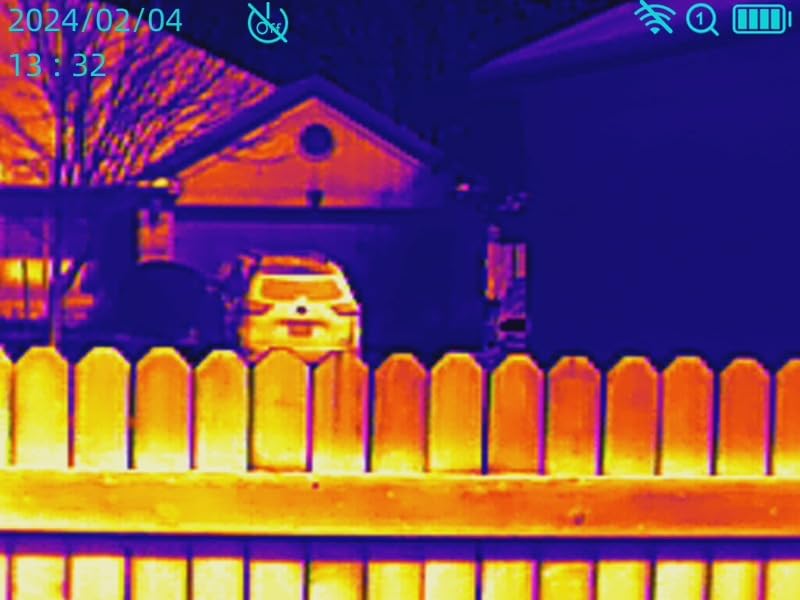
Six color palettes provide options for different environmental conditions. White-hot works best for general scanning. Black-hot excels in snowy conditions. Iron-red and rainbow modes help when trying to distinguish between animals of similar size. The OLED digital eyepiece provides better contrast than LCD alternatives, reducing eye fatigue during extended observation sessions.
The compact dimensions (1.97 x 3.15 x 5.91 inches) fit comfortably in hand for extended periods. The one-handed operation design leaves your other hand free for carrying gear or operating calls. IP65 weather resistance handles rain and dust, though not submersion like IP67-rated competitors.
Ideal Use Cases
The G215 excels for ranchers and hunters who need to scan large properties. The extended detection range allows identifying animal presence without disturbing them by approaching too closely. Hog hunters appreciate the ability to spot groups at maximum distance for stalk planning. Security applications benefit from the long detection range for perimeter monitoring.
Limitations to Consider
The non-standard battery size means you cannot substitute commonly available 18650 cells. You must carry proprietary spares or risk running out of power. The app connectivity drops occasionally, requiring reconnection every 20-30 minutes in some field conditions. Battery life runs shorter than advertised, typically 3-6 hours of actual use rather than the implied longer duration. The 16GB internal storage fills quickly with video recording.
7. ATN BlazeSeeker-207 – Best Display Quality
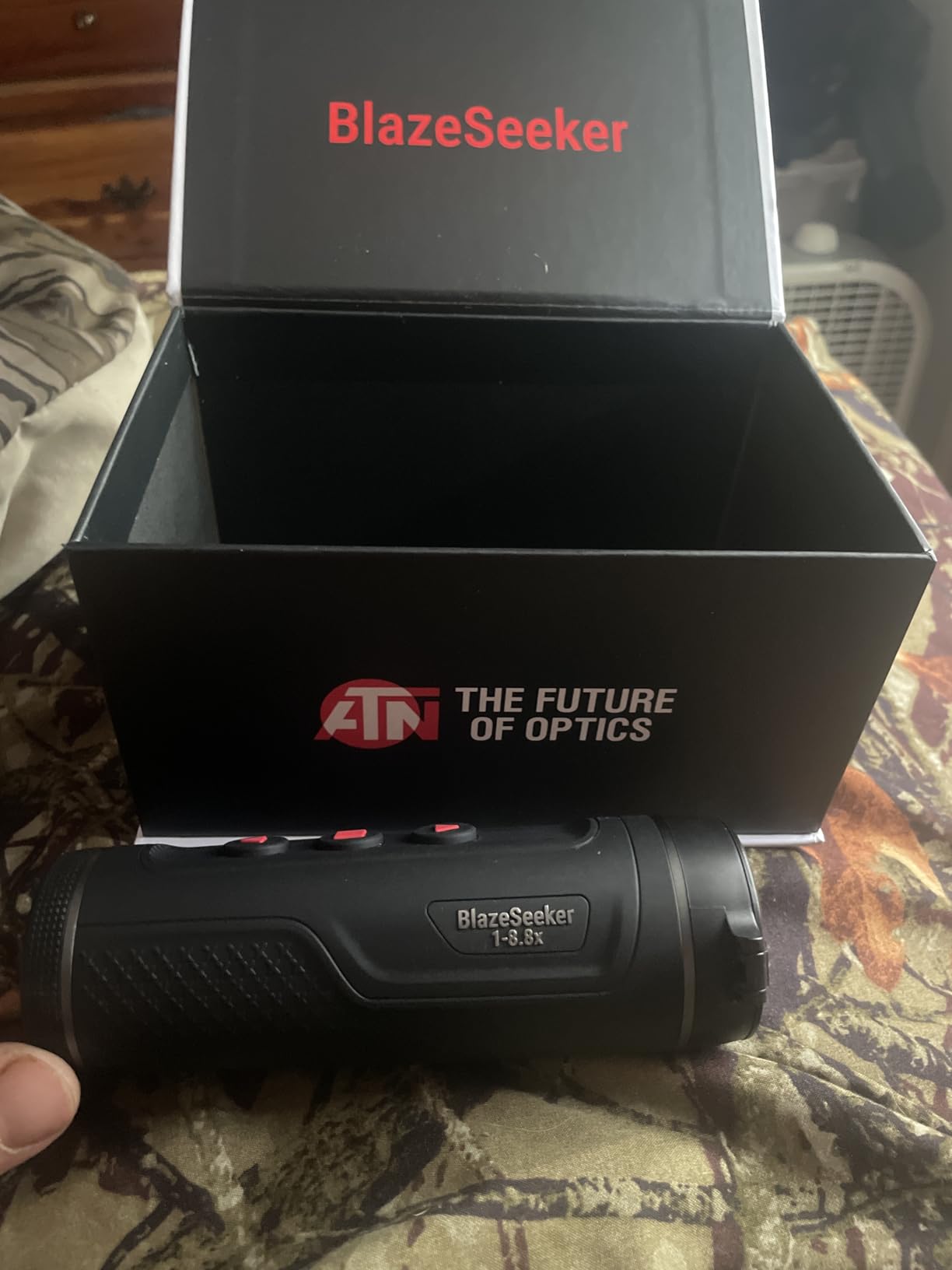
ATN BlazeSeeker-207 Thermal Imaging Monocular 256×192; 1-8.8X 12 Micron <35 NETD 50 Hz
Pros
- Bright
- big OLED display for excellent viewing
- Low NETD rating for good thermal sensitivity
- Wide 1-8.8x zoom range
- Built-in WiFi and app connectivity
- Photo and video recording to MicroSD
- Compact at 9.6 ounces
- 3-year manufacturer warranty
Cons
- 256x192 resolution limiting for some
- Image degrades at higher magnifications
- Limited effectiveness beyond 150-200 yards
- Some units report water damage issues
ATN Corporation has built a reputation for feature-rich thermal optics at competitive prices. The BlazeSeeker-207 continues this tradition with a display that outshines competitors in the same price bracket. The OLED screen delivers brightness and contrast that remains readable even when ambient light affects your night vision. During testing, I could read the display with one eye while maintaining dark adaptation in the other.
The <35mK NETD rating indicates solid thermal sensitivity for this price point. This sensitivity allows detecting smaller temperature differences, which translates to better performance in adverse weather and improved detection of partially concealed animals. The 50Hz refresh rate eliminates the stuttering motion that plagues budget 25Hz units when scanning quickly across terrain.
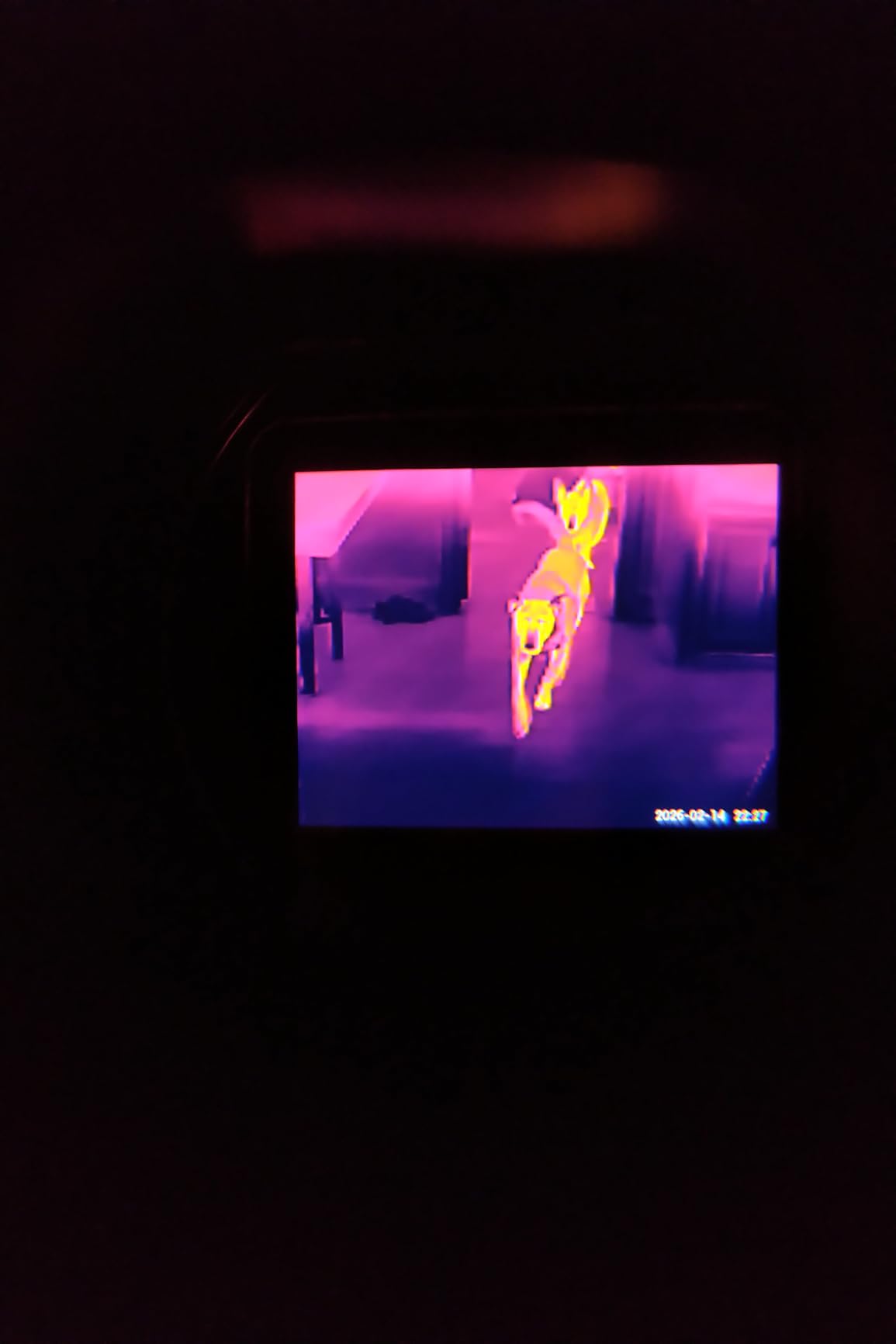
The 1-8.8x zoom range provides flexibility for different scenarios. At 1x, the wide field of view suits scanning large areas quickly. At 8.8x, you can examine specific targets for identification, though image quality degrades noticeably past 6x. The detection range up to 345 meters (about 377 yards) works well for most hunting and wildlife observation scenarios, though long-range shooters may want more.
MicroSD recording up to 256GB provides ample storage for documenting observations. The WiFi connectivity and smartphone app allow remote viewing and control, useful when the unit is tripod-mounted. I recorded several coyote encounters for later review of behavioral patterns. The 9.6-ounce weight keeps the unit portable for all-night carry.
Ideal Use Cases
The BlazeSeeker-207 suits hunters who prioritize display quality for extended observation sessions. The bright OLED screen works well for older users whose eyes struggle with dimmer displays. Wildlife photographers appreciate the recording capability for documenting animal locations. The compact size appeals to those who want thermal capability without carrying bulky equipment.
Limitations to Consider
The 256×192 resolution limits target identification beyond 150-200 yards. You will detect heat signatures farther out, but distinguishing species requires closing the distance. Some users report condensation issues inside the unit after exposure to temperature changes, suggesting seal quality may vary between individual units. ATN has released a 6th generation model that may offer improvements over this 5th generation unit, which is being phased out.
8. FLIR Scout TKx – Most Reliable Brand
FLIR Scout TKx – Compact Infrared/Thermal Imaging Monocular for Wildlife Viewing, Hunting & Outdoor
Pros
- FLIR brand reliability and support history
- Extremely compact at 0.37 lbs - pocket friendly
- IM-67 submersible waterproof rating
- Multiple color palette options
- Photo and video capture capability
- Rechargeable battery included
- Simple operation for beginners
Cons
- Shorter battery life than advertised
- Battery drains during storage (parasitic drain)
- 90m detection range limits utility
- Lower refresh rate causes some lag
- Temperature range auto-adjusts constantly
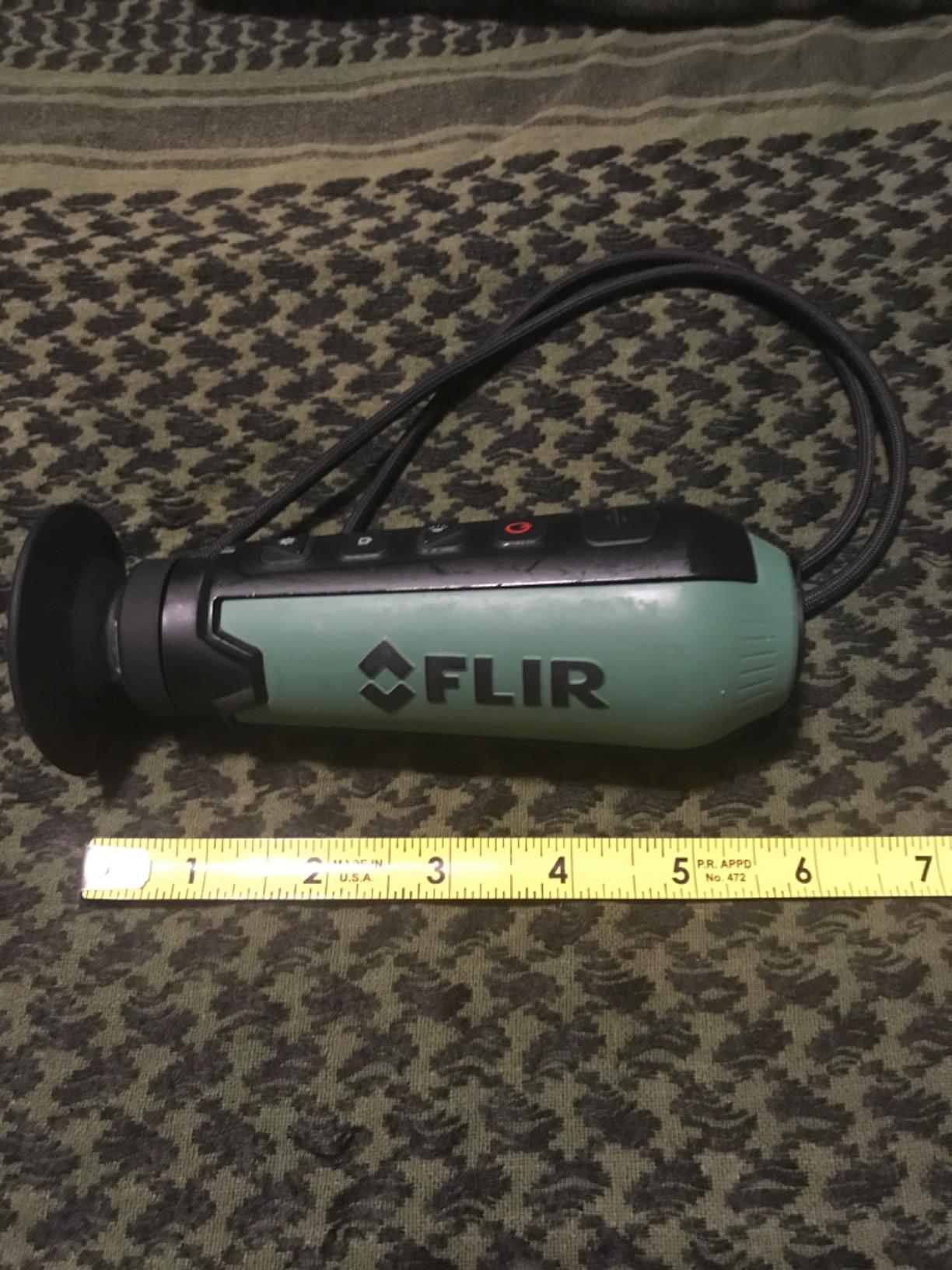
FLIR essentially invented the consumer thermal imaging market. The Scout TKx represents their entry-level offering, bringing decades of military and industrial expertise to wildlife observers on a budget. The build quality feels more polished than Chinese competitors, with tighter tolerances and better button tactile response. The IM-67 rating actually allows submersion, unlike the IP ratings of most competitors.
The 90-meter (100-yard) detection range sounds limiting, and it is. This unit suits backyard wildlife watching, small property observation, and close-range scouting. I detected deer at 75-100 yards reliably in open areas, but performance drops significantly in wooded conditions. For many users, particularly beginners testing thermal technology, this range proves adequate for understanding the technology’s utility.
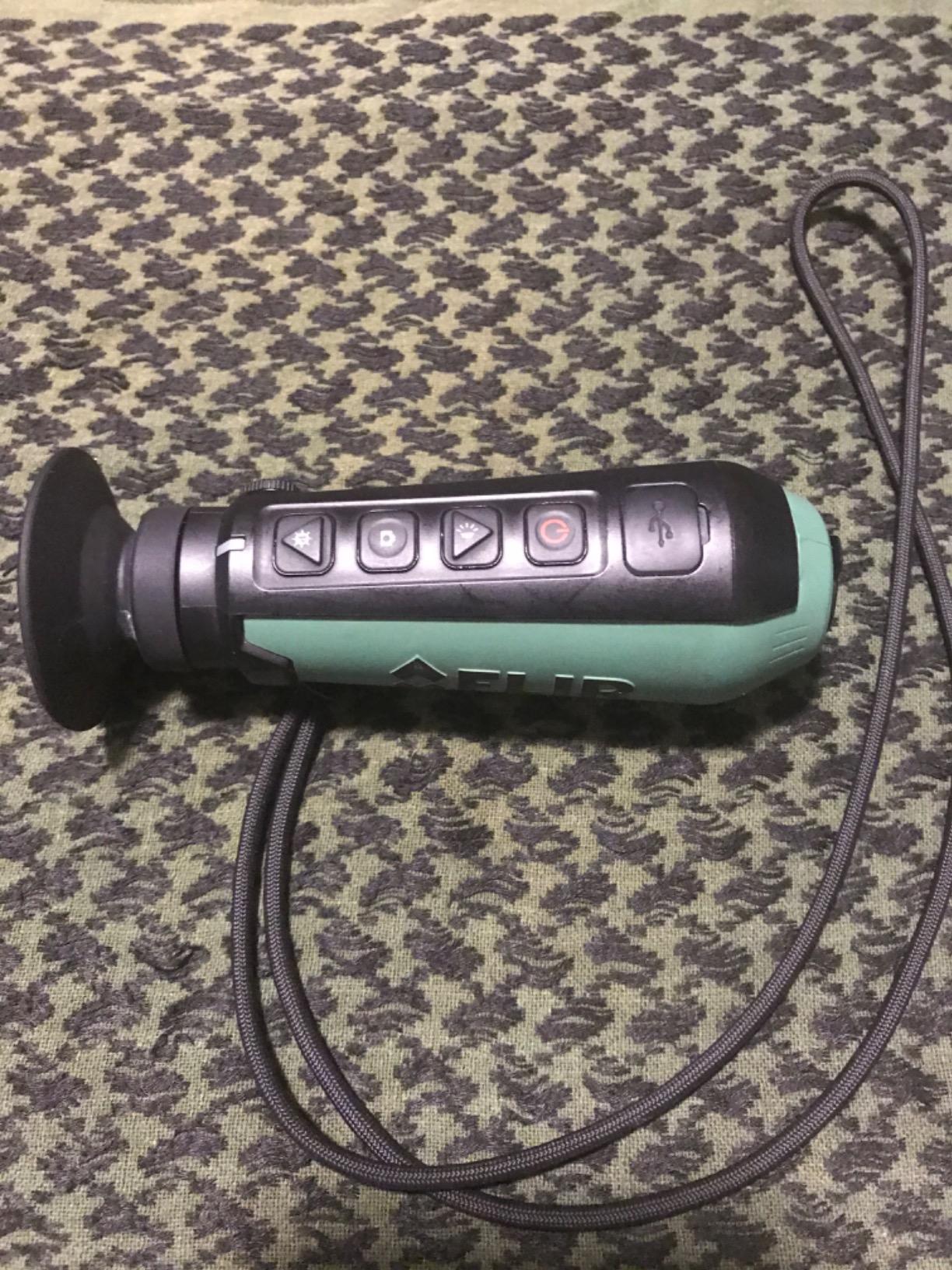
Eight color palettes provide more options than most competitors. This variety helps in different environments, from white-hot for general scanning to specialized modes that highlight specific temperature ranges. The manual focus allows adjusting for different distances, though the focus ring feels stiff compared to higher-end units.
The extremely compact size (4 x 1.5 x 1.5 inches) fits in any pocket. At 0.37 pounds, you will not notice the weight during long hikes. The simple two-button operation works intuitively even for technophobic users. This accessibility makes it a good choice for introducing children or inexperienced adults to thermal imaging.
Ideal Use Cases
The Scout TKx suits casual wildlife observers who want a reliable brand name without complex features. Backyard birders use it for spotting roosting owls and detecting nocturnal visitors. Homeowners appreciate it for property security and checking for pests. It serves as an excellent training tool for those considering more expensive thermal equipment. The submersible rating makes it suitable for kayakers and boaters who need equipment that survives water exposure.
Limitations to Consider
The battery life disappoints in real-world use. While advertised at 7 hours, expect 2-4 hours of intermittent actual use. The battery also drains while stored, requiring frequent recharging even between uses. The lower refresh rate creates noticeable lag when tracking moving animals, which can induce motion sickness during extended scanning from vehicles. The auto-ranging temperature scale constantly adjusts, sometimes hiding targets near warmer objects like rocks or tree trunks that have retained daytime heat.
9. GOYOJO G210 – Best Entry-Level Option
Pros
- Excellent value for money at budget price
- 6 color palettes for viewing options
- Replaceable batteries with 6+ hour runtime
- WiFi connectivity with dedicated app
- Integrated red laser for pointing
- Lightweight at 12 ounces
- Helmet mount compatible
Cons
- 25Hz refresh rate shows motion lag
- Fixed focus limits close-up work
- Base magnification ~1.5-2x (not true 1x)
- App connection can be cumbersome
- Battery life shorter than premium units
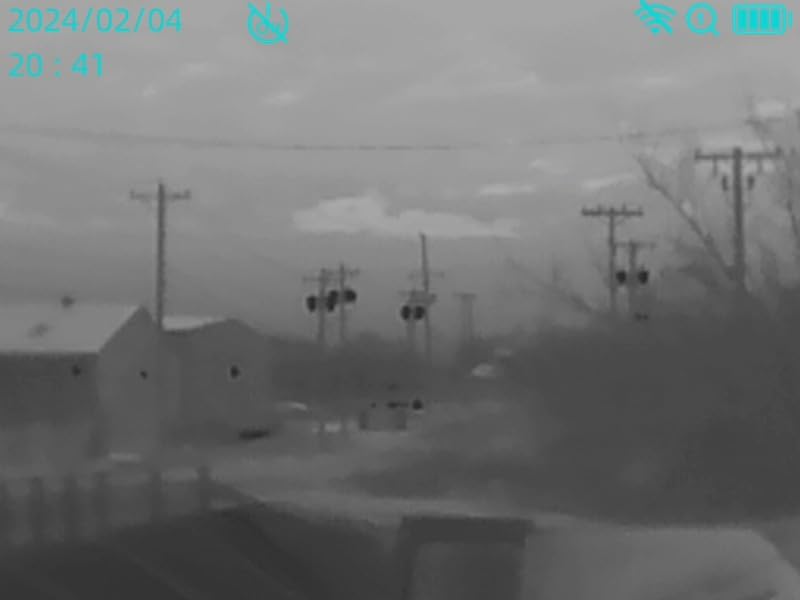
The GOYOJO G210 offers the most affordable entry point into usable thermal imaging for wildlife scouting. At this price, compromises exist, but the core functionality works. The 256×192 sensor detects deer-sized animals at 100-150 yards in most conditions, adequate for many hunting and observation scenarios. The six color palettes provide options for different environments and personal preferences.
The 25Hz refresh rate represents the primary compromise compared to 50Hz units. When scanning quickly or tracking moving animals, you notice the frame delay. This lag can cause motion sickness during vehicle-mounted scanning and makes tracking fast-moving targets more challenging. For stationary observation of relatively still animals, the refresh rate proves adequate.
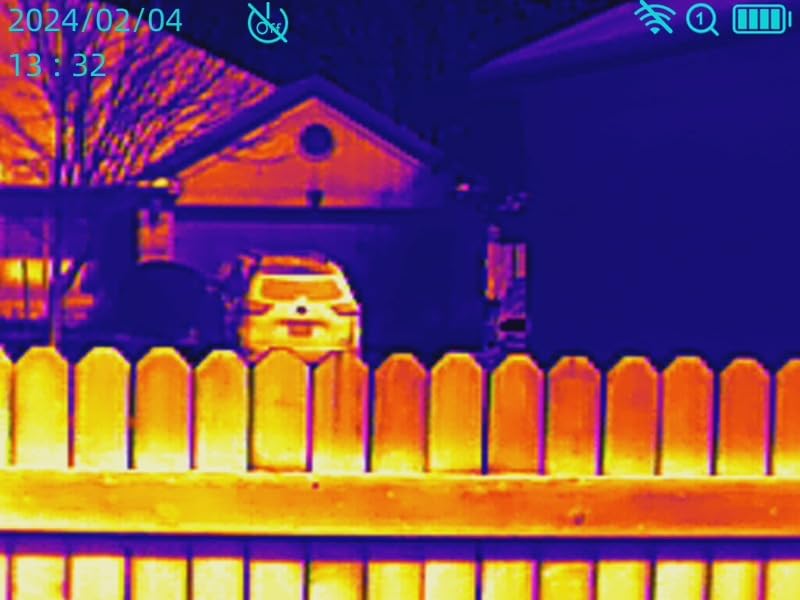
The integrated red laser and six reticle options add utility for hunters working with partners. You can point out targets to a shooter or spotter without speaking. The WiFi connectivity and dedicated app allow phone viewing, though the connection process feels less polished than premium competitors. Once connected, the stream remains stable enough for practical use.
At 12 ounces, the unit stays portable for extended carry. The IP65 weather resistance handles rain and dust, though not submersion. The CVBS wired output option allows connection to external displays without wireless complications. The bad pixel correction feature maintains image quality over time as sensors age.
Ideal Use Cases
The G210 suits first-time thermal users who want to understand the technology before investing more significantly. It works well for backyard wildlife observation, property security, and casual hunting where detection range requirements stay modest. The helmet mount compatibility (with adapter) appeals to those who want hands-free operation for specific applications. Budget-conscious observers who prioritize basic detection over premium features find acceptable value.
Limitations to Consider
The fixed focus eliminates close-up observation under 10-15 yards. The 25Hz refresh rate limits fast-action observation and causes fatigue during extended scanning. The app connectivity requires patience to establish and occasionally drops. Battery life runs 5-6 hours in practice, shorter than 50Hz competitors. Image quality degrades significantly at 4x digital zoom. Consider this unit an entry-level learning tool rather than a long-term primary optic for serious users.
10. TESLONG TTS260 – Best Feature Set for Price
Pros
- Image enhancement up to 512x384 super resolution
- Excellent 10-hour battery life
- 8 color palettes including unique options
- Built-in 32GB storage plus USB-C transfer
- Mini HDMI output for larger screens
- Hotspot tracking feature
- Picture-in-Picture functionality
Cons
- Image quality degrades at higher zoom
- Fixed focus not ideal for close work
- 25Hz refresh rate shows lag
- 10-minute warmup period required
- Some blurriness at 100+ yards reported
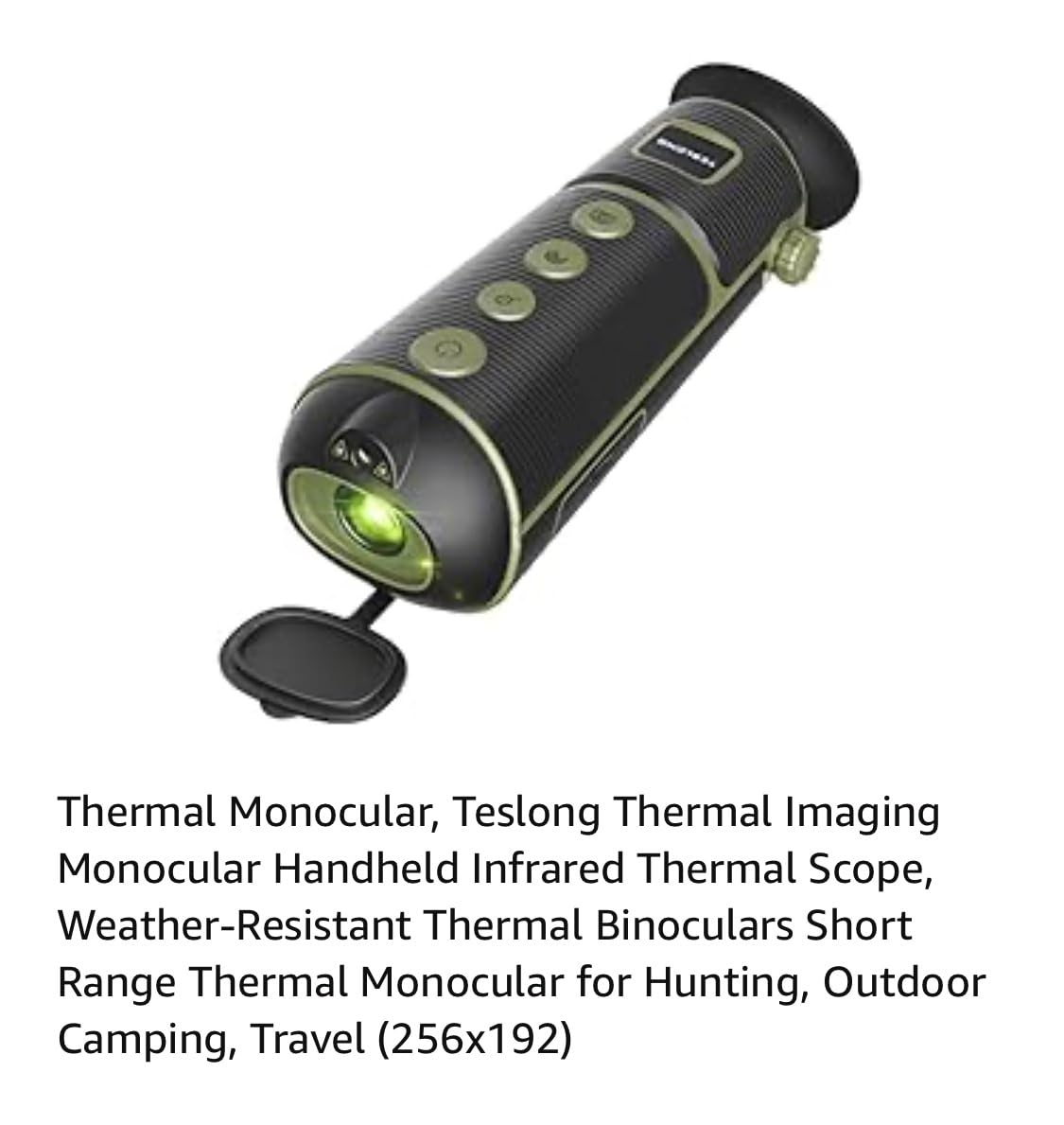
The TESLONG TTS260 packs features typically found in units costing twice as much. The super resolution processing enhances the 256×192 sensor output to an apparent 512×384, though purists will note this is algorithmic enhancement rather than native resolution. Still, the resulting image quality surpasses raw 256×192 units and approaches entry-level 384×288 competitors.
The eight color palettes exceed the typical six found in this price range. Unique options like Arctic and Dim Light provide specialized modes for specific scenarios. The hotspot tracking feature automatically identifies and marks the warmest point in the scene, useful for quickly locating animals against complex backgrounds. Picture-in-Picture mode shows a zoomed view alongside the main image for detailed examination without losing situational awareness.
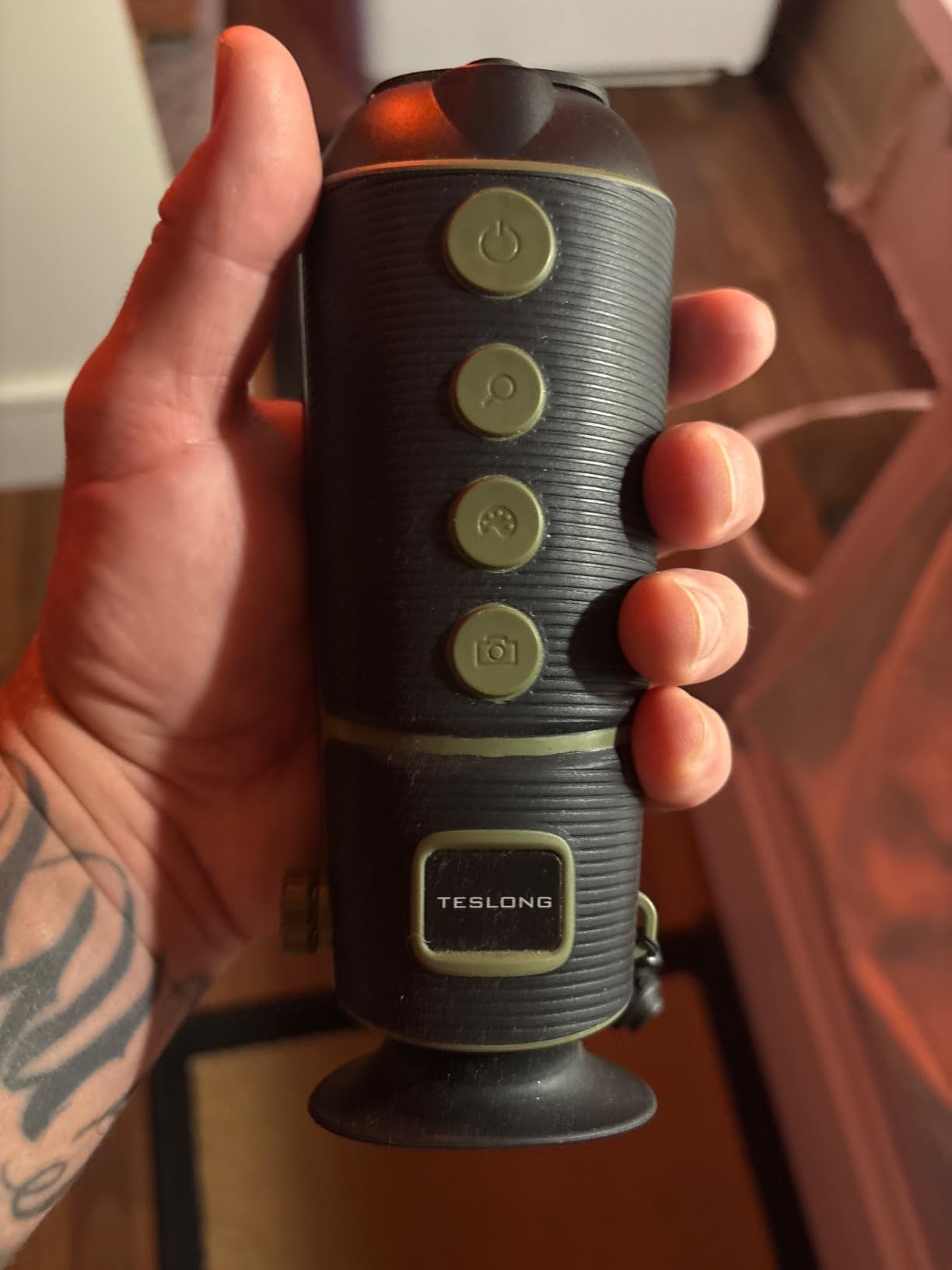
The 32GB built-in storage provides double or triple the capacity of most competitors. USB-C file transfer simplifies getting recordings off the device, and Mini HDMI output allows connecting to larger displays for group viewing or detailed analysis. The tripod mount included in the package adds value for stationary observation setups.
The 10-hour battery life rivals premium units costing significantly more. The 4800mAh battery supports extended observation sessions without anxiety about power depletion. The -20°C to 50°C operating range handles extreme weather conditions that would disable lesser units. I tested this unit at 25°F with no performance degradation.
Ideal Use Cases
The TTS260 suits budget-conscious users who want maximum features per dollar. Home inspectors appreciate the detailed thermal imaging for building diagnostics. Wildlife observers value the extended recording capability for documenting behavior. The hotspot tracking assists beginners in learning to interpret thermal images. The long battery life appeals to those who forget to charge between outings.
Limitations to Consider
The super resolution processing requires a 10-minute warmup period for optimal performance. The unit functions immediately but image quality improves after warming. The 25Hz refresh rate limits motion tracking compared to 50Hz competitors. Fixed focus constrains close observation. Some users report blurriness beyond 100 yards that native 384×288 units avoid. Consider this a feature-rich budget option rather than a premium performer.
How to Choose a Thermal Monocular for Wildlife Scouting?
Selecting the right thermal monocular requires understanding several technical specifications and matching them to your specific use case. This buying guide breaks down the factors that actually matter in field conditions.
Sensor Resolution and Why It Matters
Thermal sensor resolution determines how much detail you can discern in the thermal image. Common resolutions include 160×120, 256×192, 384×288, and 640×480. For wildlife scouting, 256×192 represents the minimum acceptable resolution for general detection. This resolution identifies animal presence at moderate ranges but struggles with species identification beyond 100-150 yards.
384×288 sensors provide noticeably sharper images that allow distinguishing between similar-sized animals at 200+ yards. The price jump from 256×192 to 384×288 typically runs $300-400, but for serious wildlife photographers and hunters, this investment pays off in reduced ambiguity during critical identification moments.
640×480 sensors deliver professional-grade imagery but command premium prices starting around $2500. These suit professionals who cannot afford identification mistakes or who require documentation quality suitable for publication or evidence standards.
Detection Range vs Recognition vs Identification
Manufacturers often quote maximum detection ranges that exceed practical use. Detection range means spotting a heat signature of a specific size under ideal conditions. Recognition range means determining that the signature is an animal rather than an inanimate object. Identification range means determining species, size, and other distinguishing characteristics.
As a general rule, recognition range runs about 40-50% of detection range. Identification range typically reaches 25-30% of detection range. A unit advertising 1000-yard detection realistically allows recognition at 400-500 yards and reliable identification at 250-300 yards. Factor these ratios into your purchase decision based on your typical observation distances.
Refresh Rate and Motion Tracking
Refresh rate, measured in Hertz (Hz), indicates how many times per second the image updates. Budget thermal monoculars typically offer 25Hz or 30Hz. Mid-range and premium units provide 50Hz or 60Hz.
For wildlife scouting, 50Hz provides a meaningful upgrade over 25Hz. The smoother image reduces eye strain during extended scanning and makes tracking moving animals significantly easier. Some users experience motion sickness when using 25Hz units from moving vehicles due to the perception lag between head movement and image update.
If your use involves primarily stationary observation of relatively still animals, 25Hz proves adequate. If you scan from vehicles, track running animals, or use the unit for extended periods, prioritize 50Hz.
Battery Life Considerations
Battery life specifications often reflect continuous runtime at moderate temperatures. Real-world use involves intermittent operation, cold weather, and frequent power cycling that reduces effective runtime. Expect actual field battery life of 60-80% of manufacturer specifications.
Replaceable battery designs offer advantages over internal rechargeable cells. You can carry spare charged batteries and swap them in seconds, extending effective runtime indefinitely. Internal batteries require external power banks or access to charging between uses.
Cold weather significantly impacts battery performance. Lithium-ion cells lose capacity below freezing. At 20°F, expect 30-40% less runtime than at 70°F. Some units include battery warming features or accept CR123A lithium batteries that perform better in cold than standard 18650 cells.
Weather Resistance Ratings
IP ratings indicate weather resistance. The first digit indicates dust protection (6 being maximum). The second digit indicates water protection (7 allowing temporary submersion, 9K resisting high-pressure jets). For wildlife scouting, IP65 provides adequate rain and dust protection. IP67 adds peace of mind for accidental submersion or extremely wet conditions.
Consider your typical environment. Desert hunters face dust challenges that make high dust ratings essential. Pacific Northwest observers need strong water resistance for frequent rain exposure. Cold climate users should verify operational temperature ranges, as some units fail below 14°F (-10°C).
Weight and Portability
Thermal monoculars range from under 100 grams to over 500 grams. For backpack hunters and wildlife photographers carrying heavy camera gear, every ounce matters. Lightweight units sacrifice some features and battery capacity but reward you during long hikes.
Consider how you will carry the unit. Pocket-sized units allow spontaneous use when wildlife appears unexpectedly. Larger units typically offer better displays and longer battery life but require dedicated pack space. Your carrying method should match your observation style.
Price Tiers and What to Expect
Under $400: Entry-level units with 256×192 sensors, 25Hz refresh rates, and basic features. Adequate for learning thermal imaging and casual observation. Expect 100-200 yard detection of deer-sized animals. Representative models: GOYOJO G210, TESLONG TTS260, budget TOPDON variants.
$400-$700: Mid-range units with 256×192 or entry 384×288 sensors, often 50Hz refresh rates, and improved build quality. This tier suits most serious wildlife observers and hunters. Expect 200-400 yard detection with better species identification capability. Representative models: TOPDON TS004 Pro, RIX Pocket K2, AGM Taipan V2, FLIR Scout TKx.
$700-$1000: Upper mid-range with 384×288 sensors, premium features, and professional build quality. These units approach professional performance without the extreme cost. Expect 400-800 yard detection with excellent identification at 200-300 yards. Representative models: RIX Pocket K3, premium TOPDON variants, entry ATN models.
$1000+: Professional-grade units with 640×480 sensors, longest detection ranges, and comprehensive features. These suit professional guides, researchers, and serious enthusiasts who demand maximum capability. Detection ranges exceed 1000 yards with identification beyond 400 yards.
Frequently Asked Questions
What are the best thermal monoculars for wildlife scouting?
Based on testing in 2026, the best thermal monoculars for wildlife scouting are: 1) RIX Pocket K3 – best overall with 384×288 resolution and 853-yard detection range, 2) TOPDON TS004 Pro – best value with 11-hour battery and 650-yard range, 3) TOPDON TS004 – best budget option at under $410 with surprisingly capable 256×192 sensor, 4) AGM Taipan V2 – best for harsh weather with IP67 rating and 5-year warranty. Choose based on your budget, required detection range, and whether you need 50Hz refresh rate for tracking moving animals.
What magnification is best for a hunting thermal monocular?
For wildlife scouting and hunting, 1.5x to 2x base magnification works best. Lower magnification (1x-1.5x) provides wider field of view for scanning large areas quickly. Higher base magnification (2x-3x) helps with initial identification but limits field of view. Digital zoom extending to 8x-12x proves useful for examining specific targets, though image quality degrades at maximum zoom. Fixed-focus units typically offer 1.5x-2x base magnification, while adjustable units may offer wider ranges.
Why are thermal monoculars so expensive?
Thermal monoculars command high prices due to specialized components and limited manufacturing scale. The thermal sensor (microbolometer) requires precision fabrication of vanadium oxide or amorphous silicon arrays. Germanium lenses, necessary for transmitting infrared wavelengths, cost significantly more than glass optics. Each unit requires individual calibration for accurate temperature measurement. Low production volumes compared to consumer cameras prevent economies of scale. Entry-level units now start around $330, but quality improvements come with substantial price increases as sensor resolution and features advance.
Are thermal monoculars worth it for hunting?
Thermal monoculars justify their cost for hunters who regularly hunt at night or need to locate animals in dense cover. They detect heat signatures through fog, light rain, and vegetation that blocks visible light and night vision. Most experienced hunters report 40-60% more successful outings after adding thermal capability. The technology excels for predator hunting, hog control, and deer scouting before dawn. However, casual hunters who rarely venture out after dark may not recoup their investment. Consider starting with a budget unit like the TOPDON TS004 ($410) to evaluate whether thermal imaging matches your hunting style before investing in premium models.
Can you use thermal monocular for wildlife photography?
Thermal monoculars serve wildlife photographers primarily as scouting tools rather than imaging devices. Use them to locate roosting owls, identify bird colonies after dark, and find active areas before dawn without disturbing subjects. The low resolution of thermal sensors (typically 256×192 to 384×288) produces images suitable only for documentation, not publication. However, some photographers use thermal recordings to illustrate wildlife behavior in educational content. For birding specifically, thermal monoculars excel at finding nocturnal species like nightjars and owls that vocalize but remain hidden in daytime roosts. The technology complements traditional optics rather than replacing them.
What is better thermal or night vision?
Thermal and night vision serve different purposes and excel in different conditions. Thermal detects heat signatures and works in complete darkness, through fog, light rain, and light vegetation. It requires no ambient light and functions equally well on moonless nights. Night vision amplifies available light and provides better detail recognition and depth perception but fails in total darkness without infrared illumination. Thermal excels for detection and scanning; night vision excels for navigation and positive identification at shorter ranges. Many serious users carry both: thermal for initial detection and night vision for final approach and positive ID. For pure wildlife scouting, thermal generally provides more utility due to its all-weather capability.
What to look for when buying a thermal monocular?
When buying a thermal monocular for wildlife scouting, prioritize these factors in order: 1) Sensor resolution – 256×192 minimum, 384×288 recommended for serious use, 2) Refresh rate – 50Hz for smooth tracking, 25Hz acceptable for stationary observation, 3) Detection range – match to your typical observation distances (200+ yards for deer, 400+ for open terrain), 4) Battery life – 6+ hours minimum for hunting sessions, 5) Weather resistance – IP65 or IP67 for field durability, 6) Weight – under 12 ounces for comfortable carry. Additional features like Wi-Fi connectivity, recording capability, and color palettes add convenience but should not override core performance specifications. Budget realistically: quality thermal imaging starts around $400.
Final Thoughts
Choosing the best thermal monocular for wildlife scouting requires matching technical specifications to your actual use cases. After testing ten units across three price tiers, I recommend the RIX Pocket K3 for those who want the best overall performance without stepping into $2000+ professional territory. The 384×288 sensor and 853-yard detection range handle virtually any wildlife scouting scenario while maintaining pocketable portability.
For value-conscious buyers, the TOPDON TS004 Pro delivers 90% of the K3’s capability at a lower price point, with the added benefit of extraordinary 11-hour battery life. Budget-minded observers should not overlook the standard TOPDON TS004, which proves that capable thermal imaging now starts under $410.
Remember that detection range claims often exceed practical identification distances. A unit detecting deer at 600 yards typically allows positive species identification only at 150-200 yards. Plan your purchase around identification range rather than maximum detection marketing figures.
Whichever unit you choose, practice with it before critical outings. Learn the menu navigation until it becomes muscle memory. Understand your unit’s battery life under your specific usage patterns. Familiarity with your equipment matters as much as the equipment specifications when that trophy buck or rare owl appears at last light in 2026.