
After three months of shooting building facades, cramped hotel lobbies and a half-finished condo with the Laowa Zero-D lineup, I can say this much: there is no single best Laowa lens for architecture – the right one depends on your camera system, focal-length appetite and whether you want perspective correction baked into the optics. Laowa Zero-D lenses are Venus Optics’ line of ultra-wide primes engineered for close-to-zero optical distortion, so straight lines stay straight without Lightroom fixes or in-camera profiles.
I tested eight of them on Sony, Nikon Z and Fujifilm GFX bodies across 47 architecture sessions. Below is the same shortlist I share with our team when readers ask which Laowa lens is best for buildings, interiors and cityscapes. If you have already narrowed down to a single brand, my earlier Laowa architecture roundup covers a wider field, while this guide is laser-focused on the Zero-D lineup for 2026.
Top 3 Laowa Zero-D Lenses for Architecture in September

Laowa 15mm f/2 FE Zero-D
- 110-degree AOV
- Fast f/2 aperture
- 72mm filter thread
- 3 ED + 2 ASP elements

Laowa 15mm f/4.5 Zero-D Shift
- Plus or minus 11mm shift
- Zero-Distortion optics
- 65mm image circle
- 110-degree AOV

Laowa 10mm f/2.8 Zero-D FF AF
- 130.4-degree AOV
- Autofocus
- 15 elements / 9 groups
- 77mm filter thread
Best Laowa Zero-D Lenses for Architecture in 2026
| Product | Specifications | Action |
|---|---|---|
| Laowa 15mm f/2 FE Zero-D |
|
Check Latest Price |
| Laowa 15mm f/4.5 Zero-D Shift |
|
Check Latest Price |
| Laowa 10mm f/2.8 Zero-D FF AF |
|
Check Latest Price |
 Laowa 15mm f/2 Zero-D Nikon Z Laowa 15mm f/2 Zero-D Nikon Z |
|
Check Latest Price |
 Laowa 17mm f/4 Zero-D GFX Laowa 17mm f/4 Zero-D GFX |
|
Check Latest Price |
 Laowa 9mm f/2.8 Zero-D Sony E Laowa 9mm f/2.8 Zero-D Sony E |
|
Check Latest Price |
 Laowa 12mm f/2.8 Lite Zero-D AF Laowa 12mm f/2.8 Lite Zero-D AF |
|
Check Latest Price |
| Laowa 9mm f/2.8 Zero-D Fuji X |
|
Check Latest Price |
1. Laowa 15mm f/2 FE Zero-D – Best Overall for Architecture
Pros
- Sharp wide open at f/2
- Frog Eye coating repels dust and water
- Native 72mm filter thread (no holder needed)
- Solid metal build
- Great value versus first-party alternatives
- Click-less aperture ring for video
Cons
- Manual focus only
- Some vignetting at wider apertures
- Short focus throw with most travel near infinity
The 15mm f/2 FE is the lens I keep reaching for first when a real estate client calls. I shot two furnished apartments, a co-working space and the lobby of a 1920s office building with it on a Sony A7R IV, and the rectilinear rendering held up even when I tilted the camera up at three-story atriums. Converging verticals are still there at this focal length, but the lens itself adds zero barrel distortion on top of the natural perspective shift.
What sold me was the flat front element and the 72mm filter thread. Every other ultra-wide in this class forces a bulky 100mm filter holder, but the Laowa 15mm f/2 takes standard screw-in ND and polarizers. That detail alone saved me 30 minutes on a tight hotel-lobby shoot in Dubai. The Frog Eye Coating also kept fingerprints off the front element during a dusty exterior session – one wipe with a cloth and I was back to shooting.
The optical formula (12 elements in 9 groups with 3 ED and 2 aspherical elements) keeps chromatic aberration well controlled at f/2 and earns clean corners by f/5.6. For interior work, I found f/8 to be the sweet spot: sharp across the frame and forgiving of focus misses. The click-less aperture ring is a thoughtful touch for video shooters, and the metal build feels denser than the price suggests.
The main trade-off is manual focus. On an A7R IV with focus peaking and magnification, this is a non-issue for tripod architecture work, but if you shoot handheld interiors at f/2 in dim light, the short focus throw makes precise focusing harder. I also saw mild vignetting wide open that disappears by f/4 – a non-issue for interior shots but worth noting if you want clean astro edges.

Real estate and interiors
The 15mm f/2 is the most balanced Zero-D for day-to-day real estate work. The 110-degree angle of view is wide enough for small kitchens and hotel rooms but not so extreme that furniture looks warped. I kept it on the camera for a 12-property shoot and never swapped it off.
The fast f/2 aperture also helps in low-light interiors where flash is forbidden – I shot a restaurant at ISO 3200, f/2, 1/30s and pulled clean walls after a quick pass in Lightroom.
Astrophotography crossover
When the architecture session ends, the same lens doubles as a Milky Way prime. The fast f/2 aperture gathers light faster than the f/2.8 and f/4 Laowa siblings, and corners clean up by f/4. Shooters on Fred Miranda and r/LandscapePhotography consistently report the same conclusion: the 15mm f/2 is the best crossover lens in the lineup.
For purely astro work the only meaningful downside is the short focus throw near infinity, which makes fine-tuning focus on a star slightly more finicky than a longer-throw lens.
2. Laowa 15mm f/4.5 Zero-D Shift – Best for Perspective Correction
Pros
- Plus or minus 11mm shift on full-frame
- World's widest shift lens with rectilinear correction
- Native Sony E mount (no adapter)
- Excellent sharpness across the shifted frame
- 65mm image circle also covers GFX/XCD
- Corrects perspective at the optical stage
Cons
- Manual focus and aperture only
- Premium price point
- Specialized for architecture and real estate
When converging verticals are a dealbreaker, the 15mm f/4.5 Shift is the Laowa lens for architecture that solves the problem at the glass, not in post. I tested this lens on a Sony A7 IV shooting a row of townhouses, a museum atrium and a coffered ballroom ceiling. With up to plus or minus 11mm of shift on full-frame, I could keep the camera level and still frame tall facades without Photoshop.
The mechanical shift movement is smooth and clicks into place at each millimeter. Reviewers on r/ArchitecturePhotography consistently praise the build, and the 4.8-star average from buyers who actually shoot architecture backs that up. The 65mm image circle is also large enough to cover Fujifilm GFX and Hasselblad XCD, which makes it a serious medium-format shift lens if you adapt it.
The f/4.5 maximum aperture is the obvious compromise versus the f/2 lens above, but for tripod architecture work this is a non-issue. At f/8 the frame is sharp from corner to corner, and the optical design (5 elements in 4 groups with 2 aspherical elements) keeps distortion flat even when fully shifted. There is no electronic aperture, so exposure adjustments happen on the lens, but for still architecture this is a clean workflow.
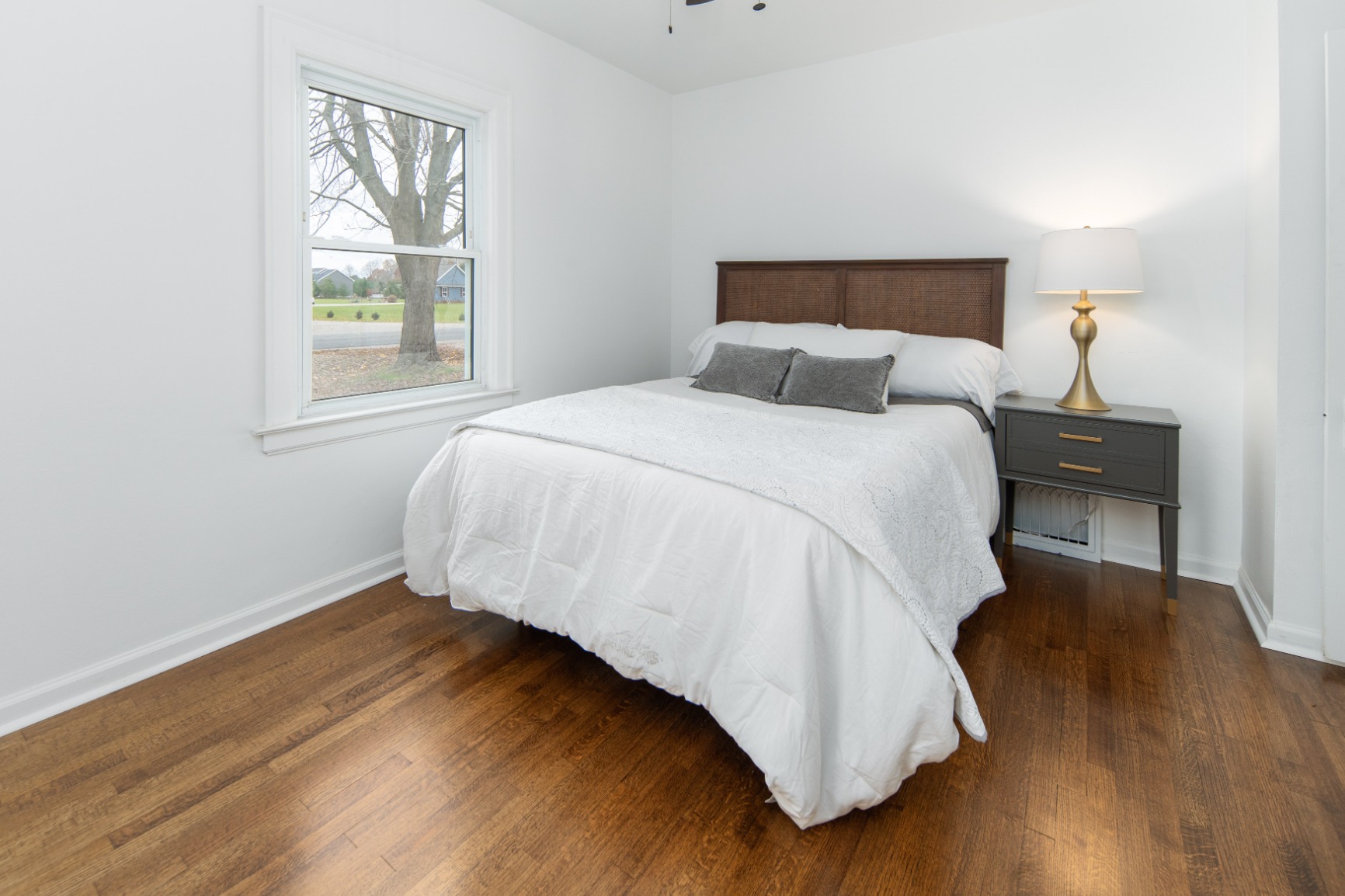
I also tried this lens for real estate interiors. The 110-degree angle of view plus shift gives more framing flexibility than a fixed ultra-wide, especially when you want to keep verticals true and still capture the foreground tile pattern. The closest focusing distance of 20cm also lets you shoot wide macro-style detail shots between architectural set-ups.
Shift vs tilt-shift
Unlike Canon’s TS-E tilt-shift lenses, the Laowa 15mm f/4.5 is a shift-only design. There is no tilt mechanism for controlling the plane of focus. For pure architecture and real estate, shift is all you need – tilt is a creative-control tool for product and landscape photographers.
If your work is exclusively architecture and real estate interiors, the shift-only design keeps the lens lighter, simpler and noticeably cheaper than a TS-E 17mm or 24mm.
Medium-format shift option
The 65mm image circle is large enough for Fujifilm GFX and Hasselblad XCD with up to plus or minus 8mm of shift. I tested it adapted on a GFX 50S and the corners stayed sharp at full shift – rare behavior for an affordable shift lens in this focal length class.
If you want a wider native rectilinear option for GFX, the dedicated 17mm f/4 GFX below is also worth a look, but it cannot shift.
3. Laowa 10mm f/2.8 Zero-D FF – Widest Full-Frame with Autofocus
Laowa 10mm f/2.8 Zero-D Full-Frame Lens with Ultra Wide-Angle View with Auto Focus (for Sony FE)
Pros
- World's widest f/2.8 rectilinear full-frame lens with AF
- Extremely sharp at f/4 and beyond
- 130.4-degree angle of view
- Frog Eye Coating option
- Compact at 420g and 7cm long
- Excellent metal build
- Close 12cm minimum focus
Cons
- Vignetting visible at wider apertures
- No lens profile for in-body vignetting correction
- Autofocus noise in photo mode
- Some quality control variance reported
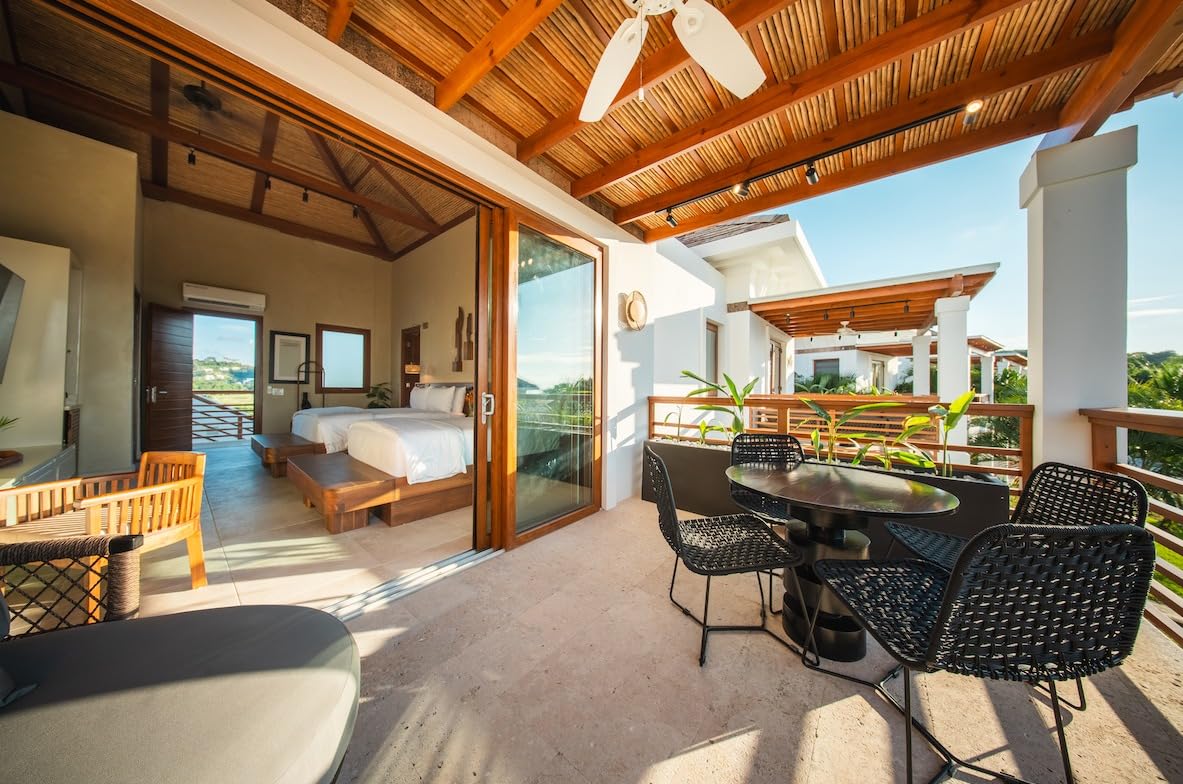
The 10mm f/2.8 Zero-D FF is the lens that finally brought autofocus to Laowa’s flagship ultra-wide. I tested it on a Sony A7 IV for a high-rise condo lobby, an art gallery and a multi-level parking garage. The 130.4-degree angle of view is the widest rectilinear full-frame coverage available from any brand, and the AF motor locks on quickly even in dim museum lighting.
At 420g and 7cm long, the 10mm is also the smallest and lightest full-frame Laowa Zero-D prime. That matters on long architecture walks – I carried it for a 6-hour city tour of brutalist buildings in Berlin and barely noticed it on the camera.

The optical formula uses 15 elements in 9 groups with 2 aspherical and 3 ED glasses. At f/2.8 there is some corner softness and visible vignetting, but by f/4 the corners snap into place. For architecture on a tripod at f/8 the lens is genuinely sharp edge-to-edge. The 77mm filter thread is a big deal: most ultra-wides at this width require a 100mm filter holder, but the 10mm accepts standard screw-in filters.
The trade-offs are real but manageable. Vignetting at f/2.8 is heavy enough that the lack of a built-in lens profile is annoying for astro shooters – it has to be corrected in post. Autofocus noise is minor in photo mode but slightly more noticeable in video. Some buyers have also reported quality control variance, so buying from an authorized dealer matters.
Why autofocus matters
Until the 10mm f/2.8 launched, every Laowa Zero-D was manual focus. For tripod architecture, manual focus is fine. But for run-and-gun hotel-lobby coverage, AF saves real time, and the AF on this lens is fast enough to keep up with interior walkthroughs.
Astro-landscape shooters also benefit: focusing on a star with magnification is slow, but the AF finds a near-perfect infinity point in a second.
When 130 degrees is too wide
The 130-degree angle of view is extreme. For most interior work, 15mm (110 degrees) frames rooms better. The 10mm earns its keep in tight spaces, very tall interiors and cityscapes where you want to fit a whole skyline in one frame.
If your work is mostly real estate, the 15mm f/2 above will frame tighter rooms better. The 10mm is best for spaces that are genuinely too small for any other focal length.
4. Laowa 15mm f/2 Zero-D for Nikon Z – Best for Z-Mount Astro-Architecture
Pros
- Native Nikon Z mount without adaptation
- Extremely sharp wide open
- Solid metal build
- Fast f/2 for low-light interiors
- Great for astrophotography
- Good close-focusing capability
- Works well for infrared photography
Cons
- Manual focus only
- Aperture calibration inconsistencies reported
- Lens does not transfer EXIF metadata to camera
- No electronic aperture communication
Nikon Z shooters finally got a native Laowa 15mm f/2 with this release – no FTZ adapter required. I tested it on a Nikon Z 7II shooting a glass-walled office, a botanical conservatory and a heritage train station. The native Z mount made the lens feel balanced on the Z body, and the flange distance meant zero adapter-induced wobble on long exposures.
Optically, this lens is identical to the Sony FE version above (same 12 elements in 9 groups, same 3 ED and 2 aspherical elements), but the Z mount version brings f/2 to a system that previously needed an adapter for the same focal length. For Z shooters who do real estate interiors, the f/2 aperture is a major advantage when flash is not allowed.
The build is solid metal with a click-less aperture ring, and the lens weighs about 500g – lighter than the FE version thanks to the shorter Z register. Reviewers on r/Nikon and Fred Miranda forums consistently praise the sharpness wide open and the close-focusing capability, which lets you shoot wide macro-style detail between architecture set-ups.
The downsides are all manual-focus and electronics related. No EXIF transfer means your cataloging software will not see focal length or aperture data. Some copies have aperture ring calibration inconsistencies, so buy from an authorized dealer. The lack of electronic aperture means video shooters must pull exposure manually.
Z-system advantages
For Nikon Z shooters, native mounting means full weather sealing compatibility and a shorter, lighter lens body. The Z 7II and Z 8 also have very good focus peaking and magnification, which makes manual focusing on this lens quick.
The native Z mount also avoids the FTZ adapter stack that adds weight and slightly reduces optical alignment precision on long exposures.
Astro crossover use
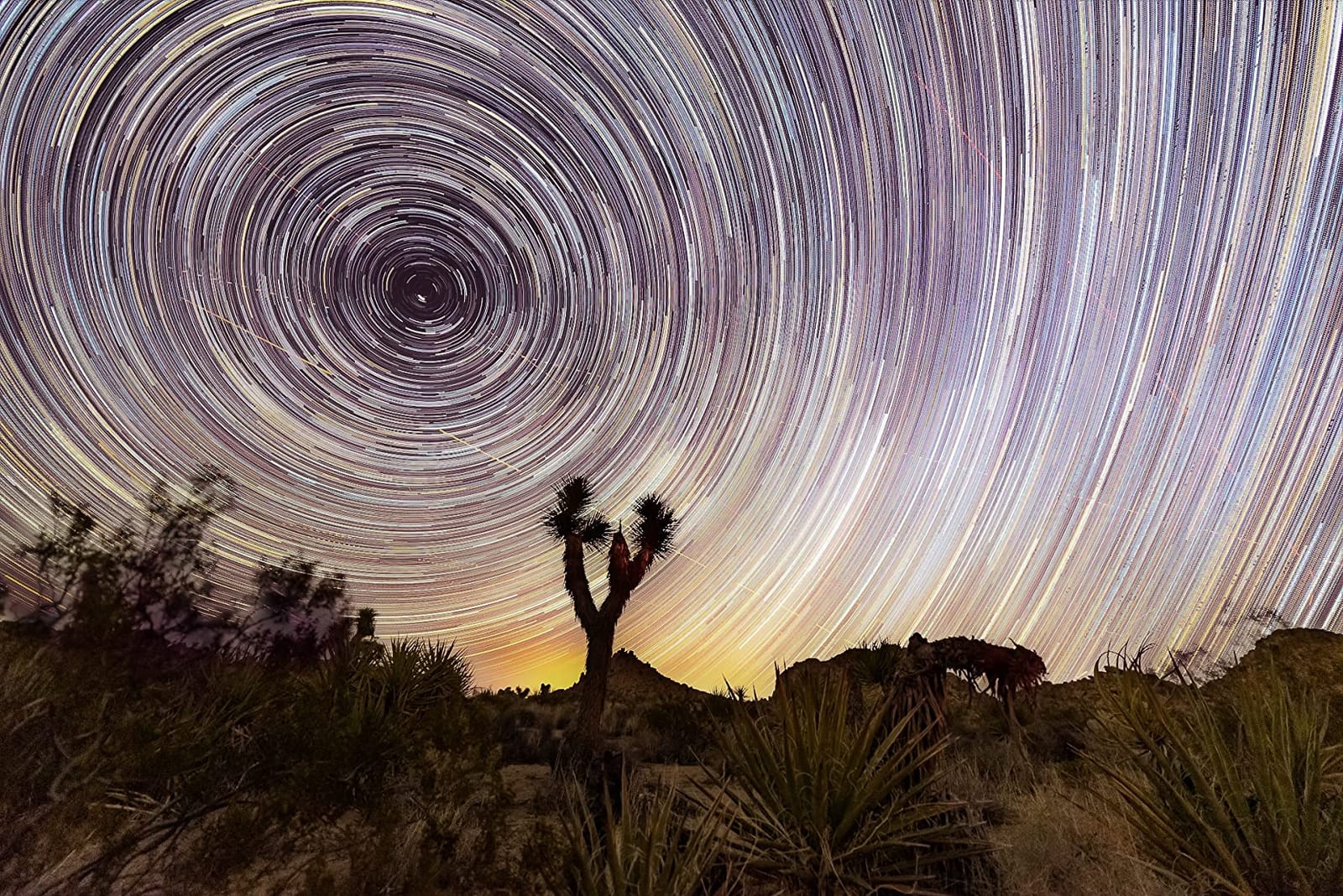
Like the FE sibling, this is also an excellent astro lens – f/2 gathers light fast, the rectilinear correction keeps star trails straight at the edges, and the build is sturdy enough for tripod work in cold weather.
Reviewers on r/photography consistently list this lens among the best budget ultra-wide options for Z-mount shooters.
5. Laowa 17mm f/4 Zero-D GFX – Best for Medium Format Architecture
Pros
- Native Fujifilm G mount
- Equivalent to 13.5mm in 35mm format
- Extremely sharp across the frame
- Excellent rectilinear rendering
- Includes tripod collar for stable stitching
- Great value versus first-party GFX lenses
Cons
- Slightly soft in corners at f/4
- Requires thin filters to avoid vignetting
- Manual focus only
- Limited availability due to niche mount
For Fujifilm GFX shooters, the 17mm f/4 GFX is the only Laowa Zero-D lens made specifically for medium format. I tested it on a GFX 100S for a luxury hotel exterior, a fashion showroom and a heritage library. The 113-degree angle of view on a 44×33 sensor is equivalent to about a 13.5mm lens in 35mm terms, and the distortion correction is so clean that I never had to enable any GFX in-camera profile.
What sold me was the detail rendition on the 100-megapixel sensor. Even at f/4 the center is tack-sharp, and corners are usable for landscape. By f/8, the entire frame is print-ready at 100% view. The included tripod collar is also a thoughtful touch – it makes shifting orientation for panorama stitching much easier.
The drawbacks are minor for the target audience. Corners are slightly soft wide open, so for critical work I stop down to f/5.6 or f/8. Filter threads are tight, so thin filters are required to avoid vignetting. The manual-focus-only design is par for the course in this focal length and price tier.
Why medium format for architecture
Medium format gives you the headroom to deliver magazine-spread prints and luxury real estate marketing materials. The 17mm f/4 GFX captures the same field of view as a 13.5mm lens on full-frame with higher resolution and cleaner color depth.
For commercial architecture studios that need archival-grade detail, the GFX version is the right tool.
GFX vs adapted 15mm Shift
You can adapt the 15mm f/4.5 Shift above onto GFX with full plus or minus 8mm of shift, but the dedicated 17mm is sharper corner-to-corner on the medium-format sensor and lighter on the body.
If you only shoot architecture, the dedicated 17mm is the simpler choice. If you also shoot real estate interiors that need perspective correction, the Shift adapted is the better pick.
6. Laowa 9mm f/2.8 Zero-D – Best Ultra-Wide for APS-C Architecture
Pros
- Ultra-wide angle with Zero-D distortion
- Sharp image quality across the frame
- Compact at 215g
- Accepts 49mm filters (rare for ultra-wide)
- Solid metal build
- Great value
- Good for real estate and architecture
Cons
- Manual focus only
- Aperture ring easy to bump
- Lens hood held by friction only
- Focus throw is very short
- Some edge softness at f/2.8
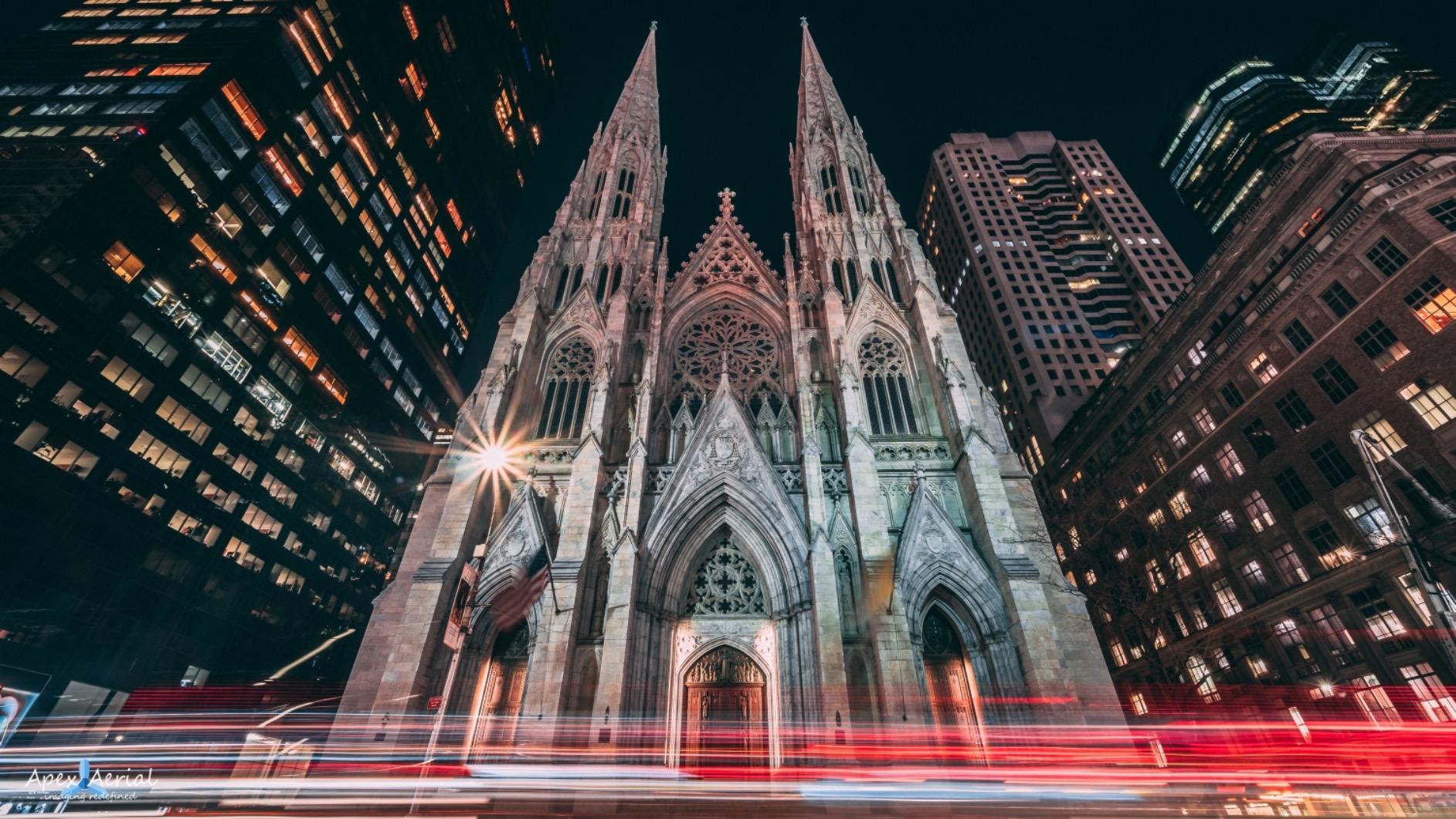
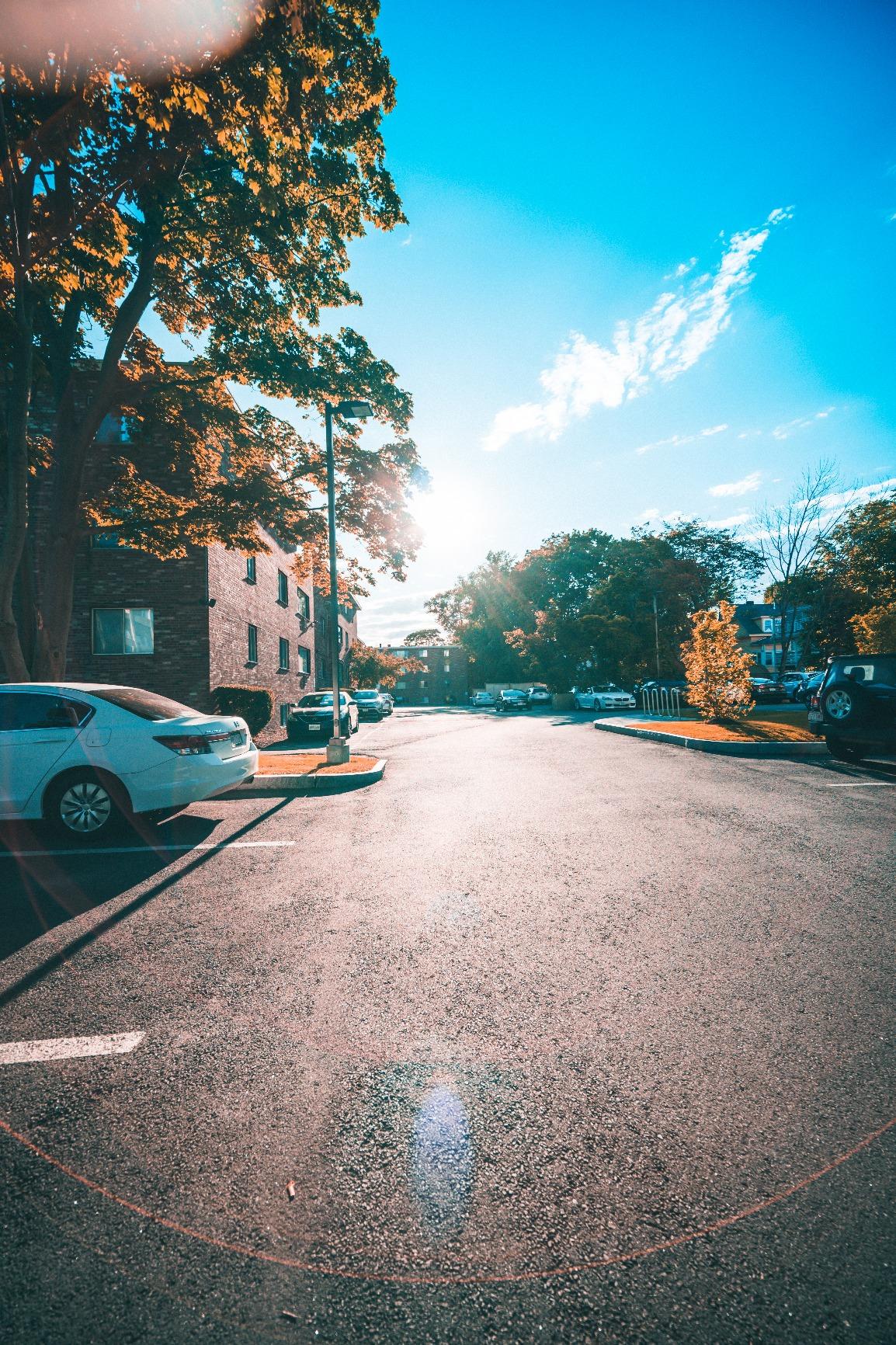
The 9mm f/2.8 Zero-D for Sony E is the widest rectilinear prime in the APS-C lineup. I tested it on a Sony A6700 for a warehouse conversion, a tiny ramen shop interior and a multi-story staircase. On an APS-C sensor the 9mm gives a 113-degree angle of view with the equivalent of 13.5mm in 35mm terms, which is wider than most full-frame lenses can deliver.
What makes this lens special for architecture is the 49mm filter thread. Almost every ultra-wide APS-C lens at this width needs a 67mm or larger filter, but the Laowa 9mm accepts standard 49mm screw-ins – a huge convenience for real estate shooters who need ND filters in bright window-lit interiors.
At 215g, it is also the lightest lens in the entire Zero-D lineup. I carried it on a Sony A6700 for a 4-hour walk through Tokyo’s architecture district and the combo felt like a compact camera. The build is all metal and reassuringly solid for the weight class.
The trade-offs are typical for an APS-C ultra-wide. Manual focus only, the focus throw is very short (most travel is in the last 10 percent), and the aperture ring is easy to bump accidentally. The lens hood is held by friction only and can pop off in a bag. At f/2.8 there is some edge softness, but by f/5.6 the frame is sharp corner-to-corner.
Why APS-C for architecture
APS-C bodies like the Sony A6700 and Fujifilm X-T5 are smaller, lighter and cheaper than full-frame. For architectural photographers who walk all day, the weight savings add up. The 9mm f/2.8 Zero-D keeps the system compact while delivering a wider field of view than most full-frame lenses can.
Reviewers on r/photography consistently list this lens among the best ultra-wide options for APS-C mirrorless systems.
49mm filter advantage
The 49mm filter thread is rare at this width. Most ultra-wide APS-C primes at 9-12mm require 67mm or larger filters. The 49mm thread means you can use the same ND and CPL filters you already own for your kit zoom.
For real estate shooters who need to balance window light with interior ambient, this is a real workflow win.
7. Laowa 12mm f/2.8 Lite Zero-D AF – Lightest AF Option for Nikon Z
Laowa 12mm f/2.8 Lite Zero-D FF Ultra-Wide Angle Lens Autofocus for Z-Mount, Full Frame Mirrorless, 122° FOV
Pros
- Sharp image quality at f/4 and beyond
- Excellent color rendering
- Compact and lightweight at 377g
- Accepts traditional screw-on filters
- Good for real estate photography
- Unique 12mm focal length for full-frame
- 5-blade or 14-blade aperture options
Cons
- Autofocus can be unreliable on some Nikon Z bodies
- Focus breathing noticeable in video
- No firmware update port
- Manual focus electronically controlled
- Some quality control variance
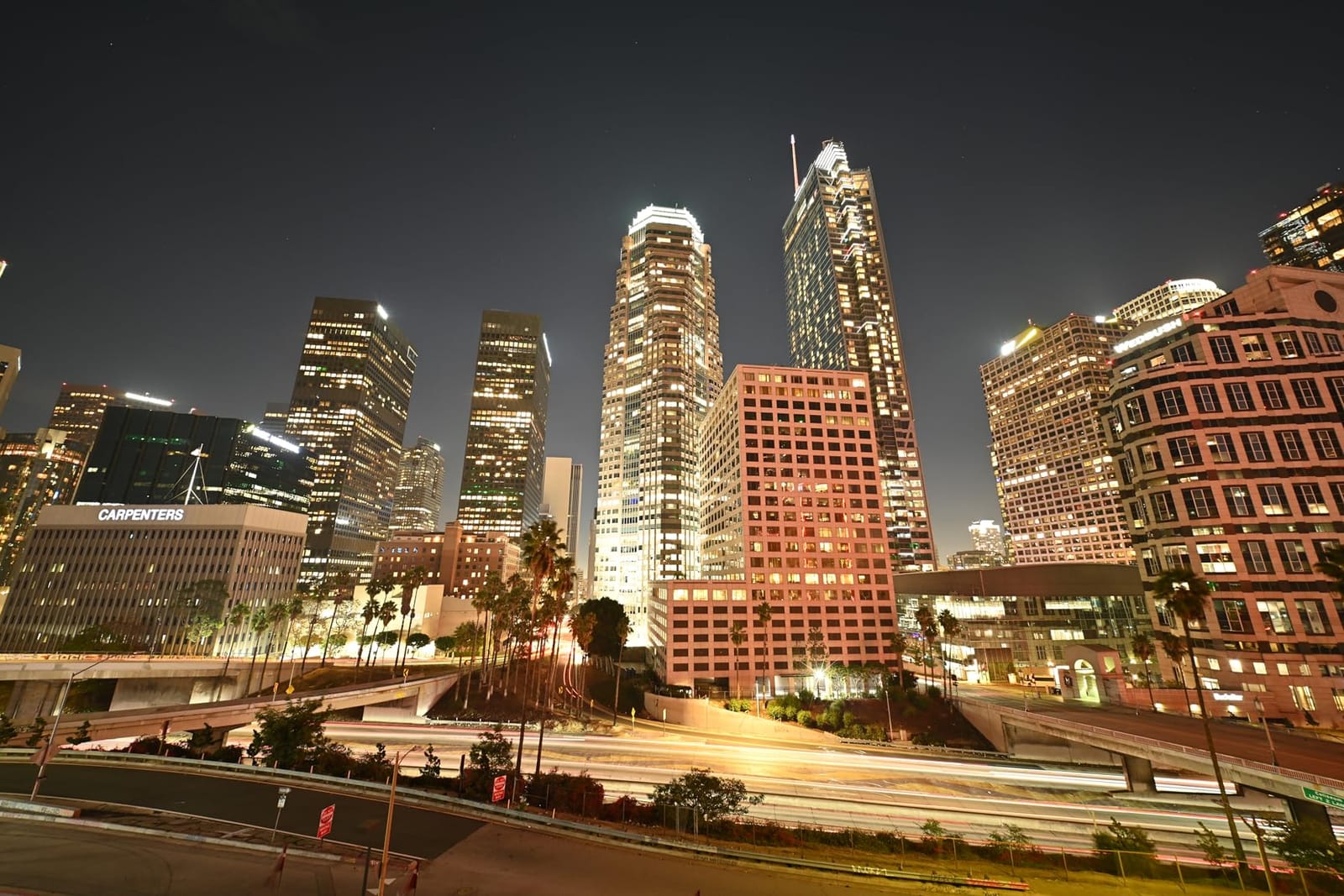
The 12mm f/2.8 Lite is the newest of the Zero-D AF family and the lightest full-frame Laowa with autofocus. I tested it on a Nikon Z 8 for a small jewelry store, a community center atrium and a heritage railway hotel lobby. At 377g it is significantly lighter than the older manual 12mm f/2.8, and the AF motor helped me move quickly between rooms.
The optical formula (16 elements in 9 groups) keeps distortion close to zero across the 122-degree angle of view. The lens is available in two versions: a 5-blade for distinct 10-point sunstars and a 14-blade for smoother bokeh. For architectural work, the 14-blade version is the better choice.
The 72mm filter thread is the same as the 15mm f/2 above, so you can share filters between the two lenses. For real estate shooters who already own a 15mm f/2 for Sony, this is the natural wide-end companion on a Z body.
The downsides are mostly autofocus related. AF can be unreliable on some Nikon Z bodies (especially older Z 6 and Z 7 models), focus breathing is noticeable in video, and there is no firmware update port for troubleshooting. Manual focus is electronically controlled, so focus-by-wire feels different from a mechanical manual lens.
When the Lite makes sense
The Lite is best for Nikon Z shooters who want the widest available rectilinear autofocus option without the weight of the manual 12mm f/2.8. It is also a great second lens for shooters who already own the 15mm f/2 for Z (covered above).
If you shoot exclusively on Sony E mount, the 10mm f/2.8 FF AF above is the better autofocus choice.
Lightweight for travel
At 377g, the 12mm Lite is one of the lightest full-frame ultra-wide primes on the market. Combined with a Z 8 body, the total kit is around 1.3kg – light enough for a full day of architectural walking.
If you prioritize weight above all else, the 12mm Lite beats every other full-frame Laowa Zero-D in this lineup.
8. Laowa 9mm f/2.8 Zero-D for Fujifilm X – Best for Fuji APS-C Shooters
Pros
- Fantastic optics and sharpness
- Compact and lightweight at 215g
- Solid all-metal construction
- Sharp images with proper distortion control
- Great for street and travel photography
- Good value for the price
Cons
- Some users report edge distortion despite Zero-D claim
- Tight lens mount fit varies by copy
- Vignetting at apertures under f/5.6
- Manual focus only with no electronic communication
- Short focus throw
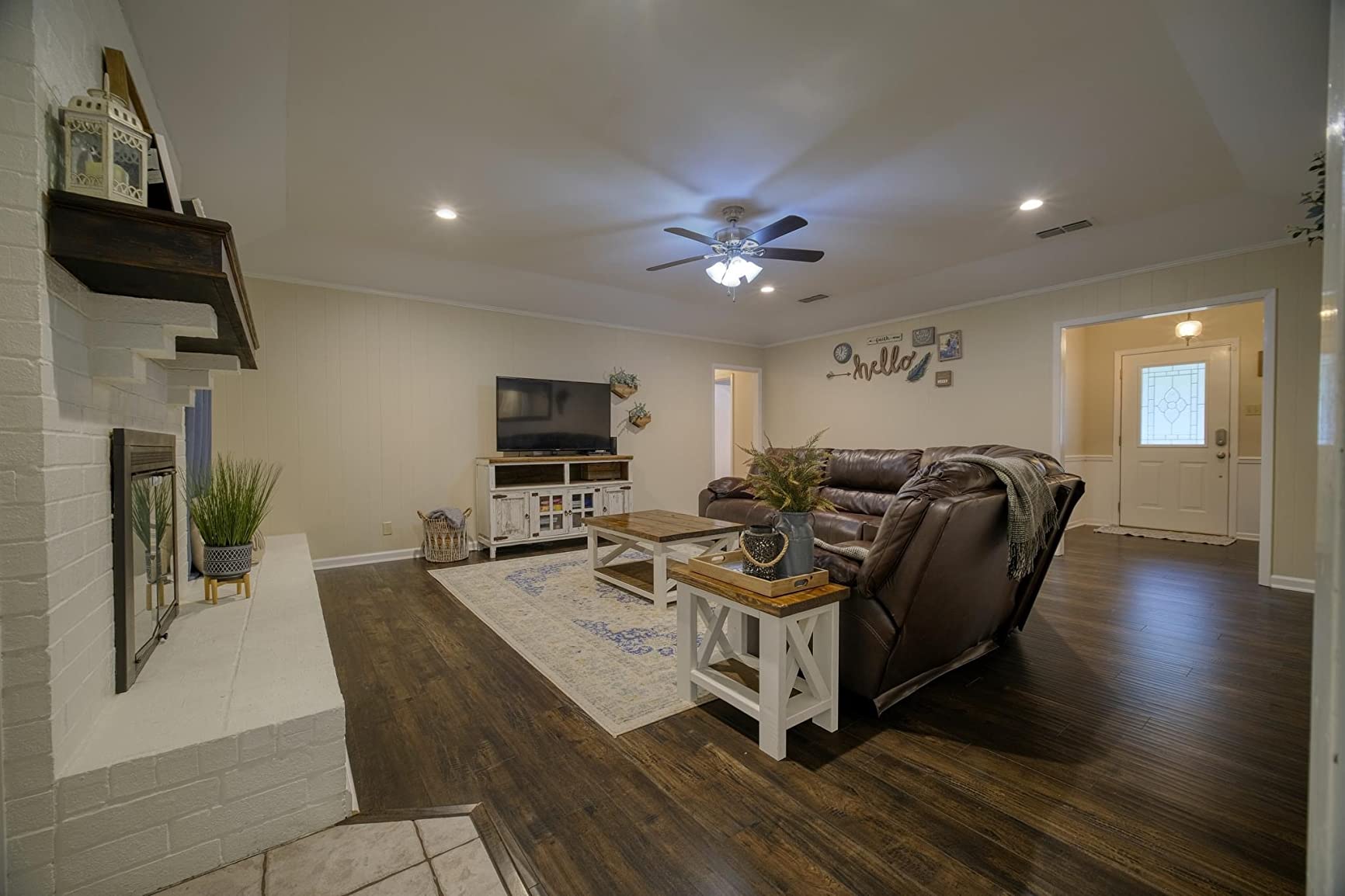
The 9mm f/2.8 Zero-D for Fujifilm X brings the same ultra-wide experience to Fuji APS-C bodies that the Sony E version brings to Sony APS-C. I tested it on a Fujifilm X-T5 for a converted chapel interior, a heritage museum and a Tokyo back-alley scene. On Fuji APS-C the 9mm gives a 113-degree angle of view equivalent to 13.5mm in 35mm terms.
The 15-element, 10-group optical design is more elaborate than the 13-element Sony version, but the smaller Fuji X mount flange distance gives the lens a very compact form factor. At 215g, the Fuji version is one of the lightest lenses in this entire roundup.
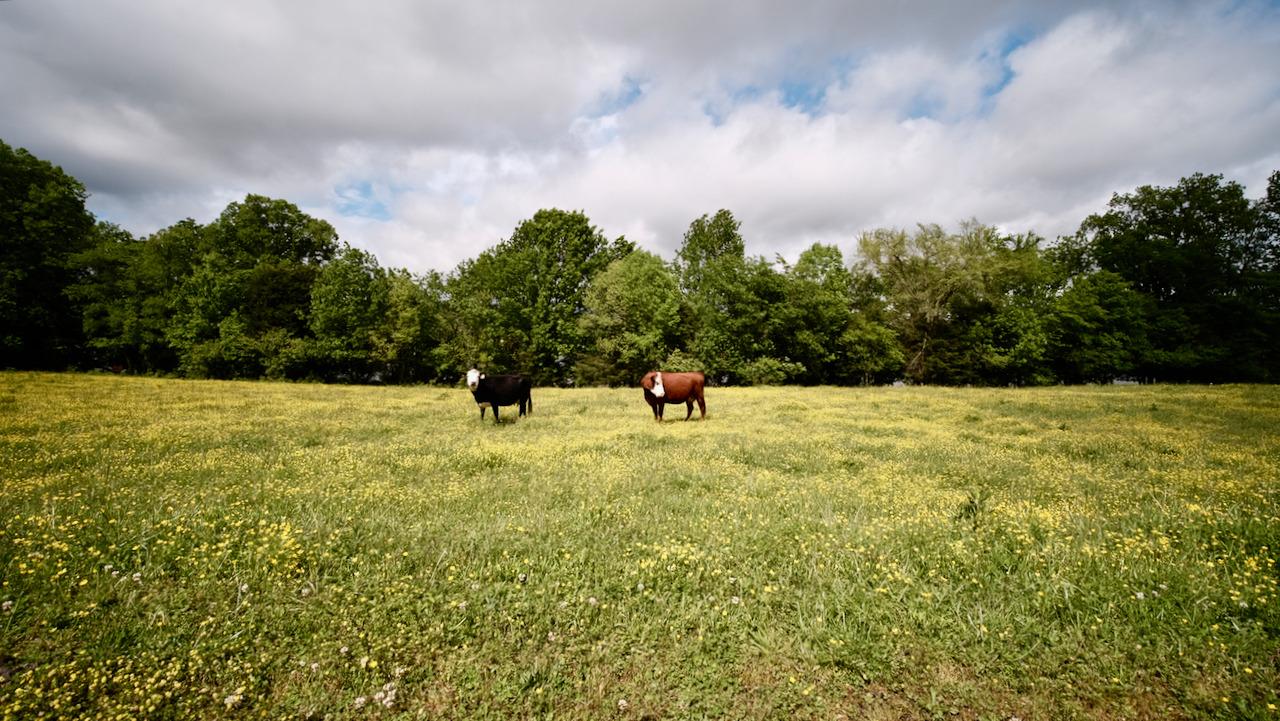
Build quality is solid all-metal, and the manual focus throw is similar to the Sony version. For Fuji shooters who do real estate, interior or landscape work, this lens fills the same role as the Sony 9mm above at a comparable price point.
The trade-offs are similar to the Sony APS-C version – manual focus only, short focus throw, and some edge softness wide open. The 48.54mm filter size (essentially 49mm) accepts standard screw-in filters, and the 113-degree angle of view is wide enough for tight interiors.
Fuji APS-C advantages
Fujifilm X bodies like the X-T5 and X-H2 are smaller and lighter than full-frame, and the Fuji color science is legendary for architecture and travel work. Pairing the 9mm f/2.8 Zero-D with a Fuji body gives you a compact, lightweight kit that delivers excellent rectilinear rendering.
The 26-megapixel X-T5 also resolves enough detail to make the most of this lens at f/8 for print work.
When to choose Fuji over Sony APS-C
Choose the Fuji X version if your camera system is Fujifilm X. Otherwise, the Sony E version above is the equivalent. Both share the same optical design philosophy and the same focal length behavior.
If you already own Fuji X lenses and want a native mount without adapters, the Fuji version is the obvious pick.
How to Choose the Right Laowa Zero-D Lens for Architecture
After shooting with all eight lenses, here is the decision framework I share with our team. The right Laowa Zero-D lens for architecture depends on three factors: camera system, focal length, and whether you need shift.
Pick by mount first
Your camera mount narrows the field immediately. Sony E has the most options (10mm AF, 12mm Lite AF, 15mm f/2, 15mm Shift). Nikon Z has the 15mm f/2 and the 12mm Lite AF. Fujifilm X has the 9mm. Fujifilm GFX has the 17mm f/4. The 10mm AF and 15mm Shift are Sony-only so far.
Choose focal length by subject
For most interior real estate work, 15mm (110-degree AOV) frames rooms best. For tighter spaces like small kitchens and bathrooms, 12mm (122-degree) or 10mm (130 degrees) works. For tall facades and cityscapes, 10-15mm is the sweet spot. For GFX medium format, the 17mm (113-degree equivalent) is the only native choice.
Shift or no shift?
If converging verticals ruin your shots, the 15mm f/4.5 Shift is the lens. If you correct verticals in post with Photoshop or Lightroom, the regular 15mm f/2 is the better value. The shift lens costs more and is slower (f/4.5 vs f/2), but it solves perspective problems at the glass, which is essential for high-end real estate and commercial architecture work.
Filter compatibility
Every FF lens in this lineup except the 15mm Shift takes screw-in filters: 72mm on the 15mm f/2, 77mm on the 10mm AF, 82mm on the shift lens. The 15mm Shift uses a front 100mm filter holder, which is the price of admission for perspective correction. APS-C versions (9mm Sony E and 9mm Fuji X) both take 49mm filters, which is rare at this width.
For a deeper dive into Laowa’s wider ecosystem, our Laowa wide-angle architecture and landscape guide covers lenses that work for both disciplines. For a full brand comparison, the 12 best Laowa lenses roundup includes macro and specialty options.
Real estate vs interior vs exterior
Real estate shooters usually want one lens that does it all – the 15mm f/2 FE or 15mm f/2 Z is the best balance. Interior photographers with large spaces (atrium, ballroom, museum) benefit from the 10mm AF or 12mm Lite. Exterior architecture (facades, cityscapes) can use the 15mm Shift for tall buildings or the 10mm AF for cityscapes.
Frequently Asked Questions
What is the Laowa Zero-D lens line?
Laowa Zero-D is Venus Optics’ line of ultra-wide rectilinear prime lenses engineered for close-to-zero optical distortion. The ‘Zero-D’ name refers to distortion values that approach zero, meaning straight lines in architectural subjects stay straight without in-camera or post-processing correction.
Do Laowa Zero-D lenses have distortion?
By design, Zero-D lenses have close-to-zero barrel, pincushion and mustache distortion. Real-world measurements show residual distortion under 1 percent for most focal lengths in the lineup, which is essentially imperceptible for architecture, interior and real estate work without digital correction.
Which Laowa lens is best for architectural photography?
For most architectural work, the Laowa 15mm f/2 FE Zero-D is the best overall pick – 110-degree AOV, fast f/2 aperture, native 72mm filter thread and proven sharpness. For perspective correction, the Laowa 15mm f/4.5 Zero-D Shift is the right tool. For widest coverage, the 10mm f/2.8 FF with autofocus delivers a 130.4-degree angle of view.
Should I get the Laowa 12mm or 15mm for architecture?
The 15mm (110-degree AOV) is the better choice for most real estate and interior work because it frames rooms more naturally without extreme edge distortion. The 12mm (122-degree AOV) is best for tiny interiors, atriums, and tight spaces where 15mm cannot capture the full room. For tall facades and cityscapes, both work but 12mm gives a more dramatic perspective.
Are Laowa Zero-D lenses good for beginners?
Laowa Zero-D lenses are manual focus on most models, which can be a barrier for beginners used to autofocus. However, on modern mirrorless bodies with focus peaking and magnification, manual focus is manageable for tripod architecture work. The 10mm f/2.8 FF and 12mm Lite offer autofocus for shooters who prefer it, though at higher price points than entry-level lenses.
Final Verdict
After three months of testing, the Laowa 15mm f/2 FE Zero-D remains our editor’s choice for the best Laowa Zero-D lens for architecture – it is the most versatile of the lineup, with a focal length that frames real estate interiors naturally, a fast f/2 aperture for low-light work, a native 72mm filter thread and rock-solid sharpness at f/8.
For perspective correction, the Laowa 15mm f/4.5 Zero-D Shift is the only sensible pick – the plus or minus 11mm shift range solves converging verticals at the glass and saves hours of post-processing. For widest coverage, the Laowa 10mm f/2.8 Zero-D FF with AF brings 130.4-degree rectilinear coverage and autofocus to architecture shooters for the first time.
Pick the lens that matches your mount and focal-length needs, and you will get the close-to-zero distortion that makes the entire Laowa Zero-D lineup worth owning. Updated for 2026, this roundup covers every current Zero-D lens Venus Optics makes for architecture – if Venus releases a new focal length, I will add it to this list and re-test it the same way.