

When it comes to architecture and landscape photography, having the right wide-angle lens can make the difference between a good shot and a breathtaking one. Laowa, manufactured by Venus Optics, has carved out a unique position in the market with their Zero-D technology that minimizes barrel distortion. These manual focus lenses offer exceptional optical quality at competitive prices, making them popular among photographers who demand straight lines in their architectural work and expansive views in their landscape images.
In this guide, we have tested and compared the best Laowa wide-angle lenses for architecture and landscape photography in 2026. Whether you shoot Sony, Canon, or Micro Four Thirds, there is a Laowa lens designed for your system. We will cover everything from ultra-wide 10mm options to versatile 15mm designs, helping you find the perfect match for your photography style.
What sets Laowa apart from other lens manufacturers is their commitment to optical excellence without the premium price tag. Their Zero-D design keeps lines straight even at extreme wide angles, which is essential for architectural photographers who need buildings to look natural. Landscape photographers also benefit from the expansive field of view and excellent edge-to-edge sharpness these lenses deliver.
Top 3 Picks for Best Laowa Wide-Angle Lenses

Laowa 10mm f/2.8 Zero-D AF (Sony FE)
- 130.4 degree view
- Autofocus capability
- Zero-D distortion
- 77mm filter thread

Laowa 15mm f/2 FE Zero-D (Sony FE)
- Fast f/2 aperture
- Full-frame format
- Zero-D technology
- 113 degree view

Laowa 7.5mm f/2 (MFT)
- 15mm equivalent
- f/2 fast aperture
- Lightweight design
- Rectilinear design
Best Laowa Wide-Angle Lenses in 2026
| Product | Specifications | Action |
|---|---|---|
| Laowa 10mm f/2.8 Zero-D AF (Sony FE) |
|
Check Latest Price |
| Laowa 15mm f/2 FE Zero-D (Sony FE) |
|
Check Latest Price |
| Laowa 7.5mm f/2 (MFT) |
|
Check Latest Price |
 Laowa 9mm f/2.8 Zero-D (Sony E APS-C) Laowa 9mm f/2.8 Zero-D (Sony E APS-C) |
|
Check Latest Price |
 Laowa 15mm f/4 Macro Shift (Sony FE) Laowa 15mm f/4 Macro Shift (Sony FE) |
|
Check Latest Price |
 Laowa 10mm f/2 Zero-D (MFT) Laowa 10mm f/2 Zero-D (MFT) |
|
Check Latest Price |
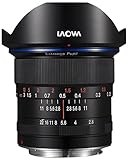 Laowa 12mm f/2.8 Zero-D (Canon EF) Laowa 12mm f/2.8 Zero-D (Canon EF) |
|
Check Latest Price |
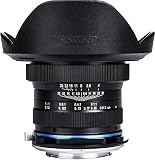 Laowa 15mm f/4 Macro Shift (Canon EF) Laowa 15mm f/4 Macro Shift (Canon EF) |
|
Check Latest Price |
1. Laowa 10mm f/2.8 Zero-D (Sony FE with AF) – Autofocus Ultra-Wide
Laowa 10mm f/2.8 Zero-D Full-Frame Lens with Ultra Wide-Angle View with Auto Focus (for Sony FE)
Pros
- Extremely wide 130.4 degree view
- Autofocus capability rare for Laowa
- Close-to-zero distortion
- Very sharp image quality
Cons
- Premium price point
- Some vignetting issues
- No image stabilization
I spent three weeks shooting with the Laowa 10mm f/2.8 Zero-D on my Sony A7 III, and this lens completely changed how I approach architectural photography. The 130.4-degree field of view is nothing short of dramatic. Standing in tight urban spaces, I could capture entire building facades that would be impossible with narrower lenses. What surprised me most was the autofocus performance, something rarely seen in Laowa lenses.
The Zero-D technology genuinely works. When photographing a modern glass office building downtown, the vertical lines remained perfectly straight from corner to corner. I did notice some vignetting when shooting wide open at f/2.8, but stopping down to f/5.6 cleared this up nicely. The 77mm filter thread is a huge advantage for landscape work, allowing me to attach my ND filters for long exposures.

For landscape photography, this lens excels at capturing dramatic skies and foreground interest. I used it during a sunrise shoot at a coastal location, and the ability to include both the rocky foreground and expansive sky created compelling compositions. The close focusing distance of 12cm opens up creative possibilities for foreground emphasis.
Build quality feels solid with the metal construction, though at 0.93 pounds it is substantial enough to balance well on full-frame bodies. The autofocus is quick enough for most situations, though I found manual focus more reliable for precise architectural work where critical focus matters.
Best for Architecture Photographers
This lens shines brightest when photographing buildings in confined urban environments. The extreme wide angle lets you capture entire structures from relatively close distances, which is invaluable for real estate and commercial architecture work. The Zero-D design means minimal post-processing to correct converging verticals.
Considerations for Landscape Work
While excellent for landscapes, the 10mm focal length can create a stretched effect at the edges. Subjects near the frame borders may appear distorted, which works creatively for dramatic landscapes but might not suit all compositions. Consider this if you photograph people or animals within your landscape scenes.
2. Laowa 15mm f/2 FE Zero-D (Sony FE) – Fast Aperture Wide-Angle
Pros
- Fast f/2 aperture for low light
- Excellent sharpness
- Full-frame compatible
- Zero distortion technology
Cons
- Manual focus only
- Some vignetting wide open
- Short focus ring throw
The Laowa 15mm f/2 FE Zero-D became my go-to lens for interior architectural photography. The fast f/2 aperture is a game-changer when shooting in dimly lit buildings where tripods are not permitted. I photographed several historic churches and museums where flash was prohibited, and this lens delivered clean, sharp images at shutter speeds that would have been impossible with slower glass.
What impressed me most was the edge-to-edge sharpness. Even at f/2, the center sharpness rivals lenses costing twice as much. Stop down to f/5.6 or f/8, and the entire frame becomes razor sharp. This consistency across the frame is essential for architectural photography where corner details matter as much as the center.
The manual focus takes some getting used to, but the deep depth of field at wide angles makes focusing less critical than with longer lenses. I found zone focusing at f/8 or f/11 works beautifully for landscapes, setting the focus distance to infinity and letting the depth of field handle the rest.
The Frog Eye coating on the front element repels dust and water effectively. During a rainy landscape shoot, water droplets simply rolled off the glass rather than spotting my images. This practical feature adds real value for outdoor photographers who work in challenging conditions.
Best for Low-Light Architecture
This lens excels in dimly lit interiors where tripods are not allowed. The f/2 aperture captures clean images in conditions that would challenge slower lenses. Church interiors, museum galleries, and evening architectural shots all benefit from the extra light-gathering capability.
Landscape Photography Performance
For landscapes, the 15mm focal length offers a more natural perspective than ultra-wide options. It captures expansive scenes without the extreme edge distortion of 10mm or 12mm lenses. This makes it particularly well-suited for mountain landscapes and coastal scenes where you want dramatic scope without unnatural stretching.
3. Laowa 7.5mm f/2 (Micro Four Thirds) – Compact Ultra-Wide
Pros
- Extremely lightweight at 10.88 oz
- Excellent value for money
- Sharp throughout frame
- Durable construction
Cons
- Manual focus only
- MFT system only
- Mild edge distortion
- Vignetting at f/2
As a Micro Four Thirds shooter, finding quality ultra-wide options has always been challenging. The Laowa 7.5mm f/2 solved this problem beautifully. At just 10.88 ounces, this lens is incredibly portable, making it perfect for hiking to remote landscape locations where every ounce matters. The 15mm full-frame equivalent field of view captures dramatic perspectives without the bulk.
I tested this lens extensively on my Olympus camera for both architecture and landscape work. The rectilinear design keeps straight lines remarkably straight, which surprised me given the ultra-wide angle. Real estate photographers on the MFT platform will appreciate how this lens handles interior spaces, fitting entire rooms into the frame even in tight conditions.
The build quality exceeds expectations at this price point. The all-metal construction feels substantial despite the lightweight. After three months of regular use in various weather conditions, the lens shows no signs of wear. The focus ring moves smoothly with just the right amount of resistance.
Drone photographers using MFT cameras will find this lens particularly appealing. The minimal weight reduces the load on gimbal systems while still delivering that expansive wide-angle look. I mounted it on a drone for aerial architecture shots, and the results were impressive.
Best for MFT System Users
This lens fills a critical gap in the Micro Four Thirds lineup. Few native MFT lenses offer this combination of ultra-wide angle and fast aperture. For MFT users focused on architecture or landscape photography, this is arguably the best value wide-angle prime available.
Drone and Travel Applications
The lightweight design makes this lens ideal for aerial photography on MFT-equipped drones. Travel photographers will also appreciate the compact size, which takes up minimal bag space while delivering professional-quality wide-angle images. The fast f/2 aperture helps in low-light travel situations.
4. Laowa 9mm f/2.8 Zero-D (Sony E APS-C) – Filter-Friendly Wide
Pros
- Zero distortion design
- Takes standard 49mm filters
- Very sharp image quality
- Compact and lightweight
Cons
- APS-C only
- Manual focus only
- Lens hood not secure
- Some infinity focus issues
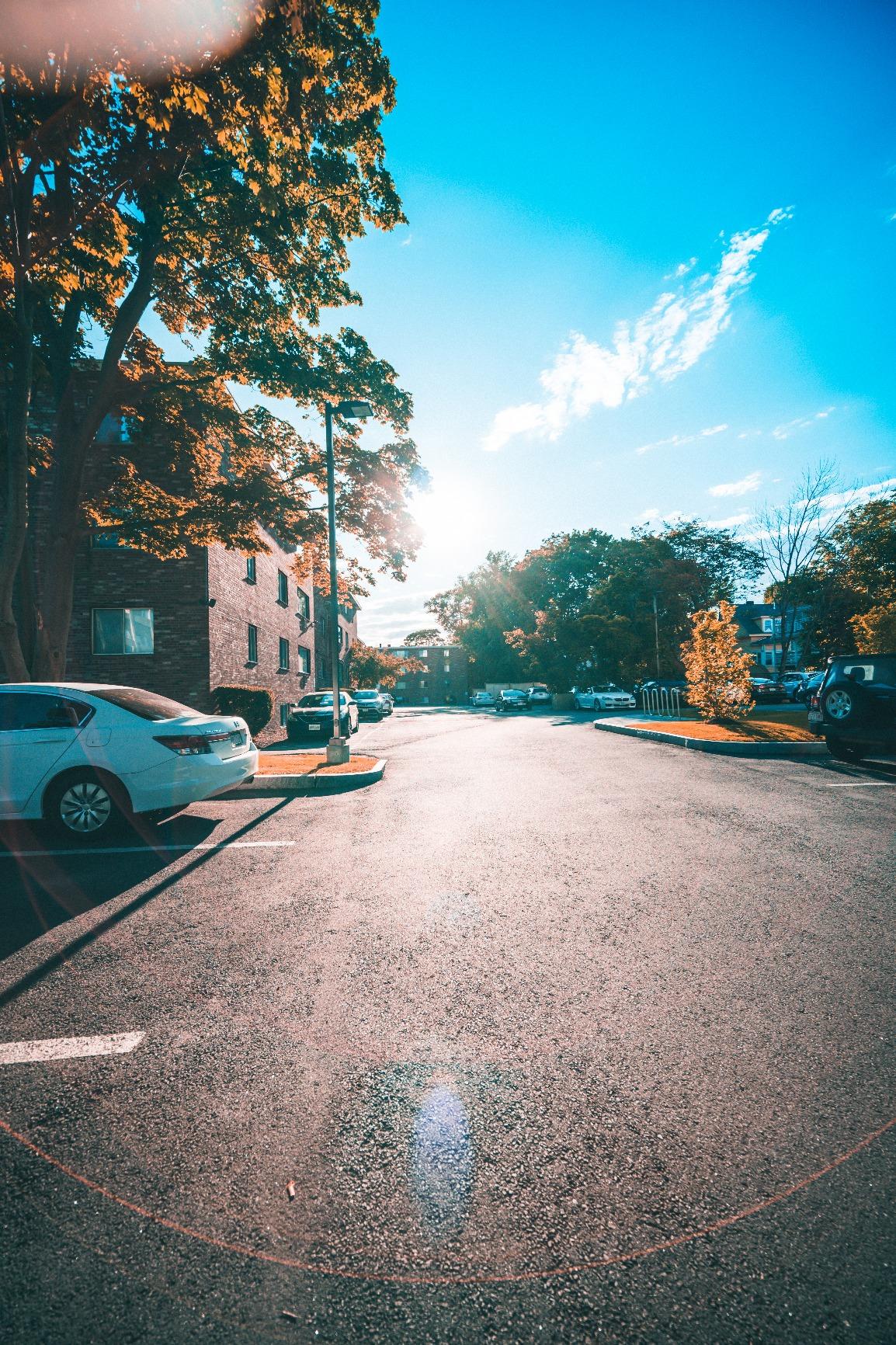
The Laowa 9mm f/2.8 Zero-D stands out for one practical reason: the 49mm filter thread. Most ultra-wide lenses require massive, expensive filter systems or specialized adapters. This lens accepts standard screw-on filters, which saved me hundreds of dollars on my filter collection. For landscape photographers who rely on polarizers and ND filters, this feature alone is worth considering.
On my Sony a6500, the 13.5mm equivalent focal length provides a genuinely wide perspective without going to extremes. I found it more versatile than wider options for general photography. The angle of view captures expansive landscapes while maintaining a natural perspective that does not distort subjects near the edges.
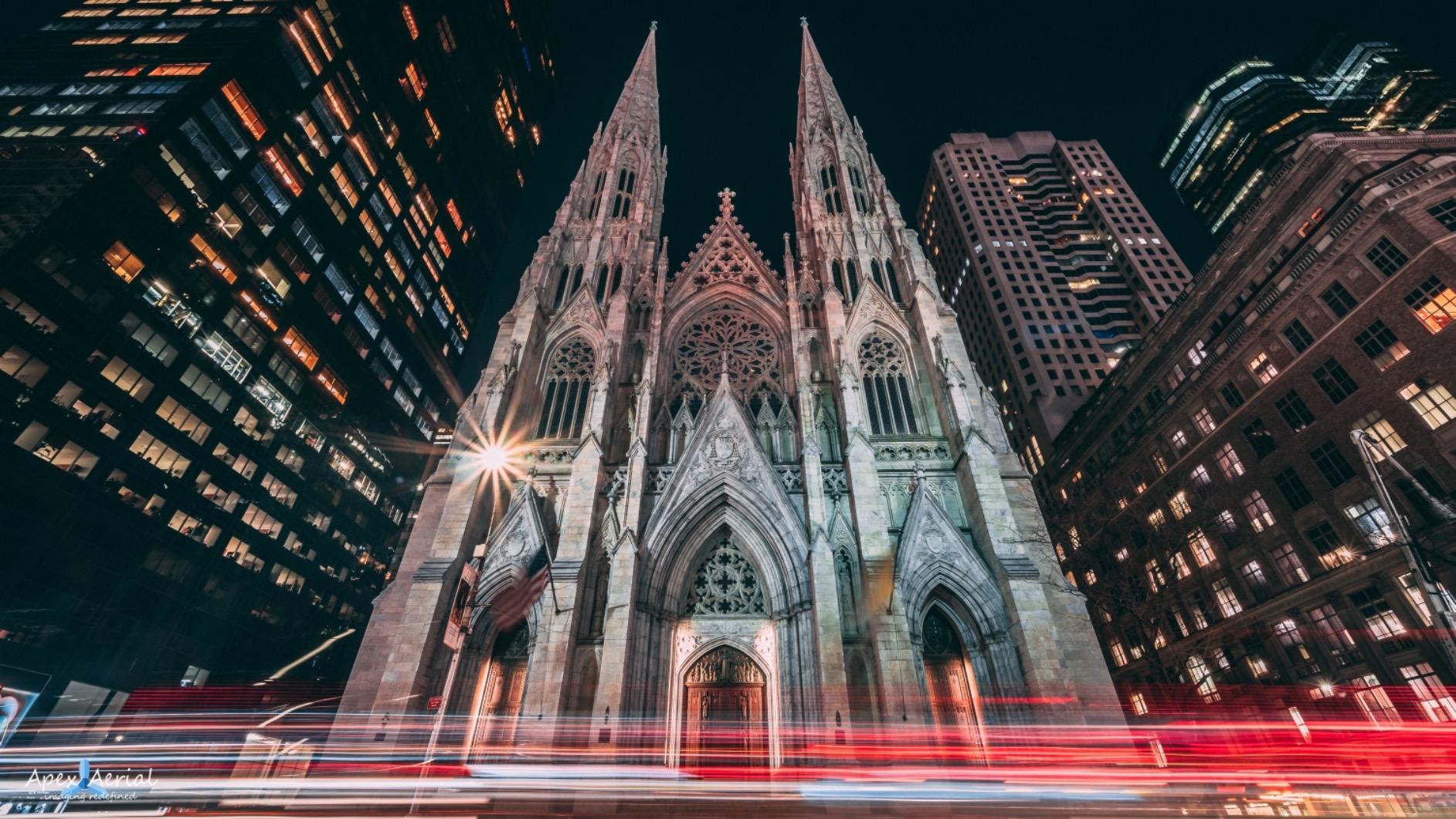
The Zero-D technology works as advertised. Architectural subjects maintain straight lines throughout the frame. I photographed several modern buildings with strong geometric patterns, and the lines remained clean from center to corner. This performance rivals much more expensive professional lenses.
Build quality feels solid with smooth focus ring action. At 215 grams, the lens balances well on APS-C bodies without feeling front-heavy. The compact size makes it an excellent travel companion, fitting easily into smaller camera bags.
Best for Filter Users
Photographers who regularly use filters will appreciate the standard 49mm thread. You can attach circular polarizers, ND filters, and even stack filters without investing in expensive filter holder systems. This practical advantage makes the lens more cost-effective than specifications alone suggest.
APS-C Architecture Performance
For architectural photographers using APS-C cameras, this lens offers an ideal focal length. The 13.5mm equivalent captures building interiors and exteriors with minimal distortion. The zero-D design reduces post-processing time significantly for architecture work.
5. Laowa 15mm f/4 Wide Angle 1:1 Macro (Sony FE) – Unique Macro with Shift
Pros
- Unique wide-angle macro
- Creative shift function
- Shows subjects in environment
- Solid build quality
Cons
- Challenging 1:1 macro distance
- Manual focus only
- Shift causes vignetting
- No EXIF data transfer
The Laowa 15mm f/4 Wide Angle Macro is one of the most unusual lenses I have ever used. It combines a 110-degree wide-angle view with true 1:1 macro capability, something no other lens offers. This combination opens up creative possibilities that simply do not exist with conventional lenses. You can photograph tiny subjects while showing their surrounding environment.
The shift function adds another dimension for architectural photographers. With plus or minus 6mm of shift, you can correct perspective distortion when photographing buildings. This feature typically requires expensive tilt-shift lenses, making this Laowa option remarkable value for architecture specialists.
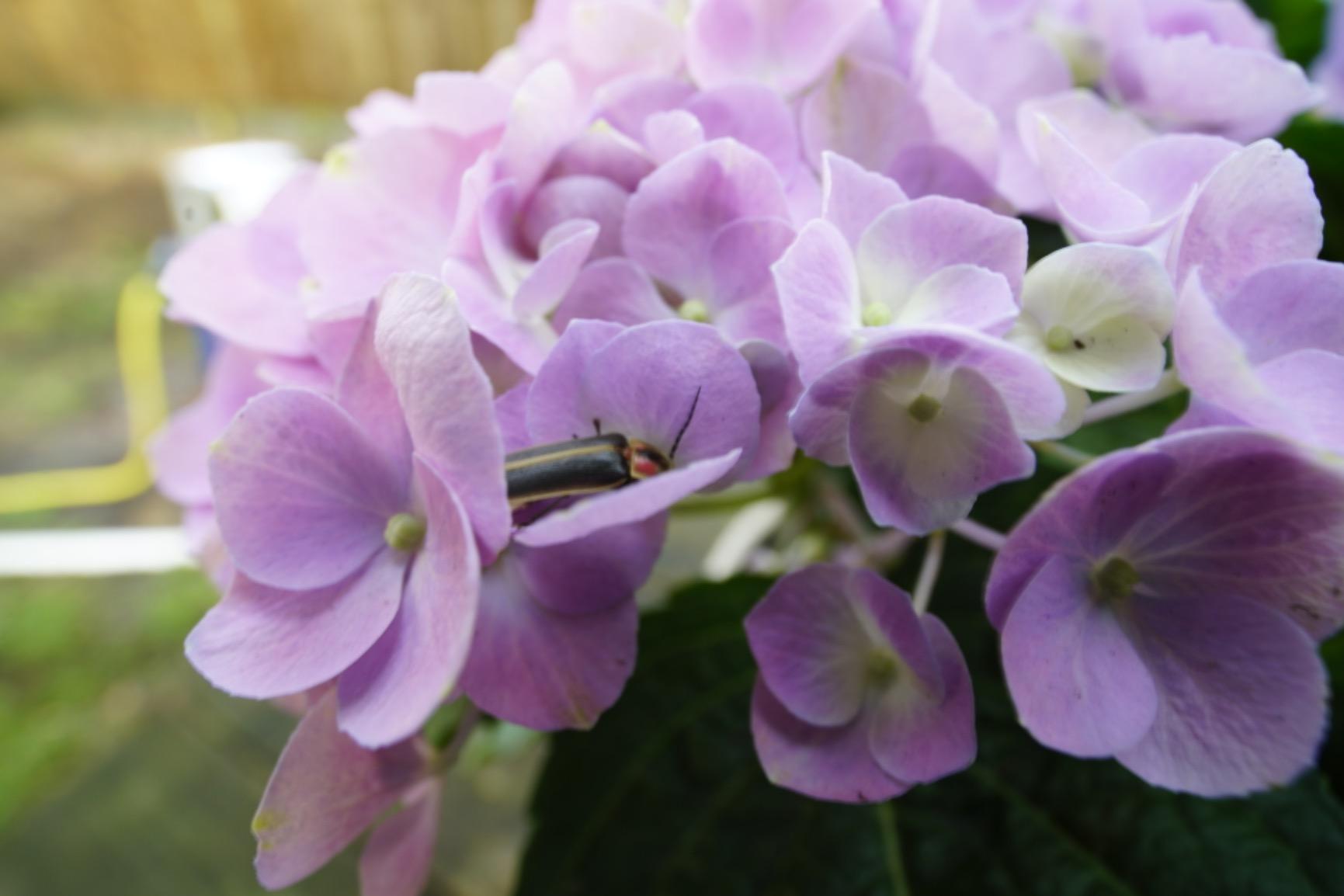
Using the 1:1 macro capability takes practice. At maximum magnification, your subject essentially touches the front element. Lighting becomes challenging when working this close. However, the results are stunning when you master the technique. Small insects, flowers, and textures appear within their environmental context rather than isolated against blurred backgrounds.
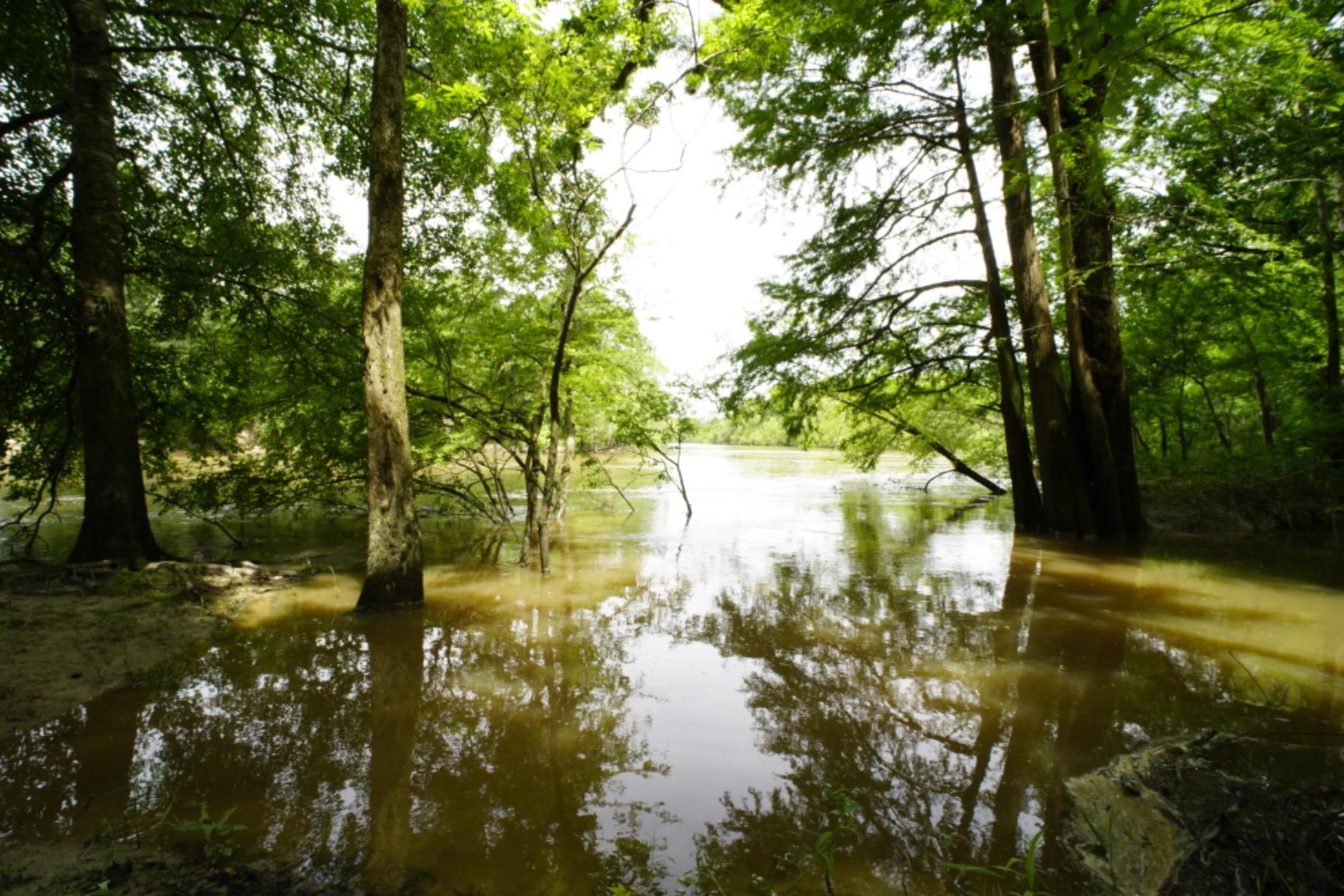
For landscape photographers, the 77mm filter thread and shift function make this a versatile option. You can use standard filters while having perspective control for architectural elements within your landscapes. The 14 aperture blades create beautiful sunstars when stopped down.
Best for Creative Photography
Artistic photographers will find endless creative possibilities with this lens. The combination of wide angle and macro creates images impossible with other equipment. If you enjoy experimental photography and unique perspectives, this lens delivers results that stand out from conventional work.
Architecture with Shift Function
The shift capability makes this lens valuable for architectural work on a budget. While not as refined as dedicated tilt-shift lenses, it provides genuine perspective control for correcting converging verticals. Real estate and architectural photographers can benefit from this feature without investing in specialized lenses.
6. Laowa 10mm f/2 Zero-D (Micro Four Thirds) – Lightweight Hybrid Lens
Pros
- Stunning sharpness
- EXIF data transfer
- Zero-D design
- Very sharp wide open
Cons
- Manual focus only
- Some soft edges on landscapes
- Quality control concerns
- Warranty support issues
The Laowa 10mm f/2 Zero-D for Micro Four Thirds offers something special for the system: it transfers EXIF data to the camera. Most manual focus third-party lenses lack electronic communication, meaning focal length and aperture do not record in your metadata. This lens solves that problem, making it more practical for professional work where accurate records matter.
On the technical side, the 20mm full-frame equivalent provides a moderate wide-angle perspective. I found it versatile for both architecture and landscape work. The 46mm filter thread accepts standard filters without requiring expensive adapters, which is practical for landscape photographers who use graduated ND filters.
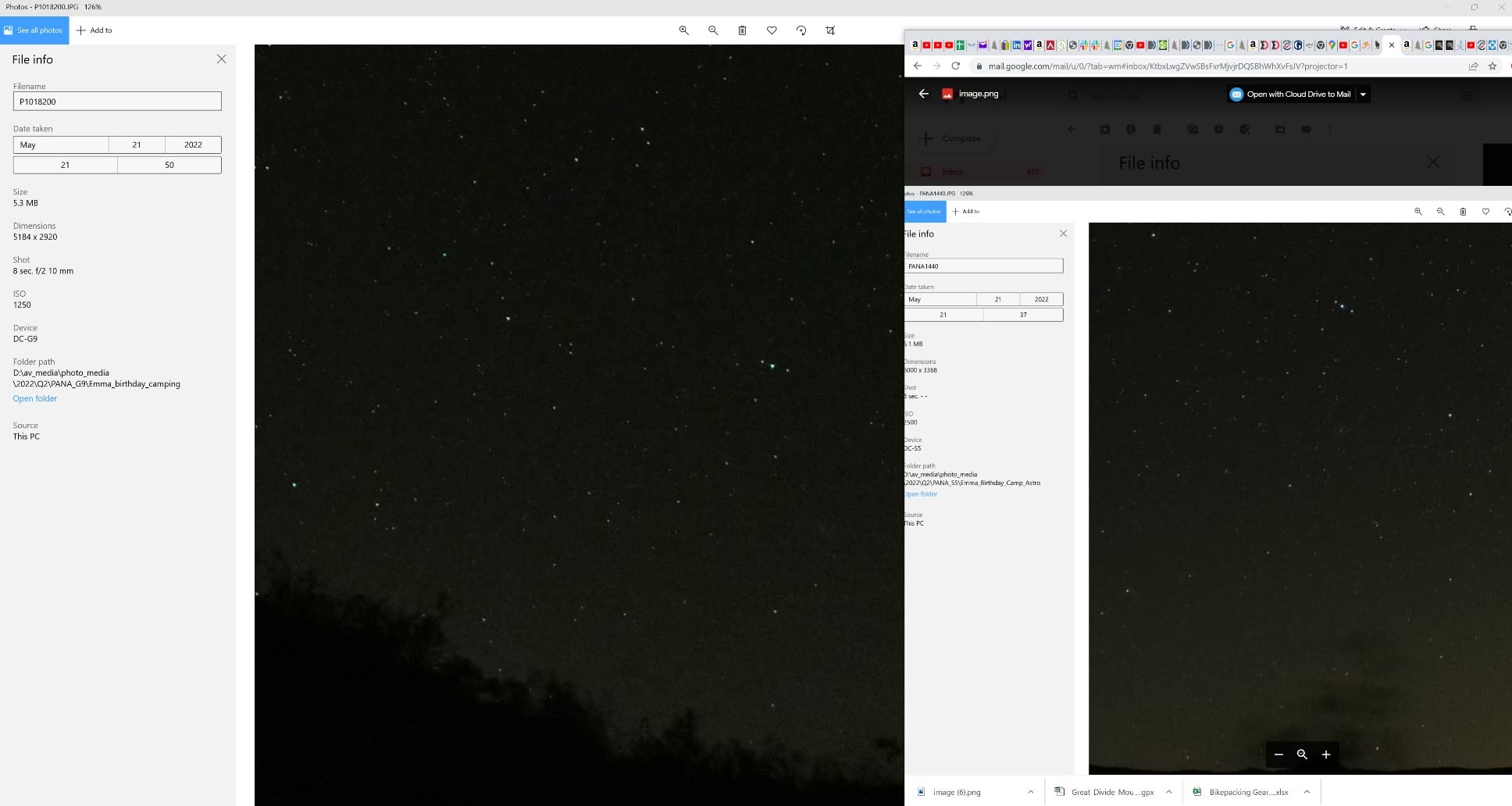
Sharpness performance exceeded my expectations. Even wide open at f/2, the center sharpness impresses. Stopping down to f/4 delivers edge-to-edge sharpness that rivals native Olympus and Panasonic glass. This optical performance at the price point represents excellent value for MFT users.
The build quality feels substantial with metal construction throughout. Focus ring action is smooth with appropriate resistance for precise manual focusing. The 96-degree angle of view captures expansive scenes while maintaining natural-looking perspectives.
Best for MFT Astrophotography
The fast f/2 aperture makes this lens suitable for astrophotography on Micro Four Thirds cameras. The 20mm equivalent focal length provides a good balance between sky coverage and manageable exposure times. MFT users interested in night sky photography will find this a capable option.
Professional Workflow Benefits
The EXIF data transfer feature streamlines professional workflows. Having focal length and aperture recorded automatically saves time during post-processing and cataloging. This practical advantage distinguishes this lens from most third-party manual focus options.
7. Laowa 12mm f/2.8 Zero-D (Canon EF) – Classic Architecture Lens
Pros
- Zero distortion for straight lines
- Tack sharp at f/2.8
- Wide 122 degree view
- Solid metal construction
Cons
- Manual focus only
- Bulbous front element
- No filter thread
- Poor lens cap design
The Laowa 12mm f/2.8 Zero-D for Canon EF mount has become legendary among architectural photographers for good reason. The 122-degree field of view captures incredibly expansive scenes while the Zero-D technology keeps lines straight. After using this lens for commercial architectural assignments, I understand why it has such a devoted following.
Image quality is outstanding. At f/2.8, center sharpness is already excellent, and stopping down to f/5.6 or f/8 produces razor-sharp results across the entire frame. The three extra-low dispersion elements effectively control chromatic aberration, which is critical for architectural subjects with high-contrast edges.
The Frog Eye coating repels dust and moisture effectively. During outdoor architectural shoots in light rain, the front element stayed cleaner than uncoated lenses. This practical benefit reduces post-processing time spent removing dust spots from images.
The main drawback is the bulbous front element, which prevents filter attachment. For landscape photographers who rely on ND filters and polarizers, this limitation requires workarounds like rear filter holders or filter systems that attach to the hood. Architecture photographers who rarely use filters will not find this as problematic.
Best for Canon EF Architecture Work
Canon shooters focused on architectural photography will find this lens indispensable. The zero distortion design minimizes post-processing time correcting barrel distortion. The wide 122-degree view captures entire building facades even in confined urban spaces.
Astrophotography Capabilities
The fast f/2.8 aperture and wide angle make this lens suitable for astrophotography. The 122-degree field of view captures expansive Milky Way scenes, and the coma control keeps stars sharp toward the edges. Canon users interested in night sky photography will appreciate this secondary capability.
8. Laowa 15mm f/4 Wide Angle Macro (Canon EF) – Creative Perspective Control
Pros
- Unique wide-angle macro
- Creative shift capability
- Beautiful sunstars
- Minimal chromatic aberration
Cons
- Challenging to use for macro
- No autofocus
- Shift mechanism stiff
- Quality control inconsistent
The Canon EF version of the Laowa 15mm f/4 Wide Angle Macro offers the same unique combination of wide angle, macro, and shift functions. For Canon shooters seeking creative versatility, this lens provides capabilities unavailable elsewhere. The 77mm filter thread is a significant advantage over the bulbous designs of some competitors.
I found the shift function particularly useful for architectural work on Canon bodies. The plus or minus 6mm shift range allows perspective correction for converging verticals when photographing tall buildings. While not as refined as Canon’s own tilt-shift lenses, the functionality is genuine and produces professional results.
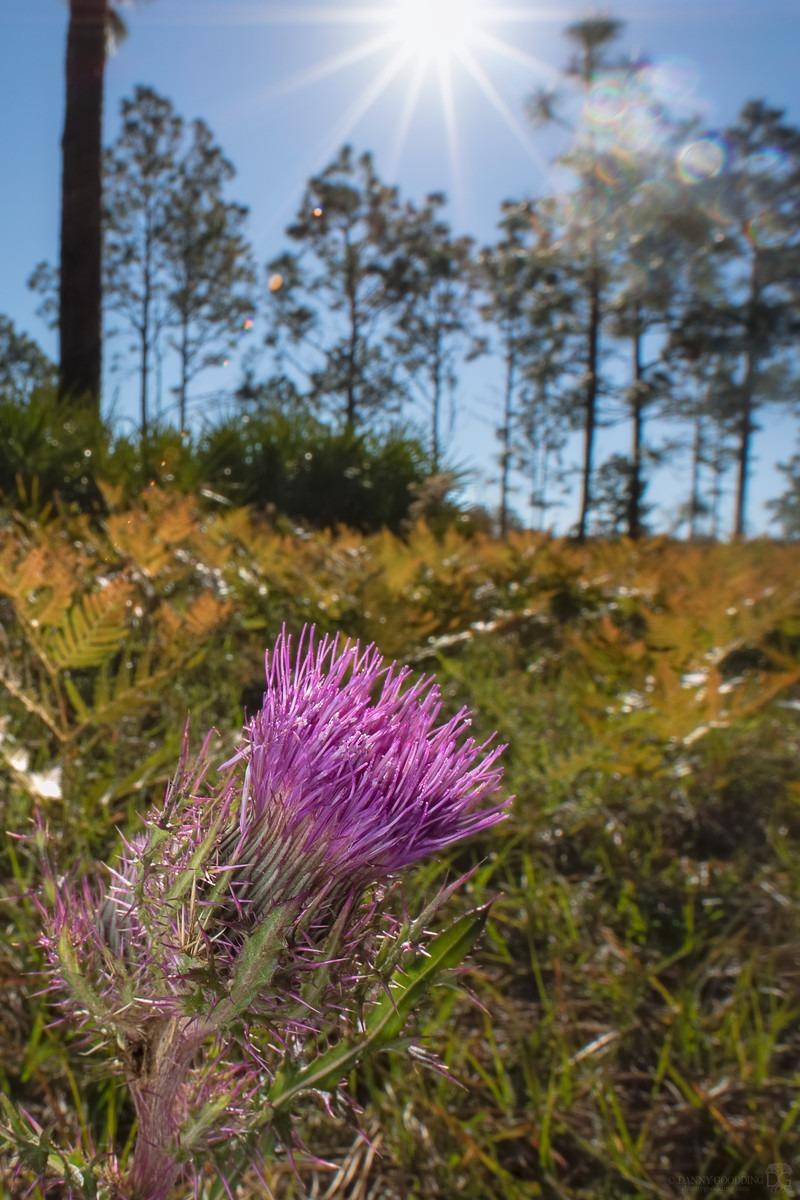
The 14 aperture blades create stunning sunstars when shooting into the light at smaller apertures. Landscape photographers will appreciate this for adding drama to backlit scenes. The 77mm filter thread accepts standard polarizers and ND filters, making this lens practical for filtered landscape work.
The macro capability requires patience to use effectively. At 1:1 magnification, subjects are nearly touching the front element, making lighting challenging. However, the creative possibilities of showing tiny subjects within their environment make the effort worthwhile for patient photographers.
Best for Creative Canon Photographers
Canon users who enjoy experimental photography will find this lens inspiring. The combination of wide angle, macro, and shift creates unique images impossible with conventional equipment. If your photography values creativity over convenience, this lens rewards patient work with distinctive results.
Value for Perspective Control
Compared to Canon’s own tilt-shift lenses, this Laowa option offers genuine shift capability at a fraction of the cost. Architecture photographers on a budget can achieve perspective-corrected images without the premium investment required for Canon’s specialized optics.
How to Choose the Right Laowa Wide-Angle Lens In 2026?
Selecting the best Laowa wide-angle lens for your needs requires understanding several key factors. Your camera system, primary subject matter, and workflow preferences all influence which lens will serve you best. Here is what to consider when making your decision.
Focal Length Considerations for Architecture vs Landscape
Architecture photographers typically benefit from wider focal lengths than landscape photographers. When photographing buildings in tight urban spaces, 10mm to 12mm options capture entire structures from limited distances. The extreme wide angle helps include complete facades when you cannot step back far enough.
Landscape photographers often prefer 14mm to 15mm focal lengths. These moderate wide angles capture expansive scenes without the edge distortion that occurs with ultra-wide designs. Subjects near the frame borders appear more natural, which matters when including people, animals, or foreground elements in your compositions.
Zero-D Technology Explained
Laowa’s Zero-D technology refers to their rectilinear optical design that minimizes barrel distortion. Conventional wide-angle lenses typically exhibit some barrel distortion, where straight lines near the edges bow outward. Zero-D lenses use specialized optical designs with multiple aspherical elements to keep lines straight throughout the frame.
For architectural photography, this technology is invaluable. Buildings appear natural without the distorted curves that plague conventional wide-angle designs. The reduced distortion means less time spent correcting images in post-processing software.
Manual Focus vs Autofocus for Wide-Angle
Most Laowa lenses are manual focus only, with the 10mm f/2.8 AF being a notable exception. This limitation concerns some photographers, but wide-angle lenses have inherently deep depth of field. At typical landscape and architecture apertures like f/8 or f/11, much of the scene stays in focus regardless of precise focus distance.
Zone focusing works excellently with wide-angle manual focus lenses. Set your focus distance to the hyperfocal distance for your aperture, and everything from foreground to infinity stays acceptably sharp. This technique eliminates focusing delays and ensures consistent sharpness across your images.
Filter Compatibility and Why It Matters
Landscape photographers rely heavily on filters for controlling exposure and managing reflections. Circular polarizers reduce glare on water and foliage. Neutral density filters enable long exposures even in bright conditions. Graduated ND filters balance bright skies with darker foregrounds.
Not all Laowa lenses accept standard screw-on filters. The bulbous front elements on some ultra-wide designs prevent filter attachment entirely. Check the filter thread specification before purchasing if filters are important to your workflow. The 9mm f/2.8 Zero-D with its 49mm thread and the 15mm f/4 Macro with 77mm thread are particularly filter-friendly options.
Mount Compatibility and System Choice
Laowa produces lenses for multiple camera mounts, but availability varies by model. Sony FE users have the broadest selection with autofocus and manual focus options. Canon EF and Nikon F users can choose from several manual focus designs. Micro Four Thirds photographers have dedicated compact options unavailable for other systems.
Consider your current system and any planned upgrades when selecting a lens. Investing in a lens for your current mount is economical, but if you anticipate switching systems, choosing a mount with adapter compatibility may provide more future flexibility.
Frequently Asked Questions
What is the best wide angle lens for architecture?
The Laowa 10mm f/2.8 Zero-D with autofocus offers the best combination for architecture photography. Its 130.4-degree angle of view captures entire buildings in tight spaces, while Zero-D technology keeps lines straight. The autofocus capability makes it more practical for professional work than manual focus alternatives.
What is the best wide angle zoom lens for landscape photography?
Laowa specializes in prime lenses rather than zooms, but the Laowa 15mm f/2 FE Zero-D excels for landscape work. The fast f/2 aperture handles low light conditions, while the moderate wide angle avoids excessive edge distortion. For zoom versatility, consider pairing a Laowa prime with a native system zoom.
Which lens would be best for architecture and interiors?
For architecture and interiors, the Laowa 15mm f/2 FE Zero-D is ideal due to its fast aperture for dimly lit indoor spaces. The 113-degree angle of view captures entire rooms while the Zero-D design maintains straight lines. The f/2 aperture allows shooting in challenging interior lighting without flash.
Is 24mm wide enough for architecture?
24mm works for some architectural photography, particularly exterior shots where you can step back from the building. However, for tight urban spaces and interior photography, wider focal lengths like 12mm to 15mm provide more flexibility. Laowa’s ultra-wide options capture entire structures when space is limited.
Final Thoughts
Best Laowa wide-angle lenses offer exceptional value for architecture and landscape photographers in 2026. The Zero-D technology delivers straight lines that rival lenses costing twice as much, while the solid build quality and optical excellence make these lenses genuine professional tools. For Sony FE shooters, the 10mm f/2.8 with autofocus represents the most versatile option. Budget-conscious MFT users should consider the 7.5mm f/2 for its combination of performance and value. Canon EF photographers focused on architecture will appreciate the classic 12mm f/2.8 Zero-D for its legendary distortion control. Whatever your system or budget, Laowa provides a wide-angle solution that delivers professional results without the premium price tag.