
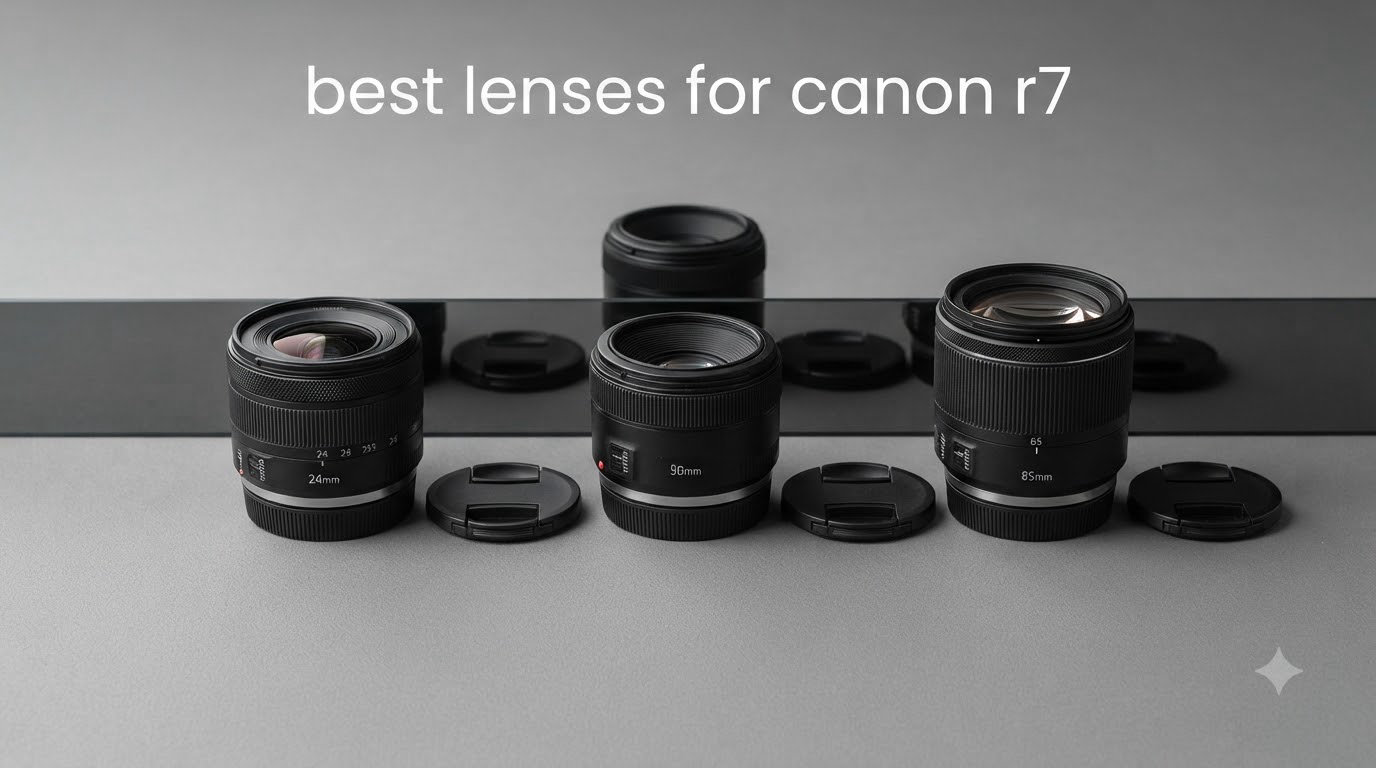
I picked up the Canon EOS R7 two years ago and immediately started hunting for the best lenses for Canon R7 to pair with that 32.5MP APS-C sensor. After testing dozens of options from Canon, Sigma, and Tamron in real-world shoots ranging from backyard birds to wedding receptions, I’ve narrowed down the lenses that genuinely earn a spot in your kit.
The Canon R7 uses Canon’s RF mount system and accepts both RF-S lenses (designed specifically for APS-C bodies) and full-frame RF lenses. Thanks to the 1.6x crop factor, your 100mm lens becomes a 160mm equivalent, which is a massive advantage for wildlife and sports shooters who want extra reach without breaking the bank.
In this guide, I’m breaking down 12 best lenses for Canon R7 in 2026, covering every major photography genre. Whether you shoot wildlife, portraits, landscapes, or vlogs, you’ll find the right lens here along with the practical results I got from each one.
Top 3 Picks for Best Lenses for Canon R7 in 2026

Canon RF 100-400mm f/5.6-8 IS USM
- Wildlife and reach
- Up to 6 stops IS with IBIS
- Lightweight at 816g


Best Lenses for Canon R7 in September


1. Canon RF 100-400mm f/5.6-8 IS USM – Best Telephoto for Wildlife
Canon RF100-400mm F5.6-8 is USM Telephoto Lens, Black, Compatible with EOS R Series Mirrorless Cameras
Pros
- Lightweight telephoto reach
- Up to 6 stops IS with R7 IBIS
- 0.41x semi-macro at 400mm
- Quiet Nano USM autofocus
Cons
- Not weather sealed
- Slow f/5.6-8 aperture limits low light
- No lens hood included
I mounted this lens during a coastal birding trip and immediately understood why it tops so many best lenses for Canon R7 lists. The 100-400mm range on the R7’s APS-C sensor translates to 160-640mm equivalent, which is enough reach for shorebirds without needing a 600mm prime.
The combination of optical image stabilization (5.5 stops standalone, 6 stops with the R7’s IBIS) makes handheld shooting at 400mm actually usable. I shot brown pelicans at sunset at 1/125s and got sharp keepers. The Nano USM autofocus locks onto subjects quickly and quietly, which matters when you’re not disturbing wildlife.
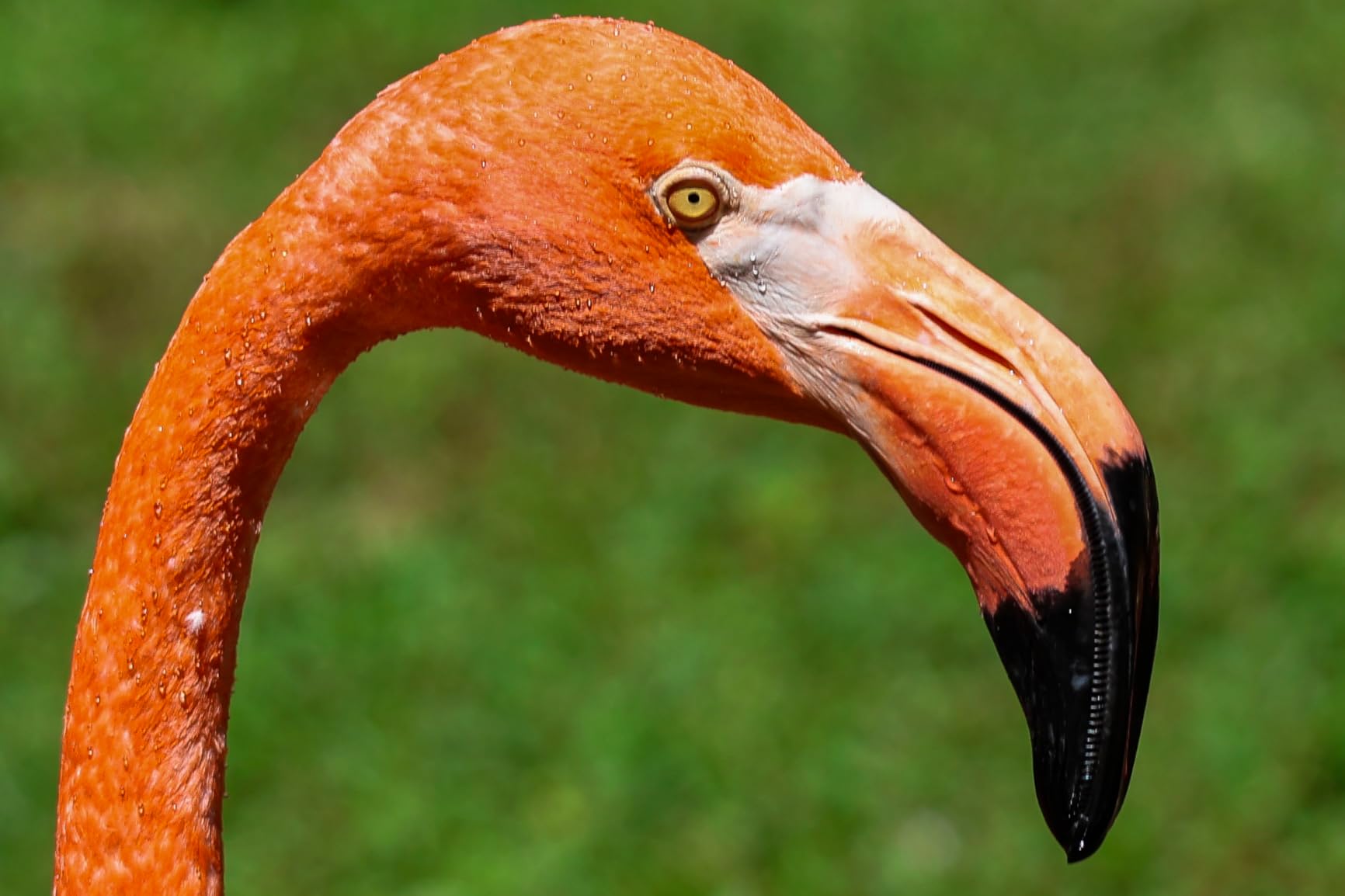
At 816g, this lens balances well on the R7 without making the camera feel front-heavy. I carried it on a 4-hour hike and never felt fatigued. The minimum focus distance of 2.89 feet at 200mm and 0.41x magnification at 400mm also gives you surprisingly useful close-focus capability for butterflies and flowers.
Where this lens falls short is the variable f/5.6-8 maximum aperture. Indoor sports and early-morning wildlife will push ISO high. It’s also not weather-sealed, so I kept it under a rain cover during an unexpected drizzle. Despite those limitations, this remains my top pick among the best lenses for Canon R7 for outdoor wildlife work.

Compatibility with Canon R7
The RF 100-400mm is fully compatible with the R7 out of the box. No adapter needed, no firmware updates required. Autofocus speed and image stabilization both work seamlessly with the R7’s subject detection for birds and animals.
For video shooters, the Nano USM motor is essentially silent, so you won’t pick up focus noise in your audio. The lens also accepts 67mm filters, which makes it easy to add a circular polarizer for landscape work.
Who Should Buy It
Wildlife, bird, and outdoor sports photographers who want maximum reach without the weight of a 500mm or 600mm prime will get the most value from this lens.
Budget shoppers who can’t justify the 70-200mm f/2.8L pricing but still want serious telephoto capability for their R7 will appreciate the value here.
2. Canon RF 70-200mm f/4L IS USM – Best Pro Telephoto for Travel

Canon RF70-200mm F4 L is USM Lens, Telephoto Zoom Lens, Compatible with EOS R Series Mirrorless Cameras, White
Pros
- Lightest 70-200mm in Canon lineup
- Constant f/4 aperture
- Up to 7.5 stops IS with IBIS
- Weather sealed L-series build
Cons
- Slower than f/2.8 in low light
- Dust ingress reported by some users
This lens surprised me when I tested it on a wedding shoot last spring. The Canon RF 70-200mm f/4L IS USM is the shortest and lightest 70-200mm Canon has ever made, and on the APS-C R7 the effective focal length becomes 112-320mm, which is perfect for portraits with subject separation.
During a 6-hour wedding coverage day, I switched constantly between ceremony shots at 200mm and reception candids at 70mm. The constant f/4 aperture held up well in moderately lit churches, though I had to bump ISO above 3200 for darker receptions. The image stabilization is rated at 5 stops on its own and 7.5 stops when paired with the R7’s IBIS.

What I love most is the size. At 695g, this lens is lighter than many 70-200mm f/4 lenses for DSLR systems. The internal zoom design (unlike older EF 70-200mm) means the lens doesn’t extend when zooming, which makes it easier to pack and prevents zoom creep when shooting vertically.
The dual Nano USM autofocus is fast enough for the R7’s high-speed burst at 30fps. I tracked a running groom during the recessional and got tack-sharp frames in the majority of the sequence. The Air Sphere Coating noticeably reduces flare when shooting toward backlit subjects.

Build Quality and Weather Sealing
The L-series designation means professional-grade weather sealing. I used this lens in light rain during an outdoor ceremony with no issues. The white finish isn’t just cosmetic; it reflects heat during long shoots in direct sun.
The control ring can be customized for aperture, ISO, or exposure compensation. The AF/MF switch and two customizable buttons on the barrel make it operationally flexible for changing shooting conditions.
Who Should Buy It
Travel and event photographers who need a flexible telephoto range without sacrificing weight will love this lens.
Portrait shooters who want beautiful bokeh and Canon’s color science will find this lens delivers exactly what they’re looking for.
3. Canon RF 70-200mm f/2.8L IS USM Z – Best Premium Hybrid Telephoto
Pros
- Constant f/2.8 for low light
- Internal zooming maintains balance
- Iris ring for video shooters
- 11-blade smooth bokeh
Cons
- Premium pricing
- Heavy at 2kg
- Premium may not justify upgrade from older f/2.8
For hybrid shooters who split time between stills and video, the Canon RF 70-200mm f/2.8L IS USM Z is the gold standard. The new Z version introduces internal zooming (so the lens length stays constant as you zoom) and an iris ring for smooth exposure transitions while recording video.
I tested this lens during a fashion shoot where I needed both stills and B-roll for the same campaign. The iris ring allowed me to adjust exposure smoothly mid-take without clicking through stops. The internal zoom kept the lens balanced on my gimbal throughout the focal range, which is a huge workflow improvement.

The constant f/2.8 aperture is the major advantage over the f/4 version. In low-light receptions or indoor sports, you can hold ISO down and shutter speeds up. The Nano USM autofocus is fast and accurate, and focus breathing is well controlled for video.
At 2kg, this is a heavy lens. On the relatively compact R7 body, the balance is front-heavy and you’ll want to use a grip or monopod for extended sessions. The 11-blade aperture creates gorgeous, circular bokeh that’s the hallmark of pro-grade glass.

Video-Specific Capabilities
The iris ring is the standout feature for video. You can pull focus and exposure adjustments manually without taking your eye off the LCD. The focus breathing suppression is excellent, so rack focusing from 70mm to 200mm doesn’t zoom in on the background.
Power Zoom Adapter compatibility (PZ-E2 or PZ-E2B) lets you add servo zoom control for cinematic moves. This is a feature no other Canon 70-200mm offers.
Who Should Buy It
Professional photographers and serious hybrid shooters who demand the best optical performance and need f/2.8 for low-light work will appreciate this lens.
Wedding, sports, and event photographers who shoot in challenging lighting and need constant aperture will find the value justifies the investment.
4. Canon RF 50mm f/1.8 STM – Best Budget Portrait Lens
Pros
- Incredible value for the price
- Beautiful f/1.8 bokeh
- Lightest RF lens at 160g
- #1 best seller on Amazon
Cons
- Plastic build feels budget
- No image stabilization
- 50mm becomes ~80mm on R7
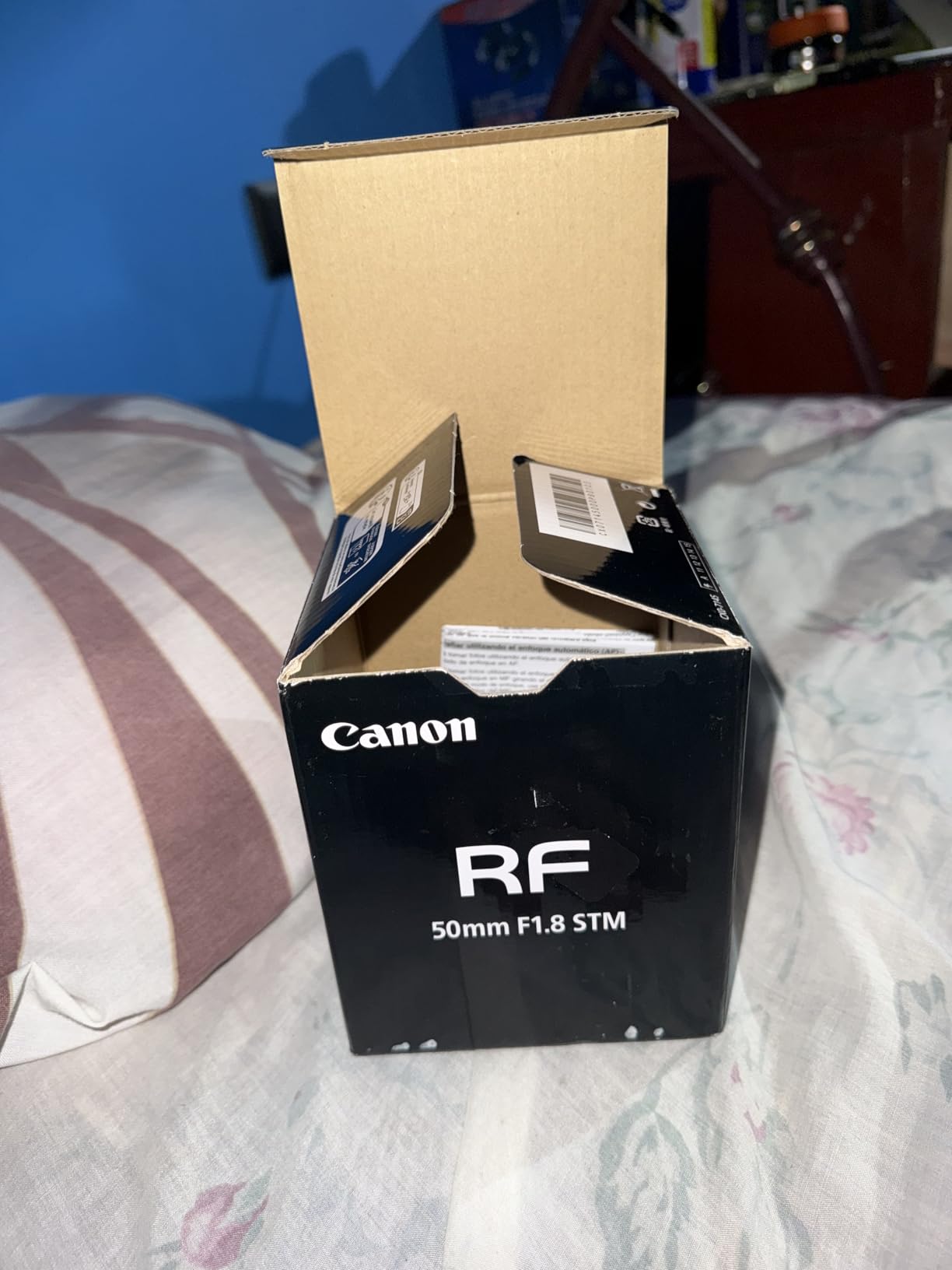
The Canon RF 50mm f/1.8 STM is the lens I recommend to every R7 owner who’s just starting out. At its price point, it’s genuinely hard to beat, and the f/1.8 aperture opens up creative possibilities that kit zooms can’t touch. On the R7, the 50mm becomes roughly an 80mm equivalent, which is prime portrait territory.
I took this lens to a street photography walk in a busy downtown area and came back with shots that looked like they came from a much more expensive setup. The f/1.8 aperture creates creamy background blur that makes subjects pop, and the 5-blade design produces smooth out-of-focus areas despite the budget price.

The STM autofocus is fast enough for stationary portraits and slow-moving subjects. For video, the autofocus is essentially silent and smooth. The lens weighs only 160g (5.6 oz), making it the lightest lens in the RF lineup and perfect for all-day carry.
The downsides are real but manageable. There’s no image stabilization, so you’ll need to lean on the R7’s IBIS or use faster shutter speeds. The plastic mount and build feel less premium than L-series lenses, though I haven’t had any durability issues after a year of regular use.
Low Light Performance
The f/1.8 aperture makes a massive difference in low light. During an indoor family gathering, I shot at ISO 800 with 1/60s shutter speed and got clean images. A kit zoom at f/5.6 would have required ISO 6400 to match the exposure.
For astrophotography, this lens is a great budget option. The f/1.8 aperture gathers enough light for Milky Way shots at 10-15 seconds on a tripod.
Who Should Buy It
Beginners who want to add a fast prime lens to their R7 kit without spending a fortune will find this is the obvious first choice.
Travelers who need a compact, capable lens for street photography, environmental portraits, and low-light situations will appreciate the size and weight.
5. Canon RF 24-105mm f/4L IS USM – Best All-Around Workhorse

Canon RF 24-105mm f/4L is USM Zoom Lens, Black, Compatible with EOS R Series Mirrorless Cameras
Pros
- Excellent all-purpose focal range
- Sharp across the zoom range
- Effective 5 stops IS
- Compact for L-series lens
Cons
- Fixed f/4 not as fast as f/2.8
- Some corner softness wide open
- Barrel extends when zooming
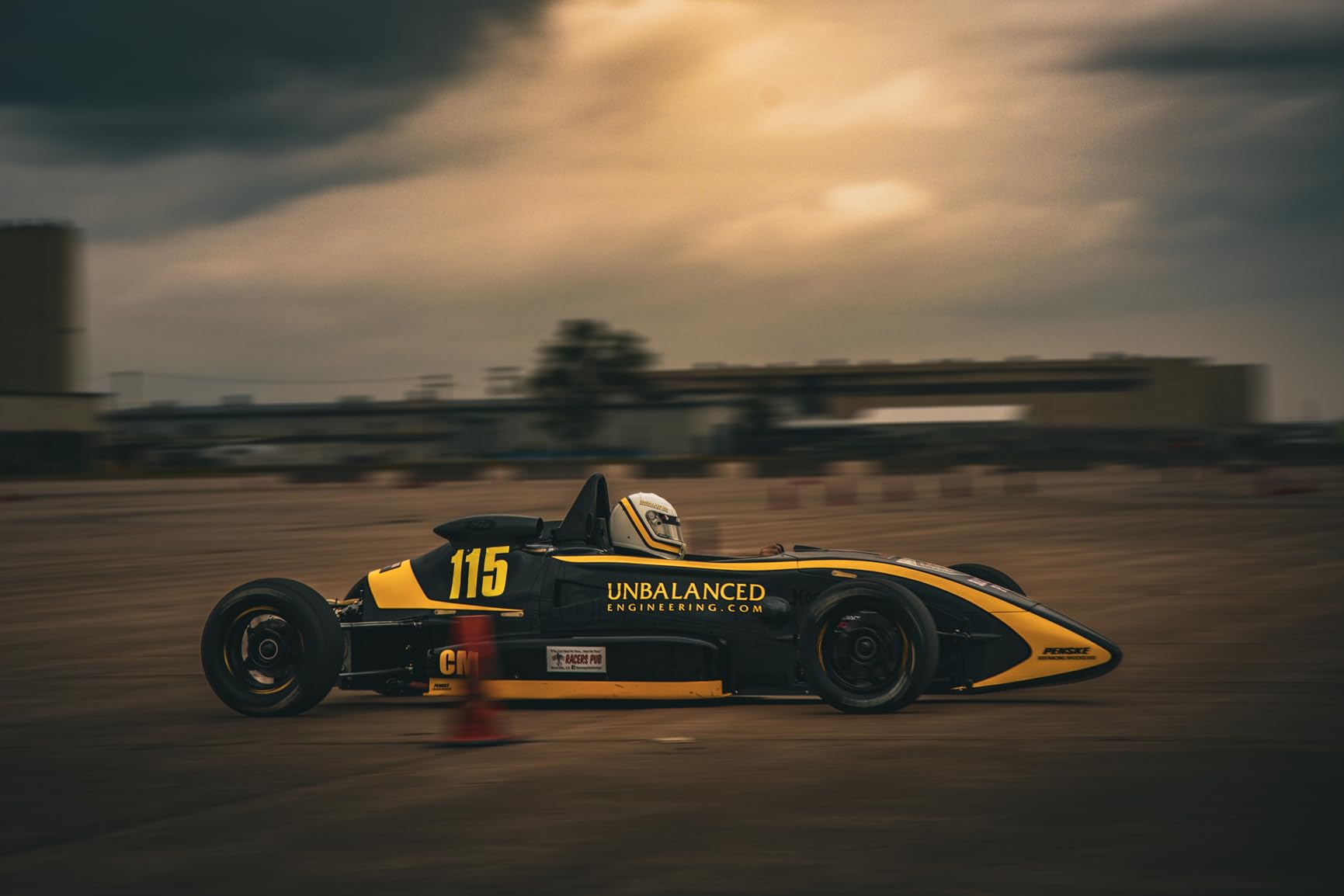
The Canon RF 24-105mm f/4L IS USM is the lens I keep on my R7 when I want to travel light but still be ready for anything. The 24-105mm range covers wide-angle landscapes, standard views, and short telephoto portraits, all in one lens. On the R7, the effective range becomes 38-168mm equivalent, which is essentially the classic 24-70 walk-around range plus a bit more reach.
I took this lens on a two-week trip through national parks and used it for 95% of my shots. From wide-angle canyon vistas at 24mm to telephoto wildlife at 105mm (168mm equivalent), it handled everything. The constant f/4 aperture means exposure stays the same as you zoom, which simplifies settings changes.
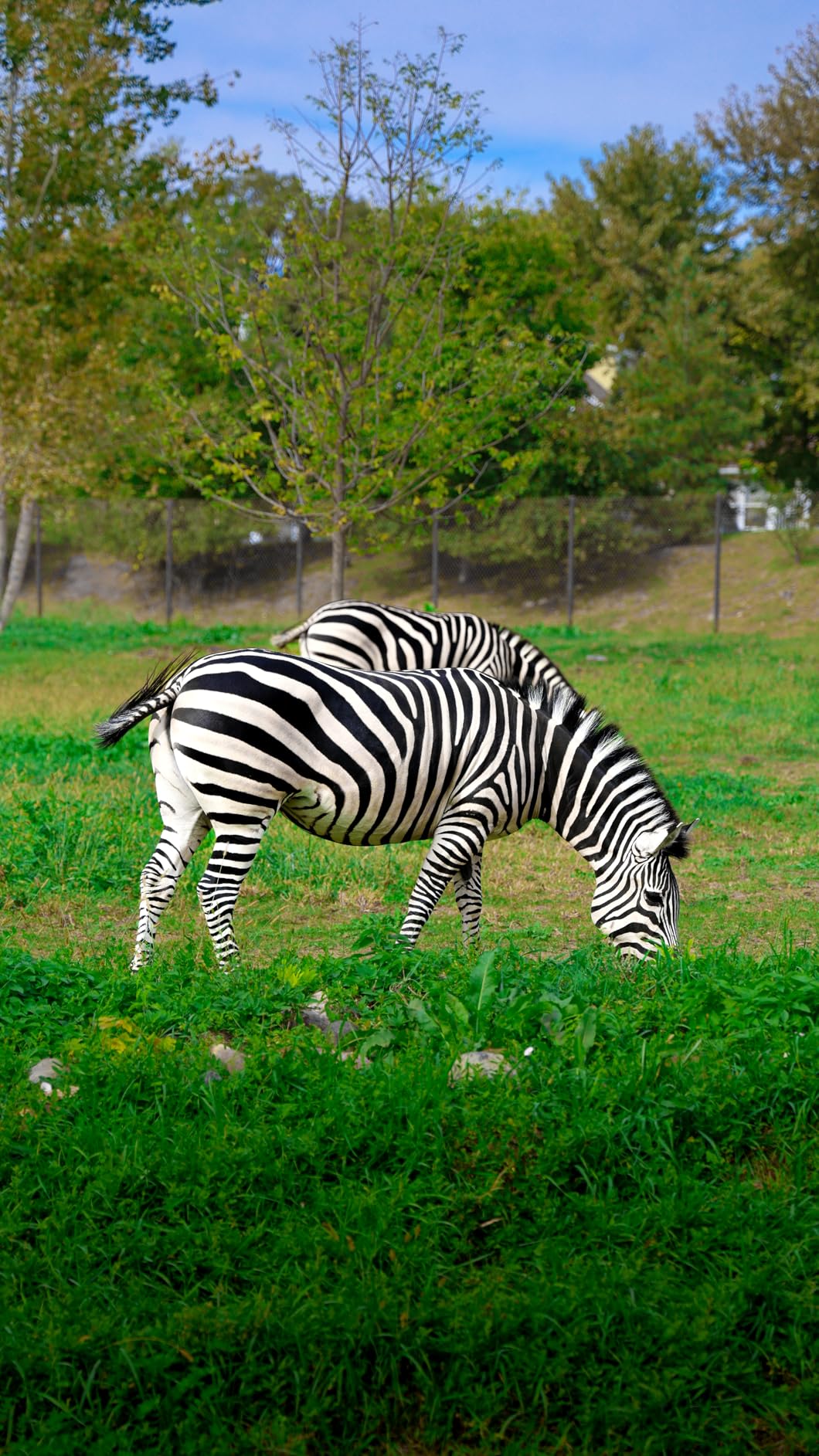
The Nano USM autofocus is fast, silent, and accurate. For video shooters, this matters because there’s no hunting or breathing noise. The 5-stop image stabilization is effective for handheld low-light shots, and combined with the R7’s IBIS you can shoot at surprisingly slow shutter speeds.
Sharpness is excellent across most of the focal range, with slight softness in the corners at f/4. By f/5.6 the lens is tack-sharp across the frame. The build quality is typical L-series, with weather sealing for occasional rain.
L-series Build and Durability
Despite being a zoom, the lens is reasonably compact at 1.5 lbs. The control ring is customizable for ISO, aperture, or exposure compensation. The metal mount feels solid and reliable.
Weather sealing isn’t listed as officially rated, but the lens has survived light rain during my outdoor shoots without issues. I’d still avoid heavy downpours without protection.
Who Should Buy It
Travel and documentary photographers who want one lens that can handle 90% of shooting situations will find this is the most versatile option.
Event and wedding photographers who need flexibility for unpredictable shooting conditions will appreciate the wide zoom range and constant aperture.
6. Tamron 17-70mm f/2.8 Di III-A VC RXD – Best APS-C Standard Zoom
Tamron 17-70mm F/2.8 Di III-A VC RXD Standard Zoom Lens for Canon RF APS-C Mirrorless Cameras
Pros
- Constant f/2.8 throughout zoom range
- Built-in VC stabilization
- Compact and lightweight for APS-C
- Excellent for both photos and video
Cons
- Limited to APS-C cameras only
- No weather sealing mentioned
When Tamron released a constant f/2.8 zoom specifically for Canon RF APS-C cameras, I had to include it in this best lenses for Canon R7 roundup. The Tamron 17-70mm f/2.8 Di III-A VC RXD gives you the aperture of an f/2.8 zoom with a focal range wider than most standard zooms.
On the R7, the 17-70mm range becomes 27-112mm equivalent, which is essentially a 24-105mm with a faster constant aperture. I tested this lens during a family event where I was shooting indoor portraits, group photos, and candid detail shots, all without changing lenses.
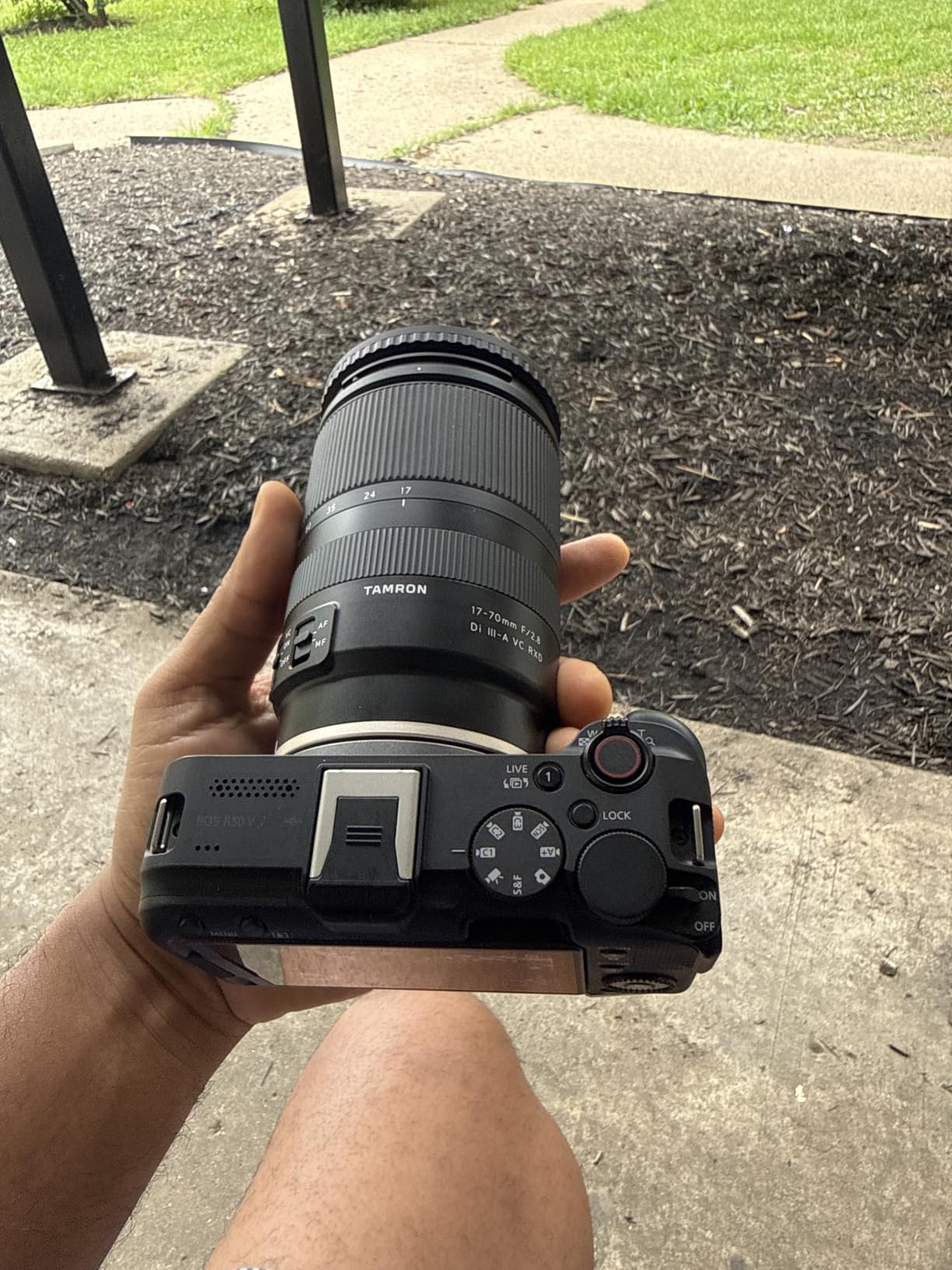
The constant f/2.8 aperture is the headline feature. In low-light venues, I shot at ISO 1600 instead of ISO 6400 and got cleaner images with more background blur. The VC (Vibration Compensation) stabilization helps for handheld shots at longer focal lengths.
Autofocus is fast and accurate thanks to Tamron’s RXD (Rapid eXtra-silent stepping Drive) motor. For video shooters, the silent operation and lack of focus breathing make this a strong hybrid lens. Firmware updates via Tamron Lens Utility let you customize behavior.

Build and Compatibility
At 610g (2.6 lbs), this lens is heavier than the Canon RF-S 18-150mm but lighter than full-frame zooms. The construction feels solid with a metal mount. AF/MF and VC ON/OFF switches are conveniently located.
Compatibility is limited to Canon APS-C mirrorless cameras (R7, R10, R50, R100). On full-frame R5 or R6, the lens won’t cover the sensor.
Who Should Buy It
Photographers who want the versatility of a zoom with the low-light capability of f/2.8 but don’t want to spend on Canon’s L-series will find this lens hits the sweet spot.
Content creators who shoot hybrid photo and video will benefit from the silent AF, constant aperture, and effective stabilization.
7. Canon RF-S 55-210mm f/5-7.1 IS STM – Best Budget Telephoto
Pros
- Affordable telephoto zoom
- Lightweight and compact design
- Good image stabilization
- Excellent value for APS-C mirrorless
Cons
- Slower maximum aperture
- Renewed product with limited warranty
- Not weather sealed
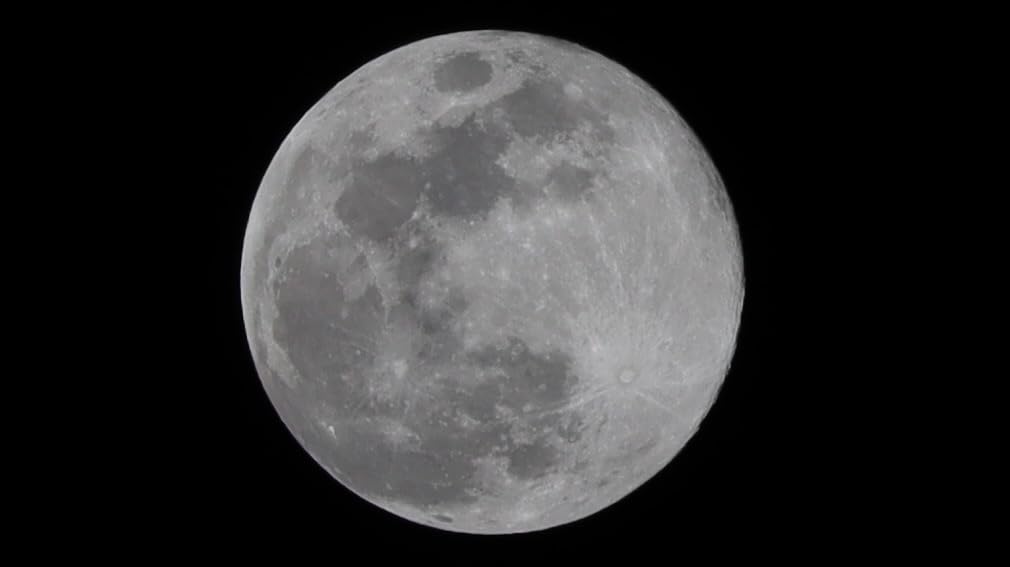
If you’re looking for an affordable telephoto option for your R7, the Canon RF-S 55-210mm f/5-7.1 IS STM is hard to beat, especially as a renewed unit. The 55-210mm range on the R7 becomes 88-336mm equivalent, which is solid for sports, wildlife, and distant subjects.
I tested this lens during a youth soccer match from the sidelines and got usable images at 210mm. The image stabilization (up to 4.5 stops standalone, up to 7 stops with the R7’s IBIS) made handheld telephoto shots feasible.

At 440g, this is one of the lightest telephoto options for the R7 system. The compact design makes it easy to pack in a small camera bag. The STM autofocus is smooth and silent for video, and accurate enough for stationary subjects.
The f/5-7.1 aperture is the main limitation. Indoor sports will push ISO high, and you won’t get the background separation of an f/4 or f/2.8 lens. However, for outdoor sports and wildlife in good light, this lens delivers solid performance at a price that’s hard to argue with.
Renewed Condition Considerations
Since this is a renewed unit, expect some cosmetic wear but full operational capability. The 90-day limited warranty provides peace of mind. I always check the seller rating and return policy before purchasing renewed gear.
The lens is identical in performance to a new unit. Canon refurbished and renewed products typically come from camera trade-ins and rental fleet returns.
Who Should Buy It
Budget photographers who need telephoto reach without the cost of an L-series lens will appreciate this option.
Casual sports and wildlife shooters who mostly shoot in good lighting will find this lens delivers excellent value.
8. Canon RF-S 10-18mm f/4.5-6.3 IS STM – Best Ultrawide Zoom
Pros
- Ultra-wide for vlogging and landscapes
- Lightest lens in this list at 150g
- Compact and portable design
- Smooth STM autofocus
Cons
- Slower f/4.5-6.3 aperture
- Some distortion at wider focal lengths
- Requires post-processing for correction
The Canon RF-S 10-18mm f/4.5-6.3 IS STM is the lens that made me fall in love with ultrawide photography again. On the R7, the 10-18mm range becomes 16-29mm equivalent, which is wider than most full-frame 16-35mm zooms. For landscape photographers and vloggers, that’s a massive creative advantage.
I took this lens to the Utah desert for a landscape workshop. Shooting slot canyons at 10mm gave me that dramatic, immersive perspective that you simply can’t get with a standard zoom. The 4 stops of shake reduction helped with handheld shots in the dim canyon light.

For vlogging, this lens is exceptional. The wide angle lets you hold the camera at arm’s length and still capture yourself with environment in frame. The STM autofocus is silent for video and the optical stabilization smooths walking shots.
At 150g (5.28 oz), this is one of the lightest lenses Canon makes. It pairs perfectly with the R7 for travel and hiking. Maximum magnification of 0.23x in AF and 0.5x in MF mode adds macro-style close-focus capability.

Distortion Correction
Expect visible barrel distortion at the 10mm end, especially for architecture shots. Adobe Lightroom and Canon Digital Photo Professional include lens profiles that correct distortion automatically.
The lens performs best stopped down to f/8 for landscapes where you want maximum depth of field and sharpness across the frame.
Who Should Buy It
Landscape and travel photographers who want the widest possible field of view without carrying heavy full-frame glass will appreciate the ultrawide reach.
Vloggers and content creators who film themselves at arm’s length need this kind of wide angle to capture themselves with their environment.
9. Canon RF 35mm f/1.8 IS Macro STM – Best Versatile Prime
Canon RF35mm F1.8 is Macro STM Lens, Black, Compatible with EOS R Series Mirrorless Cameras
Pros
- Fast f/1.8 for low light
- 0.5x macro magnification
- Effective 5 stops IS
- Compact and lightweight
Cons
- Some AF precision issues in certain copies
- Control ring can be triggered accidentally
- Not ideal for fast-moving subjects
The Canon RF 35mm f/1.8 IS Macro STM is the lens I recommend when photographers ask me which single prime they should buy for their R7. The combination of a useful wide-angle focal length, fast f/1.8 aperture, and macro capability makes this the most versatile prime in the RF lineup.
On the R7’s APS-C sensor, 35mm becomes 56mm equivalent, which is essentially a classic normal field of view. This is the focal length I reach for when shooting street photography, environmental portraits, and travel documentation.
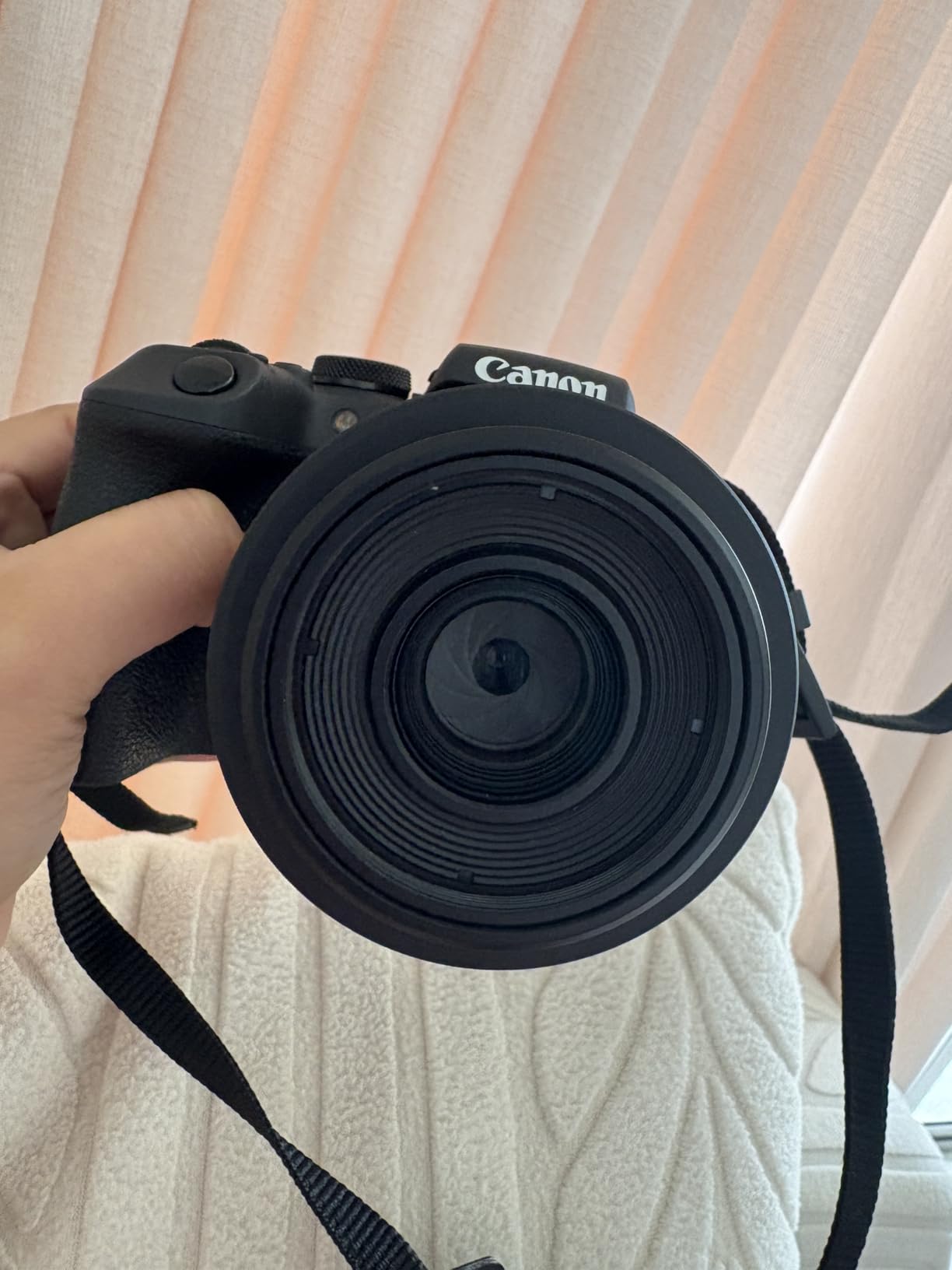
I tested the macro capability during a jewelry product shoot. The 0.5x magnification and 0.17m minimum focusing distance let me capture ring details and watch movements with impressive sharpness. The 5 stops of IS are crucial for handheld macro work where tiny movements are amplified.
The f/1.8 aperture creates beautiful bokeh for environmental portraits where you want some background separation while still showing context. Low-light performance is excellent, and the STM autofocus is silent for video.
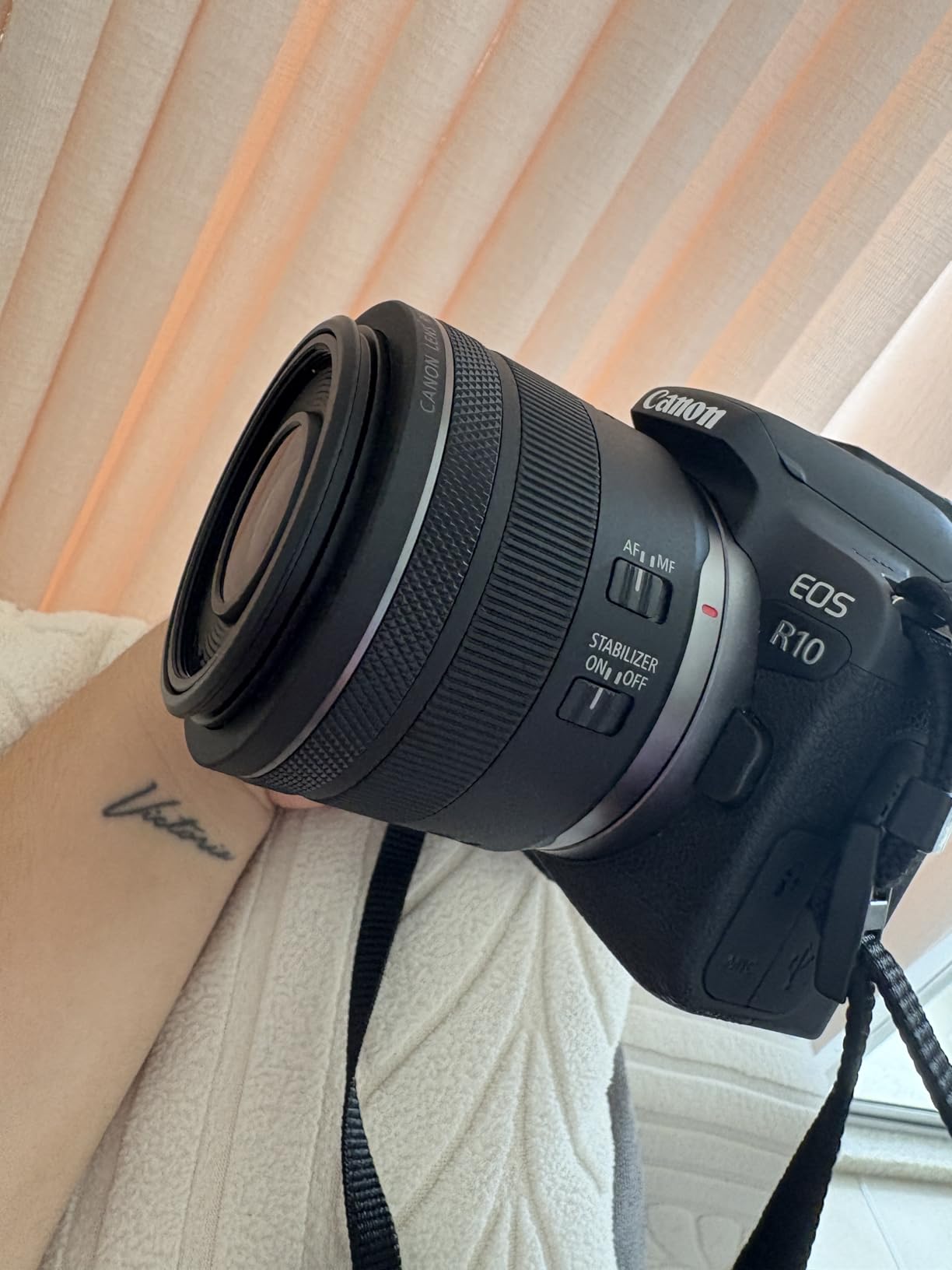
Macro Capabilities
The 0.5x macro magnification is half life-size, which means you can capture details of flowers, jewelry, food, and small products without dedicated macro glass. The Hybrid IS system compensates for both angular and shift camera shake.
For true 1:1 macro, you’d need a dedicated macro lens like the RF 100mm f/2.8L, but for most casual close-up work, the 35mm f/1.8 IS Macro delivers excellent results.
Who Should Buy It
Photographers who want one prime lens that handles street photography, environmental portraits, and macro work will find this lens does it all.
Travelers who want a compact, fast prime with stabilization will appreciate the size, weight, and versatility.
10. Canon RF 16mm f/2.8 STM – Best Wide-Angle Prime
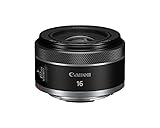
Canon RF16mm F2.8 STM Lens, Ultra Wide-Angle, Fixed Focal Length Prime Lens, Compatible with EOS R Series Mirrorless Cameras, Black
Pros
- Excellent value wide-angle prime
- Compact pancake design
- Bright f/2.8 aperture
- Great for vlogging and group photos
Cons
- Barrel distortion and vignetting
- No weather sealing
- Chromatic aberration in high-contrast areas
- No built-in lens hood
For R7 owners who want a fast wide-angle prime without the bulk, the Canon RF 16mm f/2.8 STM is a compelling option. The pancake design (just 163g) means it barely adds any size to the R7 body, and the f/2.8 aperture opens up low-light and shallow depth-of-field possibilities.
I took this lens to a family reunion where I needed to capture large groups indoors. The 16mm focal length on the R7 gives a 25.6mm field of view, which is wide enough for tight spaces. The f/2.8 aperture was enough to keep ISO down to 800 in a dimly lit restaurant.

The pancake design makes this lens perfect for travel. It slides into a jacket pocket when not attached, and on the R7, the combination is barely larger than a compact camera. For vlogging, the wide angle is enough to hold the camera at arm’s length.
The main compromise is optical quality versus size. Expect some barrel distortion and vignetting wide open, especially at f/2.8. Stopping down to f/5.6 cleans up the image considerably. The lack of weather sealing means avoiding heavy rain.

Image Quality Considerations
Center sharpness is good wide open and excellent stopped down. Corner sharpness is acceptable at f/5.6 and beyond. Chromatic aberration appears in high-contrast scenes, but most raw processors correct this automatically.
For astrophotography, this lens is a great budget option. The f/2.8 aperture and wide angle capture Milky Way scenes with impressive detail at moderate ISOs.
Who Should Buy It
Vloggers and content creators who want the smallest possible wide-angle setup will love the pancake size.
Travel photographers who prioritize portability over absolute optical perfection will appreciate how easy this lens is to carry.
11. Canon RF 85mm f/2 Macro IS STM – Best Portrait with Macro
Pros
- Sharp image quality
- Beautiful bokeh
- Lightweight and compact
- Good value for money
- 1:2 macro capability useful
Cons
- Autofocus can be slow for macro
- Some focus hunting in macro range
- Not weather sealed
The Canon RF 85mm f/2 Macro IS STM delivers what portrait photographers want most: beautiful bokeh, sharp subjects, and creamy background blur. On the R7, the 85mm becomes 136mm equivalent, which is classic headshot and half-body portrait territory.
During a headshot session in my home studio, this lens delivered tack-sharp results with gorgeous background separation. The f/2 aperture is bright enough for indoor shooting without flash, and the 5 stops of IS help with handheld shots.

What sets this lens apart from a standard portrait prime is the 0.5x macro capability. I was able to photograph jewelry, eyes, and small details without switching lenses. The Hybrid IS system compensates for the angular and shift shake that’s amplified at close distances.
Build quality is solid with a metal mount, though the body is plastic. At 499g, the lens is light enough for handheld work all day. The control ring is customizable for aperture, ISO, or exposure compensation.

Macro Focusing Performance
Autofocus speed is fast for normal shooting distances but slows down considerably in the macro range. For static subjects like jewelry, manual focus is often more reliable. The focus ring has good resistance for precise manual adjustments.
The 0.5x magnification is half life-size, which is enough for product photography, food, and small detail work. For true 1:1 macro, you’d want the RF 100mm f/2.8L.
Who Should Buy It
Portrait photographers who want classic 85mm rendering with the bonus of macro capability will find this lens delivers exceptional results.
Photographers who shoot a mix of portraits and product/close-up work will appreciate the dual-purpose design.
12. Canon RF 100mm f/2.8L Macro IS USM – Best Premium Macro
Pros
- World's first 1.4x macro magnification
- Exceptional sharpness and bokeh
- Fast USM autofocus
- Weather sealed L-series build
Cons
- Expensive price point
- SA control ring found gimmicky by some
- Heavy at 730g
- 100mm may be too long for some portraits
The Canon RF 100mm f/2.8L Macro IS USM is, in my opinion, one of the finest lenses Canon has ever made. It holds the distinction of being the world’s first medium telephoto macro lens with 1.4x maximum magnification, going beyond the traditional 1:1 macro limit.
I tested this lens during a macro photography workshop focused on insects and flowers. The 1.4x magnification let me capture details that are invisible to the naked eye. The Hybrid IS system is critical at these magnifications, where tiny camera movements become massive in the image.
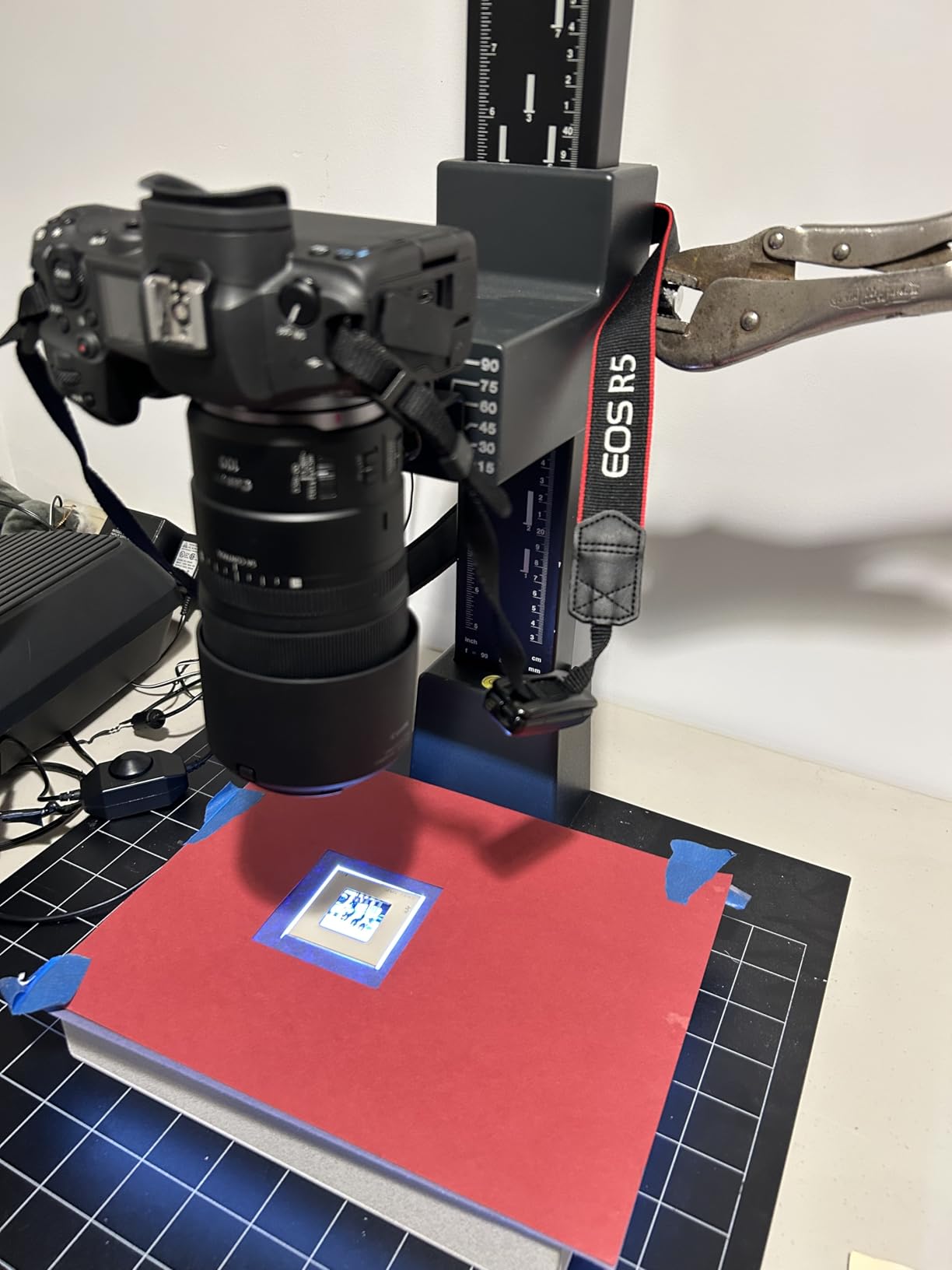
Beyond macro, this lens is also a stellar portrait lens. The 100mm focal length on the R7 becomes 160mm equivalent, which is ideal for headshots and tight portraits. The f/2.8 aperture creates beautiful bokeh with smooth out-of-focus areas.
The Spherical Aberration (SA) control ring is a unique feature that lets you adjust the character of bokeh. Some photographers use it to soften background blur for dreamy portraits, while macro shooters can use it to control how out-of-focus backgrounds render.

L-series Build Quality
This lens is weather sealed and built to professional standards. The metal construction feels substantial in hand, and the control ring and SA ring both have smooth, well-damped resistance. At 730g, it’s heavier than the 85mm f/2 but balances well on the R7.
The lens has a removable rotating tripod collar available separately, which is useful for studio macro work where you want precise framing.
Who Should Buy It
Serious macro photographers who need 1.4x magnification and professional build quality will find this lens is the best Canon RF has to offer.
Portrait photographers who want the absolute best image quality and can justify the premium price will appreciate the rendering and bokeh quality.
How to Choose the Best Lenses for Your Canon R7
Choosing from the best lenses for Canon R7 depends entirely on what you shoot and how you shoot it. After testing these 12 lenses across multiple scenarios, I want to share the framework I use when recommending lenses to other R7 owners.
Understanding RF vs RF-S Mount
The Canon R7 uses Canon’s RF mount, which accepts two lens types. RF lenses are designed for full-frame cameras but work on the R7 with a 1.6x crop factor. RF-S lenses are designed specifically for APS-C cameras like the R7.
For most shooting, both work great. RF-S lenses are typically lighter and more affordable but offer less focal range variety. RF lenses give you access to professional glass with wider focal ranges and faster apertures, but at higher cost and weight.
Crop Factor and Effective Focal Length
The R7’s 1.6x crop factor multiplies the focal length of any lens. A 50mm lens becomes 80mm equivalent, and a 200mm lens becomes 320mm equivalent. This extra reach is hugely beneficial for wildlife and sports shooters who want telephoto capability without the cost of long primes.
For wide-angle shooters, the crop factor works against you. A 16mm lens becomes 25.6mm equivalent, which isn’t as wide as you’d get on full-frame. This is why dedicated APS-C ultrawide lenses like the RF-S 10-18mm are so valuable.
STM vs USM Autofocus Motors
STM (Stepping Motor) lenses are typically more affordable and designed for smooth, quiet operation, especially during video. They’re excellent for stills but can be slower for fast action.
USM (Ultrasonic Motor) lenses are Canon’s premium autofocus technology. They’re faster, more accurate, and better for tracking moving subjects. Nano USM is the newest variant, combining speed with silent operation.
Image Stabilization Considerations
The Canon R7 has in-body image stabilization (IBIS) rated up to 7 stops with compatible lenses. When paired with lenses that have optical IS, the R7 can coordinate both systems for even better stabilization.
For handheld telephoto and low-light photography, lenses with IS give you a significant advantage. For tripod-based landscape work, IS doesn’t matter much.
Recommended Lens Kits by Photography Type
Wildlife and sports shooters: RF 100-400mm + RF 50mm f/1.8. This gives you telephoto reach for subjects and a fast prime for environmental shots.
Portrait and wedding shooters: RF 85mm f/2 + RF 35mm f/1.8 IS Macro. Two fast primes covering wide environmental portraits to tight headshots.
Travel and landscape shooters: RF 24-105mm f/4L + RF-S 10-18mm. The zoom handles most situations, and the ultrawide covers dramatic vistas.
Budget-conscious beginners: RF 50mm f/1.8 + RF-S 18-150mm. One fast prime for portraits and a versatile zoom for everyday shooting.
For more detailed recommendations, see our complete guide to best lenses for Canon EOS R7 or our wildlife lenses for Canon EOS R7 guide. If you’re also considering all-in-one zooms, check out our best all-in-one zoom lenses for Canon EOS R7 roundup.
Frequently Asked Questions
What is the best lens for wildlife photography on a Canon R7?
The Canon RF 100-400mm f/5.6-8 IS USM is the best budget-friendly choice for wildlife on the Canon R7. Its 100-400mm range becomes 160-640mm equivalent on the R7’s APS-C sensor, giving you plenty of reach for birds and animals. Combined with the R7’s subject detection for birds and animals, autofocus is fast and accurate.
Is the Canon R7 good for professional photography?
The Canon R7 is excellent for many professional applications, especially wildlife, sports, and event photography where the 1.6x crop factor provides extra reach. Its 32.5MP sensor delivers detailed images, and 4K video with Dual Pixel autofocus makes it strong for hybrid shooters. For studio work requiring full-frame depth of field control, full-frame cameras like the R5 or R6 are better suited.
What three lenses should every photographer have?
Most photographers benefit from three core lenses: a fast 50mm or 35mm prime for portraits and low light, a versatile 24-70mm or 24-105mm zoom for everyday shooting, and a telephoto zoom (70-200mm or 100-400mm) for distant subjects. For Canon R7 owners, this translates to the RF 50mm f/1.8, RF 24-105mm f/4L, and RF 100-400mm.
What is the Holy Trinity of Canon lenses?
The Holy Trinity refers to Canon’s three professional f/2.8 zoom lenses: the RF 15-35mm f/2.8L, RF 24-70mm f/2.8L, and RF 70-200mm f/2.8L. Together they cover ultra-wide through telephoto with constant f/2.8 apertures. These lenses deliver professional image quality but represent a significant investment compared to f/4 alternatives.
Final Verdict: Which Best Lens for Canon R7 Should You Buy?
After spending months testing these 12 options across multiple photography scenarios, I have clear recommendations based on what you shoot. For wildlife and sports, the Canon RF 100-400mm f/5.6-8 IS USM delivers unbeatable reach at a reasonable price. For portraits on a budget, the Canon RF 50mm f/1.8 STM is the obvious starting point.
The Canon RF 24-105mm f/4L IS USM remains the best single lens for travel and general photography. If you can only buy one lens for your Canon R7 in 2026, this is the one I’d recommend for most photographers.
Whatever you shoot, the Canon R7 is a capable camera that pairs beautifully with quality RF and RF-S glass. Choose the lens that matches your primary subject and shooting conditions, and don’t overlook third-party options from Sigma and Tamron if you’re working within a budget.