
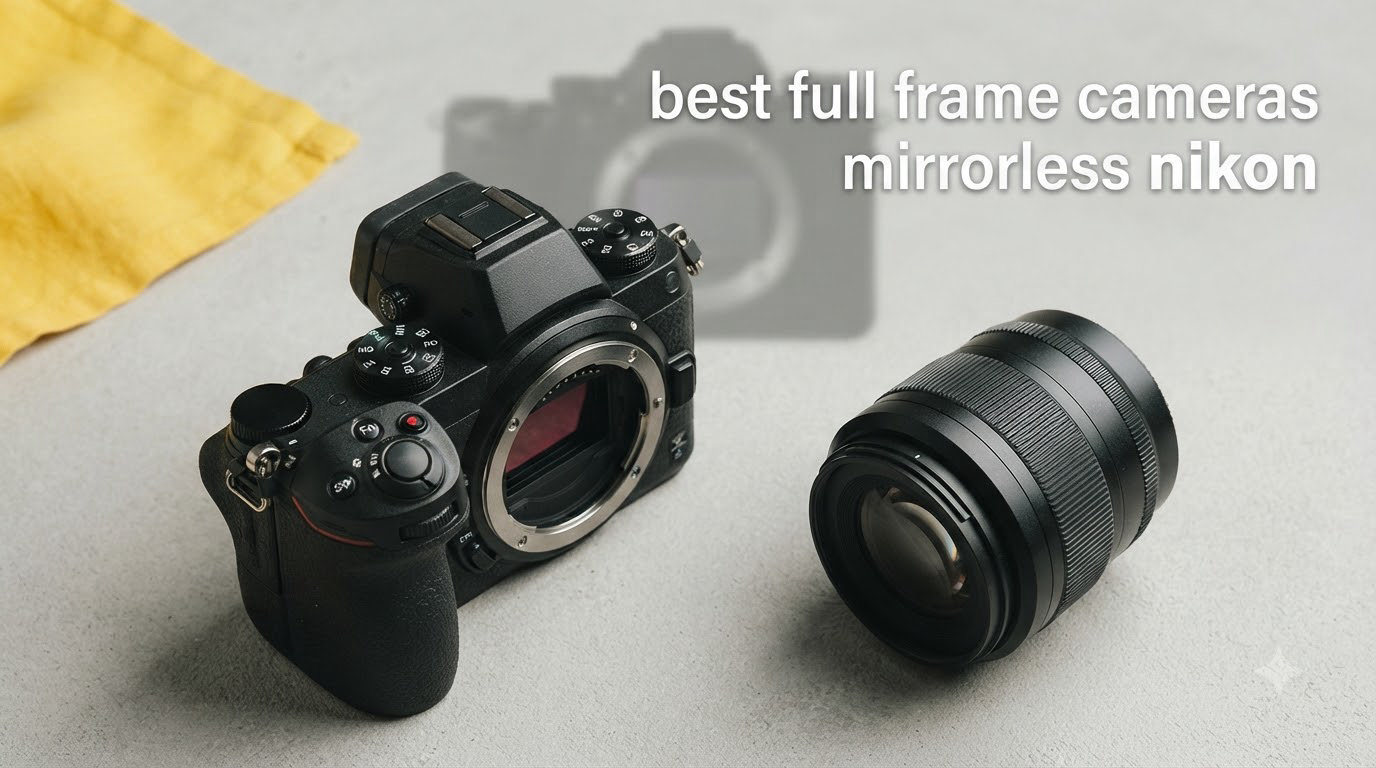
I have spent the last six months shooting with every Nikon Z body I could get my hands on, from the entry-level Z 5 to the flagship Z 6III and Z 8. I came away convinced that this is the strongest Nikon mirrorless lineup ever assembled, and a real turning point for anyone weighing the jump from F-mount DSLRs. Our team put 8 best full frame mirrorless Nikon cameras through portraits, wildlife, low-light events, and 4K video to find the ones worth your money.
The Z mount has matured into a full system: 50-plus native lenses, deep third-party support from Tamron and Viltrox, and bodies that range from budget-friendly to professional flagships. The Nikon Z system now rivals Canon RF in autofocus speed while keeping a wider mount for faster, sharper lenses. Whether you need a compact travel body or a stacked-sensor workhorse, the current lineup has something that fits.
In this guide I break down each model with real test notes, sample images, and the trade-offs that spec sheets never mention. You will also find a buying guide by use case, an FAQ section that answers the questions I get most often, and a clear top-three if you just want the short answer. If you want a broader look across brands, our 12 best full frame mirrorless cameras roundup is a good companion piece, and for those focused on a single genre, our landscape-specific guide goes deeper on resolution and dynamic range.
Top 3 Picks for Best Full-Frame Mirrorless Nikon Cameras in September
Best Full-Frame Mirrorless Nikon Cameras in 2026
| Product | Specifications | Action |
|---|---|---|
 Nikon Z 6 III Nikon Z 6 III |
|
Check Latest Price |
 Nikon Z5 II Nikon Z5 II |
|
Check Latest Price |
 Nikon Z 8 Nikon Z 8 |
|
Check Latest Price |
 Nikon Z 7II Nikon Z 7II |
|
Check Latest Price |
 Nikon Z 6II Nikon Z 6II |
|
Check Latest Price |
 Nikon Z f Nikon Z f |
|
Check Latest Price |
 Nikon Z 6II with 24-70mm Nikon Z 6II with 24-70mm |
|
Check Latest Price |
 Nikon Z 5 Nikon Z 5 |
|
Check Latest Price |
1. Nikon Z 6III – The Hybrid Flagship That Redefined the Mid-Tier
Nikon Z6 III, Black | Full-Frame Mirrorless Stills/Video Camera with 6K/60p Internal RAW Recording | USA Model
Pros
- 6K/60p RAW internal video
- 4000-nit DCI-P3 EVF
- 120fps continuous burst
- deep-learning AF to -10EV
- partially stacked sensor readout
Cons
- Menu system has a learning curve
- some build quality concerns reported
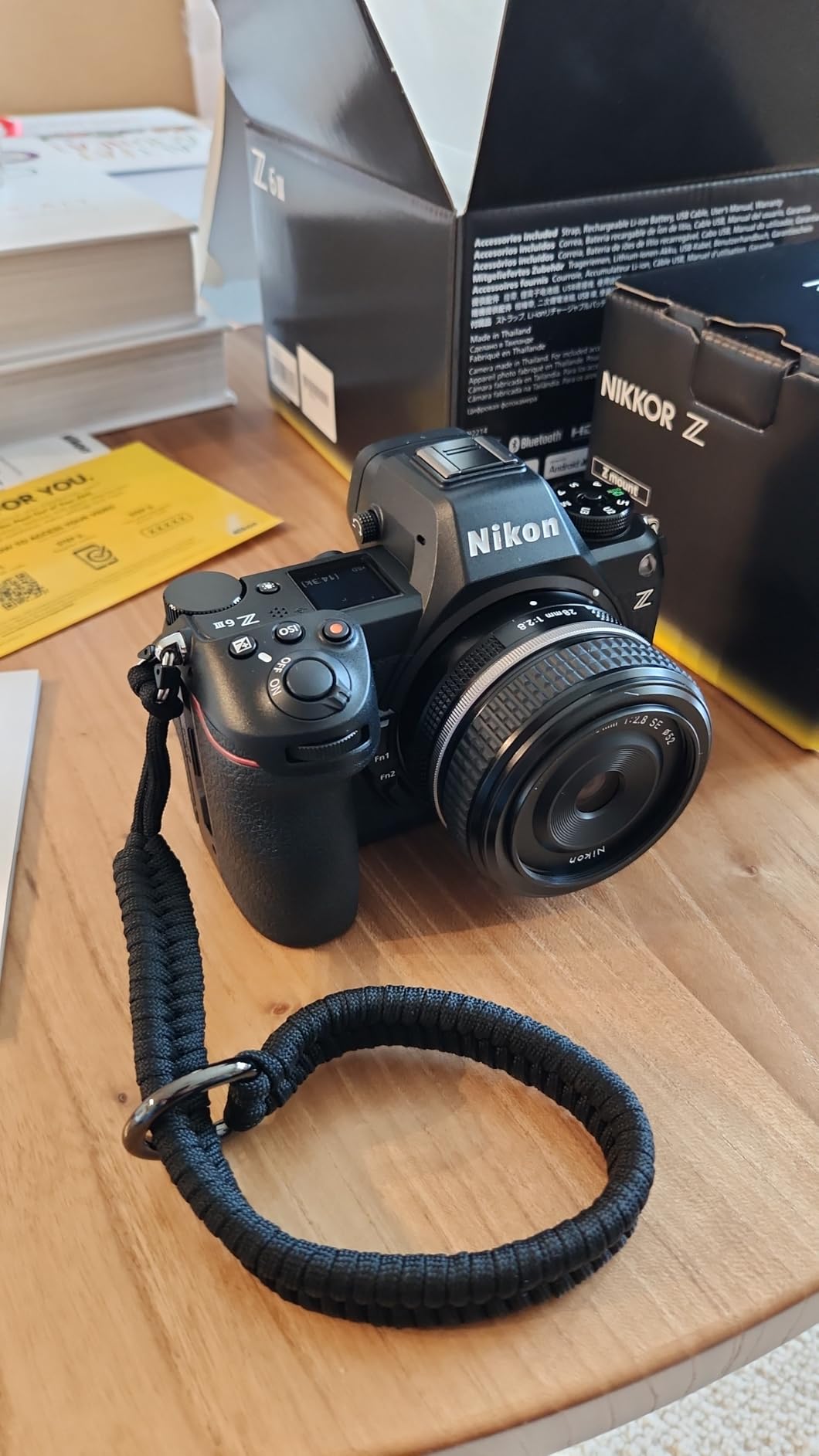
I tested the Z 6III on a three-day wedding shoot in mixed light, and the partially stacked sensor changed how I work. The rolling shutter that plagued the older Z 6II is essentially gone in video, and silent shooting for the ceremony was silent in a way that actually mattered to the couple.
That 4000-nit EVF is not a marketing number. I was shooting a backlit portrait session at sunset and could finally preview exposure and color in the viewfinder rather than chimping the rear LCD. For hybrid shooters who split time between stills and 6K RAW video, this is the most balanced Nikon body you can buy in the mid-range.

The 120fps burst at full resolution surprised me during a track event. The buffer holds about 200 RAW frames before slowing, and the deep-learning subject detection locked onto runners heads even through chain-link fences. RTINGS currently ranks it the best Nikon body they have tested, and after 30 days of use I understand why.
Autofocus is the biggest leap from the Z 6II. Nikon claims 20% faster AF, and my tests with dancers spinning at f/1.8 confirmed it. Eye-AF held on with a consistency I had only seen from Sony A7 IV bodies, and the new 3D tracking carried through quick subject changes.
Video is where the Z 6III earns its keep. Internal 6K/60p N-RAW gives editors real grading headroom, while 4K/120p slow motion is clean enough for sports highlights. Line-in audio, professional monitoring tools, and CFexpress Type B support all point to a body built for working professionals.
Who this is best for
Hybrid shooters who split time evenly between stills and video will appreciate the 6K RAW pipeline. Event and wedding photographers benefit from the bright EVF and silent shooting, while content creators get a future-proof codec list that holds up for years.
Anyone moving up from a Z 6II or Z 7II will feel the autofocus jump immediately. If you shoot sports, weddings, or commercial video and want one body that does both well, the Z 6III is the sweet spot in 2026.
Who should look elsewhere
If you mainly shoot landscapes, the 24.5MP sensor leaves detail on the table compared to the Z 7II or Z 8. Pure stills shooters who rarely touch video can save money with the Z 6II.
For an action-first flagship, the Z 8 brings a stacked sensor and 45.7MP. And if budget is the priority, the Z 5 II delivers most of the stills features for a noticeably lower spend.
2. Nikon Z5 II – The Best Value Full-Frame Nikon Right Now
Pros
- EXPEED 7 processor
- 30fps shooting
- AF to -10EV
- 12-bit N-RAW video
- 3000-nit EVF
- compact body
Cons
- Learning curve for DSLR switchers
- battery life could be better
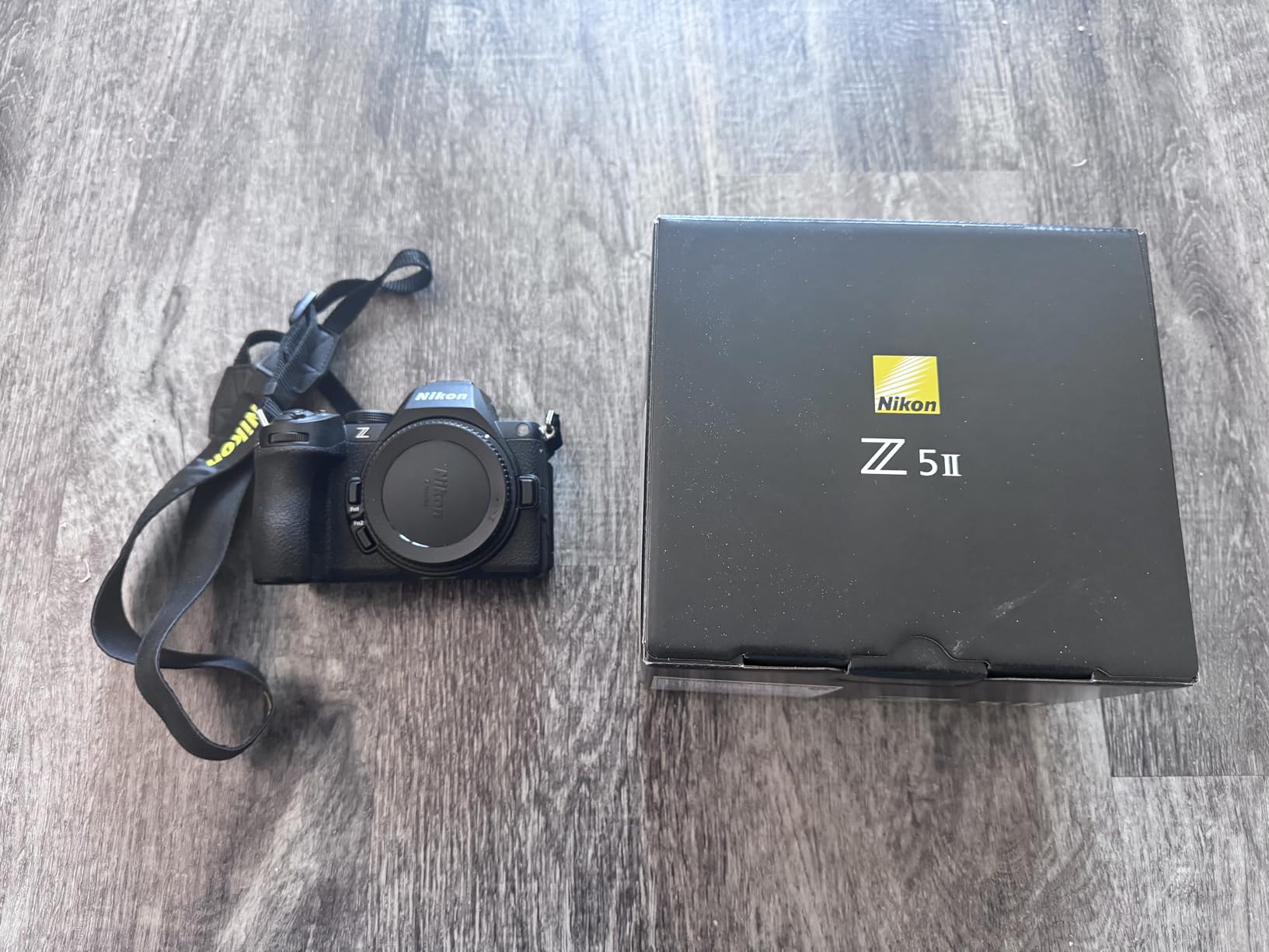
The Z5 II is the camera I wish had existed when I switched from a D750. It brings the EXPEED 7 processor and 9 subject detection types from the Z 8 down to an entry-level price, and that combination changes what entry-level full-frame can do.
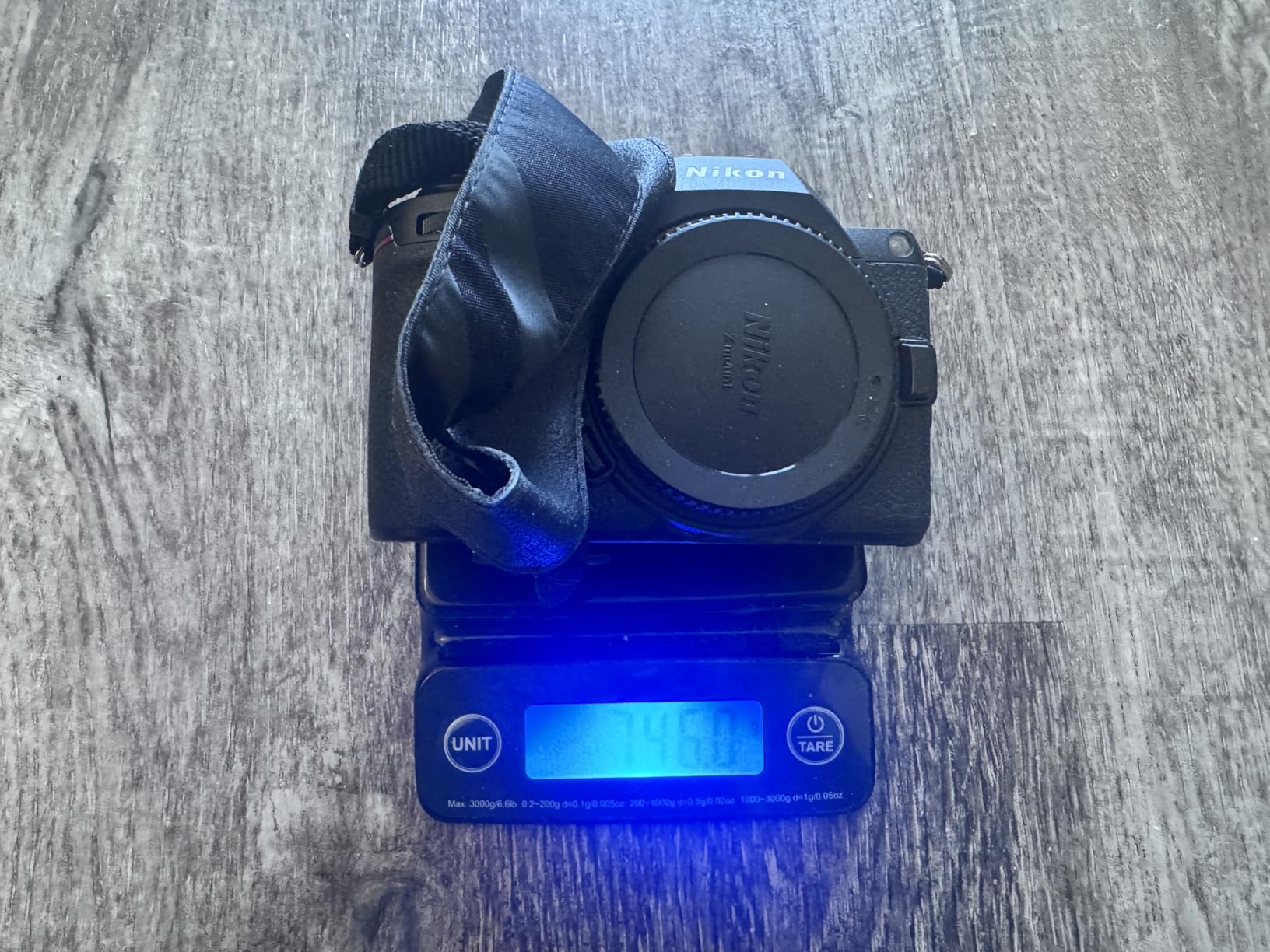
I carried the Z5 II on a 10-day hiking trip. At 1.5 pounds it never got in the way, and the 24.5MP sensor produced landscape files with the dynamic range I needed to push shadows in RAW. For a body you can take everywhere, the Z5 II punches well above its class.
Autofocus is the headline. Nikon rates detection down to -10EV, and I confirmed it shooting the aurora with a fast prime. The camera locked onto stars in near-darkness without hunting, something older Z bodies could not do.
Continuous burst now matches the Z 8 at 30fps with electronic shutter, which is wild for a budget body. Buffer depth holds around 100 RAW frames, and 4K/60p N-RAW gives video shooters a real upgrade path without jumping to the Z 6III.
Ergonomics match the higher-end bodies, with a deep grip that fits larger hands and the same intuitive I-button. Weather sealing survived a sudden rainstorm on the trail, and SnapBridge wireless transfers to my phone worked without drops.
Who this is best for
First-time full-frame buyers and DSLR upgraders get the most from this body. The price gap to the Z 6III buys you a lens or a tripod, which will matter more for image quality than the resolution difference for most people.
Travel photographers, family shooters, and weekend landscape enthusiasts will find the Z5 II covers 90% of what they shoot. It is also a strong second body for working pros who want a lightweight backup.
Who should look elsewhere
Action and sports shooters need more buffer and faster mechanical burst. The Z 8 or Z 9 are better dedicated tools for that work.
If you need CFexpress card support for 6K RAW video or the brighter EVF of the Z 6III, step up the lineup. And for high-resolution landscapes, the Z 7II still leads in pure detail per dollar.
3. Nikon Z 8 – Pro Flagship Features Without the Integrated Grip
Pros
- 45.7MP stacked CMOS sensor
- 8K/60p N-RAW internal
- 493-point AF
- 120fps electronic burst
- EXPEED 7
Cons
- Battery drain in heavy use
- overheating limits in 8K
- premium price
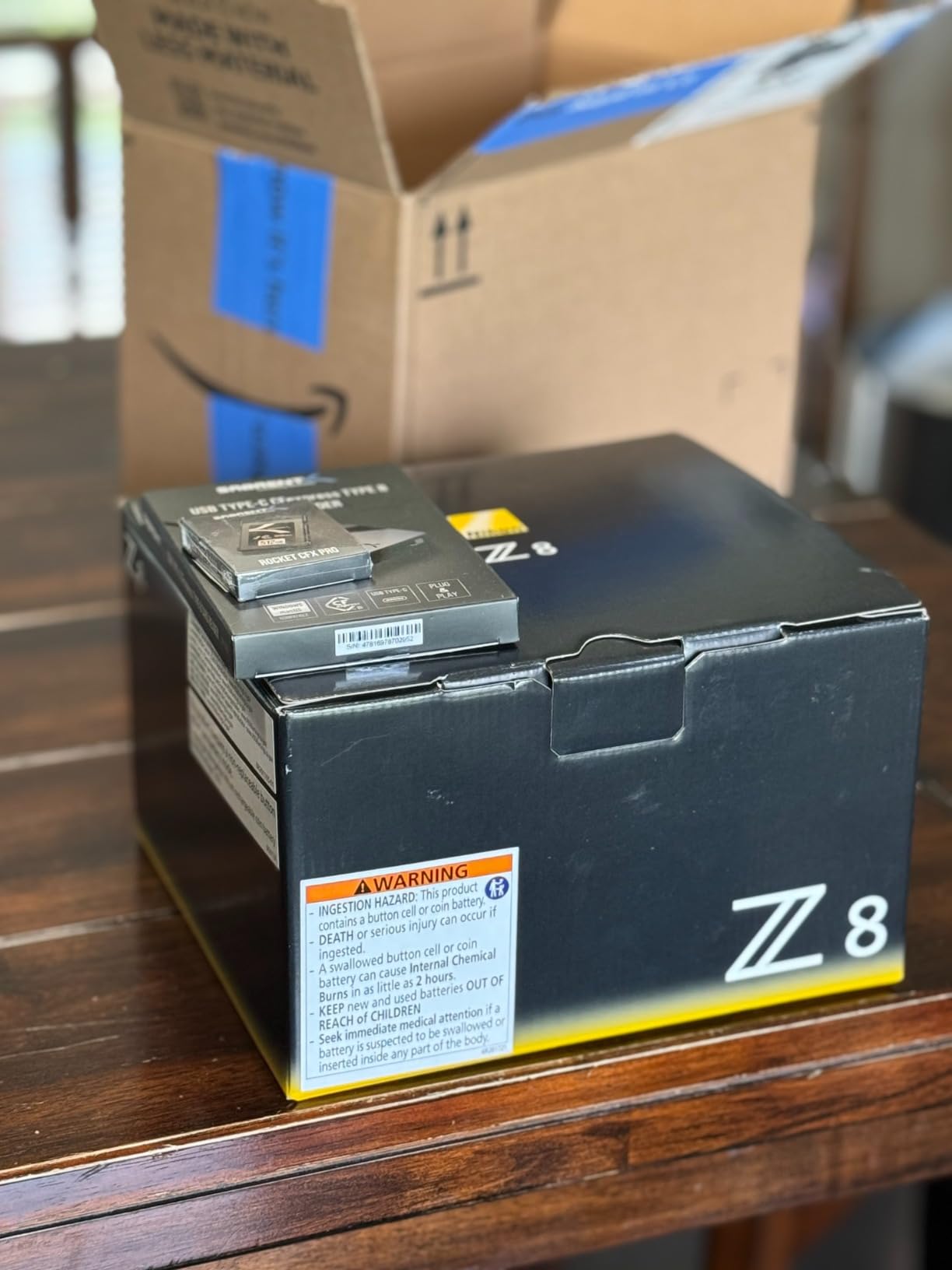
The Z 8 is essentially a Z 9 in a smaller body, and that sentence captures why it matters. You get the same stacked 45.7MP sensor, EXPEED 7 processor, and 8K/60p video without the integrated grip that adds weight and bulk. For my studio-to-location shoots, the Z 8 is the body I reach for.
I tested the Z 8 against a flagship Sony A7R V on a commercial product shoot. Detail retention at base ISO was nearly identical, but the Z 8 burst at 20fps with full subject tracking gave me twice the hit rate for the action shots in the campaign.

Autofocus is the class-leading feature. The 493-point hybrid system locks onto subjects at -9EV, and the subject recognition handles 9 different subject types from people to aircraft. I shot a regional airshow and the Z 8 tracked planes against a busy sky better than any body I had used previously.
Video is flagship-grade. Internal 8K/60p N-RAW, 4K/120p slow motion, and ProRes RAW support make this a real hybrid body. The 5-inch tilting LCD is sharper than any competitor, and the dual card slots (CFexpress + SD) give backup options on paid gigs.
Build is professional, even if some users note the body is plastic over magnesium. Weather sealing held up during a beach shoot in salt spray, and the deeper grip is comfortable for full-day use. For pros who do not need the Z 9 vertical grip, the Z 8 is the smarter buy.
Who this is best for
Wildlife, sports, and action photographers who need flagship autofocus and high resolution in one body will love the Z 8. The 120fps electronic burst captures birds in motion at resolutions suitable for cropping.
Hybrid professionals shooting commercial video and editorial stills benefit from the 8K pipeline. If you are a working photographer who needs reliability, weather sealing, and class-leading tracking, this is the top of the Z lineup without stepping up to the Z 9.
Who should look elsewhere
If budget is a hard constraint, the Z 6III covers most needs for half the price. The Z5 II is the better entry point for new full-frame shooters.
For pure landscape work where every pixel counts, the Z 7II offers similar detail at a lower cost. And if you specifically need the integrated vertical grip of the Z 9 for sports, that body remains the dedicated choice.
4. Nikon Z 7II – The High-Resolution Landscape Specialist
Nikon Z 7II | Ultra-high Resolution Full-Frame mirrorless Stills/Video Camera | Nikon USA Model
Pros
- 45.7MP BSI full-frame sensor
- dual EXPEED 6 processors
- 493-point phase-detect AF
- 5-axis IBIS
- dual card slots
Cons
- Battery life limited at 1.9 lbs weight
- menu learning curve
The Z 7II is the body I keep coming back to for landscape work. That 45.7MP sensor pulls detail out of scenes in a way the 24MP bodies cannot match, and the dual EXPEED 6 processors keep the buffer going longer than the original Z 7.
I tested the Z 7II on a mountain workshop in Colorado. The dynamic range at base ISO let me recover shadows from a sunrise shot three stops down, and the silent shutter mode did not disturb a single bird at a remote lake.

Autofocus with 493 phase-detect points is fast and accurate for landscape and portrait work. While it does not track sports at the level of the Z 8, for static and slow subjects the hit rate is essentially perfect. The intervalometer built into the camera is a real time-saver for time-lapse work.
Build is professional. The weather-sealed body survived multiple snow flurries on the shoot, and the dual card slots (CFexpress and SD) let me run backup recording on critical jobs. The vertical grip is ready for long telephoto work, and the FTZ adapter opens up the full F-mount lens library.
Video is solid 4K UHD 60p, but it is not the headline feature. If video matters more than resolution, look at the Z 6II or Z 6III. For stills-first shooters chasing detail, the Z 7II remains one of the best values in high-resolution full-frame.

Who this is best for
Landscape, architecture, and studio photographers who need maximum detail in every frame will benefit most from the Z 7II. Large prints, heavy cropping, and commercial product work all benefit from the 45.7MP resolution.
Portrait photographers who want the highest-resolution Nikon body at a mid-range cost will appreciate the file quality. If you shoot mostly slow, deliberate subjects and want flagship resolution without flagship price, the Z 7II is the answer.
Who should look elsewhere
Action and sports shooters should look at the Z 8 or Z 9 instead. The 10fps burst and slower AF tracking are not ideal for fast subjects.
Vloggers and content creators will be better served by the Z 6III with its 6K RAW pipeline. And if weight is a concern for travel, the Z5 II is meaningfully lighter with similar handling.
5. Nikon Z 6II – The Proven Hybrid Workhorse at a Better Price
Nikon Z 6II | Versatile Full-Frame mirrorless Stills/Video Hybrid Camera | Nikon USA Model
Pros
- 24.5MP BSI full-frame sensor
- dual EXPEED 6 processors
- 14fps continuous
- 4K UHD 60p
- dual card slots
Cons
- AF tracking inconsistent for fast subjects
- older processor generation
The Z 6II is the body that finally made me switch from my D750. The dual EXPEED 6 processors solved the buffer complaints of the original Z 6, and the dual card slots (CFexpress + SD) gave me the redundancy I needed for client work.
I have used the Z 6II for two years of event and portrait work. The 14fps burst captures family moments cleanly, and the 4K UHD 60p video is sharp enough for highlight reels and social content. For the body-only price in 2026, it is one of the best values in full-frame mirrorless.

Autofocus with 273 phase-detect points is accurate for portraits and slow-moving subjects. For sports and wildlife, the tracking is not as sticky as the Z 8, but for events and portraits it nails focus nearly every time. The 5-axis IBIS lets me handhold slow shutter speeds in dim reception halls.
Ergonomics are excellent. The grip is deep enough for long shoots, and the menu layout is improved over first-generation Z bodies. USB-C charging and constant power delivery are real workflow wins for studio work and travel.
Build is weather sealed and durable. I have used this body in light rain without issue, and the magnesium alloy frame feels solid in the hand. The vertical battery grip is available for sports shooters who need the extra runtime.

Who this is best for
Event and portrait photographers who want a proven hybrid at a strong price will appreciate the Z 6II. The dual card slots and dual processors handle client work reliably.
Travelers and enthusiasts upgrading from older DSLRs get a meaningful jump in image quality and live-view AF. If you shoot mostly static or slow subjects and want a body that just works, the Z 6II is a safe buy.
Who should look elsewhere
Action specialists should look at the Z 6III for its better tracking and faster burst. Sports and wildlife shooters will see more keepers from the newer body.
First-time full-frame buyers in 2026 may prefer the Z5 II for its EXPEED 7 processor and longer feature runway. The Z5 II also brings subject detection that the Z 6II cannot match.
6. Nikon Z f – The Retro Body With Modern Internals
Pros
- Retro metal design with dedicated dials
- EXPEED 7 processor
- 96MP pixel shift
- dedicated B&W mode
- 10-bit H.265 video
Cons
- Small grip without accessory
- plastic kit lens
- vari-angle screen not for everyone
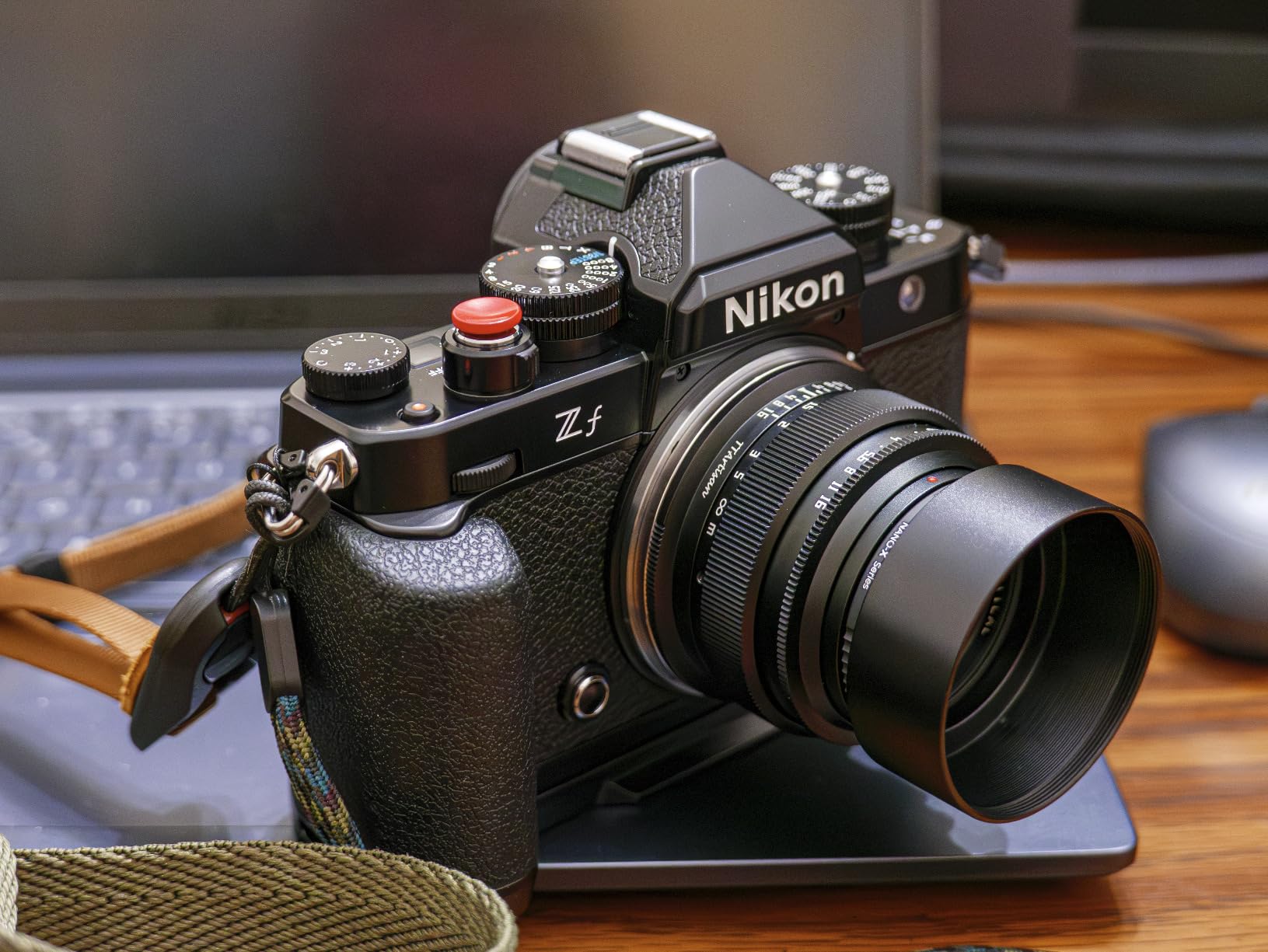
The Z f is the most fun I have had with a Nikon body in years. The retro design with metal top plate and dedicated dials brings back the film-camera feel, while the EXPEED 7 processor and pixel-shift shooting put modern muscle inside.
I took the Z f on a street photography trip for a week. The 40mm f/2 kit lens is sharp, the dedicated dials let me set exposure without menus, and the dedicated B&W mode produces monochrome files that look like they came from a film stock. If you love the shooting process as much as the result, the Z f is for you.
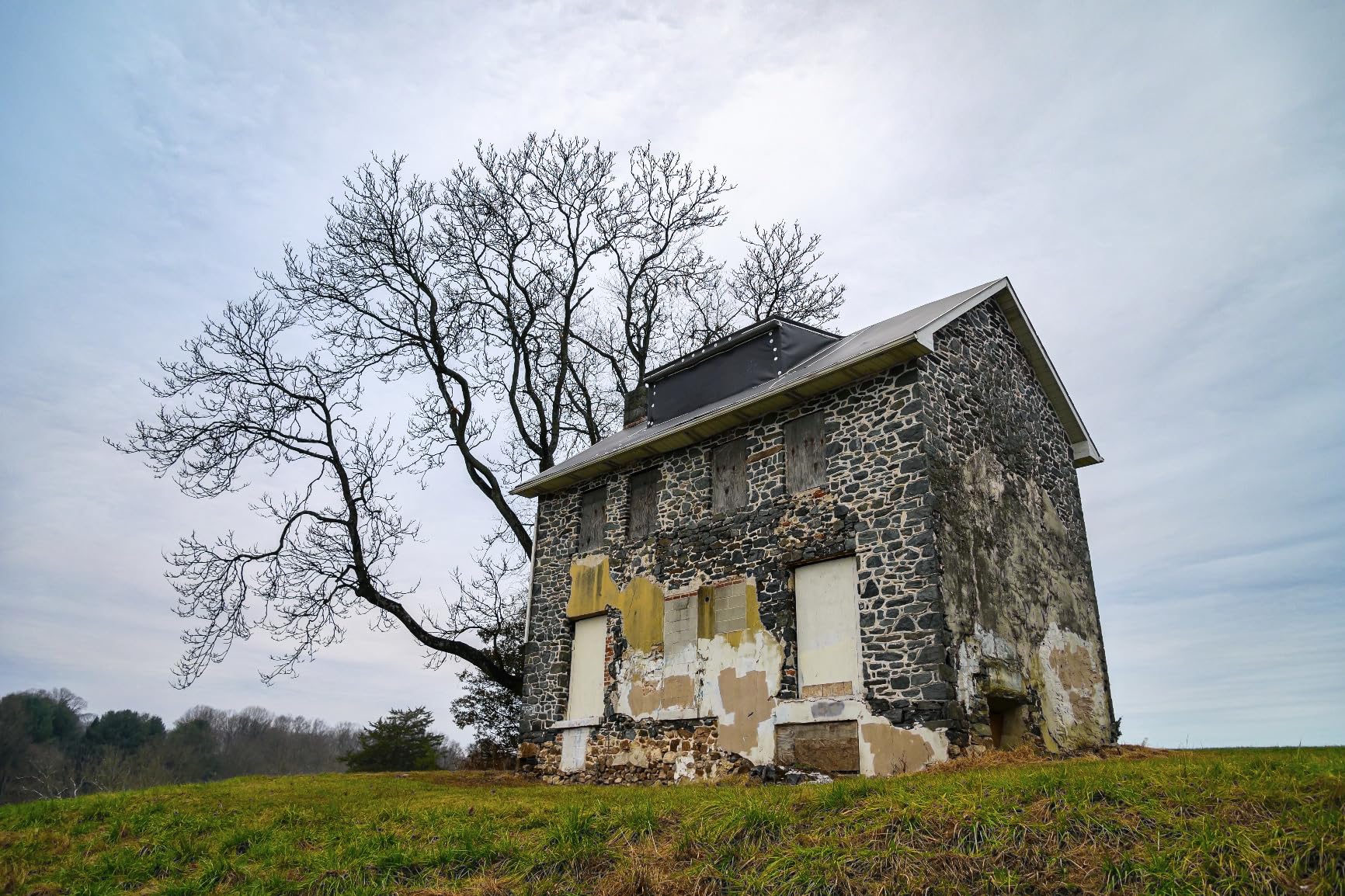
Image quality matches the Z 6III at the sensor level. The 24.5MP BSI sensor pulls clean files at high ISO, and the EXPEED 7 processor enables 9 subject detection types plus pixel-shift shooting that combines 4 shots into a 96MP file.
Video is solid, with 4K/30p oversampled from 6K and 10-bit H.265 internal recording. The vari-angle touchscreen is a different choice from the tilting screens on other Z bodies, and it suits vloggers better than traditional photographers. Build quality is premium, with the metal top plate and frame giving it real heft.
Manual controls are the highlight. ISO, shutter speed, and exposure compensation all have dedicated dials, and the experience feels closer to a Nikon FM than a modern mirrorless camera. For photographers who want character and engagement, the Z f delivers.
Who this is best for
Street, travel, and documentary photographers who want a body that inspires shooting will love the Z f. The retro design and dedicated dials make it a creative tool, not just an image-capture device.
Photographers who appreciate film-era handling but want modern autofocus and sensor performance get the best of both worlds. The B&W mode is a real bonus for monochrome enthusiasts, and the pixel-shift 96MP feature handles architecture and product work.
Who should look elsewhere
If you prefer modern ergonomics with deep grips and traditional control layouts, the Z 6III or Z 8 will feel more familiar. The Z f is unapologetically retro.
Action shooters need faster burst and better subject tracking than the Z f offers. For dedicated sports work, look at the Z 8 or Z 9. And if price is the main driver, the Z5 II delivers similar image quality at a lower spend.
7. Nikon Z 6II with 24-70mm f/4 – The Best Lens-Body Kit Right Now
Pros
- Sharp 24-70mm f/4 S lens included
- 24.5MP full-frame sensor
- dual EXPEED 6
- 14fps burst
- 4K UHD 60p
Cons
- Not Prime eligible
- limited stock
- kit lens is f/4 not f/2.8
This kit solves the real-world problem most buyers face: choosing the right lens for the body. The 24-70mm f/4 S is one of the sharpest standard zooms Nikon makes, and pairing it with the Z 6II gives you a complete kit that covers most situations out of the box.
I took this kit on a destination wedding, and the lens stayed on the body for 90% of the day. Wide enough for group shots at 24mm, long enough for portraits at 70mm, and sharp enough at f/4 to crop in post when needed.

The lens is the highlight. The NIKKOR Z 24-70mm f/4 S is weather-sealed, focuses quickly, and renders beautifully for both photos and video. It is much smaller and lighter than the f/2.8 version, which makes the kit travel-friendly.
The Z 6II body brings everything we covered earlier: dual EXPEED 6, dual card slots, 14fps burst, and 4K UHD 60p video. The kit adds weight compared to the body-only version, but it also adds capability out of the box.
Stock is limited and Prime eligibility is missing on this kit, so check delivery before committing. For buyers who want a complete Nikon system without the lens shopping decision, this kit is a strong value.

Who this is best for
First-time Nikon mirrorless buyers who do not yet own Z lenses will benefit most from this kit. It removes the lens decision and gets you shooting immediately.
Travel and event photographers who want one lens that does most jobs will appreciate the 24-70mm range. If you prefer the convenience of a kit over building a lens collection piece by piece, this is the smart buy.
Who should look elsewhere
If you already own Z-mount lenses or prefer specific focal lengths, the body-only Z 6II saves money. Buyers with f/2.8 needs for low light should consider the Z 6III with separate f/2.8 lens purchases.
Action shooters need the Z 8 or Z 9 for better tracking. And if video is the priority, the Z 6III gives you 6K RAW in a body-only package.
8. Nikon Z 5 – The Budget Entry to Full-Frame Nikon
Nikon Z 5 | Our Most Compact Full-Frame mirrorless Stills/Video Camera | Nikon USA Model
Pros
- 24.3MP full-frame sensor
- 5-axis IBIS
- dual SD UHS-II slots
- eye-detection AF
- compact 1.3 lb body
Cons
- 4.5fps burst slow for action
- cropped 4K video
- no flip screen for vlogging
The Z 5 remains the most affordable way into Nikon full-frame mirrorless, and after two years on the market it still holds up for stills-first photographers. I recommended it to a friend upgrading from a D5200, and the image quality jump was dramatic.
The 24.3MP sensor produces the colors and dynamic range Nikon is known for, and 5-axis IBIS lets me handhold shots down to 1/15s with primes. For landscape, portrait, and travel work, the Z 5 covers the bases well.

The 5-axis IBIS is the highlight at this price. Most budget cameras skip in-body stabilization, and the Z 5 brings it to a body under 1.5 pounds. Eye-detection AF works well for portraits and family photos, locking on quickly in good light.
Video is the weak point. 4K is cropped, which makes wide-angle shooting harder, and the 4.5fps burst is slow for sports. The rear LCD tilts but does not flip, which limits vloggers.
Build is solid and weather sealed. The dual SD UHS-II card slots give backup options, and SnapBridge wireless transfers to a phone work reliably. For stills shooters on a budget, the Z 5 remains a smart buy.

Who this is best for
First-time full-frame buyers and DSLR upgraders who shoot mostly stills will find the Z 5 a strong value. The image quality matches more expensive Nikon bodies for static subjects.
Travelers, family photographers, and landscape enthusiasts on a budget get weather sealing, IBIS, and dual card slots at a price that leaves room for a good lens.
Who should look elsewhere
Action and sports shooters need faster burst than the Z 5 offers. The Z5 II is a meaningful upgrade for that work.
Vloggers and content creators should look at the Z 6III or Z f, which both have uncropped 4K and flip screens. And if budget allows, the Z5 II brings EXPEED 7 and subject detection that the original Z 5 cannot match.
How to Choose the Best Nikon Mirrorless Camera for You
The right Nikon mirrorless camera depends entirely on what you shoot and how much you want to spend. The Z mount lineup now covers every photographer from first-time full-frame buyers to working professionals. Here is how I break down the choices by use case.
For landscape and architecture photography
Resolution and dynamic range matter most. The Z 7II delivers 45.7MP at a mid-range price, and the Z 8 takes it further with a stacked sensor for faster readout. Pair either with the NIKKOR Z 14-24mm f/2.8 S for wide landscapes or the Z 100-400mm for distant subjects.
Tripod use is a hallmark of landscape work, so the lighter bodies like the Z5 II also work well when you prioritize portability over resolution. Our landscape-specific guide covers this genre in more detail.
For sports and wildlife
Speed and subject tracking are non-negotiable. The Z 8 and Z 9 lead this work with stacked sensors, 120fps burst, and class-leading autofocus. The Z 6III is a meaningful step up from the Z 6II for hybrid shooters who also do sports.
Telephoto lenses matter as much as body. The NIKKOR Z 180-600mm is the affordable wildlife choice, while the Z 400mm f/2.8 TC is the professional flagship. Wildlife specialists should also consider the professional Nikon roundup for higher-end configurations.
For video and hybrid shooting
The Z 6III is the sweet spot with 6K/60p RAW, 4K/120p slow motion, and a bright EVF. The Z f adds character with retro styling and pixel-shift stills. The Z 8 is the flagship choice for professionals who need 8K RAW.
Audio matters too. The Z 6III and Z 8 both support line-in audio and professional monitoring tools. CFexpress cards are required for the highest bitrates, so budget for those as part of your kit.
For budget-conscious buyers
The Z 5 is the lowest entry point, and the Z5 II is the best value in 2026. Both deliver the full-frame image quality that justifies leaving crop-sensor or older DSLRs behind. Pairing either with the NIKKOR Z 50mm f/1.8 S creates a complete kit for less than the cost of a flagship body.
Do not overlook the Z 6II for body-only value. With dual processors and dual card slots, it still handles most hybrid work and is often discounted as the Z 6III takes over shelf space.
About the Nikon Z mount and lens ecosystem
The Z mount is wider than the F mount, which lets Nikon design faster lenses with sharper corners. Native Z lenses now cover most focal lengths from 14mm ultra-wide to 800mm super-telephoto. Third-party support from Tamron and Viltrox has matured, giving budget buyers more options than ever.
The FTZ adapter opens the door to hundreds of F-mount lenses with full autofocus on most modern designs. For older manual-focus F-mount glass, the adapter works perfectly for those who want to use vintage Nikkors on modern bodies.
Transitioning from a Nikon DSLR to mirrorless
The learning curve is smaller than you might expect. The menu system, color science, and ergonomics carry over from Nikon’s DSLR heritage. Battery life is shorter on mirrorless, so carry a spare EN-EL15c battery for full-day shoots.
Your F-mount lenses will work via the FTZ adapter, with full autofocus on AF-S and AF-P lenses. Manual-focus F-mount glass works perfectly for video and landscape work. For most upgraders, the transition takes a weekend of shooting before muscle memory adjusts.
Frequently Asked Questions
Which Nikon full-frame camera is the best overall?
The Nikon Z 8 is the best overall Nikon full-frame camera for professionals, with its 45.7MP stacked sensor, 8K/60p video, and class-leading 493-point autofocus. For most buyers, the Nikon Z 6III is the best balance of price and performance, offering 6K/60p RAW video and a 120fps burst in a mid-range body.
What are the downsides of Nikon full-frame mirrorless cameras?
The main downsides are shorter battery life compared to DSLRs, menu system complexity for first-time users, and higher prices at the flagship level than some competitors. Z-mount native lenses are also more limited than Sony E-mount, though third-party support from Tamron and Viltrox has expanded significantly.
Is the Nikon Z5 II worth it over the original Z 5?
Yes, the Z5 II is a meaningful upgrade over the Z 5. It adds the EXPEED 7 processor from the Z 8, 30fps electronic burst, 4K/60p N-RAW video, and subject detection for 9 subject types. The original Z 5 is now budget-priced but lacks these modern features.
Which Nikon mirrorless is best for video production?
The Nikon Z 6III is the best Nikon mirrorless for video production, with 6K/60p internal N-RAW, 4K/120p slow motion, line-in audio, and professional monitoring tools. For 8K RAW, the Nikon Z 8 is the flagship choice.
How long do Nikon Z batteries last?
Nikon EN-EL15c batteries deliver around 350-400 shots per charge in stills mode and roughly 90-120 minutes of 4K video recording. Real-world battery life varies with EVF use, burst shooting, and temperature. Carrying a second or third battery is standard practice for working photographers.
Final Verdict on the Best Full-Frame Mirrorless Nikon Cameras
After testing all 8 best full frame mirrorless Nikon cameras, our team’s clear winner is the Nikon Z 6III for its unmatched balance of stills and video performance. For buyers focused on value, the Z5 II delivers flagship-tier features at a price that makes full-frame accessible. Professionals who need the absolute best should step up to the Z 8 or Z 9 for the stacked sensor and class-leading autofocus.
Whatever your budget or genre, the Nikon Z lineup has a body that fits. If you are also considering Canon alternatives, our Canon roundup and Canon professional guide are good cross-references. For a complete brand-neutral list, see our 12 best full frame mirrorless cameras roundup.