
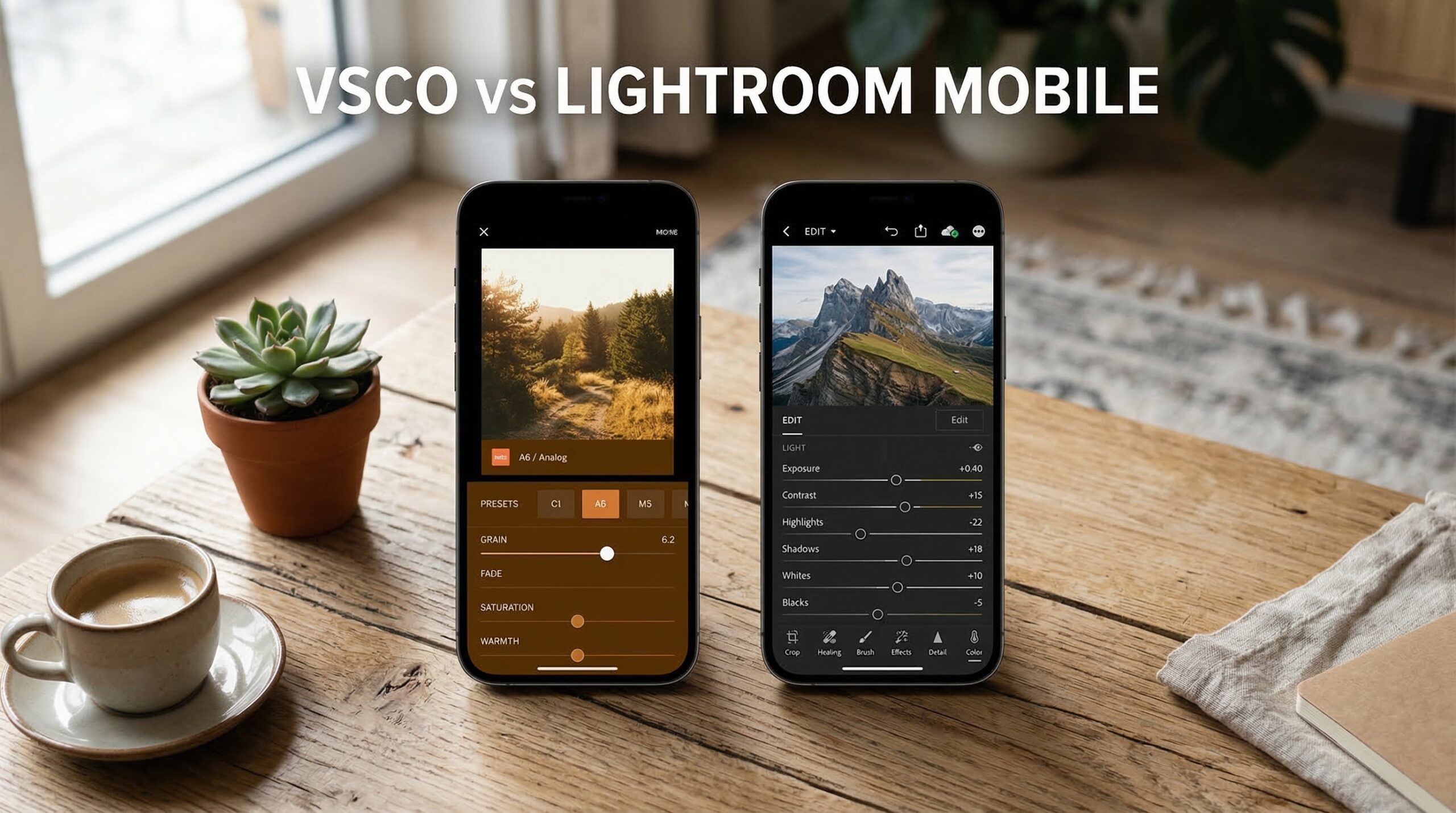
When it comes to mobile photo editing, two apps dominate the conversation: VSCO vs Lightroom Mobile for photo. But which one should you choose? The short answer: if you want quick, film-like aesthetics with minimal effort, go with VSCO. If you need professional-grade control, RAW editing, and advanced tools, Lightroom Mobile is the better choice.
Our team has spent countless hours testing both apps across iPhone and Android devices. We have edited hundreds of photos, experimented with presets, and pushed each app to its limits. This comprehensive VSCO vs Lightroom Mobile comparison breaks down everything you need to know to make the right decision.
The choice between these two photo editing apps ultimately depends on your goals. VSCO excels at creating stylized, film-inspired looks with just a few taps. Lightroom Mobile offers the same powerful editing engine photographers use on desktop, complete with masking, selective adjustments, and cloud sync.
In this guide, we will compare every aspect of these apps: editing tools, presets, RAW support, AI features, pricing, and more. By the end, you will know exactly which app fits your workflow.
VSCO vs Lightroom Mobile: Quick Comparison
Before diving into the details, let’s look at how these two photo editing apps stack up side by side. This comparison table highlights the key differences at a glance.
| Product | Specifications | Action |
|---|---|---|
 Adobe Lightroom 1TB Plan Adobe Lightroom 1TB Plan |
|
Check Latest Price |
 Adobe Photography Plan (PS + LR) Adobe Photography Plan (PS + LR) |
|
Check Latest Price |
As you can see, both apps offer compelling features. But the real differences become clear when you look at how each app approaches photo editing. VSCO focuses on creative presets and community sharing. Lightroom prioritizes professional-grade tools and workflow integration.
Let’s dive deeper into what makes each app unique.
VSCO: The Creative Choice for Aesthetic Edits
Adobe Lightroom 1TB | AI-assisted photo editor | 12-Month Subscription with auto-renewal |PC/Mac | Digital Download
Pros
- Beautiful film-like presets
- Easy to learn interface
- Strong community focus
- Quick one-tap editing
- Video editing support
Cons
- Limited advanced tools
- No desktop app
- RAW support varies by device
- Subscription required for best features
VSCO (Visual Supply Company) started as a desktop preset company before becoming a mobile photo editing phenomenon. The app’s philosophy centers on creating authentic, film-inspired looks rather than over-processed effects. This approach has made VSCO a favorite among content creators, influencers, and anyone who wants their photos to have a distinctive aesthetic.
What sets VSCO apart is its curated collection of presets. These are not just simple filters slapped onto images. Each preset is designed to mimic the characteristics of classic film stocks. The result is a look that feels organic and timeless rather than artificial.
VSCO Key Features
The VSCO app offers a streamlined editing experience. You get exposure, contrast, saturation, and grain adjustments alongside its famous presets. The app also includes an in-app camera with manual controls, though most users import photos from their device gallery.
One of VSCO’s standout features is its recipe system. When you find an editing style you love, you can save it as a recipe and apply it to future photos with one tap. This is perfect for maintaining a consistent aesthetic across your Instagram feed or portfolio.
VSCO also includes video editing capabilities, something Lightroom Mobile lacks. You can apply the same presets and adjustments to video clips, making it a versatile tool for content creators who work across both photo and video formats.
VSCO Community and Social Features
VSCO is more than just a photo editing app. It is a creative community. The platform encourages sharing your work and discovering other photographers. Unlike Instagram’s like-driven popularity contest, VSCO focuses on the creative process itself.
There are no public likes or follower counts displayed. This creates a lower-pressure environment where people share work for the sake of creativity rather than validation. For many users, this community aspect is a major reason to choose VSCO.
Who VSCO Is Best For
VSCO is ideal for casual photographers, social media content creators, and anyone who wants their photos to have a distinctive, film-inspired look. If you prioritize quick edits and aesthetic consistency over granular control, VSCO will serve you well.
The app also works great for beginners who might feel overwhelmed by Lightroom’s extensive toolset. VSCO’s learning curve is gentle, and you can achieve impressive results within minutes of downloading the app.
Adobe Lightroom Mobile: The Professional Powerhouse
Adobe Creative Cloud Photography Plan 1TB (Photoshop + Lightroom) | 12-month Subscription with auto-renewal
Pros
- Full professional toolset
- Excellent RAW support
- Cross-device sync
- 100 monthly AI credits
- Photoshop included in plan
Cons
- Steeper learning curve
- Subscription required
- Higher price point
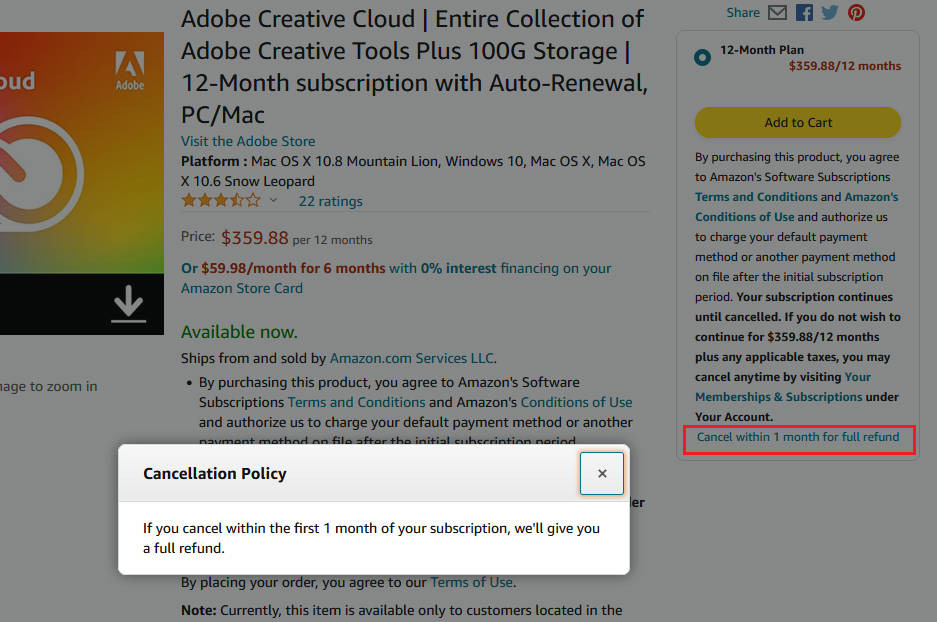
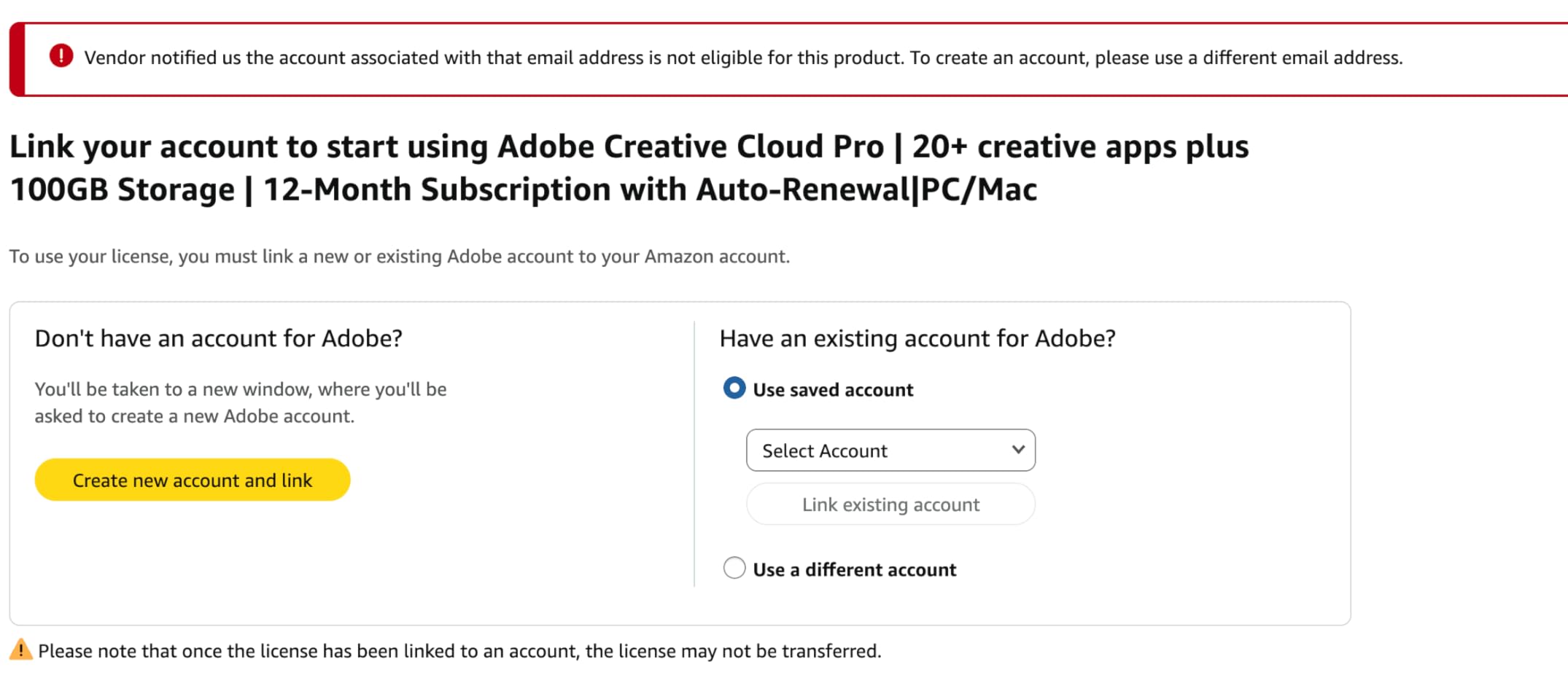
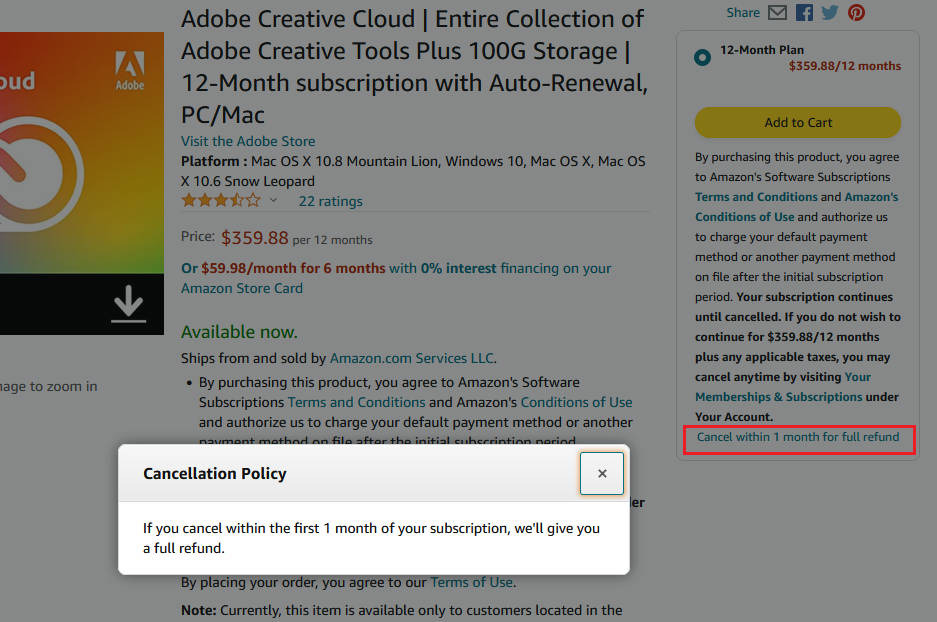
- Account activation can be tricky
Adobe Lightroom Mobile brings the full power of desktop Lightroom to your phone. This is not a watered-down mobile version. You get the same editing engine, the same RAW processing capabilities, and the same professional-grade tools that photographers have relied on for years.
The 2024 App Store Award winner for Mac App of the Year, Lightroom has continued to evolve with AI-powered features. Generative Remove lets you erase distractions from photos with a single tap. Lens Blur creates professional portrait effects using AI. Quick Actions suggest edits tailored to each specific photo.
For serious photographers, Lightroom Mobile’s greatest strength is its integration with the broader Adobe ecosystem. Photos sync across desktop, mobile, and web through Adobe’s cloud. You can start editing on your phone and finish on your computer without missing a beat.
Lightroom Mobile Key Features
Lightroom offers an extensive toolkit. You get granular control over exposure, highlights, shadows, whites, and blacks. The HSL (Hue, Saturation, Luminance) panel allows precise color adjustments. Curves give you tonal control that rivals desktop software.
The masking tools are particularly impressive. You can select subjects, skies, or specific areas using AI, then apply adjustments only to those regions. Linear and radial gradients add another layer of control. These tools were once desktop-only features but now work beautifully on mobile.
RAW file support is another major advantage. Lightroom can edit DNG files from smartphones and RAW files from dedicated cameras. This gives you far more latitude in post-processing compared to editing compressed JPEGs.
AI-Powered Editing Tools
Adobe has integrated its Firefly generative AI into Lightroom. The Generative Remove feature can eliminate unwanted objects from your photos. Just brush over the distraction, and AI fills in the area naturally. This works surprisingly well for everything from power lines to photobombers.
Lens Blur creates professional-looking background blur (bokeh) in any photo. The AI identifies your subject and applies a natural blur to the background. You can even adjust the blur shape and intensity after the fact.
Quick Actions analyze your photo and suggest relevant edits. Tap the button, and Lightroom offers tailored adjustments based on what it detects. This is helpful for beginners and a time-saver for experienced editors.
Who Lightroom Mobile Is Best For
Lightroom Mobile is the clear choice for professional photographers, serious hobbyists, and anyone who needs precise control over their edits. If you shoot RAW, require masking tools, or need cloud sync across devices, Lightroom delivers.
The app also suits photographers who already use Adobe products. If you have a Creative Cloud subscription or use Photoshop, Lightroom Mobile integrates seamlessly into your existing workflow.
VSCO vs Lightroom Mobile: Head-to-Head Comparison
Now let’s break down how these two photo editing apps compare across the features that matter most. This detailed comparison will help you understand exactly where each app excels.
Ease of Use and Learning Curve
VSCO wins for simplicity. The interface is clean and intuitive. You tap a preset, make a few slider adjustments, and you are done. Most users can achieve great results within their first few minutes of using the app.
Lightroom Mobile has a steeper learning curve. The sheer number of tools can feel overwhelming at first. You need to understand concepts like curves, masking, and HSL adjustments to unlock the app’s full potential. However, Adobe has improved the onboarding experience with tutorials and guided edits.
Winner: VSCO for beginners, Lightroom for those willing to learn
Editing Tools and Features
Lightroom Mobile offers a dramatically more extensive toolset. You get exposure, contrast, highlights, shadows, whites, blacks, texture, clarity, dehaze, vibrance, saturation, HSL adjustments, tone curves, color grading, masking, healing brush, and more.
VSCO keeps things simpler. You get basic exposure, contrast, saturation, and grain controls alongside its presets. There are no masking tools, no curves, and no advanced color grading. For many users, this simplicity is actually a feature, not a bug.
Winner: Lightroom Mobile by a wide margin
Presets and Filters
VSCO’s presets are its signature feature. The app offers dozens of film-inspired looks, from the warm tones of Kodak Portra to the moody feel of Fuji 400H. Each preset is crafted to feel authentic rather than artificial. The recipes feature lets you save and reuse custom combinations.
Lightroom also offers presets, but they feel more utilitarian. Adobe provides built-in presets and user-created options. You can also sync presets from your desktop Lightroom. However, Lightroom’s presets lack the distinctive character that makes VSCO famous.
Winner: VSCO for aesthetics, Lightroom for versatility
RAW File Support
Lightroom Mobile handles RAW files beautifully. You can import DNG files shot on your phone or RAW files from dedicated cameras. The app processes these files with the same engine as desktop Lightroom, giving you maximum editing flexibility.
VSCO’s RAW support is more limited and varies by device. On iOS, you can edit RAW files, but the experience is not as refined as Lightroom’s. On Android, RAW support is inconsistent. If RAW editing is important to you, Lightroom is the better choice.
Winner: Lightroom Mobile
AI Tools Comparison
Lightroom Mobile’s AI features are genuinely useful. Generative Remove works like magic for eliminating distractions. Lens Blur creates convincing portrait effects. Quick Actions speed up the editing process with intelligent suggestions. The 100 monthly generative AI credits give you plenty of room to experiment.
VSCO has fewer AI-powered features. The app focuses more on preset-based editing than AI assistance. While this keeps things simple, it means you miss out on tools that can genuinely improve your workflow.
Winner: Lightroom Mobile
In-App Camera Features
Both apps include in-app cameras with manual controls. VSCO’s camera is straightforward with basic adjustments for exposure and focus. It gets the job done but does not offer anything special.
Lightroom’s in-app camera can shoot in DNG (RAW) format, giving you more editing flexibility later. You also get professional controls for exposure, white balance, and focus. For serious mobile photographers, this is a significant advantage.
Winner: Lightroom Mobile
Video Editing Capabilities
VSCO can edit video. You can apply presets and make basic adjustments to video clips. This makes VSCO a versatile tool for content creators who work in both photo and video formats.
Lightroom Mobile does not support video editing. If you need to edit video on mobile, you will need a separate app. This is a notable gap in Lightroom’s feature set.
Winner: VSCO
Community and Social Features
VSCO is built around community. The app doubles as a creative platform where you can share your work and discover other photographers. The absence of public likes and follower counts creates a lower-pressure environment focused on creativity.
Lightroom has community features through Adobe’s ecosystem, including the ability to see other photographers’ edits. However, it is not primarily a social platform. The community aspects feel secondary to the editing tools.
Winner: VSCO
Pricing and Plans
VSCO offers a free tier with limited presets. VSCO Membership unlocks the full preset library and advanced features. The subscription is reasonably priced for what you get, though costs can add up over time.
Lightroom Mobile has a free version with basic features. The full experience requires a Creative Cloud subscription. The Lightroom 1TB plan includes the mobile app, desktop app, and cloud storage. The Photography Plan adds Photoshop and more generative AI credits.
Lightroom costs more, but you get significantly more value. Cross-device sync, professional tools, and Adobe ecosystem integration justify the premium for serious users.
Winner: VSCO for budget-conscious users, Lightroom for value
Device Compatibility and Performance
Both apps run on iOS and Android. In our testing, Lightroom feels slightly more responsive on newer devices. The app takes advantage of modern processors to handle RAW files and AI features smoothly.
VSCO runs well on most devices but can feel sluggish on older phones. The app’s simpler feature set means performance is less dependent on hardware.
For iPad users, Lightroom offers a more robust tablet experience. The larger screen takes full advantage of Lightroom’s detailed controls.
Winner: Tie, with Lightroom having an edge on newer devices
Using VSCO and Lightroom Together
Here is something many photographers do not realize: you can use both apps together. This workflow combines VSCO’s beautiful presets with Lightroom’s powerful editing tools.
The process works like this: Start in Lightroom Mobile to handle technical adjustments. Fix exposure, correct white balance, and make basic tonal adjustments. Then export the edited photo and import it into VSCO. Apply your favorite preset to add that film-inspired aesthetic.
This approach gives you the best of both worlds. You get Lightroom’s professional-grade corrections plus VSCO’s distinctive look. Many professional photographers use exactly this workflow for their social media content.
Real-World Workflow Example
Our team tested this combined workflow for a travel photography project. We shot RAW files on an iPhone 15 Pro and imported them into Lightroom Mobile. There, we corrected lens distortion, adjusted exposure, and used masking to enhance the sky.
Next, we exported the corrected images to VSCO. We applied the A6 preset (a favorite for travel photos) and made minor adjustments to grain and warmth. The result combined technical precision with VSCO’s signature aesthetic.
This workflow takes more time than using a single app. But for important projects where quality matters, the extra effort is worth it.
VSCO vs Lightroom Mobile: Final Verdict
So, which app should you choose in the VSCO vs Lightroom Mobile debate? The answer depends entirely on your needs.
Choose VSCO If:
You want quick, beautiful edits with minimal effort. You love film-inspired aesthetics and preset-based editing. You value community and creative sharing. You occasionally edit video. You are a beginner who wants impressive results without a steep learning curve.
Choose Lightroom Mobile If:
You need professional-grade editing tools. You shoot RAW and require robust file support. You want cloud sync across devices. You appreciate AI-powered features like Generative Remove and Lens Blur. You already use Adobe products and want seamless integration. You are willing to invest time in learning a more complex tool.
Our Recommendation
For most serious photographers, Lightroom Mobile is the better investment. The professional tools, RAW support, and ecosystem integration make it a complete solution. The AI features genuinely improve your workflow rather than feeling like gimmicks.
That said, VSCO remains an excellent choice for casual users and content creators who prioritize aesthetics over control. The app’s unique character and community focus set it apart from other photo editing apps.
Our advice? Try both. Lightroom Mobile and VSCO both offer free versions. Spend a week with each app, edit the same photos in both, and see which workflow feels right for you.
Frequently Asked Questions
Is VSCO a good alternative to Lightroom?
VSCO is a good alternative to Lightroom if you prioritize quick, aesthetic edits over professional control. VSCO excels at film-like presets and creative filters, making it perfect for social media content. However, it lacks Lightroom’s advanced tools like masking, curves, and robust RAW support. For casual photographers, VSCO can replace Lightroom entirely. For professionals, it works better as a complementary tool.
Which app is best for mobile photo editing?
Lightroom Mobile is the best overall mobile photo editing app for serious photographers. It offers professional-grade tools, excellent RAW support, and cloud sync across devices. For beginners and social media creators, VSCO provides an easier learning curve with beautiful preset-based results. The best app depends on your specific needs and editing style.
Is VSCO or Lightroom better for beginners?
VSCO is better for beginners who want impressive results quickly. The preset-based approach means you can create beautiful edits with just a few taps. Lightroom has a steeper learning curve due to its extensive toolset. However, Lightroom offers more tutorials and guided edits to help newcomers learn. If you are willing to invest time in learning, Lightroom provides more long-term value.
Can you use VSCO and Lightroom together?
Yes, many photographers use both apps together in their workflow. A common approach is to start in Lightroom for technical corrections like exposure and white balance, then move to VSCO for aesthetic presets and film-like looks. This combination gives you professional-grade corrections plus VSCO’s distinctive style. VSCO also offers direct Lightroom integration for importing photos.
Does VSCO support RAW files?
VSCO supports RAW files on iOS devices, though the experience is not as refined as Lightroom’s. On Android, RAW support varies significantly between devices. If RAW editing is important to your workflow, Lightroom Mobile handles RAW files much better with full DNG support and the same processing engine as desktop Lightroom.
Is Lightroom Mobile free to use?
Lightroom Mobile offers a free version with basic editing features. However, the free tier has significant limitations including no RAW editing, no cloud sync, and no access to premium presets or AI features. To unlock the full experience, you need a Creative Cloud subscription. Adobe offers a 7-day free trial so you can test the premium features before committing.
How much does VSCO cost?
VSCO offers a free tier with limited presets and features. VSCO Membership unlocks the full preset library, advanced editing tools, and community features. The subscription is priced lower than Lightroom, making it attractive for budget-conscious users. You can try VSCO Membership with a free trial before subscribing.
Does VSCO have video editing?
Yes, VSCO supports video editing. You can apply the same presets and basic adjustments to video clips that you use for photos. This makes VSCO versatile for content creators who work across both photo and video formats. Lightroom Mobile does not currently support video editing, giving VSCO an advantage in this area.
Conclusion
The VSCO vs Lightroom Mobile for photo comparison ultimately comes down to what you value most in a photo editing app. VSCO delivers beautiful, film-inspired aesthetics with minimal effort. Lightroom Mobile provides professional-grade tools for photographers who need complete control.
Our team recommends Lightroom Mobile for anyone serious about mobile photography. The RAW support, masking tools, AI features, and ecosystem integration make it a complete solution. The learning curve is steeper, but the long-term payoff is worth it.
For casual users who want stunning results without the complexity, VSCO remains an excellent choice. Its presets have a distinctive character that other apps struggle to replicate. The community features and video editing support add value for content creators.
Whichever app you choose, both VSCO and Lightroom Mobile represent the best of what mobile photo editing has to offer in 2026. Try the free versions of each and discover which workflow fits your creative process.