
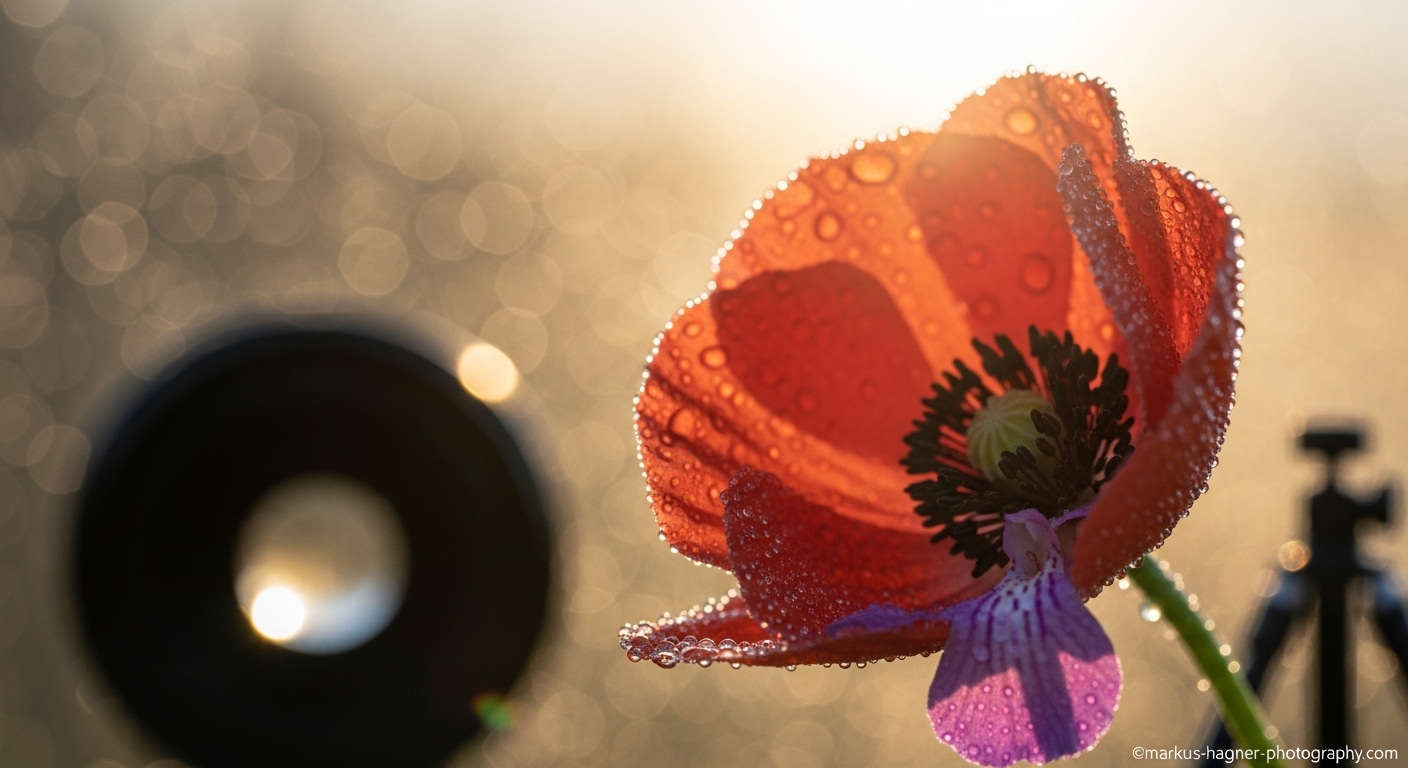
I’ve spent countless hours experimenting with flower photography, and let me tell you – there’s something magical about capturing the perfect bloom through your lens. Whether you’re just starting out or you’ve been shooting for years, these creative flower photography ideas will transform your approach and help you create stunning images that stand out from the crowd.
Why Flower Photography Captivates Us
There’s something inherently beautiful about flowers that draws photographers in. Maybe it’s their vibrant colors, intricate details, or the way they seem to dance in the breeze. I discovered flower photography during a particularly stressful period in my life, and it became my therapy. There’s something incredibly calming about slowing down and really seeing the delicate details of a flower that most people walk right past.
In this comprehensive guide, I’ll share my favorite creative flower photography ideas that you can start using immediately. These aren’t just basic tips – they’re the techniques that have helped me create award-winning images and build a thriving photography business.
Essential Gear for Creative Flower Photography
Before we dive into the creative techniques, let’s talk about the gear you’ll need. I’ve learned that having the right equipment makes a huge difference, but you don’t need to break the bank to get started.
Camera Equipment
- Any camera with manual controls – I started with a basic DSLR, but mirrorless cameras work beautifully too
- Macro lens – This is non-negotiable for serious flower photography. I recommend a 100mm macro lens as your first investment
- Tripod – Essential for those sharp, detailed shots, especially in low light conditions
- Remote shutter release – Helps eliminate camera shake for crystal-clear images
Additional Tools
- Reflector and diffuser – These are game-changers for controlling light
- Spray bottle – For creating those beautiful water droplet effects
- Black velvet fabric – Perfect for creating dramatic black backgrounds
- Household items – Don’t underestimate baking sheets, tile floors, and tablecloths as creative backdrops
1. Master the Art of Backlighting
I’ll never forget the first time I tried backlighting with flowers. I was shooting at golden hour, and as I positioned myself so the sun was directly behind a pink rose, something magical happened. The petals seemed to glow from within, creating an ethereal effect that took my breath away.
Backlighting is one of the most powerful techniques in flower photography, yet many photographers overlook it. Here’s how I do it:
Best times for backlighting:
- Early morning (30 minutes after sunrise)
- Late afternoon (30 minutes before sunset)
- Overcast days when the sun breaks through clouds
My backlighting technique:
- Position yourself so the light source is behind your flower
- Use a wide aperture (f/2.8 to f/5.6) to create that beautiful bokeh
- Slightly overexpose by +1 to +2 stops to really make the petals glow
- Use a reflector to bounce some light back onto the front of the flower
Pro tip: Look for flowers with translucent petals like roses, poppies, and tulips. They work best for backlighting because the light can pass through them, creating that stunning glow effect.
2. Experiment with Unconventional Backgrounds
One of my biggest “aha!” moments came when I realized I didn’t need expensive backdrops to create stunning flower photos. I was in my kitchen, feeling frustrated with my results, when I noticed the beautiful texture of my old baking sheet. I placed a flower on it, and the results were incredible!
Household backdrop ideas I love:
- Baking sheets – The aged, seasoned ones create beautiful textures
- Tile floors – Great for geometric patterns
- Tablecloths – Fabric adds soft, dreamy textures
- Wood cutting boards – Natural wood grain complements flowers perfectly
- Glass surfaces – Creates interesting reflections
How to use household backdrops:
- Clean your surface thoroughly (you don’t want dust spots in your photos)
- Position your flower so it’s the main focus
- Use a shallow depth of field to blur the background texture
- Experiment with different angles – sometimes shooting from above works best
My personal favorite: I discovered that placing flowers on a marble countertop and shooting from directly above creates stunning, high-end-looking images that clients love.
3. Embrace the Beauty of Dying Flowers
This might sound counterintuitive, but some of my most powerful flower images come from photographing blooms that are past their prime. I was about to throw out a wilted rose when I decided to photograph it one last time. The resulting image, converted to black and white, became one of my best-selling prints.
Why dying flowers work:
- They tell a story of life’s cycles
- The textures become more pronounced
- Colors often deepen and become more dramatic
- They evoke emotion in a way fresh flowers can’t
Techniques for dying flowers:
- Look for interesting decay patterns and textures
- Convert to black and white to emphasize form and texture
- Use side lighting to highlight the intricate details
- Get in close with your macro lens to capture the small details
Pro tip: Don’t be afraid to let flowers wilt naturally over several days. I often set up a flower and photograph it daily as it decays, creating a powerful series that tells the story of impermanence.
4. Master Macro Photography for Intricate Details
Macro photography completely changed how I see flowers. I remember the first time I attached a macro lens to my camera and got up close to a daisy. I was amazed to see details I’d never noticed before – tiny hairs on the petals, intricate patterns in the center, and delicate structures that seemed almost alien.
Essential macro techniques:
- Focus stacking – Take multiple images at different focus points and combine them in post-processing
- Use a tripod – Macro photography requires absolute stability
- Manual focus – Auto-focus often struggles with macro shots
- Shoot in RAW – Gives you more flexibility in post-processing
My macro setup:
- Camera on a sturdy tripod
- Macro lens (I use a 100mm)
- Remote shutter release
- External flash or continuous lighting
- Reflector for filling in shadows
What to look for in macro:
- Water droplets on petals
- The intricate center of flowers
- Texture details on petals and leaves
- Tiny insects that might be visiting the flower
Pro tip: The best macro shots often come from getting uncomfortably close. Don’t be afraid to really get in there and explore the flower from every angle.
5. Create Stunning Loose Petal Arrangements
I’ll admit, the first time someone suggested I destroy a beautiful flower for a photo, I was hesitant. But then I tried it, and I discovered a whole new world of creative possibilities. There’s something incredibly artistic about photographing individual petals scattered artfully across a surface.
Loose petal techniques I love:
- Scatter patterns – Create intentional designs with petal placement
- Petal rain – Capture petals falling through the air
- Petal portraits – Focus on individual petals with dramatic lighting
- Petal as backdrop – Use petals as a background for a whole flower
How to create loose petal images:
- Gently remove petals from fresh flowers
- Arrange them on your chosen surface
- Use tweezers for precise placement
- Experiment with different lighting angles
My favorite setup: I love arranging rose petals on a black velvet surface with dramatic side lighting. The contrast between the deep red petals and the black background is simply stunning.
6. Perfect the Art of Subject Isolation
When I first started photographing flowers in gardens, I struggled with busy backgrounds that distracted from my main subject. Then I learned the art of subject isolation, and it completely transformed my flower photography.
Techniques for subject isolation:
- Use a wide aperture – f/2.8 to f/5.6 works beautifully
- Position your subject far from the background – The greater the distance, the more blurred the background
- Use a longer focal length – 100mm or longer compresses the background
- Look for natural frames – Use other flowers or foliage to frame your subject
My approach to isolation: I spend time walking around my subject, looking for the cleanest background possible. Sometimes moving just a few inches can completely change the background. I’ll often lie on the ground to get a different perspective and find that perfect background.
Pro tip: Don’t be afraid to physically move distracting elements from your background. I often carry small pruning shears to remove stray leaves or stems that might ruin an otherwise perfect shot.
7. Experiment with Free Lensing and Creative Effects
This is one of the more advanced techniques, but it’s worth mastering. Free lensing creates dreamy, ethereal effects that can’t be replicated with any filter or post-processing technique. I discovered this technique when I was feeling stuck in a creative rut, and it opened up a whole new world of possibilities.
What is free lensing? Free lensing involves detaching your lens from the camera body and holding it manually while shooting. This creates light leaks and selective focus effects that are incredibly artistic.
How to do free lensing safely:
- Set your camera to manual mode
- Carefully detach your lens (hold it securely!)
- Hold the lens close to the camera body
- Tilt and move the lens to control focus and light leaks
- Use a tripod to steady your camera
Reverse free lensing: This is similar, but you flip the lens around so the front element faces the camera body. This creates even more dramatic effects and works like a poor man’s macro lens.
Safety first: Be very careful when free lensing, as dust can enter your camera sensor. I recommend doing this in a clean environment and being prepared to clean your sensor afterward.
8. Master Water Droplet Photography
There’s something incredibly captivating about water droplets on flowers. I remember the first time I captured a perfect droplet reflecting the entire garden – it felt like I’d discovered a tiny, magical world within a world.
Creating water droplets:
- Use a spray bottle – Fill with water and mist flowers lightly
- Shoot after rain – Nature provides the best droplets
- Use glycerin mixture – Mix 50% water, 50% glycerin for longer-lasting droplets
- Apply with an eyedropper – For precise placement
Water droplet techniques:
- Backlight the droplets – Makes them glow and sparkle
- Focus on the droplet – Use manual focus for precision
- Capture reflections – Look for droplets that reflect the flower or surroundings
- Use a macro lens – Essential for capturing tiny details
My secret weapon: I often add a tiny bit of dish soap to my water mixture. This reduces surface tension and helps the droplets form perfect spheres rather than spreading out on the petals.
9. Create Dramatic Black Backgrounds
I discovered this technique by accident when I was shooting flowers in my studio. I had some black velvet fabric lying around, and when I placed a flower on it, I was stunned by the dramatic effect. The flower seemed to float in space, with every detail standing out against the deep black background.
How to create black backgrounds:
- Use black velvet – It absorbs light better than any other material
- Underexpose by 2-3 stops – This ensures the background goes completely black
- Use side lighting – This prevents light from hitting the background
- Position your flower away from the background – This helps keep it dark
Lighting setup for black backgrounds:
- Use a single light source positioned to the side
- Keep the light low and angled toward the flower
- Use a snoot or grid to control the light spread
- Experiment with different distances for varying effects
Pro tip: This technique works especially well with light-colored flowers. The contrast between white or pastel flowers and a black background is absolutely stunning.
10. Explore Creative Post-Processing Techniques
While getting it right in camera is always the goal, creative post-processing can take your flower photography to the next level. I’ve spent countless hours experimenting with different techniques, and these are my favorites.
LAB color inversion: This technique creates surreal, artistic effects that can transform an ordinary flower photo into something extraordinary. I discovered this when I was playing around in Photoshop and accidentally inverted the LAB color channels. The result was so striking that I’ve used it many times since.
How to do LAB color inversion:
- Convert your image to LAB color mode
- Invert the A and B channels
- Convert back to RGB mode
- Adjust levels and curves to fine-tune the result
Adding textures: Textures can add incredible depth and mood to your flower photos. I’ve built up a collection of textures over the years, everything from cracked paint to old paper to fabric textures.
My texture workflow:
- Choose a texture that complements your flower
- Place it as a new layer in Photoshop
- Change the blend mode (Overlay, Soft Light, or Multiply work well)
- Adjust opacity to taste
- Use layer masks to control where the texture appears
Creating painterly effects: I love creating painterly effects that make my flower photos look like watercolor paintings. This technique works especially well with soft, dreamy images.
How to create painterly effects:
- Use the Oil Paint filter in Photoshop
- Adjust settings to taste
- Use layer masks to preserve sharpness where needed
- Add a subtle texture overlay for authenticity
Advanced Composition Techniques
Composition is what separates good flower photography from great flower photography. I’ve spent years studying composition and developing my own style, and these are the techniques that have made the biggest difference in my work.
The Rule of Thirds in Flower Photography
The rule of thirds is a classic composition technique, but it’s especially powerful in flower photography. Instead of centering your flower, place it at one of the intersection points of an imaginary 3×3 grid.
How I apply the rule of thirds:
- Imagine dividing your frame into nine equal parts
- Place your main subject at one of the four intersection points
- Use leading lines to guide the eye to your subject
- Leave negative space to create breathing room
Leading Lines in Flower Photography
Leading lines are powerful compositional tools that guide the viewer’s eye through your image. In flower photography, leading lines can be found everywhere if you know where to look.
Natural leading lines in flower photography:
- Flower stems
- Rows in a flower field
- Paths in a garden
- The edge of a petal
- Shadows cast by flowers
Using Negative Space Effectively
Negative space is the area around your main subject, and using it effectively can create powerful, minimalist images. I’ve found that negative space is especially effective in flower photography because it allows the beauty of the flower to really shine.
How to use negative space:
- Look for simple backgrounds
- Position your flower to one side of the frame
- Use a wide aperture to blur the background
- Consider converting to black and white for even more impact
Lighting Techniques for Every Situation
Light is everything in photography, and flower photography is no exception. I’ve learned to work with all types of lighting conditions, and these techniques have helped me create beautiful images no matter what the weather is doing.
Golden Hour Magic
Golden hour – the first hour after sunrise and the last hour before sunset – is my favorite time for flower photography. The soft, warm light creates a magical atmosphere that’s impossible to replicate at other times.
Golden hour techniques:
- Backlighting – Position flowers between you and the sun
- Side lighting – Creates beautiful shadows and highlights
- Rim lighting – Creates a beautiful glow around flower edges
- Silhouettes – Position flowers against the bright sky
Overcast Day Opportunities
Many photographers pack up when clouds roll in, but I’ve discovered that overcast days can be perfect for flower photography. The soft, diffused light creates even illumination that’s perfect for capturing delicate details.
Overcast day techniques:
- Embrace the soft light – It’s perfect for capturing details
- Use a reflector – Add a little pop of light to your subject
- Shoot close-ups – The even light is perfect for macro work
- Look for moody atmospheres – Cloudy days can create dramatic images
Indoor Lighting Solutions
Sometimes the best flower photography happens indoors, especially when weather conditions aren’t ideal. I’ve set up a small studio in my home that allows me to create beautiful flower images year-round.
Indoor lighting setup:
- Window light – Position flowers near a large window
- Continuous lighting – Use LED panels for consistent light
- Flash with diffuser – Creates soft, directional light
- Light tent – Perfect for product-style flower shots
Seasonal Flower Photography Guide
Different seasons bring different opportunities for flower photography. I’ve learned to embrace each season’s unique characteristics and create beautiful images year-round.
Spring Flower Photography
Spring is when everything comes alive, and it’s my favorite season for flower photography. The fresh, delicate blooms and vibrant greens create endless possibilities.
Spring flower subjects:
- Tulips
- Daffodils
- Cherry blossoms
- Magnolias
- Early wildflowers
Spring photography tips:
- Shoot early in the morning – Flowers are fresh and dew-covered
- Look for new growth – Capture the emergence of new life
- Use shallow depth of field – Separate flowers from busy backgrounds
- Embrace the greens – Spring foliage is vibrant and beautiful
Summer Flower Photography
Summer brings bold, vibrant flowers and long days perfect for photography. While the light can be harsh, there are still plenty of opportunities for stunning images.
Summer flower subjects:
- Roses
- Sunflowers
- Lavender
- Zinnias
- Wildflowers in fields
Summer photography tips:
- Shoot early or late – Avoid harsh midday sun
- Use a diffuser – Soften harsh light when necessary
- Look for shade – Find flowers growing in natural shade
- Embrace the bold colors – Summer flowers are vibrant and intense
Also Read: 8 Best Sony APS-C Cameras
Fall Flower Photography
Fall brings rich, warm colors and interesting textures. While many people think of leaves when they think of fall photography, there are still plenty of beautiful flowers to capture.
Fall flower subjects:
- Chrysanthemums
- Asters
- Goldenrod
- Late-blooming roses
- Seed heads and dried flowers
Fall photography tips:
- Embrace the warm tones – Fall light has a beautiful golden quality
- Look for interesting textures – Dried flowers and seed heads
- Use backlighting – Fall light is perfect for backlit subjects
- Capture the transition – Show the change from summer to winter
Winter Flower Photography
Winter might seem like a challenging time for flower photography, but I’ve discovered that it offers unique opportunities for creativity. From indoor setups to finding winter-blooming plants, there’s always something to photograph.
Winter flower subjects:
- Poinsettias
- Amaryllis
- Paperwhites
- Evergreen branches with berries
- Indoor houseplants
Winter photography tips:
- Set up an indoor studio – Control lighting and conditions
- Visit botanical gardens – They’re warm and full of flowers
- Look for winter blooms – Some plants flower in winter
- Get creative with props – Use holiday decorations and winter elements
Post-Processing Workflow
While getting it right in camera is always the goal, post-processing is where you can really make your flower images shine. I’ve developed a workflow that helps me create consistent, beautiful results every time.
My Basic Post-Processing Steps
- Import and cull – I use Lightroom to import and select the best images
- Basic adjustments – Exposure, contrast, white balance, and saturation
- Sharpening – Careful sharpening to bring out details without looking artificial
- Noise reduction – Especially important for high-ISO images
- Cropping and straightening – Final composition adjustments
- Export – Save in appropriate formats for different uses
Advanced Post-Processing Techniques
For images that need something extra, I turn to more advanced techniques:
Focus stacking:
- Take multiple images at different focus points
- Combine in Photoshop or specialized software
- Adjust layers to create perfect sharpness throughout
Color grading:
- Use adjustment layers for non-destructive editing
- Experiment with different color looks
- Create presets for consistent results
Retouching:
- Remove dust spots and distractions
- Clean up backgrounds if necessary
- Enhance specific areas with dodging and burning
Common Mistakes to Avoid
I’ve made plenty of mistakes in my flower photography journey, and I’ve learned from each one. Here are the most common mistakes I see photographers make, and how to avoid them.
1. Shooting in Harsh Midday Sun
I used to think bright, sunny days were perfect for flower photography. I couldn’t have been more wrong. Harsh midday sun creates unflattering shadows and washed-out colors.
Solution: Shoot during golden hour or on overcast days. If you must shoot in bright sun, use a diffuser to soften the light.
2. Ignoring the Background
I can’t tell you how many potentially great flower photos I’ve ruined by not paying attention to the background. A busy, distracting background can completely ruin an otherwise beautiful image.
Solution: Always check your background before shooting. Move around to find the cleanest background possible, and use a wide aperture to blur distractions.
3. Using the Wrong Aperture
When I first started, I either shot everything at f/2.8 or f/16. I didn’t understand how aperture affects depth of field and the overall look of an image.
Solution: Experiment with different apertures to understand their effects. Use wider apertures for soft, dreamy looks and narrower apertures for sharp, detailed images.
4. Not Getting Close Enough
I used to be afraid to get too close to my subjects, worried that I wouldn’t get everything in focus. As a result, my images lacked impact and detail.
Solution: Get closer! Use a macro lens and don’t be afraid to fill the frame with your subject. Sometimes the most interesting details are the smallest ones.
5. Rushing the Process
I used to approach flower photography like I was on a mission – find a flower, take a picture, move on to the next one. I missed so many opportunities by not slowing down.
Solution: Take your time with each subject. Spend time exploring different angles, compositions, and lighting conditions. Sometimes the best shot comes after 30 minutes with the same flower.
Also Read: Sony A6300 Vs Fuji Xt2
Building Your Flower Photography Portfolio
Creating a strong portfolio is essential if you want to take your flower photography to a professional level. I’ve learned that a good portfolio isn’t just about including your best images – it’s about telling a story and showcasing your unique vision.
Selecting Your Best Work
When building my portfolio, I follow these guidelines:
- Quality over quantity – It’s better to have 10 amazing images than 50 good ones
- Consistency in style – Your portfolio should have a cohesive look and feel
- Variety within your niche – Show different techniques and approaches to flower photography
- Technical excellence – Every image should be technically perfect
- Emotional impact – Choose images that evoke emotion and tell a story
Creating a Themed Portfolio
I’ve found that creating themed portfolios can be very effective. Some themes I’ve used:
- Seasonal collections – Spring flowers, summer blooms, etc.
- Color series – All red flowers, all white flowers, etc.
- Technique-focused – Macro images, backlighting series, etc.
- Mood-based – Dreamy flowers, dramatic flowers, etc.
Presenting Your Work
How you present your portfolio is just as important as the images themselves:
- Online portfolio – Use a clean, professional website
- Print portfolio – Nothing beats the impact of a beautifully printed image
- Social media – Use platforms like Instagram to showcase your work
- Exhibitions – Consider showing your work in local galleries or cafes
Turning Your Passion into a Business
If you’re serious about flower photography, you might want to consider turning it into a business. I’ve built a successful photography business around my love for flowers, and I’m happy to share what I’ve learned.
Ways to Monetize Your Flower Photography
- Print sales – Sell fine art prints of your best images
- Stock photography – License your images through stock agencies
- Workshops and classes – Teach others what you’ve learned
- Commercial work – Shoot for florists, garden centers, and other businesses
- Products – Create calendars, greeting cards, and other products
Building Your Brand
Your brand is more than just your images – it’s your reputation, your style, and how people perceive you:
- Define your niche – What makes your flower photography unique?
- Create a consistent visual identity – Use consistent colors, fonts, and styles
- Develop your voice – How do you communicate with your audience?
- Build relationships – Connect with clients and other photographers
Marketing Your Photography
Great images aren’t enough – people need to know about your work:
- Social media marketing – Use Instagram, Pinterest, and Facebook effectively
- Email marketing – Build a list of interested subscribers
- Networking – Connect with other professionals in related industries
- Content marketing – Share your knowledge through blog posts and tutorials
Frequently Asked Questions
What’s the best camera for flower photography?
I get asked this question all the time, and my answer is always the same: the best camera is the one you have with you. That said, if you’re serious about flower photography, I recommend a camera with manual controls and the ability to interchange lenses. I started with a basic DSLR and moved to mirrorless, and both work beautifully for flower photography.
Do I need an expensive macro lens?
While you can get started with extension tubes or close-up filters, a dedicated macro lens is worth the investment if you’re serious about flower photography. I recommend a 100mm macro lens as your first purchase – it’s versatile and produces excellent results.
What’s the best time of day for flower photography?
Golden hour (just after sunrise and just before sunset) is my favorite time for flower photography. The soft, warm light creates beautiful effects and brings out the best in your subjects. Overcast days are also excellent because the soft, diffused light is perfect for capturing delicate details.
How do I keep flowers from wilting during a shoot?
This is a common challenge, especially during long shoots. Here are my tips:
- Cut stems at an angle and place in water immediately
- Use flower food in the water
- Keep flowers out of direct sunlight and heat
- Mist flowers with water to keep them fresh
- Work quickly and efficiently
What’s the best aperture for flower photography?
There’s no single “best” aperture – it depends on the look you’re going for. I typically use apertures between f/2.8 and f/5.6 for soft, dreamy effects with beautiful bokeh. If I want the entire flower in sharp focus, I’ll use apertures between f/8 and f/16.
How do I deal with wind when photographing flowers?
Wind is the enemy of flower photography! Here are my strategies:
- Shoot early in the morning when it’s calmest
- Use a fast shutter speed to freeze motion
- Bring flowers indoors for controlled conditions
- Use a windbreak or reflector to block wind
- Embrace the motion and create artistic blur effects
What post-processing software do you recommend?
I use Adobe Lightroom and Photoshop for my post-processing work. Lightroom is perfect for basic adjustments and organizing your images, while Photoshop is essential for more advanced techniques like focus stacking and creative effects.
How can I make my flower photography stand out?
To make your flower photography stand out, focus on developing your unique vision and style. Experiment with different techniques, don’t be afraid to break the rules, and always look for new ways to capture the beauty of flowers. Most importantly, shoot what you love and let your passion show through in your images.
Final Thoughts
Flower photography has brought me so much joy over the years. It’s taught me to slow down, observe the world more carefully, and find beauty in the smallest details. Whether you’re just starting out or you’ve been shooting for years, I hope these creative flower photography ideas inspire you to pick up your camera and explore the beautiful world of flowers.
Remember, the most important thing is to have fun and experiment. Don’t be afraid to try new techniques, make mistakes, and develop your own unique style. The world of flowers is endless, and there’s always something new to discover.
Now grab your camera, find some beautiful flowers, and start creating! I can’t wait to see what you come up with.
Happy shooting!