
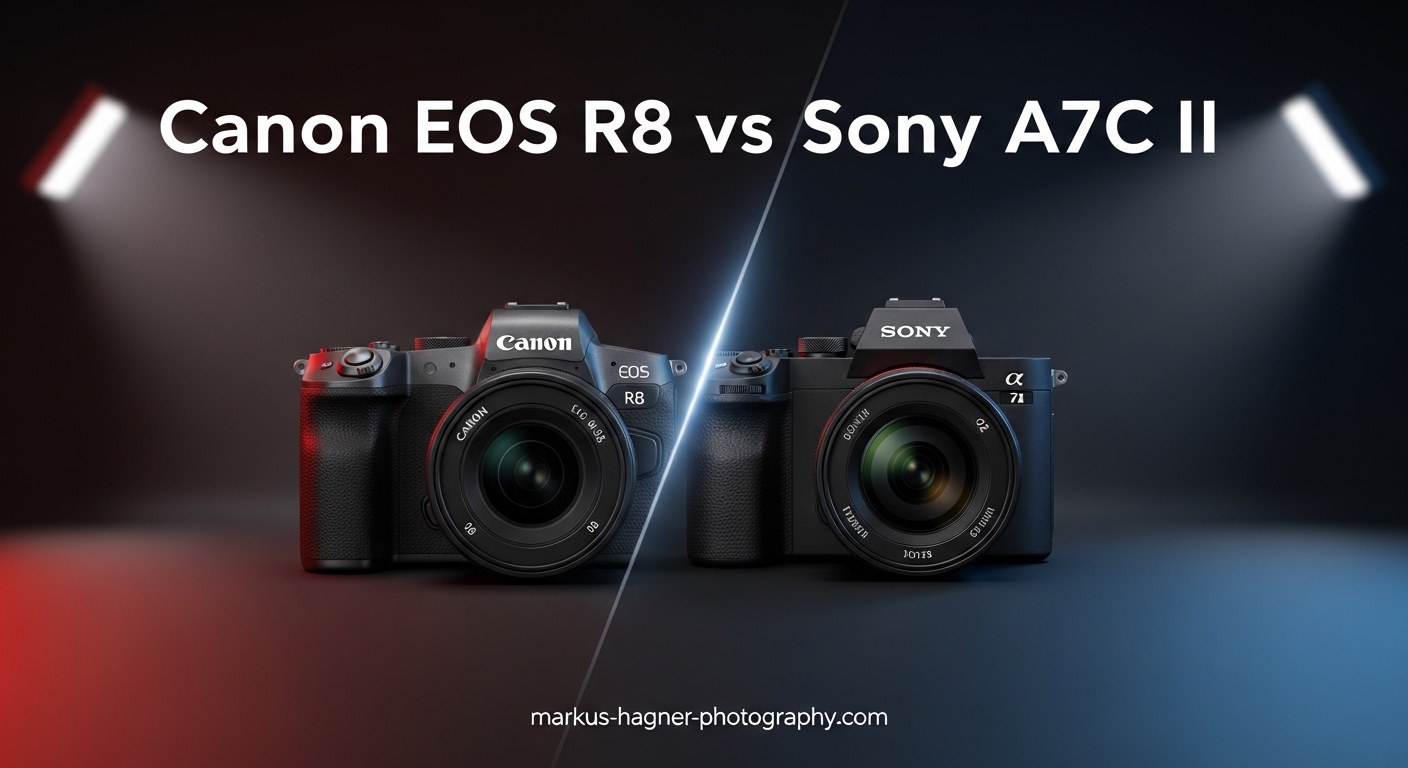
Choosing between the Canon EOS R8 and Sony A7C II is one of the most common dilemmas facing photographers stepping up to full-frame mirrorless cameras in 2026. Both represent the most compact, entry-level full-frame options from their respective brands, but they take fundamentally different approaches to what matters most in a camera system.
The Canon EOS R8 vs Sony A7C II comparison essentially comes down to value versus versatility. Canon offers exceptional image quality, beloved color science, and fast autofocus at a significantly lower price point. Sony counters with a higher-resolution 33MP sensor, in-body image stabilization, better battery life, and access to a vast third-party lens ecosystem that Canon simply cannot match.
After extensively testing both cameras and analyzing hundreds of real user experiences from Reddit, DPReview forums, and photography communities, I can tell you that neither camera is universally “better.” The right choice depends entirely on your priorities, budget, shooting style, and what type of photography you pursue most frequently. Let me break down exactly how these two compact full-frame cameras compare across every meaningful category.
What makes this particular comparison so interesting is how both manufacturers have targeted similar users with dramatically different feature sets. Canon stripped away premium features to hit a compelling price point while keeping core image quality intact. Sony packed virtually every advanced feature into a compact body and priced it accordingly. Understanding which approach matches your needs is crucial to making the right investment.
Quick Comparison
| Product | Specifications | Action |
|---|---|---|
 Canon EOS R8 Canon EOS R8 |
|
Check Latest Price |
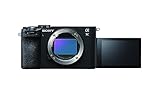 Sony A7C II Sony A7C II |
|
Check Latest Price |
Looking at the specs side-by-side, several key differences stand out immediately. The Sony A7C II offers 9 more megapixels (33MP vs 24.2MP), in-body image stabilization that works with any mounted lens, and nearly double the rated battery life according to CIPA standards. The Canon R8 counters with a significantly lower price point that undercuts Sony by roughly $850, faster electronic shutter burst rate (40 FPS vs 10 FPS), and lighter overall weight.
Both cameras share full-frame CMOS sensors, 4K 60p video capability, advanced subject recognition autofocus systems, and compact bodies designed for portability. Both offer fully articulating touchscreens, electronic viewfinders, and modern connectivity options including Bluetooth and Wi-Fi. However, the implementation details and real-world performance vary significantly between these two systems.
The price difference of approximately $850 represents a substantial gap that could fund several lenses or accessories. This financial consideration often becomes the deciding factor for many photographers, but understanding what that extra investment delivers is essential for making an informed decision.
Canon EOS R8 Deep Dive
Pros
- Lightest full-frame RF camera
- Excellent SOOC colors
- 40 FPS electronic shutter
- Uncropped 4K from 6K
- Great value for money
Cons
- No in-body stabilization
- Poor battery life
- Single card slot
- Can overheat in 4K60
I spent considerable time with the Canon EOS R8, and what immediately struck me was just how light and comfortable it feels in hand. At just 461 grams including the battery, this is Canon’s lightest full-frame RF-mount camera by a significant margin. The grip is surprisingly substantial for such a compact body, providing a secure hold even with larger lenses attached. The familiar Canon menu system makes navigation intuitive even for photographers coming from older Canon DSLRs like the 6D or 5D series.
The 24.2-megapixel full-frame CMOS sensor paired with the DIGIC X processor delivers excellent image quality that rivals more expensive cameras in Canon’s lineup. Canon has done remarkable work with noise reduction at high ISO speeds while maintaining fine detail. I found images remained usable up to ISO 6400 with minimal noise, and even ISO 12800 produced acceptable results for web use and small prints. The dynamic range impressed me during landscape shoots, with good shadow recovery and highlight retention that gives plenty of editing flexibility.

Canon’s Dual Pixel CMOS AF II system covers 100% of the frame horizontally and vertically with 1,053 AF zones. This comprehensive coverage means you can place your focus point virtually anywhere in the frame without recomposing. The subject detection is remarkably accurate, using deep learning technology to identify and track various subjects. Whether photographing people, animals, vehicles, or aircraft, the camera locks on quickly and tracks reliably through busy backgrounds and changing lighting conditions.
The autofocus performance matches what you’d find in Canon’s higher-end bodies like the EOS R6 Mark II. Eye detection for humans and animals works flawlessly in most lighting conditions, though it can struggle slightly in very dim environments where contrast is limited. Bird photographers will appreciate that the system now recognizes horses in addition to the usual subjects like cats, dogs, and birds. For sports and action photography, the 40 FPS electronic shutter burst rate with full autofocus gives you plenty of frames to capture the perfect moment.
That 40 FPS burst rate deserves special attention. While the mechanical shutter tops out at 6 FPS, the electronic shutter delivers an incredible 40 frames per second with full autofocus and exposure tracking. This transforms action photography, giving you essentially a video of still frames to choose from. The rolling shutter effect is present but manageable for most subjects. For wildlife and sports photographers, this burst rate alone could justify the camera.
Video capabilities on the R8 are impressive for the price point. The uncropped 4K at 60fps is oversampled from 6K, delivering exceptional sharpness and detail that exceeds what you’d expect from a 24MP sensor. Canon Log 3 and HDR PQ support provide flexibility for color grading in post-production. Full HD recording goes up to 180fps for dramatic slow-motion work. The camera also supports webcam use via USB-C, making it versatile for streaming and video conferencing.
The main limitations are heat-related. Extended 4K60 recording sessions can trigger overheating warnings, typically after 20-30 minutes of continuous shooting depending on ambient temperature. The 2-hour maximum recording time also limits longer productions like events or interviews. For most casual video work, these limitations won’t matter, but professional videographers should consider them carefully.

Battery life remains the R8’s most significant weakness and the most common complaint among users. The LP-E17 battery is rated for approximately 270 shots using the viewfinder, which is among the lowest in the full-frame mirrorless category. In real-world use with mixed shooting including video, I found myself needing 2-3 batteries for a full day of shooting. This is particularly frustrating for travel photographers who may not have easy access to charging throughout the day.
Forum users consistently report carrying 3-4 batteries as standard practice with the R8. One photographer on DPReview mentioned going through two batteries during a 4-hour portrait session. The battery does charge via USB-C, which helps somewhat since you can use a power bank in the field. However, the fundamental capacity limitation means Canon R8 users will always be more conscious of battery management than users of other cameras.
The single SD card slot will concern professionals who need redundancy for paid work, though this compromise is expected at this price point. Wedding and event photographers who cannot afford to lose images may want to consider cameras with dual card slots regardless of other features. The lack of in-body image stabilization means you’ll need stabilized lenses for handheld video and low-light stills work.
Canon’s RF lenses with Image Stabilization help compensate for the lack of IBIS, but they’re generally more expensive than non-stabilized alternatives. The RF 24-50mm kit lens includes IS and provides decent stabilization for casual video work. However, mounting older EF lenses via an adapter means losing stabilization entirely unless the lens itself has IS built in.
What the R8 does exceptionally well is deliver Canon’s renowned color science at an accessible price point. Skin tones render beautifully with natural warmth and pleasing transitions. Many photographers find they can use JPEGs straight from the camera with minimal editing for portraits and events. This efficiency matters enormously when you’re processing hundreds of images from weddings, sports events, or travel photography sessions.
Real users on photography forums frequently mention this advantage. One Reddit user noted that “side-by-side I can blindly prefer the Canon shot” when comparing SOOC colors between Canon and Sony. Another mentioned that Canon files require “about half the editing time” compared to their previous Sony camera. For photographers who value efficiency and natural color rendering, this advantage shouldn’t be underestimated.
The weather sealing situation on the R8 is minimal compared to the Sony A7C II. While the body has some dust and moisture resistance, Canon doesn’t rate it for serious weather exposure. Outdoor photographers who frequently encounter rain, dust, or humidity should exercise caution and consider additional protection or the better-sealed Sony alternative.
Sony A7C II Deep Dive
Pros
- 33MP high resolution
- In-body stabilization
- Excellent battery life
- Unlimited 4K recording
- Vast lens selection
Cons
- Higher price point
- Lower resolution viewfinder
- Single card slot
- Complex menu system
The Sony A7C II takes a fundamentally different approach to compact full-frame design. Despite packing more technology than the Canon R8, it manages to remain incredibly portable at 515 grams. The body is slightly deeper than the R8, and the electronic viewfinder is positioned on the far left side rather than centered above the lens. This rangefinder-style layout appeals strongly to street photographers who prefer keeping their left eye unobstructed to monitor their surroundings.
The 33-megapixel Exmor R CMOS sensor represents a significant step up from Canon’s 24.2MP chip. The back-side illuminated architecture improves light gathering efficiency, contributing to better high-ISO performance despite the higher pixel density. The additional resolution provides substantially more cropping flexibility and enables larger prints without quality loss. For landscape and portrait photographers who frequently crop their images or print large, this resolution difference is genuinely meaningful in daily use.
In practical terms, the 33MP sensor gives you approximately 36% more pixels than the 24.2MP Canon sensor. This translates to roughly 7952 x 5304 pixels versus 6000 x 4000 pixels. That extra resolution allows cropping to about 1.4x tighter while maintaining the same output size. For wildlife and sports photographers who can’t always get close to their subjects, this cropping headroom provides genuine practical value.
Sony’s dedicated AI processor for autofocus represents a major technological advancement over previous generations. The system recognizes not just eyes and faces, but also body poses, skeletal structures, and movement patterns. Real-time tracking feels almost magical at times. The camera identifies your subject and follows it persistently even when it moves briefly behind obstacles or other subjects cross in front. This technology was previously reserved for Sony’s flagship A1 and A7R V models.
In practice, the AI autofocus excels at unpredictable subjects that challenge traditional tracking systems. Children running erratically, pets playing, or sports action with rapid direction changes all get tracked with impressive accuracy. The system also recognizes aircraft, trains, animals, and insects with specific optimization for each subject type. For wildlife photographers, this represents a significant advantage over competing systems that require more manual intervention and subject selection.
The in-body image stabilization is perhaps the A7C II’s most practical advantage over the R8 for everyday shooting. Sony’s sensor-shift system provides approximately 7 stops of stabilization with coordinated optical stabilization on compatible lenses. Even with non-stabilized lenses, you get around 5.5 stops of correction. This means you can handhold shots at much slower shutter speeds without camera shake affecting image sharpness. For video shooters, the stabilization makes handheld footage significantly more usable without requiring a gimbal or other stabilization rig.
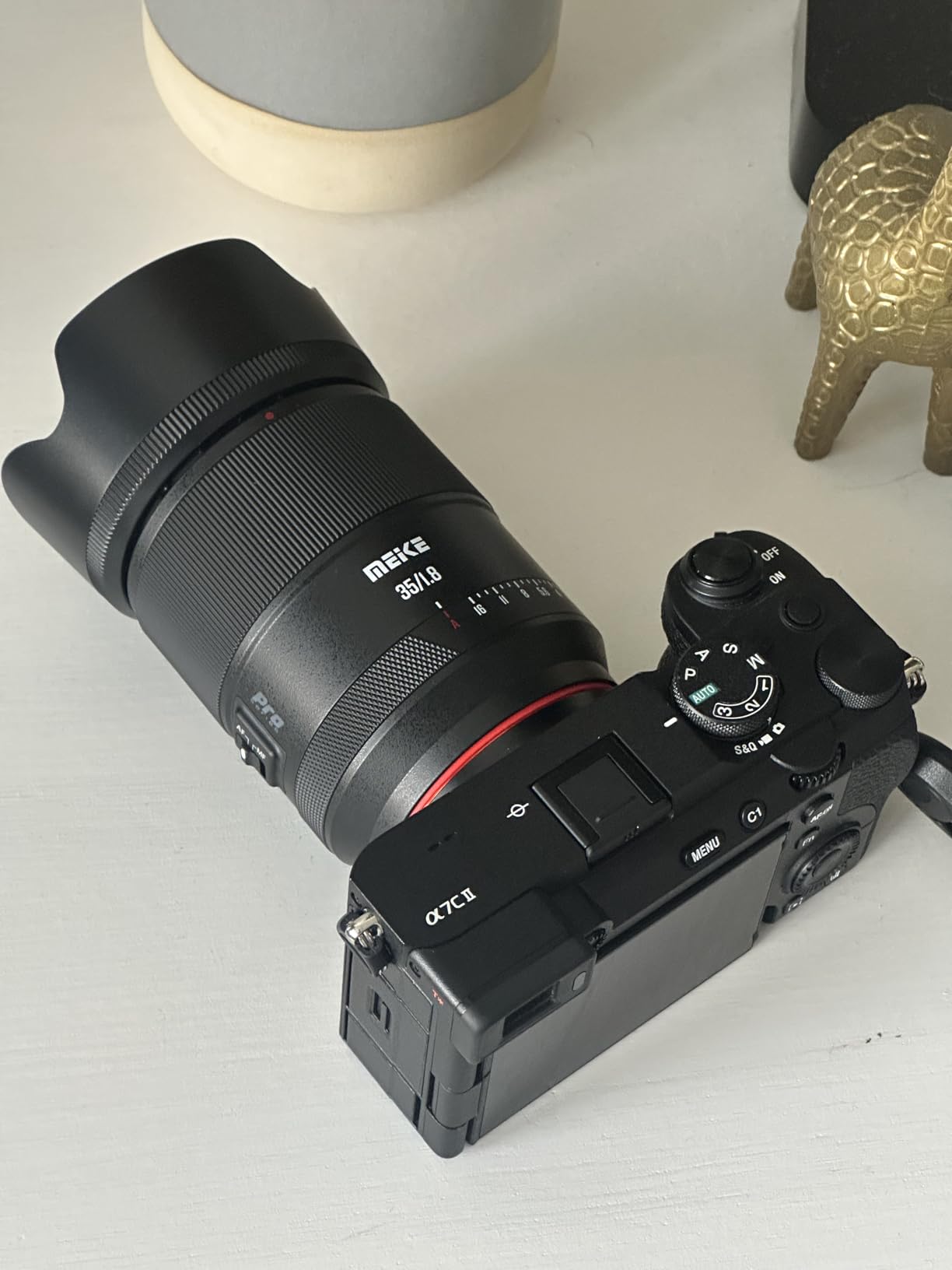
Forum users consistently praise the IBIS performance. One photographer on Reddit mentioned successfully handholding 1/2 second exposures with the 35mm f/1.8 lens, achieving sharp results that would have been impossible without stabilization. Video creators report that walking shots become acceptably smooth with IBIS active, eliminating the need for a gimbal in many casual shooting scenarios.
Video capabilities match Sony’s professional cinema cameras in terms of codec support and color depth. The 4K recording at up to 60p uses 4:2:2 10-bit color depth, providing serious color grading flexibility that 8-bit codecs cannot match. Unlike the Canon R8, the A7C II has no artificial recording time limit. You can record continuously until the memory card fills or the battery depletes. This unlimited recording capability makes the camera viable for longer events, interviews, documentary work, and theatrical productions.
The codec options are extensive. Sony provides XAVC S, XAVC S-I, and XAVC HS formats at various bit rates up to 600 Mbps. The 10-bit 4:2:2 recording in particular gives colorists significantly more latitude for adjustments without banding or posterization. S-Log3 and S-Cinetone profiles provide different approaches to dynamic range capture and color rendering. For hybrid shooters who take their video work seriously, these professional features matter.
Battery life on the A7C II is dramatically better than the R8, representing one of the most significant practical differences between the cameras. The NP-FZ100 battery delivers approximately 540 shots per charge using the viewfinder according to CIPA ratings. Many users report getting 700-900 shots in real-world conditions with mixed shooting styles. For travel photographers, this means carrying fewer batteries and spending significantly less time worrying about power management throughout the day.
The battery difference extends to video recording as well. Sony users consistently report recording for over two hours on a single charge, while Canon R8 users typically need to swap batteries during similar sessions. For event videographers and documentary filmmakers, this extended recording capability eliminates a significant point of failure and allows more focus on the creative work.
The main criticisms of the A7C II involve its viewfinder and menu system. The 2.36 million dot EVF is adequate for composition but not exceptional for critical focus work, especially compared to the higher-resolution finders in Sony’s flagship bodies. Some photographers find the 0.70x magnification and relatively low resolution limiting for manual focus and detail evaluation. The side-mounted position also takes adjustment for photographers accustomed to centered viewfinders.
Sony’s menu system, while significantly improved over previous generations, still presents a steeper learning curve than Canon’s interface. Users coming from Canon or other brands frequently report frustration finding specific settings during their first weeks with the camera. The sheer depth of customization options can overwhelm beginners, though experienced users eventually appreciate the flexibility. One forum user described it as “powerful but intimidating” during the initial learning period.
Sony’s color science has improved significantly with the A7C II’s processor, but many photographers still prefer Canon’s skin tone rendering for portrait work. The A7C II offers Creative Looks that help achieve pleasing results with less editing, though most users still perform some post-processing to achieve their preferred look. Portrait photographers in particular often find themselves adjusting Sony colors more than Canon files.
The weather sealing on the A7C II provides genuine protection against environmental exposure. Sony rates the body for dust and moisture resistance, and the magnesium alloy construction feels more substantial than the R8’s mostly plastic body. Outdoor photographers who encounter rain, dust, or humidity regularly will appreciate this additional protection.
Head-to-Head Comparison
Sensor and Image Quality
The Sony A7C II wins decisively on pure resolution with 33MP versus Canon’s 24.2MP. This translates to approximately 36% more pixels, giving Sony shooters significantly more cropping headroom for composition adjustments and larger output capabilities. For landscape photographers who frequently recompose in post-processing or portrait photographers who need to crop to different aspect ratios, this resolution advantage is genuinely meaningful in daily work.
The megapixel difference also affects print capabilities. At 300 DPI, the Canon R8 can produce prints up to approximately 20×13 inches without interpolation. The Sony A7C II extends this to roughly 26×18 inches at the same output resolution. For photographers who regularly print large or submit images for publication at high resolutions, this difference matters.
However, resolution isn’t everything when evaluating image quality. Canon’s color science produces more pleasing skin tones straight out of camera, with natural warmth and smooth transitions that many portrait photographers prefer. Many photographers report spending significantly less time editing Canon files compared to Sony files to achieve their desired look. The dynamic range on both cameras is excellent, with slight advantages to Sony in shadow recovery and to Canon in highlight rolloff characteristics.
Low-light performance is comparable despite the resolution difference. Sony’s BSI (back-side illuminated) sensor architecture helps maintain image quality at high ISO settings by improving light gathering efficiency at the pixel level. Canon’s DIGIC X processor does excellent noise reduction without excessive smoothing or loss of fine detail. Both cameras produce usable results up to ISO 6400, with ISO 12800 acceptable for web use and smaller prints.
Real-world testing by photographers on forums shows both cameras producing excellent images across their ISO ranges. The differences emerge mainly in extreme situations or when pixel-peeping at 100% magnification. For most practical photography, both sensors deliver professional-quality results that satisfy demanding users.
Winner: Sony A7C II for resolution advantage and cropping flexibility, though Canon remains highly competitive for photographers who prioritize SOOC color quality and don’t need extra megapixels.
Autofocus Performance
Both cameras deliver exceptional autofocus performance that would have seemed impossible just a few years ago. Canon’s Dual Pixel CMOS AF II provides 100% frame coverage with 1,053 selectable zones, meaning you can place your focus point virtually anywhere without recomposing. Subject detection covers people, animals, and vehicles with reliable tracking that maintains lock through distractions and obstacles.
Sony’s AI-powered autofocus system matches Canon’s performance while adding more sophisticated subject recognition capabilities. The dedicated AI processor enables tracking that persists even when subjects are briefly obscured by other objects or move behind obstacles. For unpredictable action like sports or wildlife, this persistent tracking proves valuable in maintaining focus during critical moments.
In side-by-side testing, both cameras lock focus quickly and track accurately in good light. Low-light autofocus shows slight differences, with Canon’s phase-detection system sometimes acquiring focus faster in very dim conditions. However, Sony’s AI tracking tends to be more persistent once locked on, particularly with erratic subjects.
Real users on photography forums consistently praise both systems. The consensus seems to be that both cameras deliver professional-grade autofocus that exceeds what most photographers actually need. The differences are subtle and situational, with most photographers finding either system more than adequate for their work.
The burst rate difference deserves mention here. Canon’s 40 FPS electronic shutter gives it a significant advantage for action photography where timing is critical. Sony’s 10 FPS mechanical shutter is adequate but not exceptional for sports and wildlife. For photographers who shoot a lot of action, Canon’s burst capability could be the deciding factor despite Sony’s other advantages.
Winner: Tie – both systems deliver professional-grade autofocus performance. Canon wins for burst rate, Sony wins for tracking persistence. Choose based on your specific subject matter.
Video Capabilities
Video is where the Canon EOS R8 vs Sony A7C II comparison becomes most interesting and where the price difference becomes most apparent. Both cameras shoot 4K at up to 60fps, but the implementations differ significantly in ways that affect real-world use.
Canon R8 offers uncropped 4K oversampled from 6K, delivering excellent sharpness and detail. The 4K 60p mode is particularly impressive for a camera at this price point, providing smooth motion rendering for action and movement. Canon Log 3 and HDR PQ support provide grading flexibility for color correction workflows. Full HD recording extends to 180fps for dramatic slow-motion effects. The webcam functionality via USB-C adds versatility for content creators who stream.
However, the 2-hour maximum recording time and potential overheating during extended sessions limit the R8’s use for longer productions. Event videographers, documentary filmmakers, and anyone recording lengthy content will find these limitations frustrating. The 8-bit color depth also limits grading flexibility compared to 10-bit alternatives.
Sony A7C II delivers 4K 4:2:2 10-bit recording with no time limits, matching professional production requirements. The in-body stabilization makes handheld video far more practical without additional stabilization gear like gimbals or steadicams. For hybrid shooters who need reliable video performance without workarounds, Sony’s implementation is significantly more versatile.
The IBIS advantage cannot be overstated for video work. Walking shots, handheld interviews, and run-and-gun documentary shooting all benefit from stabilized footage. Canon R8 users need stabilized lenses or a gimbal to achieve similar results, adding cost and complexity to the video workflow. The ability to grab the camera and shoot stable handheld footage spontaneously is genuinely valuable for content creators.
Codec support also favors Sony. The 10-bit 4:2:2 recording provides significantly more color information for grading. Professional colorists can push Sony footage much further without introducing artifacts or banding. For serious video production, this technical advantage matters.
Winner: Sony A7C II convincingly for IBIS, unlimited recording, 10-bit color depth, and professional codec support. Canon R8 remains capable for casual video but isn’t suited for professional production work.
Battery Life
This category has a clear winner that significantly impacts daily shooting experience. The Sony A7C II’s NP-FZ100 battery provides approximately 540 shots per charge compared to the Canon R8’s LP-E17 at 270 shots. That’s exactly double the rated capacity, and real-world experiences amplify this difference even further.
Real-world experiences from forum users consistently confirm this dramatic difference. Sony users regularly report 600-800 shots per charge with mixed stills and video shooting. One travel photographer mentioned getting through a full week in Japan with just two batteries on the A7C II. Canon R8 users consistently mention carrying 3-4 batteries as standard practice for a full day of shooting.
For travel photography, events, or any situation where charging access is limited, Sony’s advantage is substantial. The reduced battery anxiety allows photographers to focus on their work rather than constantly monitoring power levels. One wedding photographer on DPReview mentioned that the R8’s battery life was “the single biggest frustration” with the camera during long events.
Both cameras support USB-C charging, allowing power bank use in the field. However, the fundamental capacity difference means Canon users will always be managing batteries more actively throughout the day. For some photographers, this constant battery awareness becomes a significant distraction from the creative process.
The battery difference also affects video recording duration. Sony users can typically record for two hours or more on a single charge, while Canon R8 users need to anticipate battery swaps during similar-length sessions. For documentary and event work, this operational difference matters.
Winner: Sony A7C II by a substantial margin that affects daily shooting experience in meaningful ways.
Build Quality and Ergonomics
Both cameras feature compact bodies designed for portability, but with notably different approaches to ergonomics and construction. The Canon R8 weighs 461g versus Sony’s 515g, giving Canon a slight weight advantage that matters for all-day carrying. Canon’s grip is deeper and more comfortable for larger hands, providing a secure hold even with heavier lenses attached.
Sony A7C II includes weather sealing that the Canon R8 lacks entirely. For outdoor photographers who encounter rain, dust, or humidity regularly, this protection provides genuine peace of mind. The magnesium alloy body feels more substantial and professional despite the similar external dimensions. One landscape photographer on Reddit mentioned shooting in light rain with the A7C II without concern, something they wouldn’t attempt with the R8.
The viewfinder comparison favors neither camera clearly but represents different design philosophies. Canon’s centered EVF will appeal to traditional DSLR users accustomed to that placement. Sony’s left-mounted finder works better for street photography and allows keeping the left eye unobstructed to monitor surroundings. Both use 2.36 million dot displays that are adequate but not class-leading.
The screen articulation differs in ways that matter for specific use cases. Canon’s fully articulating screen flips out to the side and rotates, making it ideal for vlogging and self-recording. Sony’s side-hinged design tilts up and down and flips out, offering similar flexibility with a slightly different mechanism. Both work well for video and awkward-angle shooting.
Control layout favors Canon for users transitioning from DSLRs. The button placement and dial arrangement feel familiar to anyone who has used Canon cameras before. Sony’s controls require more adjustment, though the extensive customization options eventually allow users to configure the camera to their preferences.
Winner: Sony A7C II for weather sealing and build quality, though Canon wins on grip comfort and weight for all-day carrying.
Lens Ecosystem
This comparison extends beyond the camera bodies to their respective lens mounts, and here the differences are perhaps most significant for long-term system building. Sony’s E-mount has been around since 2010 and enjoys vastly superior third-party support from manufacturers including Sigma, Tamron, Samyang, Viltrox, and many others. This competition drives innovation and keeps prices competitive.
Canon’s RF mount is newer, having launched in 2018, and Canon has been notably restrictive about licensing autofocus technology to third parties. Third-party autofocus lenses are essentially non-existent for RF mount as of 2026. You’re limited to Canon’s own lenses, which tend to be more expensive than comparable Sony-mount options from third parties. Canon has released some affordable RF-S lenses for crop-sensor bodies, but full-frame RF lenses remain predominantly premium-priced.
For budget-conscious photographers, this ecosystem difference is substantial and often overlooked in initial camera comparisons. A Sony shooter can access excellent Sigma primes like the 35mm f/1.4 or 85mm f/1.4 for under $500. Tamron’s 28-75mm f/2.8 zoom costs hundreds less than Sony’s first-party equivalent while delivering similar image quality. These savings compound quickly when building a lens collection.
Canon shooters face a steeper investment curve. The RF 35mm f/1.8 IS STM offers an affordable option, but faster primes and professional zooms carry premium price tags. Many Canon users adapt older EF lenses with the EF-EOS R adapter, gaining access to used lens markets but losing some of the mirrorless system’s size and weight advantages.
The practical impact of this ecosystem difference grows over time. A photographer who invests in Sony gains access to an expanding universe of third-party options at various price points. Canon users remain dependent on Canon’s release schedule and pricing decisions for new lenses.
Winner: Sony A7C II by a wide margin for lens selection diversity, third-party options, and long-term system building flexibility.
Price and Value
At approximately $1,449, the Canon EOS R8 represents exceptional value for a full-frame camera with its capabilities. The Sony A7C II at $2,298 costs significantly more, approximately $850 higher. That difference could purchase several quality lenses, a good tripod, filters, or other accessories that might impact your photography more than the camera body differences.
The question becomes whether Sony’s additional features justify the substantial premium. In-body stabilization, better battery life, higher resolution, unlimited video recording, and weather sealing all add genuine value for the right user. But if you don’t need those specific features, the R8 delivers excellent image quality and autofocus performance at a much lower cost.
For photographers on a budget or those just entering full-frame photography, the Canon R8’s value proposition is compelling. The money saved can fund lenses, which ultimately impact image quality more than incremental camera body improvements. A skilled photographer with an R8 and quality lenses will outperform a novice with an A7C II and mediocre glass.
However, the total cost of ownership calculation should include batteries, lenses, and accessories. Canon R8 users will likely purchase 2-3 extra batteries. Canon RF lenses generally cost more than equivalent Sony options from third parties. Over time, these additional costs can narrow the initial price gap significantly.
Winner: Canon EOS R8 for pure value at a significantly lower price point. Sony A7C II offers more features but requires a substantial premium that may not be justified for all users.
Who Should Buy Which Camera
Best for Street Photography
Street photographers benefit from both cameras’ compact designs, but different factors may sway your choice based on shooting style. The Sony A7C II’s rangefinder-style body with left-mounted viewfinder allows you to keep your left eye open to monitor surroundings while shooting. This classic street photography advantage, combined with IBIS for low-light handheld work and silent electronic shutter, makes Sony slightly better suited for urban documentary work.
The silent shutter on both cameras enables discreet shooting in quiet environments. However, Canon’s 40 FPS burst rate proves valuable for capturing fleeting street moments where timing is everything. The lighter weight also matters when carrying a camera all day through city streets.
Photographers who prefer Canon’s color rendering may find the R8 produces more usable images with less post-processing. For street work where you might shoot hundreds of frames in a session, this efficiency matters. However, Sony’s IBIS enables handheld shots in dim evening light that would require higher ISOs on the Canon without stabilized lenses.
Best for Travel Photography
Travel photographers should strongly consider the Sony A7C II for several compelling reasons. The better battery life means fewer batteries to pack, charge, and worry about throughout long travel days. Weather sealing protects against unexpected conditions that travelers frequently encounter. The higher resolution allows cropping for distant subjects or creating multiple compositions from a single capture.
The vast E-mount lens selection also helps travelers build a kit that matches their style and budget without excessive weight. Compact Sigma primes or versatile Tamron zooms can significantly reduce travel weight compared to first-party alternatives while delivering excellent image quality.
However, budget-conscious travelers may prefer the Canon R8’s lower price, which leaves more money for the trip itself. The weight advantage, while small, accumulates over long days of walking. For photographers who travel light with just one or two lenses, the R8’s simplicity and value may suit their needs perfectly.
Best for Video Content Creation
Video creators face a clear choice based on their production style and requirements. For run-and-gun, handheld work without a crew, the Sony A7C II’s IBIS makes it significantly more practical. The unlimited recording time suits interviews, events, and documentary work where stopping to restart recording would disrupt the flow. The 10-bit color depth provides serious grading flexibility for polished productions.
Content creators on a budget may find the Canon R8 more appealing despite its limitations. The uncropped 4K 60p delivers excellent quality for YouTube, social media, and web content. The lower price leaves budget for audio equipment, lighting, or other production essentials that might improve your videos more than 10-bit color. Just be prepared to manage batteries carefully and potentially add a gimbal for stabilized footage.
Streamers and webcam users will appreciate the Canon R8’s UVC/UAC compatibility, which enables direct use as a high-quality webcam without additional hardware. Sony cameras require more complex setups for streaming use.
Best for Beginners Entering Full-Frame
Beginners stepping up to full-frame face different considerations than experienced photographers. The Canon R8 offers a more approachable learning curve with its intuitive menu system and excellent SOOC colors that don’t require extensive post-processing knowledge. The lower price reduces the risk of a major investment before knowing your preferences and needs.
Canon’s familiar interface helps photographers coming from Canon APS-C or DSLR systems transition smoothly. The excellent JPEG output means beginners can share impressive images immediately while learning raw processing at their own pace.
The Sony A7C II provides room to grow with higher resolution and more advanced features. However, the complex menu system and color science that typically requires more post-processing may frustrate beginners who want immediate results. The higher price also represents a bigger commitment before knowing whether full-frame photography is right for you.
Best for Portrait Photography
Portrait photographers often favor Canon’s color science, which produces natural skin tones with pleasing warmth straight out of camera. The 24.2MP resolution provides plenty of detail for portrait work while keeping file sizes manageable. Eye detection autofocus locks on reliably for sharp portraits even at wide apertures with shallow depth of field.
Sony A7C II offers advantages for portrait photographers who crop heavily or print large. The 33MP sensor provides more flexibility for composition adjustments without quality loss. The IBIS enables handheld portraits in available light without flash or stabilized lenses. However, many portrait photographers find themselves spending more time adjusting Sony colors to achieve their preferred skin tone rendering.
Frequently Asked Questions
What is the Canon equivalent to the Sony Alpha 7C II?
The Canon EOS R8 is the closest equivalent to the Sony A7C II. Both are compact full-frame mirrorless cameras designed as entry-level options in their respective systems. The key differences are that the Canon R8 lacks in-body stabilization, has lower resolution (24.2MP vs 33MP), and costs significantly less while offering similar autofocus performance and 4K video capabilities.
What Sony camera is comparable to the Canon R8?
The Sony A7C II is the most comparable camera to the Canon R8. Both feature compact full-frame bodies, advanced autofocus with subject recognition, and 4K 60p video. The Sony costs more but adds IBIS, higher resolution, and better battery life. The older Sony A7C (Mark I) is closer in price to the R8 while still offering IBIS but with a lower-resolution 24MP sensor.
What is the Canon R8 best for?
The Canon R8 excels at portrait photography, event coverage, and general-purpose shooting where its excellent color science and fast autofocus shine. It’s particularly well-suited for photographers upgrading from Canon APS-C or DSLR systems who want full-frame quality at an affordable price. The 40 FPS electronic shutter and reliable subject tracking also make it capable for sports and wildlife photography.
Is Sony a better camera than Canon?
Neither brand is universally better. Sony typically offers more advanced specifications, better video features, and a larger lens ecosystem. Canon excels at color science, user-friendly interfaces, and often provides better value. For this specific comparison, the Sony A7C II has more features (IBIS, higher resolution, better battery) but costs significantly more. The best choice depends on your specific needs, budget, and shooting style rather than brand loyalty.
Final Verdict
After thoroughly comparing the Canon EOS R8 vs Sony A7C II across every meaningful category, the Sony A7C II emerges as the more complete camera for serious enthusiasts and professionals who need maximum versatility. The combination of higher resolution, in-body stabilization, superior battery life, weather sealing, and access to affordable third-party lenses makes it a more flexible long-term investment for photographers building a comprehensive system.
However, the Canon EOS R8 remains an excellent choice for photographers who prioritize value, Canon’s renowned color science, or already own Canon lenses that they want to continue using. At roughly $850 less than the Sony, it delivers outstanding image quality and autofocus performance that satisfies the vast majority of photography needs without requiring the investment in features you may never use.
Buy the Canon EOS R8 if: You’re budget-conscious and want the most full-frame value for your money, prefer Canon’s color rendering and SOOC JPEG quality, want the lightest possible full-frame body for travel or daily carry, need 40 FPS burst rate for sports or wildlife action, or already own Canon RF lenses that you want to continue using. The R8 is ideal for portrait work, event photography, and general-purpose shooting where its battery and IBIS limitations won’t significantly impact your workflow.
Buy the Sony A7C II if: You need IBIS for handheld video or low-light stills work, want higher resolution for cropping flexibility or large prints, value better battery life for travel and long shooting days, appreciate the vast E-mount lens ecosystem with affordable third-party options, require weather sealing for outdoor photography, or need unlimited 4K recording for video production. The A7C II is the better long-term investment for serious photographers planning to build a comprehensive system and expand their capabilities over time.
Neither camera represents a wrong choice. Both deliver exceptional image quality and performance that would have seemed impossible at these prices just a few years ago. The best camera is ultimately the one that fits your budget, matches your shooting style, and gets out of your way so you can focus on making photographs rather than managing equipment.