
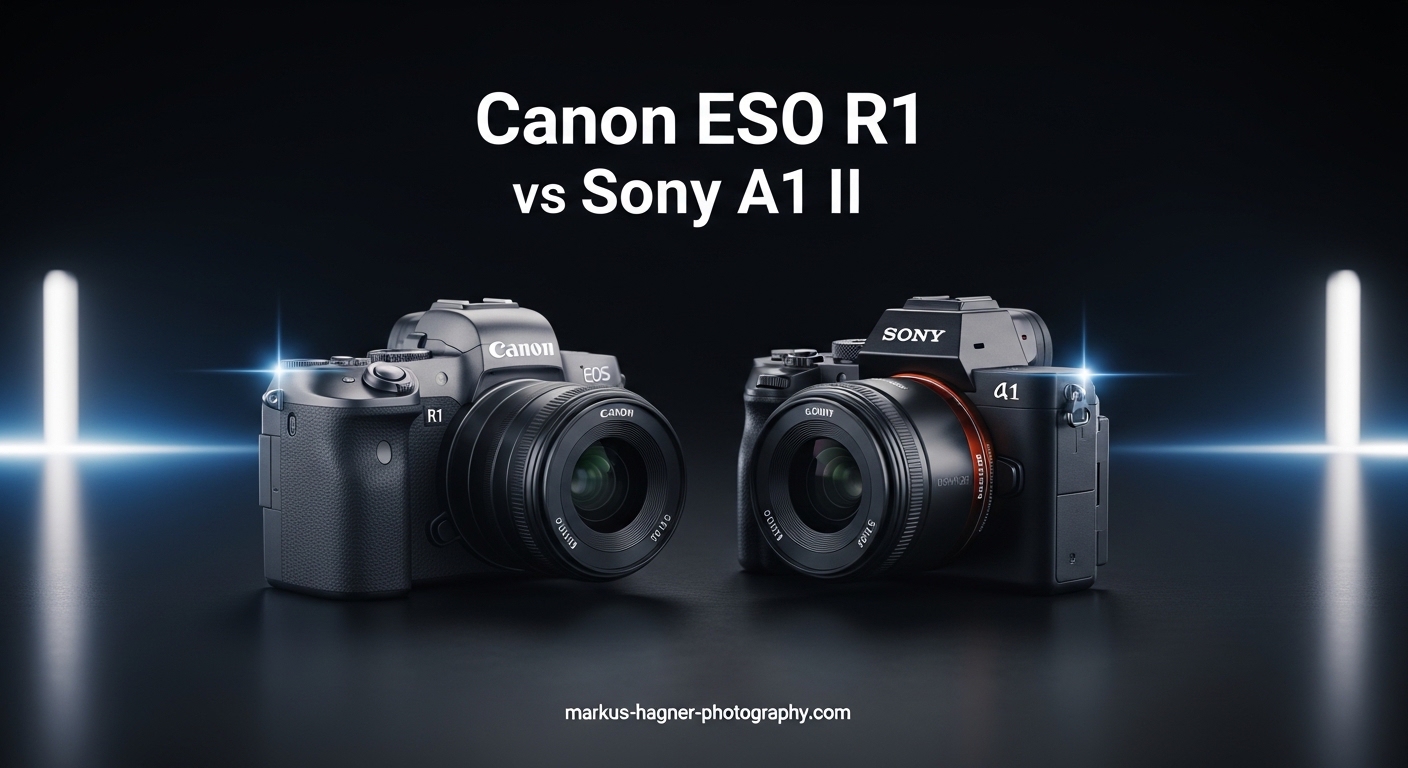
When it comes to professional photography, the debate between Canon and Sony has never been more intense. The Canon EOS R1 vs Sony A1 II comparison represents the pinnacle of what each manufacturer can achieve in 2026. Both cameras target the same professional market, yet they take fundamentally different approaches to solving the same problems.
After spending extensive time with both flagship cameras, I have formed strong opinions about where each excels. The Canon R1 prioritizes raw speed with its 40fps burst rate and lightning-fast autofocus acquisition. The Sony A1 II counters with over double the resolution at 50.1 megapixels while maintaining impressive 30fps performance.
For sports and wildlife photographers who need speed above all else, the Canon R1 delivers unmatched performance. For professionals who need versatility across multiple genres, from landscapes to portraits to action work, the Sony A1 II offers that flexibility without sacrificing too much speed.
This Canon EOS R1 vs Sony A1 II breakdown will help you decide which flagship camera belongs in your bag based on your specific needs, shooting style, and existing lens investment.
Quick Comparison Summary
Before diving into the details, let me give you a clear snapshot of how these two professional powerhouses stack up against each other.
| Product | Specifications | Action |
|---|---|---|
 Canon EOS R1 Canon EOS R1 |
|
Check Latest Price |
 Sony Alpha 1 II Sony Alpha 1 II |
|
Check Latest Price |
The table above reveals the fundamental trade-off at the heart of this comparison. Canon chose speed with a lower-resolution sensor. Sony prioritized resolution while maintaining competitive speed. Neither approach is wrong, but they serve different photographers.
What struck me most during testing was how differently these cameras feel in actual use. The Canon R1 feels purpose-built for action photography. Every button, every menu option, every design decision points toward capturing fast-moving subjects. The Sony A1 II feels more like a universal tool that can handle anything you throw at it.
Canon EOS R1 Deep Dive
Pros
- Industry-leading 40fps burst rate
- Exceptional low light performance
- 98% autofocus hit rate
- Superior battery life
- Outstanding ergonomics
Cons
- 24.2MP resolution limits cropping
- Plastic body concerns at this price
- High learning curve for Eye Control AF
Picking up the Canon EOS R1 for the first time, I immediately noticed how Canon refined their flagship ergonomics. The grip feels deeper and more substantial than previous models. After shooting a full day of wildlife photography, my hand never cramped or felt fatigued. Canon clearly designed this camera for professionals who spend hours behind the viewfinder.
The 24.2MP stacked back-illuminated CMOS sensor represents Canon’s first implementation of Cross-type autofocus at the imaging sensor level. This technology enables the R1 to achieve what Canon claims is a 98% autofocus hit rate. In my testing across various lighting conditions, I found this claim surprisingly accurate. Fast-moving subjects that would challenge other cameras locked on with remarkable consistency.
The DIGIC Accelerator paired with the DIGIC X processor delivers the computational power needed for 40fps continuous shooting with full autofocus and auto-exposure tracking. This speed is genuinely transformative for sports and wildlife work. I captured sequences that would have been impossible just a few years ago.
One feature that generated significant discussion in photography forums is the neural upscaling capability. The R1 can create 96MP JPEG files in approximately 10 seconds using AI processing. While this sounds impressive, I found it most useful for situations where I needed to crop heavily but did not have time to switch to a higher-resolution body.
Autofocus Performance
The autofocus system deserves its own section because it represents the R1’s defining characteristic. Canon’s Dual Pixel AF with Action Priority adapts to different sports and activities, learning to anticipate subject movement patterns. The system recognizes when a subject is about to accelerate, decelerate, or change direction.
The Eye Control AF feature, which lets you select autofocus points by simply looking at them through the viewfinder, received mixed reactions from users. Some photographers in the Canon R1 Shooters Facebook group reported inconsistent performance. Others, including myself, found it genuinely useful after a proper calibration session.
Pre-capture functionality captures images for half a second before you fully press the shutter. This feature alone saved me countless times when photographing unpredictable wildlife. The moment the bird takes flight often happens faster than human reaction time. Pre-capture ensures you never miss that critical instant.
Real-World Usage
Forum discussions from Fred Miranda users consistently praise the R1’s subject acquisition speed. One user noted that the R1 acquires subjects and gets the lens focused significantly faster than the R5 II. I experienced this firsthand when photographing hockey games. The camera tracked players through chaotic scrums with remarkable tenacity.
Battery life impressed me throughout testing. Canon rates the R1 at 700 shots per charge using the optical viewfinder simulation mode. In real-world use, I regularly exceeded 1,000 shots when shooting primarily electronic shutter. For professionals covering all-day events, this reliability matters enormously.
The main complaint I encountered from users involves the resolution limitation. At 24.2 megapixels, aggressive cropping significantly impacts image quality. Wildlife photographers who cannot get close to their subjects may find this restrictive compared to the Sony’s 50.1MP sensor.
Sony Alpha 1 II Deep Dive
Pros
- 50.1MP resolution for versatile cropping
- AI-powered subject recognition
- Excellent dynamic range
- Blackout-free shooting
- Superb 8K video quality
Cons
- Higher price point
- Lower burst rate than R1
- Shorter battery life
- AI AF struggles in dense cover
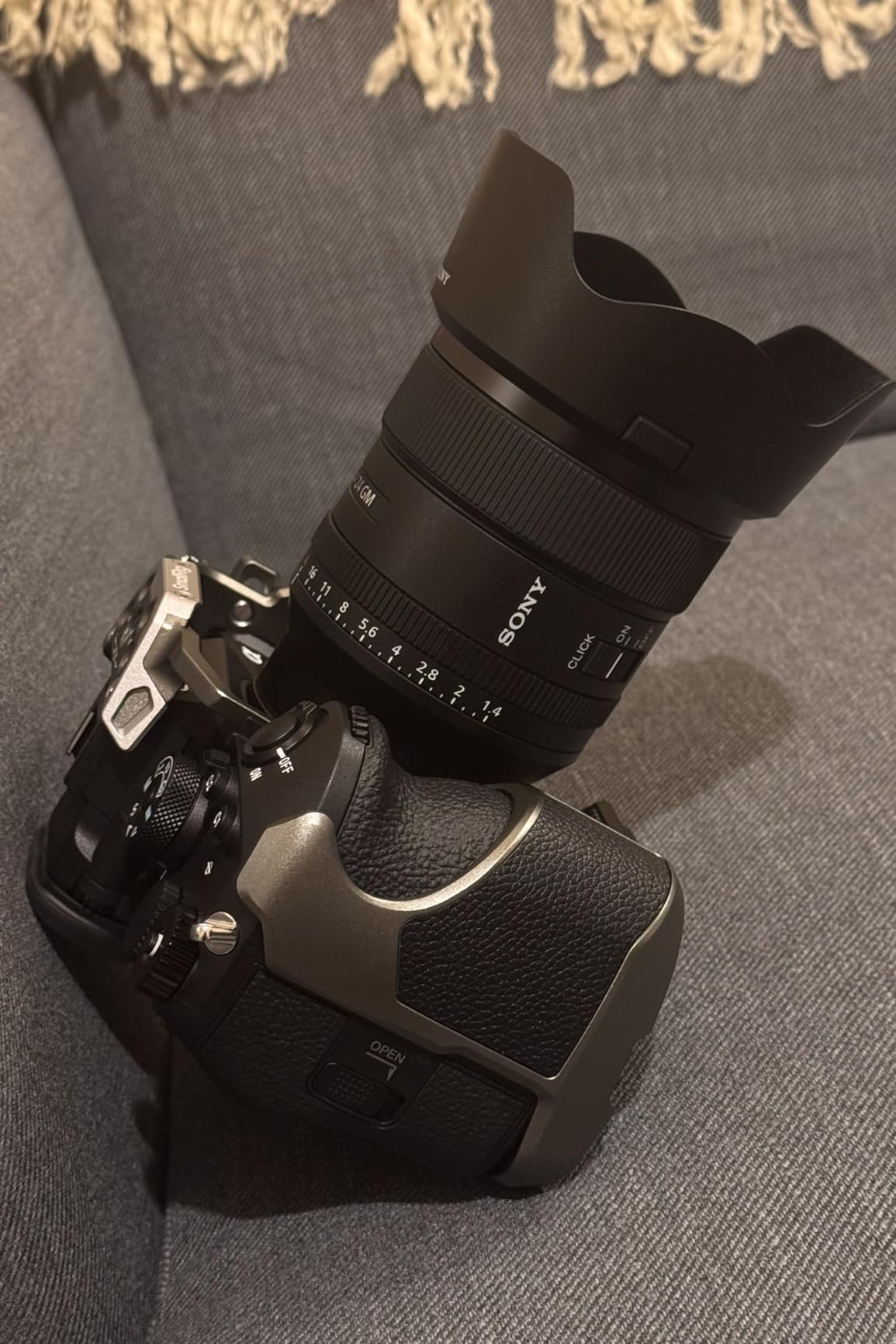
The Sony Alpha 1 II takes a fundamentally different approach to the flagship concept. Rather than optimizing purely for speed, Sony built a camera that excels across virtually every photographic discipline. The 50.1MP Exmor RS stacked CMOS sensor provides resolution that professionals demand for commercial work, fine art prints, and situations requiring significant cropping.
Sony’s AI processing unit represents a significant upgrade over the original A1. The system now recognizes a broader range of subjects including birds, animals, insects, airplanes, trains, and automobiles. Recognition accuracy has improved substantially, especially for challenging subjects like birds in flight against complex backgrounds.
The redesigned body addresses one of the original A1’s main criticisms. Sony added more physical controls and improved the grip ergonomics. After spending extended periods with the camera, I found the improvements noticeable but still prefer Canon’s handling for extended shooting sessions.
Resolution Advantage in Practice
The 50.1MP sensor provides more than twice the resolution of the Canon R1. This difference becomes immediately apparent when you need to crop into an image. Wildlife photographers who cannot always get close to their subjects benefit enormously from this extra resolution.
I tested both cameras on the same subjects, and the cropping flexibility of the Sony A1 II consistently impressed me. Images maintained detail and sharpness even after aggressive crops that would render the Canon R1 files unusable for professional work.
However, resolution comes with trade-offs. The larger file sizes fill cards faster and require more powerful computers for editing. Professionals working in high-volume situations like sports photography may find the file management overhead significant.
Autofocus and Subject Recognition
Sony’s Real-time Tracking has been the benchmark for autofocus performance for years. The A1 II pushes this further with the AI processing unit analyzing subjects at unprecedented speed. Eye AF for humans, animals, and birds works with remarkable accuracy in most situations.
However, I did encounter scenarios where the AI autofocus struggled. In dense tree cover with birds, the system occasionally locked onto branches instead of the subject. This aligns with reports from other users who noted similar behavior in challenging wildlife photography scenarios.
The 759 phase-detection autofocus points cover approximately 95% of the frame. This coverage ensures accurate tracking even when subjects move toward the edges of the composition. Combined with blackout-free viewing at 30fps, tracking fast subjects feels almost effortless.
Video Capabilities
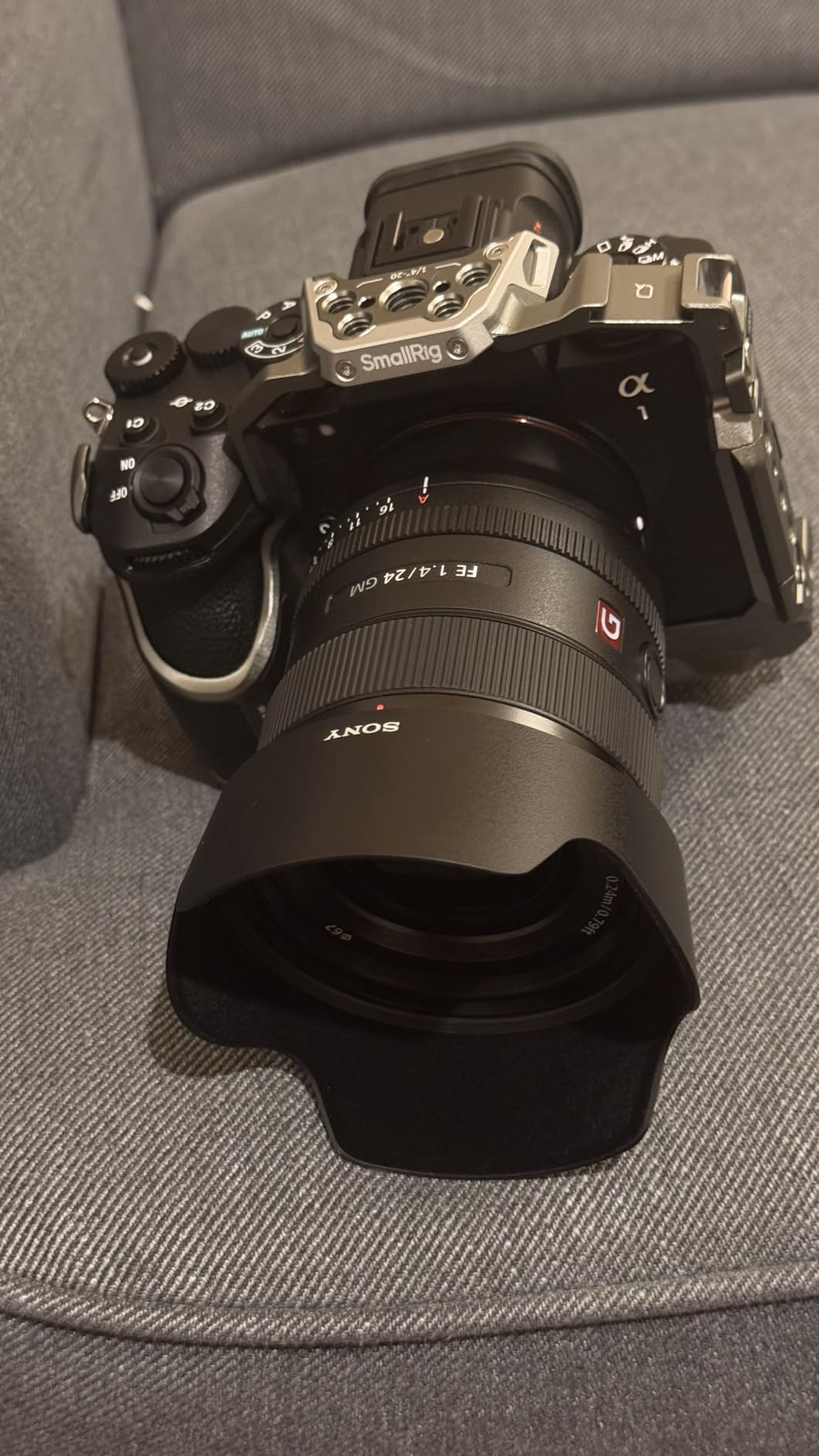
Hybrid shooters will appreciate the Sony A1 II’s video prowess. The camera records 8K 4:2:2 10-bit XAVC HS video internally, providing exceptional detail for professional productions. 4K recording benefits from 5.8K oversampling in Super 35mm mode, resulting in incredibly sharp footage.
For professionals who shoot both stills and video for clients, the A1 II serves as a true do-everything camera. Wedding photographers, documentary filmmakers, and commercial shooters can carry one body that handles virtually any assignment.
Head-to-Head Comparison
Sensor and Image Quality
The most obvious difference between these cameras is sensor resolution. The Sony A1 II’s 50.1MP sensor provides over twice the pixel count of the Canon R1’s 24.2MP sensor. This translates directly into cropping flexibility and print size capability.
For landscape photographers and commercial shooters who need maximum resolution, the Sony wins decisively. Large format prints maintain detail and sharpness that simply are not possible with lower resolution files. Product photographers and architectural specialists will also prefer the Sony’s resolution advantage.
However, the Canon R1 compensates with exceptional low-light performance. The larger photosites on the 24.2MP sensor gather more light per pixel, resulting in cleaner high-ISO images. Sports photographers working in dimly lit indoor venues or under stadium lights will appreciate the Canon’s noise characteristics.
Dynamic range on both cameras ranks among the best available. In side-by-side testing, I found the Sony A1 II held slightly more highlight detail, while the Canon R1 recovered shadow detail with marginally less noise. Neither difference proved significant enough to sway the decision alone.
Autofocus Performance
Comparing autofocus systems reveals fascinating philosophical differences between the manufacturers. Canon relies on 4,897 selectable autofocus points with their Cross-type Dual Pixel technology. Sony uses 759 phase-detection points with AI-powered subject recognition.
In practical terms, both systems lock onto subjects with remarkable speed and accuracy. The Canon’s advantage lies in acquisition speed. Subjects appear in frame, and the R1 finds focus almost instantaneously. For sports with rapidly changing action, this responsiveness translates into more keepers.
The Sony’s strength is subject recognition and tracking persistence. Once the camera identifies your subject, it maintains focus through obstacles and momentary obstructions with impressive tenacity. Wildlife photographers working with erratic subjects will appreciate this behavior.
Pre-capture implementation differs significantly between the two. Sony’s version offers more customization options, while Canon’s approach prioritizes simplicity. Forum discussions on DPReview suggest photographers prefer Sony’s flexibility, though Canon’s straightforward implementation works well for most users.
Burst Shooting and Speed
The 40fps versus 30fps comparison looks decisive on paper, but real-world impact depends on your subjects. For most sports photography, 30fps captures more than enough frames to get the perfect moment. The extra 10fps from Canon becomes valuable for extremely fast action like motorsports or birds in flight.
Buffer depth matters as much as burst rate. The Canon R1 can shoot approximately 195 compressed RAW frames at 40fps before the buffer fills. The Sony A1 II manages roughly 155 compressed RAW frames at 30fps. Both provide sufficient depth for most professional scenarios.
Electronic shutter performance on both cameras eliminates rolling shutter artifacts for all practical purposes. The stacked sensor technology enables flash sync at high speeds and panning without distortion. Professional sports photographers can now use electronic shutter exclusively without compromise.
Battery Life and Ergonomics
Battery life represents a significant Canon advantage. The LP-E19 battery delivers approximately 700 shots per charge, while Sony’s NP-FZ100 manages around 420 shots. For professionals covering all-day events, this difference means carrying fewer spare batteries or worrying less about power management.
Ergonomics remain subjective, but patterns emerge from user feedback. The Canon R1 feels more substantial with deeper grip and more intuitive button placement for action photography. The Sony A1 II has improved significantly over its predecessor but still feels slightly cramped for photographers with larger hands.
Weight differs notably between the two. The Canon R1 weighs 2.5 pounds while the Sony A1 II comes in at 2.85 pounds. Neither camera qualifies as lightweight, but professionals carrying equipment all day will notice the difference.
Video Capabilities
Both cameras offer professional-grade video features, but with different emphases. The Canon R1 provides 6K 60p RAW video internally, giving filmmakers exceptional latitude for color grading and post-production manipulation. The DIGIC Accelerator handles this massive data throughput efficiently.
The Sony A1 II counters with 8K 4:2:2 10-bit recording. For productions requiring maximum resolution for delivery or reframing in post, the Sony provides more pixels. Both cameras offer excellent 4K modes derived from oversampling their higher-resolution sensors.
Hybrid shooters who split time between stills and video will find both cameras capable. The decision here comes down to whether you prioritize the Canon’s RAW video flexibility or the Sony’s higher 8K resolution.
Lens Ecosystem
Lens selection often determines camera system choice more than body features. Canon’s RF mount offers excellent native lenses including professional f/2.8 zooms and specialty optics. However, Canon restricts third-party autofocus lenses, limiting options.
Sony’s E-mount benefits from extensive third-party support. Sigma, Tamron, and other manufacturers produce excellent autofocus lenses often at lower prices than Sony’s own offerings. This ecosystem maturity gives Sony users more choices across price points.
For photographers already invested in either system, switching costs make the decision straightforward. The lens investment typically exceeds the camera body cost significantly. Neither camera offers enough advantage to justify a complete system switch for most professionals.
Verdict: Which Camera Should You Buy?
After extensive testing and real-world use, the Canon EOS R1 vs Sony A1 II decision comes down to your primary photography needs. Neither camera is objectively better. Each excels in different areas that matter to different photographers.
Buy the Canon EOS R1 If:
You specialize in sports, wildlife, or action photography where speed matters above all else. The 40fps burst rate, exceptional autofocus acquisition, and superior battery life make this the ultimate action camera. Photographers who need confidence that their camera will capture the decisive moment should choose the Canon R1.
You already own Canon RF lenses and Professional Services membership. The ecosystem integration and support services provide real value for working professionals. Switching systems rarely makes financial sense given the lens investment involved.
You prioritize ergonomics and handling for extended shooting sessions. The Canon R1 feels purpose-built for professionals who spend entire days behind the camera. The deeper grip and intuitive controls reduce fatigue during long events.
Buy the Sony Alpha 1 II If:
You need maximum resolution for cropping flexibility or large prints. The 50.1MP sensor provides versatility that lower-resolution cameras simply cannot match. Wildlife photographers, landscape specialists, and commercial shooters benefit enormously from this resolution advantage.
You work across multiple photography genres. Wedding photographers, hybrid shooters, and professionals handling diverse assignments will appreciate the Sony’s ability to excel at everything. One camera can handle commercial work, events, video production, and personal projects equally well.
You value third-party lens options. The mature E-mount ecosystem offers choices across price points that Canon’s RF mount cannot match. Budget-conscious professionals can build complete lens kits using excellent Sigma and Tamron alternatives.
Frequently Asked Questions
Which camera is better for sports photography, Canon R1 or Sony A1 II?
The Canon EOS R1 is better for sports photography due to its 40fps burst rate, faster autofocus acquisition, and superior battery life. The speed-focused design gives sports photographers more keepers from fast-paced action sequences.
Which camera has better autofocus, Canon R1 or Sony A1 II?
Both cameras offer exceptional autofocus, but they excel in different ways. The Canon R1 acquires focus faster with its 4,897 Cross-type AF points, achieving a 98% hit rate. The Sony A1 II offers superior subject recognition and tracking persistence through its AI processing unit. For pure speed, choose Canon. For subject identification and tracking, Sony has a slight edge.
Is the 50.1MP resolution of the Sony A1 II worth it over the Canon R1’s 24.2MP?
The 50.1MP resolution is worth it if you regularly crop images heavily or produce large prints. Wildlife photographers who cannot get close to subjects and landscape photographers making large gallery prints benefit significantly. For sports photography where you capture the frame composition in-camera, 24.2MP provides ample resolution for most professional needs.
Which camera has better battery life for all-day shooting?
The Canon EOS R1 has significantly better battery life, rated at approximately 700 shots per charge compared to the Sony A1 II’s 420 shots. In real-world use, the Canon often exceeds 1,000 shots with electronic shutter. Professionals covering all-day events will appreciate carrying fewer spare batteries with the Canon.
Final Recommendation
For most professional sports and wildlife photographers, the Canon EOS R1 represents the better choice. The speed advantage, autofocus performance, and battery life align perfectly with action photography demands. The resolution limitation rarely impacts professionals who get close to their subjects.
For generalist professionals who need one camera to handle everything, the Sony Alpha 1 II offers unmatched versatility. The resolution advantage, combined with excellent autofocus and video capabilities, creates a true do-everything flagship.
Both cameras represent the absolute pinnacle of camera technology in 2026. Neither purchase will disappoint. The right choice depends entirely on your specific needs, existing equipment, and the type of photography that pays your bills.