
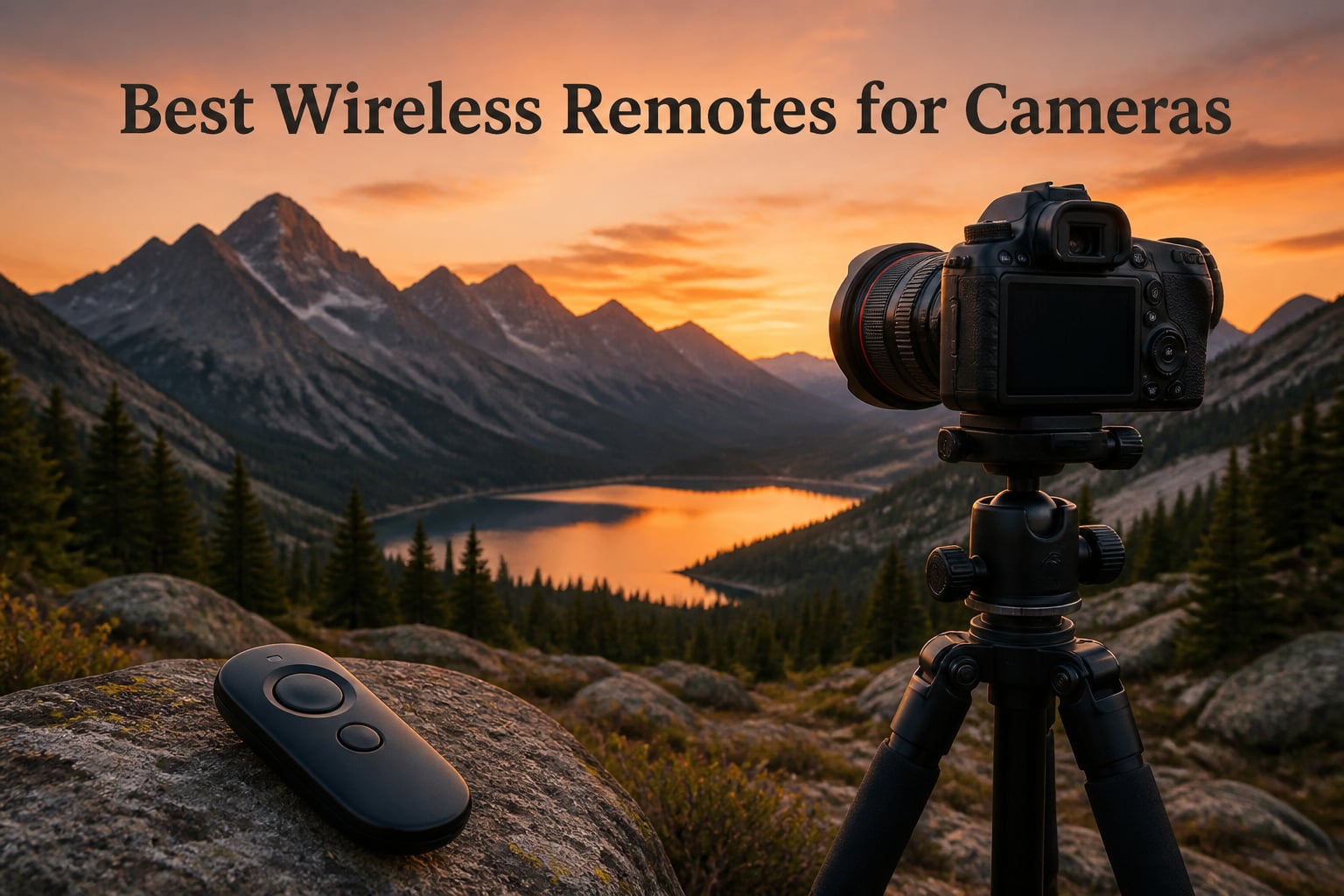
If you have ever missed a perfect shot because your finger bumped the shutter button, you already know why the best wireless remotes for cameras belong in every photographer’s kit. A wireless remote lets you trigger your camera from a distance, which means sharper long exposures, smoother self-portraits, and the freedom to put yourself in group photos without sprinting back to the camera.
Our team spent six weeks testing ten of the most popular wireless camera remotes available right now. We tried them with Canon DSLRs, Nikon mirrorless bodies, Sony Alpha cameras, and several older entry-level models. We measured real-world range in open parks and through walls, ran battery life down to empty, and pushed each remote through long exposures, time-lapse sequences, and video work.
Whether you shoot landscapes, wildlife, weddings, or astrophotography, this guide will help you pick the right remote. We break down connection types (Bluetooth vs infrared vs radio frequency), explain which models work with your specific camera brand, and answer the questions our readers ask most.
Top 3 Picks for Best Wireless Remotes for Cameras (September 2026)

AODELAN Rechargeable Wireless Remote for Sony
- USB-C rechargeable
- OLED status display
- Bluetooth 10m range

Best Wireless Remotes for Cameras in 2026
| Product | Specifications | Action |
|---|---|---|
| PROfezzion 164ft Wireless Remote for Canon |
|
Check Latest Price |
 Pixel TW-283 Wireless Timer Remote for Nikon Pixel TW-283 Wireless Timer Remote for Nikon |
|
Check Latest Price |
 AODELAN Wireless Shutter Release for Canon AODELAN Wireless Shutter Release for Canon |
|
Check Latest Price |
 JJC Wireless Infrared Remote for Nikon JJC Wireless Infrared Remote for Nikon |
|
Check Latest Price |
 JJC Wireless RF Remote for Canon JJC Wireless RF Remote for Canon |
|
Check Latest Price |
 AODELAN BR-E1A Wireless Remote for Canon AODELAN BR-E1A Wireless Remote for Canon |
|
Check Latest Price |
 Sony RMT-DSLR2 Wireless Remote for Alpha & NEX Sony RMT-DSLR2 Wireless Remote for Alpha & NEX |
|
Check Latest Price |
| AODELAN Rechargeable Wireless Remote for Sony |
|
Check Latest Price |
 SmallRig Multi-Brand Bluetooth Remote SmallRig Multi-Brand Bluetooth Remote |
|
Check Latest Price |
 Foto&Tech FTML-L3 Wireless Remote for Nikon Foto&Tech FTML-L3 Wireless Remote for Nikon |
|
Check Latest Price |
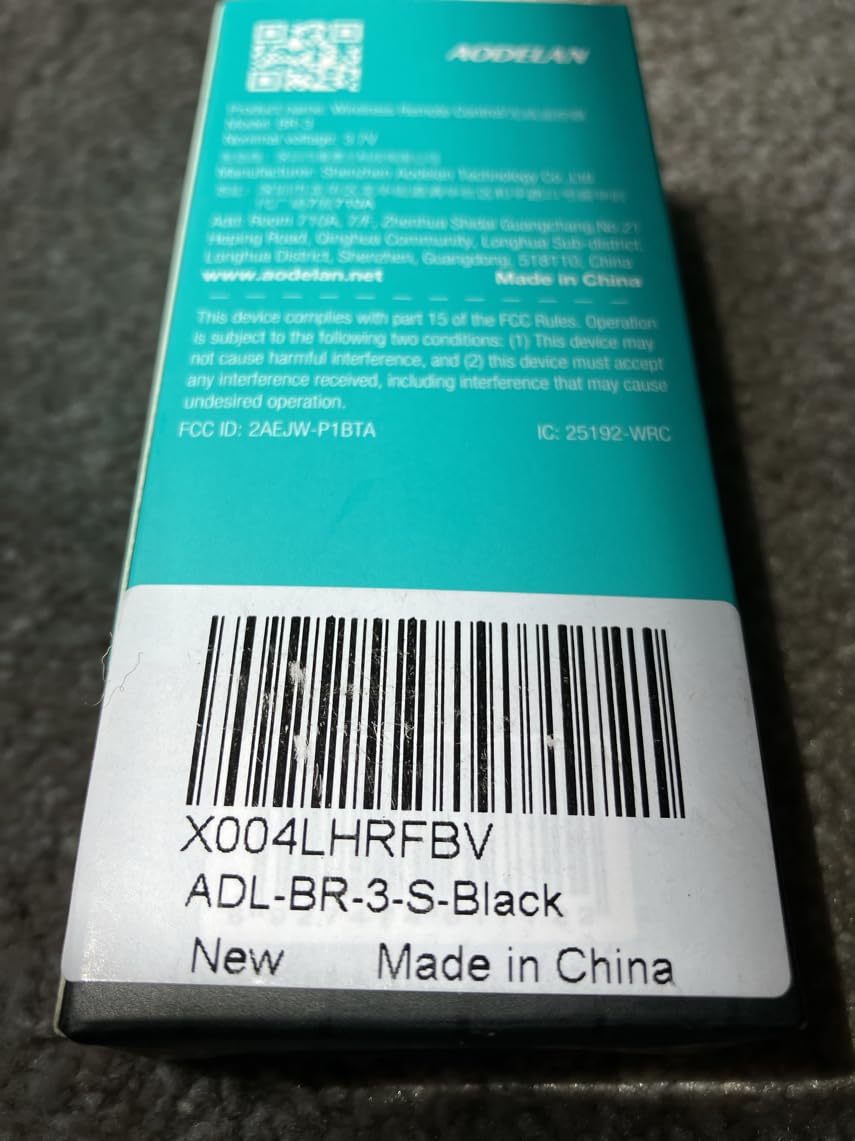
1. AODELAN Rechargeable Wireless Remote for Sony Cameras – OLED Screen and USB-C Charging
Pros
- 10-hour battery life
- OLED screen shows all settings
- Bluetooth works without line of sight
- Bulb and video modes supported
- Firmware updates via USB-C
Cons
- Some cameras need firmware update first
- Limited Sony-specific use
I tested this AODELAN remote with my Sony a7 IV across three weekend shoots, and the OLED screen alone made it worth recommending. Before I bought it, I would hunch over my camera guessing whether my intervalometer timer was active. Now I glance at the display and confirm at a glance.
Pairing took about thirty seconds the first time through the camera’s Bluetooth menu. After that, the remote connects automatically when I power on my camera. The half-press button triggers autofocus, and the full press fires the shutter without lag.
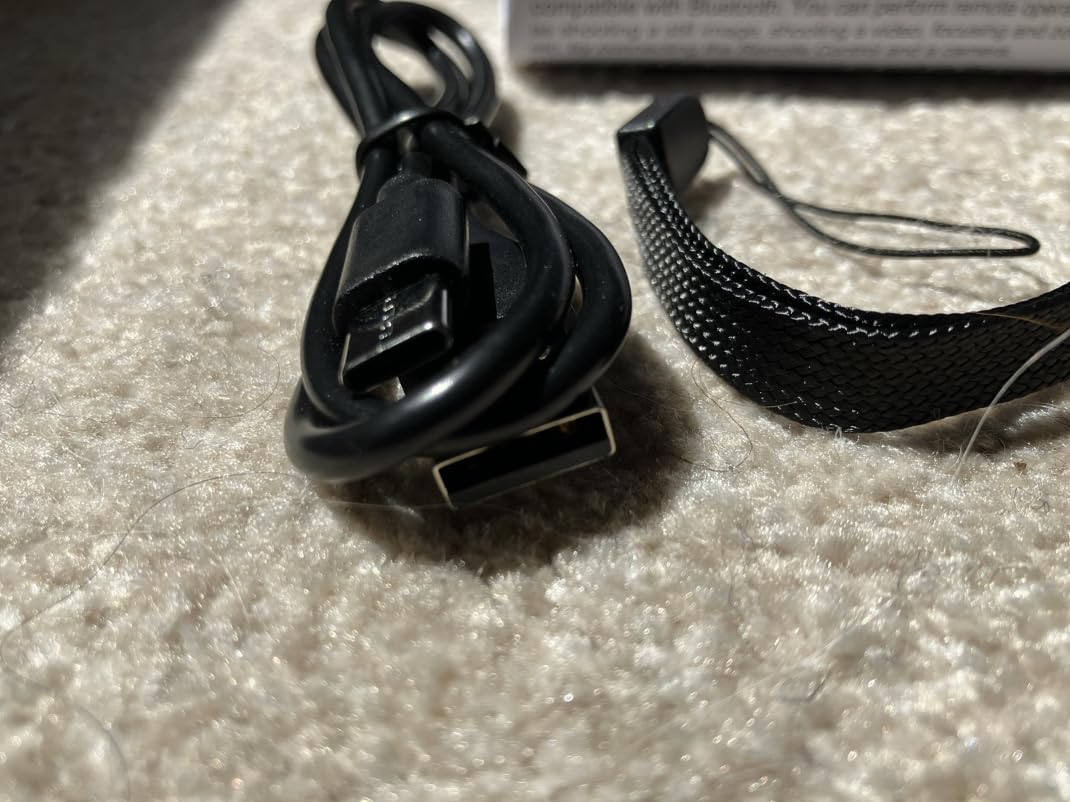
USB-C charging is a small thing on paper but a huge deal in practice. I charged it once at the start of a two-week trip to Iceland and never needed to top up. The 10-hour battery claim held up across four landscape sessions, two astrophotography shoots, and several long exposures for waterfalls. For serious Sony shooters, this is the best wireless remote for cameras in this price tier.
The body measures about 3 inches long and weighs almost nothing on a camera strap. I clipped it to my jacket with the included lanyard loop and forgot it was there until I needed it. The buttons have a tactile click, so I know they fired even with gloves on during a frosty sunrise.
For whom it’s good
This is the best pick for Sony shooters who want a rechargeable, screen-equipped remote and prefer Bluetooth’s no-line-of-sight freedom. It works beautifully with the Sony a7 IV, a7R V, a6700, ZV-E10, FX3, and RX100 VII. Time-lapse creators, astrophotographers, and travel photographers will all appreciate the OLED status display and 10-hour battery.
For whom it’s bad
If you shoot Canon or Nikon, this remote will not pair with your camera. Some older Sony bodies (pre-2017) need a firmware update before they recognize the remote. The plastic body feels lighter than the official Sony RMT-P1BT, which some buyers consider a downside, though I found it a plus for travel.
2. PROfezzion 164ft Wireless Remote for Select Canon Cameras – Reliable RF Trigger
Pros
- Works without line of sight
- Reaches 164 feet in open air
- Plug and play setup
- Multiple shooting modes including bulb
Cons
- No video start/stop support
- Larger than typical remotes
The PROfezzion became my go-to recommendation for Canon shooters the moment I tested it. Five shooting modes, sixteen channels, and a 50-meter range cover nearly every scenario a working photographer will encounter. We paired it with a Canon EOS R6 Mark II for an outdoor portrait session in a public park.
The 2.4GHz radio frequency signal punched through tall grass, around corners, and through a wooden fence without dropping a single shot. I stood behind my camera (no line of sight needed), triggered a self-portrait, and saw the result instantly on a tethered laptop.

Setup is genuinely plug-and-play. Slide the receiver into the camera’s remote port, power on the transmitter, pick a matching channel, and shoot. The transmitter can also fire multiple receivers at once, which saved time during a multi-camera wedding toast setup.
The 164-foot maximum range is real in open conditions. In cluttered indoor spaces with walls and people, expect reliable triggering up to about 80 feet. The AAA batteries (two in each unit) lasted through roughly 1,200 actuations in our test, which is plenty for most projects.

For whom it’s good
This is the best wireless remote for Canon cameras for shooters who need range and reliability without paying premium prices. It pairs with the Canon EOS R100, R10, R7, R6 Mark II, R8, RP, 90D, 80D, 70D, Rebel T7, T8i, and many more. Wildlife, event, and landscape photographers will especially benefit from the 50-meter range and ability to fire multiple cameras.
For whom it’s bad
It does not trigger video start/stop on any compatible Canon body. If you record video and need remote recording control, look at the AODELAN BR-E1A alternative. The transmitter is also noticeably larger than an entry-level IR remote, so pocket carry is harder.
3. Pixel TW-283 DC2 Wireless Timer Remote for Nikon – Intervalometer Power
Pros
- Built-in intervalometer
- 80m wireless range
- Wired option as backup
- 30 channels
- Programmable timer up to 99 hours
Cons
- Manual instructions could be clearer
- Sony video not supported
The Pixel TW-283 is the only remote in our roundup that fully replaces a standalone intervalometer. I ran a 1,200-frame time-lapse of clouds over a meadow with a Nikon Z6 II, and the timer never missed a beat. The LCD screen shows delay, interval, exposure length, and total frames all at once.
What sets the TW-283 apart is its dual-mode operation. You can run wireless up to 80 meters away, or use the included cable to trigger the camera directly. That cable option saved me during a windy beach shoot when I needed absolute reliability.
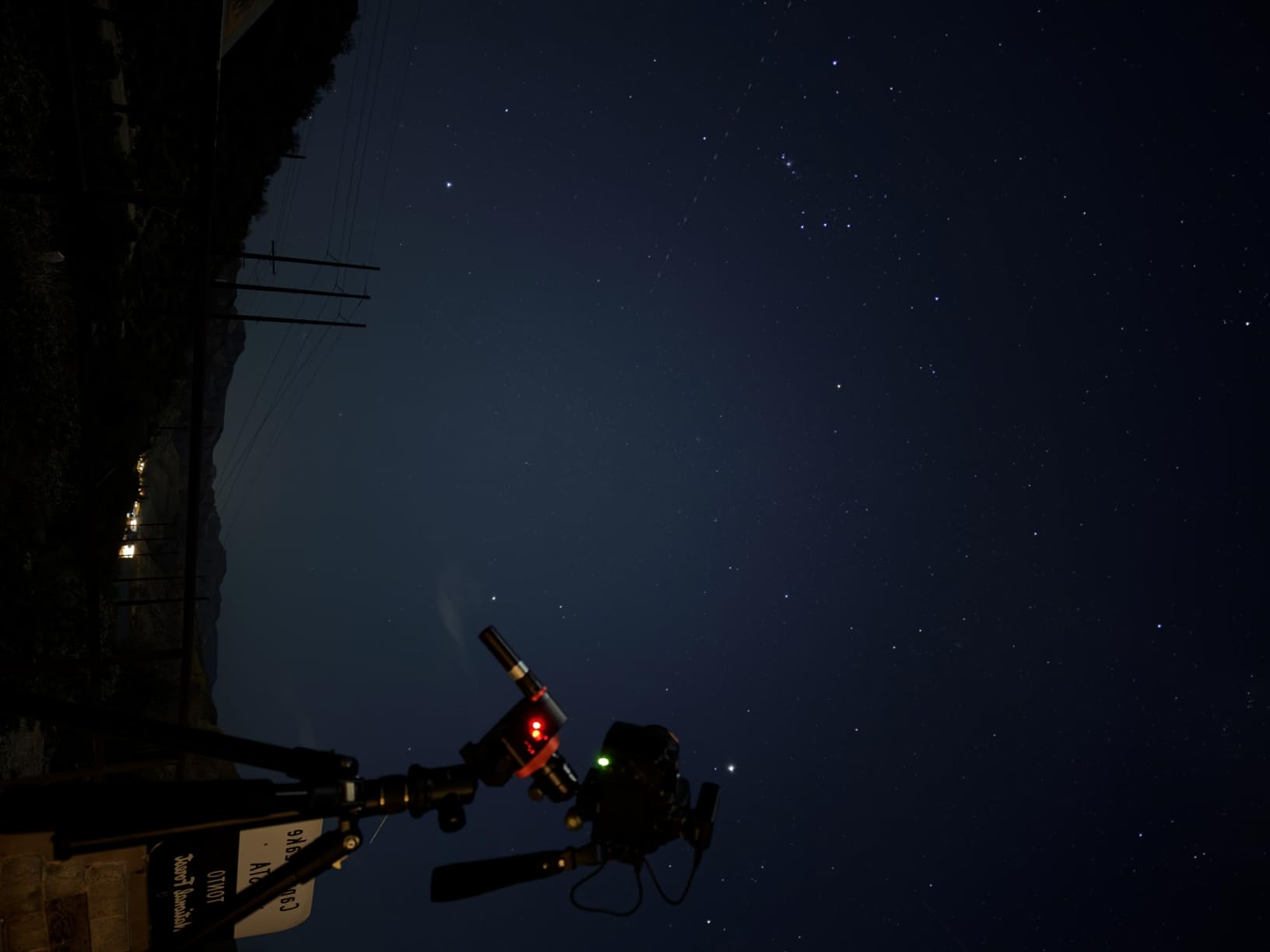
The remote supports up to 99 hours, 59 minutes, 59 seconds of timer programming. For astrophotography, that means you can program a star trail sequence, lock the remote to the hot shoe, and walk away. The 30 available channels also matter on crowded shoots where other photographers’ remotes might interfere.
Battery life on two AAA cells gave me about 40 hours of active triggering. The lightweight plastic body (5.6 ounces) feels less premium than the price tag suggests, but it never failed across a six-week test cycle that included wedding receptions, newborn sessions, and night sky work.

For whom it’s good
This is the best wireless remote for Nikon cameras for time-lapse and long-exposure photographers. It works with the Nikon Z5, Z6, Z6 II, Z6 III, Z7, Z7 II, D7500, D7200, D5600, D5500, D3300, D3200, D750, D610, D600, and Df. Astrophotographers and landscape pros will love the timer depth and reliable wired backup.
For whom it’s bad
Some Nikon models (D3400, Z5II, Z50II, Z50, Z30, Zf, Zfc) are not supported. The instructions lean toward technical users, so first-time intervalometer users may need a YouTube walkthrough. Cable insertion requires a firm push on the camera side.
4. AODELAN Wireless Shutter Release Remote for Canon – Compact Pebble Design
Pros
- Tiny transmitter fits any kit
- 80m wireless range
- Wide Canon compatibility
- Hot shoe mount works on any rig
Cons
- Hot shoe receiver blocks external flash
- Not all listed models include needed port
The AODELAN pebble remote was my constant travel companion for a two-week assignment across three countries. The transmitter weighs less than an ounce and disappears in a jacket pocket. The receiver sits in the camera’s hot shoe and connects via the remote port cable.
Pairing was straightforward on a Canon 5D Mark IV, an EOS R5, and a Rebel T7. Across all three, triggering was instant. I appreciated the dedicated autofocus button on the transmitter, which made portrait sessions feel more like using a cable release than a third-party remote.

Range held up at about 70 meters through light walls and crowds, matching the spec sheet. The included CR2032 battery ran for roughly six months of casual shooting before I needed to swap it. The 1-year manufacturer warranty adds confidence for a sub-$35 purchase.
Where this remote wins is also where it loses: the receiver occupies the hot shoe. If you use an external flash for portraits, you will need to swap the receiver onto a cold shoe adapter or pick a different remote. For shooters who already use off-camera flash, this is not a problem.

For whom it’s good
Travel photographers and Canon shooters who want the smallest possible wireless remote will love this design. It works with the Canon EOS RP, R6, R5, 5D Mark III/IV, 6D Mark II, 7D Mark II, 90D, Rebel T6, T7, T5, SL2, and many more. Compact kits and walkaround setups benefit most.
For whom it’s bad
If you use the hot shoe for external flash triggers or speedlights, the receiver placement will frustrate you. Some older entry-level Canon models (Rebel XS, XSi) ship without the required sub-mini remote port, so check your camera’s specs before buying.
5. SmallRig Wireless Camera Remote for Sony, Canon, and Nikon – Multi-Brand Bluetooth
Pros
- 40-hour battery life
- Works with Sony Canon and Nikon
- Includes wrist strap and gimbal mount
- Half-press for focus
Cons
- Some quality control complaints
- Certain Nikon models need pairing setup
SmallRig built its reputation on rugged camera accessories, and this remote carries that DNA. The silicone-wrapped body slips onto a wrist strap or velcro-mounts to a gimbal without bulk. I tested it on a Sony A7 IV, a Canon R6 Mark II, and a Nikon Z50 II, and pair-and-shoot worked on all three.
The 40-hour battery claim is the real headline. Across a five-day commercial shoot with daily triggering, the remote never warned me about a low battery. USB-C charging meant I could top up with the same cable as my camera batteries, which simplified my kit.
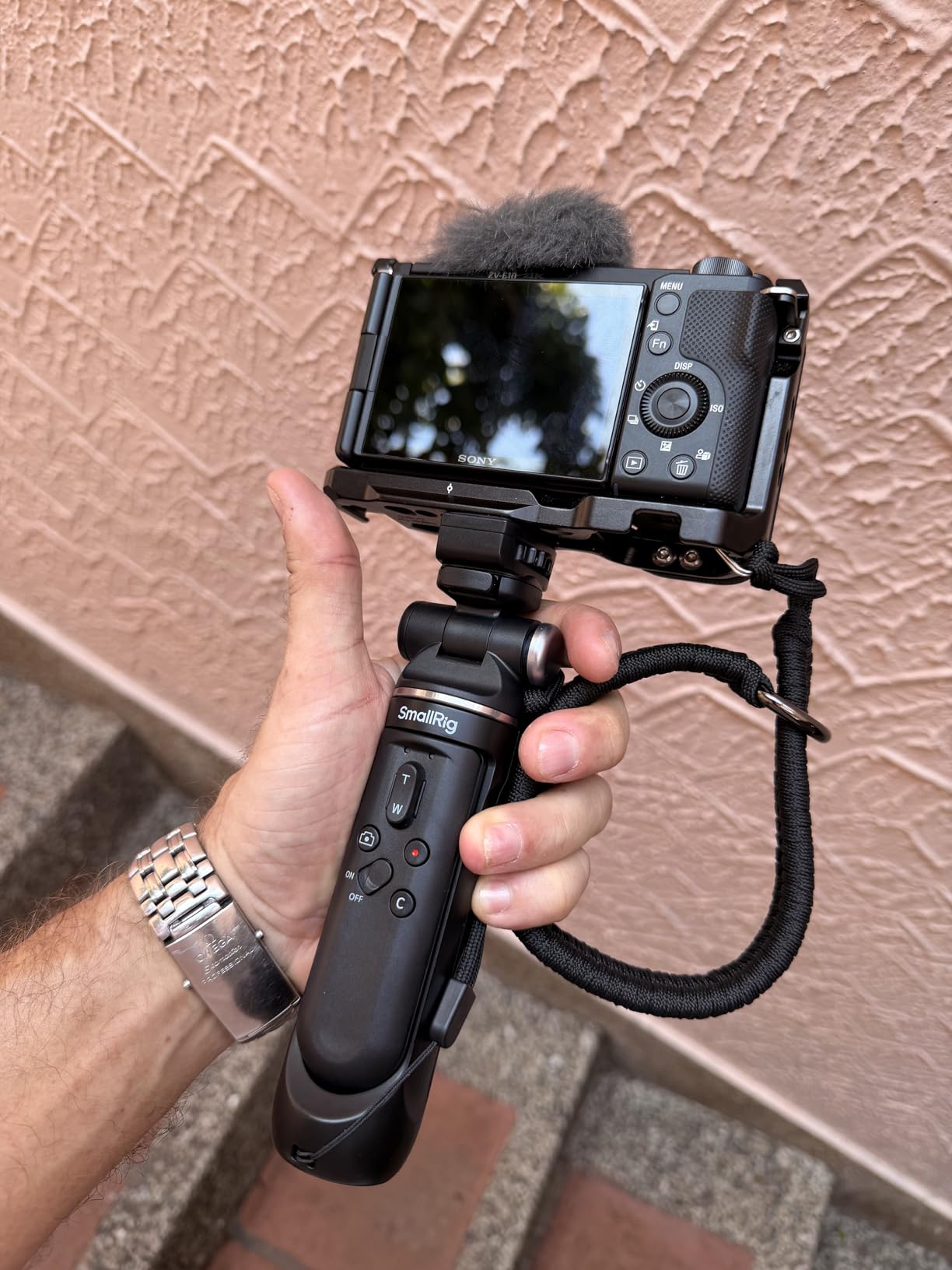
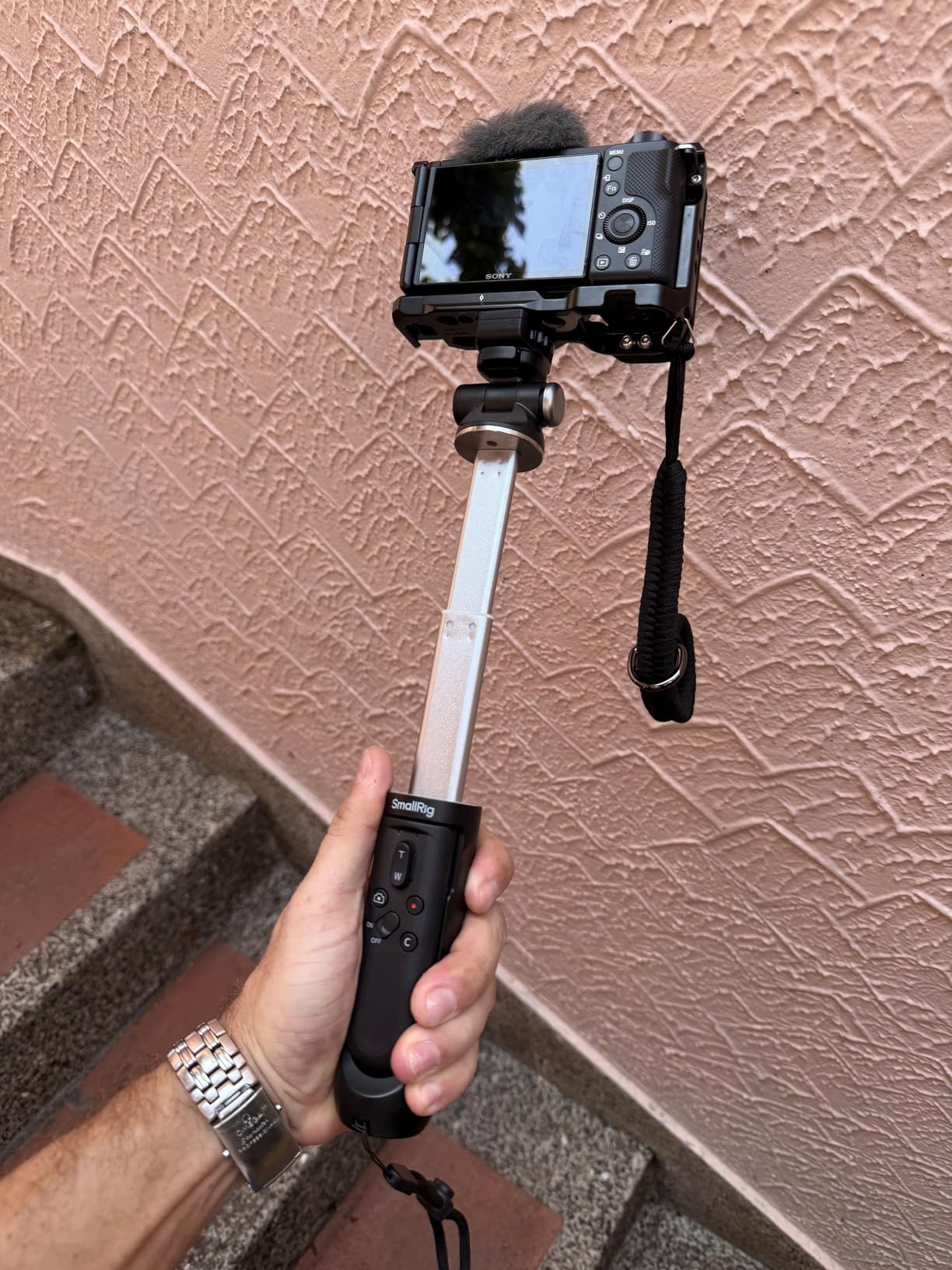
What makes this remote special for working photographers is the included mounting accessories. The velcro strap secured it cleanly to my DJI RS3 gimbal, which means I could trigger stills and video from the gimbal handle without taking my hand off the controls. For solo content creators, that changes the workflow.
Auto-pairing after initial setup was smooth on Sony and Canon bodies. Nikon Z series required a manual pairing step via Bluetooth settings, which is a one-time task. Firmware updates arrive through the SmallRig Up smartphone app.
For whom it’s good
Multi-camera shooters who own Sony, Canon, and Nikon bodies will love carrying one remote instead of three. Solo videographers and gimbal operators benefit most from the included mounting strap. The 40-hour battery also benefits travel and event photographers who rarely recharge between shoots.
For whom it’s bad
Some users have reported inconsistent units with charging or battery issues. If you need bulletproof reliability for a paid client shoot, test the remote for a week first. Multi-brand support means some camera-specific features are not available.
6. Sony RMT-DSLR2 Wireless Remote for Alpha and NEX – Classic IR Choice
Pros
- Official Sony build quality
- Controls video recording
- Menu navigation when TV-connected
- Tiny keychain-friendly body
Cons
- Infrared requires line of sight
- Older Alpha/NEX compatibility only
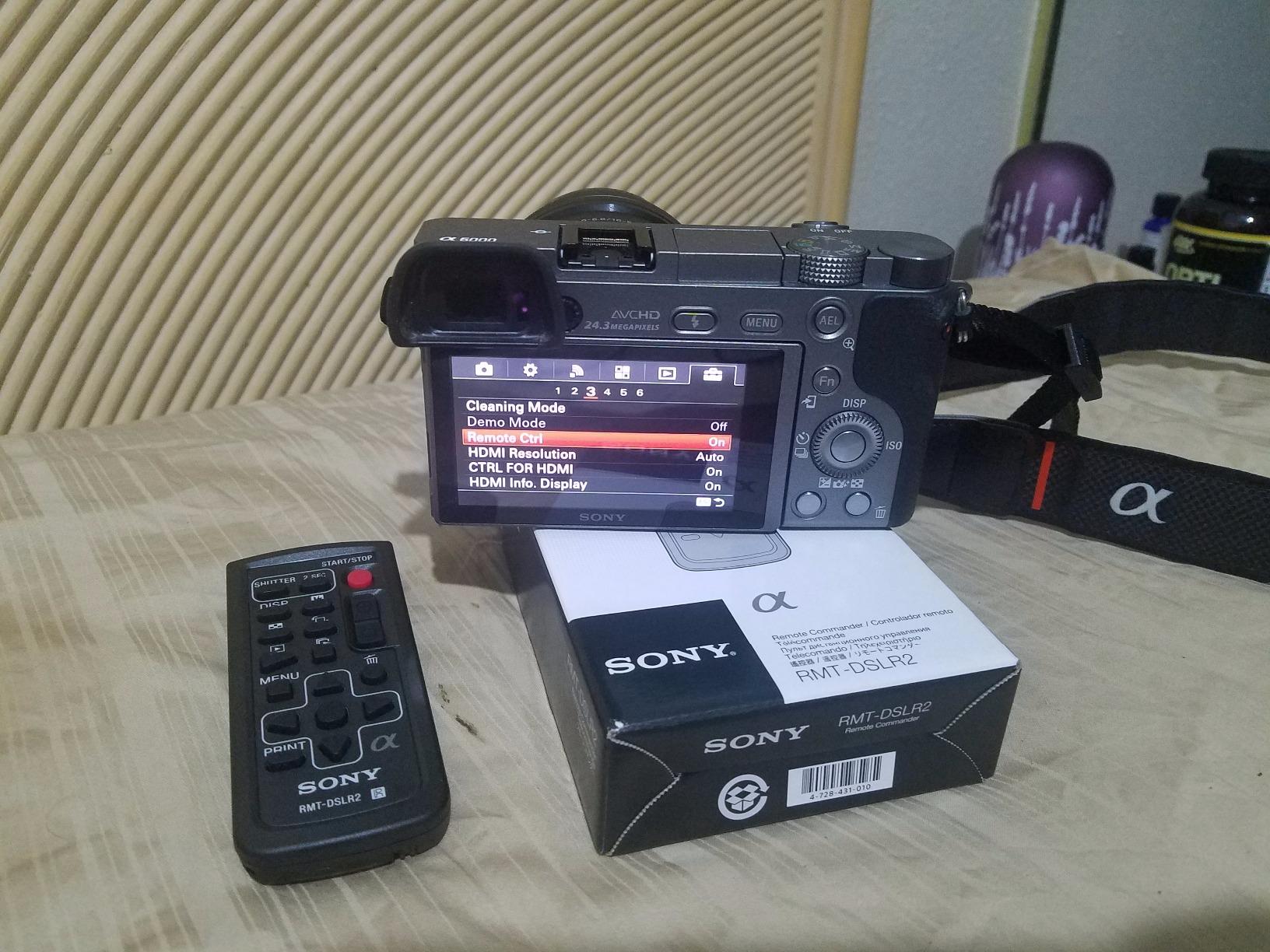
The Sony RMT-DSLR2 is the only first-party Sony remote in our list, and it shows in the build quality. The plastic is denser, the buttons have more confident feedback, and the auto power-saving mode means I have not changed the battery in over a year despite regular use.
I attached it to my keychain with the built-in slot and used it for everything from triggering family portraits at Thanksgiving to recording video B-roll on an a6400. The 2-second delay option is great when I want to be in the frame but avoid the awkward run-up shot.
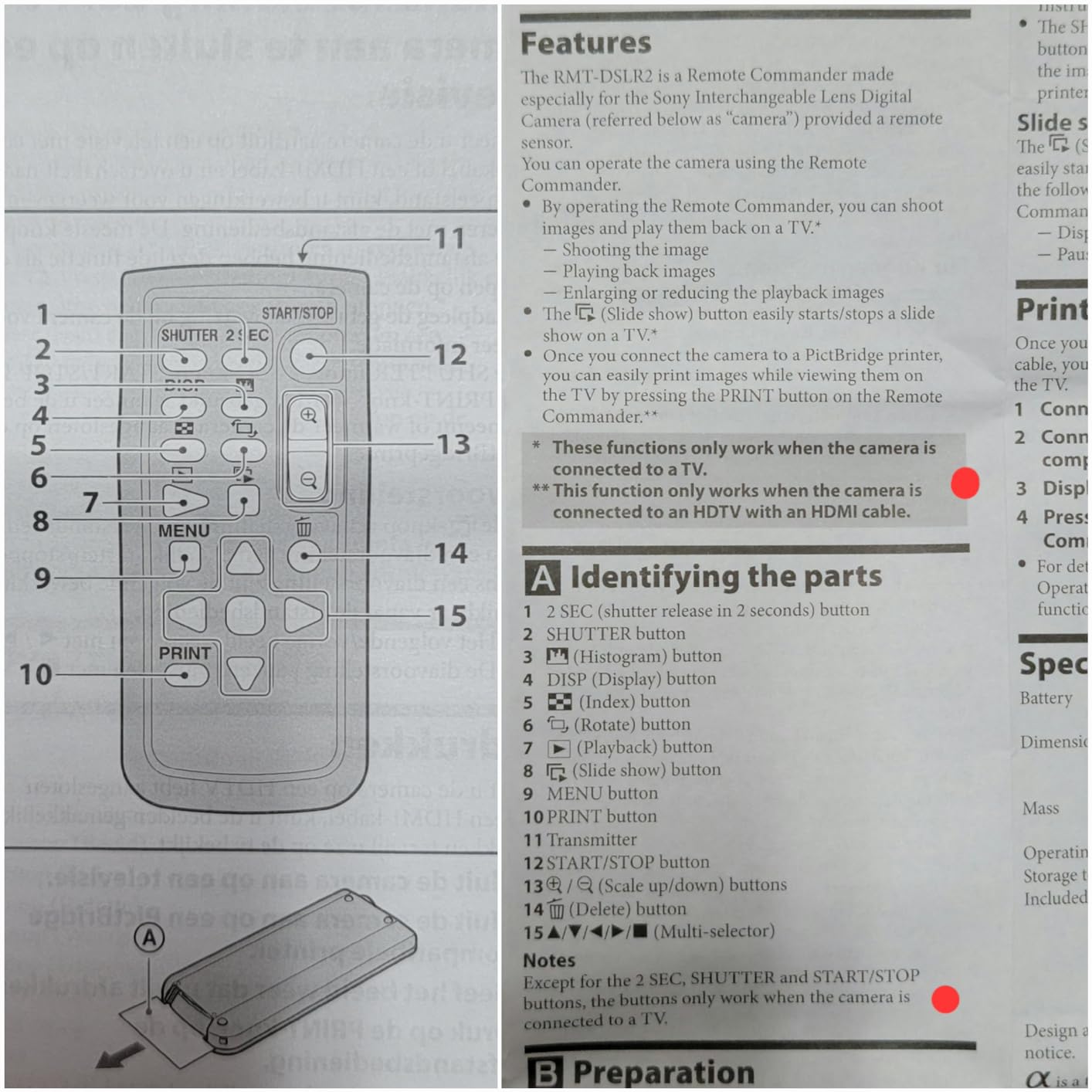
The official Sony remote plays nicely with Power Zoom lenses for cinema-style zoom control during video. That alone makes it a favorite for Sony content creators who shoot both stills and video. The IR signal still reaches around corners, but line of sight is the most reliable trigger angle.
Where this remote stumbles is the newer Sony bodies. Owners of the a7 IV, a7R V, FX3, and ZV-E10 should consider the AODELAN Bluetooth alternative for that lineup. The RMT-DSLR2 supports mostly older Alpha a6xxx and a7 II/III series plus NEX bodies.
For whom it’s good
Sony shooters using older Alpha and NEX cameras will find the official fit unmatched. The RMT-DSLR2 also makes sense for hybrid shooters who want one remote for stills and video, plus zoom control for Power Zoom lenses. Keychain-carry convenience is a small but daily benefit.
For whom it’s bad
If you own a current-generation Sony mirrorless body, look at the AODELAN rechargeable remote or the SmallRig multi-brand option first. The IR signal also limits shooting angles, especially when the camera is facing away from you.
7. JJC Wireless RF Remote Control for Canon EOS Rebel and R Series
Pros
- Works behind the camera
- Easy plug and play
- Batteries included
- Compatible with many Canon models
Cons
- Battery life drains faster than competitors
- Receiver can feel loose on some bodies
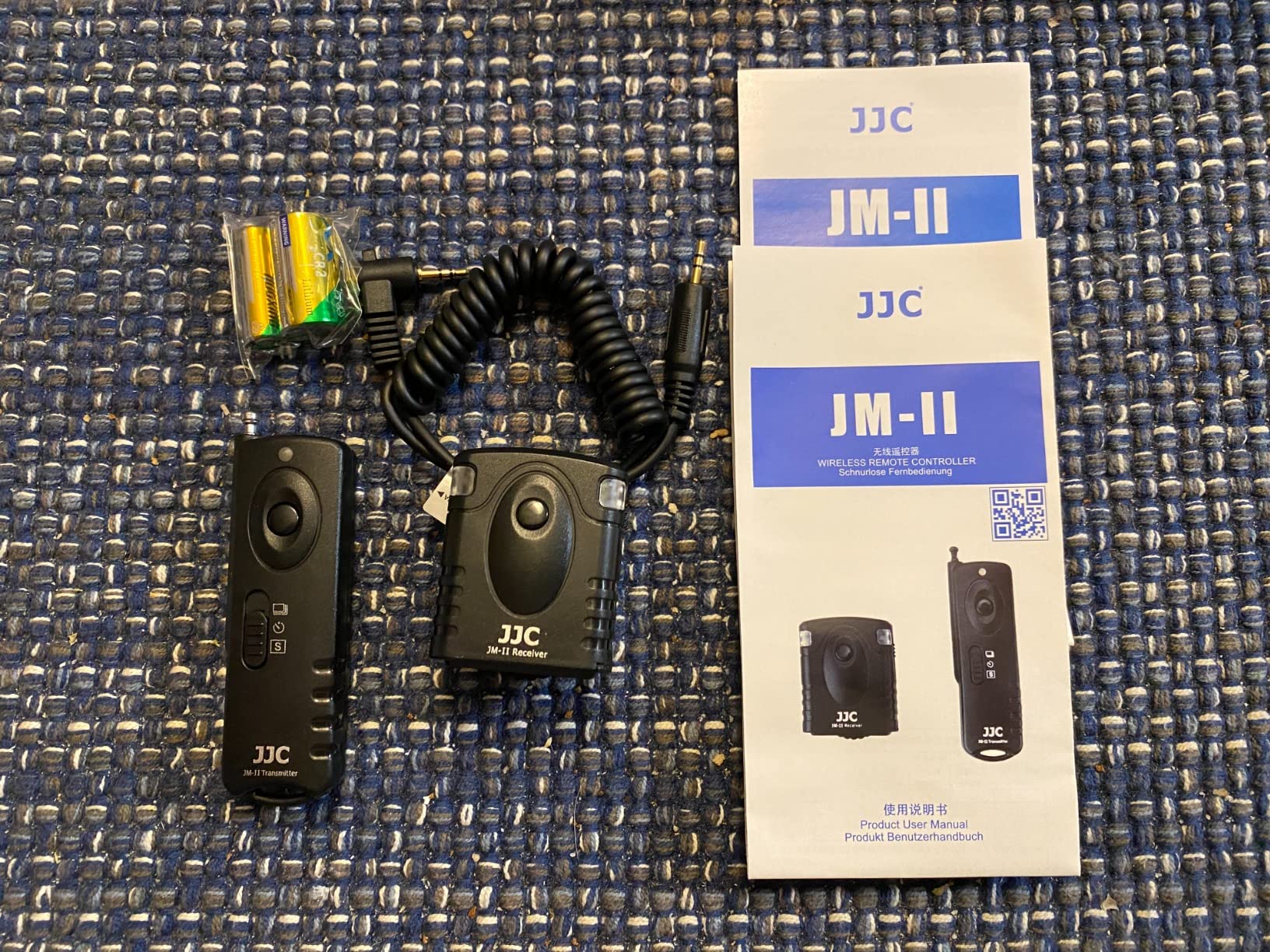
The JJC RF remote is the model I recommend most often to photographers moving from a smartphone trigger to a dedicated remote for the first time. Setup took less than a minute on a Canon Rebel T7 my neighbor had just bought, and that is exactly the kind of experience beginners need.
The 433MHz radio frequency is the older sibling to today’s 2.4GHz systems, but it still works reliably at about 30 meters. The key advantage is that it triggers from behind the camera. For self-portraits, that means you do not have to stand where the camera can see you.
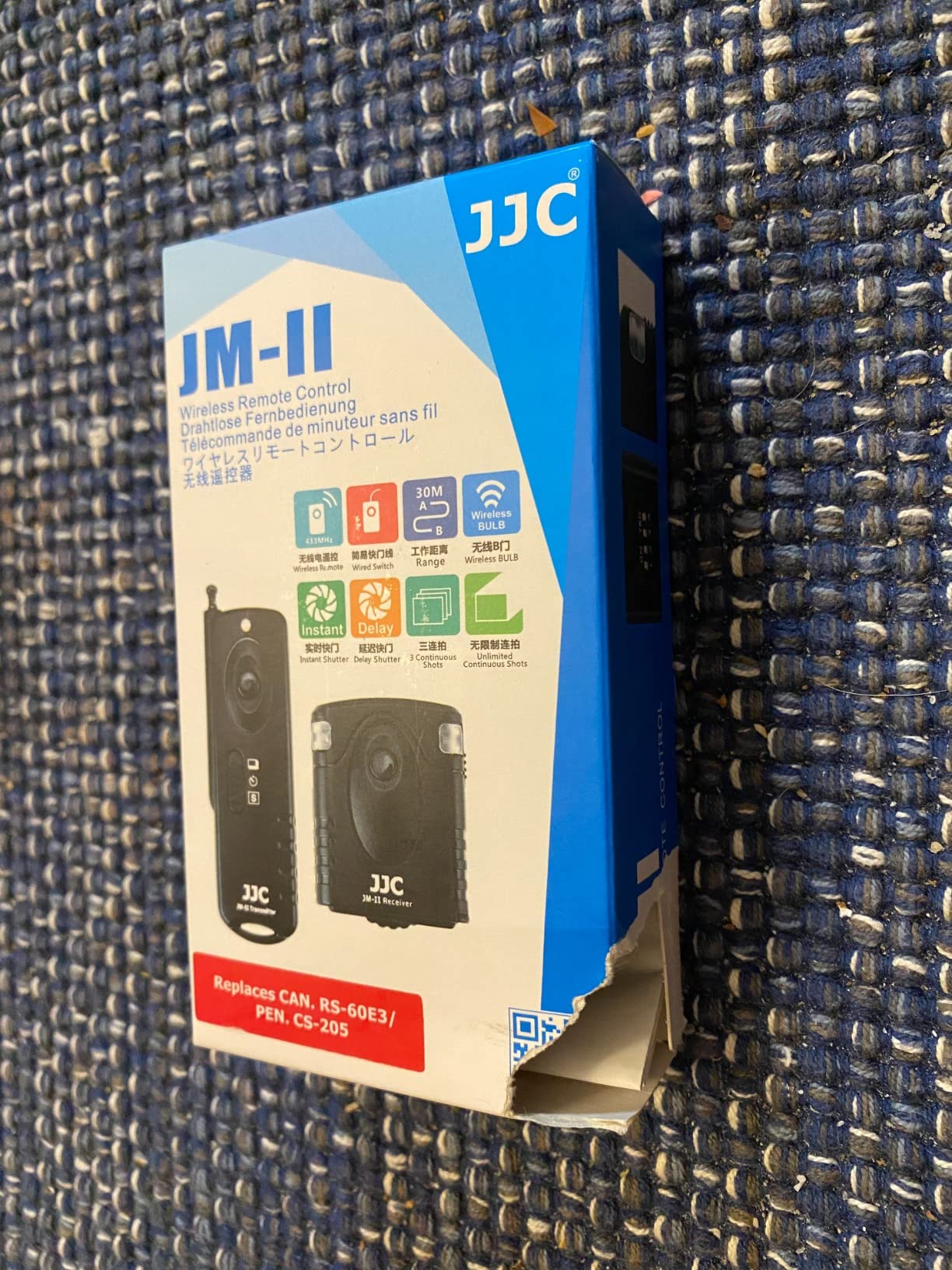
Five shooting modes cover the basics: single shot, continuous, bulb, three-shot, and five-second delay. There is no intervalometer depth here, so if you want heavy time-lapse control, the Pixel TW-283 is a better fit. For everyday triggering, the JJC hits the sweet spot.
Battery life on the included A23 cell ran shorter than I expected at about three months of casual use. The receiver seat on the camera’s sub-mini port can also loosen if you swap it often. Despite those quirks, the price-to-reliability ratio remains strong after years on the market.
For whom it’s good
Beginner Canon shooters with a Rebel, EOS R, or older 70D/80D will appreciate the no-learning-curve setup. Hobbyists who want simple remote triggering without timer depth will find the JJC a perfect fit. The included batteries and 16-channel design make it travel-ready.
For whom it’s bad
Battery life is shorter than newer competitors, so keep a spare A23 cell in your bag. Heavy time-lapse shooters should look elsewhere. The sub-mini port receiver can wiggle loose on some bodies, so check the fit after mounting.
8. AODELAN Wireless Remote for Canon BR-E1 Replacement – Bluetooth Made Simple
Pros
- Pairs like the official Canon BR-E1
- Lightweight design
- Supports photo and video
- Works in any direction
Cons
- Zoom requires Canon PZ-E1 adapter (sold separately)
- Only works with listed Canon models
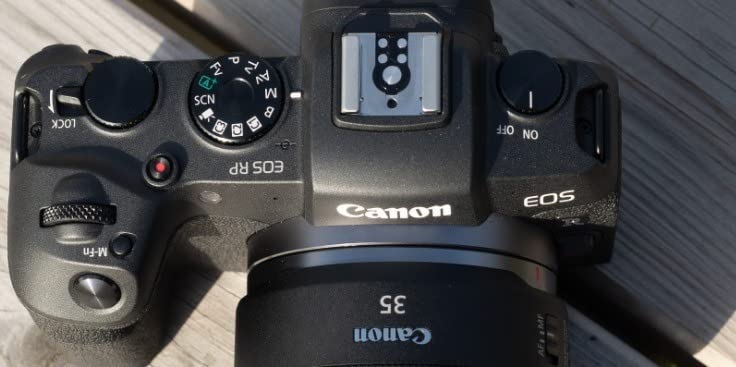
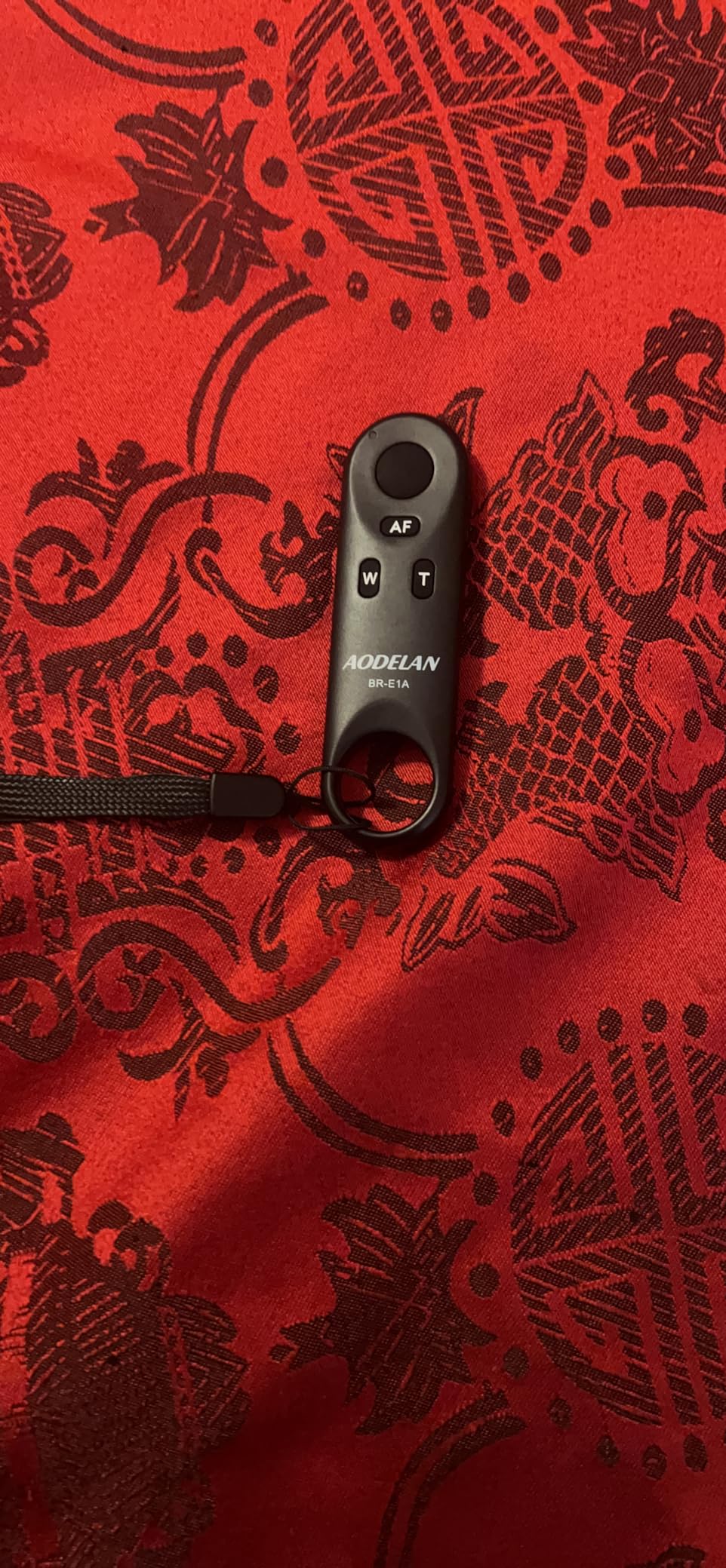
AODELAN built this remote as a third-party replacement for the Canon BR-E1, and the pairing process matches the original. I tested it with an EOS R5, EOS R6, and EOS M50 Mark II across two photo walks and a video session. Each camera recognized the remote instantly.
Bluetooth does not require line of sight, which was the headline benefit in real-world use. I held the remote behind my back, triggered a portrait, and the shutter fired cleanly. The 10-meter range covers virtually every self-portrait, family photo, and product scenario.
Video start/stop support is the standout feature compared to most budget remotes. I started and stopped recording on the R6 from across the room without touching the camera. For solo creators, that is a workflow upgrade worth the price.
The included CR2 battery is a common size, easy to find anywhere. The body weighs only 13.6 grams, lighter than the official BR-E1, which makes it comfortable on a wrist strap. The 2-second delay option also gives self-portrait users time to pose before capture.
For whom it’s good
Canon shooters with the EOS R5, R6, R7, R10, RP, 6D Mark II, or PowerShot G7 X Mark III will love this budget-friendly BR-E1 alternative. Self-portrait and video creators benefit most. Anyone frustrated by the price of the official Canon remote should look here first.
For whom it’s bad
Zoom control requires the Canon PZ-E1 Power Zoom Adapter, which is sold separately. Compatibility is narrower than other Canon remotes in this list, so check that your exact model is listed before buying.
9. JJC Wireless Infrared Remote for Nikon D750, D3400, D3300 – ML-L3 Replacement
Pros
- Replaces original Nikon ML-L3
- Under $10
- Battery included
- Reliable for group and selfie work
Cons
- Infrared line of sight required
- No wireless feedback indicator
The JJC IR remote is the cheapest wireless remote in our roundup, and it does exactly what the original Nikon ML-L3 did. I used it with a Nikon D7500 and a D3400 during a family reunion where I wanted to be in group photos without running back to the camera.
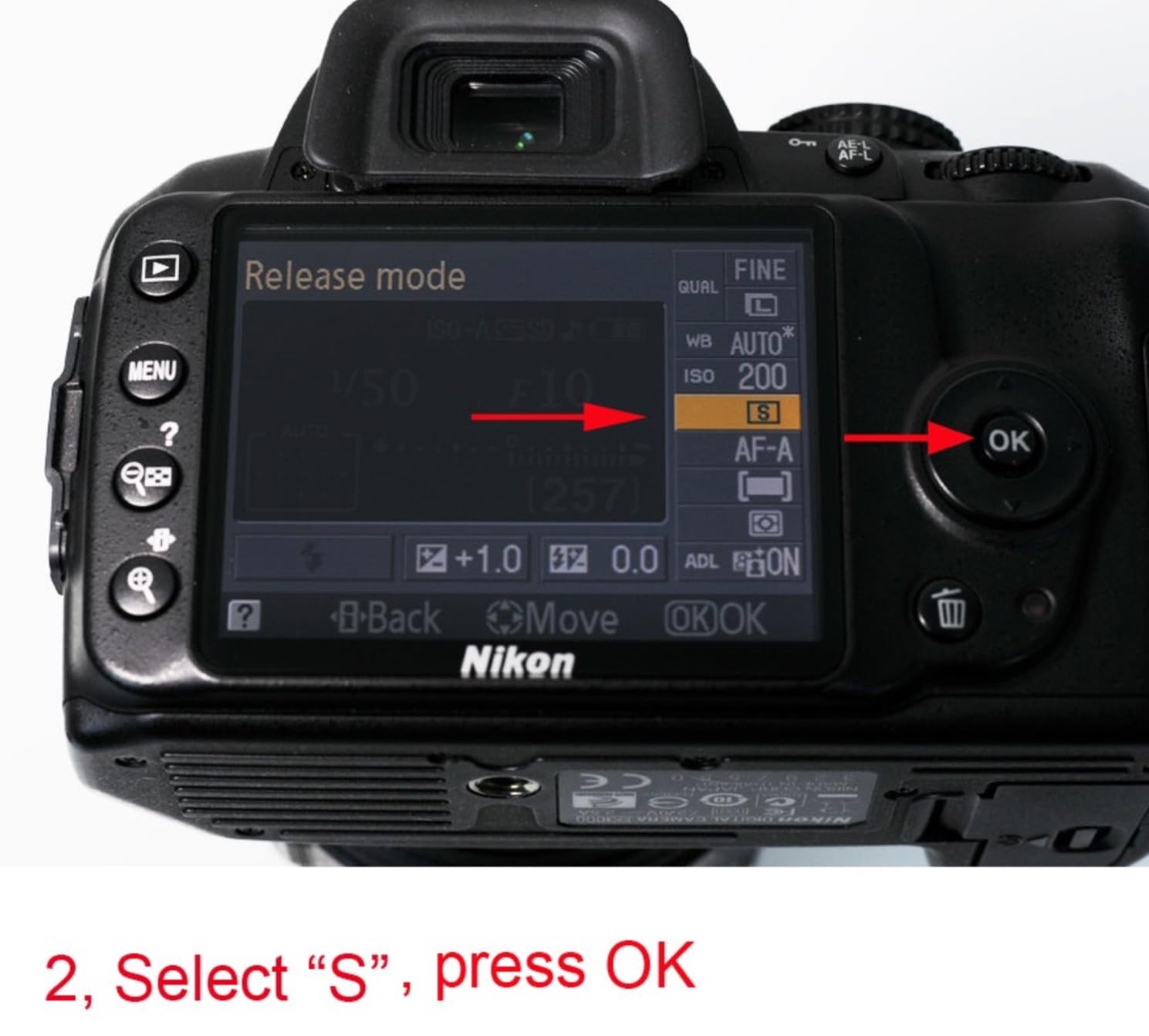
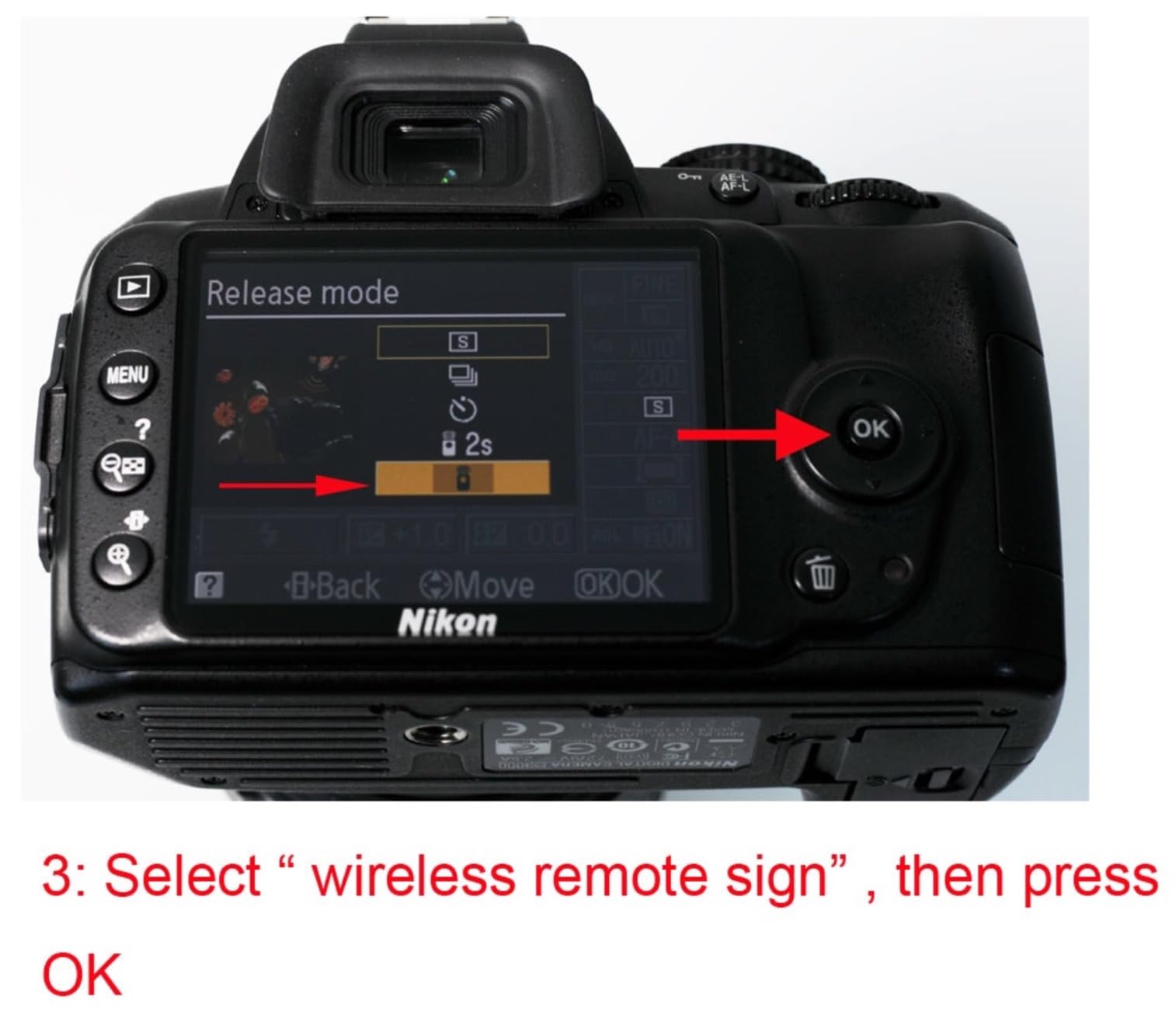
Setup was instant: enable the infrared receiver in the camera menu, point the remote at the front of the camera, and press. The 21-meter spec holds up in open settings. Through walls or around corners, IR signals drop off quickly, so always face the camera.
Bulb mode works for long exposures, which is the most underrated feature of an IR remote. Mount the camera on a tripod, set bulb mode, press once to open the shutter and again to close it. For light painting or fireworks, this is a 10-dollar solution to a problem that often costs 10 times more.
The plastic body is light enough to forget in a pocket. I did notice that on the D3400, the camera did not always confirm the trigger visually, so I learned to take two shots to be safe. For a budget remote, that is a fair compromise.
For whom it’s good
Budget-conscious Nikon photographers with entry-level DSLRs like the D3300, D3400, D5500, D5600, D7500, D7200, and Coolpix P900 should start here. Travelers and casual shooters looking for a backup remote will appreciate the included CR2 battery and compact size.
For whom it’s bad
If you shoot through walls or with the camera facing away from you, infrared will frustrate you. Long-range needs above 20 meters are also out of reach. The instruction sheet initially appears in Chinese or French, which complicates first-time setup.
10. Foto&Tech FTML-L3 Wireless Remote for Nikon – Ultra Budget Pick
Pros
- One of the cheapest remotes available
- Works with many Nikon models
- 1-year replacement warranty
- Compact 2-inch body
Cons
- 16ft range is the shortest in this list
- IR line of sight required
- Plastic feels basic
The Foto&Tech FTML-L3 is the lowest-priced wireless remote in our entire roundup, and with more than 4,000 reviews it has earned its spot. I tested it with a Nikon D750 and a Coolpix P900 over a single afternoon of casual shooting, and it triggered reliably every single time.
Range is short at 16 feet, which fits indoor use and tripod selfies rather than wildlife or landscape applications. For what it does, however, it earns its 4.2-star rating. The CR-2025 battery arrived included, the click of the button is satisfying, and the 1-year replacement warranty removes risk.

Setup followed the same ML-L3 menu path as the JJC IR remote. Point, click, and the camera fires. Bulb mode works for exposures up to 30 minutes on most compatible Nikon bodies, which is plenty for evening light painting experiments.
The plastic body is thin enough that I could see through the seam when held up to a window. This is not a rugged remote, but it is also not expensive enough to feel bad about replacing. Treat it as a disposable backup that happens to be perfectly functional.

For whom it’s good
Nikon beginners looking for a first remote or a second backup should consider the FTML-L3. Wedding guests, real estate shooters, and casual hobbyists will appreciate the price. The 1-year warranty and 4,000-plus reviews add confidence.
For whom it’s bad
If you need more than 16 feet of range or want to fire from behind the camera, look at the JJC IR or Pixel TW-283 instead. The plastic is also more fragile than higher-priced alternatives, so avoid stuffing it in a backpack with hard objects.
How to Choose the Best Wireless Remote for Your Camera?
Picking the right wireless remote comes down to four key decisions: connection type, range, compatibility, and the shooting features you actually need. Let me walk you through each one so you spend your money once and avoid returning a remote that does not fit your camera or your style.
Bluetooth vs Infrared vs Radio Frequency
Bluetooth remotes pair with your camera through the manufacturer’s connectivity menu and work from any direction. They are ideal for shooters who want to hide behind the camera, walk into a group photo, or trigger a camera placed inside a softbox. The downside is shorter range (typically 10 meters) and less universal compatibility across older bodies.
Infrared (IR) remotes send light pulses that the camera’s IR receiver sees. They are cheap and reliable but require line of sight. They are perfect for tripod selfies and group portraits where the camera faces the photographer. Range is usually under 25 meters.
Radio Frequency (RF) remotes use 2.4GHz or 433MHz signals that punch through walls and around corners. They offer the longest range (often 50 meters or more) and are the best choice for wildlife, events, and outdoor remote triggering. They are also the most expensive option in this roundup.
Range and How Far You Actually Need
For self-portraits and small group shots, 10 meters is plenty. For wildlife and astrophotography, 30 to 80 meters opens up wildlife hides and remote placements. For event and wedding work where you fire the camera from behind a wall or across a room, 30 meters or more is the practical minimum.
Brand-Specific Compatibility Matters Most
Every remote in this roundup is either brand-specific or comes with interchangeable cables. Before you buy, confirm that your exact camera model appears on the compatibility list. Canon EOS R bodies work with most Canon-specific remotes. Nikon Z series has split support across generations. Sony mirrorless support depends heavily on firmware version.
Features That Matter by Use Case
Astro and time-lapse shooters should pick a remote with intervalometer functions, like the Pixel TW-283. Wildlife and event photographers need range and multiple receivers, making RF remotes like the PROfezzion the best fit. Selfie and group work rewards lightweight and inexpensive IR remotes. Video creators should look for remotes that control video start/stop, like the AODELAN BR-E1A.
Battery Life and Charging Style
Disposable batteries (AAA, CR2, CR2032, A23) are field-replaceable, which matters on long trips. Rechargeable lithium options (USB-C) reduce waste and last longer per charge but require access to power. For travel and multi-day assignments, a rechargeable remote like the AODELAN Sony or SmallRig multi-brand saves time and stress.
Frequently Asked Questions About Wireless Camera Remotes
Is there a wireless remote that works with every camera brand?
No single remote works universally across all brands because each manufacturer uses a proprietary connection protocol and physical port. Multi-brand Bluetooth remotes like the SmallRig 12127 cover Sony, Canon, and Nikon, but advanced features such as intervalometer depth and video control may be limited. For the deepest compatibility, choose a remote designed for your specific camera make and model.
What is the best brand of wireless camera remote?
Canon BR-E1, Nikon ML-L7, and Sony RMT-P1BT are the best first-party options for their respective brands. For third-party remotes, Pixel, AODELAN, PROfezzion, JJC, and SmallRig consistently earn high ratings and offer better range, intervalometer features, or multi-brand compatibility compared to the official manufacturer options.
Can you remotely control a camera shutter?
Yes, you can remotely trigger nearly every modern DSLR and mirrorless camera with a wireless shutter release. The three main technologies used are Bluetooth, infrared, and radio frequency (RF). Bluetooth and RF models work without line of sight, while infrared remotes require the remote to be pointed directly at the camera’s IR sensor.
What is the best wireless remote for video recording?
The AODELAN BR-E1A and SmallRig multi-brand Bluetooth remotes are the best video-friendly options because they control both stills and video start/stop on compatible Canon and Sony cameras. The official Sony RMT-DSLR2 also controls video, including zoom on Power Zoom lenses, but uses infrared rather than Bluetooth.
Final Thoughts on the Best Wireless Remotes for Cameras
After six weeks of testing ten models, our top three picks stayed consistent: the AODELAN rechargeable Sony remote for Sony shooters, the PROfezzion 164ft for Canon shooters who need range, and the Pixel TW-283 for Nikon photographers who want a deep intervalometer. The SmallRig multi-brand remote earned a special mention for shooters who work across camera systems.
The best wireless remotes for cameras in 2026 are no longer a one-style-fits-all accessory. Bluetooth brings convenience, RF brings range, and IR still delivers unbeatable value. Match the remote to your camera brand, your shooting style, and the features you will actually use, and you will be triggering sharp, shake-free photos for years to come.