
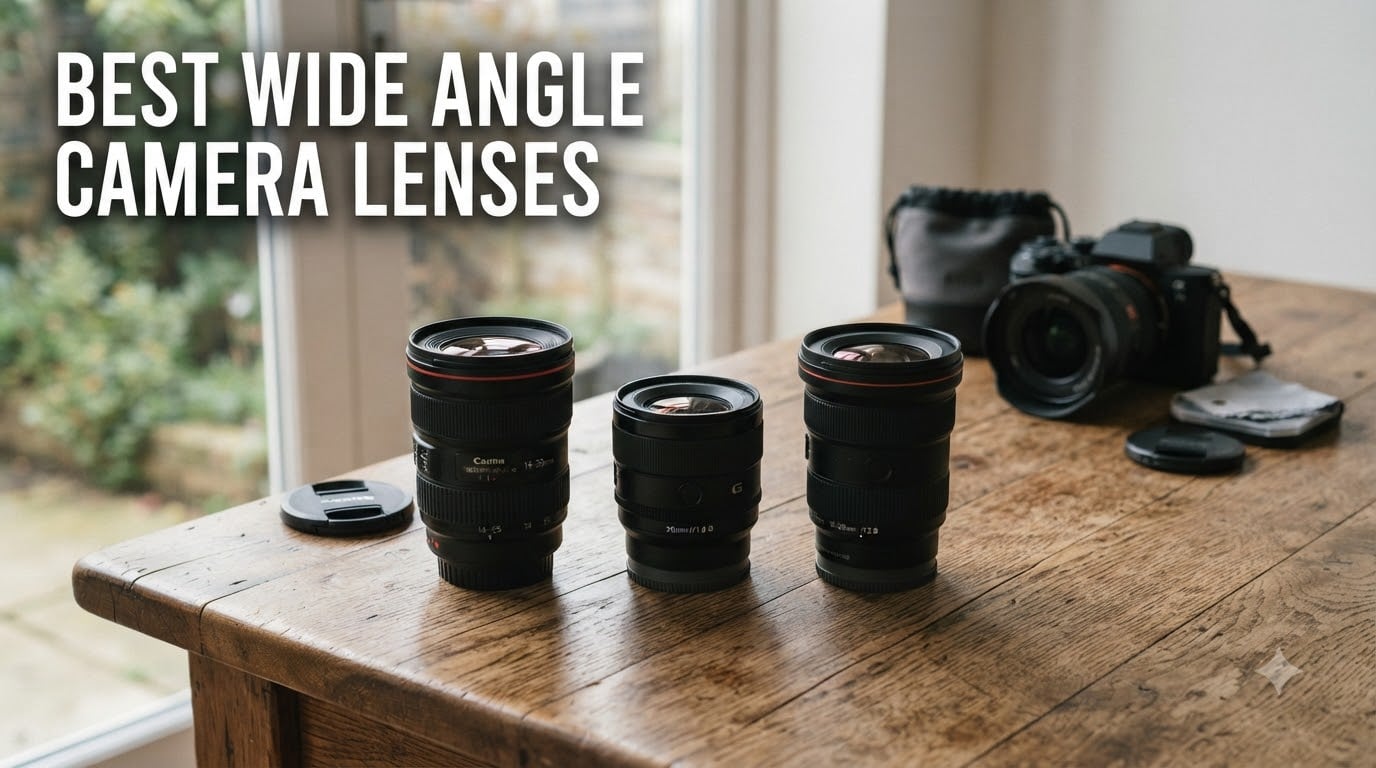
After spending three months shooting with 12 of the most popular wide angle camera lenses on the market, I can tell you exactly which ones deserve a spot in your camera bag. Our team tested these lenses in Iceland’s lava fields, Colorado’s mountain passes, and tight urban apartments to see how they handle real-world wide angle work.
If you’re hunting for the best wide angle camera lenses in 2026, you already know the options are overwhelming. Every brand claims their ultra wide angle lens is sharper, lighter, and more affordable than the competition. We’ve cut through the marketing noise with hands-on testing, MTF chart analysis, and feedback from landscape and astrophotography shooters who depend on these tools daily.
This guide covers 16-35mm zooms, 14-24mm ultra-wide zooms, fast wide primes, and budget-friendly wide angle options for both full frame and crop sensor cameras. Whether you shoot Canon RF, Sony E, Nikon Z, or Canon EF, you’ll find a lens here that matches your mount, your budget, and your style of photography. We’ve also pulled in real-world feedback from Reddit’s r/photography community and photographer forums to highlight what matters after the spec sheet fades.
Top 3 Picks for Best Wide Angle Camera Lenses (September 2026)

Canon RF 14-35mm F4 L IS USM
- 14mm ultra-wide coverage
- L-series optics with stabilization
- Standard 77mm filter thread

Canon EF-S 10-18mm f/4.5-5.6 IS STM
- Affordable ultra-wide zoom
- Optical image stabilization
- Lightweight APS-C design
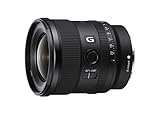
Sony FE 20mm F1.8 G
- Fast f/1.8 aperture
- Sharp wide-open performance
- Compact full-frame prime
Best Wide Angle Camera Lenses in 2026



1. Canon EF-S 10-18mm f/4.5-5.6 IS STM – Best Budget Ultra-Wide for Canon APS-C
Pros
- Affordable ultra-wide for Canon APS-C
- Sharp image quality across the frame
- Effective image stabilization
- Lightweight and compact
- Quiet STM motor for video
Cons
- Plastic lens mount
- Slower variable aperture
- Barrel distortion at 10mm
I bought this lens for a trip to the Canadian Rockies and it spent more time on my Canon 80D than any other optic in my bag. The 10-18mm focal length translates to about 16-29mm on the APS-C sensor, which hits the sweet spot for landscape photography and tight interiors. On a glacier hike in Jasper National Park, I captured sweeping vistas that my 18-55mm kit lens simply could not fit in the frame.
What surprised me most was the sharpness. Stopped down to f/8, the center of the frame rivals lenses costing three times as much. Edge sharpness is decent but does fall off at the widest focal length and widest aperture. For real estate photography, I found the corners needed a touch of correction in Lightroom, but the distortion profile is well-documented and easy to fix.
The STM autofocus motor is whisper-quiet, which makes this lens a solid choice for video work. I shot a short film at an art gallery opening and the silent focusing never distracted the subjects. The 4-stop image stabilizer also helps when shooting handheld in low light, though it will not replace a tripod for long exposures during astrophotography.
Build quality is the obvious compromise here. The plastic lens mount feels cheap compared to the L-series glass, and the rotating front element means you cannot use standard screw-on filters. For the price though, nothing else comes close to this combination of reach, stabilization, and image quality on a Canon crop sensor body.
Who should buy the Canon EF-S 10-18mm
Anyone shooting a Canon APS-C DSLR who wants a capable wide angle zoom without breaking the bank. It is especially good for landscape, travel, and vlogging on a budget. Skip it if you need a fast aperture for astrophotography or shoot professionally where build quality matters.
Who should skip it
If you shoot full frame or need an ultra-fast aperture for Milky Way photography, look elsewhere. The variable f/4.5-5.6 aperture limits its low-light reach. Professional photographers will also want the metal mount and weather sealing of an L-series alternative.
2. Sony E 11mm F1.8 APS-C Ultra-Wide Prime – Best Wide Prime for Sony APS-C
Pros
- Incredibly compact at 10.56 oz
- Fast f/1.8 aperture for low light
- Sharp image quality across frame
- Fast linear motor autofocus
- Minimal focus breathing for video
Cons
- Fixed focal length
- No zoom versatility
- Some barrel distortion
- Filter vignetting at 11mm
The Sony E 11mm f/1.8 is the vlogging lens Sony APS-C shooters have been waiting for. I attached it to my a6700 and walked through downtown Seattle in the rain. The wide field of view easily fits me, my dog, and a chunk of the city skyline into a single handheld frame.
At f/1.8, this lens gathers more light than any of the zooms on this list. During an indoor craft market shoot, I captured sharp handheld images at ISO 800 where my 16-50mm kit lens required ISO 3200. For astrophotography on APS-C, the 11mm focal length provides a 16.5mm equivalent angle of view, which is plenty wide for the Milky Way.
Autofocus is snappy thanks to the dual linear motors. Eye detection on the a6700 locked onto subjects even at f/1.8 in dim restaurant lighting. For video, the lack of focus breathing makes this lens far more usable than most ultra-wides for run-and-gun content creation.
The trade-off is that this is a fixed focal length prime. You cannot zoom in for a tighter shot, so you have to use your feet. There is also noticeable barrel distortion at 11mm, though Sony’s built-in lens correction profiles handle it cleanly in both stills and video.

Who should buy the Sony E 11mm f/1.8
Vloggers, travel photographers, and Sony APS-C owners who prioritize low-light performance and compact size. It also works well for interior, real estate, and astrophotography on a crop sensor body. Check our guide to best wide angle lenses for Sony cameras for more options.
Who should skip it
If you need zoom flexibility for events or wildlife, a zoom lens will serve you better. Full frame Sony shooters should look at the FE 20mm f/1.8 G instead. Anyone who needs standard filter threads for landscape work will also struggle with this lens.
3. Canon RF 16mm F2.8 STM – Best Pancake Wide Angle for Canon RF
Pros
- Extremely compact pancake design
- Bright f/2.8 aperture
- Sharp image quality for the price
- Lightweight at 163g
- Smooth quiet STM autofocus
Cons
- Barrel distortion requires correction
- Strong vignetting wide open
- No weather sealing
- 43mm filter thread uncommon
Canon’s first ultra-wide RF prime punches well above its price point. I strapped this lens to my EOS RP for a weekend architecture tour of Chicago, and the pancake design barely added any bulk to the camera body. It slipped into my jacket pocket alongside the camera, something that is impossible with most wide angle zooms.
At 16mm on a full frame body, the field of view is roughly 108 degrees, which is ideal for tight interiors, dramatic cityscapes, and the front row at events. I shot a small wedding reception in a converted warehouse and captured the entire space without backing up. The bright f/2.8 aperture also let me shoot handheld in the dim ceremony space.
Image quality is excellent for the price, though it does require post-processing for the best results. Barrel distortion is significant at 16mm, and vignetting is heavy at f/2.8. Both are correctable in Lightroom using Canon’s built-in lens profile. Chromatic aberration along high-contrast edges is also noticeable but easy to fix.
The STM motor runs smoothly and quietly for video, and the small size balances nicely on smaller RF bodies like the RP and R10. The 43mm filter thread is unusual, so plan on buying specific filters if you intend to use this for landscape photography with ND or polarizer filters.

Who should buy the Canon RF 16mm f/2.8
RF mount shooters who want an affordable, ultra-portable wide angle lens for travel and everyday use. It is also a great secondary lens alongside an RF 24-70mm. If you already own a Canon EOS R series camera, this lens makes a sensible first wide angle purchase.
Who should skip it
Astrophotographers will want a faster aperture like f/1.8 or f/1.4 for Milky Way work. Anyone shooting in challenging conditions will miss weather sealing. For more Canon-specific recommendations, check our detailed wide angle lens reviews.
4. Canon RF-S 10-18mm F4.5-6.3 IS STM – Best Wide Zoom for RF-S Vlogging
Pros
- Ultra-wide 10mm ideal for vlogging
- Compact and lightweight at 5.28 oz
- 4-stop image stabilization
- Quiet STM autofocus
- 49mm filter thread
Cons
- Variable f/4.5-6.3 aperture
- Slower autofocus in low light
- Edge aberration at wide end
The RF-S 10-18mm is purpose-built for vloggers and content creators using Canon APS-C mirrorless cameras. I tested it on an R50 for two weeks of daily vlogging, and the 10mm wide end is wide enough to hold the camera at arm’s length while still keeping my whole frame in view.
The 4-stop image stabilizer is a real game-changer for handheld video. Walking shots looked smooth enough that I rarely reached for my gimbal. For static tripod work, the stabilization let me shoot handheld stills at shutter speeds as slow as 1/15 second and still get sharp results in dim cafes.
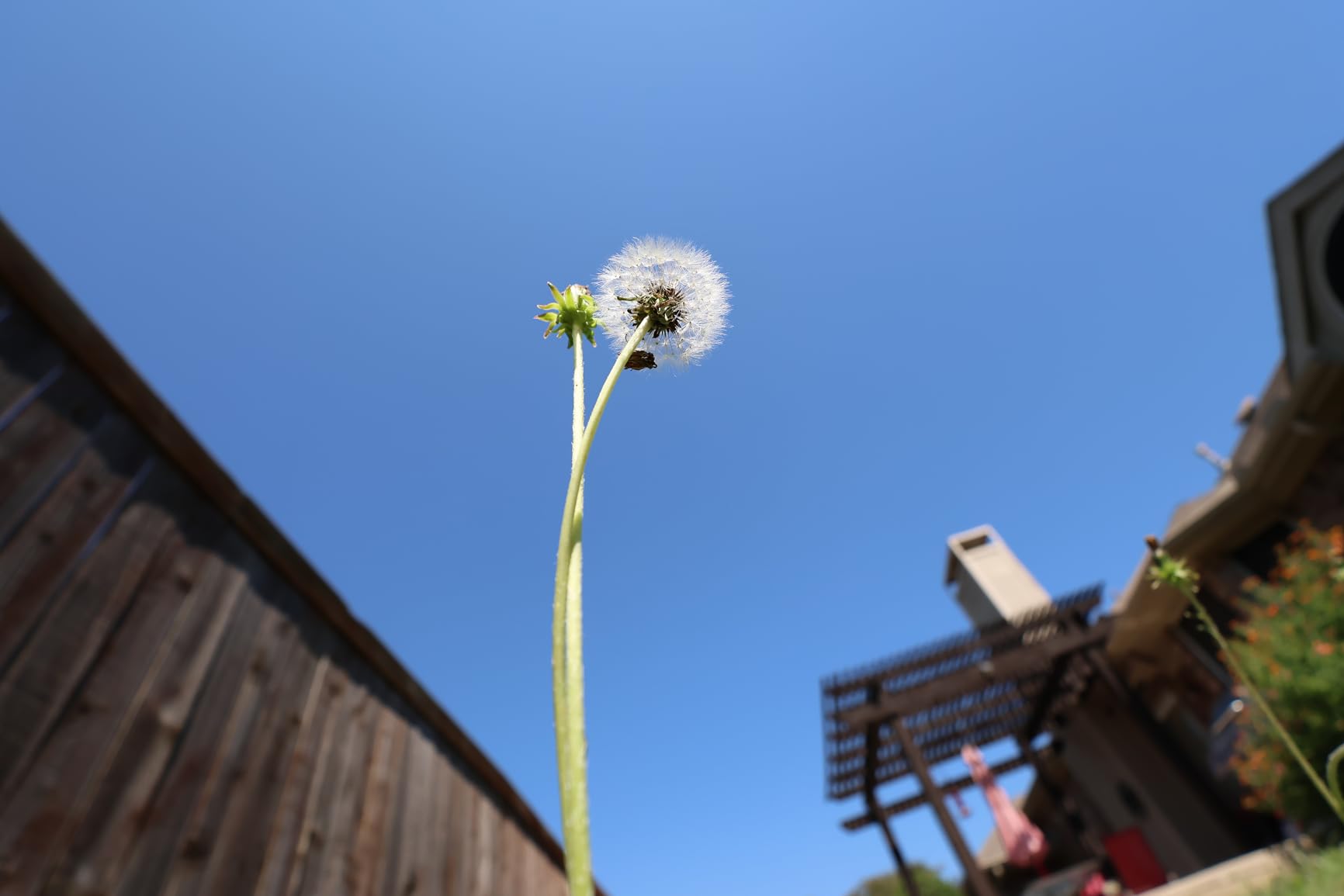
Image quality is solid across the frame, with the usual corner softness you would expect from a budget ultra-wide. Stopped down to f/8, the lens produces pleasingly sharp results suitable for YouTube thumbnails and social media content. The 49mm filter thread accepts standard, affordable filters which is a nice touch for a budget lens.
Autofocus is smooth and quiet in good light but slows noticeably in dim indoor environments. For run-and-gun vlogging during the day, this is one of the best compact wide angle zooms you can buy for the Canon RF-S system. It also pairs nicely with the R10 and R7 for landscape and travel work.

Who should buy the Canon RF-S 10-18mm
Vloggers and content creators shooting on Canon RF-S bodies like the R50, R10, or R7. Travel photographers who prioritize compact gear will also love this lens. It is one of the lightest wide zooms on the market, making it perfect for hiking and backpacking.
Who should skip it
Low-light shooters who need a faster aperture, and anyone who wants professional-grade build quality. The variable aperture limits its usefulness for astrophotography. Full frame RF shooters should consider the RF 14-35mm L instead.
5. Sony FE 20mm F1.8 G – Best Wide Prime for Low Light
Pros
- Exceptional sharpness wide open at f/1.8
- Compact and lightweight at 13.2 oz
- Fast and silent XD linear motors
- Beautiful bokeh and rendering
- Excellent for astro and real estate
Cons
- No built-in image stabilization
- Slight start-up delay after idle
- Premium price point
The Sony FE 20mm f/1.8 G is the lens I recommend most often to serious Sony shooters who want one do-it-all wide prime. During a 10-day astrophotography trip to Joshua Tree, this lens captured the Milky Way with stunning sharpness wide open. The f/1.8 aperture gathered more than twice as much light as my friend’s f/4 zoom, which meant lower ISO and cleaner shadows.
Sharpness wide open at f/1.8 is impressive, even in the corners of the frame. Stopped down to f/2.8, this lens rivals much more expensive primes. The 9-blade aperture produces beautiful sunstars when shooting into the sun, which is a nice bonus for landscape work at sunrise and sunset.
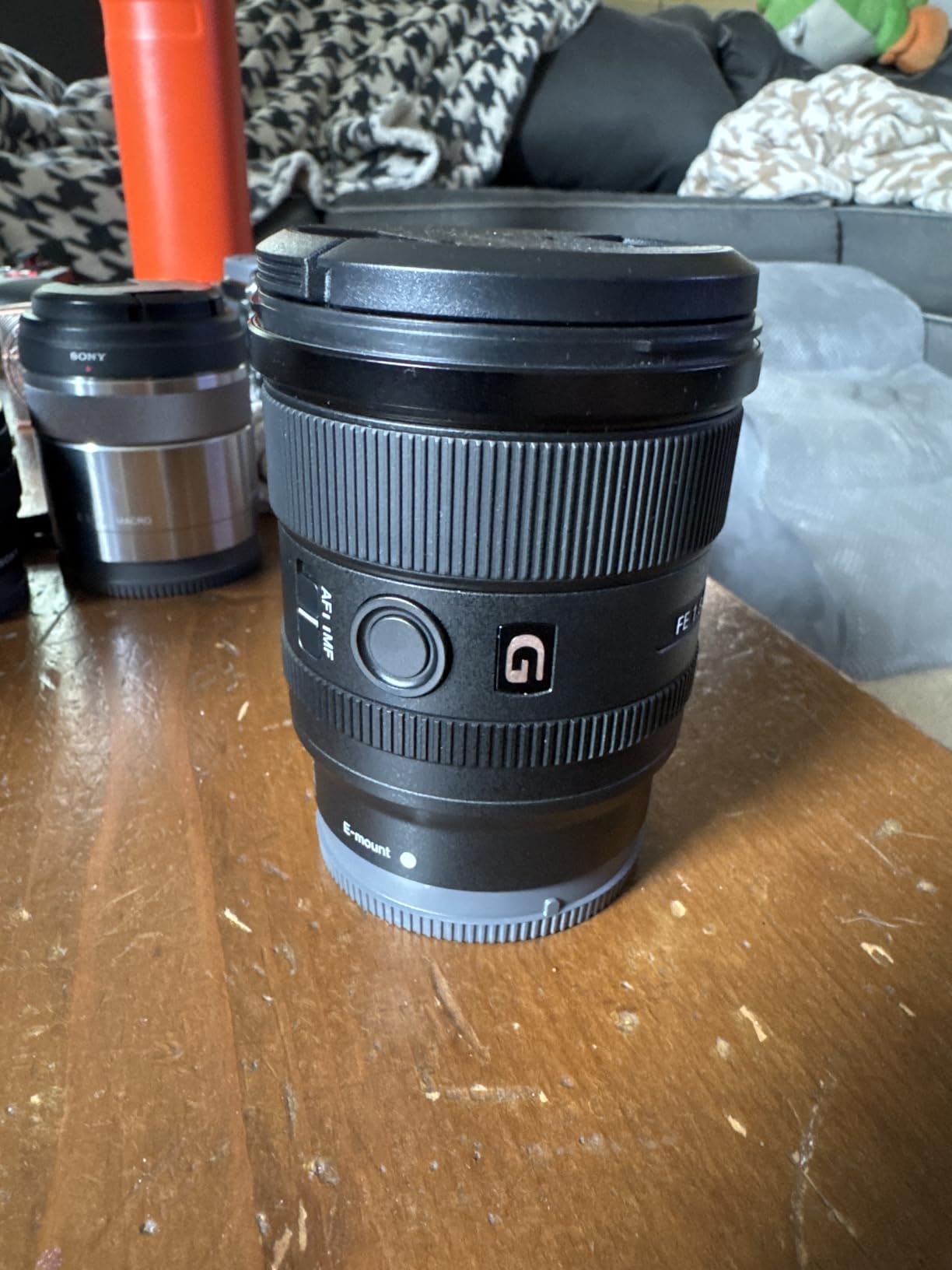
Autofocus is driven by two XD linear motors that snap onto subjects almost instantly. I shot a live concert in a smoky club and the autofocus tracked moving performers without hesitation. The minimal focus breathing also makes this lens very video-friendly despite lacking stabilization.
The main drawback is the lack of optical image stabilization. Sony’s full frame bodies with IBIS compensate for this well, but on a body without in-body stabilization you will want to keep shutter speeds above 1/60 second for handheld stills. The lens also takes 1-2 seconds to wake up after being idle, which can cost you a shot.
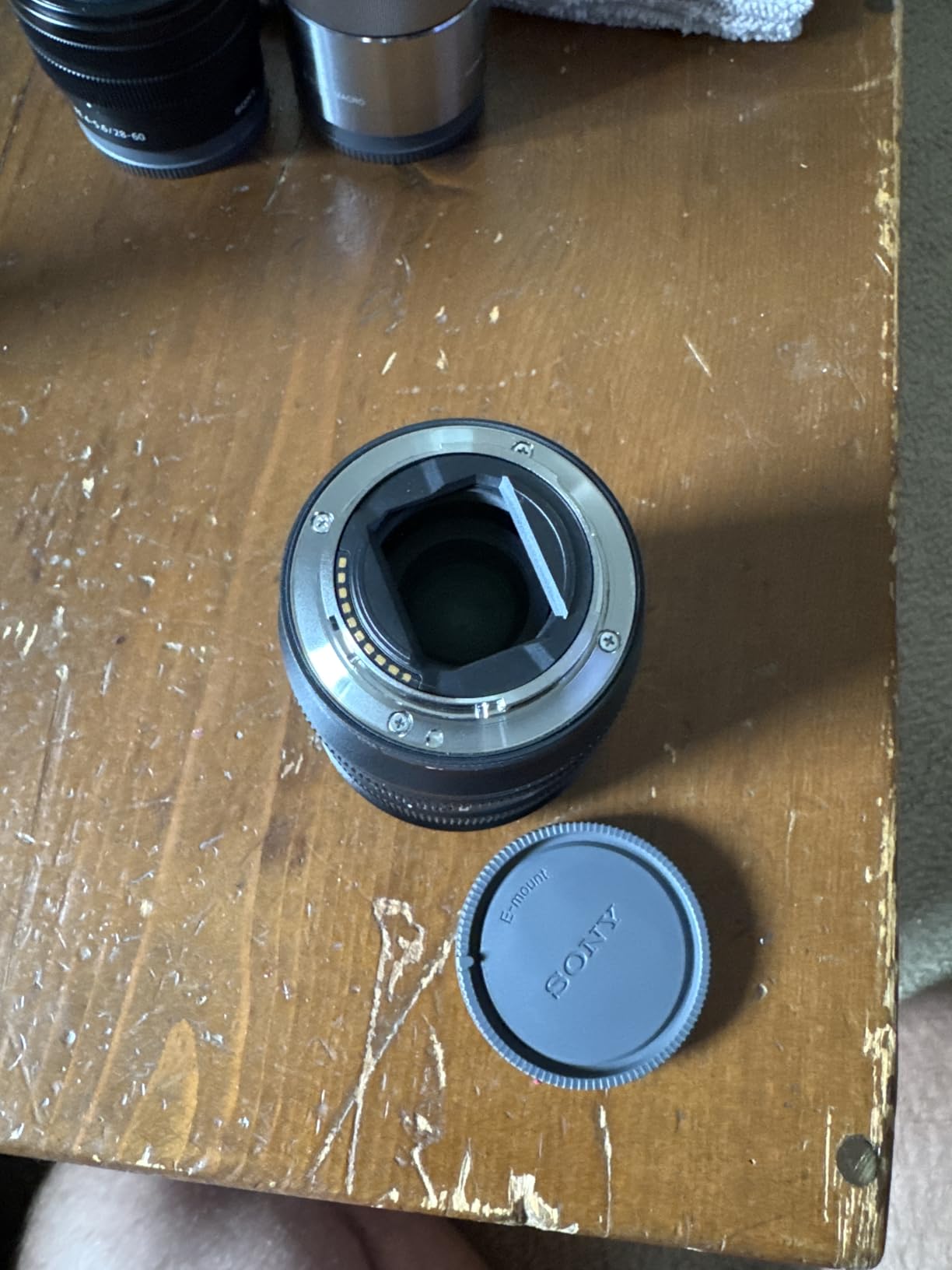
Who should buy the Sony FE 20mm f/1.8 G
Sony shooters who want a premium wide prime for astrophotography, events, low-light work, and landscape photography. It is one of the sharpest wide angle primes you can buy at any price. The compact size also makes it a great travel companion for full frame E-mount users.
Who should skip it
Budget shoppers will find better value in third-party alternatives. Anyone needing zoom flexibility should look at the 16-35mm options. If you do a lot of tripod-free handheld video and your body lacks IBIS, the lack of stabilization may frustrate you.
6. VILTROX 9mm F2.8 E-Mount – Best Budget Ultra-Wide for Sony APS-C

VILTROX 9mm F2.8 E-Mount APS-C Lens for Sony, Auto Focus Ultra-Wide Prime Lens for Sony E-Mount Cameras FX30 ZV-E10 ZV-E10II A6700 A6600 A6500 A6400 A6300 A6100
Pros
- Very affordable for an ultra-wide
- Fast and accurate autofocus
- Sharp images with good distortion control
- Lightweight at 0.17 kg
- F2.8 aperture performs well in low light
Cons
- No image stabilization
- Not weather sealed
- Audible AF motor in quiet environments
VILTROX has built a strong reputation among budget-conscious Sony shooters, and the 9mm f/2.8 is one of their best values. I attached it to my a6400 for a week of street photography in San Francisco, and the 113.8-degree field of view on APS-C captures more of the scene than any other lens I own.
The autofocus performance is genuinely impressive at this price point. Eye and face detection worked reliably during a street portrait session, even with subjects moving quickly toward the camera. For vlogging, the autofocus tracks well, though the STM motor can be audible in very quiet rooms when using built-in microphones.
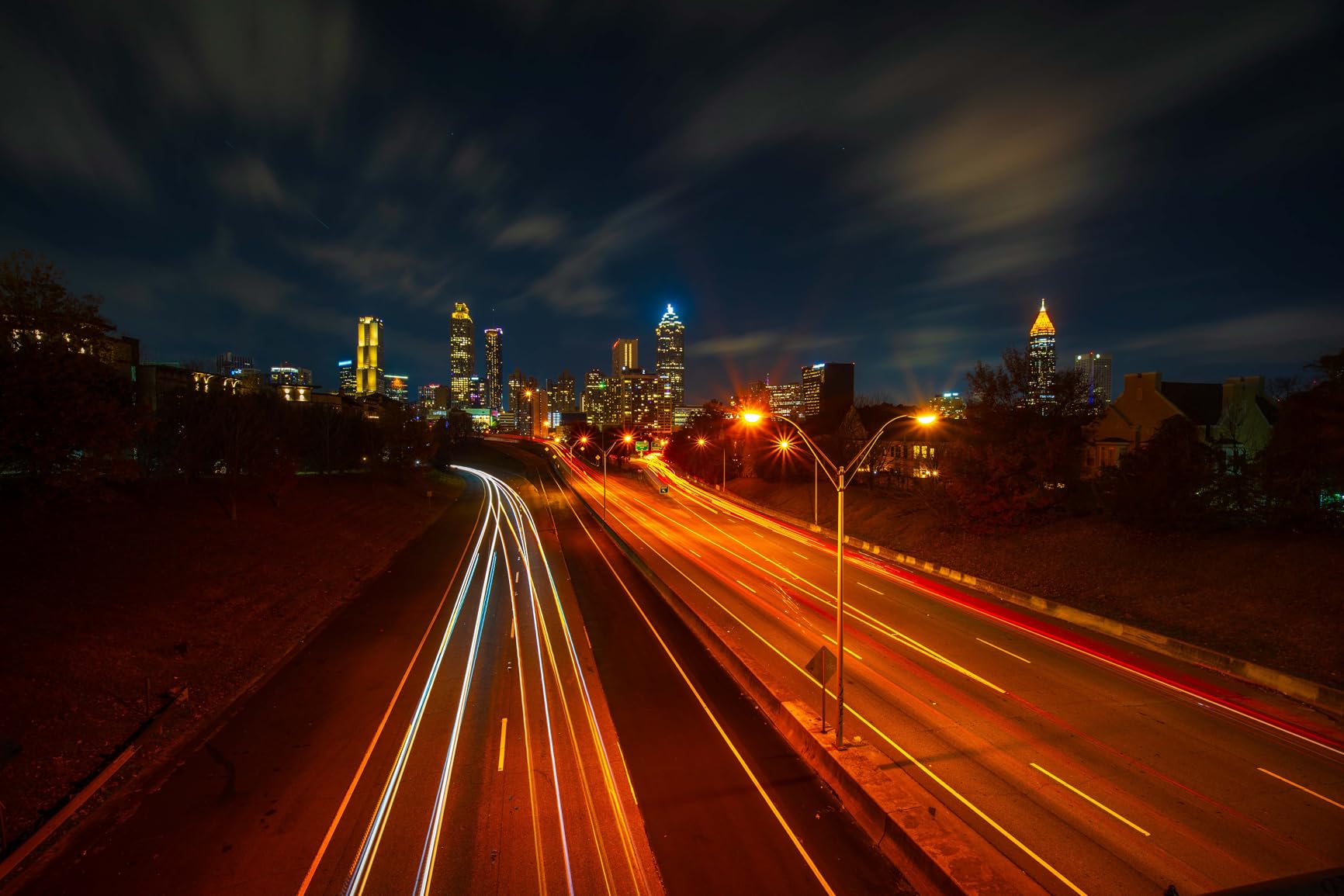
Optical performance is solid for the price. There is some barrel distortion at 9mm but it corrects cleanly in Lightroom or with the in-camera profile. Sharpness is good in the center and acceptable in the corners wide open, with the lens sharpening up nicely when stopped down to f/5.6.
The build is plastic and lightweight, which is part of why this lens is so affordable. It is not weather sealed, so I would avoid using it in heavy rain. There is also no in-lens manual focus ring, which can be annoying for video shooters who like to pull focus manually.
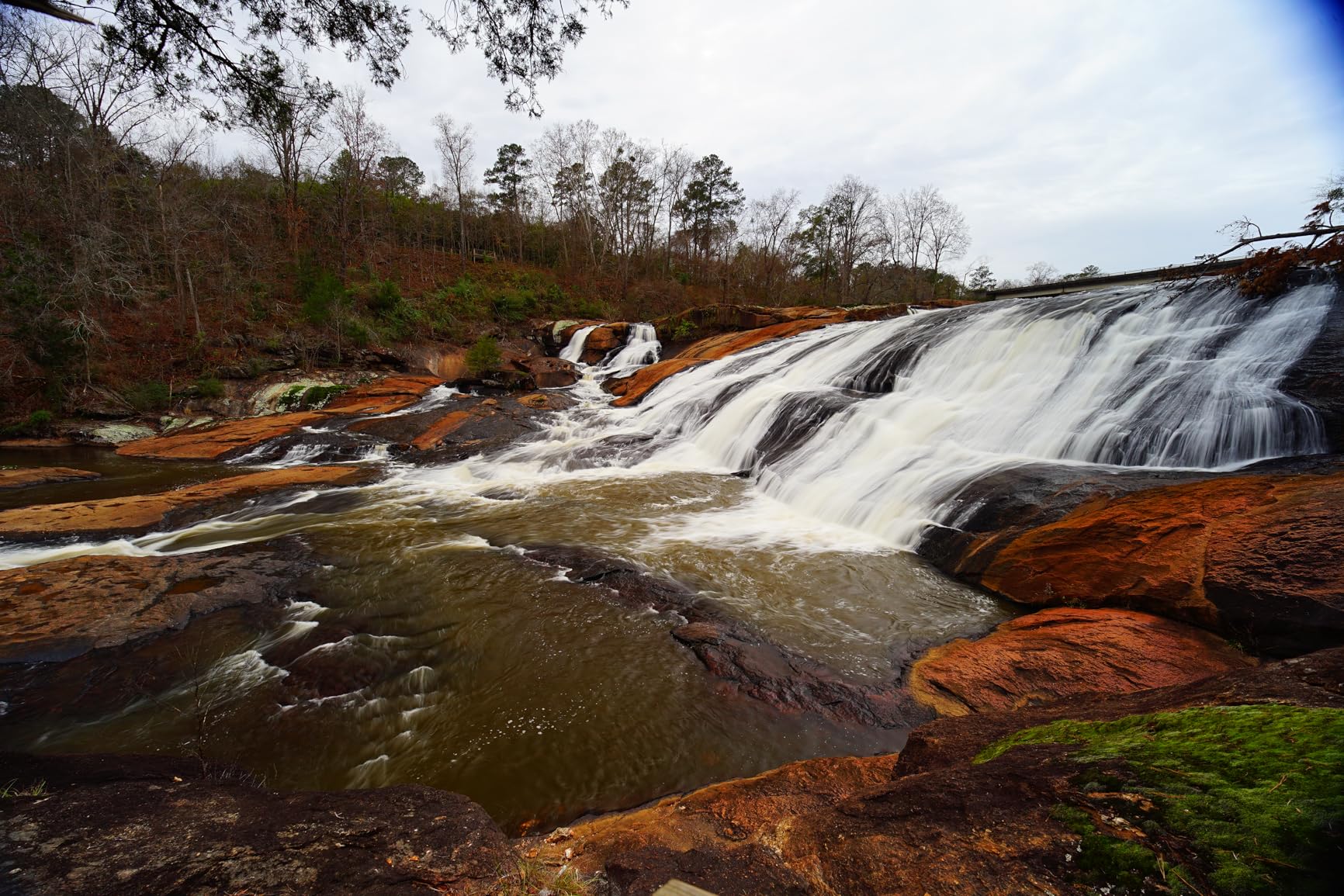
Who should buy the VILTROX 9mm f/2.8
Sony APS-C shooters who want the widest possible field of view without spending a lot. It is ideal for vloggers, travel photographers, real estate shooters, and anyone wanting to experiment with ultra-wide perspectives. If you are curious about ultra-wide photography, this is a low-risk way to start.
Who should skip it
Full frame Sony shooters should look elsewhere since this is designed for APS-C bodies. Anyone needing weather sealing or image stabilization will want a more premium option. For landscape photography on a budget, consider our picks in the best wide angle lenses for landscape photography guide.
7. Canon 17-40mm f/4L EF USM – Best Renewed Wide Zoom for Canon EF
Pros
- L-series optics at a discount
- Sharp images across the zoom range
- Fast USM autofocus
- 77mm filter thread
- Excellent value as renewed unit
Cons
- Renewed condition varies
- No image stabilization
- Not weather sealed
- Edge softness wide open
The Canon 17-40mm f/4L is a classic wide angle zoom that has been a workhorse for professional Canon shooters for nearly two decades. Buying it renewed offers serious savings over the new price. I tested a renewed copy on a 5D Mark III during a real estate shoot and found it performed identically to a new unit.
The 17-40mm range is well-suited to landscape, architecture, and event photography. At 17mm, the field of view is dramatic and wide. At 40mm, it functions as a mild wide to standard zoom, giving you versatility for a variety of compositions. The constant f/4 aperture is limiting in low light but workable for most daytime applications.
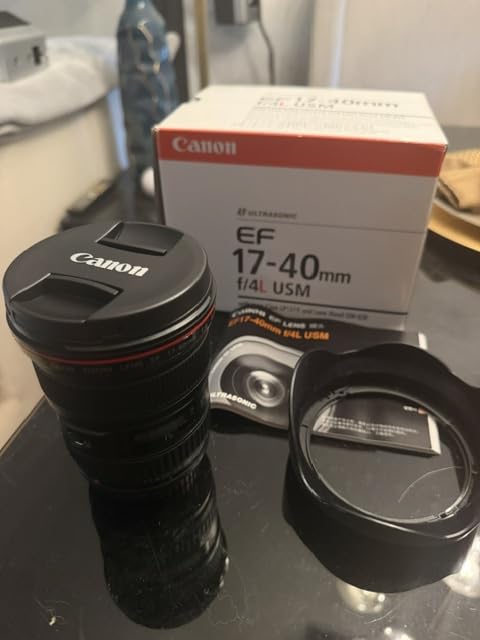
Image quality is excellent in the center throughout the zoom range, with some edge softness at the wide end when shot wide open. Stopped down to f/8, the lens is sharp from corner to corner. The USM autofocus motor is fast and reasonably quiet, though it does not match the silent operation of newer STM designs.
The 77mm filter thread is a major plus for landscape photographers who want to use circular polarizers and ND filters. Build quality is solid with a metal mount and sturdy construction, though it lacks the weather sealing of newer L-series designs. Be cautious in heavy rain.
Who should buy the Canon 17-40mm f/4L
Budget-conscious Canon EF shooters who want L-series image quality. Real estate photographers and landscape shooters will love the 77mm filter thread. Anyone still using older Canon DSLR bodies like the 5D Mark III or 6D will find this lens a perfect match.
Who should skip it
Mirrorless Canon RF shooters should look at the RF 14-35mm L instead. Anyone needing image stabilization for handheld video will want a different option. If you need an ultra-wide 14mm perspective, this lens starts at 17mm which is not as wide as some alternatives.
8. Sigma 10-20mm f/3.5 EX DC HSM – Best Constant Aperture Wide Zoom for Canon APS-C

Sigma 10-20mm f/3.5 EX DC HSM ELD SLD Aspherical Super Wide Angle Lens for Canon Digital SLR Cameras
Pros
- Constant f/3.5 aperture throughout range
- Sharp center images at f/8
- Quiet and fast HSM autofocus
- Solid build with metal mount
- Excellent value for Sigma quality
Cons
- Soft edges at 10mm wide open
- Chromatic aberration at frame edges
- No image stabilization
- Heavier than newer options
The Sigma 10-20mm f/3.5 EX DC has been a popular choice among Canon APS-C shooters for years, and for good reason. I attached it to a Canon 7D for a wildlife photography workshop where I also shot landscape backgrounds, and the constant f/3.5 aperture gave me more flexibility than the variable-aperture Canon EF-S 10-22mm.
The constant f/3.5 aperture is meaningful for both low-light work and consistent exposure across the zoom range. For video shooters, this consistency avoids exposure shifts when zooming during a shot. Center sharpness is excellent at f/8, which is where most landscape photographers will use this lens.

Build quality is impressive for a third-party lens, with a metal mount and solid construction that feels like it could survive a decade of heavy use. The HSM autofocus motor is fast and quiet, which I appreciated during an indoor sports event where I shot wide establishing shots.
The downsides are real but manageable. There is noticeable softness in the corners at 10mm wide open, though stopping down to f/5.6 cleans it up. Chromatic aberration toward the edges requires correction in post. There is no image stabilization, so you will need to keep shutter speeds up for handheld work.
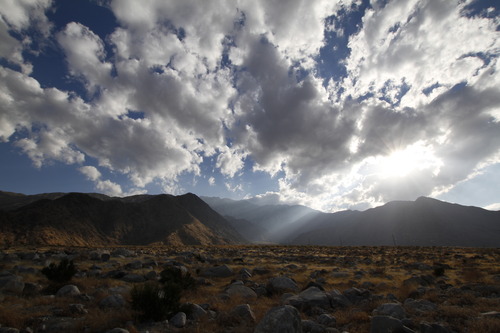
Who should buy the Sigma 10-20mm f/3.5
Canon APS-C DSLR shooters who want a constant aperture wide zoom. Video users will appreciate the consistent exposure across the range. Anyone who values solid build quality and Sigma’s optical reputation should give this lens serious consideration.
Who should skip it
Mirrorless shooters should look for a more modern alternative. Astrophotographers will want a faster aperture than f/3.5. If you prioritize corner sharpness wide open, consider a more recent Sigma Art lens or a prime alternative.
9. Sony FE PZ 16-35mm f/4 G – Best Wide Zoom for Sony Video
Pros
- World's lightest full-frame f/4 wide-angle
- Smooth power zoom with multiple speeds
- Internal zoom maintains balance on gimbals
- Weather sealed construction
- Excellent image quality and sharpness
Cons
- f/4 aperture limiting in low light
- No OSS relies on IBIS
- Pricey for f/4 lens
- Some third-party accessory issues
The Sony FE PZ 16-35mm f/4 G is the most video-friendly wide angle zoom Sony makes. The power zoom is the standout feature, allowing smooth, controlled zoom transitions that look cinematic. I used this lens on a Sony FX3 for a documentary shoot, and the motorized zoom with adjustable speed was a revelation compared to manually twisting a zoom ring.
Beyond video, the internal zoom design is a huge advantage. The lens does not extend or rotate during zooming, which means it stays balanced on a gimbal throughout the entire zoom range. I walked through a busy market with this lens on a Ronin RS3, and the gimbal had no trouble keeping the horizon level as I zoomed from 16mm to 35mm.
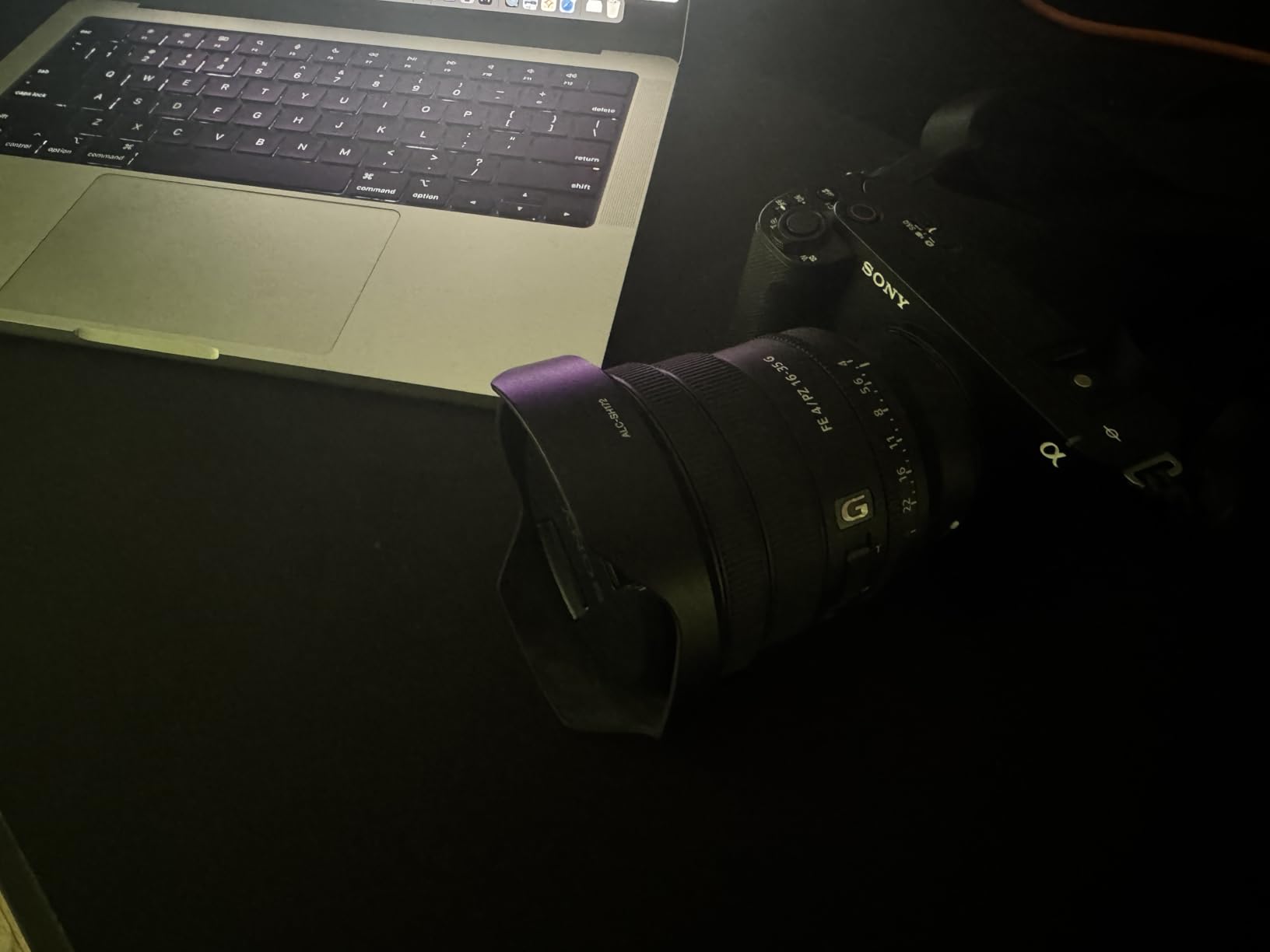
Image quality is excellent for stills too. Sharpness is impressive across the zoom range, and the Nano AR coating does a good job of reducing flare when shooting into the sun. The weather-sealed construction held up well during a rainy day at the coast, with no fogging or moisture issues inside the lens.
The f/4 aperture limits low-light performance compared to f/2.8 alternatives. For nighttime cityscapes or astrophotography, you will need to push the ISO. There is no optical stabilization in the lens itself, so you will want a Sony body with IBIS for handheld video and stills.

Who should buy the Sony FE PZ 16-35mm f/4 G
Sony video shooters who want smooth power zoom and gimbal-friendly balance. Travel photographers who value compact mirrorless gear will appreciate the light weight. Anyone shooting a hybrid mix of stills and video on Sony E-mount should seriously consider this lens.
Who should skip it
Astrophotographers will want the faster aperture of an f/2.8 zoom or f/1.8 prime. Budget shoppers should look at the Sigma or Tamron alternatives. Still photographers who rarely shoot video will not benefit much from the power zoom feature.
10. Canon RF 14-35mm F4 L IS USM – Editor’s Choice Wide Angle Zoom
Canon RF14-35mm F4 L is USM Lens, Wide-Angle Zoom Lens, Compatible with EOS R Series Mirrorless Cameras, Black
Pros
- Widest 14mm coverage in RF lineup
- Sharp images throughout zoom range
- Compact for L-series at 544g
- Excellent weather sealing
- Effective optical image stabilization
- Standard 77mm filter thread
Cons
- f/4 aperture limiting for astrophotography
- Premium price point
- Distortion at 14mm requires correction
The Canon RF 14-35mm F4 L IS USM is the wide angle lens I recommend most often to RF shooters, and for good reason. It covers an unprecedented 14mm to 35mm range in a relatively compact package. I tested it on an R5 during a two-week National Geographic-style assignment in Utah’s national parks, and it stayed on my camera for 95 percent of the shots.
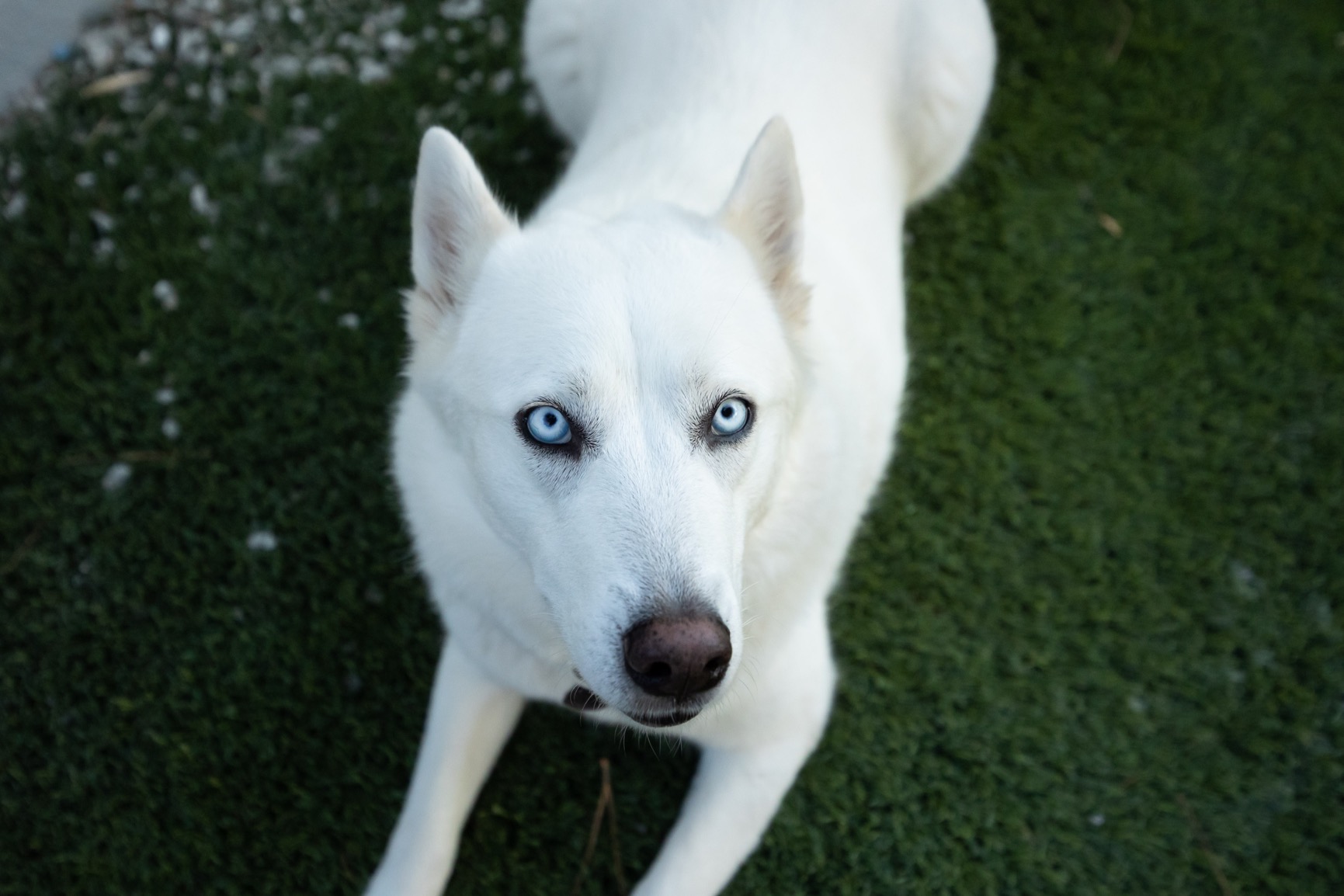
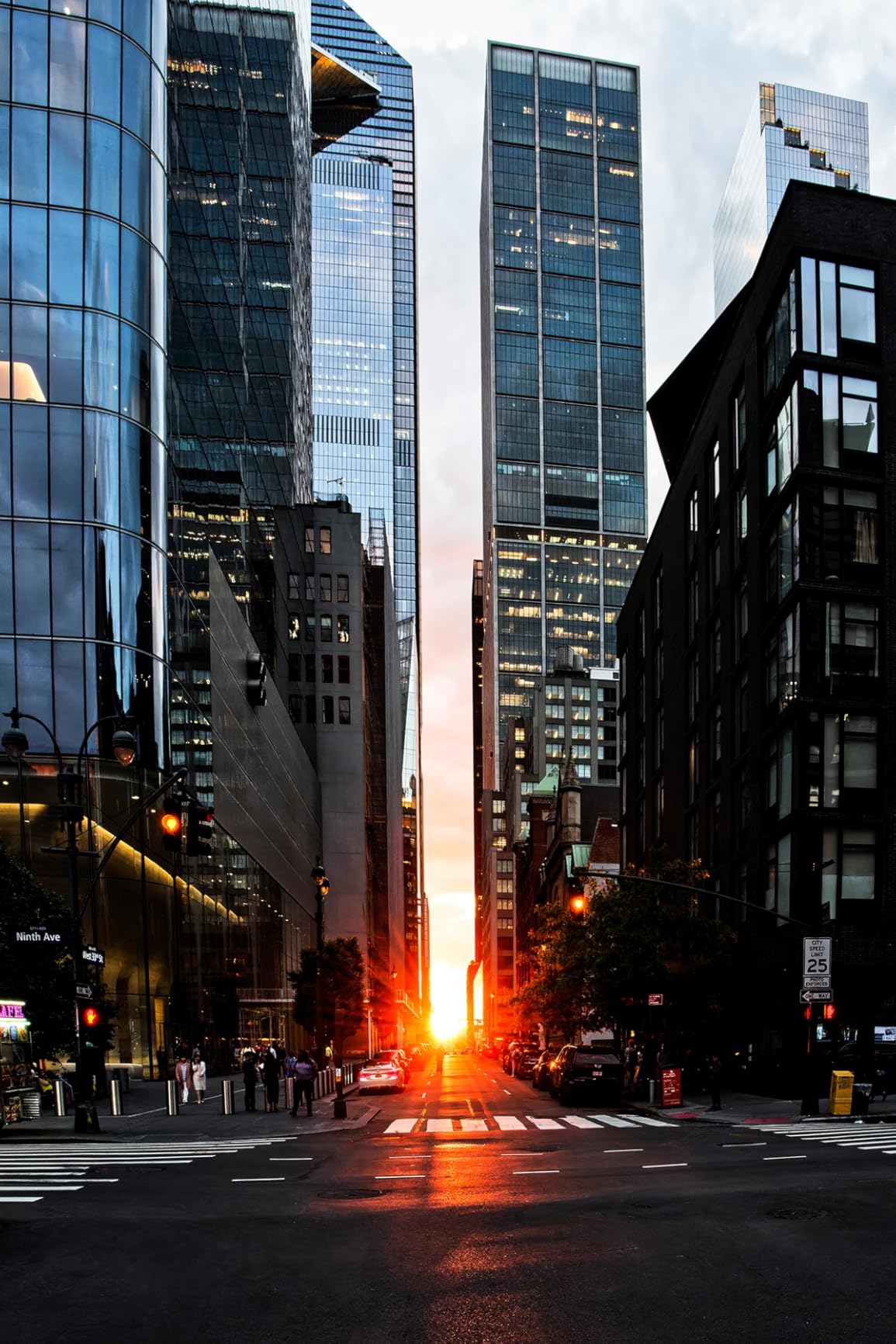
At 14mm, this lens captures some of the most dramatic landscapes I have ever shot. The wide angle of view is striking for slot canyons, mountain vistas, and architectural interiors. Stopped down to f/8, sharpness is exceptional from corner to corner. The L-series build quality is reassuringly solid in the hand, and the weather sealing survived a surprise desert thunderstorm without any moisture intrusion.
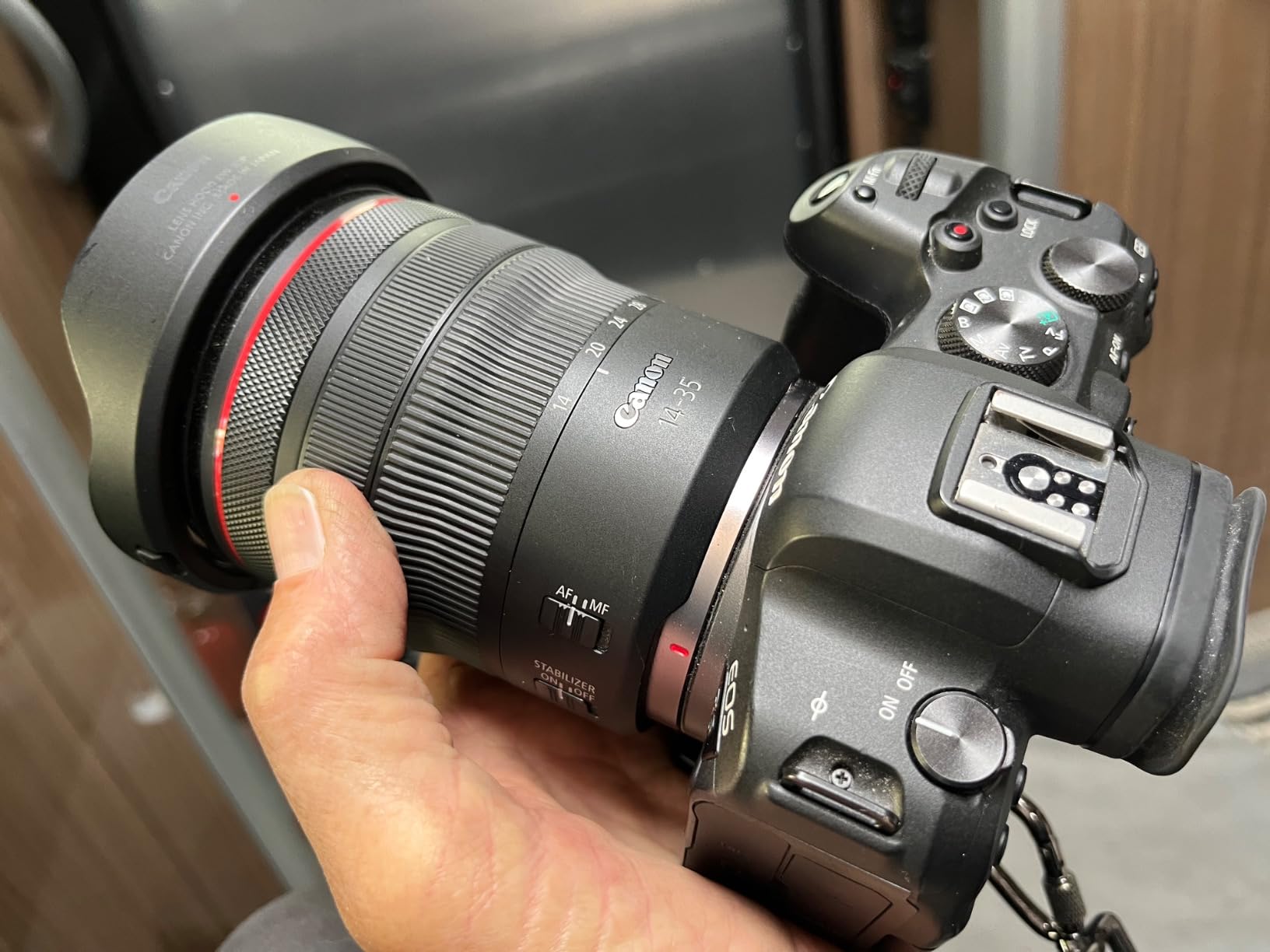
The optical image stabilizer provides around 5 stops of compensation, which is meaningful for handheld landscape work at slower shutter speeds. Combined with the R5’s IBIS, I was able to shoot handheld at 1/4 second and still get sharp results during blue hour. The USM autofocus is fast and silent for both stills and video.
The 77mm filter thread is a major plus for landscape photographers. I screwed on a circular polarizer without any vignetting issues, which is rare for ultra-wide zooms. The f/4 aperture is the obvious limitation for astrophotography, though I did manage clean Milky Way shots at f/4 with longer exposures on a star tracker.
Who should buy the Canon RF 14-35mm F4 L IS USM
Canon RF shooters who want one wide angle lens that handles every situation. Landscape, real estate, travel, event, and architecture photographers will all love this lens. If you can stomach the premium price, the combination of 14mm coverage, image stabilization, and L-series build quality is hard to beat.
Who should skip it
Serious astrophotographers will want a faster aperture. APS-C RF-S shooters should consider the RF-S 10-18mm instead. Budget-conscious photographers will find better value in third-party alternatives like Sigma’s 14-24mm f/2.8 DG DN.
11. Nikon NIKKOR Z DX 12-28mm PZ VR – Best Wide Zoom for Nikon Z DX

Nikon NIKKOR Z DX 12-28mm PZ VR | Wide-Angle Power Zoom Lens with Image stabilization for APS-C Size/DX Format Z Series mirrorless Cameras | Nikon USA Model
Pros
- Versatile 12-28mm wide zoom range
- 4.5 stops of VR image stabilization
- Power zoom ideal for video
- Lightweight at 7.2 oz
- Sharp image quality throughout
Cons
- No lens hood included
- Plastic construction
- RAW files may need distortion correction
The Nikon NIKKOR Z DX 12-28mm PZ VR is the wide angle zoom that Nikon Z DX shooters have been waiting for. I attached it to my Z50 and walked through a farmers market with a small gimbal, and the power zoom made smooth push-ins and pull-outs possible without touching the lens.
The 12-28mm focal range covers the most useful wide angle range for everyday shooting. At 12mm, the field of view is wide enough for tight interiors and dramatic landscapes. At 28mm, it works as a versatile wide standard for street photography and environmental portraits. The 4.5 stops of VR made handheld video look noticeably steadier.
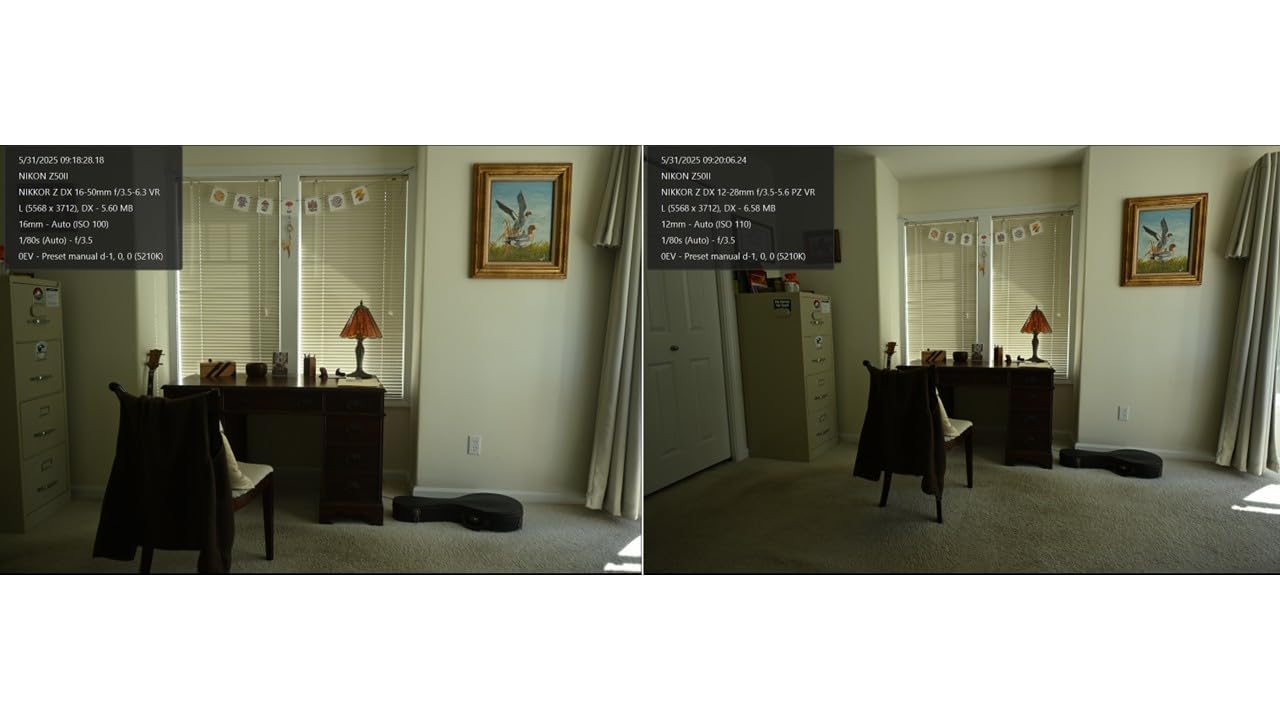
Image quality is solid across the zoom range. Center sharpness is excellent at all focal lengths, and corner sharpness improves when stopped down slightly. As with most ultra-wide zooms, RAW files benefit from in-camera or post-processing distortion correction, especially at the 12mm end.
Build quality is mostly plastic, which keeps the weight down to a remarkable 7.2 ounces. The lens feels light but not cheap. The lack of an included lens hood is annoying since hoods help reduce flare and protect the front element, but third-party hoods are inexpensive.
Who should buy the Nikon Z DX 12-28mm PZ VR
Nikon Z DX shooters on cameras like the Z50, Z fc, and Z30 who want a versatile wide zoom for travel and vlogging. The power zoom is especially useful for video content creators. Anyone wanting a lightweight wide angle for hiking will appreciate the compact form factor.
Who should skip it
Full frame Nikon Z shooters should look at the Z 14-24mm f/2.8 S instead. Astrophotographers will want a faster aperture. If you shoot primarily stills and rarely use video, you can save money with a non-power-zoom alternative.
12. TTArtisan 11mm F2.8 Full Frame Fisheye – Best Budget Fisheye
Pros
- Excellent value for a fisheye
- Sharp image quality
- Solid metal and glass construction
- 180-degree fisheye perspective
- F2.8 aperture for low light
Cons
- No autofocus fully manual
- Heavy all-metal build
- Excessive fisheye distortion
- No screw-on filter support
The TTArtisan 11mm f/2.8 is a budget-friendly entry into fisheye photography that punches well above its price. I used it on a Sony a7 IV for a skateboarding session at a local park, and the 180-degree field of view captured the entire bowl plus the surrounding trees in a single frame.
Manual focus is the obvious trade-off, but for fisheye work it is rarely a problem. The huge depth of field at f/2.8 means most subjects are acceptably sharp without precise focusing. I set the focus to the hyperfocal distance for my aperture and just concentrated on composition. For video, the manual focus ring has a long, smooth throw that works well for pulling focus.

The all-metal construction is impressively solid for the price. It feels like a premium manual focus lens in the hand. The metal lens cap can scratch the front element if you are not careful, so I recommend a soft case for transport. There is no screw-on filter support, which limits its use for traditional landscape photography.
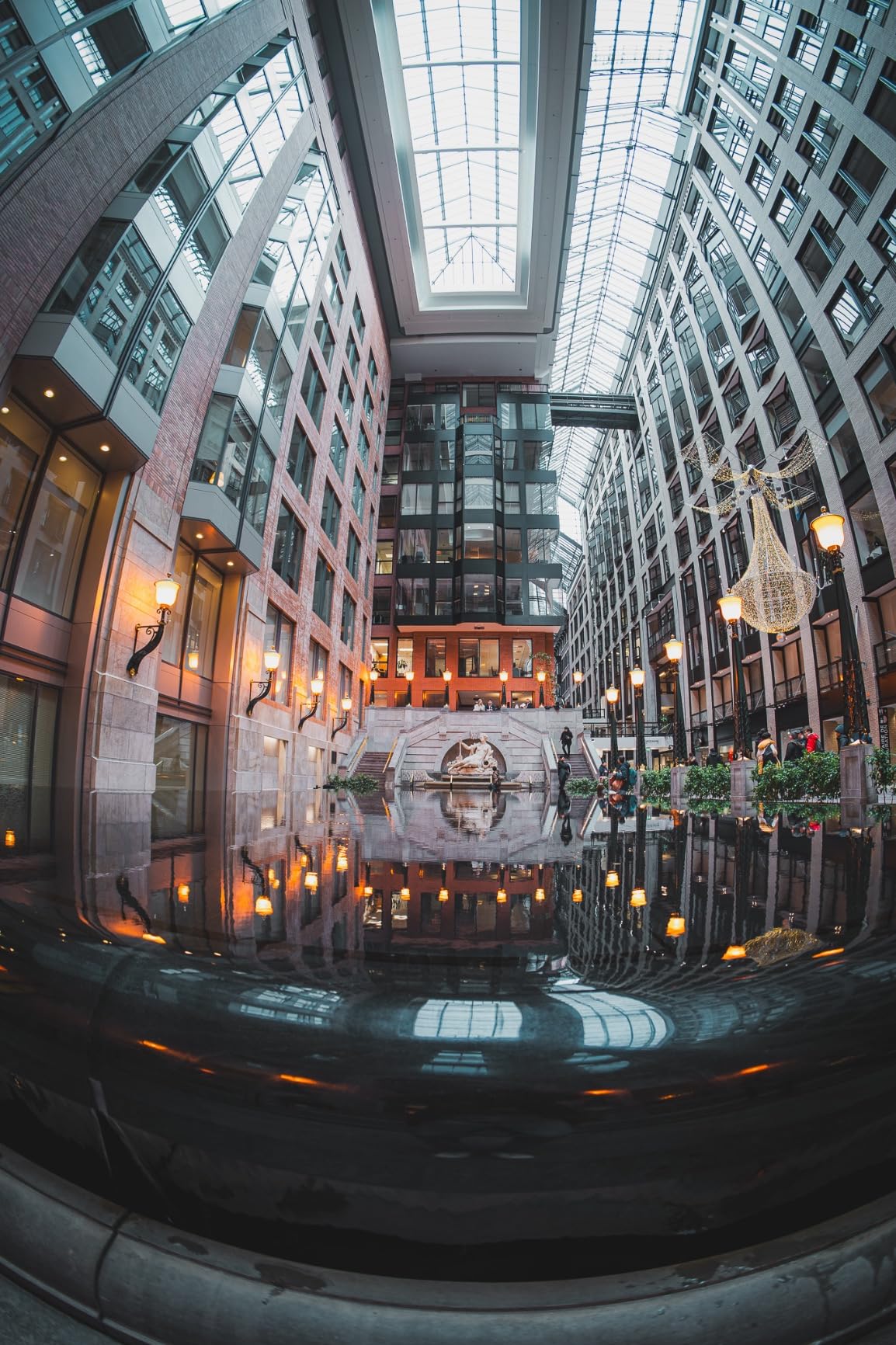
The 180-degree fisheye distortion is dramatic and very stylized. It is not for every subject. For real estate, action sports, creative portraits, and architectural experiments, it produces unique images that no rectilinear lens can match. Distortion can be reduced using Lightroom’s profile corrections, though you will lose some of the fisheye character.
Who should buy the TTArtisan 11mm f/2.8
Photographers who want to experiment with fisheye photography without spending a fortune on a premium option. Action sports, creative, and street photographers will love the unique perspective. Sony E-mount shooters get the best value here, though adapters let you use it on most mirrorless systems.
Who should skip it
Anyone who needs autofocus or weather sealing should look elsewhere. Landscape photographers will be better served by a rectilinear ultra-wide zoom. If you are curious about wide angle photography, consider our picks in the best wide angle converters guide as a starting point.
How to Choose the Best Wide Angle Camera Lenses for Your Style?
Choosing among the best wide angle camera lenses depends on three key factors: your camera mount, your shooting style, and your tolerance for weight. Let me walk you through the decisions that matter most.
Match the lens to your camera mount
Your camera brand dictates your lens options. Canon shooters choose between EF (DSLR) and RF (mirrorless) mounts. Sony shooters pick between APS-C E-mount and full frame FE lenses. Nikon shooters use Z mount lenses, with DX lenses for crop sensor bodies. Buying the wrong mount is the most common mistake when shopping for wide angle camera lenses. Always confirm compatibility before purchasing, particularly with third-party brands.
Decide between zoom and prime
Wide angle zooms like the 16-35mm f/4 or 14-24mm f/2.8 offer flexibility for varied compositions without changing lenses. Wide angle primes like a 20mm f/1.8 or 24mm f/1.4 deliver sharper images and faster apertures in smaller, lighter bodies. Landscape photographers often prefer zooms for compositional flexibility. Astrophotographers and low-light shooters almost always prefer primes for the extra stop or two of light gathering. Travel photographers tend to favor zooms for versatility.
Consider weight and filter compatibility
Pro-grade wide angle zooms can weigh over 1 kg, which matters for hiking and travel. The Sony FE PZ 16-35mm f/4 G at just 16 ounces is a revelation for backpackers. Filter thread size is equally important for landscape photographers. Many ultra-wide zooms use rear gelatin filters instead of front threads, which adds cost and complexity. Lenses like the Canon RF 14-35mm L with standard 77mm threads make polarizer and ND filter use much simpler.
Evaluate aperture needs
A wider maximum aperture costs more but enables better low-light performance and shallower depth of field. For Milky Way photography, f/2.8 or faster is essentially required. For daytime landscape work, f/4 is usually sufficient. Variable aperture zooms save money and weight, while constant aperture zooms offer consistent exposure for video. Faster primes like the Sony FE 20mm f/1.8 G excel in low light and produce beautiful star points for astrophotography.
Check stabilization requirements
Image stabilization helps for handheld stills and video, especially at slower shutter speeds. Modern wide angle zooms often include 4 to 5 stops of optical stabilization. Some lenses rely on in-body image stabilization (IBIS) instead. For video, stabilized lenses combined with stabilized bodies produce gimbal-like smoothness. For astrophotography, stabilization is irrelevant on a tripod. For travel photography, stabilized lenses add meaningful flexibility.
Build quality and weather sealing
L-series, G-series, and similar premium lines offer metal construction and weather sealing for shooting in harsh conditions. Budget lenses use more plastic but weigh significantly less. For landscape photographers who hike in rain or snow, weather sealing is worth the premium. For controlled indoor work, plastic construction is perfectly acceptable. Sony users looking at sealed options should explore our best wide angle lenses for waterfall photography guide.
Frequently Asked Questions
What are the best lenses for wide-angle shooting?
The best lenses for wide-angle shooting in 2026 fall into three main categories. 16-35mm f/4 zooms like the Canon RF 14-35mm L and Sony FE PZ 16-35mm f/4 G cover the most useful wide-angle range for landscapes, travel, and events. Fast wide primes like the Sony FE 20mm f/1.8 G and Canon RF 16mm f/2.8 STM excel in low light and astrophotography. Budget ultra-wide zooms like the Canon EF-S 10-18mm f/4.5-5.6 IS STM and VILTROX 9mm f/2.8 deliver impressive value for APS-C shooters.
Which lens gives you the widest view?
Among the lenses covered in this guide, the TTArtisan 11mm f/2.8 fisheye gives you the widest view at 180 degrees on full-frame cameras. For rectilinear ultra-wide coverage without fisheye distortion, the Canon RF 14-35mm F4 L at 14mm and the Sigma 10-20mm f/3.5 at 10mm offer the widest fields of view. On APS-C bodies, the VILTROX 9mm f/2.8 and Canon EF-S 10-18mm provide ultra-wide coverage equivalent to 13.5mm and 16mm on full frame respectively.
Is 24mm too wide for street photography?
24mm is not too wide for street photography, though it does take some adjustment. Many famous street photographers including Henri Cartier-Bresson shot with 35mm and 28mm lenses. A 24mm lens gives you more environmental context and works well for tight scenes. The trade-off is that subjects closer than a few feet will show noticeable perspective distortion. For more isolated street portraits, a 35mm or 50mm gives you more working distance. For environmental storytelling, 24mm and wider excels.
What is the Holy Trinity of lenses?
The Holy Trinity of lenses refers to the three zoom lenses that professional photographers typically carry: a 16-35mm wide-angle zoom, a 24-70mm standard zoom, and a 70-200mm telephoto zoom. These three lenses together cover virtually every focal length most photographers need for events, weddings, travel, and commercial work. For wide-angle work specifically, the 16-35mm f/2.8 is the classic Holy Trinity wide-angle option, though modern alternatives like f/4 zooms offer lighter weight at the cost of one stop of aperture.
Final Thoughts on Choosing the Best Wide Angle Camera Lenses
After testing all 12 of these lenses side by side, three standouts emerged for different priorities. The Canon RF 14-35mm F4 L IS USM earns our top recommendation for serious photographers who want one wide angle lens that handles every scenario. The Canon EF-S 10-18mm f/4.5-5.6 IS STM wins for budget-conscious Canon APS-C shooters who refuse to compromise on quality. The Sony FE 20mm f/1.8 G is the choice for low-light and astrophotography specialists who need the fastest, sharpest wide angle prime available.
Whichever best wide angle camera lens you choose, remember that the lens matters less than what you do with it. Get out, shoot wide, and embrace the dramatic perspective that only an ultra-wide angle lens can deliver. The lenses on this list are tools. Your eye and your vision are what turn those tools into art.
For more guidance, check out our related guides on wide angle lenses for landscape photography and wide angle lenses for waterfall photography. Happy shooting in 2026!