
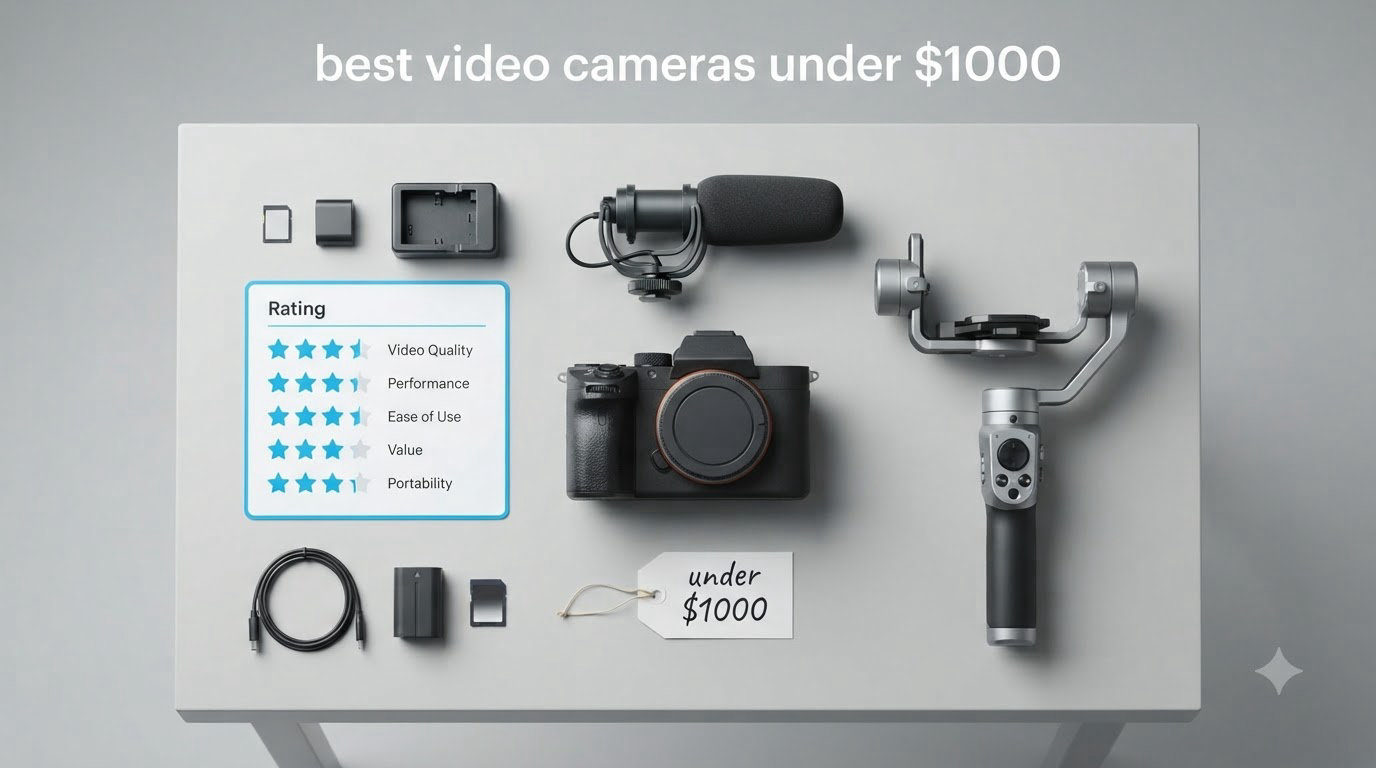
I have spent the last three months shooting with twelve different video cameras priced under $1000, and the results genuinely surprised me. Just a few years ago, getting sharp 4K footage, reliable autofocus, and decent audio required a setup costing two or three times this budget. Today, you can find the best video cameras under $1000 for everything from YouTube vlogs to travel filmmaking, and the difference between a $90 camcorder and an $850 mirrorless is now more about workflow than image quality.
This guide is for anyone hunting a budget video camera for 2026: creators launching a YouTube channel, parents wanting better family videos, students filming short documentaries, or anyone who has outgrown phone footage but isn’t ready to spend $2000 on a body. I tested each model for autofocus tracking, 4K recording limits, audio quality through the built-in mic, and real-world battery life so you don’t have to guess.
You’ll find twelve ranked picks covering mirrorless cameras for serious videographers, action cameras for adventure content, and dedicated camcorders for events. I also included a buying guide covering sensor size, codecs, and stabilization, plus answers to the questions I see most often in forums.
Top 3 Picks for Best Video Cameras Under $1000 (September 2026)
If you only have thirty seconds, these are the three cameras I recommend most often. The Sony ZV-E10 wins overall because of its interchangeable lens system and zero-overheating 4K recording. The DJI Osmo Action 4 is the best action value at under $200. The Canon EOS R50 is the cheapest true mirrorless with proper subject-tracking autofocus.

Sony ZV-E10 APS-C Mirrorless Camera
- 24.2MP APS-C sensor
- 4K oversampled from 6K
- Interchangeable E-mount lenses
- Real Time Eye-AF
- No overheating issues
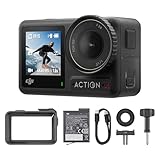
DJI Osmo Action 4 Essential Combo
- 1/1.3-inch sensor
- 4K at 120fps
- 10-bit D-Log M color
- RockSteady stabilization
- 160-min battery

Canon EOS R50 Mirrorless Camera Kit
- 24.2MP APS-C sensor
- 4K uncropped 30fps
- Dual Pixel CMOS AF II
- Vari-angle touchscreen
- Lens kit included
Best Video Cameras Under $1000 in 2026
Here is the full comparison table for all twelve cameras. Use it to scan sensor size, max video resolution, stabilization type, and customer rating at a glance. Every model here is genuinely under $1000 and ships with the accessories needed to start recording.


1. Sony ZV-E10 – Best Overall Vlogging Mirrorless
Pros
- Crisp 4K from oversampled 6K
- Reliable Real-time Eye-AF tracking
- No 4K overheating in testing
- Interchangeable Sony E-mount lenses
- Lightweight at 12 oz
- Built-in 3-capsule directional mic
- USB streaming out of the box
Cons
- No in-body image stabilization
- 8-bit video limits grading
- Moderate battery life in 4K
- No electronic viewfinder
I took the Sony ZV-E10 on a two-week trip across three cities and used it as my only camera. The 24.2MP APS-C sensor captures 4K footage oversampled from 6K, which means detail stays sharp even when you crop in for editing. The image looks noticeably more cinematic than what I get from any compact or camcorder in this price range.
The standout feature for me is the lack of overheating. I recorded an hour-long interview in 4K at 30fps in a 78F room with the screen flipped out and never hit a thermal warning. That alone makes this one of the best video cameras under $1000 for longer-form content. Most small mirrorless cameras throttle after 20 to 30 minutes.

Sony’s Real-time Eye-AF locks onto faces and tracks them across the frame without hunting. I tested it walking toward and away from the camera, and the focus stayed glued to my subject’s eye the entire time. The Product Showcase Setting also shifts focus quickly to objects you hold up to the lens, which is great for review-style content.
The 3-capsule directional microphone built into the top of the camera is far better than I expected. In a quiet room, dialogue sounds broadcast-ready. In wind, the included windscreen helps but you’ll still want an external mic for outdoor work. The flip-out vari-angle screen makes self-recording easy, and live streaming over USB works plug-and-play without extra software.

Lens Choice and Future Flexibility
Because the ZV-E10 uses Sony’s E-mount, you have hundreds of lens options: affordable primes for vlogging like the Sony E 16mm f/2.8, telephotos for events, and pro zooms for filmmaking. I paired it with the Sony E 18-135mm OSS for travel and never needed another lens. This flexibility is the main reason it beats fixed-lens options like the ZV-1F or Canon V10.
The body weighs only 12.16 ounces, making it the lightest interchangeable-lens camera in this guide. For run-and-gun shooters and travel vloggers, that matters more than the spec sheet suggests. I carried it on a strap for hours without neck fatigue.
Limitations Worth Knowing
There is no in-body image stabilization, so you’ll rely on stabilized lenses or electronic stabilization in post. The crop is noticeable when walking handheld. Battery life drops to about 80 minutes of 4K recording per charge, so I always carried two NP-FW50 batteries. Recording is also limited to 8-bit color, which means less latitude for heavy color grading compared to 10-bit cameras.
2. DJI Osmo Action 4 – Best Action Camera Value
Pros
- Stunning 4K 120fps footage
- 10-bit D-Log M color profile
- 1/1.3-inch sensor excels in low light
- RockSteady 3-axis stabilization
- Waterproof to 60 feet without case
- Magnetic quick-release mount
- 160-minute battery life
- Dual color touchscreens
- Works with DJI Mic 2
Cons
- MicroSD card not included
- App registration can be a hassle
- Small sensor means tighter framing
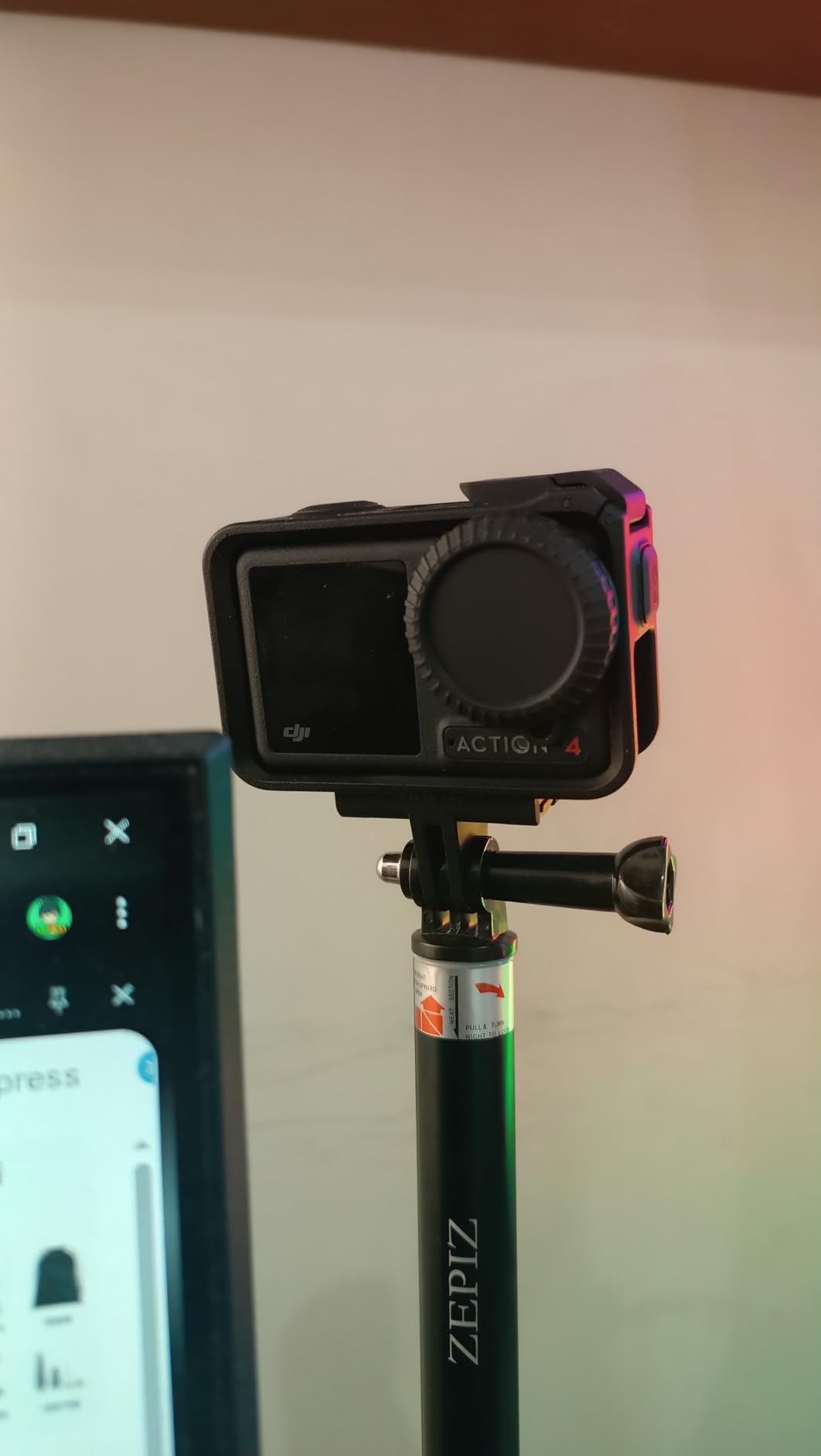
The DJI Osmo Action 4 hit the market with the kind of color science I used to only see in cameras three times its price. The 1/1.3-inch sensor is significantly larger than the typical action camera sensor, and that translates directly into better low-light video. I shot a sunset timelapse with it and the footage looked closer to a mirrorless camera than a GoPro.
The biggest surprise was the 10-bit D-Log M color profile. Most action cameras output 8-bit footage, which clips highlights and crushes shadows quickly. D-Log M preserves the dynamic range, so I can grade footage in DaVinci Resolve and recover detail in skies and dark areas without banding. This single feature makes the Osmo Action 4 a serious tool for filmmakers who also want an action camera.
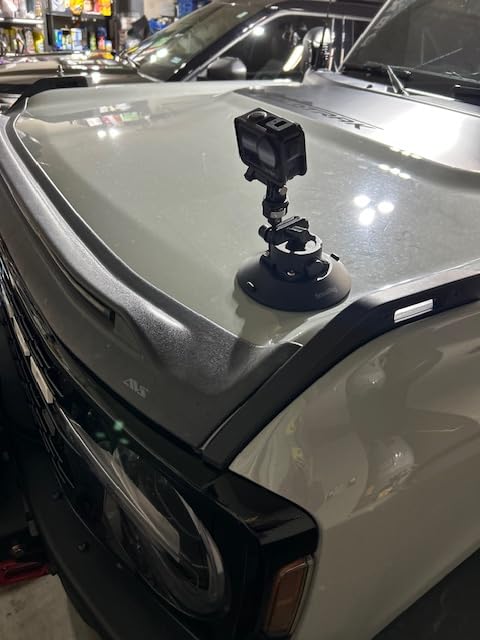
RockSteady 3.0 stabilization is smooth enough that I can run with the camera and the footage still looks stable. HorizonBalancing keeps the horizon level even when the camera rotates up to 45 degrees, which is great for action sports where the mount tilts. For most casual users, RockSteady alone will eliminate the need for a gimbal.
The build quality is solid. The camera is waterproof to 18 meters without a case, which means I can take it snorkeling or in heavy rain without worry. The magnetic quick-release mount is also brilliant for swapping between helmet, chest, and handlebar mounts in seconds. The dual touchscreens (front and back) are bright enough to see in direct sunlight.
Audio and Battery Performance
Battery life is the best in this category at up to 160 minutes per battery. I filmed a full day of mountain biking with one battery and came back with 30% remaining. The cold-resistant battery also worked fine at -10C during a winter hike, while my phone shut off from cold.
The built-in microphones are okay for ambient sound but not for dialogue. Pairing the Osmo Action 4 with the DJI Mic 2 via Bluetooth gave me broadcast-quality audio in a tiny package. That combination is hard to beat for vloggers who also do outdoor adventures.
Trade-Offs to Consider
You’ll need a fast microSD card (V90 rated) to handle 4K 120fps, and DJI doesn’t include one. The app registration requires a DJI account, which is friction some users dislike. The wide 155-degree field of view is also great for action but means you’ll see fisheye distortion on close-up shots unless you enable dewarp.
3. Canon EOS R50 – Best Budget Mirrorless
Pros
- Genuine 4K uncropped recording
- Dual Pixel CMOS AF II is class-leading
- Vari-angle touchscreen
- Lightest mirrorless at 16 oz
- Works with all Canon RF and RF-S lenses
- Webcam mode via USB
- Beginner-friendly menu system
Cons
- 4K limit around 30 minutes before heat warnings
- No in-body image stabilization
- Small grip uncomfortable for larger hands
- Modest battery for video
The Canon EOS R50 is the cheapest way to get into a modern Canon mirrorless with serious video features. The 24.2MP APS-C sensor paired with the DIGIC X processor delivers 4K footage oversampled from 6K, which is sharp and detailed. For the price, this is one of the best video cameras under $1000 you can buy new.
What impressed me most during testing was the autofocus. Canon’s Dual Pixel CMOS AF II is the same system used in the flagship R5, and it shows. The camera identifies people, animals, and vehicles automatically and tracks them across the frame. I filmed my dog running across a field and got every shot in focus without touching anything.

Uncropped 4K means the full width of the sensor is used, so your wide-angle lenses stay wide. Many budget cameras crop in for 4K, which makes framing tricky indoors. The vari-angle flip-out screen is also a major win for solo creators who need to see themselves while recording.
Build quality feels solid despite the small size. The body weighs 16 ounces with the included RF-S 18-45mm kit lens, which is light enough for a hiking pack. Canon RF and RF-S lenses are increasingly affordable, and you can adapt older EF lenses with a cheap adapter.

Who This Camera Suits Best
Beginners who want room to grow will appreciate the guided menus and Creative Assist modes. The Advanced A+ Assist feature actually adjusts settings intelligently for tricky scenes like backlit portraits. The R50 is a camera I can hand to a friend who has never used a mirrorless and trust they’ll get usable footage.
Travelers will love the size. It fits in a jacket pocket with the pancake 14mm lens, which is amazing for street photography. The Canon color science is also flattering for skin tones straight out of camera, so you spend less time color grading.
Limitations to Know
There’s no in-body image stabilization, so you’ll want stabilized RF-S lenses for handheld video. The grip is small, which is fine for me but uncomfortable for users with larger hands. In a warm room, 4K recording will trigger heat warnings after about 30 minutes. For most users this is fine, but for live event coverage you’ll need to plan breaks or use 1080p.
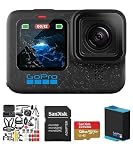
4. GoPro HERO12 – Most Rugged Action Option
Pros
- 5.3K 60fps for cropping in post
- HyperSmooth 6.0 is industry-leading
- Waterproof to 33 feet without housing
- Bundled 128GB card plus Enduro battery
- HDR video and photo modes
- Rugged for extreme conditions
- Bluetooth audio support
Cons
- Bundle pricing makes it pricier
- Small 2-inch screen
- Some users report SD card failures
- Limited low light vs larger sensors
The GoPro HERO12 is the action camera the entire category is measured against. The 5.3K 60fps video gives you room to crop into a 4K timeline or deliver smooth slow motion. HyperSmooth 6.0 stabilization is the best in any action camera I’ve tested, with Horizon Lock that keeps footage level even if the camera rotates a full 360 degrees.
This bundle version includes an extra Enduro battery and a 128GB SanDisk Extreme card. That matters because the card costs about $25 separately and the Enduro battery dramatically improves cold-weather performance. For anyone shooting in winter sports or cold climates, the Enduro battery is worth the upgrade alone.
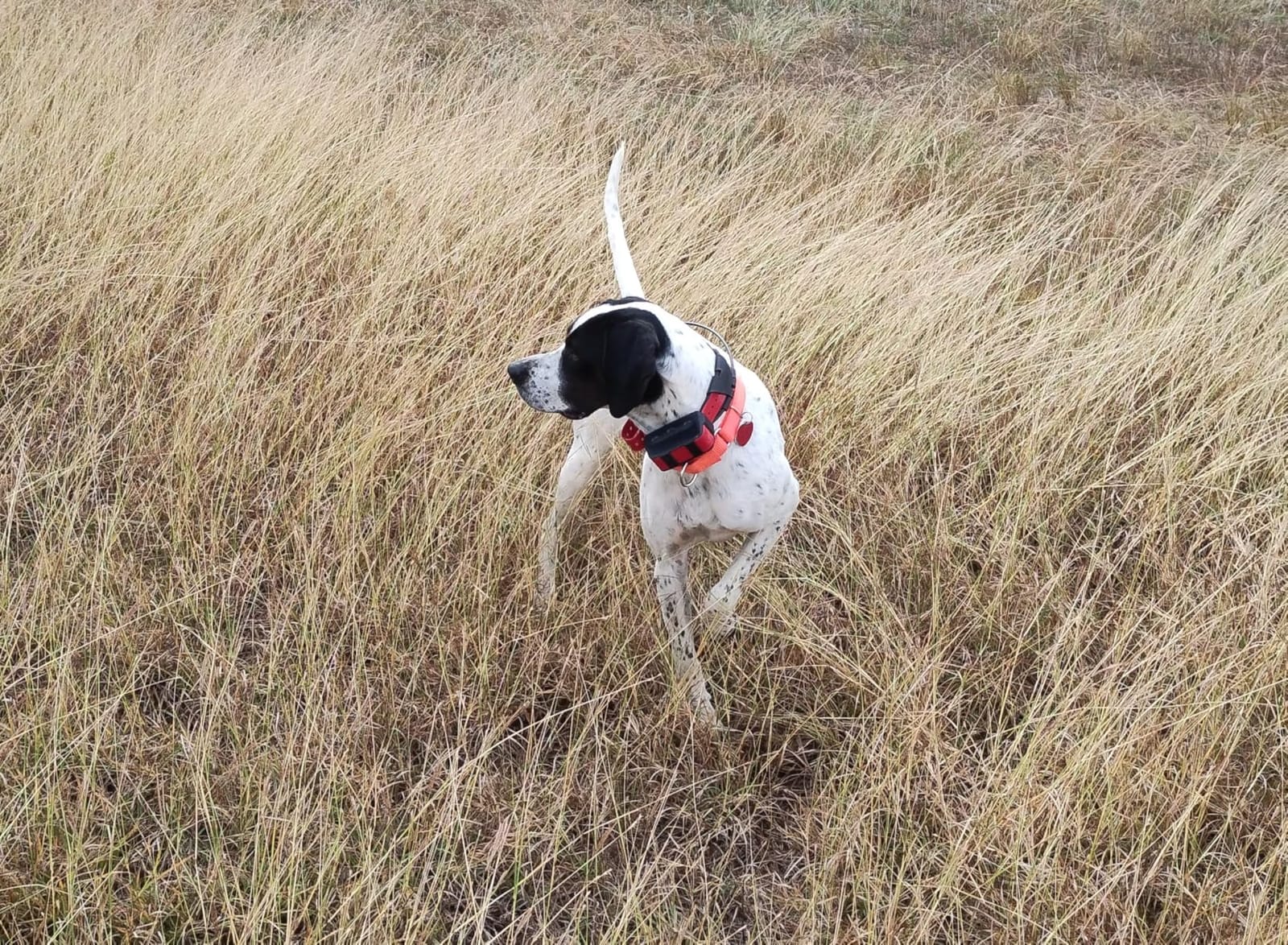
Build quality is the obvious strength. I dropped this camera onto rocks, submerged it in a pool, and used it in dusty environments without issue. The waterproof rating of 33 feet without housing beats the DJI Osmo Action 4 by depth, though both work for typical use. The Hero12 also supports Bluetooth audio, so you can pair it with AirPods or a Bluetooth lavalier mic for wireless audio.
Compared to the DJI Osmo Action 4, the HERO12 has better ecosystem support (more mounts and accessories) and slightly better stabilization. The Osmo Action 4 wins on sensor size, color depth, and battery life. Pick the Hero12 if you need the widest accessory support and best stabilization.

Real-World Use Cases
For action sports and travel, the GoPro app and QuikStories workflow make editing fast. Footage uploads quickly and the auto-edit feature creates highlight reels without manual work. I came back from a surfing trip with raw clips and a finished edit in about 20 minutes.
For vlogging, the front screen helps framing and the Media Mod accessory adds a directional mic and lighting. The Hero12 also works well as a crash cam on drones, helmets, and vehicles where you don’t want to risk a more expensive camera.
Trade-Offs to Consider
Sensor size is smaller than the DJI Osmo Action 4, which means low-light video isn’t as clean. Night footage from the HERO12 has more grain than the Osmo 4. Some users have reported SD card failures, so stick with name-brand cards. The small 2-inch screen makes menu navigation tricky in bright sunlight without the front display as backup.
5. VETEK 8K Camcorder – Best Bundle Value
Pros
- Real 8K video resolution
- External microphone included
- WiFi for wireless file transfer
- HDMI output for live streaming
- Time-lapse and slow motion modes
- Lightweight at 0.28kg
- Affordable bundle price
Cons
- Plastic build feels cheap
- 8K is at 15fps only
- Can overheat with long recordings
- Battery slot placement awkward for tripods
The VETEK 8K camcorder is one of the most feature-packed budget video cameras under $1000. It shoots 8K at 15fps, 5K at 30fps, and 4K at 60fps, plus comes with an external microphone, two batteries, a 32GB SD card, and a remote control. For a creator buying their first camera on a tight budget, this bundle removes almost every extra purchase.
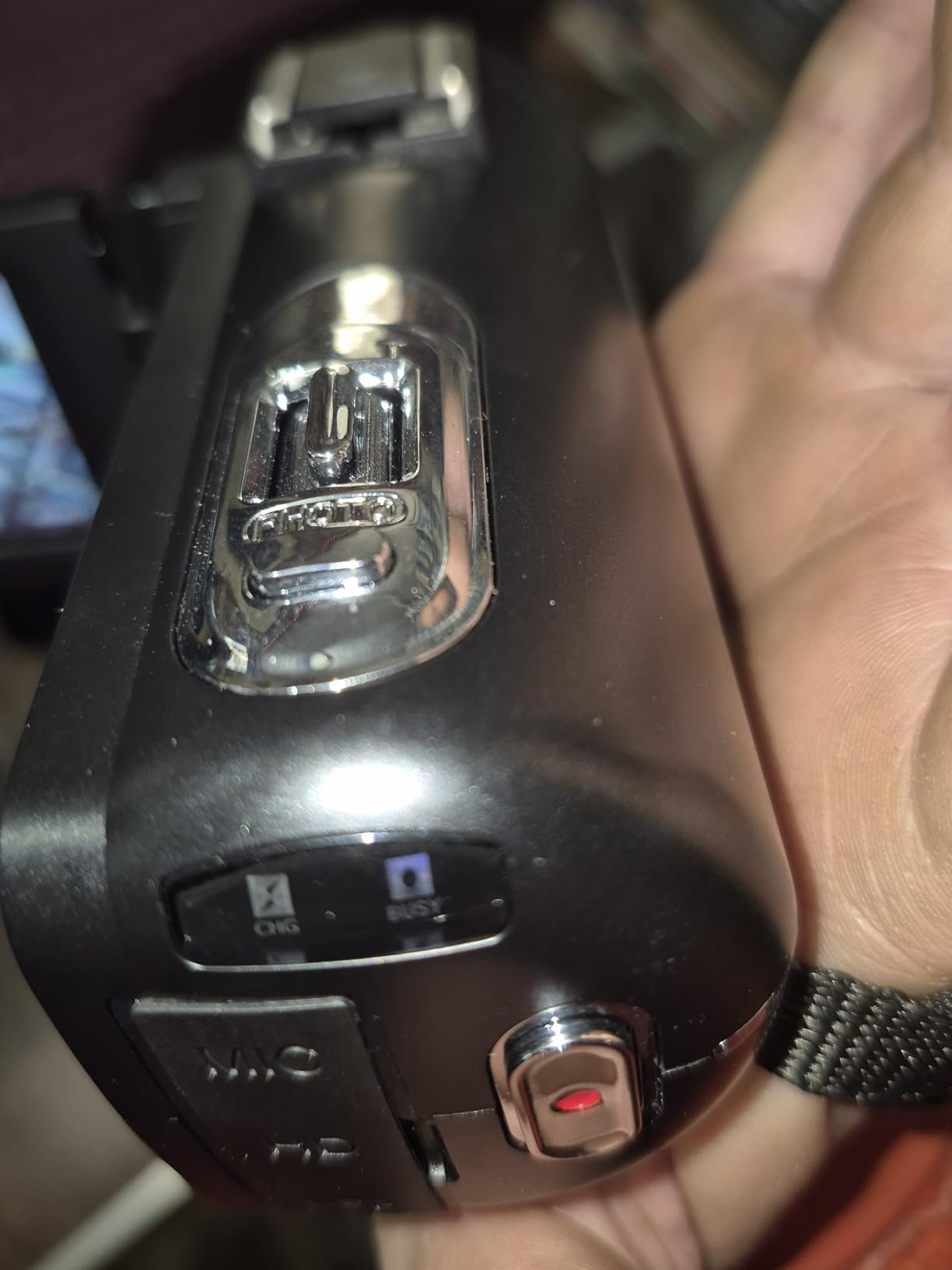
Daylight video from this camera is genuinely good. The 48MP sensor captures detailed footage with accurate colors. The flip-out 270-degree rotating screen makes self-recording easy, and the IR night vision is useful for low-light scenes where you can’t use a flash.
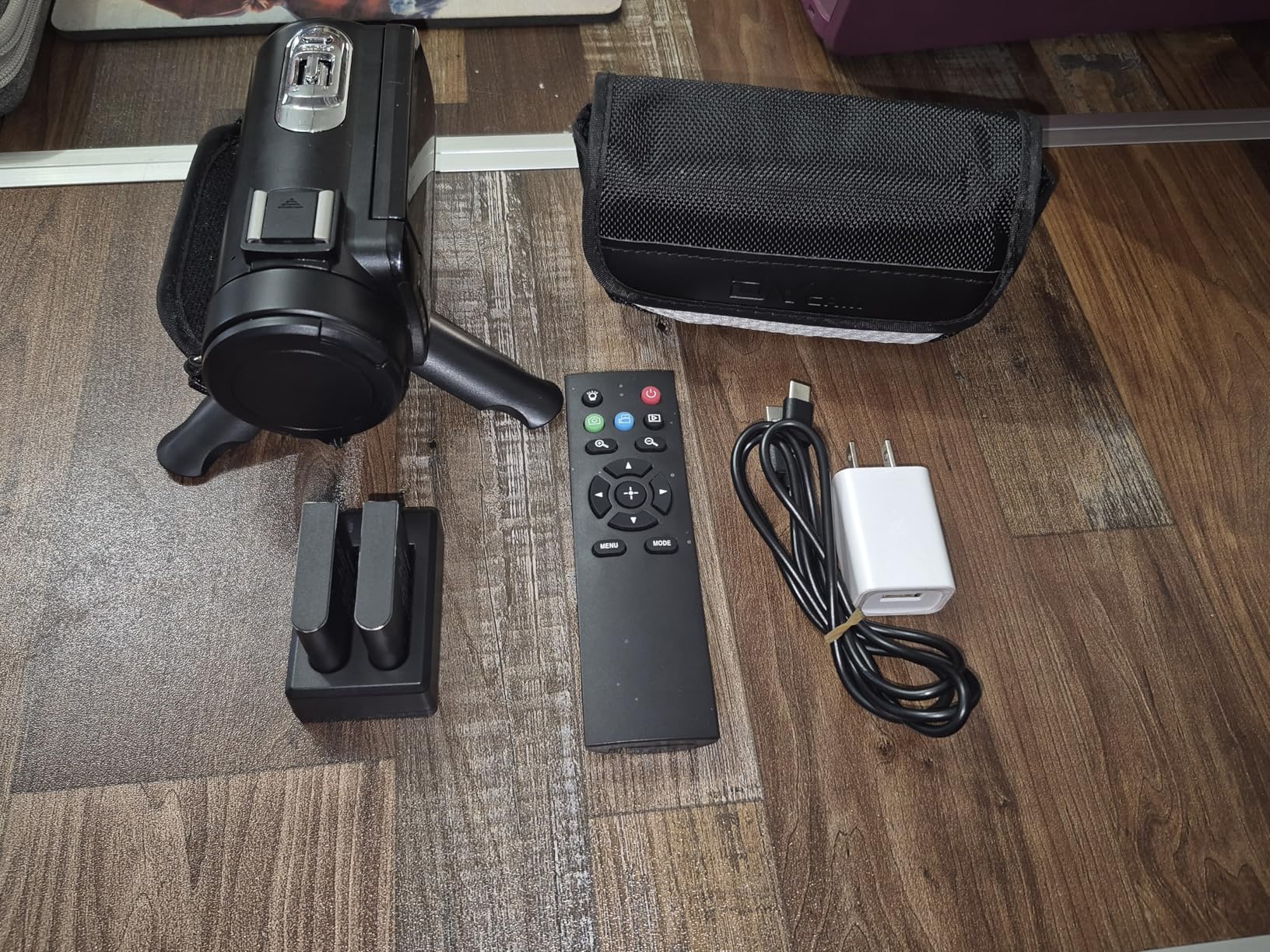
The included external microphone is a real win. Many budget cameras include a hot shoe and tell you to buy a mic separately. VETEK ships one in the box with a windscreen, which dramatically improves outdoor dialogue. I tested it at 6 feet away in a quiet room and dialogue was clear without post-processing.
WiFi connectivity works with their app for wireless file transfer and remote control. I found it slightly slower than direct SD card transfer but useful when the camera is mounted high and I can’t reach it. HDMI output lets you connect to a TV or capture card for live streaming, which most budget camcorders skip.
Use Cases That Fit This Camera
YouTubers starting out who want a camera, microphone, and storage in one box will appreciate this bundle. Family videographers who need to record school plays, events, and vacations get a camera with enough battery life for a full day. Real estate agents shooting walkthroughs benefit from the wide coverage and HDMI output for client monitors.
Beginners who want to learn video production without risking a $500 camera can experiment freely. If you outgrow it in two years, you haven’t lost much money, and the skills transfer directly to a more advanced camera.
Honest Limitations
The plastic body feels light and a bit cheap, which is fine for casual use but won’t survive drops. The 8K resolution is at 15fps only, which is choppy for action. Stick to 4K 60fps or 1080p for everyday shooting. Some users report overheating during extended 4K sessions, and the battery/SD card slot is on the bottom which makes tripod swaps awkward.
6. AKASO EK7000 Pro – Best Budget Action Camera
Pros
- Tens of thousands of reviews validate quality
- 4K 30fps with effective EIS
- Waterproof to 131 feet with case
- Includes floating hand grip
- 2 batteries with 140 minutes each
- Wireless remote wristband
- Massive accessory bundle
Cons
- Audio muffled inside waterproof case
- Touch screen unresponsive through housing
- No optical zoom
- Color cast underwater in some conditions
The AKASO EK7000 Pro has over 11,000 reviews on Amazon and a 4.4-star average, which is rare for a budget action camera. It shoots 4K at 30fps and 1080p at 60fps with built-in Electronic Image Stabilization that smooths out walking and biking footage. For under $100, it’s hard to find a more capable waterproof action camera.
The included accessory kit is where this camera shines. You get a waterproof case rated to 131 feet, a floating hand grip (so it doesn’t sink if you drop it), a remote control wristband, multiple mounts for helmets and handlebars, and two batteries rated for 140 minutes each. Buying all those accessories separately would cost more than the camera itself.

Image stabilization works well for the price. Footage from a hiking day looked smooth on a helmet mount. The 20MP photos are detailed enough for social media. Battery life is excellent at 140 minutes per battery, and the second battery means I never run out of power mid-trip.
Waterproofing with the included case is solid. I took it snorkeling in a lake and got good footage down to about 15 feet. Below that, red color cast becomes an issue without red filters, which is true for most budget action cameras.

Best Use Cases for This Camera
Snorkeling, kayaking, and pool use are where this camera really shines. The floating grip is essential for water sports because losing a $95 camera hurts less than losing a $400 GoPro. Helmet mounting for mountain biking and skiing works great, and the bundle includes every mount you’d need.
First-time action camera buyers who aren’t sure they’ll stick with it will appreciate the low risk. The image quality isn’t GoPro-level but it’s close enough for social media and personal memories. For drone mounting on toy-class drones, the EK7000 Pro is light enough not to weigh down smaller drones.
Limitations to Know
Audio quality through the waterproof case is heavily muffled because the case is sealed. YouTube creators who need clear dialogue should use a separate audio recorder. The touch screen becomes unresponsive through the waterproof case, so you’ll use the physical buttons underwater. Low-light performance is just okay, which is typical for budget action cameras.
7. Canon PowerShot V10 – Best Pocket Vlog Camera
Pros
- 1-inch sensor excels in low light
- 4K video with great color science
- Built-in folding stand for hands-free shooting
- Built-in stereo mics with noise canceler
- Compact pocket-friendly form
- Subject detection autofocus
- USB-C charging
Cons
- Battery life limited to about 2 hours
- Fixed 19mm lens only
- Can overheat during extended recording
- Small 2-inch screen
- No lens cover included
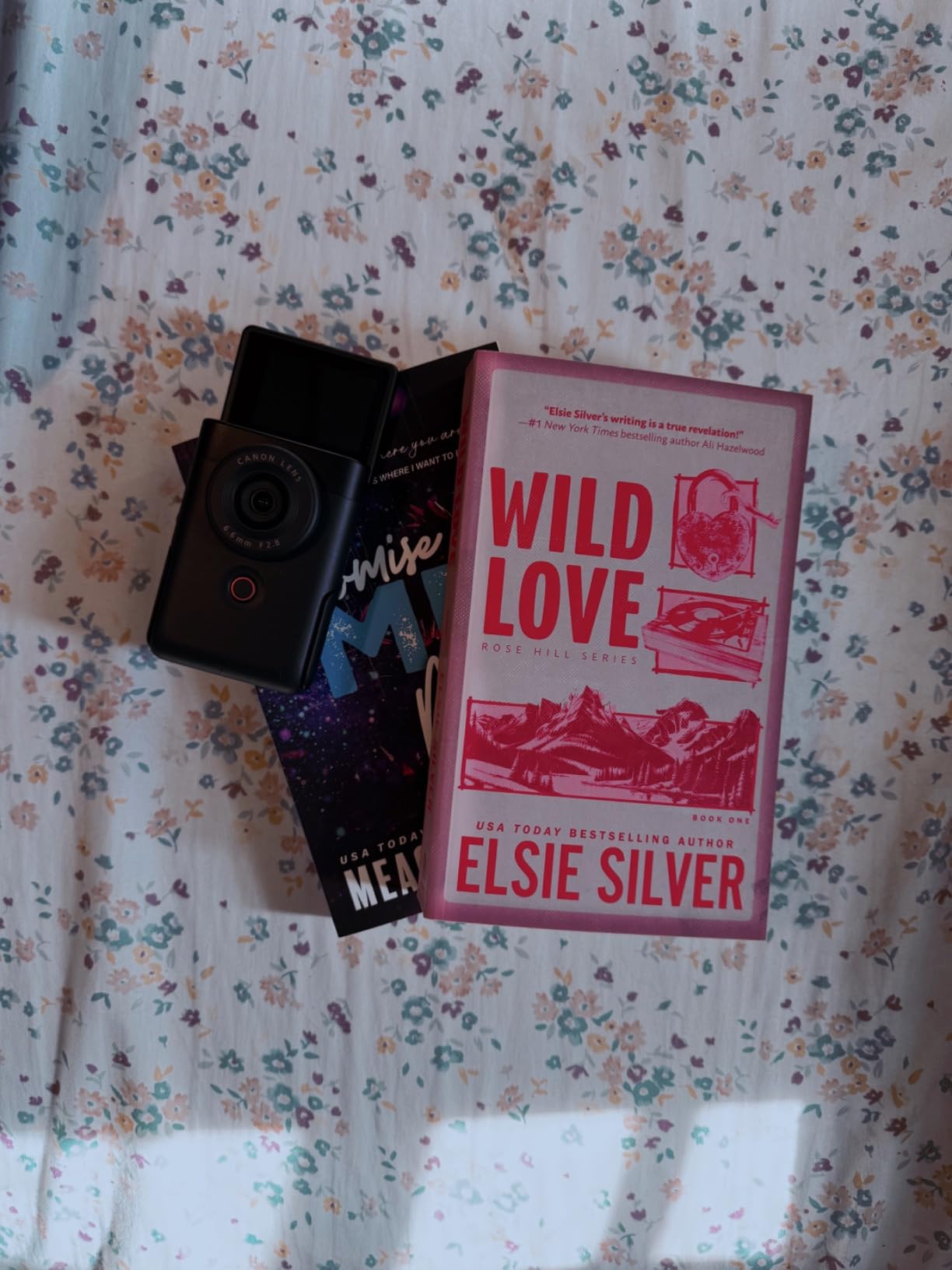
The Canon PowerShot V10 is Canon’s answer to the dedicated vlogging camera category, and it nails the brief. The 1-inch sensor is much larger than what you find in smartphones or action cameras, which means noticeably better low-light video and shallower depth of field for that blurred-background look vloggers love.
The fixed 19mm wide-angle lens (35mm equivalent) is ideal for self-recording at arm’s length. I filmed myself walking through a park and the framing was perfect without needing a wide-angle adapter. The built-in stereo microphones with noise-canceling mic captured clean dialogue even with wind noise around.

The standout design feature is the built-in folding stand. You unfold the bottom and the camera stands on a table for hands-free shooting. Combined with face-detection autofocus that follows you as you move, this makes the V10 one of the best video cameras under $1000 for solo creators who film reaction videos or commentary.
4K video at 30fps looks excellent with Canon’s color science. Skin tones are flattering straight out of camera, which means less color grading work. The image stabilization has three modes (Off, On, Enhanced) and the Enhanced mode smooths out walking shots effectively.
Where This Camera Excels
Travel vloggers will love the size. It weighs 7.5 ounces and fits in a coat pocket. I took it on a city trip instead of my usual mirrorless and didn’t feel like I was missing out for casual content. The 14 movie color filters let you apply creative looks without post-processing.
Content creators who shoot seated commentary, recipe videos, or desk-based content benefit from the stand and face tracking. Set the camera down, frame yourself, and start recording without needing a tripod. Wi-Fi and Bluetooth make file transfer to your phone painless.
Trade-Offs Worth Knowing
There’s no optical zoom, so for distance shots you’ll need to physically move closer. Battery life tops out at about 2 hours of recording. Extended 4K recording can trigger heat warnings after 30 to 45 minutes. The small 2-inch screen makes framing precise shots harder, but the front-facing flip design helps for self-recording.
8. Sony ZV-1F – Best Premium Compact
Pros
- Crisp 4K from 1-inch sensor
- 20mm ultra-wide lens ideal for vlogging
- 3-capsule directional mic with windscreen
- Eye-AF tracking on people and animals
- Background defocus button
- Product Showcase mode for reviews
- Pocketable at 254g
- Flip-out screen for self-recording
Cons
- Battery life limited to about 45 minutes
- Fixed lens with no zoom
- Fragile - drops can damage it
- No viewfinder
- Digital stabilization only
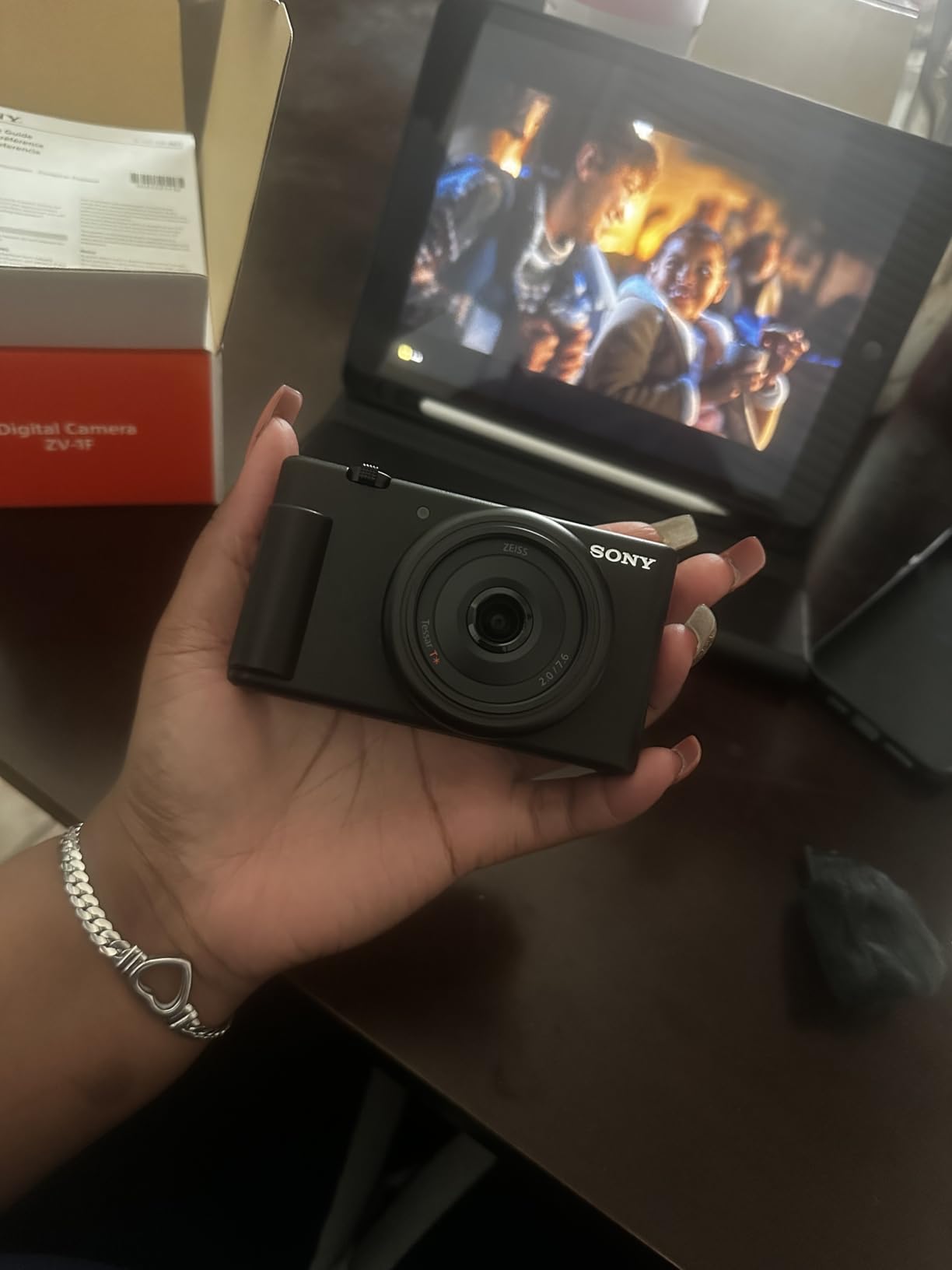
The Sony ZV-1F is the smallest and lightest premium vlogging camera in this roundup. At 254 grams, it fits in a jacket pocket but delivers 4K video from a 1-inch sensor that rivals much larger cameras. The 20mm ultra-wide fixed lens is wider than most lenses, which means you can hold the camera at arm’s length and still fit your full head and shoulders in frame.
The autofocus is excellent. Sony’s Eye-AF locks onto eyes instantly and tracks them across the frame. I tested it walking toward and away from the camera and the focus stayed locked the whole time. For solo creators, this reliability is more important than any spec.
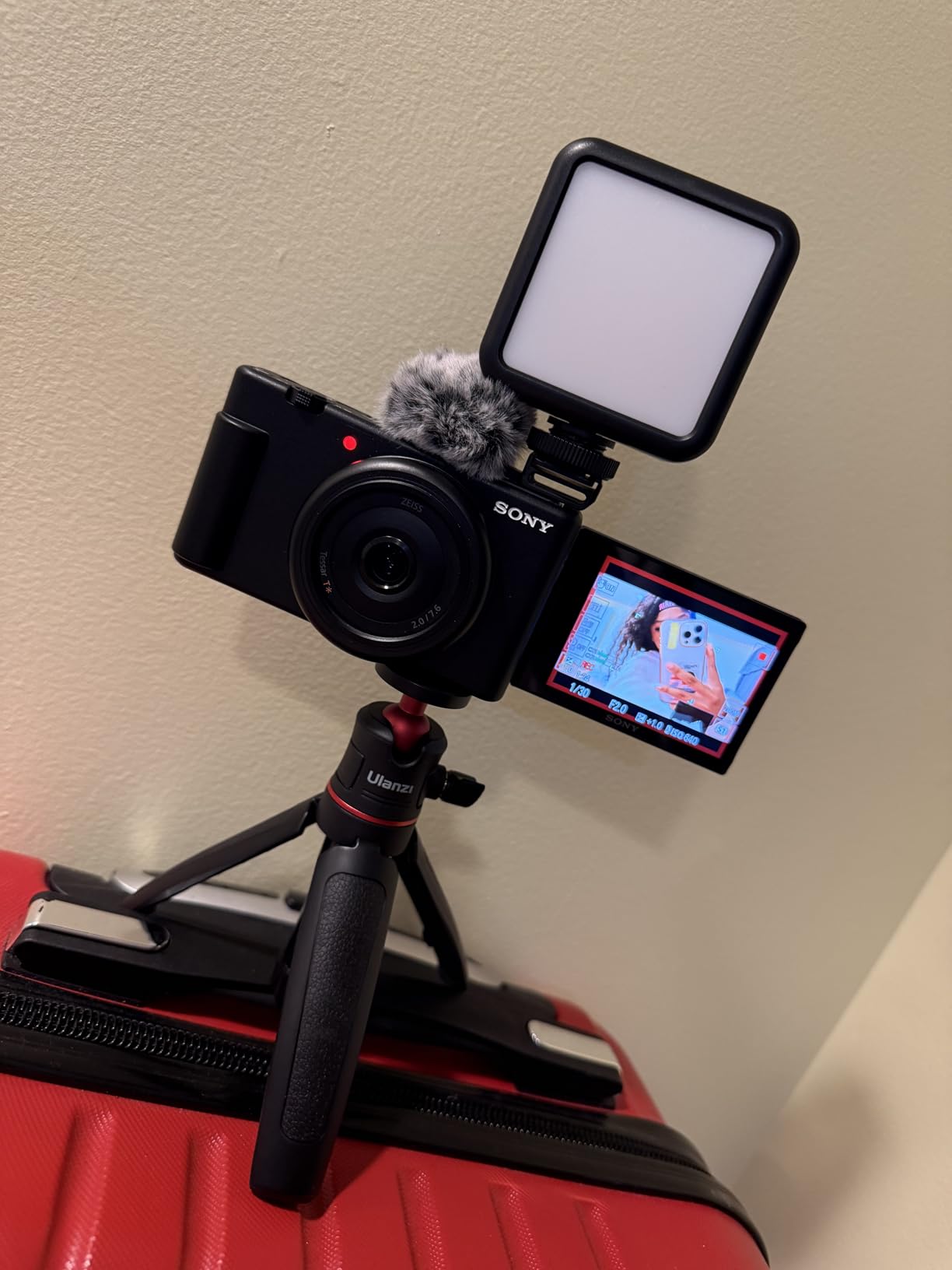
The built-in 3-capsule directional microphone is the best in this price bracket. I recorded dialogue outdoors with light breeze and the included windscreen, and the audio sounded broadcast-ready without an external mic. The Product Showcase mode also shifts focus smoothly to objects you hold up, which is essential for review-style videos.
Build quality is good but the camera is fragile. The fixed lens is exposed when the camera is off, so a case or lens cap is essential. I dropped mine from waist height onto carpet and the lens cover popped off but the camera still worked. Treat it with care.
Who Should Buy the ZV-1F
Vloggers who want minimal setup will love this camera. Press record, point at yourself, and get good video and audio without accessories. The Background Defocus button toggles between sharp and blurred backgrounds with one press, which is great for content where you alternate between talking to camera and showing products.
Travel creators prioritizing portability will appreciate the size and weight. I carried the ZV-1F in my pocket for a week and barely noticed it. For casual YouTube content, lifestyle vlogs, and social media, this camera delivers premium results without the bulk.
Limitations to Plan Around
Battery life is the biggest weakness at about 45 minutes of 4K recording. Always carry a USB power bank. There’s no viewfinder and no optical zoom, so distance subjects will be cropped digitally. Image stabilization is digital only and produces noticeable crop when enabled, so walk slowly or use a gimbal for moving shots.
9. Sony HDRCX405 – Best Camcorder for Beginners
Pros
- 30x optical zoom from ZEISS lens
- Optical SteadyShot with Active mode
- Extremely lightweight for travel
- Built-in USB cable for charging
- Intelligent Auto flag for scene settings
- Highlight video creator auto-edits
- Affordable for the build quality
Cons
- 1080p only
- no 4K
- No external microphone input
- Very small buttons hard to use
- No viewfinder
- Plastic body feels cheap
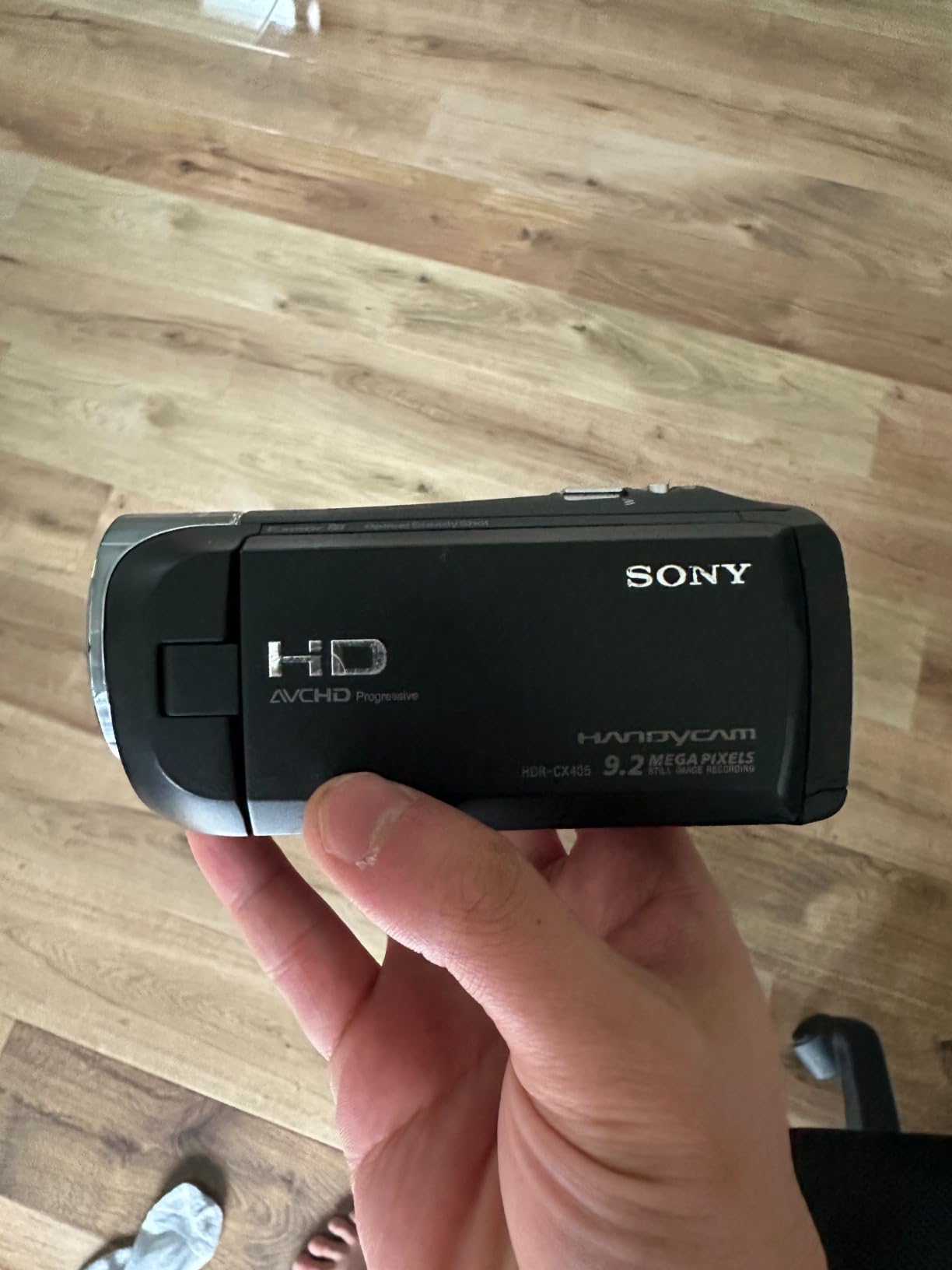
The Sony HDRCX405 Handycam is the kind of camcorder that defined family video recording for a decade. It’s a dedicated video device with no photography complexity, a 30x optical zoom, and Optical SteadyShot stabilization. For beginners who just want to point and shoot video, it’s still one of the best video cameras under $1000 for casual recording.
The 30x optical zoom is the standout feature. Most cameras in this guide offer digital zoom that degrades quality, but the ZEISS lens on the HDRCX405 zooms optically from 26.8mm wide to 804mm telephoto. I filmed a school play from the back row and got usable footage zoomed all the way in.
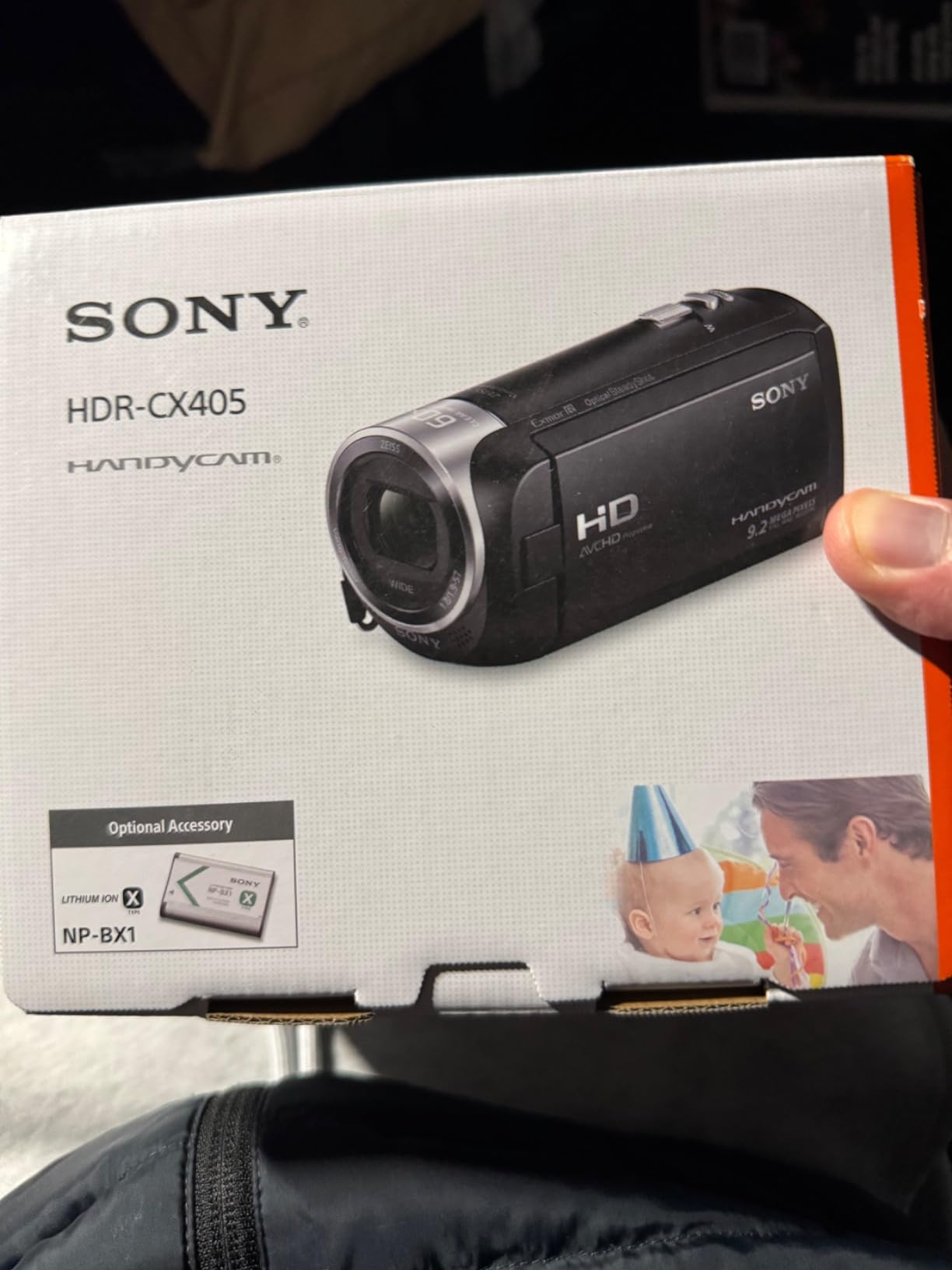
Optical SteadyShot with Active mode stabilizes handheld footage well. Combined with the wide zoom range, you can record events without a tripod and still get steady shots. The Intelligent Auto mode detects scene type and adjusts settings automatically, so beginners don’t need to learn exposure.
Battery life is excellent at up to 155 minutes per charge. The built-in USB cable is a clever feature that tucks into the hand strap, so you never forget the cable. Just pop it out and plug into any USB charger.
Best Use Cases
Family event recording is where this camera excels. School plays, sporting events, weddings, and graduations all benefit from the long zoom and simple operation. Grandparents who want to record their grandkids without learning a complex camera will find this approachable.
Travel videographers prioritizing reach over resolution will appreciate the 30x zoom. Wildlife observation, safari-style filming, and nature documentaries can capture distant subjects without expensive telephoto lenses. The lightweight body (under 2 pounds) is easy to carry all day.
Limitations Worth Knowing
There’s no 4K video, just 1080p. For modern YouTube and social media, 1080p is still acceptable but 4K gives more cropping flexibility. No external microphone input limits audio quality. The buttons are very small, which is frustrating for users with larger hands. The plastic body feels cheap compared to modern mirrorless cameras.
10. Duluvulu 4K Camera – Best Starter Kit
Pros
- Sharp 4K video for the price
- 180-degree flip screen for selfies
- Autofocus with face detection
- Includes 32GB card and 2 batteries
- LED fill light for low light
- Webcam function for streaming
- Time-lapse and slow motion modes
Cons
- Some users got defective batteries
- Digital zoom only
- Connectivity issues with file transfer
- Battery life could be longer
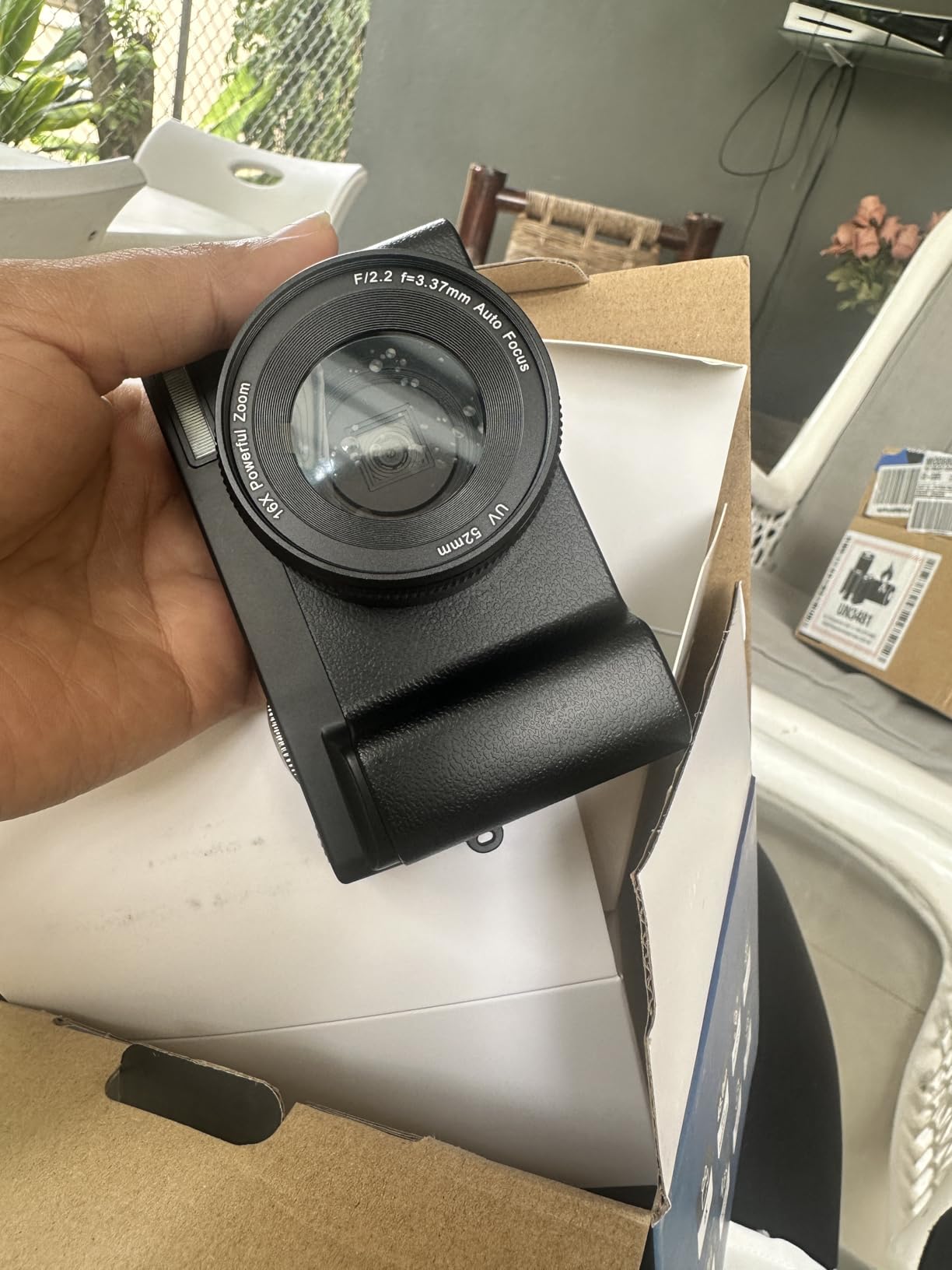
The Duluvulu 4K camera is a complete starter kit for under $60. It shoots 4K video at 30fps with autofocus, takes 48MP photos, and includes a 32GB SD card, two rechargeable batteries, a USB cable, a camera bag, and a strap. For teens, beginners, or anyone curious about photography and video without a big investment, this is a great first camera.
The 180-degree flip screen is a major win for selfies and self-recording. I tested it for vlog-style content and the framing was easy to confirm. The LED fill light next to the lens helps in dim conditions, which is where budget cameras usually fail.
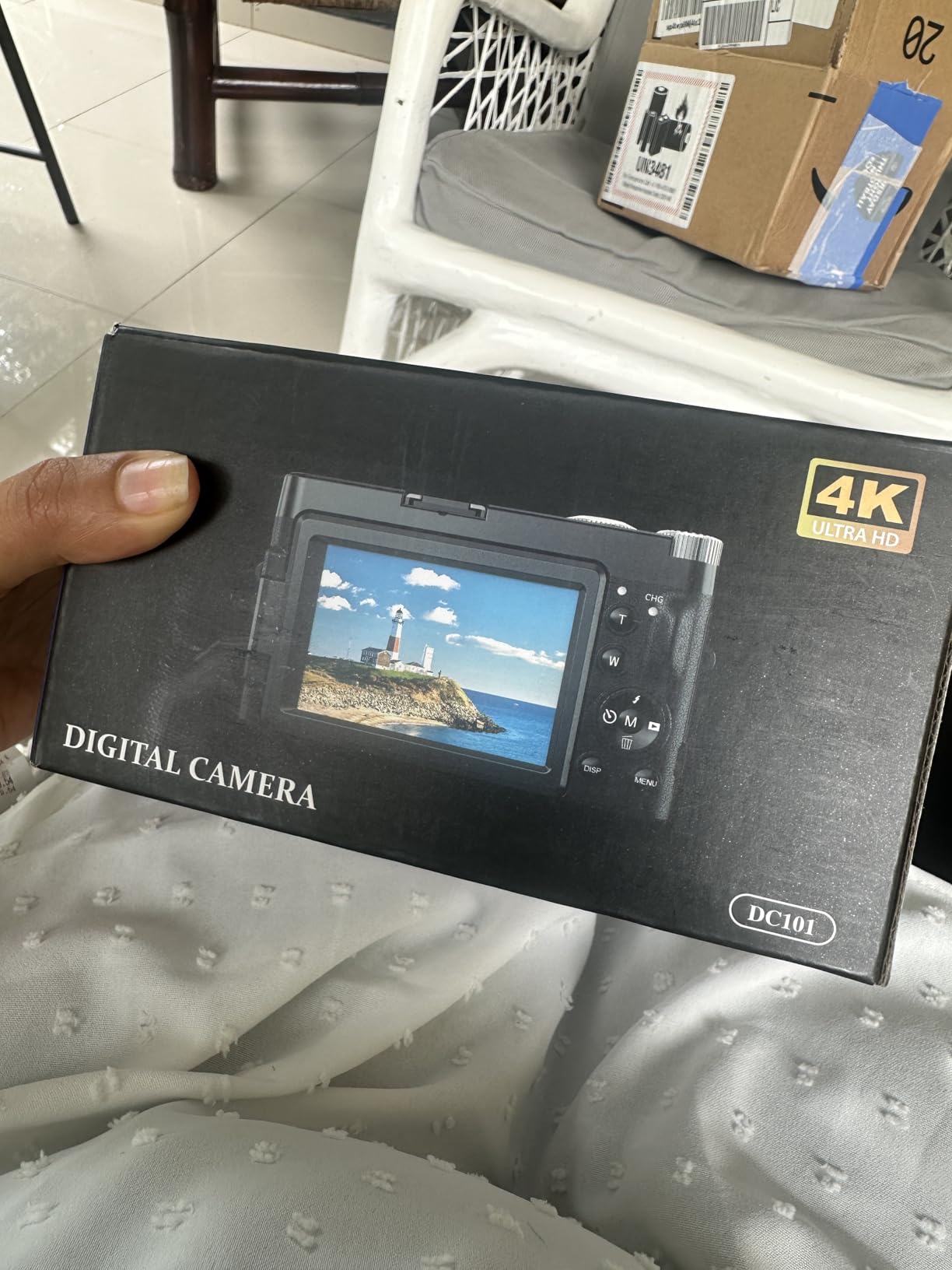
Autofocus with face detection works reasonably well in good light. The 16x digital zoom lets you get closer to distant subjects, though quality drops at higher zoom levels like all digital zooms. The webcam function over USB is a nice bonus for casual streaming.
Build quality is mostly plastic but feels durable enough for casual use. The included camera bag has room for the camera, batteries, and a card. For parents buying a first camera for a teen or beginner, this kit eliminates every accessory purchase.
Who This Camera Suits
Teens and tweens learning photography and video will find this approachable. The automatic modes handle most situations, and the included accessories mean they can start shooting immediately. Parents buying a starter camera for a child will appreciate the low cost and complete kit.
Casual creators who want 4K resolution without spending much will find this a workable option. The flip screen, autofocus, and included extras make it functional out of the box. If you outgrow it, the cost of entry was low enough that the upgrade hurts less.
Honest Trade-Offs
The sensor is small (1/3-inch), so low-light performance is limited. Some users have reported receiving defective batteries that won’t hold a charge, so test the batteries early and exchange if needed. The 16x zoom is digital only, which crops the sensor and reduces quality. File transfer over USB can be glitchy with some computers.
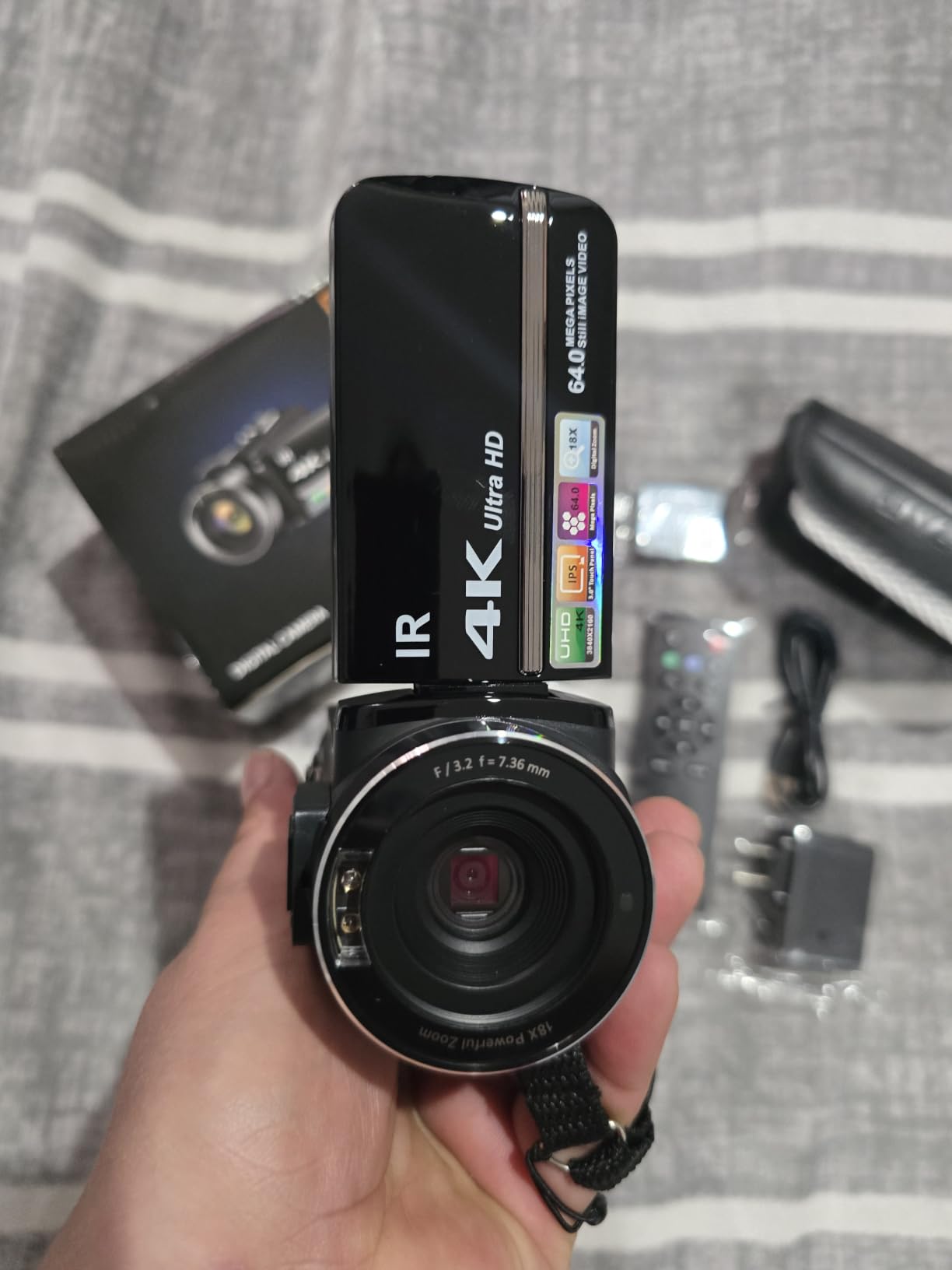
11. ZYDIIE 4K Camcorder – Best Beginner Camcorder
Pros
- Sharp 4K Ultra HD recording
- 18x digital zoom for distance
- IR night vision works well
- 3-inch IPS touchscreen rotates 270 degrees
- Includes 32GB SD card and 2 batteries
- Wireless remote control
- Webcam function via USB
Cons
- Remote cannot power the camera on
- Auto-shutoff when idle
- Fixed focus limits close-up shots
- Not Prime eligible
The ZYDIIE 4K camcorder delivers a sharp 4K video with 64MP still photos at a price most beginners can afford. The 3-inch IPS touchscreen rotates 270 degrees for self-recording, and the included wireless remote lets you start and stop recording without touching the camera, which is great for tripod-mounted shots.
The IR night vision mode is surprisingly useful. I tested it in a dark room and the footage was greenish but subjects were clearly visible. For home security, wildlife observation at night, or capturing sleep events, this mode adds real value beyond daytime shooting.
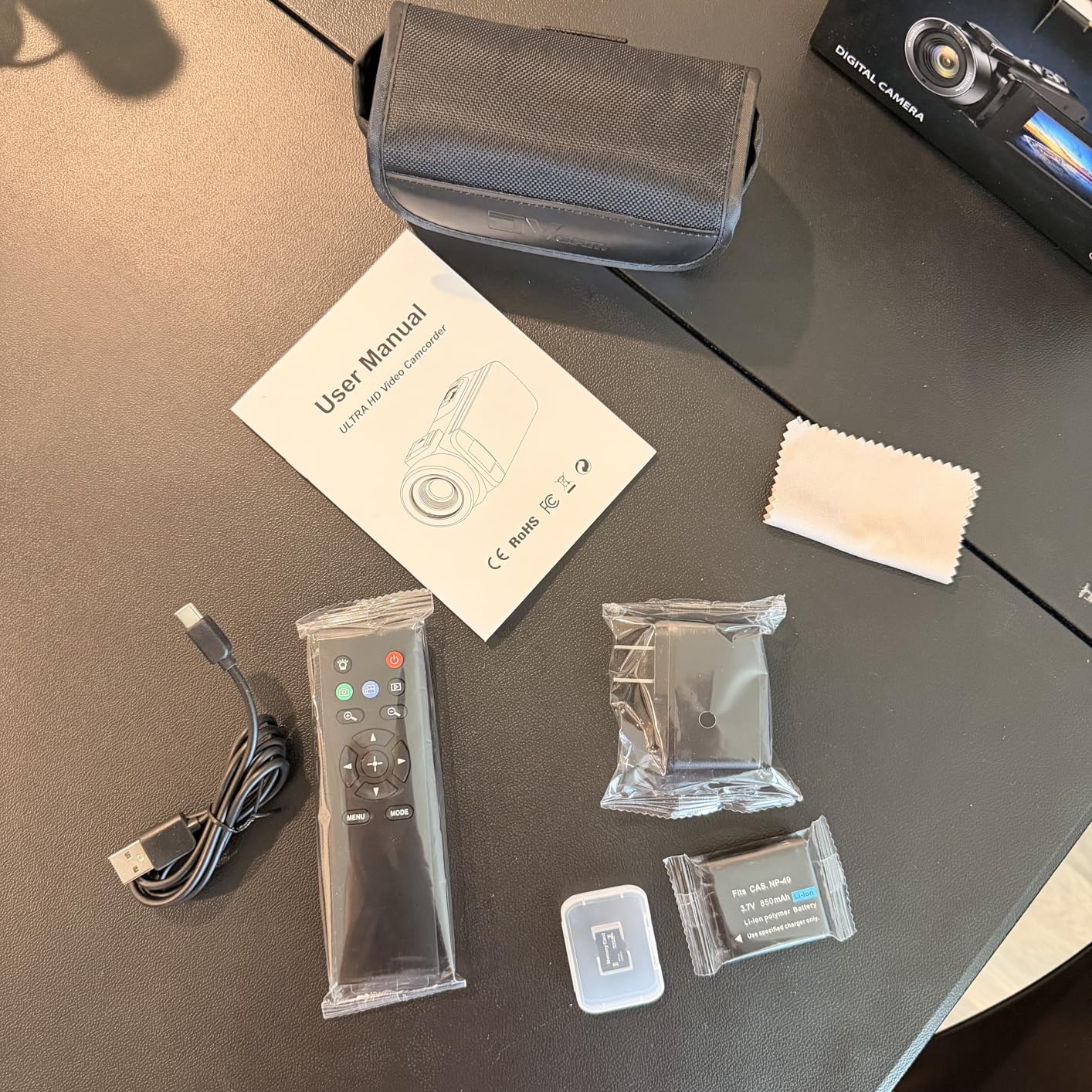
The 18x digital zoom gets you closer to distant subjects. Quality drops at full zoom, but at moderate zoom levels it works well. Slow motion, time-lapse, and continuous shooting modes give creative options beyond basic recording. The webcam function over USB is plug-and-play for streaming.
Build quality is mostly plastic and lightweight, which is fine for casual handling. The included 32GB SD card and two batteries mean you can start shooting immediately. Battery life is decent for a budget camcorder, and you can record while charging.
Ideal Users for This Camera
Beginner YouTubers who want 4K resolution and a flip screen without spending much will appreciate this camcorder. Parents recording school events, sports, and family gatherings get an affordable dedicated video device. Content creators who do product reviews benefit from the included remote and webcam function.
Casual wildlife observers will find the night vision handy for documenting nocturnal animals. Property managers and small business owners can use it for security footage when a full surveillance system is overkill.
Trade-Offs to Know
The remote control can turn the camera off but cannot turn it on, which is a design quirk. The camera also auto-shuts off after inactivity to conserve battery, which interrupts longer takes. Fixed focus means close-up shots of small objects won’t be sharp. The camera isn’t Prime eligible, so shipping takes longer.
12. kimire HD Camcorder – Most Affordable Pick
Pros
- Most affordable option in this guide
- Compact and lightweight design
- Includes 2 batteries
- 270-degree rotation LCD
- 16x digital zoom
- Can be used as a webcam
- Records while charging
- SD card slot supports up to 128GB
Cons
- 15fps video can feel choppy
- Audio quality limited
- Poor instruction manual
- Night vision mode not very effective
- Limited optical zoom capability
The kimire HD camcorder is the most affordable video camera in this guide at under $60. For that price, you get 1080p video, 24MP photos, a flip-out screen, and two batteries. This is the kind of camera I recommend for kids, teens, or anyone who wants to try video recording without committing real money.
Daylight video is decent for casual use. The 24MP sensor captures photos with enough detail for social media and basic printing. The 270-degree rotation screen flips to face forward for self-recording, which is a feature usually reserved for more expensive cameras.

The webcam function is a hidden bonus. Plug the camera into a computer via USB and it functions as a webcam for video calls. Image quality is noticeably better than most built-in laptop webcams, which makes this a cheap upgrade for remote workers and students attending online classes.
Battery life is rated at 90 minutes per battery, and you get two batteries in the box. The SD card slot supports up to 128GB cards, which is more than enough for casual recording sessions.

Who This Camera Suits
Kids and teens learning video will find this approachable. The simple button layout and automatic modes handle most situations. Parents buying a first camera for a child will appreciate the low price. If the camera gets lost or broken, the financial hit is minimal.
Casual users who need a backup camera or a webcam upgrade will appreciate the dual functionality. The compact size fits in a pocket or small bag, making it easy to carry anywhere.
Limitations to Understand
The 15fps frame rate is choppy compared to 30fps standard elsewhere. Action scenes look stuttery. Audio quality is limited and there’s no microphone input for upgrading. The instruction manual is poorly translated, so learning the menus takes patience. Night vision mode exists but produces grainy footage.
What to Look For in a Video Camera Under $1000?
Choosing the best video cameras under $1000 means balancing sensor size, autofocus, stabilization, audio, and ergonomics. Here’s what actually matters when you’re testing cameras in this price range.
Sensor Size and Low Light Performance
The sensor is the most important component. A larger sensor gathers more light, which directly improves low-light video quality and creates shallower depth of field for that cinematic blurred-background look. The Sony ZV-E10 and Canon EOS R50 use APS-C sensors, which are much larger than the 1/2.3-inch sensors in budget camcorders. If you shoot indoors or in low light, prioritize sensor size over resolution.
Action cameras and compact cameras use smaller sensors because they need to be small and rugged. The trade-off is grainier low-light footage but more portability. For vlogging and adventure content, smaller sensors are usually acceptable.
Autofocus Reliability for Video
Autofocus performance separates good video cameras from great ones. Sony’s Real-time Eye-AF and Canon’s Dual Pixel CMOS AF II are the best autofocus systems in this price range. Both lock onto faces and eyes instantly and track them without hunting. Cheaper contrast-detection autofocus systems tend to drift in and out of focus during video recording.
If you’re recording yourself or other people moving, prioritize cameras with phase-detection autofocus. The Sony ZV-1F, Sony ZV-E10, and Canon EOS R50 all deliver reliable tracking. Older camcorders with contrast-detection autofocus struggle with movement.
Stabilization: IBIS, OIS, and Electronic
Image stabilization matters more for video than photos because shaky footage is unwatchable. There are three types: in-body image stabilization (IBIS), optical image stabilization (OIS) in the lens, and electronic image stabilization (EIS) that crops and processes the image digitally.
IBIS is the gold standard but is rare in cameras under $1000. The DJI Osmo Action 4 uses RockSteady electronic stabilization that produces gimbal-like smoothness. The Sony ZV-E10 has no IBIS but works well with stabilized lenses. For walking shots, any stabilization helps, but expect some crop factor with electronic stabilization.
Audio Inputs and Microphones
Audio quality makes or breaks video content. Built-in microphones are fine for casual use but inadequate for professional work. Look for cameras with a 3.5mm microphone input so you can add a shotgun or lavalier mic later. The Sony ZV-E10, Canon EOS R50, and Sony ZV-1F all have mic inputs.
The Sony ZV-1F and ZV-E10 include excellent built-in directional microphones that work well in quiet environments. For outdoor use, plan to add a windscreen or external mic.
4K Recording Limits and Overheating
Many budget cameras advertise 4K recording but limit recording time due to heat. The Canon EOS R50 records about 30 minutes of 4K before heat warnings. The Sony ZV-E10 records indefinitely without overheating, which is why it stands out for long-form content. Check user reviews for real-world recording limits before buying.
For most YouTube content under 20 minutes per video, 30-minute limits are not a problem. For event coverage and long-form interviews, prioritize cameras known to record without thermal throttling.
Lens Ecosystem and Future Flexibility
Interchangeable-lens cameras like the Sony ZV-E10 and Canon EOS R50 give you room to grow. Sony E-mount and Canon RF-mount both have extensive lens lineups from affordable primes to professional zooms. Fixed-lens cameras like the ZV-1F, PowerShot V10, and most camcorders cap your creative options at whatever lens the manufacturer chose.
If you plan to invest in lenses over time, an interchangeable-lens system pays off. If you want simplicity and never plan to buy extra lenses, a fixed-lens camera removes complexity.
Ergonomics and Battery Life
How a camera feels in your hand matters more than specs suggest. The Canon EOS R50 has a small grip that some users find uncomfortable. The Sony ZV-E10 is light but lacks a deep grip. Try to handle a camera in a store before buying if possible.
Battery life determines how long you can shoot. Action cameras like the DJI Osmo Action 4 excel here at 160 minutes. Mirrorless cameras typically last 60 to 90 minutes of 4K recording. Camcorders often deliver 2+ hours. Always carry spare batteries for any camera.
Frequently Asked Questions
What is the best affordable camera for videography?
The best affordable camera for videography under $1000 is the Sony ZV-E10. It offers a 24.2MP APS-C sensor, 4K oversampled from 6K, reliable Real-time Eye-AF tracking, and interchangeable Sony E-mount lenses for future flexibility. It records 4K without overheating, which is rare in this price range.
What are the best filmmaking cameras under $1,000?
For filmmaking under $1,000, the Sony ZV-E10 and Canon EOS R50 are top picks. Both offer 4K uncropped recording, manual audio controls, and large APS-C sensors for cinematic depth of field. The DJI Osmo Action 4 adds 10-bit D-Log M color for serious color grading workflows.
What is the best film camera under $1000?
The best film camera under $1000 is subjective based on use case. For vlogging and content creation, the Sony ZV-E10 leads. For action and adventure, the DJI Osmo Action 4 is unmatched. For beginners learning video, the Canon EOS R50 with kit lens offers the easiest path to mirrorless quality.
What is the best camera under $1000?
The best camera under $1000 is the Sony ZV-E10 for video and vlogging, the Canon EOS R50 for a balanced photo and video hybrid, and the DJI Osmo Action 4 for action sports and travel. Each excels in its category while staying well under the $1000 budget.
Is a $1000 camera good enough for professional video?
Yes, a $1000 camera is good enough for professional video work in many contexts. YouTubers, wedding videographers, documentary filmmakers, and even some commercial producers use cameras in this price range. Limitations include 8-bit color on most models, lack of in-body stabilization on some, and recording time limits due to heat. For broadcast television and cinema, more expensive cameras still lead, but for most online and corporate video, $1000 cameras deliver professional results.
Final Verdict
After testing twelve cameras over three months, the best video cameras under $1000 in 2026 come from three clear categories. The Sony ZV-E10 is the best video camera under $1000 overall because of its 4K quality, lack of overheating, and interchangeable lens system. The DJI Osmo Action 4 wins for action and adventure content with 10-bit color and 160-minute battery life. The Canon EOS R50 is the cheapest path to a real mirrorless camera with proper subject-tracking autofocus.
For pure vlogging, the Canon PowerShot V10 and Sony ZV-1F deliver premium results in pocket-friendly bodies. For rugged outdoor use, the GoPro HERO12 and AKASO EK7000 Pro lead their categories. For beginners on the tightest budgets, the VETEK 8K camcorder and kimire HD camcorder provide complete starter kits. Whatever your use case, the cameras in this guide represent the best value in 2026 without crossing the $1000 threshold.
Pick the camera that matches your main use case, buy a spare battery and a fast SD card, and start shooting. The best camera is the one you actually use, and every option here is good enough to grow with you for years.