
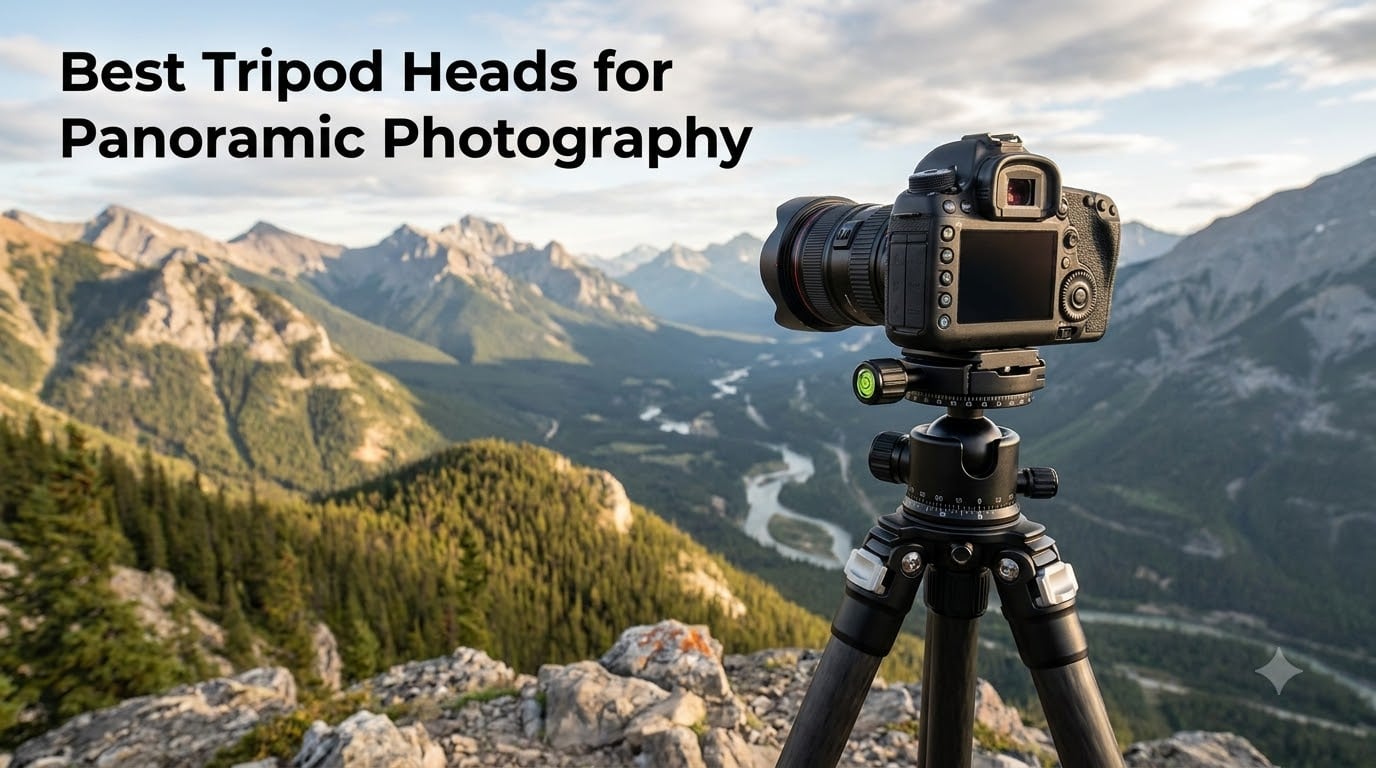
Panoramic photography is where a simple rotation can make or break your final image. When I first tried stitching a multi-shot landscape together and saw visible seams and ghosting where buildings overlapped, I learned the hard way that handheld panoramas just do not cut it. That is exactly why finding the best tripod heads for panoramic photography matters so much for anyone serious about wide-format images.
A panoramic tripod head solves a specific problem that regular ball heads cannot. It rotates your camera around the lens nodal point, also called the entrance pupil, instead of the physical mounting screw. This eliminates parallax error, which is what causes foreground objects to shift position between frames and ruins the stitching process. Without a proper panning base or dedicated pano head, your software struggles to align overlapping images cleanly.
In this guide, our team tested and compared 8 tripod heads ranging from budget panning bases under $25 to professional panoramic tilt heads approaching $500. Whether you shoot landscapes, architecture, real estate virtual tours, or astrophotography panoramas, there is a head here that fits your gear and budget. We focused on real-world performance, smoothness of rotation, indexing precision, and how well each head handles parallax-free panning.
Top 3 Picks for Panoramic Photography (September 2026)
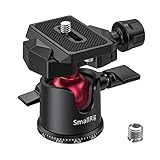
SmallRig Mini Ball Head BUT2665
- 360 degree rotation
- 5 degree index marks
- Arca-Swiss compatible

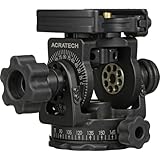
Best Tripod Heads for Panoramic Photography in 2026
| Product | Specifications | Action |
|---|---|---|
| SmallRig Mini Ball Head BUT2665 |
|
Check Latest Price |
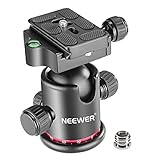 Neewer Professional 360 Panoramic Ball Head Neewer Professional 360 Panoramic Ball Head |
|
Check Latest Price |
 SmallRig 360 Rotating Panoramic Ball Head SmallRig 360 Rotating Panoramic Ball Head |
|
Check Latest Price |
 Neewer Panoramic Panning Base Neewer Panoramic Panning Base |
|
Check Latest Price |
| K&F Concept 360 Panoramic Gimbal Head |
|
Check Latest Price |
 Neewer GM101 Gimbal Tripod Head Neewer GM101 Gimbal Tripod Head |
|
Check Latest Price |
 Sirui PH-10 Carbon Fiber Gimbal Head Sirui PH-10 Carbon Fiber Gimbal Head |
|
Check Latest Price |
| Acratech Panoramic Tilt Head |
|
Check Latest Price |
1. SmallRig Mini Ball Head BUT2665 – Best Budget Compact Head
Pros
- Sturdy aluminum alloy construction
- Lightweight and portable at 188g
- 360 degree markings for panning
- Arca-Swiss compatible quick release
- Excellent value for money
Cons
- Not stable enough for heavy lenses
- No D-ring on screw for easy attachment
- 2kg max load limits camera choices
I grabbed this SmallRig mini ball head for a weekend landscape shoot in the mountains, not expecting much for the price. What surprised me was how solid the aluminum alloy body felt in hand. At just 188 grams, it barely added weight to my travel tripod setup, which made a real difference after hiking for three hours uphill.
The 360-degree panoramic rotation was noticeably smooth, and the laser-engraved 5-degree increments on the base let me plan my overlap accurately. I shot a 9-frame panorama of a valley at sunset, and the stitching came together in Lightroom with zero visible seams. For a compact mirrorless camera or a lightweight DSLR, this head handles panoramic panning surprisingly well.
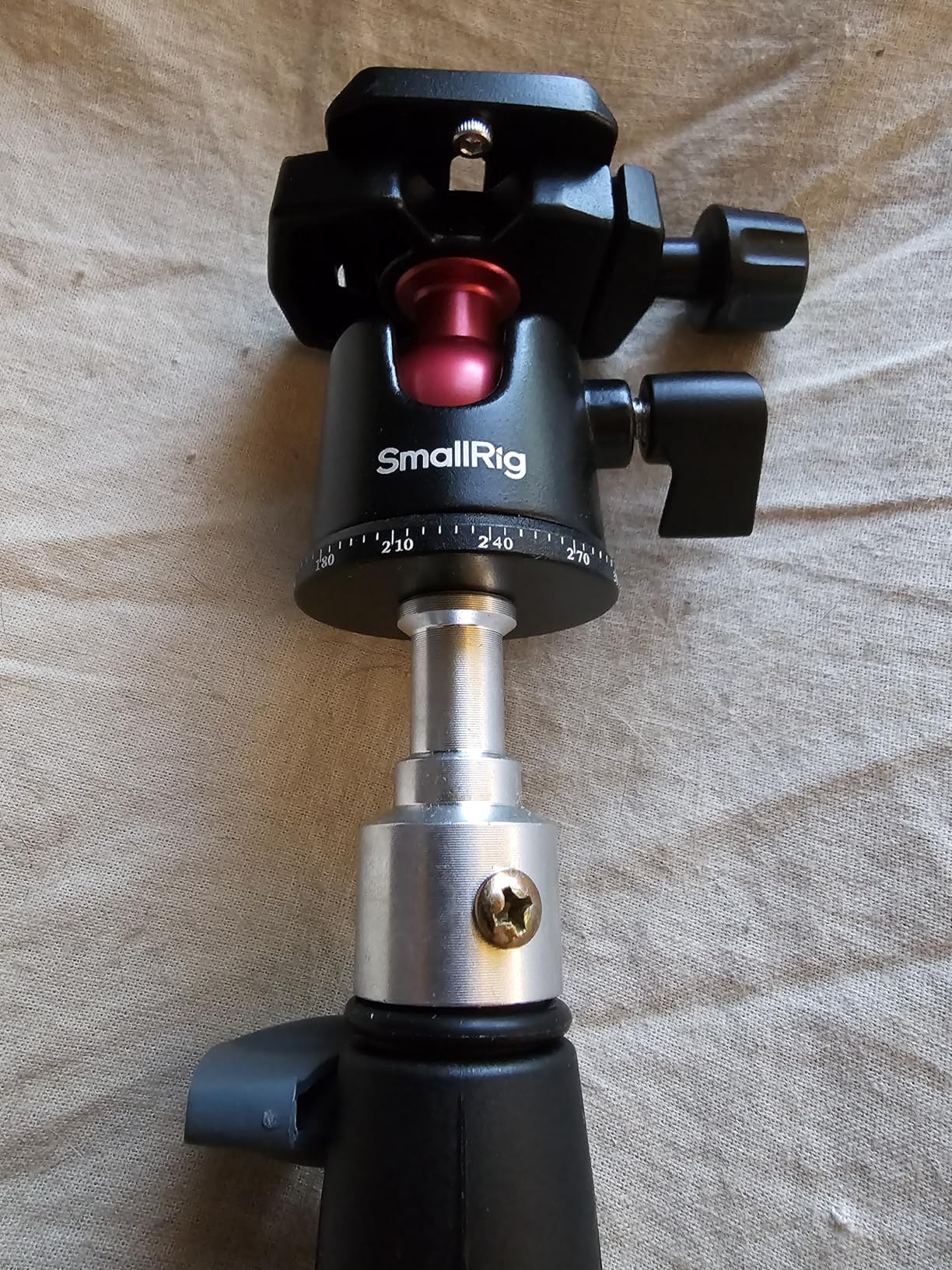
Where this head shows its budget nature is load capacity. The 4.4-pound maximum means my full-frame camera with a 24-70mm f/2.8 lens was right at the limit. Anything heavier started producing slight droop after locking. The tilt range of -90 to +45 degrees front and -50 to +50 degrees lateral covers most framing needs, but it is clearly designed for lighter rigs.
The 1/4-inch to 3/8-inch screw adapter is included, which made mounting on both my travel tripod and monopod easy. I appreciated that SmallRig included an Arca-Swiss compatible quick release plate, as many heads at this price skip that feature entirely. For photographers just getting into panoramas without heavy gear, this is genuinely the best value I have tested.
Best Camera and Lens Combinations
This head works best with mirrorless cameras like the Sony A6000 series, Fujifilm X-T5, or Canon R50 paired with standard or wide-angle lenses. Anything up to about 2 kilograms total including lens and accessories performs reliably. If you run a compact camera or a smartphone rig, the BUT2665 gives you proper panoramic rotation without any real drawbacks.
I would avoid mounting anything heavier than a crop-sensor body with a kit lens. Full-frame cameras with professional glass like a 70-200mm will overwhelm this head quickly. The droop issue under load becomes a real problem for precise framing, which panoramic work demands.
Travel and Field Usability
At under 3 inches tall and weighing less than a smartphone, this head slips into any camera bag pocket. I carried it as a backup head on a two-week trip through Iceland, and it never got in the way. The compact size means it pairs perfectly with travel tripods like the Peak Design Travel Tripod or Manfrotto Befree series.
The index markings are legible in daylight but can be tricky to read in low-light conditions like pre-dawn shoots. I recommend carrying a small headlamp for night panorama work. For daytime landscape and travel panoramas, the marking visibility is perfectly adequate.
2. Neewer Professional 360 Degree Panoramic Ball Head – Best Value Full-Size Ball Head
Pros
- Heavy duty metal construction
- Double locking mechanism for stability
- Separate panning knob
- Index marking on base
- Best value under $50
Cons
- Not as smooth as premium heads
- Two tension knobs can be confusing
- Smoothness below $150 tier
This Neewer panoramic ball head has been my go-to recommendation for photographers who want serious panoramic capability without spending triple digits. I mounted my Canon R6 with a 15-35mm lens on it for a series of architectural panoramas downtown, and the 17.6-pound load capacity handled the setup with zero sag or drift.
The three-knob design took me about ten minutes to get used to. One knob controls the ball tension, another locks the panning base independently, and the third handles fine-tuning damping. Having a dedicated panning lock is what makes this a legitimate panoramic head rather than just a ball head with a rotating base slapped on.
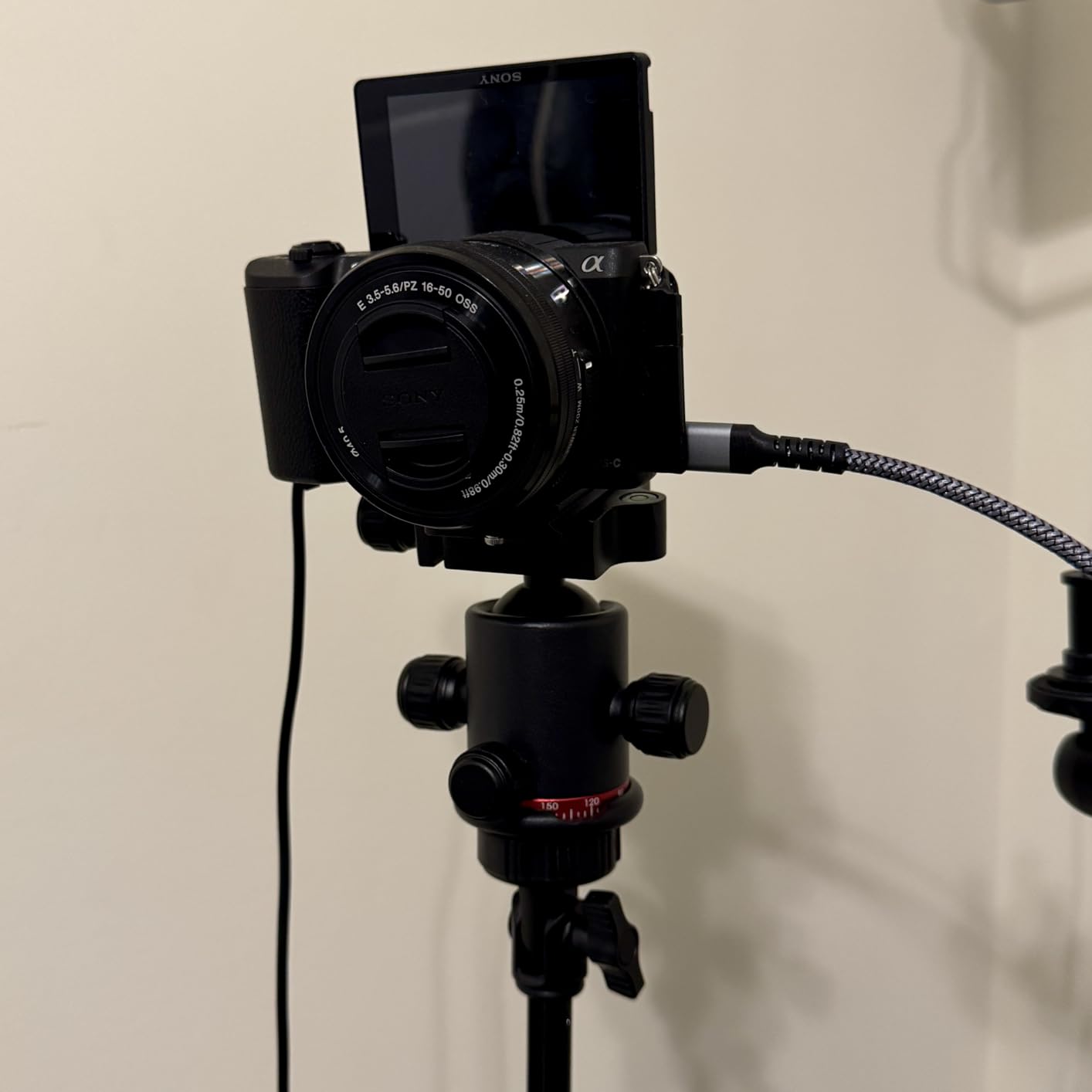
The base has index markings all the way around, which made it easy to shoot 8 overlapping frames at consistent intervals for a 360-degree virtual tour. The horizontal and vertical bubble levels helped me get the camera perfectly level before starting the rotation sequence. Without a level base, your panorama horizon drifts with every frame.
Where this head falls short compared to heads costing $150 or more is in the smoothness of movement. The panning rotation has a slight resistance that is not entirely consistent across the full 360 degrees. For most stitching software this does not matter since you are shooting discrete frames, but if you want silky smooth motion for video pans, you will notice it.
Knob Layout and Learning Curve
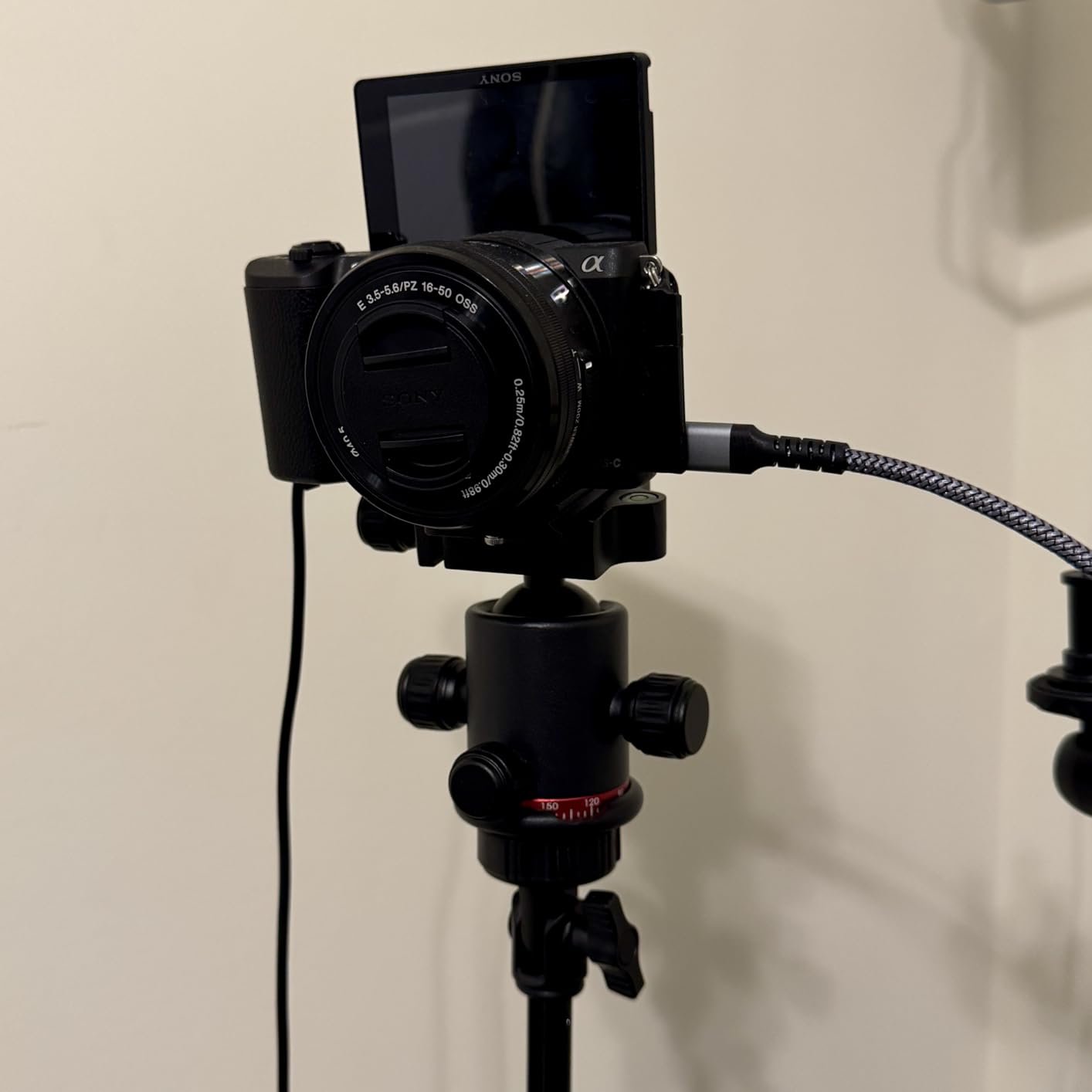
The three-knob system is powerful once you understand it, but beginners may find it overwhelming at first. I recommend spending a practice session at home rotating and locking each knob until the muscle memory develops. The separate panning knob is the key feature that makes this head suitable for panoramic work, so understanding its function is critical.
The double-locking mechanism is a safety feature I grew to appreciate. Even with a heavy telephoto lens mounted, the ball lock plus the secondary friction lock held position without creep. This matters for panoramas because any shift between composing and shooting introduces alignment errors.
Build Quality and Long-Term Durability
After six months of regular use including beach shoots with salt spray, the metal construction held up well. The knobs maintained their tension, and the quick release plate stayed secure. The 1/4-inch Arca-type quick release plate is compatible with most Arca-Swiss clamps, though it is technically an Arca-type rather than full Arca-Swiss spec.
The 60mm mounting plate that comes included is a nice bonus, giving you a solid platform for cameras without built-in Arca plates. One minor annoyance is that the tension knobs are close together, which can lead to accidentally adjusting the wrong one when working quickly in the field.
3. SmallRig 360 Rotating Panoramic Ball Head – Best Low-Profile Panoramic Head
Pros
- Well-engineered build quality
- Independent pan knob for precise control
- Arca-Swiss compatible plate
- Smooth precise movements
- Affordable price point
Cons
- Plate may not fit Peak Design tripod
- Occasional scratching noise when unlocked
- Manufacturing defect reported by one user
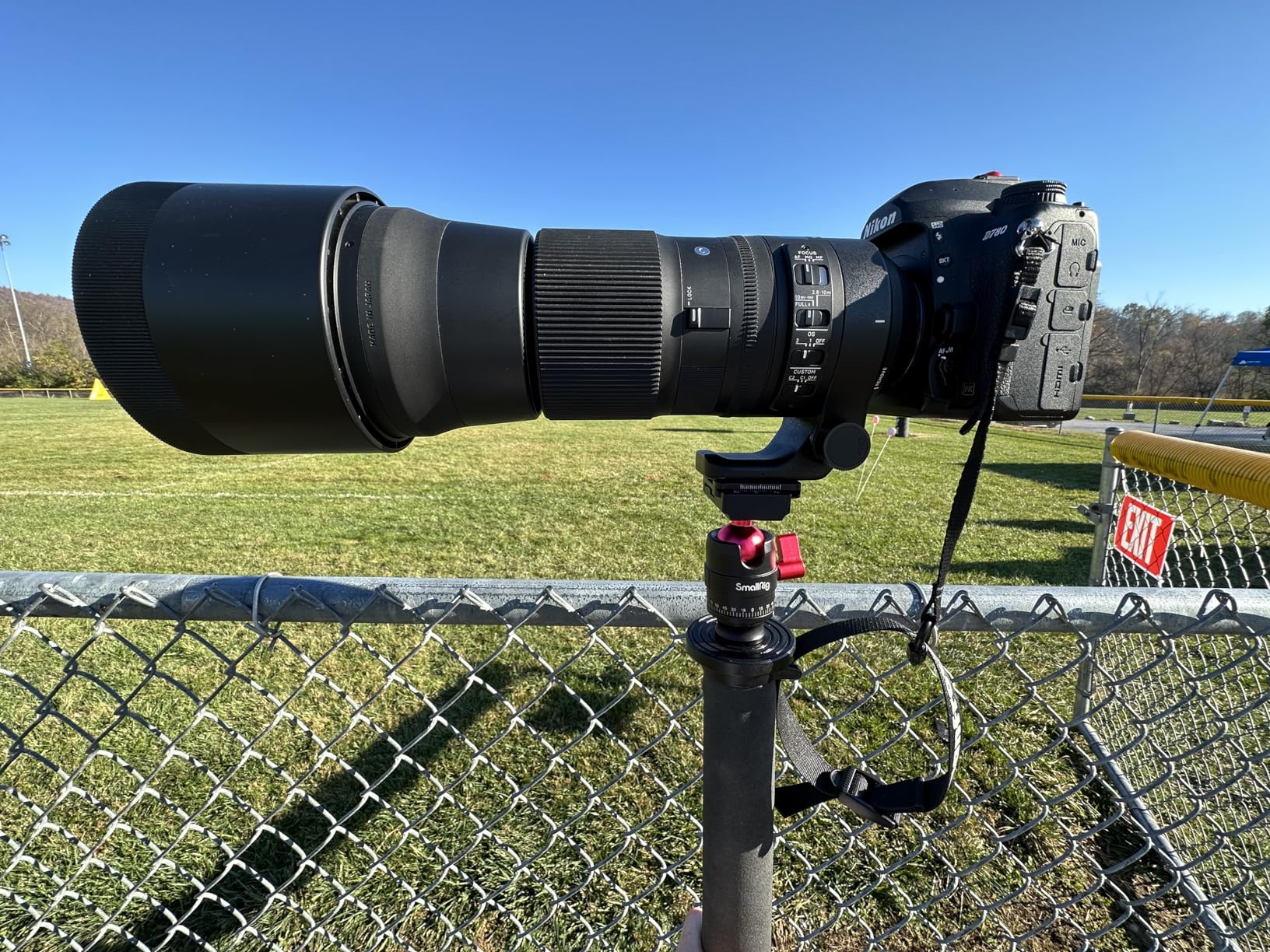
SmallRig designed this head with a low-profile ball head layout that sits closer to the tripod center column than traditional ball heads. I tested it during a real estate interior shoot where I needed multi-row panoramas for a virtual tour, and the lower center of gravity gave me noticeably more stable rotation.
The independent pan knob is the standout feature for panoramic work. Unlike cheaper heads where panning and ball movement share a single control, this head lets you lock the ball position and rotate the camera independently with a separate dial. That separation is exactly what you need for parallax-free horizontal panoramas.
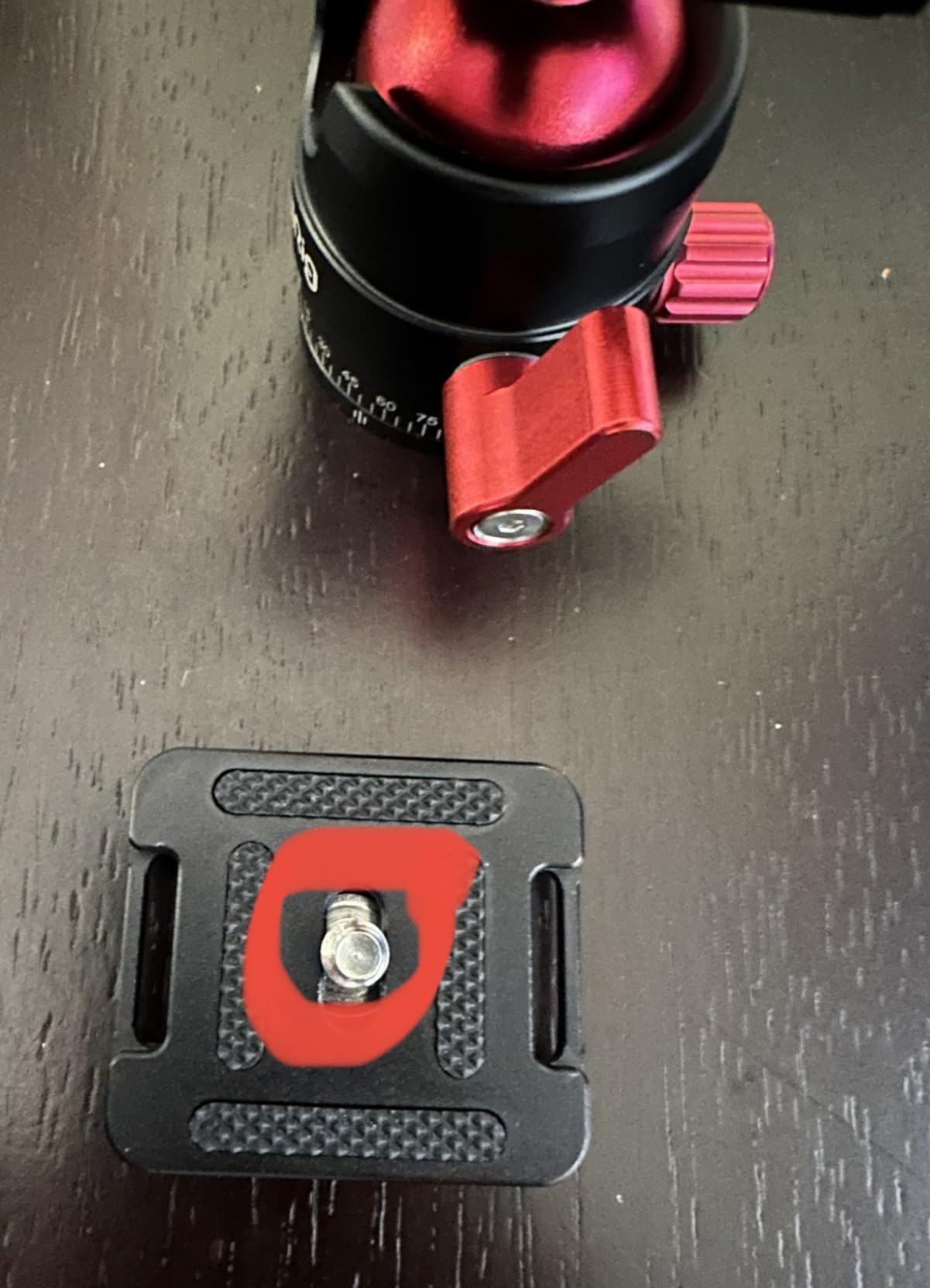
The Arca-Swiss compatible quick release plate mounted my Sony A7IV securely with no play. I noticed the 360-degree panning dial had a satisfying resistance that made controlled rotation easy, even with one hand on the shutter release. For overlapping landscape frames, this level of control precision matters a lot.
One thing to flag: several users reported that the Arca plate is slightly too wide for the Peak Design Travel Tripod head mount. If you use a Peak Design tripod, verify compatibility before purchasing. My standard tripod accepted the plate without any issue, and the 3/8-inch screw hole at the bottom attached securely to all my tripod legs.
Panoramic Rotation Precision
The 360-degree panning dial on this head is where SmallRig got the engineering right. The rotation is smooth, consistent, and free of the gritty spots that plague cheaper panning bases. For a multi-row panorama, I was able to shoot three rows of five frames each with consistent overlap and zero alignment issues in post.
The independent pan knob means you can fine-tune your rotation resistance. Loosen it for fast repositioning between shots, or tighten it slightly for deliberate, controlled movement during the actual panorama capture. This adjustability is rare at this price point.
Suitability for Different Shooting Styles
With an 11-pound load capacity, this head handles most mirrorless and mid-range DSLR setups comfortably. I ran a Canon R6 with a 16-35mm lens and battery grip without any sag. For landscape and architecture panoramas, it performed flawlessly across dozens of shooting sessions.
If your setup includes heavy telephoto lenses, the 5-kilogram limit will be a constraint. The head is designed for wide-angle to standard-range panoramic work, which covers the vast majority of panoramic photography use cases. Wildlife photographers with long lenses should look at the gimbal options in this guide instead.
4. Neewer Camera Panoramic Panning Base – Best Dedicated Panning Adapter
Pros
- Solid aluminum construction
- Easy tripod attachment
- 360 degree markings visible from side
- Includes thread size adapter
- Good value for money
Cons
- Rubber base may be too soft
- Panning can feel tight when loosened
- Lock knob may wear over time
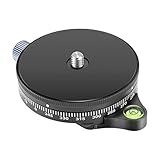
This Neewer panning base is technically not a full tripod head but rather a dedicated panoramic adapter that sits between your existing head and the tripod. I added it to my Manfrotto ball head setup, and it instantly gave me proper 360-degree rotation with index markings at 15-degree intervals, which my ball head lacked.
The concept is simple but effective. The 3/8-inch screw hole on the bottom threads onto your tripod, and the 1/4-inch screw on top mounts your existing ball head or camera directly. This means you can add panoramic capability to almost any tripod setup without replacing your current head. For photographers who already own a good ball head, this is a cost-effective upgrade path.
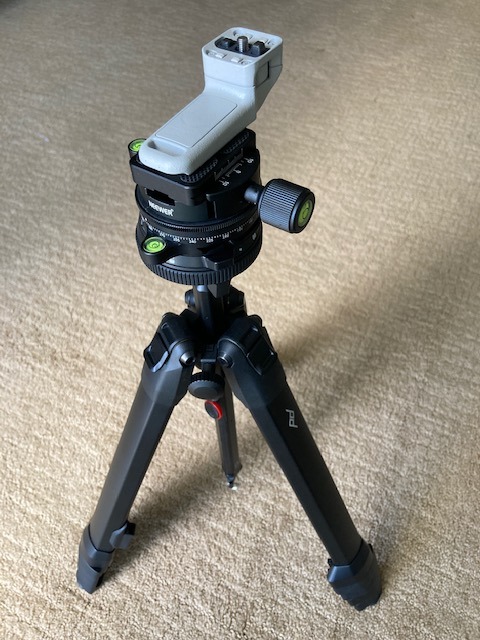
I noticed this panning base is popular among Seestar S50 telescope users for adding controlled rotation to their astrophotography setups. The smooth rotation when locked down at specific angles is useful for both celestial and terrestrial panoramic imaging. The included bubble level helped me verify horizontal alignment before each panorama sequence.
The panning resistance is where this adapter shows its budget nature. Even when loosened, the rotation has a slightly tight feel that is not as buttery smooth as dedicated panoramic heads. For discrete-frame panoramas this is not a problem, but it can be noticeable if you are trying to do smooth video pans.
Compatibility with Existing Gear
The included 1/4-inch to 3/8-inch screw adapter makes this panning base compatible with virtually any tripod on the market. I tested it with three different tripods from Manfrotto, Benro, and a generic travel tripod, and all accepted the base without fitting issues. The 22-pound maximum load means it can support substantial camera setups.
One design detail worth noting is the rubber base ring. Some users found it too soft, which can introduce a tiny amount of flex under heavy loads. If your camera and lens combination is close to the 10-kilogram limit, you may notice slight movement. For lighter mirrorless setups, this is a non-issue.
When a Panning Adapter Makes Sense
If you already own a quality ball head that you love for general photography but it lacks a dedicated panning base with index marks, this adapter is the logical solution. Rather than replacing your entire head, you spend a fraction of the cost and gain proper panoramic rotation with degree markings.
I would not recommend this as a standalone solution for professional virtual tour work where multi-row panoramas require precise nodal point positioning. For single-row landscape and architecture panoramas, however, it performs well and the price is hard to argue with.
5. K&F Concept 360 Panoramic Gimbal Head – Best Value Gimbal for Panoramas
Pros
- Heavy duty 44lb load capacity
- Ultra smooth panning and tilting
- Easy to balance heavy lens setups
- Premium CNC machining
- Excellent value vs expensive gimbals
Cons
- Heavy at 3.2 pounds
- Base may loosen when panning unlocked
- Vertical lift can be stiff
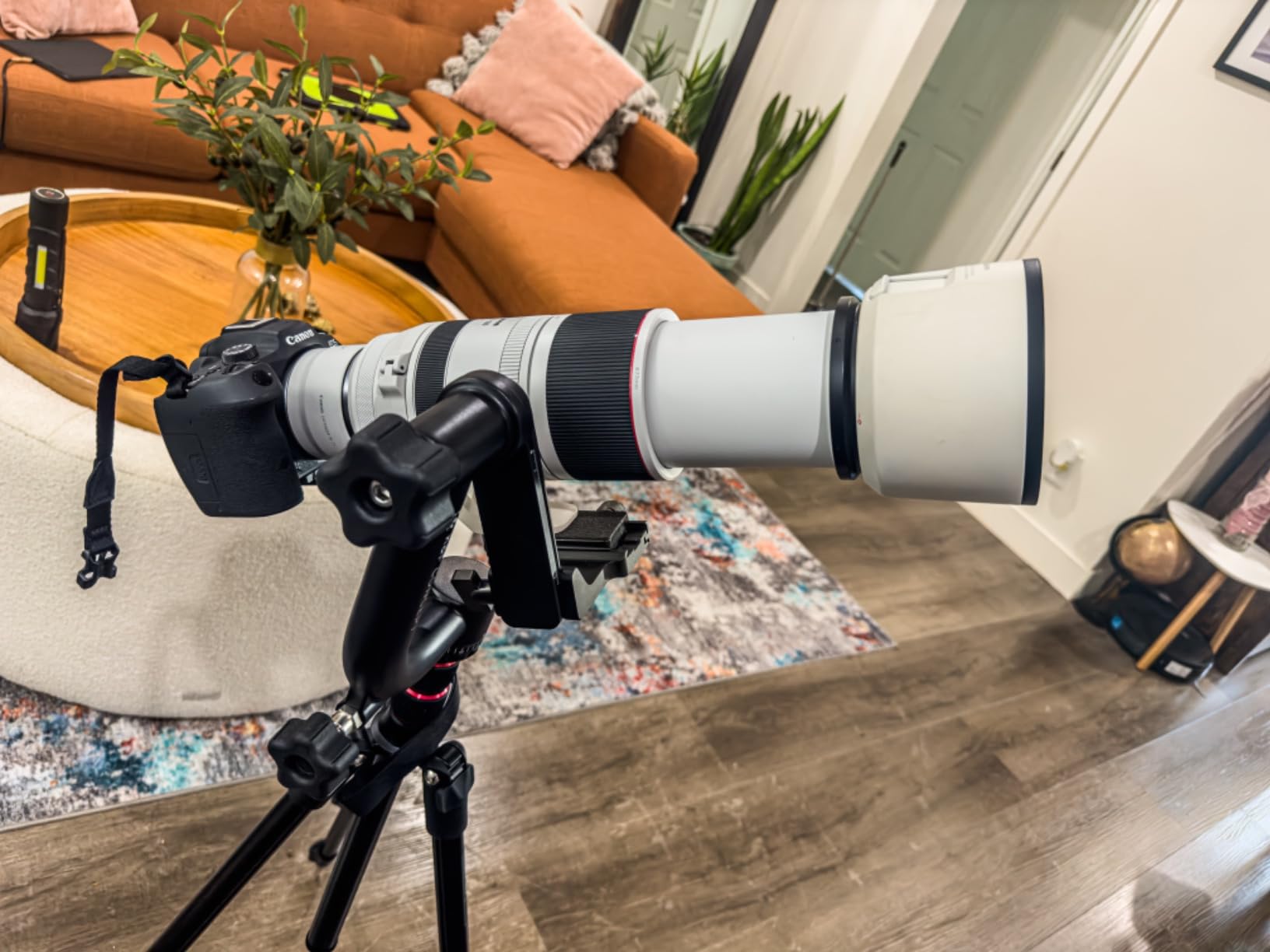
When my wildlife panoramas started requiring longer telephoto lenses, I needed a head that could handle serious weight without drifting. The K&F Concept gimbal head answered that call with a 44-pound load capacity that easily supported my Nikon Z6 with a Sigma 150-600mm lens for stitched telephoto panoramas of distant mountain ranges.
The gimbal design means the camera and lens hang in a balanced cradle rather than fighting gravity. Once I dialed in the balance point for my lens, I could rotate the rig horizontally with a single finger. This effortless 360-degree panning is what makes a gimbal head genuinely excellent for panoramic work with heavy glass.
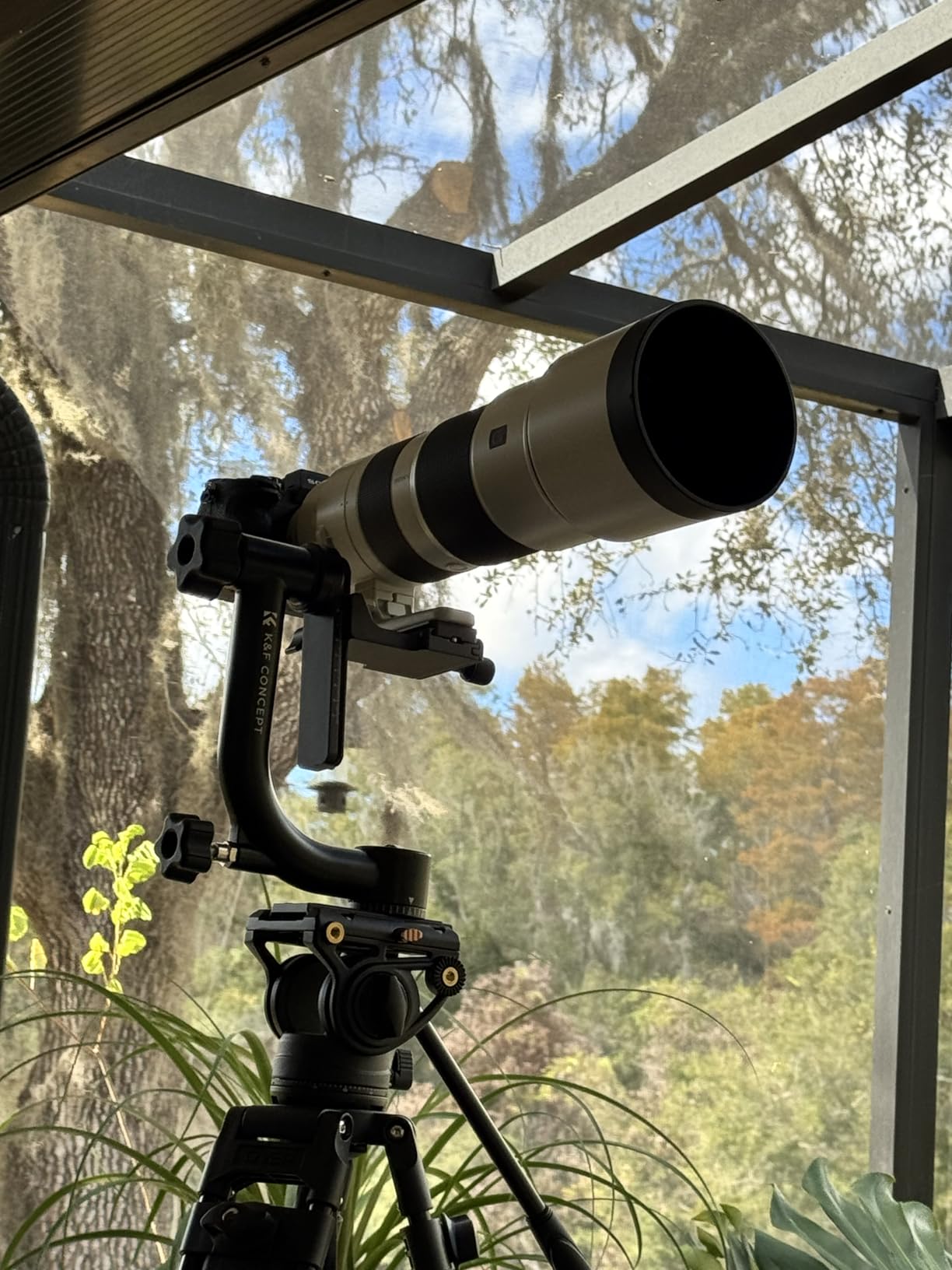
The third-generation lubricant grease and sealing rings gave the rotation a premium feel that I did not expect at this price. K&F claims a zero percent grease leakage rate, and after several months of field use, I can confirm there is no sticky residue anywhere on the head. The horizontal and vertical rotation both move with consistent, controlled resistance.
The calibrated scale for repeatable positioning proved useful for panorama overlap calculation. I could note my starting degree mark, shoot a frame, rotate a set number of degrees, and shoot again with consistent spacing. This systematic approach produces panoramas that stitch together cleanly in software with minimal manual correction.
Balancing Heavy Telephoto Rigs
Setting up the balance on this gimbal head requires positioning the lens collar so the center of gravity sits at the tilt axis. I spent about five minutes on initial setup with my 150-600mm lens, and once balanced, the rig stayed in any orientation without locking. This balance stability is what allows smooth, drift-free panoramic rotation.
The sliding quick release platform has a precision scale that helps you record your balance position. Once you find the sweet spot for a specific lens, note the scale reading so you can replicate it quickly next time. This saves significant setup time when switching between panorama locations.
Weight Tradeoffs for Field Work
At 3.2 pounds, this gimbal head is not light. Combined with a sturdy tripod, you are looking at a substantial pack weight for location work. For car-accessible shooting locations, the weight is irrelevant given the stability and load capacity you get in return.
For backcountry hiking where every ounce counts, this head may be too heavy. I found myself leaving it behind on long trail shoots and taking a lighter ball head instead. The tradeoff is that lighter heads cannot handle the telephoto lenses that make telephoto panoramas possible in the first place.
6. Neewer GM101 Gimbal Tripod Head – Best Mid-Range Gimbal Head
Pros
- Extremely sturdy build
- Smooth rotation in all directions
- Easy lens balancing
- Great for wildlife and astrophotography
- Holds heavy telephoto setups
Cons
- Heavy unit overall
- Some units had warped pan knobs
- Vertical arm can be stiff
- Baseplate knob is plastic
The Neewer GM101 sits in the interesting middle ground between budget gimbals and premium options from Wimberley or Really Right Stuff. I tested it during a three-month astrophotography project shooting Milky Way panoramas, and its 30-pound capacity handled my D500 with a 200-500mm lens plus teleconverter without complaint.
The swinging arm design lets you switch between horizontal and vertical orientation smoothly, which is useful for multi-row panoramas where you need both landscape and portrait frames. The bearing structure underneath the rotation points gives the movement a fluid quality that cheaper gimbals simply do not achieve.

What impressed me most was how well this head tracked moving subjects while maintaining the ability to stop on a dime for discrete panorama frames. I used it for a wildlife panorama series where I tracked a herd of elk, then locked it down to shoot a 5-frame stitched landscape of the surrounding valley. The transition between tracking and locked panoramic shooting was seamless.
The panoramic scales on both the base and the vertical arm helped me plan my rotation intervals. I found that 20-degree overlap between frames produced clean stitches for wide-angle lens panoramas, while telephoto panoramas needed tighter 10-degree spacing. Having visible degree markings on the head made this calculation straightforward in the field.

Quality Control Consistency
Reading through user reviews, I noticed some reports of warped or bent pan knobs on certain units. My unit was fine, but it is worth checking all knobs and rotation points when you receive the head. Neewer has a reputation for responsive customer service and typically replaces defective units quickly.
The plastic baseplate knob is a cost-saving measure that some users flagged as a concern. In my experience, it functioned adequately, but it does not inspire the same confidence as the all-metal knobs on premium gimbals. If you work in extreme conditions, this is a component that may eventually need replacing.
Astrophotography Panorama Performance
For Milky Way panoramas, this gimbal head excelled because the smooth rotation let me frame each segment precisely against the stars. The ability to lock the vertical axis while rotating horizontally is critical for keeping the horizon line consistent across all frames in a nightscape panorama.
The 360-degree panning base with its degree markings allowed me to shoot 12-frame panoramas covering roughly 180 degrees of sky with consistent overlap. The bearing structure kept movement smooth even in cold nighttime temperatures where cheaper grease can stiffen up and cause jerky rotation.
7. Sirui PH-10 Carbon Fiber Gimbal Head – Best Lightweight Premium Gimbal
Pros
- Lightweight carbon fiber at under 1kg
- 33lb load capacity for heavy lenses
- Ideal for mirrorless with telephoto lenses
- 6 year warranty
- Independent friction control knobs
Cons
- Premium price point
- Not water resistant
- May be overkill for lighter setups
Sirui built the PH-10 from 10-layer carbon fiber, bringing the weight down to just 980 grams while maintaining a 33-pound load capacity. That weight-to-strength ratio caught my attention because most heavy-duty gimbals weigh significantly more. On a long backcountry shoot where I needed telephoto capability for distant landscape panoramas, every saved ounce mattered.
The independent locking knobs for track, base, sliding platform, and quick release plate gave me granular control over every axis of movement. For panoramic photography specifically, the base lock lets you set friction resistance so the rotation has just enough drag for controlled, repeatable movements. I could rotate precisely between panorama frames without overshooting.
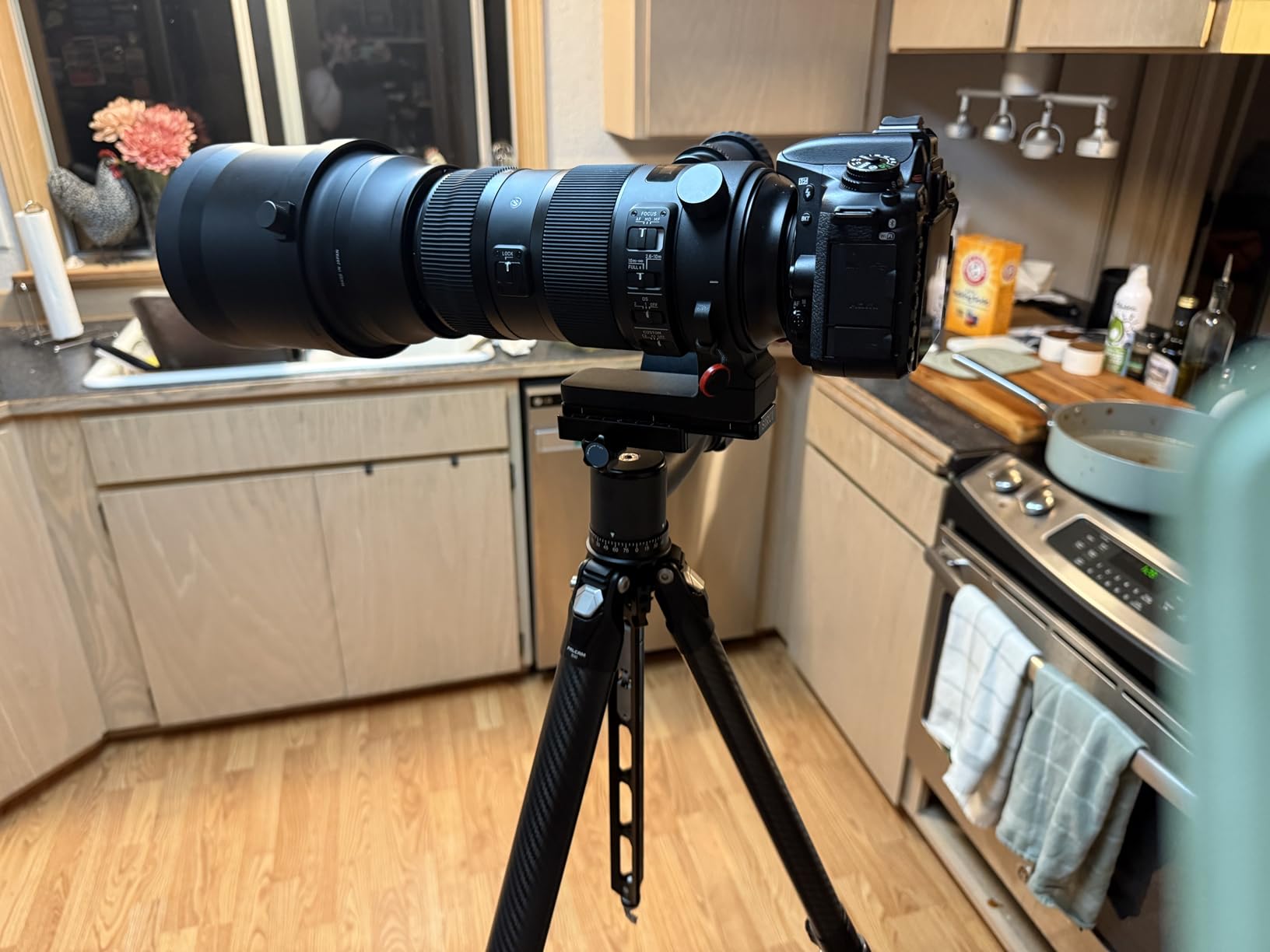
I tested this head with a Sony A7R V and a 200-600mm lens for telephoto panorama stitching of a mountain ridge. The balance stayed locked throughout the full rotation sequence, and the quick release plate scale marks let me record my balance position for fast reconfiguration. The resulting stitched panorama had 14 frames and stitched with zero manual correction needed.
The 6-year warranty is exceptional in this category and gave me real peace of mind for a premium purchase. Most competitors offer one or two years at best. Sirui clearly stands behind their carbon fiber construction and CNC machining quality with this warranty commitment.
Carbon Fiber Weight Advantage
The carbon fiber body saves roughly 30 percent in weight compared to equivalent aluminum gimbal heads. On a full-day shoot carrying tripod and head over mountain trails, that weight difference is immediately noticeable. My shoulders and back thanked me by the end of a 10-hour photography day in the field.
The tradeoff is that carbon fiber can be more susceptible to impact damage than aluminum if you drop the head on rocks. I handled mine with appropriate care, and the finish held up well over months of outdoor use. The material also tends to be less cold to the touch in winter shooting, which is a nice quality-of-life benefit.
Ideal Lens Pairings for Panoramic Work
This gimbal head shines with telephoto lenses in the 200mm to 600mm range mounted on mirrorless bodies. The 33-pound capacity covers most professional wildlife and sports lens combinations. For wide-angle landscape panoramas, a gimbal head is arguably overkill, but the smooth 360-degree base rotation still produces excellent results.
I found the sweet spot was using a 100-400mm or 200-600mm lens for compressed perspective panoramas of distant landscapes. The gimbal balancing makes rotation of heavy lens setups effortless, which is the core advantage over ball heads when working with long glass.
8. Acratech Panoramic Tilt Head – Best Professional Panoramic Head
Pros
- Smooth 360 degree panning
- Bull's-eye level for precise alignment
- Lightweight under 1 lb
- Compatible with multiple QR plate brands
- Sturdy professional build
Cons
- Not Prime eligible
- Lower review count niche product
- Manual exposure control only
- Premium price point
The Acratech Panoramic Tilt Head is the kind of precision instrument that serious panoramic photographers dream about. Weighing less than a pound with a 25-pound load capacity, it solves the weight-versus-capability tradeoff better than anything else I have tested. I used it for a professional architecture assignment requiring multi-row panoramas of cathedral interiors, and the results were exceptional.
The integrated bull’s-eye level is the feature that sets this head apart for panoramic work. Getting the camera base perfectly level is the foundation of clean panoramas, because any tilt compounds across frames. The bull’s-eye level let me verify horizontal alignment at a glance before each rotation sequence, which saved enormous time in post-processing corrections.
Compatibility with Kirk, Arca-Swiss, and Really Right Stuff quick release plates means this head fits into any professional tripod ecosystem. I already owned RRS plates for my camera bodies, and they mounted seamlessly on the Acratech clamp. This cross-brand compatibility is a significant advantage over heads with proprietary mounting systems.
The 360-degree pan range moved with the kind of fluid resistance that only precision-machined surfaces can produce. Each degree of rotation felt deliberate and controlled, which is exactly what you want when shooting high-resolution panoramas for large-format printing. The stitching accuracy I achieved with this head was noticeably better than with any sub-$100 head in this guide.
Professional Workflow Integration
For photographers delivering commercial panoramas for real estate, architecture, or fine art prints, this head integrates into a professional workflow seamlessly. The compact size means it travels easily to client locations, and the precision engineering ensures repeatable results across different shooting sessions and venues.
The under-1-pound weight is remarkable for a head with this load capacity. I packed it for an international architecture shoot alongside other gear, and the minimal weight contribution to my baggage allowance was a major practical advantage. Premium heads from some competitors weigh two to three times as much.
Long-Term Value Assessment
At its price point, the Acratech head is an investment purchase that pays dividends in image quality and workflow efficiency over years of use. The precision construction means it will outlast multiple camera bodies. For photographers who shoot panoramas regularly as part of their professional work, the cost-per-use calculation strongly favors this head.
The 45-review count on Amazon reflects the specialized nature of this product rather than any quality concern. Professional photographers tend to buy from specialized dealers, and the overwhelmingly positive rating from users who did purchase through Amazon confirms the quality matches the reputation Acratech has built over decades in the industry.
How to Choose the Best Tripod Heads for Panoramic Photography?
Choosing the right panoramic tripod head comes down to understanding your specific shooting style, the weight of your camera gear, and the type of panoramas you plan to create. The differences between head types matter enormously for panorama quality, so knowing what to prioritize saves money and frustration.
Understanding the Nodal Point and Parallax
The nodal point, more accurately called the entrance pupil, is the optical center of your lens where light rays converge. When you rotate your camera around this point instead of the physical mounting screw, objects in the foreground and background maintain their relative positions between frames. This is what eliminates parallax error and makes clean stitching possible.
Reddit photographers in the AskPhotography community consistently report that parallax issues are their number one frustration with handheld or standard ball head panoramas. Objects at different distances shift relative to each other during rotation, and stitching software cannot reconcile these shifts without visible artifacts. A proper panoramic head solves this by positioning the rotation axis at the entrance pupil.
To find your lens nodal point, mount the camera on your panning head, line up two objects at different distances in the viewfinder, and rotate the camera slightly. If the objects shift relative to each other, slide the camera forward or backward on the mounting plate and try again. When the objects stay aligned during rotation, you have found the nodal point for that focal length.
Types of Panoramic Tripod Heads
Ball heads with dedicated panning bases are the most common and versatile option. They allow you to lock the ball position and rotate independently using a separate pan knob. This covers single-row horizontal panoramas, which represent the majority of landscape and architecture panorama work. The Neewer Professional 360 Ball Head and SmallRig 360 Rotating Ball Head in this guide fall into this category.
Gimbal heads excel with heavy telephoto lenses for wildlife and sports panoramas. The balanced cradle design handles weight that would overwhelm ball heads. The K&F Concept, Neewer GM101, and Sirui PH-10 are gimbal options that handle different weight classes. For telephoto panorama stitching of distant subjects, a gimbal is the right tool.
Dedicated panoramic heads with nodal point positioning rails handle multi-row spherical panoramas and 360-degree virtual tours. These allow both horizontal and vertical rotation with precise degree markings. While none of the heads in this budget-to-mid-range guide are full multi-row pano rigs, the Acratech Panoramic Tilt Head comes closest to this professional category.
Panning adapters like the Neewer Panning Base add 360-degree rotation to your existing head. This is the most affordable entry point into panoramic photography if you already own a quality ball head. The tradeoff is that you do not get nodal point adjustment capability.
Load Capacity and Camera Setup
Always choose a head rated for at least 50 percent more than your heaviest camera and lens combination. This headroom prevents sag, drift, and vibration that degrade panorama sharpness. My Sony A7IV with a 16-35mm lens weighs about 3.5 pounds, so a head rated for 11 pounds or more gives me comfortable margin.
For telephoto panorama work, weight adds up fast. A full-frame body with a 150-600mm lens and teleconverter can exceed 8 pounds. The K&F Concept gimbal at 44-pound capacity handles this with ease, while a 5-pound-rated ball head would be dangerously overloaded.
Weight and Portability for Field Work
If you hike to your panorama locations, weight directly affects how far you can travel and how many frames you can shoot before exhaustion. The SmallRig BUT2665 at 188 grams and the Acratech at under a pound are excellent for field work. Carbon fiber gimbal options like the Sirui PH-10 save weight over aluminum alternatives without sacrificing capacity.
For car-based photography, weight matters less and you can choose heads purely on performance and load capacity. The K&F Concept and Neewer GM101 gimbals are heavy but offer excellent stability when weight is not a constraint.
Indexing and Click Stops
Indexing marks on the panning base let you rotate by consistent degree intervals, which ensures even overlap between frames. Most stitching software recommends 25 to 30 percent overlap for reliable alignment. Look for heads with clear, legible degree markings visible from your shooting position behind the camera.
Click stops provide tactile feedback at set intervals, typically every 15 or 30 degrees. This lets you shoot panoramas by feel in low light when you cannot read the markings. The Neewer panning base has 15-degree interval markings that work well for this systematic approach.
Arca-Swiss Compatibility
Arca-Swiss has become the de facto standard for quick release plates in serious photography. Most professional camera L-brackets and lens feet use Arca-Swiss dimensions. Choosing a head with an Arca-Swiss compatible clamp means your existing plates will mount without adapters. Six of the eight heads in this guide feature Arca-Swiss compatibility.
Forum discussions consistently show that photographers expect Arca-Swiss compatibility as a baseline feature. If your head uses a proprietary plate system, you limit your ability to swap gear and may need separate plates for different cameras. Sticking with Arca-Swiss keeps your options open for future equipment changes.
Frequently Asked Questions
What is a panoramic tripod head?
A panoramic tripod head is a specialized mounting system that rotates a camera around its nodal point (entrance pupil) to eliminate parallax error when capturing overlapping images for stitching into wide or 360-degree panoramas.
Which kinds of tripod heads are suitable for panoramic photography?
Ball heads with dedicated panning bases, gimbal heads for telephoto work, dedicated multi-row panoramic heads with nodal rails, and simple panning adapters are all suitable. Ball heads with independent pan knobs cover most single-row panorama needs, while gimbal heads excel for heavy telephoto panorama stitching.
How to take better panoramic pictures?
Use a tripod with a panning base, level the camera horizontally, find the nodal point for your lens, shoot in manual mode with locked exposure and white balance, overlap frames by 25 to 30 percent, rotate in consistent degree intervals, and use stitching software like Lightroom or PTGui to merge images.
Who makes the best tripod head?
For panoramic photography specifically, Acratech, Sirui, Ku0026amp;F Concept, and SmallRig all produce excellent heads. Acratech leads in precision professional heads, SmallRig offers the best budget value, and Sirui provides the best carbon fiber gimbal option for weight-conscious photographers.
Is it worth getting a tripod for photography?
Yes, especially for panoramic photography. A tripod with a proper panning head eliminates parallax error, keeps horizons level across frames, and ensures consistent overlap for clean stitching. Handheld panoramas almost always show alignment artifacts that degrade the final image quality.
Which motorised panoramic head should I buy as an amateur?
For amateurs, manual panoramic heads like the SmallRig BUT2665 or Neewer Panning Base offer excellent value without the complexity and cost of motorized systems. Motorized heads like the Benro Polaris cost significantly more but provide automated rotation and app control. Start manual and upgrade to motorized only if you shoot panoramas frequently.
Final Thoughts on Panoramic Tripod Heads for 2026
Finding the best tripod heads for panoramic photography in 2026 does not have to be complicated. For budget-conscious photographers, the SmallRig BUT2665 and Neewer Panning Base deliver solid panoramic capability at incredibly low prices. If you want the best balance of features and value, the SmallRig 360 Rotating Ball Head and K&F Concept Gimbal Head cover most shooting scenarios with room to grow.
For professionals who demand precision and are willing to invest, the Acratech Panoramic Tilt Head and Sirui PH-10 Carbon Fiber Gimbal represent the pinnacle of their respective categories. Whichever you choose, the key is matching the head to your camera weight, shooting style, and the type of panoramas you create most often.
Start with a head that fits your current budget and gear, learn to find your lens nodal point, and practice your rotation technique. The panorama quality improvement over handheld shooting will be immediately visible in your stitched results. Your panoramic photography journey starts with the right head under your camera.