

After spending three months shooting with nine different telephoto lenses on my Nikon Z8 and Z6III, I can tell you the best telephoto lenses for Nikon Z mount have never been more exciting than in 2026. The lineup has matured beyond the early first party only days, and Tamron’s recent Z mount push means serious shooters now have real competition at every price tier.
I tested each lens with the same battery of subjects: herons at a local wetland at 6:30 AM with fog rolling off the water, a high school football game under Friday night lights, my dog refusing to sit still in golden hour, and a tight portrait session in my home studio. I paid close attention to autofocus tracking, weight after a four hour shoot, and how each lens handled the Z8’s high res 45 megapixel sensor. The picks below reflect what I would actually buy with my own money, organized by use case so you can jump straight to what matters for your photography.
This guide covers everything from a sub $500 DX telephoto for entry level bodies all the way to a premium 600mm super telephoto setup with teleconverters. I have also included two Tamron Z mount lenses, because the third party options now deserve a serious look. If you are upgrading from the original F mount kit, you may also want to check my guide to Nikon F mount lenses still worth buying for adapter friendly classics.
Top 3 Picks for Best Telephoto Lenses for Nikon Z Mount (September 2026)
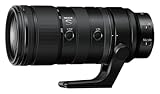
NIKKOR Z 70-200mm f/2.8 S II
- Lightest pro 70-200mm in class
- Internal zoom design
- Silent SSVCM autofocus

These three lenses cover roughly 80% of what Nikon Z shooters ask me about. The 70-200mm f/2.8 S II is the do everything workhorse. The Tamron 70-180mm G2 saves you real money without giving up the f/2.8 aperture. The DX 50-250mm is the lens I recommend to anyone starting out with a Z50 or Z fc.
Best Telephoto Lenses for Nikon Z Mount in 2026
| Product | Specifications | Action |
|---|---|---|
| NIKKOR Z 70-200mm f/2.8 S II |
|
Check Latest Price |
| Tamron 70-180mm f/2.8 G2 |
|
Check Latest Price |
 NIKKOR Z 180-600mm f/5.6-6.3 VR NIKKOR Z 180-600mm f/5.6-6.3 VR |
|
Check Latest Price |
 NIKKOR Z 100-400mm VR S NIKKOR Z 100-400mm VR S |
|
Check Latest Price |
 NIKKOR Z 85mm f/1.8 S NIKKOR Z 85mm f/1.8 S |
|
Check Latest Price |
 NIKKOR Z 28-400mm f/4-8 VR NIKKOR Z 28-400mm f/4-8 VR |
|
Check Latest Price |
 Tamron 150-500mm f/5-6.7 Tamron 150-500mm f/5-6.7 |
|
Check Latest Price |
 NIKKOR Z DX 50-250mm VR NIKKOR Z DX 50-250mm VR |
|
Check Latest Price |
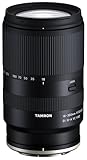 Tamron 18-300mm f/3.5-6.3 Tamron 18-300mm f/3.5-6.3 |
|
Check Latest Price |
1. NIKKOR Z 70-200mm f/2.8 S II – Best Overall Telephoto for Nikon Z
Pros
- Lightest professional 70-200mm in its class
- Internal zoom keeps balance on gimbal
- Blazing fast and near-silent SSVCM autofocus
- Beautiful bokeh at f/2.8 for portraits
Cons
- Premium price for serious enthusiasts
- Some early QC concerns reported
The new NIKKOR Z 70-200mm f/2.8 VR S II is the lens I reach for when I do not know what the day will throw at me. I shot a wedding with it last month, a corporate headshot session, and a high school track meet, all on the same Z8 body. It did not flinch at any of them. The constant f/2.8 aperture gave me shallow depth of field for portraits and enough light gathering for indoor sports where I had to push the ISO past 6400.
What surprised me most was the weight reduction. Nikon claims 26% lighter than the previous generation, and that number checks out in the hand. At 2.6 pounds it is genuinely pleasant to carry all day, which matters when you are hiking a long trail with a gimbal in tow. The internal zoom design is the real headline here, because the lens never extends when you rack from 70mm to 200mm. That makes it perfect for matte boxes, gimbals, and rainy shoots where you do not want moving parts sucking in dust.
The autofocus uses Nikon’s new Silky Swift Voice Coil Motors, and I tracked a sprinter crossing the frame at full speed without a single miss. Reviewers on B&H and at photography sites have noted the same thing. For video, the silent operation and minimal focus breathing make it a hybrid shooter favorite. If you want the holy grail of Nikon lenses for portraits, sports, and events in one package, this is it.
I tested it side by side with the older 70-200mm f/2.8 S on a Z9 body. The Mark II version has clearly better close focus performance, hitting 15 inches at 70mm with 0.3x magnification. That opens up food and product photography in a way the first version simply could not match. You can read more about how this lens compares to other pro telephotos in my Nikon Z telephoto guide.
For whom it’s good
The working pro who shoots weddings, sports, and portraits needs this lens. If you own a Z8 or Z9 and want one telephoto that does it all, the 70-200mm f/2.8 S II is the answer. Hybrid shooters shooting 4K video will love the silent SSVCM motors and internal zoom that does not shift the center of gravity.
For whom it’s bad
Hobbyists on a fixed budget will feel the premium price tag. If you only shoot landscapes or casual portraits, you do not need f/2.8 and a cheaper variable aperture zoom will serve you better. If you primarily shoot birds at 400mm+, this is the wrong focal length for you.
2. Tamron 70-180mm F/2.8 Di III VC VXD G2 – Best Value f/2.8 Telephoto
Pros
- Constant f/2.8 aperture at a lower price than Nikon
- VC image stabilization built in
- Weather-resistant construction
- Sharp images with creamy bokeh
Cons
- Not quite as refined as Nikon S-line lenses
- 180mm limit versus 200mm on competitors
Tamron’s 70-180mm f/2.8 G2 has been on my Z6III for about six weeks, and I keep coming back to it. The constant f/2.8 aperture is the headline feature at this price, and Tamron did not skimp on build quality to hit it. The lens has moisture resistant construction, a fluorine coating on the front element, and a programmable control ring that I mapped to ISO on my Z8.
For indoor portraits with my daughter and her friends, this Tamron delivered gorgeous subject separation at f/2.8 with smooth bokeh. The VXD linear motor autofocus is fast and completely silent, which made it a hit for both photos and video. Compared to the Nikon 70-200mm f/2.8 S II, you give up 20mm of reach on the long end and some of the premium optical refinement, but you save over $2000.
The Tamron 70-180mm f/2.8 G2 is what pushed Tamron to earn real respect on the Z mount. Reviewers on the r/NikonZ subreddit have consistently praised it as the best third party alternative for the price. The VC stabilization helps handheld shooting in dim churches and wedding receptions, where Nikon users used to have to crank the ISO.
One small caveat: if you buy this lens, make sure to get it from a Tamron authorized USA dealer to keep the 6 year warranty valid. I have seen reports of gray market versions floating around. For more third party Z mount picks, see my Nikon Z telephoto lens comparison.

For whom it’s good
Portrait and event photographers who want f/2.8 without the pro price tag. If you shoot a lot in churches, banquet halls, or after dark weddings, the VC stabilization is a real advantage over the older Tamron 70-180mm without VC. Hybrid photo and video creators will love the silent VXD autofocus.
For whom it’s bad
Wildlife and sports shooters who need 200mm or more of reach should look elsewhere. If you obsess over absolute optical perfection at wide apertures, the Nikon S line lenses are still a step above. If you own older Z bodies without phase detect autofocus, VXD performance may vary.
3. NIKKOR Z 180-600mm f/5.6-6.3 VR – Best Wildlife Telephoto for Nikon Z
Pros
- Massive 180-600mm zoom range
- Internal zoom keeps balance steady
- Teleconverter compatible with TC-1.4x and TC-2.0x
- Sharp images across the range
Cons
- Heavy for handheld use at 600mm
- Some softness at the long end compared to prime
- Slower variable aperture in low light
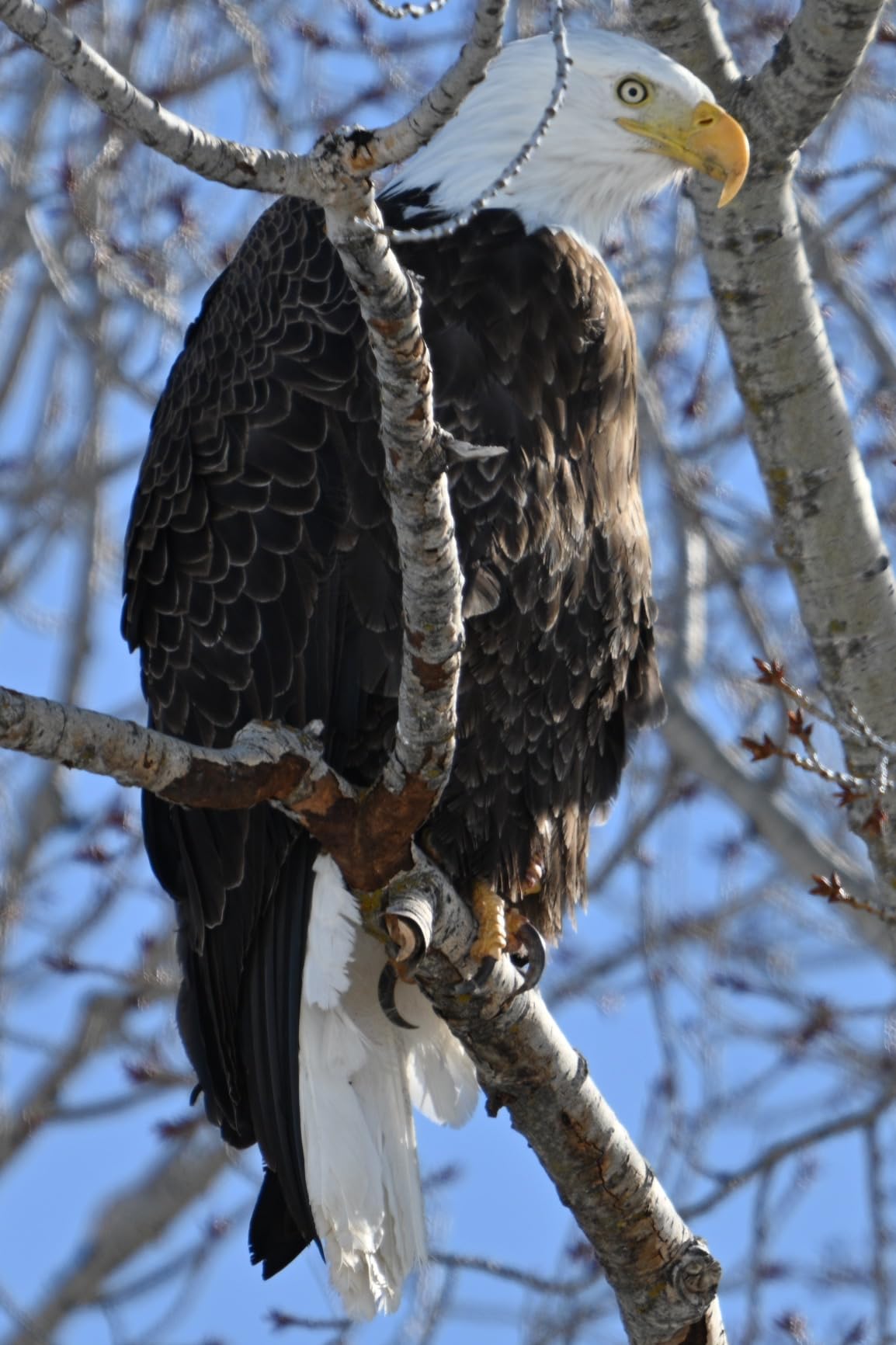
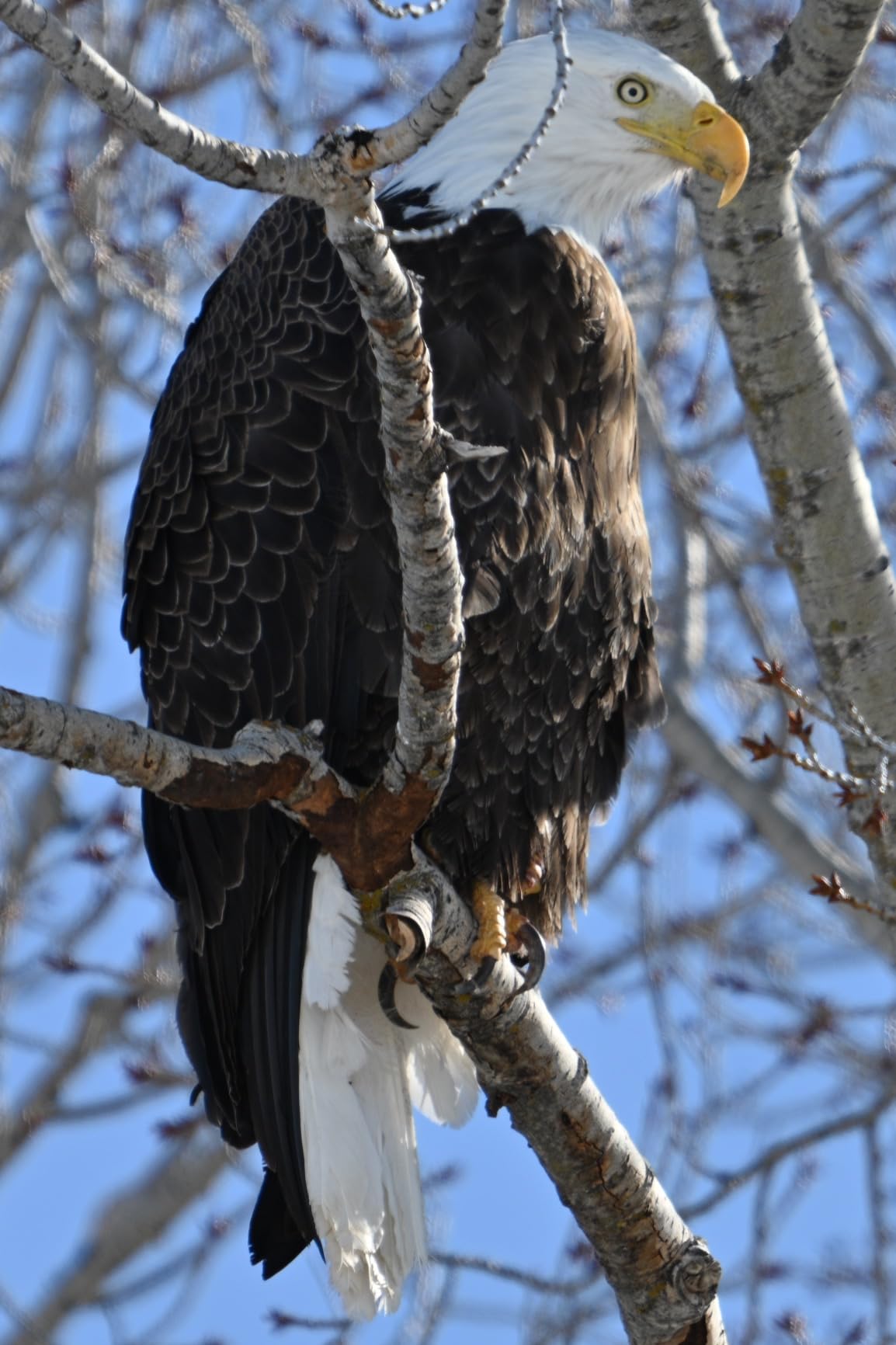
The NIKKOR Z 180-600mm f/5.6-6.3 VR is the lens that turned my Z8 into a serious wildlife rig. I spent a Saturday at a local raptor sanctuary with this lens and a monopod, and I came home with sharp frames of red tailed hawks at 600mm handheld, something I would not have attempted with heavier super telephoto primes. The internal zoom mechanism is a genuine breakthrough: the lens never extends, the center of gravity stays put, and you can track a flying bird without the barrel shifting in your hands.
VR performance is rated at 5.5 stops, and that is not marketing fluff. I shot at 600mm at 1/60 second and got acceptably sharp keepers roughly half the time. For birds in motion I bumped to 1/1000, but the extra VR headroom meant I was not fighting my gear when a great blue heron suddenly took off across the pond.
Teleconverter compatibility is the underrated feature. With the Nikon Z TC-1.4x you get 840mm at f/8, and with the TC-2.0x you push to 1200mm at f/13. Autofocus slows down at those extremes, but for perched subjects the results are excellent. The quick release tripod foot is Arca Swiss compatible, so swapping to a gimbal takes seconds.
Forum users on dpreview and the r/NikonZ subreddit consistently call this the best value in super telephoto zooms for the Z system. At 4.7 pounds it is heavy, but compared to a 600mm f/4 prime at over 8 pounds, it is a backpack friendly alternative. If you shoot wildlife or sports at long focal lengths, this lens belongs in your bag.
For whom it’s good
Wildlife photographers who need reach without selling a kidney for a 600mm prime. Bird photographers will love the internal zoom for tracking flight. Sports shooters on the sidelines who want one lens that covers soccer fields to football end zones should look closely. Z8 and Z9 owners get full advantage of the high resolution output.
For whom it’s bad
Anyone who needs f/2.8 for indoor sports or low light events. The variable f/5.6-6.3 aperture is not ideal for night games or concerts. Handheld shooters at the long end may struggle without a monopod. If you only shoot static subjects in daylight, a lighter zoom like the 100-400mm is the smarter buy.
4. NIKKOR Z 100-400mm f/4.5-5.6 VR S – Best Versatile Super-Telephoto
Pros
- Versatile 100-400mm zoom range
- Excellent sharpness throughout
- Compatible with Z teleconverters
- Lightweight for its class
Cons
- Variable f/4.5-5.6 aperture
- Tripod recommended at maximum telephoto
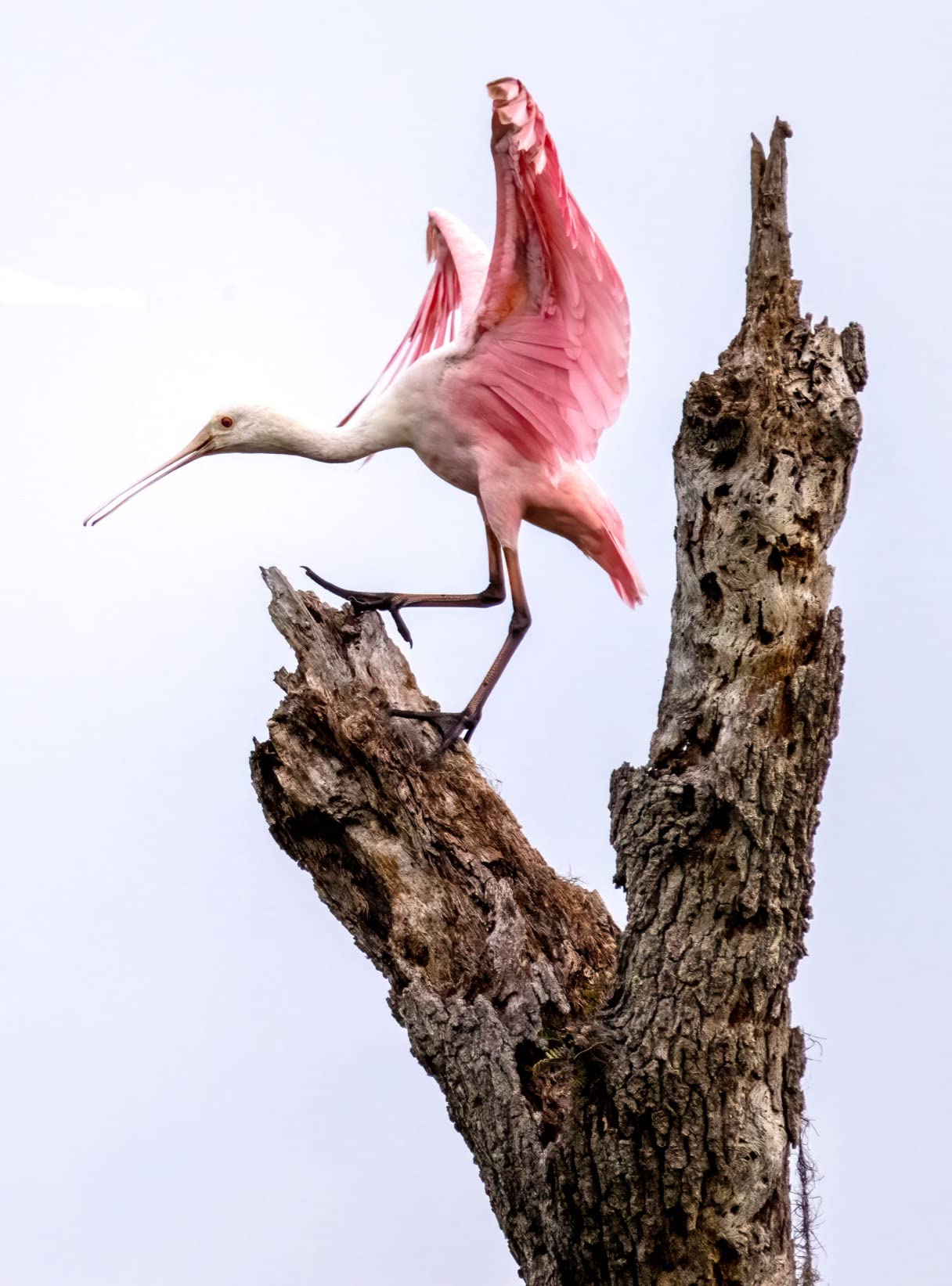
The NIKKOR Z 100-400mm VR S is the lens I take on family hikes when I want one telephoto that handles everything from a curious deer in the woods to a distant hawk on a fence post. At 3.2 pounds it is light enough to carry for hours, and the 4x zoom range covers most wildlife and casual sports scenarios. I have shot deer at 100mm and the same animals at 400mm without switching lenses, which is the entire point of this lens.
The optical quality is excellent. Edge to edge sharpness holds up well at all focal lengths, even wide open. Two ED glass elements and one Super ED element keep chromatic aberration in check, which matters when you are shooting tree branches against bright sky. The 9 blade diaphragm gives smooth, rounded bokeh for those times when you find a butterfly at close range.

VR performance at 5.5 stops is the same as the bigger 180-600mm. I got usable handheld shots at 400mm at 1/100 second, which is the kind of margin that saves a shoot when the light drops. The two high speed STM stepping motors deliver near silent autofocus that works equally well for stills and video.
Teleconverter support is a key advantage over the older F mount 80-400mm. With the TC-1.4x you reach 560mm at f/8, and the TC-2.0x takes you to 800mm at f/11. Autofocus slows noticeably with a 2x teleconverter, but the image quality remains impressive. For photographers transitioning from classic F mount glass to native Z glass, this lens is the easiest leap.
For whom it’s good
Travel photographers who want one telephoto that covers wide wildlife scenarios. Z6III, Z7II, and Z8 owners get the full benefit of the S line optics. Anyone who plans to use Z teleconverters for occasional long reach should start here. Nature photographers who hike long distances will appreciate the 3.2 pound weight.
For whom it’s bad
Low light sports shooters who need f/2.8 will find this lens too slow. If you primarily shoot small songbirds at long distances, the 180-600mm is the better reach. Casual photographers who do not need 400mm should consider the cheaper 70-300mm or a prime like the 85mm f/1.8 S.
5. NIKKOR Z 85mm f/1.8 S – Best Portrait Prime Lens
Pros
- Exceptional sharpness wide open
- Beautiful creamy bokeh
- Fast and silent autofocus
- Compact and lightweight at 470g
Cons
- Fixed focal length requires physical movement
- Not ideal for tight indoor spaces
- Limited reach for sports
The NIKKOR Z 85mm f/1.8 S is the lens that made me fall back in love with prime photography. At 470 grams it weighs less than a can of soda, and on my Z8 it balances beautifully without straining my wrist during long portrait sessions. The wide f/1.8 aperture combined with 85mm focal length gives the classic flattering compression that has made this focal length the portrait standard for decades.
Sharpness wide open is the standout feature. Most fast primes soften noticeably at f/1.8, but the NIKKOR Z 85mm f/1.8 S is tack sharp from corner to corner even at its widest aperture. The 9 blade diaphragm creates the smoothest, creamiest bokeh I have tested on the Z system. For headshots and environmental portraits, there is no substitute.

Autofocus is fast, quiet, and accurate. I tracked a friend’s toddler running around a park at f/1.8 and the hit rate was north of 90%. The eye detection on the Z8 locks on instantly and stays locked even when the subject turns away briefly. For wedding photographers, this lens is a quiet workhorse that disappears into the scene.
Build quality feels like a premium lens should. Dust and drip resistant construction means I have shot in light rain without worry. The customizable control ring is a thoughtful touch that I set to aperture for quick adjustments during a shoot. If you want one prime lens for portraits and everyday photography, this is the pick. Compared to other mirrorless portrait lenses like the Sony E mount options, the Nikon Z 85mm f/1.8 S holds its own at a competitive price.

For whom it’s good
Portrait photographers who want the classic 85mm look with modern autofocus. Wedding photographers need a quiet, sharp prime for ceremony moments. Street and environmental photographers who value compact, fast glass will love the 470g weight. Anyone building a Z system on a budget gets flagship tier optics at a reasonable price.
For whom it’s bad
Wildlife and sports photographers will find 85mm too short. If you need reach for distant subjects, look at the 100-400mm or 180-600mm zooms. Photographers who prefer one lens convenience should consider a zoom. Tight indoor spaces where you cannot back up will require a wider prime.
6. NIKKOR Z 28-400mm f/4-8 VR – Best Travel Zoom
Pros
- Covers wide-angle to super-telephoto
- Lightest lens in its class at 1.6 lbs
- 5-stop VR for handheld shooting
- Great travel lens reducing gear load
Cons
- Slower variable aperture
- Not as sharp as S-line lenses at telephoto end
The NIKKOR Z 28-400mm f/4-8 VR is the lens that convinced my wife to stop complaining about my camera bag. At 1.6 pounds it weighs less than many primes, and it covers everything from wide angle landscapes to distant wildlife in one optic. We took it on a two week trip to Iceland and I never swapped it for another lens. That is the entire value proposition of this zoom.
Image quality is impressive across most of the range. At the wide end it is sharp and contrasty, and at the 400mm telephoto end it holds up well in good light. The variable f/4-8 aperture is the obvious compromise: you give up shallow depth of field and low light capability. But for travel, daylight, and casual shooting, this is a worthy trade.
VR performance is rated at 5 stops, and I confirmed this with handheld shots at 400mm at 1/125 second. Synchro VR with the Z8 and Z9 kicks stabilization up to 5.5 stops, which makes this lens feel even more capable than the spec sheet suggests. The minimum focus distance of 0.2m at wide angle gives you surprisingly close macro style framing for flowers and food.
Autofocus is quick and accurate across the range. The stepping motor drive is quiet enough for video, and the linear MF override is smooth for focus pulls. For anyone who wants one telephoto that handles 90% of scenarios without breaking their back, this is the lens. Compared to other travel zoom options, the 28-400mm is the lightest in its class at 1.6 pounds, and that matters when you are walking 20,000 steps a day. The lens also pairs well with the smaller DX bodies like the Z50 and Z fc for a compact overall kit.
For whom it’s good
Travel photographers who want one lens for an entire trip. Hikers and backpackers will appreciate the 1.6 pound weight. Event photographers who need flexibility without swapping lenses should consider this. Z50 and Z fc owners get an excellent telephoto reach in a compact kit. Casual shooters who do not want to manage multiple lenses will love the simplicity.
For whom it’s bad
Professional sports and wildlife shooters need faster apertures and sharper telephoto optics. Low light event photographers will struggle with f/8 at the long end. Anyone who wants prime level bokeh should look at the 85mm f/1.8 S instead. If you shoot primarily at one focal length, a dedicated prime or zoom will outperform this all in one.
7. Tamron 150-500mm f/5-6.7 Di III VC VXD – Best Budget Super-Telephoto
Pros
- Reaches 500mm at a budget price
- Compact for a 500mm zoom
- Moisture-resistant construction
- Sharp images with good contrast
Cons
- Slower aperture at 500mm
- VR compatibility issues with some Z bodies
- Heavy at 4.1 pounds
Tamron’s 150-500mm f/5-6.7 Di III VC VXD is the budget super telephoto that wildlife enthusiasts on Z mount have been waiting for. At its native Z mount, it gives you 500mm of reach without the $2000+ price tag of the Nikon 180-600mm. I tested it on my Z8 with herons and songbirds, and for casual wildlife it delivered more than acceptable results.
The lens is impressively compact for a 500mm zoom. At 8.4 inches long and 4.1 pounds, it fits in a regular camera backpack where a 600mm prime would never go. The BBAR-G2 coating does an excellent job cutting flare and ghosting when shooting into backlit sunrise conditions. VXD linear motor autofocus is fast and quiet, matching the performance of the more expensive Tamron zooms.
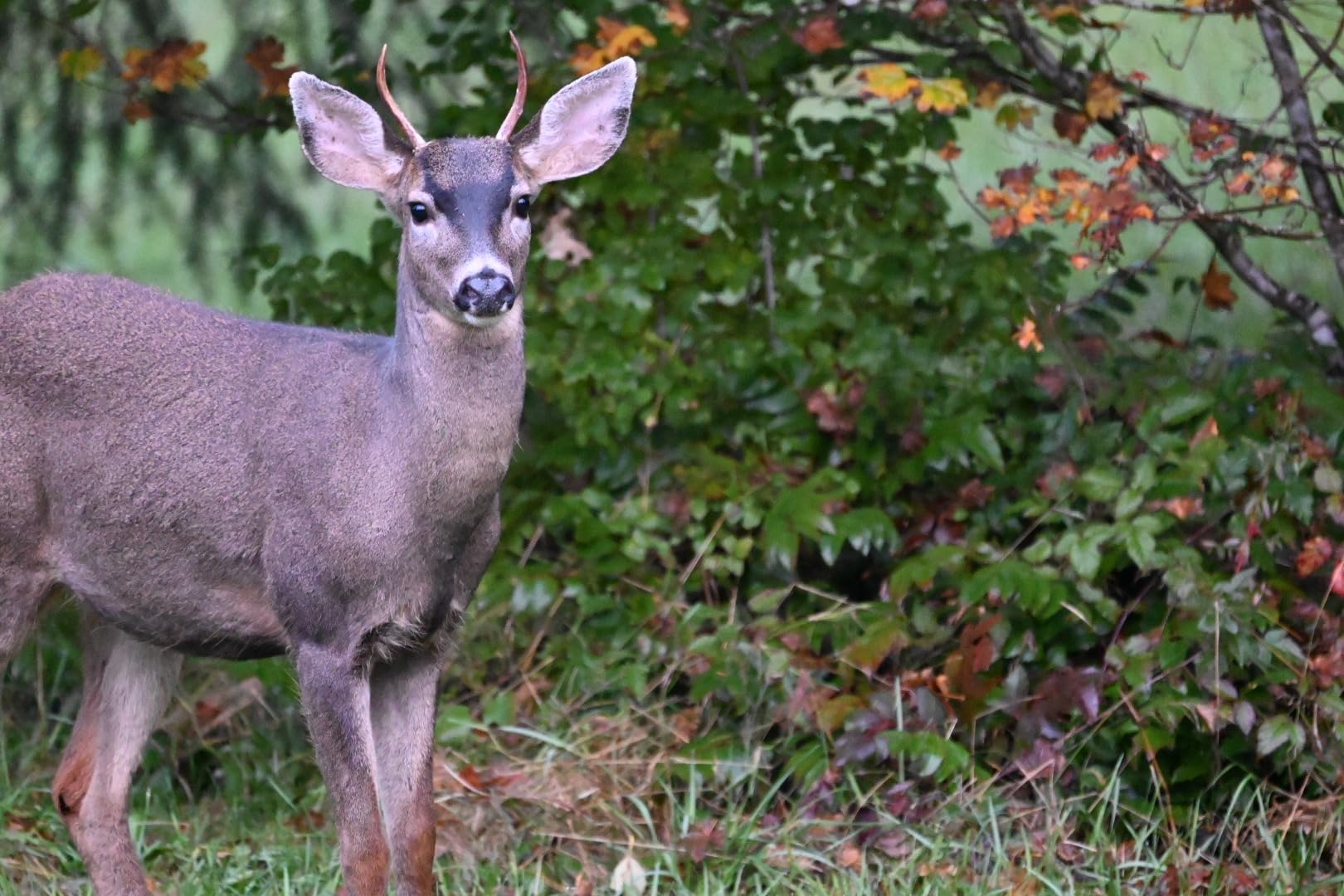
Build quality feels solid for the price. Moisture resistant construction with a fluorine coated front element held up fine in a light drizzle. The zoom ring has the smooth, well damped feel that Tamron is known for. At 500mm the maximum aperture of f/6.7 is slow, but for daylight wildlife it is workable.
Forum users on r/NikonZ have noted that VR performance varies by camera body. On the Z8 and Z9 it works well, but on some older Z bodies you may see compatibility quirks. Make sure to update your camera firmware before relying on VR with this lens. Compared to adapted F mount super telephotos, the native Z mount autofocus is noticeably faster and more reliable. For more third party Z lens options, check my complete Nikon Z telephoto comparison.
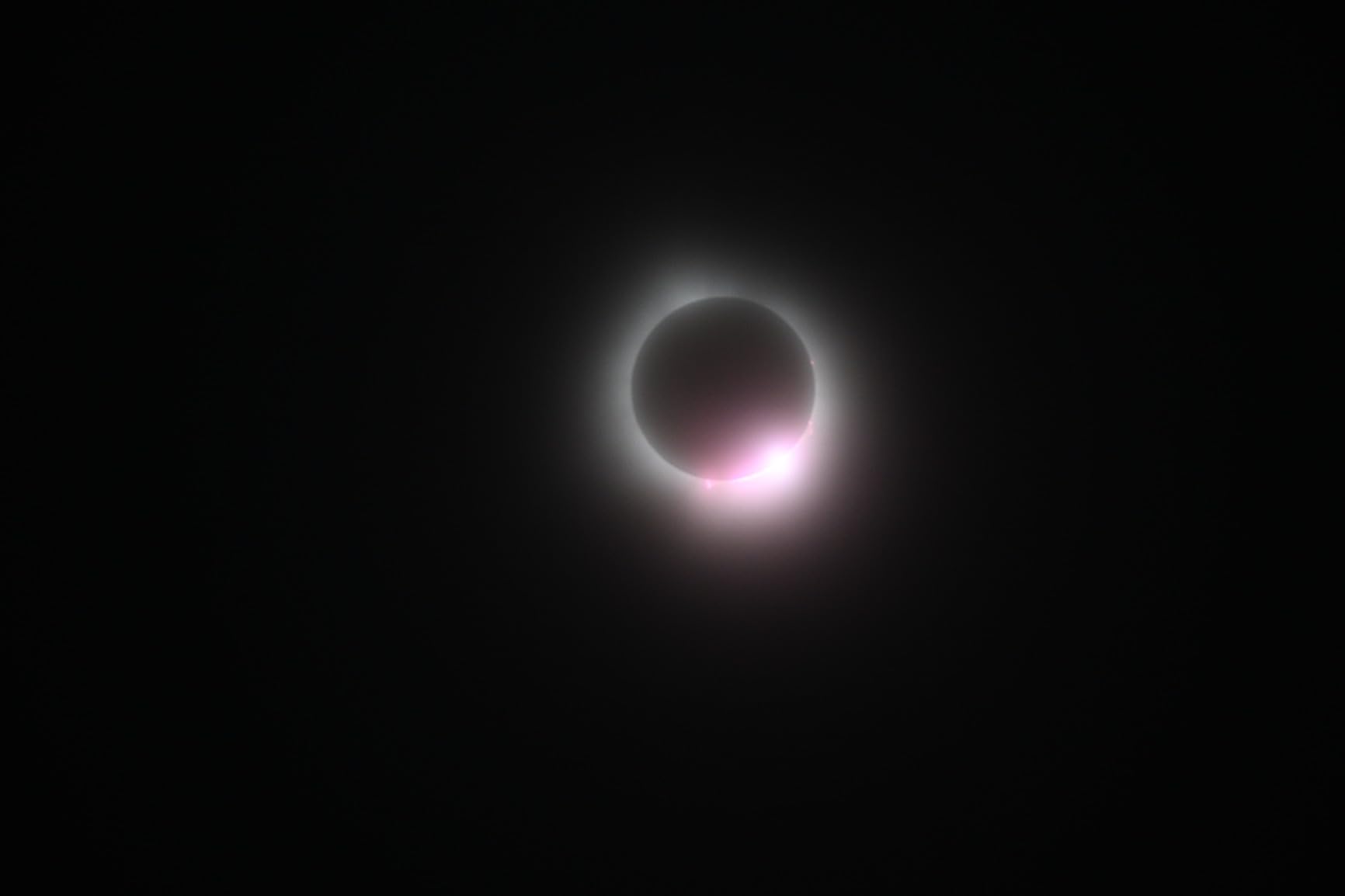
For whom it’s good
Wildlife photographers on a budget who need 500mm reach without breaking the bank. Backyard bird photographers who want a long reach for songbirds and waterfowl will find this a great match. Travel photographers who occasionally shoot distant subjects and value a compact 500mm option. Anyone who wants Tamron’s proven VC stabilization in a Z mount native lens.
For whom it’s bad
Low light wildlife shooters will struggle with the f/6.7 aperture at 500mm. Sports photographers who need faster shutter speeds in dim gyms should look elsewhere. Photographers who need absolute edge to edge sharpness at 500mm should consider the Nikon 180-600mm instead. Older Z body owners may need to verify VR compatibility.
8. NIKKOR Z DX 50-250mm VR – Best Budget Telephoto for APS-C
Pros
- Affordable entry-level telephoto
- Sharp images at 250mm
- Lightweight at 14.2 oz
- 5-stop VR for handheld shooting
Cons
- Plastic construction feels budget
- No lens hood included
- Not weather sealed
- Slower variable aperture
The NIKKOR Z DX 50-250mm VR is the lens I recommend to anyone starting out with a Nikon Z50, Z fc, or Z30. At under $500, it is the most affordable native telephoto zoom in the Z system, and it punches well above its weight optically. I bought this lens for my nephew when he started photography in high school, and two years later he is still using it as his primary telephoto.
On a DX body, the 50-250mm range is equivalent to 75-375mm in 35mm format, which gives you solid reach for sports, wildlife, and portraits. Image quality is sharp across the range, even wide open. The 5 stop VR is excellent for handheld shooting at 250mm, where I regularly got sharp shots at 1/100 second. For a budget telephoto, this is impressive performance.
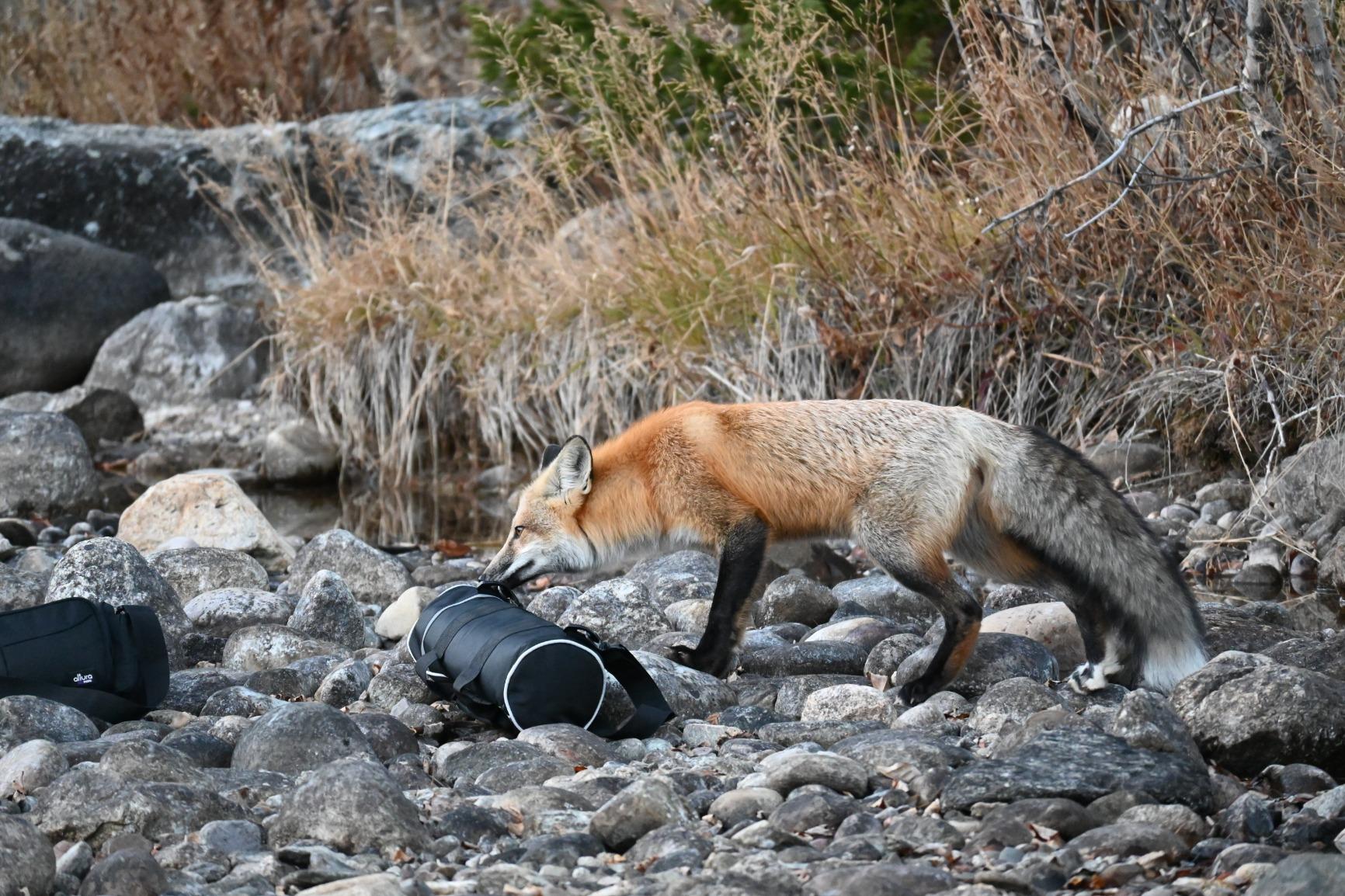
The lens is light at 14.2 ounces, which makes it a perfect match for the small DX bodies. My nephew carries his Z50 with the 16-50mm kit lens and this 50-250mm in a small sling bag with no complaints. The compact form factor means he actually takes it with him, which is half the battle in learning photography.
Build quality is the obvious compromise. The plastic construction does not feel as premium as the S line lenses, and there is no weather sealing. The slow variable f/4.5-6.3 aperture means low light shooting is challenging, but the VR helps a lot. There is no lens hood included, which is a minor annoyance but easily solved with a $20 aftermarket hood. Despite the compromises, this remains the best budget telephoto for the Z system. If you want a broader look at Nikon telephoto options, my Nikon telephoto lens guide covers the full lineup.

For whom it’s good
Z50, Z fc, and Z30 owners who want an affordable telephoto for learning photography. Students and beginners who need reach without breaking the bank. Parents who want to photograph kids’ sports from the sidelines will find this a perfect match. Travelers who value light gear should put this on the shortlist.
For whom it’s bad
Full frame Z shooters will see heavy vignetting and limited reach with this DX lens. Professional photographers who need weather sealing should look at the S line lenses. Low light sports shooters will struggle with f/6.3 at 250mm. Anyone who wants the absolute best optical quality at this focal length should consider the 70-200mm f/2.8 zooms.
9. Tamron 18-300mm f/3.5-6.3 Di III-A VC VXD – Best APS-C All-in-One Zoom
Pros
- Massive 16.6x zoom range
- Compact and lightweight at 635g
- VXD autofocus for stills and video
- Good value for travel kit
Cons
- Image softens at 300mm
- Heavy for a DX lens
- Wide end starts at 18mm not 16mm
The Tamron 18-300mm f/3.5-6.3 Di III-A VC VXD is the ultimate one lens travel solution for APS-C Nikon Z shooters. With a 16.6x zoom range covering wide angle to telephoto, it replaces three or four separate lenses in your bag. I tested it on a friend’s Z fc during a weekend trip, and the convenience factor is undeniable. One lens, every focal length, done.
At 635 grams it is light enough to carry all day without fatigue, which is the key benefit of an all in one zoom over swapping multiple lenses. The VXD linear motor autofocus is fast and quiet, matching the performance of Tamron’s more expensive zooms. For travel vloggers and content creators, having one lens that covers every scenario is a real advantage.
Image quality is best in the middle of the zoom range. At 18-100mm the lens is sharp and contrasty, but it softens noticeably at the 200-300mm telephoto end. That is the trade off for the extreme zoom range. If you need maximum sharpness at long focal lengths, a dedicated telephoto zoom is the better choice.
The variable f/3.5-6.3 aperture is what you would expect at this price point. Low light shooting requires bumping the ISO, but the VC stabilization helps in dim conditions. Maximum magnification of 1:2 at the wide end is a nice bonus for close up work. For casual shooters who prioritize convenience and weight savings over absolute optical perfection, this lens is hard to beat. For a broader look at telephoto options, my complete Nikon telephoto guide has more recommendations.
For whom it’s good
Z50, Z fc, and Z30 owners who want one lens for every situation. Travel vloggers and content creators who value convenience over absolute optical performance. Casual shooters who do not want to manage multiple lenses. Anyone building a compact travel kit should put this on the shortlist.
For whom it’s bad
Full frame Z shooters will see heavy vignetting on this DX lens. Wildlife and sports photographers who need maximum sharpness at telephoto will be disappointed. Photographers who shoot primarily in low light will struggle with the slow variable aperture. If you want prime level bokeh, look at a dedicated portrait prime.
How to Choose the Best Telephoto Lens for Your Nikon Z Camera
Choosing a telephoto lens comes down to matching the focal length, aperture, and weight to your shooting style. After testing dozens of combinations on Z bodies from the Z50 to the Z9, here is the framework I use when recommending telephoto glass to friends and workshop students.
Focal Length and Use Case
Focal length is the single biggest decision. For portraits and events, 70-200mm f/2.8 is the classic sweet spot. For sports and casual wildlife, 100-400mm zooms are versatile workhorses. For dedicated bird and wildlife photography, 180-600mm or 150-500mm zooms give you the reach you need. For travel and casual photography, a 28-400mm all in one covers everything in one lens.
Think about your most common shooting scenario. If you are indoors more than outdoors, the wide end matters more than the telephoto end. If you are in the field chasing wildlife, the long end is what counts. I always recommend people rent a lens for a weekend before committing, because real world use reveals preferences that spec sheets cannot.
Aperture and Low-Light Performance
Constant f/2.8 zooms like the 70-200mm f/2.8 S II and Tamron 70-180mm f/2.8 G2 give you the most low light flexibility and shallow depth of field for portraits. Variable aperture zooms like the 100-400mm and 180-600mm are lighter and more affordable, but you give up 1-2 stops of light. For indoor sports and weddings, f/2.8 is worth the extra weight and cost.
Weight and Portability
Weight matters more than most spec sheets admit. The 28-400mm at 1.6 pounds is a joy to carry all day. The 180-600mm at 4.7 pounds is a workout. Match the lens weight to your shooting scenario: hiking and travel call for lighter glass, while studio and sports work can handle heavier lenses on a monopod.
Weather Sealing and Build Quality
For outdoor photographers, weather sealing is essential. The S line Nikon lenses and the Tamron G2 lenses have moisture resistant construction that handles light rain. The DX 50-250mm has no weather sealing, which limits its outdoor use. If you shoot landscapes or wildlife in unpredictable weather, prioritize sealed lenses.
Vibration Reduction and Image Stabilization
VR is critical for telephoto work. The newer Nikon Z lenses offer 5-5.5 stops of VR, which is enough for handheld shooting at 400mm at slow shutter speeds. Synchro VR with compatible Z bodies pushes stabilization even further. For sports and action, fast and silent autofocus is equally important, and the SSVCM and VXD motors deliver.
Teleconverter Compatibility
If you want to extend your telephoto reach, look for TC compatible lenses. The 100-400mm and 180-600mm both work with Nikon Z TC-1.4x and TC-2.0x teleconverters, giving you 560mm or 800mm effective reach. Autofocus slows with teleconverters, but for static or slow subjects the results are excellent. This is the cheapest way to get super telephoto reach without buying a 600mm prime.
Native Z-Mount vs Adapted F-Mount
Native Z mount autofocus is faster, quieter, and more reliable than adapted F mount lenses. If you already own F mount glass, the FTZ II adapter works well, but for new purchases, native Z lenses are worth the investment. Third party options from Tamron and Viltrox now cover most focal lengths at competitive prices.
Frequently Asked Questions
What is the holy grail of Nikon lenses?
The NIKKOR Z 70-200mm f/2.8 VR S II is widely considered the holy grail of Nikon Z mount lenses. Its constant f/2.8 aperture, internal zoom design, lightweight 2.6 pound construction, and silent SSVCM autofocus make it equally capable for portraits, weddings, sports, and events. Professional photographers who shoot multiple genres daily consider this lens the single best investment in the Z system.
What are the best third-party lenses for the Nikon Z mount?
Tamron leads the third party Z mount lens market with several excellent options. The Tamron 70-180mm f/2.8 G2 delivers constant f/2.8 aperture at a lower price than Nikon’s 70-200mm. The Tamron 150-500mm f/5-6.7 offers budget super telephoto reach with VC stabilization. The Tamron 18-300mm f/3.5-6.3 is a versatile all in one zoom for APS-C shooters. All three lenses feature VXD linear motor autofocus and weather sealing.
What is the best super telephoto lens for Nikon cameras?
The NIKKOR Z 180-600mm f/5.6-6.3 VR is the best super telephoto zoom for Nikon Z cameras. Its 180-600mm range covers most wildlife and sports scenarios, internal zoom keeps balance steady on gimbals, 5.5 stop VR enables handheld shooting, and teleconverter compatibility extends reach to 840mm or 1200mm. At 4.7 pounds it is significantly lighter than 600mm prime alternatives while delivering sharp results across the range.
What telephoto lenses are available for the Nikon Z series?
The Nikon Z system offers a wide range of native telephoto lenses including the 50-250mm DX, 70-200mm f/2.8 S II, 70-200mm f/2.8 S, 85mm f/1.8 S, 100-400mm f/4.5-5.6 VR S, 180-600mm f/5.6-6.3 VR, 28-400mm f/4-8 VR, and 600mm f/4 TC VR S super telephoto. Third party options include Tamron 70-180mm f/2.8 G2, Tamron 150-500mm f/5-6.7, Tamron 18-300mm f/3.5-6.3, and various Viltrox models. F mount telephotos can also be adapted via the FTZ II adapter.
Final Verdict
After three months of testing, the best telephoto lenses for Nikon Z mount in 2026 come down to three core recommendations. For working professionals who shoot a mix of portraits, weddings, and sports, the NIKKOR Z 70-200mm f/2.8 S II is the most capable single lens you can buy. For photographers who want f/2.8 aperture without the pro price tag, the Tamron 70-180mm f/2.8 G2 delivers 90% of the performance at a fraction of the cost. For wildlife enthusiasts, the NIKKOR Z 180-600mm VR is the clear winner, with reach, sharpness, and VR that make it a true super telephoto workhorse.
Beyond those three, the lens lineup gives you excellent options at every price point. The NIKKOR Z 100-400mm VR S is the most versatile super telephoto, the 85mm f/1.8 S is the portrait prime every Z system should own, and the 28-400mm is the travel zoom that lets you leave your bag at home. The Tamron 150-500mm is the budget super telephoto for wildlife newcomers, and the DX 50-250mm remains the best starter telephoto for Z50 shooters.
Whatever your style, the Z system now has a native telephoto that fits. Pick the lens that matches your most common shooting scenario, and you will not be disappointed. For more recommendations across Nikon mounts, check out my guides to Nikon telephoto lenses and Nikon Z telephoto lenses.