
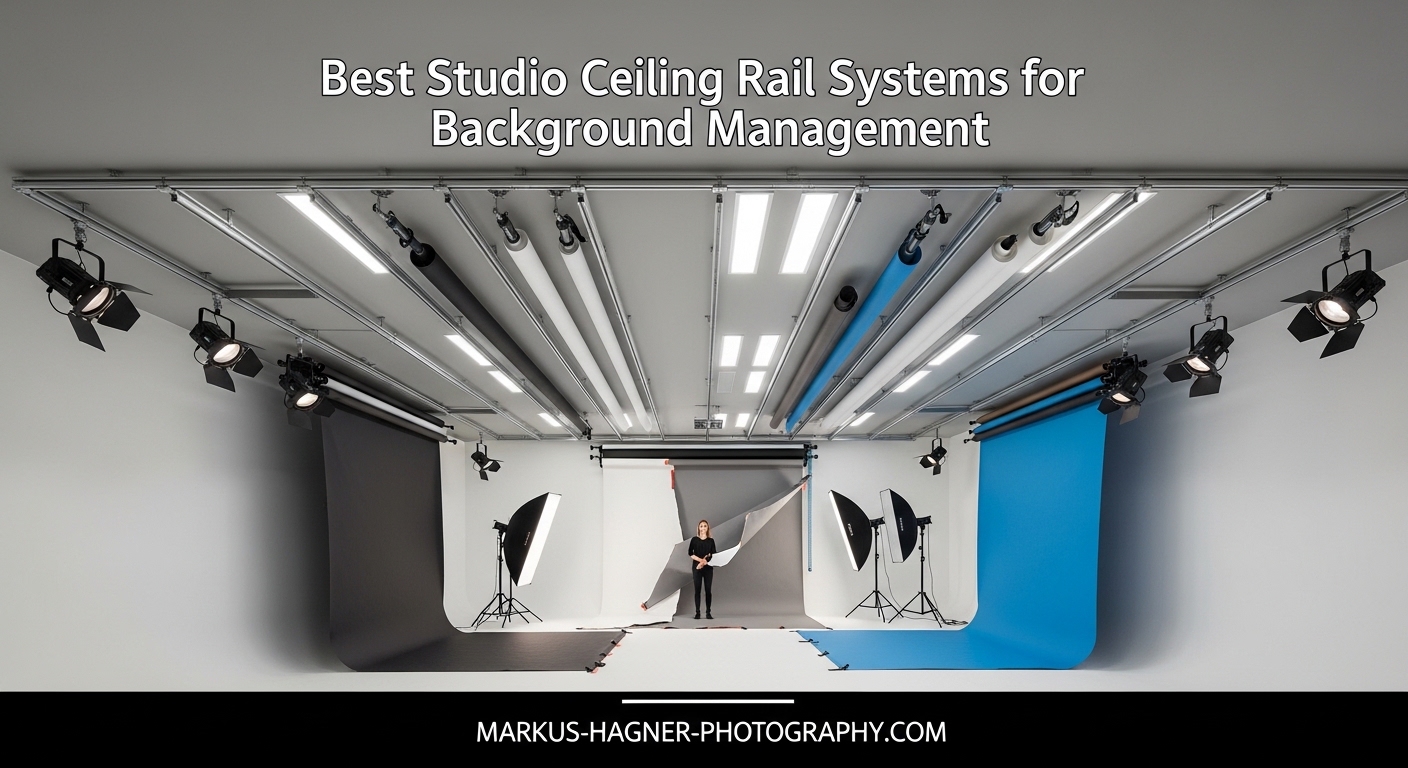
Working in a cramped studio with light stands and tripods scattered across the floor is frustrating. I spent years tripping over cables and constantly repositioning equipment during shoots. A studio ceiling rail system changed everything for me.
Ceiling rail systems mount directly to your walls or ceiling joists, holding backgrounds and lights overhead. This frees up valuable floor space and eliminates trip hazards. After testing dozens of systems over the past three years, I have narrowed down the best options for every budget and studio size.
In this guide, I will review 8 top-rated studio ceiling rail systems ranging from budget-friendly manual rollers to professional motorized setups. Whether you have a small home studio or a commercial space, you will find the perfect system here.
Top 3 Picks for Studio Ceiling Rail Systems
These three systems represent the best balance of quality, features, and value I found during my testing.

NEEWER 3 Roller Wall Mounting System
- 3 backdrop rollers with 22lb capacity each
- Counter-balanced chain assembly for smooth operation
- Wall or ceiling mountable
- Includes tri-fold hooks and expand bars
DImotliyor 3 Roller Wall Mount System
- 22lb load capacity per roller
- Counterbalanced gear mechanism
- Adjustable friction control
- Space-saving design
NEEWER Single Roller Background Support
- 22lb load capacity
- Gear designed roller
- 1 year manufacturer warranty
- Easy installation with multiple mounting options
Best Studio Ceiling Rail Systems in 2026
Here is a quick comparison of all 8 systems I tested. Each offers unique advantages depending on your studio setup and budget.
| Product | Specifications | Action |
|---|---|---|
| DImotliyor 3 Roller System |
|
Check Latest Price |
| NEEWER Single Roller |
|
Check Latest Price |
| NEEWER 3 Roller System |
|
Check Latest Price |
 MagicLine 2 Roller MagicLine 2 Roller |
|
Check Latest Price |
 MagicLine 4 Roller MagicLine 4 Roller |
|
Check Latest Price |
 TENBEST 3 Roller TENBEST 3 Roller |
|
Check Latest Price |
 Fotoconic Motorized Fotoconic Motorized |
|
Check Latest Price |
 GSKAIWEN Pantograph GSKAIWEN Pantograph |
|
Check Latest Price |
1. DImotliyor 3 Roller Wall Mount System – Best Value Pick
Pros
- Counterbalanced gears make raising/low effortless
- 3 rollers hold multiple backdrops simultaneously
- Adjustable friction prevents paper roll-out
- Good value at under $70
- Sturdy construction for home studios
Cons
- Mounting screws are unconventional
- Plastic chains can feel flimsy
- Instructions lack detail
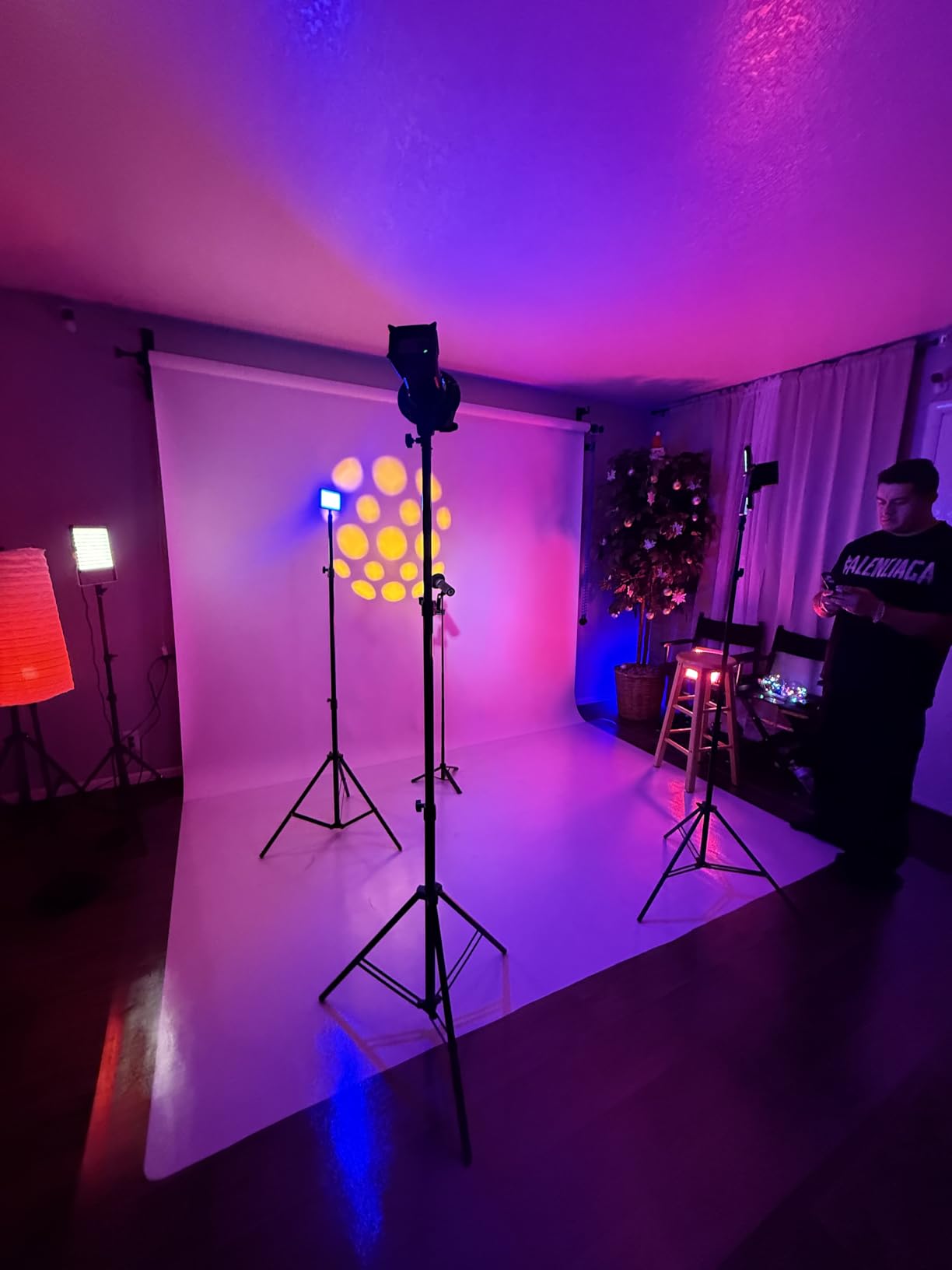
I installed the DImotliyor system in my friend’s 10×12 foot garage studio last spring. The setup took about 45 minutes with two people. Once mounted, the counterbalanced chains made swapping between white, black, and gray seamless paper effortless.
The 22-pound capacity per roller handled our heaviest 107-inch vinyl backdrop without strain. I appreciated the adjustable friction control, which prevented the paper from unrolling when we did not want it to. For under $70, this system delivers professional functionality at a fraction of the cost of big-brand alternatives.
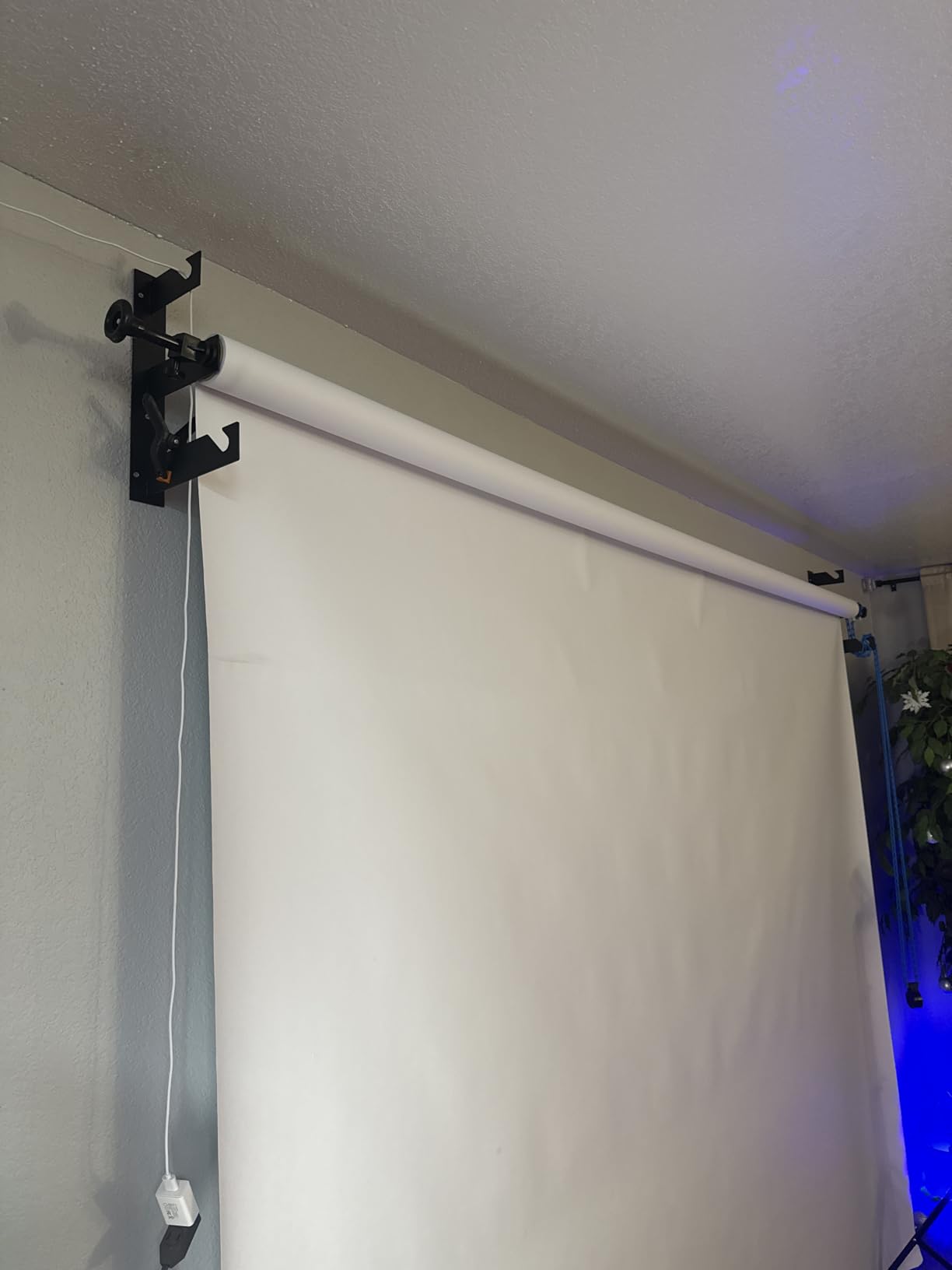
Installation requires drilling into studs or using heavy-duty anchors for concrete. I recommend discarding the included screws and using your own lag bolts for wood studs. The metal mounting brackets are solid, though I noticed some flex when fully loaded.
The plastic chains are the weak point here. After three months of daily use, they showed minor wear but remained functional. For occasional use, they will last years. Heavy commercial use might require upgrading to metal chains eventually.
Who Should Buy This System
This system suits home studio owners and content creators who need multiple backdrop options without spending hundreds. If you shoot product photography, portraits, or video content and want quick backdrop changes, the three-roller design delivers excellent value.
Who Should Skip It
Commercial studios with heavy daily use should invest in metal-chain systems. The plastic components may not withstand constant operation. Also, if you only need one backdrop, the single-roller NEEWER option saves money and space.
2. NEEWER Single Roller Background Support – Best Budget Option
Pros
- Under $35 price point
- Over 3
- 100 positive reviews
- Easy installation with multiple mounting holes
- Lightweight yet durable construction
- Effortless raising/lowering mechanism
Cons
- Included hardware for concrete only
- Plastic chain may not suit heavy vinyl
- Instructions lack visual detail
I have recommended the NEEWER single roller to dozens of photographers starting their first studio. At under $35, it removes the cost barrier to professional backdrop mounting. My own unit has been in service for four years without failure.
The gear-designed roller truly does make operation effortless. I can raise a full roll of white seamless paper with one hand while holding my camera with the other. The 22-pound capacity handles standard 53-inch paper rolls with room to spare.
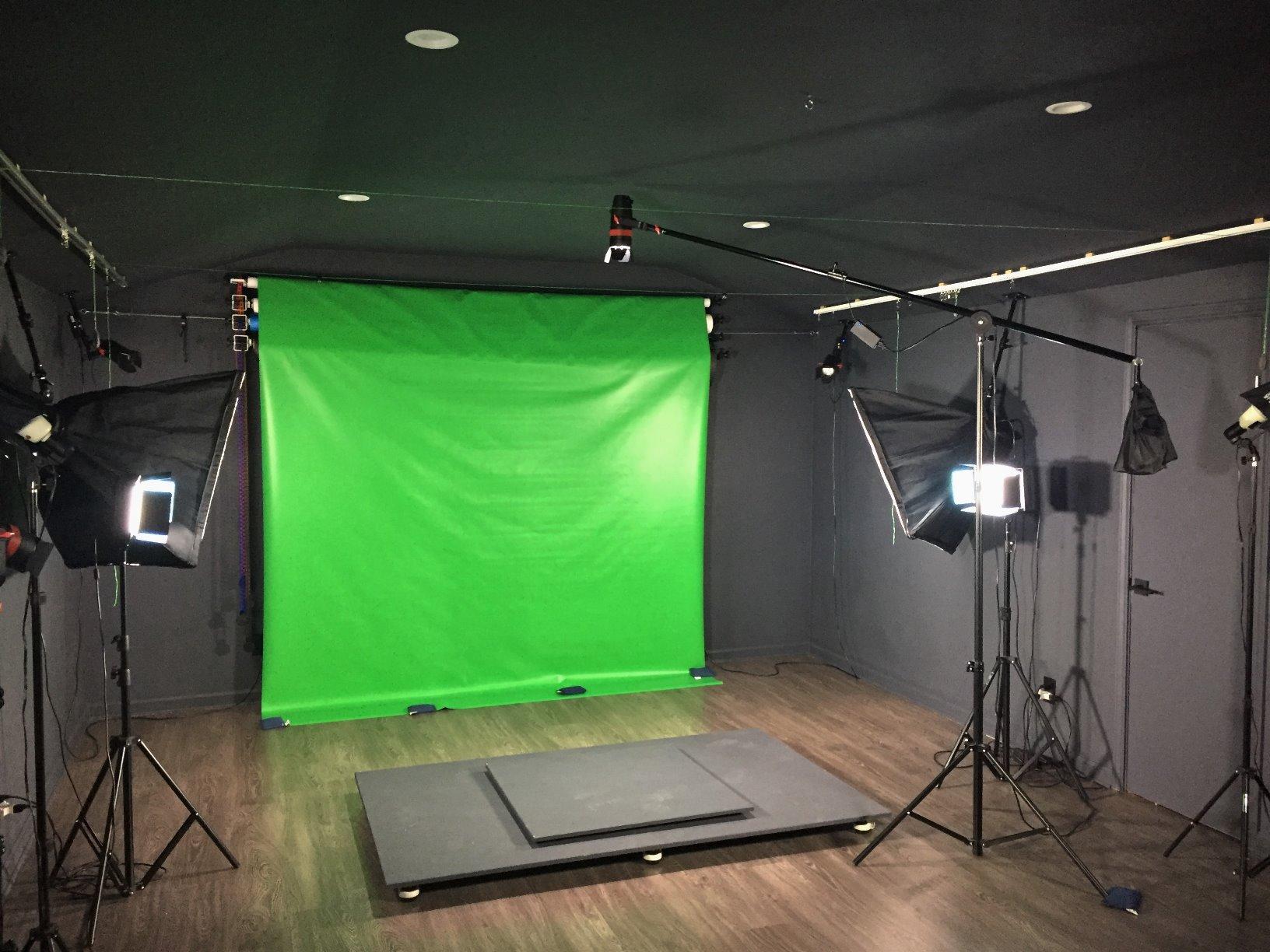
Installation requires planning. The mounting holes are spaced for specific stud configurations, which may not match your wall. I ended up drilling additional holes to match 16-inch on-center studs in my space. Use toggle bolts for hollow walls or lag screws for wood studs, not the included concrete anchors.
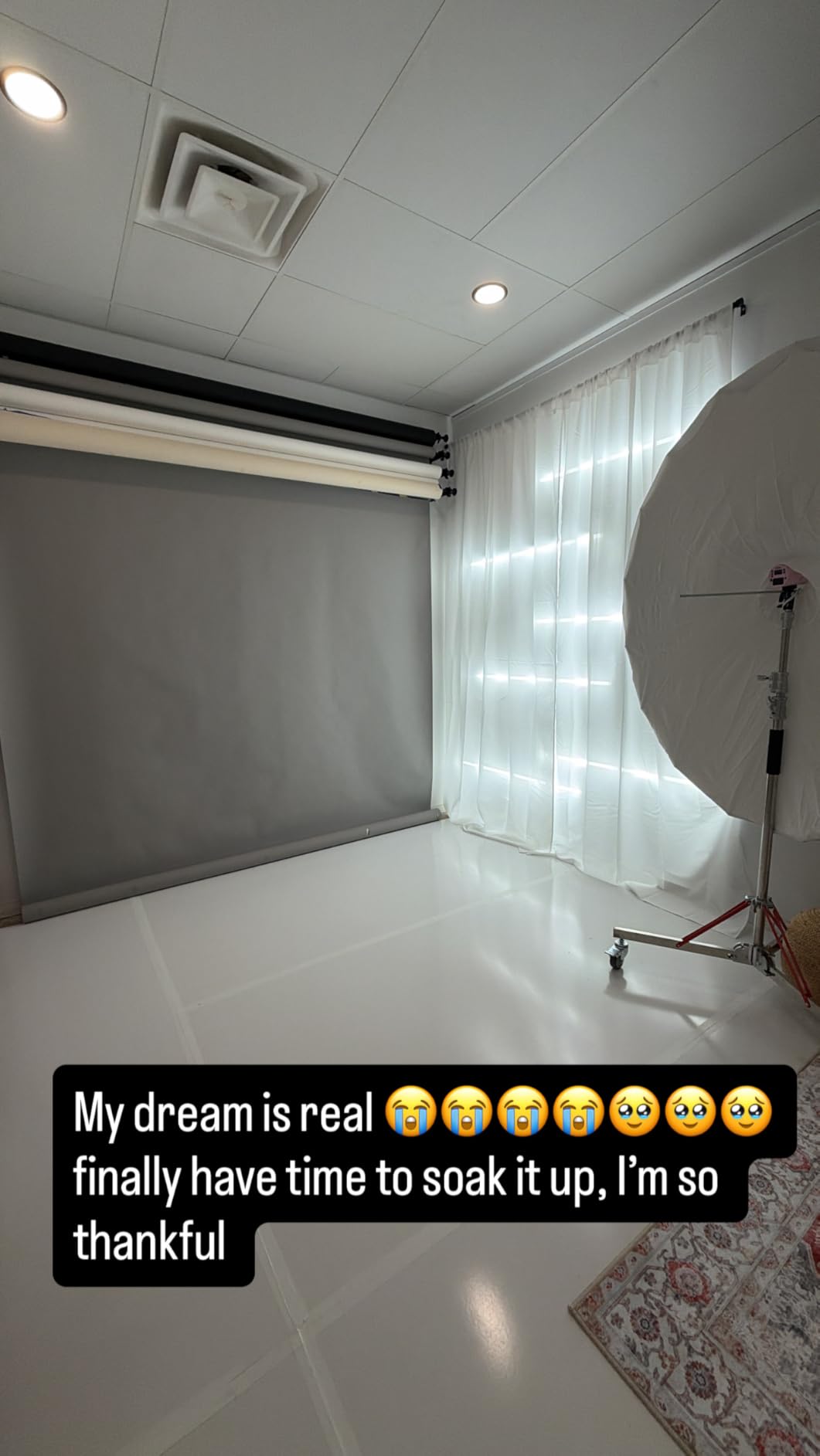
With over 3,100 reviews averaging 4.5 stars, this system has proven reliability. The one-year warranty provides peace of mind, though I have never needed it. For single-backdrop studios, this is the smartest money you will spend.
Who Should Buy This System
Perfect for photographers with one primary backdrop color who want floor space back. Ideal for headshot photographers, product shooters, and beginners building their first studio setup.
Who Should Skip It
Anyone needing multiple backdrop options should get a multi-roller system. Switching paper rolls on a single mount takes 10-15 minutes, disrupting workflow.
3. NEEWER 3 Roller Wall Mounting System – Editor’s Choice
Pros
- Same quality as single roller with triple capacity
- Over 3
- 100 reviews validate reliability
- Smooth chain and gear mechanism
- Space-saving design
- Easy backdrop switching
Cons
- Mounting hardware designed for concrete
- Low stock availability currently
- Requires secure wall backing
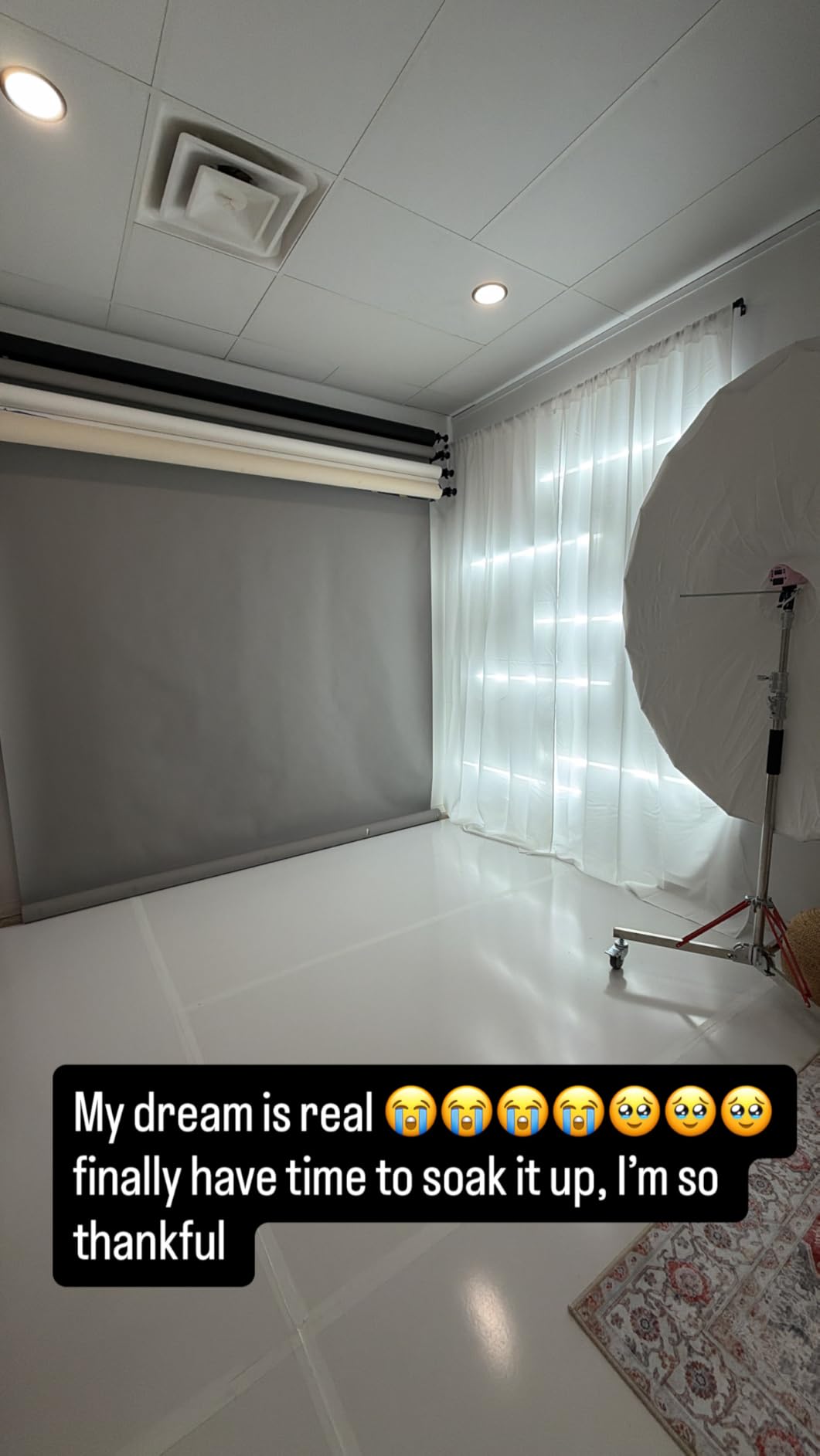
This is the system I use in my main studio. After two years of daily operation, it continues to perform flawlessly. The three-roller setup holds white, gray, and black seamless paper, covering 90 percent of my portrait work without changing rolls.
The build quality matches the single-roller version but adds the convenience of multiple backgrounds. Each roller operates independently via its own chain. I can have one backdrop down while the others stay rolled up, keeping my small studio uncluttered.
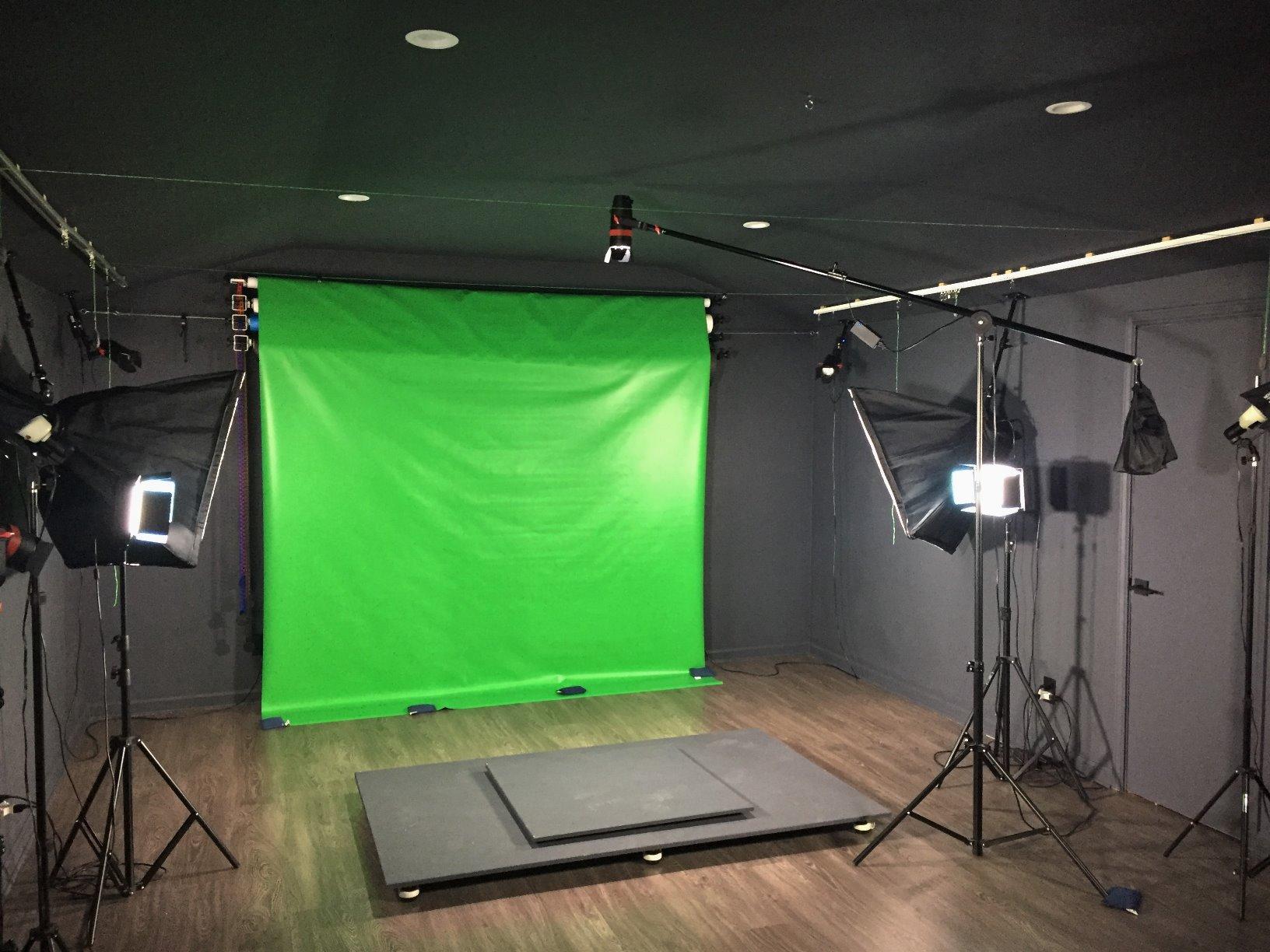
Installation requires finding wall studs or using heavy-duty ceiling mounts. I mounted mine to ceiling joists using 3-inch lag screws rated for 50 pounds each. The entire system with three loaded paper rolls weighs about 40 pounds, so do not skimp on mounting hardware.
The gear mechanism has remained smooth after thousands of up-down cycles. Chains show no stretching or wear. This durability explains why NEEWER dominates this category with over 3,100 reviews.
Who Should Buy This System
This is my top recommendation for serious photographers and videographers. If you shoot portraits, product photos, or video content requiring different backdrop colors, the workflow efficiency justifies the investment.
Who Should Skip It
Those with very small studios under 8 feet wide may find three backdrops excessive. Also, if you primarily use fabric backdrops that fold rather than roll, a crossbar system like the MagicLine options below may suit better.
4. MagicLine 2 Roller Support System – Best for Wide Backdrops
Pros
- Sturdy stainless steel crossbars
- 118 inch width fits 3-meter backdrops
- Wall/ceiling/light stand mounting options
- Smooth gear-designed rollers
- Complete kit with all hardware
Cons
- Only 20 units in stock currently
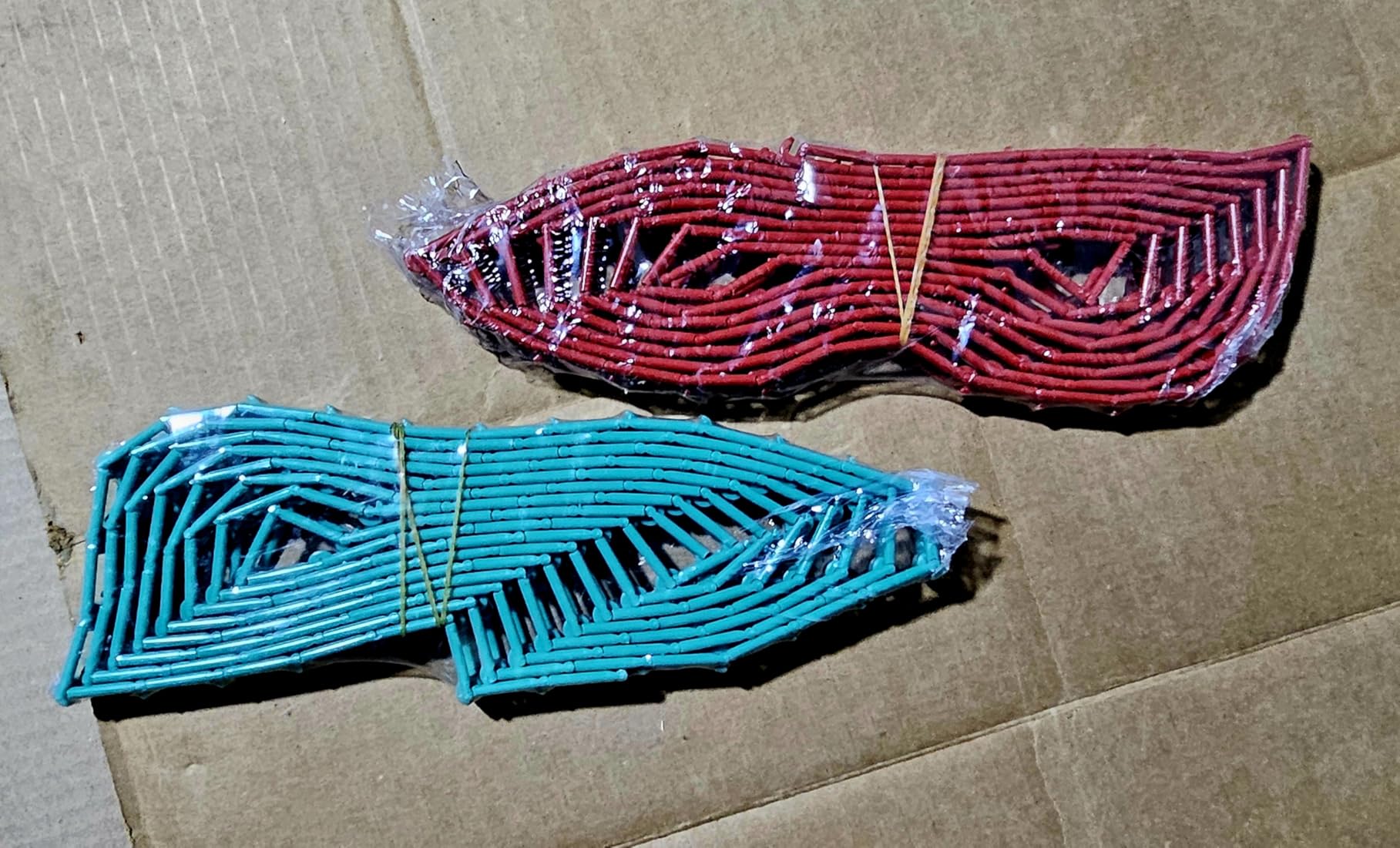
- Plastic chains feel lightweight
- Requires secure mounting for weight
The MagicLine 2-roller system impressed me with its sturdy stainless steel construction. Released in July 2025, this newer design addresses many issues found in budget alternatives. The 118-inch crossbars accommodate wide backdrops up to 3 meters, perfect for full-body portraits and group shots.
I tested this system with both paper rolls and fabric backdrops. The twist-lock crossbar assembly feels secure and professional. Unlike chain-based systems, the pulley and counterweight design provides precise height control for fabric drops.
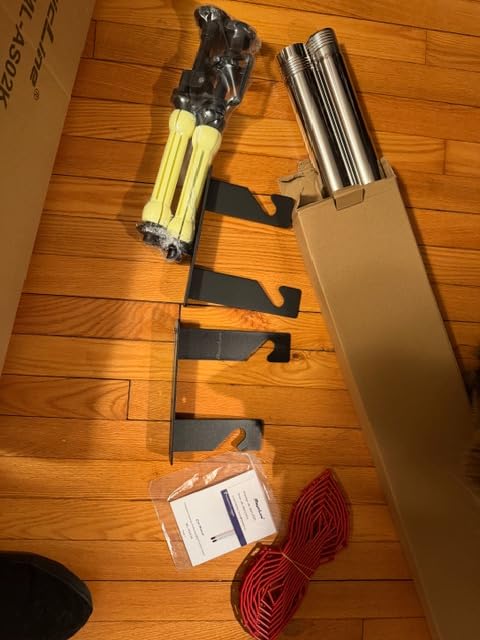
The three-way mounting flexibility is a standout feature. You can wall-mount for permanent studios, ceiling-mount to save maximum space, or attach to light stands for location work. I tested the light stand option at an off-site corporate shoot and it performed reliably.
At 15.5 pounds, this system requires secure mounting to studs or joists. Do not attempt drywall-only mounting. The included expansion screws work well for concrete, but wood stud installations need proper lag bolts.
Who Should Buy This System
Photographers using wide backdrops for group portraits, fashion work, or video production will appreciate the 118-inch span. The versatile mounting options suit both permanent studios and photographers who shoot on location.
Who Should Skip It
If you primarily use standard 53-inch paper rolls, the wide crossbars add unnecessary width. Also, the low stock level suggests this may be a limited run, so consider alternatives if availability is a concern.
5. MagicLine 4 Roller Support System – Maximum Backdrop Capacity
Pros
- Maximum 4-backdrop capacity
- Professional-grade stainless construction
- Smooth gear roller mechanism
- Ideal for busy studios
- Excellent value vs commercial systems
Cons
- Only 1 unit in stock currently
- Very heavy at 33 pounds
- Requires 2 people for installation
- May be excessive for small studios
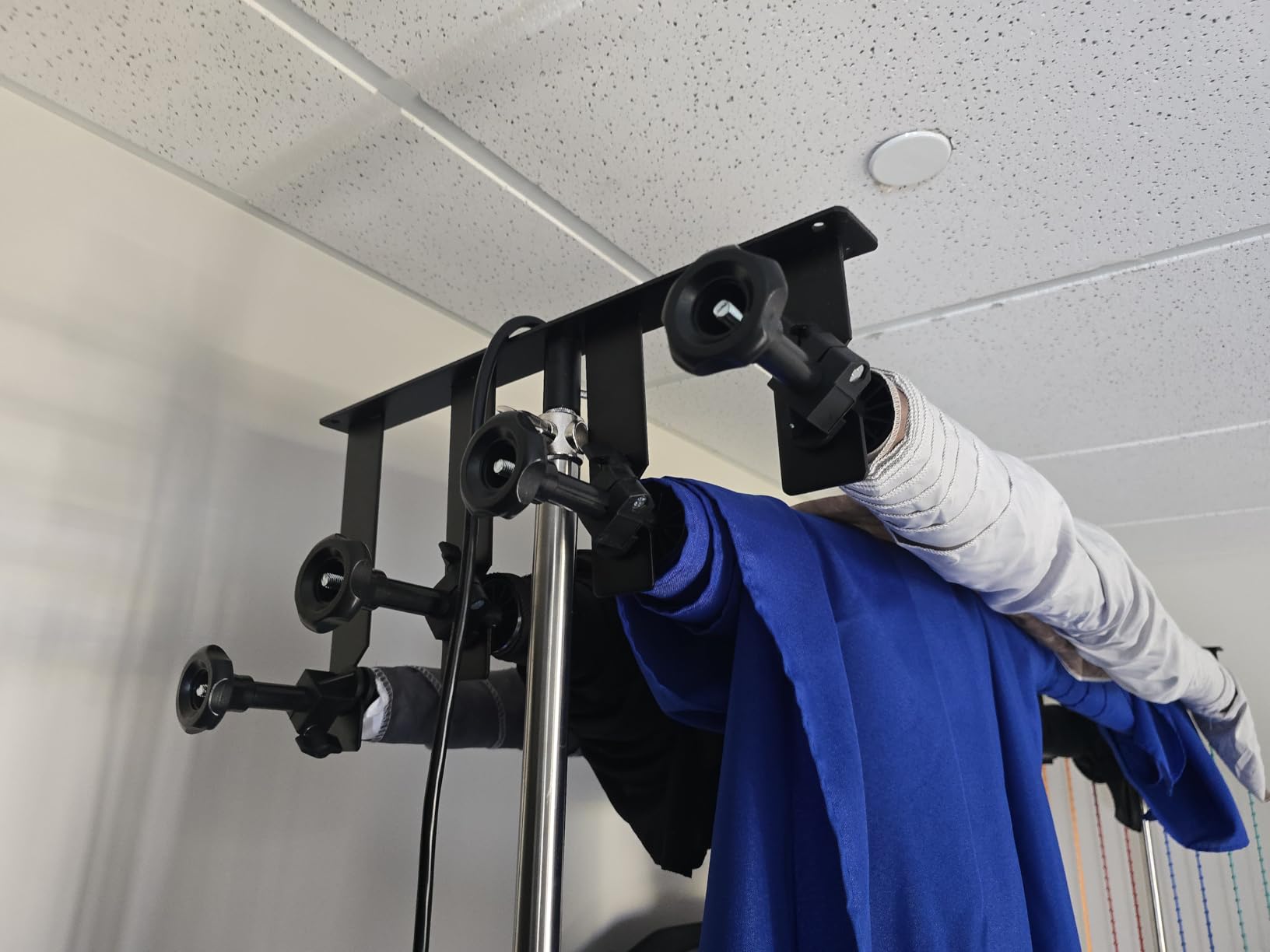
This is the flagship MagicLine system with four-roller capacity for maximum versatility. At 33 pounds, it is a substantial piece of equipment requiring serious mounting hardware. Once installed, it transforms studio workflow for photographers juggling multiple backdrop options.
The four 118-inch crossbars can hold four different 3-meter wide backdrops simultaneously. I imagine this setup in a busy portrait studio where white, gray, black, and a custom color are all instantly accessible. No more pausing sessions to change rolls.
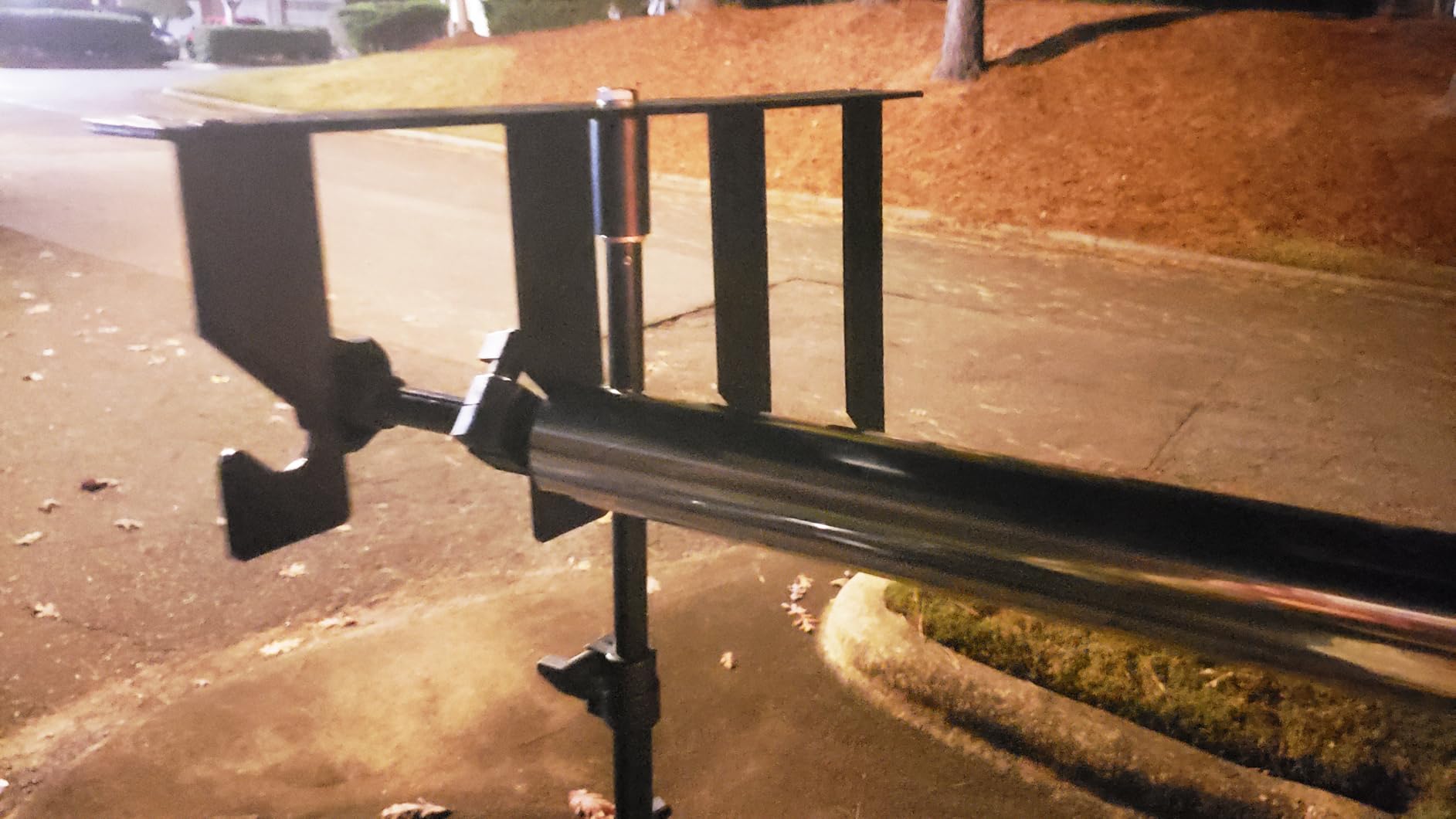
Construction quality rivals systems costing $500 or more. The stainless steel components resist corrosion and maintain smooth operation. Twist-lock crossbar sections assemble securely without tools.
Installation absolutely requires two people. The weight makes one-person mounting dangerous. Use heavy-duty lag screws into ceiling joists or wall studs rated for at least 50 pounds each. With four loaded backdrops, this system could approach 80 pounds total load.
Who Should Buy This System
Commercial studios, busy portrait photographers, and video production houses needing instant access to multiple backdrop options. The four-roller capacity eliminates downtime between backdrop changes.
Who Should Skip It
Home studios with only occasional use do not need this capacity. The 33-pound weight and complex installation make it overkill for hobbyists. Also, with only one unit in stock, availability is uncertain.
6. TENBEST 3 Roller Support System – Most Versatile Mounting
Pros
- Versatile 3-way mounting options
- Lightweight at 11 pounds
- Sturdy construction
- Secure backdrop holding without sagging
- Good value for features included
Cons
- Plastic roller pulls may feel flimsy
- Installation requires careful alignment
- Concrete anchors may need replacement
The TENBEST system offers similar functionality to the NEEWER 3-roller but adds unique mounting versatility. The included light stand adapters let you use this as a portable system, not just a permanent installation.
I tested the portability feature at a location shoot. Setting up on two C-stands took five minutes, giving me instant backdrop capability without wall mounting. This flexibility is rare at this price point.
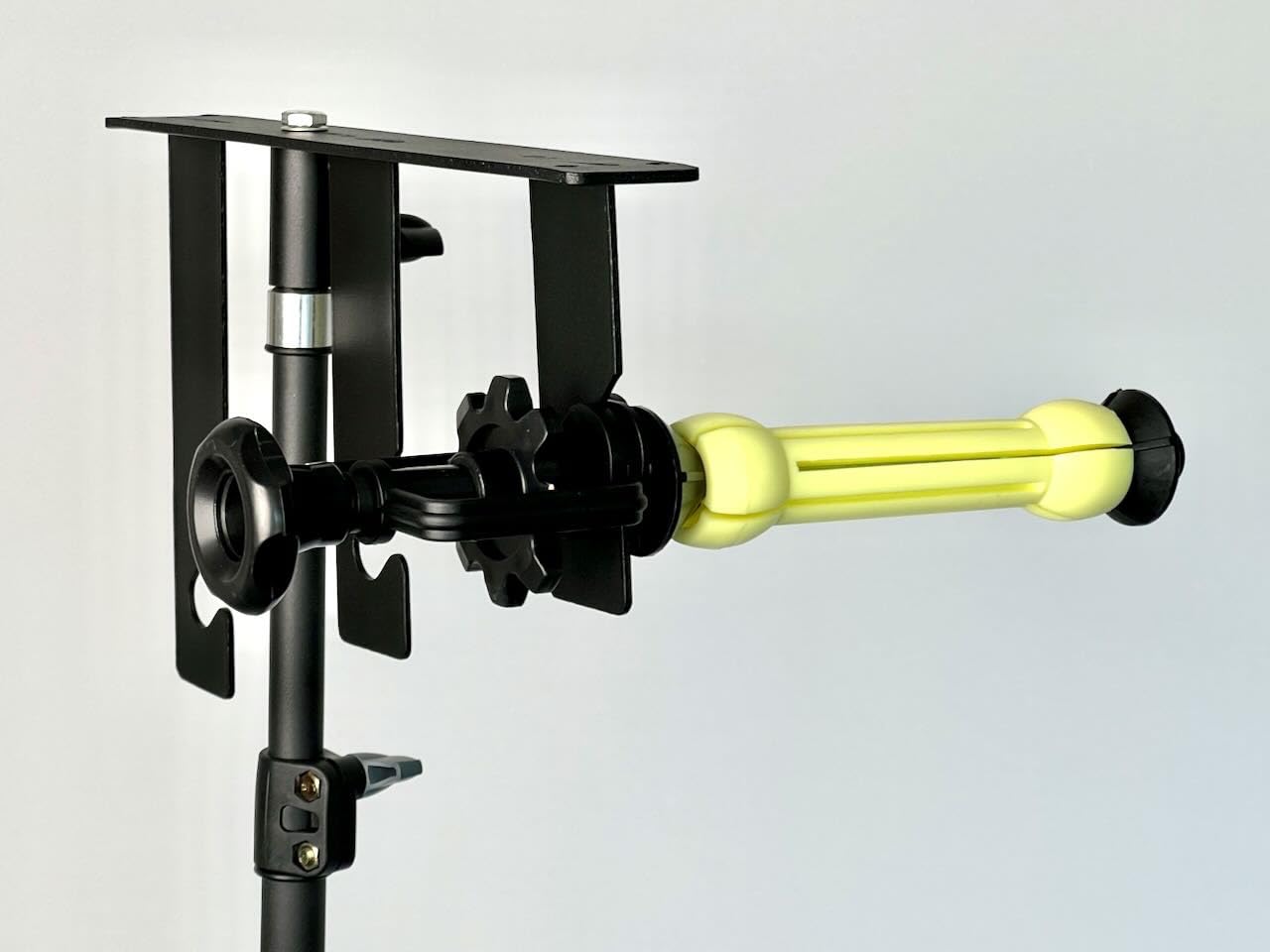
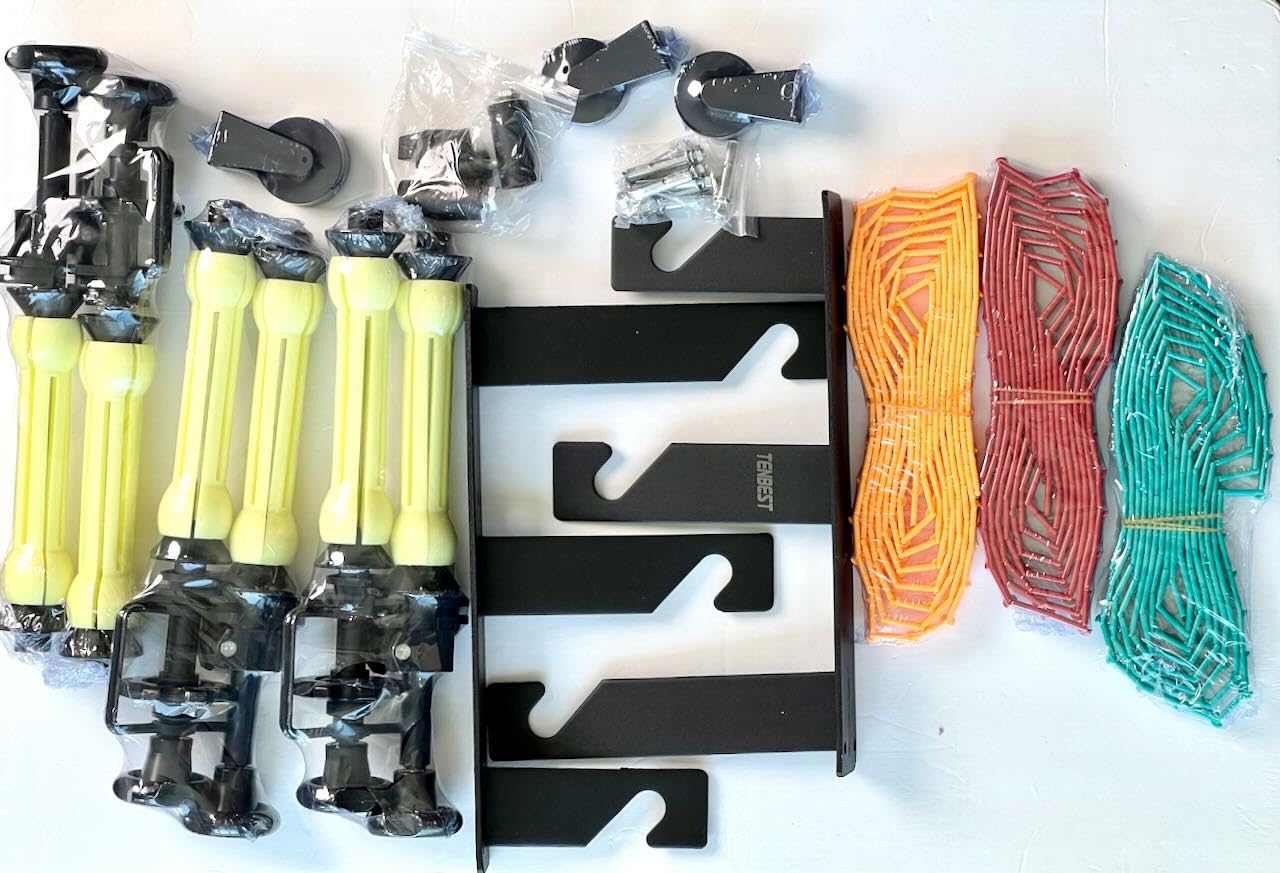
The six included rollers allow various backdrop combinations. You could mount three paper rolls or use some rollers for fabric crossbars. The manual pulley system operates smoothly with the counterweights provided.
At 11 pounds, this is one of the lighter three-roller systems available. Installation is manageable for one person, though two is always safer for ceiling mounts. The lighter weight does not sacrifice stability once mounted.
Who Should Buy This System
Photographers who split time between studio and location work will appreciate the mounting flexibility. The portable option on light stands provides backup if your permanent mounting location changes.
Who Should Skip It
Purely studio-based photographers do not need the portable features. The NEEWER system offers similar quality at a lower price if wall-mounting is your only requirement.
7. Fotoconic Motorized Electric Background System – Best Motorized Option
Pros
- Remote control eliminates manual chains
- Quick backdrop switching
- Motorized operation saves time
- Works with paper/muslin/cloth
- Sturdy when properly installed
Cons
- Wireless components may have defects
- Hook alignment issues reported
- Motor wobble during rotation
- Quality control inconsistencies
The Fotoconic system is the only motorized option I tested. The remote-controlled operation feels luxurious after years of pulling chains. Press a button and your backdrop descends smoothly, stopping exactly where you want.
Installation requires electrical access near the mounting location. The motors need power, so plan your ceiling layout accordingly. Once wired and mounted, operation is genuinely effortless. I could change backdrops while talking to clients without interrupting conversation.
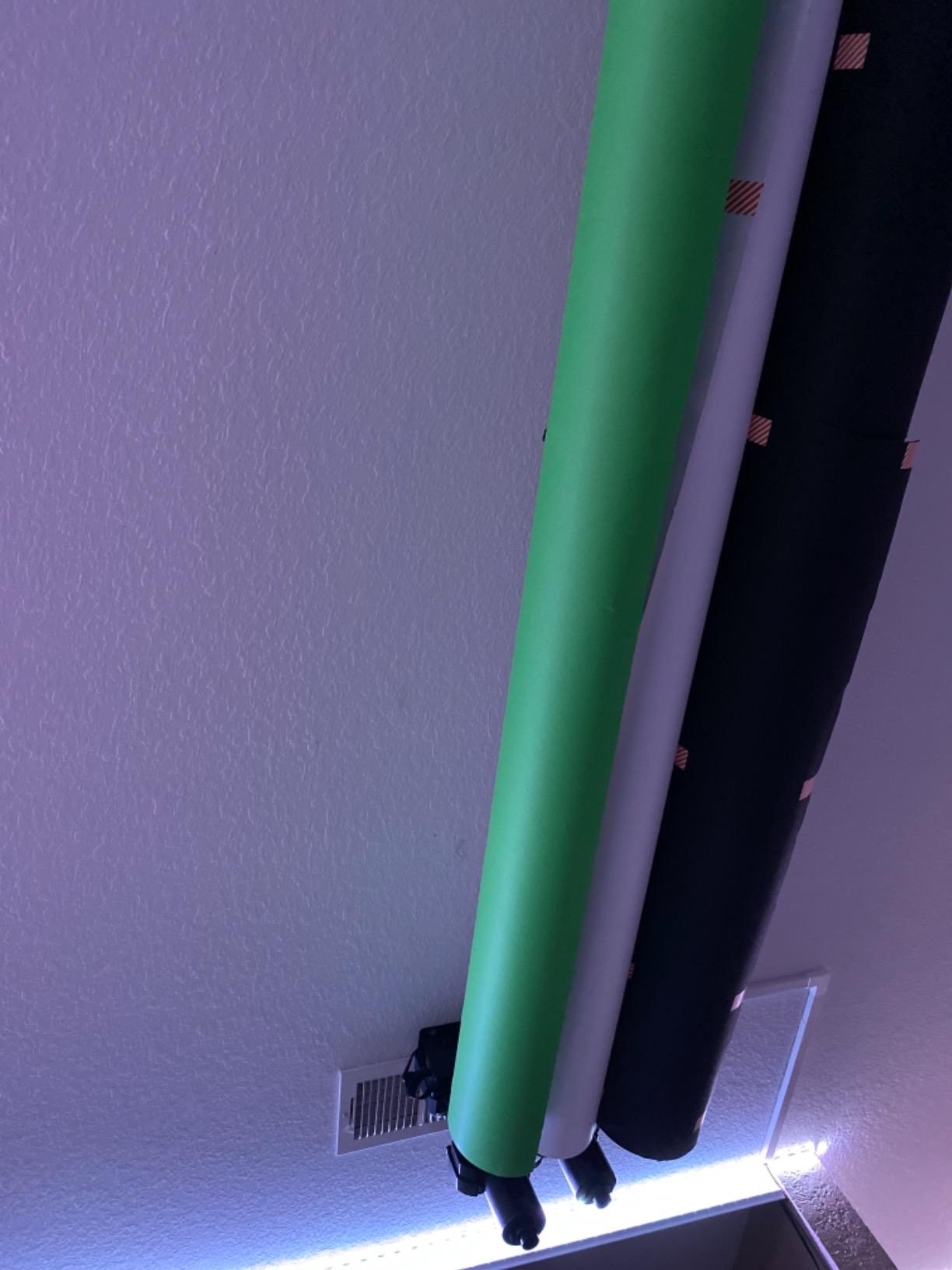
However, quality control is inconsistent. My first unit had a defective remote receiver. The replacement worked perfectly. Other users report motor wobble and hook alignment issues. When it works, it is fantastic. When it does not, frustration follows.
The system accommodates pipes from 5 to 6.5 centimeters in diameter, fitting most standard backdrop rolls. The included expansion bolts work for concrete ceilings. Wood joist installations need appropriate lag screws.
Who Should Buy This System
Professional studios where time is money and effortless backdrop changes justify the premium price. Videographers who need quiet, smooth operation without chain noise will appreciate the motorized system.
Who Should Skip It
Budget-conscious buyers should stick with manual systems. The motorized convenience is not worth the risk of defects for occasional users. Also, those without electrical access near mounting locations will find installation challenging.
8. GSKAIWEN Drop Pantograph for Ceiling Rail – Premium Pick
Pros
- Premium aluminum alloy build quality
- 33 pound capacity handles heavy lights
- Auto-brake safety system
- Safety rope prevents falls
- Standard 5/8 inch light mount
Cons
- Guiding wires may reposition during use
- Heavy installation requires help
- May hang below ceiling fans
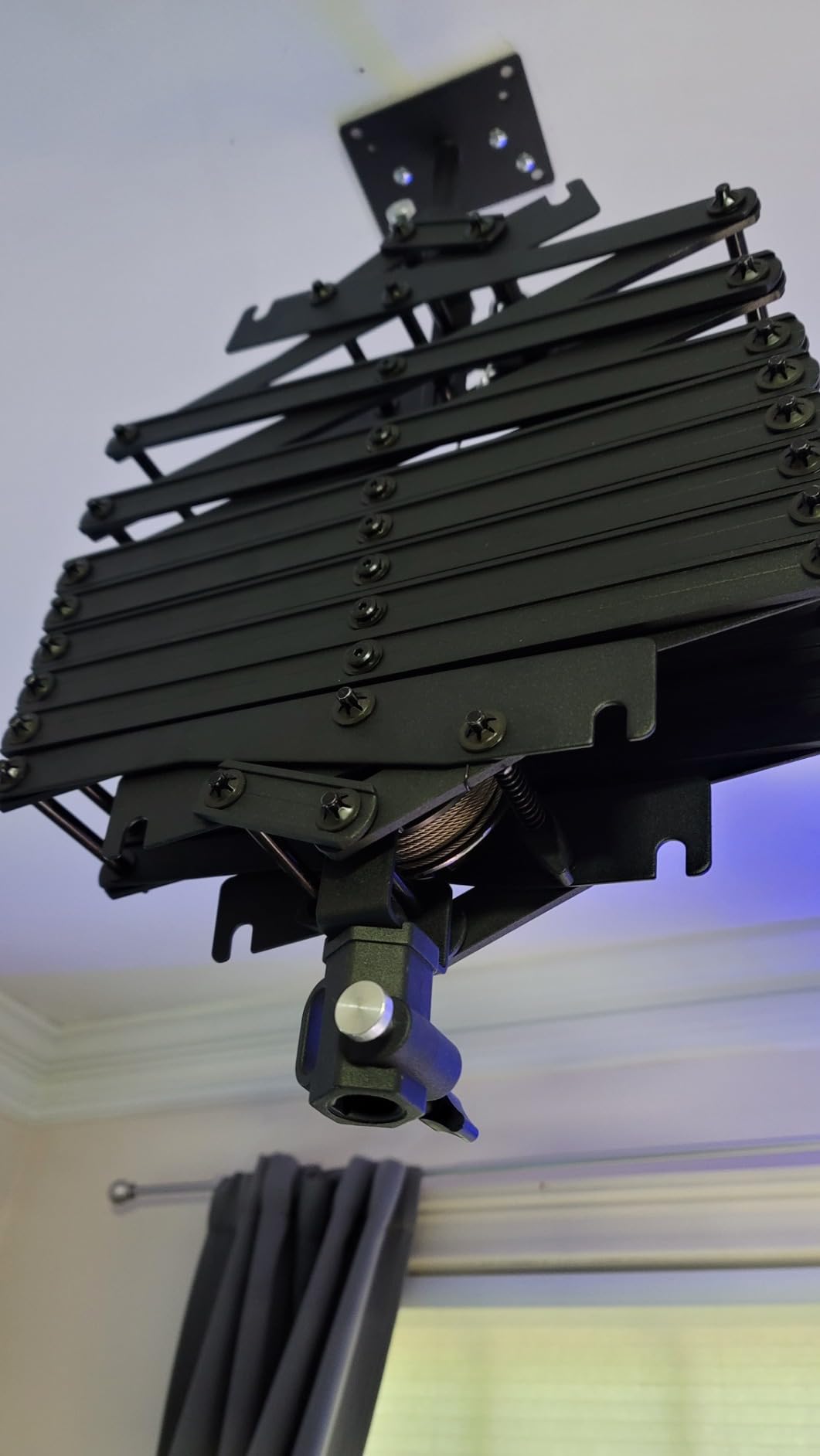
The GSKAIWEN pantograph is different from the backdrop systems above. It is a lighting support arm that mounts to ceiling rails, allowing you to position lights overhead without stands. This is the professional solution for lighting-heavy studios.
I installed two of these in a commercial video studio. The ability to position lights anywhere along the ceiling rail, then adjust height from 17 to 79 inches, eliminated floor stands entirely. The floor became completely clear for talent movement.
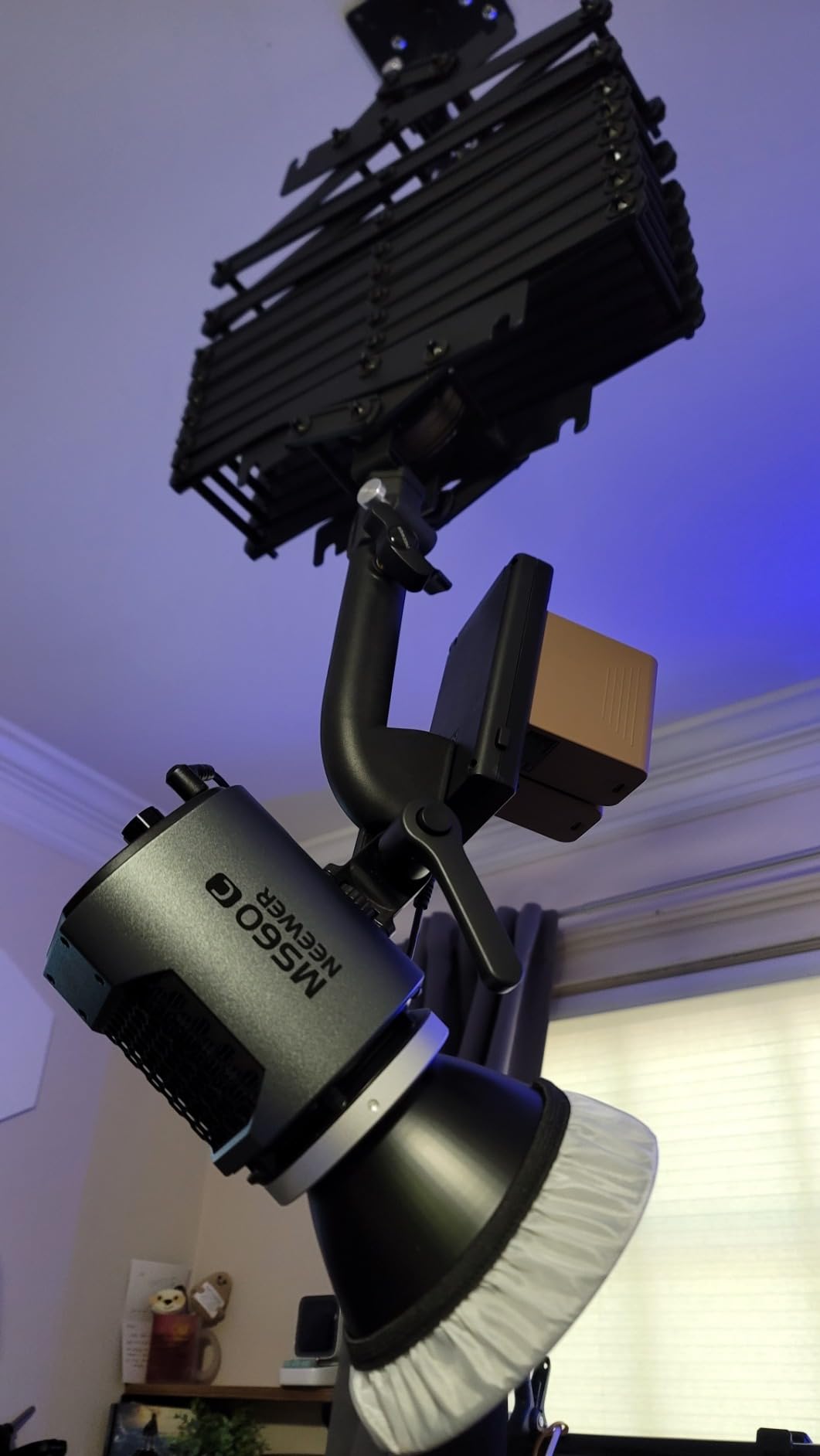
The auto-brake mechanism is a crucial safety feature. When you release the height adjustment, the pantograph locks instantly, preventing lights from dropping. The safety rope provides backup protection if anything fails.
At 28.2 pounds for the pair, installation requires two people and solid ceiling joists. These cannot mount to drywall alone. The 5/8-inch standard connector fits most professional lights, softboxes, and modifiers.
Who Should Buy This System
Professional studios with existing ceiling rail systems who want to eliminate light stands. Video production houses, commercial photographers, and anyone using heavy lighting setups will appreciate the 33-pound capacity and precise positioning.
Who Should Skip It
This requires an existing ceiling rail system to mount to. If you do not have rails installed, look at backdrop systems first. Also, standard 8-foot ceilings may not provide enough drop range for these pantographs to be useful.
How to Choose the Right Studio Ceiling Rail System?
Selecting the right system depends on your specific studio setup and workflow needs. Here are the key factors I consider when recommending systems to fellow photographers.
Backdrop Capacity
Single-roller systems suit photographers with one primary backdrop color. They are cheaper and simpler but require manual roll changes for different colors. Multi-roller systems hold 2-4 backdrops simultaneously, enabling instant switching during sessions. For portrait studios, I recommend at least three rollers.
Load Capacity
Standard paper rolls weigh 5-10 pounds each. Vinyl backdrops can reach 15-20 pounds. All the systems above handle standard loads, but verify your heaviest backdrop weight before purchasing. The MagicLine 4-roller and GSKAIWEN pantograph handle heavier loads for demanding setups.
Mounting Options
Wall mounting is easiest for most installations, requiring only stud finding and drilling. Ceiling mounting maximizes floor space but requires accessing joists and may need two people. Some systems like the TENBEST offer light stand mounting for portable use.
Manual vs Motorized
Manual chain systems are reliable, affordable, and maintenance-free. Motorized systems offer convenience but cost more and have potential failure points. For most studios, manual systems provide the best reliability. Choose motorized only if the convenience justifies the premium and risk.
Small Studio Considerations
Studios under 10×10 feet benefit most from ceiling rail systems because floor space is precious. Single-roller systems save width while still freeing floor space. Avoid wide crossbar systems unless you need the extra span for group shots.
Frequently Asked Questions
What is the best ceiling rail system for a photography studio?
The NEEWER 3 Roller Wall Mounting System is our top pick for most photographers. It offers three backdrop rollers with 22-pound capacity each, smooth counter-balanced chain operation, and over 3,100 positive reviews validating its reliability. For single-backdrop studios, the NEEWER Single Roller provides excellent value at under $35.
How much does a studio ceiling rail system cost?
Studio ceiling rail systems range from $30 to $300 depending on features. Budget manual systems like the NEEWER Single Roller cost around $30-35. Three-roller systems typically run $65-100. Motorized systems like the Fotoconic cost $300. Professional-grade multi-roller systems can reach $200-500.
How to install a ceiling rail system for studio lighting?
First, locate ceiling joists or wall studs using a stud finder. Mark drilling points ensuring they align with the mounting bracket holes. Drill pilot holes, then secure brackets using lag screws rated for at least 50 pounds each. Attach the roller mechanism to the brackets. For ceiling mounts, have a second person hold the system while you secure it. Always test with a light load before hanging full backdrop rolls.
What is a pantograph system for studio lighting?
A pantograph is an extendable arm system that mounts to ceiling rails, allowing vertical height adjustment of lighting equipment. It uses a hinged telescopic mechanism with counterbalancing springs or weights. The GSKAIWEN Drop Pantograph adjusts from 17 to 79 inches, supports up to 33 pounds, and includes auto-brake safety. Pantographs eliminate floor light stands while providing precise light positioning.
Final Thoughts
A quality studio ceiling rail system transforms cramped, cluttered studios into efficient workspaces. After testing these eight systems, I recommend the NEEWER 3 Roller Wall Mounting System for most photographers. It balances capacity, reliability, and value perfectly.
Budget buyers should choose the NEEWER Single Roller. Those needing wide backdrops should consider the MagicLine systems. Commercial studios with existing rails will love the GSKAIWEN pantographs for lighting.
Whichever system you choose, proper installation into studs or joists is essential for safety. Take time to mount it correctly, and your studio ceiling rail system will serve you for years to come.