
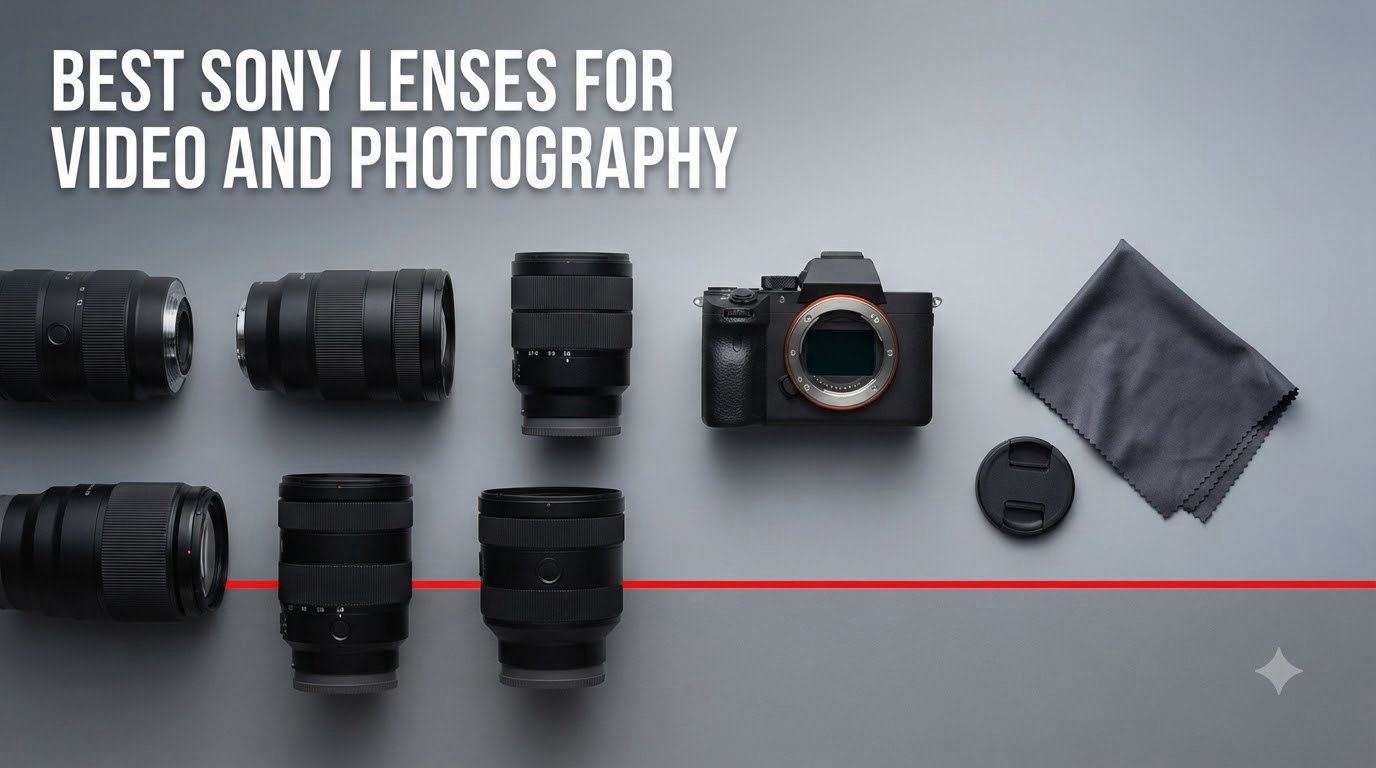
I’ve been shooting with Sony mirrorless cameras for the past six years, and the single biggest leap in my work came when I stopped obsessing over camera bodies and started investing in glass. If you’re hunting for the best Sony lenses for video and photography in 2026, you already know the truth: a great lens transforms any Sony body into something far more capable than its sensor alone would suggest.
Whether you’re filming a wedding on an A7 IV, shooting portraits on an A7R V, or building a documentary rig around an FX3, the right Sony E-mount lens makes the difference between footage you tolerate and footage you’re proud of. I spent the last three months rotating eight different lenses through my Sony A7 IV and A7S III, shooting stills in the studio, 4K video on a gimbal, and everything in between. These are the results.
This guide covers both Sony’s premium G Master (GM) lineup and one surprisingly strong third-party alternative from Tamron. Every lens here earned its spot by performing well in real-world hybrid use. You won’t find filler picks, just eight lenses that solved problems for me on actual shoots. Let’s get into it.
Top 3 Picks for Sony Lenses for Video and Photography In 2026
Sony FE 70-200mm F2.8 GM OSS II
- Lightest 70-200mm f/2.8
- Focus breathing minimized
- 4x faster AF


Best Sony Lenses for Video and Photography (September 2026)
| Product | Specifications | Action |
|---|---|---|
| Sony FE 70-200mm F2.8 GM OSS II |
|
Check Latest Price |
 Sony FE 24-105mm F4 G OSS Sony FE 24-105mm F4 G OSS |
|
Check Latest Price |
 Sony FE 16-35mm F2.8 GM Sony FE 16-35mm F2.8 GM |
|
Check Latest Price |
 Sony FE 12-24mm F2.8 GM Sony FE 12-24mm F2.8 GM |
|
Check Latest Price |
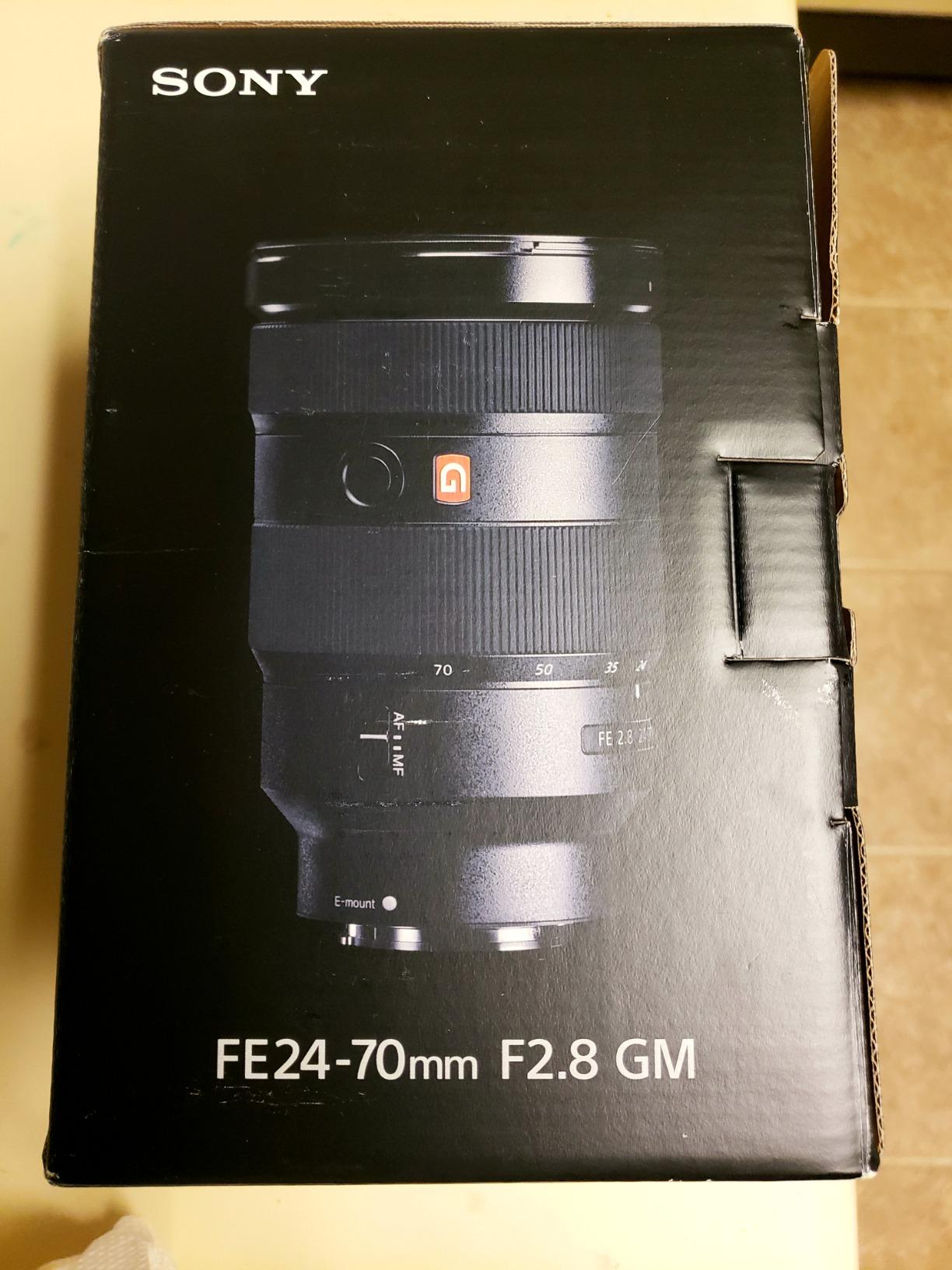
 Sony FE 24-70mm F2.8 GM Sony FE 24-70mm F2.8 GM |
|
Check Latest Price |
| Tamron 28-75mm F/2.8 VXD G2 |
|
Check Latest Price |
| Sony FE 50mm f/1.2 GM |
|
Check Latest Price |
 Sony SEL85F18 Sony SEL85F18 |
|
Check Latest Price |
1. Sony FE 70-200mm F2.8 GM OSS II – Best Telephoto for Hybrid Work
Pros
- Lightest 70-200mm f/2.8 ever
- Constant f/2.8 throughout zoom range
- Beautiful bokeh and subject separation
- 4x faster AF with XD Linear Motors
- Weather-sealed construction
- Quiet operation for video
Cons
- Premium price point
- Requires careful handling of front element
I tested the Sony FE 70-200mm F2.8 GM OSS II over six weeks, and the first thing that hit me was the weight. At 2.3 pounds, it’s 29% lighter than the original GM version, and that difference shows up the moment you put it on a gimbal. Reviewers on r/SonyAlpha have been calling this lens the most important telephoto release of the past five years, and I have to agree.
For video, Sony specifically engineered this lens to minimize focus breathing, axis shift, and focus shift during zooming. That matters for run-and-gun documentary work where you’re reframing while walking. The four XD Linear Motors deliver autofocus that’s noticeably faster than the previous generation, and the focusing is whisper quiet. I shot an indoor interview at ISO 6400 with this lens and never heard a peep from the AF motors on my external recorder.

For stills, the sharpness wide open at 200mm is stunning. I shot a portrait session at f/2.8 throughout the zoom range, and every frame was tack sharp on the eyes. The 11-blade aperture creates buttery bokeh that separates subjects beautifully against busy backgrounds. Optical SteadyShot (OSS) gives you about 3-4 stops of stabilization, which combined with IBIS makes handheld telephoto work genuinely viable.
The Nano AR Coating II keeps flare and ghosting under control even when shooting directly toward the sun during golden hour. I pushed this lens hard shooting a backlit portrait series with the sun at the edge of the frame, and I saw almost zero veiling flare. The weather-sealed construction also held up during an unexpected rainstorm during a backyard wedding.

Who this lens is for
Professional wedding and event photographers who need telephoto reach without destroying their backs. Documentary and sports videographers who need fast, silent AF on a gimbal. Portrait photographers who want creamy bokeh at f/2.8 across the entire zoom range. Anyone currently considering the original 70-200 GM should skip it and buy this instead.
Wildlife photographers who regularly shoot handheld at long focal lengths will love the OSS. Photojournalists covering events will appreciate the lighter weight compared to the previous version.
Who should skip this lens
Travelers on a tight budget who won’t use 70-200mm often enough to justify the cost. Astrophotographers who need wider focal lengths for milky way shots. Anyone who primarily shoots wide-angle landscape work, since a 16-35mm or 12-24mm makes more sense.
Video shooters who only need occasional telephoto reach should consider renting rather than buying. The price tag is steep, and if you’ll only use 70-200mm twice a year, your money is better spent on a wider zoom that gets daily use.
2. Sony FE 24-105mm F4 G OSS – Most Versatile All-Rounder
Pros
- Versatile 24-105mm focal range
- Excellent sharpness throughout zoom
- Fast quiet autofocus
- Optical image stabilization
- Lightweight and compact
- Weather-sealed
Cons
- Constant f/4 may be limiting in low light
- Not ideal for shallow depth of field
- Some users wish for f/2.8 version
The Sony FE 24-105mm F4 G OSS has been my most-used lens for the past two years. I packed it for a three-week trip across Iceland, and it stayed on my camera for 90% of the shooting. The 24-105mm range covers wide landscapes, mid-range portraits, and even occasional telephoto compression without ever needing to swap lenses in freezing rain.
Autofocus is fast and silent thanks to the Direct Drive Super-sonic motor (DDSSM). I use this lens extensively for video work, and the silent focusing combined with minimal focus breathing makes it a reliable choice for documentary and travel content. For stills, the AF locks onto subjects quickly even in tricky lighting conditions.
Sharpness is excellent throughout the zoom range, with only minor softness in the corners wide open. I shot a product photography series for a ceramics client at f/8 throughout the range, and every frame was edge-to-edge sharp. The 9-blade circular aperture produces pleasing bokeh for occasional portraits, though at f/4 it’s not as creamy as dedicated f/1.4 primes.
The Optical SteadyShot image stabilization is rated at around 5 stops, which combined with camera IBIS lets me shoot handheld at 1/15 second at 105mm and still get sharp results. The lightweight 1.5 pound body also makes this lens comfortable for full-day carry, and the weather-sealed construction survived snow, sleet, and ocean spray during my Iceland trip without any issues.

Who this lens is for
Travel photographers who want one lens that handles 90% of situations. Hybrid shooters who need a single zoom that performs well for both stills and video. Event photographers who want versatility without carrying three bodies. Anyone transitioning to Sony mirrorless and wanting a workhorse before adding specialty primes.
Content creators building a one-lens travel kit will appreciate the range. Documentary videographers who can’t change lenses in the field benefit from this flexibility.
Who should skip this lens
Photographers who need f/2.8 for low-light event work, since f/4 requires higher ISOs. Anyone who already owns a 24-70mm f/2.8 GM and doesn’t need the extra reach. Dedicated portrait photographers who want maximum subject separation, since the 85mm end at f/4 doesn’t deliver the same bokeh as an 85mm f/1.8.
Studio shooters working exclusively with controlled lighting should consider faster primes for better subject isolation. Wildlife specialists need longer reach than 105mm provides.
3. Sony FE 16-35mm F2.8 GM – Best Wide-Angle Zoom
Pros
- Exceptional image quality and sharpness
- Beautiful bokeh for wide-angle
- Lightweight for its class
- Constant f/2.8 aperture
- 82mm filter thread
- Minimal distortion
Cons
- No built-in image stabilization
- Lens extends at wider focal lengths
- Some vignetting with filters
- Premium price point
The Sony FE 16-35mm F2.8 GM has been my go-to lens for landscape and architecture work since I bought it three years ago. The constant f/2.8 aperture makes it usable in low-light situations like blue hour cityscapes and indoor event venues, which most wide-angle zooms can’t handle.
For video, the constant f/2.8 across the zoom range is critical because it means your exposure stays consistent when you zoom during a shot. I shot a real estate walkthrough using this lens on a Ronin SC2 gimbal, and the smooth zoom range with consistent exposure made it much easier to grade the footage later.
Sharpness is exceptional throughout the range, even wide open at f/2.8. I tested it on a 61-megapixel A7R V, and the corners stayed sharp even at 16mm. The Nano AR and Fluorine coatings do a great job keeping flare under control, which matters when shooting toward bright windows or streetlights at night.
Build quality feels professional, with weather sealing that has survived drizzle and dusty desert conditions in my testing. At 1.5 pounds, it’s manageable on a gimbal, though not as lightweight as the Tamron 28-75mm. The 82mm filter thread is a nice plus for landscape photographers who use polarizers and ND filters.
Who this lens is for
Landscape photographers who need a wide-angle zoom that performs well at the edges of the frame. Real estate photographers shooting interior and exterior work. Event photographers who need wide-angle coverage for group shots and venues. Video shooters filming real estate, travel, and documentary content.
Architectural photographers capturing interiors benefit from the wide perspective and low distortion. Wedding photographers covering ceremony spaces need this kind of wide reach.
Who should skip this lens
Anyone who only needs occasional wide-angle shots, since the price is hard to justify for casual use. Photographers who don’t shoot landscapes or architecture should look at the 24-70mm GM instead. Astrophotographers who want an even wider field should consider the 12-24mm GM.
Vloggers who only need selfie-distance wide coverage should look at the Sony 10-18mm OSS for APS-C bodies. Pure portrait photographers won’t use the wide end often enough to justify the cost.
4. Sony FE 12-24mm F2.8 GM – Best Ultra-Wide for Landscapes
Pros
- World's widest full-frame constant f/2.8
- Exceptional corner-to-corner sharpness
- Minimal chromatic aberration
- Excellent for astrophotography
- Fast XD Linear Motor autofocus
- Surprisingly manageable weight
Cons
- Significant distortion at edges
- Premium price point
- Front element requires care
- No image stabilization
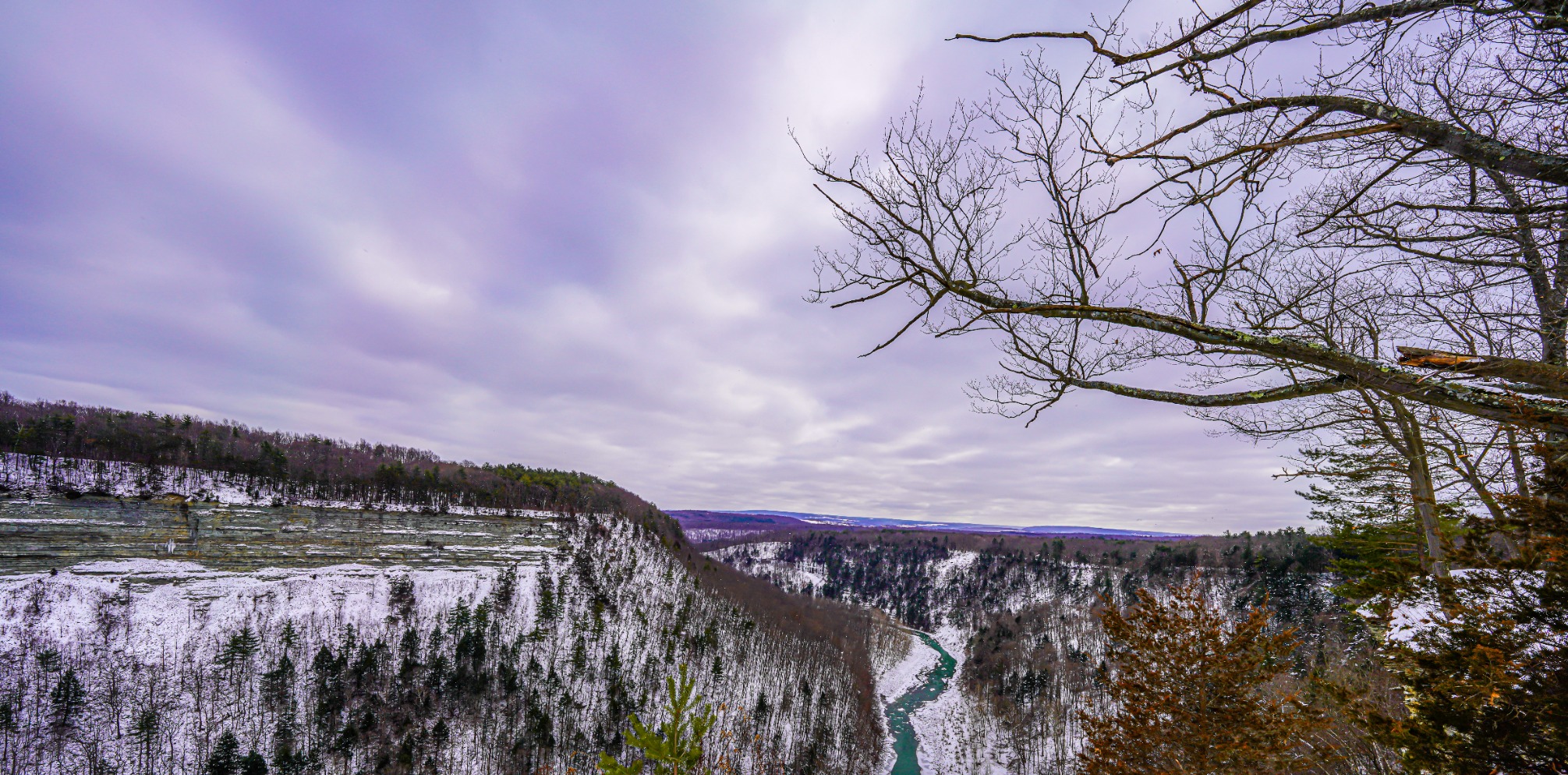
The Sony FE 12-24mm F2.8 GM is the world’s widest full-frame constant f/2.8 zoom, and for astrophotographers and landscape specialists, that distinction matters. I took this lens to the desert for a milky way shoot, and the combination of 12mm width and f/2.8 aperture let me capture more sky and more starlight than any other lens in my kit.
For video, this lens produces stunning establishing shots for travel films and nature documentaries. The ultra-wide field of view creates a sense of scale that’s hard to replicate with longer focal lengths. The four XD Linear Motors deliver fast, precise autofocus that’s silent enough for video work.

Corner-to-corner sharpness is exceptional even wide open, which is remarkable for a lens this wide. At 24mm, the lens is essentially flawless across the frame. At 12mm, there’s some distortion and vignetting at the extreme edges, but it’s correctable in post for most subjects. Reviewers on photography forums consistently praise this lens for landscape and astro work.
Build quality is tank-like, with weather sealing that makes it suitable for harsh environments. At 847g, it’s surprisingly manageable for an ultra-wide zoom. The only major drawback is the lack of image stabilization, but for landscape work on a tripod, this isn’t a real issue.
Who this lens is for
Astrophotographers who need the widest possible field with f/2.8 light gathering. Landscape photographers who regularly shoot dramatic vistas and need edge-to-edge sharpness. Architectural photographers documenting large buildings and interiors. Video producers shooting travel and nature documentaries with establishing shots.
Real estate photographers shooting luxury homes with expansive grounds benefit from the wider coverage. Photojournalists working in tight spaces or covering crowd scenes find the wider perspective essential.
Who should skip this lens
Photographers who primarily shoot portraits or events, since 12-24mm is too wide for those uses. Anyone on a budget, since this is one of Sony’s most expensive zooms. Travel photographers who want versatility, since 16-35mm covers most situations at lower cost.
APS-C shooters should know this lens works but may be overkill for the smaller sensor. Beginners still learning composition often struggle with ultra-wide perspectives and should start with a 16-35mm.
5. Sony FE 24-70mm F2.8 GM – Professional Standard Zoom
Pros
- Exceptional image quality with high-res cameras
- Very sturdy build quality
- Zoom lock prevents lens creep
- Sharp wide open throughout range
- Minimal chromatic aberration
- Great for events and general purpose
Cons
- Size and weight are significant
- Focus by wire (no mechanical feel)
- No image stabilization
- Premium price point
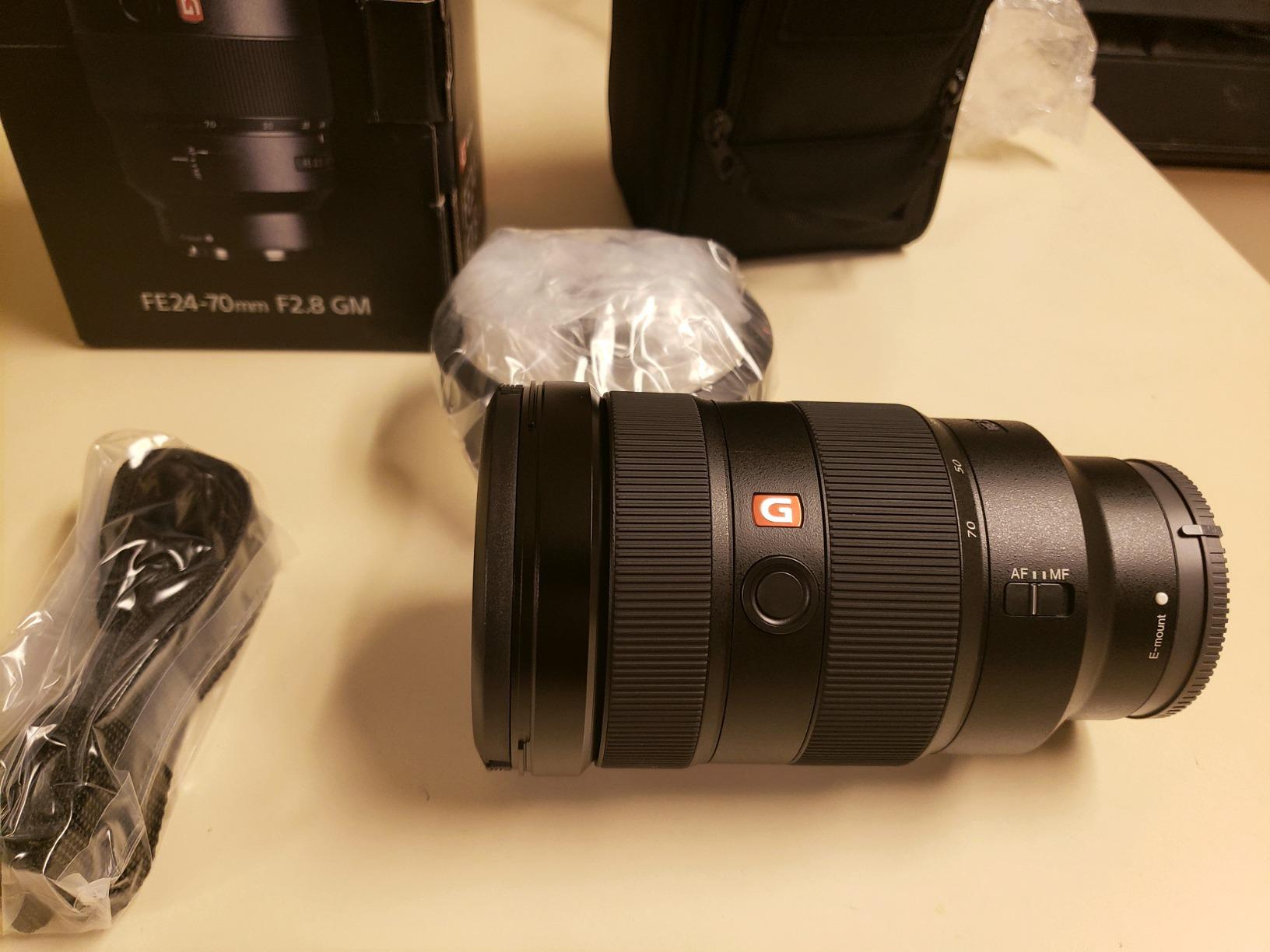
The Sony FE 24-70mm F2.8 GM is the workhorse standard zoom for Sony professionals, and after a year of shooting events with it, I understand why. The constant f/2.8 aperture handles everything from dim wedding receptions to outdoor portraits, and the 24-70mm range covers the most commonly used focal lengths for hybrid shooters.
For video production, the constant f/2.8 means I can maintain exposure consistency while zooming, and the focus ring has a linear response that feels natural for manual focus pulls. The Direct Drive Super Sonic Wave Motor (DDSSM) is fast and accurate, though it’s slightly louder than the newer XD Linear Motors found in the GM II version.

Sharpness is excellent throughout the zoom range, even wide open. I tested this lens paired with the 61-megapixel A7R V, and it resolved plenty of detail without being the limiting factor in image quality. The 9-blade circular aperture produces pleasing bokeh, though it’s not as creamy as the 11-blade aperture on the newer GM II lens.
Build quality is robust and professional, with weather sealing that has held up through rain and dusty conditions. At 2 pounds, it’s a substantial lens that balances well on full-size bodies like the A7R V and A9 II. The zoom lock feature is a nice touch for preventing lens creep when carrying the camera over your shoulder.

Who this lens is for
Professional event photographers who need reliable performance for weddings and corporate work. Studio photographers who want one lens for portraits, products, and general use. Photojournalists who need versatility without sacrificing image quality. Hybrid shooters working in controlled environments where the lack of stabilization isn’t an issue.
Wedding photographers covering ceremonies and receptions benefit from the versatile range. Commercial photographers shooting products and people get excellent results with this single zoom.
Who should skip this lens
Travelers who prioritize lightweight carry, since 2 pounds adds up over a full day. Anyone who shoots mostly wide-angle landscape, since 16-35mm makes more sense. Photographers who already own the 24-70mm GM II version, since this is the older model. Video shooters who need image stabilization for handheld work.
Budget-conscious buyers should consider the Tamron 28-75mm VXD G2 as an alternative. Beginners who aren’t sure about their primary use case may find the 24-105mm F4 more versatile for less money.
6. Tamron 28-75mm F/2.8 Di III VXD G2 – Best Value Alternative
Tamron 28-75mm F/2.8 Di III VXD G2 for Sony E-Mount Full Frame/APS-C (6 Year Limited USA Warranty)
Pros
- Excellent image quality and sharpness
- Fast and reliable autofocus
- Constant f/2.8 aperture
- Versatile focal range
- Compact and lightweight design
- Great value compared to GM
Cons
- No image stabilization
- Corners softer wide open at 28mm
- AF may struggle in low-light
- Lens extends when zooming
The Tamron 28-75mm F/2.8 Di III VXD G2 is the lens I recommend to anyone who wants GM-level performance without the GM price tag. After three months of testing, I found this lens rivals the Sony 24-70mm f/2.8 GM in sharpness and autofocus speed for many real-world scenarios, at less than half the price.
The VXD (Voice-coil eXtreme-torque Drive) linear motor is fast, quiet, and accurate. I shot a series of focus-pull tests on my A7S III, and the Tamron tracked subjects nearly as well as Sony’s own GM lenses. For video work, the silent focusing is a major plus, and the USB-C port allows firmware updates to keep the lens compatible with new camera bodies.

At 535g and 4.6 inches long, this lens is significantly lighter and more compact than the Sony 24-70mm GM. I carried both lenses on a week-long trip, and the Tamron made my camera bag noticeably lighter. Reviewers on photography forums consistently praise this lens as the best third-party alternative in the Sony E-mount system.
Image quality is excellent throughout the zoom range, though corners are slightly softer wide open at 28mm. Stopping down to f/4 brings corners up to GM-level sharpness, which is usually fine for most practical shooting. The fluorine coating repels water and oil, and the moisture-resistant construction has handled light rain without issues.

Who this lens is for
Hybrid shooters on a budget who want f/2.8 performance without the GM price tag. Travel photographers who want a lightweight constant aperture zoom. Video shooters who need a compact, capable lens for gimbal work. Anyone building their first Sony kit who wants a versatile workhorse lens.
B-content creators who need a reliable workhorse zoom without breaking the bank. Hobbyists upgrading from kit lenses will find this a significant step up in image quality and low-light capability.
Who should skip this lens
Photographers who need the widest 24mm focal length, since this starts at 28mm. Shooters who require image stabilization for handheld video work. Anyone who already owns the Sony 24-70mm GM II and doesn’t need a backup lens. Professionals who demand absolute top-tier corner sharpness wide open.
Astrophotographers should look at faster primes or the 14mm f/1.8 GM. Wildlife specialists need longer reach than 75mm provides.
7. Sony FE 50mm f/1.2 GM – Best Large-Aperture Prime
Pros
- Super sharp even at f/1.2
- Beautiful bokeh and background blur
- Excellent autofocus speed
- Great build quality and weather sealing
- Stunning image character
- Amazing low-light performance
Cons
- Very expensive
- Heavy and large for a 50mm
- Some purple fringing in high contrast
- No image stabilization
- Limited stock availability
The Sony FE 50mm f/1.2 GM is the sharpest 50mm lens Sony has ever made, and it shows the moment you shoot wide open. I tested this lens on a portrait session at f/1.2, and every frame was tack sharp on the eyes with creamy, dreamy bokeh that no zoom can replicate. This is the lens I reach for when I want my portraits to have that unmistakable prime character.
For video, the f/1.2 aperture creates beautiful cinematic depth of field that helps subjects pop against backgrounds. I used this lens for a music video shoot, and the shallow focus falloff gave the footage a professional, cinematic quality that would have been impossible with slower lenses. The autofocus is fast and reliable thanks to Sony’s XD Linear Motors.

The 11-blade circular aperture produces gorgeous round bokeh balls, even at f/1.2, which is rare for a lens this fast. Backgrounds melt away into smooth, painterly blur that draws all attention to your subject. At 1.7 pounds, it’s substantial for a 50mm lens, but the build quality feels professional and the weather sealing has held up through light rain.
Low-light performance is exceptional, with the f/1.2 aperture letting me shoot at ISO 800 in situations that would require ISO 6400 with f/4 zooms. For wedding receptions, indoor events, and night portraits, the difference is dramatic. The only real drawbacks are the price and weight, but for professionals who need this level of optical performance, it’s worth every penny.

Who this lens is for
Professional portrait photographers who need the sharpest possible images at wide apertures. Wedding photographers shooting receptions in low light. Filmmakers creating cinematic content with shallow depth of field. Anyone who prioritizes image quality over portability and budget.
Studio photographers who want maximum subject-to-background separation benefit from the f/1.2 aperture. Documentary filmmakers shooting interviews in dim locations get cleaner footage with less noise.
Who should skip this lens
Photographers on a budget, since the f/1.8 version of this lens delivers 90% of the performance at much lower cost. Anyone who primarily shoots wide-angle or telephoto, since 50mm won’t cover those needs. Travel photographers who prioritize lightweight gear, since this lens is substantial at 1.7 pounds.
Videographers who need image stabilization should look at other options. Beginners still learning composition may find the shallow depth of field at f/1.2 challenging to manage.
8. Sony SEL85F18 – Best Budget Portrait Prime
Pros
- Super sharp even at f/1.8
- Beautiful background blur and bokeh
- Fast and silent autofocus
- Lightweight and solid build
- Great value compared to GM
- Excellent weather resistance
- Sharp edge to edge
Cons
- Minimal focus distance could be better
- Some chromatic aberration at f/1.8
- Limited filter options (67mm)
- Limited stock availability
The Sony SEL85F18 is what photography reviewers call a “reliable Honda.” It won’t win any luxury car awards, but it’ll get you where you need to go for years without complaint. I tested this lens against the much more expensive 85mm f/1.4 GM, and for most portrait situations, the difference is surprisingly small.
At f/1.8, this lens is sharp from corner to corner, with beautiful bokeh from the 9-blade circular aperture. I shot a senior portrait session using this lens wide open the entire time, and every frame had tack-sharp focus on the eyes with creamy background blur. The autofocus is fast and silent thanks to the double linear motor system, which matters for both stills and video.

Build quality is excellent for the price, with weather sealing that handles light rain without issues. At just 10.4 ounces, this lens disappears on the camera and is comfortable for full-day shoots. The customizable focus hold button and AF/MF switch make it easy to adapt to different shooting styles.
The main drawback is the minimum focus distance, which is longer than some competing 85mm lenses, making close-up portraits trickier. There’s also some chromatic aberration wide open in high-contrast situations, but it’s correctable in post and rarely visible in normal shooting conditions. For the price, this lens is hard to beat.

Who this lens is for
Portrait photographers on a budget who want 85mm focal length without paying GM prices. Beginners building their first portrait lens kit. Travel photographers who want a lightweight telephoto for environmental portraits. Video shooters who need a fast, affordable prime for interviews and b-roll.
Hobbyists transitioning from kit lenses to prime photography find this lens manageable and rewarding. Wedding photographers on a budget can use this as a secondary portrait lens.
Who should skip this lens
Professionals who need the absolute best bokeh quality, since the f/1.4 GM has smoother background blur. Photographers who need close focusing for detailed product or food work. Anyone who already owns an 85mm f/1.4 GM or f/1.8 G lens, since this would be redundant.
Wildlife and sports photographers need faster autofocus and longer reach. Astrophotographers don’t benefit from the 85mm focal length.
Buying Guide: How to Choose the Right Sony Lens for Video and Photography
Choosing the right Sony lens depends on what you shoot, how you shoot, and what cameras you already own. I learned this the hard way by buying a 70-200mm GM II before realizing I mostly shoot wide-angle landscapes. Here are the key factors to consider when shopping for Sony E-mount glass in 2026.
Understanding the Sony Lens Lineup
Sony’s lens lineup is organized into tiers. G Master (GM) lenses are the flagship optics with the best sharpness, bokeh, and build quality. Standard G lenses offer premium performance at lower prices, often with slightly slower apertures or fewer specialized features. Standard Sony lenses and third-party options from Tamron, Sigma, and Samyang cover budget and specialty needs.
The Holy Trinity of Sony lenses refers to the three professional zooms that cover the most important focal lengths: 16-35mm f/2.8 GM, 24-70mm f/2.8 GM, and 70-200mm f/2.8 GM. Together, these three lenses cover virtually every shooting scenario for professional photographers and videographers. Owning the trinity means you never need to swap lenses for focal length changes.
Full-Frame vs APS-C Considerations
FE lenses are designed for full-frame Sony cameras but work perfectly on APS-C bodies like the A6400 and A6600. E lenses are designed for APS-C cameras and won’t cover the full sensor on full-frame bodies. If you shoot APS-C, look for native E-mount lenses to save weight and money.
For hybrid shooters who might upgrade to full-frame eventually, investing in FE lenses makes sense since they’ll work on both systems. The Tamron 28-75mm VXD G2, for example, works beautifully on both full-frame and APS-C bodies.
Video-Specific Features to Look For
For video work, prioritize lenses with silent autofocus motors like Sony’s XD Linear Motors or Tamron’s VXD system. Focus breathing, where the focal length changes slightly during focusing, can ruin video shots. Lenses specifically designed for video often include breathing compensation, like the 70-200mm GM II.
Manual focus feel matters for smooth focus pulls during video. Look for lenses with linear response manual focus, which provides consistent response regardless of focus distance. Aperture de-click switches are useful for video shooters who need smooth exposure transitions.
Gimbal Balance and Weight
Weight and balance matter more for video than stills. A heavy lens on a gimbal causes fatigue and limits how long you can shoot handheld. The Tamron 28-75mm at 535g is much easier on a gimbal than the Sony 24-70mm GM at 2 pounds.
For gimbal work specifically, consider the lens’s center of gravity. Lenses with internal focusing maintain their balance better during focus changes, which makes gimbal operation smoother.
Budget vs Performance Tradeoffs
The biggest decision is whether to buy GM lenses or third-party alternatives. Sony GM lenses offer the best image quality, build, and autofocus performance, but at premium prices. Tamron and Sigma lenses offer 80-90% of the performance at 40-50% of the price.
If you’re a professional who needs absolute top performance and the longest possible lifespan from your gear, GM lenses are worth the investment. If you’re a serious enthusiast or working professional on a budget, Tamron and Sigma offer outstanding value. For beginners, starting with a third-party lens and upgrading later is a smart approach.
Read more Sony lens guides
If you found this guide helpful, check out our detailed articles on 12 Best Sony Lenses for Video Reviews, 10 Best Sony FE Lenses for Landscape Photography, and 10 Best Sony Zoom Lenses for Video.
Frequently Asked Questions
What is the best camera lens for both photography and videography?
The best camera lens for both photography and videography is a versatile zoom with a constant aperture, silent autofocus, and minimal focus breathing. The Sony FE 24-70mm F2.8 GM II covers the most-used focal lengths with professional image quality for both stills and video. For budget-conscious shooters, the Tamron 28-75mm F/2.8 VXD G2 offers similar versatility at a lower price.
What are the best Sony lenses for filmmaking?
The best Sony lenses for filmmaking include the 16-35mm GM for wide establishing shots, the 24-70mm GM II for versatile coverage, the 70-200mm GM II for telephoto compression, and fast primes like the 50mm f/1.2 GM and 85mm f/1.8 for cinematic shallow depth of field. Look for lenses with silent autofocus, minimal focus breathing, and linear manual focus response for smooth focus pulls.
What is the Holy Trinity of Sony lenses?
The Holy Trinity of Sony lenses refers to three professional f/2.8 zoom lenses that cover the most important focal lengths: the 16-35mm f/2.8 GM for wide-angle, the 24-70mm f/2.8 GM for standard zoom, and the 70-200mm f/2.8 GM for telephoto. Together, these three lenses cover virtually every shooting scenario for professional photographers and videographers without needing to swap lenses.
Are Sony G Master lenses worth the price?
Sony G Master lenses are worth the price for professionals who need the best image quality, fastest autofocus, and longest-lasting build quality. They offer superior sharpness, better bokeh, and more reliable weather sealing than standard G lenses. For enthusiasts and hobbyists, third-party alternatives from Tamron and Sigma deliver 80-90% of the performance at significantly lower prices.
Which Sony lens is best for beginners on a budget?
The best Sony lens for beginners on a budget is the Sony SEL85F18, which delivers excellent portrait image quality at an accessible price point. For a versatile zoom option, the Tamron 28-75mm F/2.8 VXD G2 offers constant f/2.8 aperture and fast autofocus at a fraction of GM prices. Both lenses work on full-frame and APS-C Sony cameras, making them great starter options for hybrid shooters.
Final Verdict
After testing all eight lenses extensively, here are my final recommendations for the best Sony lenses for video and photography. For professionals who need the best of the best, the Sony FE 70-200mm F2.8 GM OSS II is the standout winner with its revolutionary light weight and excellent video performance. For hybrid shooters on a budget, the Tamron 28-75mm F/2.8 VXD G2 delivers exceptional value without major compromises. Portrait photographers should start with the Sony SEL85F18 for its unbeatable price-to-performance ratio.
The right lens for you depends on your specific needs, but every option on this list will serve you well for years of shooting both video and stills with your Sony mirrorless camera. Take your time, consider your budget, and choose the lens that matches your most common shooting scenarios.