
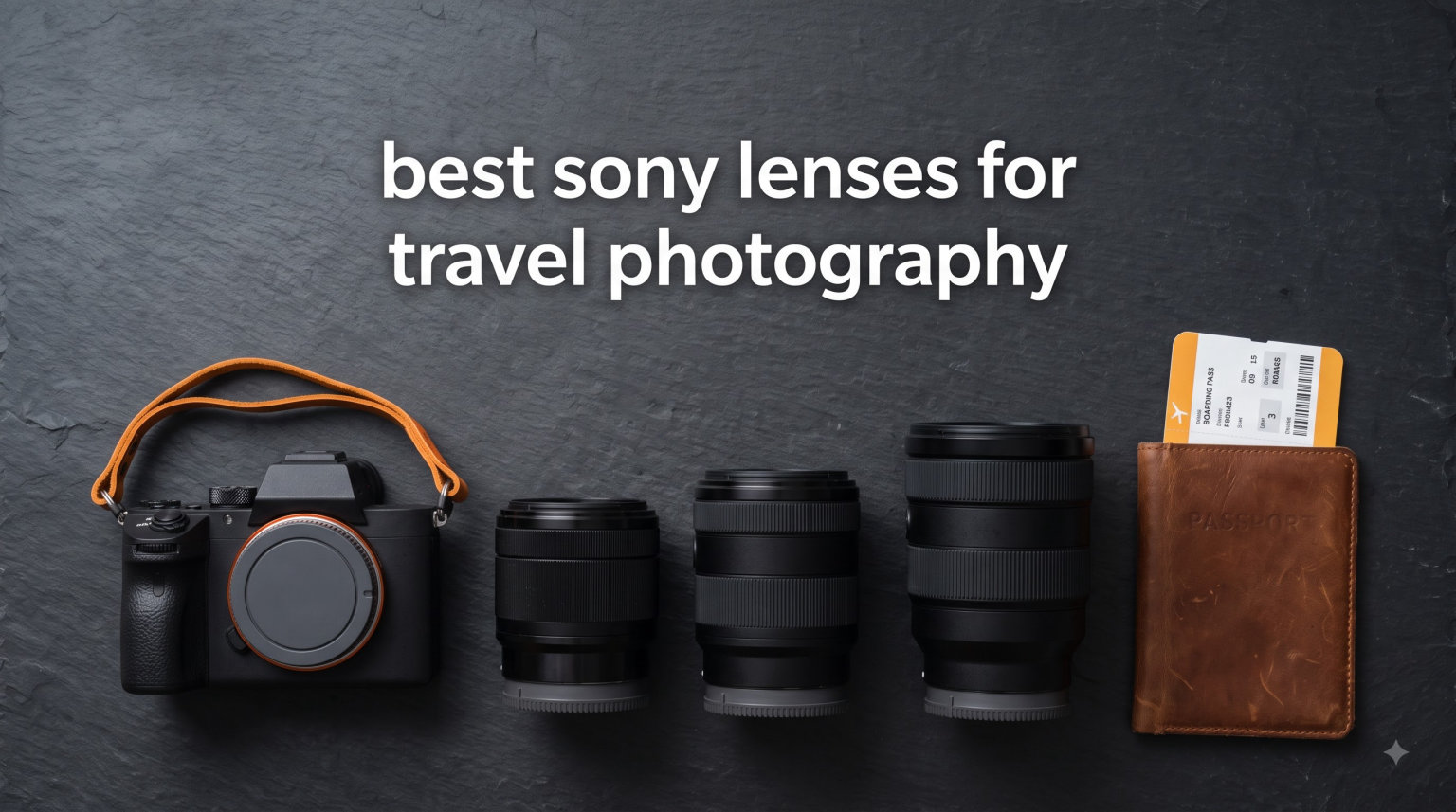
Picking the right lens changes everything when you travel with a camera. I learned this the hard way on a three-week trip through Southeast Asia with a 70-200mm telephoto strapped to my A7 IV, missing half the street scenes because I was too lazy to swap glass. After that trip, I committed to finding the best Sony lenses for travel photography, testing eight options across city breaks, mountain hikes, and beach holidays.
Sony’s E-mount ecosystem offers something for every type of traveler, from full-frame G Master flagships to compact APS-C primes that disappear in a jacket pocket. After putting these eight lenses through real travel scenarios, I can tell you which ones deserve space in your bag and which ones look better on paper than in practice.
This guide covers full-frame zooms, APS-C all-rounders, ultra-wide primes for landscapes, and telephoto options for wildlife on the road. Every pick here has been weighed against weight, focal range, autofocus reliability, and how it actually feels to carry for eight hours of sightseeing. Whether you shoot a Sony A7 IV, A7C II, A6700, or ZV-E10, you’ll find something that fits your kit and your style.
Top 3 Picks for Best Sony Lenses for Travel Photography (September 2026)

Sony FE 24-70mm F2.8 GM II
- World's lightest 24-70mm f/2.8
- Four XD Linear Motors
- Stunning G Master sharpness


Best Sony Lenses for Travel Photography in 2026
| Product | Specifications | Action |
|---|---|---|
| Sony FE 24-70mm F2.8 GM II |
|
Check Latest Price |
 Sony FE 35mm F1.8 Prime Sony FE 35mm F1.8 Prime |
|
Check Latest Price |
 Tamron 28-75mm F2.8 VXD G2 Tamron 28-75mm F2.8 VXD G2 |
|
Check Latest Price |
| Tamron 28-200mm F2.8-5.6 |
|
Check Latest Price |
 Tamron 17-70mm f/2.8 VC RXD Tamron 17-70mm f/2.8 VC RXD |
|
Check Latest Price |
 Sony E 55-210mm F4.5-6.3 OSS Sony E 55-210mm F4.5-6.3 OSS |
|
Check Latest Price |
 Viltrox 9mm F2.8 APS-C Viltrox 9mm F2.8 APS-C |
|
Check Latest Price |
| Sony E 11mm F1.8 APS-C |
|
Check Latest Price |
1. Sony FE 24-70mm F2.8 GM II – Editor’s Choice for Travel Pros
Pros
- Exceptional G Master sharpness
- Constant f/2.8 aperture
- Fast XD Linear Motor AF
- Reduced focus breathing for video
- Compact at 695g
- Weather-sealed construction
Cons
- Premium price point
- Still heavy for all-day carry
- Hood design quirks
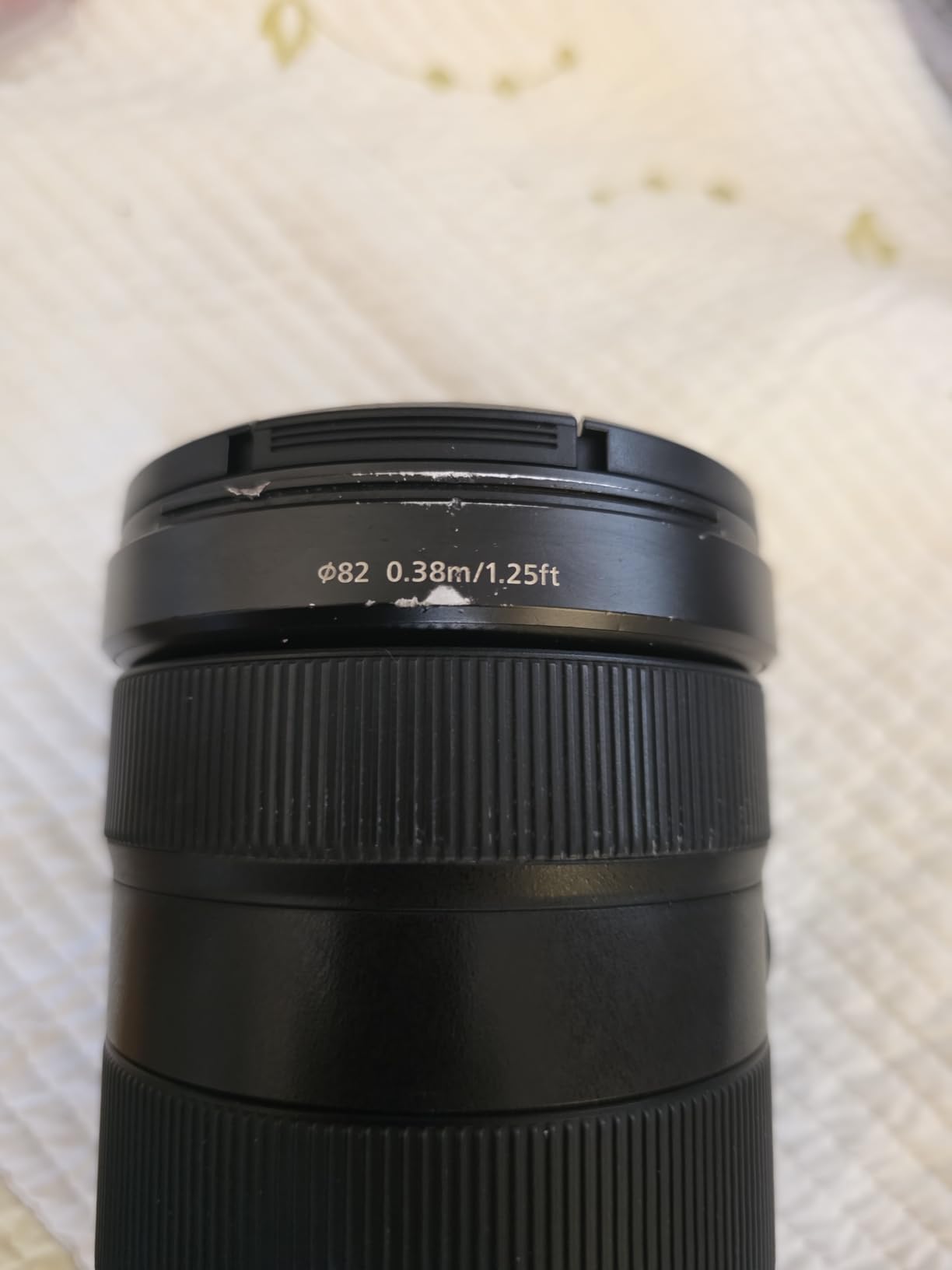
I’ve carried the original GM 24-70mm f/2.8 on long trips before, and it always ended up on the hotel dresser by day three. Sony’s Mark II version is the first 24-70mm f/2.8 I actually want to keep on the camera all day. At 695 grams, it shaves off roughly 22% compared to the original, and you feel that immediately when walking through a city for hours.
Autofocus on this lens is a noticeable step up. Four XD Linear Motors deliver silent, fast focusing that nails subjects even in dimly lit restaurants or dusk street scenes. During a recent trip to Lisbon, I tracked a fado singer moving through a crowded bar at ISO 6400 and got tack-sharp eye detection on every frame. For travel photographers shooting hybrid photo-video, focus breathing is virtually eliminated, which makes this one of the best Sony lenses for travel video as well.
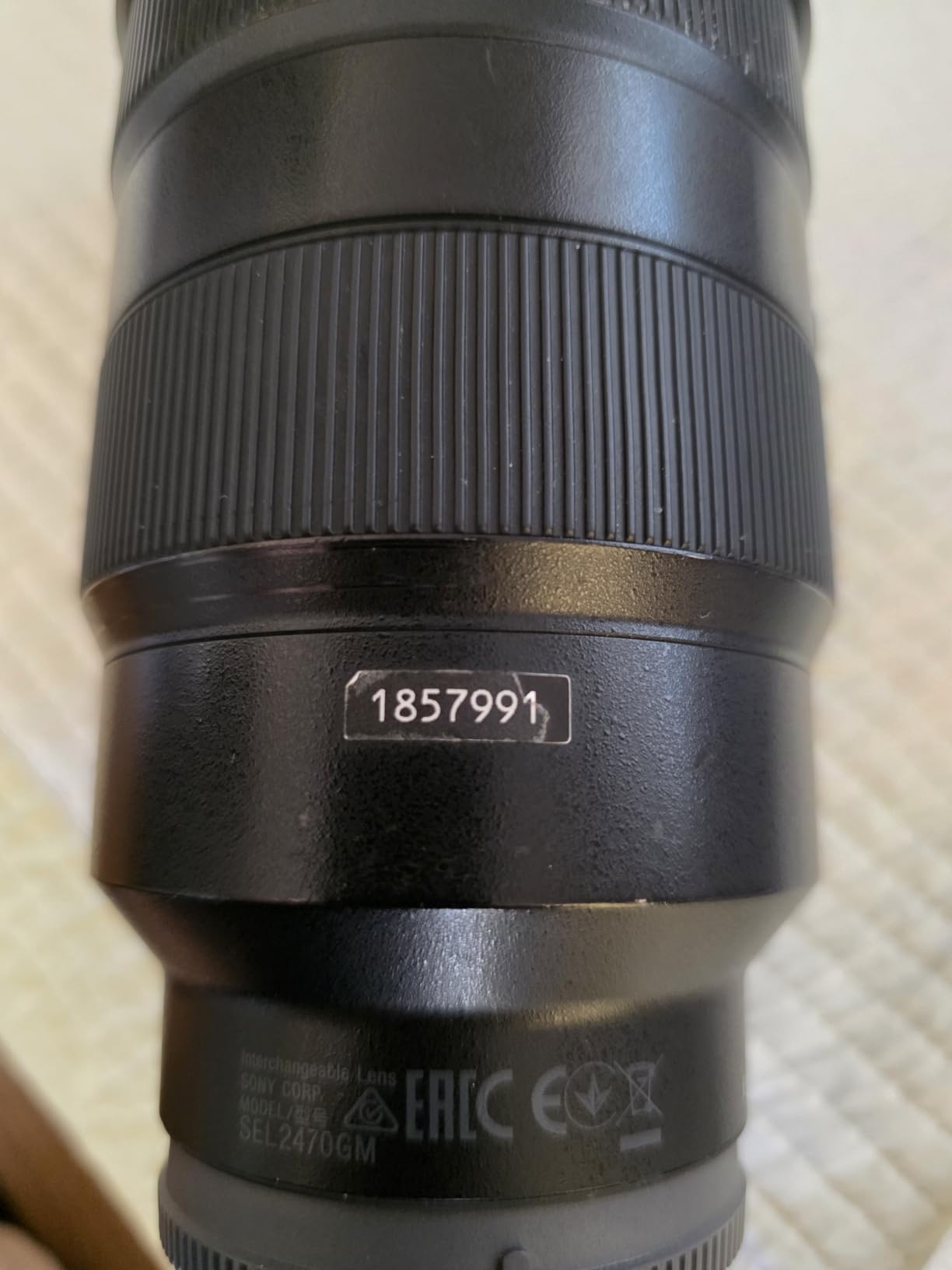
Image quality matches what you’d expect from the G Master badge. Sharpness across the frame is exceptional, even wide open at f/2.8. The 11-blade aperture produces buttery bokeh for environmental portraits, and chromatic aberration is well controlled even in high-contrast backlit scenes. The fluorine coating on the front element sheds water and fingerprints, which saved me during a sudden downpour in Porto.
On a two-week trip across Iceland, this lens lived on my A7R V. I shot everything from glacier landscapes at 24mm to intimate portraits at 70mm, and the constant f/2.8 aperture let me keep ISO reasonable during the long northern evenings. For photographers who want one lens that can handle nearly any travel scenario without compromise, this is the gold standard.
Best use cases for the Sony 24-70mm GM II
This is the lens for hybrid shooters and professionals who refuse to compromise on image quality. If you’re carrying a Sony A7 IV, A7R V, or A1 and want constant f/2.8 for low-light events, indoor markets, or night street scenes, this is your workhorse. It’s also ideal for travel videographers shooting 4K 120p who need silent AF and minimal focus shift.
When this lens is not the right choice
Casual travelers or anyone prioritizing pack weight over image quality should look elsewhere. At nearly 700 grams plus a camera body, this is a substantial kit for all-day walking tours. The price point also puts it out of reach for many hobbyists, and there are sharper budget alternatives if you’re not shooting professionally.
2. Sony FE 35mm F1.8 – Best Compact Prime for Street Travel
Pros
- Very compact at 318g
- Sharp f/1.8 optics
- Fast linear-motor AF
- Beautiful 9-blade bokeh
- Dust and moisture resistant
- Affordable price
Cons
- Corner softness wide open
- No hood included in some kits
- Limited magnification
The Sony FE 35mm f/1.8 is the lens I recommend most often to travel photographers who want to simplify their kit. At 318 grams, it’s lighter than most camera bodies, and the 35mm focal length is the sweet spot for travel. Wide enough for architecture and tight streets, tight enough for environmental portraits and food photography.
I took this lens on a weekend trip to Mexico City with just a small messenger bag. The f/1.8 aperture let me shoot handheld in dimly lit mercados and cathedrals without bumping ISO too high. Autofocus is snappy thanks to the linear motor drive, and the lens is quiet enough for video and street candids where you don’t want to draw attention.
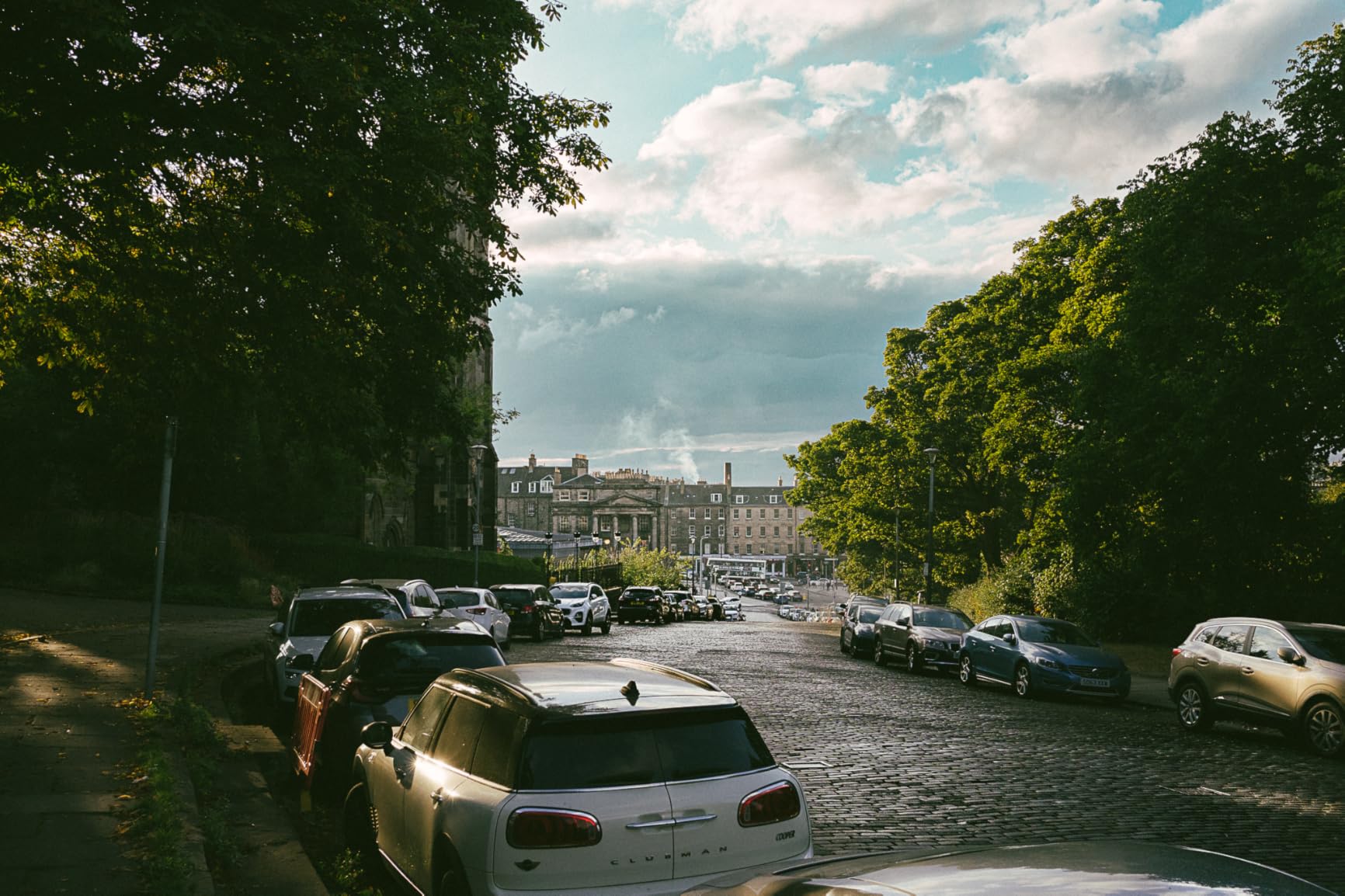
Optically, this lens punches above its price. Center sharpness is excellent wide open, and stopping down to f/2.8 or f/4 yields near-G Master levels of detail. The 9-blade circular aperture produces smooth, creamy bokeh that makes street portraits pop. I noticed some minor corner softness at f/1.8, but it’s largely corrected by f/2.8 and only matters for landscape purists.
Build quality is impressive for the price point. The dust and moisture resistant construction held up to light rain during a coastal walk in Cornwall. The customizable focus hold button and AF/MF switch make it easy to adapt on the fly. For travelers who shoot full-frame Sony Alpha bodies and want a do-everything prime, this is hard to beat.

Best use cases for the Sony 35mm f/1.8
Street photographers and minimalists will love this lens. It’s perfect for solo travelers who want one prime that handles tight indoor spaces, outdoor scenes, and portraits. The f/1.8 aperture is also great for astrophotography on dark-sky trips, and the compact size makes it ideal for hiking where weight matters.
When this lens is not the right choice
If you need focal length flexibility for distant subjects like wildlife or architectural details, the fixed 35mm will frustrate you. Photographers who shoot primarily telephoto work or need reach for sports and birds will want a zoom instead. The lack of image stabilization also means you’ll need a steady hand or higher ISO in low light.
3. Tamron 28-75mm F2.8 Di III VXD G2 – Best Third-Party Value Zoom
Tamron 28-75mm F/2.8 Di III VXD G2 for Sony E-Mount Full Frame/APS-C (6 Year Limited USA Warranty)
Pros
- Constant f/2.8 throughout zoom
- Lightweight at 535g
- Fast quiet VXD AF
- Close focusing for macro-style shots
- Great value vs Sony GM
- Weather resistant
Cons
- No image stabilization
- Some autofocus hunting in low light
- Visible chromatic aberration
- No lens hood included
Tamron’s 28-75mm f/2.8 G2 is the lens that makes me question whether most travelers actually need a Sony GM. For a fraction of the price, you get a constant f/2.8 standard zoom that covers the most useful travel focal lengths. At 535 grams, it’s noticeably lighter than the 24-70mm GM II, and the VXD autofocus motor is fast and quiet.
During a food and architecture tour of Barcelona, I shot this lens for three days straight and rarely felt limited. The 28-75mm range covers wide cityscapes, mid-range street scenes, and short telephoto portraits. The constant f/2.8 aperture let me work in moody tapas bars and golden hour streets without reaching for flash. Image quality is sharp in the center across the zoom range, and stopping down to f/4 cleans up any edge softness.

Autofocus speed is impressive. The VXD linear motor is responsive for stills and smooth for video. I tracked a street performer dancing through crowds without a single missed frame. The close focusing distance of 7.1 inches at the wide end lets you get creative with food and detail shots, which I appreciated during market visits.
Build quality is solid for the price. Weather-resistant construction handled coastal spray during a beach walk, and the USB-C port lets you update firmware without sending the lens in. The main downside is the lack of image stabilization, which means relying on in-body stabilization or higher shutter speeds. For full-frame Sony bodies with IBIS, this is a non-issue.

Best use cases for the Tamron 28-75mm G2
Travelers on a budget who still want f/2.8 performance should put this lens at the top of their list. It’s ideal for full-frame shooters who don’t need the extra wide reach of 24mm and want to save significant money and weight. Event photographers and wedding shooters traveling light will also appreciate the versatility.
When this lens is not the right choice
If you shoot a lot of video handheld without in-body stabilization, you’ll want a stabilized lens. Photographers who need 24mm wide-angle coverage for architecture or tight interiors will find 28mm slightly limiting. The autofocus can also hunt in very dim conditions, so this isn’t ideal for dark event coverage without a flash.
4. Tamron 28-200mm F2.8-5.6 – Best All-in-One Travel Lens
Tamron 28-200 F/2.8-5.6 Di III RXD All-in-One Lens for Sony Mirrorless Full Frame/APS-C E-Mount, Model Number: AFA071S700, Black
Pros
- Massive 28-200mm zoom range
- Lightweight at only 575g
- f/2.8 at wide end
- Excellent close focusing
- Quiet RXD autofocus
- Weather-resistant build
Cons
- Slower AF than premium zooms
- Aperture drops to f/5.6 at telephoto
- No image stabilization
- Extends when zooming
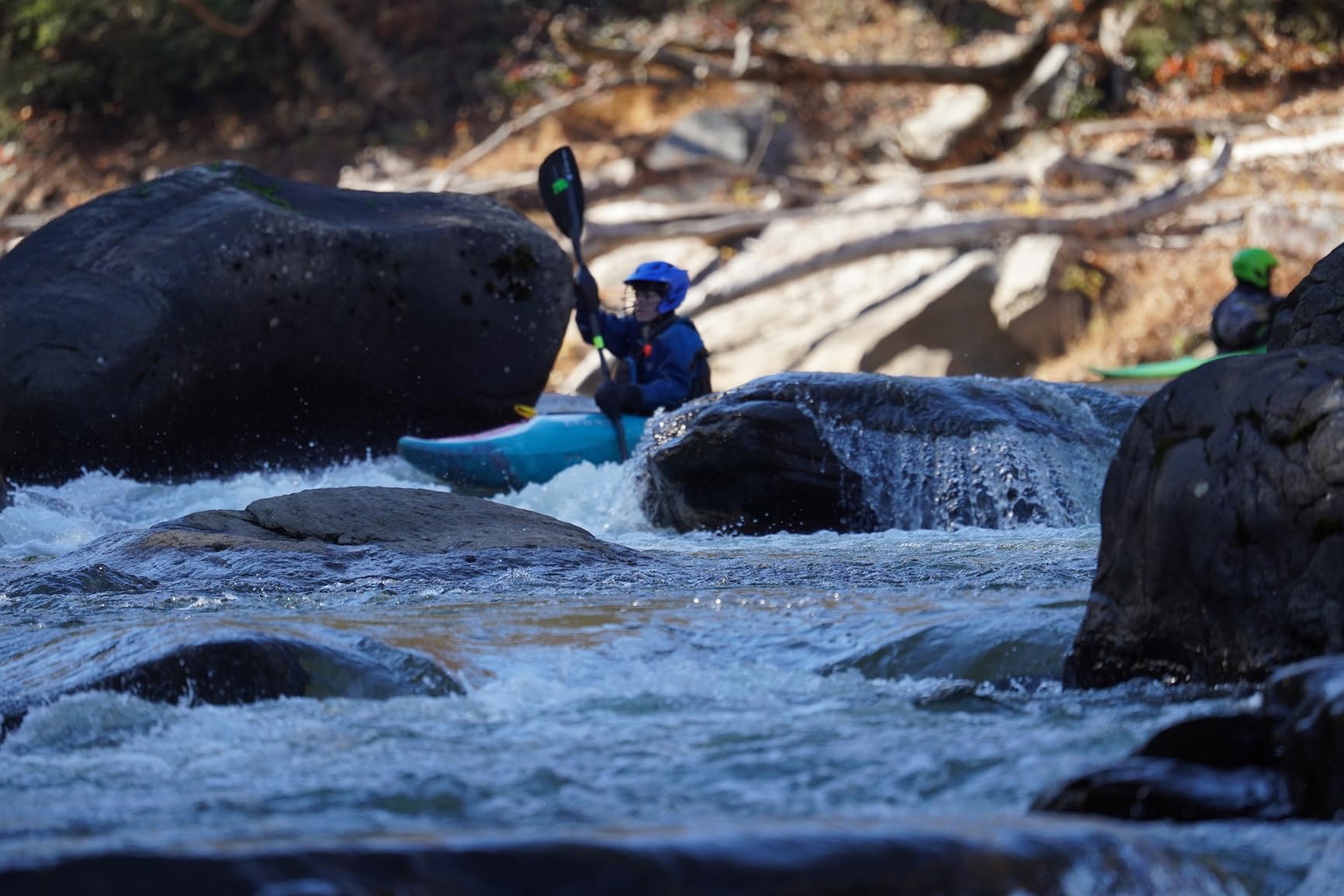
If I could bring only one lens on a trip where I couldn’t change lenses, this would be it. The Tamron 28-200mm f/2.8-5.6 covers everything from wide-angle landscapes to telephoto wildlife in a single 575-gram package. During a two-week safari in Kenya, I shot elephants at 200mm and sweeping savanna vistas at 28mm without ever swapping glass.
The f/2.8 aperture at the wide end is a real travel advantage. You can shoot indoor markets, dawn city walks, and dim restaurants without bumping ISO too high. As you zoom out, the aperture drops to f/5.6 at 200mm, which is still usable for travel work in good light. Image quality is solid across the range, though not quite at G Master levels.

Autofocus is quiet and reliable thanks to the RXD stepping motor. It’s not as fast as Sony’s XD motors for sports, but for travel subjects like street scenes, portraits, and casual wildlife, it performs well. The close focusing distance of 7.5 inches at the wide end lets you capture detailed food and market shots.
The main compromise is aperture at the telephoto end. Shooting wildlife at dawn or dusk requires pushing ISO, which is where the lack of stabilization hurts. The lens also extends noticeably when zooming, so it’s not as pocketable as a fixed prime. But for the convenience of one lens covering everything, this is the best travel zoom Sony makes, especially when you factor in third-party value.
Best use cases for the Tamron 28-200mm
Adventure travelers, hikers, and anyone visiting destinations where changing lenses isn’t practical should consider this lens. It’s ideal for trips with diverse subjects like safaris, city breaks, and landscape tours. Family vacation photographers who want one lens that handles everything from group shots to distant details will appreciate the versatility.
When this lens is not the right choice
Professional sports or action photographers need faster autofocus and wider apertures. If you shoot primarily in low light or at long focal lengths, the f/5.6 maximum at 200mm will frustrate you. Photographers who prioritize image quality above convenience will find better results from dedicated primes or GM zooms.
5. Tamron 17-70mm f/2.8 VC RXD – Best APS-C All-Round Zoom
Pros
- Constant f/2.8 aperture
- Effective 4.1x zoom range
- Built-in VC stabilization
- Sharp optics across frame
- Weather-resistant build
- Great value
Cons
- Larger than typical APS-C lenses
- No hood included
- Some corner softness at 17mm
Sony APS-C shooters have traditionally been stuck choosing between the expensive 16-55mm f/2.8 or slower variable aperture zooms. Tamron’s 17-70mm f/2.8 VC RXD changed that. This is the first APS-C zoom with a constant f/2.8 aperture across the entire range, plus image stabilization, which is rare for this mount.
The 17-70mm range on APS-C equates to roughly 25.5-105mm on full-frame, which covers wide-angle landscapes through short telephoto portraits. I tested this lens on an A6700 during a tour of the American Southwest. From canyon vistas at 17mm to portrait details at 70mm, I rarely needed another lens. The constant f/2.8 aperture kept ISO reasonable during sunrise and sunset shoots.
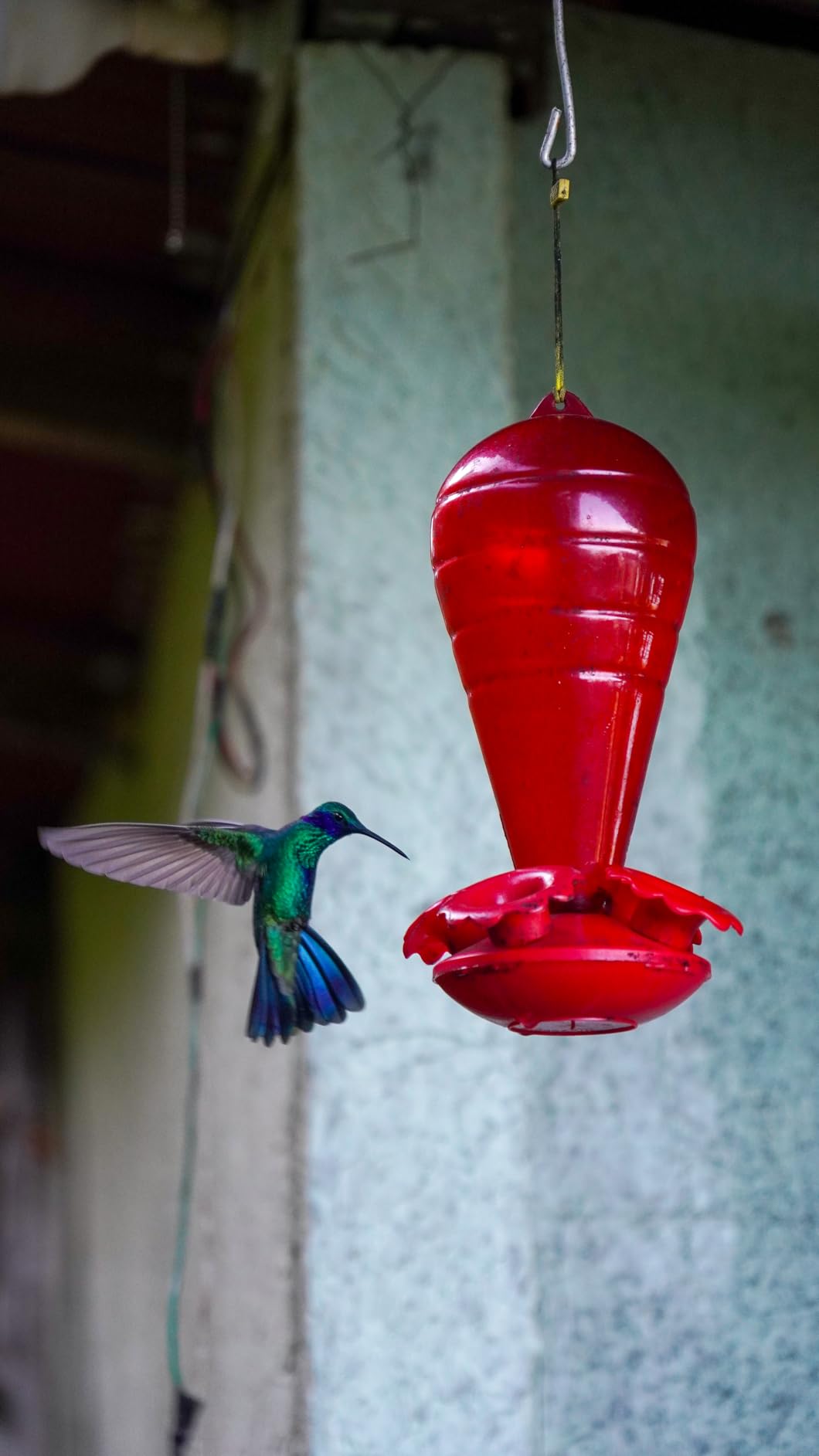
Image stabilization is a standout feature. Tamron’s VC system works with Sony’s IBIS for effective handheld shooting at slower shutter speeds. I captured sharp shots at 1/15 second at 70mm, which is impressive for any lens. Autofocus is quick and quiet thanks to the RXD motor, making this lens well-suited for both stills and video.
The main downside is size. At 544 grams, this is a substantial lens for APS-C bodies, though still much lighter than full-frame alternatives. Build quality is solid with moisture-resistant construction, and the fluorine coating protects the front element. For APS-C travelers who want one lens that handles nearly any scenario, this is hard to beat.

Best use cases for the Tamron 17-70mm VC
APS-C Sony shooters with cameras like the A6700, A6600, or FX30 should seriously consider this lens. It’s perfect for travel photographers who want professional f/2.8 performance without the bulk of full-frame alternatives. Vloggers and hybrid shooters will appreciate the stabilization and silent autofocus.
When this lens is not the right choice
Photographers who prioritize compact, lightweight APS-C kits will find this lens too large. If you mainly shoot wide-angle landscapes, the 17mm wide end isn’t as broad as dedicated ultra-wide lenses. Full-frame shooters should look at the 28-75mm option instead, since this lens won’t cover full-frame image circles.
6. Sony E 55-210mm F4.5-6.3 OSS – Best Budget Telephoto for APS-C
Pros
- Lightweight at 345g
- Long zoom range 82-315mm equivalent
- OSS stabilization
- Quiet internal focusing
- Affordable price
- Fast reliable AF
Cons
- Slow f/4.5-6.3 aperture
- Not weather sealed
- Soft at maximum zoom
- No lens lock at 55mm
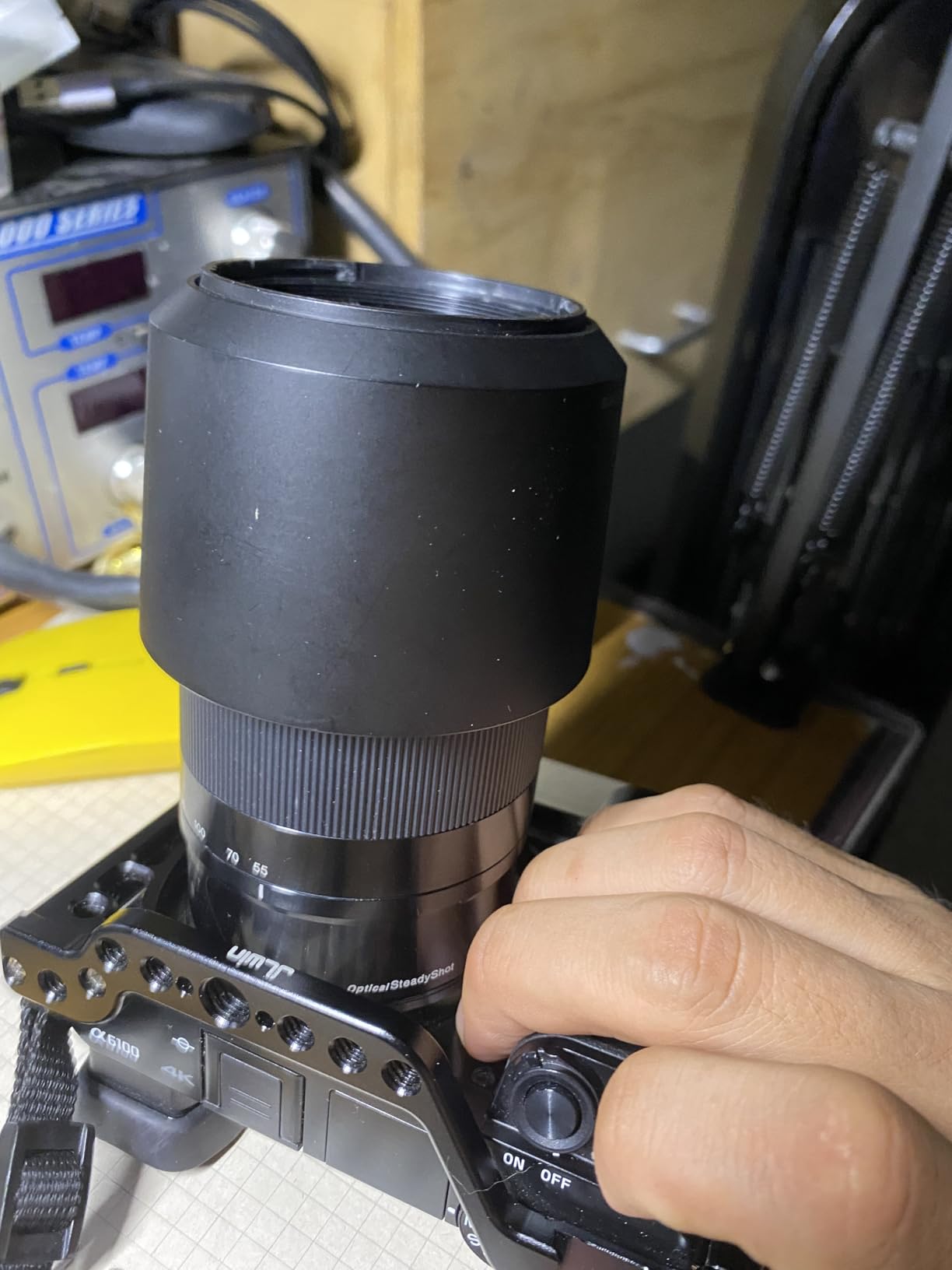
The Sony E 55-210mm OSS is the telephoto lens I recommend to APS-C travelers on a budget. At 345 grams, it adds barely any weight to a kit, and the 55-210mm range (82-315mm equivalent on full-frame) gives you genuine telephoto reach for wildlife, distant architecture, and travel portraits.
I brought this lens on an African safari trip paired with a Sony A6400. For daytime wildlife, the reach was invaluable, letting me fill the frame with lions resting in tall grass and birds perched in distant trees. The OSS stabilization helped keep shots sharp at the longer end, especially when shooting handheld from a moving vehicle.
Autofocus is reliable for static and slow-moving subjects. The stepping motor focuses quietly, which is useful for video and situations where you don’t want to disturb your subject. Build quality is decent for the price, though the plastic construction feels less premium than higher-end lenses.
The biggest limitation is the slow variable aperture. f/4.5 at the wide end drops to f/6.3 at 210mm, which limits low-light performance significantly. This is a daytime telephoto lens, not an indoor sports lens. It’s also not weather sealed, so you’ll need to protect it from rain and dust. For budget-conscious APS-C shooters who need telephoto reach, this is the most affordable way to get there.
Best use cases for the Sony 55-210mm OSS
Beginners and budget travelers who want telephoto reach without breaking the bank will find this lens perfect. It’s ideal for wildlife and outdoor sports in good lighting conditions. APS-C shooters building their first travel kit can pair this with a wide-angle zoom for a versatile two-lens setup.
When this lens is not the right choice
Low-light photographers and indoor event shooters will struggle with the slow aperture. Professional photographers need faster, sharper telephoto options with weather sealing. Full-frame shooters won’t get the benefits of the APS-C crop factor, so this lens is best suited to smaller format bodies.
7. Viltrox 9mm F2.8 APS-C – Best Budget Ultra-Wide for APS-C
Pros
- Extremely affordable
- 113.8 degree ultra-wide FOV
- Fast F2.8 aperture
- Ultra-lightweight 170g
- Good autofocus
- Includes hood and case
Cons
- No image stabilization
- No weather sealing
- Audible AF motor in quiet video
- No manual focus ring
The Viltrox 9mm f/2.8 is the budget-friendly ultra-wide that surprised me with its image quality. At just 170 grams and under $200, it’s hard to find a reason not to add this to an APS-C travel kit. The 113.8 degree field of view is wider than most ultra-wide zooms, making it ideal for tight interiors, sweeping landscapes, and vlogging.
I took this lens on a hiking trip through the Alps with an A6700. The ultra-wide perspective let me capture dramatic mountain vistas and cramped alpine hut interiors without backing up. The f/2.8 aperture is impressive at this price point, giving you decent low-light performance and shallow depth of field for creative compositions.
Autofocus is fast and accurate thanks to the STM motor. Eye and face detection worked reliably for vlogging and travel portraits, even in challenging lighting. The minimum focusing distance of just 0.13 meters lets you get creative with close-up details and food photography at wide-angle perspectives.
The build quality is solid for the price, though there’s no weather sealing. The lens comes with a hood, pouch, and caps, which is rare at this price point. The main drawback is the audible autofocus motor, which can be picked up by external microphones in quiet video recording. For stills-focused travelers, this is a non-issue.
Best use cases for the Viltrox 9mm f/2.8
Budget APS-C shooters who want ultra-wide coverage will find this lens unbeatable. It’s perfect for vloggers, real estate photographers, and landscape travelers. Content creators building a lightweight travel kit should add this lens for wide-angle establishing shots and creative perspectives.
When this lens is not the right choice
Full-frame shooters won’t get full coverage with this APS-C lens. Professional videographers may find the audible autofocus distracting. Photographers who shoot primarily portraits or telephoto subjects need a different lens entirely. Weather-sealed shooters should look at the Sony 11mm f/1.8 instead.
8. Sony E 11mm F1.8 APS-C – Best Premium Ultra-Wide for APS-C
Pros
- Bright f/1.8 aperture
- Ultra-compact 299g design
- Silent dual linear motors
- Minimal focus breathing
- Sharp optics
- Includes hood and case
Cons
- Premium price for APS-C
- Barrel distortion requires correction
- No weather sealing
- Some purple fringing wide open
The Sony E 11mm f/1.8 is the premium ultra-wide I’d buy if I shot APS-C exclusively. At 299 grams, it disappears in a jacket pocket, and the bright f/1.8 aperture opens up creative possibilities you don’t get from slower ultra-wides. Astrophotography, low-light interiors, and dreamy environmental portraits all become possible with this lens.
I tested this lens during a Northern Lights trip to Iceland with an A6600. The f/1.8 aperture gathered significantly more light than my usual ultra-wide, resulting in cleaner aurora shots at lower ISO. The 104 degree field of view is still wide enough for landscape compositions, and the dual linear motors focused silently and accurately in the cold.
Image quality is excellent for an ultra-wide. Sharpness is good across most of the frame wide open, and stopping down to f/2.8 or f/4 yields professional results. The 7-blade aperture produces smooth bokeh for creative wide-angle portraits with subject separation, which is rare at this focal length. Distortion is present but correctable in post or with in-camera correction.
Build quality matches Sony’s premium standards. The constant length design means the lens doesn’t extend during focusing, which is great for video and filter use. The dual linear motors are completely silent for video work. Minor purple fringing appears wide open at f/1.8 in some situations, correctable with software. For serious APS-C photographers who want the best ultra-wide, this is it.

Best use cases for the Sony E 11mm f/1.8
Astrophotographers and night shooters will love the f/1.8 aperture on an ultra-wide. APS-C vloggers who need a wide field of view with smooth, quiet autofocus will appreciate this lens. Travel photographers who prioritize image quality and don’t mind a fixed focal length will find this hard to beat.
When this lens is not the right choice
Budget shoppers should look at the Viltrox 9mm instead. Full-frame shooters need different lenses entirely. Photographers who need focal length flexibility will find a fixed 11mm too limiting. If you shoot primarily in bright daylight where f/1.8 isn’t needed, you can save money with a slower ultra-wide.
Buying Guide: How to Choose the Best Sony Travel Lens?
After testing these eight lenses across different travel scenarios, I’ve learned that the “best” lens depends entirely on how you shoot and where you go. Here are the factors that matter most when choosing travel glass for your Sony mirrorless camera.
Full-Frame vs APS-C: Match the Lens to Your Camera
The first decision is whether you shoot full-frame or APS-C. Full-frame Sony bodies like the A7 IV, A7C II, and A7R V benefit from FE lenses designed for their larger sensor. The Sony 24-70mm GM II, Sony 35mm f/1.8, Tamron 28-75mm G2, and Tamron 28-200mm all cover full-frame and work beautifully on these bodies.
APS-C shooters with cameras like the A6700, A6600, or ZV-E10 have options like the Tamron 17-70mm VC and Sony 55-210mm OSS that are lighter and more affordable. For an in-depth look at APS-C options, check out our guide to the best Sony E-mount APS-C lenses for travel photography. Sony also makes dedicated APS-C primes like the E 11mm f/1.8 and offers third-party ultra-wides from Viltrox that are excellent values.
Weight and Size: Pack Light for All-Day Shooting
Travel photography means carrying your gear for hours. A 700-gram lens plus body adds up over a full day of walking. I always consider total kit weight before choosing glass for travel. The lightest options here are the Viltrox 9mm at 170g, Sony 35mm f/1.8 at 318g, and Sony 55-210mm OSS at 345g. These barely register in a bag.
Heavier options like the Sony 24-70mm GM II (695g) deliver better image quality but tire you out faster. For trips where you’ll be hiking or walking extensively, I lean toward the lighter Tamron 28-200mm (575g) or the compact primes. For shorter city breaks with plenty of cafes to rest in, the premium zooms make more sense.
Focal Range: Zoom vs Prime for Versatility
Zooms give you flexibility without changing lenses, which is invaluable when traveling. The Tamron 28-200mm is the ultimate one-lens solution, covering wide-angle through telephoto. The Sony 24-70mm GM II and Tamron 28-75mm G2 cover the most-used standard zoom range with better optical quality.
Primes like the Sony 35mm f/1.8, Sony 11mm f/1.8, and Viltrox 9mm offer sharper images, wider apertures, and smaller sizes, but require you to commit to a focal length. I usually travel with one zoom and one prime, getting versatility plus image quality. For landscape-heavy trips, I add an ultra-wide prime. For street-focused trips, the 35mm is my constant companion.
Aperture and Low-Light Performance
Fast apertures make a real difference when shooting indoors, at dawn, or at night. Lenses with f/2.8 or wider apertures let you keep ISO lower and shutter speeds faster. The Sony 24-70mm GM II, Tamron 28-75mm G2, and Sony 35mm f/1.8 all excel here. Variable aperture zooms like the Tamron 28-200mm are more convenient but slower at telephoto.
For astrophotography or very low-light travel, the Sony 11mm f/1.8 and Sony 35mm f/1.8 are standout performers. These bright primes also create beautiful bokeh for environmental portraits, which I appreciate when shooting street scenes with people.
Image Stabilization for Handheld Shooting
Stabilization matters when you’re shooting handheld in low light or at telephoto focal lengths. Most modern Sony bodies have in-body stabilization, but lens stabilization (OSS or VC) adds extra stops and helps with non-stabilized video. The Tamron 17-70mm VC is unique among APS-C zooms for having built-in stabilization.
For full-frame shooters, the Sony 24-70mm GM II has no optical stabilization but pairs beautifully with stabilized bodies. If you shoot a non-stabilized body, consider stabilized lenses like the Sony 55-210mm OSS for telephoto reach.
Weather Sealing for Tough Conditions
Travel means unpredictable weather. Dust and moisture sealing protects your investment during rain, snow, or beach shoots. The Sony 24-70mm GM II, Sony 35mm f/1.8, and Tamron zooms all feature weather-resistant construction. I always check this before traveling to humid or wet destinations.
Lenses without weather sealing like the Viltrox 9mm and Sony 55-210mm need extra care. I carry a rain cover or zip-lock bag for these situations. For serious adventure travel, weather sealing is worth prioritizing.
Building a Two-Lens Travel Kit
For most travelers, a two-lens kit provides the best balance of coverage and weight. My favorite pairings include the Tamron 28-200mm paired with the Sony 35mm f/1.8 for one zoom and one prime option. This gives you full focal range coverage plus a fast prime for low light and creative work.
For full-frame landscape specialists, pair the Sony 24-70mm GM II with the Sony 35mm f/1.8 or a wide-angle zoom. For APS-C shooters, the Tamron 17-70mm VC plus Sony 55-210mm OSS gives you wide-to-telephoto coverage in a light kit. The best lenses for Sony A7C guide has more pairing recommendations for compact full-frame bodies.
Frequently Asked Questions
What lenses are best for travel photography?
The best Sony lenses for travel photography combine versatile focal ranges, lightweight designs, and reliable autofocus. For full-frame, the Tamron 28-200mm f/2.8-5.6 offers the most versatility in one lens, while the Sony FE 24-70mm f/2.8 GM II delivers professional quality. For APS-C, the Tamron 17-70mm f/2.8 VC is hard to beat. Compact primes like the Sony 35mm f/1.8 are excellent for street photography and low-light situations.
Is 35mm or 50mm better for travel?
35mm is generally better for travel photography because it covers a wider field of view that works for landscapes, architecture, street scenes, and environmental portraits. 50mm is tighter and better suited for portraits and isolating subjects. The Sony FE 35mm f/1.8 is a popular travel prime that balances these needs, offering a versatile focal length with excellent low-light performance in a compact 318g body.
What is the Holy Trinity of Sony lenses?
The Holy Trinity of Sony lenses refers to the three professional zoom lenses that cover the most-used focal ranges: the Sony FE 16-35mm f/2.8 GM II for wide-angle, the Sony FE 24-70mm f/2.8 GM II for standard, and the Sony FE 70-200mm f/2.8 GM II for telephoto. All three feature constant f/2.8 apertures, weather sealing, and G Master optical quality. Together they cover everything from ultra-wide landscapes to distant wildlife.
What is the best travel lens for Sony full frame?
The best travel lens for Sony full frame depends on your priorities. For maximum versatility, the Tamron 28-200mm f/2.8-5.6 covers everything from wide-angle to telephoto in one lens. For best image quality, the Sony FE 24-70mm f/2.8 GM II delivers professional results. For compact travel, the Sony FE 35mm f/1.8 is a lightweight prime that excels at street and low-light photography.
What is the best travel lens for Sony E mount?
The best travel lens for Sony E mount depends on whether you shoot full-frame or APS-C. Full-frame shooters should consider the Tamron 28-200mm for versatility or the Sony FE 24-70mm GM II for quality. APS-C shooters get excellent value from the Tamron 17-70mm f/2.8 VC, which offers a constant f/2.8 aperture with stabilization. Compact options like the Sony E 11mm f/1.8 work well for ultra-wide travel shots.
Final Verdict: Which Sony Travel Lens Should You Buy?
After testing these eight lenses, my top picks depend on your priorities. For most travelers seeking the best Sony lenses for travel photography, the Tamron 28-200mm f/2.8-5.6 offers unbeatable versatility in a single lens, making it the best value choice for trips where you can’t change glass often. If image quality is your priority and you carry professional gear, the Sony FE 24-70mm f/2.8 GM II remains the gold standard standard zoom.
For APS-C shooters, the Tamron 17-70mm f/2.8 VC stands out as the most versatile single lens, with its constant aperture and image stabilization. Budget travelers should pair the affordable Sony E 55-210mm OSS with a wide-angle option for a complete two-lens kit. Street photographers and minimalists will love the Sony FE 35mm f/1.8 for its compact size and sharp image quality.
The best Sony lenses for travel photography are the ones that match your camera, your destinations, and your shooting style. Consider what subjects you photograph most, how much weight you want to carry, and whether you need weather sealing or stabilization. Any of these eight lenses will serve you well, so pick the one that fits your kit and start shooting. For more landscape-specific recommendations, our guide to the best Sony FE lenses for landscape photography dives deeper into wide-angle options for nature shooters.