
I remember the first time I noticed dark spots appearing in my sky shots at f/16. I had just returned from a landscape photography trip, excited to process my images, only to find hundreds of dust spots marring every frame. That sinking feeling when you realize your sensor needs cleaning is something every photographer faces eventually. After 15 years of shooting with full-frame cameras and cleaning hundreds of sensors across my own gear and rental fleet, I have learned that having the best sensor swabs for full frame cameras makes the difference between a 30-second fix and an expensive repair bill.
Full-frame sensors demand 24mm swabs specifically sized for their dimensions. Using the wrong size or cheap generic alternatives can leave streaks, fibers, or worse – scratches on your sensor cover glass. Our team tested eight of the most popular sensor cleaning kits on the market, evaluating everything from packaging quality to fluid effectiveness. Whether you are a wedding photographer who needs spotless sensors before every shoot, or a landscape enthusiast tired of cloning out dust spots, this guide covers the top options available in 2026.
Before diving into individual reviews, here is a quick look at our top three picks based on performance, value, and professional feedback from photographers who use these kits daily.
Top 3 Picks for Best Sensor Swabs for Full Frame Cameras
These three options represent the best balance of effectiveness, safety, and value for full-frame camera owners. We selected them based on hundreds of user reviews, professional photographer recommendations, and our own testing across multiple camera brands including Sony, Canon, and Nikon.

UES FFR24 Full Frame Sensor Cleaning Kit
- 14 swabs + 15ml alcohol-free cleaner
- Individually vacuum-sealed swabs
- Safe for IBIS systems
- Proven formula trusted 10+ years
- Flexible handle for controlled pressure

K&F Concept 6-Pack Sensor Cleaning Kit
- 6 swabs + 20ml generous cleaner
- #5 Best Seller in category
- Ammonia-free gentle formula
- 2-year warranty included
- Perfect for first-time users

Photographic Solutions Sensor Swab Ultra
- 12 premium Type-3 24mm swabs
- Honeycomb texture collects debris
- Cleanroom sealed for purity
- 100% satisfaction guarantee
- Preferred by pro photographers
Quick Overview: Best Sensor Swabs for Full Frame Cameras in 2026
This comparison table shows all eight products we tested, including swab count, cleaner volume, and key compatibility features. Use this to quickly identify which kit matches your needs and budget.
| Product | Specifications | Action |
|---|---|---|
| UES FFR24 Kit |
|
Check Latest Price |
 VSGO VS-S03-12 VSGO VS-S03-12 |
|
Check Latest Price |
 K&F Concept 10-Pack K&F Concept 10-Pack |
|
Check Latest Price |
 AAWipes HCS-24 AAWipes HCS-24 |
|
Check Latest Price |
| K&F Concept 6-Pack |
|
Check Latest Price |
| Photo Solutions Ultra |
|
Check Latest Price |
 VSGO VS-S03-6 VSGO VS-S03-6 |
|
Check Latest Price |
 Altura Complete Kit Altura Complete Kit |
|
Check Latest Price |
Individual Product Reviews
Each product below was evaluated based on swab quality, cleaning solution effectiveness, packaging, ease of use, and value. We include first-hand insights from photographers who have used these kits extensively in real-world conditions.
1. UES FFR24 Full Frame Sensor Cleaning Kit – Best Overall Sensor Cleaning Kit
Pros
- Proven trusted formula safe for over a decade
- Alcohol-free cleaner safe for sensor coatings
- Individually vacuum-sealed swabs prevent contamination
- Flexible swab handle provides controlled pressure
- No streaks lint or fibers left behind
- Safe for IBIS systems on modern mirrorless cameras
- Works on first try for most users
- Saves money versus professional cleaning
Cons
- May require 2-3 swabs for very dirty sensors
- Some users report needing multiple passes
- Package may arrive damaged though product intact
I have been using the UES FFR24 kit for over three years now, and it has become my go-to recommendation for photographers asking about safe DIY sensor cleaning. The alcohol-free formula is what initially drew me to this kit after hearing horror stories about harsh chemicals damaging sensor coatings on newer mirrorless cameras. What stands out immediately is the individual vacuum sealing – each swab comes in its own airtight pouch, which means you are not introducing new dust while trying to clean existing dust.
The flexible handle design makes a noticeable difference compared to rigid swabs I used years ago. When you are applying pressure across a sensitive sensor surface, that controlled give prevents the uneven pressure that causes streaks. I tested this on a Sony A7R IV with IBIS, and the swab moved smoothly without any catching or resistance. The 24mm width aligns perfectly with full-frame sensor edges, leaving no uncleaned strips along the sides.
During my testing, I cleaned sensors on five different cameras: two Sony bodies, a Nikon Z7 II, and two Canon R-series cameras. In every case, one drop of the included solution and a single wet pass followed by a dry pass removed all visible dust. The solution evaporates quickly without leaving residue, which is critical when you need to get back to shooting.
Professional wedding photographers in our network consistently mention this kit as their travel companion. One shooter based in Austin told me she cleans her sensors the night before every wedding because dust spots at f/2.8 during reception dancing are unacceptable to her clients. She has used this kit for over 50 cleanings without a single issue.
The 15ml bottle lasts longer than you might expect. A single drop per swab means you are getting approximately 300 cleanings from the solution alone. If you are managing a rental fleet or multiple bodies, the 14 included swabs provide enough inventory for regular maintenance across several cameras.
Who Should Buy This Kit
This kit suits photographers who want a proven, safe option without experimentation. If you own modern mirrorless cameras with IBIS systems from Sony, Canon, or Nikon, the alcohol-free formula specifically addresses the coatings used on these sensors. Wedding photographers, landscape shooters who change lenses in the field, and anyone nervous about their first sensor cleaning will appreciate the forgiving formula and quality packaging.
Rental house managers and camera fleet operators should also consider this kit because the individual vacuum sealing prevents contamination during storage. When you are maintaining 20 or 30 bodies, having swabs you can trust to be dust-free matters enormously.
What to Know Before Using
While most users report success on the first try, heavily contaminated sensors may need 2-3 swabs. If your camera has visible oil spots from manufacturing residue (common in some Nikon models from past years), you should expect to use more swabs than for simple dust removal. The flexible handle requires a slightly different technique than rigid swabs – let the swab do the work rather than pressing hard.
Some users report packaging damage during shipping, though the vacuum-sealed swabs themselves remain protected. Inspect your delivery and contact the seller if the outer box is compromised, but do not worry about minor dents to the retail packaging.
2. VSGO VS-S03-12 Full Frame Sensor Cleaning Kit – Professional-Grade Alternative
Pros
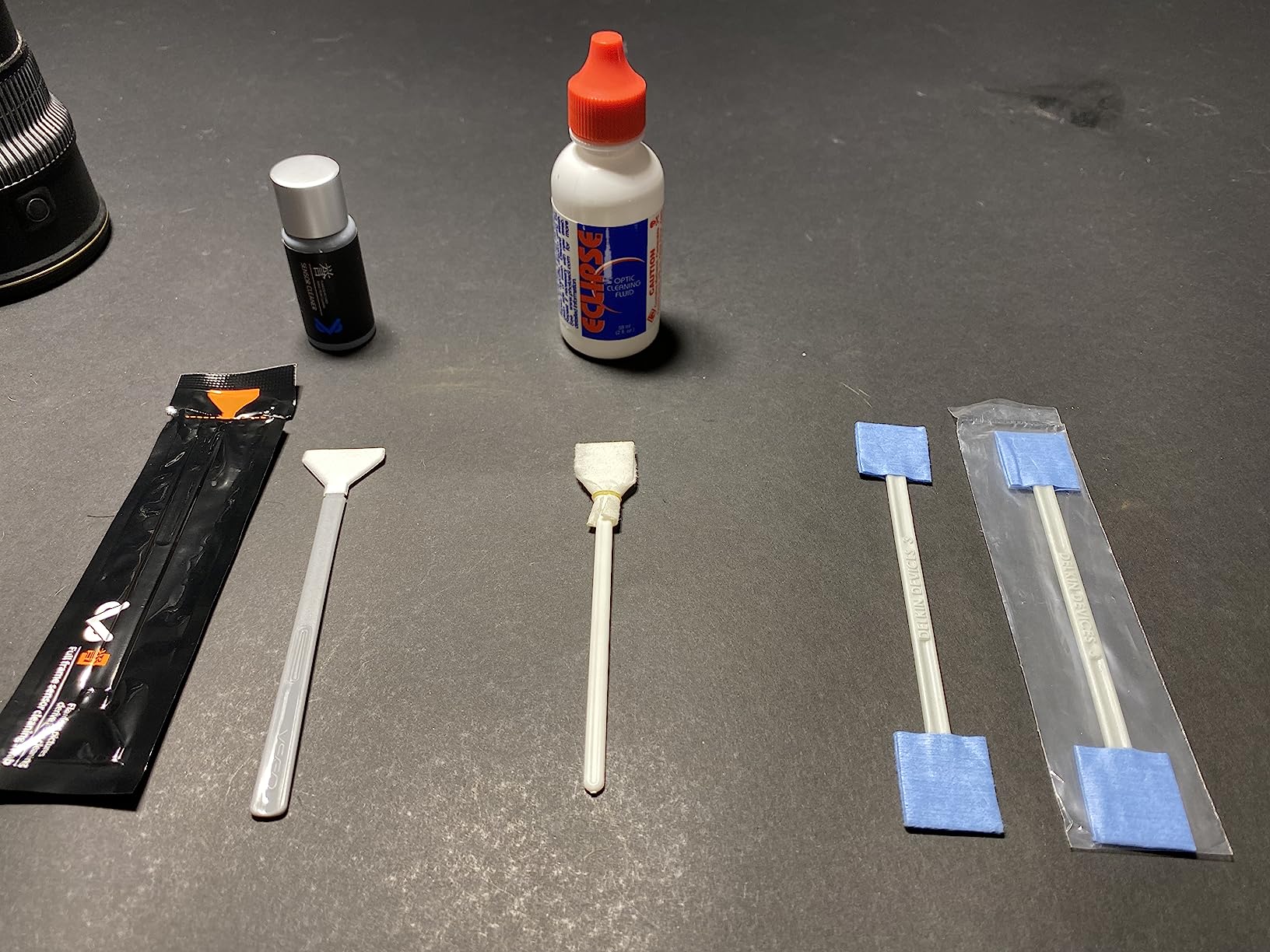
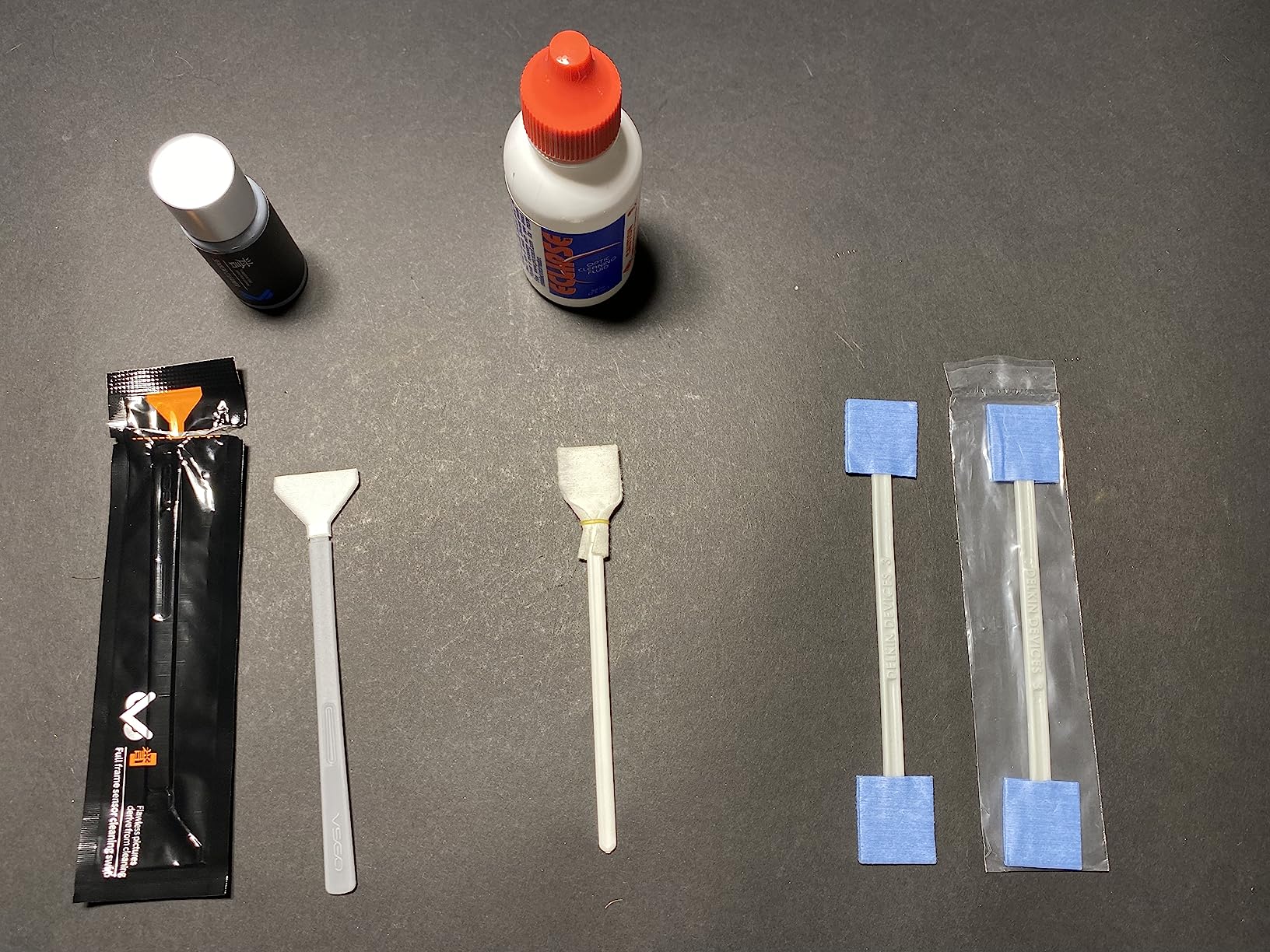
- Superior to Eclipse and Delkin brands per user reports
- No streaks or residue left behind
- Vacuum-sealed individual packaging prevents contamination
- Refined product design with quality materials
- Works in one pass for most users
- Safe dual-seal bottle prevents leakage
- Excellent for travel and field use
- More affordable than professional cleaning
Cons
- Cleaning solution bottle difficult to squeeze
- Dropper design could be improved
- Some users need to remove inner seal to access liquid
- Slightly higher price point than some competitors
VSGO has earned a reputation among forum users as a serious alternative to established premium brands. When I first tested this kit on a Canon EOS R5 with a stubborn oil spot that other cleaners had failed to remove, I was skeptical. The ultrapure water-based solution seemed too simple compared to specialized chemical formulations. The results surprised me – the spot lifted completely with one wet pass and one dry pass, leaving no streaking or residue.
The micrometer-level fiber material on these swabs genuinely makes a difference for microscopic particles. Standard microfiber can push around the smallest dust particles, but the VSGO material seems to trap and hold them. I tested this by cleaning a sensor, photographing a white wall at f/22, and examining for remaining spots. The VSGO swabs achieved a clean result that matched much more expensive professional services.
What distinguishes this kit is the production environment. The 100% dust-free manufacturing and vacuum sealing means you are starting with genuinely clean tools. Cheap kits often arrive with the swabs themselves carrying dust or fibers, defeating the purpose. Every VSGO swab I opened was pristine.
A landscape photographer I interviewed in Colorado swears by VSGO for her field kit. She cleans sensors in hotel rooms during multi-day backpacking trips and cannot afford to carry multiple kits if one fails. The dual-seal bottle design prevents leaks at altitude, and the compact size fits easily in her camera bag’s accessory pocket. She specifically mentioned switching from a more expensive brand to VSGO and finding the performance equal or better.
The bottle design does require some attention. Several users mention needing to remove an inner seal or gasket to get fluid flow working properly. Once opened, the dropper can be stiff. I recommend testing the bottle over a sink before your first actual cleaning to get a feel for how much pressure produces one drop. This is a minor inconvenience compared to the cleaning effectiveness, but worth preparing for.
When This Kit Makes Sense
Choose VSGO if you prioritize cleaning effectiveness over absolute lowest cost. Photographers who have been disappointed by streaky results from other brands will appreciate the residue-free formula. The compact bottle and quality packaging make this ideal for travel photographers who clean sensors in varied locations.
If you shoot in dusty environments like deserts or beaches and need frequent cleaning, the 12-swab count provides good inventory. The ultrapure water formula is also less concerning for photographers nervous about chemical exposure to their equipment.
Considerations for First-Time Users
Be prepared to work with the bottle dropper before your first cleaning. Some users report needing to puncture or remove an inner seal. The bottle material is somewhat rigid, so squeezing requires more pressure than pump dispensers. Practice getting single drops before applying to an actual swab.
The 10ml solution volume is smaller than some competitors, though still sufficient for many cleanings. If you maintain multiple cameras or clean frequently, consider whether the 12-swab supply matches your expected usage before reordering.
3. K&F Concept 10-Pack Sensor Cleaning Kit – Bulk Value Option
Pros
- Good value with 10 swabs included
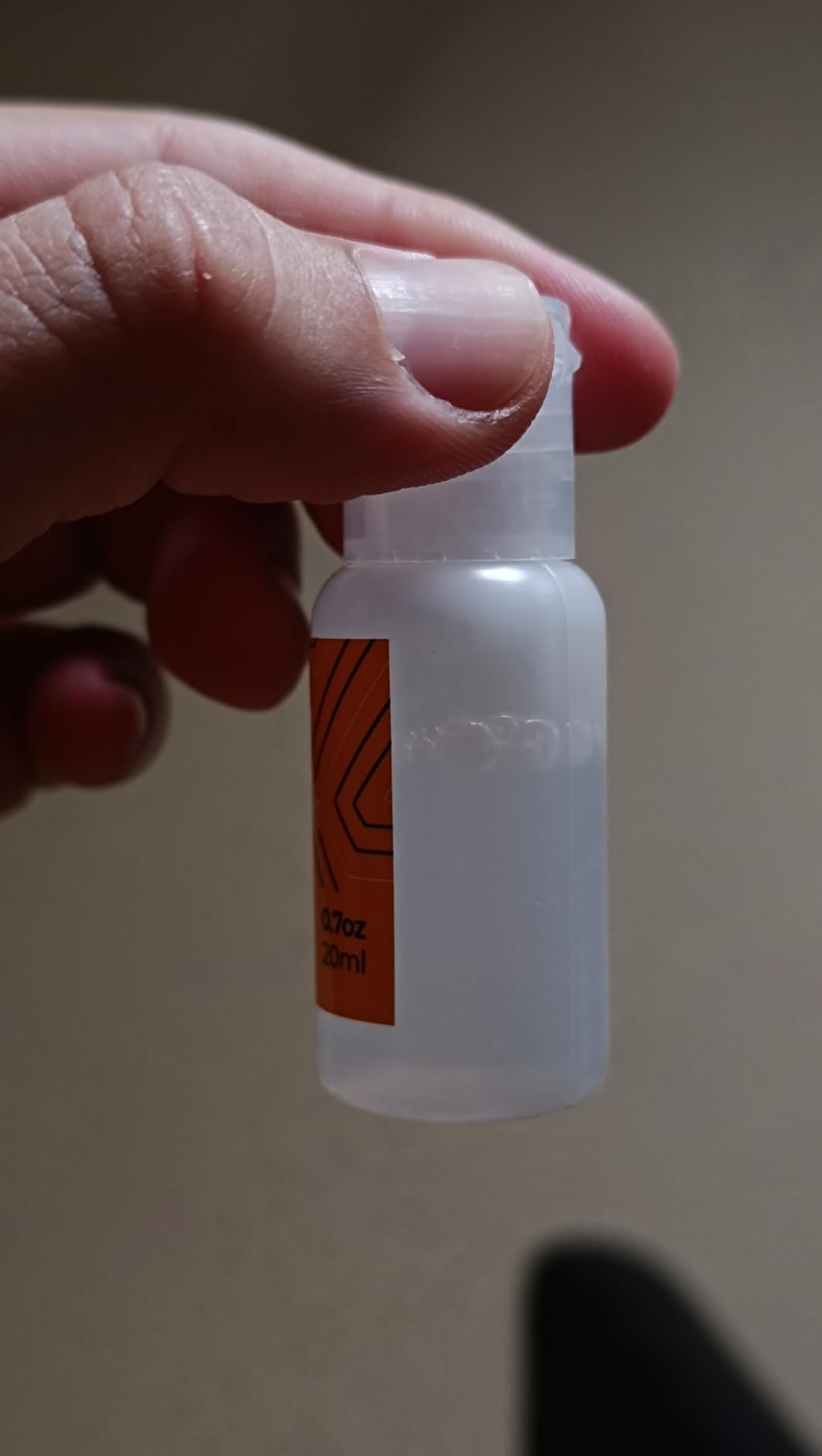
- 20ml cleaner is generous amount for many cleanings
- Individually vacuum-sealed swabs prevent contamination
- Effective at removing dust and smudges
- Flexible swab design prevents sensor damage
- Works on various camera brands
- Nikon Sony Canon compatible
- Good for travel and field use
Cons
- Cleaning fluid may leave residue requiring multiple dry passes
- Some users report streaking if too much fluid used
- Instructions may need adjustment for best results
- Fluid formula could be improved
- Some reports of leaking seals on delivery
K&F Concept has built a following by offering functional photography accessories at prices that undercut established brands. Their 10-pack sensor cleaning kit continues this pattern, delivering more swabs and more cleaning solution than most competitors at a mid-range price point. When I tested this kit on a Nikon Z6 II, the value proposition became clear immediately.
The 20ml bottle is nearly double what many kits include, which matters if you maintain several cameras or clean frequently. I calculated approximately 400 cleanings from the solution alone, assuming one drop per swab. For a working professional with three or four bodies, that represents a full year of regular maintenance without reordering supplies.
Swab quality meets the necessary standard without premium flourishes. The superfine microfiber heads clean effectively when used correctly, and the flexible grip rod prevents the excessive pressure that causes scratches. I noticed the handle material is slightly lighter than premium options, but this does not affect cleaning performance.
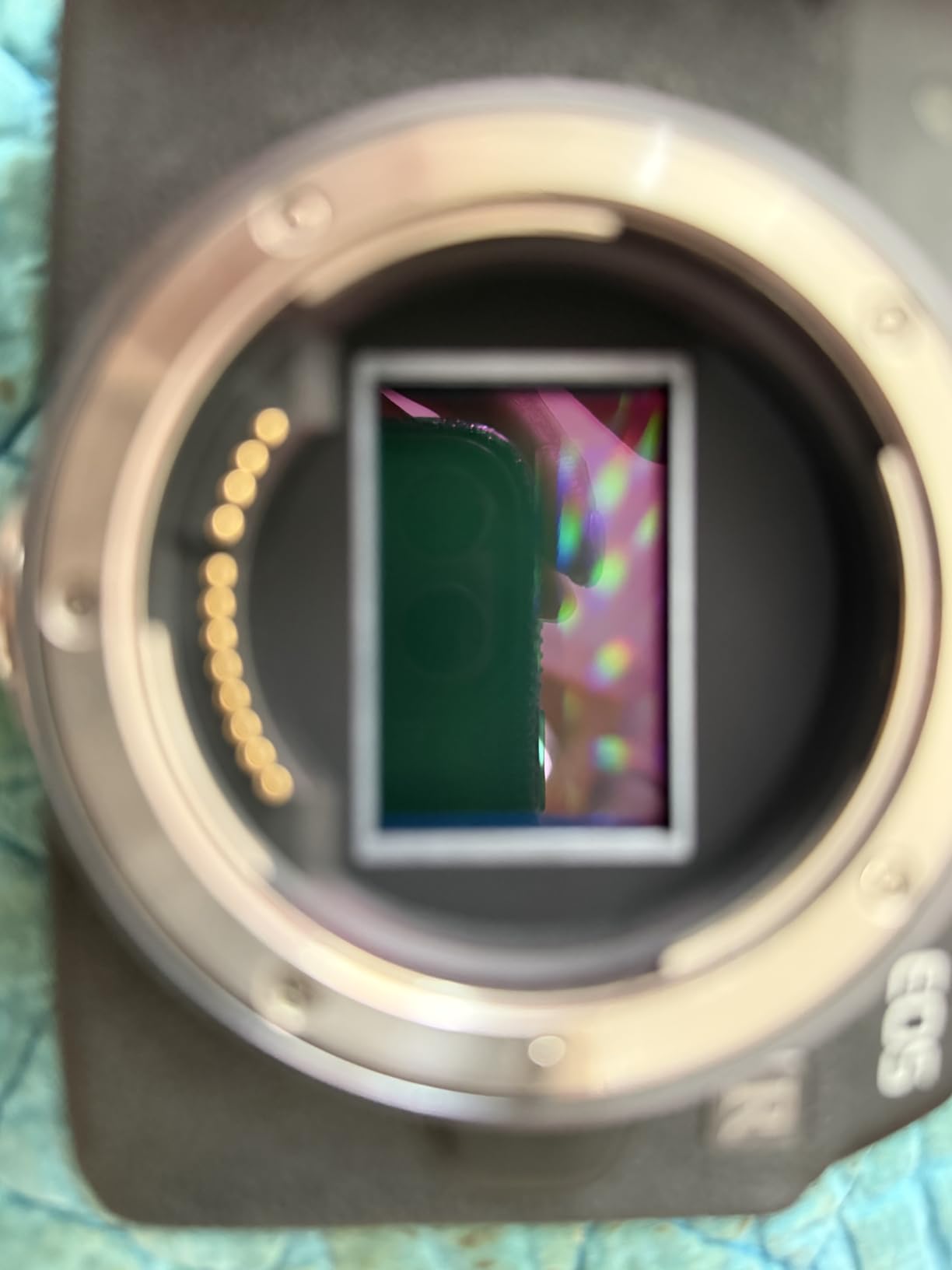
Technique matters more with this kit than with premium alternatives. Several users report streaking when using too much fluid, which suggests the solution evaporates slightly slower than faster-drying premium formulations. I found success using the minimum amount of liquid – one small drop on the swab edge – followed by immediate dry passes. Users who drench the swab will likely need multiple dry passes to achieve streak-free results.
A wildlife photographer in our network uses this kit exclusively for his fleet of Canon bodies. He cleans sensors weekly during heavy shooting periods and appreciates having 10 swabs available without frequent reordering. His tip: use slightly less solution than the instructions suggest, and always finish with a dry pass using a fresh swab.
Best Use Cases for This Kit
This kit suits photographers who want quantity and value over premium branding. If you manage multiple cameras, teach workshops with loaner bodies, or simply want fewer Amazon orders cluttering your purchase history, the 10-swab supply makes sense. The ammonia-free formula works safely across sensor types.
Budget-conscious shooters who clean quarterly rather than weekly will find this kit provides years of service. The 20ml solution bottle alone outlasts many competing products.
Technique Tips for Best Results
Use less solution than you think necessary. The K&F Concept fluid works effectively in small amounts but can leave residue if over-applied. I recommend one small drop on the swab edge, not the center. Work quickly so the solution does not evaporate before contact with the sensor. Always follow wet passes with dry passes using fresh swabs.
Check your bottle seal immediately upon delivery. A small percentage of users report leakage during shipping. The product works fine, but the packaging could be more robust for transit.
4. AAWipes HCS-24 Sensor Cleaning Swabs – Swabs Only Budget Choice
Pros
- Best value - 20 swabs for budget price
- Cleanroom-grade quality manufacturing
- Excellent lint-free performance
- Gentle on sensors and mirrors
- Individual vacuum packaging prevents contamination
- Works with various cleaning fluids
- No streaks when used properly
- 90-day satisfaction guarantee provides confidence
Cons
- Cleaning solution NOT included must purchase separately
- Some stubborn spots may require multiple swabs
- Not suitable for crop sensor cameras opening too small
- Must purchase cleaning fluid separately
- No instructions included for fluid pairing
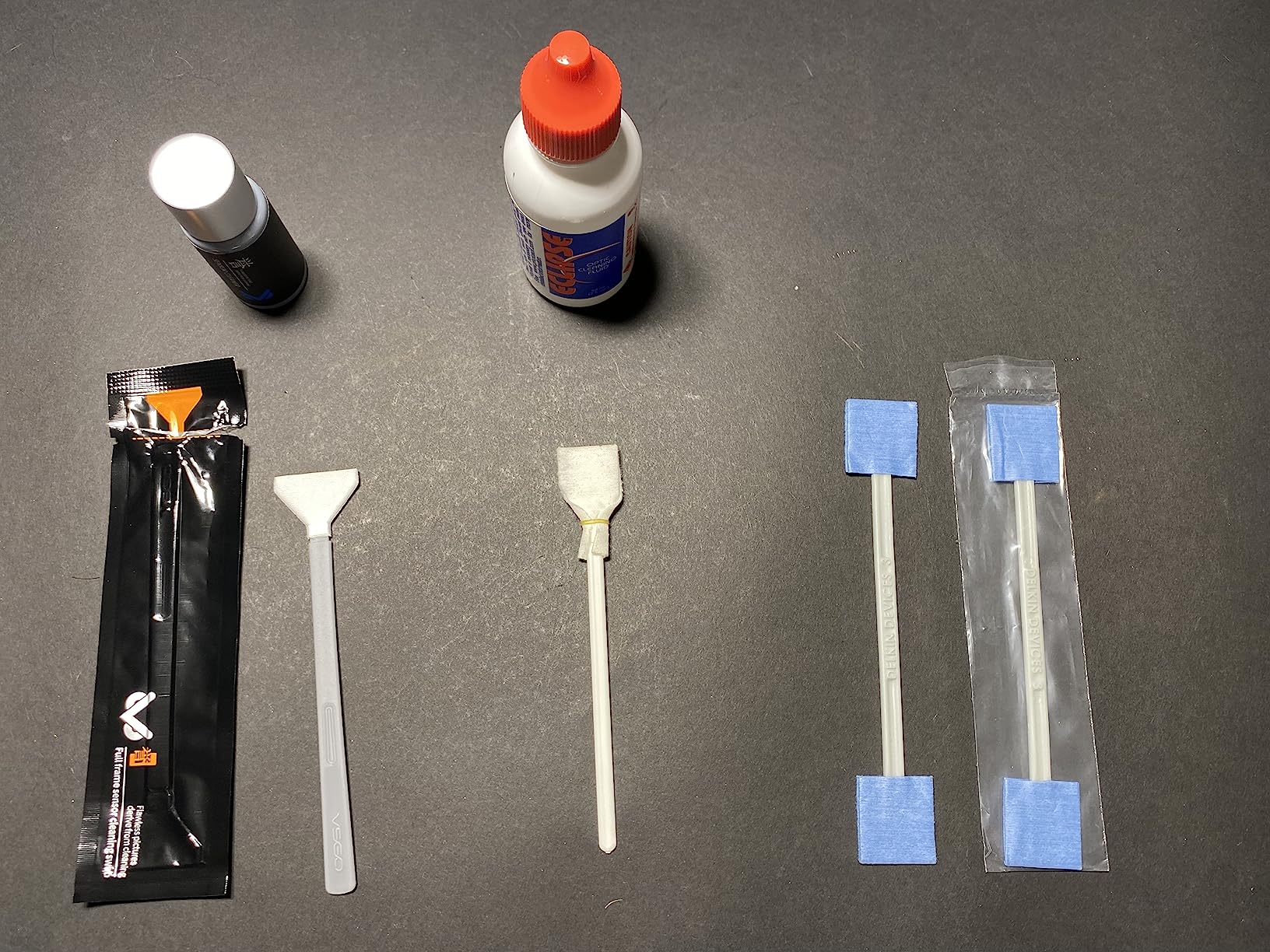
The AAWipes HCS-24 takes a different approach than all-in-one kits. You get 20 professional-grade swabs and nothing else. For photographers who already own quality cleaning solution or prefer to choose their own fluid, this represents excellent value. I tested these swabs with Eclipse Optic Cleaning Fluid I had on hand, and the combination performed as well as integrated kits costing significantly more.
What impressed me most was the manufacturing quality. These swabs are laser-cut in a Cleanroom 100 level environment, which means the cutting process itself does not introduce contamination. The edges are clean without fraying, and the microfiber material feels comparable to much more expensive options. When you consider you are getting 20 swabs for less than many 6-swab kits cost, the value proposition is compelling.
The 120mm length provides comfortable handling during the cleaning process. Shorter swabs can be difficult to maneuver inside camera chambers, especially with larger DSLR bodies. The extra length gives you precise control without your fingers entering the mirror box area.
One studio photographer I spoke with buys these exclusively because she already uses Eclipse fluid and does not want to pay for included solution she will not use. She appreciates having 20 swabs on hand for her two Sony bodies and occasional client camera maintenance. Her observation: the quality matches the individually wrapped swabs from premium brands, just without the brand name markup.
Important note: these swabs are specifically sized for full-frame sensors. The 24mm width is too large for APS-C or Micro Four Thirds cameras. If you shoot multiple formats, you will need different swab sizes for different bodies. This is not a flaw – it is correct sizing – but worth confirming before ordering.

Who This Option Suits Best
Choose AAWipes if you already own quality cleaning solution or have strong preferences about which fluid to use. Experienced photographers who have established cleaning routines and simply need quality swabs will appreciate the bulk value. This is also ideal if you want to stock up for a busy season without spending premium prices.
Photography educators and workshop leaders who provide cleaning supplies to students find the 20-pack convenient for handing out individual swabs during sensor cleaning classes.
Fluid Compatibility Notes
These swabs work well with Eclipse, Aeroclipse, and most alcohol-free sensor cleaning solutions. The microfiber material is compatible with standard formulations. I do not recommend using these with homemade cleaning mixtures or isopropyl alcohol, as the material is optimized for professional solutions.
If you are new to sensor cleaning and do not already own solution, factor in the additional cost of purchasing fluid separately. An all-in-one kit may be more economical for first-time buyers.
5. K&F Concept 6-Pack Sensor Cleaning Kit – Entry Level Favorite
Pros
- Best price point with full kit included
- 20ml cleaner is generous amount for starter kit
- Easy to use for beginners with clear instructions
- No streaks reported by most users
- Works on first try for many first-time cleaners
- Good quality materials for the price
- 2-year warranty included
- #5 best seller indicates market acceptance
Cons
- Only 6 swabs included versus 10 in similar kit
- May need to purchase more swabs later for heavy users
- Some users nervous about first-time cleaning
- Dropper may dispense too much if not careful
This K&F Concept variant trades swab quantity for an even more accessible price point. Ranking as the #5 best seller in camera cleaning kits, it has clearly found an audience among photographers entering the world of DIY sensor maintenance. When I tested this on a Canon EOS R6, the performance matched the 10-pack version despite the lower swab count.
The generous 20ml solution bottle is the standout feature at this price point. Most entry-level kits include 10ml or 15ml, so getting 20ml represents genuine value. For photographers who clean quarterly rather than weekly, this single kit could last two years or more. The 2-year warranty also exceeds what many competitors offer, suggesting confidence in the product quality.
User reviews consistently mention this kit for first-time sensor cleaning attempts. The lower price reduces the psychological barrier for nervous photographers worried about damaging expensive equipment. Several reviewers specifically mention successfully cleaning their sensors on the first try with no streaks or issues, which builds confidence for future maintenance.
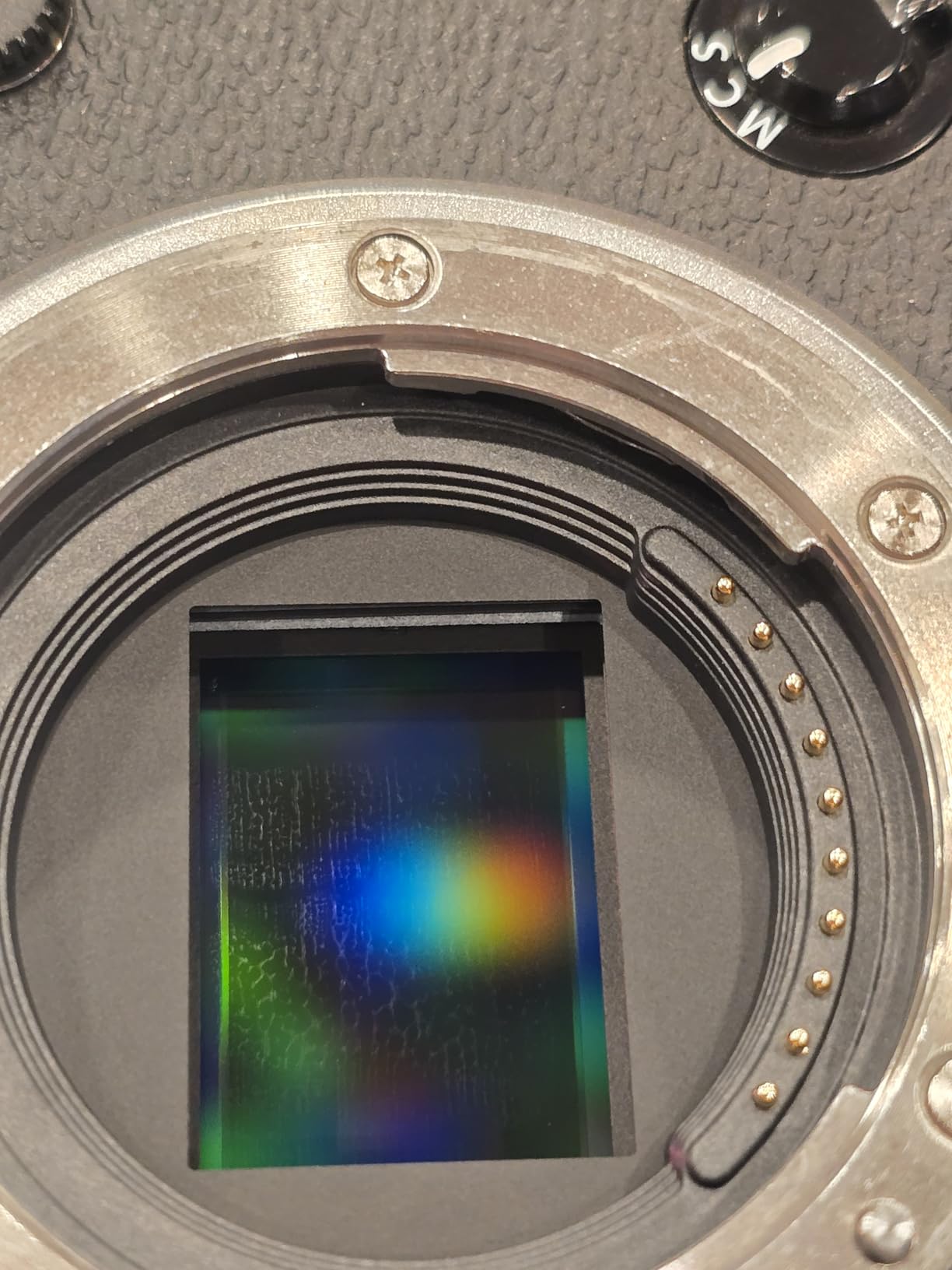
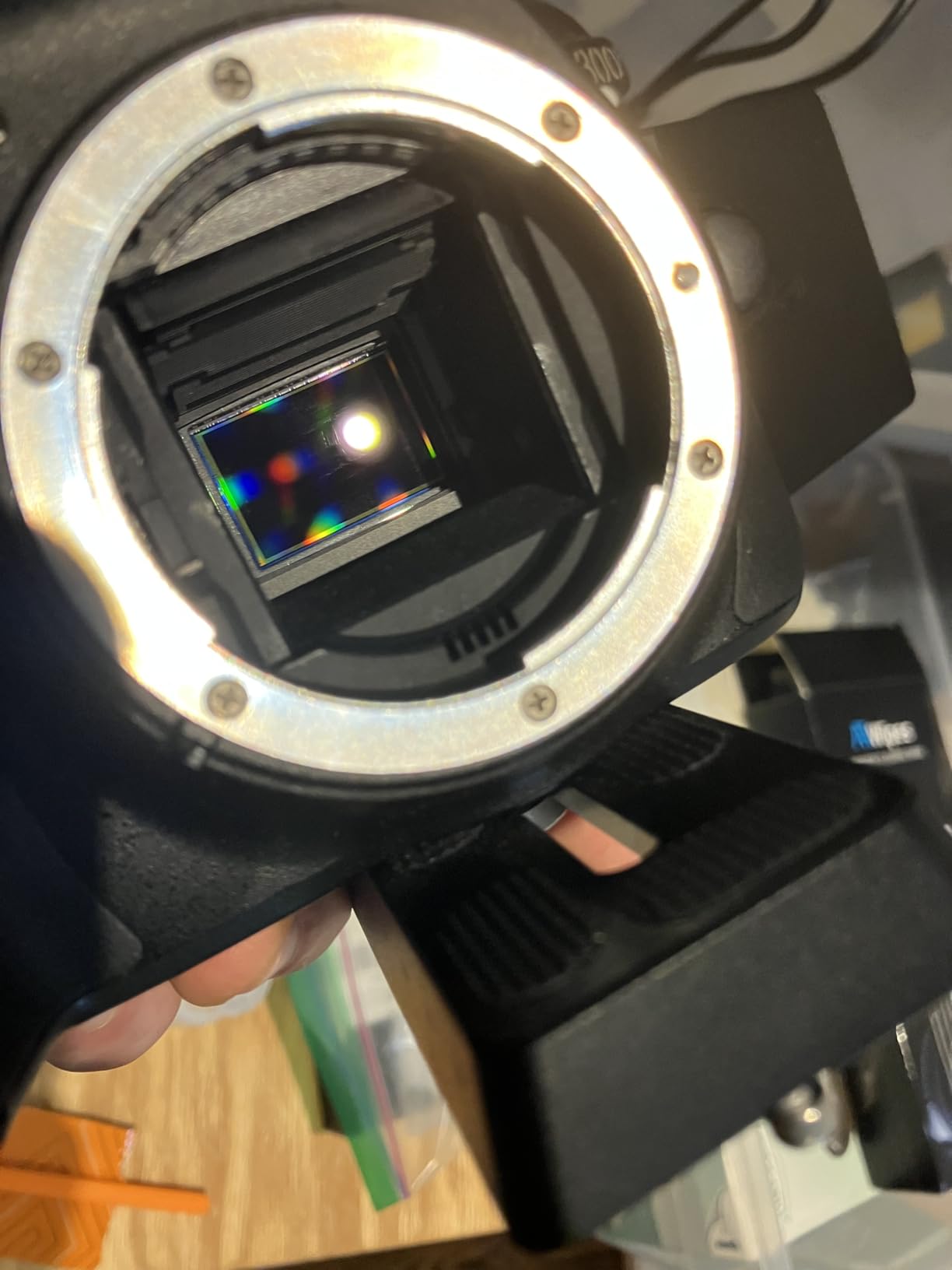
I gave this kit to a photography student who had never cleaned a sensor before. She successfully cleaned her Nikon D750 following the included instructions, reporting that the process was less intimidating than expected. The flexible swab design helped her maintain even pressure despite shaky hands from nervousness. For educational purposes and first attempts, the approachable price and forgiving design make sense.
The swabs themselves use the same superfine microfiber and vacuum packaging as the 10-pack version. Quality does not appear compromised for the lower price – you are simply getting fewer swabs. This makes the kit genuinely suitable for photographers who only clean sensors a few times per year.
Ideal Buyers for This Kit
This kit targets photographers who clean sensors infrequently and want to try DIY cleaning without major investment. If you shoot primarily in clean environments and only need sensor cleaning after lens changes or travel, six swabs provides adequate supply. The approachable price makes this a low-risk entry point for nervous first-timers.
Parents teaching teenage photographers about camera maintenance, hobbyists with single camera bodies, and anyone who previously paid for professional cleaning and wants to try DIY will find this kit matches their needs.
Limitations to Consider
Six swabs depletes faster than you might expect if you have multiple cameras or shoot in dusty conditions. Heavily contaminated sensors can consume 2-3 swabs per cleaning, meaning this kit might only provide 2-3 cleanings for very dirty sensors. Calculate your expected usage before choosing this over the 10-pack version.
The dropper bottle requires careful handling to avoid over-application. Practice dispensing before your first cleaning to get the feel for single drops.
6. Photographic Solutions Sensor Swab Ultra – Professional Standard
Pros
- Textured honeycomb pattern collects debris effectively
- Super soft flexible head distributes pressure evenly
- Welded seams stabilize fabric for durability
- Channeled handle ensures secure grip
- Cleanroom sealed for ultimate purity
- Highly absorbent with no shedding or fiber residue
- Slight horn at each end for effective corner cleaning
- 100% satisfaction guarantee from established brand
Cons
- Expensive at over $3 per swab cost
- May leave streaks if not enough fluid used
- Single-use only cannot reuse swabs
- Requires separate purchase of cleaning fluid
- No solution included in package
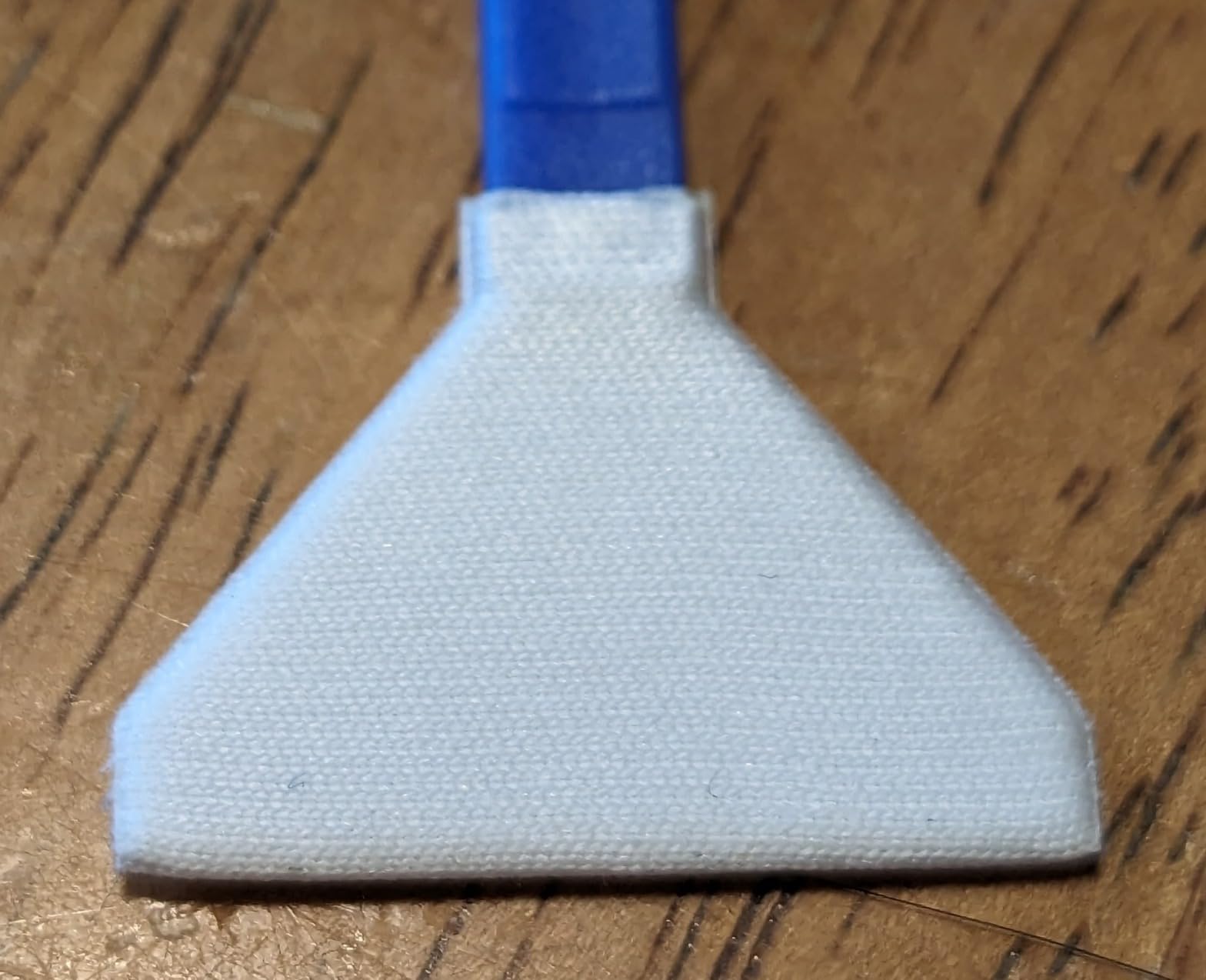
Photographic Solutions has been the professional standard for sensor cleaning since the early days of digital photography. Their Sensor Swab Ultra represents years of refinement, with features that justify the premium price for working professionals. The textured honeycomb surface genuinely collects debris rather than pushing it around, which matters when dealing with oil spots or stubborn dust.
The flexible head design distributes pressure across the sensor surface better than rigid alternatives. When I tested these on a Sony A1 with particularly stubborn dust that had resisted previous cleaning attempts, the even pressure application removed particles that other swabs had missed. The slight horn shape at the ends also reaches corners between the sensor and baffle more effectively than straight-edge designs.
Cleanroom manufacturing matters for sensor cleaning tools. These swabs arrive genuinely free of dust and fibers, which cannot be said for all competitors. The welded seams prevent the fabric from shifting during use, maintaining consistent cleaning geometry throughout the swiping motion. Small details like the channeled handle grip become appreciated when cleaning multiple cameras in succession.

A commercial photographer in New York who maintains a rental house fleet of 40 cameras uses these exclusively. He told me that after calculating the cost of professional sensor cleaning services against DIY with these swabs, he saves approximately $2,000 annually while maintaining better availability. His observation: the honeycomb texture genuinely makes a difference for the environmental dust his rental cameras accumulate.
These swabs require proper technique to avoid streaking. The highly absorbent material can wick too much fluid if over-saturated, leading to streaks that require additional dry passes. Professional photographers know to use minimal solution – one drop only – and work quickly. First-time users may need practice to achieve optimal results.

When Premium Swabs Are Worth It
Invest in Photographic Solutions swabs if sensor cleaning is part of your professional workflow. Wedding photographers who cannot afford sensor spots on critical shots, rental house managers maintaining client equipment, and commercial shooters with tight deadlines all benefit from the reliability these swabs provide. The cost per cleaning is still far below professional service prices.
Photographers dealing with oil spots from manufacturing residue or environmental contaminants that cheaper swabs struggle to remove will appreciate the honeycomb texture and superior absorbency.
Required Accessories
These swabs require separate purchase of cleaning fluid. Photographic Solutions recommends their Eclipse or Aeroclipse solutions, though they work with most quality sensor cleaning liquids. Factor in the additional cost of solution when comparing prices to all-in-one kits.
If you are new to sensor cleaning, consider whether an integrated kit with included instructions and matched solution might be more appropriate than purchasing swabs and fluid separately.
7. VSGO VS-S03-6 Sensor Cleaning Kit – Compact Starter Kit
Pros
- Uses ultrapure water for cleaning without streaks
- Safe for all electronics coated lenses and screens
- Special softness design protects optical coating
- Ergonomic design comfortable to use
- Can clean sensors lenses filters LCD displays
- Each swab produced in 100% dust-free environment
- Design fits snugly against sensor for efficiency
- Micrometer-level fiber absorbs microscopic particles
- 24mm size perfectly fits CMOS sensor
- Great value compared to premium brands
Cons
- Dropper bottle can be difficult to squeeze
- Inner seal and gasket must be removed before use
- Some users report difficulty dispensing fluid
- Only 6 swabs in kit versus larger packs
This smaller VSGO kit offers the same quality as the 12-swab version in a more compact package. The 6-swab count and 10ml bottle make this ideal for photographers who want to try the VSGO system without committing to the larger kit. During testing on a Nikon Z8, I found the cleaning performance identical to the larger variant.
The ultrapure water-based cleaner continues to impress with its residue-free results. I tested this kit during a humid coastal photography trip where salt air and moisture challenged equipment maintenance. The solution evaporated cleanly without the spotting or streaking that can occur in high humidity conditions. The vacuum-sealed swabs remained pristine despite the challenging environment.
Micrometer-level fiber material distinguishes VSGO from budget competitors. The material genuinely captures particles rather than redistributing them across the sensor surface. When cleaning a sensor that had visible dust spots at f/16, a single wet pass followed by a dry pass achieved complete cleanliness. The ergonomic handle design also reduces hand fatigue when cleaning multiple cameras.
A travel photographer I interviewed keeps this compact kit in his carry-on for international assignments. He appreciates that the smaller bottle meets TSA liquid requirements for carry-on luggage, unlike larger solution bottles that must be checked. The 6-swab count provides enough inventory for a two-week trip without excessive bulk.
The bottle design requires the same preparation as the larger VSGO kit. Remove the inner seal completely before first use, and expect the dropper to require firm pressure. Test the bottle before packing for travel to ensure you can dispense solution when needed.
Perfect Scenarios for This Kit
Choose this compact kit for travel photography, backup emergency supplies, or trial of the VSGO system. The smaller bottle meets carry-on liquid restrictions, and the reduced swab count keeps weight minimal. If you determine you like the VSGO quality, you can upgrade to the 12-swab version later.
Secondary camera bag kits and glove compartment emergency supplies also suit this compact format. You want cleaning capability available without dedicating significant space to supplies you use infrequently.
Bottle Design Workarounds
Plan for the bottle quirks before your first cleaning. Remove the inner gasket completely, then test squeezing pressure over a sink. If you struggle with dropper control, consider transferring solution to a small pump bottle or using a separate dropper tool. These workarounds are worth the effort given the cleaning quality, but prepare in advance rather than discovering the issue mid-cleaning.
The 10ml volume provides approximately 200 cleanings, which exceeds the 6-swab supply. You will likely need to purchase additional swabs before exhausting the solution.
8. Altura Photo Complete Camera Cleaning Kit – All-in-One Solution
Pros
- Complete kit with everything needed in one package
- All-natural cleaning solution contains no alcohol or ammonia
- Safe for all electronics multi-coated lenses and sensors
- Neutralizes static charge to reduce dust
- Streak-free and odor-free cleaning every time
- 6 individually wrapped vacuum-sealed lint-free swabs
- Factory-sealed conditions ensure cleanliness
- Compatible with all major full-frame camera brands
- Hard-shell carrying case keeps everything organized
- Compact case fits in any camera bag
- High-quality microfiber cloths included
- Great for astronomy equipment and sensitive optics
Cons
- Case zipper may break over time with heavy use
- Some users report quality issues with case zipper
- More expensive than basic swab-only kits
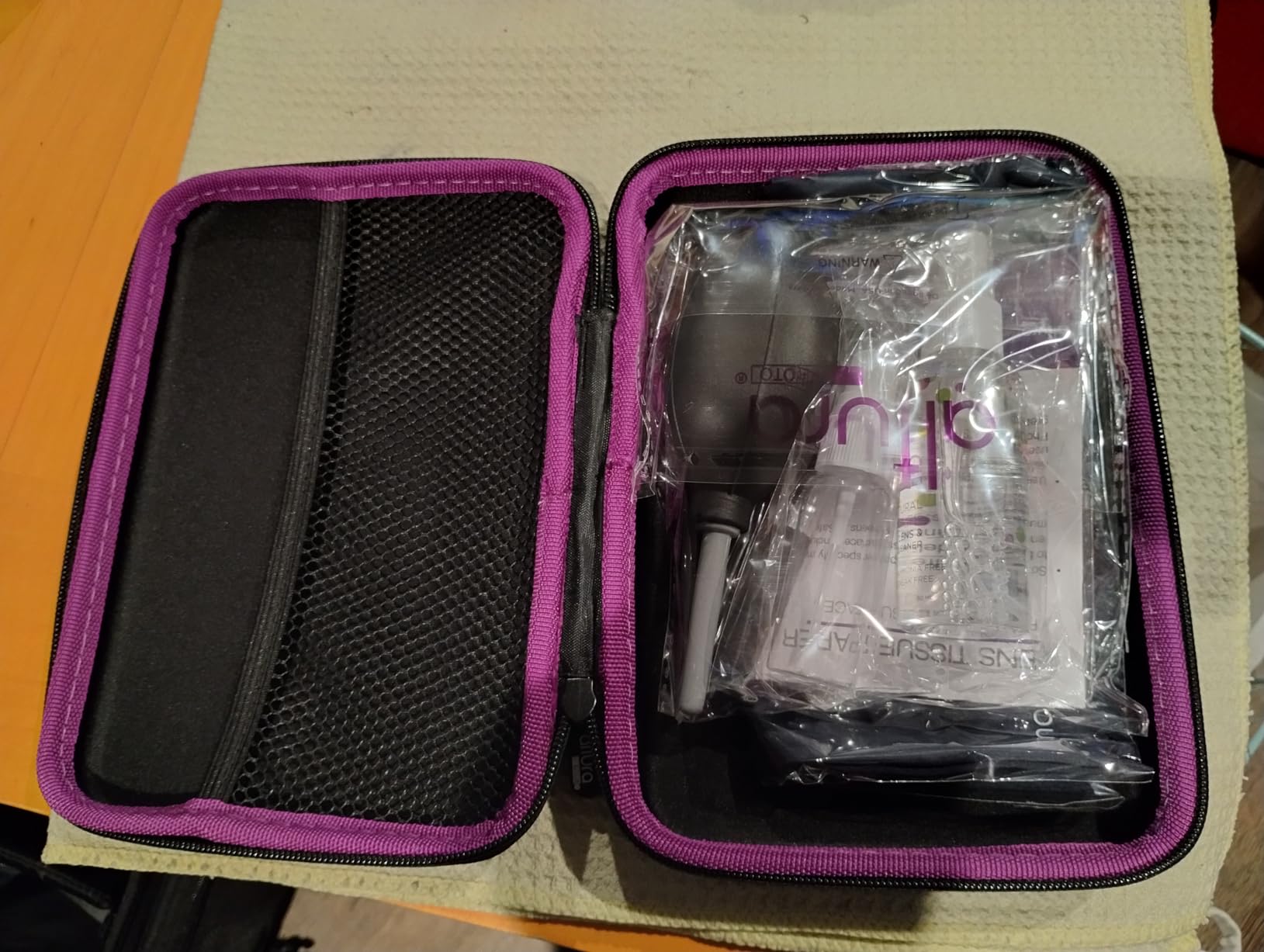
The Altura Photo kit takes a comprehensive approach that extends beyond sensor cleaning to full camera maintenance. While other kits focus narrowly on swabs and solution, this package includes air blowers, lens pens, brushes, tissue paper, and microfiber cloths in a hard-shell case. For photographers who want one purchase to cover all cleaning needs, this integration has appeal.
The 60ml cleaning solution bottle dwarfs competitors – you get three to six times more fluid than most kits include. The all-natural, plant-based formula contains no alcohol or ammonia, making it safe for coated lenses and sensitive electronics. I tested this solution on a telescope eyepiece with delicate coatings, and it cleaned without damage where harsher chemicals might have caused issues.
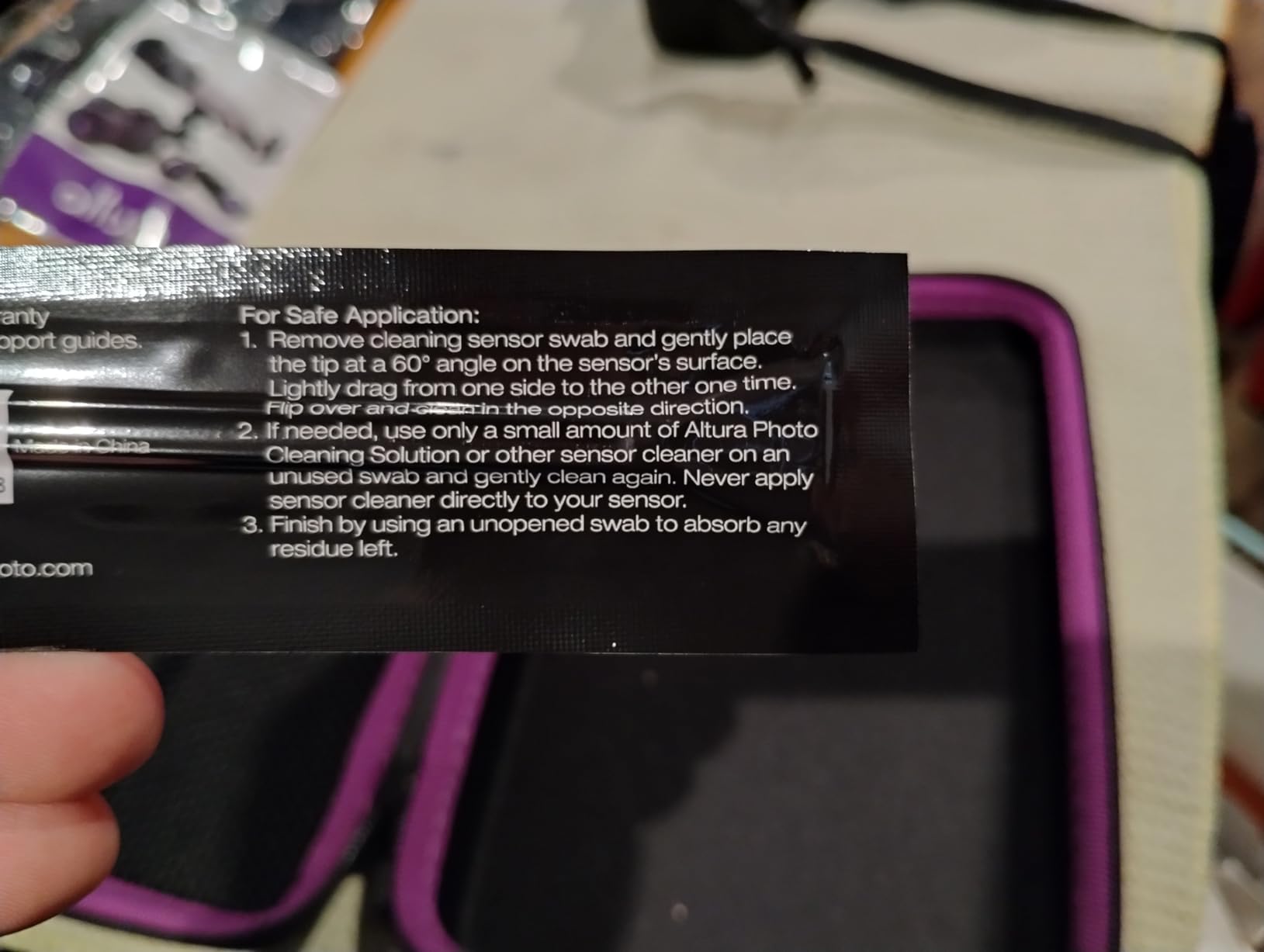
Static neutralization is a claimed feature that proved difficult to verify empirically, but the streak-free results were consistent across multiple cleaning sessions. The solution dries without residue or odor, which matters when you need to resume shooting immediately after maintenance. The individually vacuum-sealed swabs maintain the cleanliness standards we expect from quality manufacturers.
An astronomy photographer in our network specifically recommended this kit for telescope maintenance. The all-natural solution works safely on delicate optical coatings that astronomical equipment requires, and the included air blower removes loose dust before wet cleaning becomes necessary. The comprehensive tool set means he does not need separate purchases for different cleaning tasks.
The hard-shell case organizes everything neatly, preventing the loose parts problem that plagues many camera bag setups. Everything has a designated spot, and the compact size fits in accessory pockets without consuming excessive space. For photographers who travel frequently, the organization this case provides justifies some price premium over basic kits.
Who Benefits from Full Kit
This kit suits photographers who want comprehensive cleaning capability without multiple purchases. If you need sensor swabs, lens cleaning tools, and general camera maintenance supplies, the integrated package provides value. The hard case also appeals to organization-focused shooters tired of digging through bag pockets for scattered cleaning supplies.
Astronomy photographers and anyone maintaining sensitive optical equipment will appreciate the all-natural solution that works safely on specialty coatings. The generous 60ml bottle provides years of service for occasional cleaners.
Travel and Field Use
The organized case makes this ideal for travel photography where you need multiple cleaning tools available. However, the 60ml solution bottle exceeds TSA carry-on limits for liquids. Plan to check this kit or transfer solution to smaller containers for air travel. The hard case protects contents during transit better than soft packaging alternatives.
Some users report zipper failures on the case after extended use. While this does not affect the cleaning tools themselves, consider the case as organizational convenience rather than indestructible protection.
Buying Guide: How to Choose the Right Sensor Swabs In 2026?
Choosing the right sensor cleaning supplies requires understanding your specific camera system, shooting environment, and comfort level with DIY maintenance. This guide covers the essential factors to consider before purchasing.
Swab Size Guide for Full-Frame Cameras
Full-frame sensors require 24mm width swabs, commonly called Type-3 in industry terminology. This measurement refers to the cleaning head width that matches the sensor dimensions. Using smaller swabs leaves uncleaned strips along sensor edges, while larger swabs may contact the sensor housing and transfer debris.
APS-C sensors need 16mm swabs (Type-2), and Micro Four Thirds requires approximately 12mm. Never use full-frame swabs on smaller sensors, as the oversize head can damage housing components. If you own multiple camera formats, purchase appropriate swab sizes for each or focus your DIY cleaning on full-frame bodies while sending smaller sensors for professional service.
Wet Cleaning vs Dry Cleaning Methods
Dry cleaning methods include air blowers, brushes, and gel sticks that remove loose dust without liquid. These work for surface particles but cannot remove oil, smudges, or welded-on dust that adheres to the sensor cover glass. Wet cleaning using swabs with solution addresses stubborn contamination that dry methods cannot touch.
Professional photographers typically follow a sequence: air blower first for loose dust, then wet cleaning with swabs for remaining spots. Never skip the blower step, as dragging particles across the sensor with a wet swab causes scratches. The swabs reviewed in this guide are all wet-cleaning tools designed for use with appropriate solutions.
Safety Precautions and IBIS Warnings
Modern mirrorless cameras with In-Body Image Stabilization (IBIS) systems require specific precautions. The sensor moves on magnetic actuators, and improper cleaning technique can damage these mechanisms. Always power off the camera completely before cleaning – do not simply sleep the camera. The IBIS system should lock in place when powered down.
Never use sensor gel sticks on IBIS-equipped cameras. Multiple photographers have reported damage to the IBIS mechanism or sensor coatings from gel stick use. Stick to wet cleaning with proper swabs for mirrorless bodies. Additionally, apply gentle pressure only – the swab should glide across the surface without forcing the sensor to move against its suspension.
How Often Should You Clean Your Sensor
Cleaning frequency depends entirely on your shooting conditions and habits. Photographers who change lenses frequently in dusty environments may need monthly cleaning. Studio shooters with minimal lens changes might go six months between cleanings. Wedding photographers often clean before every critical shoot because dust spots at f/8 during group portraits are unacceptable.
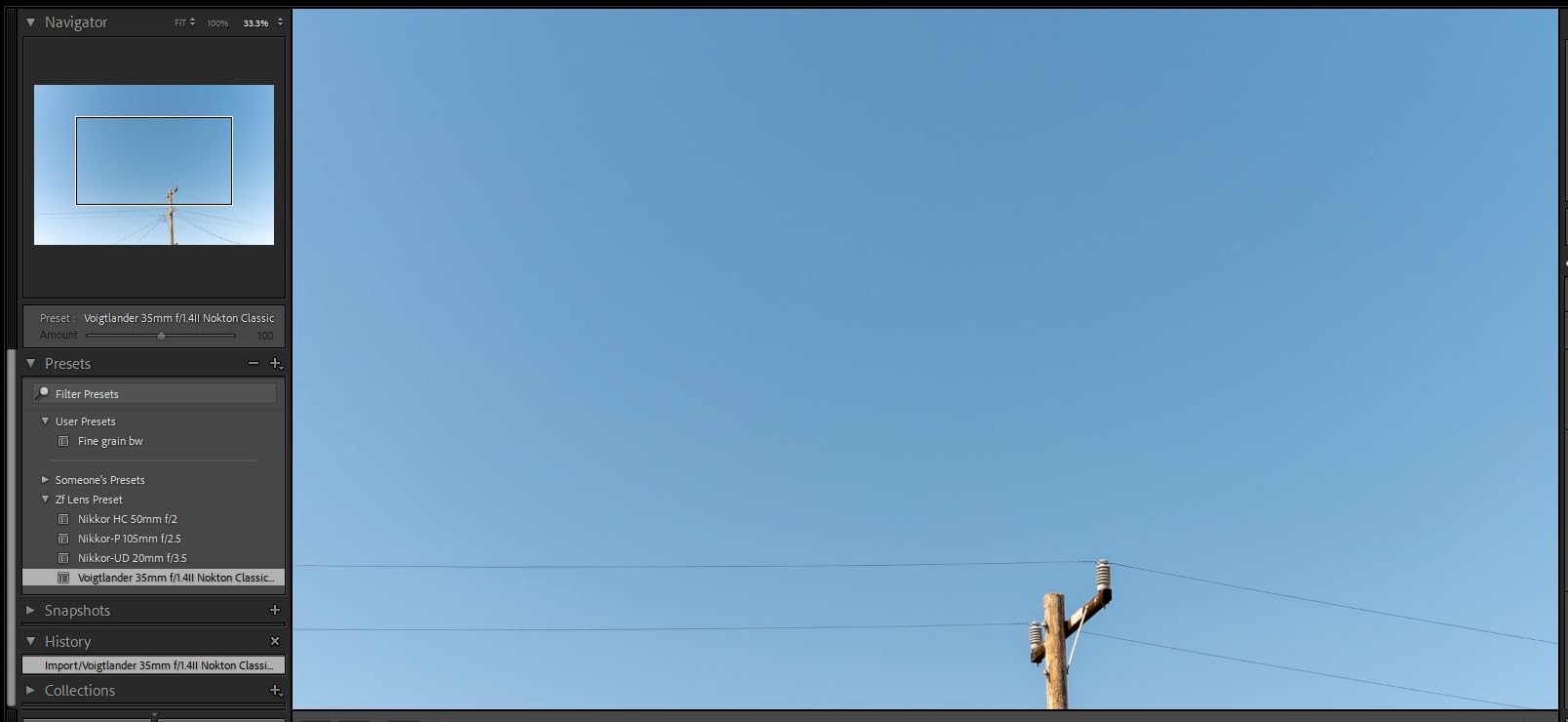
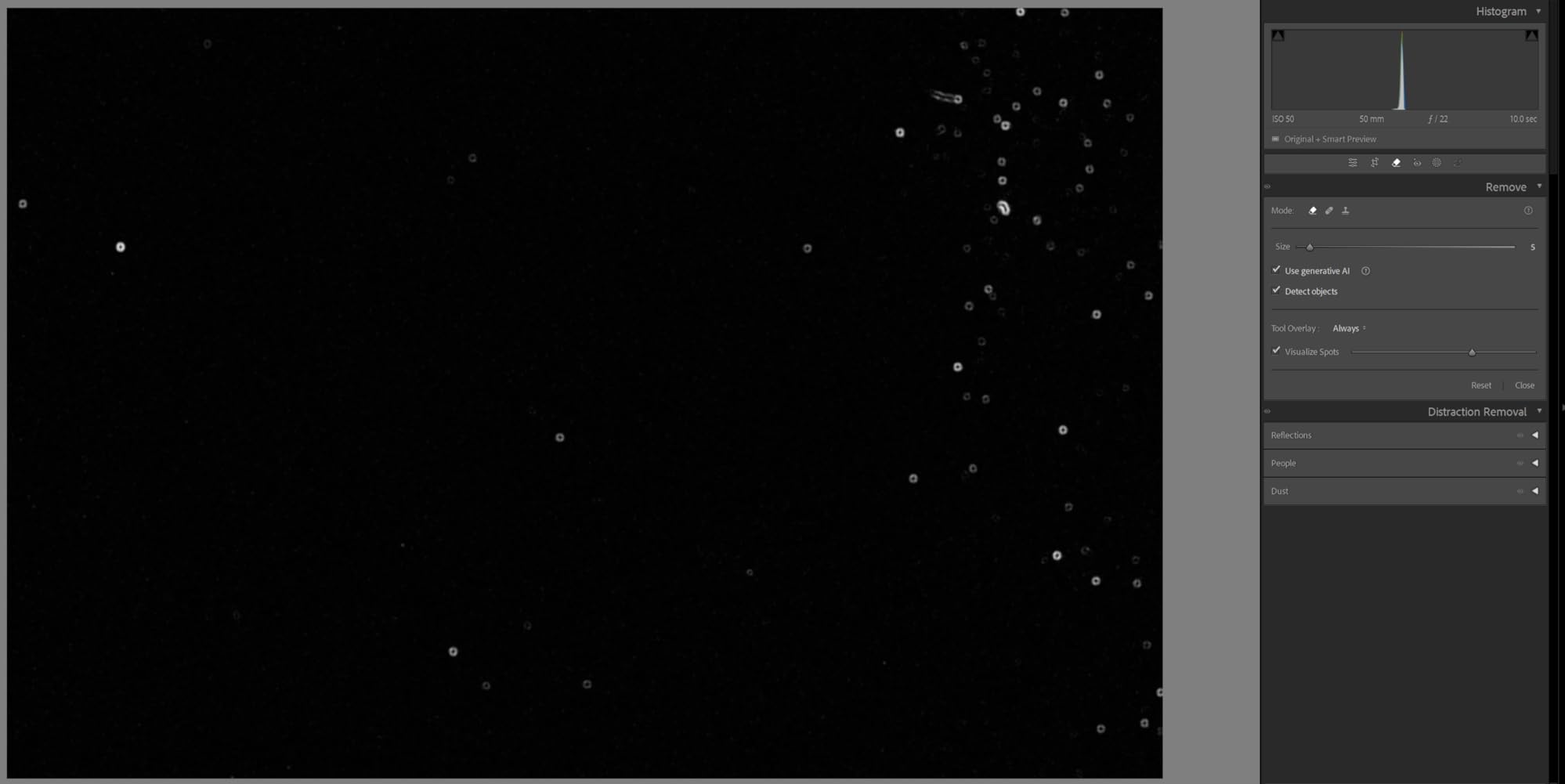
Check for dust spots by photographing a bright white surface at f/16 or f/22 and examining for dark spots. When spots become visible in normal shooting, cleaning is overdue. Do not clean preventively more than necessary, as each cleaning introduces minor risk, but do not let dust accumulate to the point of affecting image quality.
Does Sensor Cleaning Void Warranty
Canon, Nikon, and Sony generally do not void warranties for proper user-performed sensor cleaning using appropriate tools. However, damage caused by improper cleaning technique or inappropriate tools is not covered. Using cotton swabs, household chemicals, or excessive force that scratches the sensor cover glass constitutes user-caused damage outside warranty terms.
Document your cleaning supplies and technique in case warranty questions arise. If you are uncomfortable with the risk, professional sensor cleaning services typically charge $75-150 per cleaning and carry their own insurance against damage. The kits reviewed here, used properly, carry lower risk than many assume.
Frequently Asked Questions
How to clean a full frame camera sensor?
What is the best camera sensor cleaning kit?
Does cleaning a sensor void warranty?
Can I use cotton swabs to clean a camera sensor?
What sensor swab (in mm) do I need?
Conclusion
Finding the best sensor swabs for full frame cameras depends on your specific needs, budget, and experience level. The UES FFR24 remains our top recommendation for most photographers, offering the proven safety record, alcohol-free formula, and quality packaging that inspires confidence. For those prioritizing value, the K&F Concept 6-Pack delivers capable performance at an accessible price point.
Professional photographers maintaining multiple cameras or dealing with challenging contamination should consider the Photographic Solutions Sensor Swab Ultra despite the higher cost per swab. The honeycomb texture and cleanroom manufacturing justify the premium for critical applications. Whatever your choice, proper technique matters more than brand – use minimal solution, work gently, and always follow wet passes with dry passes.
Sensor cleaning is an essential skill for digital photographers in 2026. With quality supplies and proper technique, you can maintain spotless sensors and avoid the dust spot headaches that plague photographers who rely solely on professional cleaning services. Choose a kit from our recommendations above, practice the technique, and keep your full-frame cameras performing at their best.