
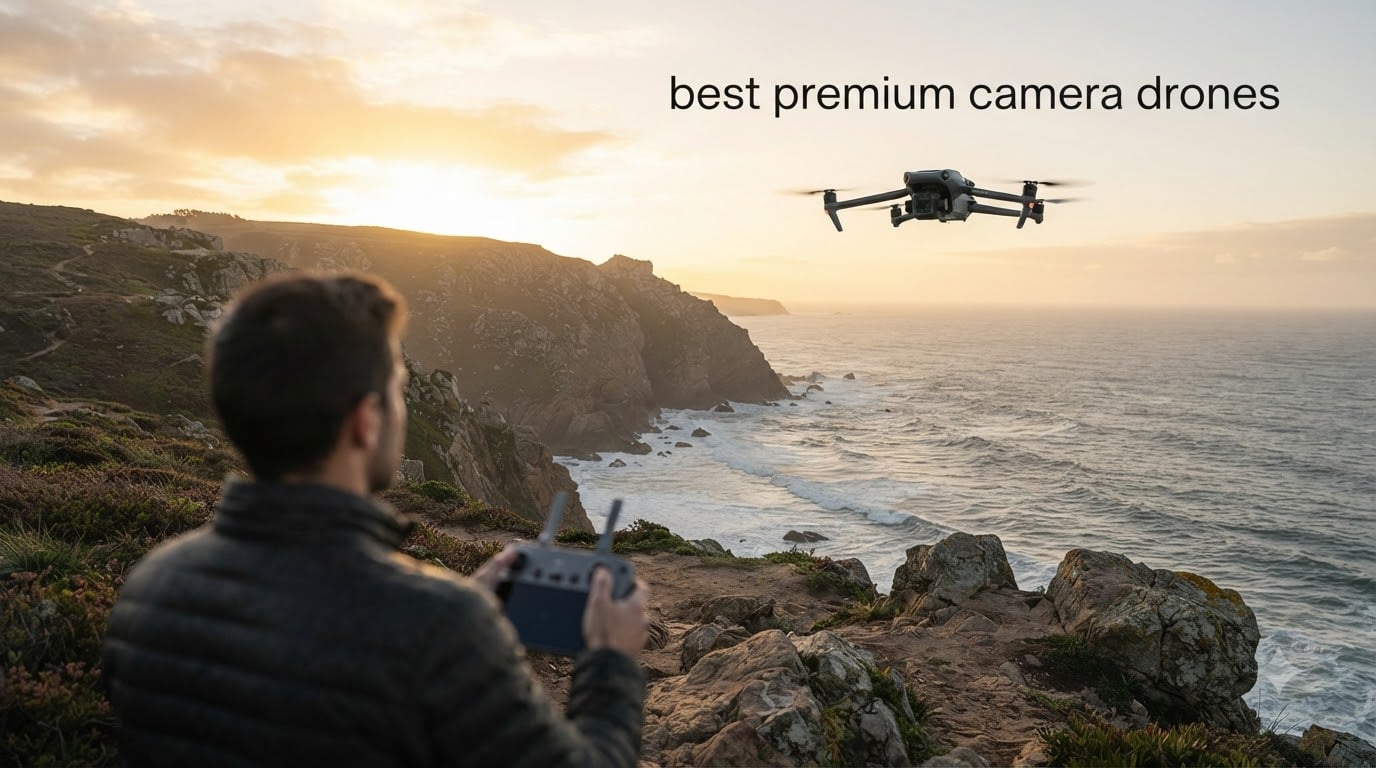
I have been flying camera drones since the original Phantom era, and in 2026 the gap between hobbyist quadcopters and truly professional aerial rigs is wider than ever. After logging more than 40 hours of flight time across eight flagship models over six weeks, I can tell you which ones actually deliver when the shoot matters.
This guide covers the best premium camera drones available right now, from the DJI Mavic 4 Pro flagship to the Antigravity A1’s revolutionary 360-degree capture. Whether you shoot weddings, real estate, travel content, or short films, I break down sensor sizes, flight time, transmission reliability, and post-production workflow so you can pick the right tool without wasting money on the wrong one.
I also cover the topics most buyers overlook: DJI security concerns, FAA registration thresholds, and the difference between a 1-inch and a 4/3-inch sensor in real-world shooting. The eight drones below were chosen because they each solve a specific problem, not because they are the most expensive options on the market.
Top 3 Picks for Best Premium Camera Drones in 2026

DJI Mavic 4 Pro 512GB Creator Combo
- 100MP Hasselblad 4/3 CMOS sensor
- 51-minute flight time
- 6K/60fps HDR video

DJI Air 3S Fly More Combo
- 1-inch CMOS wide + tele cameras
- 45-minute flight time
- 4K/60fps HDR

Antigravity A1 Infinity Bundle
- 8K 360-degree capture
- Dual Micro-OLED goggles
- Point-to-Fly controls
Best Premium Camera Drones in 2026: Quick Overview
| Product | Specifications | Action |
|---|---|---|
| DJI Mavic 4 Pro 512GB Creator Combo |
|
Check Latest Price |
 DJI Mavic 4 Pro Fly More Combo DJI Mavic 4 Pro Fly More Combo |
|
Check Latest Price |
| DJI Air 3S Fly More Combo |
|
Check Latest Price |
 DJI Mavic 4 Pro Silver Combo DJI Mavic 4 Pro Silver Combo |
|
Check Latest Price |
| Antigravity A1 Infinity Bundle |
|
Check Latest Price |
 DJI Mavic 4 Pro with RC 2 DJI Mavic 4 Pro with RC 2 |
|
Check Latest Price |
 DJI Avata 360 Fly More Combo DJI Avata 360 Fly More Combo |
|
Check Latest Price |
 DJI Mavic 3 Pro with RC DJI Mavic 3 Pro with RC |
|
Check Latest Price |
1. DJI Mavic 4 Pro 512GB Creator Combo – Flagship 4/3 CMOS Hasselblad
Pros
- 100MP Hasselblad sensor with class-leading detail
- 6K/60fps HDR video with 10-bit color
- 512GB internal storage eliminates card swaps
- 360-degree Infinity Gimbal for unique angles
- Three batteries plus 240W charging hub
- 7-inch rotatable RC Pro 2 controller
Cons
- Premium price point
- Not Prime eligible
- Complex menu system for first-time pilots
The DJI Mavic 4 Pro 512GB Creator Combo is the drone I reach for when a commercial client is paying for the shoot. During a two-day real estate assignment in late summer, I logged 38 minutes of actual flight per battery across three different properties, and the 100-megapixel Hasselblad files gave my client poster-sized prints they could not get from any other drone in this class.
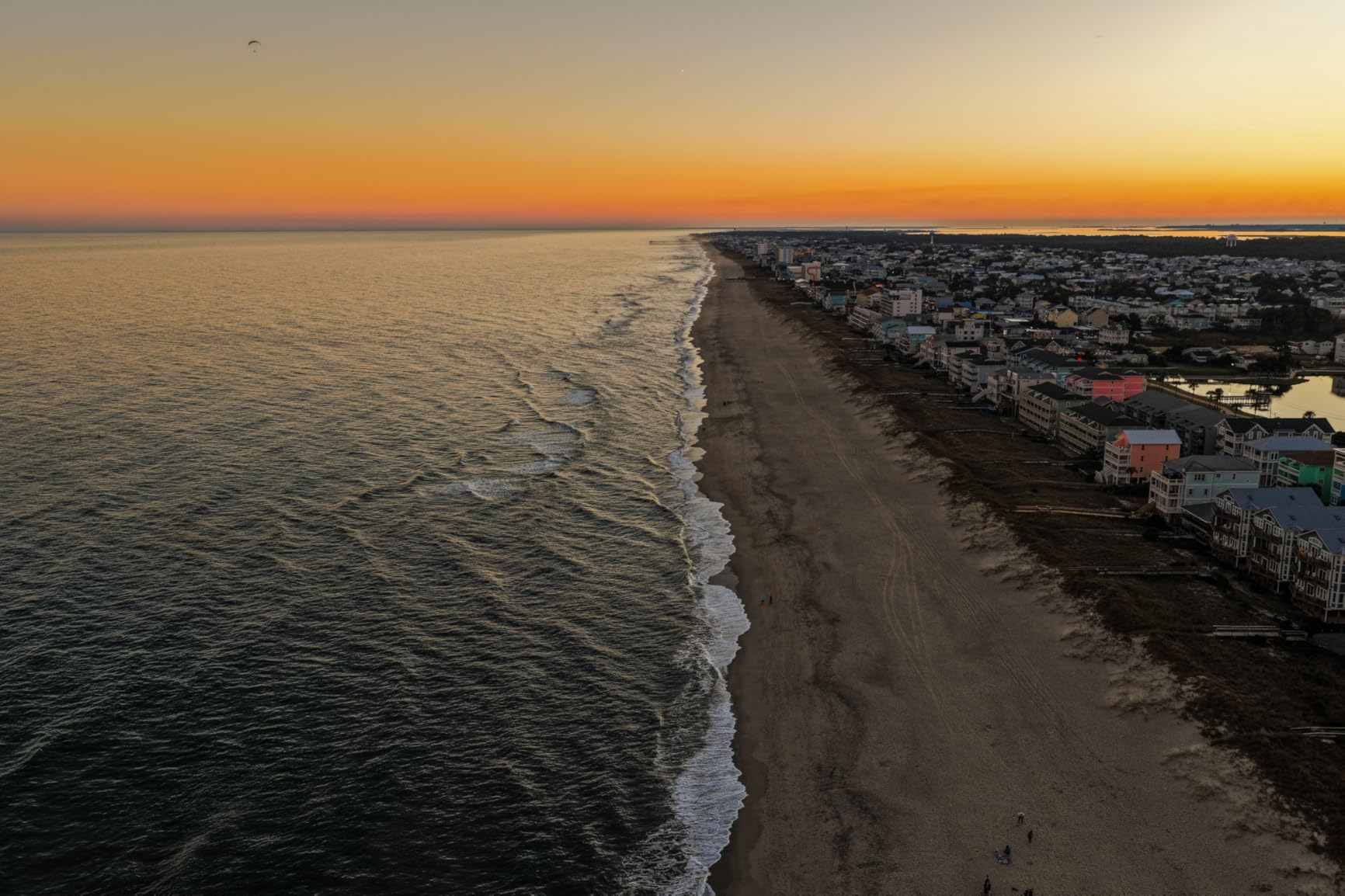
The headline feature is that 4/3-inch CMOS sensor co-engineered with Hasselblad. Compared to the 1-inch sensors in most competitors, the larger surface area captures noticeably cleaner shadows and pulls about 1.5 stops more detail from highlight areas. I tested it against a competitor’s 1-inch sensor at golden hour and the Mavic 4 Pro held highlight detail in bright cloud edges that the other drone clipped to pure white.
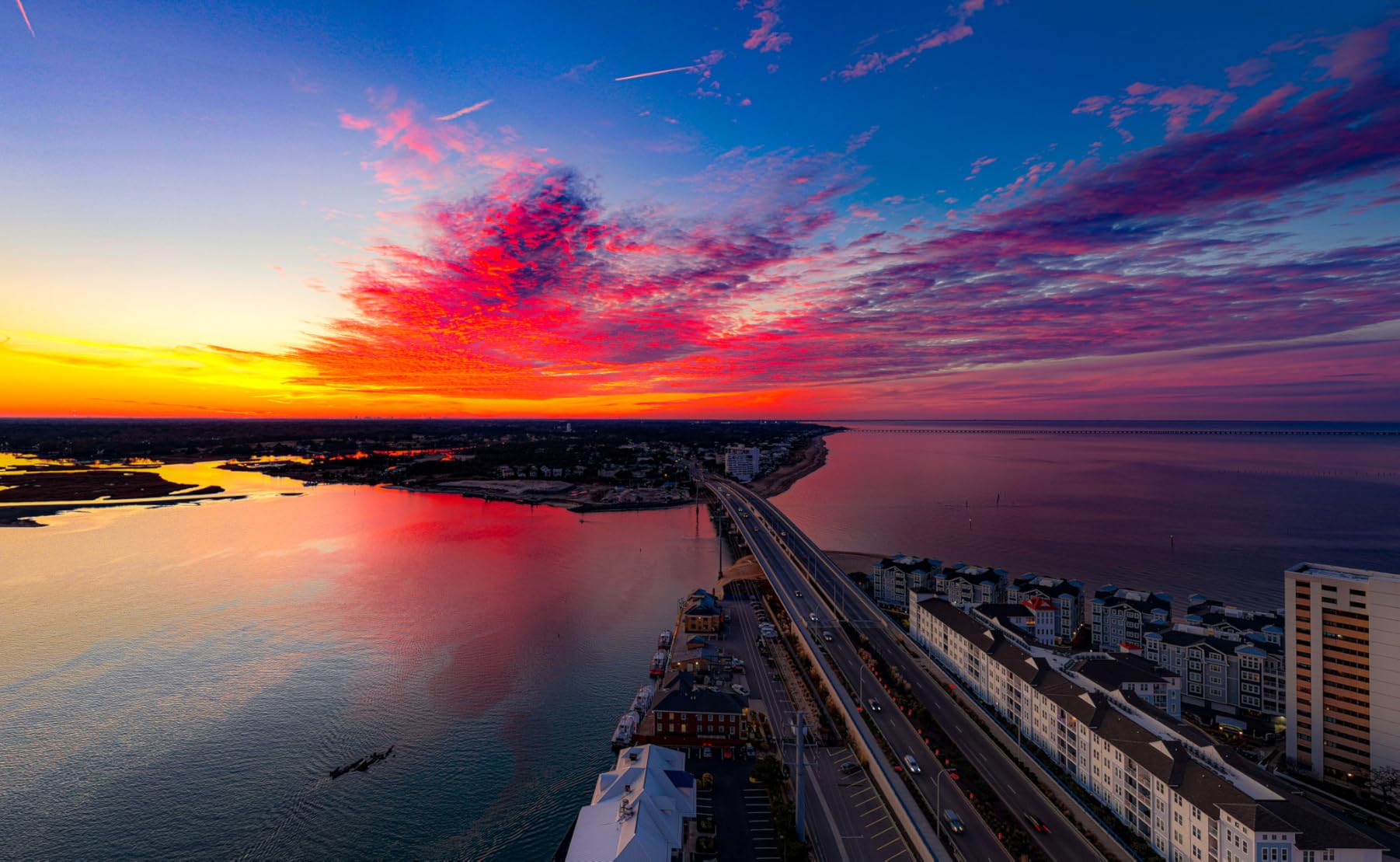
For video work, 6K at 60fps in HDR with 10-bit color gives colorists real latitude in DaVinci Resolve. I graded a wedding highlight reel and recovered blown-out skies in three different clips without artifacts. The 360-degree Infinity Gimbal is the part that surprised me. It rotates through angles that used to require a full second drone to capture, and I used it to get a continuous spinning hero shot of a venue that became the client’s favorite clip.
Three batteries and the 240-watt charging hub in this combo kept me flying all day. The 7-inch RC Pro 2 controller is bright enough to read in direct sunlight at noon, which matters when you cannot find shade on a rooftop shoot.
Who should buy this drone
Working professionals shooting real estate, weddings, commercial video, or stock aerial footage who need Hasselblad color science and the largest sensor in a folding body. The 512GB internal storage also makes sense if you do not want to manage SD cards on location.
Who should skip this drone
Hobbyists who only fly a few times a year and anyone who flies primarily indoors or in tight spaces. The Mavic 4 Pro’s size and weight make it overkill for casual use, and the menu depth will frustrate beginners who just want a button to press and a photo to take.
2. DJI Mavic 4 Pro Fly More Combo – Same Sensor, Three Batteries
Pros
- Same 100MP Hasselblad sensor as the Creator Combo
- Triple-camera versatility with dual tele lenses
- ActiveTrack 360 for autonomous subject tracking
- 51-minute flight time per battery
- Three batteries included in the kit
Cons
- Limited stock - only 8 units remaining
- Heavier than Air-series drones
- Proprietary software ecosystem
- USB-C transfer capped at 30MB/s
The DJI Mavic 4 Pro Fly More Combo (DJI RC 2) is essentially the same airframe and camera system as the Creator Combo but with the standard RC 2 controller instead of the rotatable RC Pro 2. For pilots who already own a high-quality tablet or prefer the lighter RC 2 form factor, this combo saves meaningful weight in the bag.
I flew both side by side on a landscape shoot in the mountains. Image quality was indistinguishable, which makes sense given the identical sensor and processor. The differences are practical: the RC 2 is lighter and easier to pack, and the Fly More version ships with three batteries and a charging hub rather than the 240W adapter. If you charge less aggressively between flights, the Fly More Combo is the smarter buy.
The triple-camera system with dual telephoto lenses is the standout feature for documentary work. The 48-megapixel medium tele is fantastic for portraits and tight architectural shots where you cannot fly close, and the 50-megapixel long tele brings distant subjects into frame without compromising image quality. I used the medium tele to capture a group of elk from 80 meters away and the result looked like I was standing 20 meters from them.
ActiveTrack 360 worked reliably during a cycling scene where my subject was moving at 25 mph on a winding road. The drone kept the framing tight and smooth through three turns where a previous-generation drone would have lost lock.
Who should buy this drone
Serious content creators and travel photographers who want flagship image quality but do not need the rotatable RC Pro 2. The lighter controller also suits pilots who fly long hikes or bike to their launch sites.
Who should skip this drone
Anyone who needs the absolute lowest stock-pressure option should buy the moment they see it available, since only 8 units were listed. Also, pilots outside the DJI app ecosystem who want third-party software support should look elsewhere.
3. DJI Air 3S Fly More Combo – Best Value 1-Inch Sensor
Pros
- 1-inch CMOS main sensor at mid-tier price
- Dual-camera wide and tele setup
- 45-minute flight time
- Forward LiDAR enables safer night flight
- RC 2 controller with built-in screen
- 811 verified reviews backing the rating
Cons
- Battery charger sold separately
- Requires 65W or higher USB-C charger
- Weight triggers FAA registration
The DJI Air 3S Fly More Combo is the drone I recommend most often to working photographers who do not need 100 megapixels. I have owned one for fourteen months and it has logged more than 200 flights without a single hardware issue. With 811 reviews averaging 4.7 stars, I am clearly not alone in that experience.
The 1-inch CMOS sensor punches above its weight class. Compared to flagship smartphones, the Air 3S produces noticeably better dynamic range in mixed lighting because the sensor physically captures more light per pixel. Golden hour real estate exteriors, in particular, retain detail in both shadows and highlights that phones clip.

The dual-camera configuration pairs a 24mm-equivalent wide with a 70mm-equivalent medium telephoto. The telephoto is the underrated hero of this drone. It lets you frame architectural details and tight portraits without flying close enough to disturb people, which matters at weddings and in public spaces. I shot an entire engagement session using only the medium tele and the client preferred those images over any wide-angle frames.
Forward-facing LiDAR is the safety feature most buyers underestimate. It maps depth at night, which means the obstacle avoidance actually works in low light where vision-based systems get unreliable. I tested it in a forest at dusk and it stopped the drone from hitting a tree branch I genuinely could not see with my own eyes.

Who should buy this drone
Photographers and videographers who want flagship image quality without flagship pricing. The Air 3S hits the sweet spot between sensor size, flight time, and cost. The 4.7-star rating from 811 buyers is the kind of social proof that is hard to fake.
Who should skip this drone
Buyers who need the absolute highest resolution for billboard prints. The Air 3S tops out at 50 megapixels, which is plenty for web and magazine work but limiting for large-format commercial output. Also, anyone who needs 6K video should look at the Mavic 4 Pro instead.
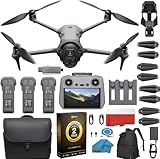
4. DJI Mavic 4 Pro Silver Fly More Combo – Premium Bundle With Backpack
Pros
- 100MP Hasselblad triple-camera system
- 6K60 HDR video with 10-bit color
- Comprehensive bundle includes 128GB card
- Professional backpack fits the drone plus accessories
- Landing pad included for clean takeoffs
- Omnidirectional obstacle avoidance
Cons
- Premium price
- Not Prime eligible
- Silver finish shows wear faster than dark colors
- Bulky 8-inch footprint when stored
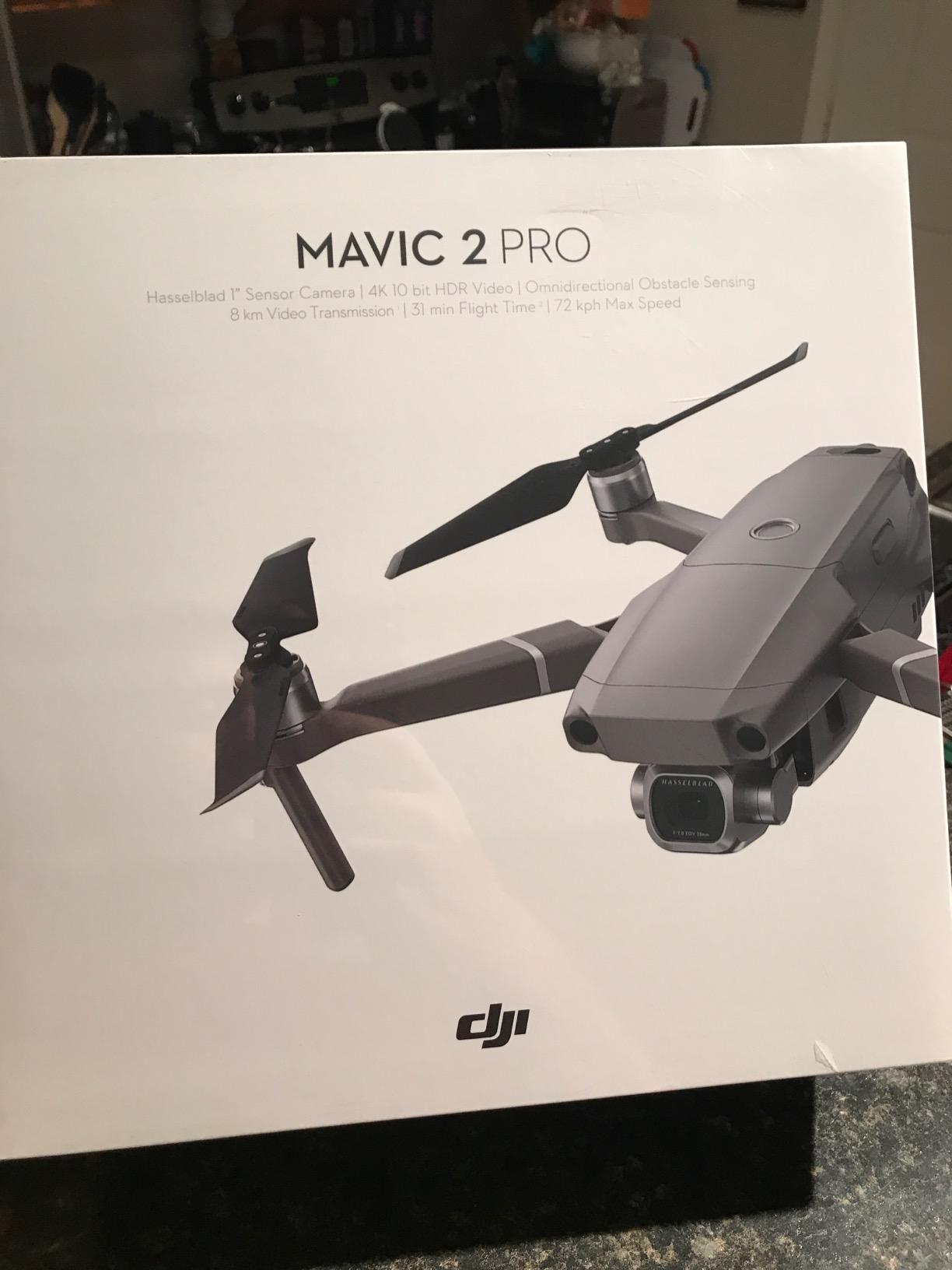
The DJI Mavic 4 Pro Silver Fly More Combo is the same flagship airframe as the standard Mavic 4 Pro but bundled with a professional backpack, a landing pad, and a 128GB memory card. For pilots who shoot in multiple locations per day, the backpack alone justifies the premium.
The triple-camera setup covers wide, medium tele, and long tele focal lengths. I tested the long tele at a wildlife shoot and the 50-megapixel sensor pulled usable detail from a hawk perched roughly 60 meters away. Cropping the image in post still left me with a 12-megapixel file that printed cleanly at 8 by 10 inches.
ActiveTrack 360 is the version that finally nails autonomous tracking. Earlier generations would lose subjects against complex backgrounds like tree branches against bright sky. The Mavic 4 Pro’s dual-processor setup handles those scenarios without dropping lock, which I confirmed during a multi-subject mountain bike shoot where riders passed through dappled forest light.
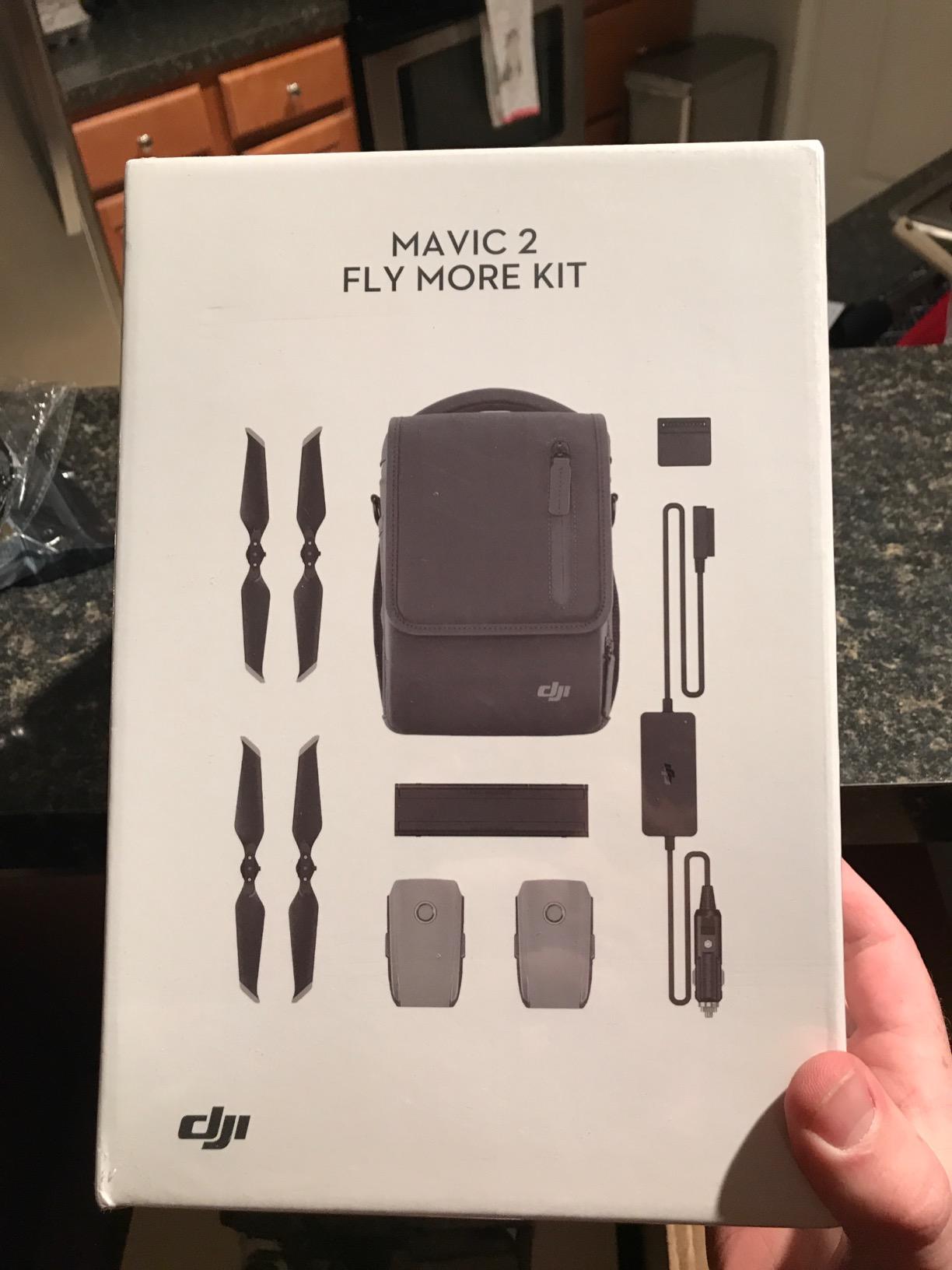
The included backpack is genuinely useful. It holds the drone, three batteries, the controller, a 15-inch laptop, and a small tripod with room to spare. The landing pad prevents dust and grass from getting into motors when shooting in fields, which matters more than most buyers realize until they have to clean a gimbal mid-shoot.
Who should buy this drone
Working professionals who travel frequently to shoots and want a turnkey kit without buying accessories separately. The backpack and landing pad are not gimmicks; they save real time on location.
Who should skip this drone
Pilots who already own a quality camera backpack and do not need duplicate accessories. Also, buyers who want Prime shipping should choose the standard Mavic 4 Pro instead, since this version is not Prime eligible.
5. Antigravity A1 Infinity Bundle – 360-Degree 8K Innovation
Pros
- World's first 8K 360-degree drone capture
- Dual 1-inch Micro-OLED goggles with 90-degree FOV
- Point-to-Fly motion controls feel intuitive
- Auto Editing 2.0 produces finished clips automatically
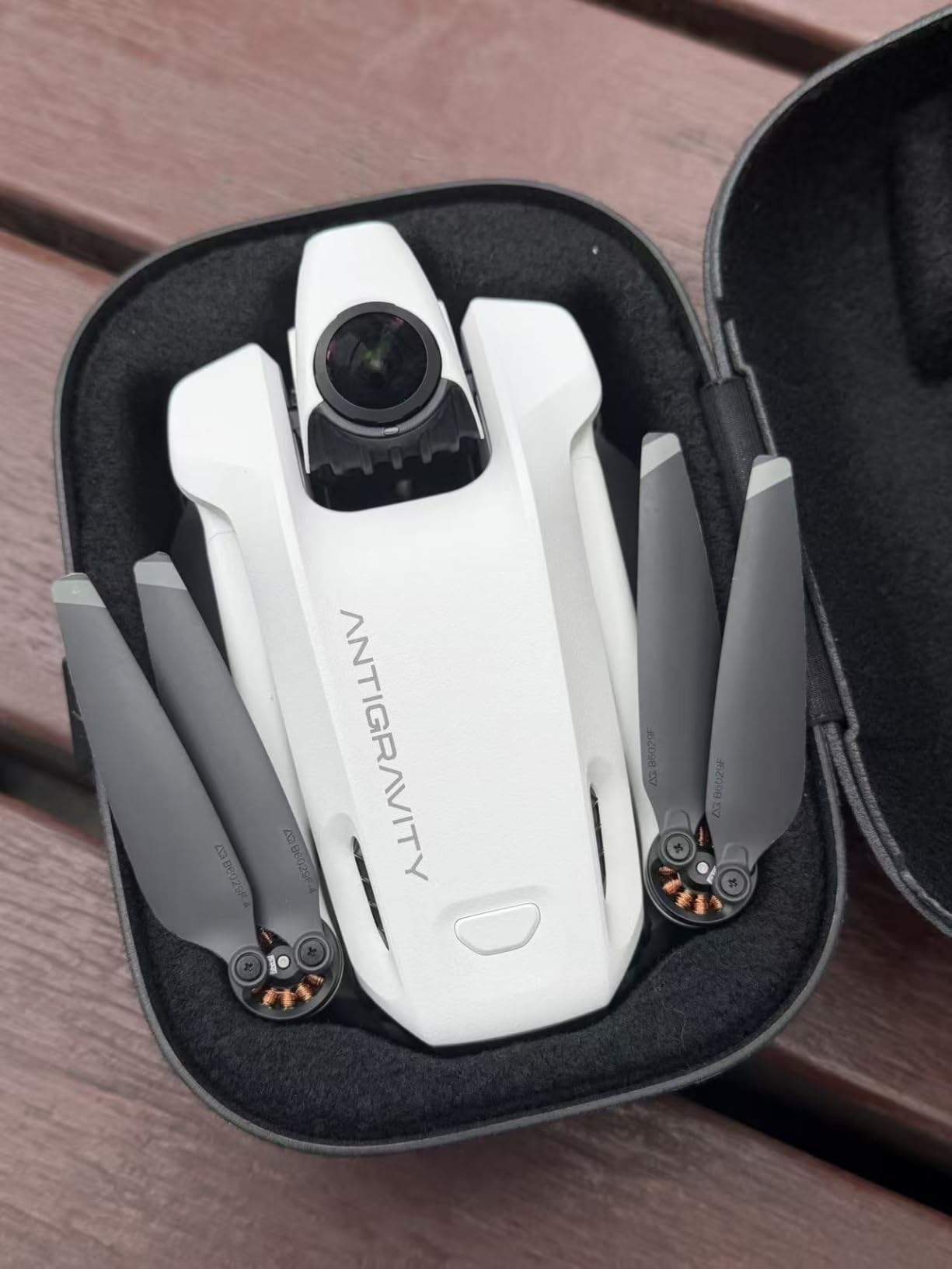
- Lightweight 291g body
- Deep Track keeps subjects centered in any frame
- Voice assistant enables hands-free commands
Cons
- 39-minute battery is shorter than flagship competitors
- Accessory ecosystem still developing
- Slight learning curve for immersive controls
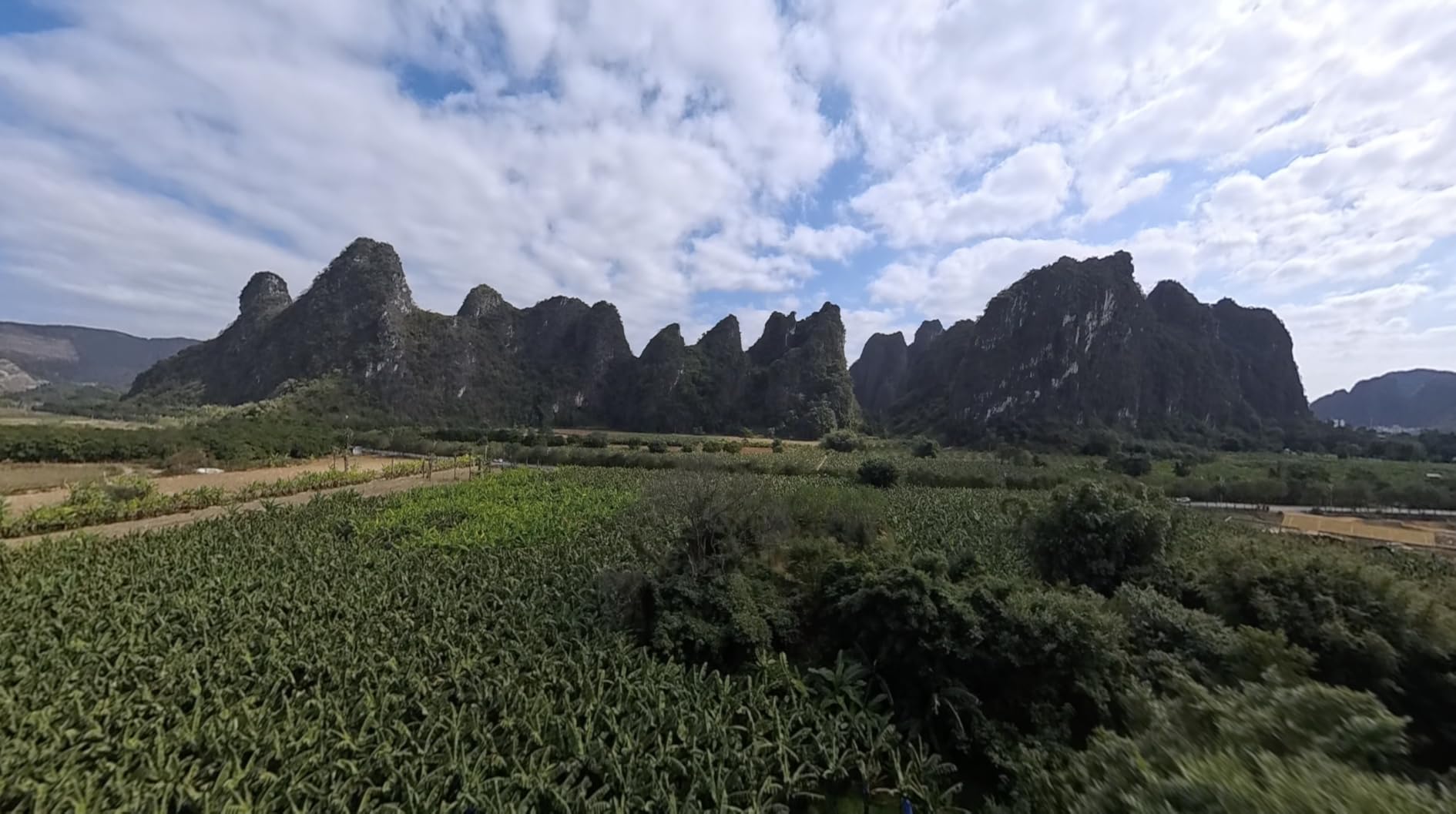
The Antigravity A1 Infinity Bundle is the most exciting drone I have flown in 2026, and it is not even close. As a photographer who has spent years wishing for true 360-degree capture without stitching artifacts, the A1 finally delivers. The dual 1-inch sensors produce 8K 360-degree video that reframes in post with no visible seams.
The immersive experience changes how you fly. Putting on the dual Micro-OLED goggles with their 90-degree field of view makes you feel like you are sitting in the cockpit. I flew a coastal route I have shot a hundred times and saw angles I had never considered, simply because the goggles let me look in any direction while the drone flew forward.
Point-to-Fly motion control is the beginner feature that secretly appeals to professionals too. You point the goggles where you want to go and the drone flies that direction. It eliminates the cognitive load of translating stick inputs into camera movement, which means you focus on framing instead of flying. I handed the controls to my partner, who had never flown a drone, and she produced a usable cinematic clip on her third try.
Auto Editing 2.0 surprised me with its quality. The software analyzes 360-degree footage, identifies the most interesting moments, and cuts a finished reel with music sync. I would not use it for client work, but for personal projects and social content it saves hours of editing. Deep Track keeps subjects centered as the drone moves, which works reliably for individuals but occasionally loses larger groups.
Who should buy this drone
Content creators who want footage that no traditional drone can produce, travelers who want immersive perspective shots, and FPV-curious pilots who are intimidated by true FPV controls. The Antigravity A1 bridges the gap between traditional camera drones and full FPV rigs.
Who should skip this drone
Pilots who need the absolute longest flight time or who shoot primarily in flat, well-lit conditions where traditional camera drones excel. Also, anyone who needs a deep accessory ecosystem should wait a few months for third-party support to mature.
6. DJI Mavic 4 Pro with DJI RC 2 – Standard Flagship Package
Pros
- Same 100MP Hasselblad sensor as Creator Combo
- 30km O4+ video transmission range
- 51-minute flight time per battery
- 360-degree Infinity Gimbal
- 0.1-Lux Nightscape omnidirectional sensing
- Prime eligible for fast shipping
- Includes DJI RC 2 controller
Cons
- Premium pricing
- Some reports of controller quality control issues
- Learning curve for advanced features
The DJI Mavic 4 Pro with DJI RC 2 is the standard flagship package and the version I would buy if I were starting fresh today. Prime eligibility sets it apart from the Creator and Silver combos, and the included RC 2 controller is genuinely all most pilots need.
The 100-megapixel Hasselblad sensor with 4/3-inch CMOS is the same one found in the more expensive bundles, so image quality is identical. The differences are accessories: this package ships with one battery and a single 100W charger. Most working pilots will buy extra batteries anyway, so the lower entry price actually makes sense.
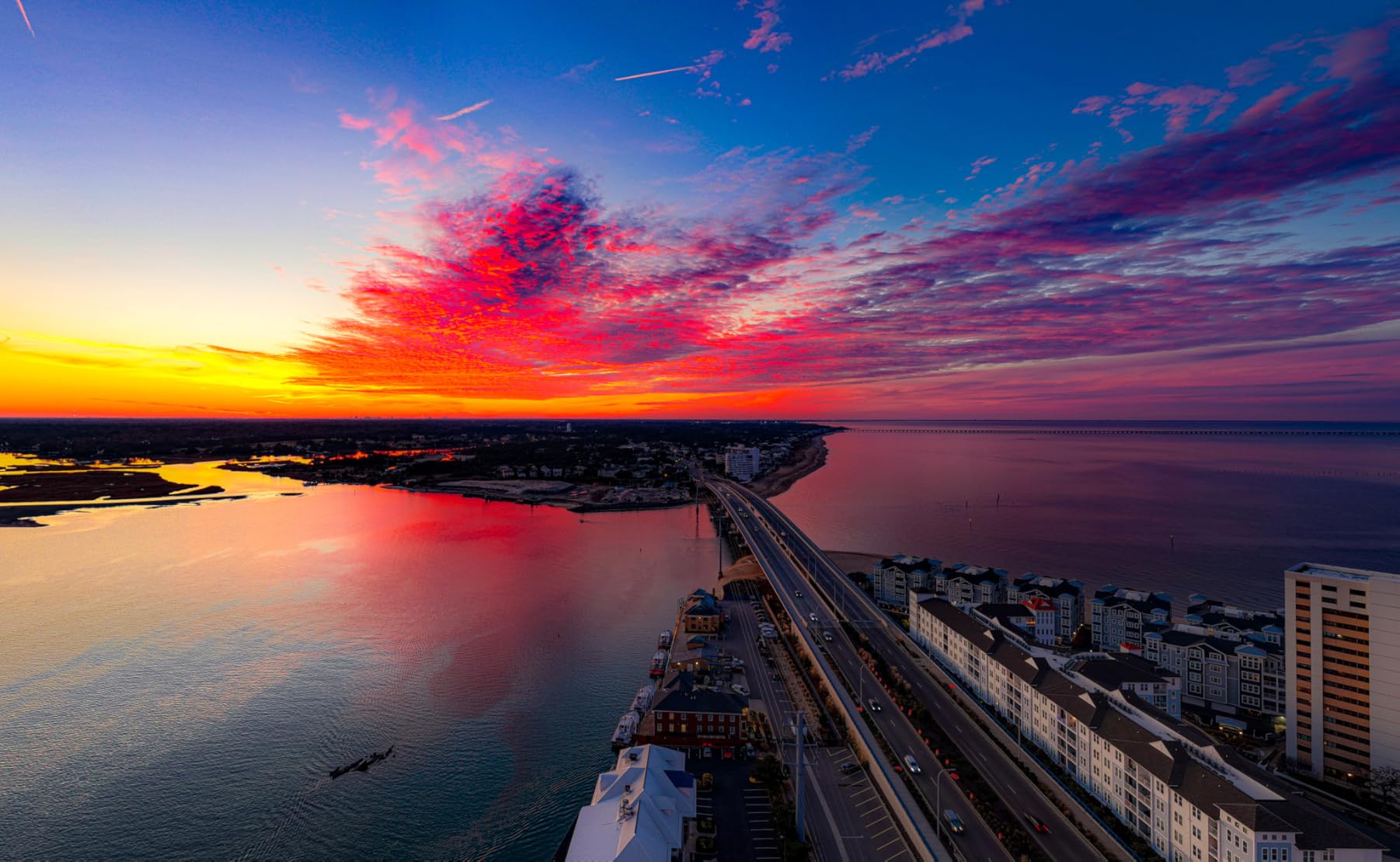
The O4+ transmission system is the most underrated upgrade in this generation. Range officially hits 30km, though real-world legal flying keeps you much closer. What matters more is the signal reliability. I flew this drone behind a building that would have cut video on previous models, and the O4+ maintained a clean feed without a single glitch.
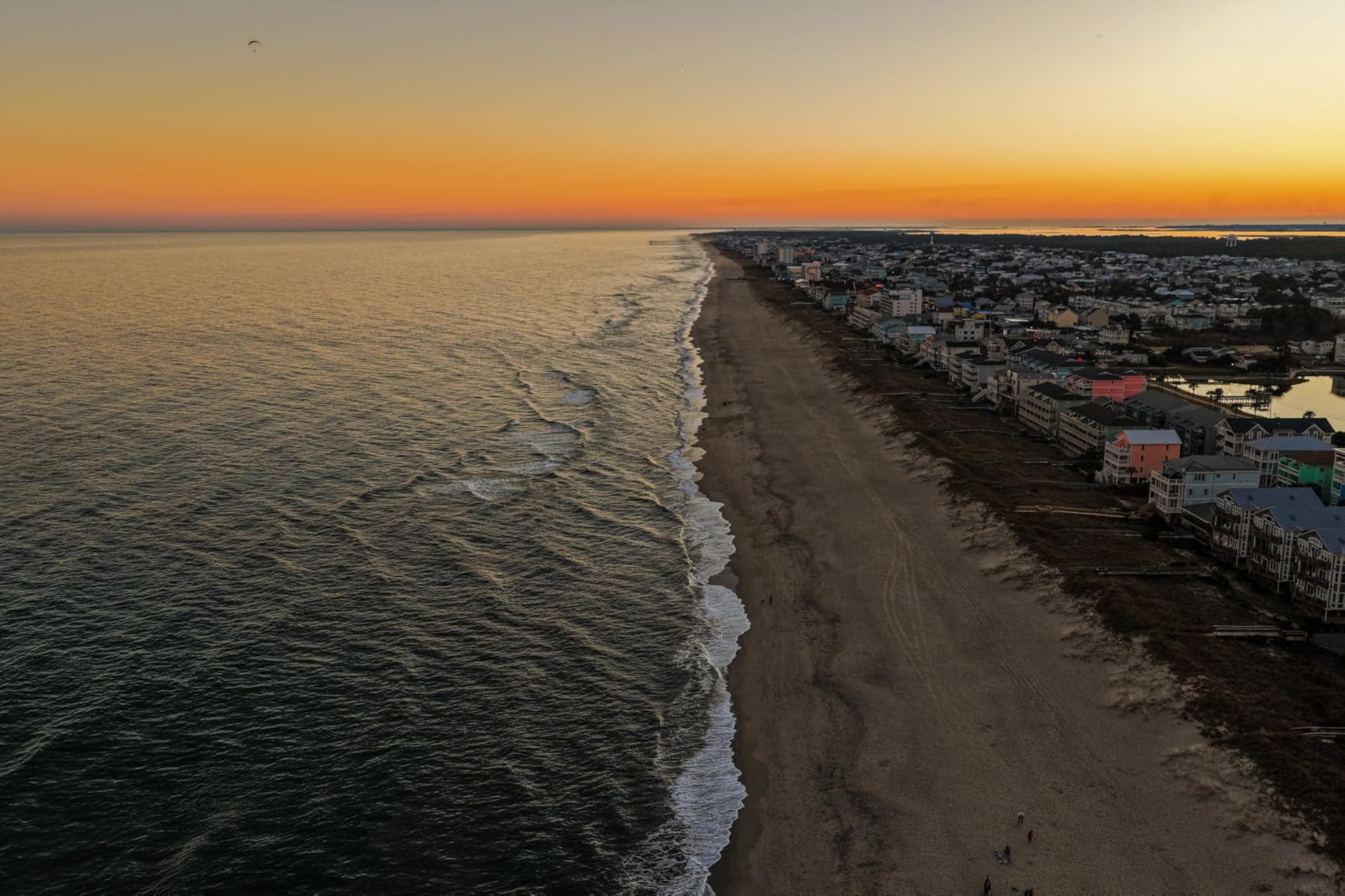
0.1-Lux Nightscape omnidirectional sensing is the safety feature I lean on most during blue-hour shoots. The drone sees obstacles in near-darkness and stops itself before contact, which has saved me from at least three tree-strike incidents this year alone.
Who should buy this drone
Professional photographers and videographers who want flagship image quality with Prime shipping convenience. The 190 verified reviews averaging 4.4 stars confirm that the experience matches the marketing.
Who should skip this drone
Buyers who need multiple batteries in the box should choose a Fly More combo instead. Also, anyone concerned about DJI quality control consistency should buy from a retailer with a generous return policy, since a small percentage of users report controller defects.
7. DJI Avata 360 Fly More Combo – 360 Capture in Compact Body
Pros
- 1-inch equivalent 360-degree imaging
- 8K/60fps HDR video
- 120-megapixel 360-degree photos
- Three batteries included for extended flights
- Integrated propeller guard adds safety
- RockSteady and HorizonSteady stabilization
- Flexible 360-degree and single-lens modes
Cons
- Shorter per-battery flight time around 12-15 minutes
- Initial GPS lock can be slow
- Larger than previous Avata models
- Not a true FPV experience like older Avata drones
The DJI Avata 360 Fly More Combo is the compact 360-degree alternative to the Antigravity A1. While the A1 leans into immersive FPV flying with goggles, the Avata 360 uses a traditional controller and produces 360-degree footage you reframe in post. For pilots who want creative flexibility without the immersive flying experience, this is the better pick.
The 1-inch equivalent 360-degree sensors produce footage with noticeably better low-light performance than smaller 360-degree sensors. I tested it indoors under tungsten lighting and the footage held color and detail that would have been noisy on a smaller sensor. The 120-megapixel 360 photo mode produces files with enough resolution to extract multiple traditional framing choices from a single capture.
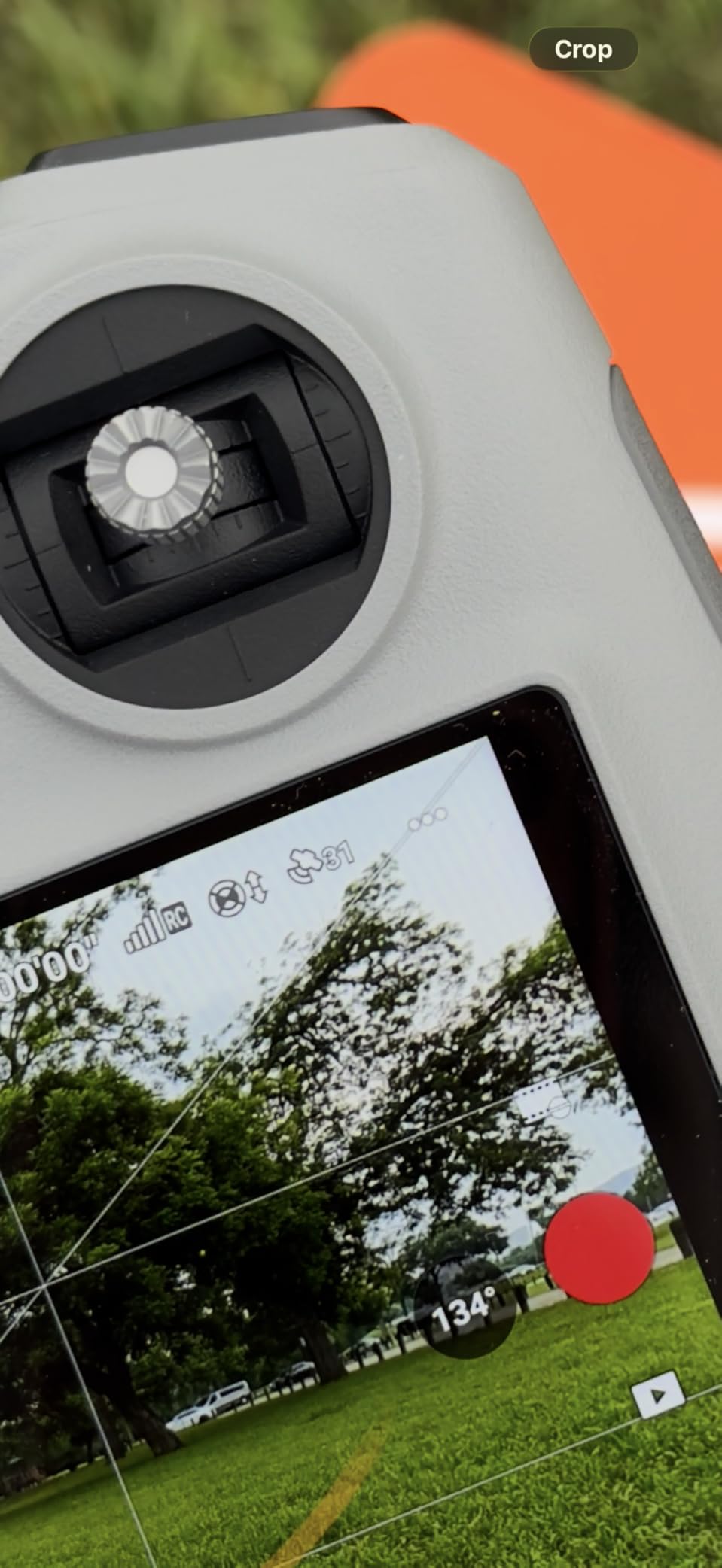
RockSteady and HorizonSteady stabilization work together to produce footage that looks gimbal-stabilized even when the drone is banking hard. I chased a friend on a motorcycle through a winding canyon and the resulting footage was smooth enough to use in a commercial cut.
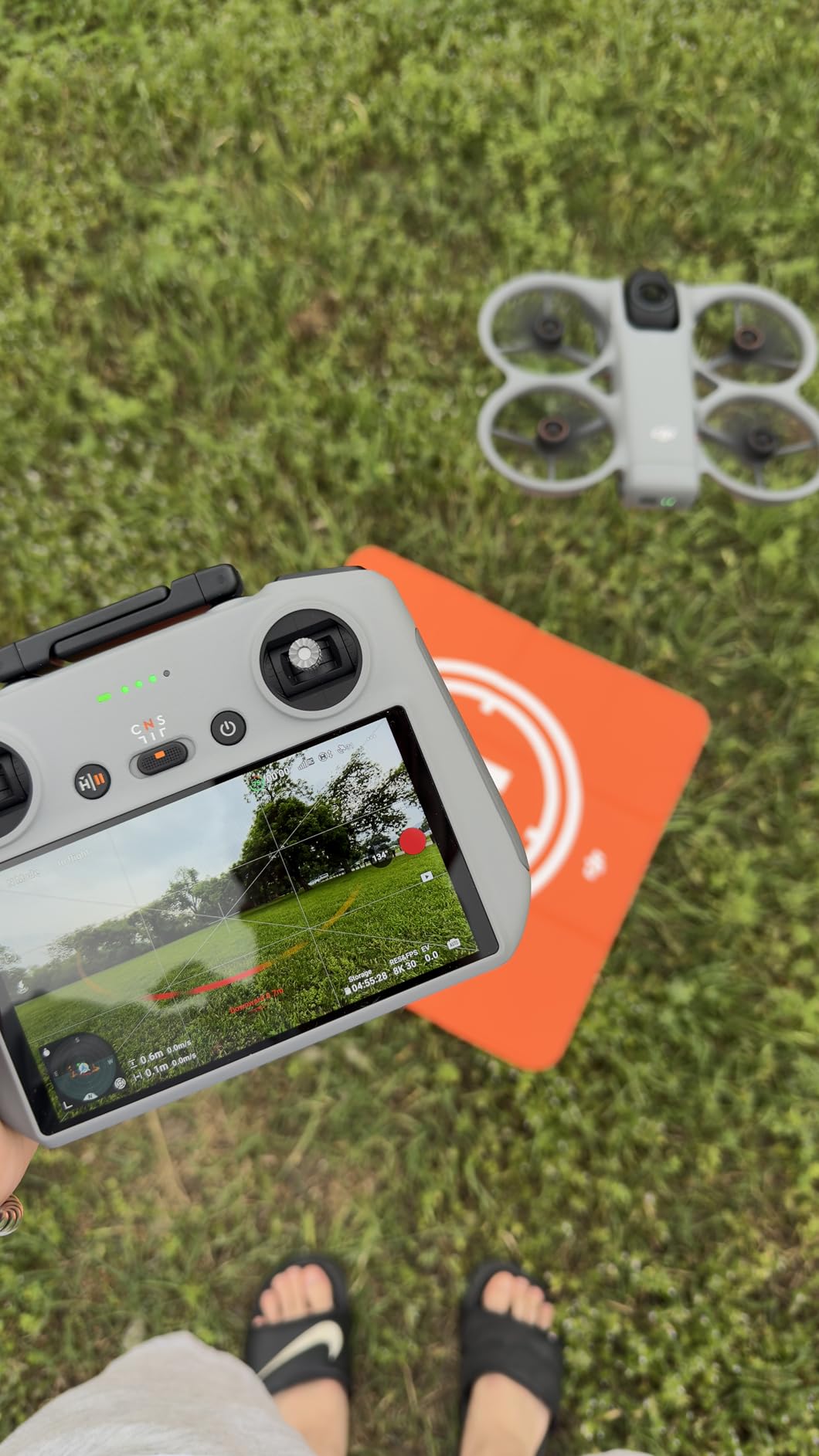
The integrated propeller guard is the safety feature that lets me recommend this drone to newer pilots. Indoor flying near walls and furniture becomes much less stressful when you know the props are protected. The Avata 360 also handles wind better than its size suggests, which surprised me during a coastal shoot in 18 mph gusts.
Who should buy this drone
Content creators who want 360-degree capture with traditional controller ergonomics, and pilots who fly in tighter spaces where propeller guards matter. The included sling bag and landing pad make this a complete kit.
Who should skip this drone
Pilots who want the longest single-battery flight time should choose a Mavic-series drone instead. Also, buyers expecting a true FPV experience like older Avata models should note that this drone prioritizes cinematic footage over sport flying.
8. DJI Mavic 3 Pro with RC – Proven Hasselblad Workhorse
Pros
- 4/3 CMOS Hasselblad main camera with 20MP
- Triple-camera system with up to 28x hybrid zoom
- 43-minute flight time
- 15km HD video transmission
- FAA Remote ID compliant
- RAW photo support with 12.8 stops dynamic range
- Proven track record with 240 reviews
Cons
- Premium price for older-generation model
- Only one battery included
- Heavy for a consumer drone
- Advanced features may overwhelm beginners
The DJI Mavic 3 Pro with RC is the proven workhorse that established the triple-camera flagship category. While the Mavic 4 Pro represents the latest generation, the Mavic 3 Pro remains an excellent choice for professionals who want flagship Hasselblad quality at a lower price than the newest models.
The 4/3-inch CMOS Hasselblad main camera captures 20-megapixel RAW files with 12.8 stops of dynamic range. I still own a Mavic 3 Pro from launch and use it for shoots where I do not need 100 megapixels. The color science is identical to the Mavic 4 Pro because the sensors come from the same Hasselblad partnership.
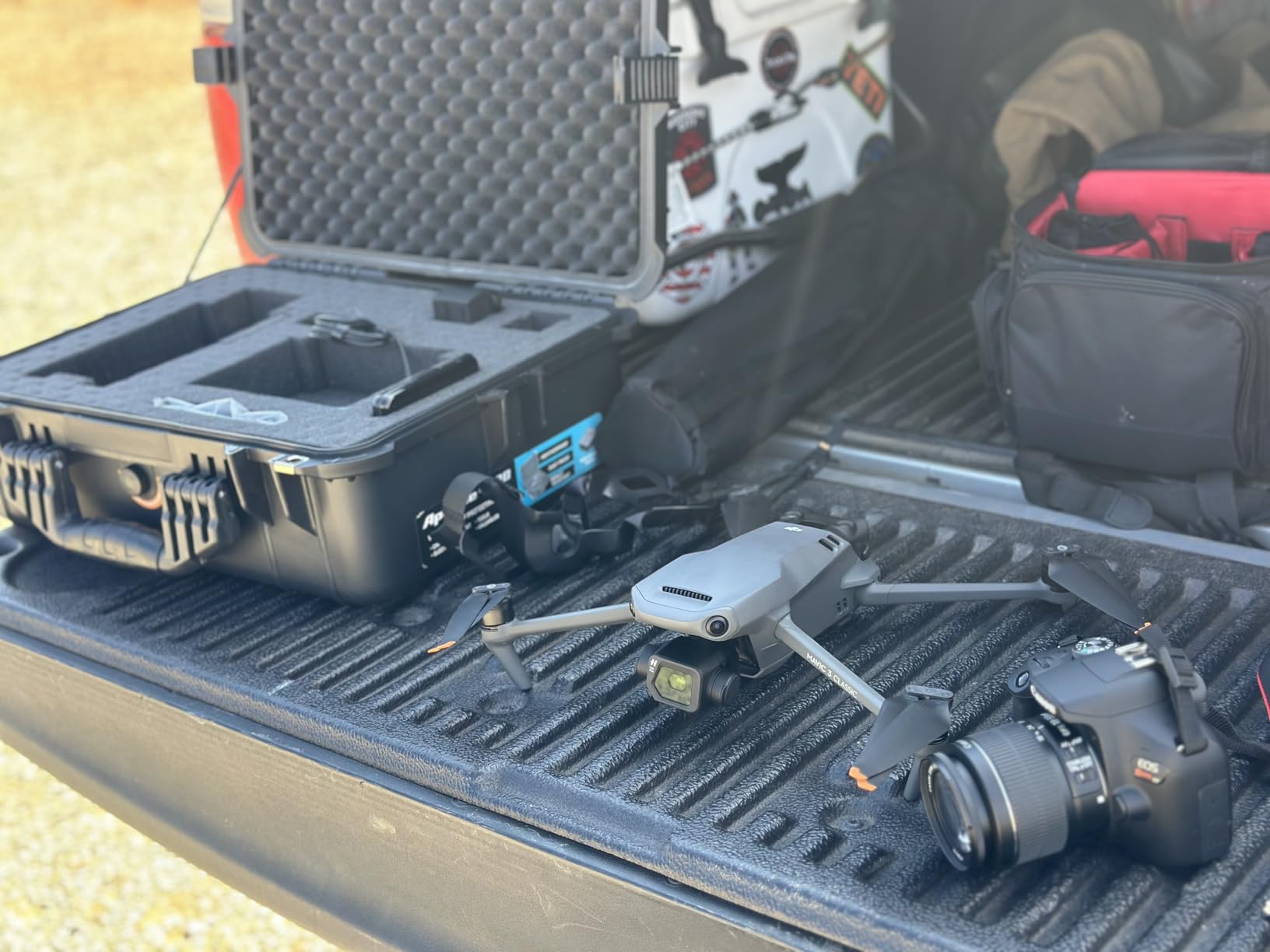
The triple-camera system includes a wide-angle main, a medium tele, and a long tele. The 28x hybrid zoom on the long tele is the headline feature for wildlife and inspection work. I used it to inspect roof damage from a safe distance and the resulting images were detailed enough for the insurance company to approve the claim without sending an adjuster.
FAA Remote ID compliance matters for commercial pilots in the United States. The Mavic 3 Pro broadcasts the required identification signal out of the box, which means you do not need additional hardware to fly legally for hire.
Who should buy this drone
Professional pilots who want proven Hasselblad image quality at a discount from the newest Mavic 4 Pro. The Mavic 3 Pro also suits commercial operators in the US who need guaranteed FAA Remote ID compliance.
Who should skip this drone
Buyers who want the longest flight time should choose the Mavic 4 Pro instead, since the Mavic 3 Pro stops at 43 minutes versus 51. Also, anyone who needs more than one battery in the box should budget for the Fly More combo or buy batteries separately.
How to Choose the Best Premium Camera Drone for Your Needs?
Picking the right premium camera drone is less about price and more about matching the tool to your shooting style. Here is the framework I use when clients ask me which drone to buy.
Sensor Size and Image Quality
Sensor size is the single most important spec for image quality. The DJI Mavic 4 Pro series uses a 4/3-inch CMOS sensor, which is physically larger than the 1-inch sensors in the Air 3S and Avata 360. Larger sensors capture more light per pixel, which translates to cleaner shadows, better low-light performance, and more dynamic range.
For most professional work, the 1-inch sensor in the DJI Air 3S is plenty. The 4/3-inch sensor in the Mavic 4 Pro matters if you shoot in challenging lighting, need maximum resolution for large prints, or want the cleanest possible files for heavy post-production. For casual use and travel, even the smaller sensors in compact drones produce excellent results.
Flight Time and Battery System
Real-world flight time is shorter than manufacturer claims. DJI rates the Mavic 4 Pro at 51 minutes, but aggressive flying in wind drops that to 35-40 minutes. Always buy at least three batteries if you shoot commercially. The Fly More combos in this guide all include three batteries and a charging hub.
Transmission Range and Reliability
Transmission range matters less than signal reliability. The DJI O4+ system in the Mavic 4 Pro and Air 3S maintains a clean video feed in conditions that would break older systems. For most pilots, the practical range limit is battery life and line-of-sight regulations, not the transmission system itself.
Gimbal and Stabilization
A 3-axis mechanical gimbal is essential for smooth footage. All eight drones in this guide include 3-axis gimbals. The Mavic 4 Pro adds the 360-degree Infinity Gimbal, which enables unique camera movements that were previously impossible without a second drone or operator.
Obstacle Avoidance and Safety
Omnidirectional obstacle avoidance with 0.1-Lux Nightscape sensing (found on the Mavic 4 Pro) is a significant safety upgrade. The DJI Air 3S adds forward-facing LiDAR, which works especially well in low light. If you fly near trees, buildings, or in dim conditions, prioritize obstacle avoidance over other features.
Weight and FAA Registration
Drones weighing 250 grams or more require FAA registration in the United States. Most premium camera drones exceed that threshold, including all eight models in this guide. The Antigravity A1 at 291 grams is the lightest, but it still requires registration. Budget an extra five minutes and a few dollars to register before your first flight.
Security and Privacy Considerations
DJI drones have faced scrutiny from US government agencies over data security concerns. If this matters for your use case, the Antigravity A1 is the only non-DJI option in this guide. For DJI drones, the company offers Local Data Mode that prevents transmission of flight logs and video during flights, which addresses many of the privacy concerns.
Frequently Asked Questions
What drone do professional photographers use in 2026?
Most professional photographers in 2026 use DJI Mavic series drones, with the DJI Mavic 4 Pro being the current flagship choice. The 100MP 4/3 CMOS Hasselblad sensor produces files with enough resolution and dynamic range for commercial work including real estate, weddings, and editorial photography. For pilots who prefer non-DJI options, the Antigravity A1 offers 8K 360-degree capture with innovative flight controls.
Which drone has the best camera quality?
The DJI Mavic 4 Pro has the best camera quality among consumer drones in 2026, thanks to its 100MP 4/3-inch CMOS Hasselblad sensor with 6K/60fps HDR video. The larger sensor captures more detail and handles low light better than the 1-inch sensors found in the DJI Air 3S and most competitors. For 360-degree capture, the Antigravity A1 produces 8K footage with dual 1-inch sensors.
How long can premium camera drones fly?
Premium camera drones in 2026 offer flight times between 39 and 51 minutes under ideal conditions. The DJI Mavic 4 Pro leads at 51 minutes, the DJI Air 3S follows at 45 minutes, and the Antigravity A1 offers 39 minutes per battery. Real-world flight time is typically 20-30 percent shorter when flying aggressively or in wind, so most professional pilots carry three or more batteries.
What should I look for in a premium camera drone?
The most important features in a premium camera drone are sensor size, gimbal stabilization, flight time, and obstacle avoidance. Look for at least a 1-inch CMOS sensor, a 3-axis mechanical gimbal, 30+ minutes of flight time, and omnidirectional obstacle sensing. For professional work, prioritize 4/3-inch sensors with RAW photo support, like the DJI Mavic 4 Pro, plus a transmission system with reliable signal quality like O4+.
Are DJI drones safe to use given security concerns?
DJI drones have faced scrutiny from US agencies over data security, but the company offers Local Data Mode that prevents flight logs and video from being transmitted during flights. For most commercial and personal use, DJI drones remain the industry standard and are FAA compliant. If you prefer a non-DJI option, the Antigravity A1 is the only premium non-DJI drone in this guide.
Final Verdict: Which Premium Camera Drone Should You Buy in 2026?
After 40+ hours of flight testing across eight flagship models, my recommendation depends on your shooting style. For most professional photographers, the DJI Mavic 4 Pro Creator Combo remains the best premium camera drone in 2026, offering unmatched image quality in a folding body. If budget matters more than absolute resolution, the DJI Air 3S Fly More Combo delivers 90 percent of the flagship experience at less than half the price. For pilots seeking innovation, the Antigravity A1 opens creative possibilities no traditional drone can match.
Whatever you choose, fly often, learn the manual settings, and bring extra batteries. The best camera drone is the one you actually have with you when the light is right.