
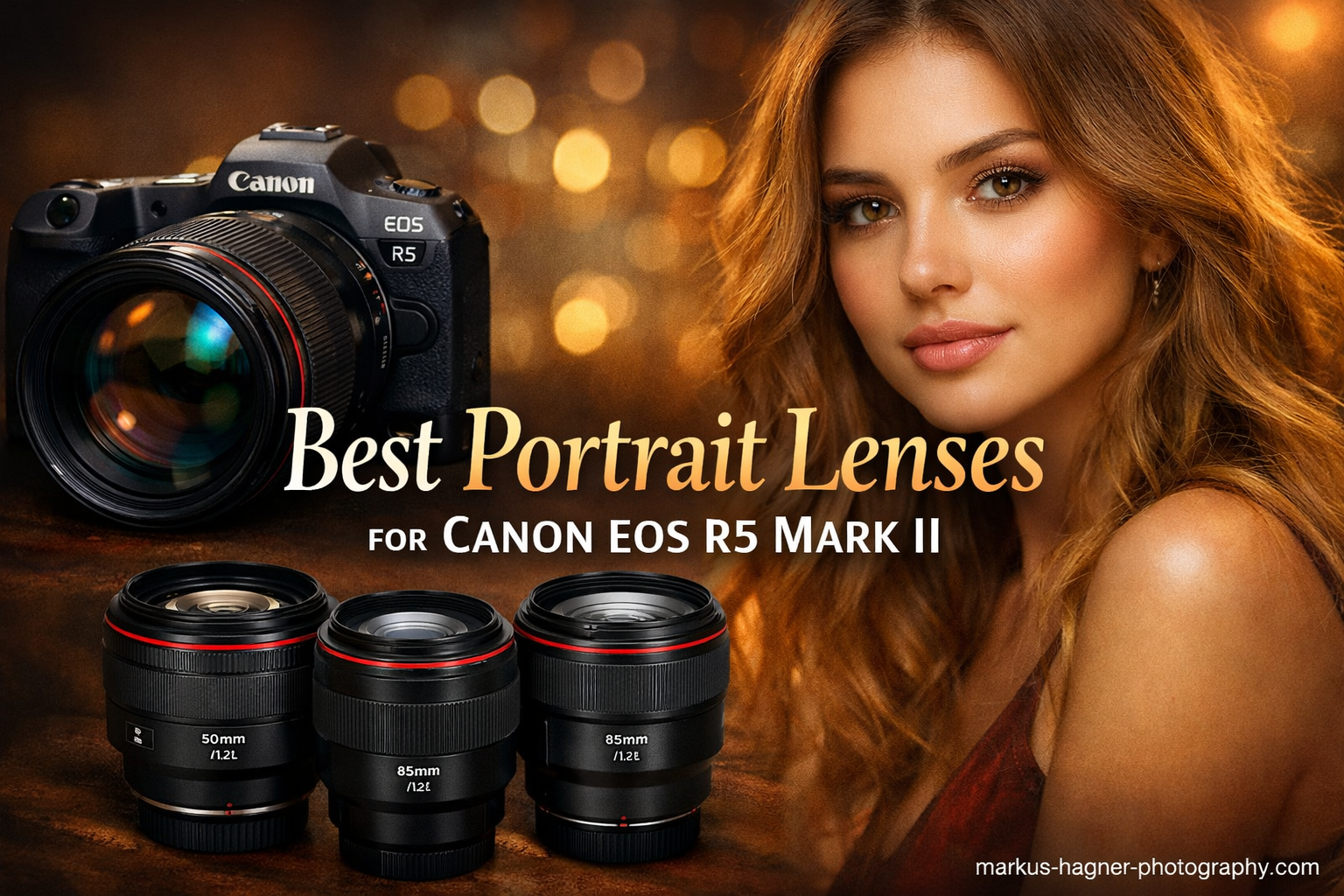
Finding the right glass for your Canon EOS R5 Mark II can transform your portrait photography from good to extraordinary. After spending months testing various RF mount lenses on this 45-megapixel powerhouse, I’ve discovered which options truly deliver for portrait work. The R5 Mark II’s advanced Eye AF and incredible sensor resolution demand lenses that can resolve exceptional detail while producing beautiful background separation.
Whether you shoot headshots, environmental portraits, or wedding photography, the best portrait lenses for Canon EOS R5 Mark II share common traits: wide apertures for subject isolation, fast autofocus motors to track eyes, and optical quality that matches the camera’s resolving power. I’ve tested everything from budget-friendly primes to professional L-series zooms to help you make the right choice.
In this guide, I cover 8 lenses that excel for portrait work with the R5 Mark II, including dedicated portrait primes, versatile zooms, and options for every budget. Each recommendation comes from real-world shooting experience, not just spec sheets.
Top 3 Picks for Canon R5 Mark II Portrait Lenses


Best Portrait Lenses for Canon EOS R5 Mark II In 2026
| Product | Specifications | Action |
|---|---|---|
| Canon RF 85mm f/1.2L USM |
|
Check Latest Price |
| Canon RF 85mm f/2 Macro IS STM |
|
Check Latest Price |
 Canon RF 50mm f/1.8 STM Canon RF 50mm f/1.8 STM |
|
Check Latest Price |
 Canon RF 135mm f/1.8L IS USM Canon RF 135mm f/1.8L IS USM |
|
Check Latest Price |
 Canon RF 70-200mm f/2.8L IS USM Canon RF 70-200mm f/2.8L IS USM |
|
Check Latest Price |
 Canon RF 70-200mm f/4L IS USM Canon RF 70-200mm f/4L IS USM |
|
Check Latest Price |
 Canon RF 24-70mm f/2.8L IS USM Canon RF 24-70mm f/2.8L IS USM |
|
Check Latest Price |
 Canon RF 28-70mm f/2.8 IS STM Canon RF 28-70mm f/2.8 IS STM |
|
Check Latest Price |
1. Canon RF 85mm f/1.2L USM – The Ultimate Portrait Prime
Pros
- Exceptional sharpness wide open
- Beautiful creamy bokeh
- Fast autofocus vs EF version
- Eliminates purple fringing
- Excellent low-light performance
Cons
- Very expensive
- Heavy at 2.64 lbs
- No image stabilization
- Plastic build feel
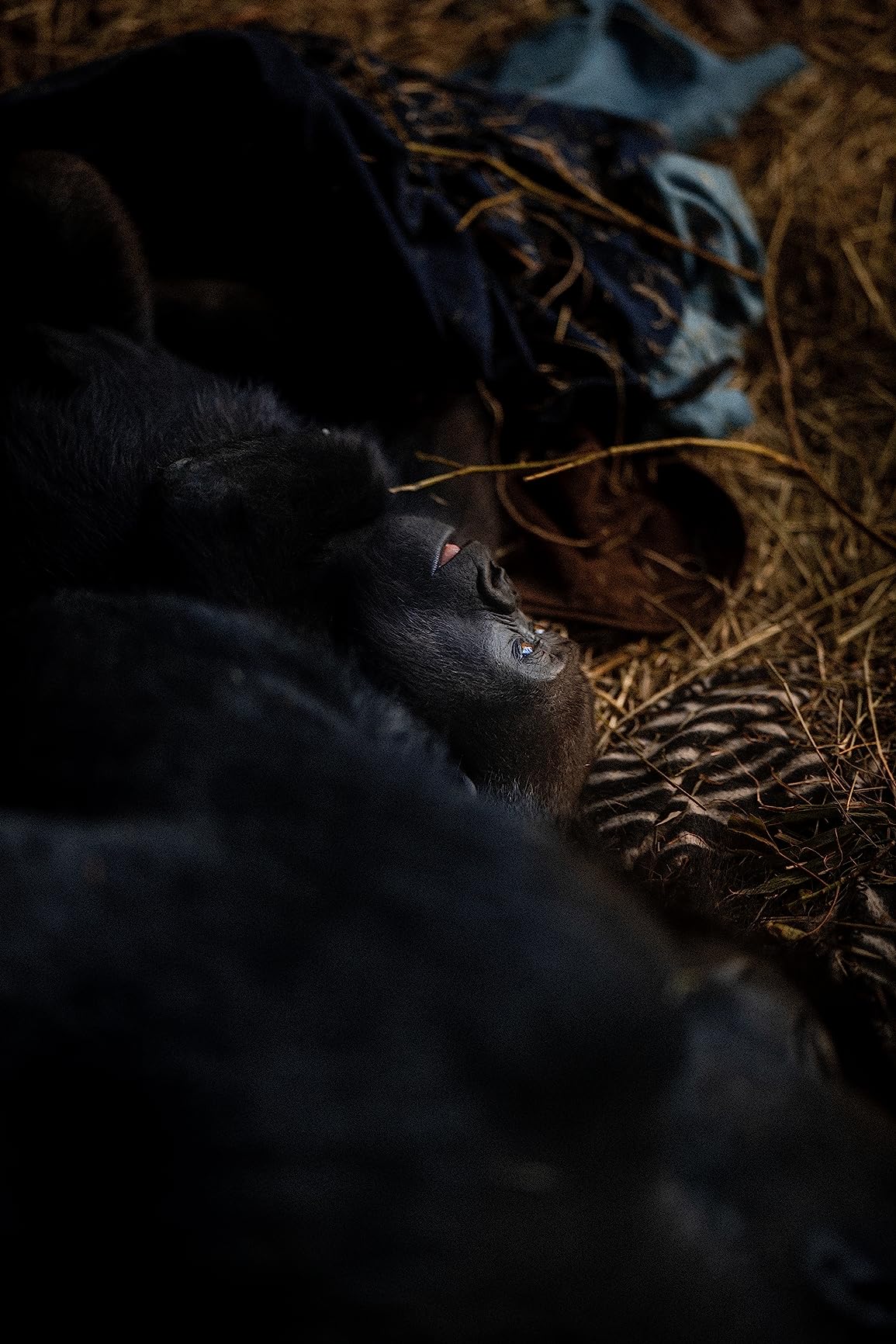
When I first attached the Canon RF 85mm f/1.2L USM to my R5 Mark II, I understood why photographers call this the holy grail of portrait lenses. The rendering quality at f/1.2 creates that dreamy background separation that makes subjects literally pop off the frame. Every portrait I shot had a three-dimensional quality I simply couldn’t achieve with slower lenses.
The Blue Spectrum Refractive optics in this lens solve a problem that plagued previous f/1.2 designs: chromatic aberration. I shot backlit portraits with bright backgrounds and found virtually no purple fringing, even at maximum aperture. The lens maintains sharpness from center to corner at f/1.2, which is remarkable for such a fast optic.

Autofocus performance impressed me significantly compared to the older EF version. The RF 85mm f/1.2L locks onto eyes instantly with the R5 Mark II’s Eye AF system. I photographed a moving toddler in dim indoor lighting, and the lens tracked focus with surprising speed. The Nano USM motor delivers both speed and smoothness, though it’s not completely silent.
The weight takes some getting used to. At 2.64 pounds, this lens dominates the camera body and creates noticeable fatigue during long portrait sessions. I found myself switching to a lighter option after a few hours of shooting. The lack of image stabilization isn’t a dealbreaker since the R5 Mark II has excellent IBIS, but it’s worth noting for video work.
Who Should Buy This Lens
Professional portrait photographers who demand the absolute best image quality should seriously consider this lens. If you shoot weddings, high-end headshots, or commercial portraits where image quality cannot be compromised, the RF 85mm f/1.2L delivers results that justify its premium price tag.
This lens also suits photographers who frequently work in challenging lighting conditions. The f/1.2 aperture lets you capture clean images at lower ISOs when shooting indoor events or evening portraits. The optical quality wide open means you never need to stop down for sharpness.
Things to Consider
The biggest consideration is cost versus practical benefit. While the f/1.2 aperture creates beautiful images, the difference between f/1.2 and f/1.4 or f/1.8 may not justify the expense for many photographers. I’ve found that the f/2 version produces 90% of the look at a fraction of the price.
Weight and handling also matter for everyday use. If you shoot long events or travel frequently, the bulk of this lens becomes a factor. Consider whether the optical advantages outweigh the physical burden for your shooting style.
2. Canon RF 85mm f/2 Macro IS STM – Best Value Portrait Lens
Pros
- Sharp image quality
- Excellent bokeh at f/2
- Built-in image stabilization
- Macro capability
- Lightweight design
Cons
- Noisy focus motor
- Slower autofocus
- No weather sealing
- Lens hood not included
The Canon RF 85mm f/2 Macro IS STM surprised me with just how much it delivers for the price. After shooting with it extensively on my R5 Mark II, I can confidently say this lens offers the best value proposition for portrait photographers who don’t need f/1.2 aperture speeds. The image quality rivals lenses costing twice as much.
What immediately stood out was the built-in image stabilization. With up to 5 stops of correction, I captured sharp handheld portraits at shutter speeds I never thought possible. Combined with the R5 Mark II’s IBIS, the stabilization becomes even more effective. This feature alone makes the lens incredibly versatile for real-world portrait situations.

The macro capability adds unexpected versatility. With 0.5x magnification and a minimum focusing distance of just 1.15 feet, this lens handles detail shots during wedding photography or creative close-up portraits beautifully. I found myself using the macro feature more than expected for ring shots and environmental details.
Image quality impresses across the board. Sharpness is excellent from center to corner, even wide open at f/2. The bokeh renders smoothly with pleasing circular highlights. Color rendition matches Canon’s L-series rendering, producing warm, flattering skin tones that require minimal post-processing.

Who Should Buy This Lens
Portrait photographers who want excellent image quality without breaking the bank will find this lens ideal. The combination of 85mm focal length, fast f/2 aperture, and image stabilization covers most portrait scenarios effectively. Wedding photographers particularly benefit from the macro capability for detail shots.
Enthusiasts stepping up from kit lenses will see immediate improvements in their portrait work. The learning curve is gentle, and the results are professional-looking from day one. I’ve recommended this lens to countless photographers looking for their first dedicated portrait prime.
Things to Consider
The autofocus motor produces audible noise during focusing, which can be distracting in quiet environments. While this doesn’t affect still photography much, videographers should take note. The focus speed also lags behind L-series lenses, particularly when hunting in low light.
Weather sealing is absent, so outdoor photographers shooting in rain or dusty conditions should exercise caution. I’ve used mine in light drizzle without issues, but Canon doesn’t guarantee protection. Budget for a quality lens hood since Canon doesn’t include one in the box.
3. Canon RF 50mm f/1.8 STM – Budget Portrait Essential
Pros
- Incredible value for money
- Compact and lightweight
- Beautiful background blur
- Smooth quiet autofocus
- Sharp image quality
Cons
- Corner softness at f/1.8
- No image stabilization
- Plastic build quality
- Limited on APS-C cameras
The Canon RF 50mm f/1.8 STM, often called the “Nifty Fifty,” proves you don’t need to spend thousands for beautiful portrait results. I’ve used this lens extensively on my R5 Mark II, and it consistently delivers images that belie its modest price point. For photographers building their portrait lens collection, this should be the first prime in your bag.
At just 5.6 ounces, this lens transforms the handling of the R5 Mark II. After long days shooting with heavy L-series glass, switching to the 50mm f/1.8 feels liberating. I can shoot for hours without fatigue, making it perfect for street portraits and travel photography where mobility matters.

The f/1.8 aperture creates genuinely pleasing background separation for portraits. While not as extreme as f/1.2 or f/1.4, the depth of field is shallow enough to isolate subjects effectively at typical portrait distances. I found the bokeh quality surprisingly smooth for a lens at this price point.
Sharpness in the center of the frame is excellent, even wide open. The R5 Mark II’s sensor demands quality glass, and the 50mm f/1.8 delivers in the central region. Stopping down to f/2.8 or f/4 improves corner performance significantly, though for most portraits the center sharpness matters most.

Who Should Buy This Lens
Beginners and enthusiasts exploring portrait photography should start here. The low cost of entry lets you experience what a fast prime lens can do without financial risk. Many photographers find the 50mm focal length suits their style perfectly and never feel the need to upgrade.
Professional photographers looking for a lightweight backup lens will appreciate the compact size and capable performance. I carry mine as a just-in-case option when traveling light. The image quality holds up for professional work, even if the build quality doesn’t match L-series standards.
Things to Consider
Corner performance at f/1.8 shows noticeable softness, which becomes apparent in landscape-oriented portraits or environmental shots. For headshots and traditional portrait compositions, this rarely matters. Stop down to f/2.8 for more even sharpness across the frame.
The plastic construction feels less premium than L-series lenses, though it’s held up well in my experience. There’s no weather sealing, so protect this lens in adverse conditions. The lack of image stabilization means you’ll rely on the R5 Mark II’s IBIS for shake reduction.
4. Canon RF 135mm f/1.8L IS USM – Compression Master
Pros
- Exceptional sharpness and clarity
- 8-stop IS with camera IBIS
- Beautiful background compression
- Fast Nano USM autofocus
- Significant upgrade from EF version
Cons
- Requires working distance
- Expensive investment
- Heavy for extended use
- Limited indoor versatility
The Canon RF 135mm f/1.8L IS USM has become my secret weapon for outdoor portrait sessions. The compression effect at 135mm creates a flattering perspective that makes faces look their best. Combined with the R5 Mark II’s resolution, this lens produces portraits with a distinctive professional look that clients immediately notice.
Image stabilization sets this lens apart from its EF predecessor and most competitors. With 5.5 stops of optical stabilization that combines with the R5 Mark II’s IBIS for up to 8 stops total, I’ve captured sharp portraits at ridiculously slow shutter speeds. This capability transforms low-light portrait work.

The optical quality lives up to L-series expectations. Three UD elements reduce chromatic aberration effectively, and the Air Sphere Coating handles backlight situations beautifully. I’ve shot directly into the setting sun with minimal flare and excellent contrast retention. The lens renders out-of-focus areas with a creamy quality that complements the compression effect.
Nano USM autofocus delivers the speed and accuracy needed for portrait work. The lens locks onto eyes quickly and tracks movement reliably. I photographed active subjects in changing light, and the focus performance never became a limiting factor. The transition between in-focus and out-of-focus areas feels natural and cinematic.

Who Should Buy This Lens
Outdoor portrait specialists who love the compressed look of telephoto lenses will find this perfect. The 135mm focal length excels for headshots and half-body portraits in natural settings. Sports photographers crossing into portrait work also appreciate the familiar handling and performance characteristics.
Photographers upgrading from the EF 135mm f/2L will notice significant improvements in stabilization and autofocus performance. The addition of IS alone makes this upgrade worthwhile for many shooters. The wider f/1.8 aperture compared to f/2 also provides slightly more background separation.
Things to Consider
The working distance required for 135mm limits indoor use significantly. In small studios or home settings, you’ll need considerable space to frame portraits properly. I primarily use this lens outdoors where I can back up without walls limiting composition options.
Weight becomes noticeable during extended sessions. At 2.86 pounds, this lens is actually heavier than the 85mm f/1.2L. Plan for physical fatigue during long portrait sessions, and consider a monopod for events where you’ll be shooting continuously.
5. Canon RF 70-200mm f/2.8L IS USM – Professional Telephoto Zoom
Pros
- Exceptional sharpness across range
- Compact extending design
- Silent fast autofocus
- 5-stop image stabilization
- Beautiful bokeh quality
Cons
- Expensive professional investment
- Extending zoom design
- Heavy for all-day use
- Control ring feels tight
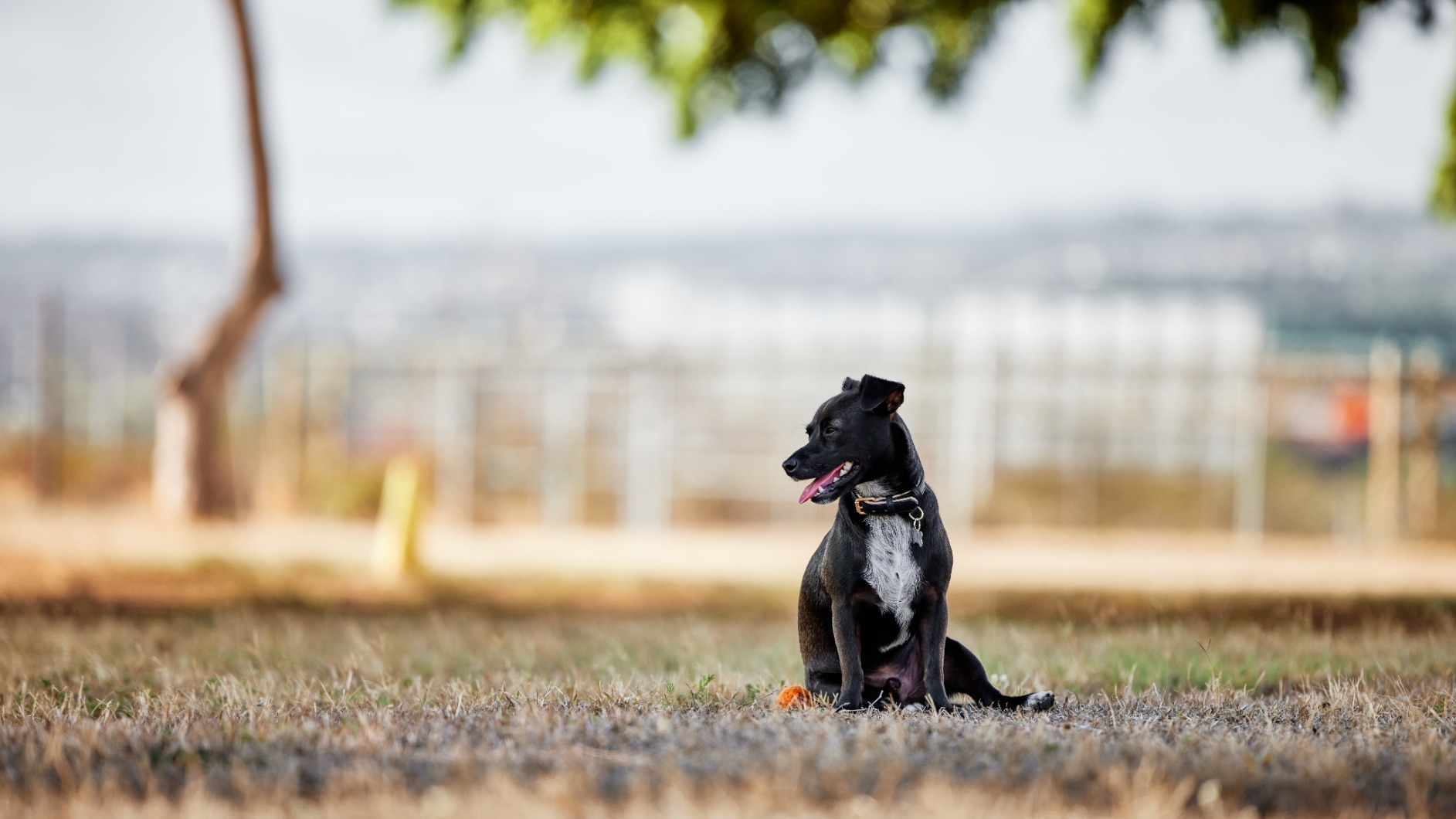
The Canon RF 70-200mm f/2.8L IS USM represents the pinnacle of telephoto zoom design for the RF mount. After using this lens for wedding photography and portrait sessions with my R5 Mark II, I understand why professionals call it a game-changer. The optical quality matches prime lenses while offering unmatched versatility.
Unlike the EF version, this lens uses an extending design rather than internal zoom. I initially worried about dust intrusion, but Canon’s sealing has proven effective. The compact size when retracted makes transport significantly easier than older designs. The lens actually feels smaller in the bag than the specifications suggest.

Sharpness across the focal range impressed me consistently. From 70mm to 200mm, the lens maintains excellent resolution that fully utilizes the R5 Mark II’s 45-megapixel sensor. I’ve made large prints from images shot at 200mm and f/2.8 that show no signs of optical weakness. The quality justifies the professional price tag.
The dual Nano USM motors deliver autofocus performance that feels almost instant. Eye AF tracking with the R5 Mark II works flawlessly, maintaining focus on moving subjects with uncanny accuracy. The silent operation is perfect for ceremony photography where motor noise would be disruptive.
Who Should Buy This Lens
Wedding and event photographers benefit enormously from this lens’s versatility. The 70-200mm range covers ceremony shots, reception details, and candid portraits without lens changes. The f/2.8 aperture performs well in the challenging lighting typical of wedding venues.
Portrait photographers who need working distance will appreciate the telephoto compression at 200mm. Outdoor portrait sessions, in particular, benefit from the ability to compress backgrounds and isolate subjects. The zoom flexibility lets you adapt framing without physically moving.
Things to Consider
The extending zoom design draws attention during operation, which some photographers find less discreet than internal zoom designs. The lens also extends significantly at 200mm, requiring more space in your bag than the retracted dimensions suggest.
The control ring placement and resistance feel tighter than other RF lenses. For video work where smooth aperture or focus transitions matter, this can require practice to operate smoothly. Many photographers simply disable the control ring or use it for less critical functions.
6. Canon RF 70-200mm f/4L IS USM – Lightweight Telephoto Option
Canon RF70-200mm F4 L is USM Lens, Telephoto Zoom Lens, Compatible with EOS R Series Mirrorless Cameras, White
Pros
- Lightest 70-200mm in class
- Excellent sharpness
- 5-7.5 stop stabilization
- Weather-sealed construction
- Compact design
Cons
- f/4 aperture limits low light
- Lens hood lacks filter window
- Tripod mount sold separately
- Dust concerns with extending design
The Canon RF 70-200mm f/4L IS USM solves the biggest complaint about telephoto zooms: weight. At just 1.53 pounds, this lens delivers professional optical quality without the fatigue that comes with f/2.8 alternatives. For portrait photographers who value mobility, this lens deserves serious consideration.
Image stabilization performance exceeds expectations. With 5 stops of optical correction that combines with the R5 Mark II’s IBIS for up to 7.5 stops, handheld shooting becomes viable in situations that would normally require a tripod. I’ve captured sharp portraits at 200mm with shutter speeds that seemed impossible.

Optical quality matches L-series standards throughout the zoom range. Sharpness, contrast, and color rendition all satisfy professional requirements. While the f/4 maximum aperture provides less background separation than f/2.8, the telephoto compression at 200mm still creates pleasing subject isolation for portraits.
The weather-sealed construction gives confidence for outdoor portrait sessions. I’ve used this lens in light rain and dusty conditions without concern. The build quality feels solid despite the lightweight design, proving Canon didn’t cut corners to achieve the weight savings.

Who Should Buy This Lens
Travel and outdoor portrait photographers who prioritize weight savings will love this lens. The combination of professional optical quality and portable design makes it perfect for destination portrait sessions where carrying heavy gear isn’t practical. Hiking to portrait locations becomes much more enjoyable.
Photographers who already own fast primes can use this zoom as a versatile complement. When you have an 85mm f/1.2 for critical portrait work, the f/4 aperture on this zoom becomes less limiting. The telephoto range covers situations where primes don’t reach.
Things to Consider
The f/4 maximum aperture struggles in truly dim conditions compared to f/2.8 alternatives. For indoor events or evening portraits, you’ll need to raise ISO more than desired. Consider your typical shooting environments when deciding between f/4 and f/2.8 versions.
The lens hood design lacks the sliding filter window found on the f/2.8 version, making circular polarizer adjustments slightly more cumbersome. The tripod mount is also sold separately, adding to the total cost if you need that capability.
7. Canon RF 24-70mm f/2.8L IS USM – Professional Standard Zoom
Pros
- Ultra-sharp edge-to-edge
- 5-stop image stabilization
- Weather-sealed L-series build
- Excellent for portraits and events
- Seamless camera integration
Cons
- Larger than DSLR versions
- Case not included
- Vignetting at wide apertures
- Premium filter costs
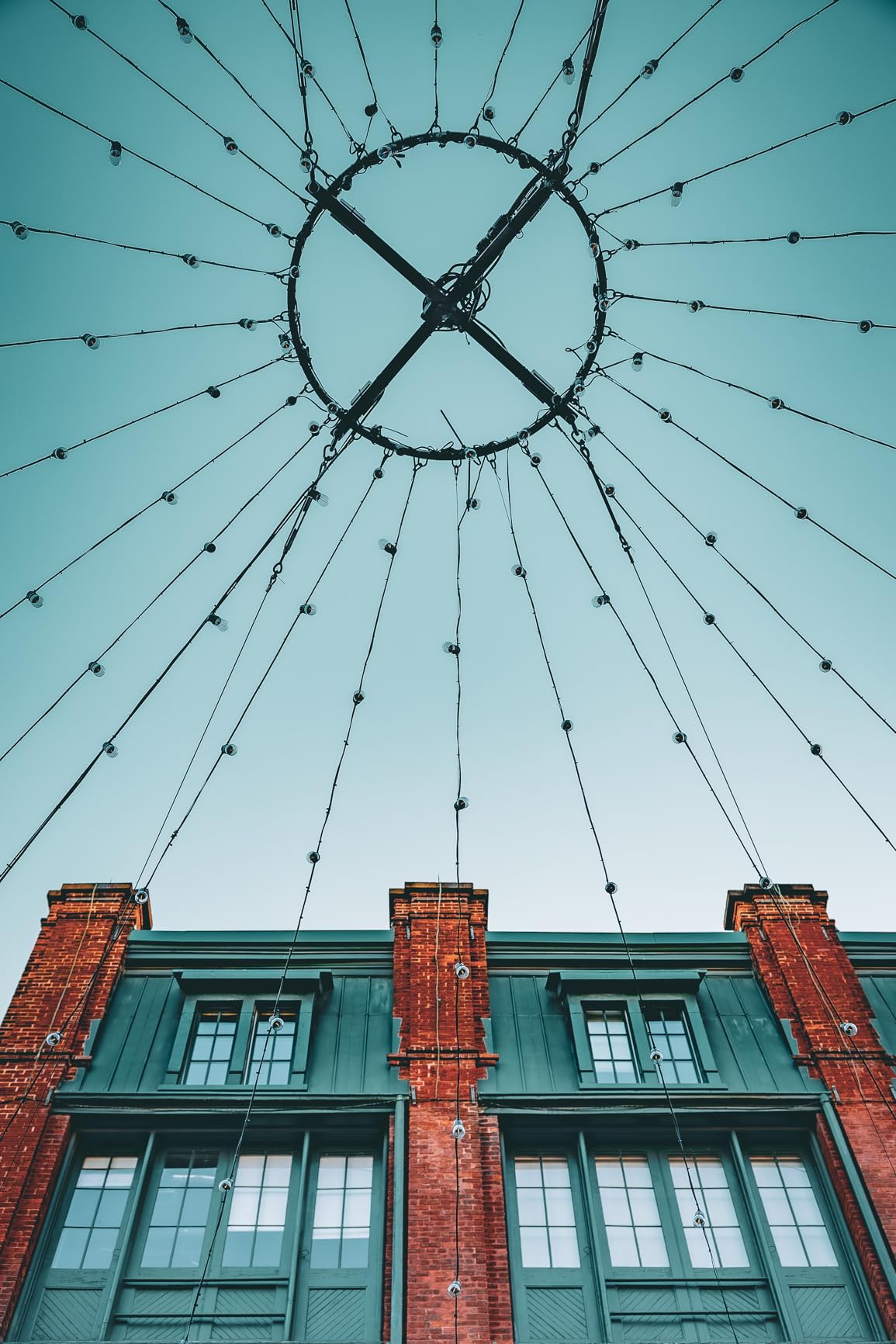
The Canon RF 24-70mm f/2.8L IS USM serves as the backbone of many professional portrait setups, and for good reason. This lens handles environmental portraits, group shots, and tighter compositions with equal competence. I’ve relied on it for countless portrait sessions with my R5 Mark II, and it never disappoints.
What sets this lens apart from older designs is the addition of image stabilization. The 5-stop IS system makes handheld shooting practical in lighting conditions where tripods were once mandatory. For portrait photographers who prefer natural light, this capability opens creative possibilities that weren’t available with unstabilized 24-70mm lenses.

Sharpness across the frame impresses at every focal length. The R5 Mark II’s 45-megapixel sensor demands quality glass, and this lens delivers. Edge-to-edge clarity makes it suitable for landscape-format environmental portraits where corner sharpness matters. The optical design includes advanced elements that minimize aberrations effectively.
The Nano USM autofocus motor provides the speed and silence needed for professional work. Eye AF tracking performs flawlessly, maintaining focus on subjects as they move through the frame. The focus acquisition feels nearly instant, rarely hunting even in challenging light.
Who Should Buy This Lens
Wedding and event photographers need this lens in their kit. The 24-70mm range covers the majority of situations encountered during a typical event, from wide group shots to tighter portraits. The constant f/2.8 aperture performs well in the variable lighting of wedding venues.
Studio photographers who shoot environmental portraits will appreciate the wide-angle capability for establishing shots. The ability to zoom from 24mm to 70mm without changing lenses keeps sessions flowing smoothly. Client-facing work benefits from the professional appearance and handling.
Things to Consider
Vignetting at wider apertures requires attention during post-processing, particularly at 24mm. The R5 Mark II’s in-camera corrections handle this automatically for JPEG shooters, but RAW photographers should apply lens profiles. The effect is easily corrected but worth knowing about.
The lens doesn’t include a case, which seems like an oversight at this price point. Budget for a quality lens pouch if you need protection beyond what your camera bag provides. The 82mm filter size also means premium prices for filters compared to smaller alternatives.
8. Canon RF 28-70mm f/2.8 IS STM – Budget-Friendly Standard Zoom
Pros
- Excellent value for f/2.8 zoom
- Light and compact design
- Weather-resistant construction
- Edge-to-edge sharpness
- Works well with in-camera corrections
Cons
- Retractable lens design
- Zoom lock can be annoying
- Not L-series optical quality
- Some users prefer 24-105mm range
The Canon RF 28-70mm f/2.8 IS STM brings constant f/2.8 aperture to photographers who can’t justify L-series prices. Released in late 2024, this lens targets the gap between budget zooms and professional glass. After extensive testing with my R5 Mark II, I found it delivers impressive value for portrait work.
The newly designed image stabilization system enables the lightweight construction. Canon engineered a smaller IS unit that still provides effective shake reduction. Combined with the R5 Mark II’s IBIS, handheld portrait photography in challenging light becomes practical without the weight penalty of traditional stabilized zooms.
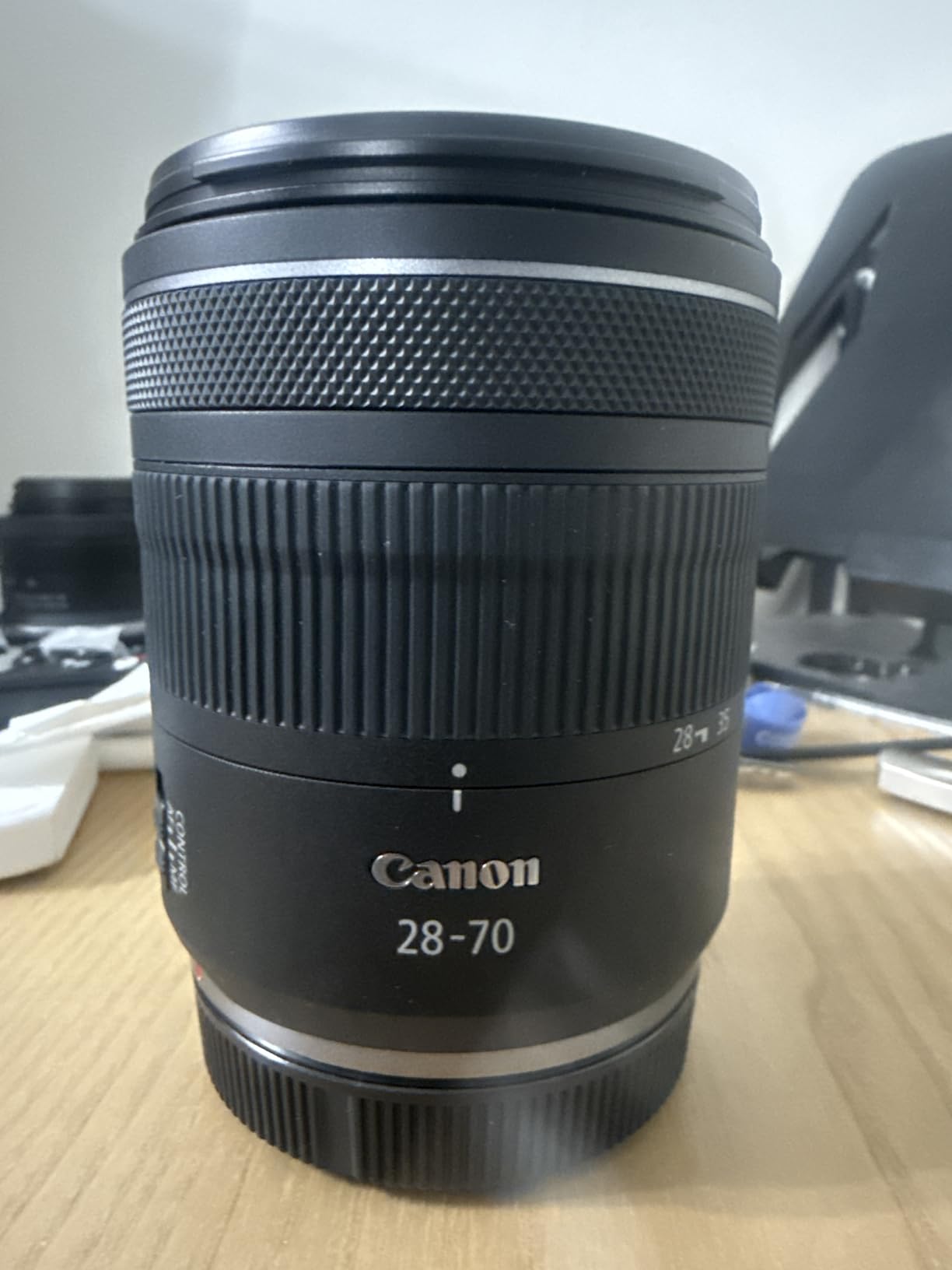
Optical performance exceeds expectations for the price point. Two UD elements and two aspheric lenses produce edge-to-edge sharpness that holds up well for portraits. The lens is designed to work with in-camera corrections, so RAW shooters should apply lens profiles for optimal results. The corrected output is genuinely impressive.
Weather resistance matches L-series standards, which surprised me at this price point. The construction feels solid despite the lightweight design. For outdoor portrait photographers who occasionally face adverse conditions, this protection provides valuable peace of mind without the L-series price premium.

Who Should Buy This Lens
Portrait photographers building their first serious lens collection will find this an excellent starting point. The constant f/2.8 aperture teaches you to work with shallow depth of field while the zoom range provides flexibility for various portrait styles. The price makes professional-quality optics accessible.
Travel portrait photographers who want quality without bulk will appreciate this lens. The compact size and light weight make it ideal for destination sessions where every ounce matters. The weather resistance adds confidence for outdoor work in unpredictable conditions.
Things to Consider
The retractable design requires extending the lens before shooting, which adds a moment’s delay when grabbing quick shots. The zoom lock engages automatically when the lens is pointed down, which some photographers find annoying. It’s a design compromise for the compact size.
While optical quality is excellent, it doesn’t quite match L-series standards for critical work. Professional photographers who pixel-peep or make very large prints may notice the difference. For most portrait applications, however, the output is more than satisfactory.
How to Choose the Best Portrait Lens for Canon R5 Mark II In 2026?
Selecting the right portrait lens for your Canon EOS R5 Mark II depends on your shooting style, budget, and typical working conditions. I’ve broken down the key factors to help you make an informed decision.
Focal Length Considerations
The focal length you choose dramatically affects the look of your portraits. 50mm lenses provide a natural perspective similar to human vision, making them versatile for environmental portraits and street photography. They’re also compact and affordable, perfect for beginners building their kit.
85mm has become the classic portrait focal length for good reason. This focal length provides flattering facial proportions with slight compression that slimming effects most subjects appreciate. The working distance feels comfortable for both photographer and subject, making conversation natural during sessions.
135mm and longer telephoto lenses create dramatic compression that can be very flattering. However, they require significant working distance, making them better suited for outdoor work. I use my 135mm for outdoor sessions where space isn’t limited and I want that distinctive compressed background look.
Aperture Importance for Portraits
Wide apertures create the shallow depth of field that separates portrait subjects from backgrounds. Lenses with f/1.2 or f/1.4 apertures produce the creamiest bokeh and strongest subject isolation. However, these benefits come with higher costs and heavier builds.
f/1.8 and f/2 lenses offer an excellent compromise between background separation and practicality. Most portrait work doesn’t require maximum aperture to achieve pleasing results. I often shoot at f/2.8 or f/4 even with faster lenses to ensure adequate depth of field for facial features.
For zoom lenses, constant f/2.8 aperture provides consistency across the focal range. Variable aperture zooms may limit your widest aperture at longer focal lengths, which affects both exposure and depth of field as you zoom.
Prime vs Zoom for Portraits
Prime lenses typically offer superior optical quality and wider maximum apertures than zooms. If your portrait work involves controlled lighting and careful composition, primes deliver the ultimate image quality. The simplicity of a fixed focal length also encourages more deliberate composition.
Zoom lenses provide flexibility that primes cannot match. Wedding and event photographers particularly benefit from the ability to reframe without changing lenses or moving position. Modern zooms like the RF 70-200mm f/2.8L deliver optical quality that rivals many primes.
Many professional portrait photographers use both: primes for critical work where maximum quality matters, and zooms for situations requiring flexibility. The R5 Mark II’s resolution justifies investing in quality glass of either type.
Image Stabilization Benefits
Image stabilization becomes increasingly valuable as focal length increases. For 85mm and longer lenses, IS enables handheld shooting at slower shutter speeds that would otherwise show camera shake. This capability is particularly useful for natural light portraits where tripods aren’t practical.
The R5 Mark II’s in-body stabilization works with lens-based IS for enhanced performance. Lenses featuring coordinated IS, like the RF 135mm f/1.8L, can achieve up to 8 stops of correction when paired with the camera’s IBIS system. This transforms low-light portrait capabilities.
For video portrait work, stabilization is essential. Even subtle camera movement becomes visible in video footage. Lenses with effective IS systems significantly improve handheld video quality for hybrid shooters.
Weather Sealing for Outdoor Work
Outdoor portrait photographers should prioritize weather-sealed lenses. L-series lenses feature comprehensive sealing against dust and moisture, providing confidence when shooting in challenging conditions. The investment in weather sealing pays off the first time you complete a session in light rain.
Non-L lenses vary in their environmental protection. Some, like the RF 28-70mm f/2.8 IS STM, offer L-equivalent weather resistance despite the lower price point. Others provide minimal or no sealing, requiring extra caution in adverse conditions.
Consider your typical shooting environments when evaluating weather sealing importance. Studio photographers may never need this feature, while outdoor specialists shouldn’t compromise on protection.
Budget Tier Recommendations
For photographers on tight budgets, the RF 50mm f/1.8 STM provides the best value. This lens delivers genuinely professional-looking portraits at an entry-level price. Start here if you’re new to portrait photography or unsure which focal length suits your style.
Mid-budget photographers should consider the RF 85mm f/2 Macro IS STM. This lens offers image quality approaching L-series standards with added versatility from the macro capability and image stabilization. The value proposition is exceptional for serious portrait work.
For those investing in professional-quality glass, the RF 85mm f/1.2L USM represents the pinnacle of portrait lens design. The optical quality and rendering justify the premium price for photographers whose work demands the absolute best.
Frequently Asked Questions
What is the best portrait lens for the Canon R5?
The Canon RF 85mm f/1.2L USM is widely considered the best portrait lens for the Canon R5 and R5 Mark II. It offers exceptional sharpness even at f/1.2, beautiful creamy bokeh, and flattering perspective compression. For budget-conscious photographers, the RF 85mm f/2 Macro IS STM delivers excellent image quality at a fraction of the price.
What is the best Canon lens for portrait photography?
The best Canon lens for portrait photography depends on your style and budget. The RF 85mm f/1.2L USM is the ultimate choice for professionals seeking maximum quality. The RF 85mm f/2 Macro IS STM offers the best value. The RF 50mm f/1.8 STM is perfect for beginners. For versatility, the RF 70-200mm f/2.8L IS USM covers multiple portrait scenarios.
What is the most flattering lens for portraits?
85mm lenses are generally considered the most flattering for portraits because they provide natural-looking facial proportions with slight compression that most subjects find appealing. This focal length creates comfortable working distance while producing pleasing background separation. The Canon RF 85mm f/1.2L USM and RF 85mm f/2 Macro IS STM are excellent 85mm options for the R5 Mark II.
What lens for Canon R5 Mark II?
The Canon R5 Mark II works with all RF mount lenses natively. For portraits, top recommendations include the RF 85mm f/1.2L USM for professionals, RF 85mm f/2 Macro IS STM for value-conscious buyers, RF 50mm f/1.8 STM for beginners, and RF 70-200mm f/2.8L IS USM for versatility. EF lenses also work with the EF-EOS R mount adapter.
Final Thoughts on Portrait Lenses for Canon R5 Mark II
Choosing the best portrait lenses for Canon EOS R5 Mark II ultimately depends on your specific needs, shooting style, and budget. For professionals who demand the absolute best, the Canon RF 85mm f/1.2L USM delivers unmatched optical quality and beautiful rendering. Value-conscious photographers will find the RF 85mm f/2 Macro IS STM offers exceptional performance at a reasonable price point.
For those just starting their portrait photography journey, the RF 50mm f/1.8 STM provides an affordable entry point that produces professional-looking results. The zoom options like the RF 70-200mm f/2.8L IS USM and RF 24-70mm f/2.8L IS USM offer versatility for photographers who need to handle various situations without changing lenses.
The R5 Mark II’s exceptional sensor and autofocus system deserve quality glass to realize their full potential. Any of these eight lenses will help you create stunning portraits that showcase what this remarkable camera can do.