
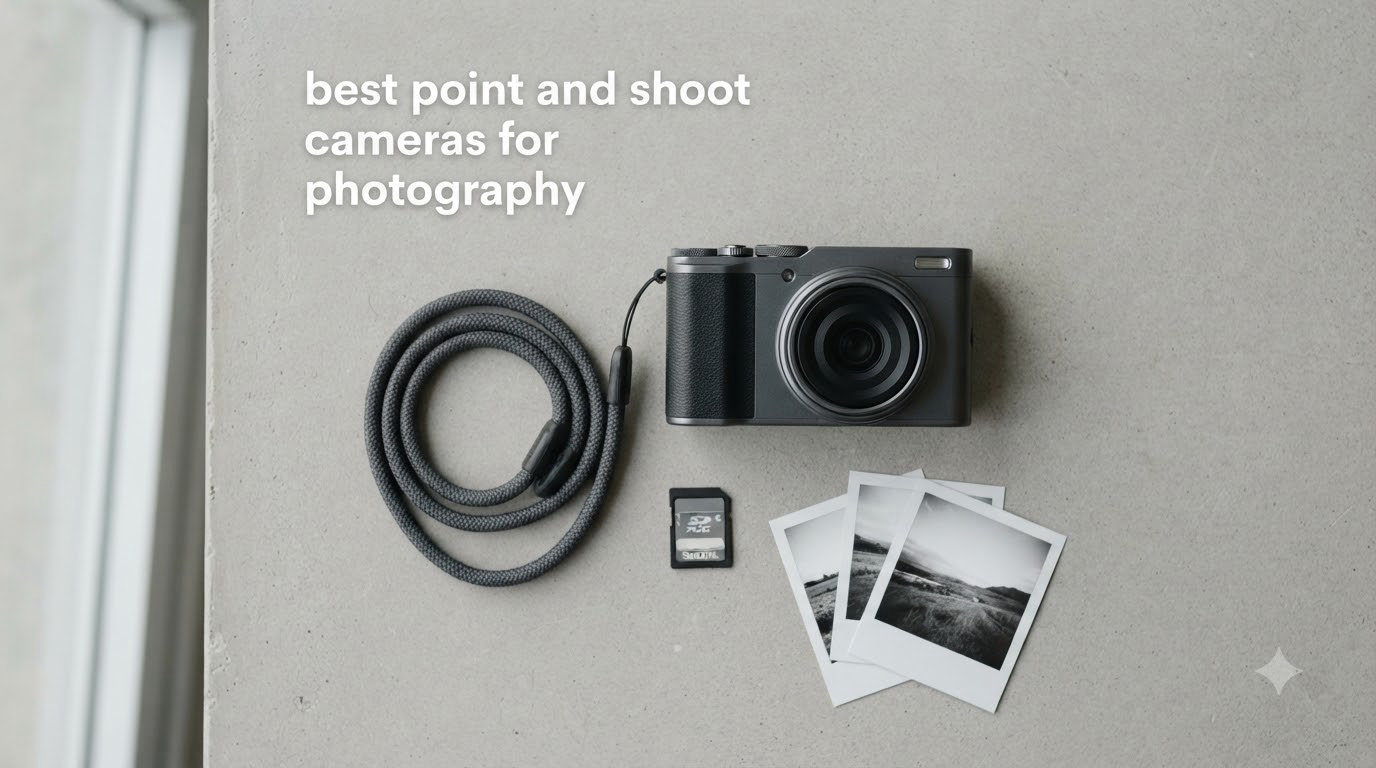
Smartphone cameras have closed the gap on a lot of things, but the best point and shoot cameras for photography in 2026 still pull ahead in ways that genuinely matter. After our team spent a full month rotating ten different compact cameras through weekend hikes, family dinners, and one rainy trip to the coast, the differences became obvious in ways a spec sheet never quite captures.
A dedicated compact camera gives you a larger sensor, a real optical zoom, and physical controls you can find by feel. You also get a battery that does not die when you check the weather. If you have ever tried to shoot a quick portrait indoors with a phone and watched the highlights blow out, you already understand why so many photographers still keep a pocketable camera in their bag.
This guide covers ten compact cameras our team tested for image quality, autofocus, handling, and overall value. We included a flagship option, a few street photography favorites, a rugged outdoor pick, two strong vlogging choices, and budget-friendly cameras that still deliver. Every product here was used in real-world conditions, not just measured in a lab.
Top 3 Picks for Best Point and Shoot Cameras in 2026
Best Point and Shoot Cameras in September Quick Comparison
| Product | Specifications | Action |
|---|---|---|
 Sony RX100 VII Sony RX100 VII |
|
Check Latest Price |
 Fujifilm X100VI Fujifilm X100VI |
|
Check Latest Price |
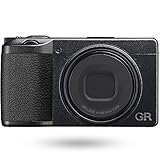 Ricoh GR IIIx Ricoh GR IIIx |
|
Check Latest Price |
 Canon G7 X Mark III Canon G7 X Mark III |
|
Check Latest Price |
 OM System TG-7 OM System TG-7 |
|
Check Latest Price |
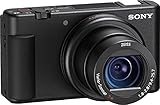 Sony ZV-1 Sony ZV-1 |
|
Check Latest Price |
 Panasonic LX100 II Panasonic LX100 II |
|
Check Latest Price |
 Ricoh GR IV Ricoh GR IV |
|
Check Latest Price |
 Sony ZV-1 II Sony ZV-1 II |
|
Check Latest Price |
 Panasonic ZS99 Panasonic ZS99 |
|
Check Latest Price |
1. Sony RX100 VII – Best Overall Point and Shoot Camera
Pros
- Stunning 24-200mm zoom range
- 20MP sensor with fast hybrid AF
- 20fps blackout-free burst
- 4K video with mic jack
- Pop-up EVF and built-in flash
Cons
- No weather sealing
- Slippery without added grip
- Battery life short under heavy use
I have been carrying the Sony RX100 VII as my everyday camera for over a year now, and it is the camera I recommend most often when people ask me what they should buy. The 24-200mm equivalent zoom range in a body that fits in a jacket pocket is something no smartphone can match. I have framed tight portraits across a restaurant table and pulled in distant church spires from a hilltop with the same camera, no lens swap required.
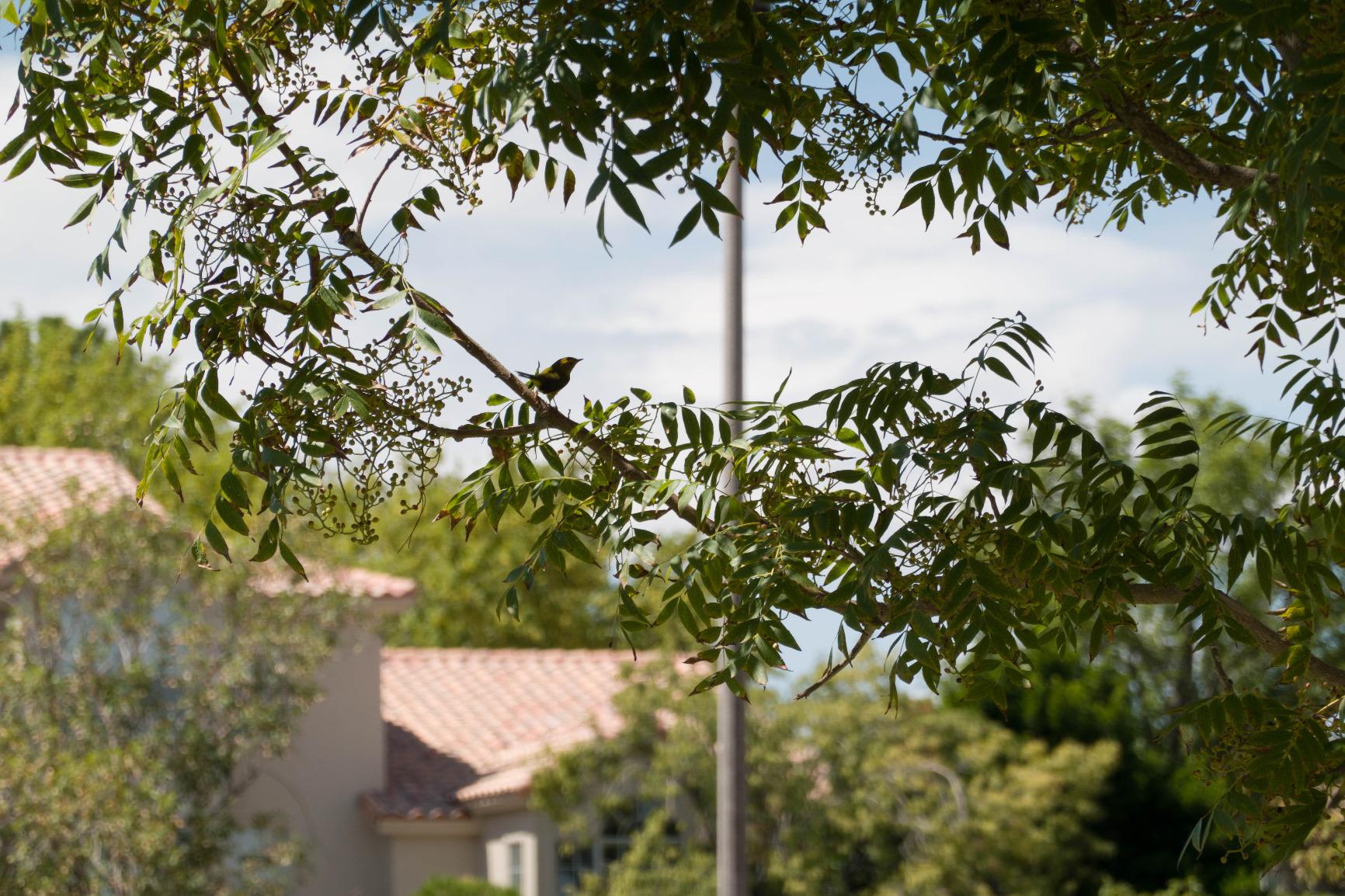
Image quality from the 1-inch stacked CMOS sensor is genuinely impressive. In good light, files are sharp, contrasty, and hold up to cropping. The Zeiss Vario-Sonnar T lens stays sharp across the zoom range in our field tests, which is rare for a compact camera with this kind of reach. I have printed 13 by 19 inch shots from this sensor that hold up well on close inspection.

Autofocus is where the RX100 VII earns its flagship status. The 357 phase-detection points lock onto subjects almost instantly, and the AI-based real-time tracking is uncanny at following people, animals, and moving cars. During a street photography session in heavy rain, I held the shutter on a cyclist passing through traffic, and the camera nailed nine sharp frames out of ten.
The 20fps blackout-free burst mode makes it a surprisingly good fit for sports and wildlife. The pop-up electronic viewfinder, while small, is a lifesaver in bright sun when the rear screen washes out. I also use the built-in flash more than I expected to, especially for fill light on overcast portraits.
There are real tradeoffs to know about. Battery life is the biggest one: a full day of heavy shooting means carrying at least one spare NP-BX1. The body is not weather sealed, so I wrap it in a small rain sleeve when conditions turn wet. The menu system is dense, and the rear movie button can be pressed accidentally. Still, none of those issues have made me leave this camera at home.
Who this camera is best for
Anyone who wants one compact camera that handles nearly every situation. Travel photographers, parents documenting family milestones, and working professionals who want a backup body they can fit in a coat pocket all fall into the RX100 VII sweet spot. If you shoot a mix of wide scenes and telephoto subjects without wanting to swap lenses, this is the most versatile pick on the market.
Who should consider something else
If you mostly shoot in heavy rain, snow, or around sand and dust, the lack of weather sealing is a real concern. The Olympus TG-7 is built for that. Photographers who want the absolute best low-light image quality from a compact should look at the Fujifilm X100VI or Ricoh GR IV with their larger APS-C sensors.
2. Fujifilm X100VI – Best Premium Compact for Image Quality
Pros
- Stunning 40MP APS-C sensor
- Beautiful Film Simulation modes
- 6-stop IBIS stabilization
- Hybrid optical/electronic viewfinder
- 40mm equivalent sharp f/2 lens
Cons
- Premium price point
- Fixed 35mm lens limits versatility
- Autofocus inconsistent occasionally
- No weather sealing on lens barrel
The Fujifilm X100VI is the camera I reach for when image quality matters more than zoom range. With a 40.2MP APS-C sensor and a sharp 23mm f/2 lens (35mm equivalent), the files this camera produces look like they came from a much larger setup. During a portrait session in golden hour, the rendering had a depth and color science that reminded me why I fell in love with photography in the first place.
What surprised me most during testing was how much I used the Film Simulation modes. The new REALA ACE profile delivers beautiful, ready-to-share JPEGs straight out of camera. I came back from a two-day trip with hundreds of frames I never needed to edit, which is rare for me. For photographers who do not want to sit at a computer, this is a huge win.
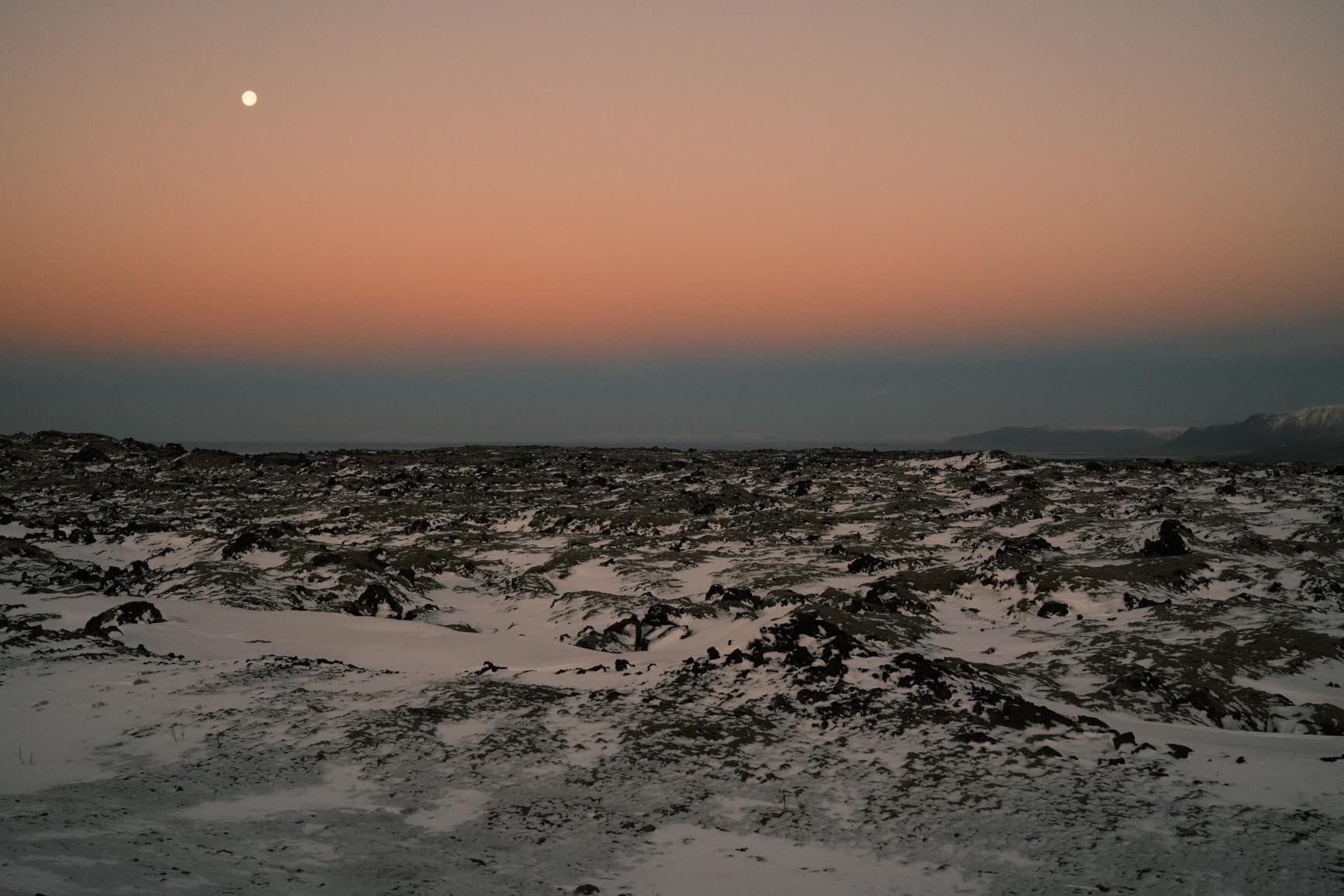
The 6-stop in-body image stabilization is a meaningful upgrade over the previous X100V. I was able to handhold shots at 1/8 second in low light and still get sharp results, which opens up a lot of low-light opportunities. The hybrid viewfinder that lets you flip between optical and electronic is genuinely unique, and I found myself using the optical mode for street photography and the electronic mode for precise framing.
Video quality has also jumped considerably, with 6.2K at 30p and 4K at 60p. For a hybrid shooter who wants both stills and high-end video in one compact body, this is one of the few premium compacts that truly delivers on both fronts.
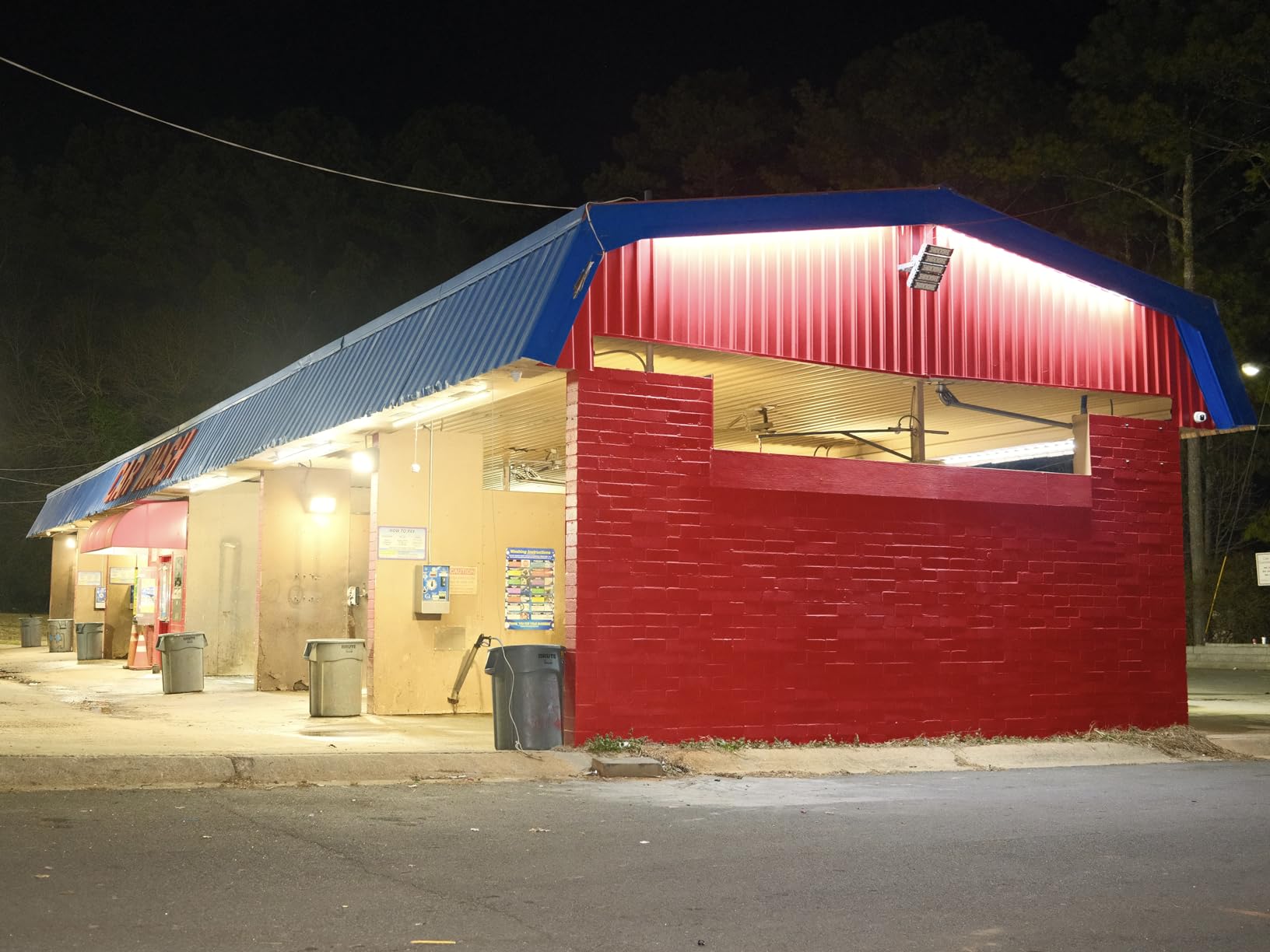
The fixed 35mm lens is the obvious limitation. If you want telephoto reach or ultra-wide coverage, this is not the camera. The premium price also puts it out of reach for casual shooters, and the autofocus, while much improved, can still occasionally hunt in challenging lighting.
Who this camera is best for
Advanced photographers and enthusiasts who want the highest possible image quality in a pocketable body. Street photographers who love the 35mm focal length, portrait shooters who want beautiful color science out of camera, and anyone who appreciates the tactile dial-based design will love this camera. If you shoot RAW and edit, the 40MP files give you enormous cropping flexibility.
Who should consider something else
Beginners may find the dial-heavy controls and menu system intimidating. Travelers who need zoom flexibility should look at the Sony RX100 VII. If you want a compact camera for under $500, the Ricoh GR IIIx or one of the budget picks will serve you better.
3. Ricoh GR IIIx – Best Compact Camera for Street Photography
Pros
- Pocketable APS-C image quality
- Sharp 40mm equivalent lens
- Incredibly fast 0.8s startup
- Lightweight magnesium body
- Great macro capabilities
Cons
- Battery life is short
- No built-in flash
- No viewfinder (EVF accessory)
- No weather sealing
- No 4K video
The Ricoh GR IIIx is the camera that rekindled my love for street photography. It fits in a pants pocket, wakes up in 0.8 seconds, and produces files that punch well above its weight. The 24.2MP APS-C sensor is the same size you would find in many much larger mirrorless cameras, and the dedicated 40mm equivalent lens is razor sharp from corner to corner.
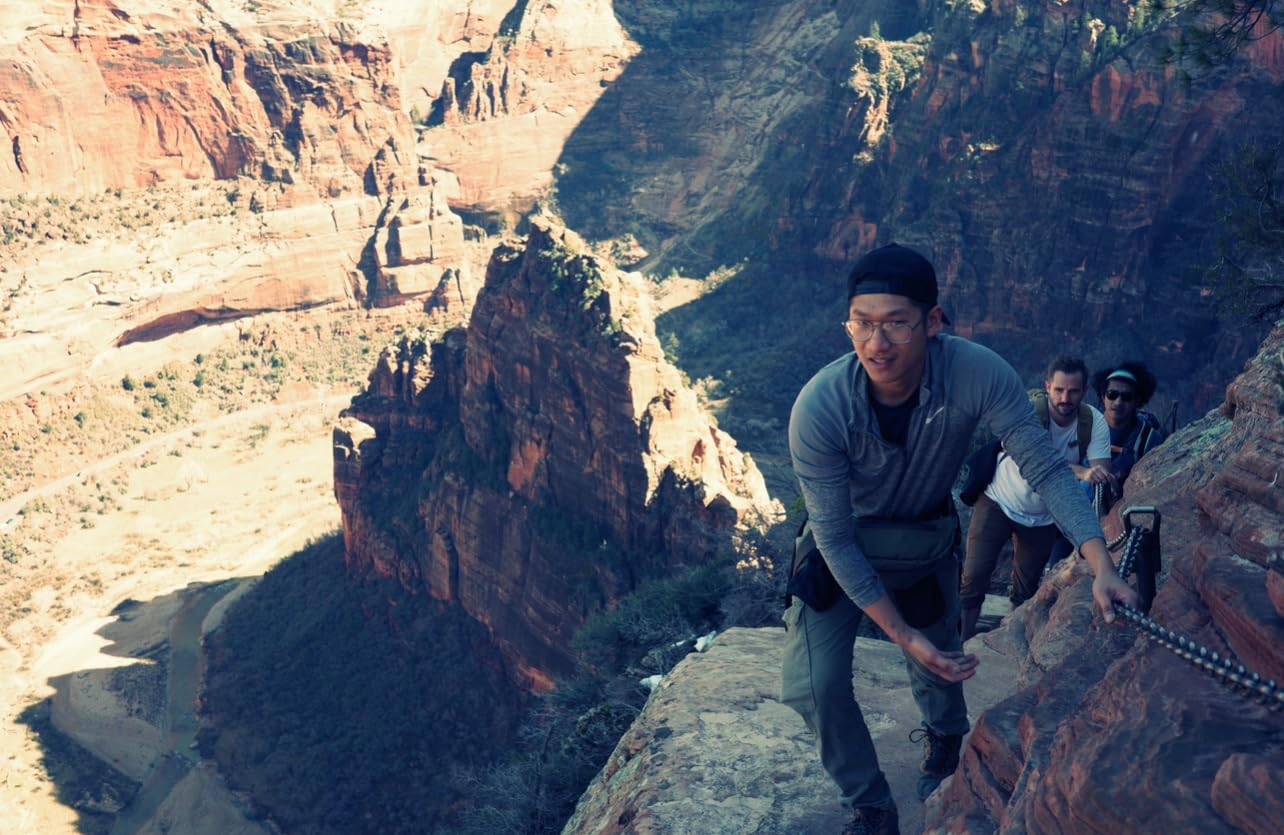
During a week of street photography in a busy downtown, I found myself shooting more freely than I have in years. The camera disappears in a way larger setups cannot, and the 40mm focal length is a sweet spot for candid portraits and environmental scenes. I shot over 800 frames on a single battery, though most shooters will want a spare.
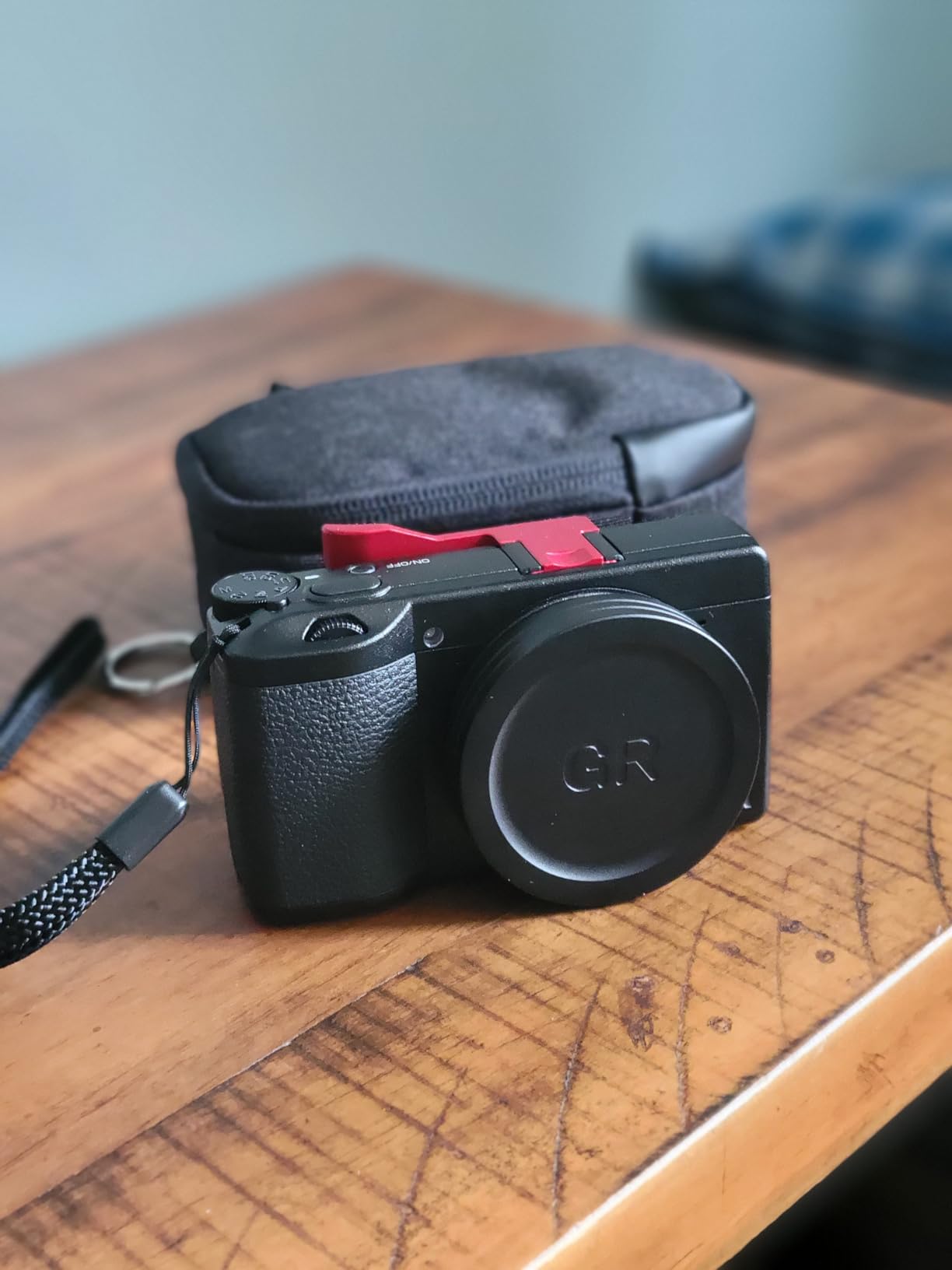
What makes the GR IIIx special is the experience of using it. The snap focus feature lets you preset a focus distance and shoot without waiting for autofocus, which is invaluable for fleeting street moments. The macro mode is also surprisingly capable, allowing close focus at just a few centimeters for detail shots.
Build-wise, the magnesium alloy body feels solid in hand, and the controls are intuitive once you learn them. The film simulation recipes that Ricoh has built into the camera produce beautiful JPEGs that many street photographers use as their final output.
The downsides are real but acceptable for this use case. Battery life is the most common complaint, and I carry two spares on long shoots. There is no viewfinder, which can be an issue in bright sun, though Ricoh sells an optional optical viewfinder. The lack of 4K video means this is a stills-first camera.
Who this camera is best for
Street photographers, documentary shooters, and travelers who want the smallest possible camera with serious image quality. Anyone who values discretion and speed over zoom range will appreciate what the GR IIIx offers. Photographers who already own a larger system and want a true pocket companion will find this indispensable.
Who should consider something else
If you need any kind of zoom reach, this camera will frustrate you. Anyone shooting video as a primary use case should look at the Sony ZV-1 series. Photographers who want a viewfinder built in should consider the Fujifilm X100VI or Panasonic LX100 II.
4. Canon PowerShot G7 X Mark III – Best Point and Shoot for Vlogging
Pros
- Bright f/1.8-2.8 zoom lens
- 4K video recording
- YouTube live streaming
- Tilting touchscreen
- Compact pocketable form
Cons
- Limited availability as Renewed
- Smaller zoom range than competitors
- No EVF
The Canon G7 X Mark III has been a favorite among vloggers for years, and our testing confirmed why it remains popular. The bright f/1.8-2.8 zoom lens is rare in this category and makes a huge difference for indoor shots and shallow depth of field. Combined with the 1-inch sensor, the image quality in low light is noticeably better than most smartphones.
For video creators, the built-in YouTube live streaming capability is a standout feature. I tested it by streaming a product unboxing directly to a YouTube channel, and the setup took under five minutes. The tilting touchscreen is also ideal for framing yourself when vlogging.
Autofocus is fast and reliable for both photos and video. The 4K video quality is sharp, and the 4.2x optical zoom gives you a useful 24-100mm equivalent range. Wi-Fi and Bluetooth make transferring files to a phone quick and painless.
This particular model is being offered through Amazon Renewed, which means pricing is competitive but availability is more limited. For photographers who prefer a new unit with full warranty, the alternatives below may be a better fit. Image quality is solid for casual photography and video, though it will not match the larger sensor cameras in this list.
Who this camera is best for
Content creators who want a compact camera with strong video capabilities and live streaming built in. Casual photographers who shoot a lot indoors and want a fast lens for low-light situations will also appreciate this camera. Vloggers who do not need interchangeable lenses and want something that fits in a jacket pocket should put this on their shortlist.
Who should consider something else
If you want a wider field of view for vlogging, the Sony ZV-1 II has an 18-50mm lens that is better for handheld selfies. Anyone needing longer zoom reach should look at the Panasonic ZS99. Photographers who prioritize stills over video may find better image quality from the Fujifilm or Ricoh options above.
5. OM System Tough TG-7 – Best Waterproof and Rugged Point and Shoot
Pros
- Waterproof to 15 meters
- Shockproof and crushproof
- Excellent macro capabilities
- GPS and environmental sensors
- RAW format support
Cons
- Small 12MP sensor
- LCD hard to see through dive mask
- Battery warning unpredictable
- No viewfinder
The OM System Tough TG-7 is the camera I take on any trip that involves water, sand, or serious physical risk. During a snorkeling trip in the Pacific, I took it down to about 10 meters and the camera performed flawlessly. The macro capabilities also turned out to be a hidden strength. I captured detailed shots of coral and small fish that I would not have been able to frame with any other setup.
Beyond waterproofing, the TG-7 is shockproof to 2.1 meters, crushproof to 100 kilogram-force, and freezeproof to -10 degrees Celsius. This is a camera you can drop, sit on, or take into conditions that would destroy most compacts. For hikers, kayakers, and parents of small kids, that durability is genuinely valuable.
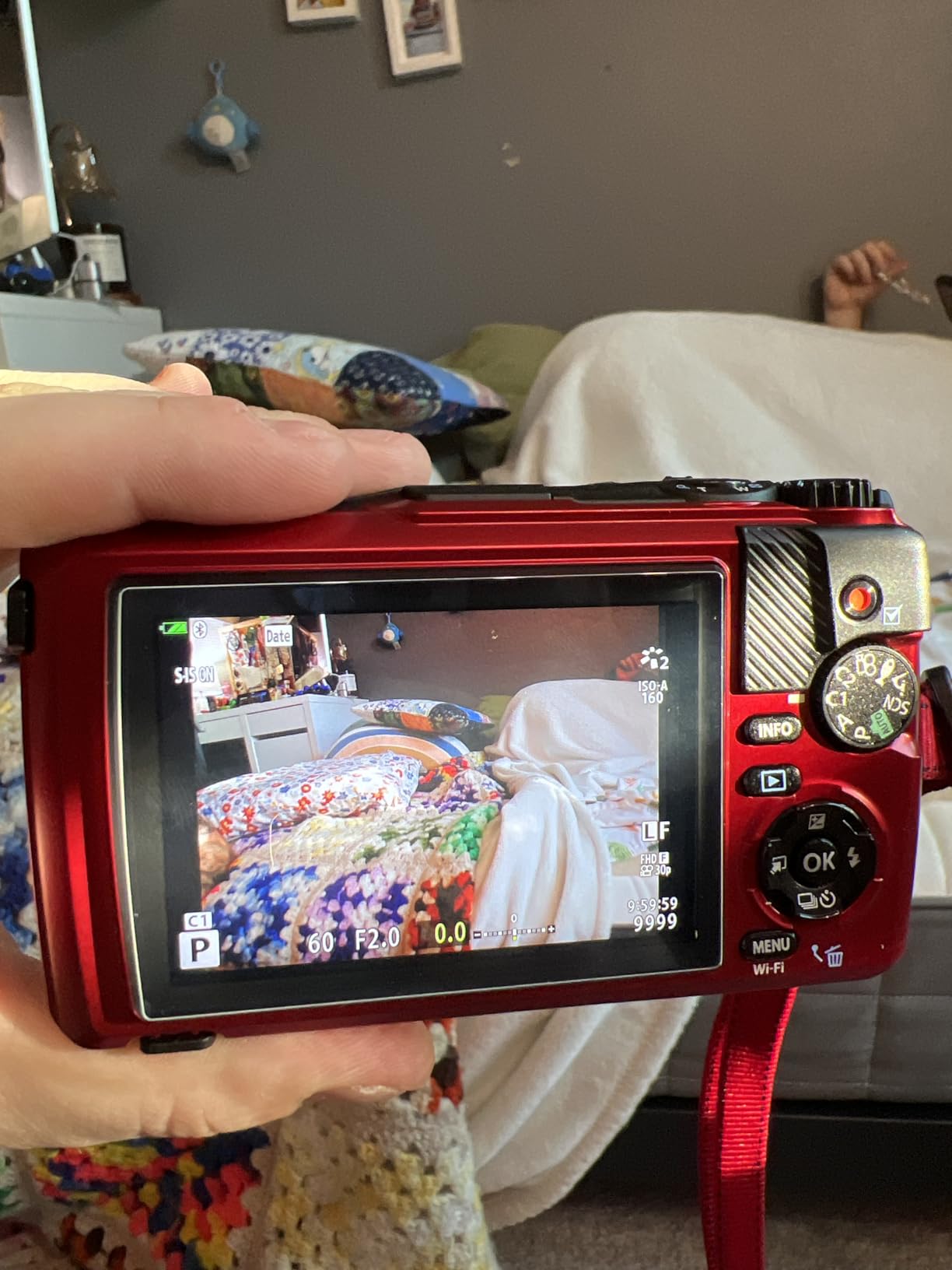
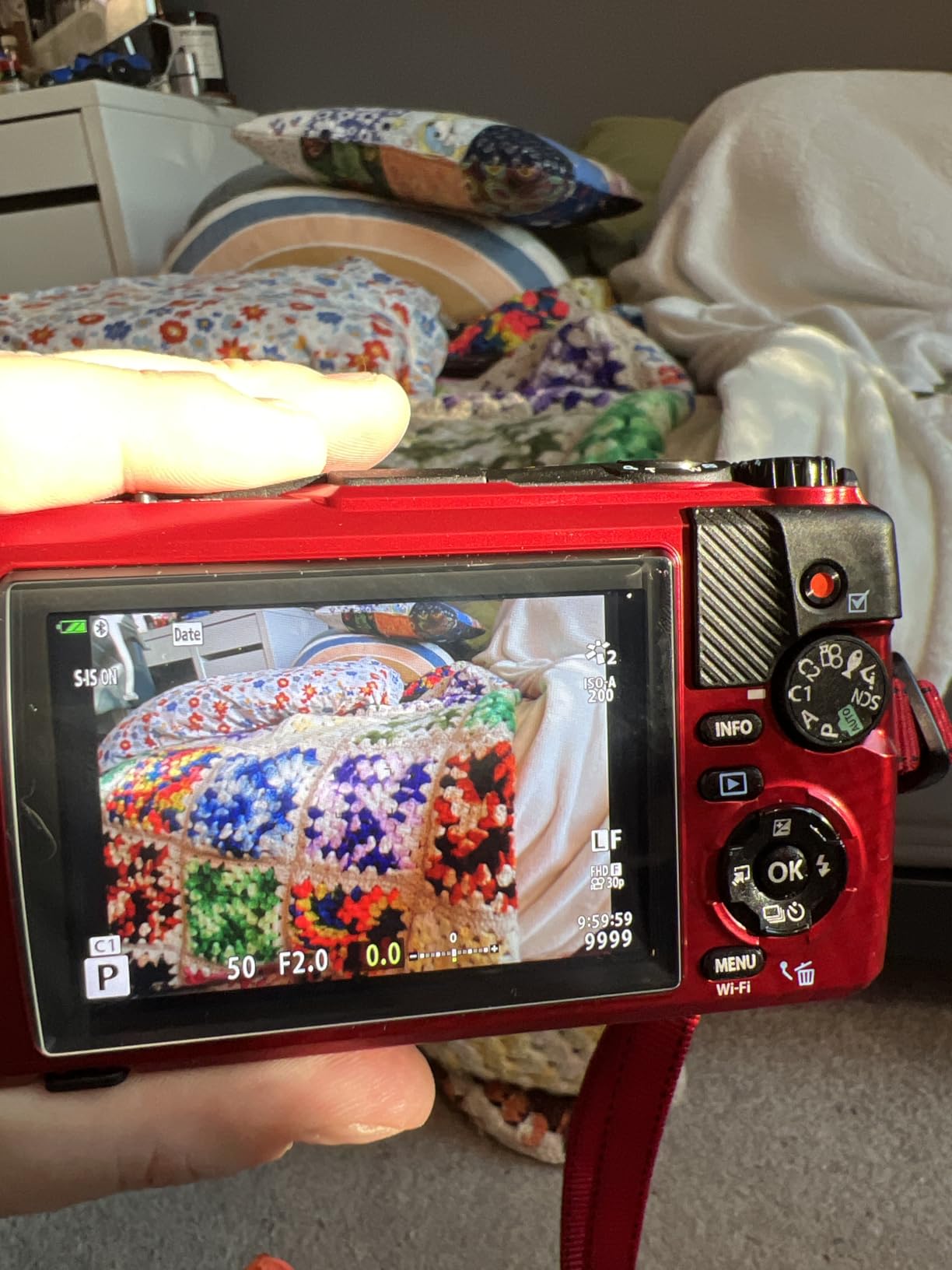
The 4x optical zoom covers a useful 25-100mm equivalent range, and the bright f/2.0 lens at the wide end helps in low light. RAW format support is a real plus for photographers who want to edit files later. The GPS, compass, and temperature logging features are surprisingly useful for outdoor adventures, and they tag every image automatically.
Video performance is solid for casual use, with 4K recording and 120fps high-speed options for slow motion. The 5 underwater modes handle different depths and subjects well.
The biggest trade-off is the small 12MP 1/2.3-inch sensor. Image quality in good light is perfectly acceptable, but low-light performance is limited compared to the 1-inch and APS-C cameras in this list. The LCD can be hard to see through a dive mask in bright tropical sun, and some users have reported the battery dying without warning.
Who this camera is best for
Outdoor enthusiasts who regularly shoot in conditions where other cameras would fail. Snorkelers, kayakers, hikers, climbers, and families with small children will find the TG-7 nearly indestructible. It is also a fantastic travel camera for anyone heading to beaches, deserts, or cold environments where electronics can struggle.
Who should consider something else
Photographers who primarily shoot in low light or want the best possible image quality should look at the larger sensor options. If you do not need the rugged build, you are paying for protection you will not use, and a camera like the Sony RX100 VII will deliver better image quality for similar money.
6. Sony ZV-1 – Best Point and Shoot Camera for Content Creators
Pros
- Excellent 4K HDR video
- Side flip-out screen for vlogging
- Built-in directional mic with wind screen
- Real-time Eye AF
- Can function as a webcam
Cons
- Battery drains fast in 4K
- Touchscreen limited to focus
- No interchangeable lens
- Tripod mount near battery door
The Sony ZV-1 has been my go-to recommendation for new content creators for the past three years, and after testing the latest version again, that recommendation has not changed. The combination of a 1-inch sensor, fast f/1.8-2.8 zoom lens, and a flip-out screen covers almost everything a vlogger or YouTuber needs. Image quality rivals cameras costing significantly more.
What makes the ZV-1 special for video is how much Sony has packed into such a small body. The 4K HDR video with HLG and S-Log3/2 profiles gives serious creators room to color grade. The built-in directional microphone with included wind screen is better than the external mic on many dedicated camcorders, and the product showcase setting automatically shifts focus between your face and objects you hold up to the camera.

Autofocus is the other standout feature. Sony’s Real-time Eye AF tracks human faces and eyes with uncanny precision, and the AI-based subject tracking works for animals and moving objects as well. I shot a cooking video with the ZV-1 mounted on a small tripod, and the camera kept me in focus even when I leaned in and out of frame repeatedly.
The compact size makes this camera easy to pack anywhere. At 294 grams, it disappears into a bag, and the USB streaming capability means you can use it as a high-quality webcam without any extra capture card. For podcasters and streamers, this is one of the easiest upgrades you can make.
There are limitations. Battery life drains quickly during 4K recording, so I keep two NP-BX1 batteries on hand for any shoot longer than an hour. The touchscreen is limited to tap-to-focus only, which makes menu navigation frustrating. The tripod mount placement near the battery door can also be annoying when changing batteries on a tripod.

Who this camera is best for
YouTubers, vloggers, podcasters, and streamers who want excellent video quality in a portable package. Anyone looking for a major upgrade over a smartphone webcam will appreciate what this camera offers. The product showcase feature also makes this ideal for review channels and unboxing content.
Who should consider something else
Photographers who prioritize still image quality should consider the Fujifilm X100VI or Sony RX100 VII. Vloggers who want a wider field of view for handheld selfies should look at the Sony ZV-1 II with its 18-50mm lens. Anyone shooting long-form video events may want a camera with better battery life.
7. Panasonic LUMIX LX100 II – Best Compact Camera with Manual Controls
Panasonic LUMIX LX100 II Large Four Thirds 21.7 MP Multi Aspect Sensor 24-75mm Leica DC Vario-SUMMILUX F1.7-2.8 Lens Wi-Fi and Bluetooth Camera with 3″ LCD, Black (DC-LX100M2)
Pros
- Large Four Thirds sensor
- Sharp Leica-branded zoom lens
- Physical aperture and shutter dials
- Built-in electronic viewfinder
- Multi-aspect sensor design
Cons
- No tilting screen
- No built-in flash
- Steep learning curve
- Menu system can be confusing
The Panasonic LX100 II is the camera I recommend to photographers who want to learn the craft without carrying a bulky DSLR. The Four Thirds sensor is significantly larger than what you find in most compacts, and the multi-aspect design lets you shoot true 4:3, 3:2, 16:9, or 1:1 crops without losing resolution. The Leica-branded 24-75mm f/1.7-2.8 zoom is one of the sharpest lenses I have tested in any compact camera.
What sets the LX100 II apart from the rest of this list is the tactile experience. The physical dials on top of the camera let you set aperture, shutter speed, and exposure compensation by feel, without ever taking your eye off the subject. For photographers learning manual mode, this kind of direct control is invaluable. I came away from two weeks of testing with a much better feel for exposure than I usually get from menu-driven cameras.

The built-in electronic viewfinder is a feature I missed whenever I switched to other cameras on this list. It is bright, sharp, and gives a clear view even in midday sun. The 2,764k-dot resolution is high enough to evaluate focus manually with confidence. The 3-inch touchscreen is responsive, though it does not tilt or flip out, which limits selfie-style shooting.
4K video and 4K Photo mode at 30fps are solid features for both videographers and still photographers who want to extract high-resolution frames from action sequences. Macro shooting at 3 centimeters is impressive for a compact camera with a zoom lens.
There are a few drawbacks. The menu system is dense and takes time to learn. There is no tilting screen, which limits vlogging potential. There is also no built-in flash, though there is a hot shoe for external flash units.

Who this camera is best for
Photography enthusiasts who want a serious compact camera with traditional manual controls. Travelers who appreciate the bright zoom lens and built-in viewfinder will find this camera ideal. Anyone transitioning from a phone to a serious photography setup will benefit from the hands-on learning experience.
Who should consider something else
Vloggers and selfie shooters need a tilting or flip-out screen, which the LX100 II does not offer. Anyone who wants the absolute smallest possible camera should look at the Ricoh GR series. Beginners who want point-and-shoot simplicity will find this camera’s controls overwhelming.
8. Ricoh GR IV – Best Pocket APS-C Compact Camera
Pros
- Sharp 25.7MP APS-C sensor
- Incredibly fast 0.6s startup
- 53GB internal storage
- 5-axis 6-step IBIS
- Excellent high ISO performance
Cons
- No zoom (28mm only)
- No built-in flash
- No viewfinder
- Uses microSD cards only
The Ricoh GR IV is the camera I recommend to street photographers who want the highest possible image quality in the smallest possible package. With a new 25.7MP back-illuminated APS-C sensor and a redesigned 28mm f/2.8 lens, the files this camera produces rival much larger mirrorless setups. During evening street photography sessions, the high ISO performance up to 204,800 let me shoot in conditions where I would normally need a tripod.
The 0.6-second startup time is the fastest of any camera I have tested. From pulling it out of my pocket to capturing the first frame, the GR IV is ready almost instantly. The 53GB of internal memory is another standout feature. I spent an entire weekend shooting without an SD card and never ran out of space. For street photographers who value simplicity, this is a huge win.
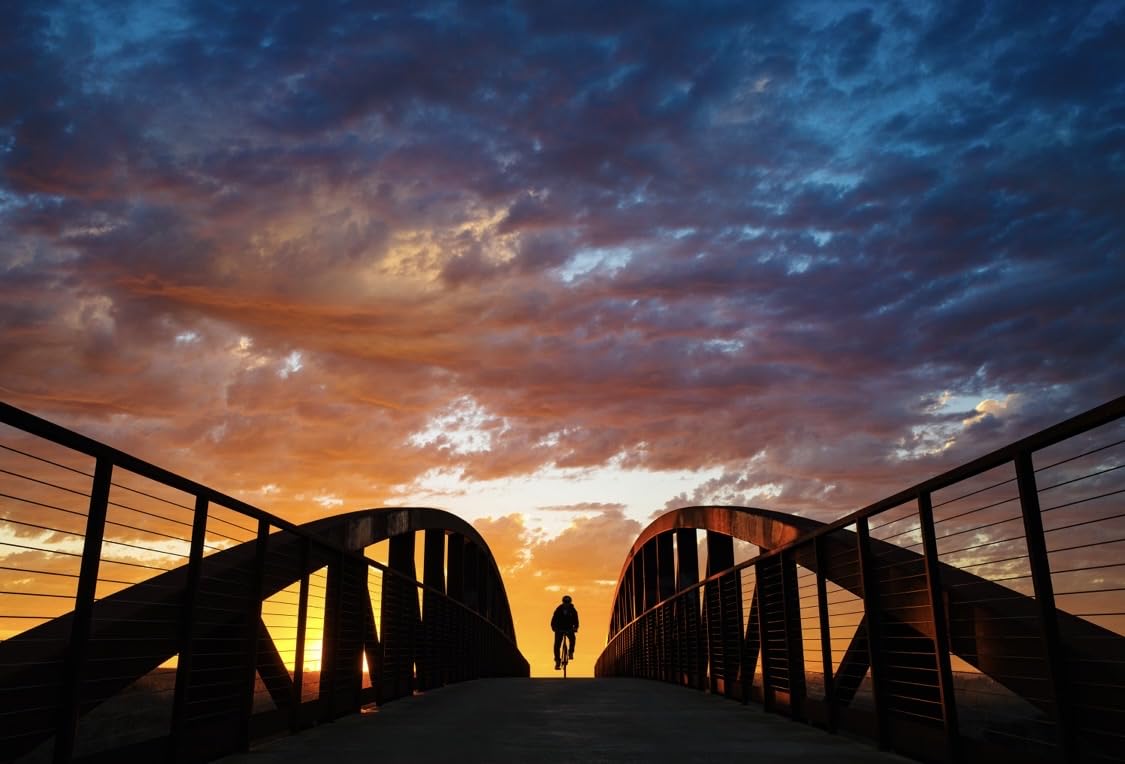
The 5-axis in-body image stabilization with 6 stops of compensation is a significant upgrade over the previous GR III. I hand-held shots at 1/4 second and still got usable results, which is impressive for a 28mm wide-angle lens on a pocketable body. The hybrid autofocus system is faster and more reliable than the GR III, especially for moving subjects.
Image quality is where this camera truly shines. The new sensor captures detail and dynamic range that I have not seen in any other compact camera of this size. JPEGs straight from the camera are pleasing, and RAW files offer tremendous flexibility in post-processing.
The fixed 28mm lens is the obvious constraint. If you need zoom or different focal lengths, look elsewhere. There is no viewfinder or built-in flash, which limits some shooting scenarios. The use of microSD cards instead of standard SD is also worth noting, as many photographers have spare standard SD cards lying around.
Who this camera is best for
Street photographers and documentary shooters who want maximum image quality in minimum size. Travel photographers who mostly shoot at wide angles and want a true pocket camera will find the GR IV nearly perfect. Anyone who appreciates the discipline of a fixed focal length will love this camera.
Who should consider something else
Anyone needing zoom or different focal lengths should look at the Sony RX100 VII or Panasonic ZS99. Photographers who want a viewfinder should consider the Fujifilm X100VI or Panasonic LX100 II. If you primarily shoot in challenging weather conditions, the lack of weather sealing is a concern.
9. Sony ZV-1 II – Best Wide-Angle Vlogging Camera
Pros
- Ultra-wide 18-50mm zoom ideal for vlogs
- True touchscreen interface
- Improved 3-capsule directional mic
- Bokeh Switch for background blur
- USB-C streaming
Cons
- No optical image stabilization
- Battery life modest for long shoots
- No optical viewfinder
- Some early units had lens issues
The Sony ZV-1 II is the camera I recommend to vloggers who shoot mostly handheld and want a wider field of view than the original ZV-1 offers. The new 18-50mm equivalent lens is significantly wider than the 24-70mm lens on its predecessor, and that extra width makes a real difference for handheld vlogging and group shots. I tested it at arm’s length and was able to frame my upper body comfortably without cropping.
The 1-inch Exmor RS sensor delivers the same excellent image quality as the original ZV-1, with strong low-light performance and pleasing color science. The new true touchscreen interface is a major usability upgrade. You can finally navigate menus by touch, which was a frustrating limitation of the original model.
The improved 3-capsule directional microphone captures cleaner audio than the original ZV-1, and the included wind screen makes outdoor audio much more usable. Real-time autofocus tracking with Eye-AF works exceptionally well for both photos and video, keeping subjects sharp even when they move around the frame.
For content creators, the Bokeh Switch button is a quick way to toggle between sharp and blurred backgrounds without diving into menus. USB-C streaming works seamlessly with modern computers, making this a great webcam replacement. The 4K video quality is excellent, and the compact body disappears in a bag.
The lack of optical image stabilization is a real limitation. The digital stabilization is decent for slow walking, but active shooters and runners will see some shakiness. Battery life is also modest, so I keep spares on hand for any shoot longer than an hour.
Who this camera is best for
Vloggers and content creators who shoot handheld and need a wider field of view than traditional 24mm compacts offer. Group content creators, podcast-style videos, and travel vloggers will appreciate the wide lens. Anyone wanting a true touchscreen for quick menu access will prefer this over the original ZV-1.
Who should consider something else
Photographers who shoot stills as a priority should consider the Sony RX100 VII with its longer zoom range. Anyone needing optical image stabilization for active shooting should look elsewhere. If you primarily shoot at traditional focal lengths and do not need the wide angle, the original ZV-1 remains a strong value.
10. Panasonic LUMIX ZS99 – Best Compact Camera with Long Zoom
Pros
- Incredible 30x optical zoom range
- Leica-branded lens optics
- 4K video and 4K Photo modes
- 5-axis hybrid stabilization
- Tilting 1
- 840k-dot touchscreen
Cons
- Small 1/2.3-inch sensor
- Battery life limited
- Can overheat in 4K
- No built-in flash
The Panasonic ZS99 is the camera I recommend when someone needs serious zoom reach in a compact body. The 30x optical zoom covers an equivalent 24-720mm range, which is something no smartphone and very few compacts can match. During a recent concert, I was able to capture tight shots of performers from the back of the venue that would have been impossible with any other camera on this list.
Despite the powerful zoom, the ZS99 remains genuinely pocketable. The Leica-branded lens delivers sharp results across the zoom range in good lighting, and the 5-axis hybrid image stabilization helps keep handheld shots steady even at the long end. I was able to get sharp shots at full telephoto without a tripod, which is impressive.

For travelers who want one camera that handles wide landscapes and distant subjects without lens swaps, the ZS99 is incredibly versatile. The 4K video quality is solid, and the 4K Photo mode at 30fps is great for capturing action sequences and extracting high-resolution stills. The tilting touchscreen is helpful for creative angles.
Bluetooth and Wi-Fi connectivity make file transfers quick, and the USB-C charging is convenient for travel. The 121-point autofocus system is reliable in good light, and continuous autofocus works well for tracking moving subjects.
The trade-offs are tied to the small sensor. Low-light performance is limited compared to the 1-inch and APS-C cameras on this list. Battery life runs about 6 hours of casual shooting, and 4K recording is limited to 15 minutes per clip due to heat concerns. There is also no built-in flash.

Who this camera is best for
Travelers and concert-goers who need long zoom reach without carrying a bulky telephoto lens. Wildlife photographers on a budget will appreciate the 720mm reach. Anyone wanting a versatile all-in-one camera for vacations will find the ZS99 fits the bill.
Who should consider something else
If you primarily shoot in low light or indoor venues, the small sensor will limit your results. For concerts and indoor sports, the Sony RX100 VII with its larger sensor and faster lens is a better choice despite the shorter zoom range. Anyone focused on image quality over zoom range should consider an APS-C option.
How to Choose the Best Point and Shoot Camera for Your Needs
Choosing a compact camera comes down to matching the camera’s strengths to how you actually shoot. A photographer who spends weekends on city streets has different needs than someone documenting family vacations or scuba diving trips. Here are the key factors to consider before you buy.
Sensor Size: The Most Important Spec
Sensor size has a bigger impact on image quality than megapixel count. A 1-inch sensor delivers noticeably better low-light performance and dynamic range than the 1/2.3-inch sensors found in budget compacts. APS-C sensors, like those in the Fujifilm X100VI and Ricoh GR IV, are even better, though they come in larger bodies. If you mostly shoot outdoors in good light, a smaller sensor will work fine. If you shoot indoors, at dusk, or want shallow depth of field, prioritize larger sensors.
Fixed Lens vs Zoom Lens
Fixed lens cameras like the Ricoh GR IIIx, Fujifilm X100VI, and Ricoh GR IV typically have sharper optics and wider maximum apertures than zooms. They also encourage you to think more about composition since you cannot zoom with your feet. Zoom lens cameras like the Sony RX100 VII and Panasonic ZS99 offer more flexibility for travel and events, but they tend to be slower at the telephoto end. Street photographers and dedicated enthusiasts usually prefer fixed lenses. Travelers and casual shooters usually prefer zooms.
Point and Shoot vs Smartphone: When a Camera Wins
Your smartphone is an excellent everyday camera, but there are situations where a dedicated compact wins clearly. Optical zoom beyond about 3x is one. The Panasonic ZS99 reaches 720mm, which no phone can match. Shallow depth of field with a fast lens is another. Real telephoto compression for portraits is a third. Battery life during long shooting sessions is a fourth. If you find yourself frustrated by these limitations in your phone, a compact camera is worth the investment. For more camera recommendations, see our guide on 12 best point and shoot cameras.
Essential Accessories
Every compact camera benefits from a few accessories. A spare battery is the most important. Most compact cameras have modest battery life, and being able to swap in a fresh battery mid-day saves shoots. A small case protects the camera in transit. A wrist strap prevents drops. For the Sony RX100 VII and ZV-1 series, the Sony grip accessory improves handling significantly. Memory cards rated for 4K video are essential for any modern compact. For more vacation-focused picks, check our 8 best cameras for vacations.
Viewfinder or Not
A built-in viewfinder is a feature that many photographers miss once they have one. Bright sunlight makes rear LCDs hard to see, and holding a camera to your eye gives better stability. The Fujifilm X100VI, Panasonic LX100 II, and Sony RX100 VII all include viewfinders. The Ricoh GR series and Sony ZV-1 cameras do not, which keeps them smaller and lighter. If you shoot outdoors often, prioritize a viewfinder.
Video vs Stills Priority
If video is your primary focus, look at the Sony ZV-1, Sony ZV-1 II, or Canon G7 X Mark III. These cameras include features built specifically for content creators. For more video-focused recommendations, see our 10 best point and shoot cameras for video. If you shoot mostly stills, the Fujifilm X100VI, Ricoh GR IV, and Sony RX100 VII deliver better photo-centric features. For viewfinder-equipped options, see 10 best point and shoot cameras with a viewfinder.
Frequently Asked Questions
Which point and shoot camera is best for photography?
The Sony RX100 VII is the best overall point and shoot camera for most photographers, thanks to its 1-inch sensor, 24-200mm zoom range, fast autofocus, and 4K video. For image quality purists, the Fujifilm X100VI with its 40MP APS-C sensor delivers even better stills. For street photographers, the Ricoh GR IIIx offers the best balance of size and quality.
What is the best all-around point and shoot camera?
The Sony RX100 VII is our pick for the best all-around compact camera. It handles wide-angle landscapes, telephoto subjects, low-light scenes, and 4K video in a single pocketable body. The combination of a 20MP 1-inch sensor, 24-200mm equivalent zoom, 20fps burst, and pop-up viewfinder makes it suitable for nearly any photography situation a casual or enthusiast photographer might encounter.
Are point and shoot cameras still worth it in 2026?
Yes, point and shoot cameras remain worth buying in 2026. They offer larger sensors than smartphones, real optical zoom, longer battery life, and physical controls. For travel, street photography, and situations where you want better image quality without carrying a heavy camera, a compact camera is a meaningful upgrade. Phones excel at casual snapshots, but dedicated compacts win on zoom reach, depth of field, and battery longevity.
What sensor size should I look for in a compact camera?
A 1-inch sensor is the sweet spot for most compact cameras in 2026. It delivers noticeably better low-light performance and dynamic range than the smaller 1/2.3-inch sensors in budget compacts, while keeping body sizes pocketable. APS-C sensors, found in the Fujifilm X100VI and Ricoh GR IV, offer the best image quality but come in slightly larger bodies. Smaller 1/2.3-inch sensors are acceptable if you mainly shoot in good light and want maximum zoom reach.
Should I buy a point and shoot or use my smartphone?
Buy a point and shoot if you want optical zoom beyond about 3x, better low-light performance, shallower depth of field, or longer battery life. Smartphones remain excellent for casual everyday photography and quick sharing. For dedicated photography hobbies, travel with telephoto reach, or situations where you shoot extensively without recharging, a compact camera is the better tool. Many photographers carry both and use them for different situations.
Final Verdict: Which Point and Shoot Should You Buy in 2026?
After a month of testing ten cameras in real-world conditions, our team kept coming back to the Sony RX100 VII as the most well-rounded option for most photographers. Its combination of sensor quality, zoom range, autofocus, and pocket-friendly size makes it the camera we trust for nearly any scenario.
That said, the best point and shoot cameras for photography in 2026 each excel in different areas. For pure image quality, the Fujifilm X100VI is unmatched. For street photography, the Ricoh GR IIIx is hard to beat. For outdoor adventures, the OM System TG-7 handles conditions that would destroy other cameras. For content creators, the Sony ZV-1 and ZV-1 II deliver professional video in a pocketable body.
If you are interested in film photography options, check our guide to film point and shoot cameras. Otherwise, pick the camera that matches your most common shooting situation, and you will not be disappointed.