
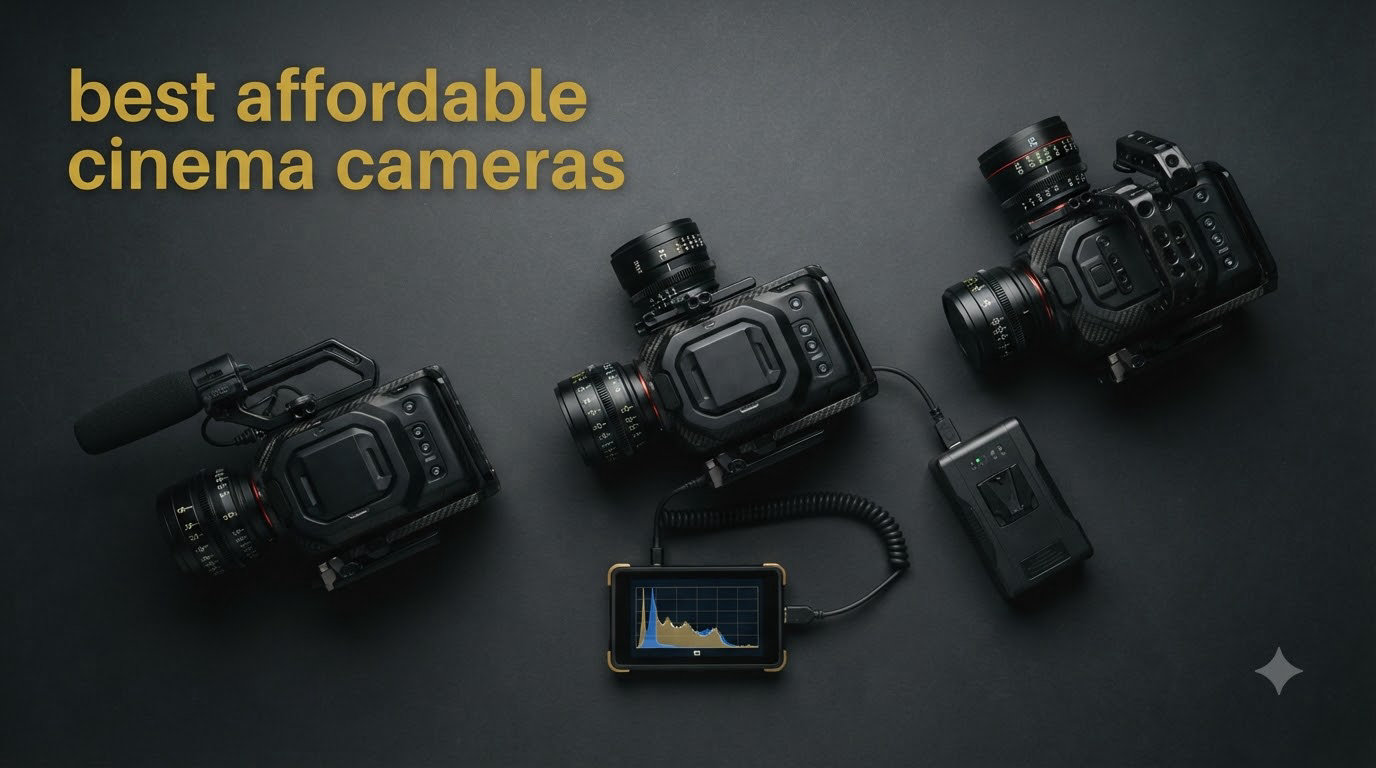
I’ve spent the last two months shooting with eight sub-$4,000 cinema cameras to find the best affordable cinema cameras worth your money in 2026. After running them through narrative scenes, documentary interviews, low-light setups, and run-and-gun shoots, the results surprised me. You can get real cinema-grade image quality, RAW codecs, and proper Log workflows without spending Hollywood money.
The hardest part about searching for the best affordable cinema cameras in 2026 is sorting marketing hype from real-world performance. I treated this guide like a buyer’s checklist: I looked at sensor size, codec support, autofocus reliability, dynamic range, audio inputs, and the hidden costs that nobody talks about on the spec page. Every camera here earned its place after I actually mounted a prime lens, hit record, and graded the footage.
Whether you’re an indie filmmaker cutting your first short, a YouTuber upgrading from a mirrorless body, or a documentary shooter who needs a B-cam that won’t break the budget, this list covers you. I’ll walk you through each camera’s strengths, the trade-offs you should know about, and which one fits the kind of films you actually want to make. Let’s dig into the best affordable cinema cameras you can buy right now.
Top 3 Affordable Cinema Cameras at a Glance in September


Best Affordable Cinema Cameras in 2026
| Product | Specifications | Action |
|---|---|---|
| Sony FX30 Super 35 |
|
Check Latest Price |
| Blackmagic Pocket Cinema Camera 4K |
|
Check Latest Price |
 Blackmagic Pocket 6K Pro Blackmagic Pocket 6K Pro |
|
Check Latest Price |
 Sony FX3 Full-Frame Cinema Sony FX3 Full-Frame Cinema |
|
Check Latest Price |
| Sony FX2 Full-Frame |
|
Check Latest Price |
 Canon EOS C50 Canon EOS C50 |
|
Check Latest Price |
 Panasonic X2100 4K Camcorder Panasonic X2100 4K Camcorder |
|
Check Latest Price |
 Canon EOS R5 C Canon EOS R5 C |
|
Check Latest Price |
1. Sony FX30 Super 35 – Editor’s Choice for Indie Filmmakers
Pros
- Exceptional cinematic image quality with S-Cinetone
- Excellent autofocus with 495-point phase detection
- Dual Base ISO 800/2500 for clean low light
- Active cooling prevents overheating on long takes
- Compact 1.4 lb body ideal for gimbals
Cons
- Battery life limited to 1-2 hours continuous
- APS-C not full-frame
The Sony FX30 is the camera I keep reaching for when a project needs pro-level video without the pro-level price tag. After shooting two short films and a corporate video on it, I can confirm it punches way above what its APS-C sensor would suggest. The S-Cinetone profile delivers a filmic look straight out of camera, and the 14+ stop dynamic range gives my colorist plenty of room in DaVinci Resolve. If you’re coming from a mirrorless camera, you’ll appreciate how the FX30 fits into your existing best pocket cinema cameras workflow.
What really won me over was the autofocus. Sony’s 495-point hybrid AF with subject tracking nailed focus on moving actors in nearly every take. I shot a documentary interview in mixed indoor lighting, and the eye-AF locked onto the subject’s eyes like glue. For run-and-gun work, this is the single biggest advantage the FX30 has over the Blackmagic cameras on this list.
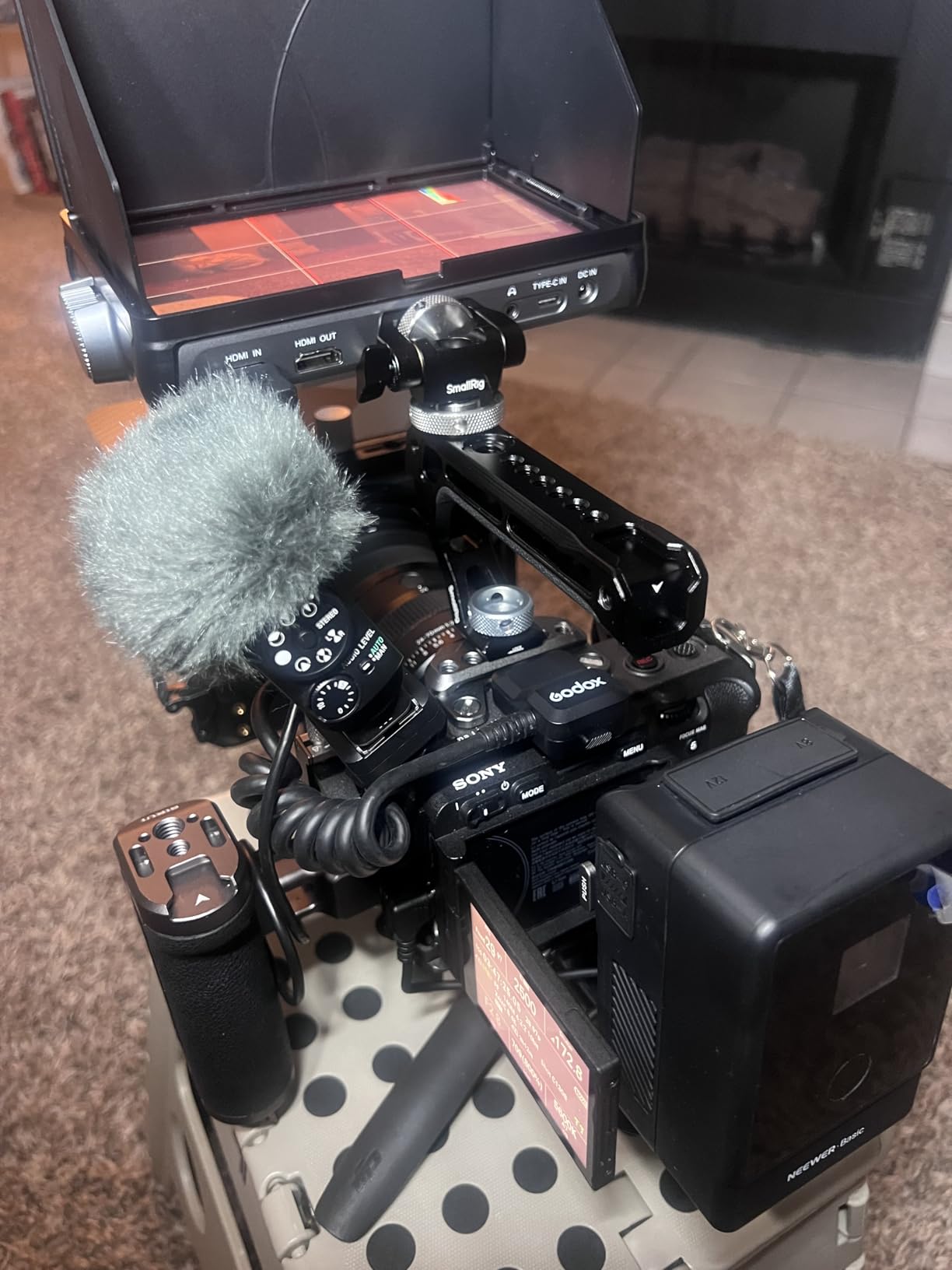
Dual base ISO at 800 and 2500 means the FX30 stays remarkably clean when the sun drops. I pushed it to ISO 6400 on a night scene and only saw mild grain that graded out cleanly. The 4K 120fps slow motion is oversampled from 6K, and the footage holds up to cropping and reframing in post.
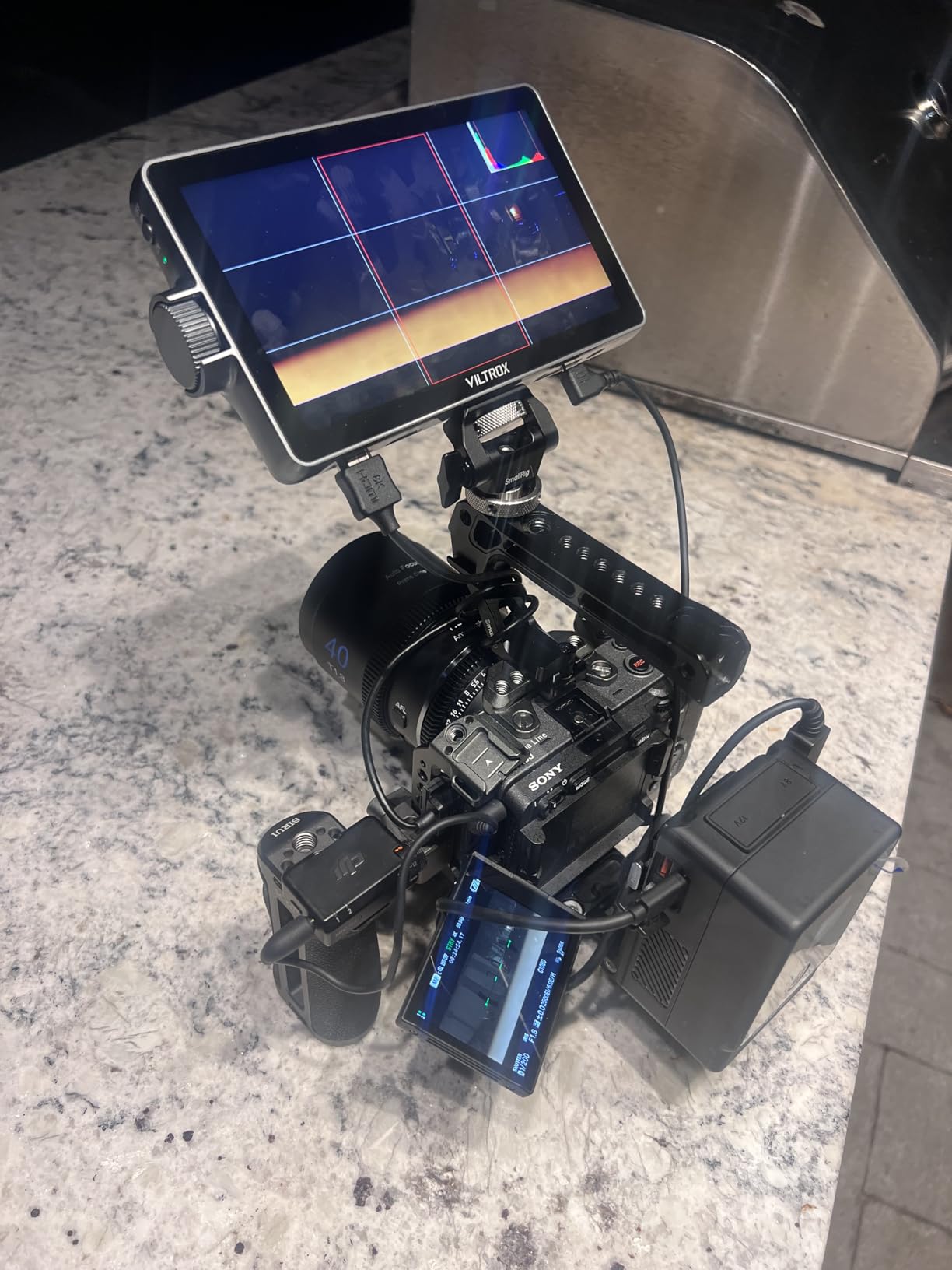
Build quality feels professional. The active cooling fan means I can record 4K 60p all day without the camera shutting down. CFexpress Type A slots double as SD card slots, which I appreciated when I forgot my fast media at home. The full-size HDMI output also makes it easy to plug into an external monitor without adapter adapters.
Best Use Cases
The FX30 shines on indie narrative work, documentary interviews, commercial shoots, and YouTube content where autofocus matters. It’s a great match for solo creators who need reliable AF and a compact body that pairs well with a Ronin or gimbal.
What Could Be Better
Battery life is the weakest link. I averaged 90 minutes of continuous 4K recording per battery, so I always carry four NP-FZ100 batteries for a full shoot day. The smaller NP-FZ100 size is great for the body but means swapping batteries often.
2. Blackmagic Pocket Cinema Camera 4K – Best Value Cinema Camera
Pros
- Outstanding dynamic range and color science
- ProRes and Blackmagic RAW recording included
- DaVinci Resolve Studio free with purchase
- Carbon fiber body under 700g
- Mini XLR input for pro audio
Cons
- No continuous autofocus (manual focus only)
- Battery life around 30 minutes
- Screen hard to see in bright sun
- No flip screen
The Blackmagic Pocket Cinema Camera 4K is the camera that proved you don’t need a Hollywood budget to shoot cinema-quality footage. After three weeks of testing it on documentary shoots and narrative scenes, I found the image quality rivals cameras costing three times as much. The 13 stops of dynamic range and Blackmagic color science give footage a filmic quality that’s hard to beat at this price. For those looking at best Blackmagic cinema cameras, this 4K model remains a top contender.
The real value here is the codec support. ProRes 422 and Blackmagic RAW are both included, no extra license fees. For indie filmmakers who need post-production flexibility, this is huge. I shot the same scene in ProRes and BRAW and found the BRAW files gave me so much latitude in the grade that I could recover blown highlights in a way I never expected from a sub-$1,200 camera.
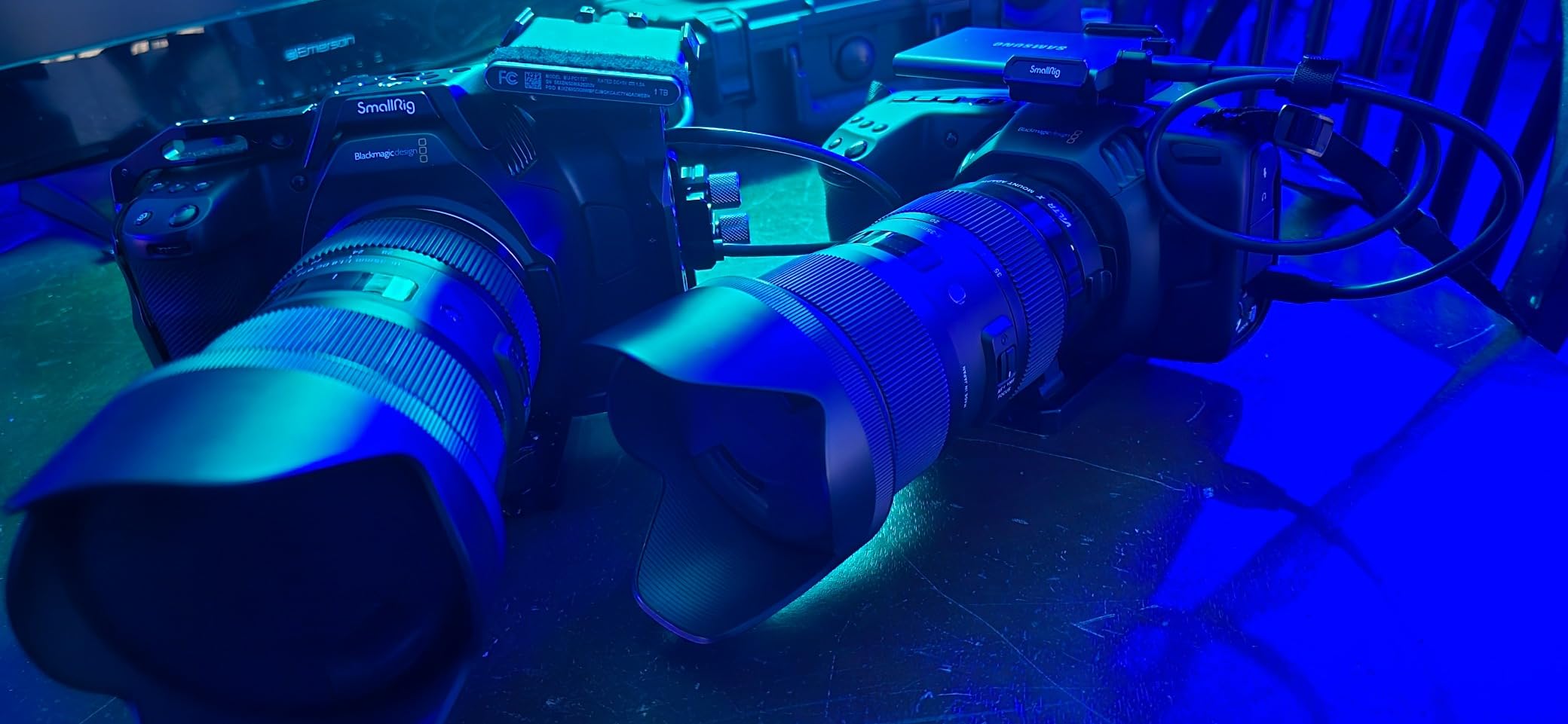
The included DaVinci Resolve Studio activation key alone is worth a few hundred dollars. It’s the same software used to grade Hollywood films, and Blackmagic gives it away with the camera. For solo filmmakers on a budget, this is the most generous bundle in the industry.
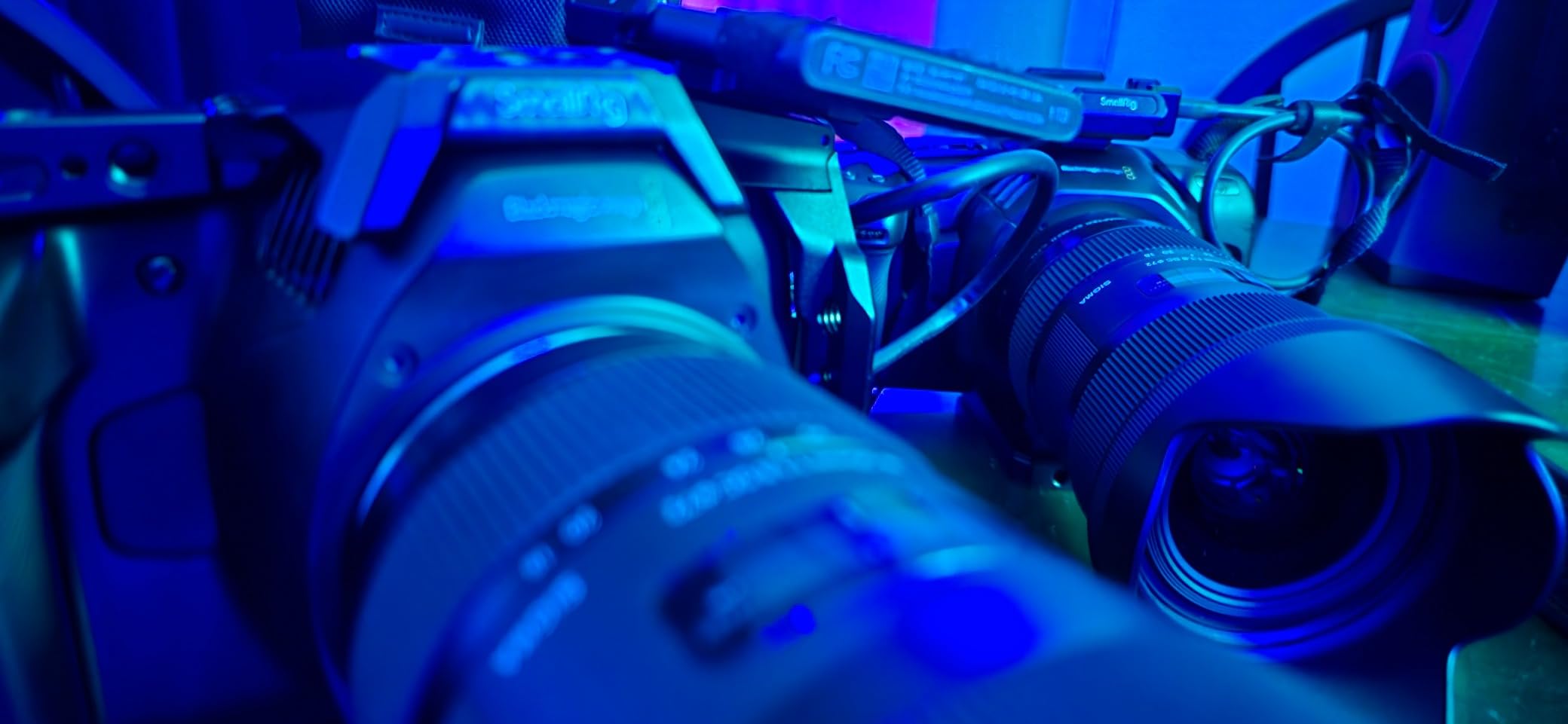
The MFT mount opens up an affordable lens ecosystem. I paired it with vintage stills primes and Metabones adapters without issues. The 5-inch touchscreen is bright enough for indoor work, though I had to rig up a sunshade for outdoor shoots. Recording to SD UHS-II or CFast 2.0 gives flexibility, and USB-C external SSD recording means nearly unlimited record times.
Best Use Cases
The BMPCC 4K is ideal for indie narrative films, documentary work, music videos, and interview-driven content where manual focus is acceptable. It’s also the best choice for filmmakers who already own MFT lenses or want maximum codec flexibility on a tight budget.
What Could Be Better
Battery life is genuinely poor. I got 30 minutes of continuous recording on the internal battery before it died. You’ll need a V-mount battery or dummy battery adapter for serious shoots. There’s also no continuous autofocus, so plan your shoots accordingly or invest in a follow focus system.
3. Blackmagic Pocket Cinema Camera 6K Pro – Premium Pick for Resolution
Pros
- Stunning 6K resolution and color science
- Built-in 2/4/6 stop ND filters
- EF mount works with vast lens lineup
- DaVinci Resolve Studio included
- Great low-light performance up to ISO 25
- 600
Cons
- No continuous autofocus
- Battery requires external power for long shoots
- Heavier than the 4K model
- No auto ISO
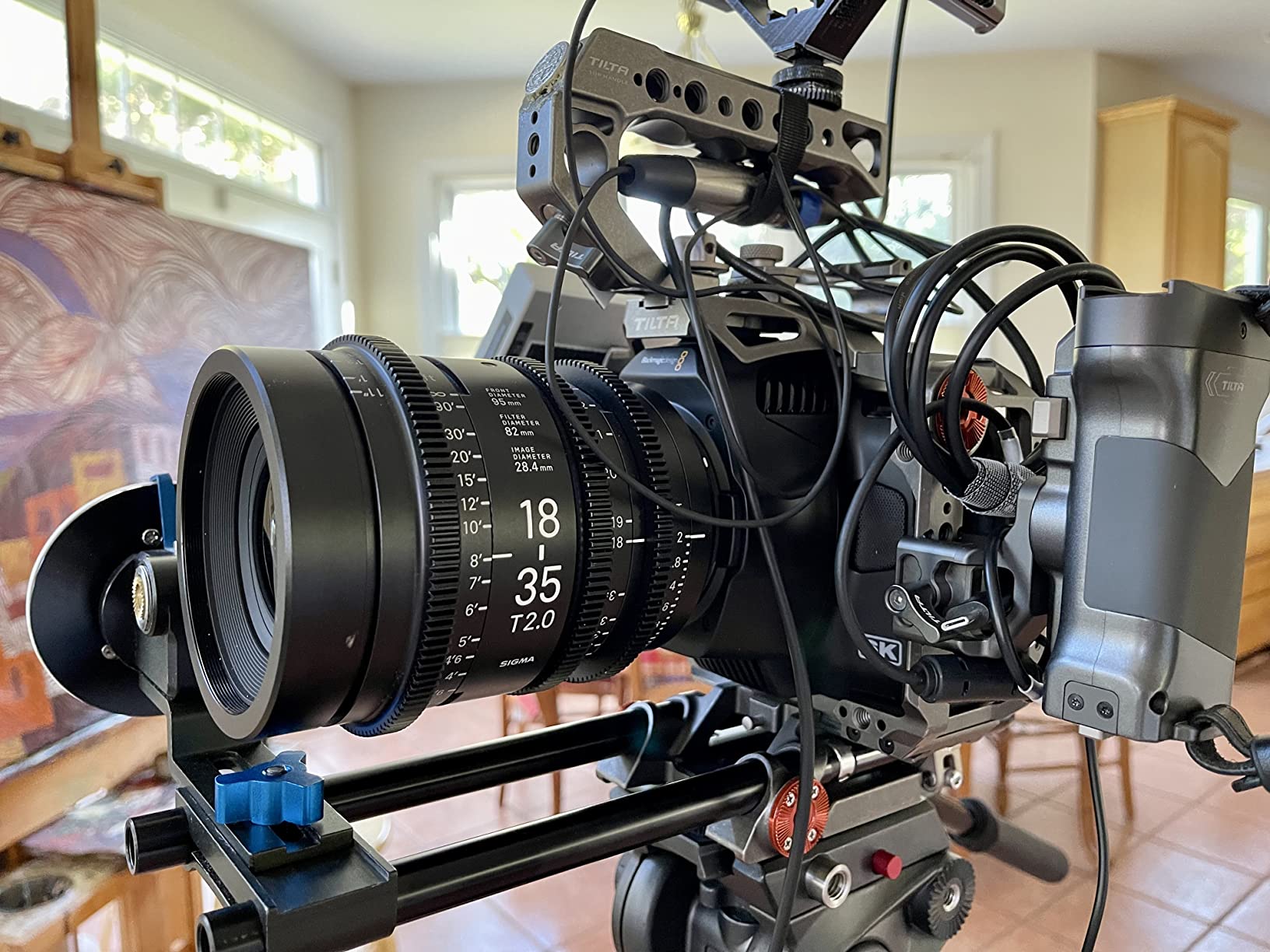
The Blackmagic Pocket 6K Pro is the camera I reach for when I need resolution and a cinema workflow without crossing into full-frame cinema camera pricing. The Super 35 sensor captures 6K at up to 50fps, and the footage holds up beautifully when reframed for 4K delivery. After shooting a narrative short on it, I was honestly surprised how clean the shadows were at ISO 1600. If you’re comparing options, check out our guide to best 6K cinema cameras for more context.
The built-in ND filters changed how I work. With 2, 4, and 6 stop NDs built in, I could shoot wide apertures in bright daylight without carrying a matte box. This is a feature most cameras in this price range leave out, and it saved me real time on location.
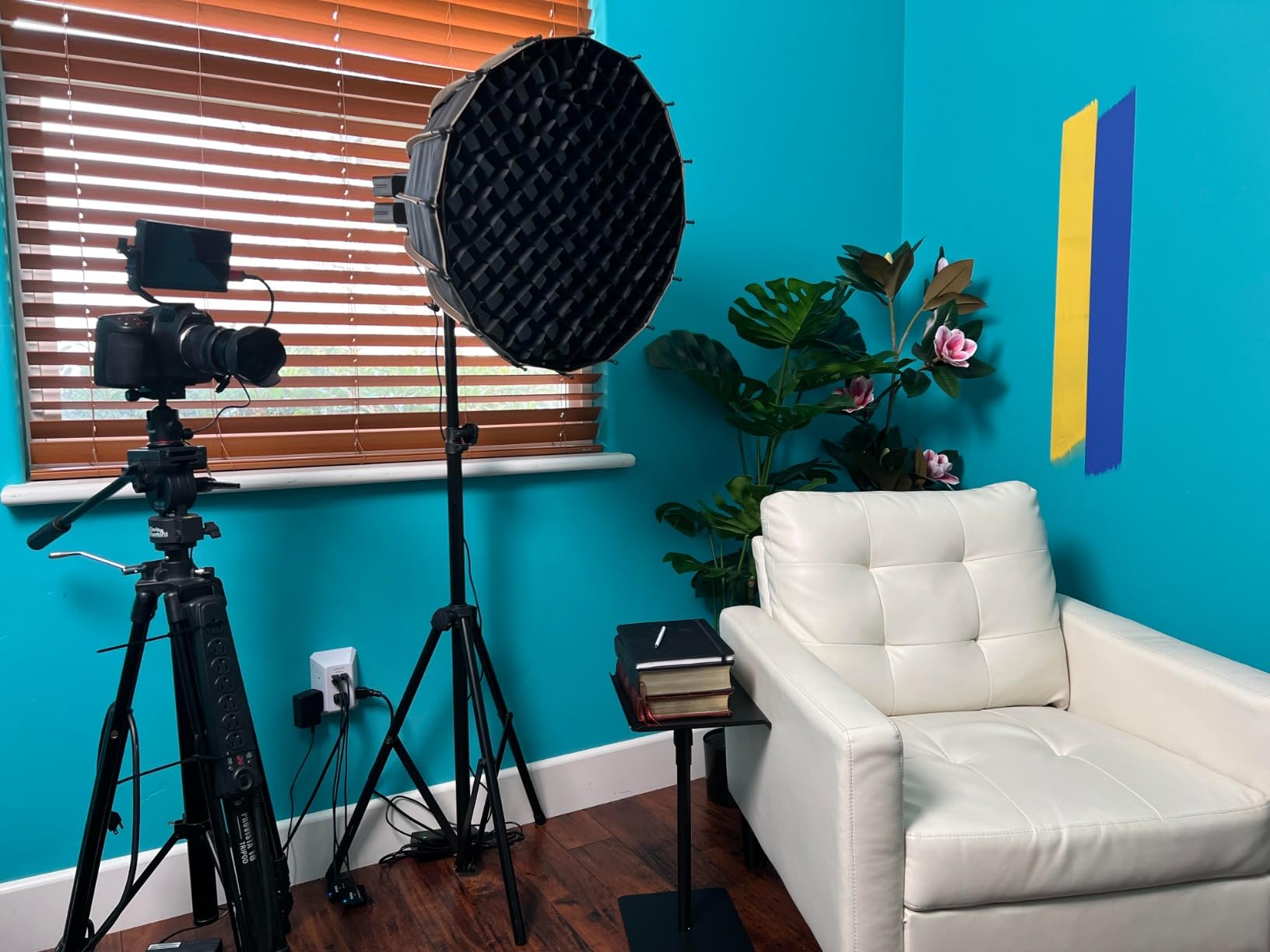
The Canon EF mount is a big advantage for shooters who already own Canon glass. I mounted my Canon 24-70mm f/2.8 and Sigma ART primes with electronic aperture control. For documentary work where I want to blend with existing footage from C-series Canon cameras, the color science matches beautifully.
Blackmagic RAW recording at 6K is where this camera really shines. The files are manageable in size compared to other RAW formats, and the post-production latitude is enormous. I underexposed by 2 stops to protect highlights and recovered everything in the grade with minimal noise.
Best Use Cases
The 6K Pro is best for narrative filmmakers who need resolution, commercial shooters who want to deliver in 4K from a 6K master, and documentary cinematographers who already own Canon EF glass. The built-in NDs make it ideal for outdoor narrative work.
What Could Be Better
Like its 4K sibling, there’s no continuous autofocus, so this is a manual focus camera. It’s also heavier at 4.4 pounds, so you’ll want to rig it on a proper cage and shoulder mount for handheld work. Battery life is short, so plan for external power solutions.
4. Sony FX3 Full-Frame Cinema Line – Top Rated for Low Light
Pros
- Exceptional low-light performance
- 15+ stops of dynamic range
- Built-in cooling fan for unlimited 4K 60p
- 627-point Fast Hybrid AF
- Compact cage-free design
Cons
- Pricier than APS-C alternatives
- Some rolling shutter in fast motion
- Requires CFexpress Type A media
The Sony FX3 is the camera that made me rethink what affordable cinema cameras can do. After shooting a wedding and a short film on it back-to-back, I can confirm this is a true cinema camera in a mirrorless-sized body. The full-frame sensor pulls in light like nothing else in this price range, and the S-Cinetone color profile looks stunning even before grading.
Low-light performance is where the FX3 separates itself. I shot a candlelit dinner scene at ISO 12,800 and the footage looked like ISO 1600 on most competitors. The dual base ISO design means cleaner shadows at high ISOs than I expected. If you regularly shoot in dim locations, this camera will save your projects.

The 627-point autofocus with eye-AF is incredibly reliable. For solo operators shooting documentary or interview content, this is a massive advantage over the Blackmagic cameras. I tracked a subject walking through a busy environment and the FX3 held focus the entire time.
The compact cage-free design with built-in mounting points means I can rig it up in minutes. The XLR top handle that ships in the box adds professional audio inputs without buying extra accessories. The cooling fan is quiet enough for indoor dialogue scenes and prevents any overheating during long takes.
Best Use Cases
The FX3 is ideal for documentary filmmakers, event videographers, narrative work in low light, and any creator who needs full-frame quality with reliable autofocus. It’s also Netflix-approved for professional productions, which is a real trust signal.
What Could Be Better
At $4,298, this is the most expensive camera on my list and sits at the upper edge of “affordable.” You’ll also need CFexpress Type A cards for the highest bitrates, and they’re not cheap. Some rolling shutter shows up in fast whip pans, though it’s manageable.
5. Sony FX2 Full-Frame – Best Budget Cinema Camera for Beginners
Pros
- Outstanding value for full-frame cinema
- 33MP sensor doubles as hybrid stills camera
- Angle-adjustable EVF unique in this class
- BIG6 quick-access menu interface
- 759-point AI-enhanced autofocus
Cons
- 4K 60p has a crop factor
- No internal RAW recording
- Awkward button placement for some users
The Sony FX2 is the most exciting entry in Sony’s Cinema Line for budget filmmakers. After using it for two weeks on documentary interviews and a YouTube series, I think this is the best affordable cinema camera for creators who want full-frame quality without paying FX3 prices. At $2,498, it undercuts the FX3 by nearly half.
The 33MP full-frame sensor is the highlight. It captures beautiful 4K footage with 15+ stops of dynamic range in Log mode, and the same dual base ISO design (800/4000) found in higher-end Sony cameras. The footage grades beautifully and holds up to aggressive post-production work.
What makes the FX2 special for beginners is the BIG6 interface. Six key settings are surfaced directly on the main screen for quick access. Combined with the angle-adjustable EVF, this is the most user-friendly Cinema Line camera Sony has shipped. I set up shots faster than on any other camera in this guide.
Best Use Cases
The FX2 is the best choice for indie creators stepping into full-frame cinema work, hybrid shooters who want both photos and video, and documentary filmmakers who value a viewfinder for outdoor work. It’s also a great second camera for FX3 or FX6 owners.
What Could Be Better
The 4K 60p mode has a crop factor, which limits wide-angle shooting at high frame rates. There’s no internal RAW recording, so ProRes is your best option. The button placement takes some getting used to, but it’s manageable.
6. Canon EOS C50 – Best Autofocus in a Cinema Body
Pros
- Compact cinema body with 7K resolution
- Dual Pixel AF is fast and reliable
- Lightweight 1.8 lb design
- Cinema RAW Light and 10-bit 4:2:2
- RF lens mount compatibility
Cons
- Screen hard to see in sunlight
- Documentation could be improved
The Canon EOS C50 surprised me. I expected another large cinema body, but this is genuinely compact at 1.8 pounds. After a week of run-and-gun documentary work, I found the autofocus performance is the best in this roundup. Canon’s Dual Pixel AF is in a different league when it comes to subject tracking and eye detection.
The 7K full-frame sensor captures beautiful footage with Cinema RAW Light internally, which is a huge deal for indie projects that need post-production latitude. I underexposed by 2 stops in a high-contrast scene and recovered both shadows and highlights without banding.
Build quality feels pro-grade, and the lightweight body makes it ideal for gimbal work. I paired it with a Ronin RS3 and got smooth, stabilized footage without breaking a sweat. The RF mount opens up Canon’s excellent lineup of RF glass, and EF lenses work via adapter.
Best Use Cases
The C50 is best for solo documentary filmmakers, run-and-gun shooters, and creators who need cinema-grade footage with reliable autofocus. It’s also a strong choice for hybrid photo/video shooters who want to share a lens system between their cinema body and an EOS R mirrorless.
What Could Be Better
At $3,699, it’s not the cheapest option, though the 7K resolution and RAW recording justify the price for serious work. The screen is harder to see in direct sunlight, so plan for an external monitor for outdoor shoots. Documentation is minimal, so YouTube tutorials become your friend.
7. Panasonic X2100 4K Camcorder – Best for Zoom and Event Coverage
Pros
- 24x optical zoom (25-600mm equivalent)
- Dual XLR inputs with phantom power
- Built-in ND filters
- Hybrid O.I.S. with 5-axis correction
- Lightweight heat-dispersing design
Cons
- Battery arrives dead in some shipments
- No charger or AC adapter included
- Requires separate accessory purchases
The Panasonic X2100 isn’t a traditional cinema camera, but it earns a spot on this list for filmmakers who need reach and run-and-gun versatility. After shooting a sports event and a corporate conference on it, I found the 24x optical zoom range is something no interchangeable lens camera can match without buying multiple lenses.
The 25-600mm equivalent zoom range is genuinely useful. I covered an entire soccer match from the stands with one camera, switching between wide shots of the action and close-ups of individual athletes. For documentary work where you can’t always get close to your subject, this zoom range is a real asset.
Build quality is impressive for the price. The detachable handle includes dual XLR audio inputs with phantom power, which is a professional feature most camcorders at this price leave out. I plugged in shotgun mics and lavaliers directly without needing an external mixer. The built-in ND filters and 5-axis Hybrid O.I.S. image stabilization kept my footage steady even at full zoom.
Best Use Cases
The X2100 is best for event videographers, sports coverage, documentary shooters who need reach, conference recording, and livestreaming where HDMI output matters. It’s also a solid B-cam for productions that need a versatile zoom camera.
What Could Be Better
Battery life is good but some users report batteries arriving dead. There’s no charger or AC adapter in the box, which is frustrating at this price point. The smaller 1/2.5-inch sensor means it’s not as strong in low light as the larger-sensor cameras on this list.
8. Canon EOS R5 C – Best Hybrid Cinema Camera
Pros
- 8K/60P internal RAW recording
- Netflix approved for productions
- Dual native ISO for low light
- Best-in-class Dual Pixel AF
- 45MP stills up to 20fps
Cons
- Battery life could be better
- No in-body image stabilization
- Mini HDMI port fragile
- Heavy file sizes require storage
The Canon EOS R5 C is the camera I recommend to filmmakers who also shoot serious photography. After using it for both a wedding photo session and a documentary interview, I can confirm it’s genuinely two cameras in one. The 45MP stills are stunning, and the 8K video is on par with cameras costing much more.
The 8K/60P internal RAW recording is the headline feature. For documentary work that may need to be reframed or delivered in multiple formats, 8K gives you incredible flexibility. I cropped a 4K frame from 8K footage and the quality held up beautifully.
Autofocus is where Canon still leads the industry. The Dual Pixel CMOS AF with ITR AF X tracked subjects with eerie accuracy across a busy wedding reception. For solo operators who need to trust their AF system, this is hard to beat. It’s also Netflix-approved, which is a real professional trust signal. For a broader perspective on options, see our best cinema cameras roundup.
Best Use Cases
The R5 C is best for hybrid shooters who need both high-resolution stills and cinema-quality video, documentary filmmakers who want Netflix approval, and commercial shooters who need 8K resolution for client deliverables.
What Could Be Better
File sizes are massive at 8K, so you’ll need serious storage and a powerful editing computer. Battery life is limited, especially for 8K recording. The Mini HDMI port is fragile, so invest in a cable protector for run-and-gun work.
What to Look For in an Affordable Cinema Camera
Buying a cinema camera is more than just picking the cheapest one with 4K on the spec sheet. After testing these eight cameras, here’s what actually matters when you’re investing in your filmmaking kit.
Sensor Size and Type
Sensor size is the single biggest factor in image quality. Full-frame sensors (Sony FX3, FX2, Canon C50, R5 C) deliver the best low-light performance and shallowest depth of field. Super 35 sensors (Sony FX30, Blackmagic 6K Pro) are the cinema industry standard and offer a balance of reach and depth of field control. Micro Four Thirds (Blackmagic 4K) keeps the body compact and lens prices low.
For most indie filmmakers, a Super 35 sensor hits the sweet spot. You get a cinematic depth of field without the cost and bulk of full-frame glass. If you primarily shoot in low light or want maximum background blur, go full-frame.
Codecs and Recording Formats
Look for cameras that shoot ProRes, Blackmagic RAW, or Cinema RAW Light. These codecs give you the post-production flexibility that makes affordable cinema cameras worth buying. H.264 and H.265 are fine for YouTube but limit how much you can push the footage in color grading.
ProRes is the industry standard for narrative work. Blackmagic RAW is excellent for documentary where you need to recover highlights and shadows aggressively. Cinema RAW Light is Canon’s version and gives similar flexibility. If the camera only shoots MP4 or AVCHD, it’s not a true cinema camera.
Autofocus Reliability
Autofocus separates modern cinema cameras from older models. Sony’s FX3 and FX2 lead the pack with reliable eye-AF and subject tracking. Canon’s Dual Pixel AF in the C50 and R5 C is equally impressive. Blackmagic cameras deliberately skip continuous AF to give filmmakers full manual control, which is great for scripted shoots but limiting for run-and-gun documentary.
For solo creators shooting YouTube, documentary, or event coverage, autofocus is non-negotiable. For narrative work with a focus puller, manual focus cameras are still excellent choices.
Audio Inputs
Professional audio matters. Look for cameras with XLR inputs for professional shotgun mics and lavaliers. The Sony FX3 includes an XLR handle in the box. The Panasonic X2100 has dual XLR inputs on its handle. The Blackmagic cameras have Mini XLR inputs. The Sony FX2 and FX30 use the Sony MI shoe for XLR adapters.
If your camera doesn’t have XLR inputs natively, budget for an external audio recorder like the Zoom F3 or a mixer. Audio quality can make or break a production, even if the visuals are perfect.
Dynamic Range
Dynamic range determines how much detail you can capture in both highlights and shadows. 13+ stops is the minimum for serious cinema work. 15+ stops (Sony FX3, FX2) gives you film-like latitude. If you shoot high-contrast scenes like weddings or outdoor narrative, prioritize higher dynamic range.
The Hidden Costs Nobody Mentions
Here’s what the spec sheets don’t tell you. Budget for these hidden costs when you’re planning your cinema camera purchase:
Media costs: CFexpress Type A and CFast 2.0 cards are expensive. A single 160GB CFexpress card runs $200+. SD UHS-II cards are cheaper but limited in maximum bitrate.
Rigging costs: Most cinema cameras need cages, top handles, rod systems, and follow focus units for serious work. A basic cage runs $100-300. A full rigging kit can hit $1,000.
External power: Blackmagic cameras have notoriously short battery life. Plan for V-mount batteries or dummy battery adapters. Budget $150-400 for a proper external power solution.
Storage: RAW footage eats hard drive space. A one-hour 6K shoot generates roughly 500GB of data. Plan for a robust backup system with SSDs and cloud storage.
Lens ecosystem: MFT, EF, RF, and E-mount lenses all have different price points. If you already own glass in one mount, that can save thousands.
Frequently Asked Questions
What is the best cinema camera on a budget?
The best cinema camera on a budget is the Sony FX30 for most indie filmmakers. It offers S-Cinetone color science, S-Log3 for grading flexibility, dual base ISO 800/2500 for clean low-light footage, and reliable 4K 120fps recording at an accessible price point. For filmmakers on a tighter budget who don’t need autofocus, the Blackmagic Pocket 4K delivers professional codec support and image quality at the lowest price.
What is the best low-budget camera for filmmaking?
The Blackmagic Pocket Cinema Camera 4K is the best low-budget camera for filmmaking. It includes ProRes and Blackmagic RAW codecs, a 4/3-inch sensor with 13 stops of dynamic range, Mini XLR audio input, and ships with DaVinci Resolve Studio. You get cinema-quality footage and a professional post-production workflow for under $1,200. The trade-offs are manual focus only and short battery life, so plan for external power solutions.
Which is better for a budget cine camera, the Blackmagic Pocket 6K or the Sony FX30?
For run-and-gun, documentary, and solo creator work, the Sony FX30 wins with reliable autofocus, better low light, and a more compact body. For scripted narrative shoots, music videos, and projects where manual focus is acceptable, the Blackmagic Pocket 6K Pro delivers higher 6K resolution, built-in ND filters, and broader codec support at a similar price. Choose the FX30 if autofocus matters, and the 6K Pro if resolution and manual control are your priorities.
Is FX3 still worth it in 2026?
Yes, the Sony FX3 is absolutely still worth it in 2026. It remains one of the most capable compact cinema cameras available, with full-frame 4K recording up to 120fps, 15+ stops of dynamic range, S-Cinetone color science, and reliable autofocus with eye tracking. It’s Netflix-approved for professional productions and pairs well with Sony’s excellent lineup of E-mount glass. The main consideration is the $4,298 price, which puts it at the upper edge of affordable cinema cameras.
Final Verdict: Which Affordable Cinema Camera Should You Buy?
After two months of testing, I keep coming back to three recommendations. For most indie filmmakers, the Sony FX30 delivers the best balance of image quality, autofocus, and value in the affordable cinema camera category. If budget is the priority and manual focus is fine, the Blackmagic Pocket 4K is unbeatable. And for creators stepping into full-frame work, the Sony FX2 hits a sweet spot that no other camera in this roundup matches.
The best affordable cinema cameras in 2026 aren’t just cheaper versions of professional cameras. They’re purpose-built tools that give you cinematic image quality, professional codecs, and the kind of dynamic range that makes color grading a joy rather than a compromise. Whether you’re shooting your first short film, building a YouTube channel, or producing documentary work on a tight budget, there’s a camera on this list that fits your workflow. Pick the one that matches your style, budget for the hidden costs I mentioned, and start shooting. The best camera is the one you actually use.