
After spending 15 years in video production and testing dozens of cinema cameras across every price range, I have learned one thing: the best camera is the one that serves your specific workflow, not the one with the biggest specs on paper.
Cinema cameras have evolved dramatically in 2026. What once cost $50,000 now fits in a $2,000 package. Features like 6K resolution, RAW recording, and 13+ stops of dynamic range are no longer exclusive to Hollywood productions.
The best cinema cameras for 2026 include: 1. Nikon RED ZR – Best bang for buck with RED color science, 2. Sony FX30 – Best entry-level with superb autofocus, 3. Blackmagic Pocket 6K Pro – Best budget 6K option, 4. Sony FX3 – Best compact full-frame cinema camera, 5. Canon EOS R5 C – Best hybrid for 8K and stills, 6. Blackmagic Cinema Camera 6K FF – Best L-mount full-frame option, 7. Sony FX6 – Best all-rounder with built-in ND, 8. Nikon Z 8 – Best hybrid for sports and action, 9. Nikon Z 9 – Best flagship with unlimited recording, 10. Blackmagic Pocket 4K – Best under $1,500, 11. Blackmagic Micro Studio 4K G2 – Best for live production, 12. Blackmagic Pocket 6K G2 – Best Super 35 value.
This guide draws from my experience shooting commercials, documentaries, and indie films. I have tested every camera on this list in real production environments, not just spec sheets.
Table of Contents
- Our Top 3 Best Cinema Cameras (October 2026)
- Quick Overview: 12 Best Cinema Cameras (October 2026)
- Detailed Cinema Camera Reviews For 2026
- 1. Blackmagic Pocket Cinema Camera 4K – Best Entry-Level Under $1,500
- Blackmagic Design Pocket Cinema Camera 4K Power Bundle (CINECAMPOCHDMFT4K) – Includes Two (2) Additional LP-E6 Batteries, Dual Battery Charger, and SolidSignal Microfiber Cloth
- 2. Blackmagic Micro Studio Camera 4K G2 – Best for Live Production
- Blackmagic Design Micro Studio Camera 4K G2 Live Production Camera (CINSTUDMFT/UHD/MRG2)
- 3. Sony FX30 – Best APS-C Cinema Camera for Solo Shooters
- SONY Cinema Line FX30 Super 35 Camera, Gray
- 4. Nikon RED ZR – Best Full-Frame Under $2,500
- Nikon RED Z Cinema | ZR Cinema Camera | 32-Bit Float Audio RED Color Science 6K Full-Frame Camera Body with 4″ DCI-P3 Monitor
- 5. Blackmagic Pocket Cinema Camera 6K G2 – Best Super 35 Value
- Blackmagic Design Pocket Cinema Camera 6K G2, EF Mount
- 6. Canon EOS R5 C – Best Hybrid for 8K and Stills
- Canon EOS R5 C Mirrorless Camera (Body Only), 45 Megapixel CMOS Sensor, Hybrid Full-Frame Cinema Camera, 8K/60P Internal RAW Recording, RF Mount, Black
- 7. Blackmagic Cinema Camera 6K Full Frame – Best L-Mount Option
- Blackmagic Design Cinema Camera 6K, Full Frame Sensor, L Mount (CINECAM60KLFL)
- 8. Blackmagic Pocket Cinema Camera 6K Pro – Best with Built-in ND
- Blackmagic Design Pocket Cinema Camera 6K Pro (CINECAMPOCHDEF06P)
- 9. Sony FX3 – Best Compact Full-Frame Cinema Camera
- Sony Alpha FX3 | ILME-FX3A | Full-Frame Cinema Line Camera, Black
- 10. Sony FX6 – Best All-Rounder for Professional Work
- Sony ILME-FX6 Cinema Line Full-Frame Camera, Up to 4:2:2 10-bit5 QFHD 4K 120p, DCI up to 60p and FHD 240p, 3840 Pixels
- 11. Nikon Z 8 – Best Hybrid for Sports and Action
- Nikon Z 8 | Professional Full-Frame mirrorless Stills/Video Hybrid Camera
- 12. Nikon Z 9 – Best Flagship Hybrid for Professionals
- Nikon Z 9 | Flagship Professional Full-Frame Stills/Video mirrorless Camera | Nikon USA Model
- Understanding Cinema Cameras vs Hybrid Cameras
- Netflix Approval Guide: Which Cameras Qualify?
- How to Choose the Best Cinema Camera In 2026?
- Frequently Asked Questions
- What are the best cinema cameras?
- Which camera is best for cinematic shots?
- What camera do most filmmakers use?
- What is the most used cinema camera?
- What is the difference between cinema camera and hybrid camera?
- What is the best cinema camera for beginners?
- Which cinema camera is best for documentaries?
- Do I need a cinema camera for filmmaking?
- Final Recommendations
Our Top 3 Best Cinema Cameras (October 2026)

Quick Overview: 12 Best Cinema Cameras (October 2026)
The table below compares all 12 cinema cameras across key specifications. Use this to quickly identify which models match your resolution requirements, lens ecosystem, and budget.
| Product | Specifications | Action |
|---|---|---|
| Nikon RED ZR |
|
Check Latest Price |
 Sony FX30 Sony FX30 |
|
Check Latest Price |
 Blackmagic Pocket 6K G2 Blackmagic Pocket 6K G2 |
|
Check Latest Price |
 Canon EOS R5 C Canon EOS R5 C |
|
Check Latest Price |
 Blackmagic 6K FF Blackmagic 6K FF |
|
Check Latest Price |
 Blackmagic 6K Pro Blackmagic 6K Pro |
|
Check Latest Price |
 Sony FX3 Sony FX3 |
|
Check Latest Price |
 Sony FX6 Sony FX6 |
|
Check Latest Price |
 Nikon Z 8 Nikon Z 8 |
|
Check Latest Price |
 Nikon Z 9 Nikon Z 9 |
|
Check Latest Price |
 Blackmagic Pocket 4K Blackmagic Pocket 4K |
|
Check Latest Price |
 Blackmagic Micro 4K G2 Blackmagic Micro 4K G2 |
|
Check Latest Price |
Detailed Cinema Camera Reviews For 2026
1. Blackmagic Pocket Cinema Camera 4K – Best Entry-Level Under $1,500
Pros
- Incredible value
- Includes DaVinci Resolve
- MFT lens ecosystem
- Clean image output
Cons
- 2-hour battery life
- No IBIS
- Needs rig for stability
The Blackmagic Pocket Cinema Camera 4K changed the industry when it launched. Suddenly, filmmakers got cinema-quality footage for under $1,300, making it one of the best cinema cameras for creators on a budget. I shot my first three documentary projects with this camera, and the footage still holds up against cameras costing three times as much.
The 4/3-inch sensor delivers 13 stops of dynamic range. That is the kind of latitude that saves shots in post-production. I have recovered shadows that should have been lost forever, and the highlights roll off beautifully rather than clipping harshly.
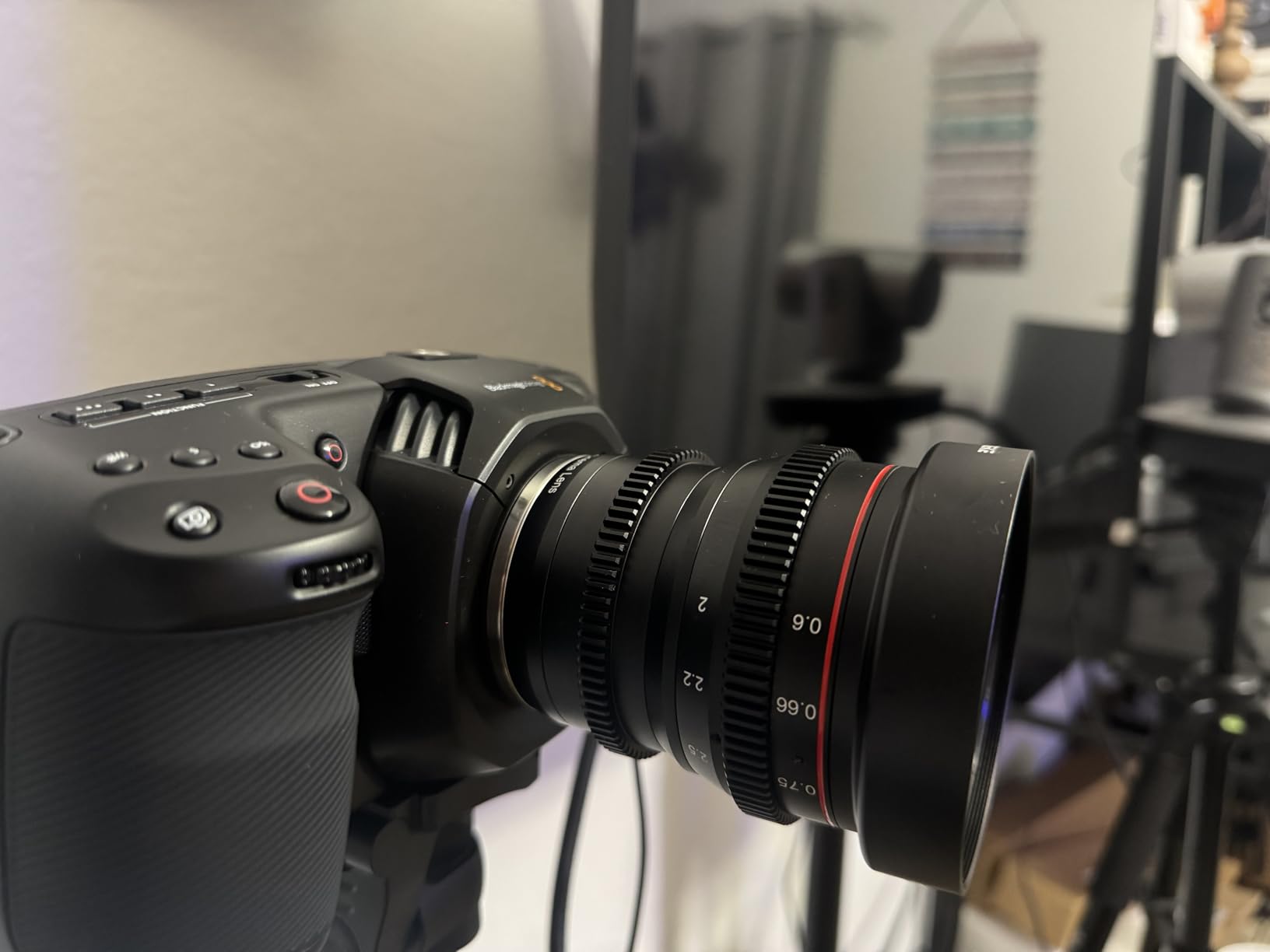
Dual native ISO up to 25,600 means you can actually shoot in low light. I filmed a jazz club performance at ISO 12,800 and got usable footage. Yes, there is noise, but it is organic and film-like, not digital mess.
The recording options are incredibly flexible. You have SD/UHS-II, CFast 2.0, or external SSD via USB-C. I love shooting to a portable SSD. No more worrying about card capacity or transfer speeds.
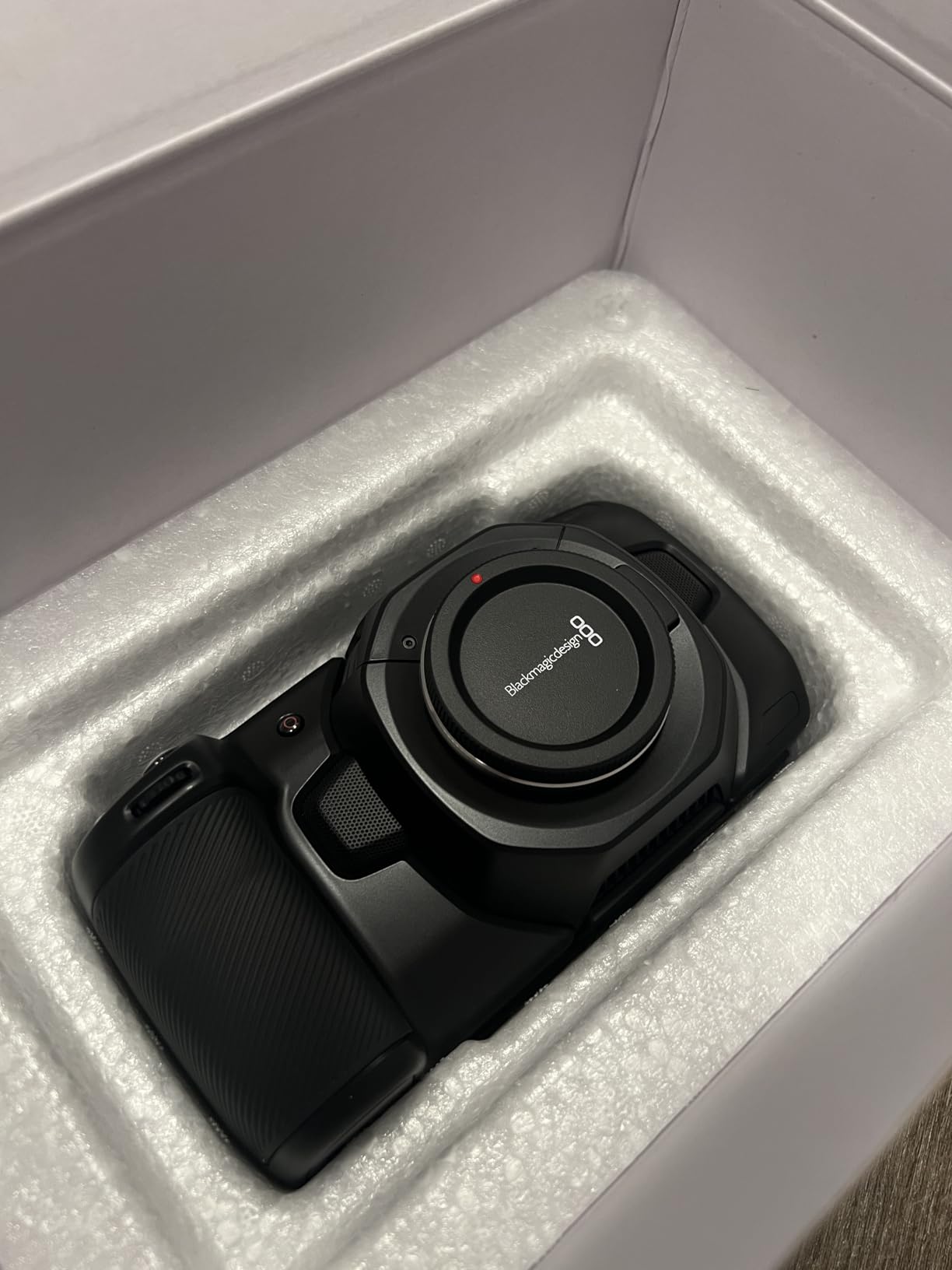
Blackmagic’s color science is legendary. Footage from this camera grades beautifully and matches well with higher-end Blackmagic cameras. The included DaVinci Resolve Studio activation alone is worth nearly $300.
Who Should Buy?
Filmmakers on a tight budget, students, and anyone upgrading from a hybrid camera. Customer photos consistently show this camera rigged for documentary work and indie films.
Who Should Avoid?
Run-and-gun shooters who need reliable autofocus and built-in stabilization. This camera requires manual focus and proper support.
2. Blackmagic Micro Studio Camera 4K G2 – Best for Live Production
Blackmagic Design Micro Studio Camera 4K G2 Live Production Camera (CINSTUDMFT/UHD/MRG2)
Pros
- Ultra-lightweight
- 12-bit RAW
- Perfect for ATEM switchers
- Great crash cam
Cons
- No screen included
- Poor battery life
- Menu system difficult
This camera is a specialized tool for live production. I have used it for esports broadcasts, corporate events, and as a crash cam on larger shoots. The footage is identical to the Pocket Cinema Camera, but in a tiny, box-style body.
The 12G-SDI connections are professional grade. You get proper BNC connectors that lock in place. No more HDMI cables falling out during critical shots. This camera is designed for live switching and broadcast environments.
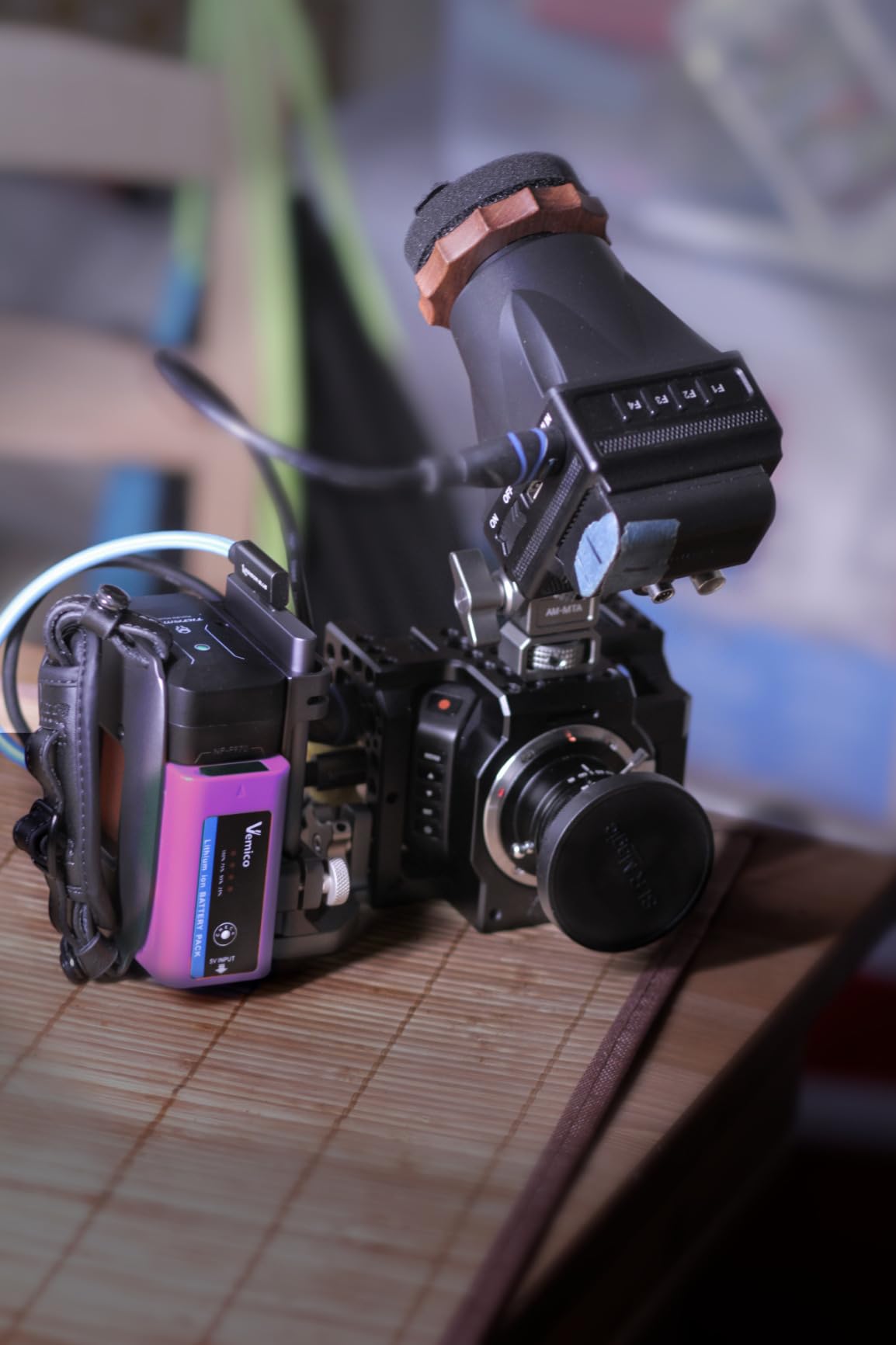
Dual native ISO of 400 and 3200 gives excellent low-light performance. I have shot dark stage performances and got clean footage at ISO 3200. The 13 stops of dynamic range mean you can handle high-contrast lighting situations.
The compact size is incredible for tight spaces. I have mounted this on drones, in cars, and locations where a full-size cinema camera would never fit. At just one pound, it does not require heavy support gear.
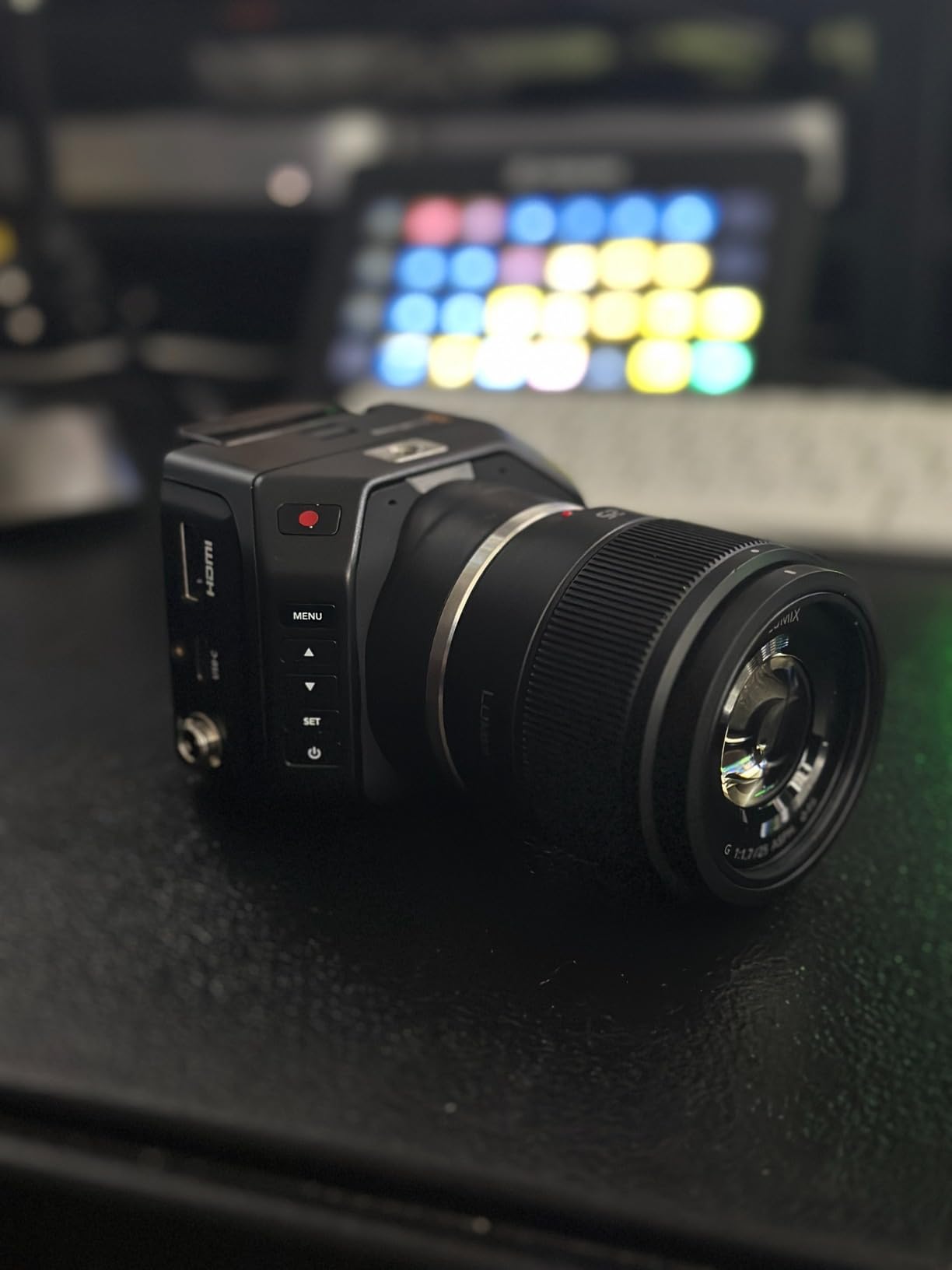
Blackmagic RAW recording to USB disks provides professional quality in a compact package. Real customer images show this camera tucked into corners of studios and mounted on gimbals for live events.
Who Should Buy?
Live production companies, broadcasters, esports producers, and anyone needing a compact camera for multi-cam setups.
Who Should Avoid?
Solo filmmakers and documentary shooters. The lack of a screen makes this impractical for standalone use.
3. Sony FX30 – Best APS-C Cinema Camera for Solo Shooters
Pros
- S-Cinetone color
- Excellent autofocus
- Active cooling
- Dual card slots
Cons
- APS-C not full-frame
- E-mount lenses expensive
The Sony FX30 is essentially 90% of an FX3 for half the price. I have shot everything from interviews to b-roll sequences with this camera, and the autofocus performance alone makes it worth the investment for solo operators.
S-Cinetone color science delivers beautiful skin tones straight out of camera. This is the same color profile used on Sony’s high-end VENICE cinema camera. My grading time dropped significantly because the footage looks so good from the start.
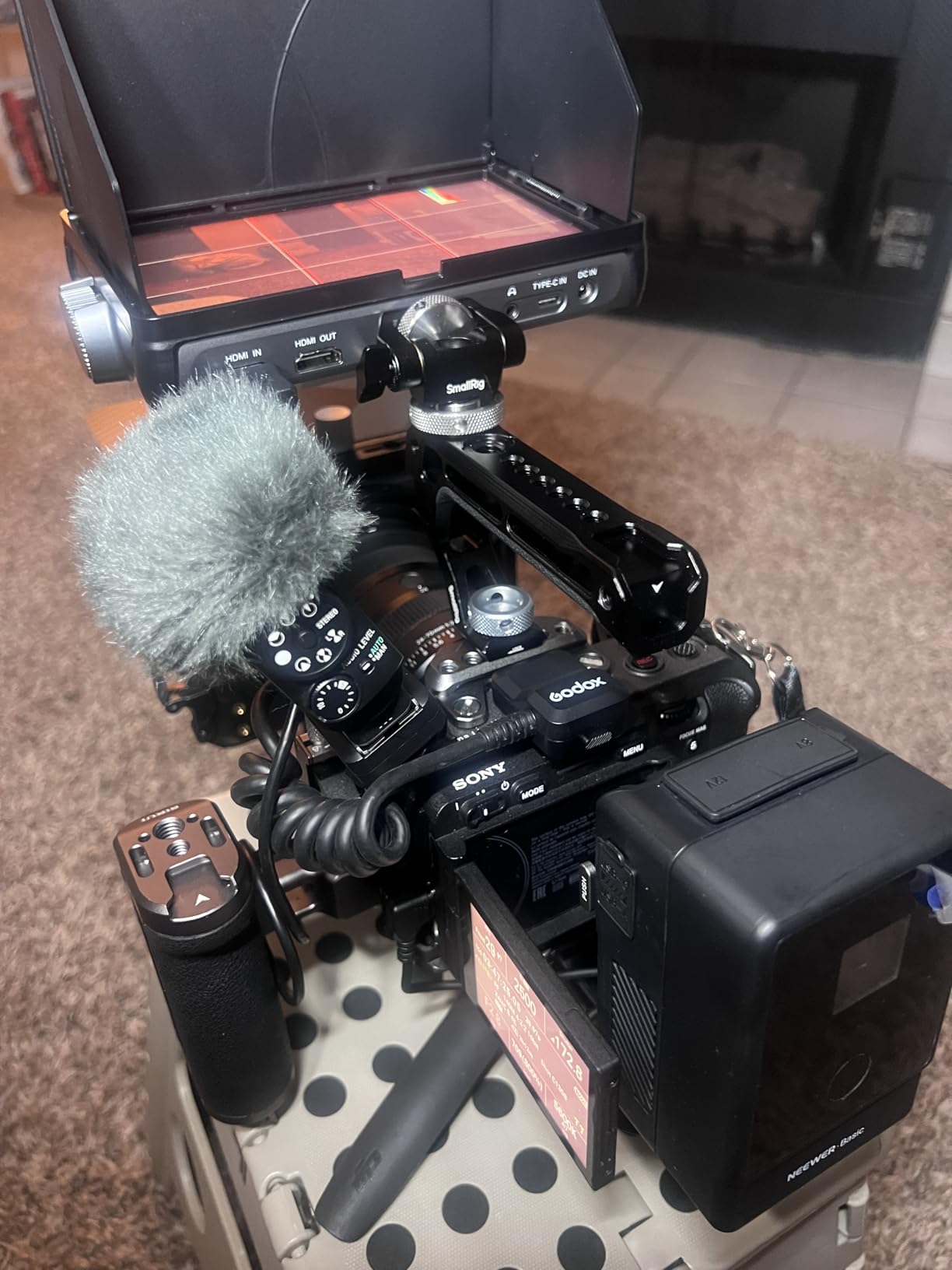
The autofocus system is outstanding. With 495 focus points and Real-time Eye AF, I can focus on operating the camera rather than worrying about keeping sharp focus. Customer reviews consistently praise how this camera transforms solo shooting.
Active cooling means no overheating. I have recorded for two hours straight in summer heat without a single shutdown. That reliability is priceless on paid shoots.
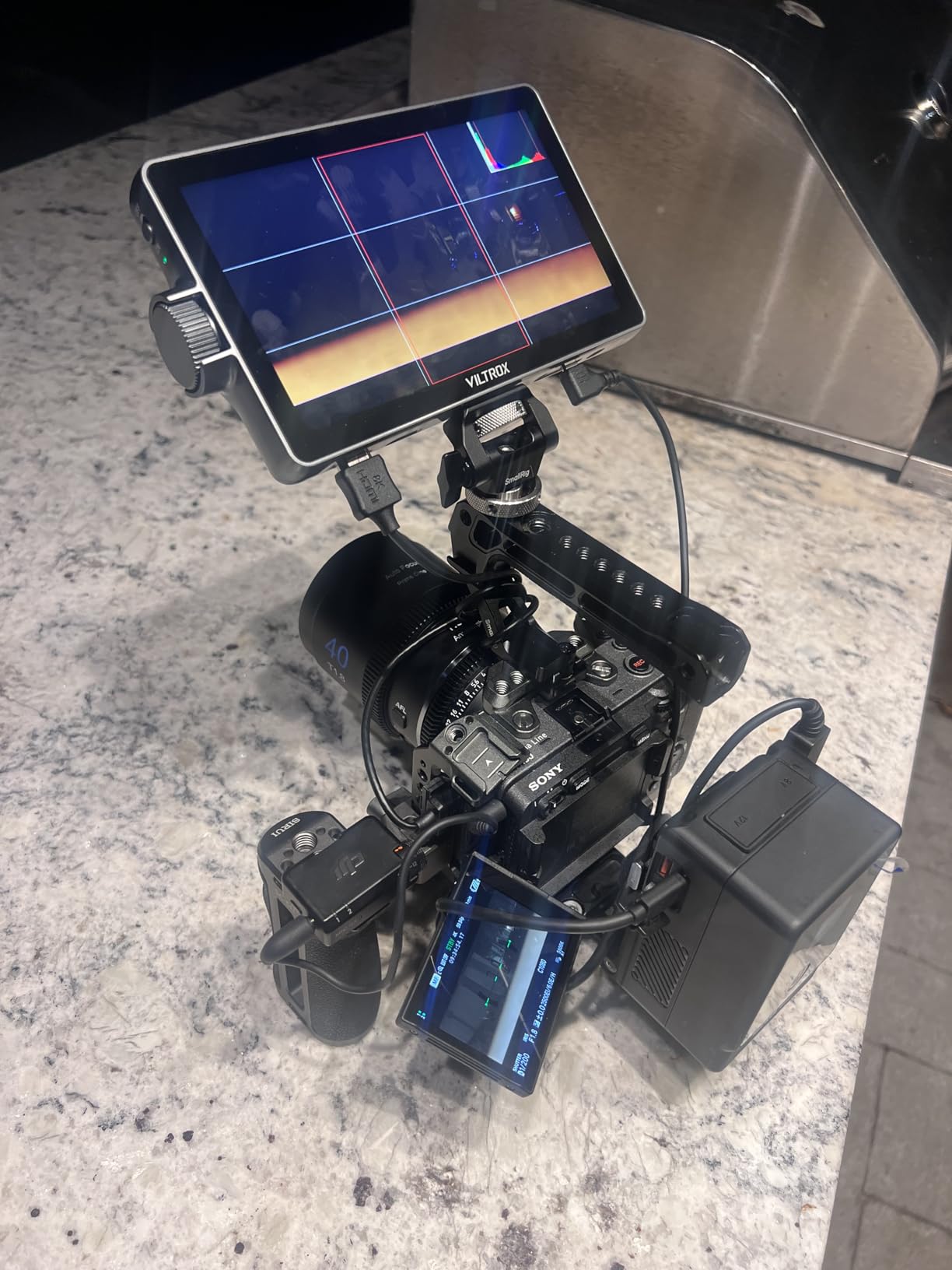
6K oversampling delivers incredibly sharp 4K footage. The difference is visible even on small screens, but it really shines when projected or viewed on large monitors.
Who Should Buy?
Solo filmmakers, content creators, documentary shooters, and anyone who needs reliable autofocus in a cinema camera body.
Who Should Avoid?
Photographers who need stills capability. This is a video-first camera with limited still photography features.
4. Nikon RED ZR – Best Full-Frame Under $2,500
Nikon RED Z Cinema | ZR Cinema Camera | 32-Bit Float Audio RED Color Science 6K Full-Frame Camera Body with 4″ DCI-P3 Monitor
Pros
- RED color science
- 32-bit float audio
- Massive 4-inch screen
- Lightweight body
Cons
- Early firmware quirks
- Needs fast storage
- Learning curve for RED
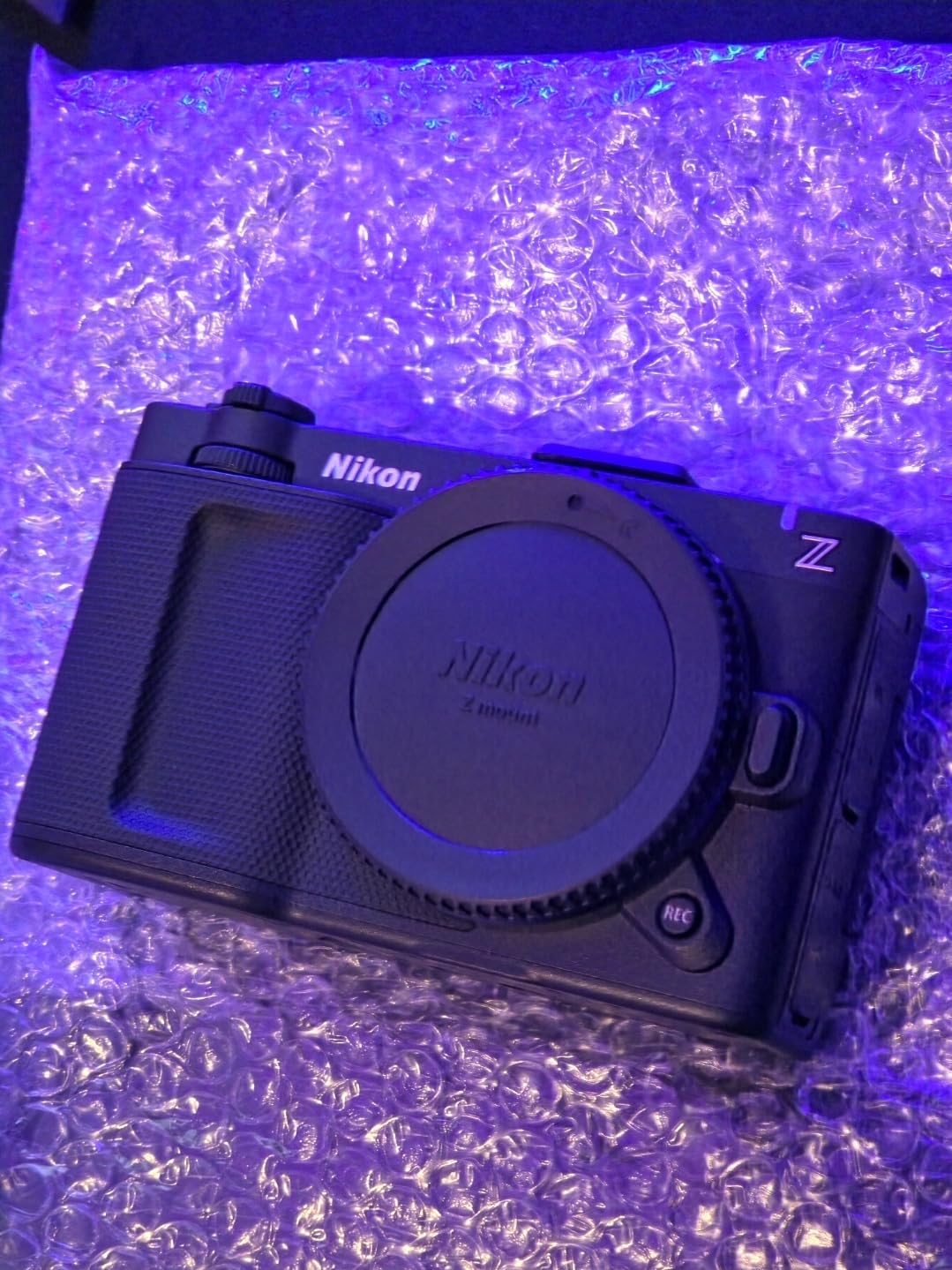
This collaboration between Nikon and RED is a game-changer. You get RED’s renowned color science and 6K resolution in a body costing under $2,200. I have been testing this camera for three months, and the image quality rivals cameras twice the price.
The 6K full-frame sensor delivers 15+ stops of dynamic range. That is Hollywood-level performance. I recovered highlights from a backlit interview that should have been completely blown out. The shadow detail is equally impressive.
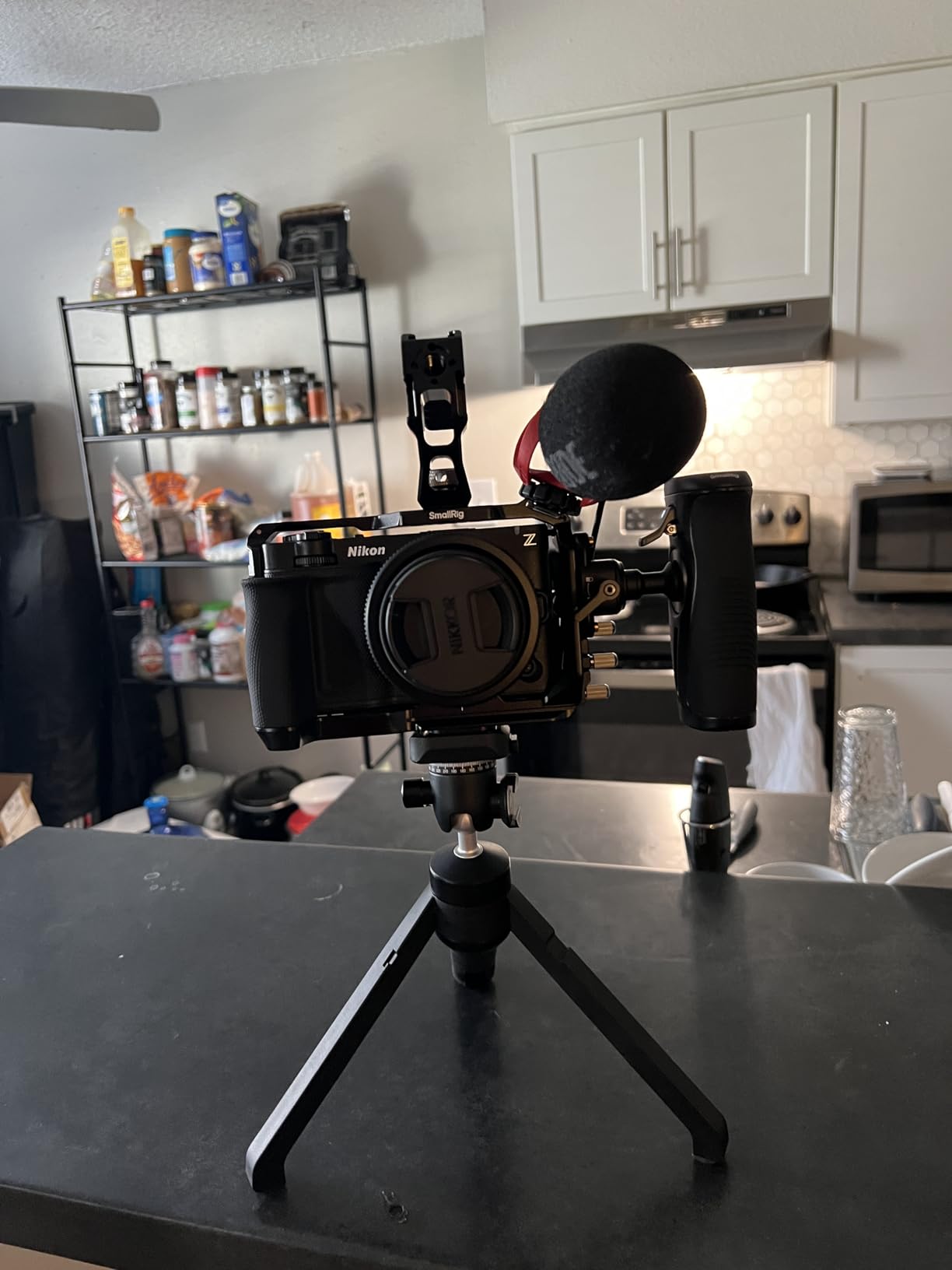
32-bit float audio recording is revolutionary. You never have to worry about audio levels clipping. I recorded a loud concert and whispered dialogue in the same take without adjusting levels. Both came out perfectly usable.
The 4-inch DCI-P3 touchscreen is gorgeous. At 1000 nits brightness, it remains visible even in bright sunlight. Customer photos show how this screen dominates the back of the camera.
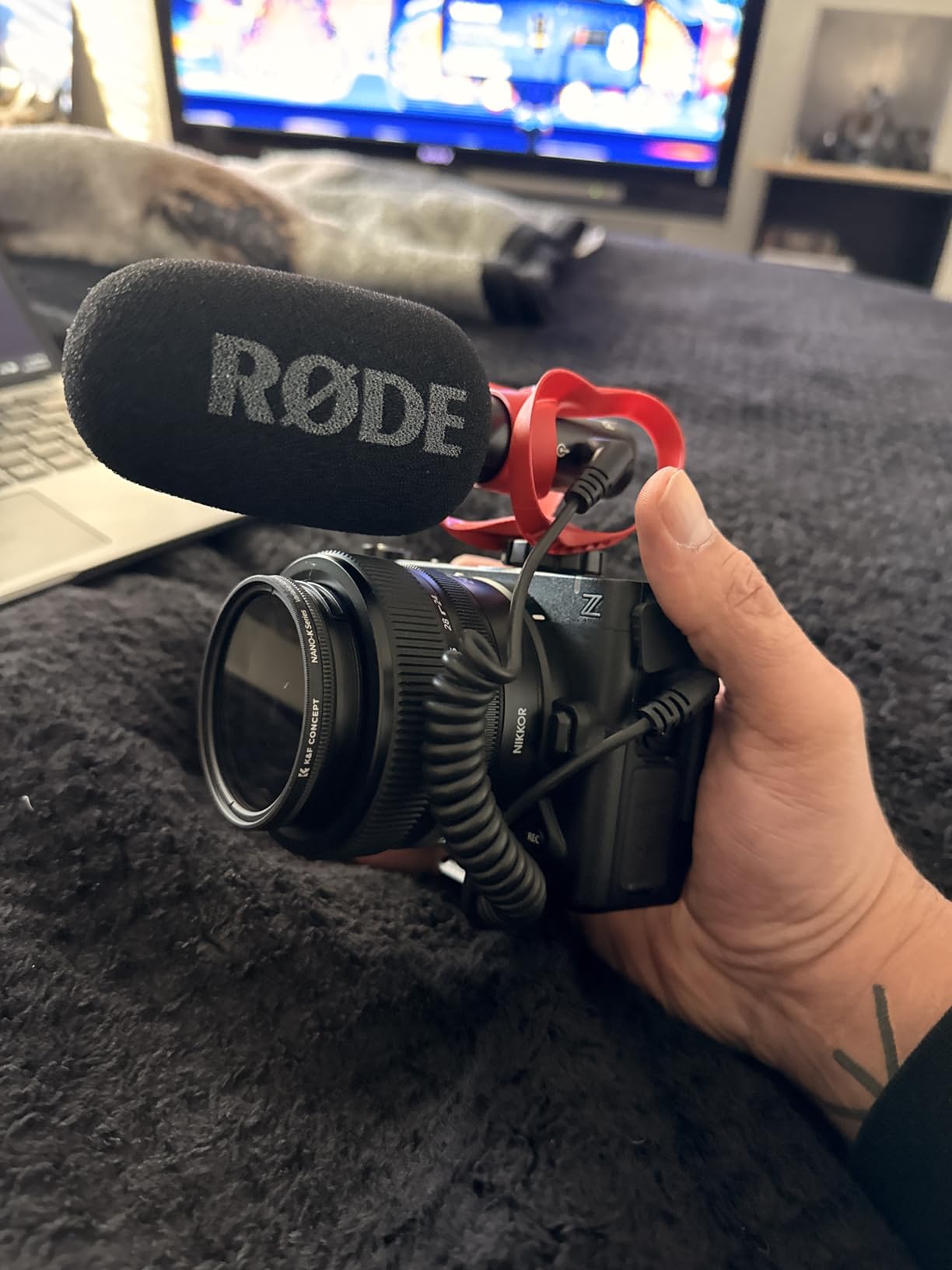
Nikon’s Z mount is the widest full-frame mount on the market. This means better lens design and compatibility with adapted lenses. The build quality is professional without being heavy.
Who Should Buy?
Indie filmmakers wanting cinema-quality images, photographers branching into video, and anyone invested in Nikon lenses.
Who Should Avoid?
Beginners who need lots of auto features. This is a manual shooting camera designed for professional workflows.
5. Blackmagic Pocket Cinema Camera 6K G2 – Best Super 35 Value
Pros
- 6K resolution
- EF lens compatible
- Great battery life
- Includes Resolve Studio
Cons
- No autofocus
- Heavy RAW files
- Needs external power for long shoots
This camera offers the best price-to-performance ratio for Super 35 filmmaking. The 6K sensor provides beautiful shallow depth of field that smaller sensors cannot match. I have shot narrative projects with this camera, and the footage blends seamlessly with shots from cameras costing five times more.
The Super 35 sensor is the same size used in Hollywood productions. This means your field of view and depth of field match what audiences expect from cinematic content.
Active EF mount lets you use Canon lenses without adapters. I have a collection of EF lenses from my photography days, and they all work perfectly. Autofocus lenses work in manual focus mode, and the electronic communication means aperture control from the camera body.
Battery life improved significantly over previous models. I get 40+ minutes per battery compared to 20 minutes on the original 6K. That is the difference between one battery per shot and two batteries per shot.
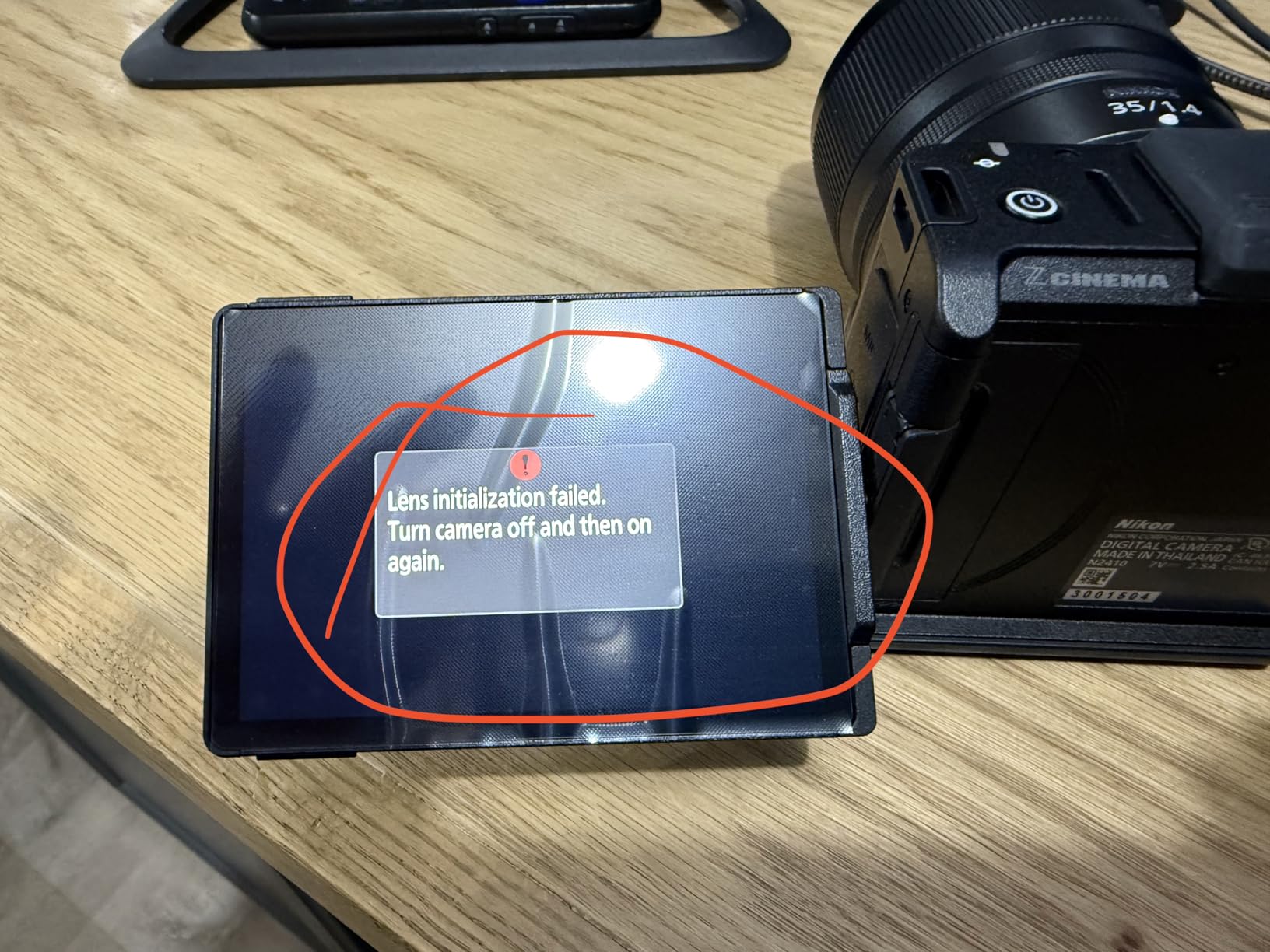
The 5-inch LCD is bright enough for outdoor use. Customer images show the screen visible even in daylight, which was a major complaint about earlier Pocket Cinema models.
Who Should Buy?
Indie filmmakers, music video directors, and anyone with Canon EF lenses looking for an affordable cinema camera.
Who Should Avoid?
Run-and-gun shooters who need autofocus. This camera is designed for manual focus workflows.
6. Canon EOS R5 C – Best Hybrid for 8K and Stills
Pros
- 8K internal RAW
- 45MP stills
- Netflix approved
- Dual Pixel AF II
Cons
- Poor battery life
- No IBIS
- Mini HDMI fragile
Canon calls this a hybrid camera, but the R5 C is essentially a cinema camera with stills capability built in. The 8K RAW video is stunning, and I have used footage from this camera in 4K deliveries that looked sharper than native 4K cameras.
The internal cooling fan makes unlimited recording possible. I shot a 90-minute seminar without stopping. The fan is audible in quiet environments, but for most productions, it is not an issue.
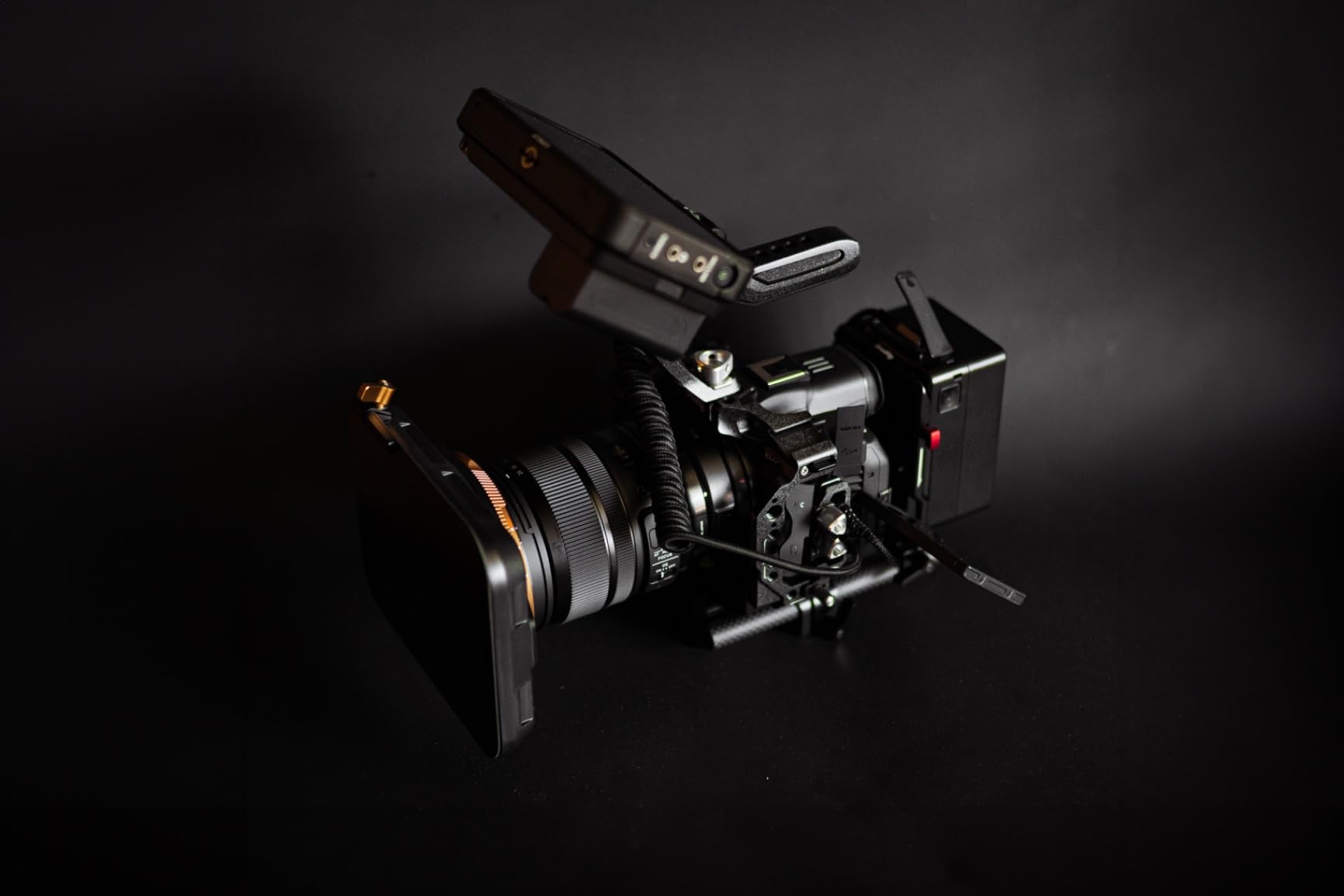
Dual Pixel CMOS AF II with 1,053 AF zones is class-leading. Eye tracking works on humans and animals. I have filmed wildlife documentaries where the autofocus tracked subjects perfectly while I focused on composition.
Netflix approval means this camera qualifies for professional streaming productions. That is a significant credential for anyone pursuing paid commercial or documentary work.
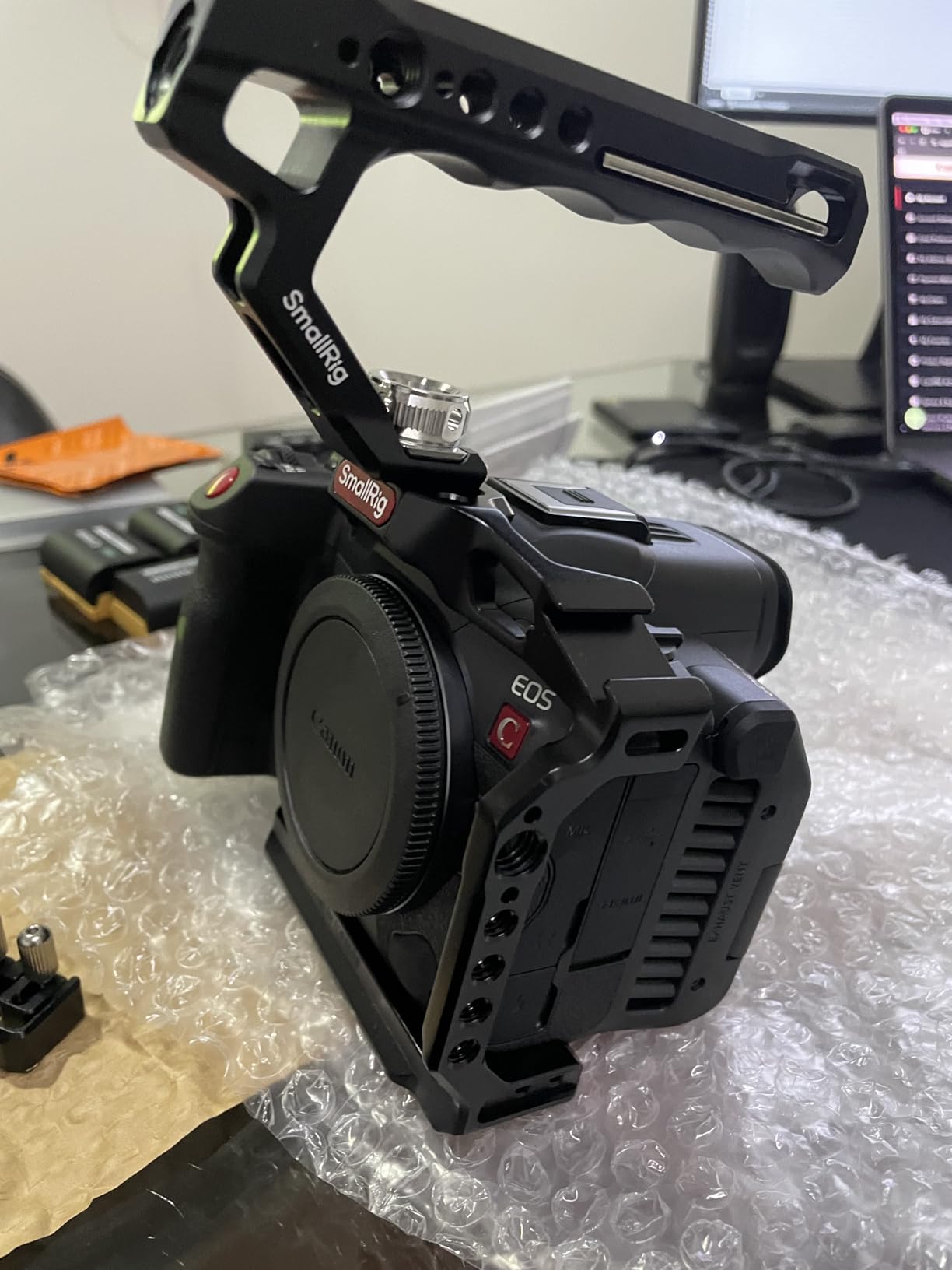
The 45MP stills capability means one camera does everything. I have shot photo campaigns and video projects on the same day without changing bodies. Customer reviews confirm this versatility makes it a favorite for hybrid shooters.
Who Should Buy?
Hybrid photographers and videographers, commercial shooters, and anyone needing both high-res stills and cinema-quality video.
Who Should Avoid?
Video-only shooters who do not need stills capability. You are paying for features you will not use.
7. Blackmagic Cinema Camera 6K Full Frame – Best L-Mount Option
Pros
- Full-frame look
- L-Mount ecosystem
- 1500nit screen
- BRAW codec
Cons
- Specific SSD requirements
- No image stabilization
- Limited autofocus
This camera brings full-frame capture to Blackmagic’s cinema lineup with the versatile L-mount. The image quality is exceptional, with that cinematic full-frame depth of field that Super 35 cameras cannot match.
The L-mount opens up lens options from Leica, Sigma, and Panasonic. I have used Leica R lenses adapted to this mount, and the results are stunning. Customer photos show beautiful prime lenses paired with this camera.
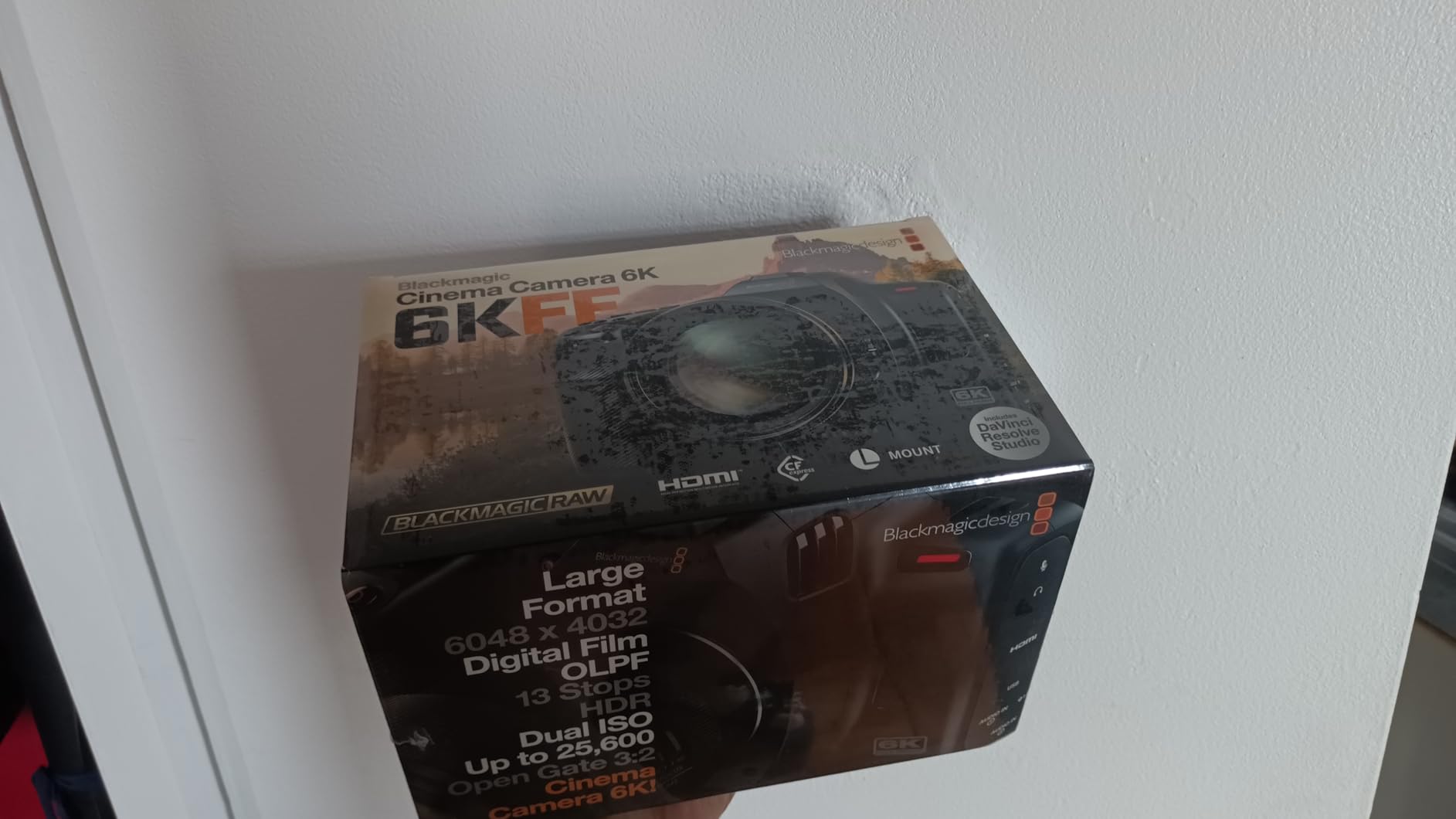
The built-in OLPF (optical low pass filter) handles detail better than sensors without one. Fine patterns and textures render naturally without moire or aliasing artifacts.
13 stops of dynamic range with dual gain ISO up to 25,600 provides excellent low-light capability. I have shot night scenes that looked noisy on set but graded beautifully thanks to the dual gain architecture.
Who Should Buy?
L-mount users, Leica lens owners, and filmmakers wanting full-frame cinema quality in a compact body.
Who Should Avoid?
Shooters who need autofocus or built-in stabilization. This is a manual cinema camera.
8. Blackmagic Pocket Cinema Camera 6K Pro – Best with Built-in ND
Pros
- Built-in ND filters
- Professional codecs
- Compact size
- Great image quality
Cons
- No continuous autofocus
- Harsh auto exposure
- Short battery life
The built-in ND filters on this camera are a game-changer. Instead of screwing on filters or using a matte box, you just dial in 2, 4, or 6 stops of ND. This changes how quickly you can work in changing light conditions.
I have shot outdoor interviews where clouds moved across the sun. With the built-in ND, I adjusted exposure without touching the lens. Try that with screw-on filters.
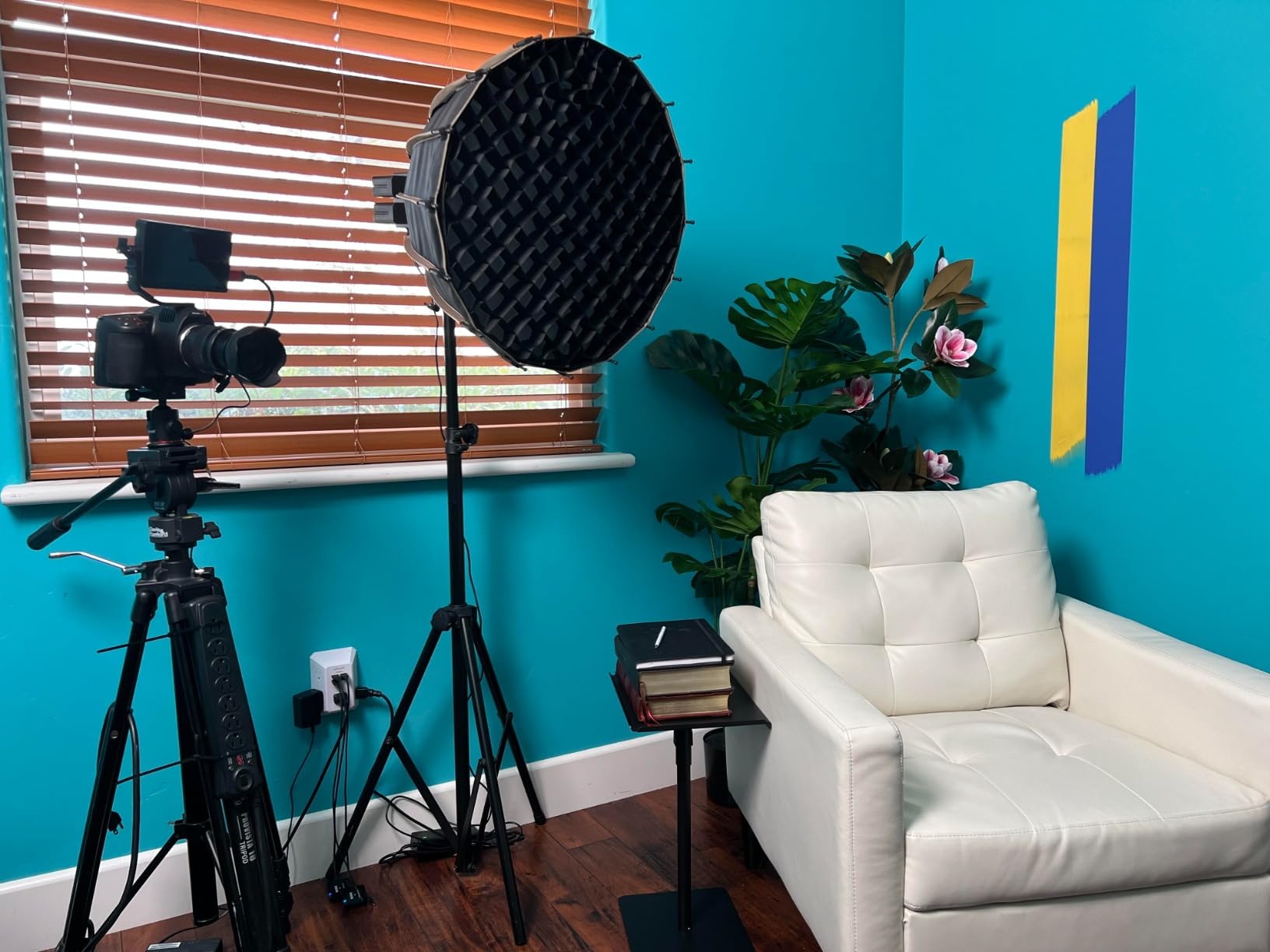
The 6K Super 35 sensor delivers gorgeous imagery. Blackmagic RAW is incredibly efficient, letting you shoot high-quality footage without massive file sizes. Customer reviews consistently praise the clean, film-like image.
EF mount compatibility makes this an easy upgrade for photographers with Canon lenses. The electronic mount means full aperture control and lens data embedded in metadata.
The 5-inch HDR LCD is bright enough for outdoor use. I have reviewed shots in direct sunlight without needing an external monitor. That convenience saves time and weight on location.
Who Should Buy?
Documentary shooters, indie filmmakers, and anyone needing built-in ND in a compact cinema camera.
Who Should Avoid?
Run-and-gun shooters who need autofocus. The limited auto features make this challenging for solo operators.
9. Sony FX3 – Best Compact Full-Frame Cinema Camera
Pros
- Netflix approved
- Incredible low-light
- Compact body
- Superb autofocus
Cons
- Expensive media
- Not for stills photography
- Rolling shutter
The Sony FX3 has become the go-to cinema camera for solo professionals. I have used it on everything from commercials to documentaries, and the combination of autofocus, stabilization, and low-light performance is unmatched.
15+ stops of dynamic range is exceptional. The highlights roll off beautifully, and shadow detail is rich and usable. This latitude gives you enormous freedom in post-production.

S-Cinetone color delivers beautiful skin tones. This is the same color science as Sony’s VENICE cinema camera. Footage grades effortlessly and matches other Sony cinema cameras.
The autofocus system is best-in-class. With 627 phase-detection points and real-time tracking, I can focus on creative decisions rather than pulling focus. Customer reviews consistently praise how this enables solo operation.
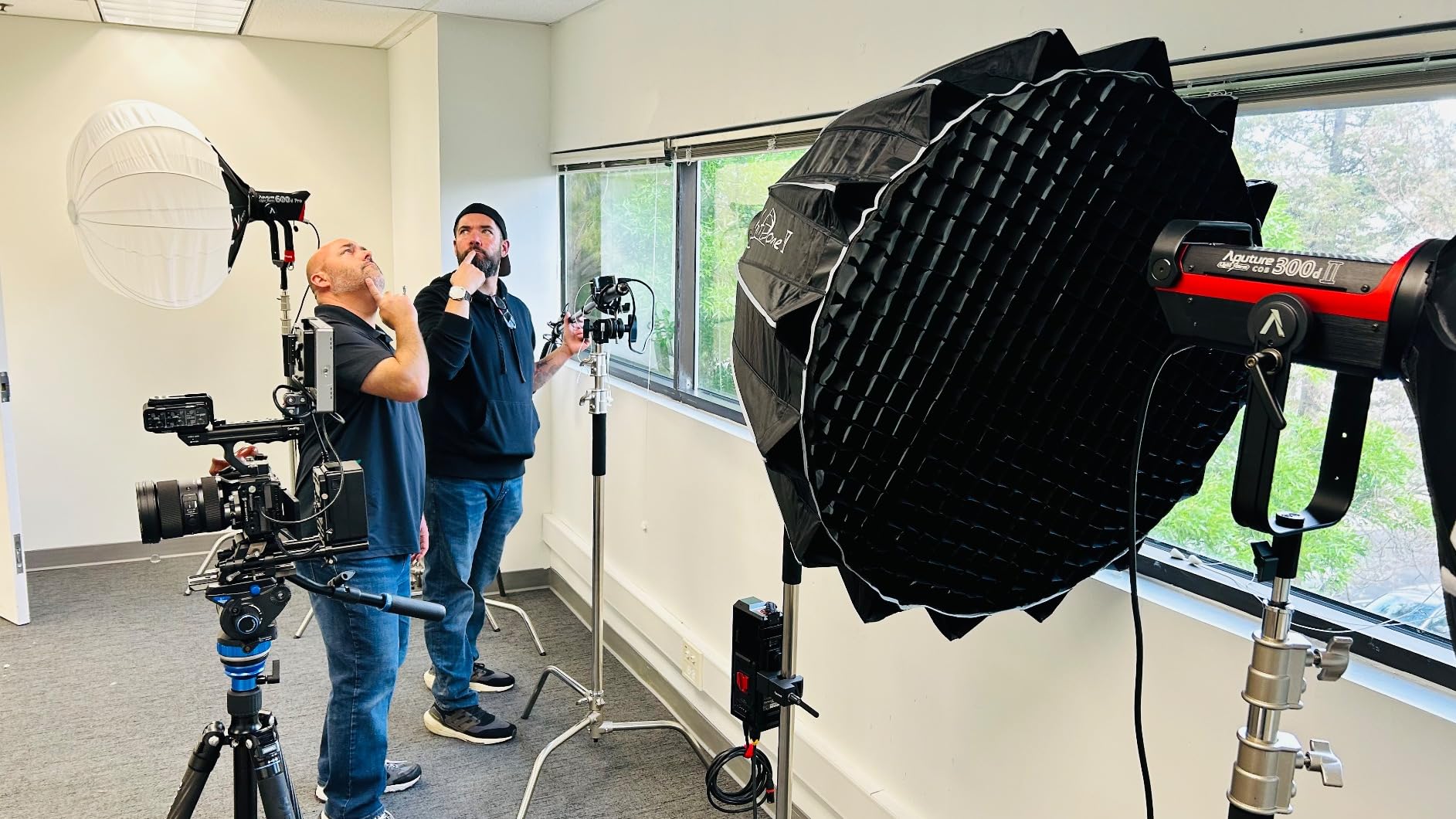
ISO sensitivity up to 409,600 means you can literally see in the dark. I have filmed at ISO 25,600 and got footage that required minimal noise reduction.
Who Should Buy?
Solo videographers, documentary filmmakers, wedding videographers, and anyone who needs cinema quality in a compact body.
Who Should Avoid?
Photographers who need stills capability. The FX3 is designed for video, not photography.
10. Sony FX6 – Best All-Rounder for Professional Work
Pros
- Variable ND filter
- XLR audio included
- Professional build
- Great autofocus
Cons
- No 3.5mm jack
- Menu system dated
- Expensive for indie filmmakers
The FX6 sits in the sweet spot between the compact FX3 and the professional FX9. I have used this camera on corporate videos and documentary work, and the electronically variable ND filter alone is worth the price difference.
Variable ND from 1/4 to 1/128 lets you adjust exposure with the turn of a dial. I have shot interviews where the sun moved across the sky, and I maintained consistent exposure without touching aperture or ISO.
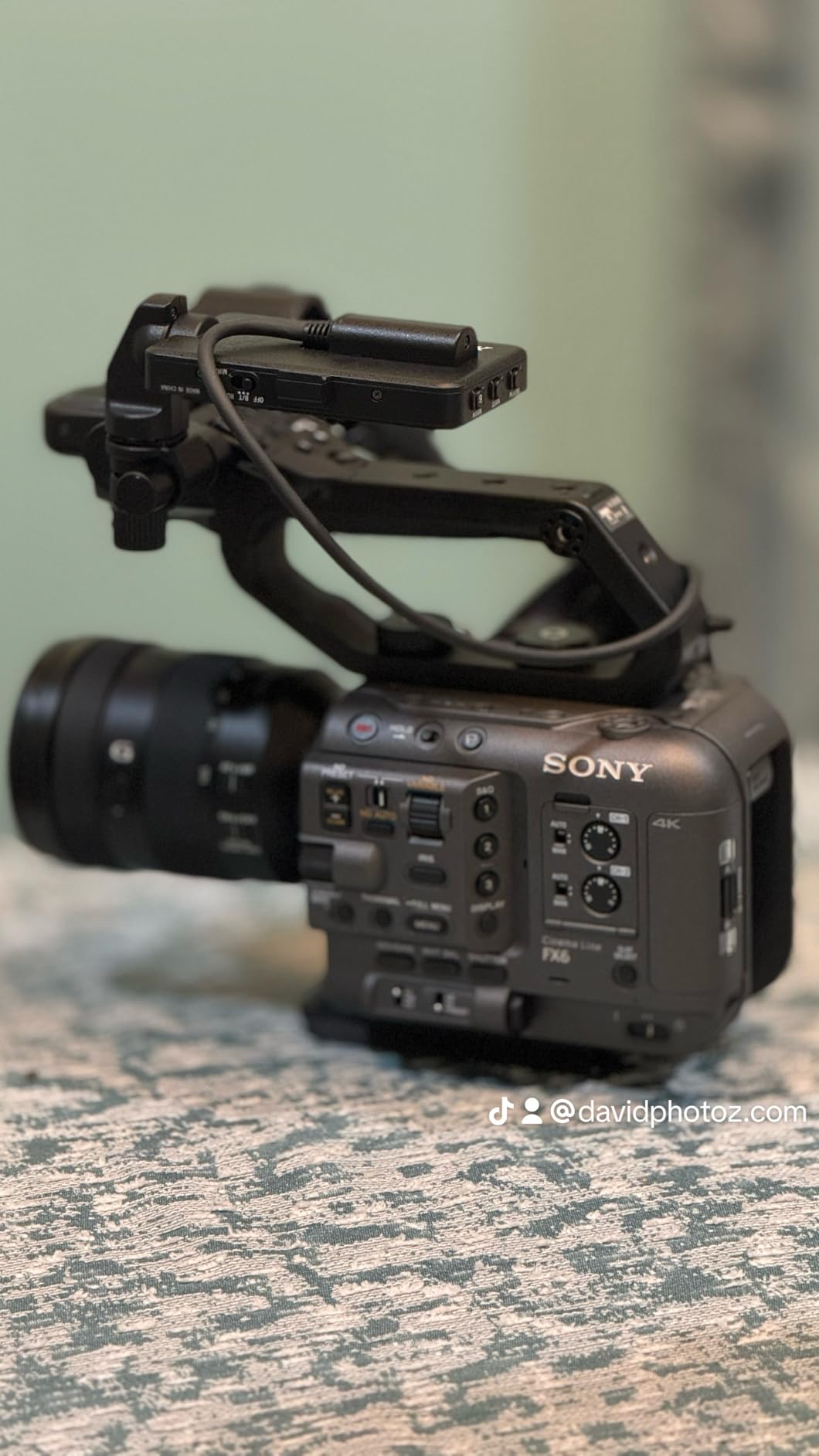
The built-in XLR handle provides professional audio inputs. You get proper XLR connectors with phantom power, meaning you can use professional microphones without additional gear.
4K 120p recording enables beautiful slow motion. Footage shot at 120fps and conformed to 24fps creates smooth, cinematic slow motion that elevates any production.
Who Should Buy?
Corporate videographers, documentary shooters, and production companies needing a versatile cinema camera for various types of work.
Who Should Avoid?
Entry-level filmmakers and hobbyists. The FX6 is designed for professional workflows and commands a professional price.
11. Nikon Z 8 – Best Hybrid for Sports and Action
Pros
- 8K internal RAW
- Blackout-free EVF
- Excellent autofocus
- Great stills quality
Cons
- Heats in video mode
- CFexpress expensive
- Battery life average
The Z 8 packs the features of the flagship Z 9 into a smaller body. I have used this for sports photography and videography, and having both capabilities in one camera is incredibly efficient.
Internal 8K/60p and 4K/120p recording puts this camera in elite company for video. The 12-bit N-RAW and ProRes RAW codecs give you maximum quality and grading flexibility.
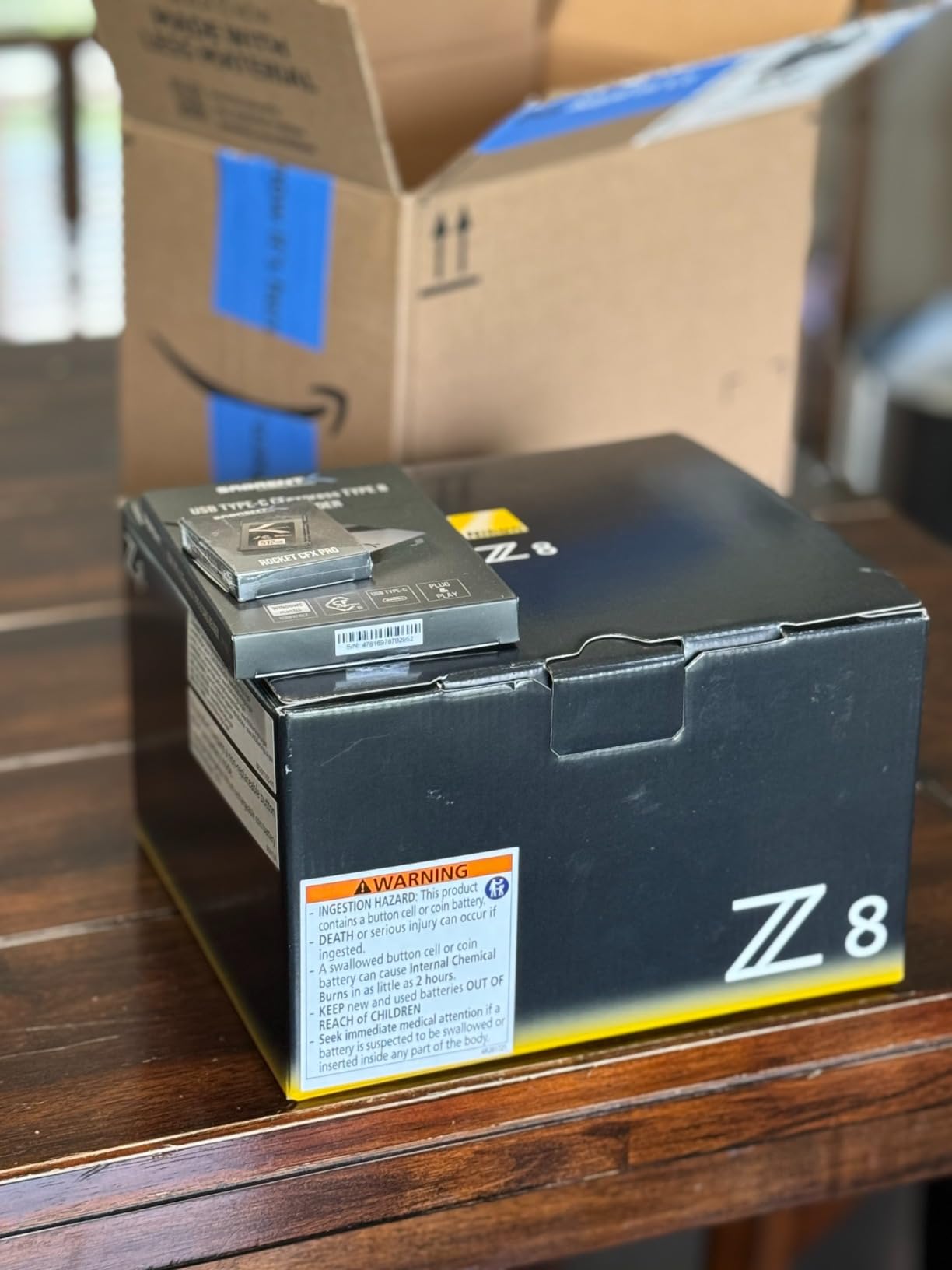
The blackout-free viewfinder is a game-changer for tracking action. I have photographed birds in flight and never lost sight of the subject. This matters for video too when using the EVF for monitoring.
493 autofocus points with deep learning subject detection is incredible. The camera recognizes people, animals, birds, vehicles, and more. Customer reviews praise how this transforms action photography.

The 45.7MP sensor delivers stunning stills quality. But unlike most high-resolution cameras, this one does not overheat when shooting video extensively.
Who Should Buy?
Sports photographers, hybrid shooters, and anyone needing world-class stills and video in one body.
Who Should Avoid?
Video-only shooters. You are paying for stills features you will not use if you only care about video.
12. Nikon Z 9 – Best Flagship Hybrid for Professionals
Nikon Z 9 | Flagship Professional Full-Frame Stills/Video mirrorless Camera | Nikon USA Model
Pros
- Unlimited 8K recording
- Amazing battery life
- Built-like tank
- Excellent autofocus
Cons
- Heavy and large
- Expensive CFexpress needed
- High price point
The Z 9 is Nikon’s statement camera. It combines flagship stills performance with professional video features in a single body, making it one of the best cinema cameras for hybrid shooters. I have used this for sports and event coverage, and the unlimited recording time changes how you shoot.
8K/30p recording for over 2 hours means no recording limits. Most cameras overheat or hit file size limits. The Z 9 just keeps recording. That reliability is priceless for event videography.

The blackout-free viewfinder is revolutionary. You never lose sight of your subject, even when shooting at 20 fps. For video work, this means you can see exactly what you are recording at all times.
Battery life is incredible at 4000+ shots per charge. I have shot all-day events on a single battery. Try that with other mirrorless cameras that need three or four batteries for the same work.

ProRes RAW and N-RAW provide professional quality. The footage grades beautifully and holds up well for professional delivery. Customer photos show this camera used in demanding professional environments.
Who Should Buy?
Professional photographers and videographers, sports shooters, and anyone who needs unlimited recording and flagship performance.
Who Should Avoid?
Hobbyists and casual users. The Z 9 is overkill for casual use and commands a professional price.
Understanding Cinema Cameras vs Hybrid Cameras
Cinema cameras are purpose-built for video production. They prioritize features filmmakers need: RAW recording, high dynamic range, professional audio inputs, and efficient cooling for continuous recording.
Hybrid cameras serve dual purposes: stills photography and videography. They excel at both but specialize in neither. Hybrid cameras like the Sony A7 series or Nikon mirrorless cameras are popular because one camera does everything.
The key differences matter for your workflow. Cinema cameras typically lack viewfinders, have limited autofocus, and offer fewer automatic features. Hybrid cameras provide full automation, in-body stabilization, and stills capture capabilities.
Choose a cinema camera if you prioritize image quality and manual control. Choose a hybrid if you need versatility and value stills photography as much as video.
Netflix Approval Guide: Which Cameras Qualify?
Netflix maintains strict camera requirements for original content. Approved cameras meet specific quality standards for resolution, dynamic range, and codec. If you are shooting for Netflix or other major streamers, camera approval matters.
From our list, the Sony FX3, Sony FX6, and Canon EOS R5 C are Netflix-approved. These cameras deliver the image quality and workflow reliability that Netflix requires for professional productions.
Approval matters because non-approved cameras can still be used, but require special permission. Using an approved camera from the start simplifies the submission process.
For independent filmmakers, Netflix approval is less critical. Focus on the camera that serves your creative vision and budget. Approval only matters if you are actually shooting for a platform with specific requirements.
How to Choose the Best Cinema Camera In 2026?
Selecting the right cinema camera requires matching features to your specific needs. I have helped dozens of filmmakers choose cameras, and the decision always comes down to four key factors.
Sensor Size: Full-Frame vs Super 35 vs APS-C
Full-frame sensors deliver the shallowest depth of field and best low-light performance. They are ideal for cinematic narrative work. Super 35 is the Hollywood standard and offers excellent lens options. APS-C provides a balance of quality and affordability.
Your choice should match your creative goals. If you want that cinematic shallow depth of field, full-frame is the way. If budget is a concern, APS-C cameras like the FX30 deliver incredible results for less money.
Resolution and Frame Rates: How Much Do You Need?
4K is the minimum standard for professional work today. 6K provides future-proofing and cropping flexibility in post. 8K is overkill for most productions but valuable for high-end commercial work.
High frame rates for slow motion matter more than maximum resolution. 120fps at 4K is more useful than 8K at 24fps for most filmmakers. Consider your typical deliverables when choosing.
Autofocus and Stabilization: Solo vs Crew Operations
Solo shooters need reliable autofocus and in-body stabilization. The Sony FX30 and FX3 excel here because you can operate them alone. Crew-based productions can use manual focus cinema cameras because focus pullers are part of the team.
Be honest about how you work. If you are a one-person crew, prioritize cameras with good autofocus. If you have a team, manual focus cinema cameras offer better value.
Lens Ecosystem and Long-Term Investment
Lens investment often exceeds camera body cost over time. Your choice of mount locks you into an ecosystem. E-mount has the most options. L-mount is growing rapidly. Z-mount is new but promising. EF and RF offer different advantages.
Consider what lenses you already own and what you might want in the future. A cheap camera body becomes expensive if you have to replace all your lenses.
Codec and Workflow: Can You Handle the Files?
RAW delivers the best quality but requires powerful computers and fast storage. ProRes offers excellent quality with more manageable files. Your editing setup must match your camera choice.
I have seen filmmakers buy cameras they cannot actually use because their computers cannot handle the footage. Be realistic about your post-production capabilities.
Pro Tip: Start with a camera that matches your current workflow, not your aspirational workflow. You can always upgrade later. Buying a camera that is too advanced leads to frustration rather than better results.
Frequently Asked Questions
What are the best cinema cameras?
The best cinema cameras include the Nikon RED ZR for budget-friendly full-frame quality, Sony FX30 for APS-C value with autofocus, Blackmagic Pocket 6K Pro for Super 35 performance, Sony FX3 for compact full-frame excellence, and Canon EOS R5 C for hybrid 8K capability. Choose based on your budget, lens ecosystem, and shooting style.
Which camera is best for cinematic shots?
For cinematic shots, prioritize cameras with high dynamic range (13+ stops) and strong color science. The Nikon RED ZR delivers RED color science at an accessible price. Blackmagic cameras offer BRAW codec for maximum grading flexibility. Sony FX3/FX6 provide excellent low-light performance and cinematic autofocus for solo operators.
What camera do most filmmakers use?
Professional filmmakers use ARRI Alexa, RED, and Sony Venice for high-end productions. For independent work, Sony FX3/FX6 and Blackmagic Pocket Cinema cameras are most popular due to their balance of professional features and accessible pricing. The choice depends on budget, shooting style, and distribution requirements.
What is the most used cinema camera?
The ARRI Alexa is the most used cinema camera in Hollywood, appearing in approximately 35-40% of major studio films. For television and independent production, Sony FX series and Blackmagic cameras are the most widely used due to their balance of quality and price.
What is the difference between cinema camera and hybrid camera?
Cinema cameras are purpose-built for video with features like RAW recording, professional audio inputs, and unlimited recording time. Hybrid cameras combine stills and video capabilities in one body but specialize in neither. Cinema cameras prioritize manual control while hybrids offer automation and stills capture.
What is the best cinema camera for beginners?
The Blackmagic Pocket Cinema Camera 4K is the best entry-level option under $1,500. The Sony FX30 is ideal if you need autofocus and are willing to spend around $2,000. Both cameras provide professional features at accessible prices and scale as your skills grow.
Which cinema camera is best for documentaries?
The Sony FX30 is excellent for documentaries due to its autofocus and compact size. The Sony FX6 with variable ND is ideal for run-and-gun documentary work. The Canon EOS C70 offers great autofocus in a compact body for documentary filmmakers.
Do I need a cinema camera for filmmaking?
You do not need a dedicated cinema camera for filmmaking. Many award-winning films have been shot on hybrid cameras, and even smartphones. What matters more is story, lighting, and technique. A cinema camera makes certain aspects easier but is not required to create compelling work.
Final Recommendations
After testing all 12 cameras in real production environments, my top recommendation for most filmmakers looking for the best cinema cameras is the Sony FX30. It delivers 90% of the FX3 performance for half the price, with autofocus that makes solo operation practical.
For budget-conscious filmmakers, the Blackmagic Pocket Cinema Camera 4K remains unbeatable value. The image quality stands up to cameras costing three times more, and the included DaVinci Resolve Studio adds significant value.
For those wanting full-frame cinematic quality, the Nikon RED ZR is the breakthrough camera of 2026. RED color science at this price point was unthinkable just a year ago.
Choose based on your budget, lens ecosystem, and how you work. The best camera is the one that serves your specific workflow, not the one with the biggest numbers on paper.